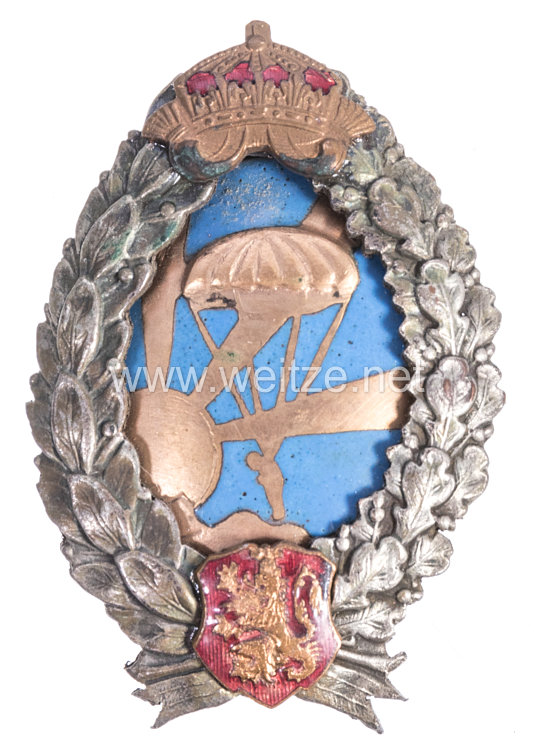
Bulgaria World War II Paratrooper Badge

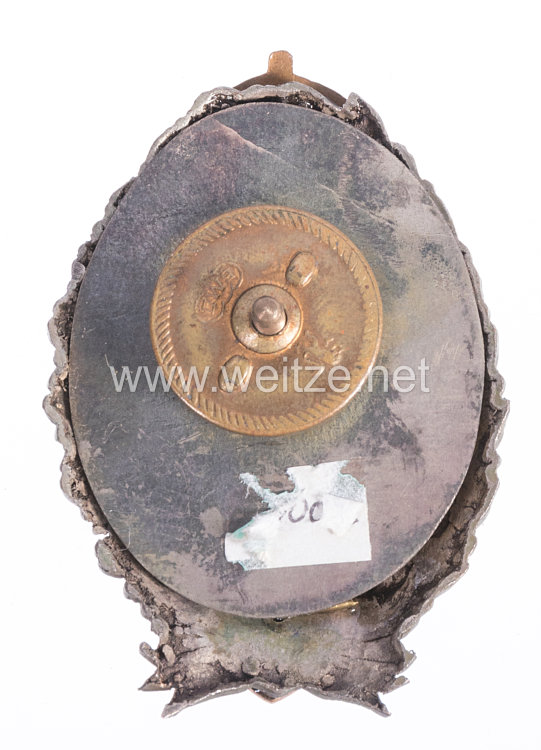
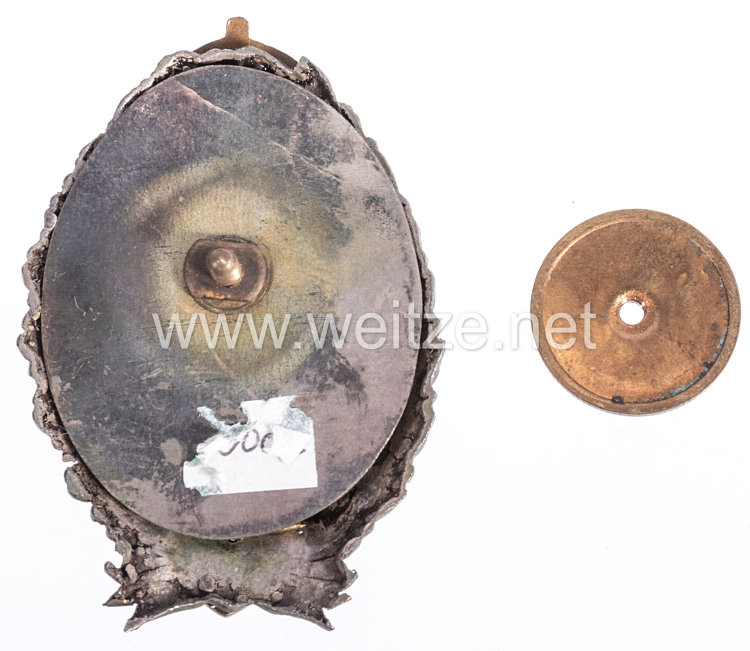
Silver-plated non-ferrous metal, center with colored enamel, on screw disc, condition 2.
354799
650,00

Bulgaria World War II Paratrooper Badge

The Bulgarian paratrooper badge from World War II represents a remarkable testament to Bulgaria's military history during the 1939-1945 conflict. This badge was awarded to members of the Bulgarian airborne troops who completed specialized parachutist training.

Historical Context
Bulgaria joined the Tripartite Pact in March 1941, becoming an official ally of the Axis powers. Under the government of Tsar Boris III, the Kingdom of Bulgaria participated in the war, though with a restrained policy toward the Soviet Union. The Bulgarian armed forces underwent significant modernization during this period, including the establishment of new service branches and special units.

The development of airborne troops and paratroopers was a military priority for many European armies during the 1930s and 1940s. Following the spectacular deployment of German paratroopers in the capture of the Belgian fortress Eben-Emael in May 1940 and during the Battle of Crete in 1941, smaller nations also recognized the strategic importance of such units.

The Bulgarian Airborne Forces
The Bulgarian Air Force (Военновъздушни сили) began establishing paratrooper units in the early 1940s. These troops were organized and trained according to German and Italian models. The training was extremely demanding and included not only parachute jumping itself, but also intensive infantry training, close combat, and special operations.

The establishment of parachute schools and the procurement of appropriate equipment represented a considerable investment for the Bulgarian army. Although Bulgaria did not conduct airborne operations on the scale of Germany or Italy, these units were designated for special missions and were considered elite troops within the Bulgarian armed forces.

Description and Design of the Badge
The present specimen consists of silver-plated base metal and features colored enameling in the center. This manufacturing technique was typical for military decorations of the period and allowed for durable and prestigious presentation. The attachment is accomplished by means of a screw disc, which was characteristic of quality badges of this era and ensured secure attachment to the uniform.

Bulgarian military badges of this period frequently displayed national symbols such as the lion from the Bulgarian coat of arms or military motifs representing the specific service branch. For paratrooper badges, stylized parachutes, wings, or eagles were commonly used as design elements.

Award Criteria and Significance
The award of a paratrooper badge was subject to strict criteria. Candidates had to complete full parachutist training, which included several successful jumps. Wearing this badge was not only a decoration but also a sign of membership in an elite unit and symbolized courage, physical fitness, and special military abilities.

Such badges were worn during the war directly on the uniform, usually on the chest, and served for immediate identification of specialists. They strengthened esprit de corps and morale among wearers and were part of the system of military honors.

Bulgaria's Role in World War II
Bulgaria's military participation in World War II was complex. While the country benefited territorially from its alliance with Germany and regained areas in Macedonia and Thrace, it avoided direct combat operations against the Soviet Union. Bulgarian troops were mainly deployed in occupation functions in Yugoslavia and Greece, where they also fought partisan movements.

In September 1944, Bulgaria made a dramatic turn: after the Soviet declaration of war, the country switched sides and fought against Germany in the final months of the war. This historical caesura had far-reaching consequences for all military institutions and traditions.

Collector Value and Historical Significance
Today, Bulgarian militaria from World War II are sought after by collectors, as they are rarer than comparable German or Soviet objects. Paratrooper badges are among the particularly interesting pieces, as they represent a specialized service branch and were produced in relatively small numbers.

The condition of the described specimen is indicated as “Condition 2,” which suggests a well-preserved piece with minor signs of wear. Such badges are important historical artifacts that provide insight into the military history of a country whose role in World War II is often less well-known than that of the major belligerents.

r