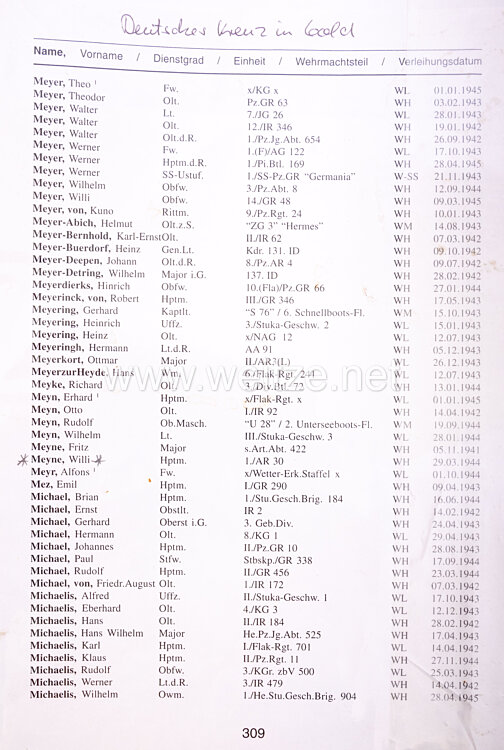
Wehrmacht großer Ordens- Uniform und Urkundennachlass aus dem Besitz des Trägers des Deutschen Kreuz in Gold Hauptmann Willi Meyne, Chef 1./ Artillerie-Regiment Nr. 30, 10. Infanterie-Division
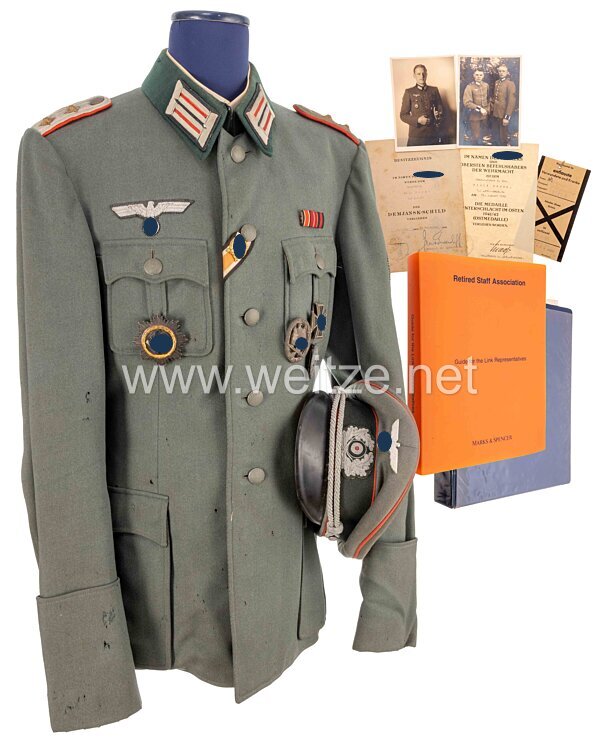
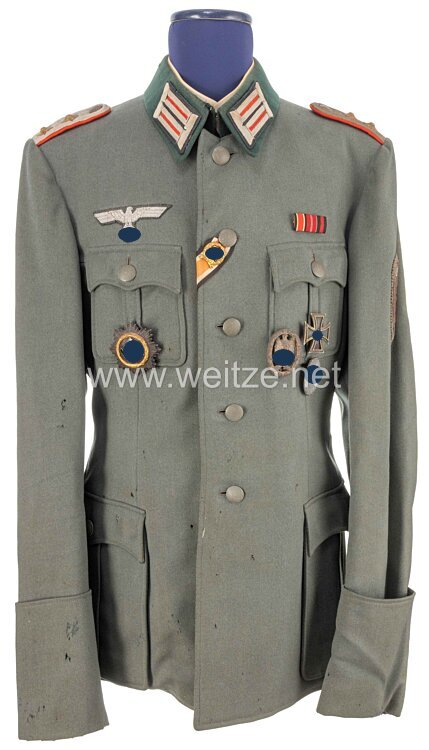
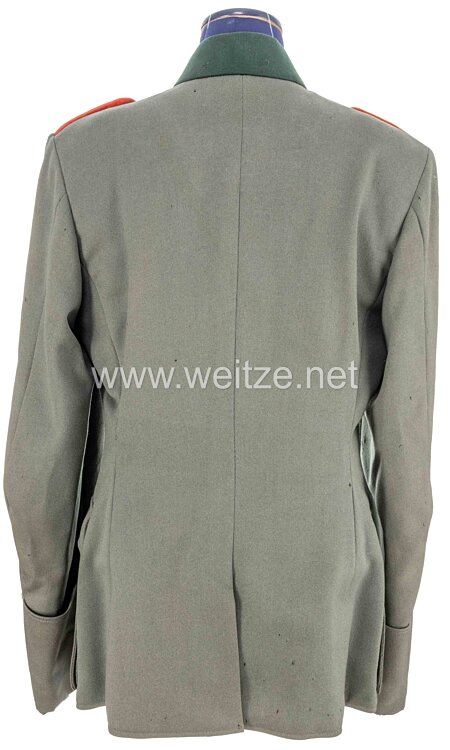
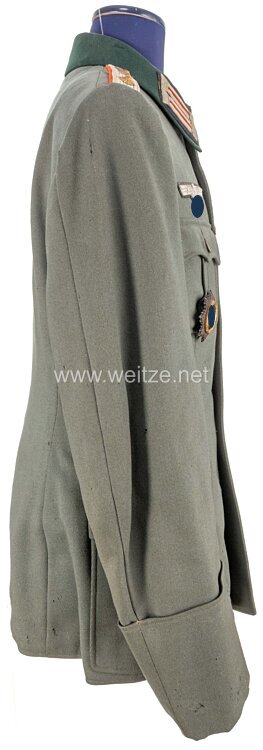
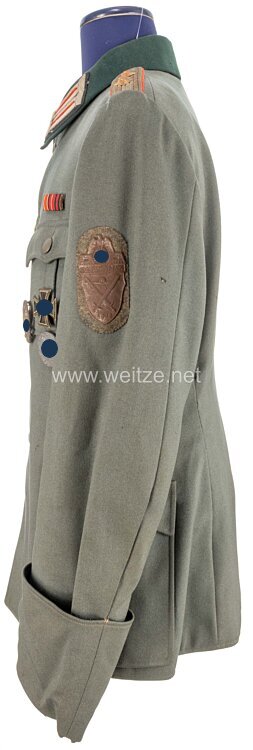
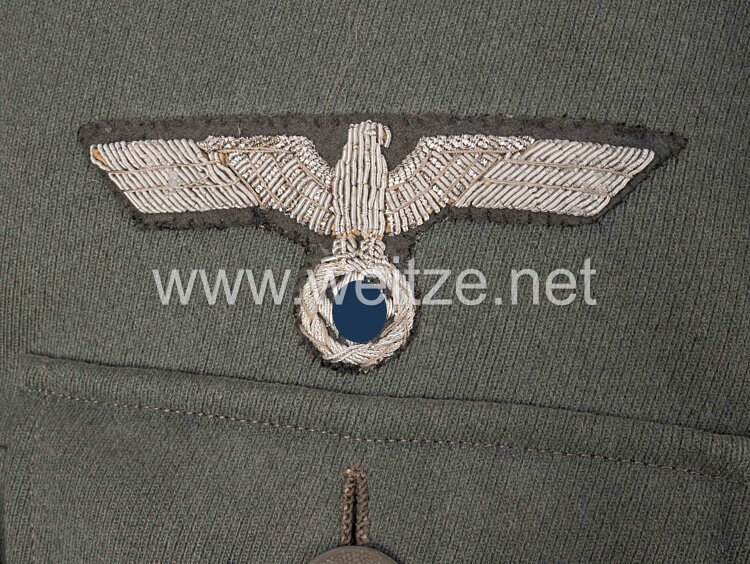
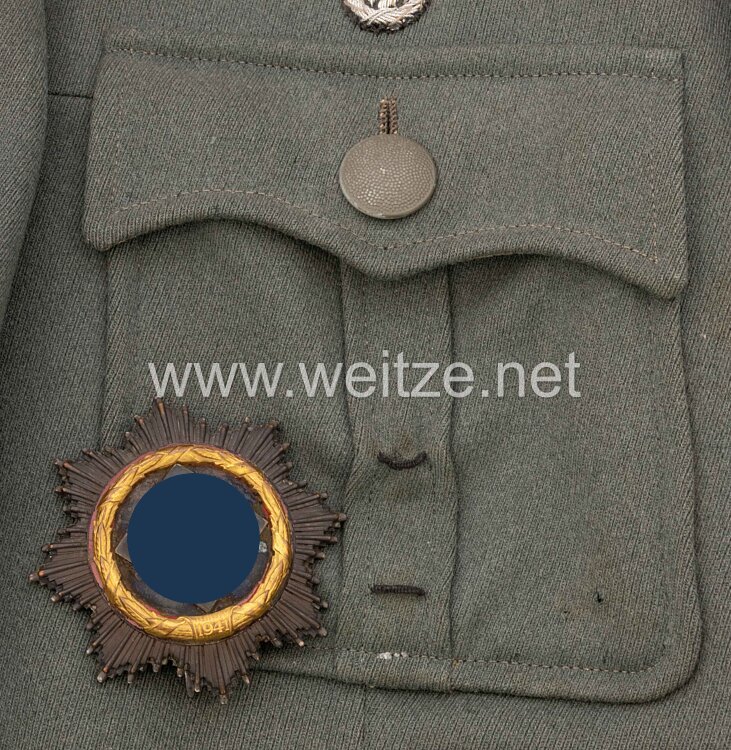
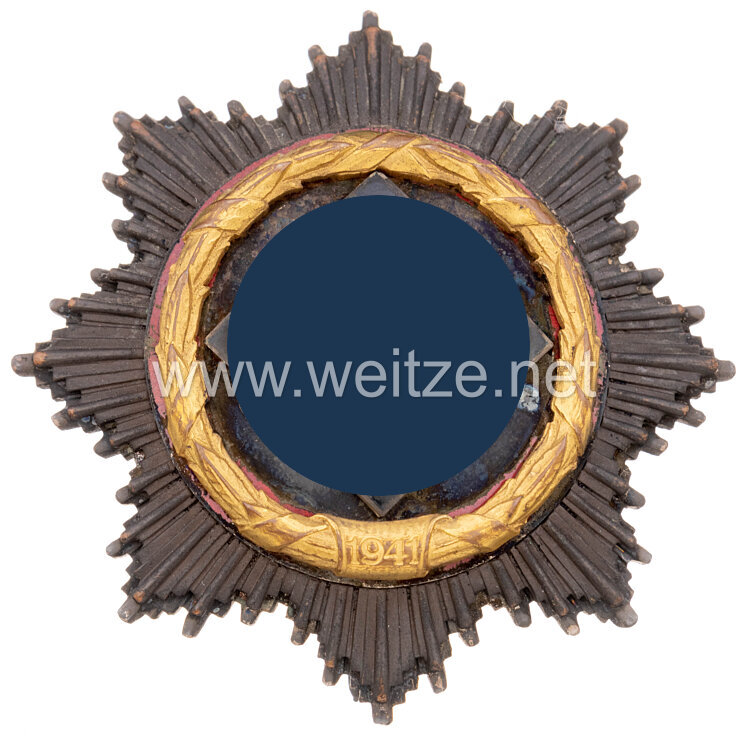
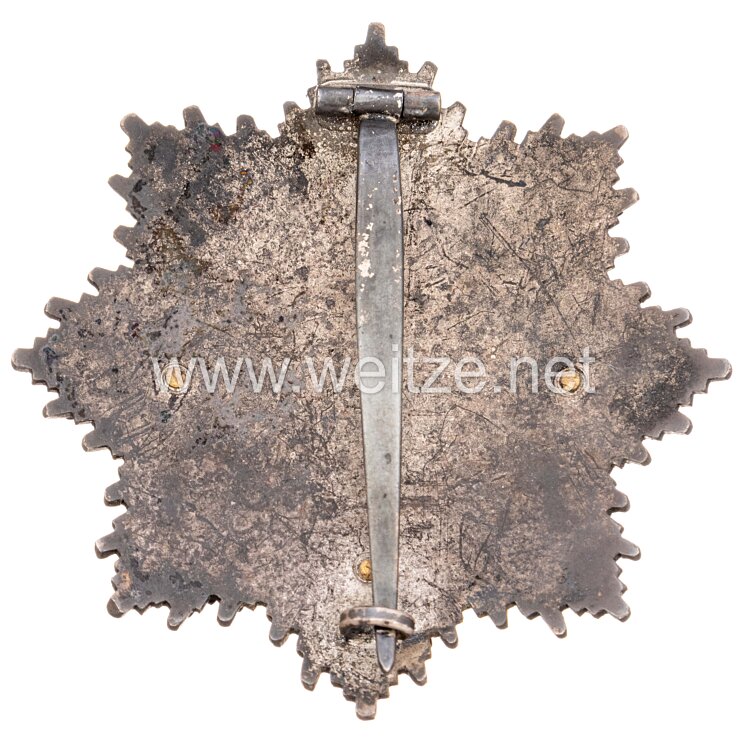
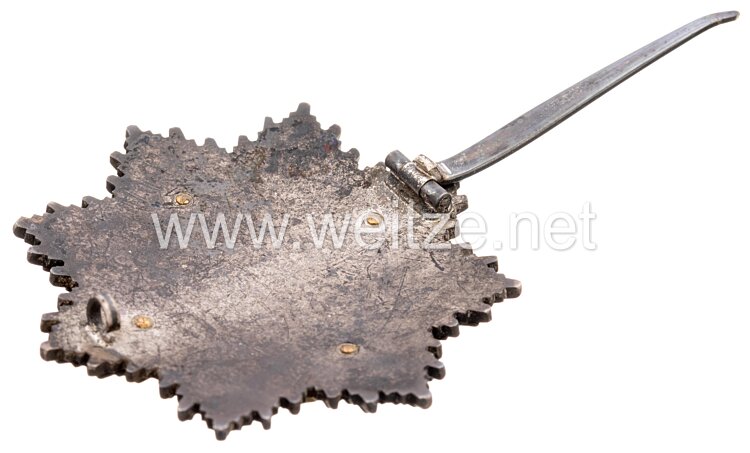
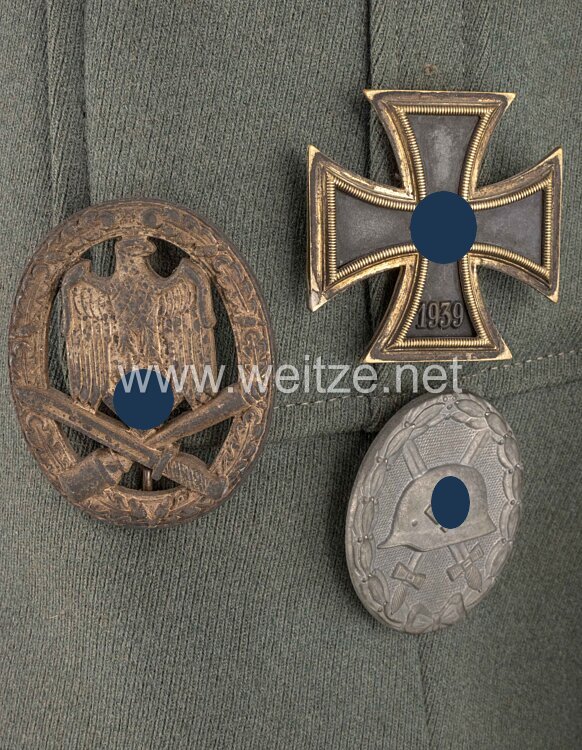
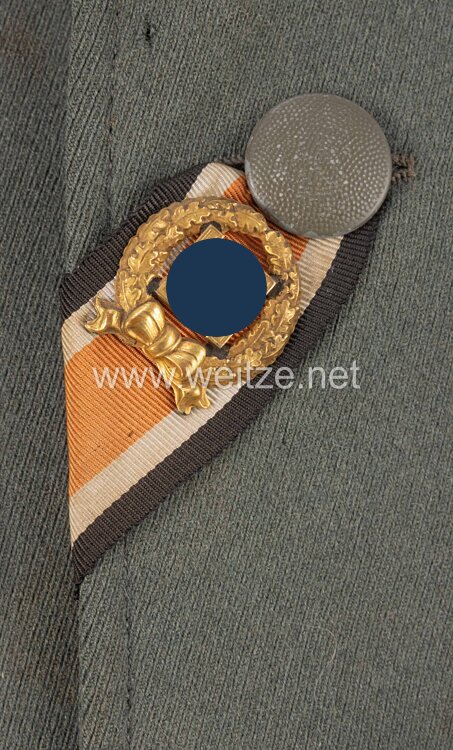
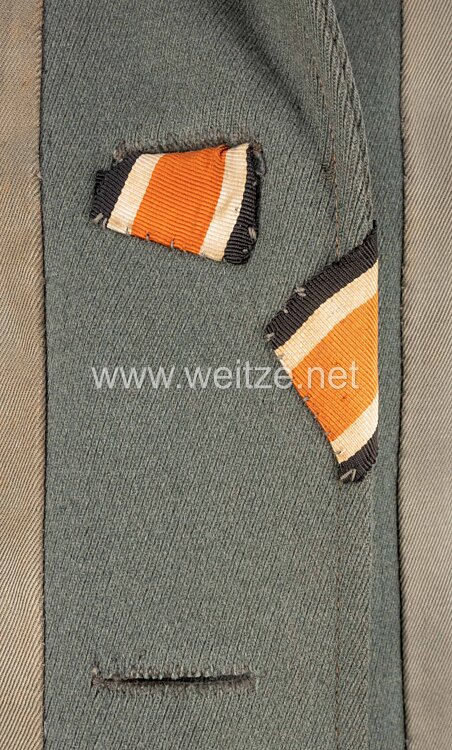
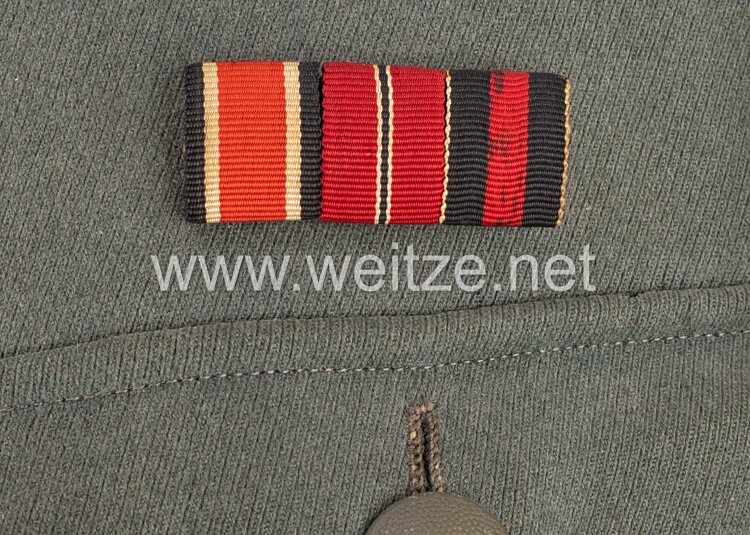
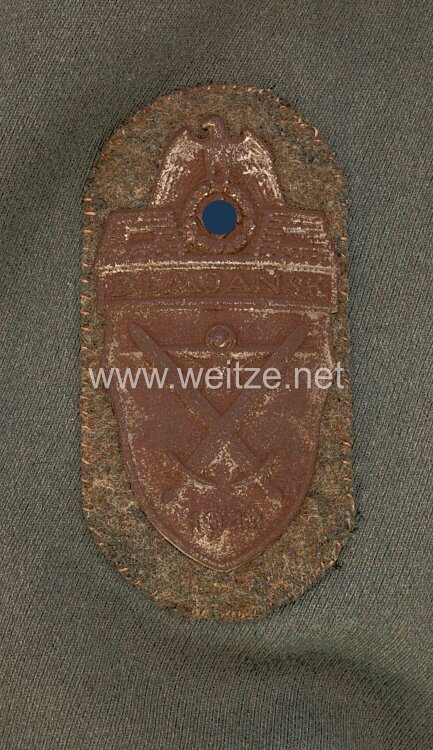
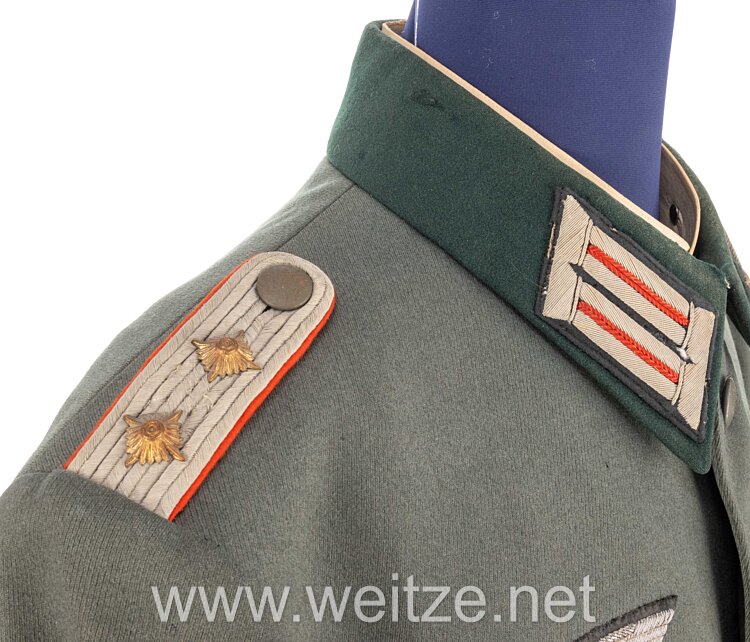
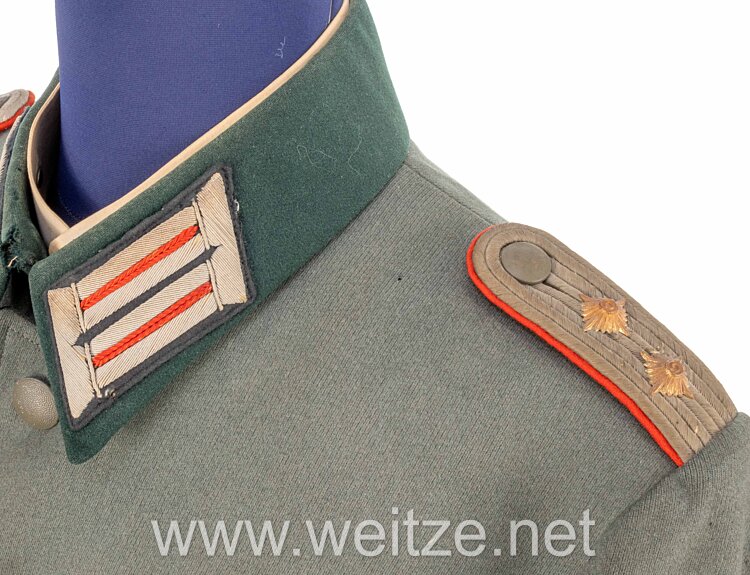
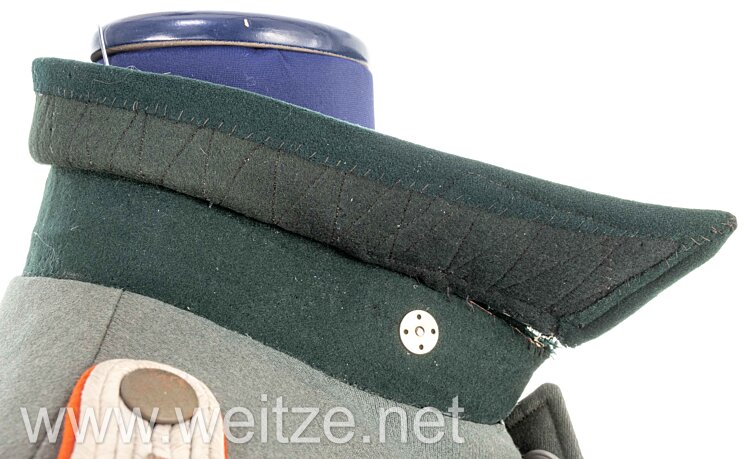
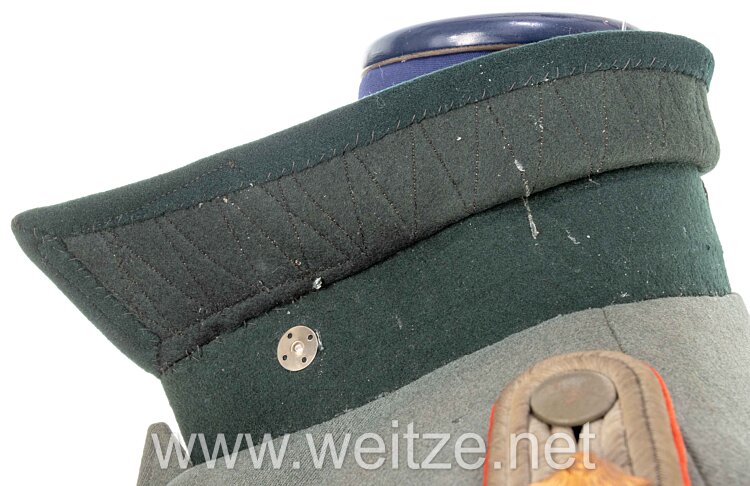
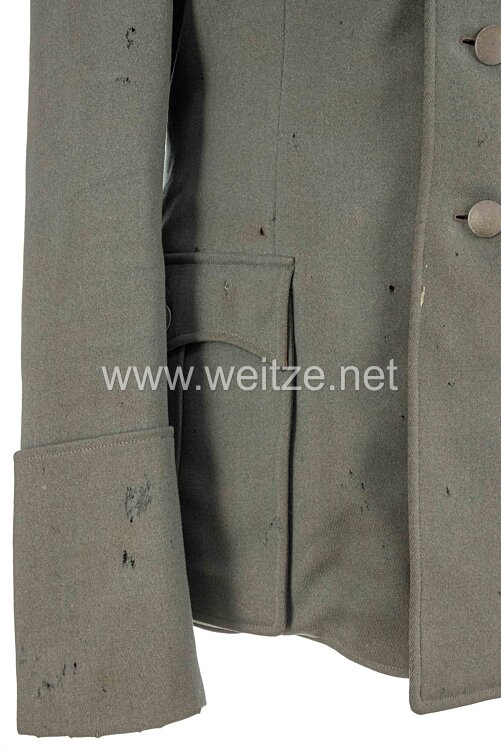
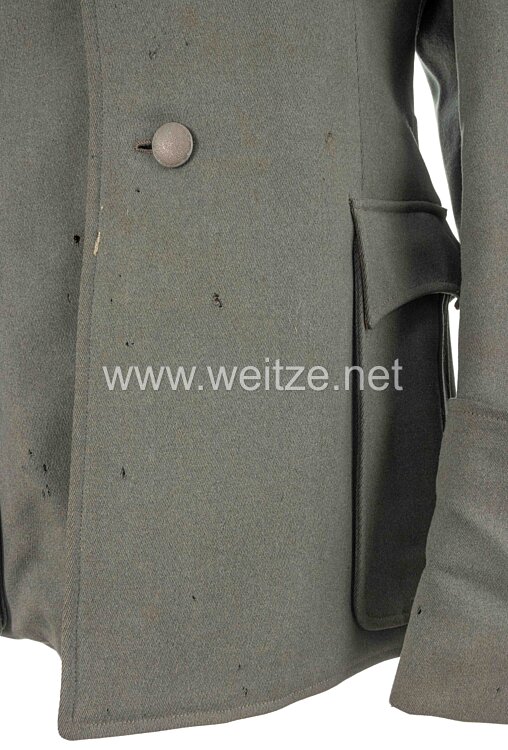
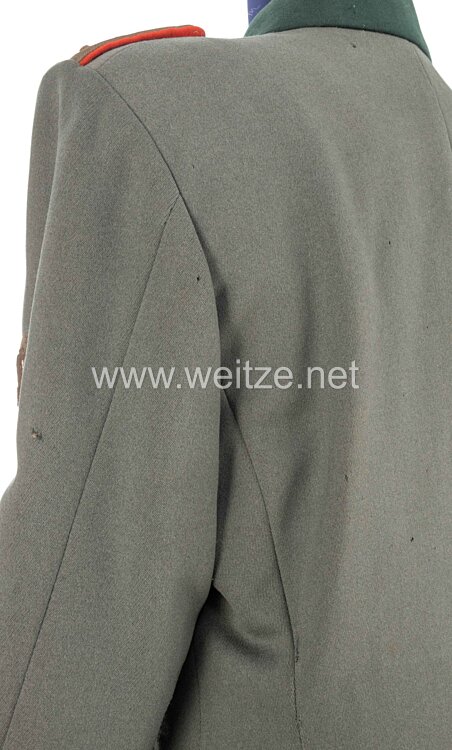
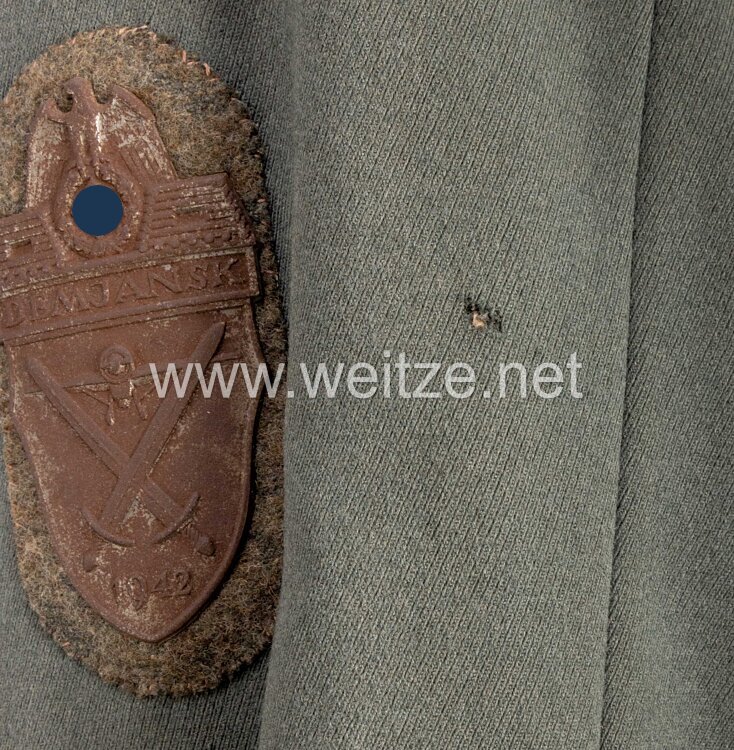
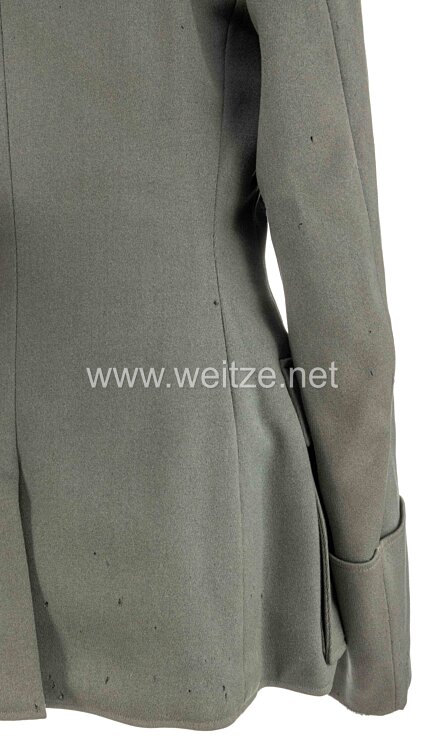
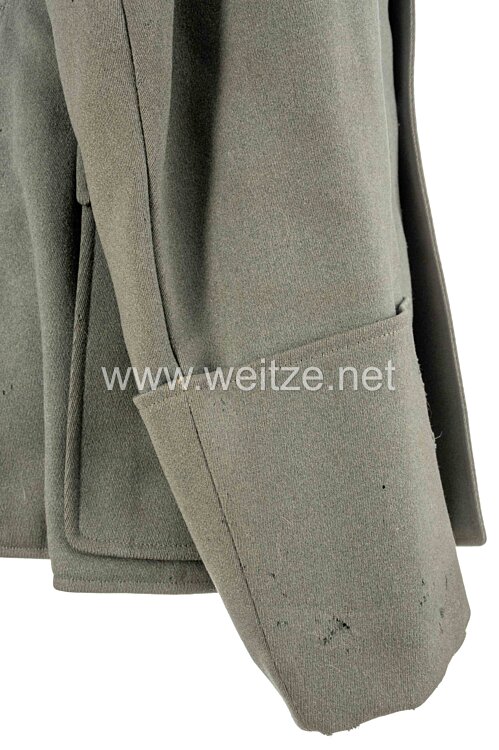
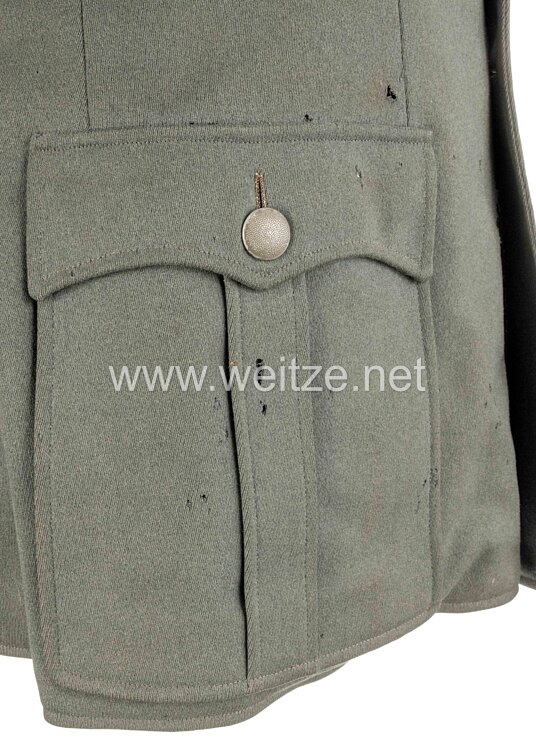
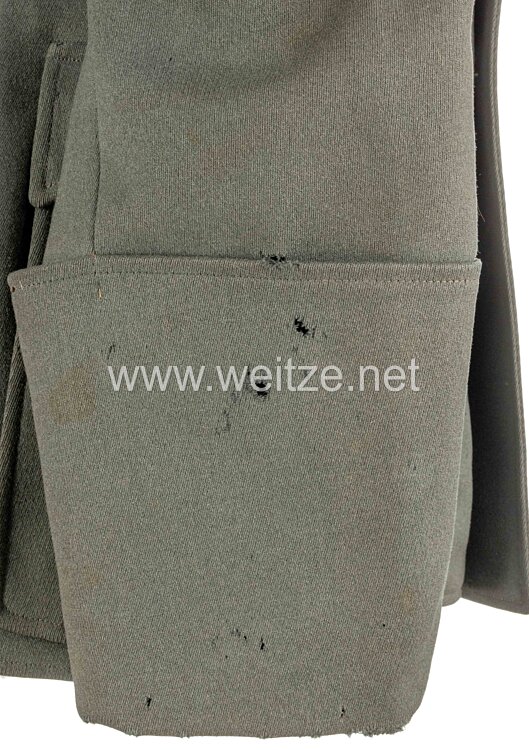
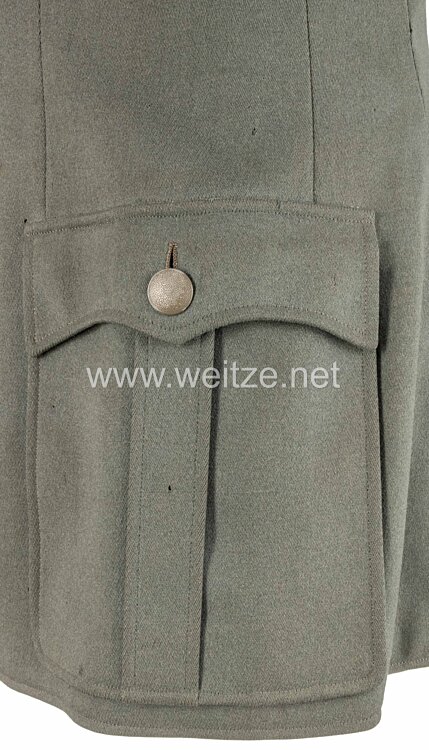
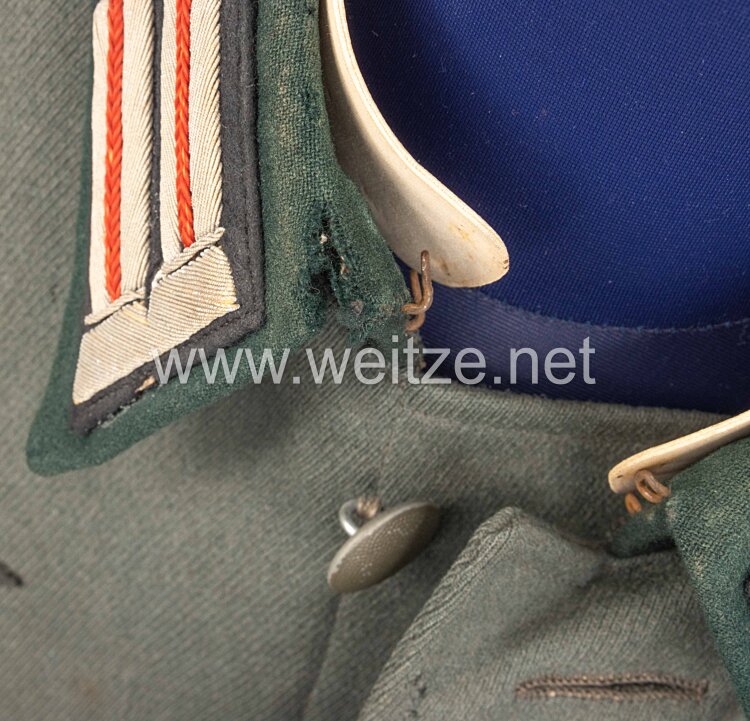
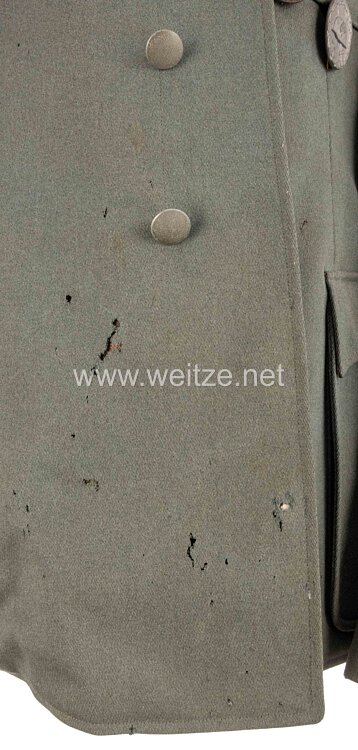
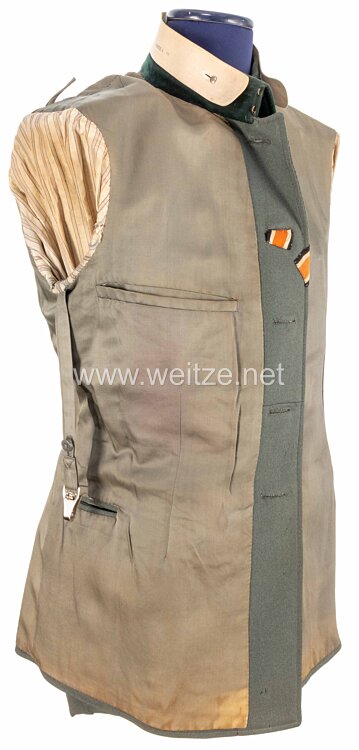
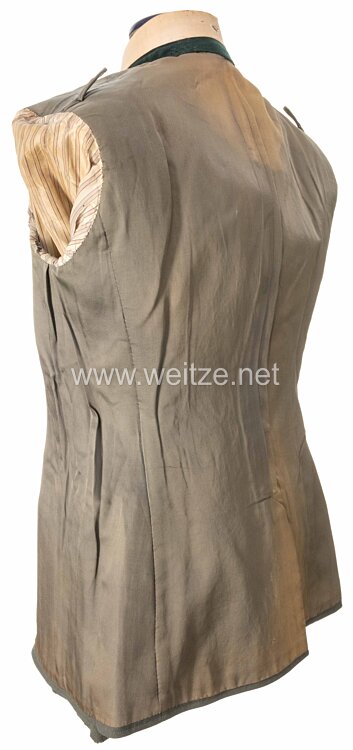
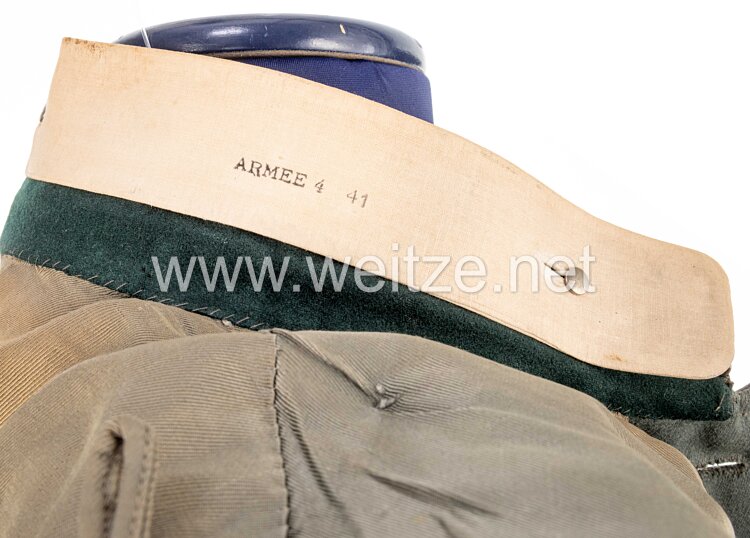
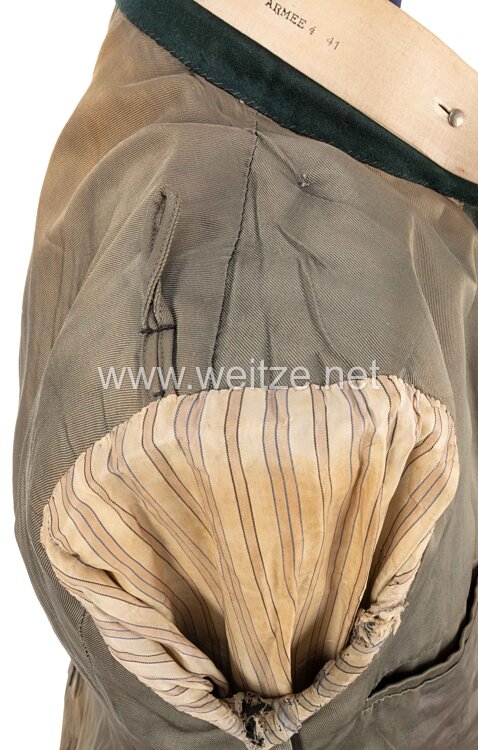
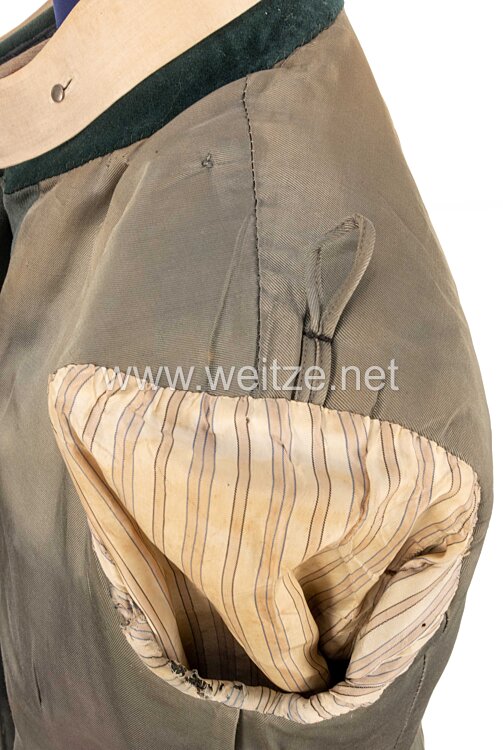
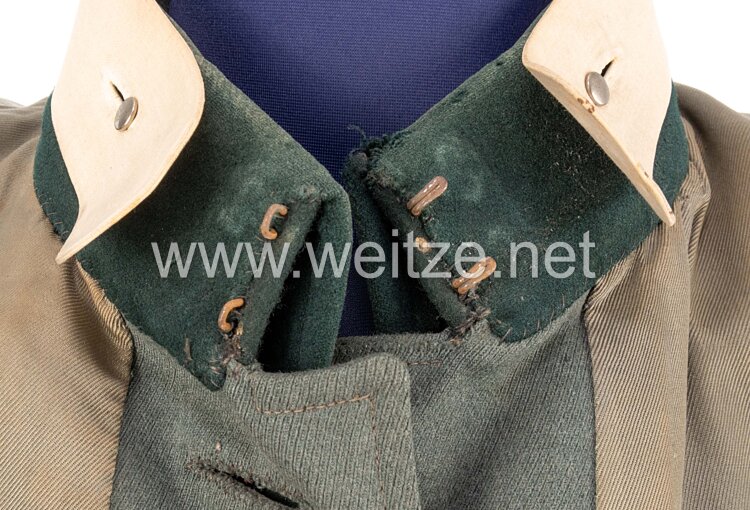
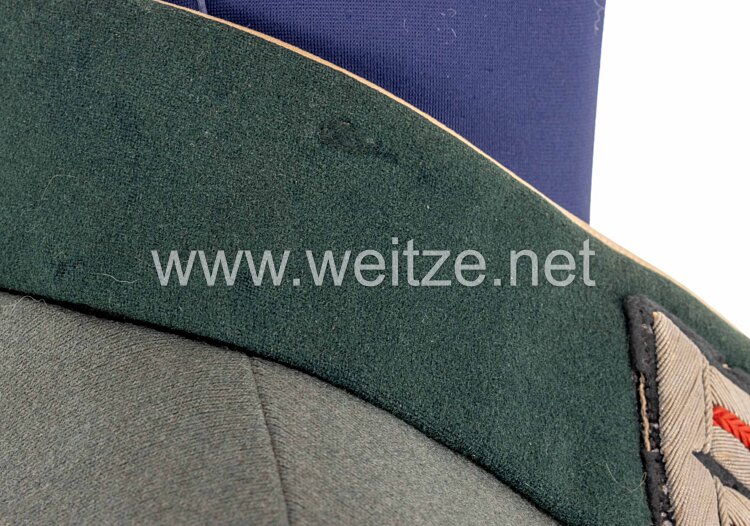
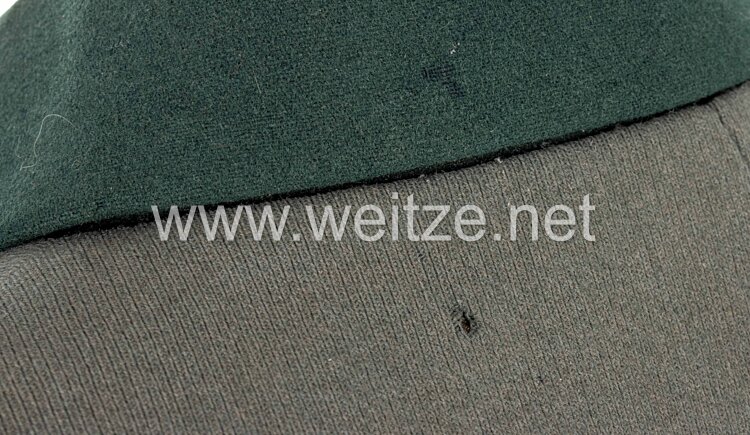
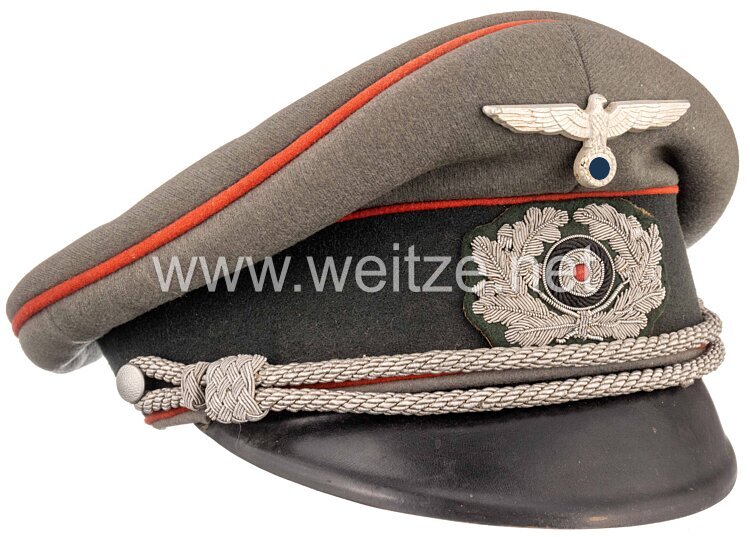
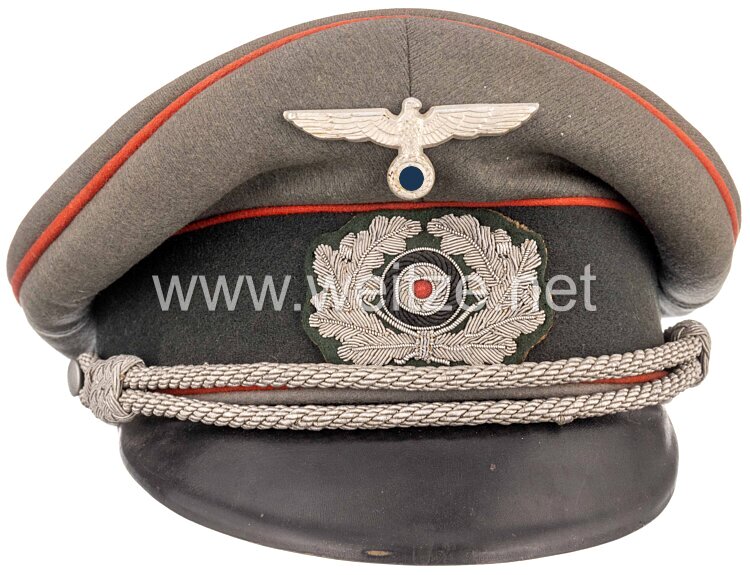
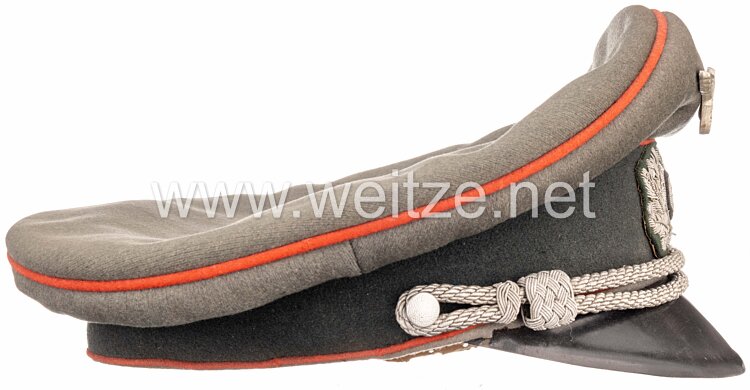
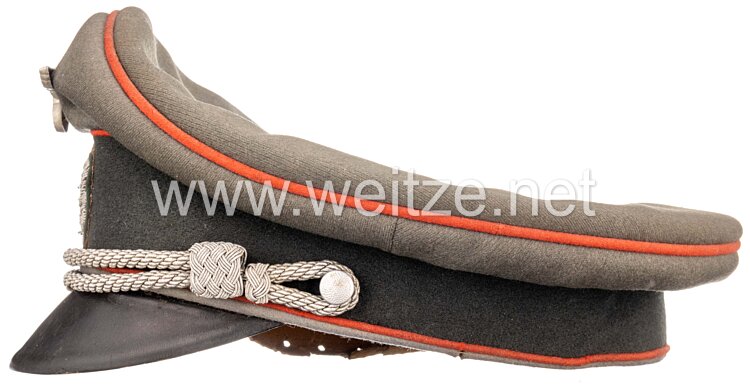
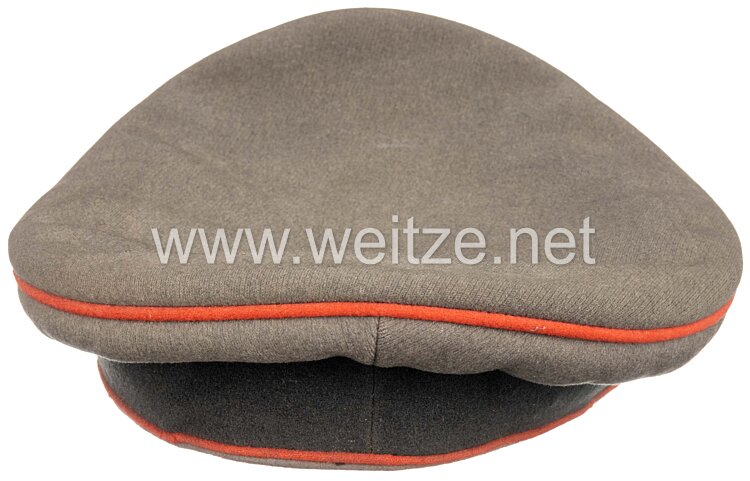
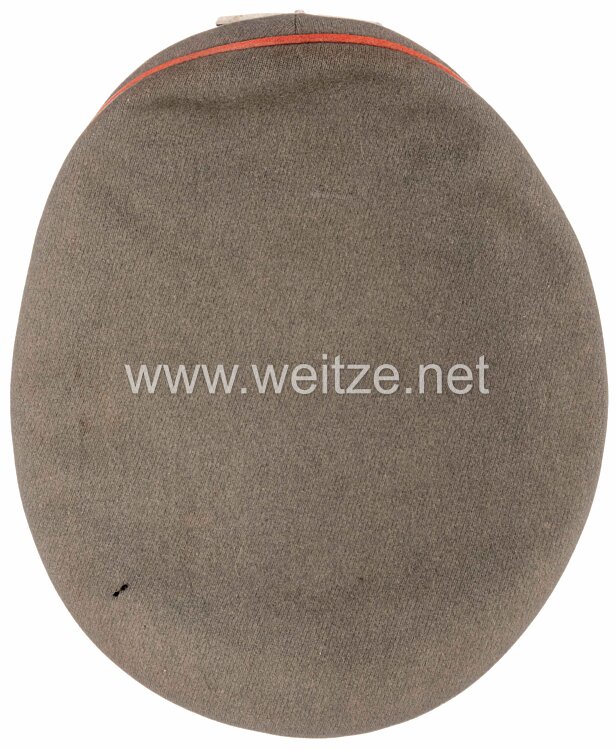
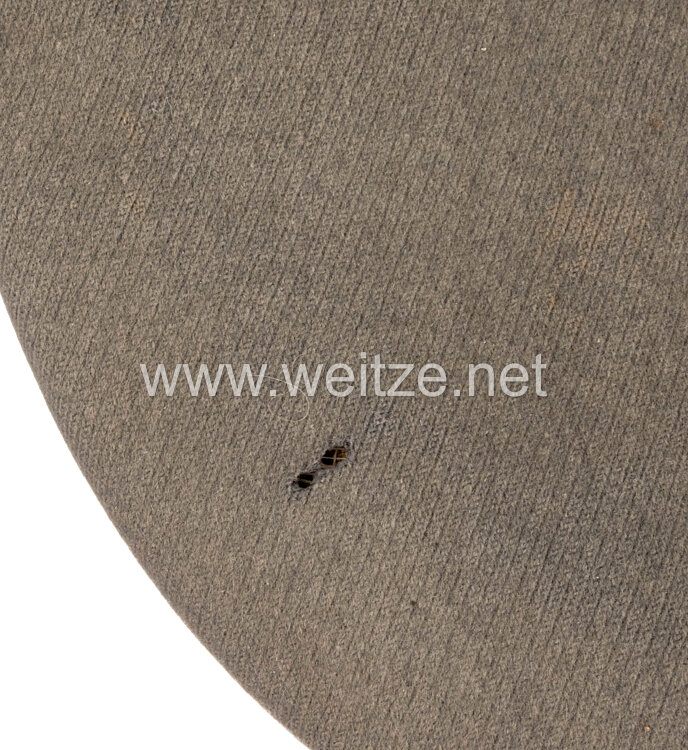
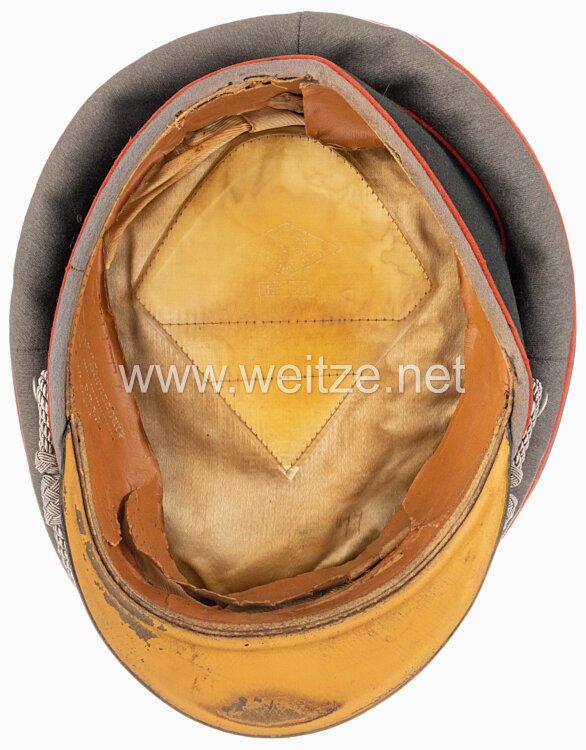
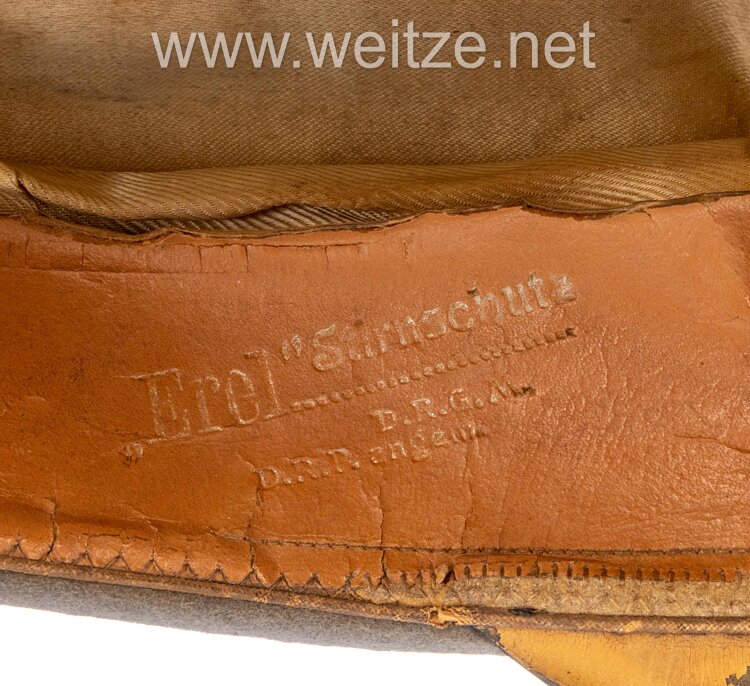
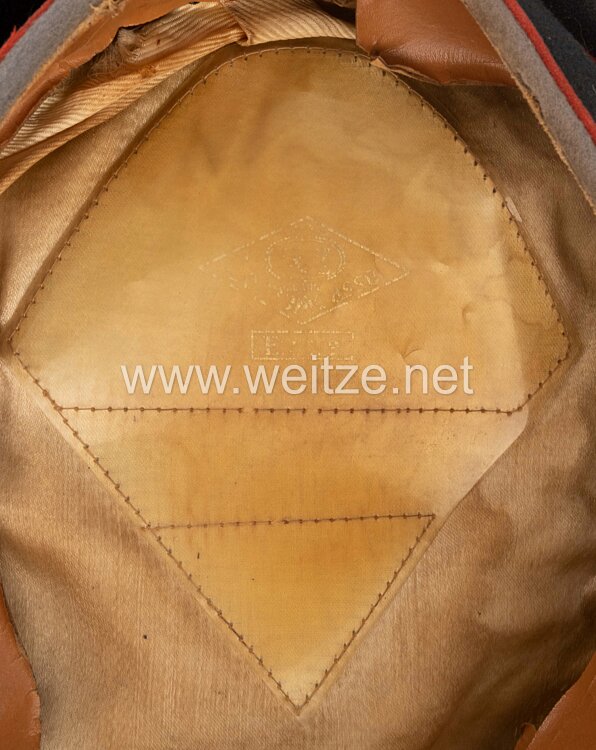
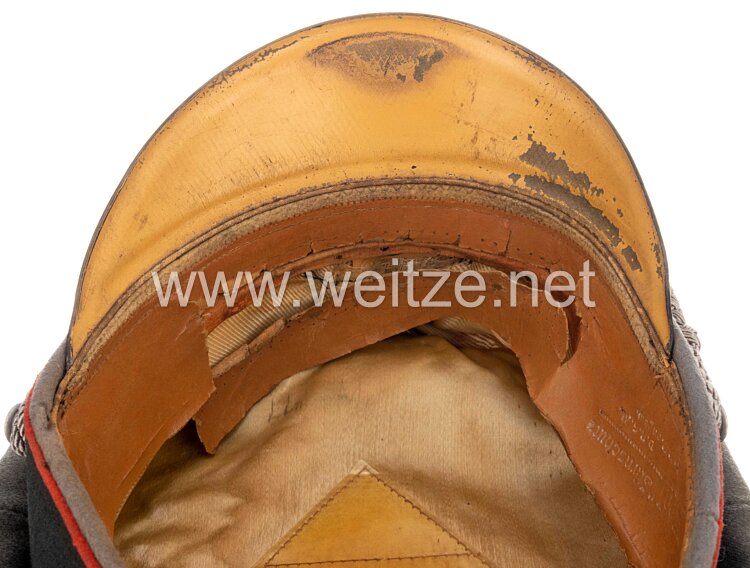
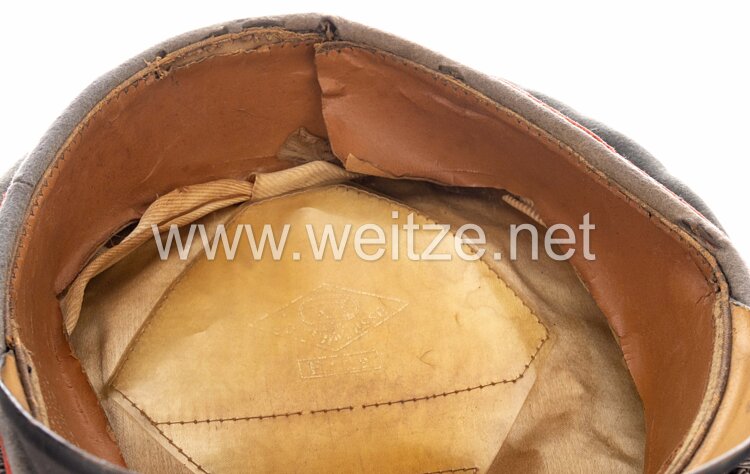
Wehrmacht Feldbluse als Hauptmann der Artillerie. Fertigung aus feldgrauem Gabardine, dunkelgrüner Kragen, komplett mit allen Effekten. Metallfaden handgestickter Brustadler, per Hand vernäht, die Kragenspiegel maschinell vernäht, eingenähte nicht paarige ! Schulterstücke. Komplett mit allen Auszeichnungen von Hauptmann Meyne: auf der rechten Brust das Deutsche Kreuz in Gold, schwere Fertigung der Fa. Deschler, rückseitig mit 4 Nieten, ohne Herstellerbezeichnung. Im Knopfloch die Ehrenblattspange des Heeres original vernäht. Auf der Brust kleine Feldspange mit 3 Auszeichnungen: Eisernes Kreuz 1939 2. Klasse, Medaille Winterschlacht im Osten und Erinnerungsmedaille 1. Oktober 1938. Darunter angesteckt das Eiserne Kreuz 1939 1. Klasse, das Allgemeine Sturmabzeichen und das Verwundetenabzeichen 1939 in Silber. Auf dem rechten Oberarm aufgenäht das "Demjansk-Schild 1942", Eisen auf feldgrauer Tuchunterlage. Die Feldbluse ist deutlich getragen mit diversen Mottenschäden, Zustand 3. Die Auszeichnungen alle getragen, der Demjansk-Schild flugrostig. Dazu die Schirmmütze als Offizier der Artillerie, typische Fertigung der Fa. Erel, Berlin. Weiche Sattelform, komplett mit dem Schirmmützenadler au Aluminium, Metallfaden-handgestickter Eichenlaubkranz mit handgestickter Kokarde. Innen mit hellem Schweißband, seitlich mit Herstellerbezeichnung ""Erel" Stirnschutz D.R.G.M. D.R.P. angem.", gelbes Seidenfutter, unter dem Zelluloidtrapez mit Hersteller "Erel Sonderklasse Extra". Die Schirmmütze stark getragen, auf dem Mützendeckel mit leichtem Mottenschaden, innen das Schweißband beschädigt.
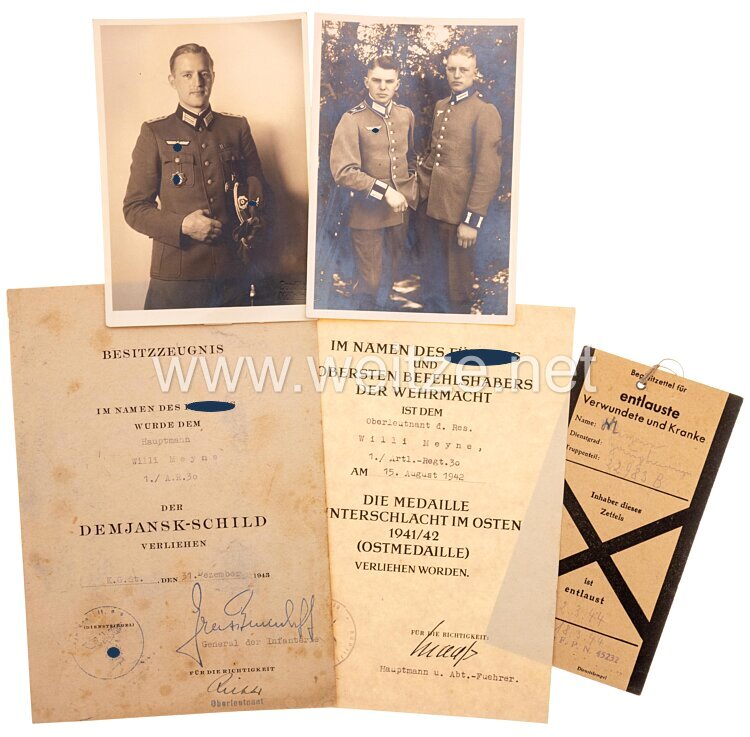
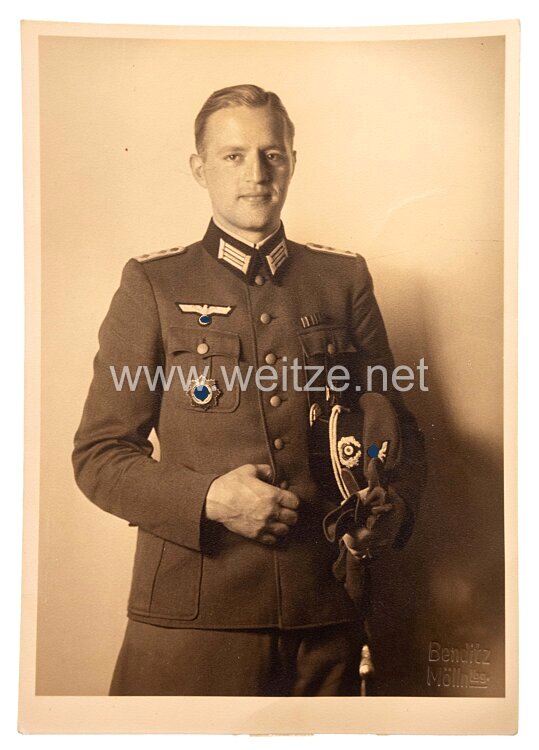
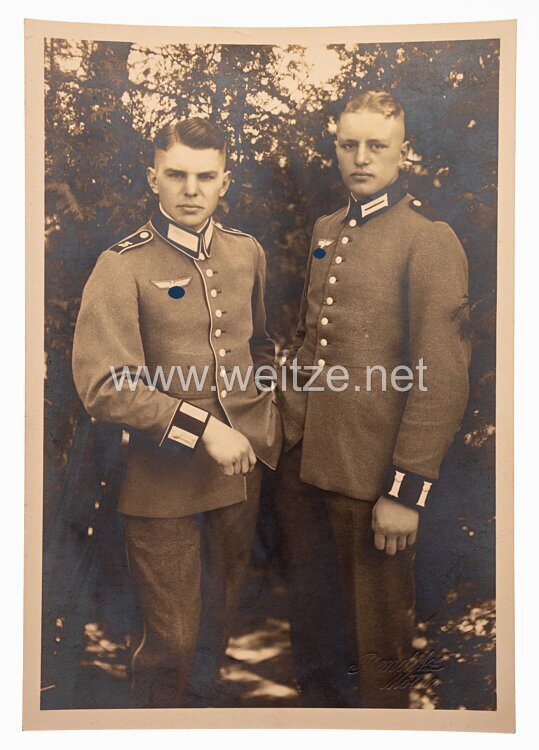
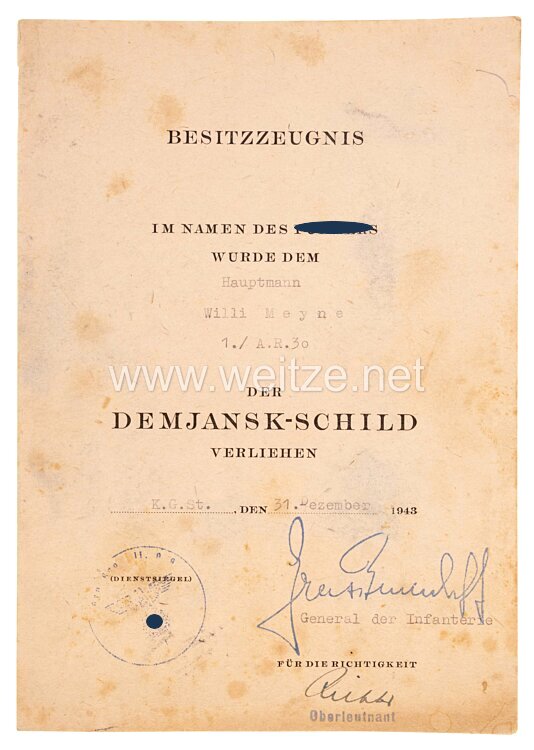
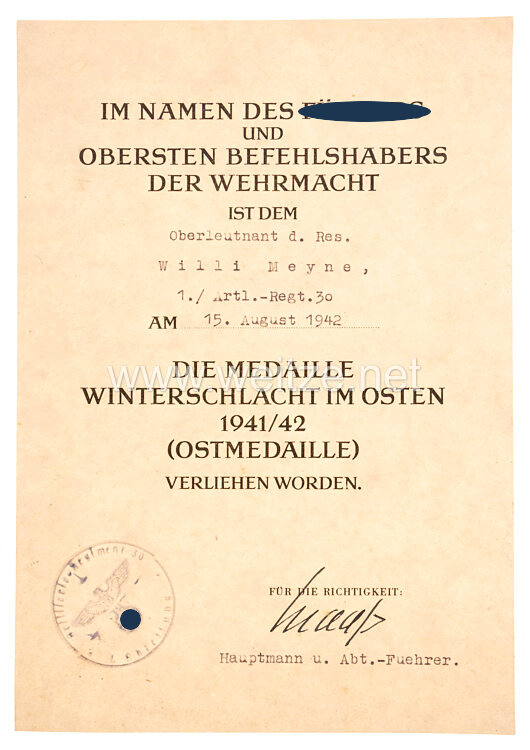
Dazu ein sehr schönes Portraitfoto von Hauptmann Meyne. Weiterhin das Besitzzeugnis zum Demjansk-Schild, ausgestellt 31. Dezember 1943 sowie zur Medaille Winterschlacht im Osten, verliehen am 15. August 1942.
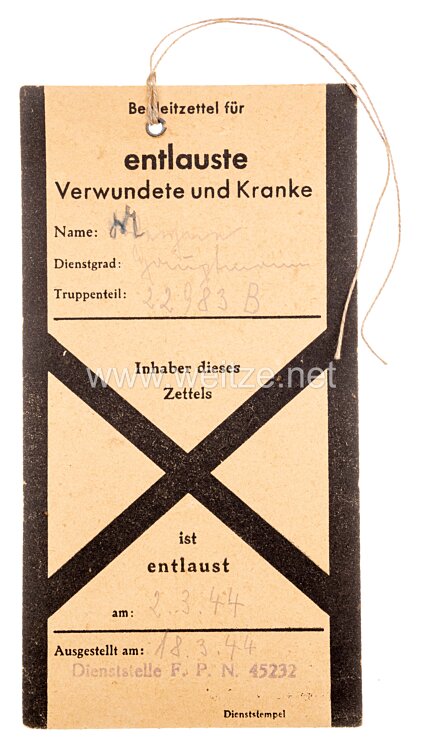
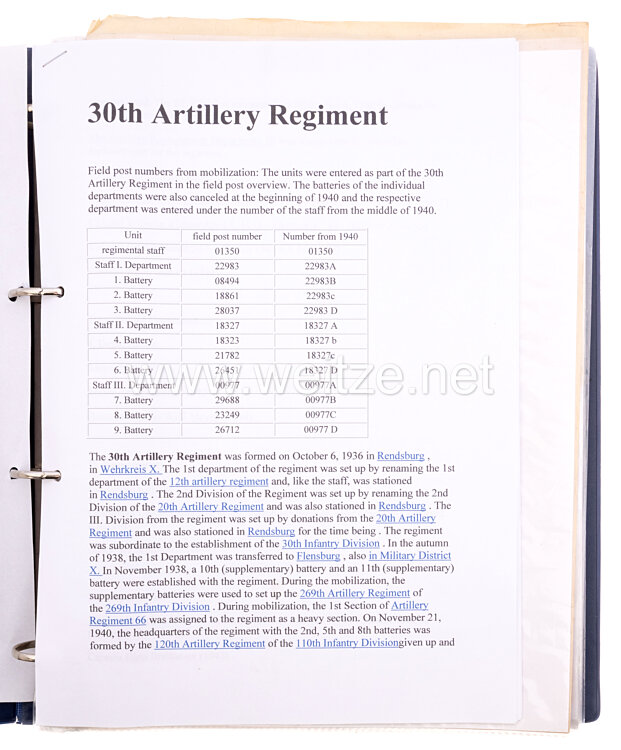
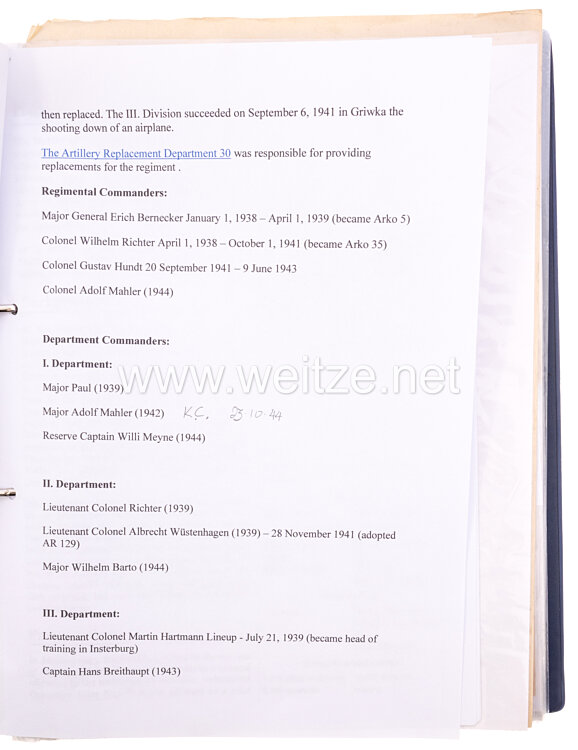
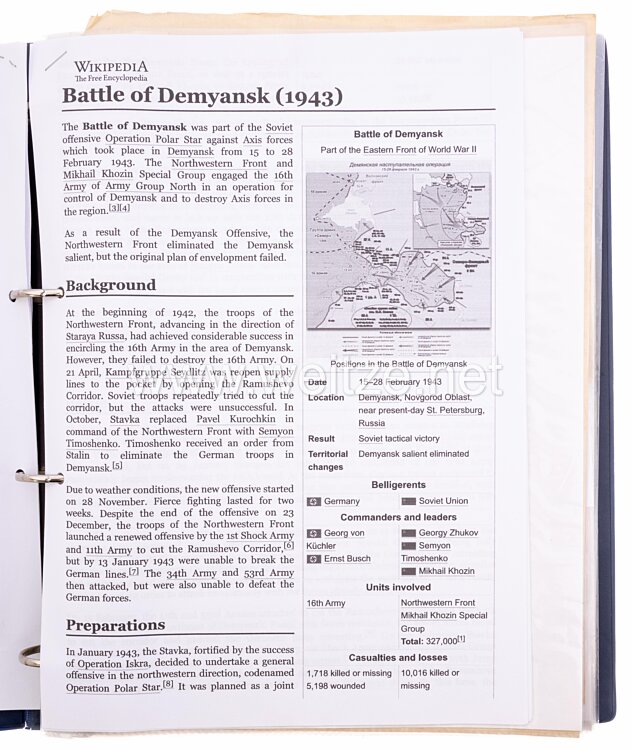
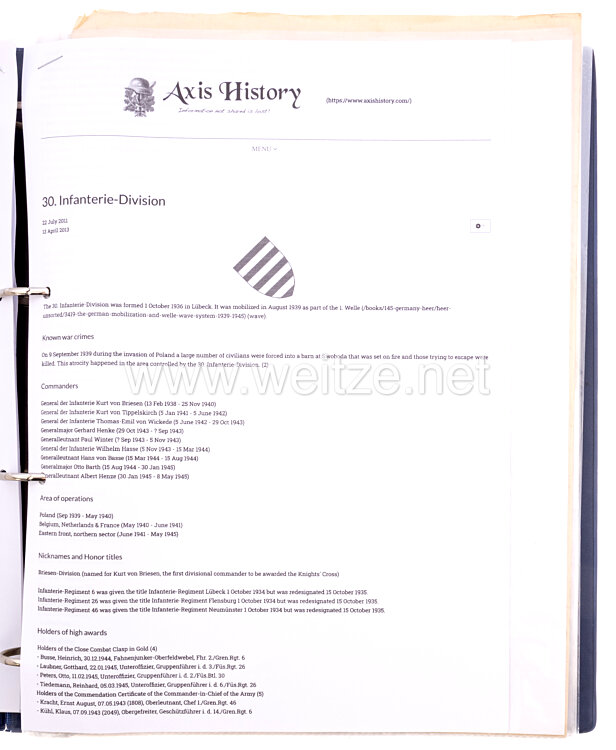
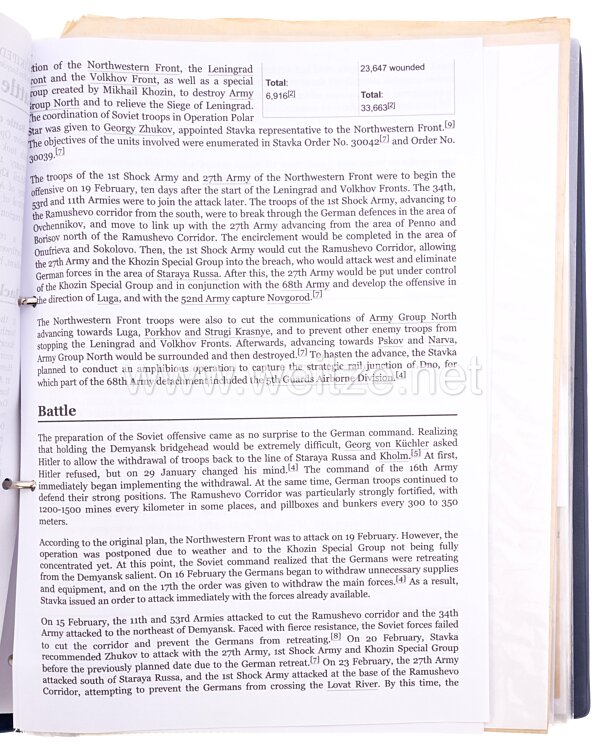
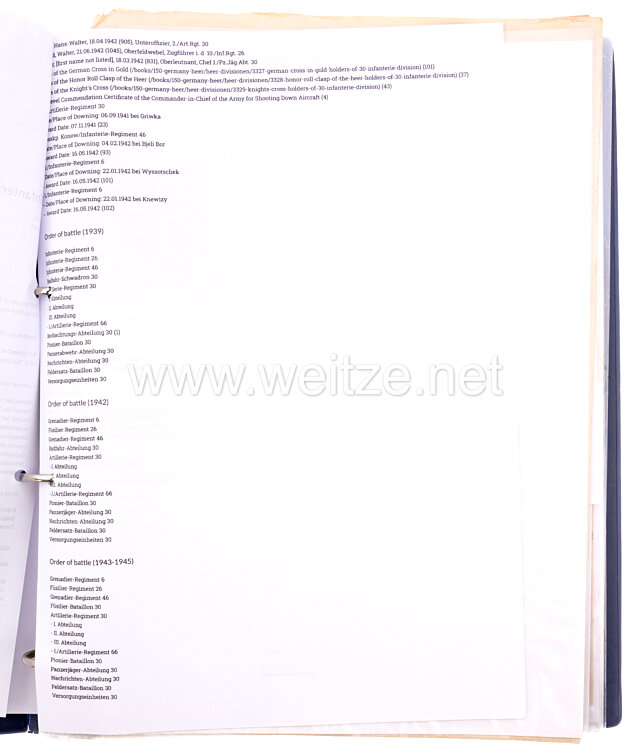
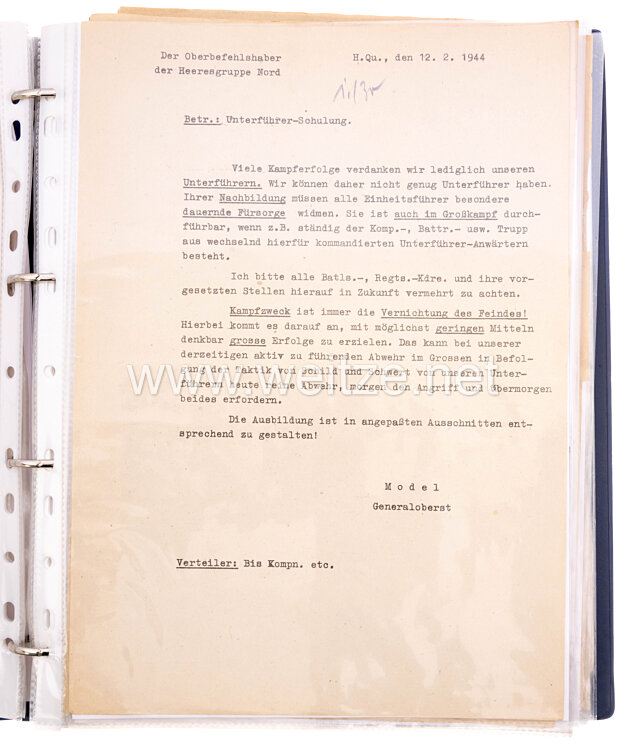
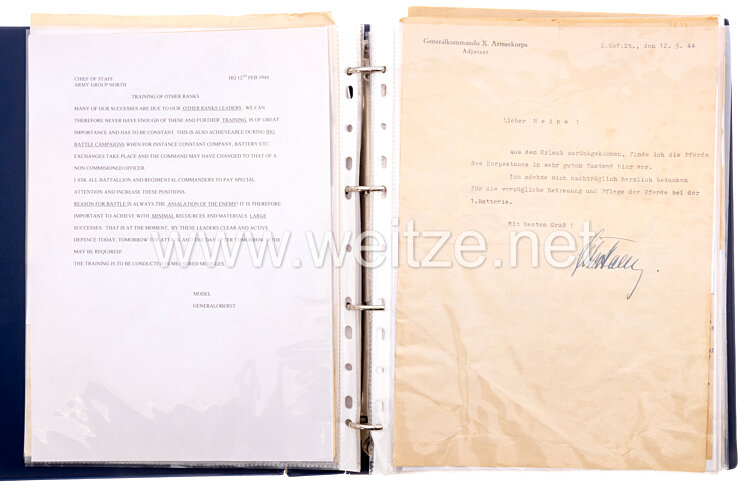
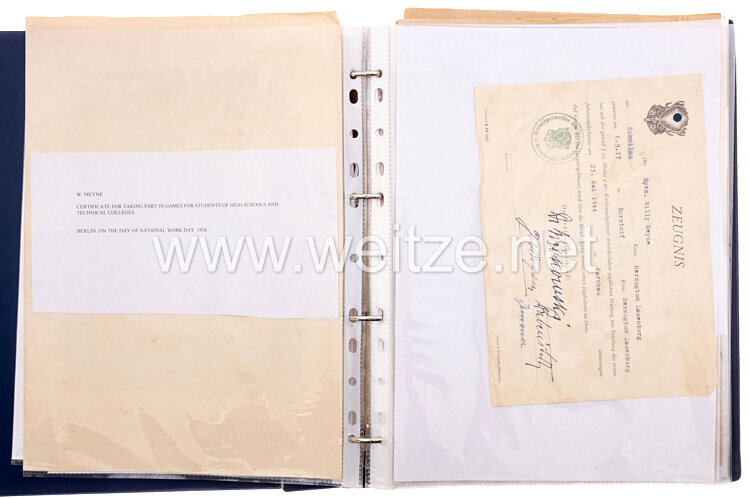
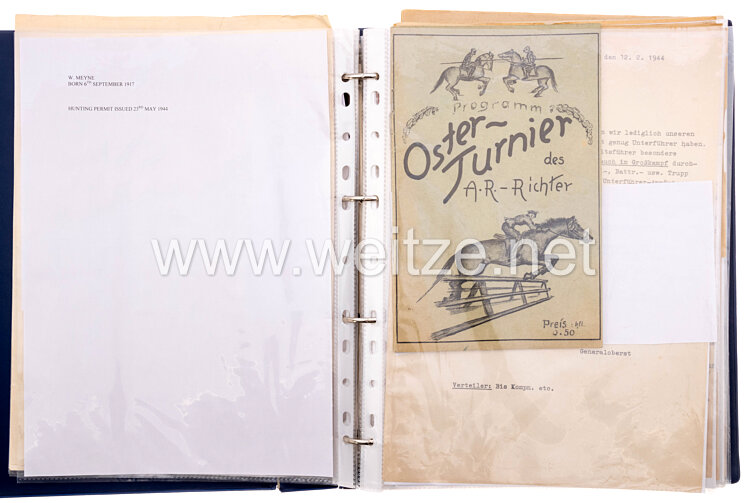
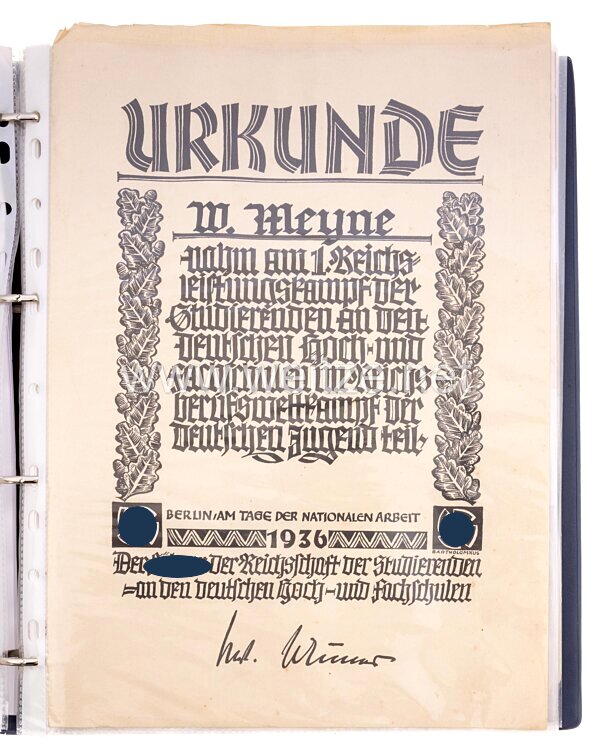
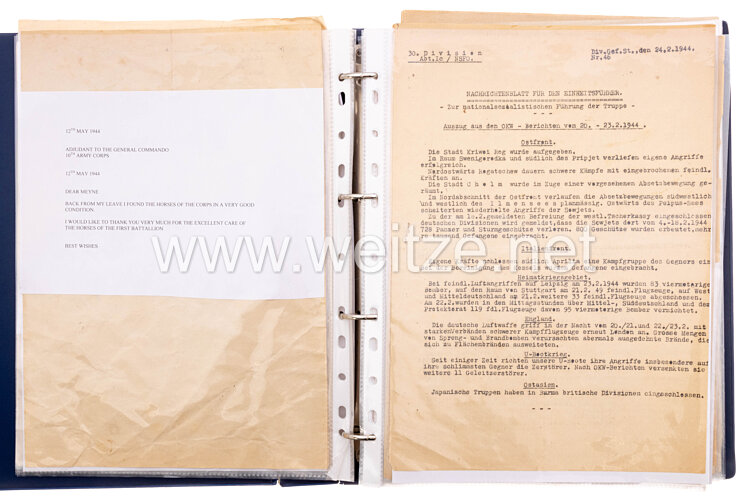
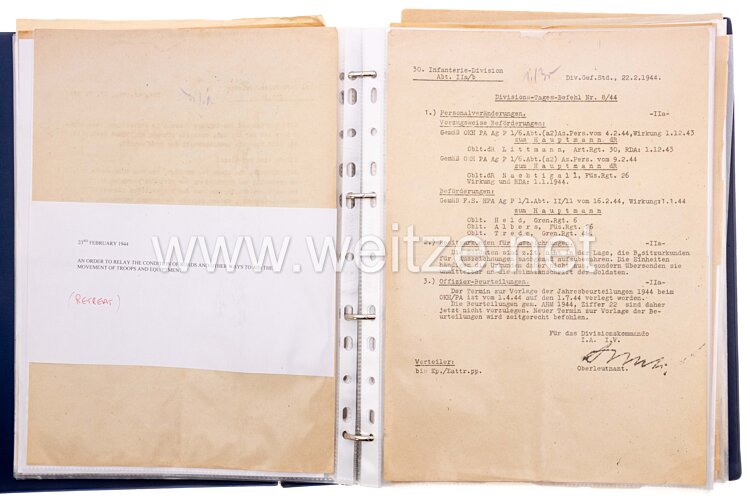
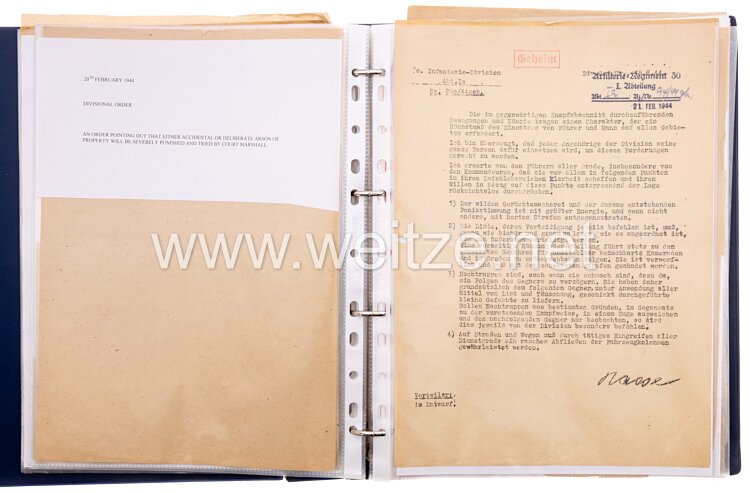
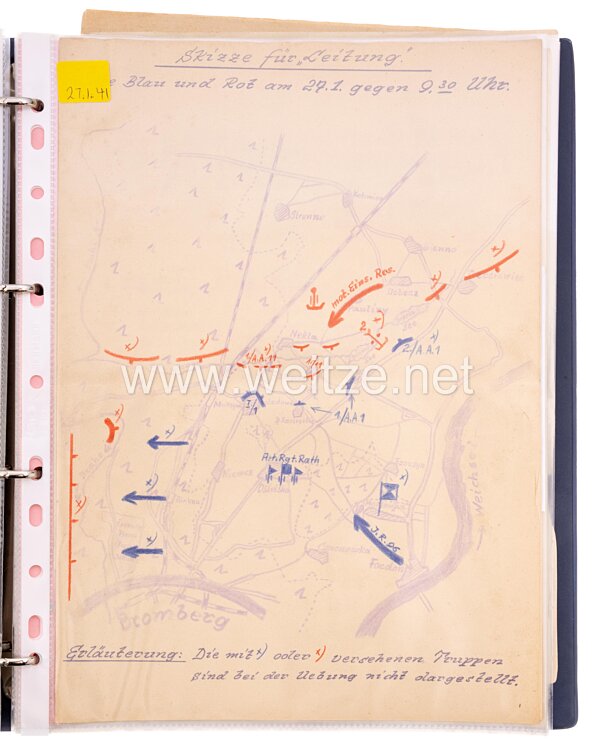
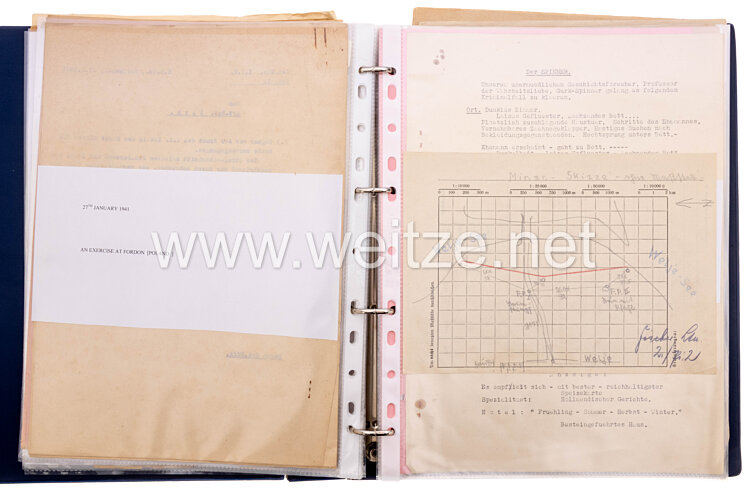
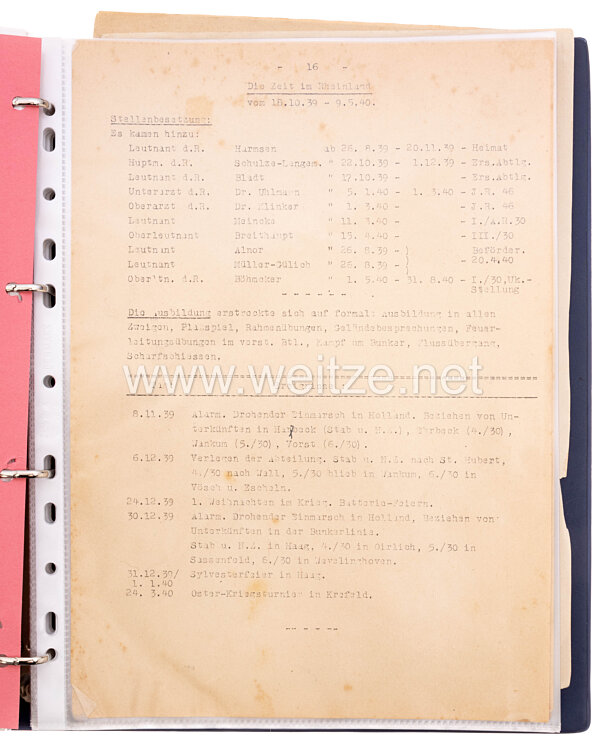
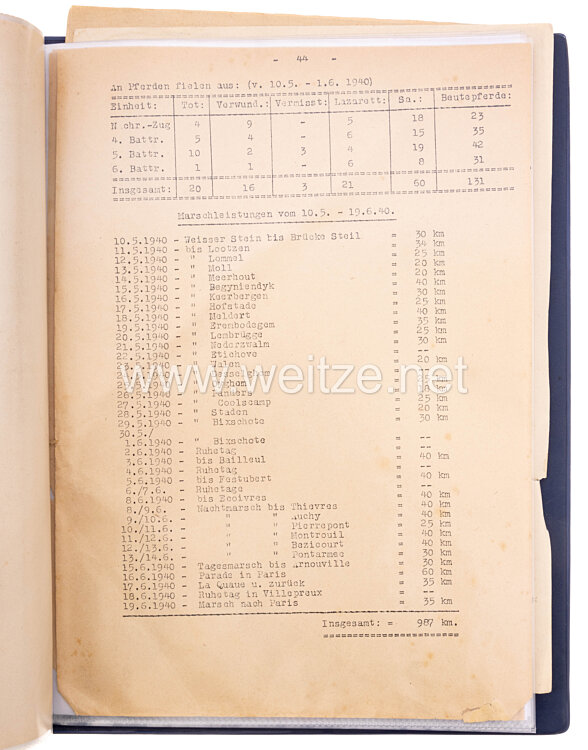
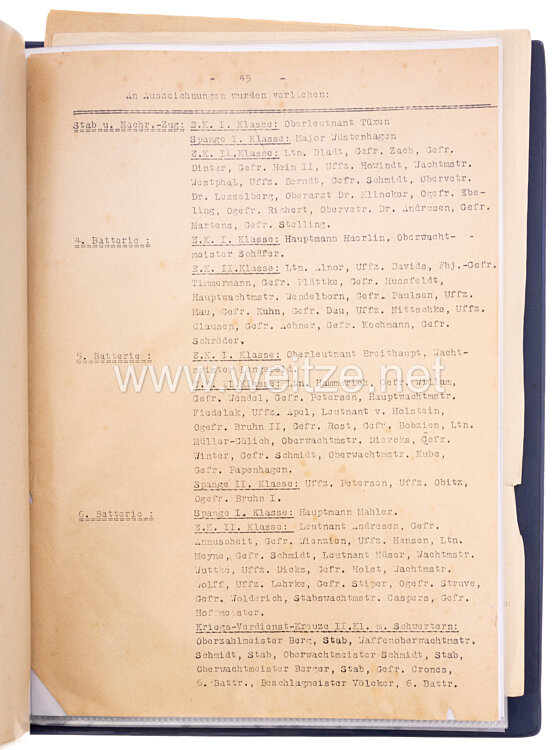
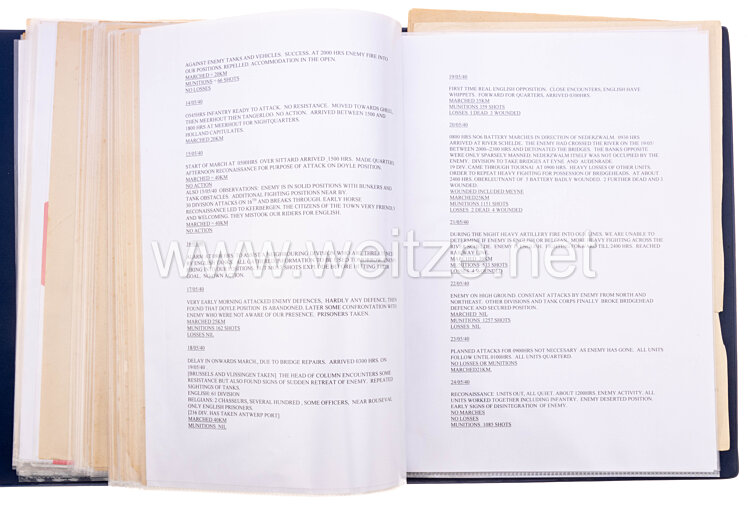
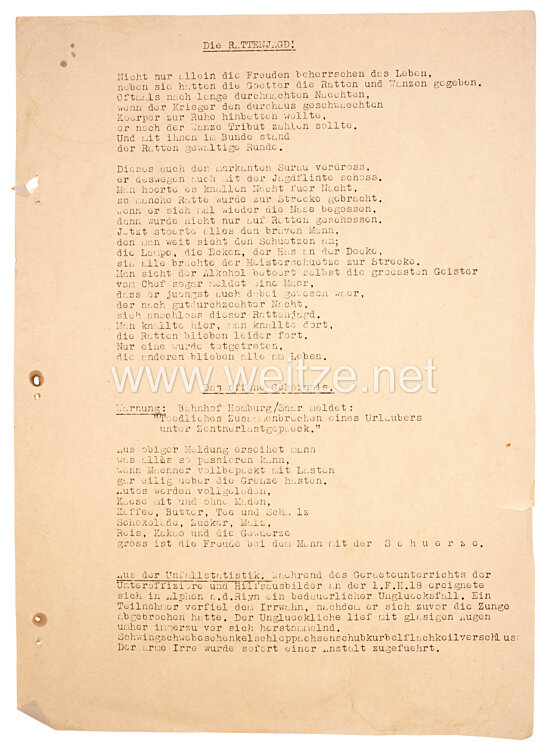
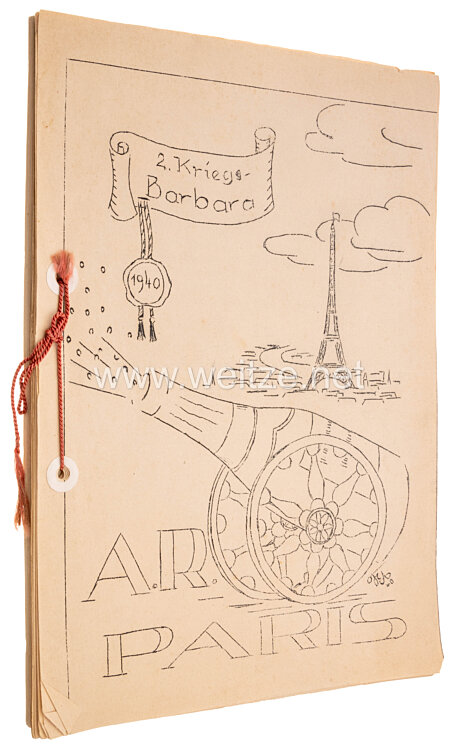
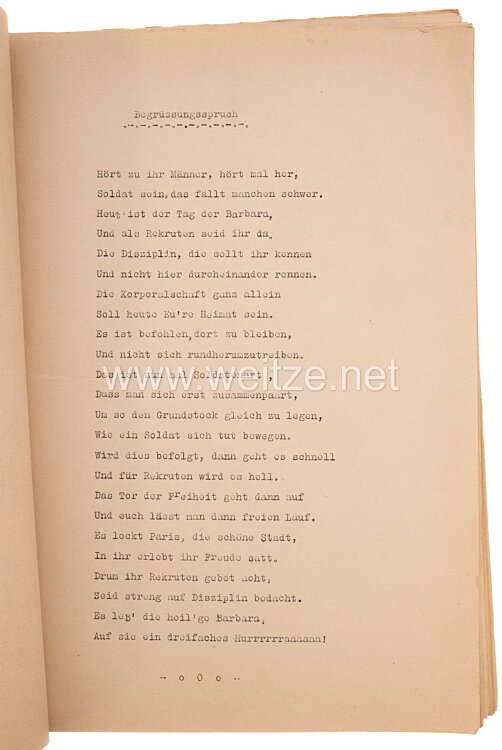
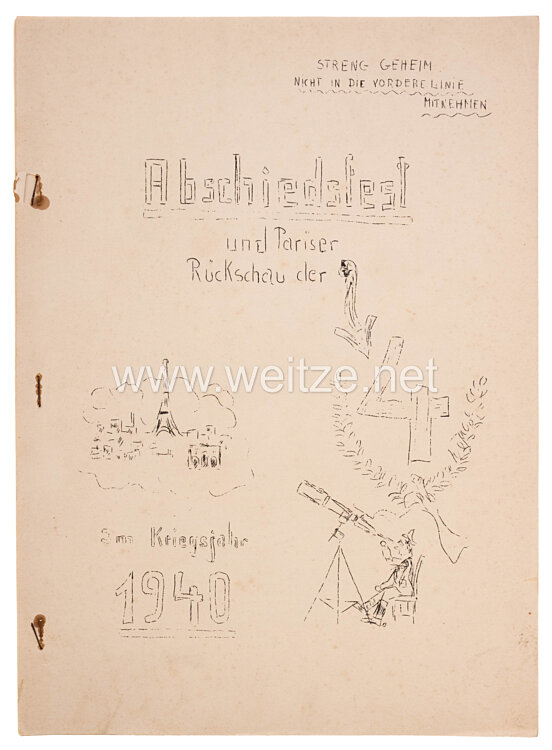
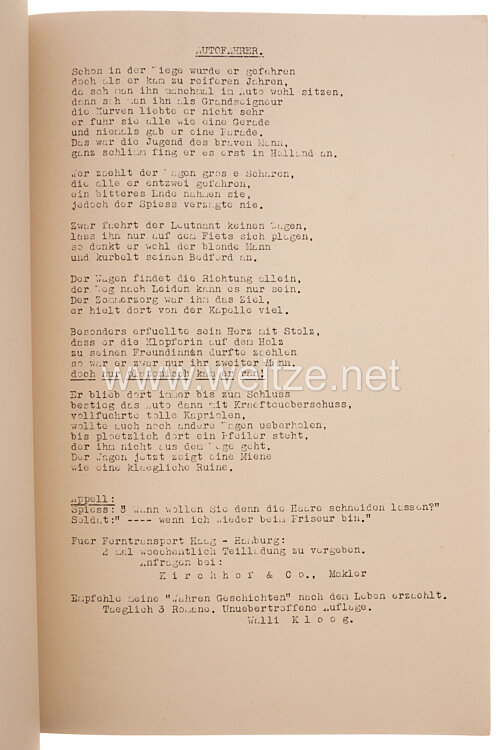
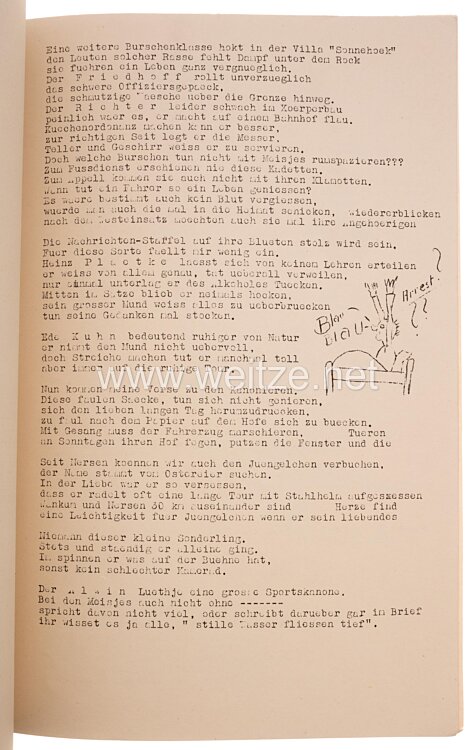
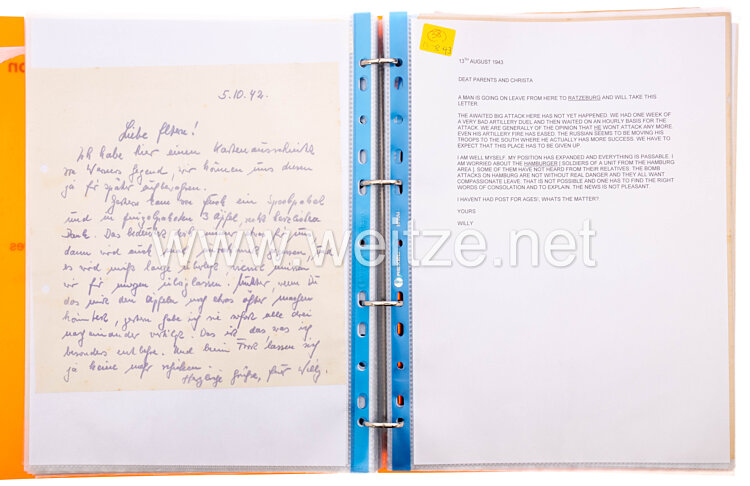
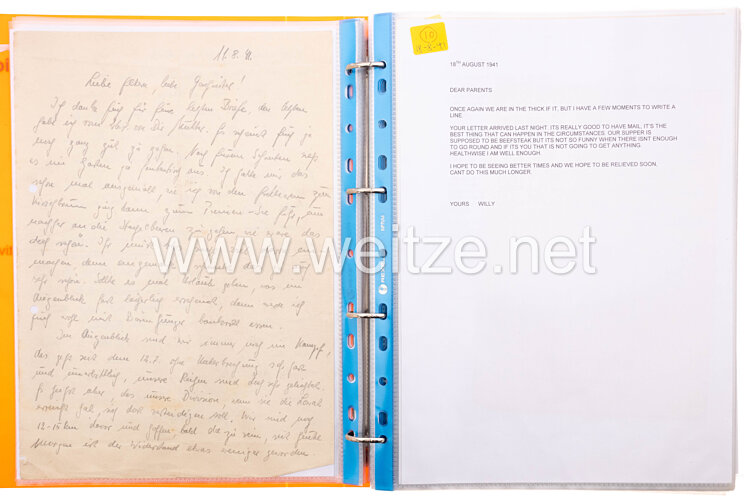
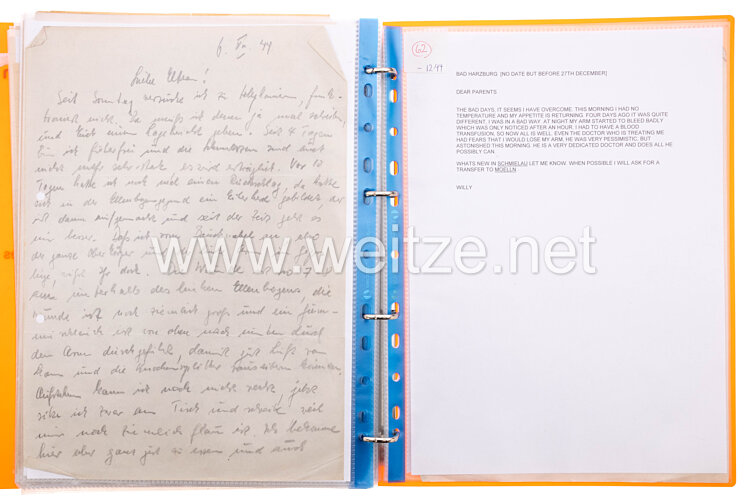
Weiterhin 2 Aktenordner randvoll mit zahlreichen original Unterlagen von Hauptmann Heyne, darunter: Teilnehmerurkunde am 1. Reichsleistungskampf der Studierenden an den Deutschen Hoch und Fachschulen im Reichsberufswettkampf 1936, ein Zeugnis der Reichsjägerschaft vom 23. Mai 1944 für den Jahresjagdschein, Nachrichtenblatt für den Einheitsführer zur nationalsozistischen Führung der Truppe, datiert 24.2.1944 mit Berichten von den verschiedenen Fronten und dem Heimatkriegsgebiet. Rundschreiben des Oberbefehlshabers der Heeresgruppe Nord vom 12.2.1944, ein Anerkennungschreiben des Adjutant Generalkommando X. Armeekorps and Hauptmann Meine, datiert 12.5.1944 - für "die vorzügliche Betreuung und Pflege der Pferde bei der 1. Batterie". Diverse Divisions-Tagesbefehle von 1944, teils als "Geheim" gestempelt. Ein Schriftsatz der I./ Abteilung Artillerie-Regiment 30 vom 17.10.1942, Bericht über einen Streitfall innerhalb der Einheit. Manöverunterlagen aus dem Jahr 1941, ein großer Bericht "Die Zeit im Rheinland/Feldzug im Westen" von 1940, insgesamt 45 Seiten. Weiterhin 65 Feldpostbriefe von und an Meyne aus der Zeit vom 20. Juni 1941 bis zum Kriegende am 3. April 1945. Weiterhin ein "Begleitzettel für entlauste Verwundete und Kranke" vom 18.3.1944 und ein frühes Foto aus der Friedenszeit als Rekrut.
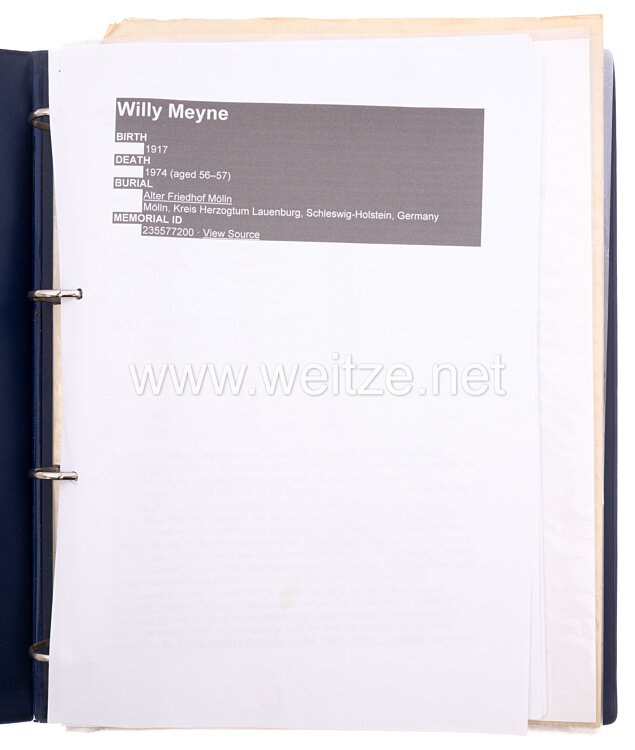
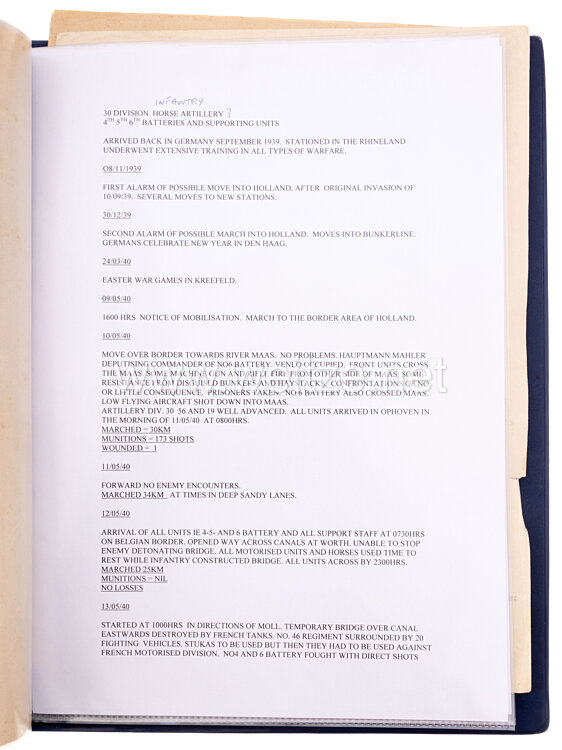
Alle Schreiben, Urkunden, Dokumente und Feldpostbriefe wurden vom Vorbesitzer ins englische übersetzt und liegen ausgedruckt anbei.
Ein umfangreicher Nachlaß eines tapferen Artillerieoffiziers, in unberührter Originalerhaltung, wie er gefunden wurde.
Willi Meyne, geboren am 6.9.1917 in Schmielau, Schleswig-Holstein". Seine beiden Brüder kämpften ebenfalls an der Ostfront. Nach dem Westfeldzug nahm Meyne am gesamten Russlandfeldzug teil. Nach seiner Verwundung im März 1944 kehrte er im September 1944 zu seiner Einheit zurück, weitere Verwundung im Oktober/November 1944, Verlegung ins Lazarett nach Bad Harzburg, der letzte Brief von ihm war am 9. Januar 1945. Willi Meyne überlebte durch seine Verwundung den Krieg und starb im Jahr 1974 in seiner Heimat im Kreis Lauenburg Schleswig-Holstein.
Dazu ein sehr schönes Portraitfoto von Hauptmann Meyne. Weiterhin das Besitzzeugnis zum Demjansk-Schild, ausgestellt 31. Dezember 1943 sowie zur Medaille Winterschlacht im Osten, verliehen am 15. August 1942.
Weiterhin 2 Aktenordner randvoll mit zahlreichen original Unterlagen von Hauptmann Heyne, darunter: Teilnehmerurkunde am 1. Reichsleistungskampf der Studierenden an den Deutschen Hoch und Fachschulen im Reichsberufswettkampf 1936, ein Zeugnis der Reichsjägerschaft vom 23. Mai 1944 für den Jahresjagdschein, Nachrichtenblatt für den Einheitsführer zur nationalsozistischen Führung der Truppe, datiert 24.2.1944 mit Berichten von den verschiedenen Fronten und dem Heimatkriegsgebiet. Rundschreiben des Oberbefehlshabers der Heeresgruppe Nord vom 12.2.1944, ein Anerkennungschreiben des Adjutant Generalkommando X. Armeekorps and Hauptmann Meine, datiert 12.5.1944 - für "die vorzügliche Betreuung und Pflege der Pferde bei der 1. Batterie". Diverse Divisions-Tagesbefehle von 1944, teils als "Geheim" gestempelt. Ein Schriftsatz der I./ Abteilung Artillerie-Regiment 30 vom 17.10.1942, Bericht über einen Streitfall innerhalb der Einheit. Manöverunterlagen aus dem Jahr 1941, ein großer Bericht "Die Zeit im Rheinland/Feldzug im Westen" von 1940, insgesamt 45 Seiten. Weiterhin 65 Feldpostbriefe von und an Meyne aus der Zeit vom 20. Juni 1941 bis zum Kriegende am 3. April 1945. Weiterhin ein "Begleitzettel für entlauste Verwundete und Kranke" vom 18.3.1944 und ein frühes Foto aus der Friedenszeit als Rekrut.
Alle Schreiben, Urkunden, Dokumente und Feldpostbriefe wurden vom Vorbesitzer ins englische übersetzt und liegen ausgedruckt anbei.
Ein umfangreicher Nachlaß eines tapferen Artillerieoffiziers, in unberührter Originalerhaltung, wie er gefunden wurde.
Willi Meyne, geboren am 6.9.1917 in Schmielau, Schleswig-Holstein". Seine beiden Brüder kämpften ebenfalls an der Ostfront. Nach dem Westfeldzug nahm Meyne am gesamten Russlandfeldzug teil. Nach seiner Verwundung im März 1944 kehrte er im September 1944 zu seiner Einheit zurück, weitere Verwundung im Oktober/November 1944, Verlegung ins Lazarett nach Bad Harzburg, der letzte Brief von ihm war am 9. Januar 1945. Willi Meyne überlebte durch seine Verwundung den Krieg und starb im Jahr 1974 in seiner Heimat im Kreis Lauenburg Schleswig-Holstein.