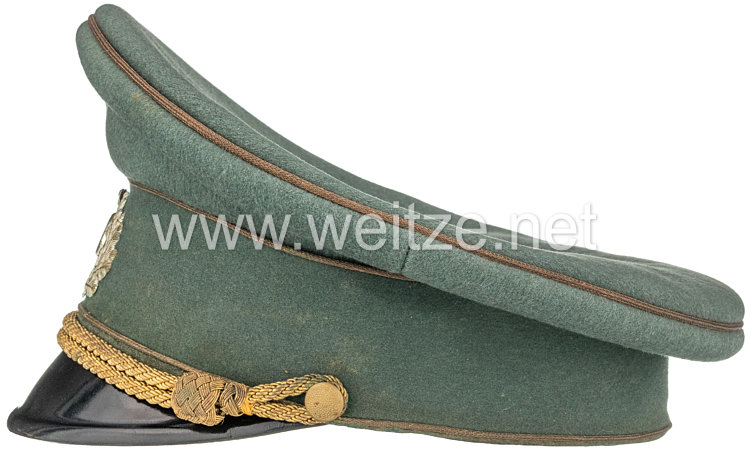
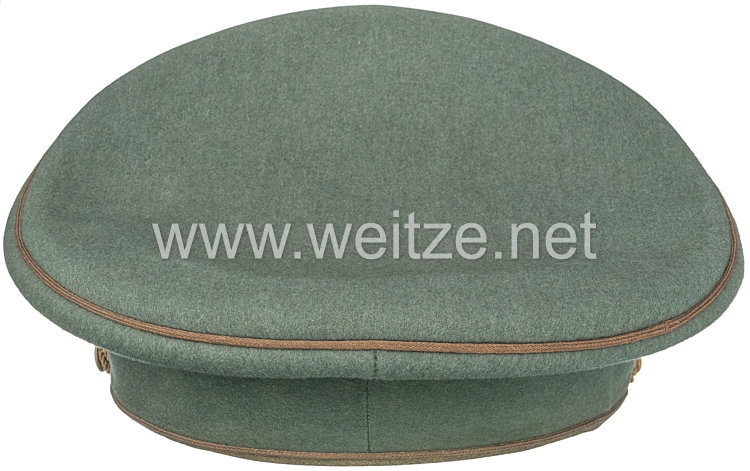
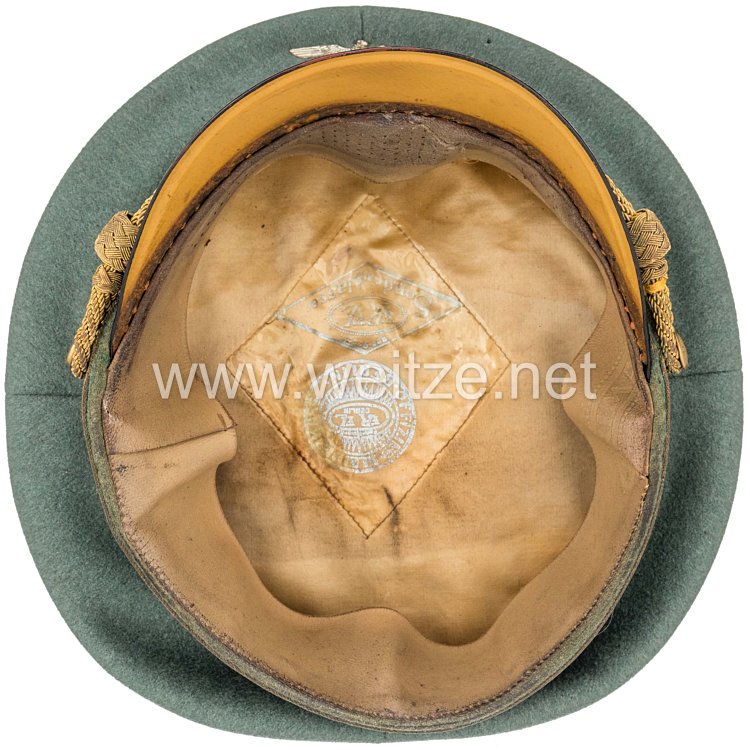
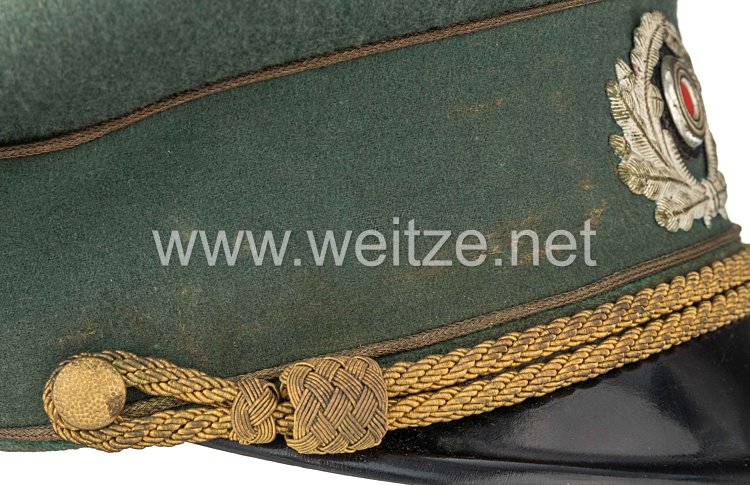
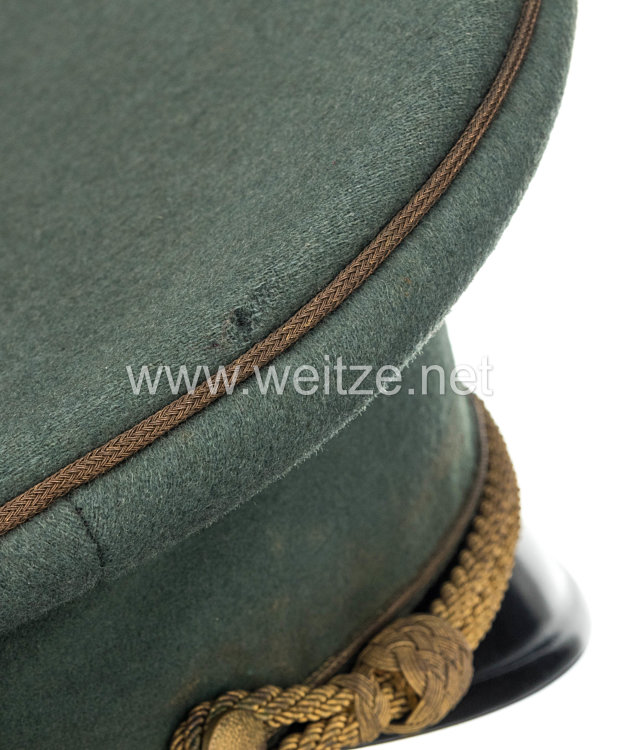
Wehrmacht Large Uniform Ensemble from the Estate of Generalmajor Hermann Zeitz

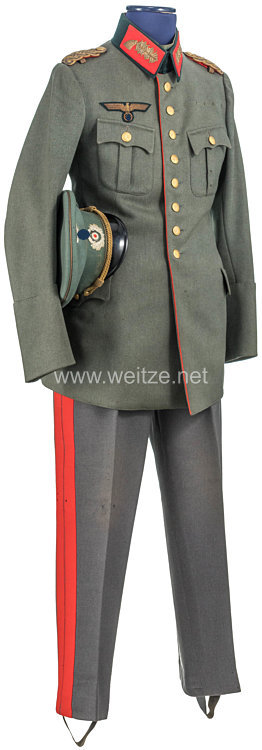
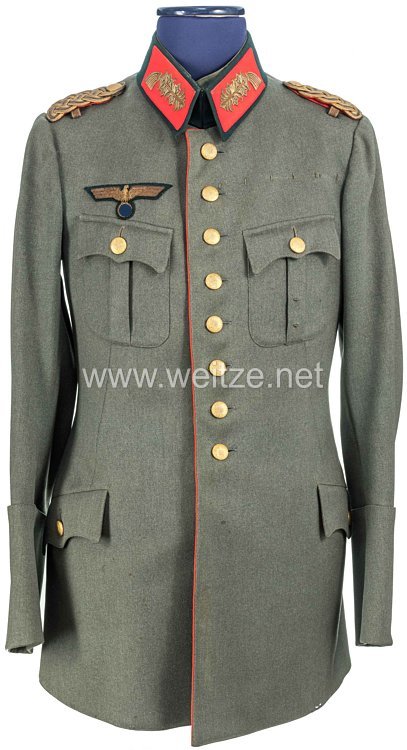
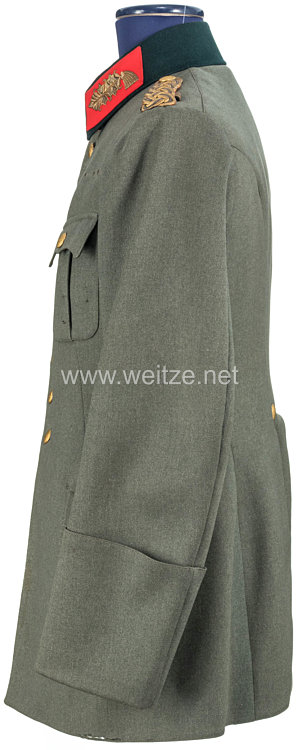
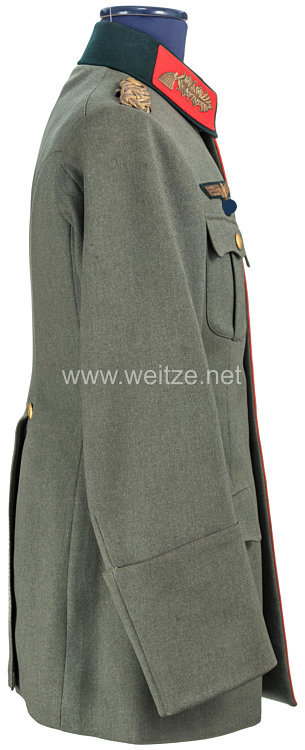
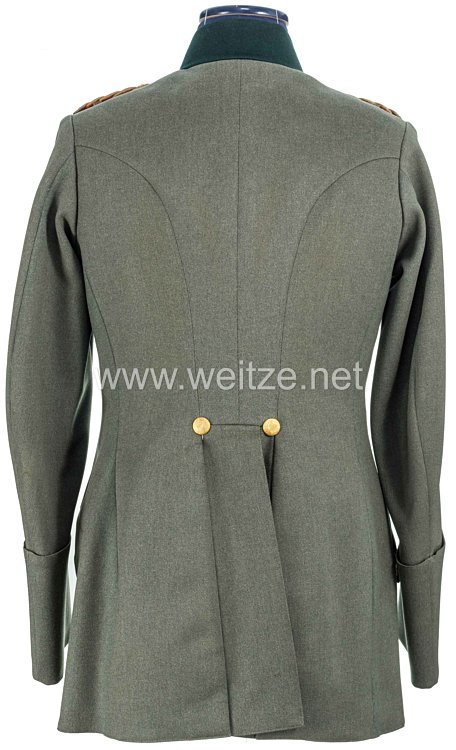
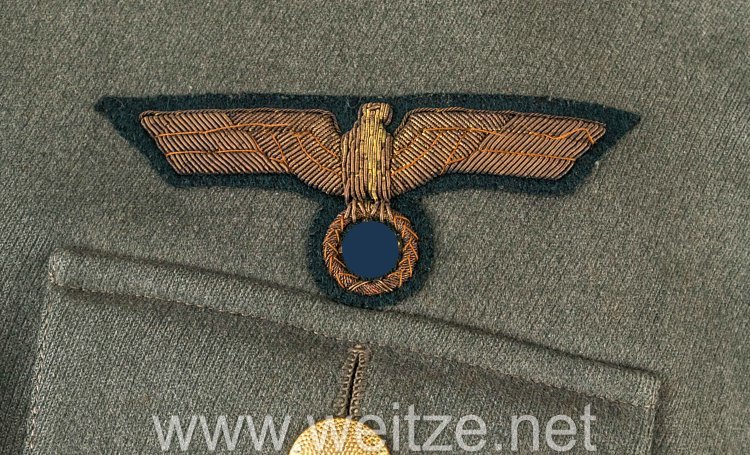
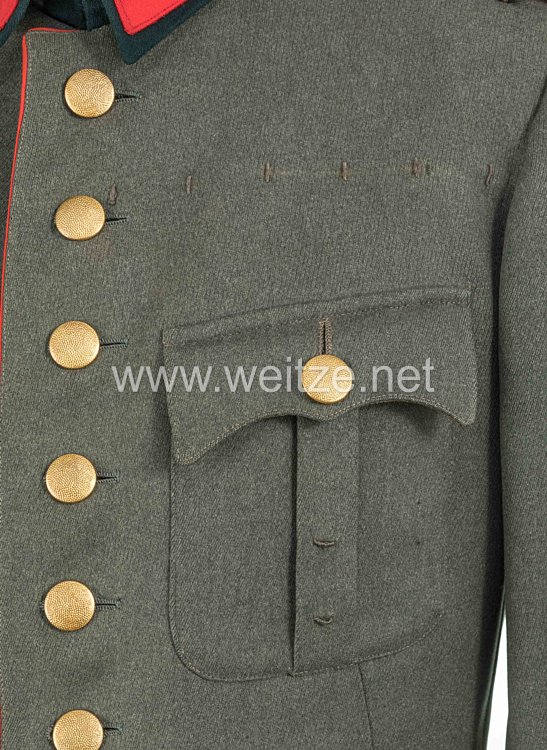
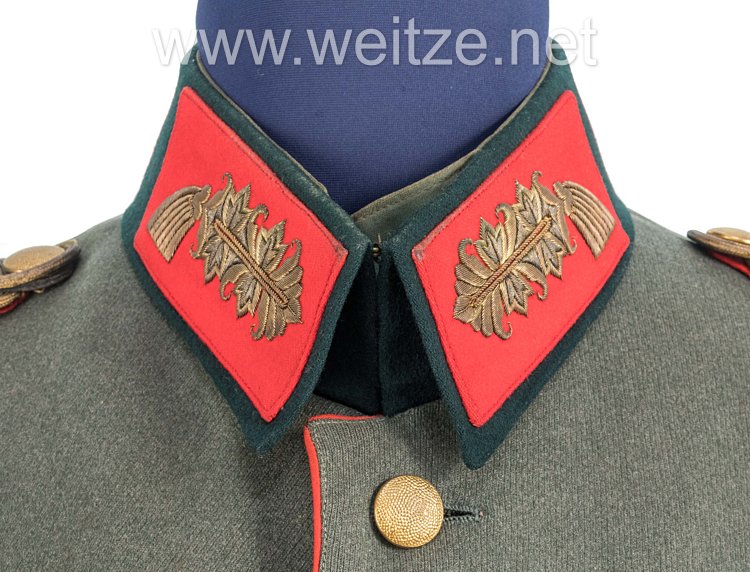
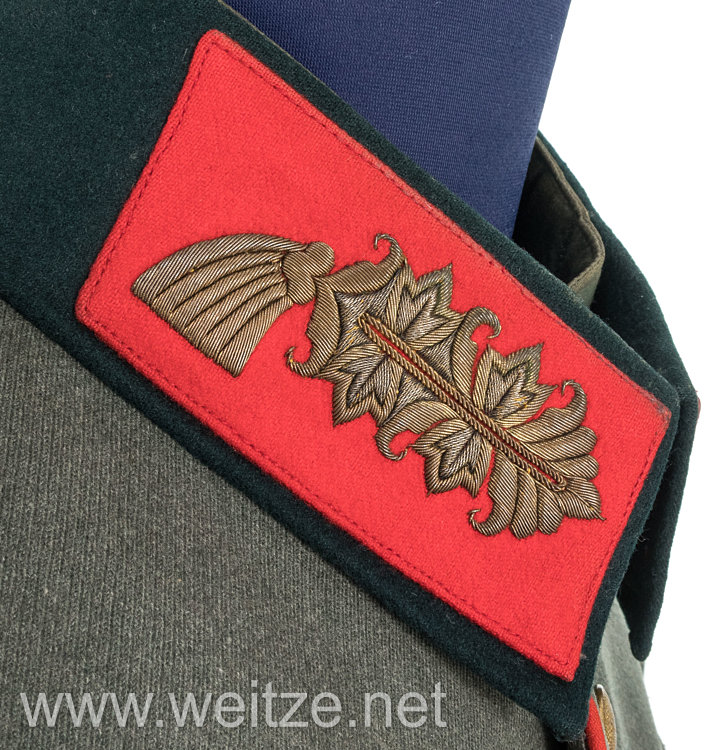
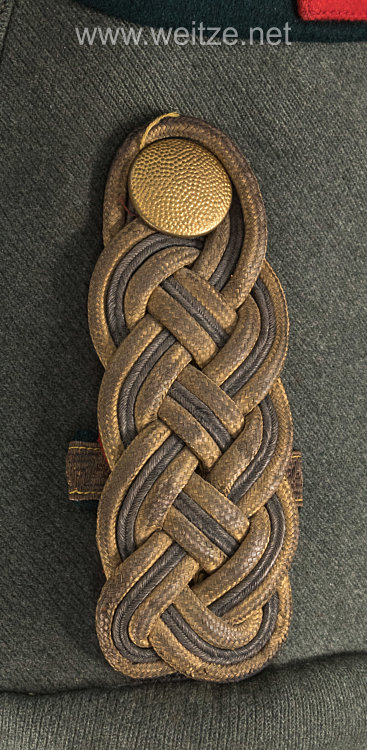
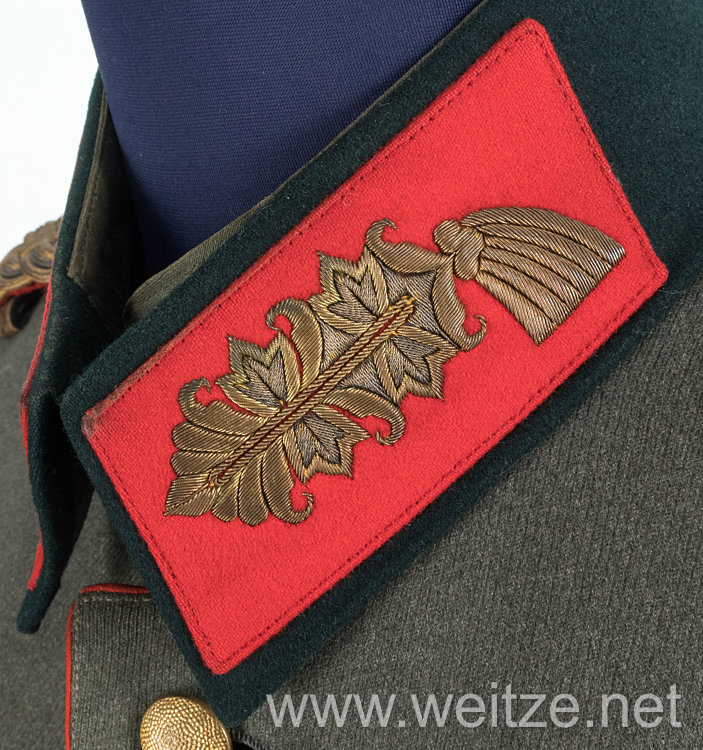
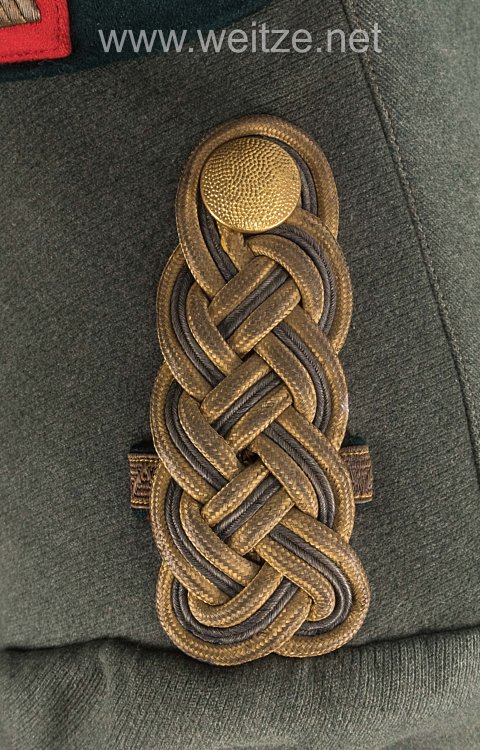
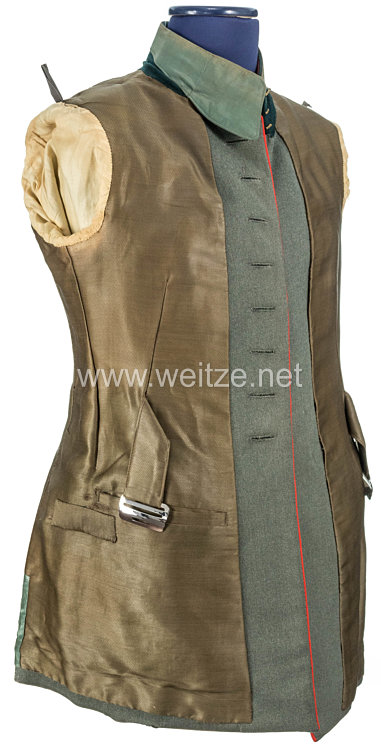
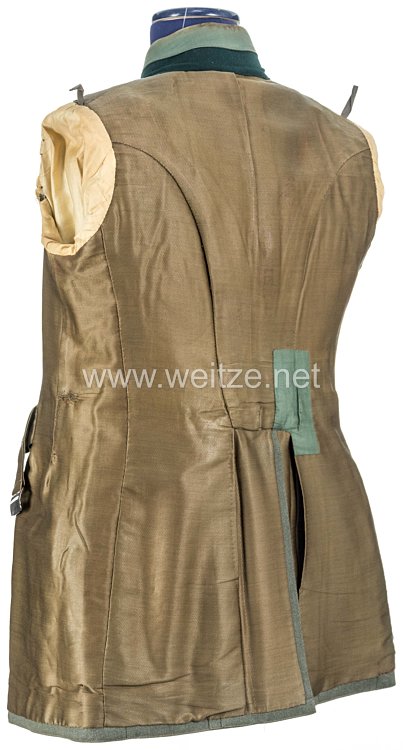
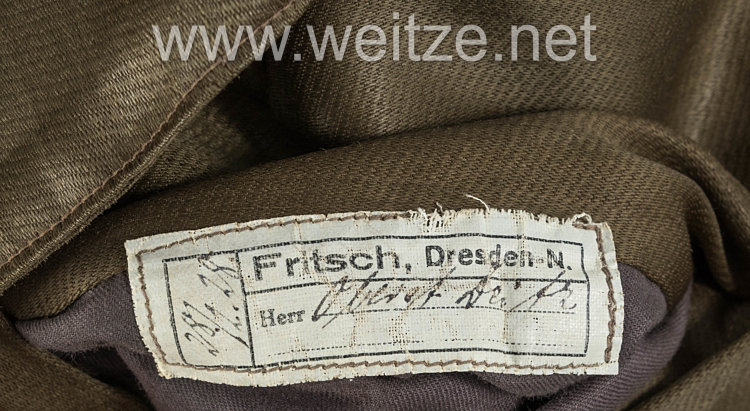
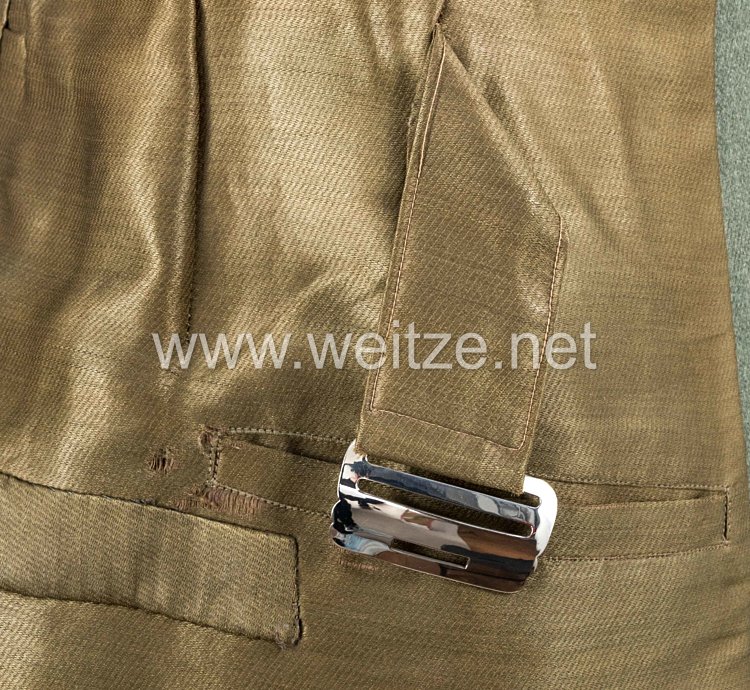
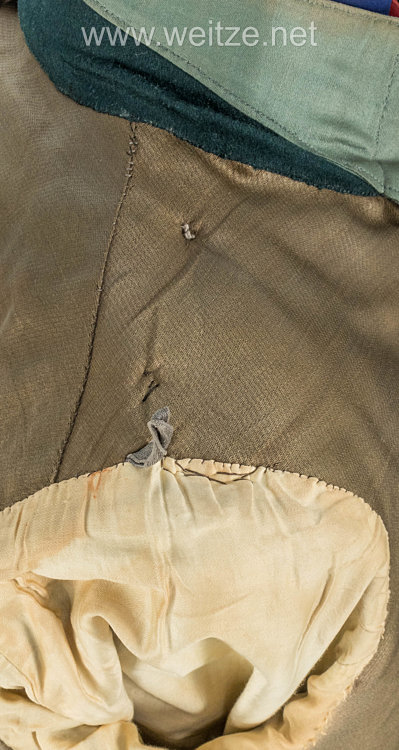
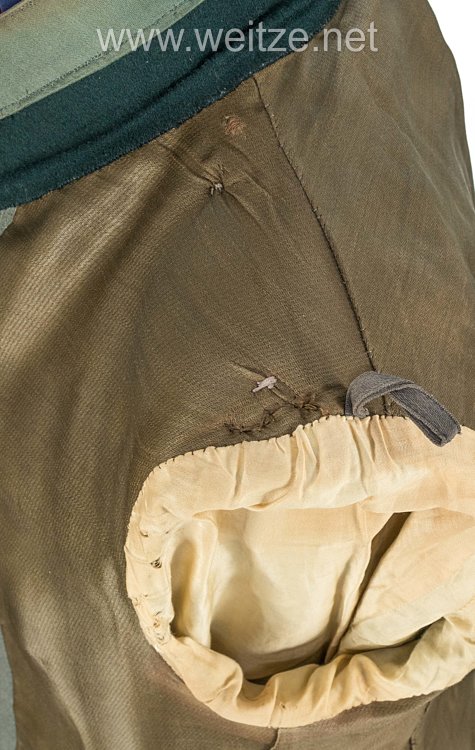
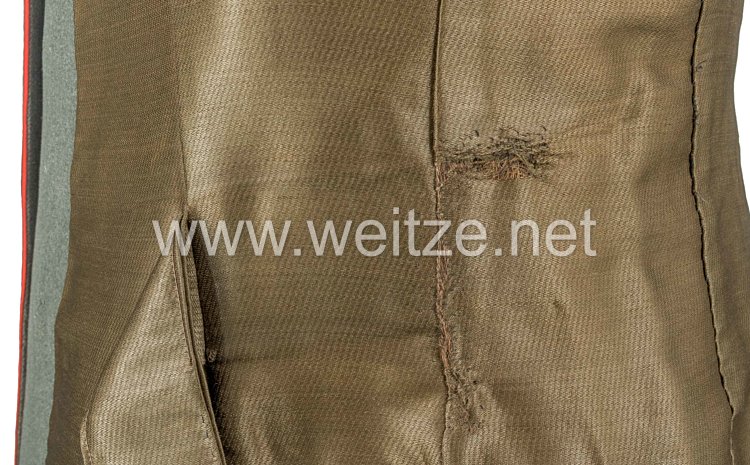
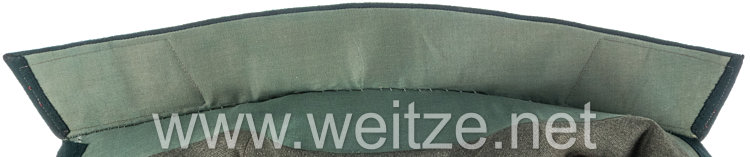
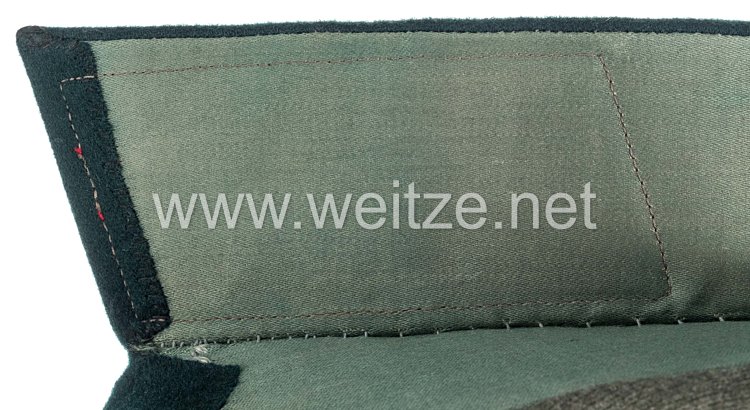
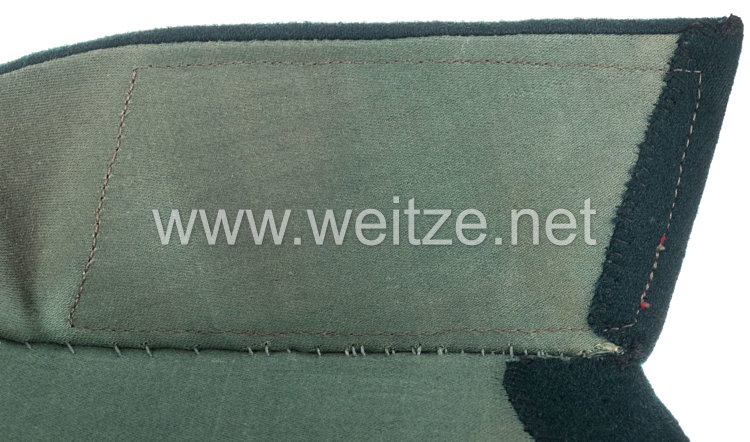
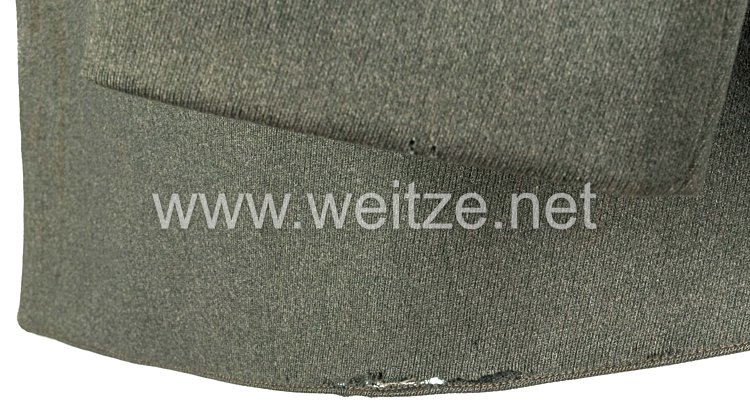
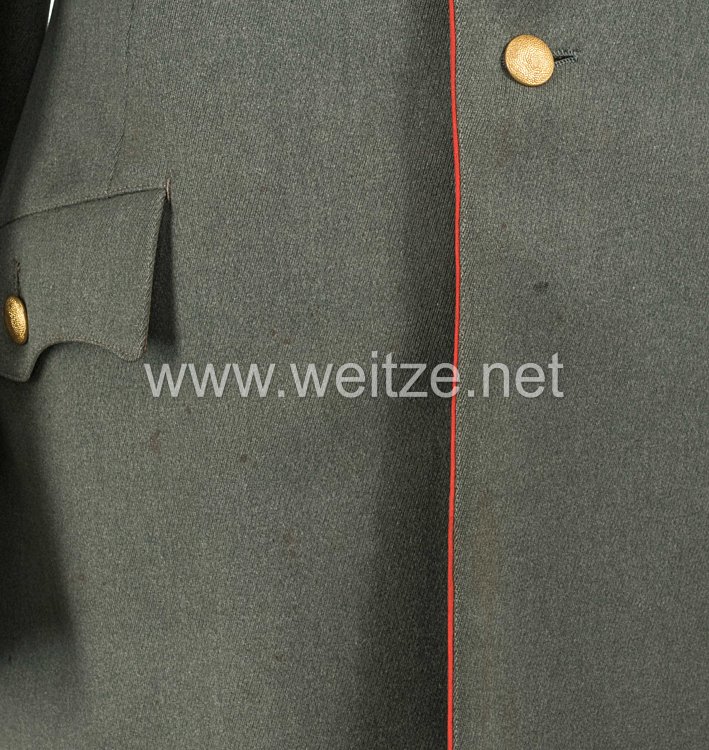
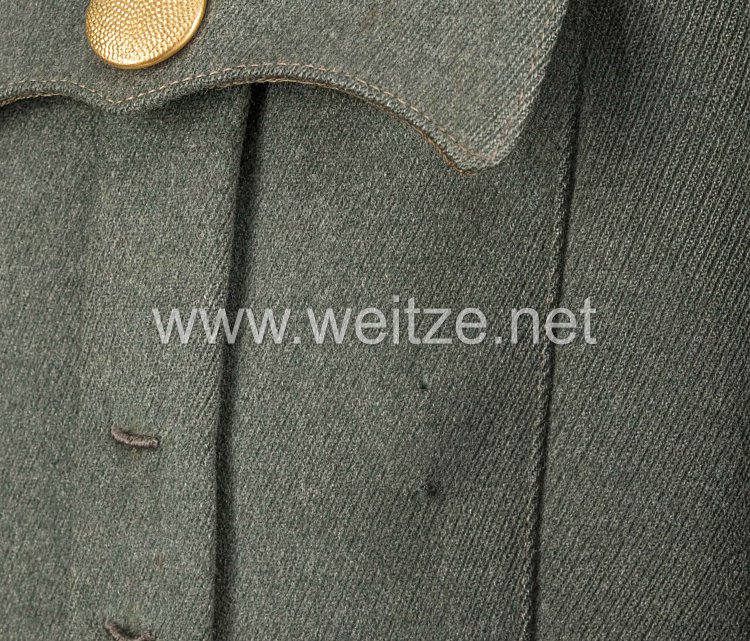
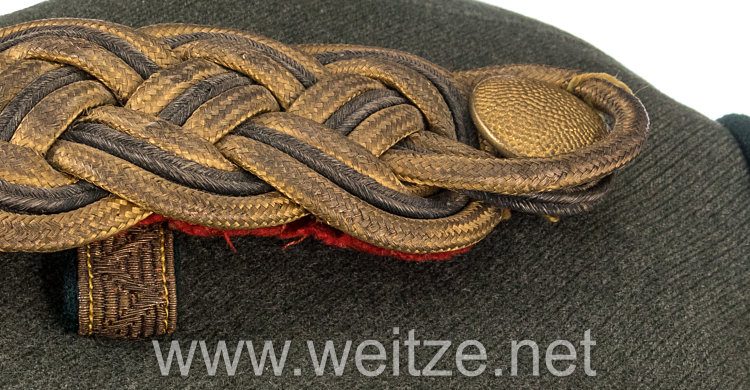
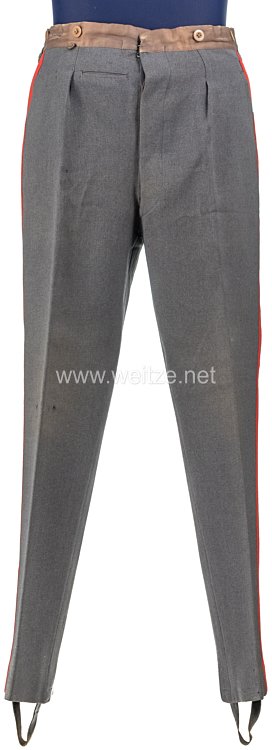
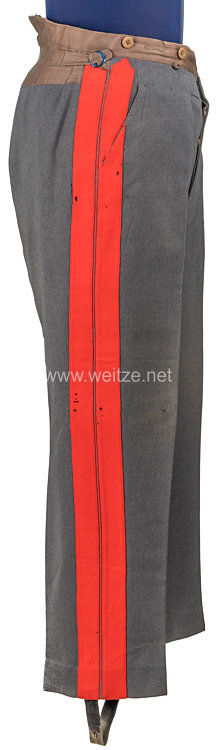
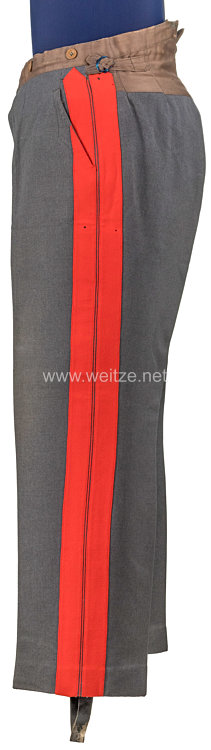
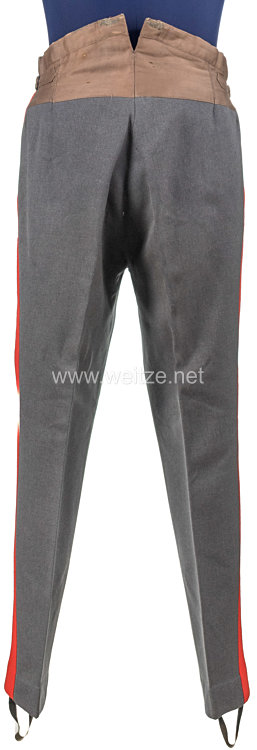
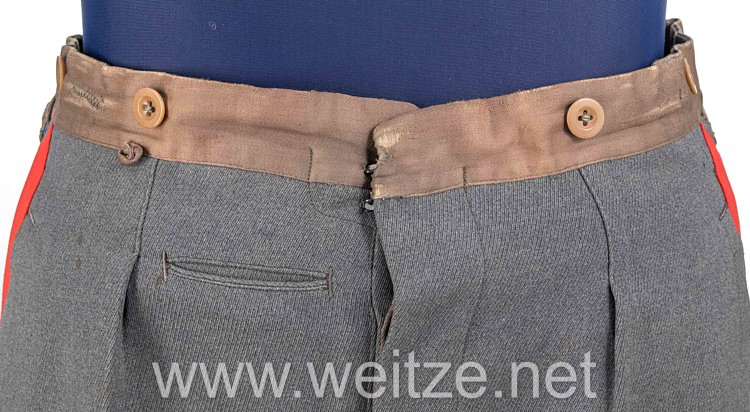
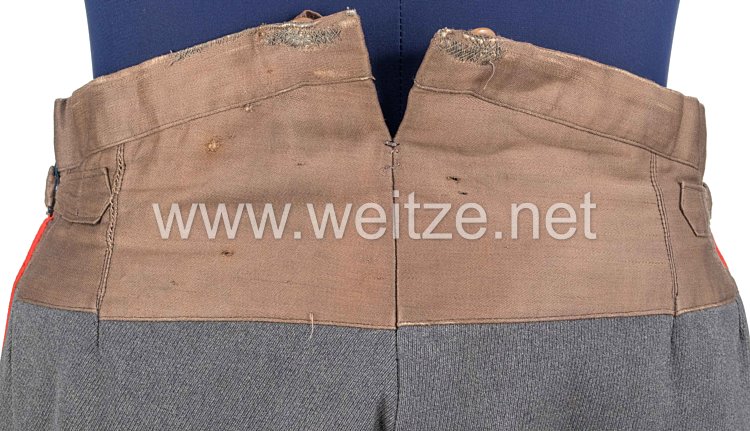
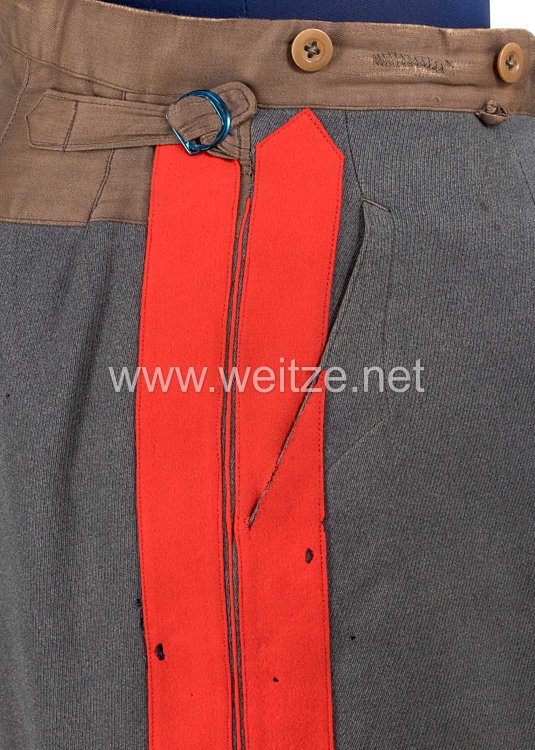
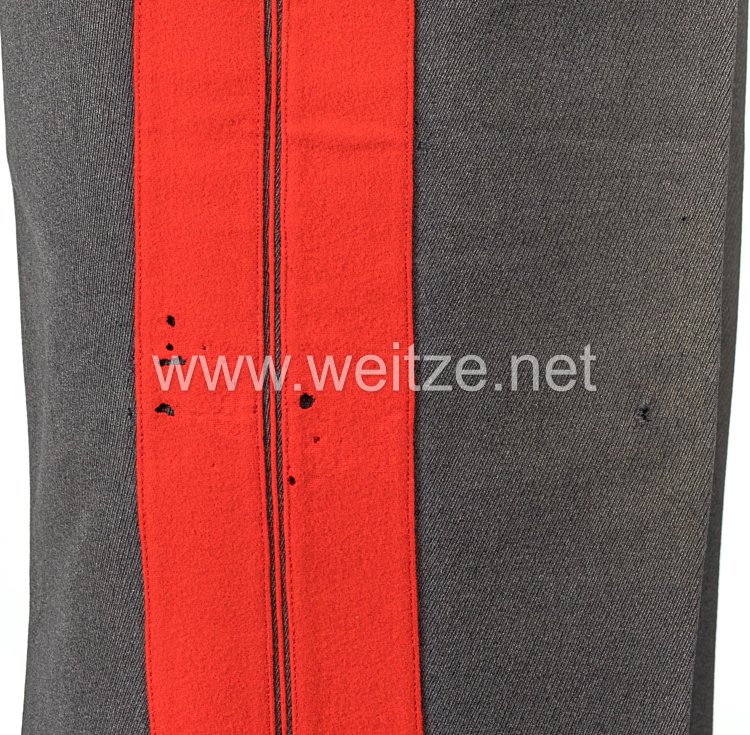
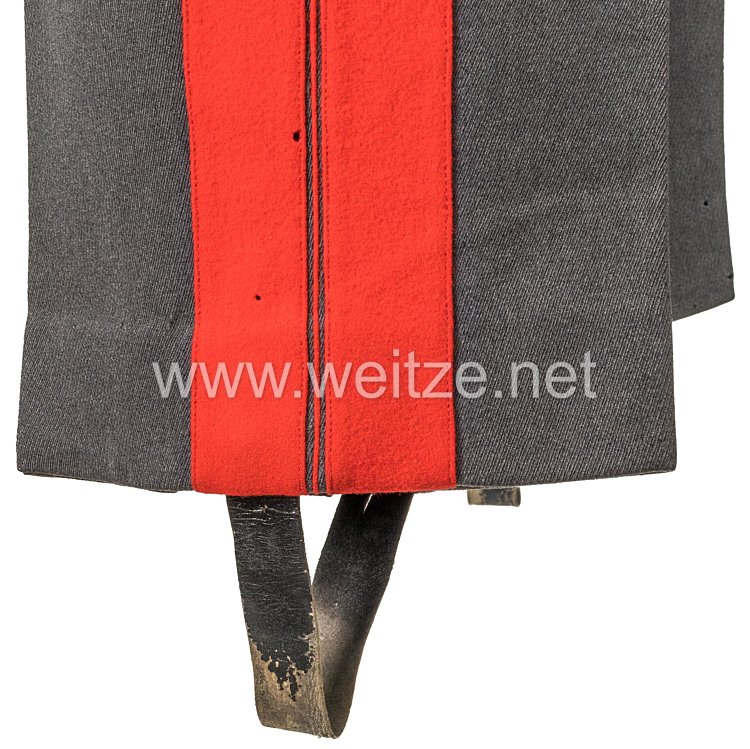
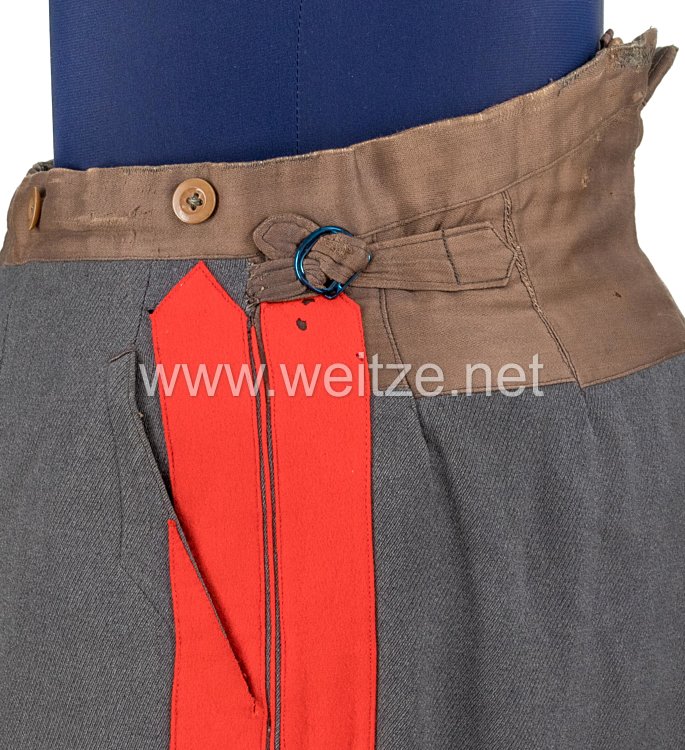
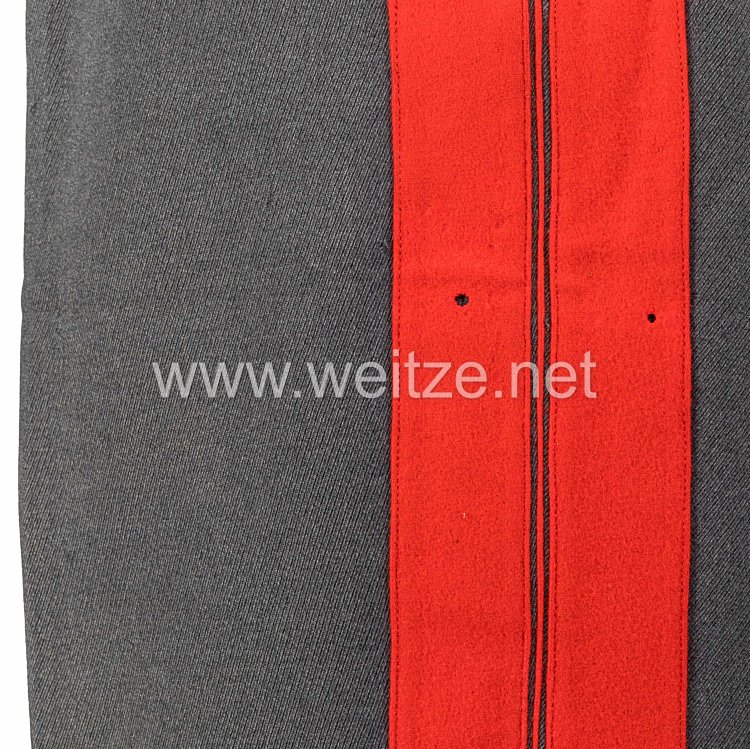
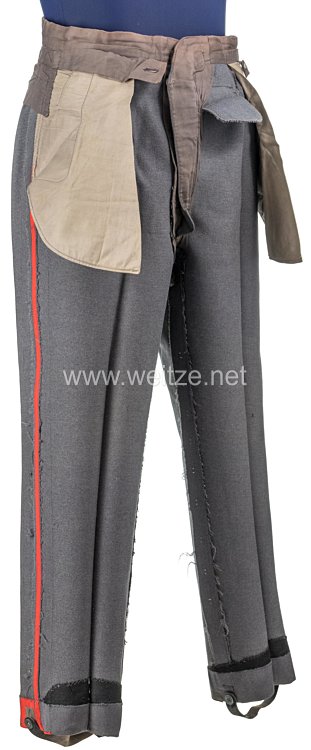
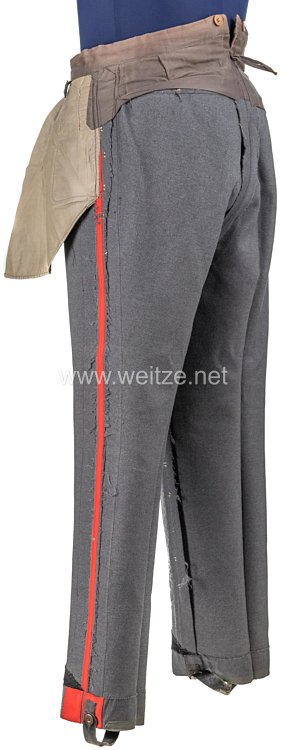
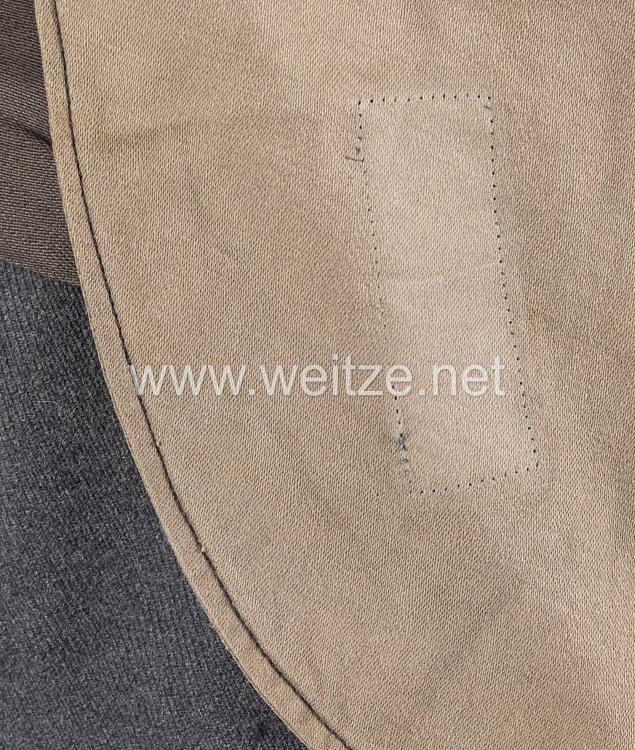
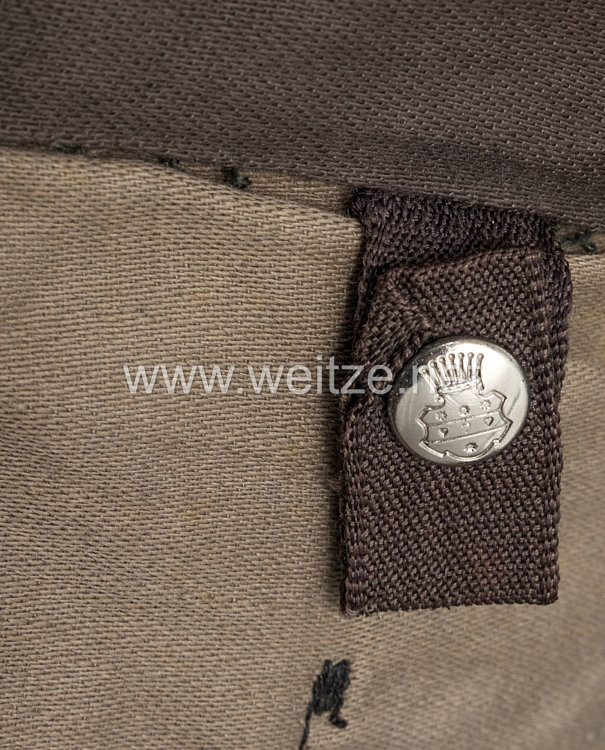
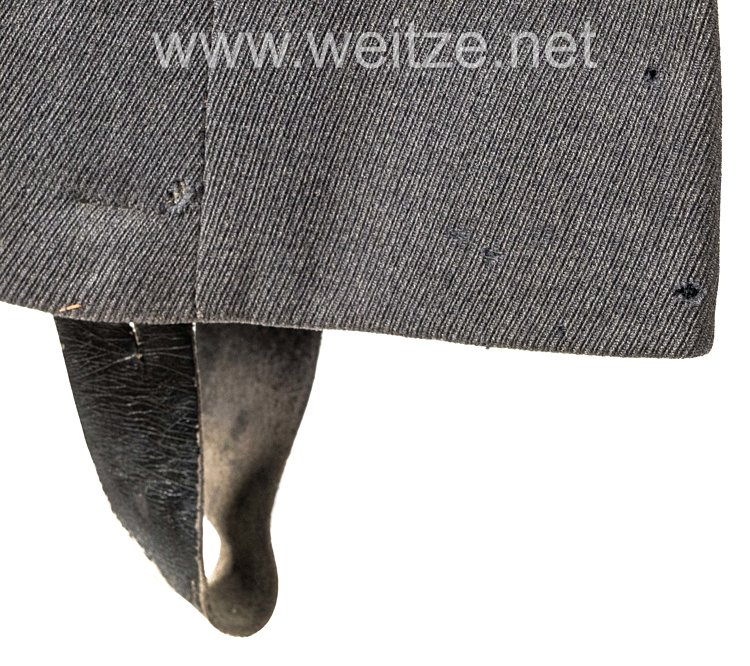
This is a very fine uniform ensemble from the pre-war period, circa 1936/38, worn as Generalmajor from 1941. Service tunic old pattern with matching long trousers. The service tunic old pattern was carried over from the Reichswehr (manufactured 1928) by the wearer into the Wehrmacht. Made from elegant field-gray gabardine with dark green collar. The button panel with 8 buttons and red piping. Sewn-in shoulder boards with heavy general's braid, underneath with thin gold braid as General a.D. or zur Disposition. The collar patches for generals in the large pre-war version with gold embroidery on red background machine-sewn. The breast eagle in gold metallic thread hand-embroidered on dark green, hand-sewn. On the chest, loops for a long medal bar and the Iron Cross 1914 1st Class. Green silk lining inside, in the lower inner pocket with tailor's label “Fritsch, Dresden.N.” with handwritten wearer designation “Oberst Zeitz, 28.2.28.” Worn, inside the silk lining with some old repairs and small patches. Along with matching long trousers of stone-gray cloth with wide red general staff stripes, at the bottom with stirrups for ankle boots. The trousers worn, on the trouser lining with some old repairs, some small moth holes.
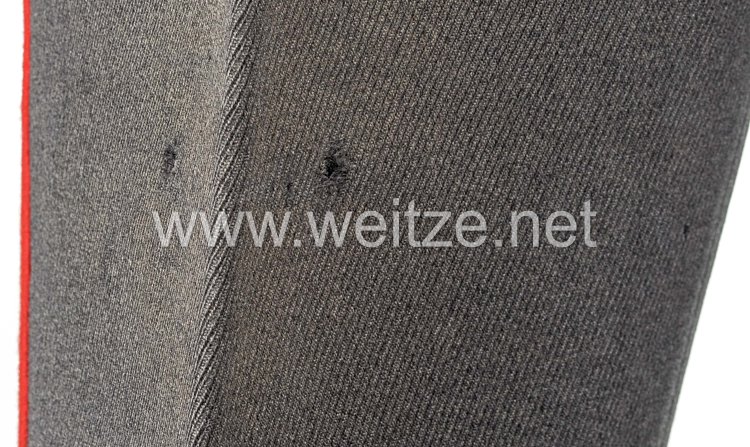
A fine general's uniform worn over many years in untouched original condition.

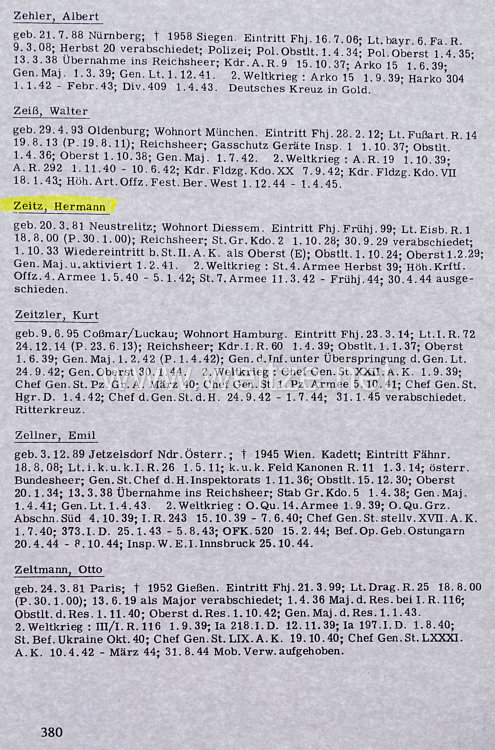
Generalmajor Hermann Zeitz, born 20.3.1881 in Neustrelitz. Entered service as Fahnenjunker 1899, promotion to Leutnant in Eisenbahn-Regiment Nr. 1 on 18.8.1900. After World War I transferred into the Reichswehr. Promotion to Oberstleutnant on 1.2.1929, to Oberst on 1.2.1929, retirement from active service on 30.9.1929. On 1.10.1933 re-entry into the Reichswehr as Oberst (E) with the staff of II. Armeekorps. 1939 with the staff of 4. Armee. From 1.5.1940 to 5.1.1942 Höherer Kraftfahr Offizier with the 4. Armee, promotion to Generalmajor and to active service on 1.2.1941. From 11.3.1942 to spring 1944 on the staff of 7. Armee. On 30.4.1944 discharged from service.
371592

Wehrmacht Large Uniform Ensemble from the Estate of Generalmajor Hermann Zeitz

This uniform ensemble represents a fascinating bridge between two epochs of German military history and documents the remarkable career of Generalmajor Hermann Zeitz, who served from the Imperial era through the Weimar Republic into the Wehrmacht period. Born on March 20, 1881 in Neustrelitz, Zeitz entered the imperial army as a Fahnenjunker in 1899 and was promoted to Leutnant in Eisenbahn-Regiment Nr. 1 on August 18, 1900. After World War I, he was transferred into the Reichswehr, where he was promoted to Oberst on February 1, 1929, and retired from active service on September 30, 1929.

The Dienstrock alter Art (old-style service tunic) itself was manufactured in 1928 during the Reichswehr era, as documented by the tailor's label “Fritsch, Dresden.N.” with the handwritten wearer designation “Oberst Zeitz, 28.2.28.” in the lower interior pocket. This old-style service tunic was introduced for wear during the Weimar Reichswehr era and was originally supposed to be replaced with the new M35 Waffenrock, introduced on June 29, 1935. However, the popularity of the old-style service tunic among older officers resulted in the wearing-out period being extended to March 31, 1941 for all officers. Officers beneath the rank of General had a wear-out date of March 31, 1942, while officers with General ranks continued to wear the old-style service tunic with all but the formal dress uniform right up until the end of the war.

The uniform is crafted from elegant field-grey gabardine with a dark green collar, featuring a button placket with eight buttons and red piping. The sewn-in shoulder straps bear heavy general's braid, underneath with thin gold braid as a designation for a General a.D. (retired) or zur Disposition (at disposition). The collar patches for generals are in the large pre-war execution with gold embroidery on red ground, machine-sewn. The breast eagle is hand-embroidered in gold metal thread on dark green and hand-sewn. On the breast are loops for a long medal bar and the Iron Cross 1914 1st Class. The interior features green silk lining.

The accompanying long trousers are made of stone-grey cloth and are distinguished by wide red Lampassen (stripes), which generals and General Staff officers wore in scarlet or carmine-red. At the bottom, the trousers have straps for ankle boots. The Dienstrock alter Art, as well as the stone-grey trousers and field cap in the old style, identified the wearer as a presumed Reichswehr veteran.

On October 1, 1933, Zeitz re-entered the Reichswehr as Oberst (E) with the staff of II. Armeekorps. In 1939 he served with the staff of the 4. Armee. From May 1, 1940 to January 5, 1942, he functioned as Höherer Kraftfahr Offizier (Higher Motor Transport Officer) with the 4. Armee. On February 1, 1941, he was promoted to Generalmajor and returned to active service. From March 11, 1942 to spring 1944, he served on the staff of the 7. Armee. He was discharged from service on April 30, 1944.

Wehrmacht uniforms emerged during the National Socialist period in the context of Wehrmacht rearmament from 1935. The responsible designers adopted many traditions of the Reichswehr. In summer 1935, the Waffenrock was introduced, replacing the Dienstrock alter Art as parade, guard, social and walking-out dress. However, the Dienstrock alter Art was retained until the war's end and was sometimes even newly manufactured.

Officers and certain senior NCO ranks were responsible for purchasing their own uniforms from the armed forces clothing depots or to privately purchase garments of higher quality. This uniform was made around 1936/38 during the pre-war period and worn as Generalmajor from 1941. The ensemble shows clear signs of use with old repairs and small patches in the silk lining, as well as some small moth holes in the trousers, evidencing intensive use over many years. It is a beautiful general's uniform worn over many years in untouched original condition.