Luftwaffe großer Nachlass aus dem Besitz der Ritterkreuzträgers mit Eichenlaub und späterem Generalmajor der Luftwaffe Hubertus Hitschhold
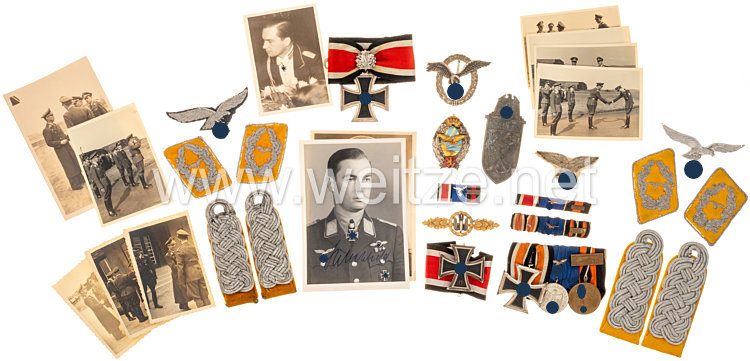
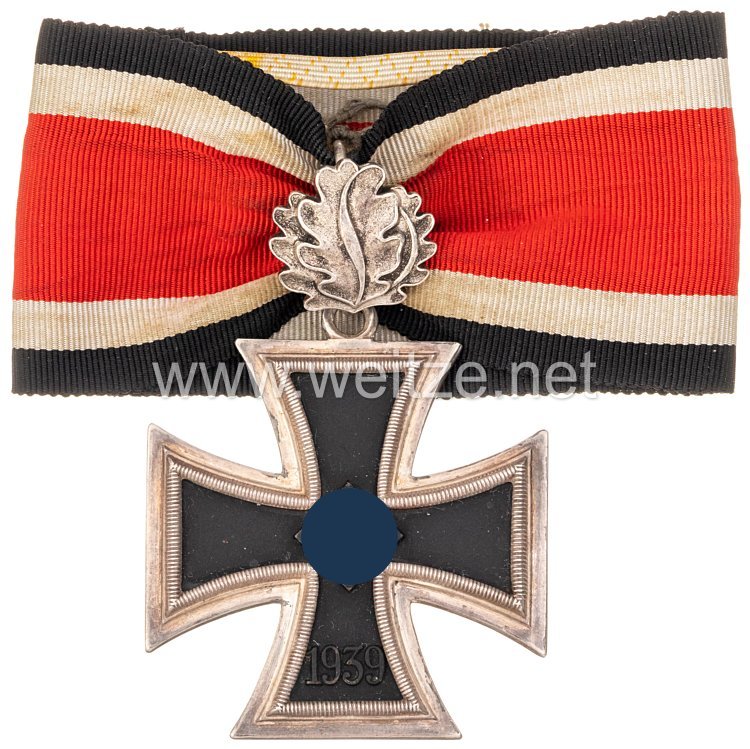
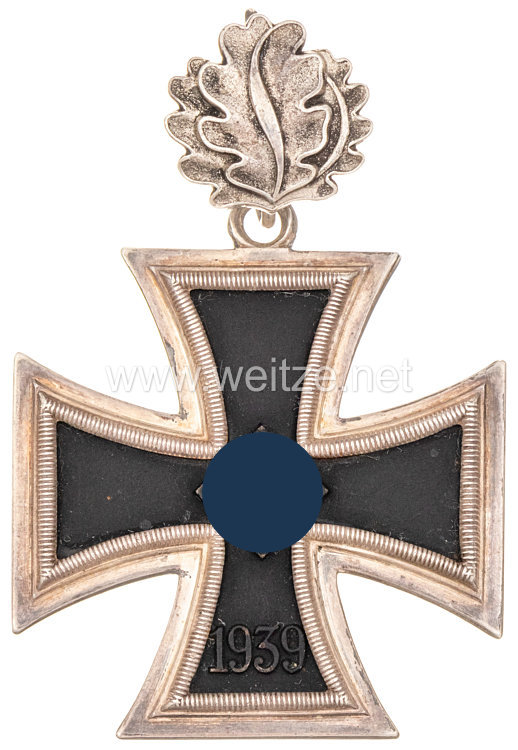
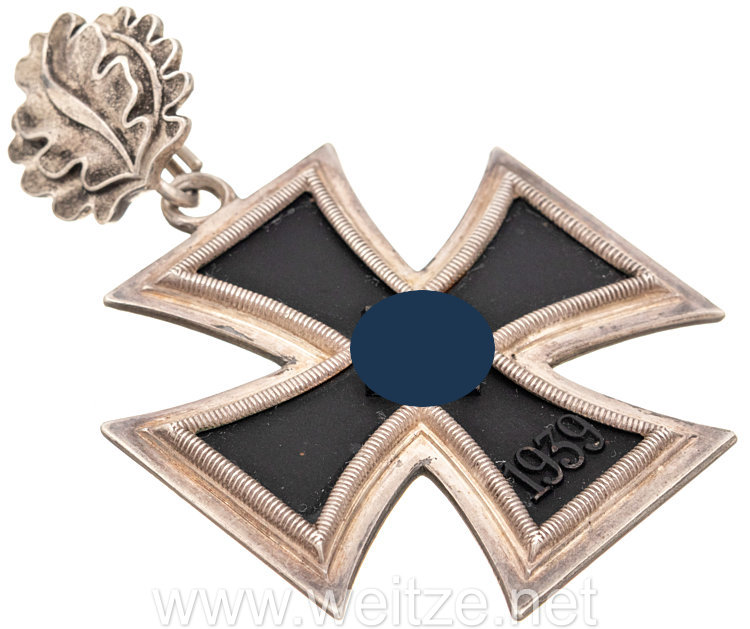
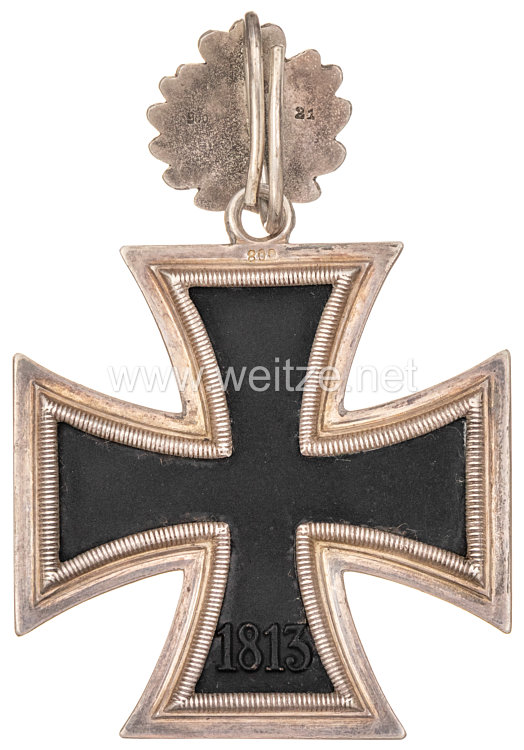
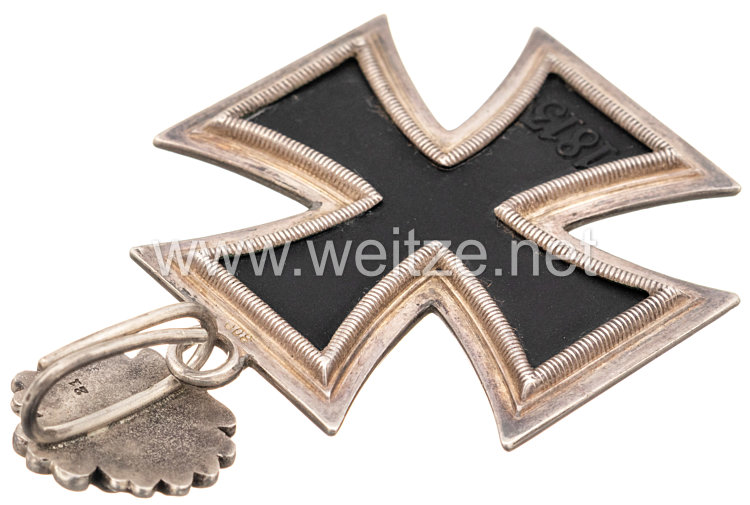
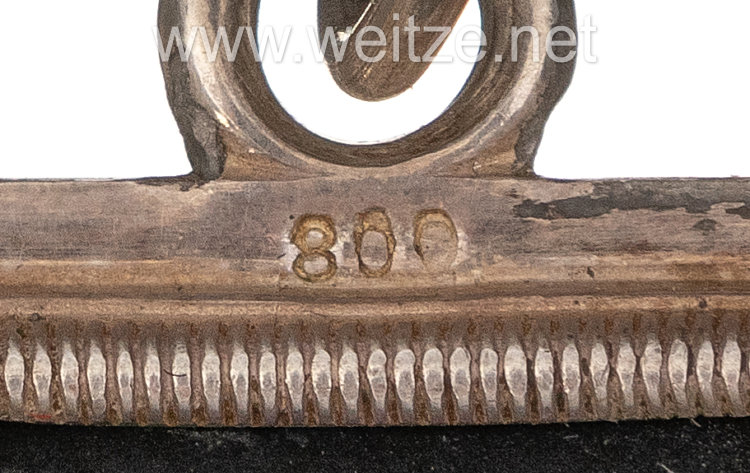
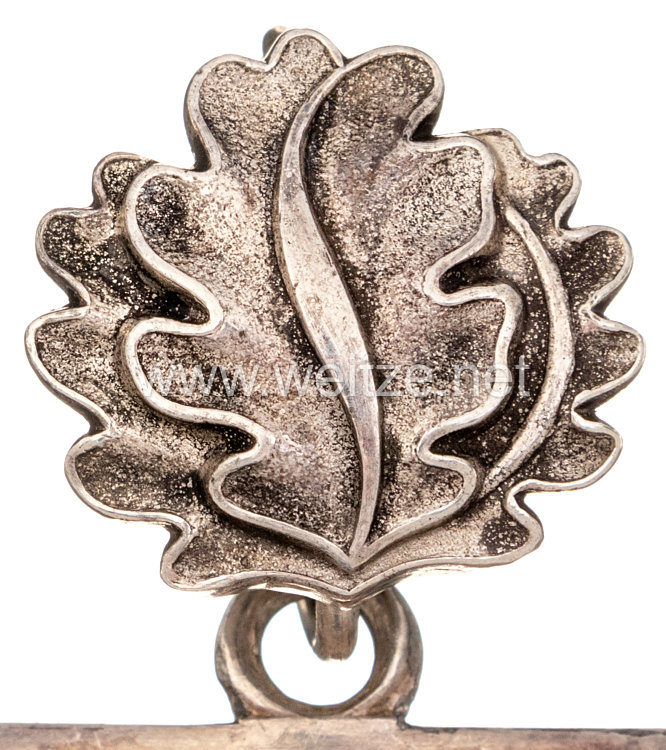
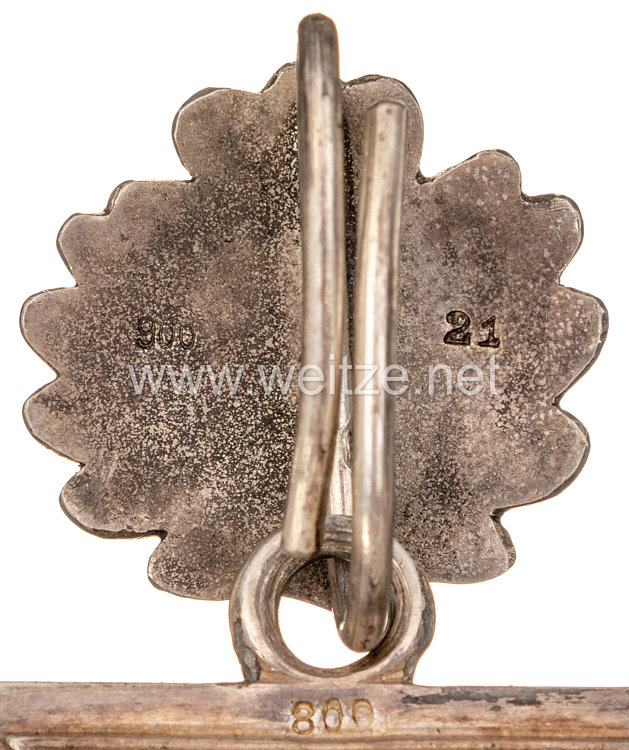
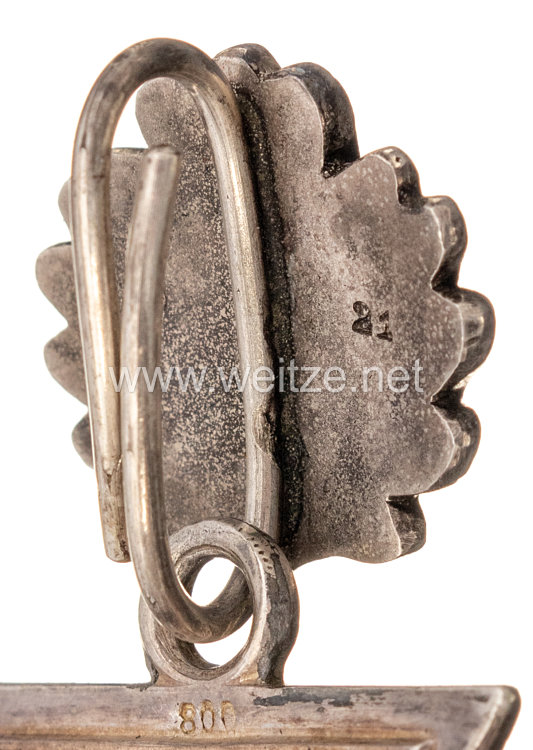
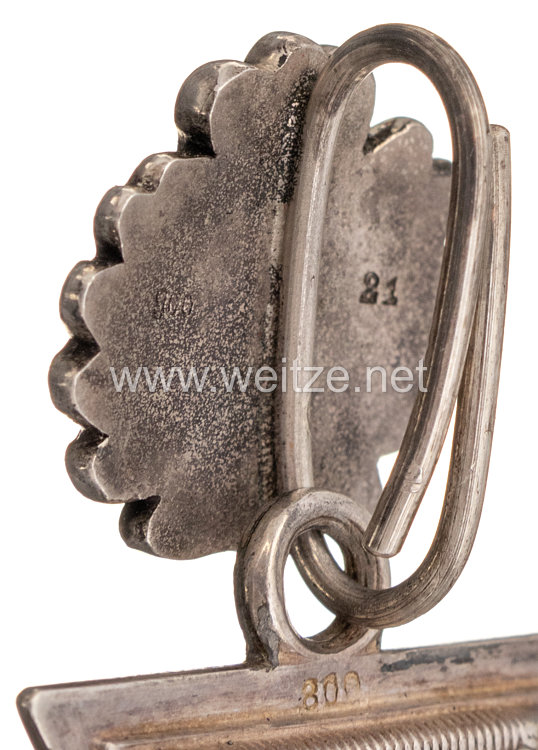
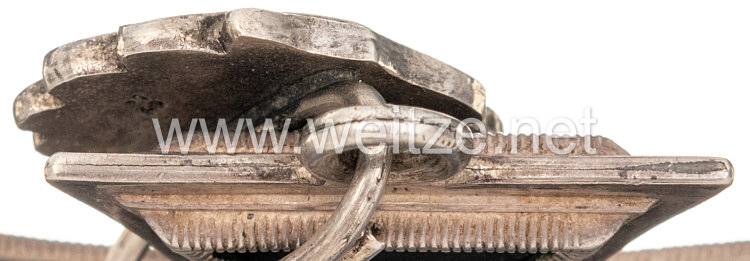
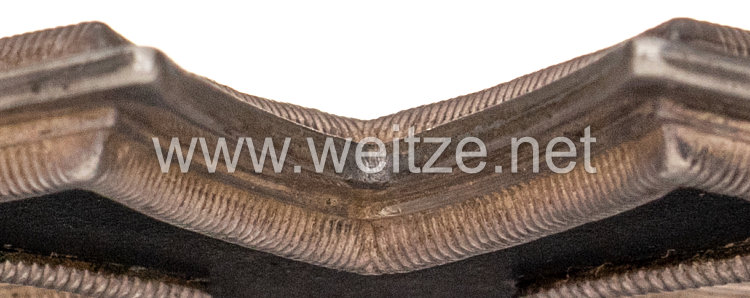
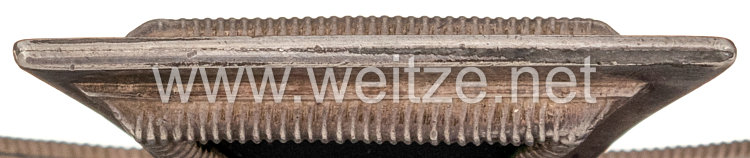
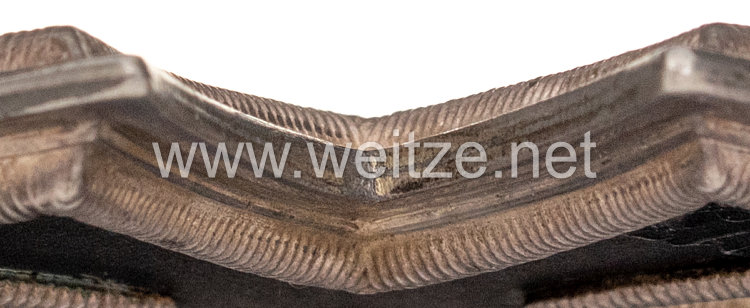
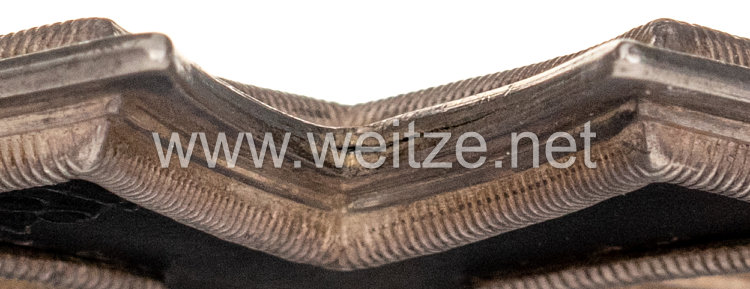
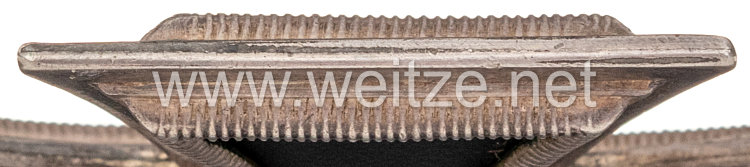
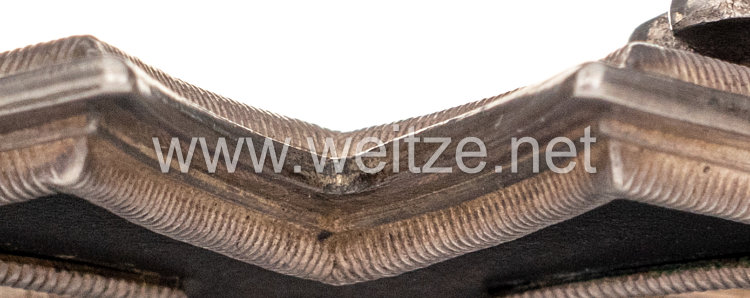
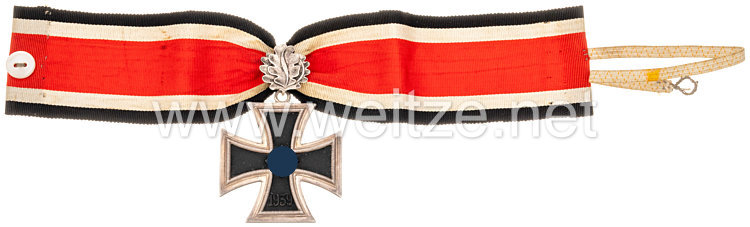
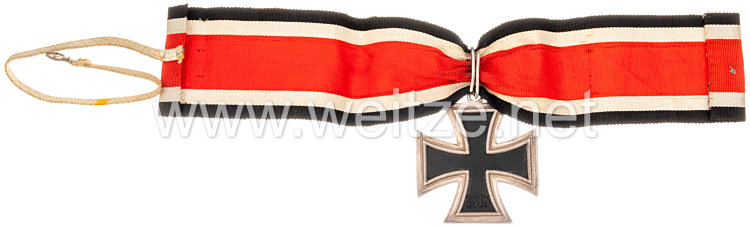
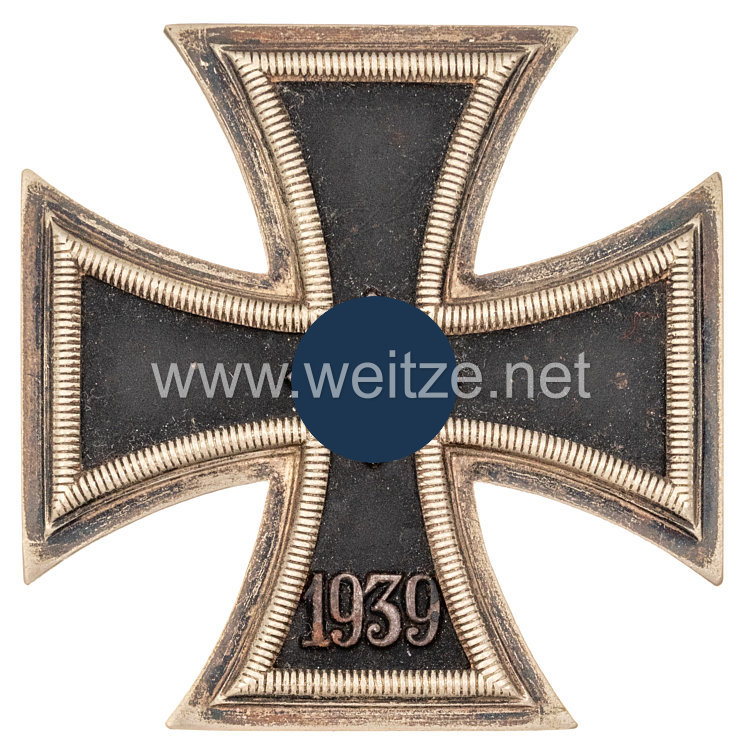
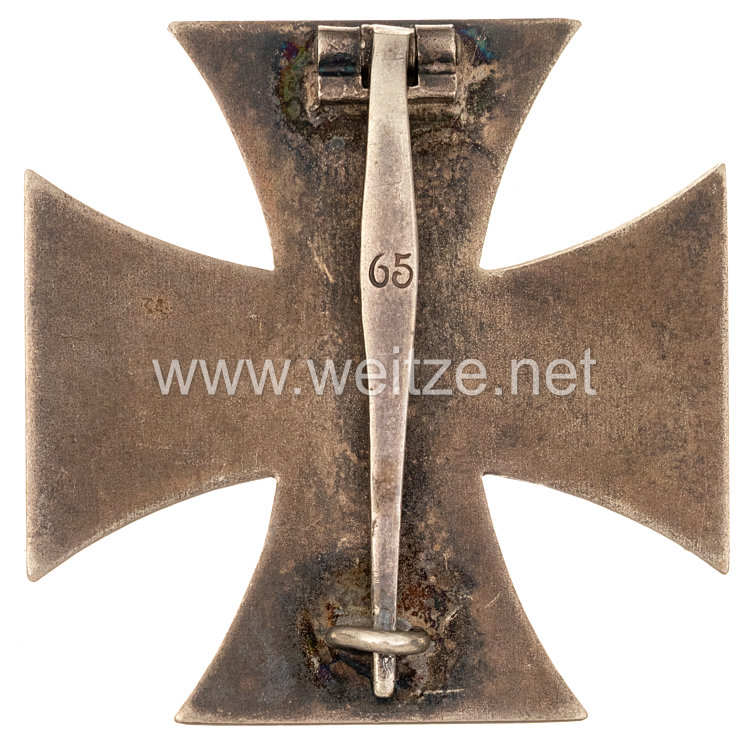
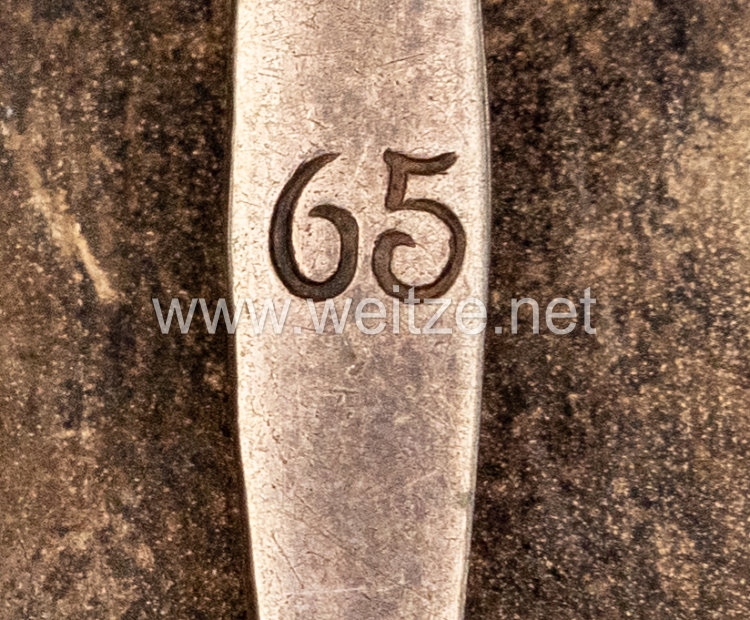
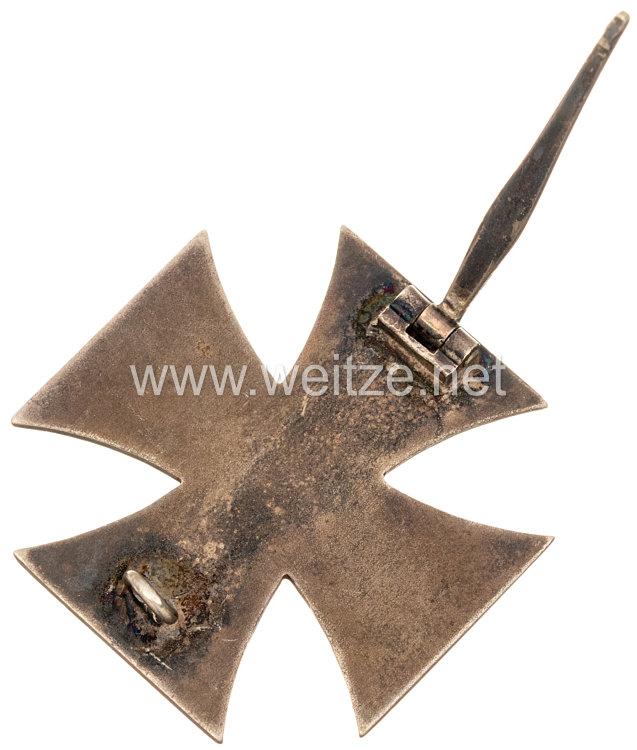
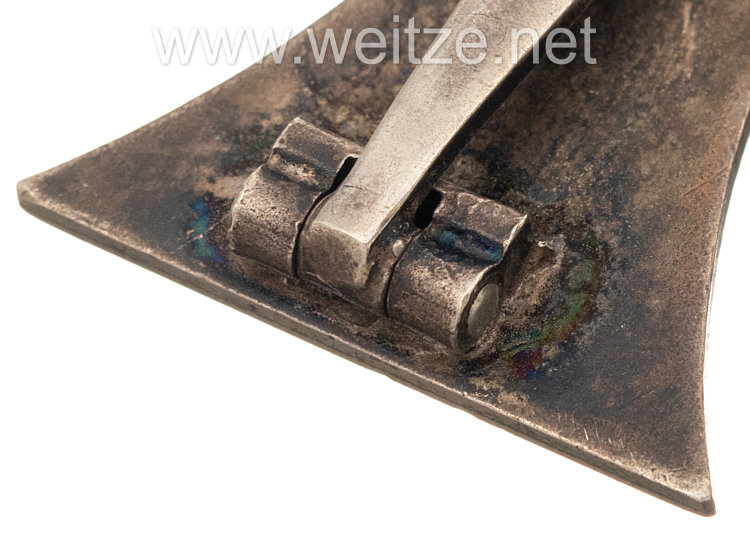
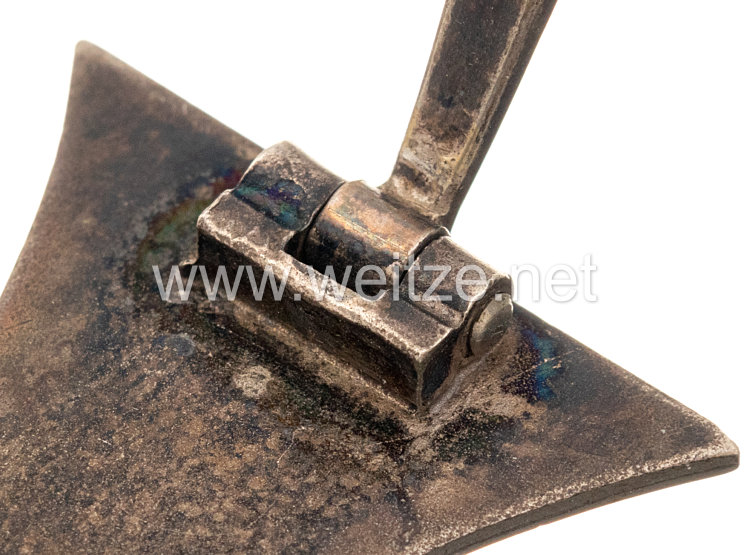
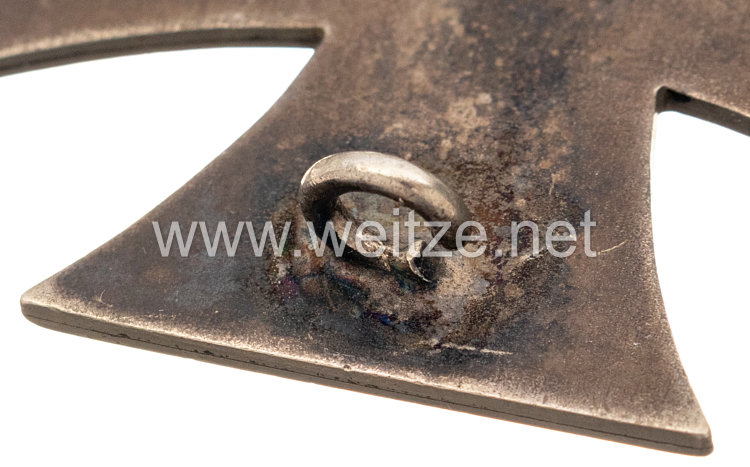
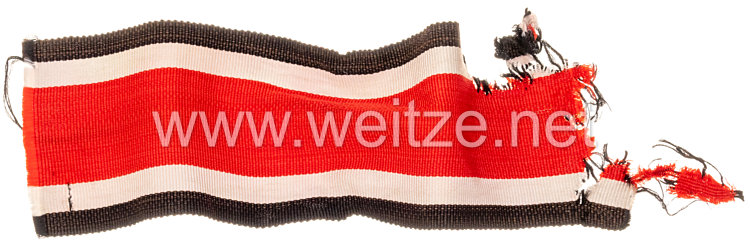
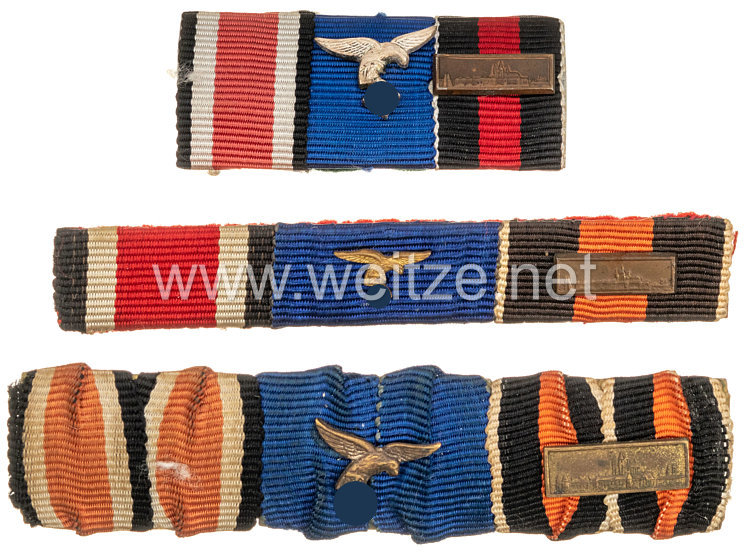
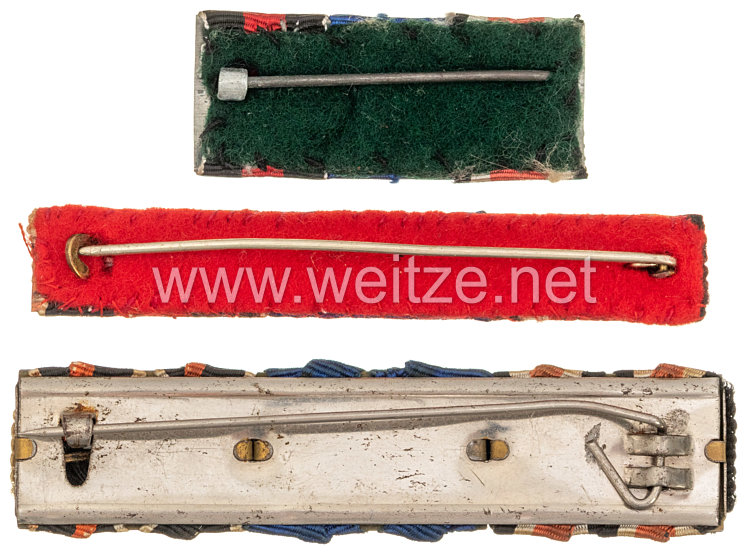
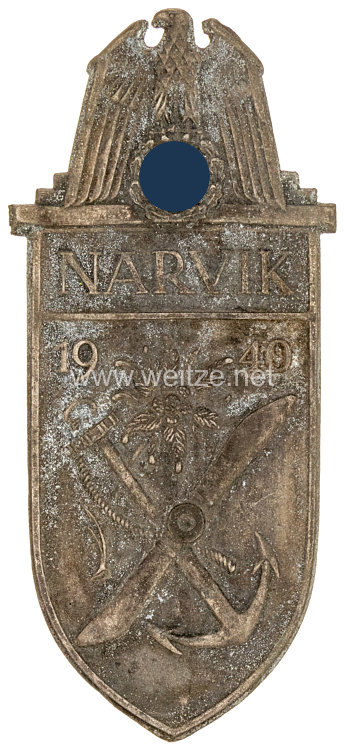
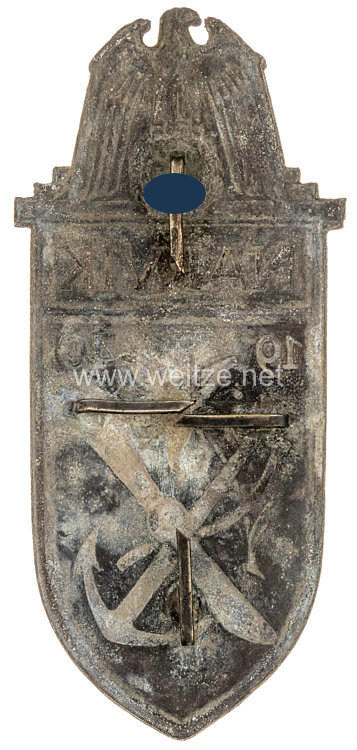
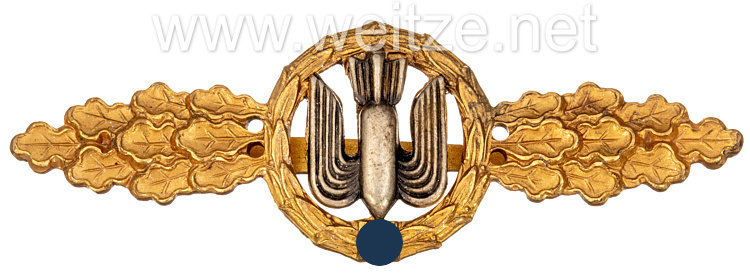
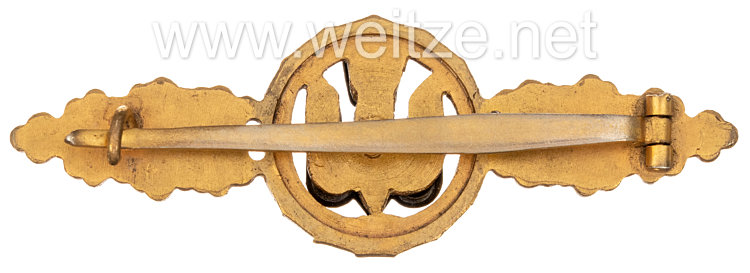
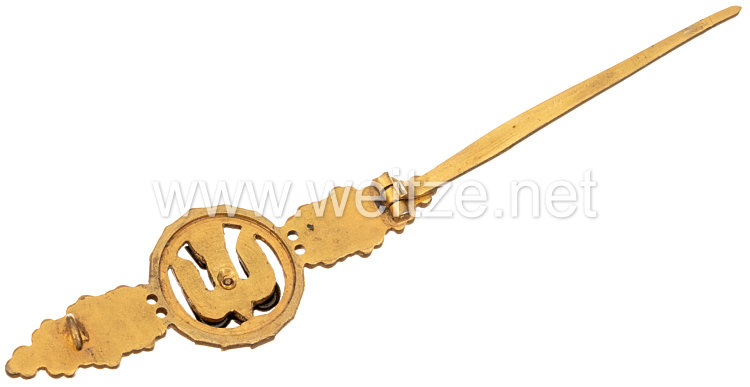
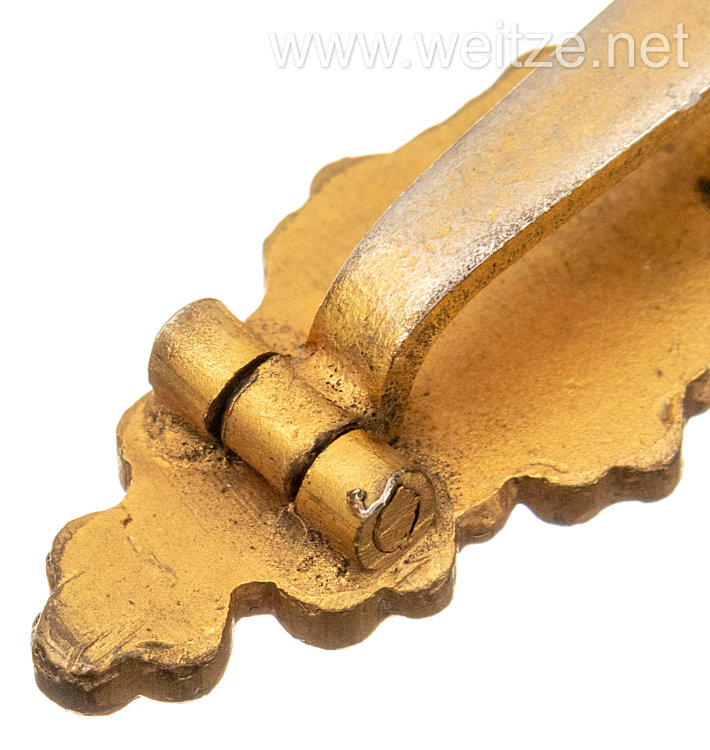
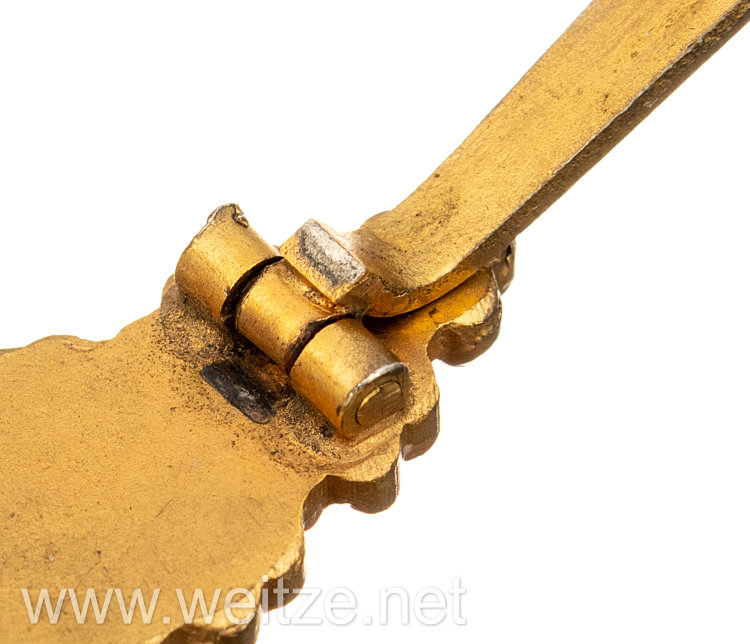
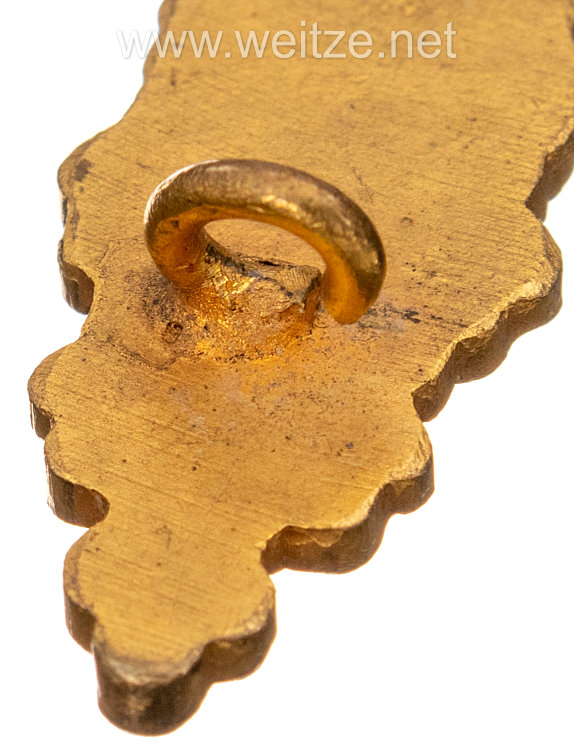
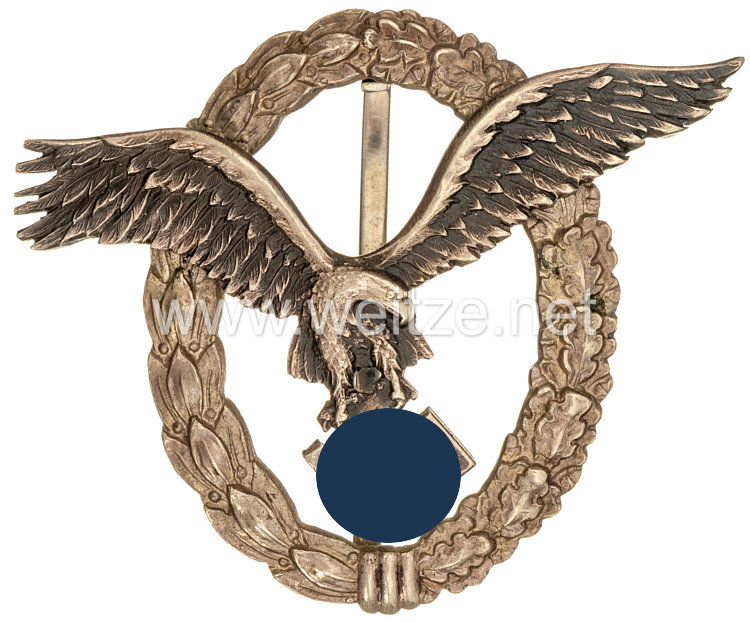
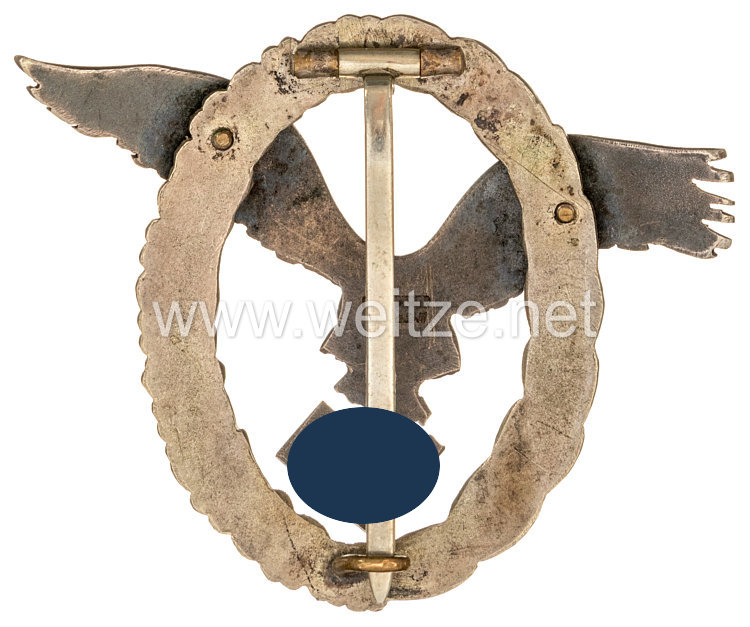
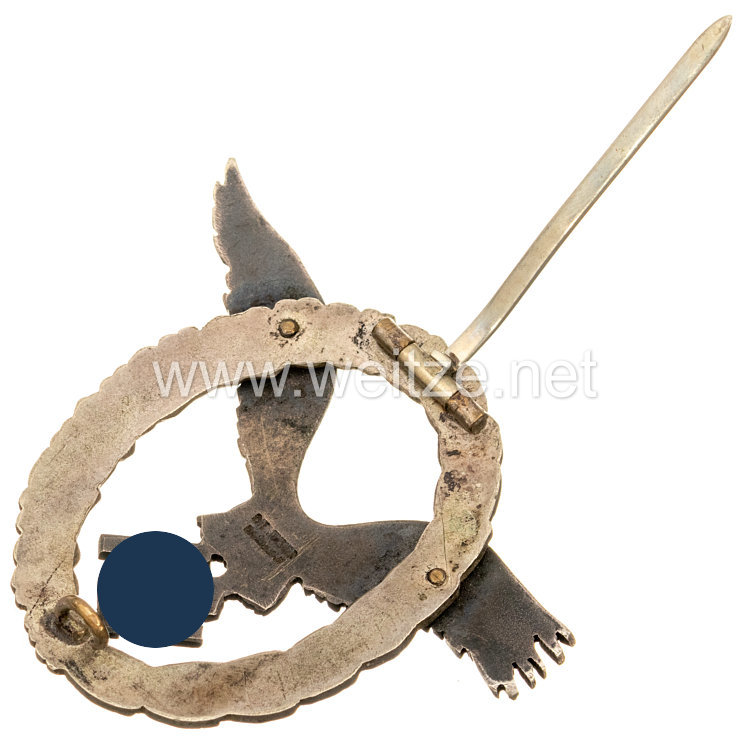
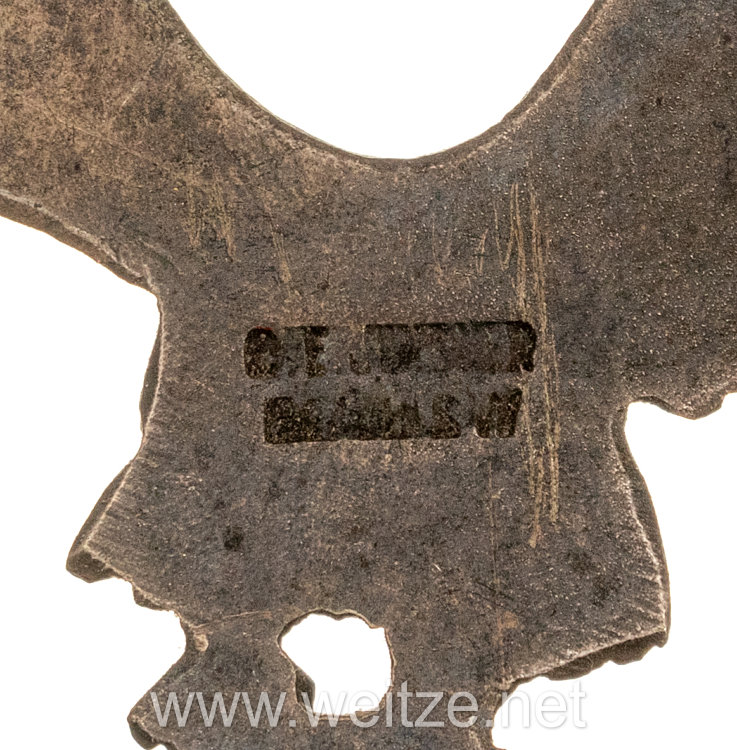
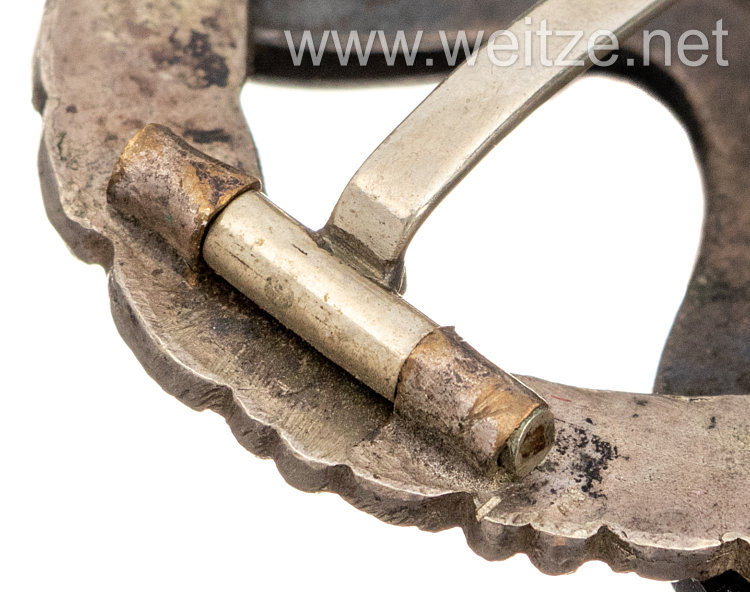
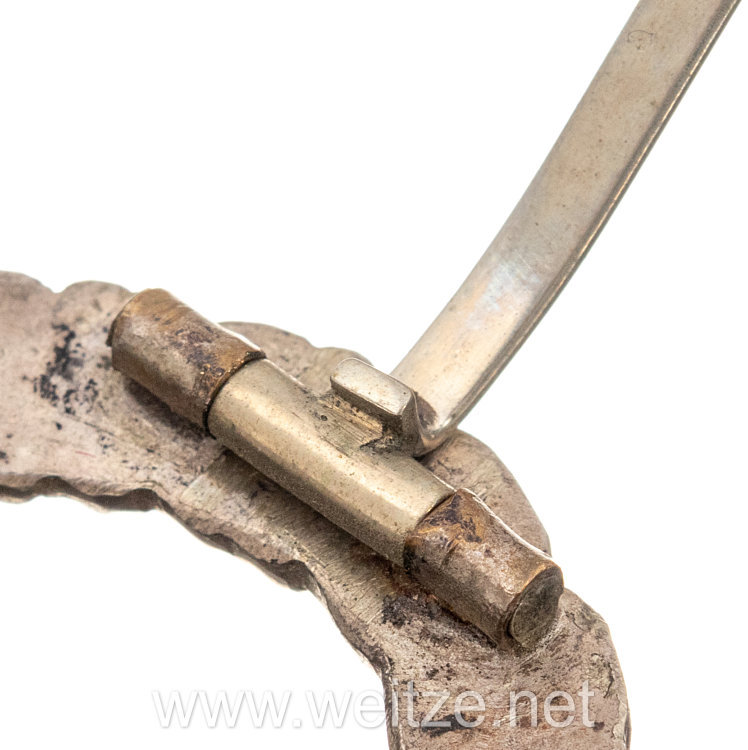
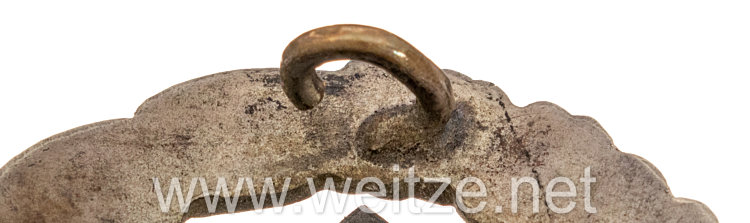
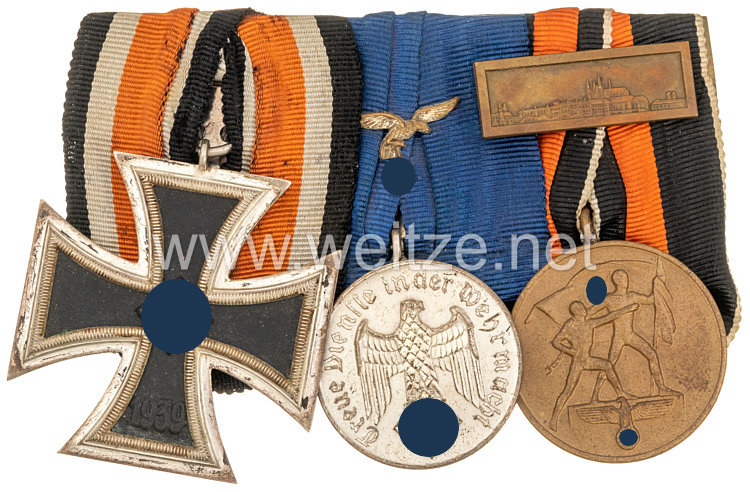
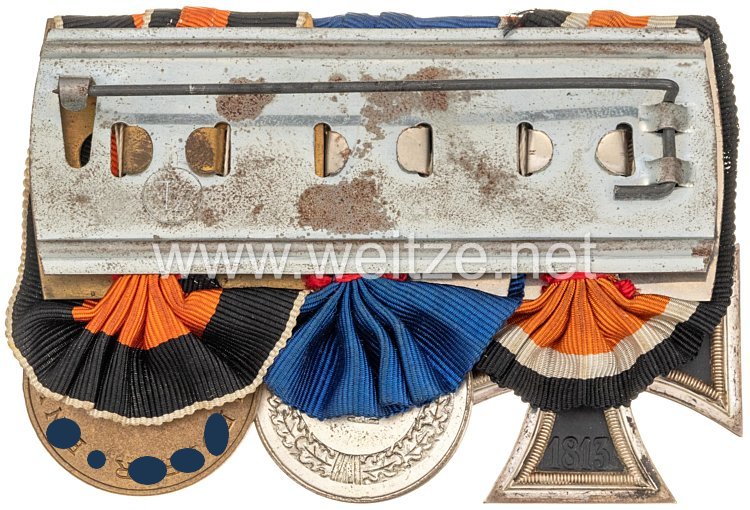
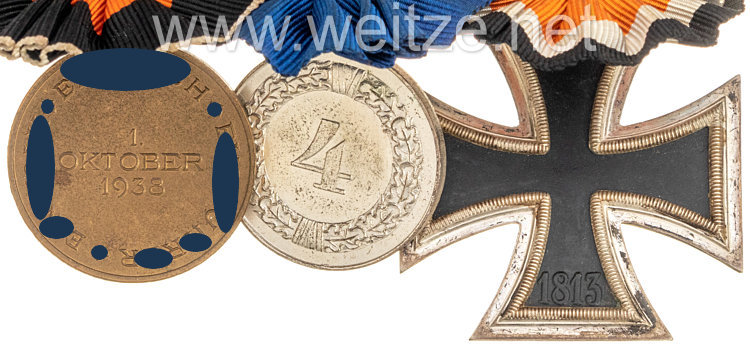
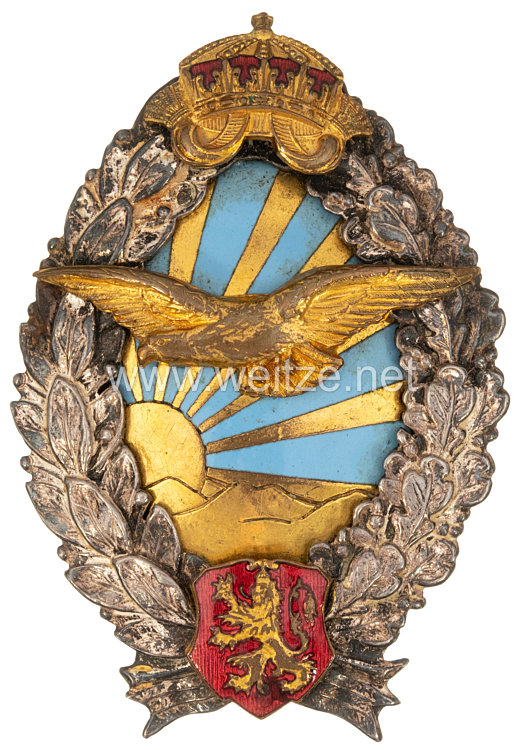
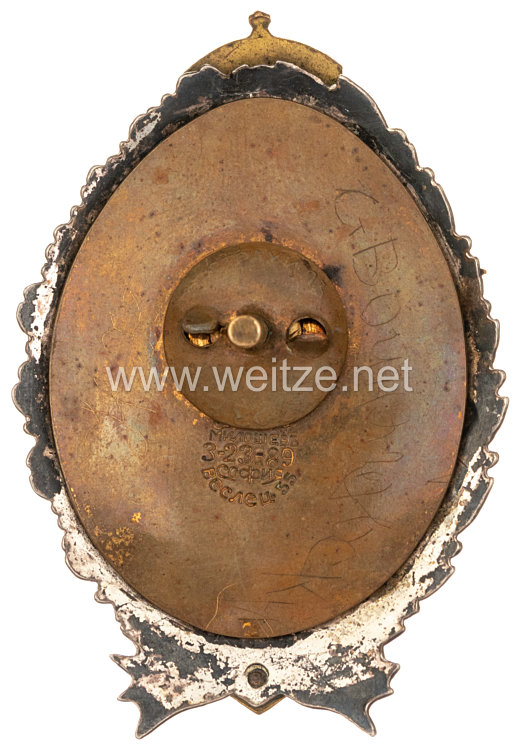
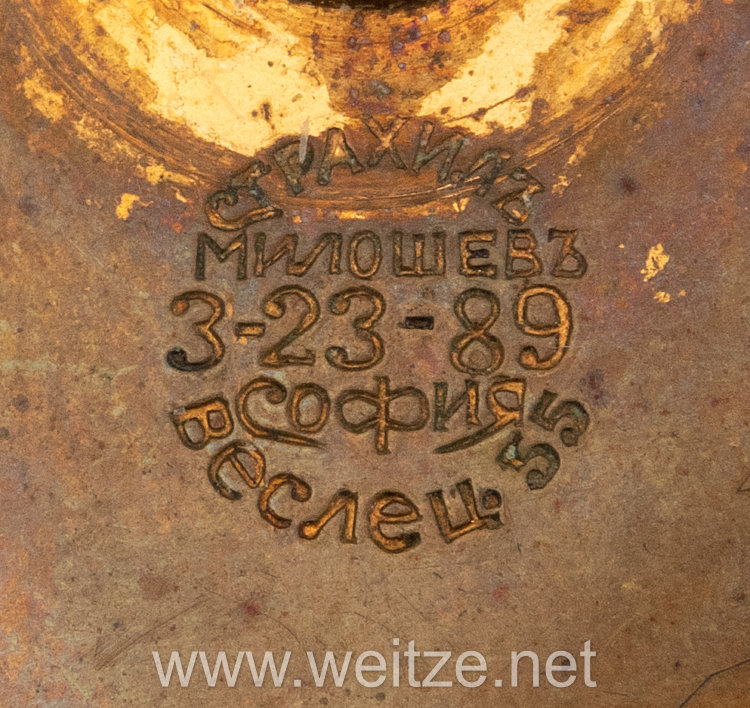
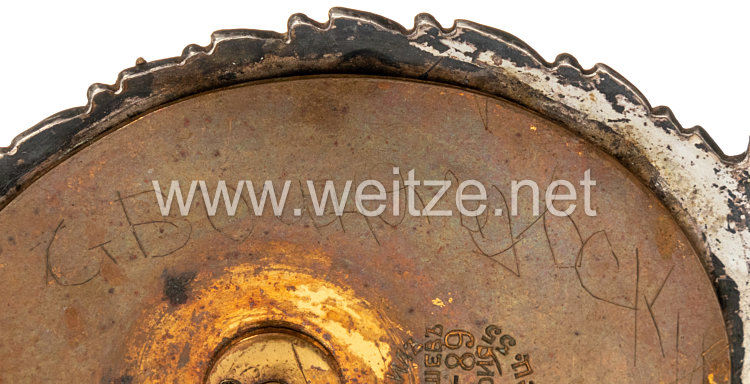
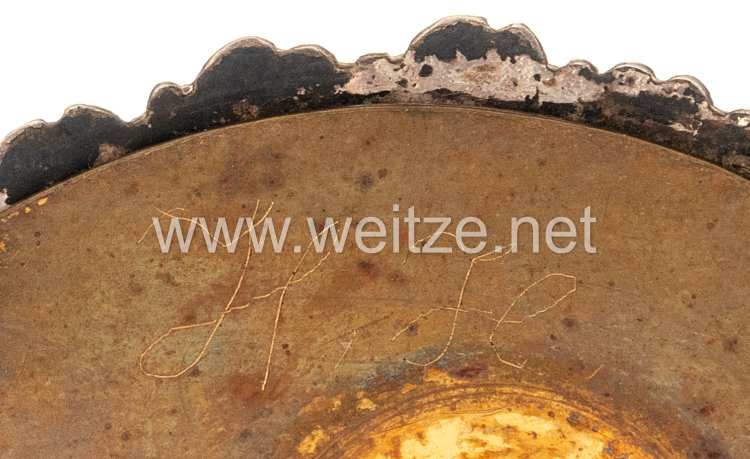
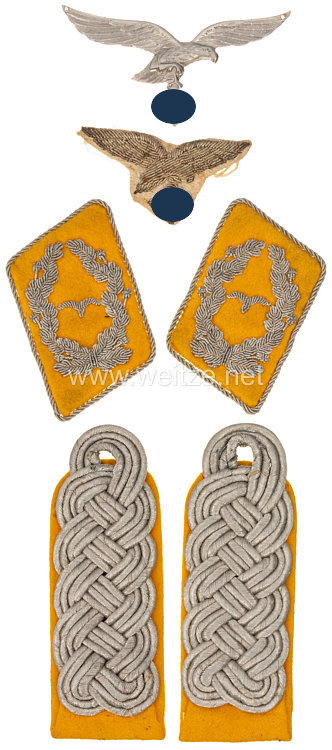
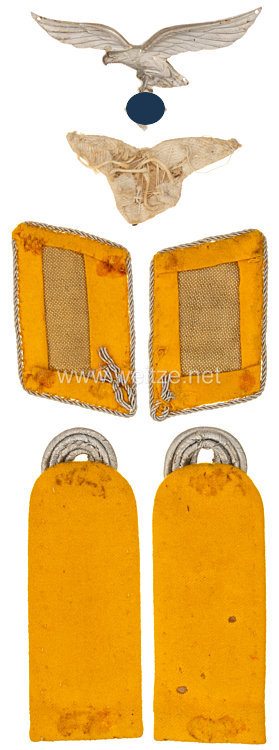
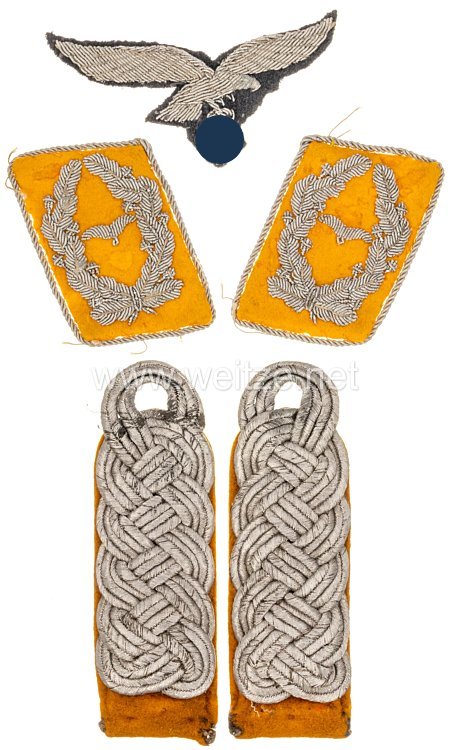
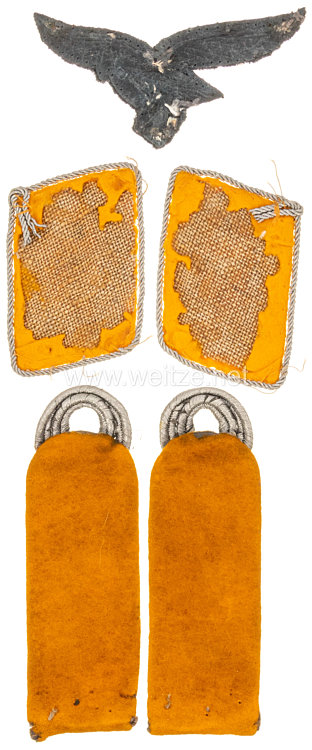
Ritterkreuz mit Eichenlaub des Eisernen Kreuz 1939. Es handelt sich bei dem Ritterkreuz um eine klassische Fertigung der C.E. Juncker, Berlin. Das Ritterkreuz mit geschwärztem Eisenkern und Silberzarge. Rückseitig gestempelt "800". Das Eichenlaub ist die typische Ausführung der Fa. Gebr. Godet und Co. Berlin. Sehr schöne Fertigung in Silber. Rückseitig links "900", rechts "21" gepunzt. Leicht getragen, komplett mit dem getragenen original Halsbandabschnitt, seitlich mit angenähtem Gummiband und Befestigungsknopf, Länge 25 cm. Ein Stück mit schöner Patina und einer großen Ausstrahlung. Dazu noch ein weiterer Halsbandabschnitt, stark getragen. Eisernes Kreuz 1939 1. Klasse, Fertigung der Fa. Klein & Quenzer, rückseitig auf der Nadel "65" markiert. Getragen, Zustand 2. Frontflugspange für Kampfflieger in Gold. Buntmetallausführung, leicht getragen, Zustand 2. Große Ordensschnalle mit 3 Auszeichnungen: Eisernes Kreuz 1939 2. Klasse. Luftwaffe Dienstauszeichnung für 4 Jahre. Erinnerungsmedaille 1. Oktober 1938 mit Spange "Prager Burg". Dazu passend 2 Feldspangen mit den 3 Auszeichnungen. Flugzeugführerabzeichen. Frühe flache Buntmetallausführung, rückseitig mit Herstellerbezeichnung "C.E. Juncker, Berlin SW". Getragenes Stück, die Nadel wurde während des Krieges ersetzt. Ärmelschild "Narvik 1940", Feinzinkausführung, ohne Tuchunterlage und Gegenplatte, Zustand 2-. Königreich Bulgarien Flugzeugführerabzeichen, bulgarische Fertigung, rückseitig mit Schraubscheibe. Leicht getragen, Zustand 2. 1 Kompletter Satz Effekten für eine Fliegerbluse als Major der fliegenden Truppe: Brustadler, Kragenspiegel und Schulterstücke, dazu ein weiterer Satz, mit einem Brustadler aus Aluminium für die Sommeruniform, seitlich mit Bohrungen zum annähen. Beide deutlich getragen, Zustand 2-. 1 Adler für die weiße Sommerschirmmütze, Metallfaden handgestickte Ausführung, wahrscheinlich eine italienische Fertigung, deutlich getragen.
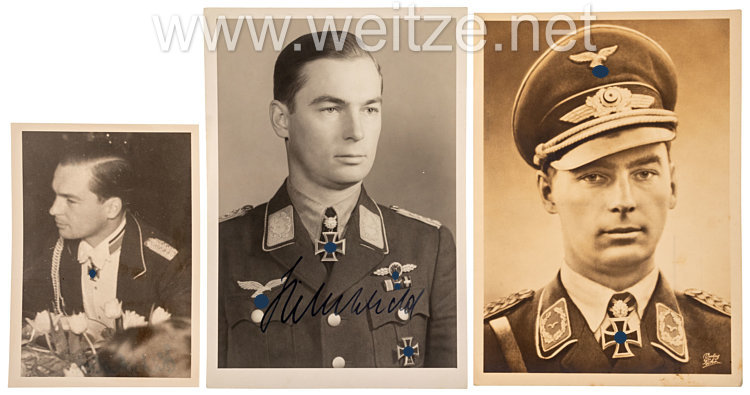
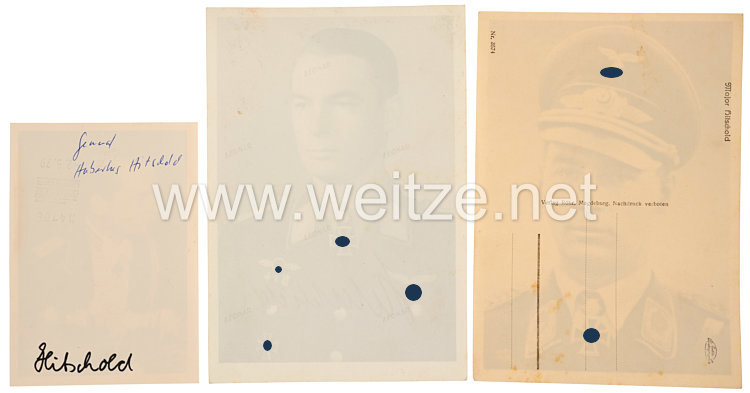
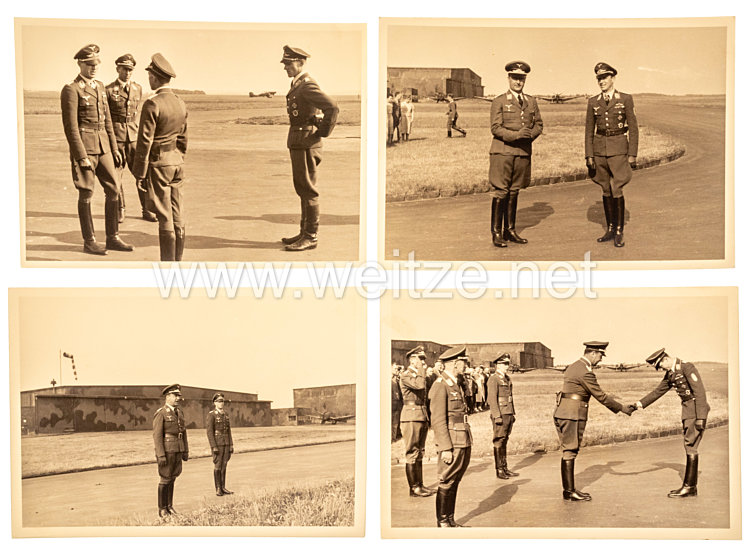
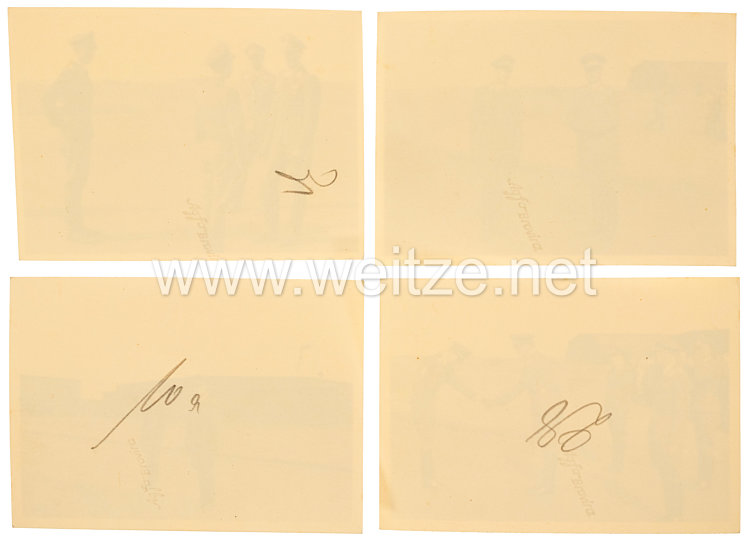
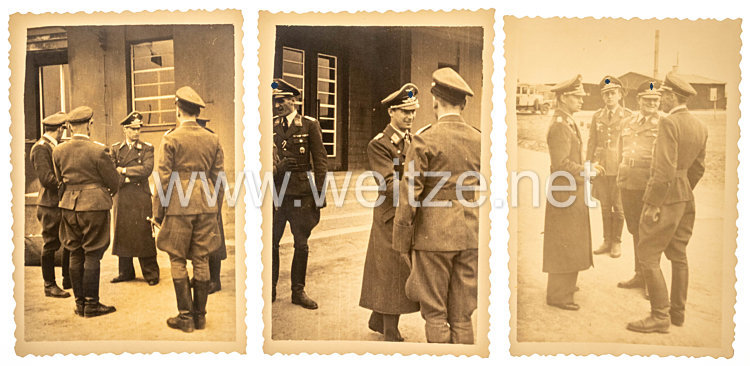
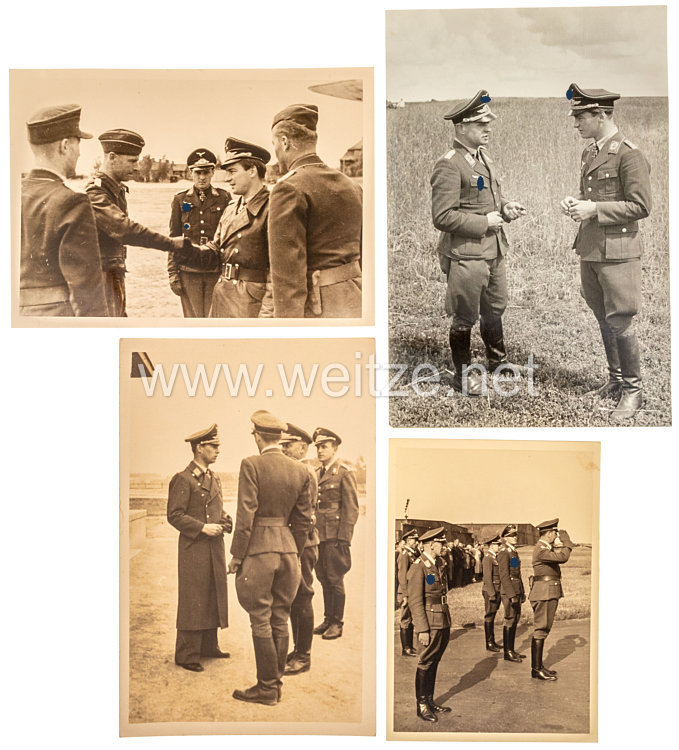
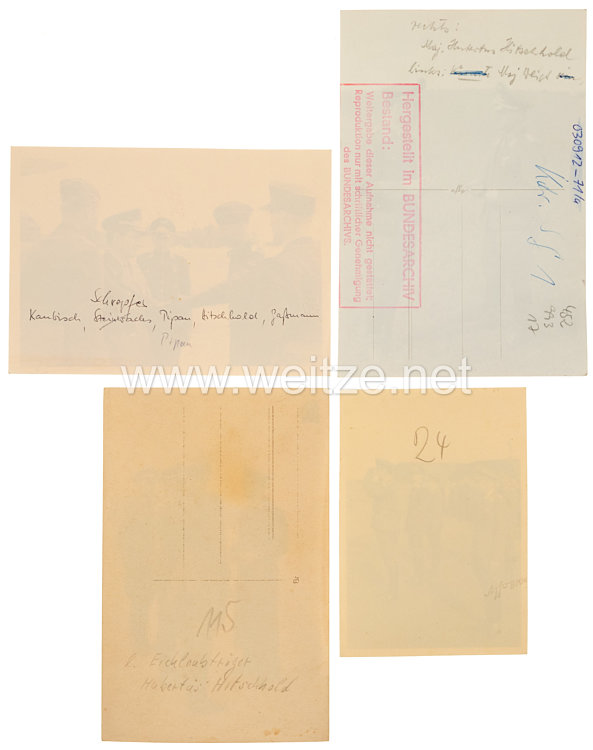
Ein sehr schönes signiertes Portraitfoto als Major der Flieger, mit Tintensignatur "Hitschhold", auf dem Foto deutlich wiedererkennbar das Ritterkreuz mit Eichenlaub, die Frontflugspange, eine der 3 Feldspangen und das EK 1 ! Dazu noch 10 weitere original Fotos von Hitschhold, eine Fotopostkarte sowie 2 Reprofotos.
Weiterhin seine Feldspange als späterer Brigadegeneral der Bundesluftwaffe, allerdings tatsächlich getragen mit einem LW-Adler mit Hakenkreuz (!).
Ein umfangreicher Nachlass eines hochdekorierten Offiziers der Luftwaffe.
Hitschhold, Hubertus * 7. Juli 1912, Kurwien +10. März 1966. Hitschhold trat nach seinem Abitur am 1. April 1930 in die Reichswehr ein. Von April 1930 bis zum März 1931 erwarb er bei der Deutschen Verkehrsfliegerschule in Schleißheim seine Flugscheine. Daran schloss sich eine halbjährige Jagdfliegerausbildung in Lipezk in Rußland an. Am 1. Oktober 1931 kam Hubertus Hitschhold zum 2. (Preußischen) Reiterregiment und wurde 1932 Fahnenjunker, am 1. August 1933 Leutnant. 1935 erfolgte dann seine Versetzung zur neu gegründeten Luftwaffe zur I./Stuka 163 in Cottbus. Am18. April erhielt er seinen Militärflugschein und am 1. Oktober 1935 wurde er zum Oberleutnant befördert. 1937 wurde er Staffelkapitän in der jetzt I./Stukageschwader 2 benannten Gruppe und 1938 Hauptmann. Am 1. Oktober 1939 wurde er Kommandeur der I. Gruppe im Stuka-Geschwader 1. Am 21. Juli 1940 erhielt er für die überragenden Leistungen seiner Gruppe im Westfeldzug das Ritterkreuz, nachdem er am 19. Juli zum Major befördert worden war. Nach der Luftschlacht um England und den Kämpfen auf dem Balkan und um Kreta flog Major Hitschhold ab Juni 1941 gegen Rußland. Am 22. Juni 1941 wurde er hinter den feindlichen Linien abgeschossen. Nur durch die Entschlossenheit des Kapitäns der 3. Staffel Freitag entging er der Gefangennahme. Freitag landete neben der abgeschossenen Maschine und nahm Hitschhold und dessen Bordfunker auf. Am 16. Oktober 1941 wurde Major Hitschhold Kommandeur der Sturzkampffliegerschule 1 in Wertheim. Am 31.Dezember 1941 erhielt er für seine Leistungen an der Front das Eichenlaub. Im Juni 1942 wurde er wieder an die Front kommandiert und übernahm am18. Juni 1942 das Schlachtgeschwader 1. Auf Grund seiner Vorschläge wurde das Schlachtgeschwader 1 als erstes Geschwader auf die neue Fw 190 umgerüstet. Am 1. Februar 1943 Beförderung zum Oberstleutnant. Am 10. Juni 1943, nachdem die Umstellung des Geschwaders auf die Fw 190 abgeschlossen war, übergab Hitschhold das Geschwader an Oberstleutnant Alfred Druschel. Hitschhold wurde Fliegerführer bei der Luftflotte 2 auf Sardinien und in Italien. Nach dem Fliegertod von Dr. Ernst Kupfer wurde Hitschhold vom OKL zum General der Schlachtflieger berufen. Unter seiner Führung lief die Produktion der Ju 87 aus und die Schlachtgeschwader wurden auf die Fw 190 umgestellt. Am 1. Juli 1944 wurde er Oberst und am 1. Januar 1945 Generalmajor. Nach dem Krieg Übernahme in die Bundesluftwaffe als Brigadegeneral. Hubertus Hitschhold lebte am Starnberger See und starb überraschend am 10. März 1966.
Ein sehr schönes signiertes Portraitfoto als Major der Flieger, mit Tintensignatur "Hitschhold", auf dem Foto deutlich wiedererkennbar das Ritterkreuz mit Eichenlaub, die Frontflugspange, eine der 3 Feldspangen und das EK 1 ! Dazu noch 10 weitere original Fotos von Hitschhold, eine Fotopostkarte sowie 2 Reprofotos.
Weiterhin seine Feldspange als späterer Brigadegeneral der Bundesluftwaffe, allerdings tatsächlich getragen mit einem LW-Adler mit Hakenkreuz (!).
Ein umfangreicher Nachlass eines hochdekorierten Offiziers der Luftwaffe.
Hitschhold, Hubertus * 7. Juli 1912, Kurwien +10. März 1966. Hitschhold trat nach seinem Abitur am 1. April 1930 in die Reichswehr ein. Von April 1930 bis zum März 1931 erwarb er bei der Deutschen Verkehrsfliegerschule in Schleißheim seine Flugscheine. Daran schloss sich eine halbjährige Jagdfliegerausbildung in Lipezk in Rußland an. Am 1. Oktober 1931 kam Hubertus Hitschhold zum 2. (Preußischen) Reiterregiment und wurde 1932 Fahnenjunker, am 1. August 1933 Leutnant. 1935 erfolgte dann seine Versetzung zur neu gegründeten Luftwaffe zur I./Stuka 163 in Cottbus. Am18. April erhielt er seinen Militärflugschein und am 1. Oktober 1935 wurde er zum Oberleutnant befördert. 1937 wurde er Staffelkapitän in der jetzt I./Stukageschwader 2 benannten Gruppe und 1938 Hauptmann. Am 1. Oktober 1939 wurde er Kommandeur der I. Gruppe im Stuka-Geschwader 1. Am 21. Juli 1940 erhielt er für die überragenden Leistungen seiner Gruppe im Westfeldzug das Ritterkreuz, nachdem er am 19. Juli zum Major befördert worden war. Nach der Luftschlacht um England und den Kämpfen auf dem Balkan und um Kreta flog Major Hitschhold ab Juni 1941 gegen Rußland. Am 22. Juni 1941 wurde er hinter den feindlichen Linien abgeschossen. Nur durch die Entschlossenheit des Kapitäns der 3. Staffel Freitag entging er der Gefangennahme. Freitag landete neben der abgeschossenen Maschine und nahm Hitschhold und dessen Bordfunker auf. Am 16. Oktober 1941 wurde Major Hitschhold Kommandeur der Sturzkampffliegerschule 1 in Wertheim. Am 31.Dezember 1941 erhielt er für seine Leistungen an der Front das Eichenlaub. Im Juni 1942 wurde er wieder an die Front kommandiert und übernahm am18. Juni 1942 das Schlachtgeschwader 1. Auf Grund seiner Vorschläge wurde das Schlachtgeschwader 1 als erstes Geschwader auf die neue Fw 190 umgerüstet. Am 1. Februar 1943 Beförderung zum Oberstleutnant. Am 10. Juni 1943, nachdem die Umstellung des Geschwaders auf die Fw 190 abgeschlossen war, übergab Hitschhold das Geschwader an Oberstleutnant Alfred Druschel. Hitschhold wurde Fliegerführer bei der Luftflotte 2 auf Sardinien und in Italien. Nach dem Fliegertod von Dr. Ernst Kupfer wurde Hitschhold vom OKL zum General der Schlachtflieger berufen. Unter seiner Führung lief die Produktion der Ju 87 aus und die Schlachtgeschwader wurden auf die Fw 190 umgestellt. Am 1. Juli 1944 wurde er Oberst und am 1. Januar 1945 Generalmajor. Nach dem Krieg Übernahme in die Bundesluftwaffe als Brigadegeneral. Hubertus Hitschhold lebte am Starnberger See und starb überraschend am 10. März 1966.