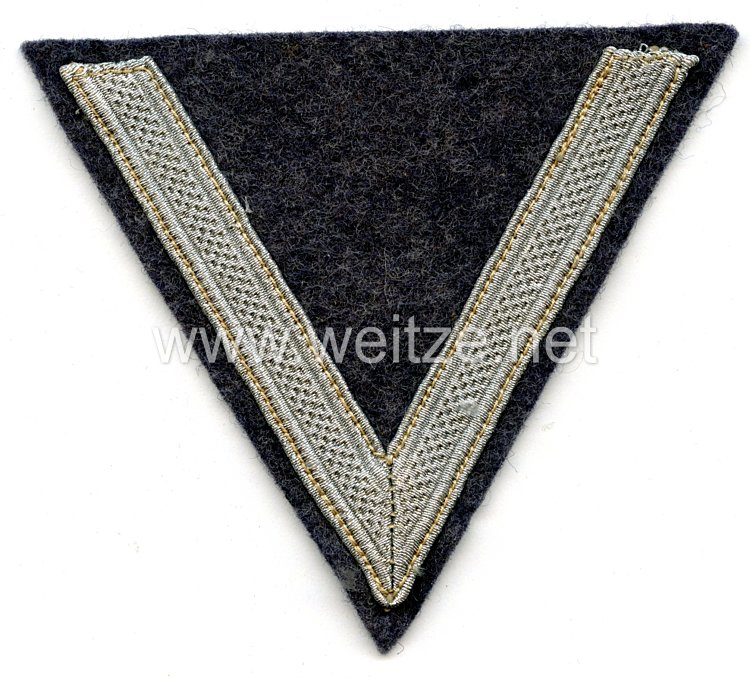
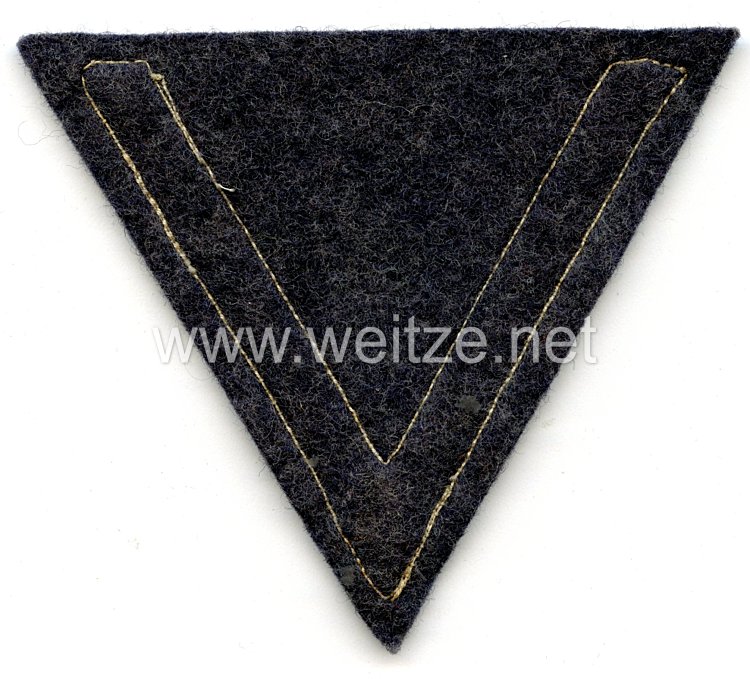
Luftwaffe Sleeve Insignia Private First Class

, Condition 2.
439791
15,00

Luftwaffe Sleeve Insignia Private First Class

The Luftwaffe sleeve insignia for Gefreiter (lance corporal) represents an important element of the rank identification system used by the German Air Force during World War II. These badges were worn in accordance with the Luftwaffe uniform regulations from 1935 to 1945 and served for immediate identification of military rank within the hierarchy.

The rank of Gefreiter constituted the first level above the basic enlisted man (Flieger) in the Luftwaffe. The introduction of this rank insignia occurred with the official establishment of the Luftwaffe on February 26, 1935, when Hermann Göring was appointed Commander-in-Chief. The Luftwaffe's rank insignia system was based on traditional German military hierarchies but developed its own characteristic features.

The Gefreiter's sleeve insignia typically consisted of a single chevron (Winkel) worn on both upper sleeves of the uniform. Different versions existed depending on the uniform type: On the blue-grey service dress uniform, the insignia were manufactured in light silver-grey aluminum braid on a dark blue background. For work and field uniforms, versions in matt grey or field grey were produced.

Manufacturing of these insignia was carried out by both state-owned and private textile manufacturers. Quality differences were apparent depending on the manufacturer and production period. Early wartime productions frequently exhibited higher manufacturing quality than later examples, where material shortages and accelerated production led to simplified versions.

The Gefreiter held specific duties and responsibilities within the military organization. He was superior to ordinary airmen and could lead small groups or undertake special assignments. Promotion to Gefreiter typically occurred after a service period of six to twelve months, depending on performance, conduct, and unit requirements.

The wearing regulations for sleeve insignia were precisely defined in uniform directives. The chevrons were sewn onto the outside of the upper arm, approximately 10 to 12 centimeters below the shoulder seam. This standardized positioning enabled immediate recognition of rank from a distance, which was essential for military order and discipline.

Within the context of Luftwaffe organization, the Gefreiter served in various areas: from flying units to anti-aircraft artillery, ground personnel, and administrative units. The Luftwaffe grew from approximately 20,000 men at its founding in 1935 to over 1.9 million personnel by 1944, necessitating massive production of such rank insignia.

From a collector's perspective, Luftwaffe sleeve insignia are today sought-after military-historical objects. Their condition, manufacturing quality, and authenticity determine their historical and material value. The indicated condition 2 suggests a well-preserved example with possibly minor signs of use but no significant damage.

Scientific examination of such insignia provides important insights into textile production, military organization, and everyday history during World War II. They document the standardization and bureaucratization of the Nazi military apparatus as well as the craft traditions of German textile manufacturers under wartime conditions.

These small textile artifacts serve as tangible connections to individual service members and the massive military organization of which they were part. Each insignia represents not only a rank designation but also the personal experience of those who wore them during one of history's most devastating conflicts.