Mecklenburg-Schwerin Pickelhaube for Generals

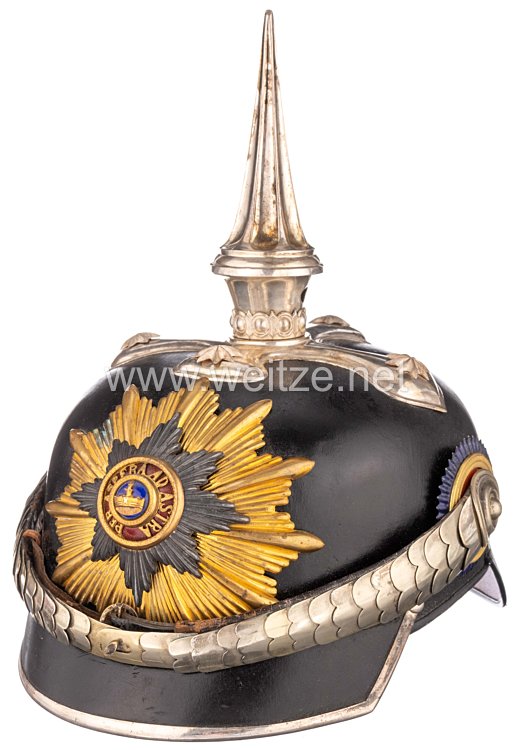
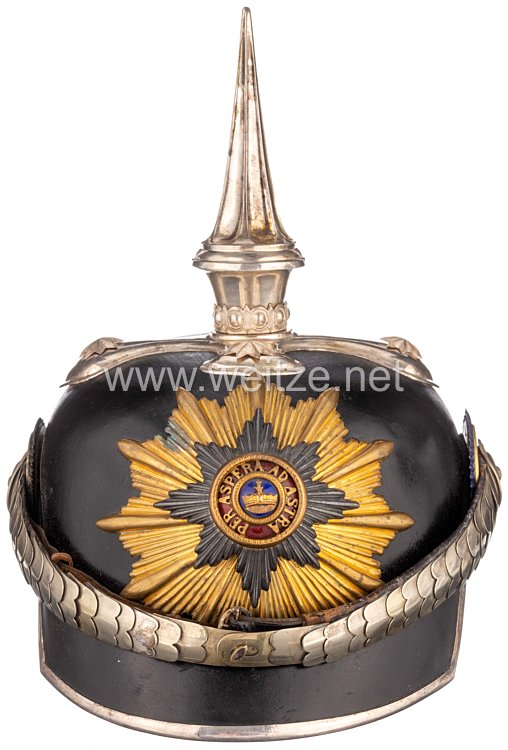
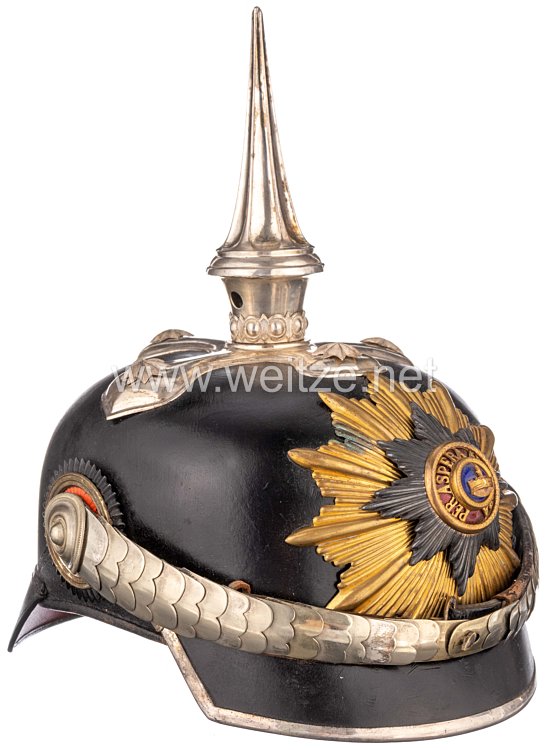
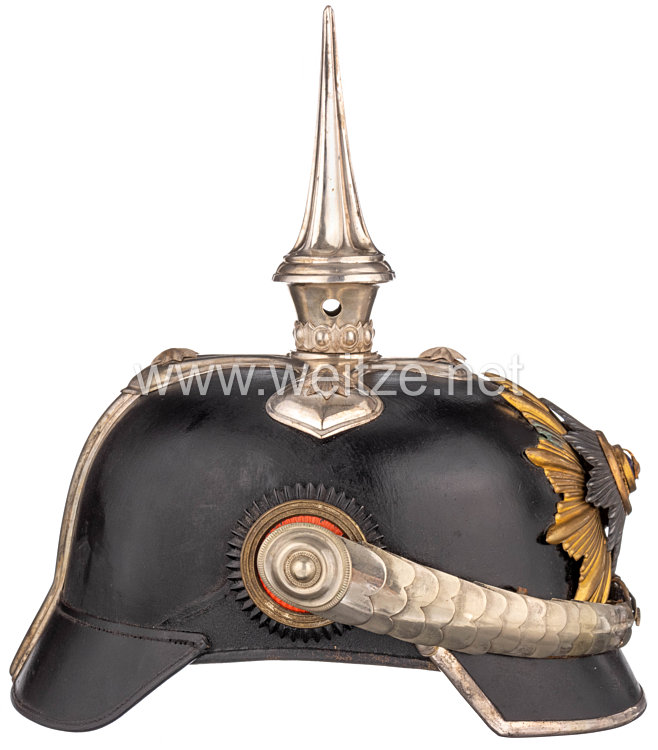
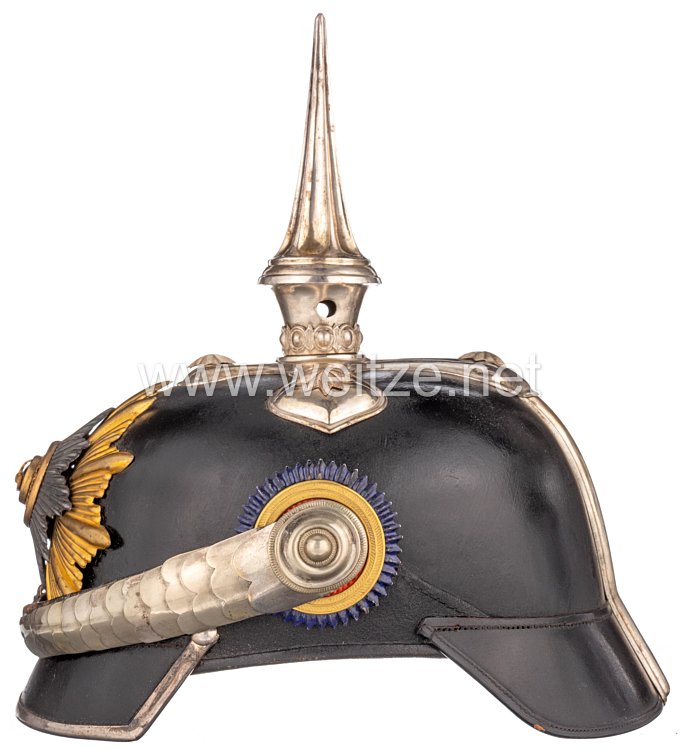
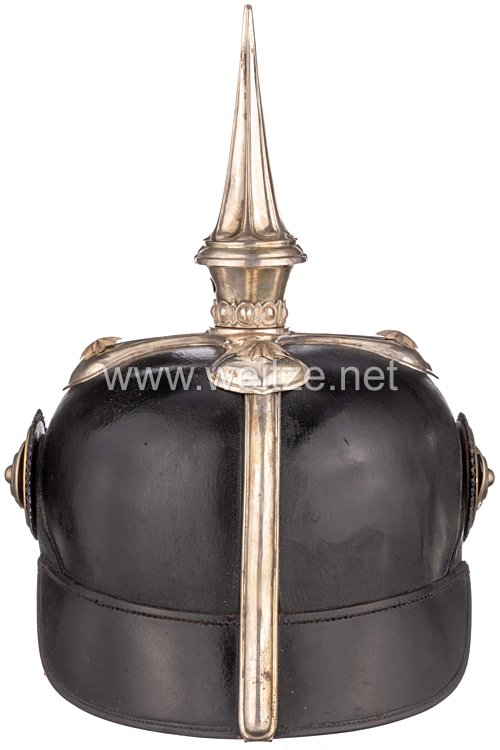
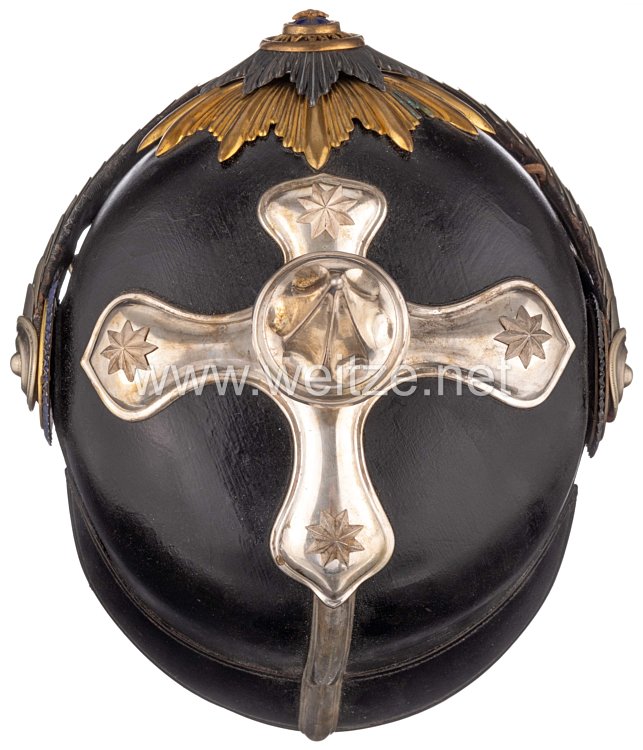
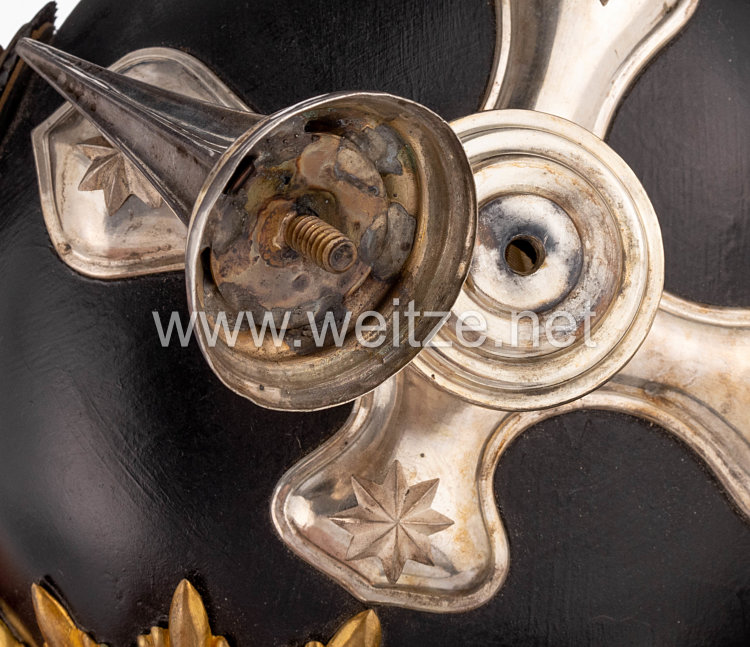
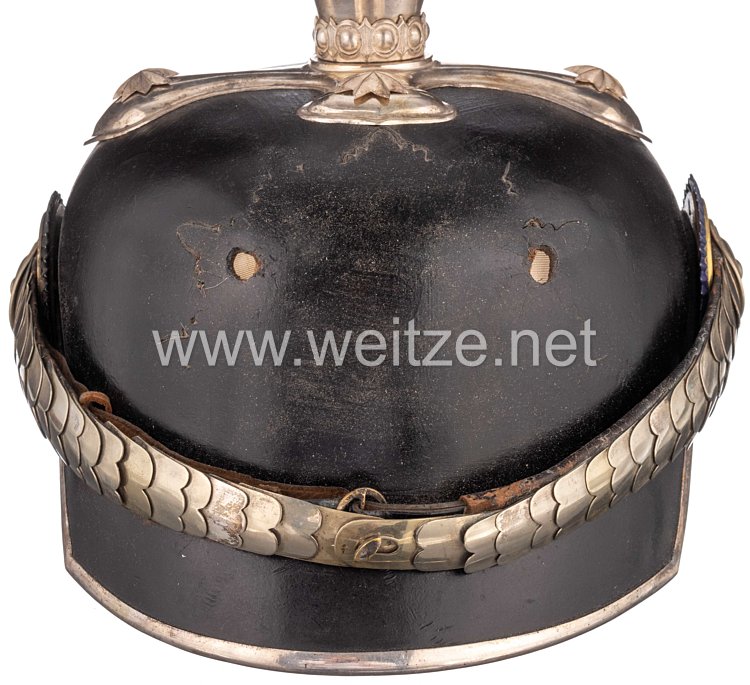
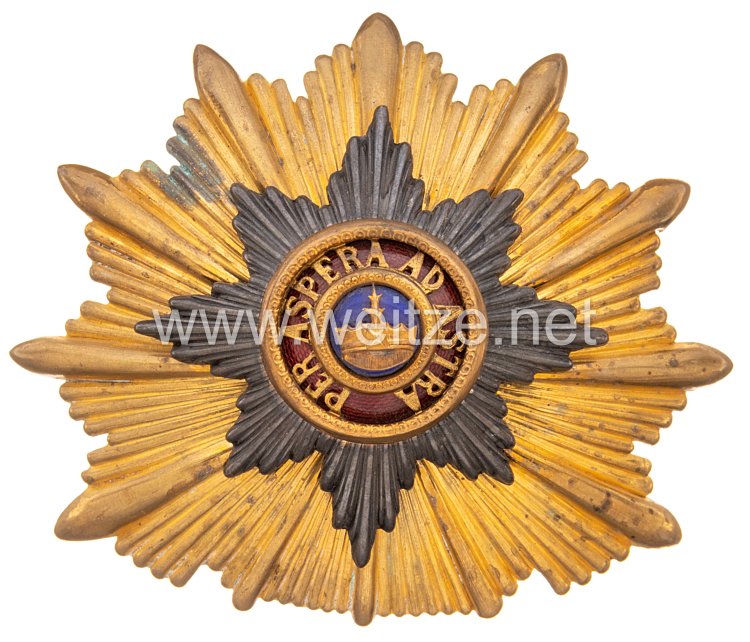
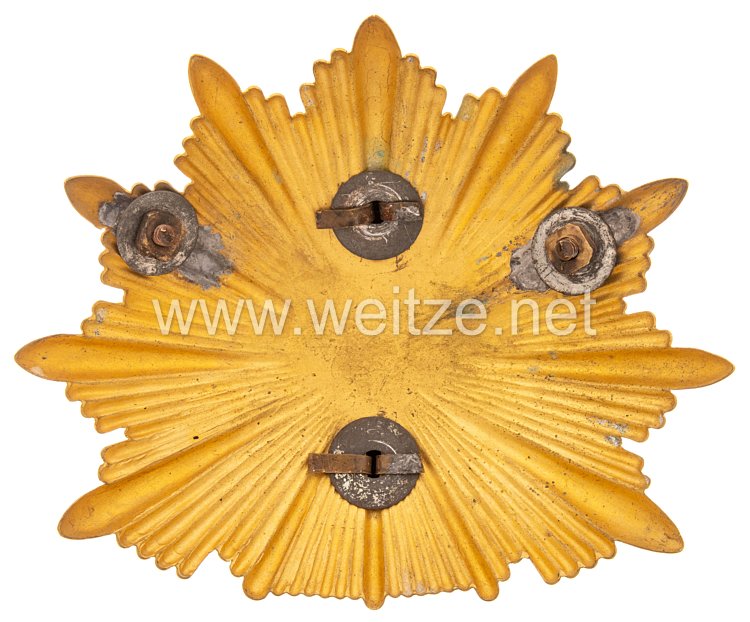
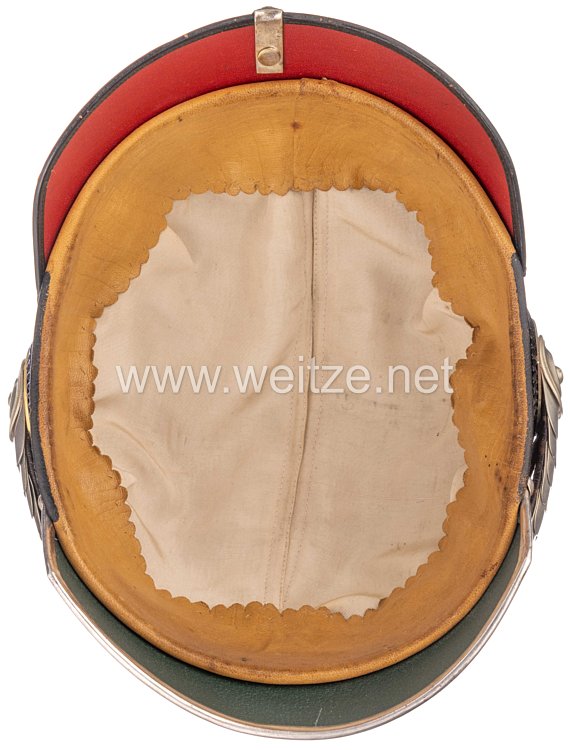
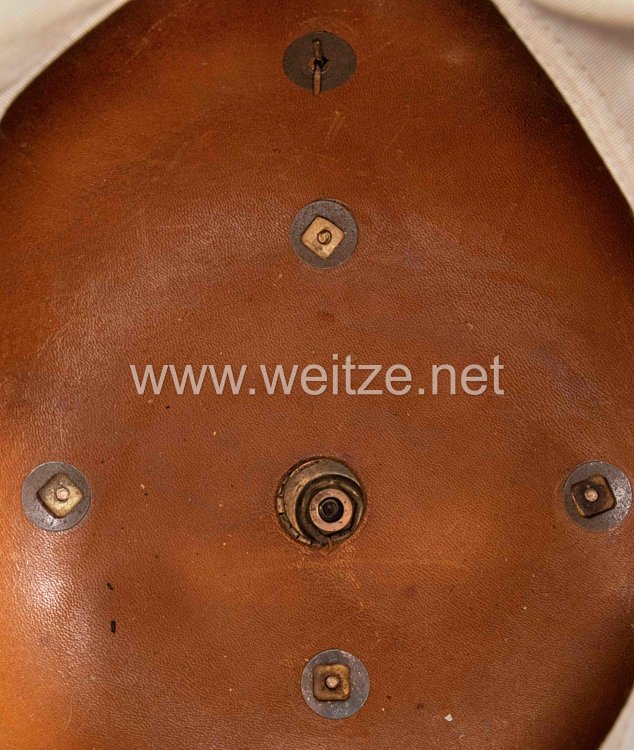
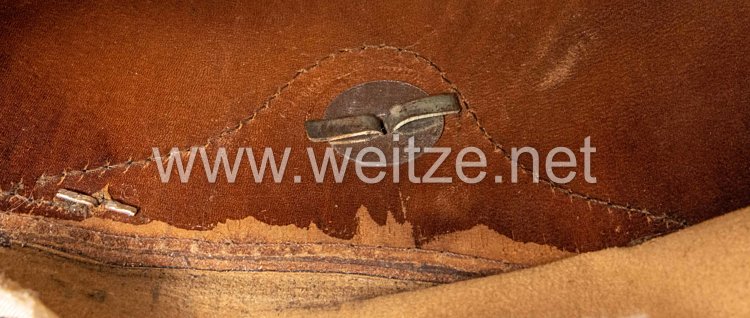
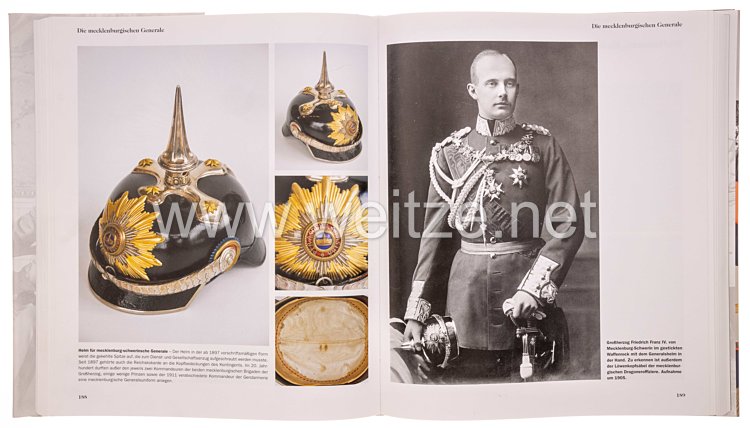
Schwerin, circa 1910. Helmet for generals in the style adopted from 1897. Elegant leather skull, complete with all fittings in silver-plated execution. Front features the large golden sun with applied high-domed silver star of the House Order of the Wendish Crown. Domed silver scale chain, with both cockades on the sides. The silver front plate with silver stars contrary to regulations, probably an extravagance of the wearer. High fluted spike, square front visor. Interior with light sweatband and champagne-white silk lining, the front visor lined in red, the neck guard lined in green, size 58. Only minimally worn helmet in almost mint condition. Only slightly used in near mint condition!

The helmet for Mecklenburg generals is without doubt the rarest German general's helmet and one of the rarest helmets of the German Army. Apart from the two commanders of the two Mecklenburg brigades, only the Grand Duke, a few princes, and the commander of the Gendarmerie who retired in 1911 were permitted to wear the Mecklenburg general's uniform.

In over 35 years this is only the second helmet we have been able to offer - in this quality probably unique!


448990

Mecklenburg-Schwerin Pickelhaube for Generals

The Mecklenburg-Schwerin generals' Pickelhaube in the pattern from 1897 represents one of the most extraordinary rarities within German militaria. Produced around 1910 in Schwerin, this helmet embodies the military tradition of a small but proud North German state within the German Empire.

The Grand Duchy of Mecklenburg-Schwerin adopted the Prussian-style Pickelhaube in 1868 to integrate its military units into the greater Prussian contingent army following the 1866 war. After 1866, Mecklenburg-Schwerin military units were placed under command of the Prussian Army. The military conventions of November 9, 1868 and December 19, 1872 formally integrated Mecklenburg officers and contingents into the Prussian army structure. Mecklenburg-Schwerin joined the North German Confederation in 1867 and became a state of the German Empire in 1871.

The specific generals' helmet pattern from 1897 coincided with the introduction of the Imperial Reichs cockade in March 1897 for all units of the Imperial German Army. The two Mecklenburg infantry regiments – Grenadier Regiment Nr. 89 and Fusilier Regiment Nr. 90 – were integrated into the Prussian Army structure after the military conventions of 1868 and 1872, forming the 34th Infantry Brigade of the 17th Division within the IX Army Corps.

The extraordinary rarity of this helmet derives from the extremely limited circle of individuals authorized to wear it. Exclusively the two commanders of the two Mecklenburg brigades, the Grand Duke himself, a few princes of the grand ducal house, and the Commander of the Gendarmerie who was retired in 1911 were permitted to wear the Mecklenburg generals' uniform. This meant that at any given time, likely fewer than ten individuals could wear this helmet.

The helmet is distinguished by its elegant leather body with completely silvered metal fittings. At the front appears the large golden sun with the applied, flat-domed silver star of the House Order of the Wendish Crown. This house order was jointly instituted on May 12, 1864 by Grand Duke Friedrich Franz II of Mecklenburg-Schwerin and Grand Duke Friedrich Wilhelm of Mecklenburg-Strelitz as the house order of both Mecklenburg duchies.

Characteristic of generals' helmets is the squared front visor, which immediately identified the rank of the wearer. The domed silver scale chin chains display both cockades on the sides – the state cockade of Mecklenburg in blue-yellow-red as well as the Reich cockade introduced in 1897 in red-white-black. The silver cruciform base is crowned by the tall fluted spike. The interior features light sweat leather with champagne-white silk lining, with the front visor lined in red and the neck guard lined in green.

The Pickelhaube was replaced by the steel Stahlhelm M1916 during World War I. Following the German Revolution of November 1918, Grand Duke Friedrich Franz IV abdicated on November 14, 1918, and Mecklenburg-Schwerin became the Free State of Mecklenburg-Schwerin, a federated state of the Weimar Republic. With the end of the monarchy came the end of the use of this distinctive generals' helmet pattern.

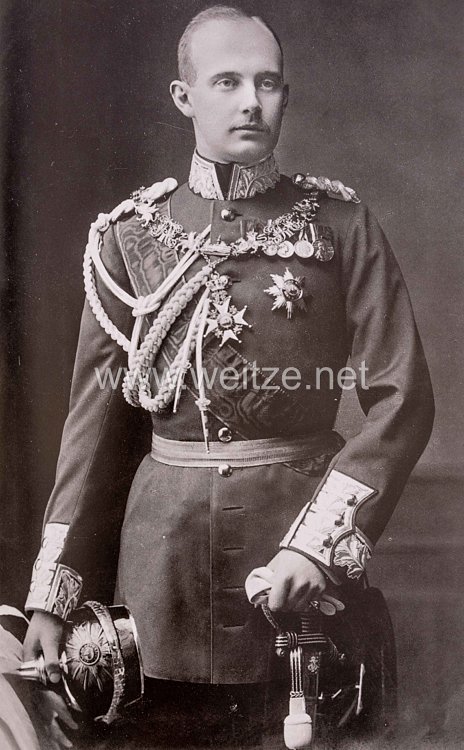
Potential wearers included the commanders of the 34th Infantry Brigade, the Grand Dukes of Mecklenburg-Schwerin – Friedrich Franz II (1842-1883), Friedrich Franz III (1883-1897), and Friedrich Franz IV (1897-1918) – as well as princes of the grand ducal house. According to dealer sources, this is “with certainty the rarest German generals' helmet and one of the rarest helmets of the German Army.” This extraordinary rarity makes every surviving helmet a significant witness to the military history of the German Empire and its small princely states.

r