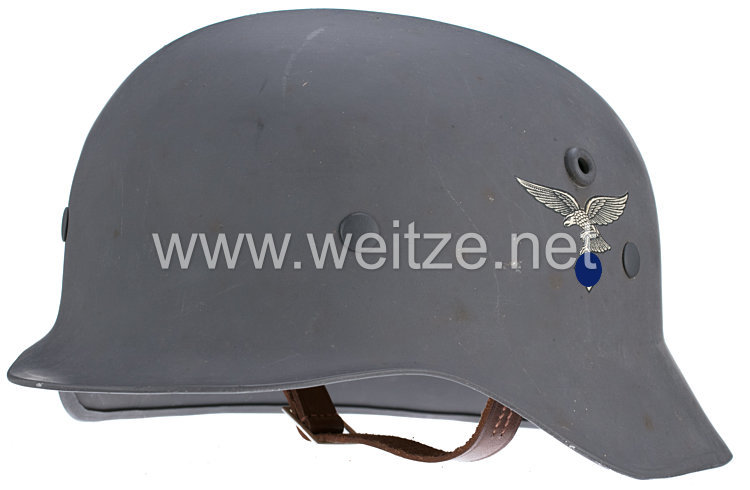
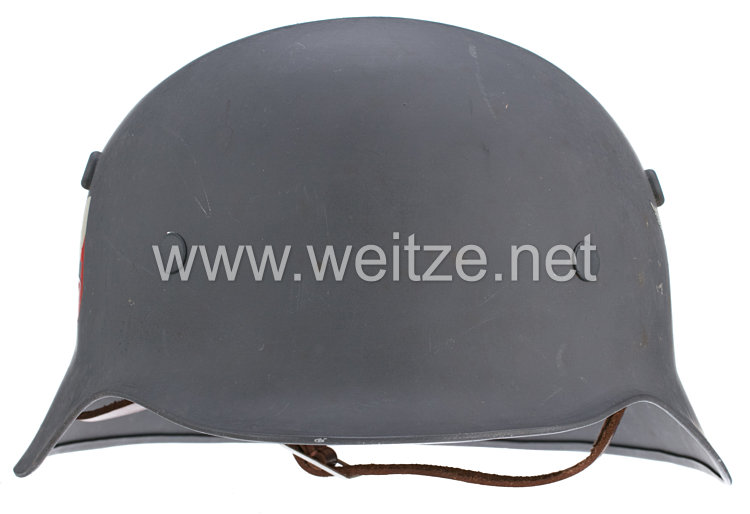
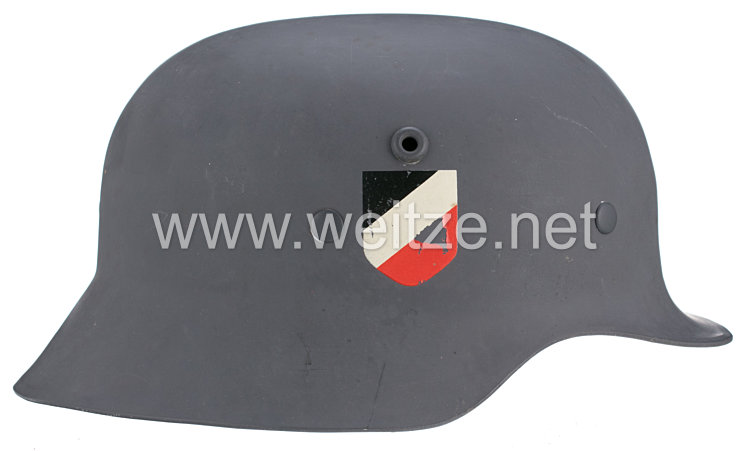
Luftwaffe Parade Helmet M 35 with Both Insignia

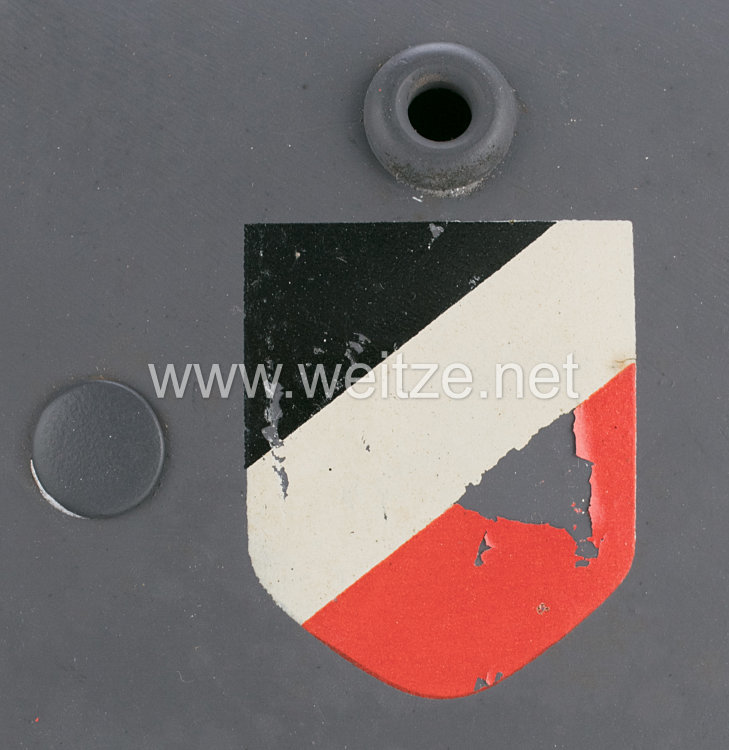
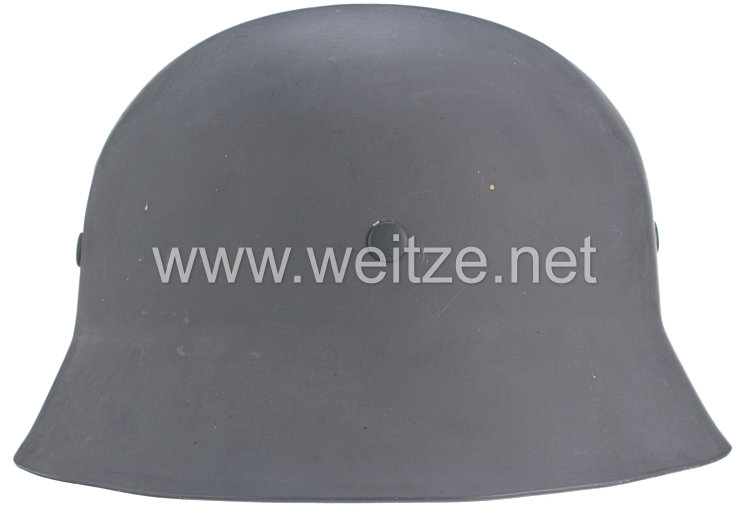
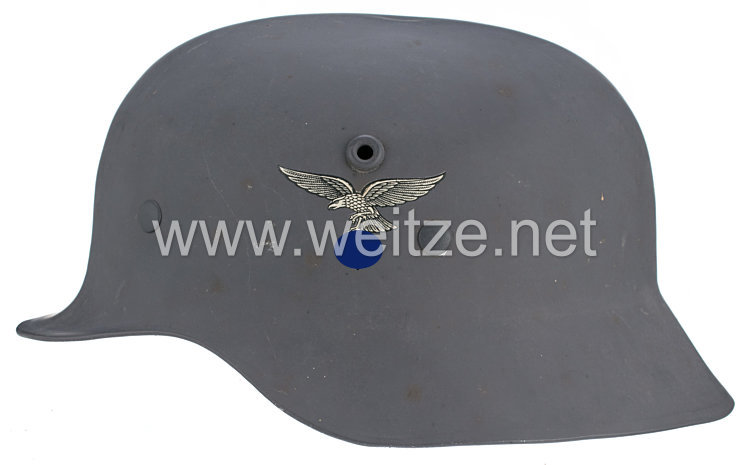
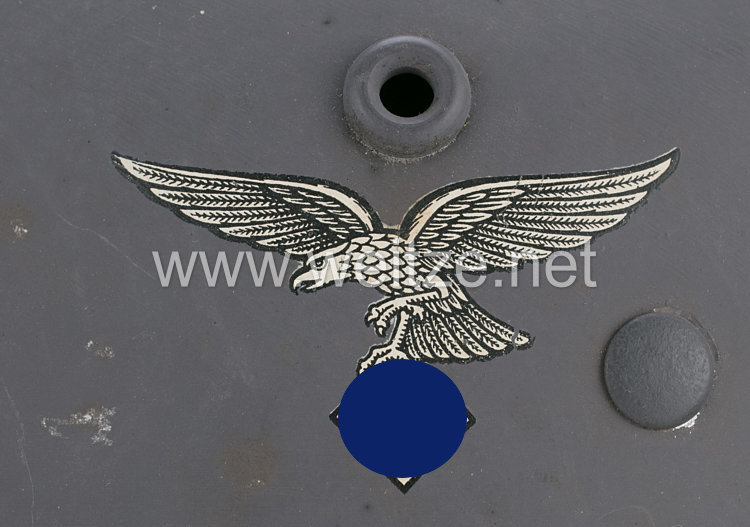
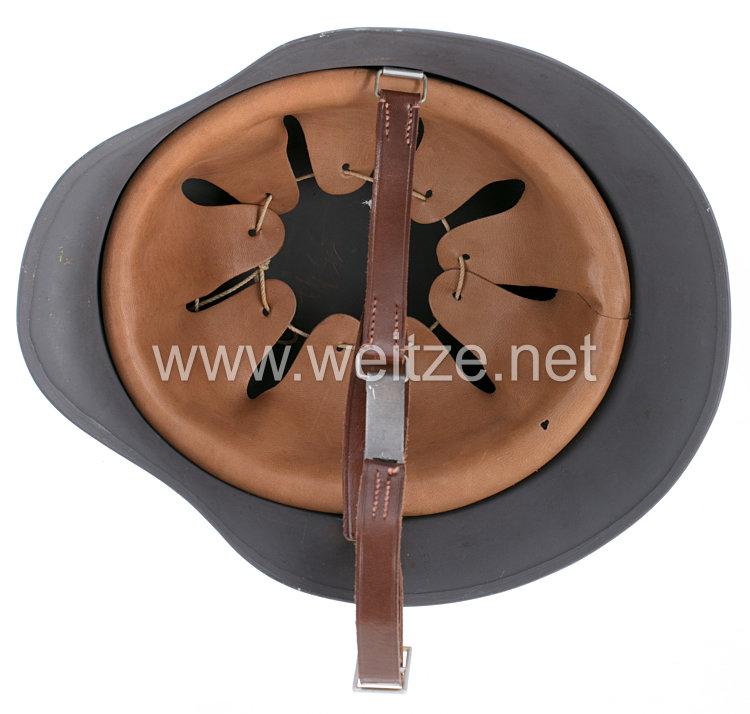
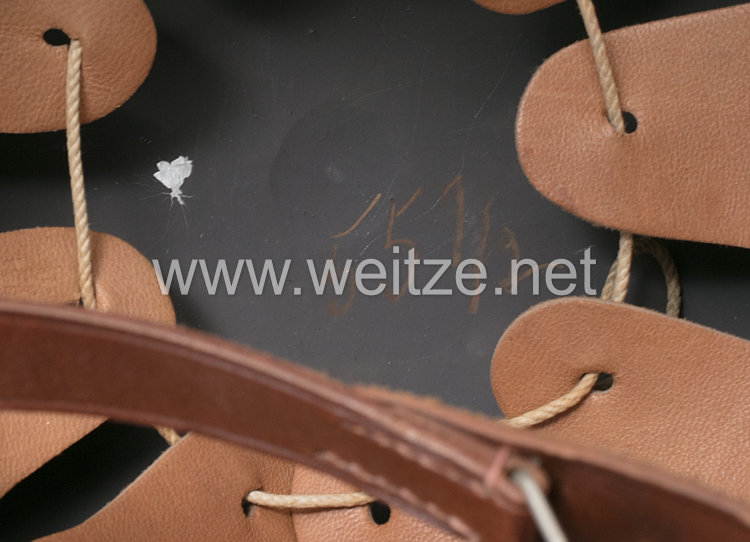
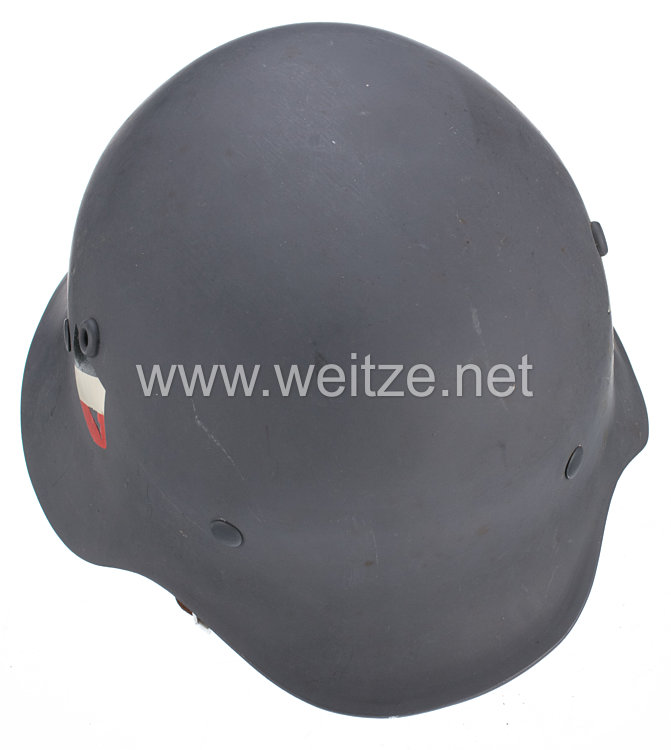
Circa 1935/36. Aluminum construction with ventilation rivets on both sides. The original Luftwaffe blue-gray paint approximately 95% intact, the Luftwaffe eagle 1st pattern 100% intact, the national emblem approximately 65% intact. Complete with liner and chinstrap with snap fastener, size approximately 57 1/2. The liner has a small hole, condition 2.
297089
2.200,00

Luftwaffe Parade Helmet M 35 with Both Insignia

The Luftwaffe Parade Helmet M 35 represents a significant chapter in the history of German military equipment of the 1930s. Following the official establishment of the Luftwaffe on March 1, 1935, under the command of Hermann Göring, the new branch of service required its own distinctive parade uniform that would differentiate it from the Army and Navy.

The development of the M 35 helmet was based on the traditional German Stahlhelm design, but was manufactured from aluminum for parade purposes. This material choice offered several advantages: the lighter weight increased comfort during long ceremonies, and the smoother surface was better suited for the characteristic Luftwaffe blue-grey paint that visually distinguished the air force from other Wehrmacht branches.

The technical execution of the helmet followed precise specifications. The side-mounted ventilation rivets served not only for ventilation but were also a characteristic identifying feature of early M 35 production. The helmet was produced in various sizes, with size designations following the German system then in use.

Particularly significant are the helmet's two emblems. On the right side was the Luftwaffe national emblem, the so-called Luftwaffe eagle, 1st Model. This eagle, with its head facing right and wings spread, clutched a swastika in its talons. The first model, used from 1935 until approximately 1936/37, was distinguished by specific details in the feather design and proportions that differentiated it from later versions.

On the left side of the helmet displayed the national coat of arms in the form of a black-white-red shield with the Reich eagle. This arrangement followed the heraldic traditions of the German Reich and symbolized continuity with Prussian-German military history.

Production was carried out by various authorized suppliers who had to meet the strict quality requirements of the Army Administration. The paint was applied in multiple layers, with the characteristic Luftwaffe blue color precisely specified. The emblems were initially painted or applied as decals, later also embossed.

The liner typically consisted of leather or artificial leather with a padded sweatband construction. The chinstrap with clip fastener was made of black or brown leather and enabled secure fastening during military ceremonies. This interior equipment had to be both functional and comfortable, as parade helmets were often worn for extended periods.

The use of the M 35 parade helmet was strictly regulated. It belonged to the full parade uniform and was worn at official occasions, honor guards, military ceremonies, and parades. The service regulations of the Luftwaffe precisely specified when and how the helmet was to be worn.

Beginning around 1936/37, gradual changes were made to the design, particularly to the Luftwaffe eagle, which evolved into the 2nd Model. The early examples with the 1st Model eagle thus became historically particularly interesting testimonies to the early phase of the Luftwaffe.

With the outbreak of war in 1939, the parade helmet increasingly lost significance as practical considerations took priority. Production was restricted and eventually discontinued, as resources were needed for war-essential equipment. Many parade helmets were melted down during wartime or repurposed.

Today, well-preserved examples of the Luftwaffe Parade Helmet M 35 with both original emblems and largely intact paint are rare collector's items. They document not only the military tradition and aesthetics of the 1930s but also the craftsmanship quality of German military equipment of this era. For military-historical research, they provide important insights into the organizational structure, symbolism, and self-presentation of the early Luftwaffe.

r