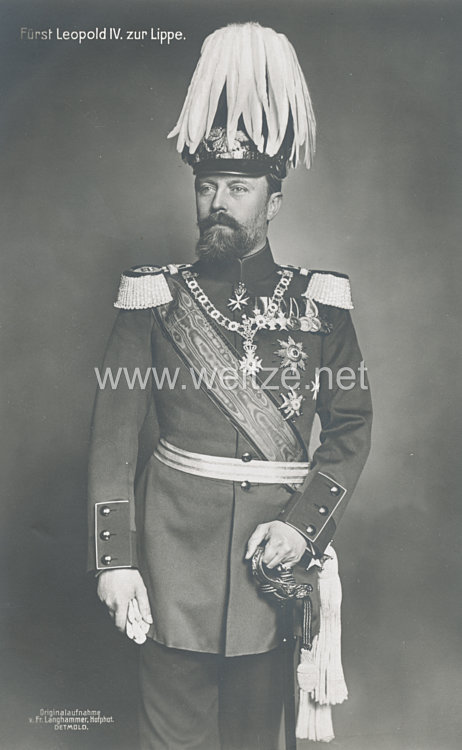
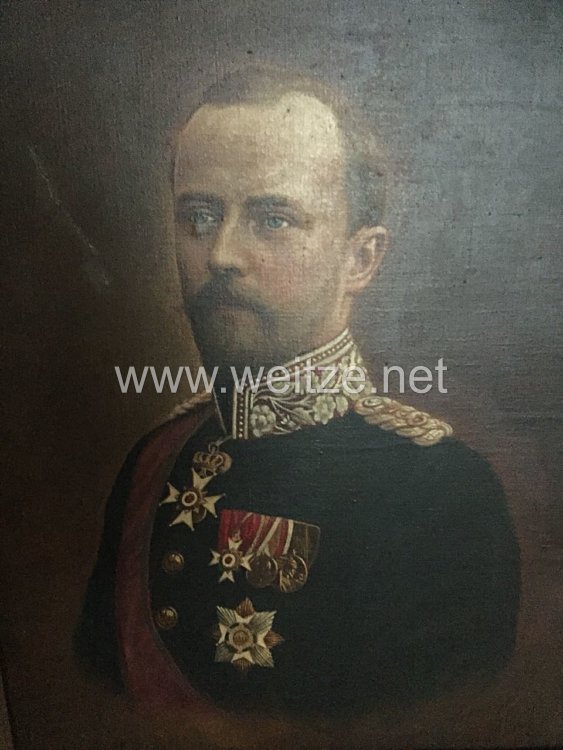
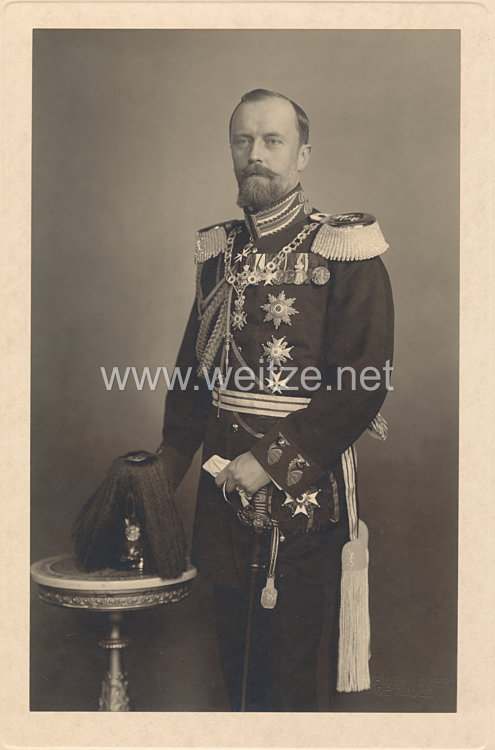
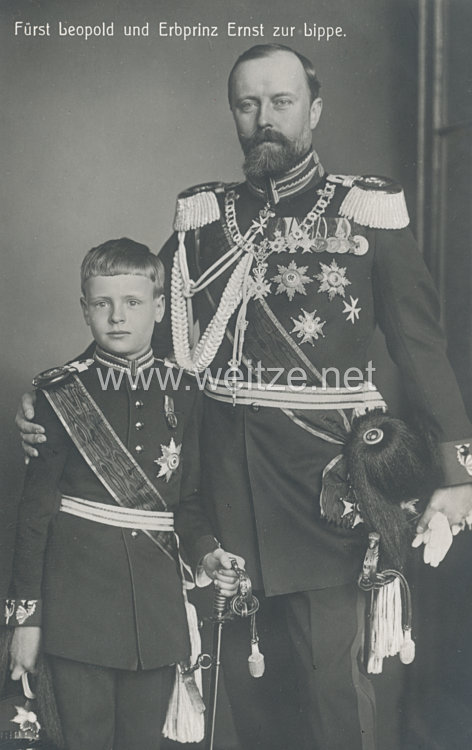
Lippe-Detmold Gala-/Haus-Uniform aus dem persönlichen Nachlass des Fürsten Leopold IV. (1871-1949)
Um 1900. Das vollständige Ensemble stellt einen unglaublichen historischen Überlieferungs-Schatz dar. In dieser Vollständigkeit existiert nur eine weitere Gala-Uniform aus dem Hause Lippe, ausgestellt im fürstlichen Museum.
Das Ensemble besteht aus den folgenden Stücken:
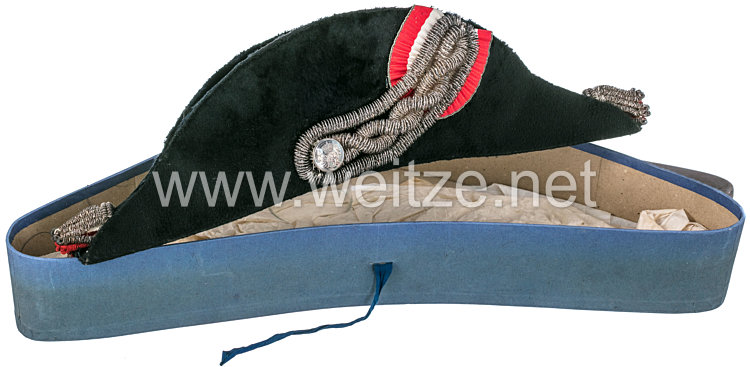
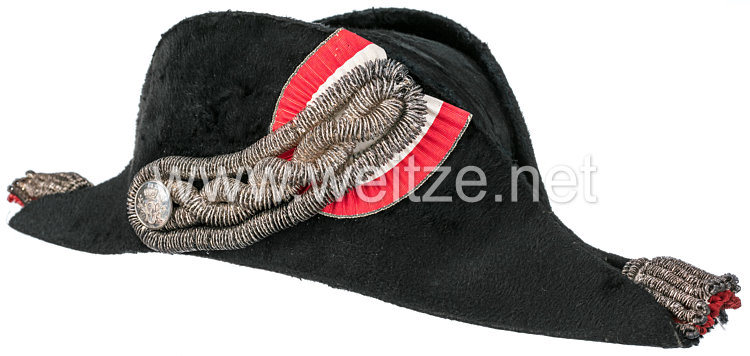
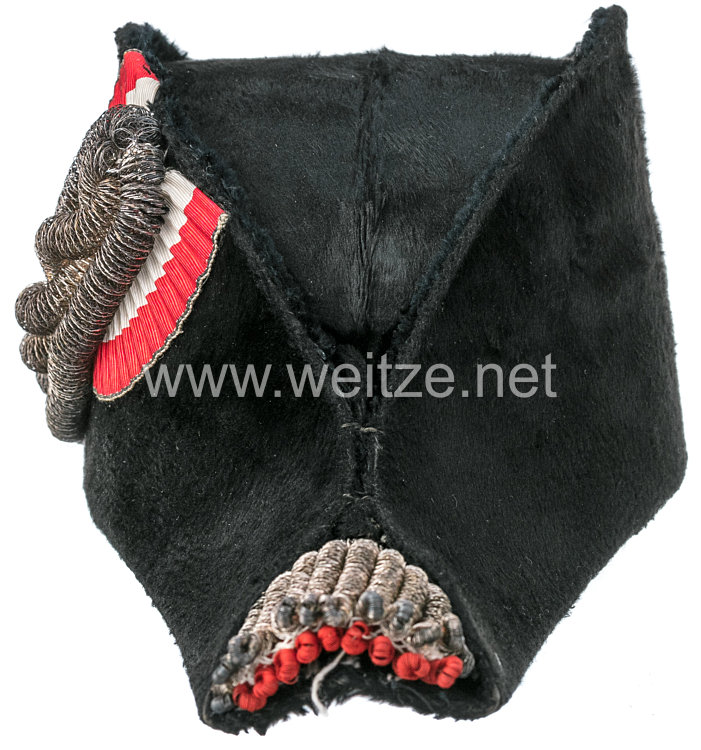
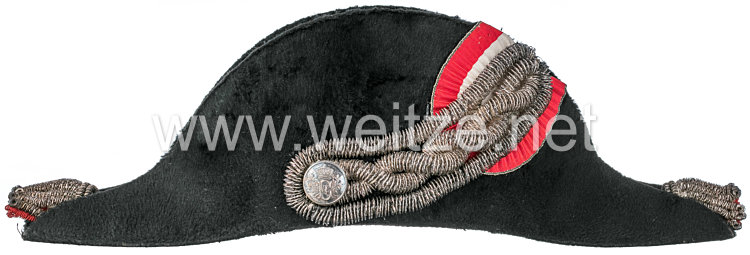
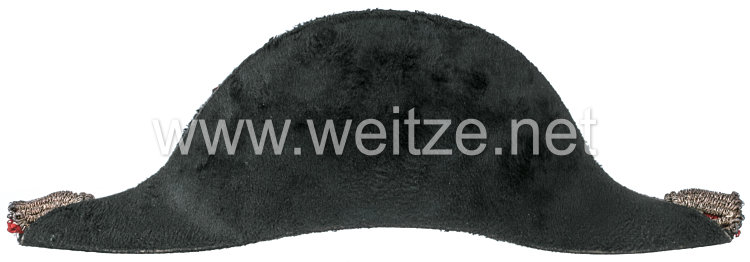
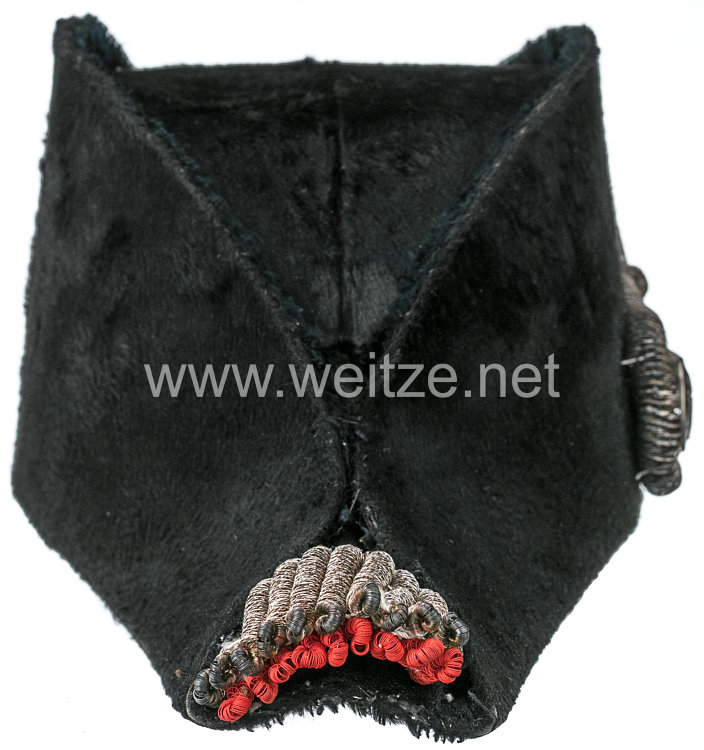
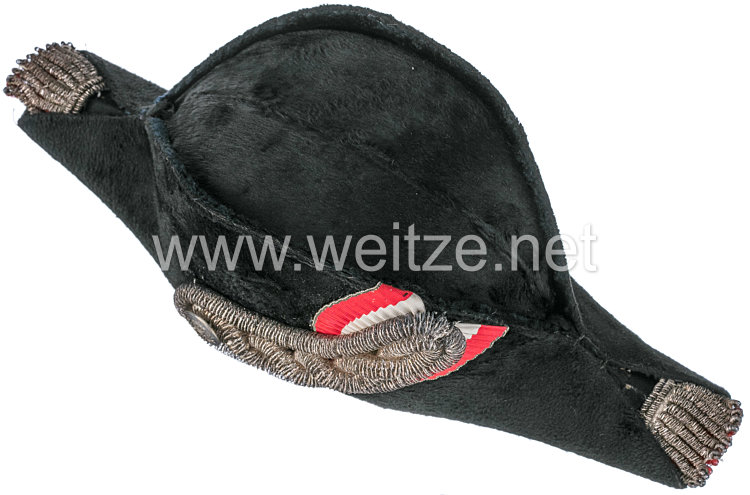
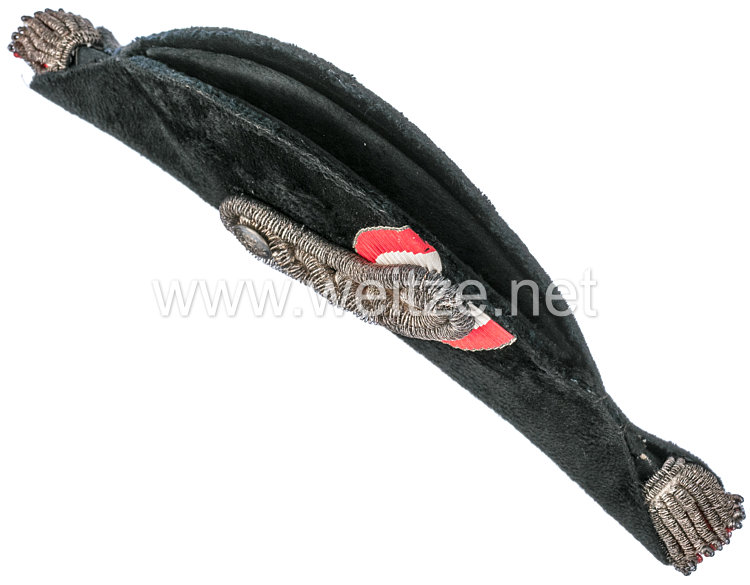
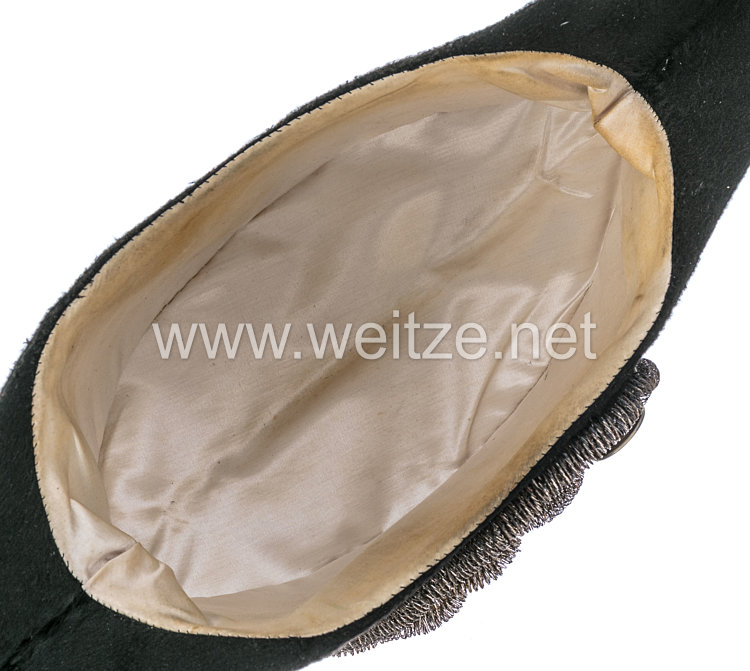
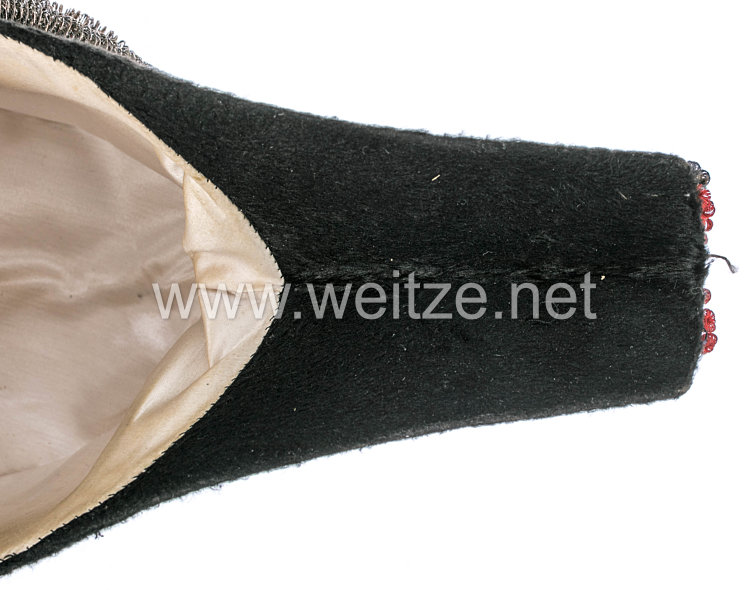
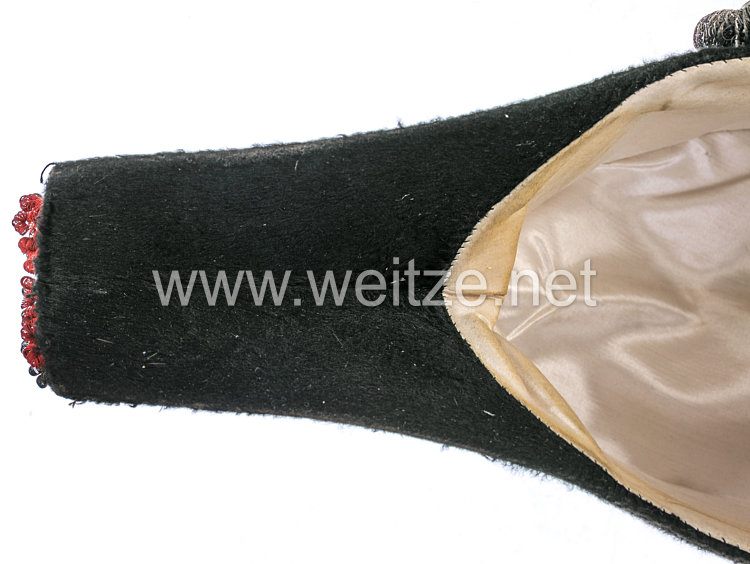
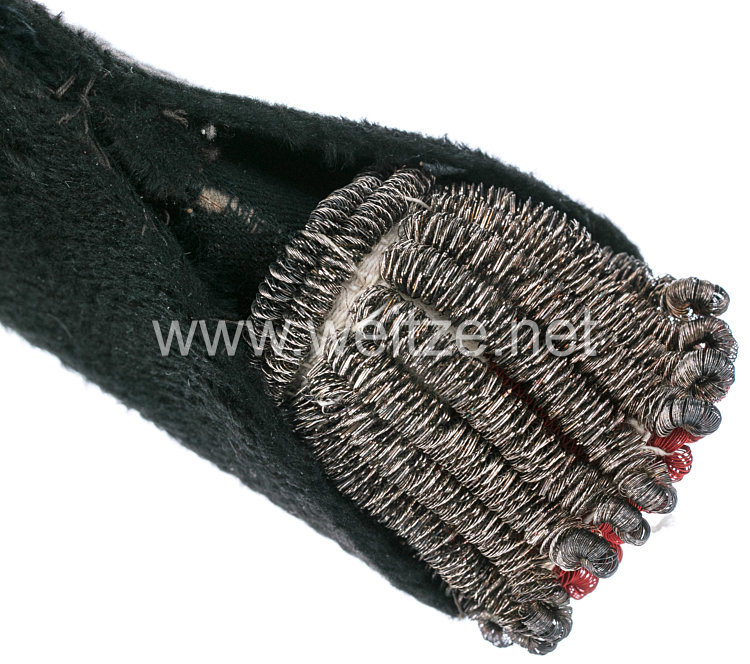
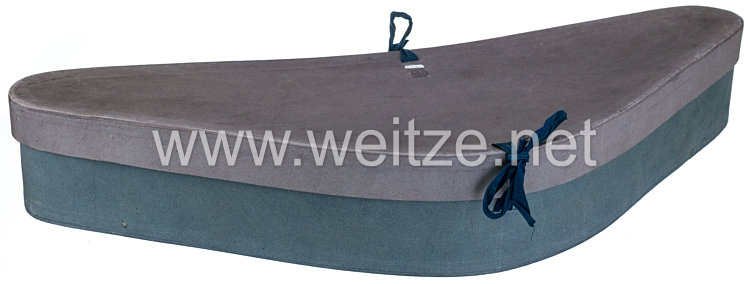
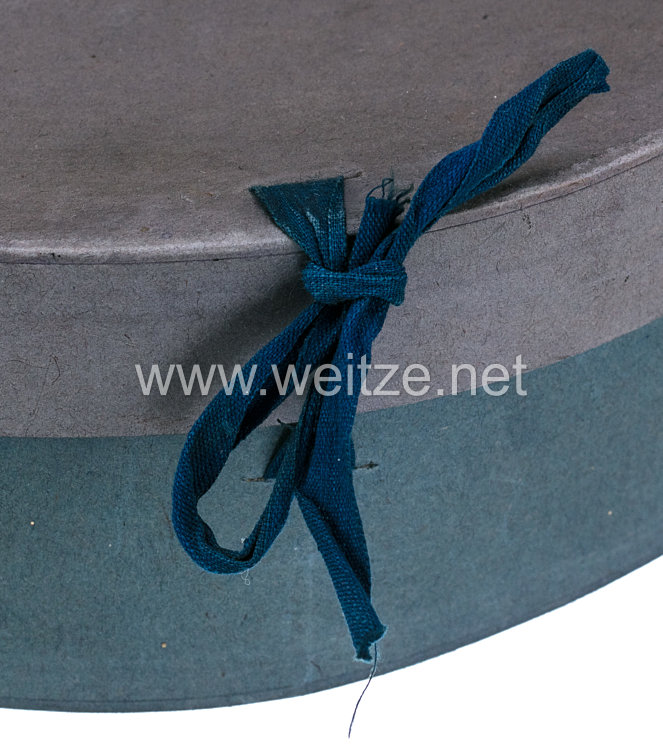
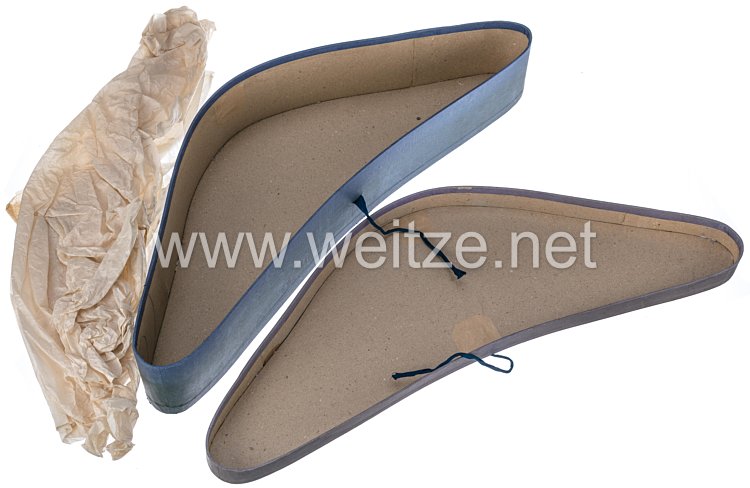
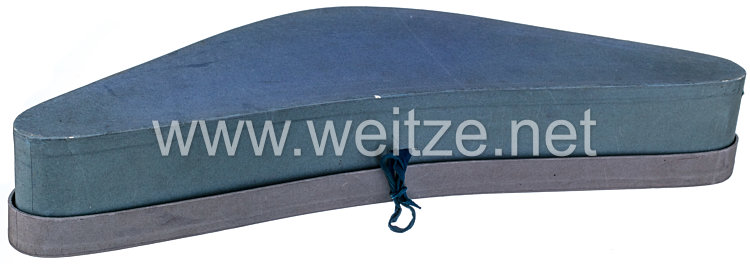
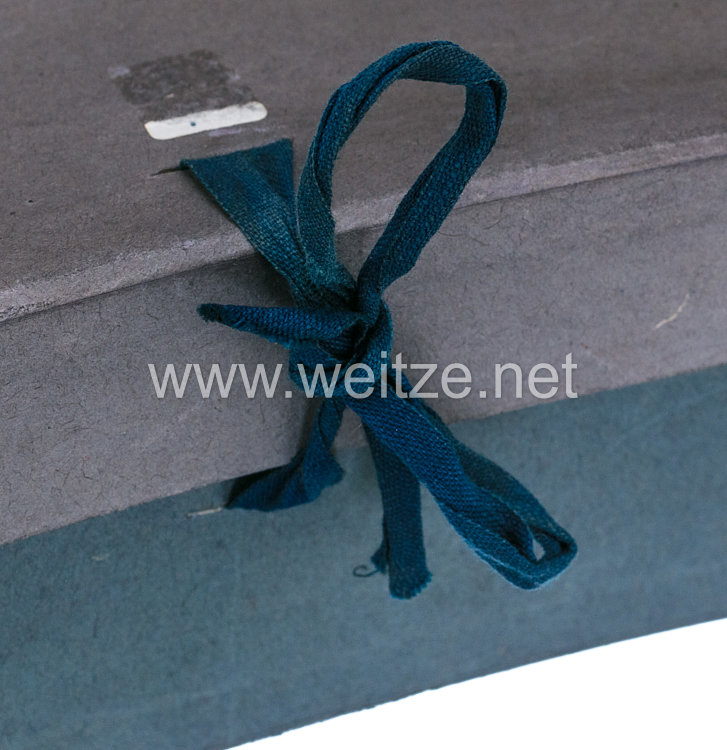
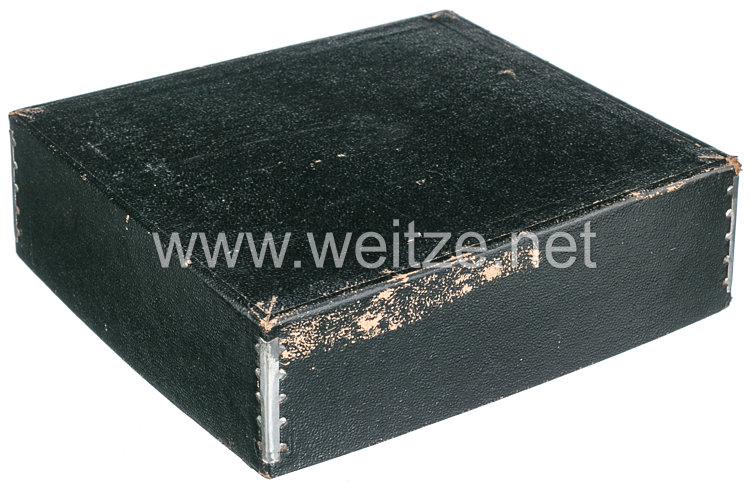
Zweispitz. Schwarzer Nadelfilz mit silberner Agraffe, versilbertem Knopf mit Herrscher-Monogramm "E" unter der Krone (Ernst zur Lippe-Biesterfeld, 1842-1904), große gefältelte Kokarde in den Farben Rot/Weiß. Innen mit hellem Seidenfutter. In der originalen Schachtel.
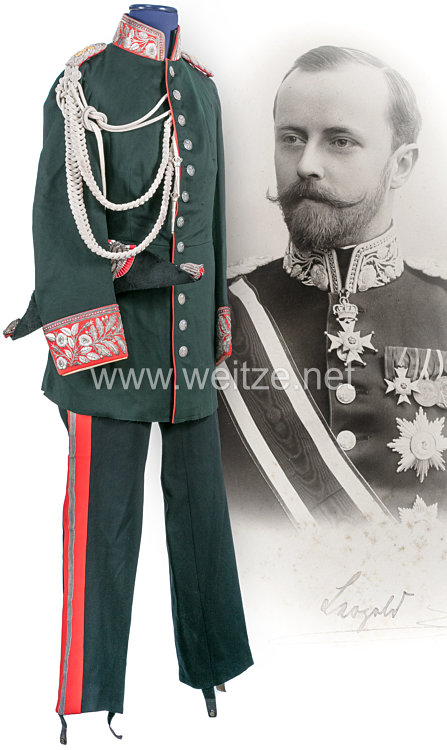
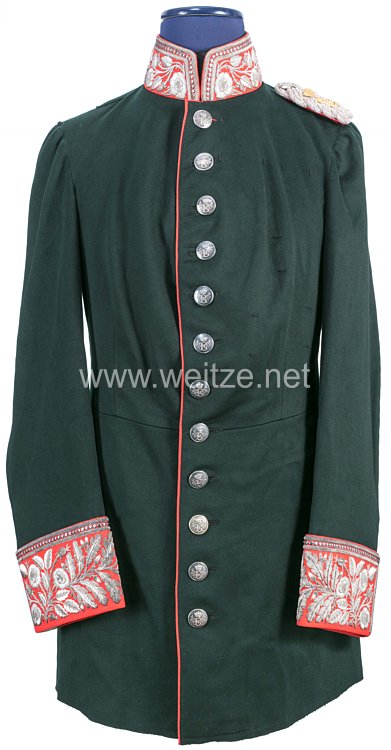
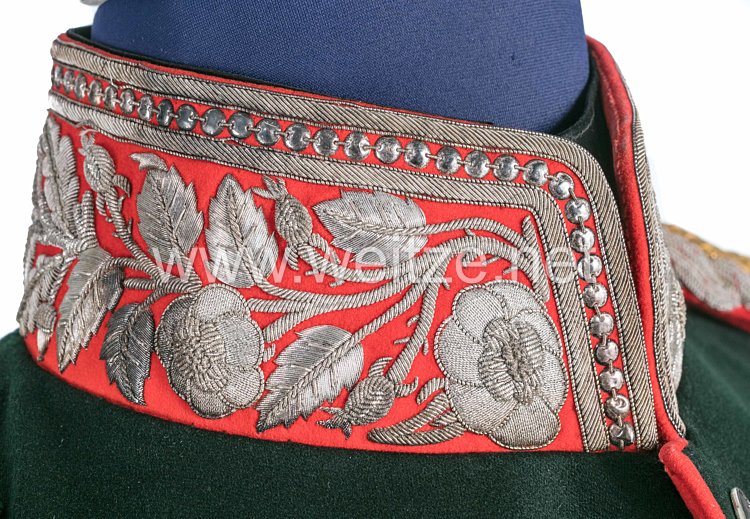
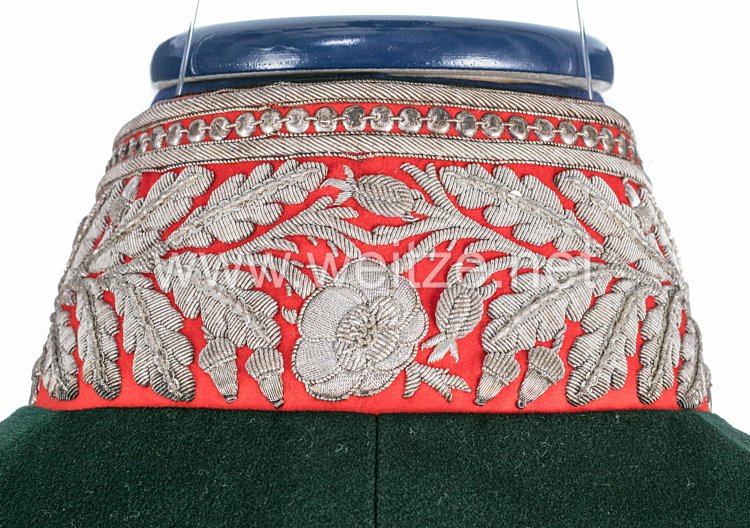
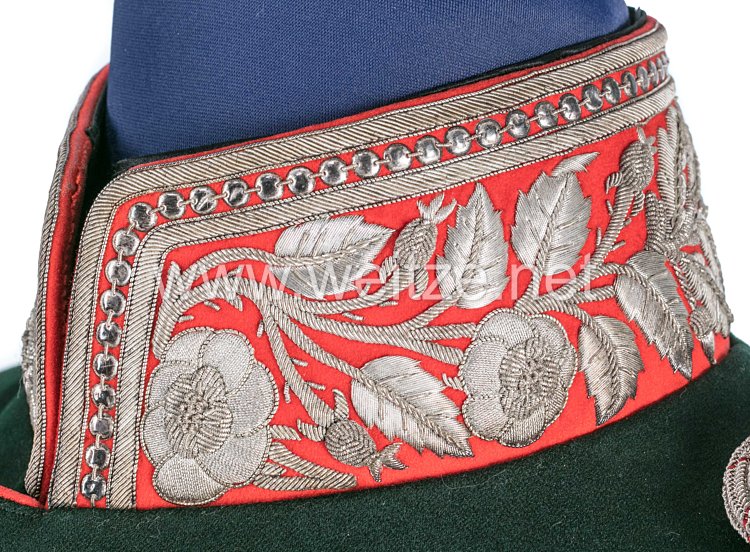
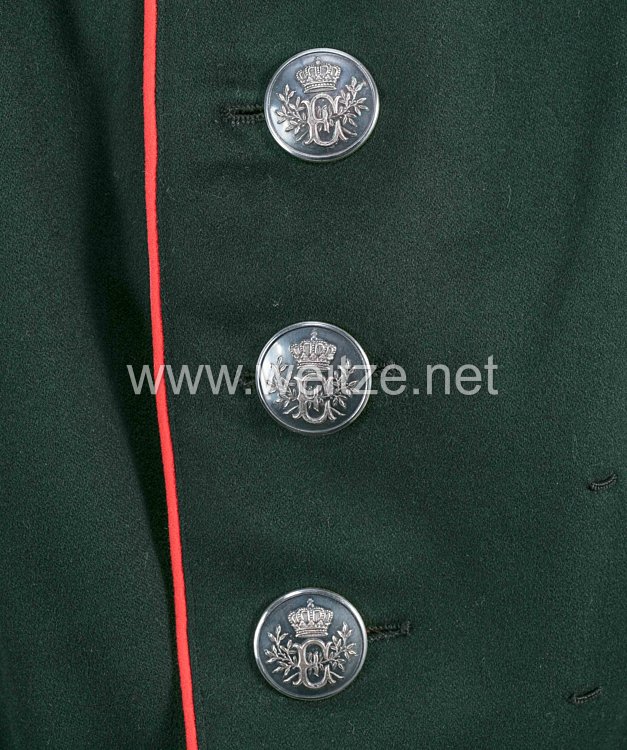
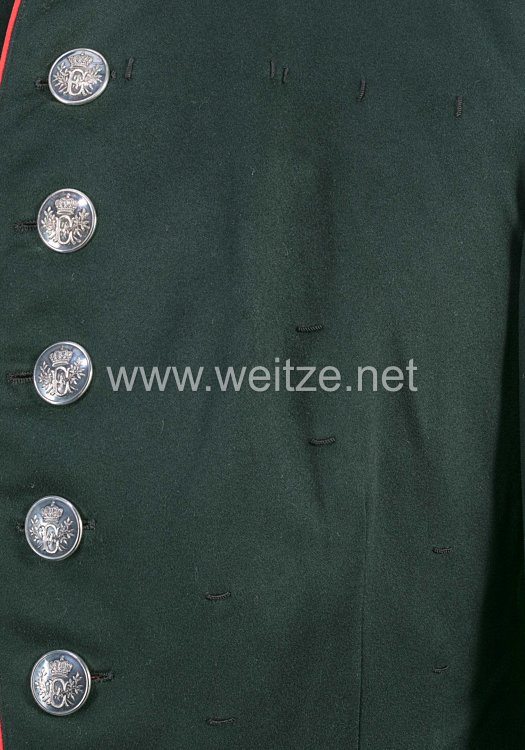
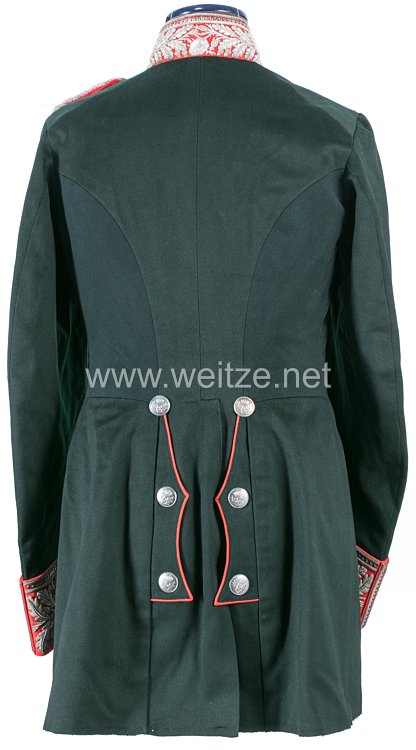
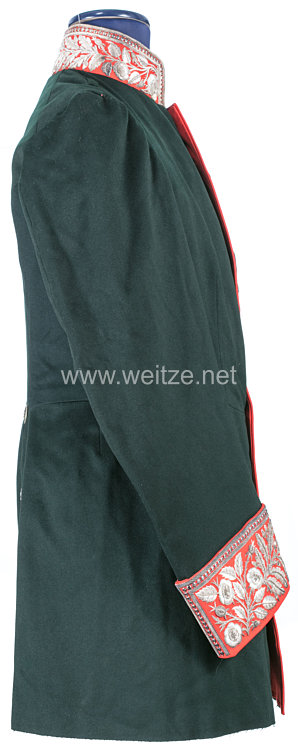
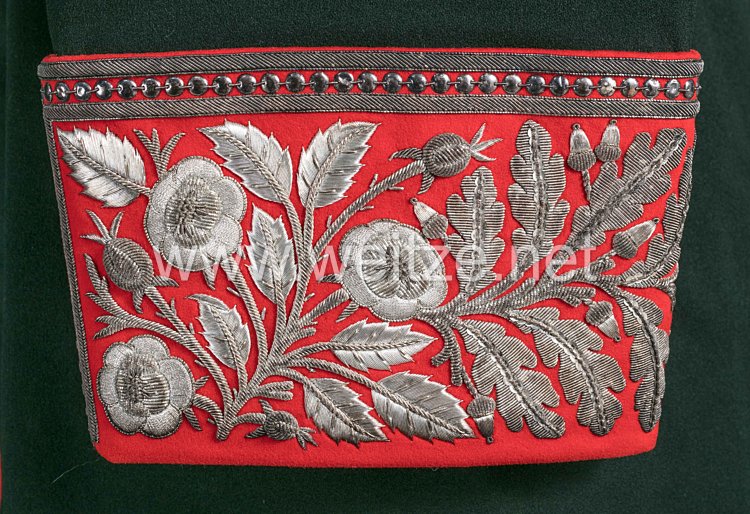
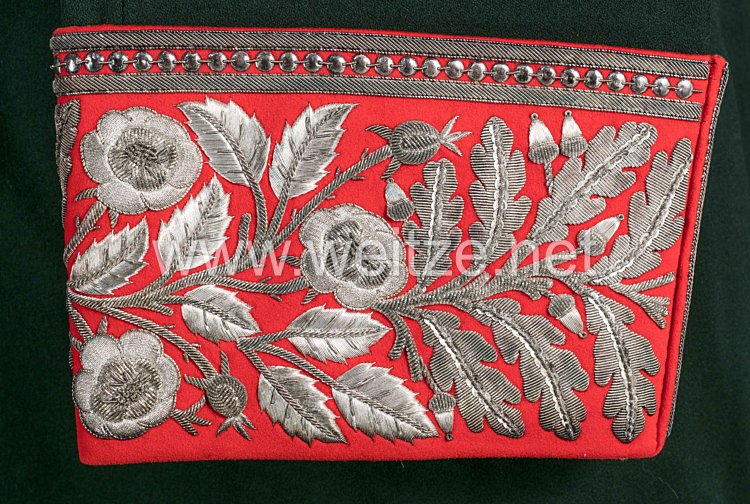
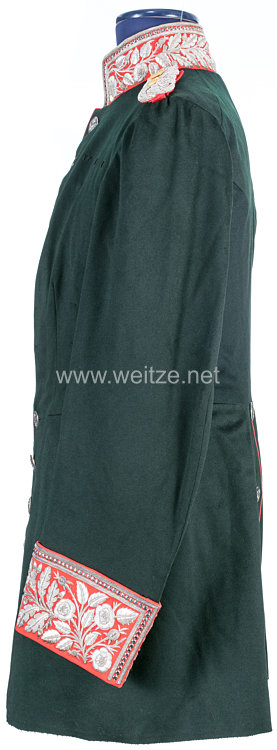
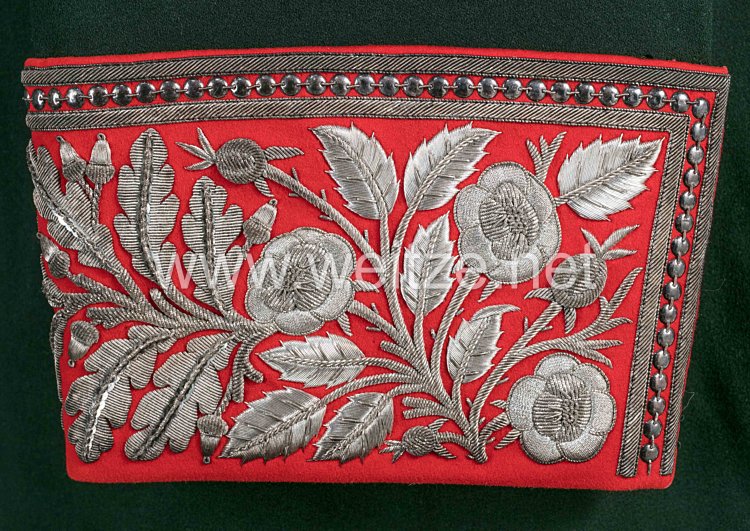
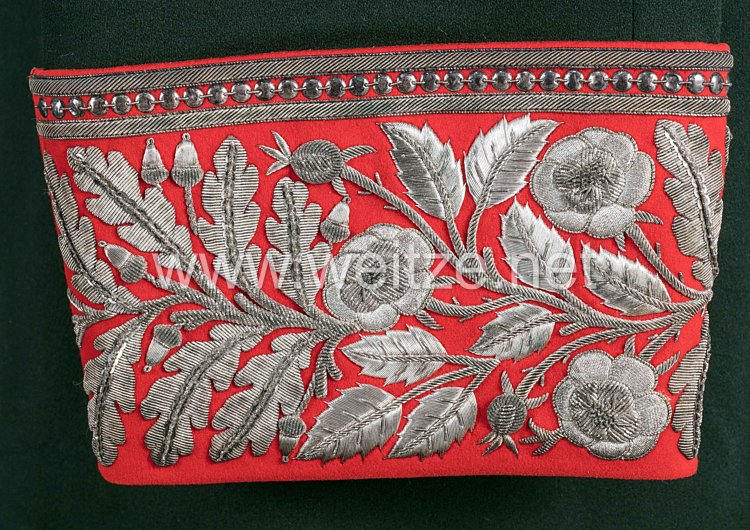
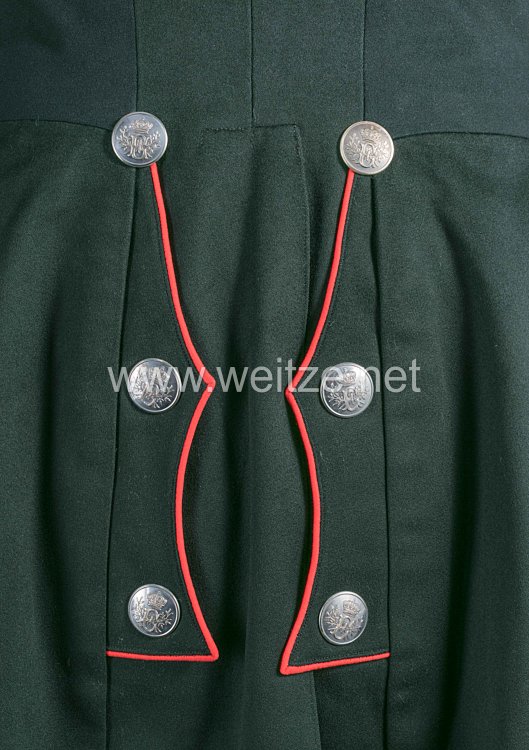
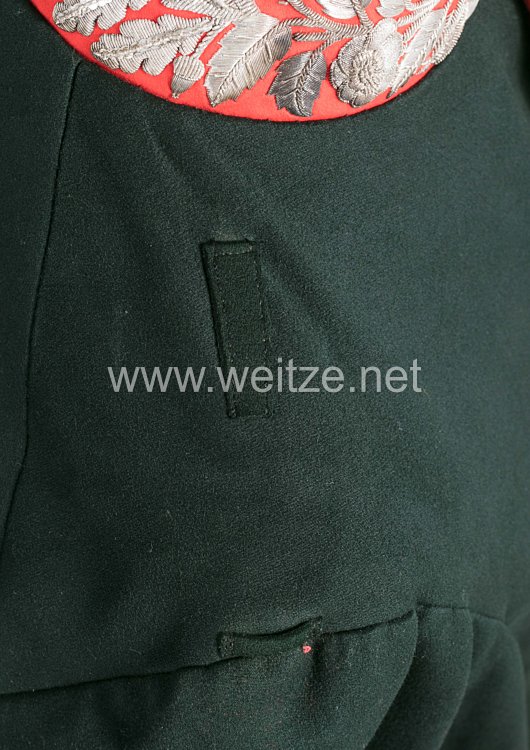
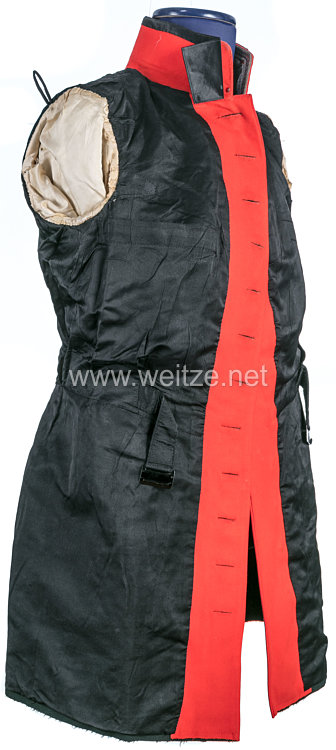
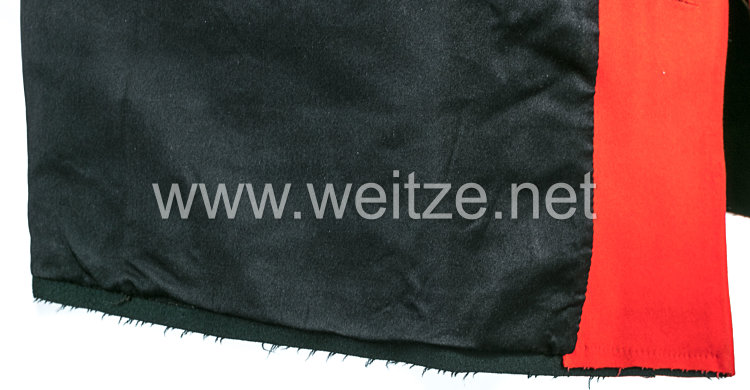
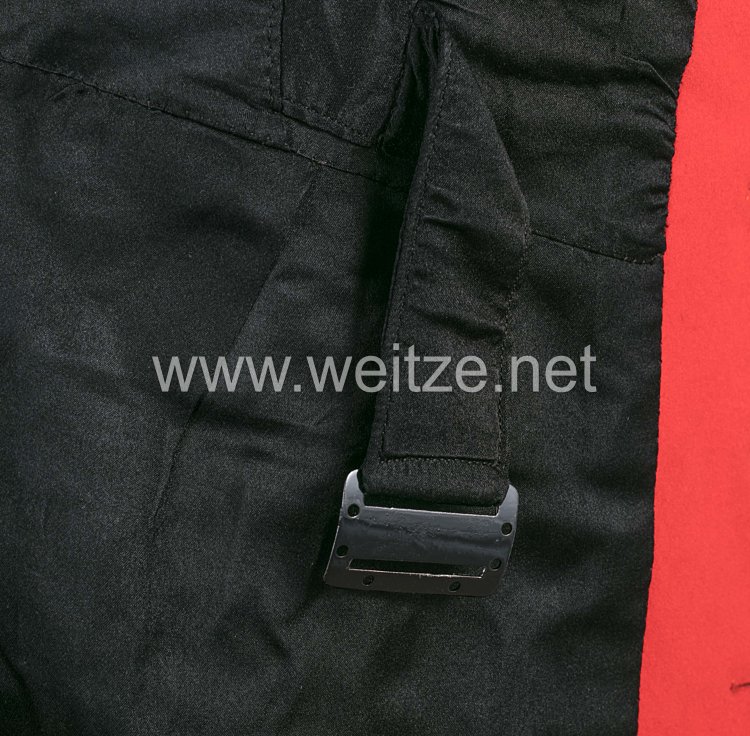
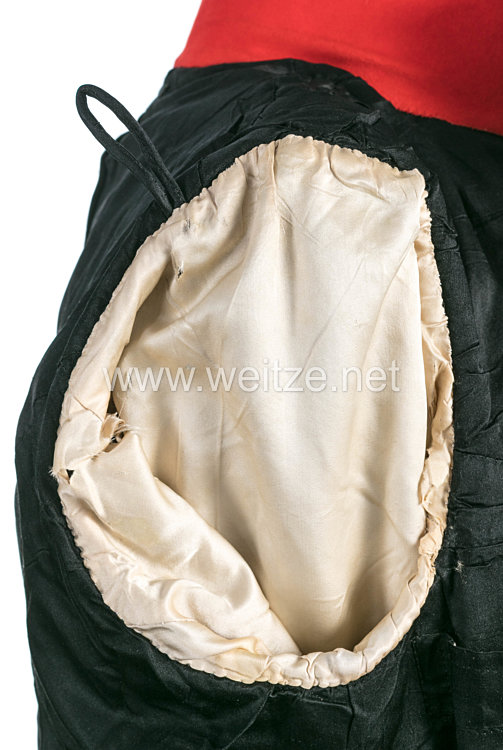
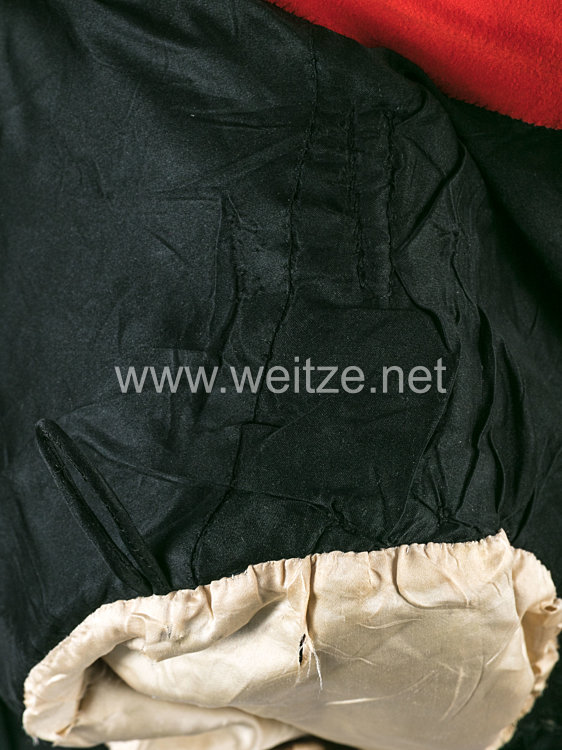
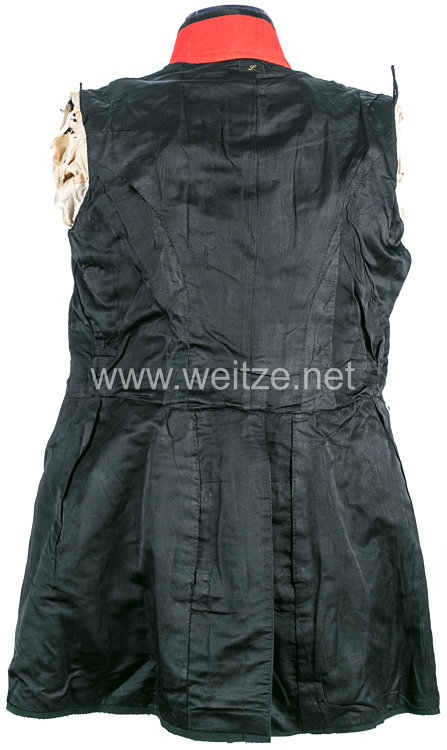
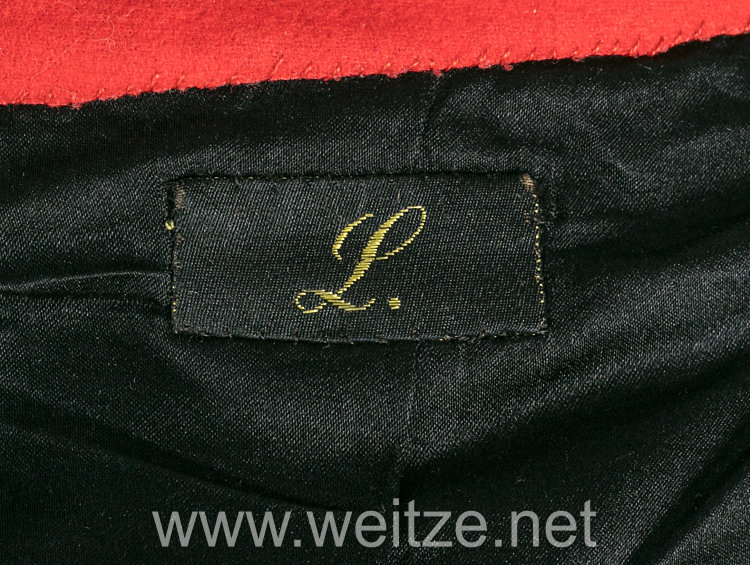
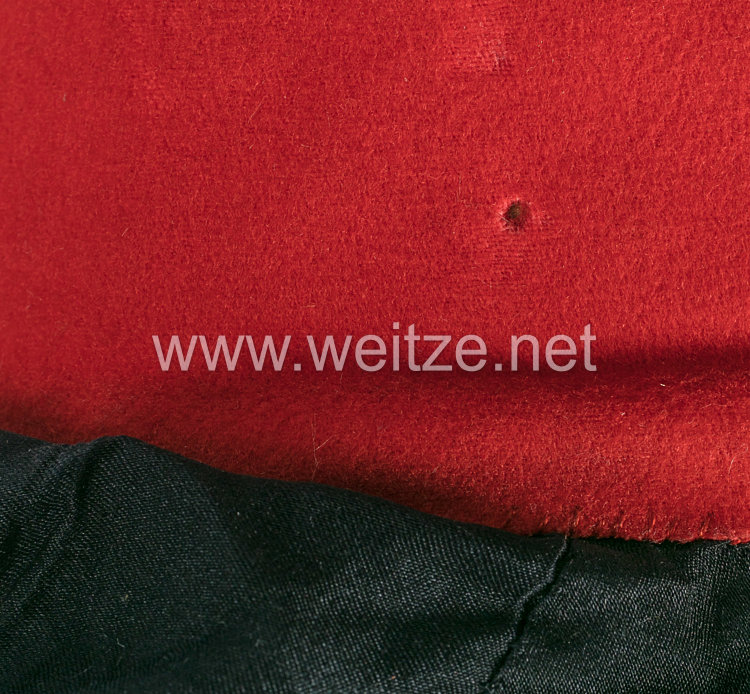
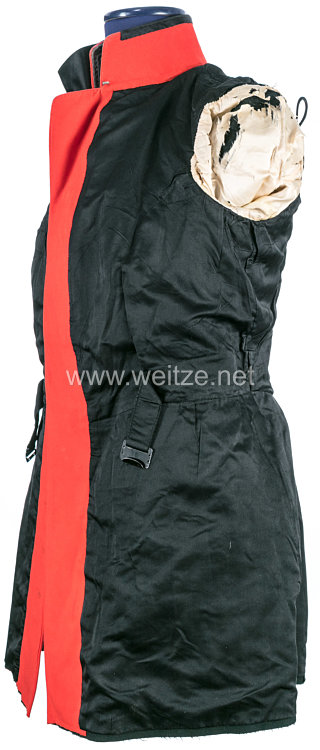
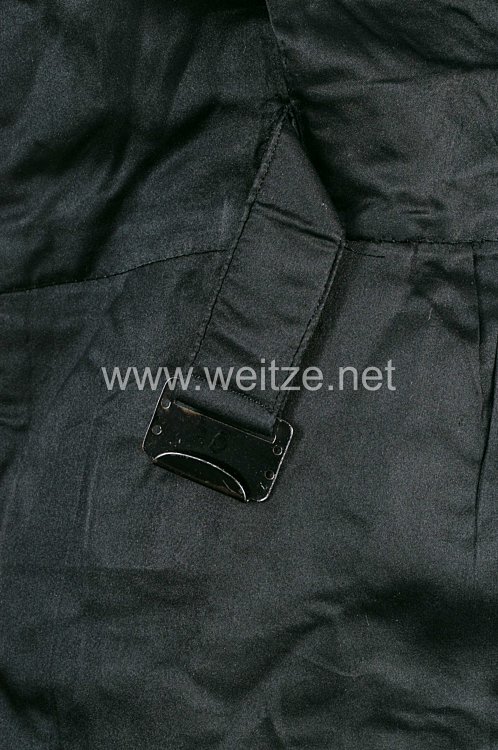
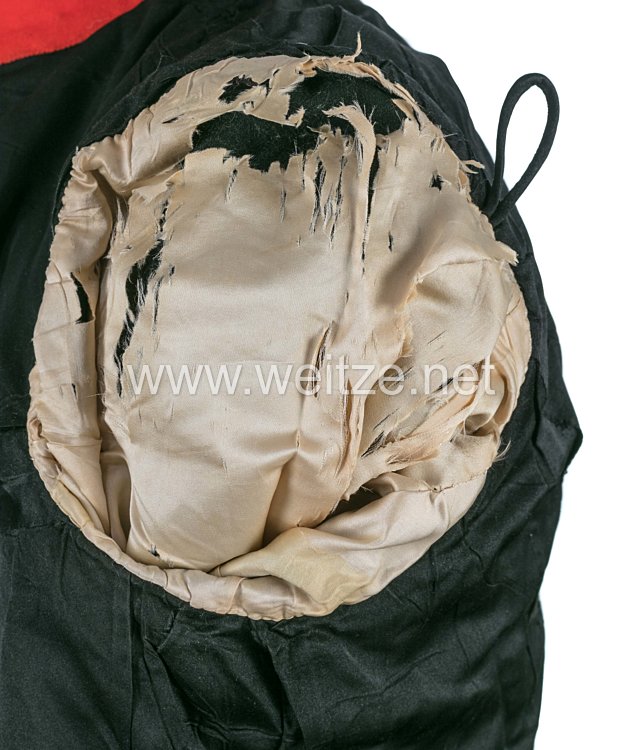
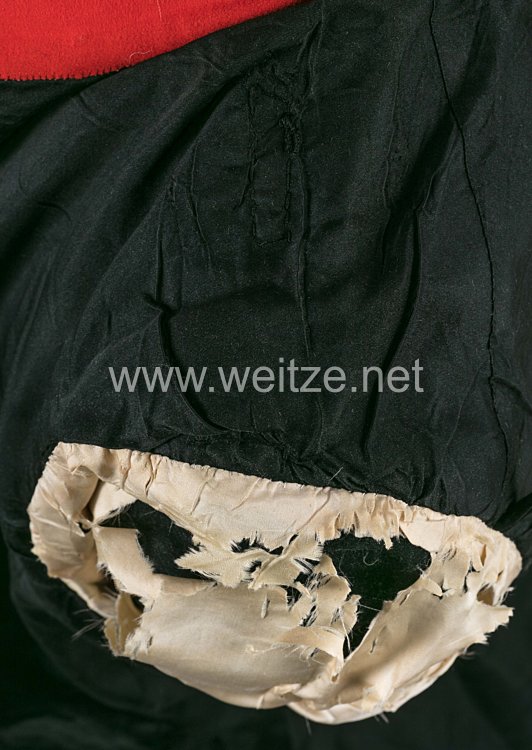
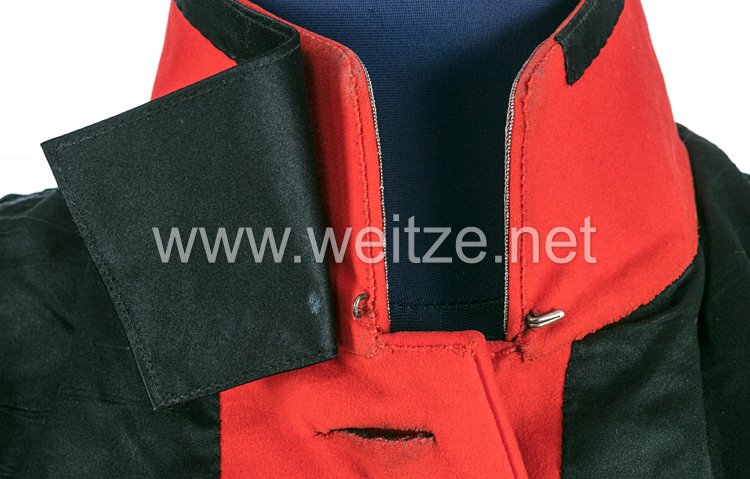
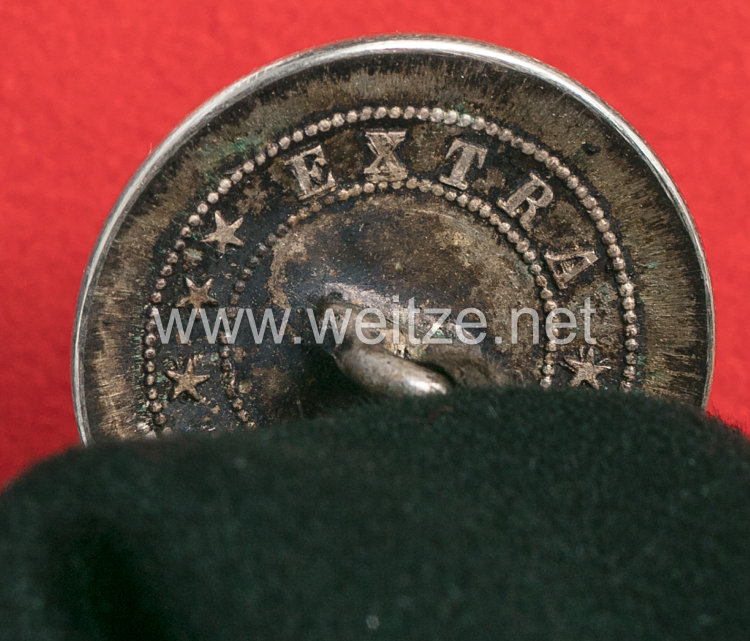
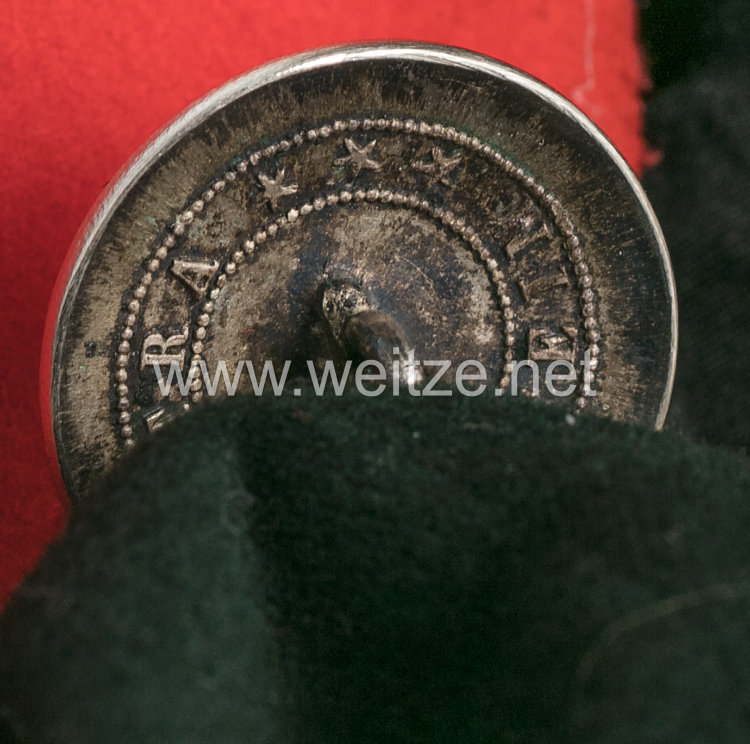
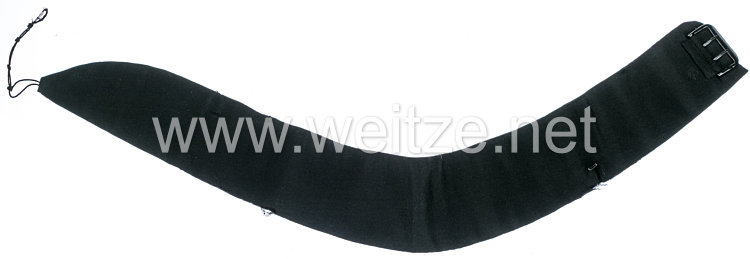
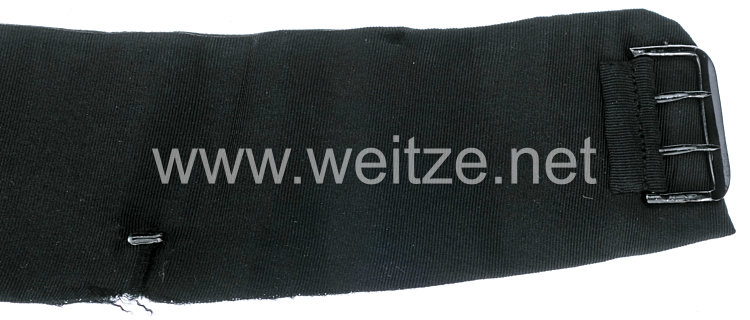
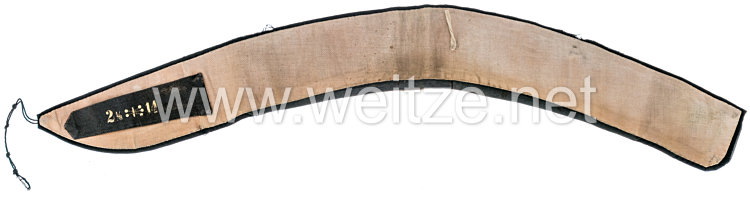
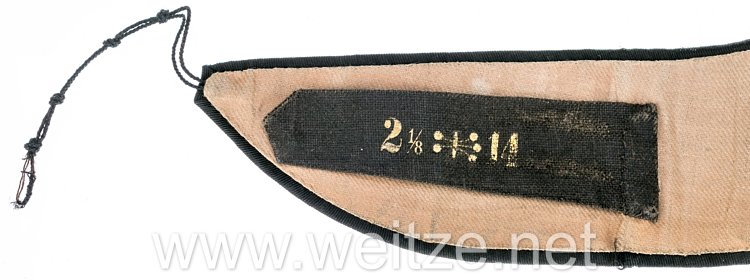
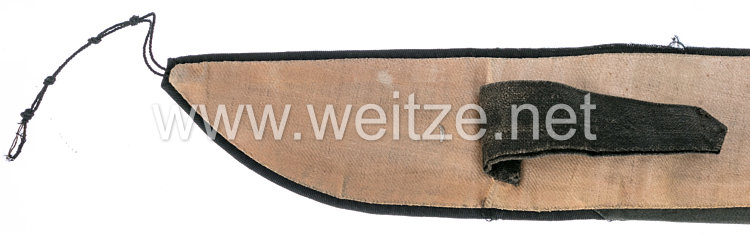
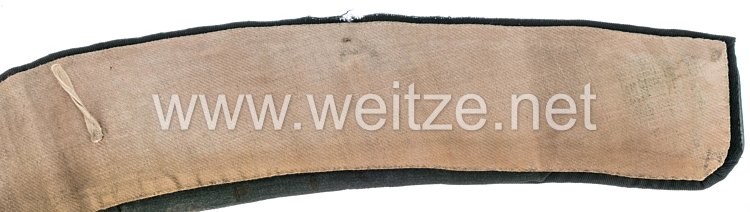
Gala-Rock. Dunkelgrüner, feiner Stoff mit rotem Kragen, Ärmelaufschlägen und Vorstößen. Ärmel und Kragen mit schwerer Silberstickerei, Eichenlaub und Lippischen Rosen, auf der linken Brusthälfte die Schlaufen für die Orden und Ehrenzeichen. Die versilberten Knöpfe wieder mit gekröntem "E" verziert. Innen mit schwarzem Seidenfutter. Beiliegend der originale schwarze Seiden-Kragen. Maße: Schulterbreite ca. 40 cm, Brustumfang ca. 80 cm, Ärmellänge ca. 64 cm.
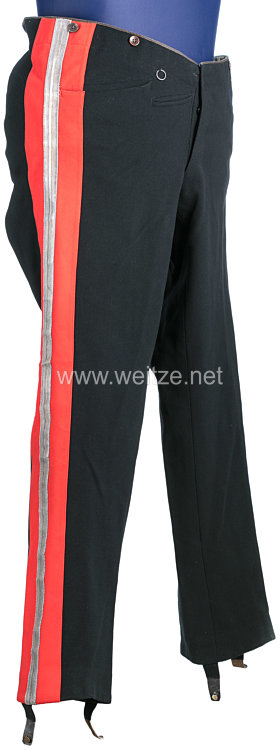
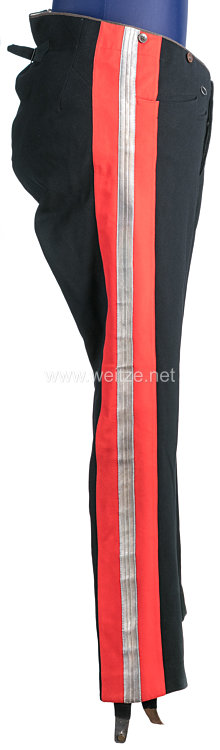
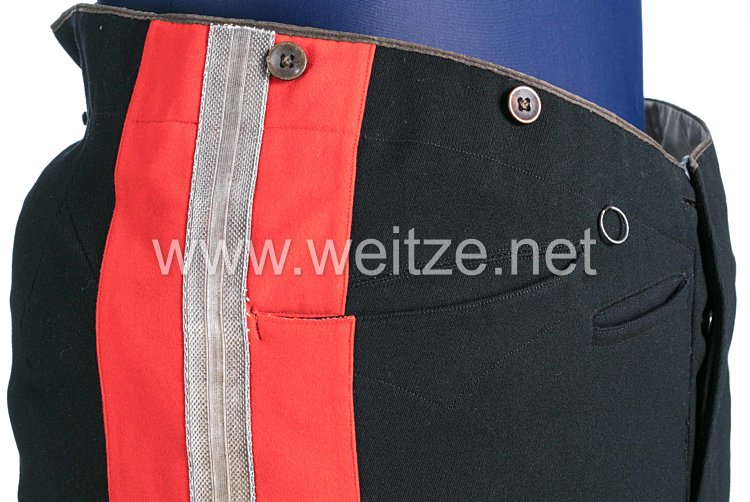
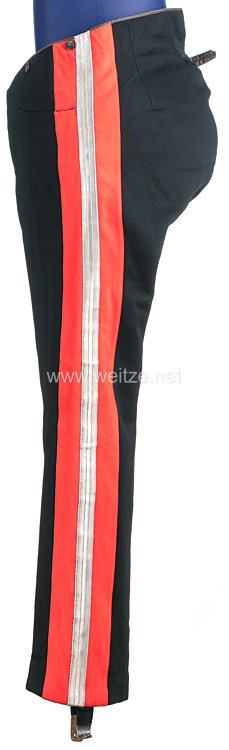
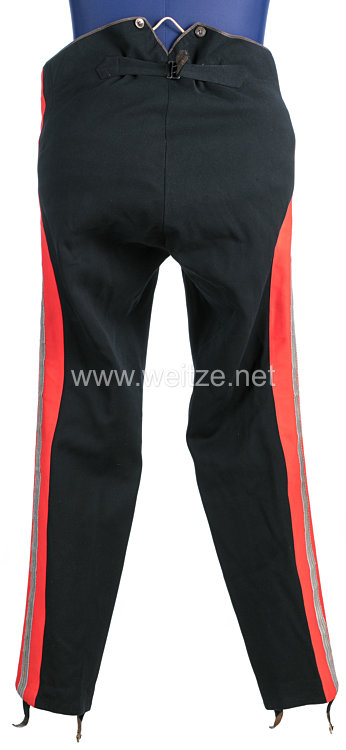
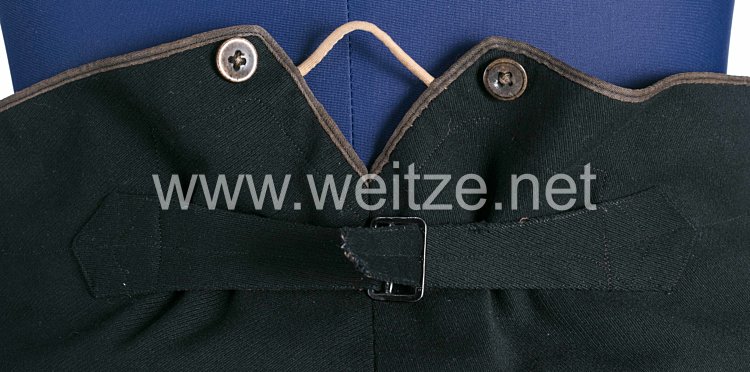
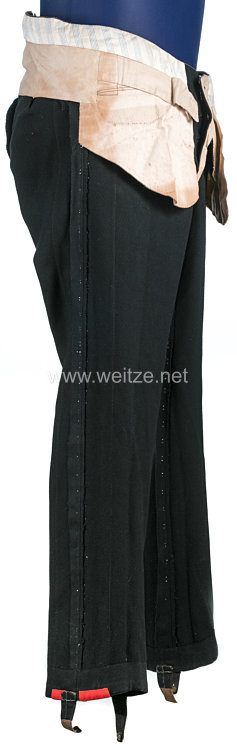
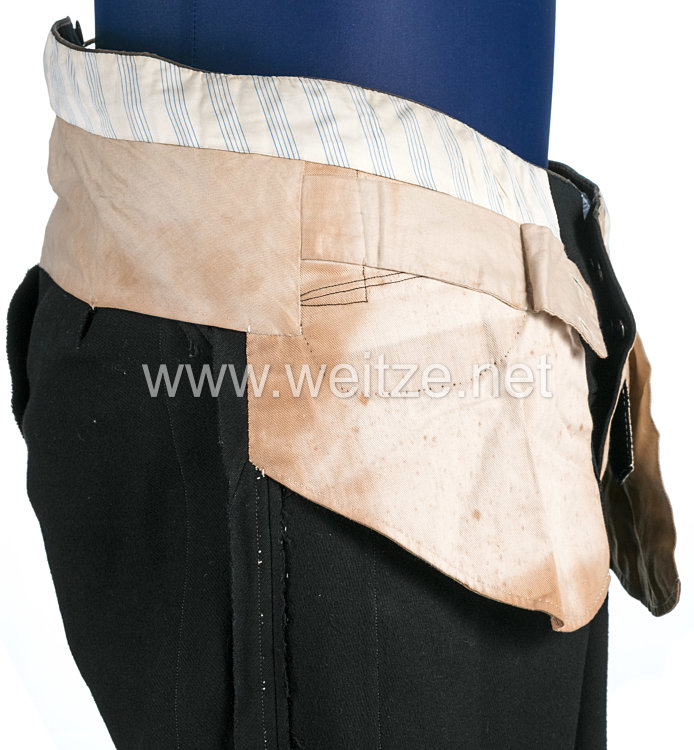
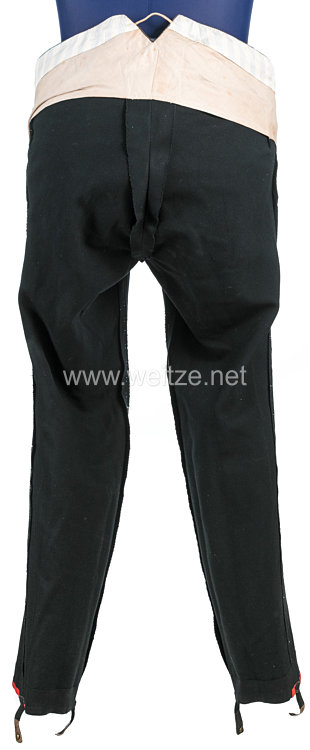
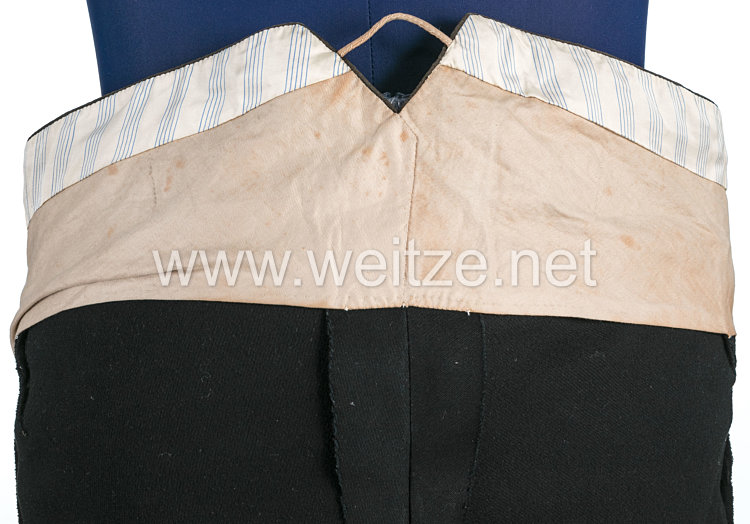
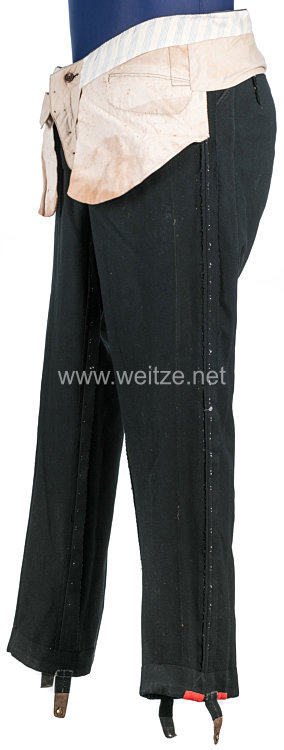
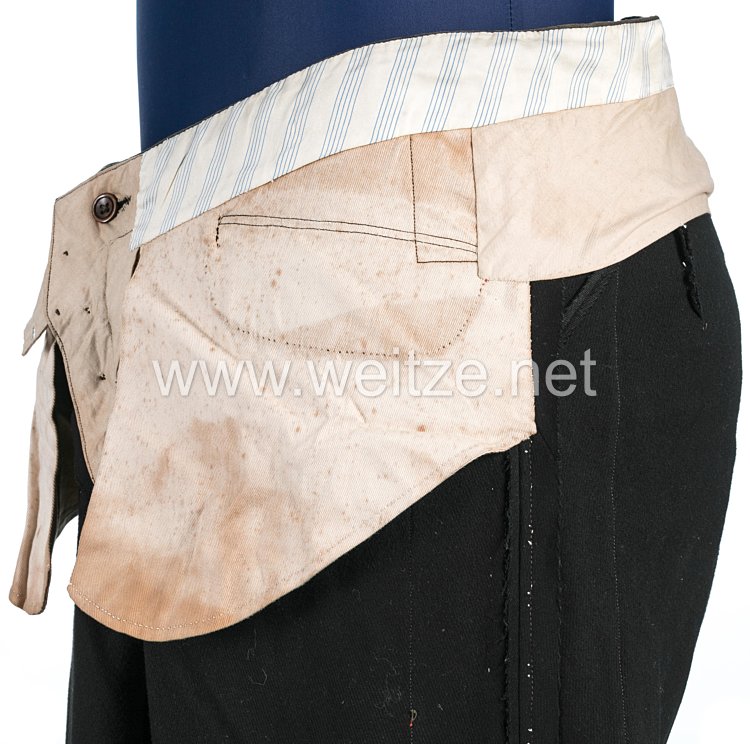
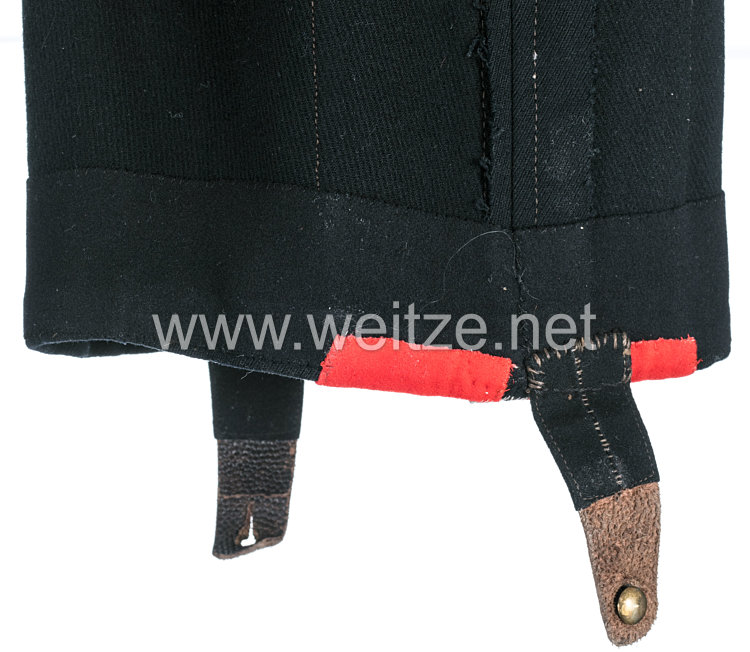
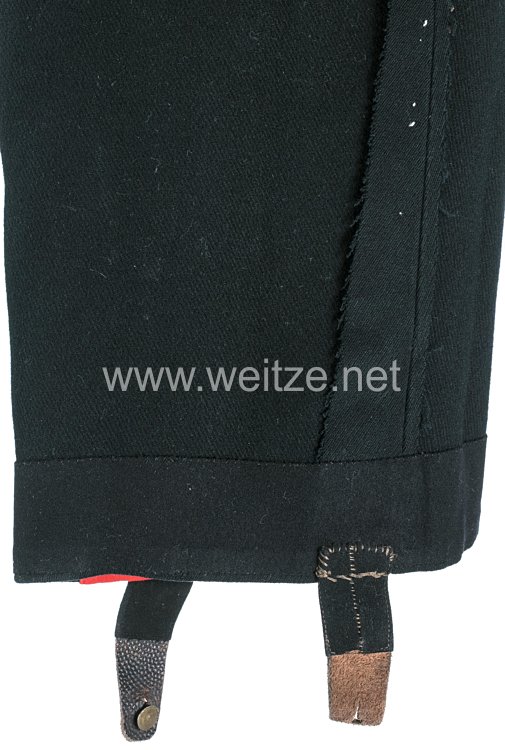
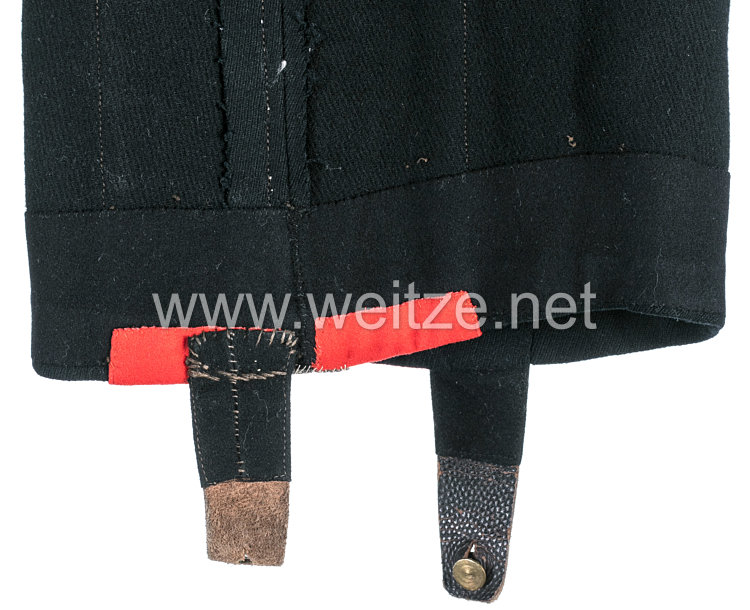
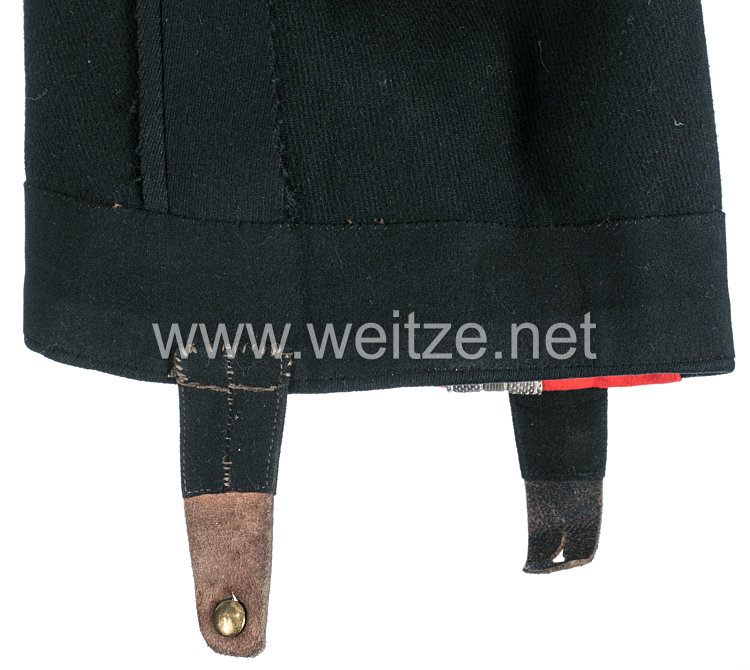
Gala-Hose. Lange schwarze Tuchhose mit 10,7 cm breitem roten Streifen, darauf aufgelegt eine 2,2 cm breite silberne Tresse. Maße: Bundweite ca. 108 cm, Beinlänge ca. 112 cm.
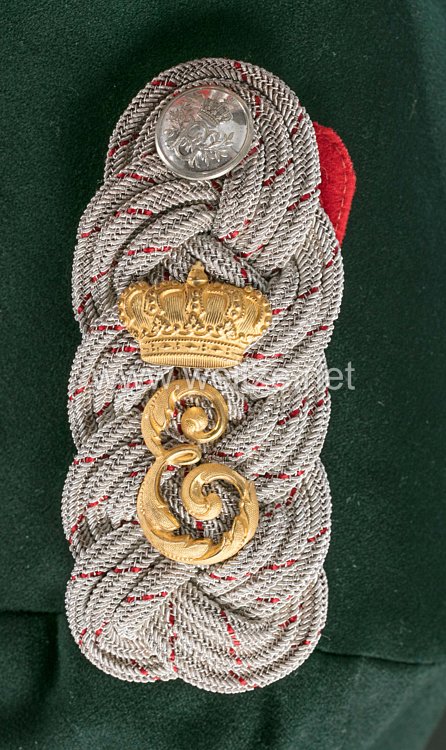
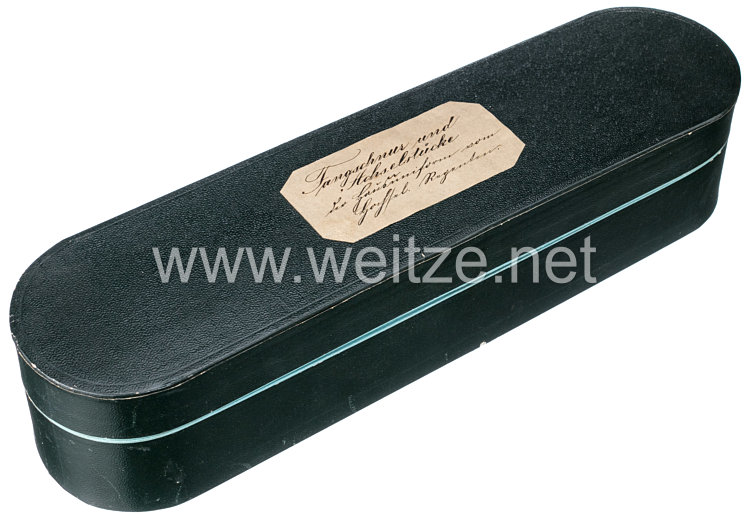
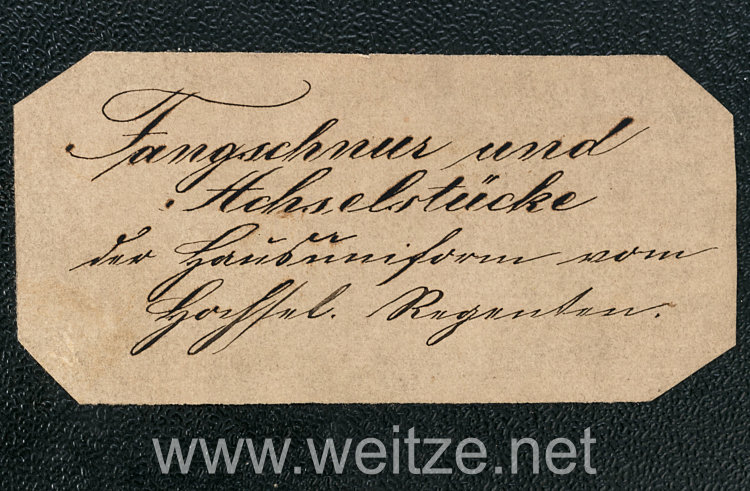
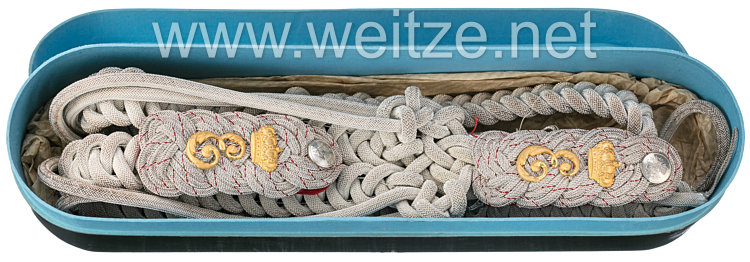
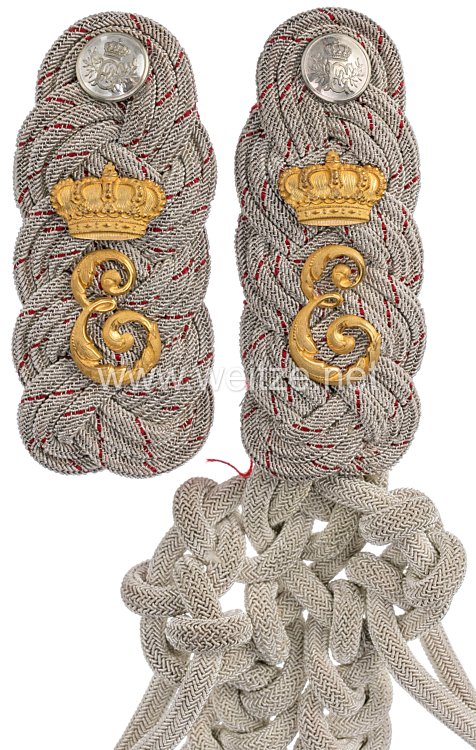
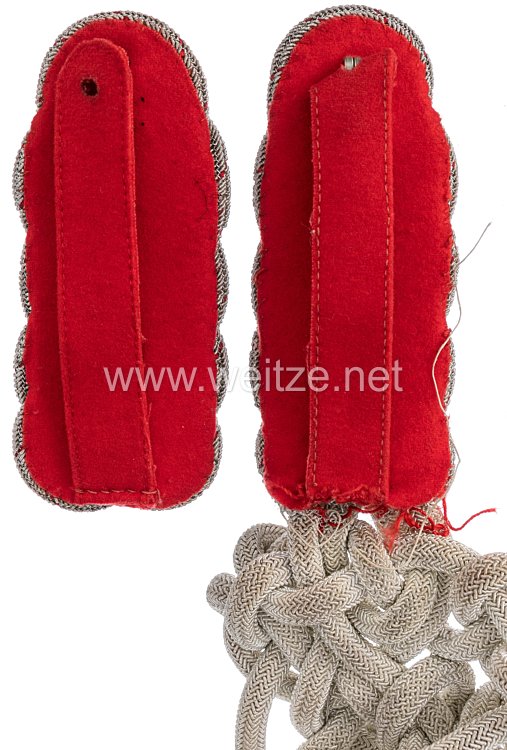
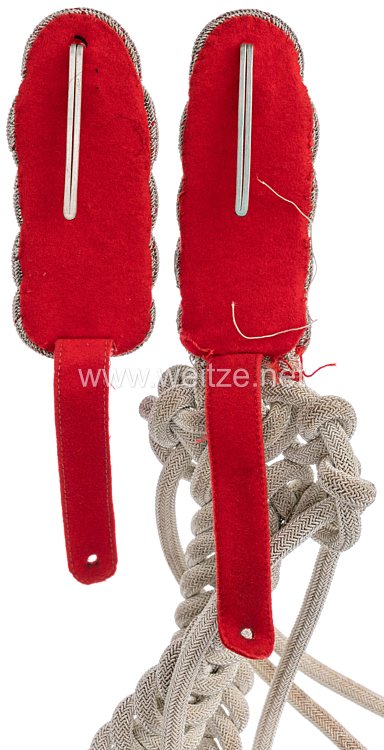
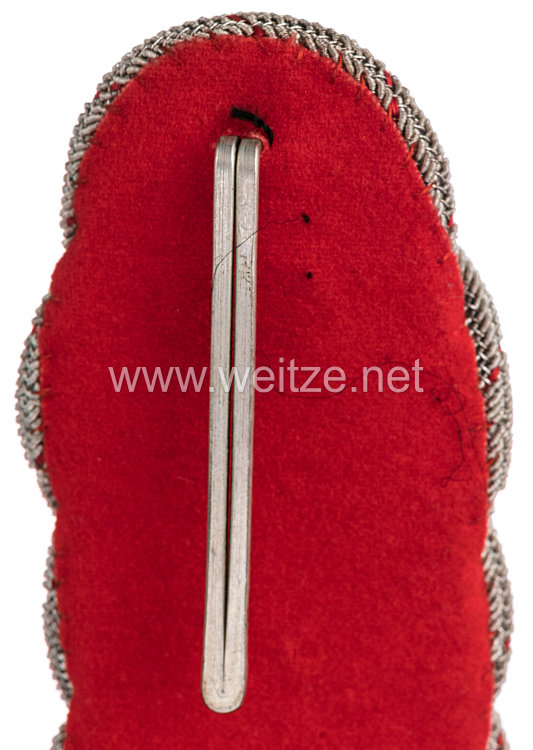
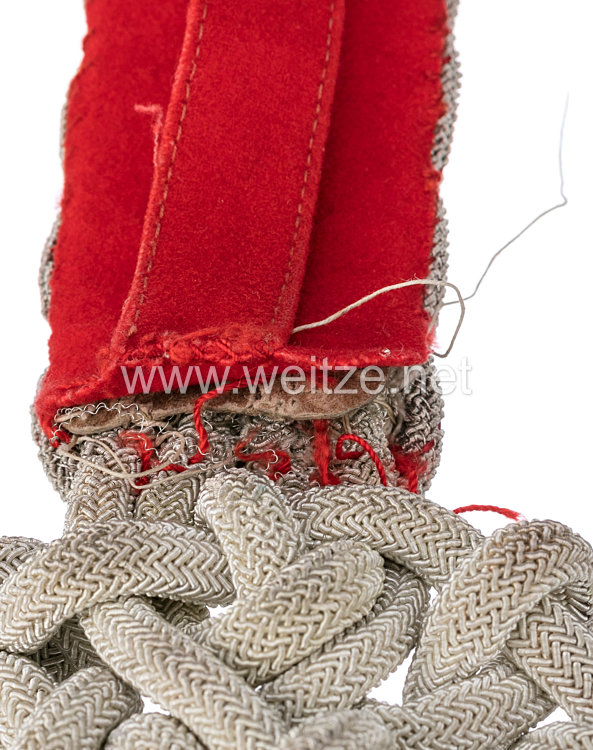
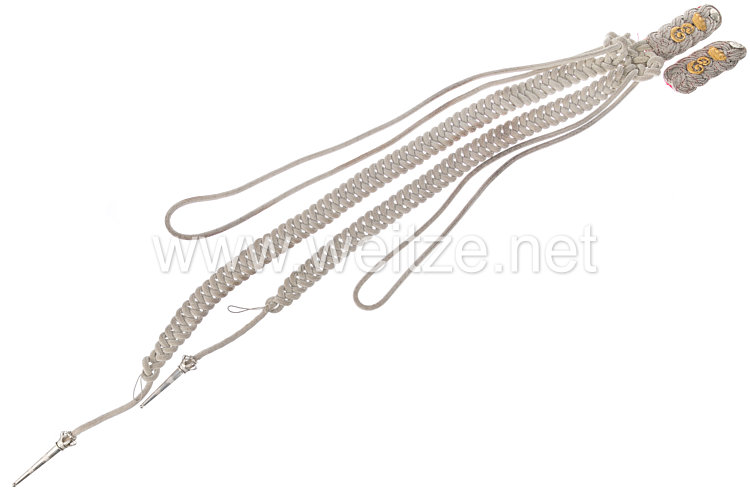
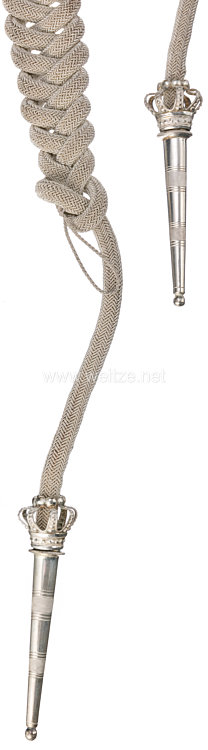
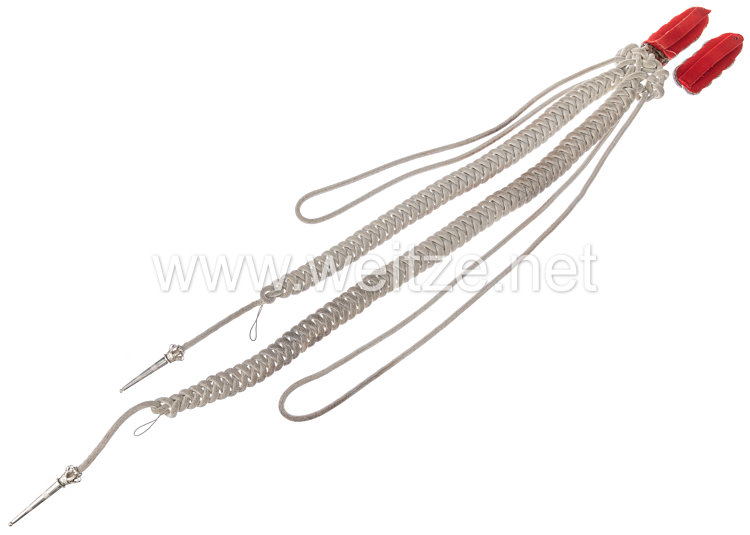
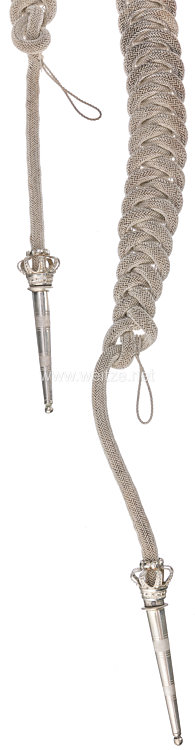
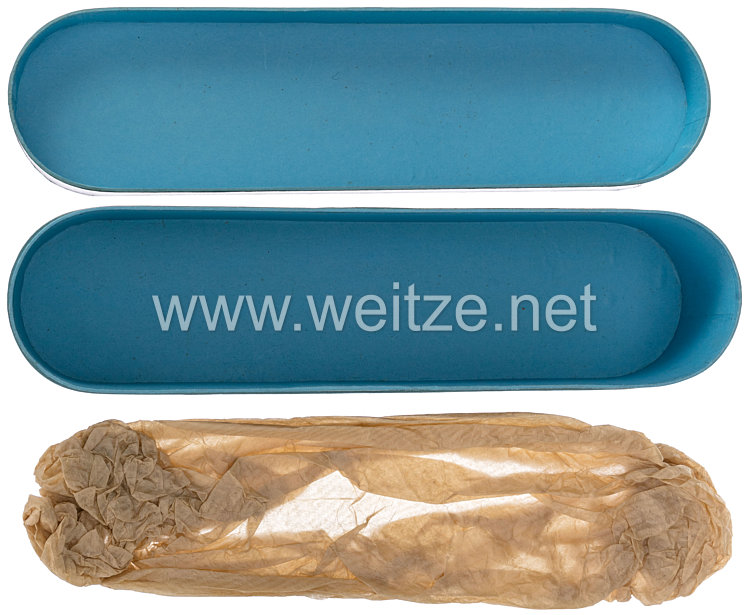
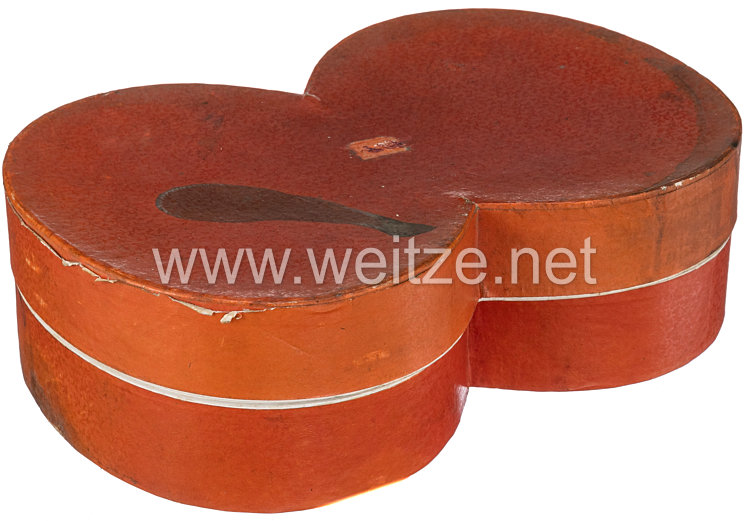
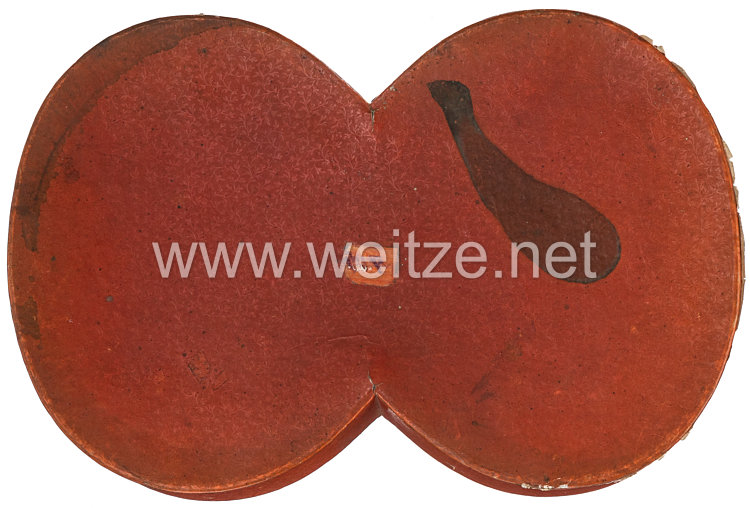
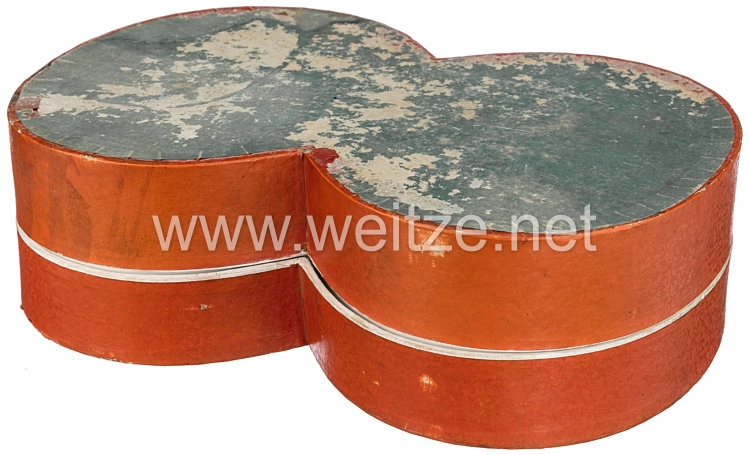
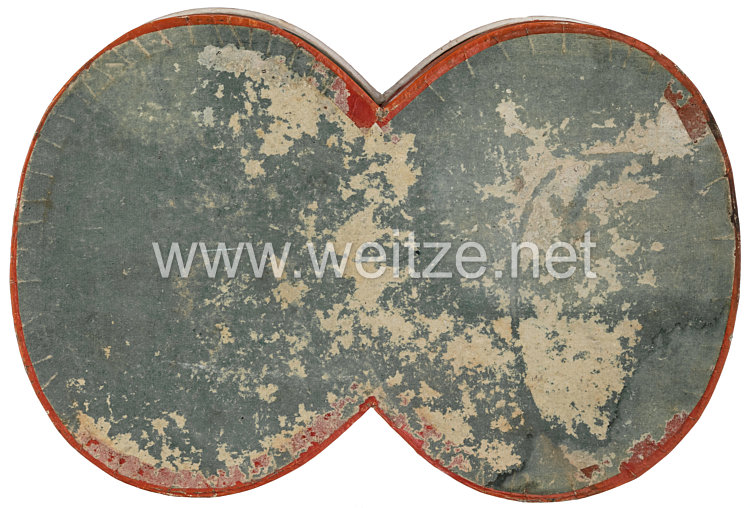
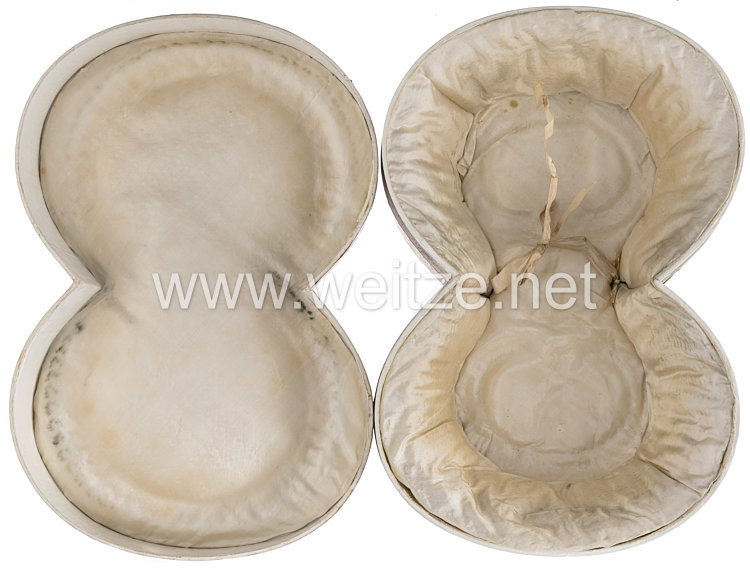
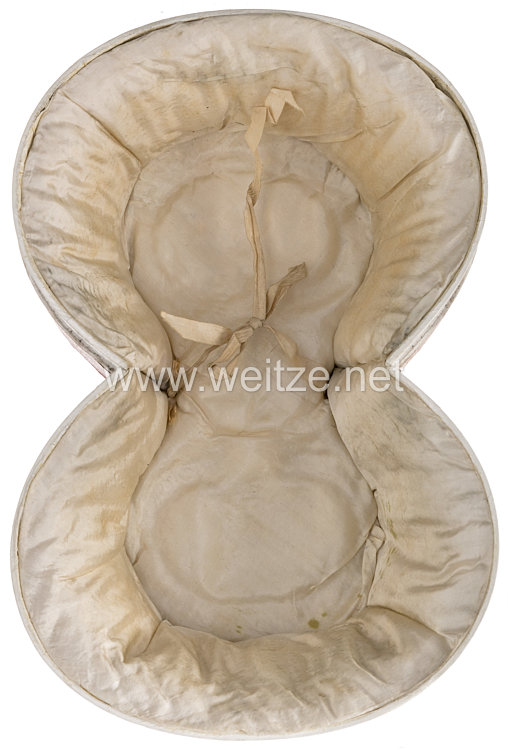
Geflecht mit Fangschnur. Silbernes Schultergeflecht mit roten Durchzügen, mit roter Unterlage und Schlaufen, mit Haken, aufgelegt die Krone und das Chiffre "E", silberne Knöpfe mit der Verzierung Krone "E", die Fangschnur mit silbernen Pfeifen und beweglichen silbernen Kronen. In der originalen Schachtel, mit Aufschrift "Fangschnur und Achselstücke der Hausuniform vom herzogl. Regenten".
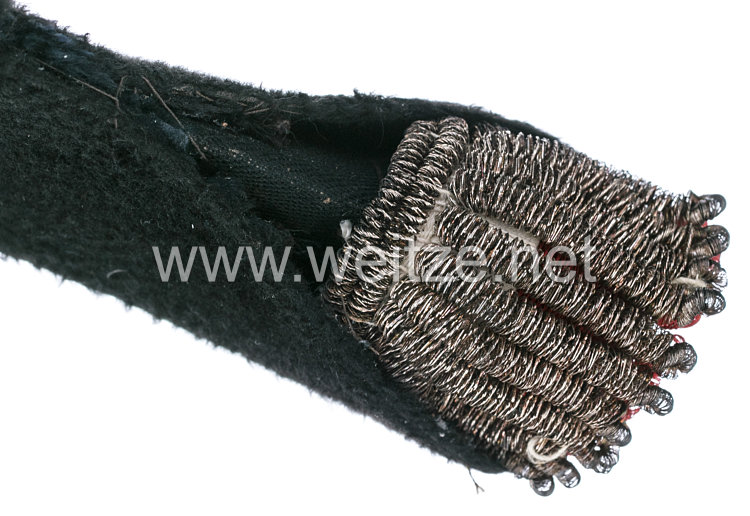
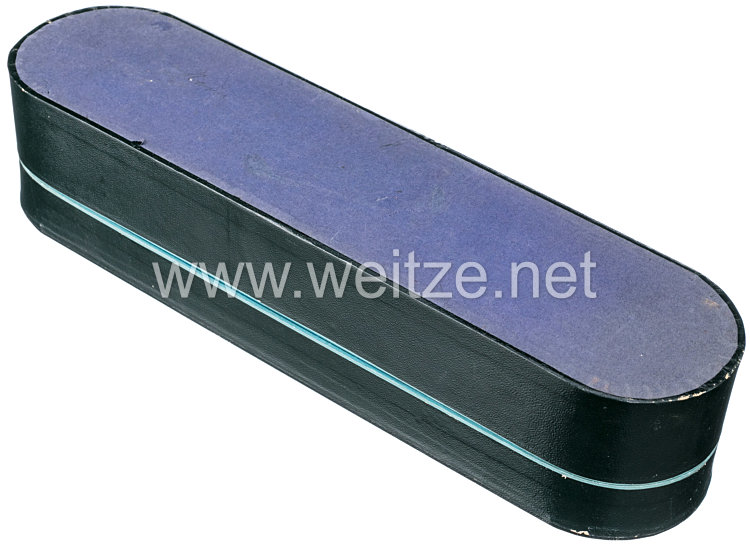
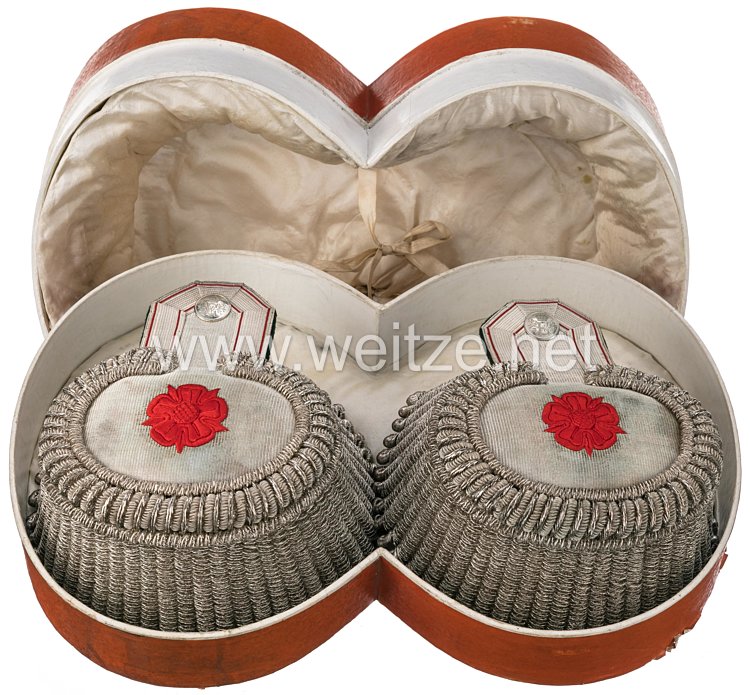
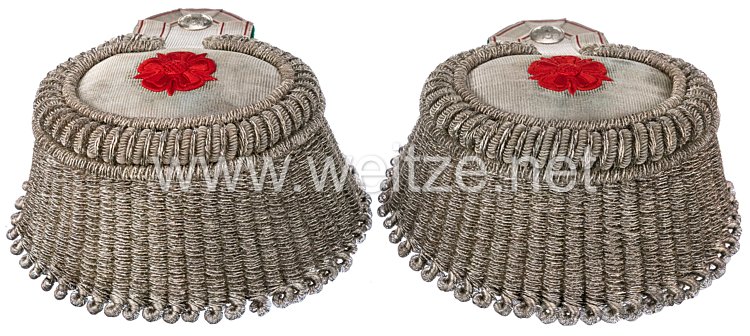
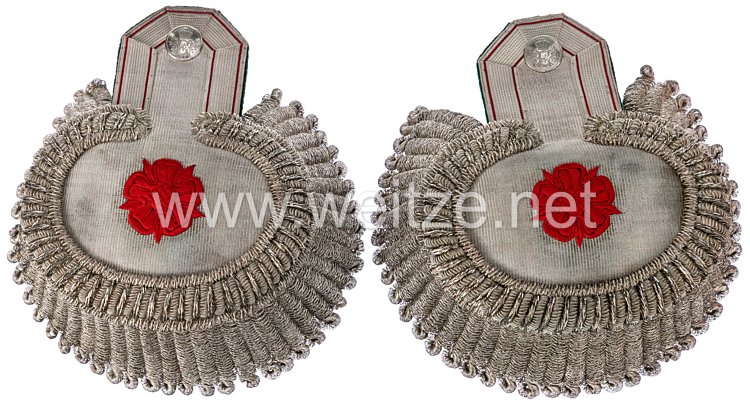
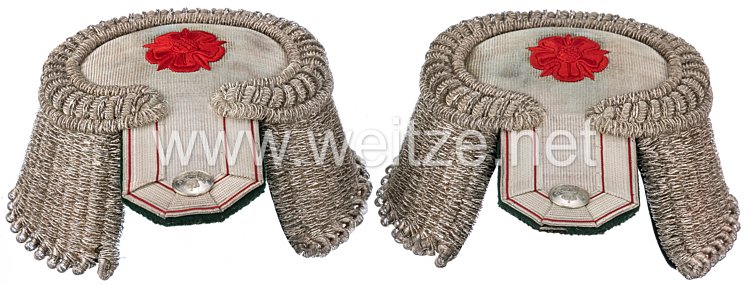
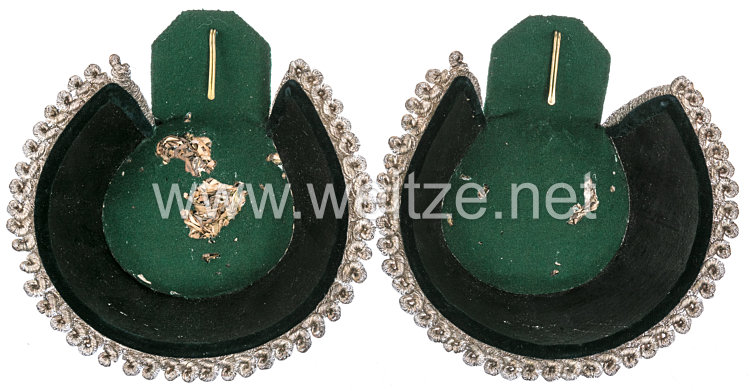
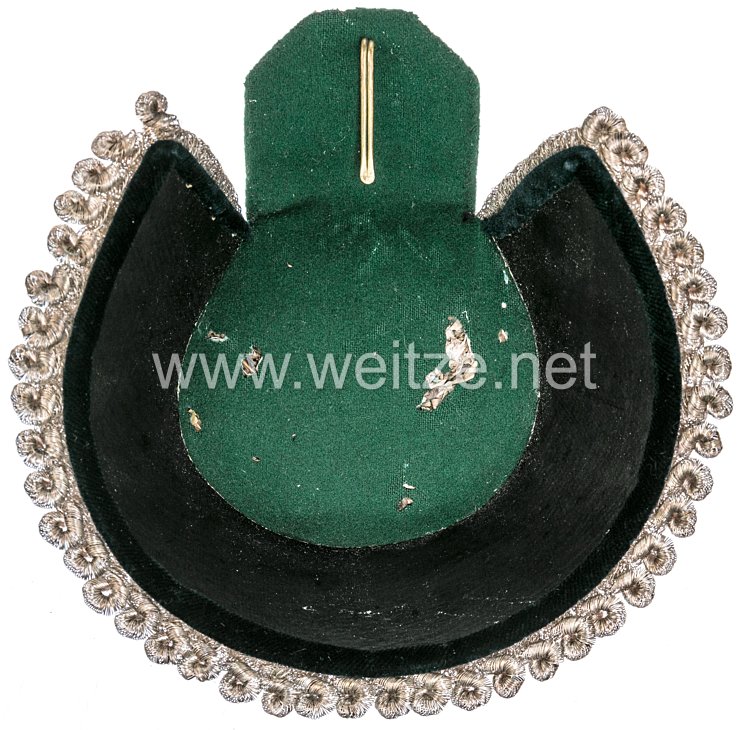
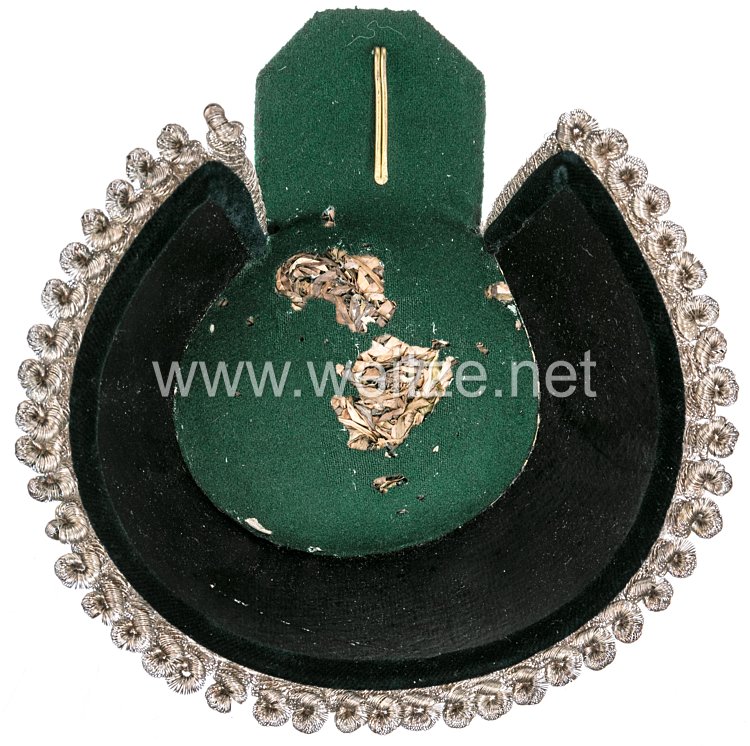
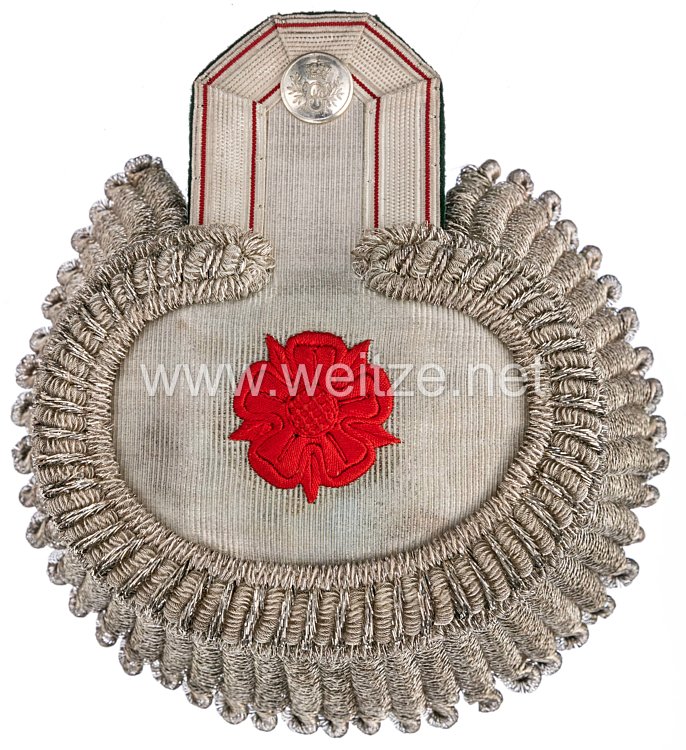
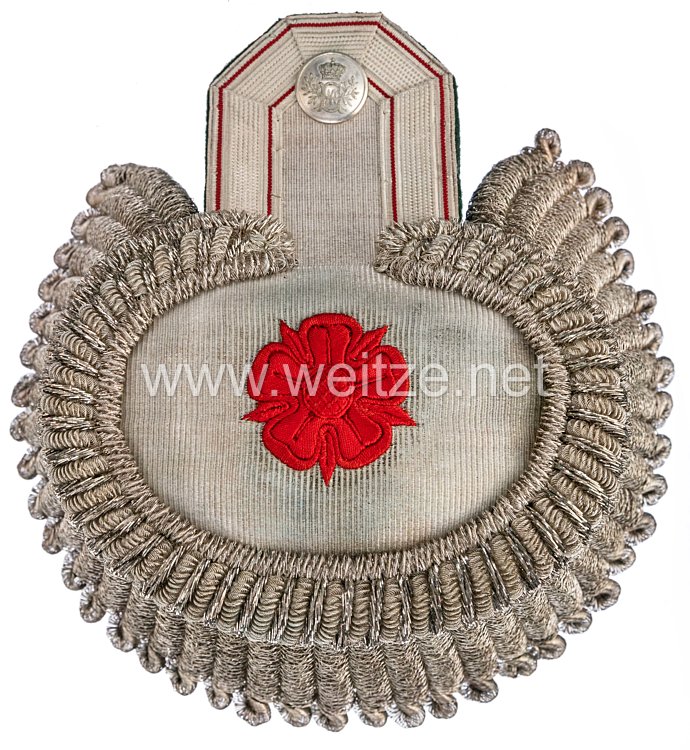
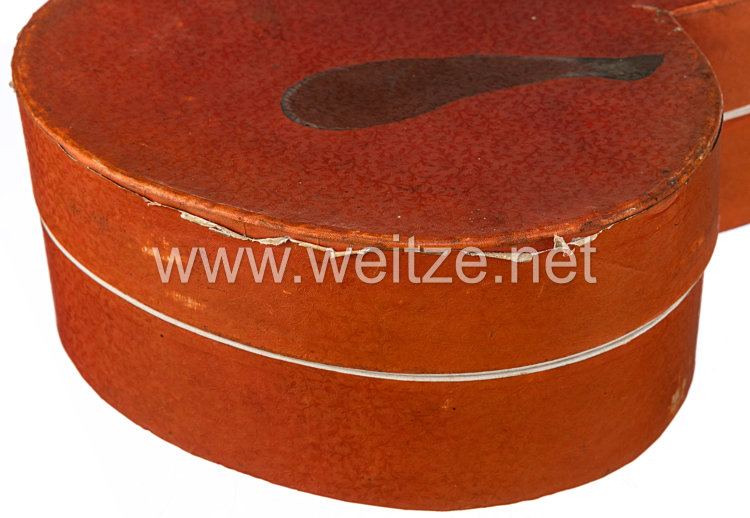
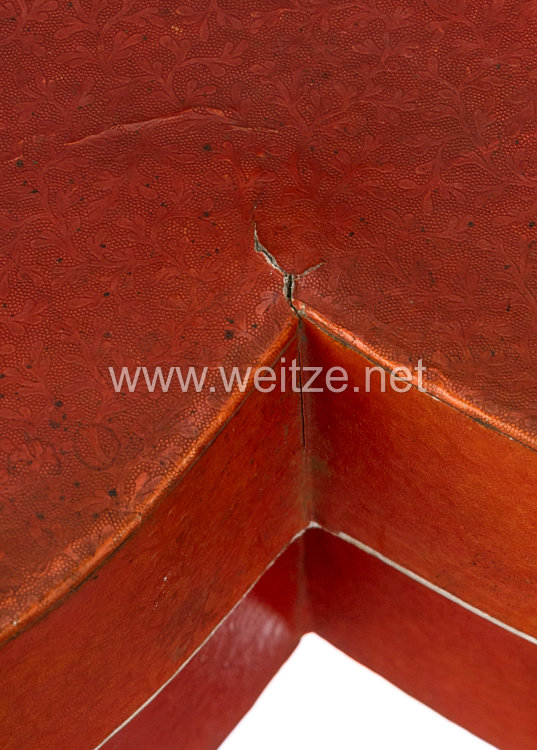
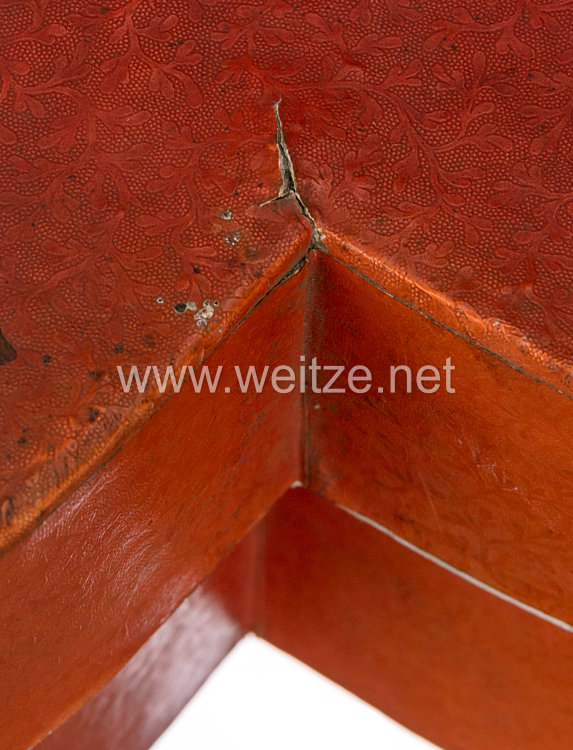
Große Epauletten. Die Felder aus silbernem Waffeltuch, mit aufgestickter roter lippischer Rose, die Monde in Silberkantille, die Silberlitze mit roten Durchzügen, starre silberne Kantillen, grünes Tuchfutter. Das Tuchfutter mit Fehlstellen. Komplett im alten Original Kasten.
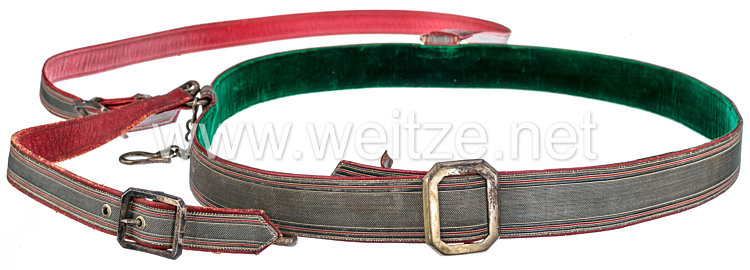
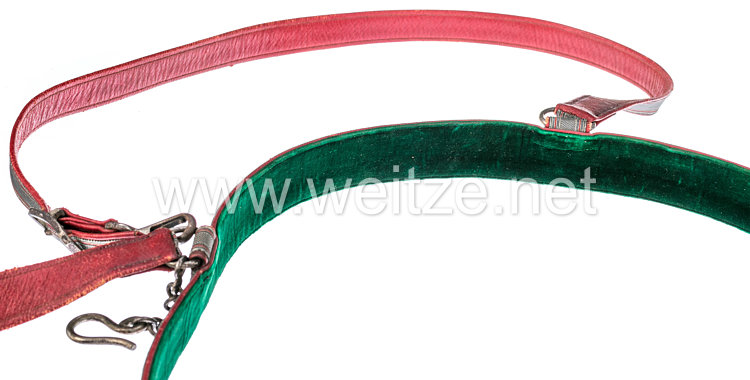
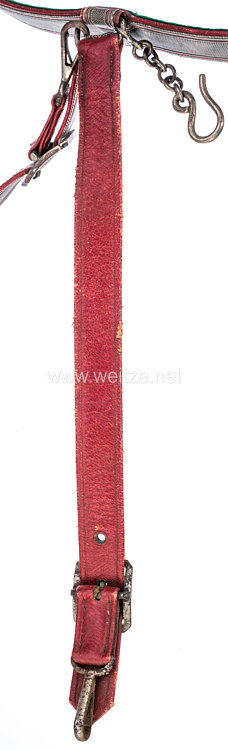
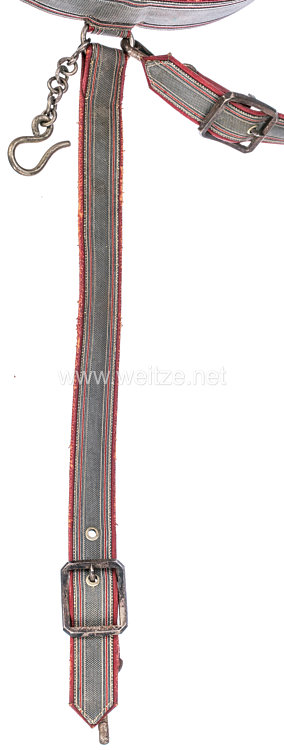
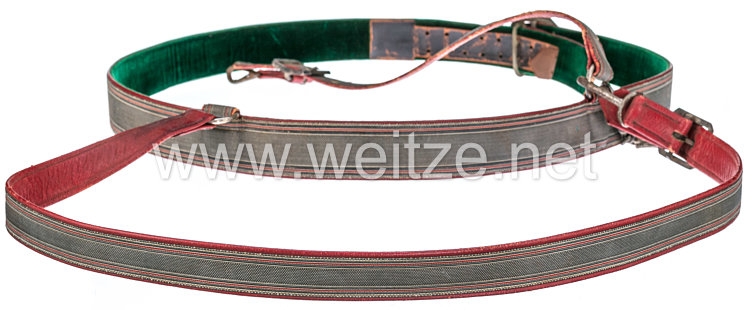
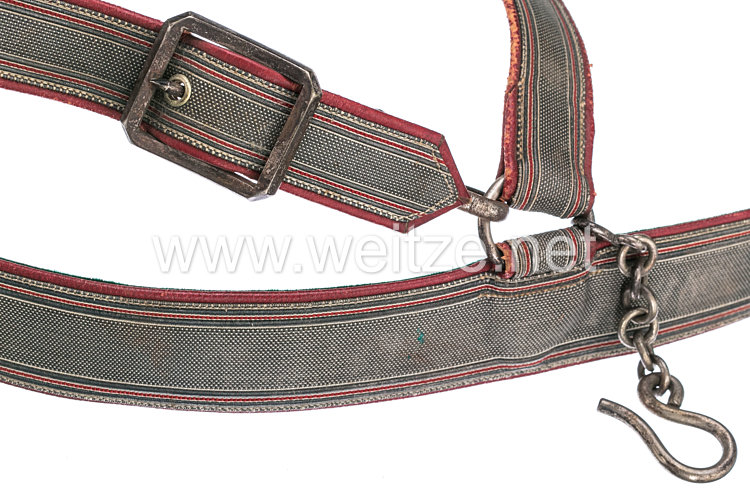
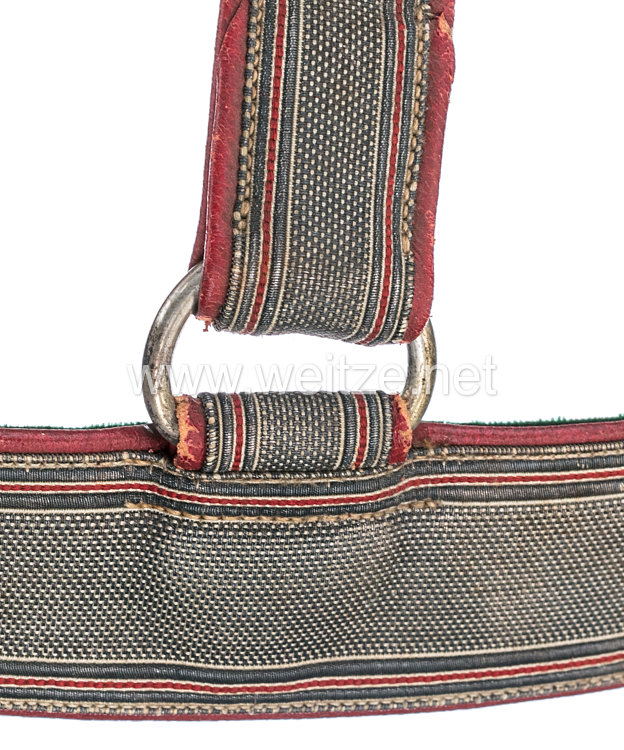
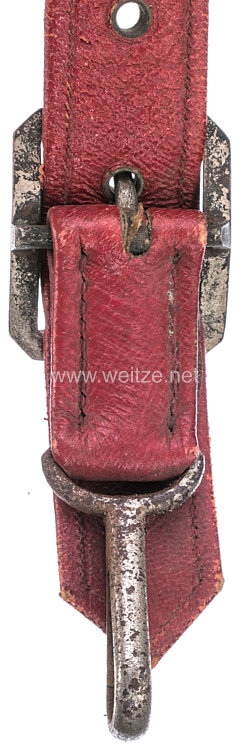
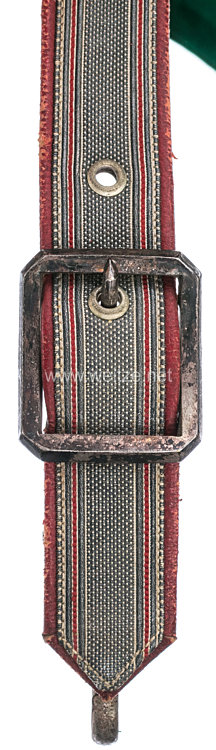
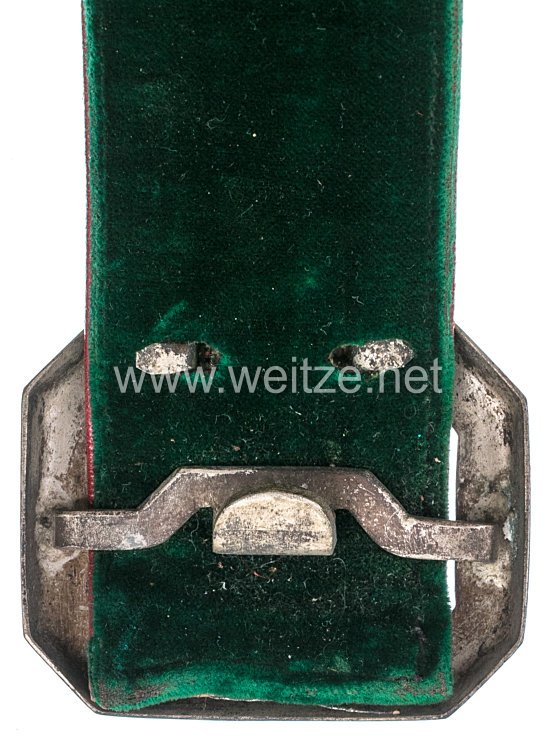
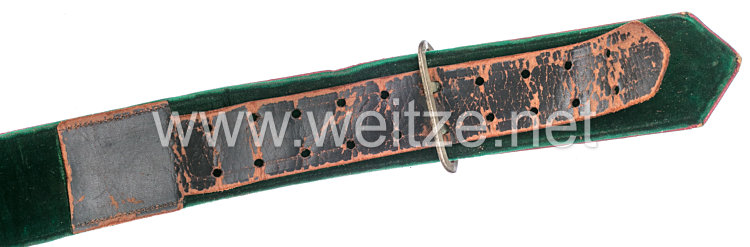
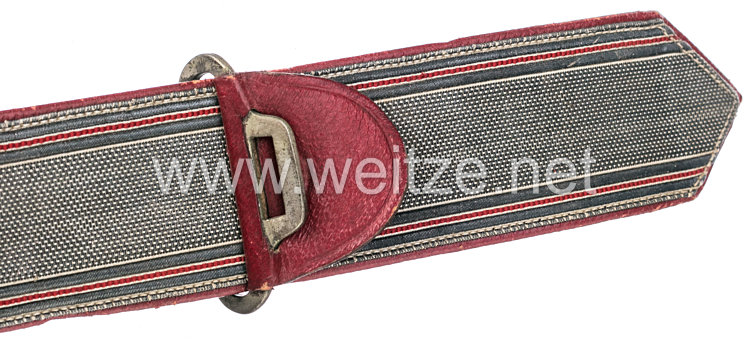
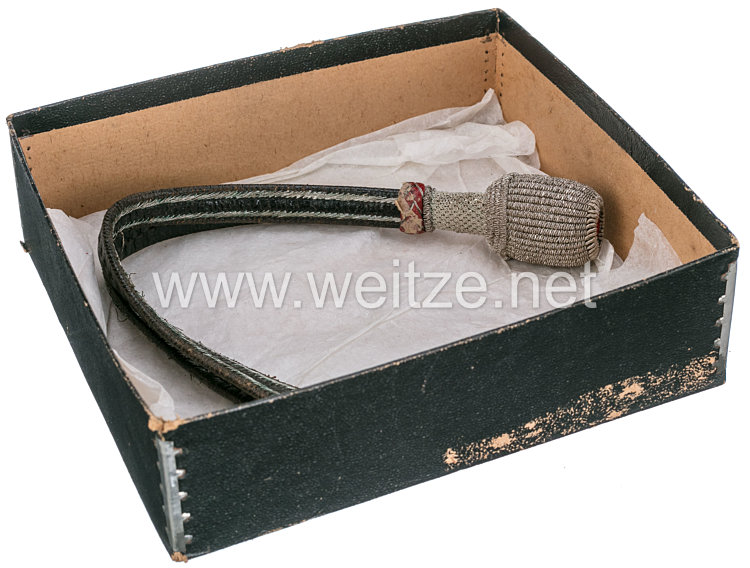
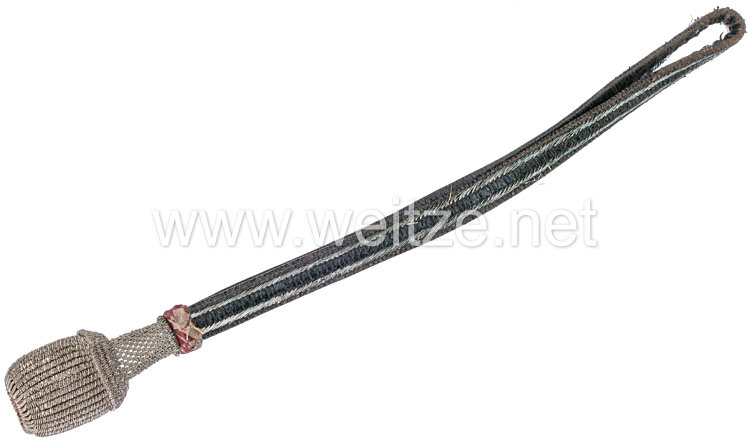
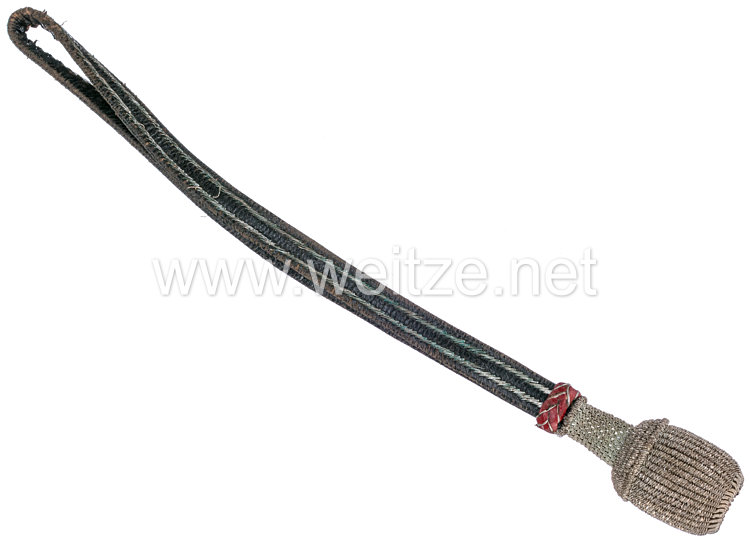
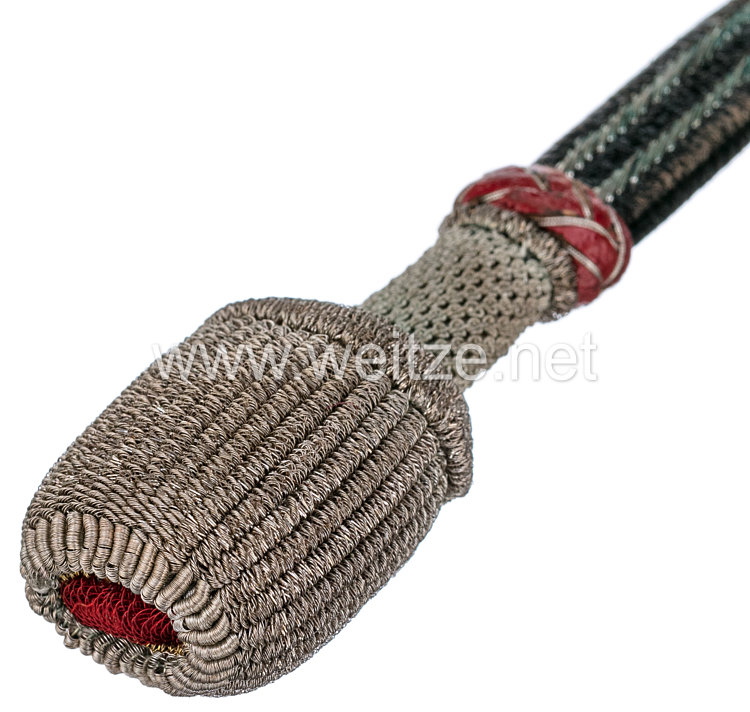
Unterschnallkoppel für den Säbel. Bauchgurt aus feinem, rotem Leder, mit breiter Silberlitze mit roten Durchzügen, die Beschläge versilbert, feine, grüne Samtunterlage. dabei das besondere dazu gehörige Portepee. Dazu könnte auch der Säbel # 294777 getragen worden sein, der uns jedoch aus einem Zusammenhang überliefert wurde.
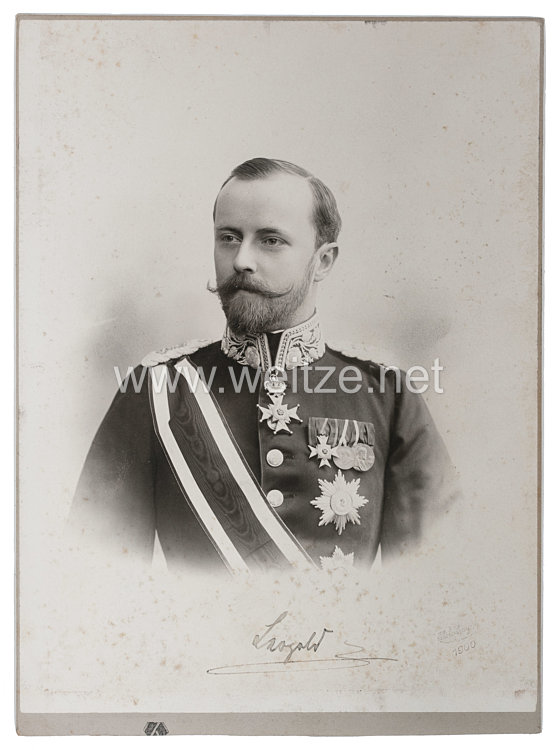
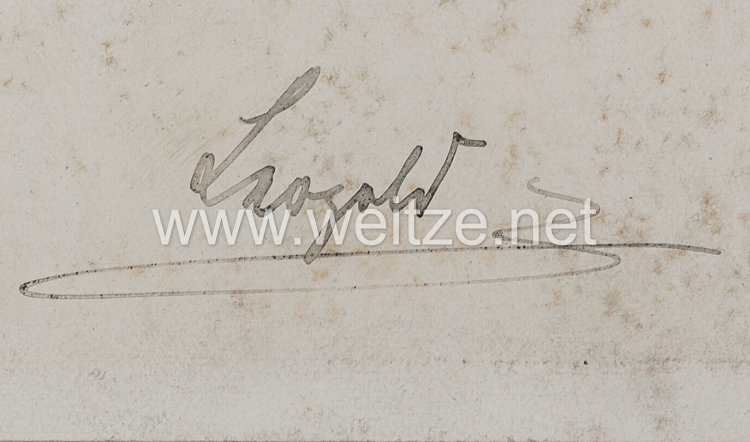
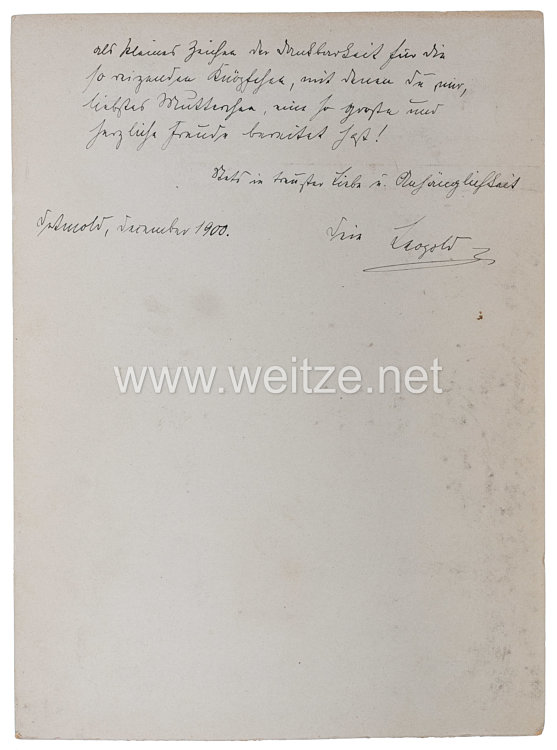
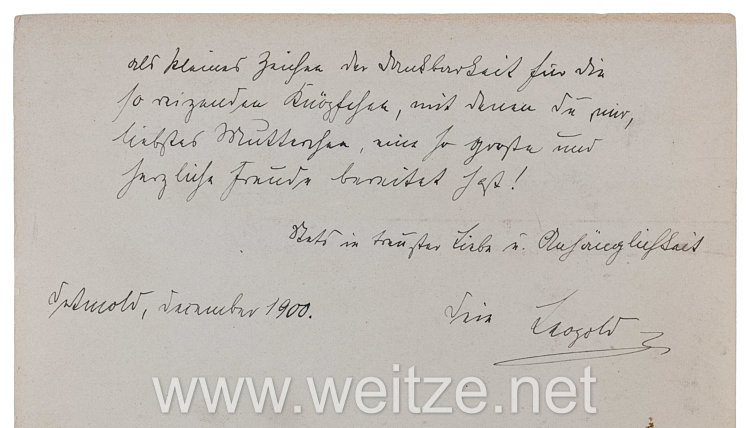
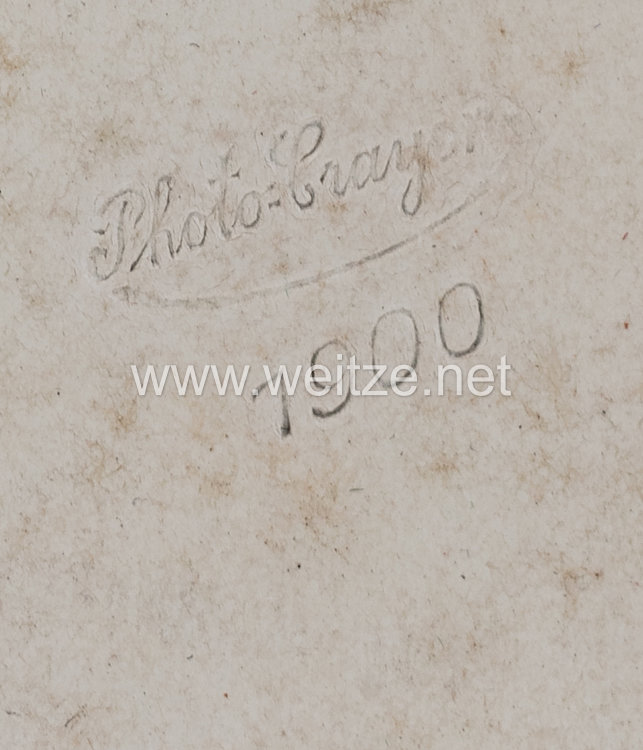
Dazu ein sehr schönes Atelier-Foto des Fürsten aus dem Fotostudio "Photo-Craym" aus dem Jahre 1900. Das Foto ist vom Fürsten selbst signiert und zeigt ihn in genau dieser Gala-Uniform. Gut zu erkennen ist die Verzierung des Kragens, die Achselstücke und die Knöpfe. Auf der Rückseite hat der Fürst selber eine handschriftliche Widmung hinterlassen: "Als kleines Zeichen der Dankbarkeit für die so reizenden Knöpfchen, mit denen Du mir, liebstes Mutterchen, eine so große und herzliche Freude bescheret hast! – Stets in trauter Liebe u. Anhänglichkeit – Detmold, Dezember 1900 – Dein Leopold".
Alle Teile in gutem Erhaltungszustand mit nur minimalen Gebrauchs- und Alterungsspuren. Zustand 2+.
Preis auf Anfrage.
Das Ensemble besteht aus den folgenden Stücken:
Zweispitz. Schwarzer Nadelfilz mit silberner Agraffe, versilbertem Knopf mit Herrscher-Monogramm "E" unter der Krone (Ernst zur Lippe-Biesterfeld, 1842-1904), große gefältelte Kokarde in den Farben Rot/Weiß. Innen mit hellem Seidenfutter. In der originalen Schachtel.
Gala-Rock. Dunkelgrüner, feiner Stoff mit rotem Kragen, Ärmelaufschlägen und Vorstößen. Ärmel und Kragen mit schwerer Silberstickerei, Eichenlaub und Lippischen Rosen, auf der linken Brusthälfte die Schlaufen für die Orden und Ehrenzeichen. Die versilberten Knöpfe wieder mit gekröntem "E" verziert. Innen mit schwarzem Seidenfutter. Beiliegend der originale schwarze Seiden-Kragen. Maße: Schulterbreite ca. 40 cm, Brustumfang ca. 80 cm, Ärmellänge ca. 64 cm.
Gala-Hose. Lange schwarze Tuchhose mit 10,7 cm breitem roten Streifen, darauf aufgelegt eine 2,2 cm breite silberne Tresse. Maße: Bundweite ca. 108 cm, Beinlänge ca. 112 cm.
Geflecht mit Fangschnur. Silbernes Schultergeflecht mit roten Durchzügen, mit roter Unterlage und Schlaufen, mit Haken, aufgelegt die Krone und das Chiffre "E", silberne Knöpfe mit der Verzierung Krone "E", die Fangschnur mit silbernen Pfeifen und beweglichen silbernen Kronen. In der originalen Schachtel, mit Aufschrift "Fangschnur und Achselstücke der Hausuniform vom herzogl. Regenten".
Große Epauletten. Die Felder aus silbernem Waffeltuch, mit aufgestickter roter lippischer Rose, die Monde in Silberkantille, die Silberlitze mit roten Durchzügen, starre silberne Kantillen, grünes Tuchfutter. Das Tuchfutter mit Fehlstellen. Komplett im alten Original Kasten.
Unterschnallkoppel für den Säbel. Bauchgurt aus feinem, rotem Leder, mit breiter Silberlitze mit roten Durchzügen, die Beschläge versilbert, feine, grüne Samtunterlage. dabei das besondere dazu gehörige Portepee. Dazu könnte auch der Säbel # 294777 getragen worden sein, der uns jedoch aus einem Zusammenhang überliefert wurde.
Dazu ein sehr schönes Atelier-Foto des Fürsten aus dem Fotostudio "Photo-Craym" aus dem Jahre 1900. Das Foto ist vom Fürsten selbst signiert und zeigt ihn in genau dieser Gala-Uniform. Gut zu erkennen ist die Verzierung des Kragens, die Achselstücke und die Knöpfe. Auf der Rückseite hat der Fürst selber eine handschriftliche Widmung hinterlassen: "Als kleines Zeichen der Dankbarkeit für die so reizenden Knöpfchen, mit denen Du mir, liebstes Mutterchen, eine so große und herzliche Freude bescheret hast! – Stets in trauter Liebe u. Anhänglichkeit – Detmold, Dezember 1900 – Dein Leopold".
Alle Teile in gutem Erhaltungszustand mit nur minimalen Gebrauchs- und Alterungsspuren. Zustand 2+.
Preis auf Anfrage.