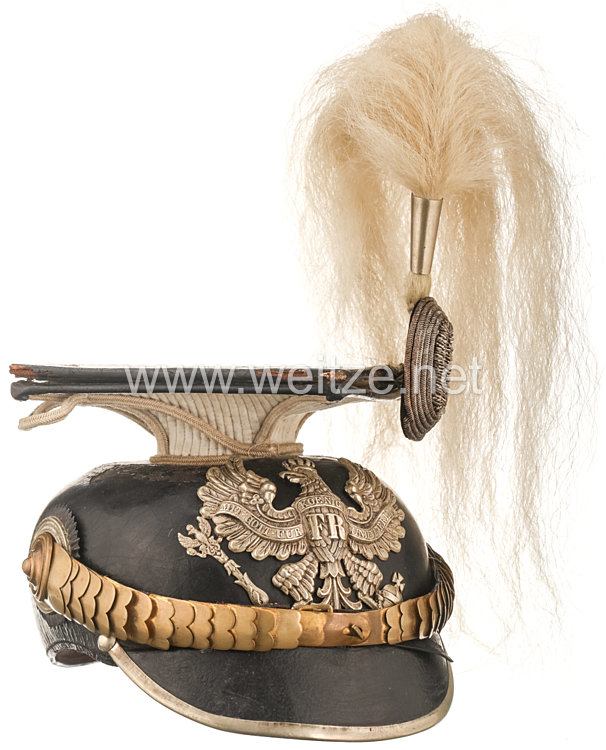
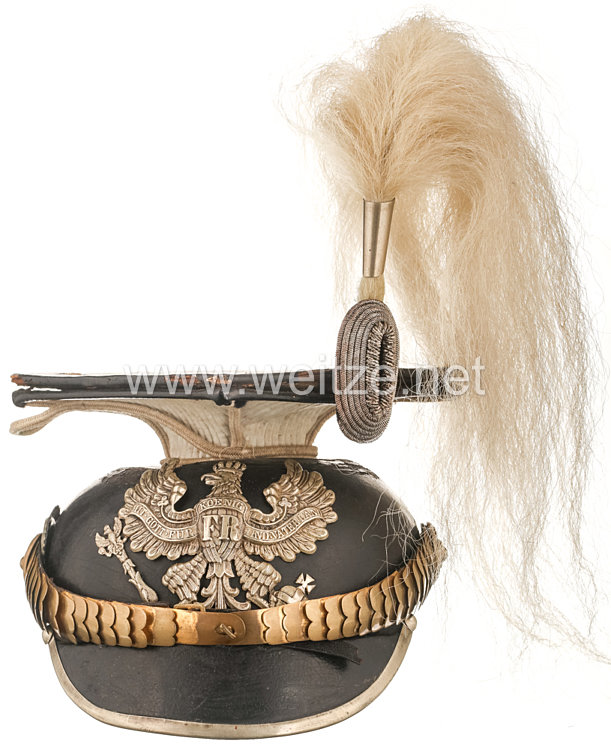
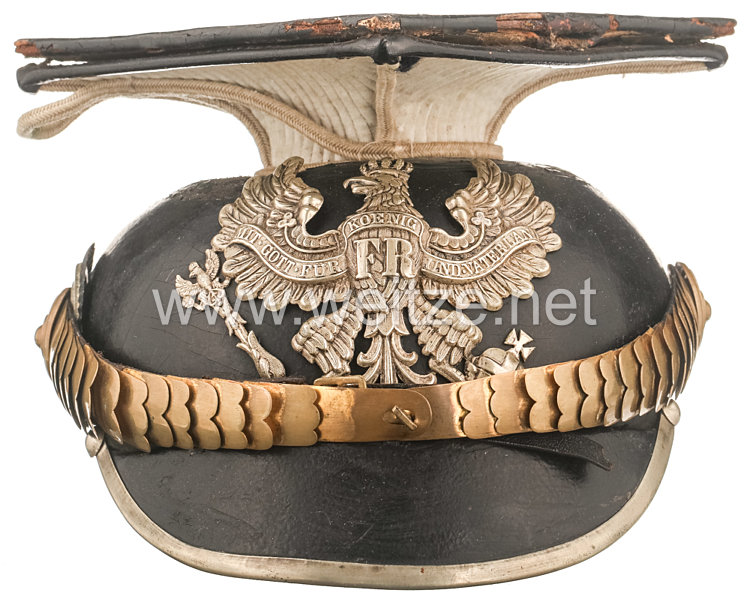
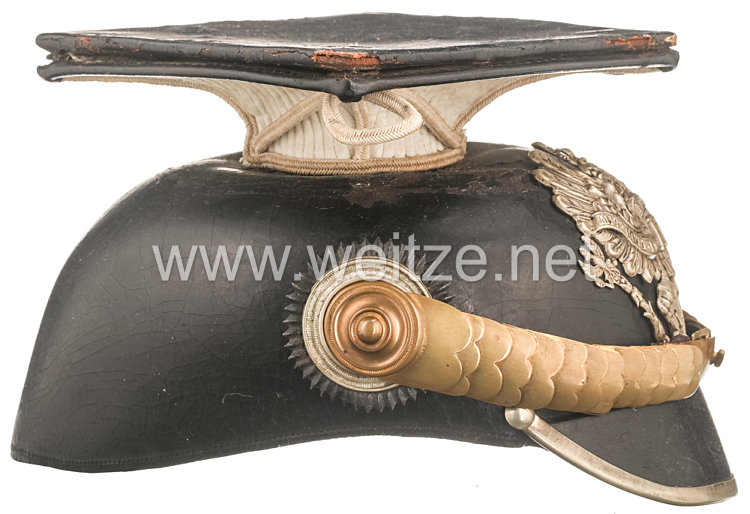
Prussian Czapka for an Ensign in the Westphalian Uhlan Regiment No. 5

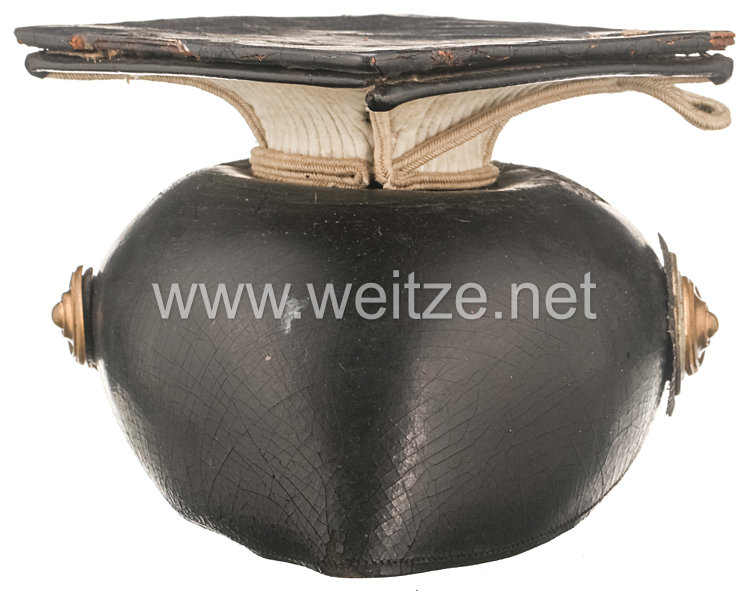
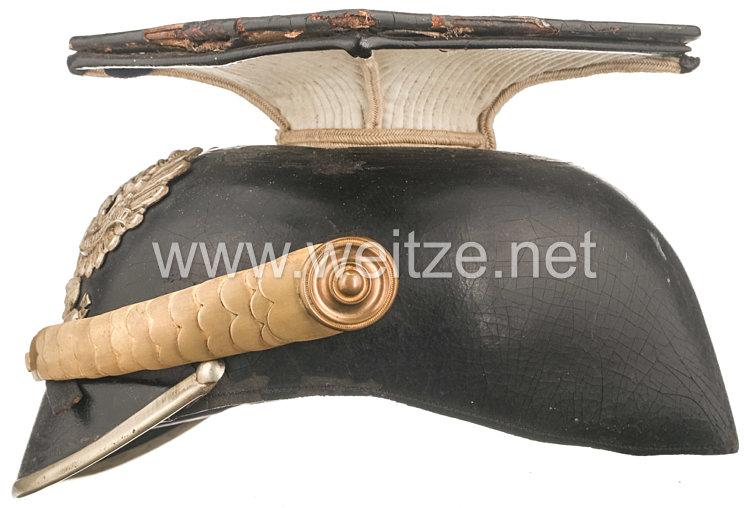
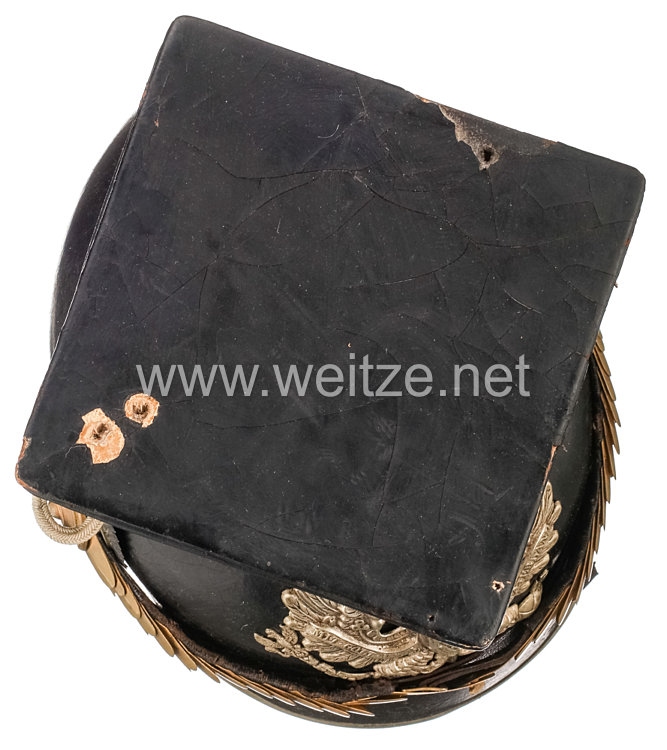
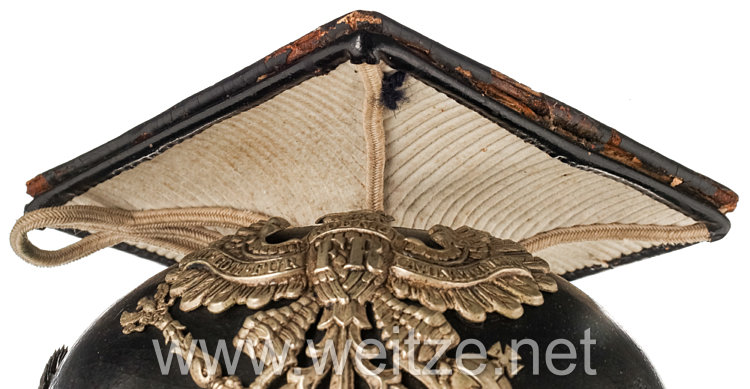
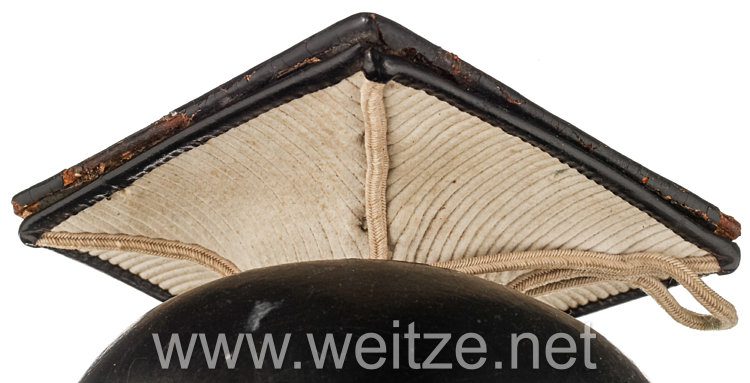
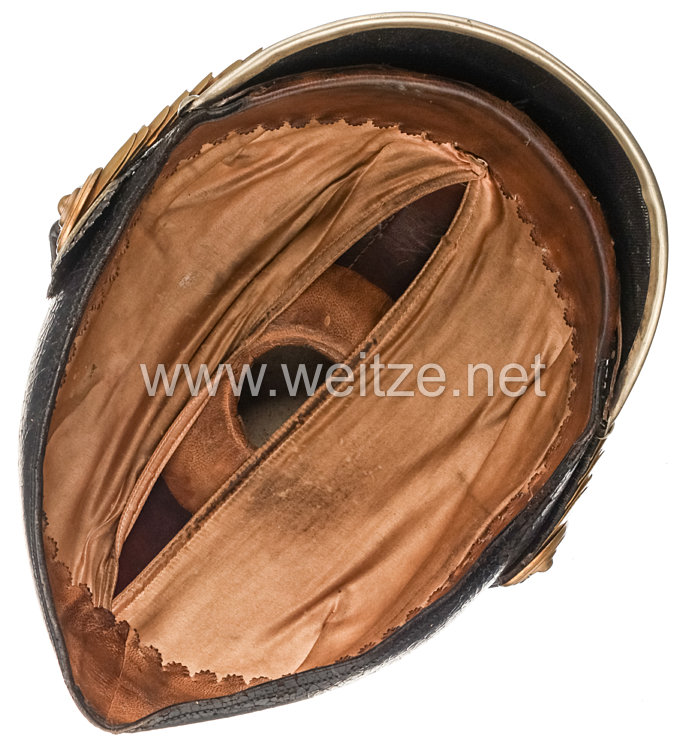
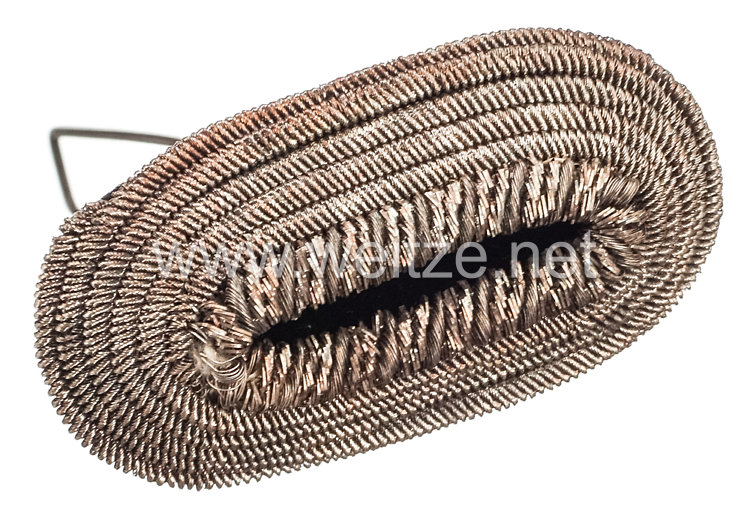
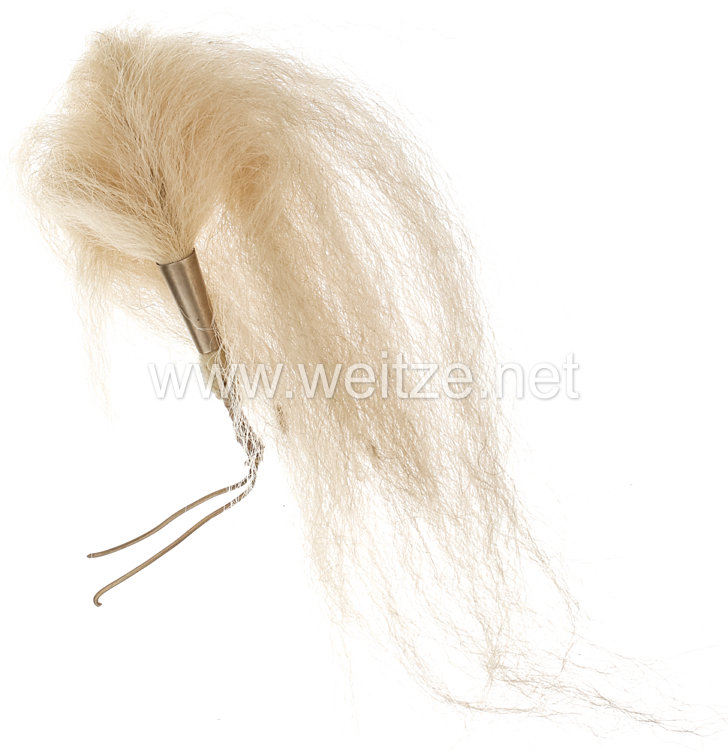
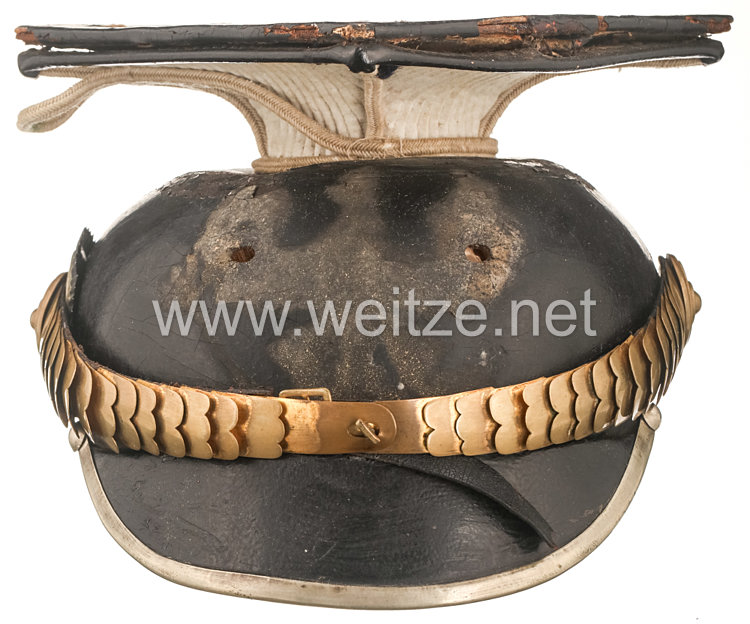
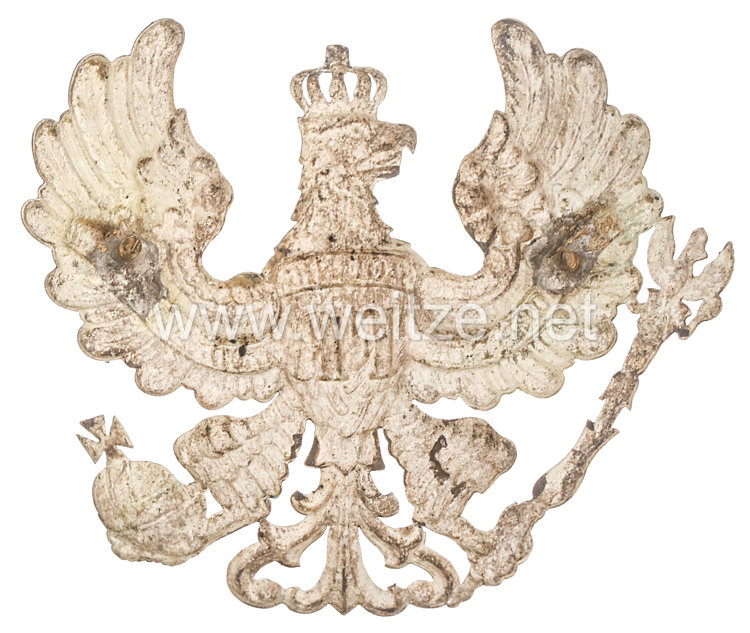
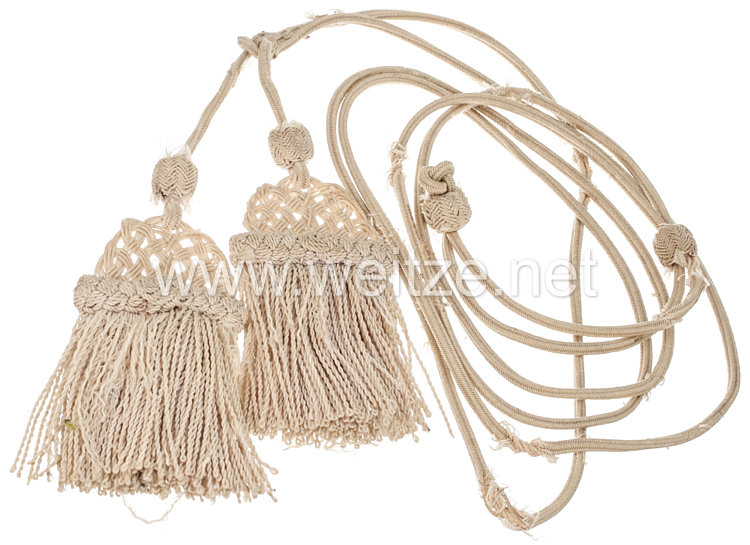
Location Düsseldorf. Personal property, circa 1910. Leather czapka, complete with all fittings for parade. Silver-plated eagle in officer's quality, domed yellow scale chains on pass-through rosettes, on the right the Reich cockade for enlisted men, the front visor rail in silver. White parade trim for enlisted men, Prussian field insignia for officers and white parade plume of buffalo hair (as ensign not yet with black base), the sword knot for enlisted men. Interior with brown sweat leather and light brown silk lining. Size 57. The toggle on the crown torn off.  Condition 2.
353383
2.950,00

Prussian Czapka for an Ensign in the Westphalian Uhlan Regiment No. 5

The Tschapka of the Westphalian Uhlan Regiment No. 5 represents one of the most characteristic headgear types of the Prussian cavalry in the German Empire. This particular version for a Fähnrich (officer cadet) demonstrates the complex rank structure and uniform regulations of the Imperial Army around 1910, a time when the regiment was stationed in Düsseldorf.

The Westphalian Uhlan Regiment No. 5 was established in 1815 as part of the comprehensive army reforms following the Wars of Liberation. The Uhlans, originally a Polish cavalry branch, had become established in various European armies during the 18th century. Prussia adopted this tradition and created several Uhlan regiments, immediately recognizable by their characteristic headgear – the Tschapka.

The Tschapka itself has its roots in 18th-century Polish military tradition. The name derives from the Polish word “czapka” (cap). This box-shaped headgear with its characteristic square top plate became the identifying feature of all Prussian Uhlan regiments. The leather construction described here with complete parade fittings corresponds to the uniform regulations of the late Wilhelmine era.

The rank of Fähnrich was a peculiarity of the Prussian officer corps. Fähnriche were officer candidates who had completed their military training but had not yet been promoted to lieutenant. This intermediate rank is reflected in the Tschapka's equipment: it combines elements of enlisted men's and officers' equipment. The silver-plated eagle in officer's quality shows the elevated status, while the white parade trim for enlisted men and the chin strap for enlisted men indicate the not yet completed officer career.

Particularly noteworthy is the Prussian field insignia for officers, which already hints at the wearer's future position. The white parade plume made of buffalo hair without a black base is characteristic of the Fähnrich rank – only after promotion to lieutenant did the plume receive the black base that symbolized full officer status.

The curved yellow scale chains with rosettes were typical of Prussian Uhlan helmets and originally served a practical purpose: they were meant to secure the headgear during combat. Over time, they evolved into purely decorative elements of the parade uniform. The national cockade for enlisted men on the right side displays the black-white-red colors of the German Empire.

The front visor trim in silver was another distinguishing feature that differentiated between various ranks. The silver indicated the wearer's elevated status, in contrast to the simpler versions for enlisted ranks.

The Westphalian Uhlan Regiment No. 5 had a proud tradition. It participated in the German wars of unification, including the Austro-Prussian War of 1866 and the Franco-Prussian War of 1870-71. In the Düsseldorf garrison, the regiment was an important part of the Rhineland military presence of the Empire. Around 1910, when this Tschapka was made, Europe was in a phase of intense military armament that would ultimately lead to World War I.

The craftsmanship of such parade uniforms was remarkable. The brown sweat leather inside provided wearing comfort, while the light brown silk lining emphasized the high-quality workmanship. Size 57 corresponds to a head circumference of 57 centimeters, which represented an average size.

After World War I and the end of the monarchy in 1918, such uniform pieces lost their military function. The Uhlans were not continued in the Reichswehr, and the magnificent parade uniforms of the Empire became historical relics. Today they are important witnesses to a vanished military and social order.

This Tschapka documents not only the military hierarchy and uniform culture of the Empire, but also the importance that tradition, symbolism, and external representation held in Wilhelmine society. It stands as an example of an era in which military values and appearance occupied a central place in German culture.

r