Bulgaria Flight Instructor Badge

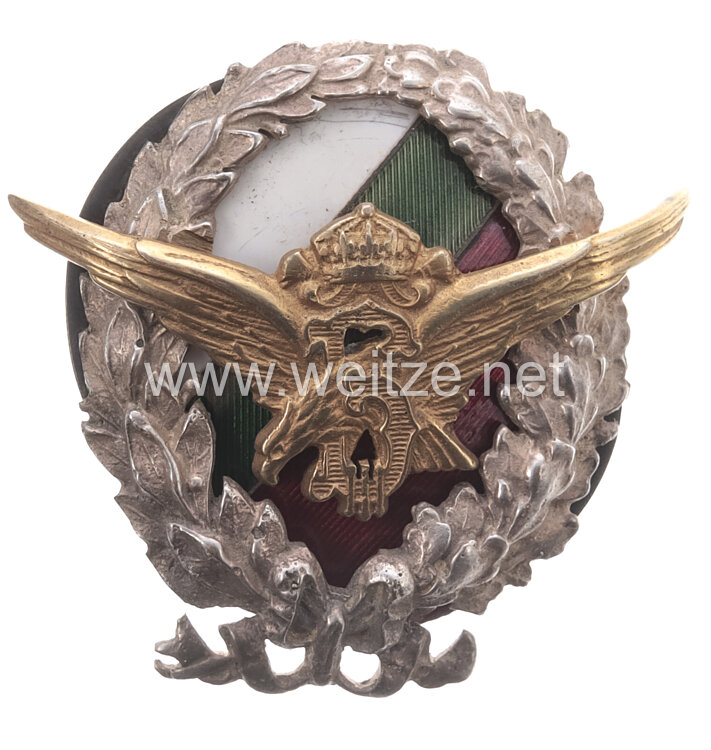
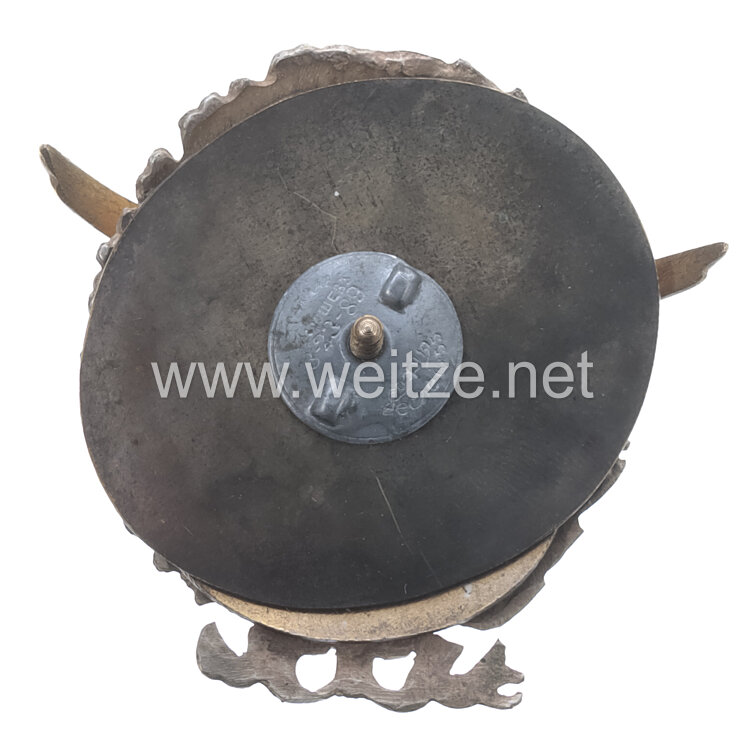
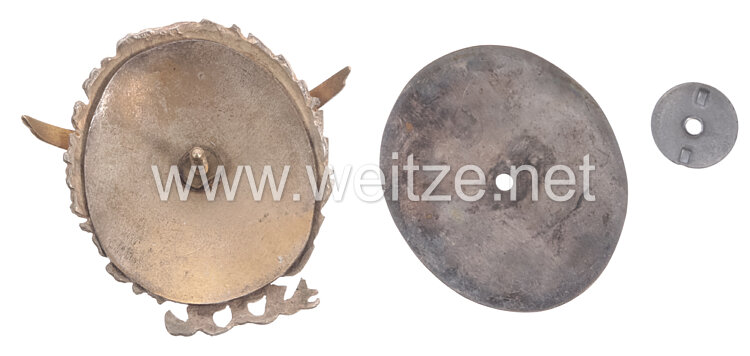
the wreath of silver-plated base metal, the applied device gilt, the center enameled in national colors. Reverse with backing plate and screw disc, Condition 2

465283
450,00

Bulgaria Flight Instructor Badge

The Bulgarian Flight Instructor Badge represents a remarkable testament to the development of the Bulgarian Air Force during the first half of the 20th century. This military decoration was created to honor qualified flight instructors who played a crucial role in training new pilots for the Balgarski Voennovazdushni Sili (Bulgarian Air Force).

Bulgarian military aviation had its beginnings during the First Balkan War in 1912, when Bulgaria was among the first countries to employ aircraft in military operations. After World War I, despite the restrictions imposed by the Treaty of Neuilly-sur-Seine (1919), Bulgaria gradually rebuilt its air force. During the 1920s and 1930s, a systematic training program for military pilots developed, with experienced flight instructors playing a key role.

The present badge displays the typical construction of Bulgarian military decorations from this era. The wreath made of silver-plated base metal forms the foundation and symbolizes honor and merit. The gilt overlay stands out against this background, emphasizing the significance of the decoration. Particularly characteristic is the center enameled in national colors, bearing the Bulgarian national colors of white, green, and red - a patriotic element that underscores the wearer's connection to the nation.

The technical execution with backing plate and screw disc on the reverse corresponds to the standard of military badges from the interwar period and enabled secure attachment to the uniform. This construction method was widespread among Bulgarian military decorations and differed from the pin or needle systems of other nations.

Flight instructors and trainers held particularly responsible positions in the Bulgarian Air Force. They were responsible not only for flight training but also for imparting tactical knowledge, aerial combat techniques, and handling increasingly complex aircraft technology. Training included theoretical instruction in aerodynamics, navigation, meteorology, and weapons systems, as well as practical flight hours.

During the 1930s, Bulgaria significantly modernized its air force. Despite international restrictions, the country managed to acquire modern aircraft and build an effective air force. During this period, qualified instructors played a decisive role in training a new generation of pilots. The flight instructor badge documents the institutional recognition of this important function.

During World War II, Bulgaria was allied with the Axis powers, and the air force was further expanded. Flight instructors were particularly in demand during this time, as there was a constant need for trained pilots. Flight schools in Karlovo, Plovdiv, and other locations trained hundreds of pilots.

After 1944, with Bulgaria's shift to the Soviet sphere of influence, the decoration system was fundamentally reformed. Many badges from the monarchist period were replaced by new, socialist-oriented decorations. This makes badges like the present one important historical artifacts of a bygone era.

The condition rating of 2 indicates a well-preserved example, possibly with slight signs of wear, but with the enameling largely intact. Such pieces are valued today by collectors of military decorations, as they represent the material culture of Bulgarian military history.

The rarity of these badges is explained by several factors: the comparatively small number of qualified flight instructors, the limited production period before the communist takeover, and the fact that many decorations were confiscated or destroyed after 1944. Today they are important study objects for military historians and documents of a period of intense development of the Bulgarian Air Force.

r