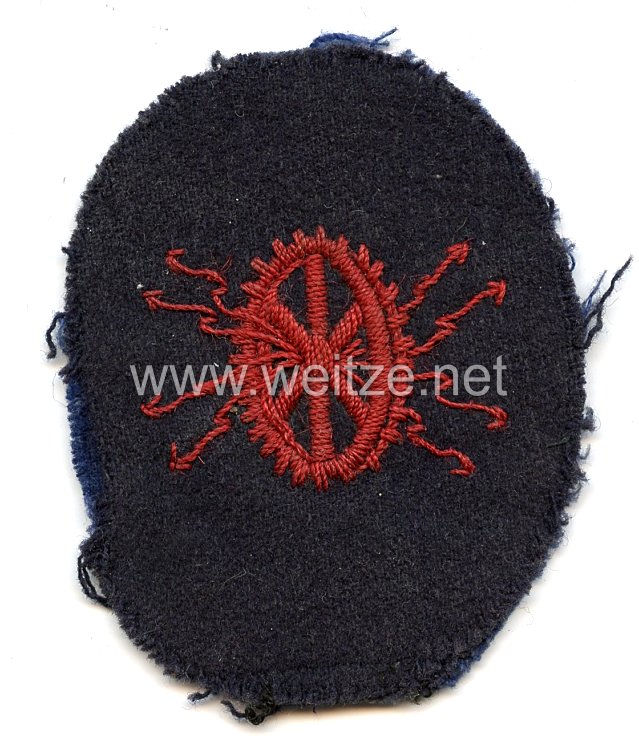
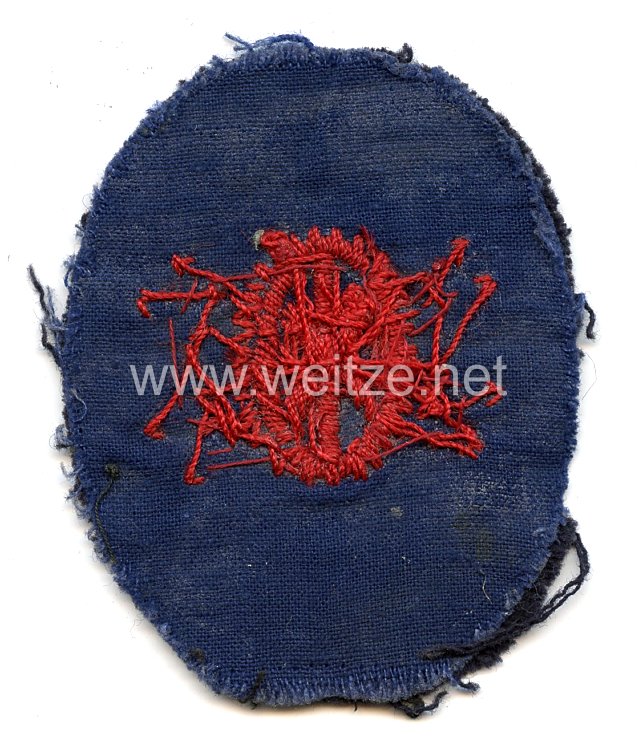
Kriegsmarine Sleeve Insignia Technical Searchlight Training Course Coast

Hand-embroidered, for the blue blouse. Used condition.
367080
30,00

Kriegsmarine Sleeve Insignia Technical Searchlight Training Course Coast

The Kriegsmarine sleeve badge for the Technical Coastal Searchlight Course represents a fascinating testament to the specialized training systems of the German Navy during World War II. This hand-embroidered insignia was awarded to naval personnel who successfully completed a technical course for coastal searchlights – a specialization that was of considerable importance for the coastal defense of the Third Reich.

Historical Context and Function

Coastal defense played a central role in German naval strategy, particularly after the construction of the so-called Atlantic Wall beginning in 1942. Searchlight installations were integral components of this defensive architecture. They served to detect enemy ship and aircraft movements at night, support anti-aircraft batteries, and provide general security for coastal waters. The technical complexity of these installations required highly specialized personnel trained in specially established courses.

Training and Specialization

The Kriegsmarine developed a comprehensive system of courses and specializations to meet the technical demands of modern naval warfare. The Technical Coastal Searchlight Course provided training in the operation, maintenance, and repair of coastal searchlights, which often had diameters of 150 to 200 centimeters and achieved ranges of several kilometers. The training encompassed electrical fundamentals, optical systems, fire control procedures, and coordination with other defensive installations.

Design and Wear

The present badge is hand-embroidered, indicating high-quality manufacture. Such hand-embroidered examples were frequently privately purchased and demonstrated superior workmanship compared to machine-made versions. The badge was worn on the blue blouse, the typical service uniform of the Kriegsmarine. Placement followed the dress regulations of the Kriegsmarine on the left upper arm, below the national emblem.

Symbolism and Design

Career badges of the Kriegsmarine followed strict design specifications. They had to make the wearer's specialization immediately recognizable while conforming to the navy's aesthetic standards. The motifs directly referenced the respective area of activity – in the case of searchlight personnel, these typically included stylized representations of light beams, searchlights, or related technical elements, often combined with maritime symbols.

Regulations and Award

The awarding of career and course badges in the Kriegsmarine was strictly regulated. Upon successful completion of the course, the soldier received a corresponding certificate and the right to wear the badge. This was not merely an external decoration but had practical significance for transfers, promotions, and assignment to specific units. The badges documented a soldier's qualifications and facilitated the organization of the Kriegsmarine's increasingly complex personnel system.

Preservation and Collector Value

The described example is in used condition, which is typical for worn uniform items from this period. Signs of wear attest to actual service use and increase the historical value of the object for many collectors. Hand-embroidered badges are particularly sought after today, as they were crafted with greater artisanal effort and often display individual characteristics. The state of preservation, quality of embroidery, and provenance are important factors in historical and collector evaluation.

Historical Significance

Such badges are important testimonies to the highly differentiated organizational structure of the Kriegsmarine. They document the importance attributed to technical expertise and specialized training. Coastal defense with its searchlight installations, anti-aircraft positions, and radar facilities formed a complex system whose functioning depended on well-trained personnel. The badge thus represents an important, often overlooked aspect of German military history during World War II – the technical and logistical infrastructure that operated behind the front lines.