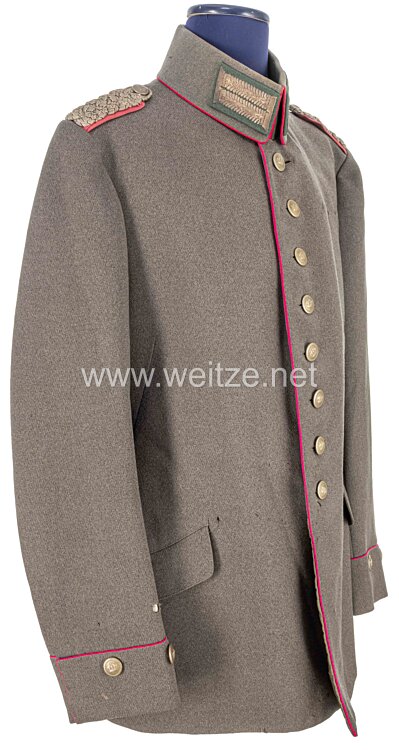
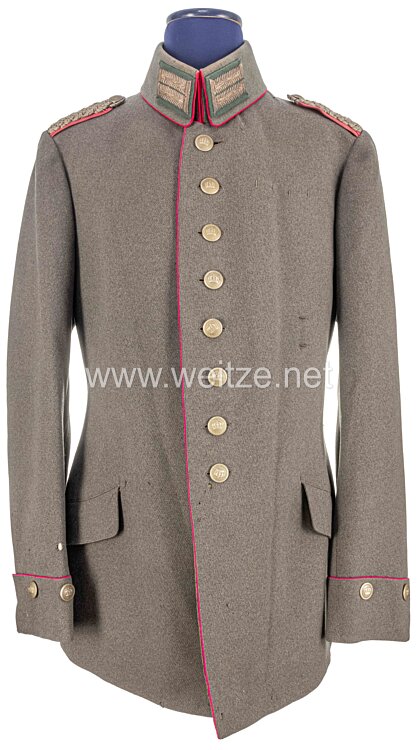
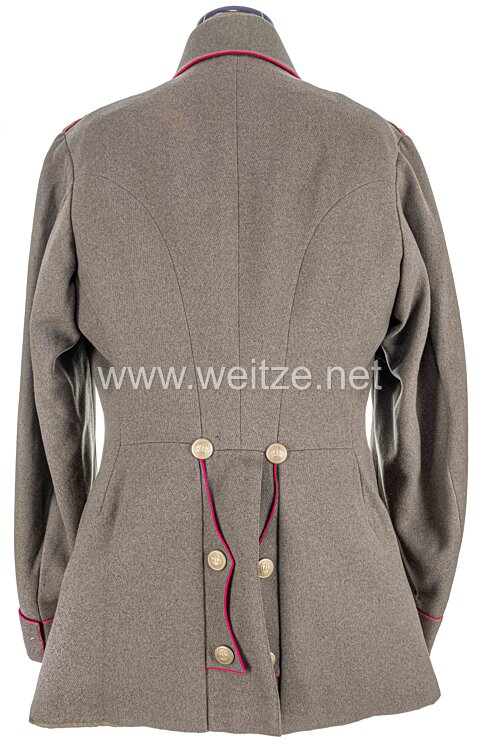
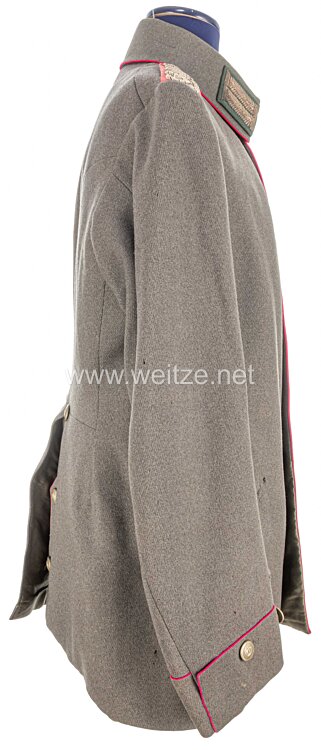
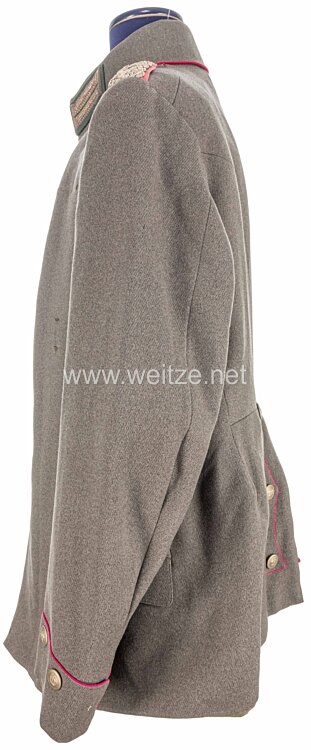
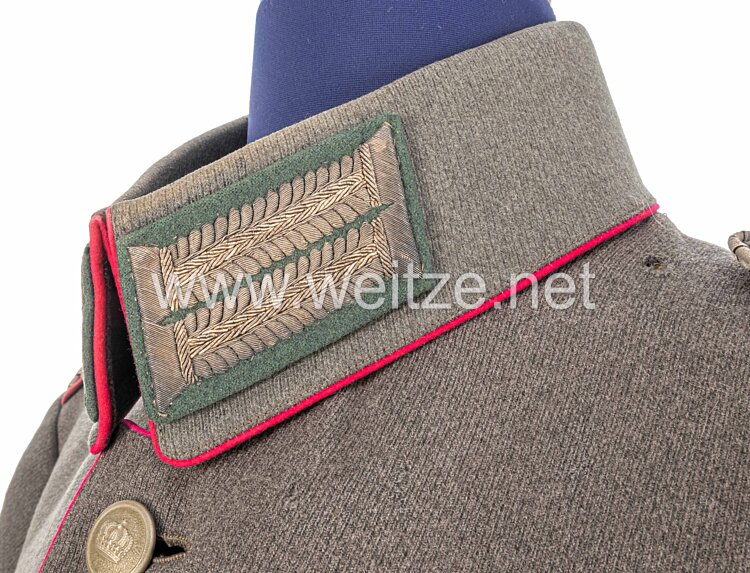
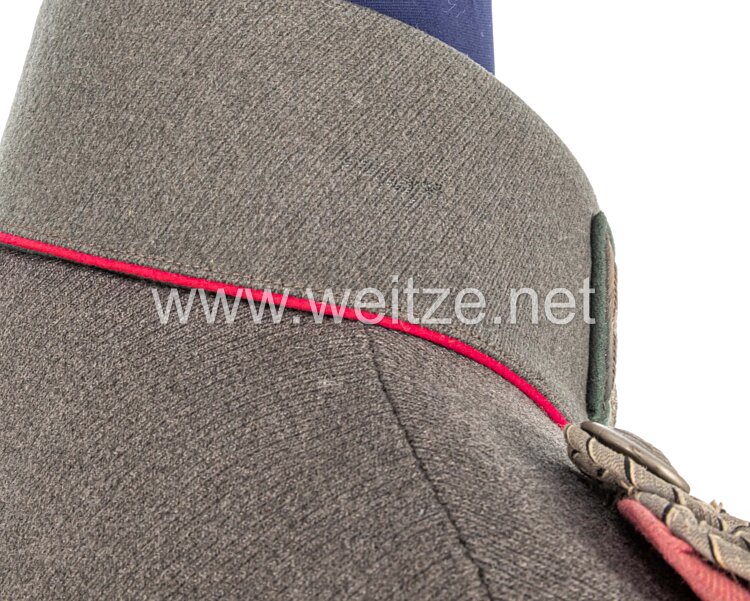
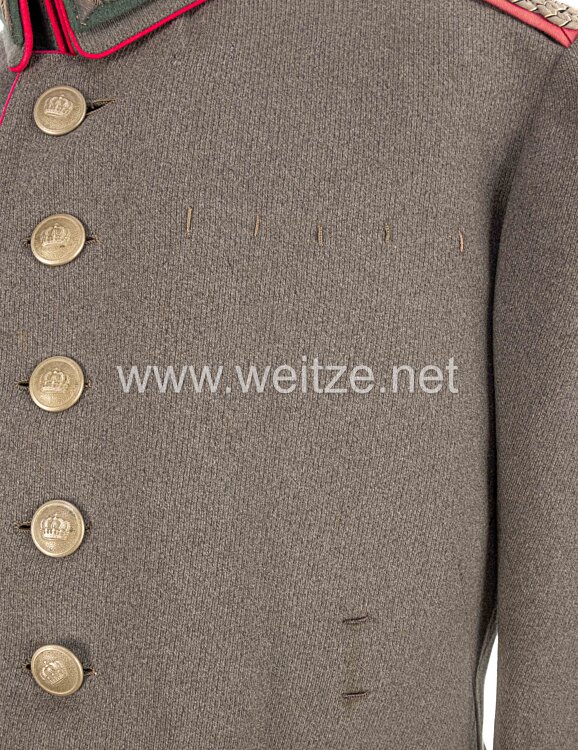
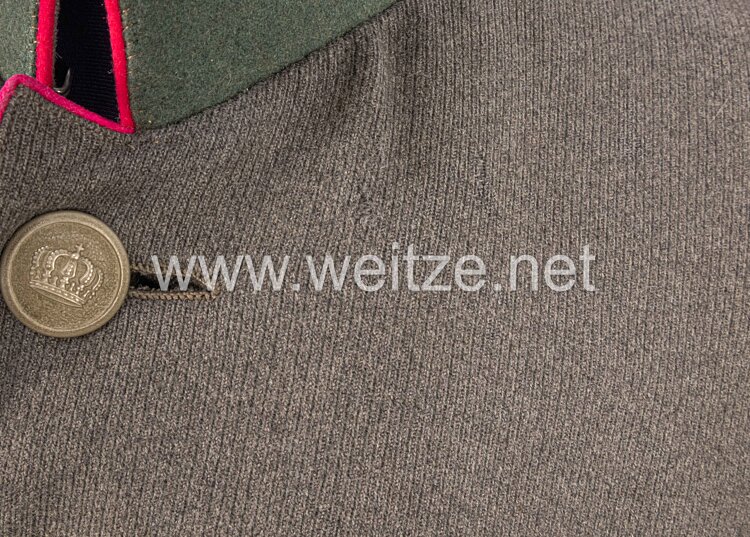
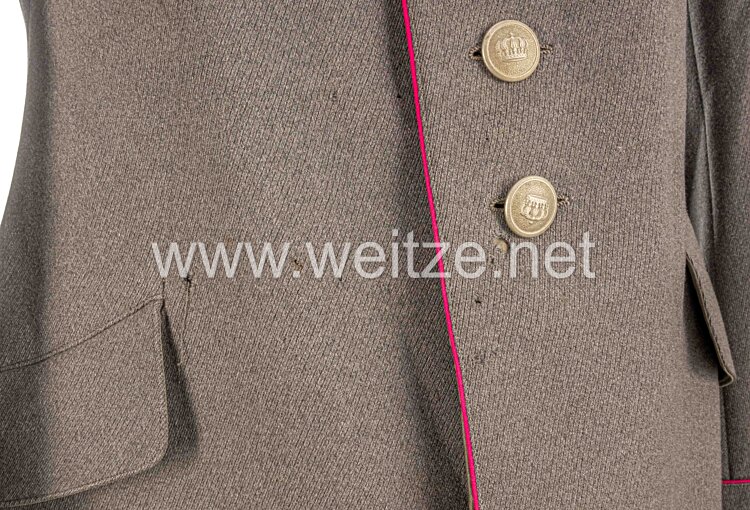
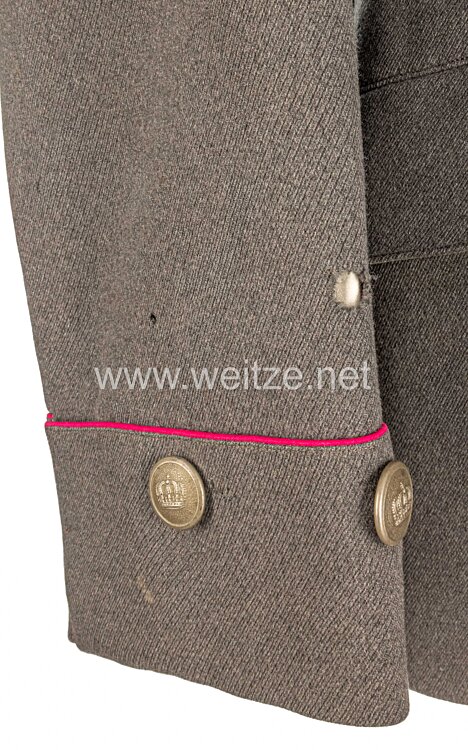
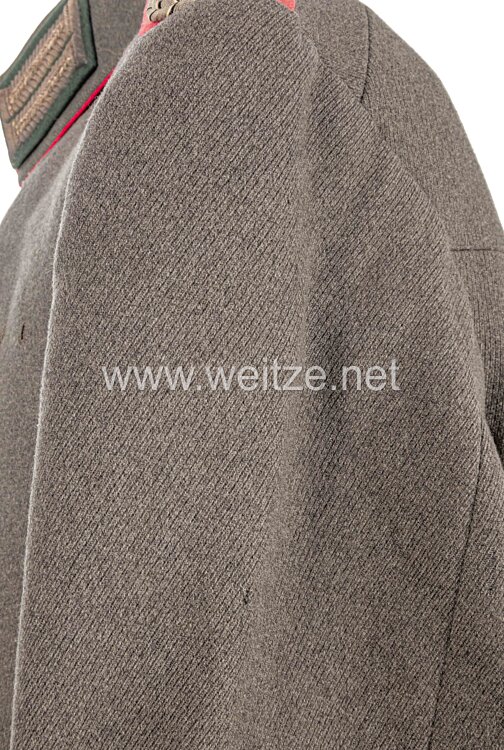
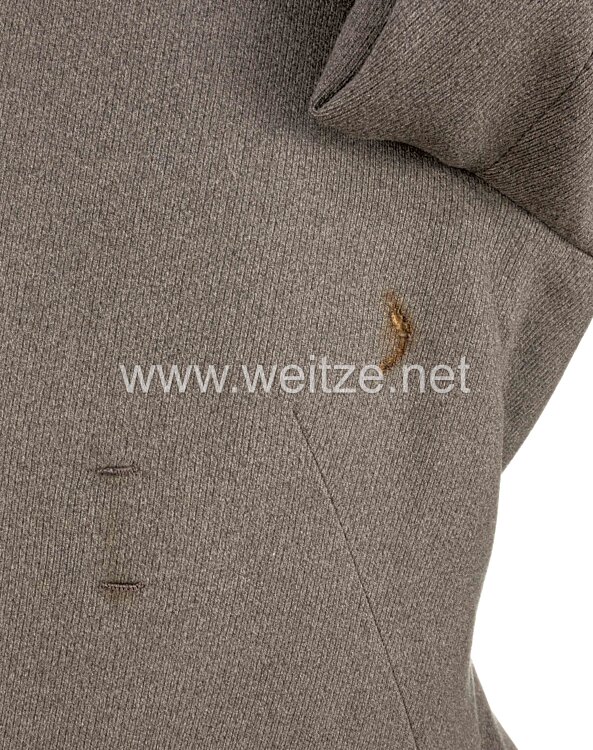
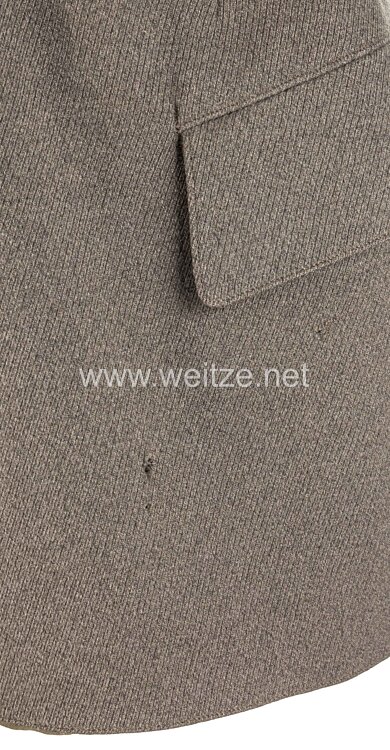
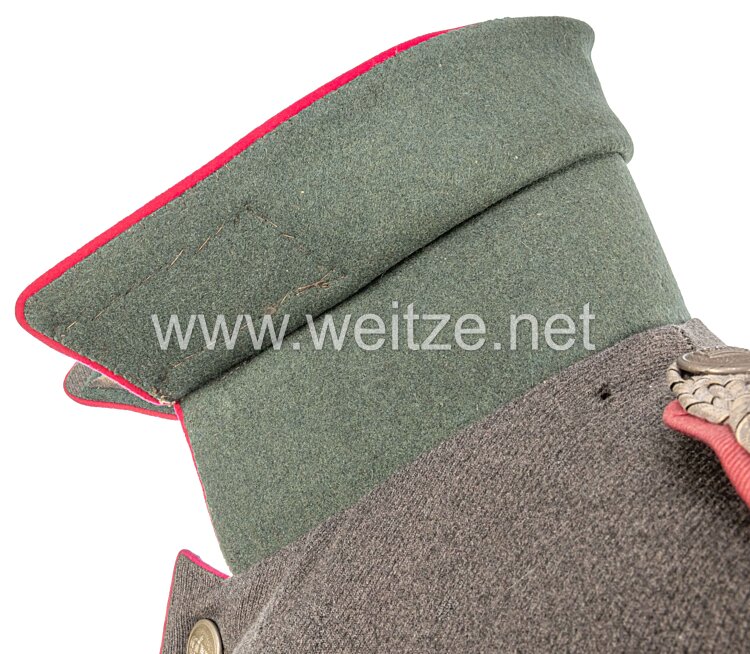
This field-grey tunic M 1910 for a Major in the General Staff of the 48th Reserve Division represents an exceptional testimony to German military history during the First World War. The garment, manufactured in 1915 and worn until 1917/18, embodies military tradition and the evolution of German uniform reforms during the Great War.
The Waffenrock Model 1910 represented a significant modernization of the Prussian military uniform. Following the introduction of field-grey uniforms from 1907/1910, the new feldgrau gradually replaced the traditional colorful uniforms. This reform became necessary due to the experiences of modern warfare, where camouflage and practical considerations became more important than representative coloring. The field-grey cloth offered better concealment on the battlefield and met the requirements of modern mechanized warfare.
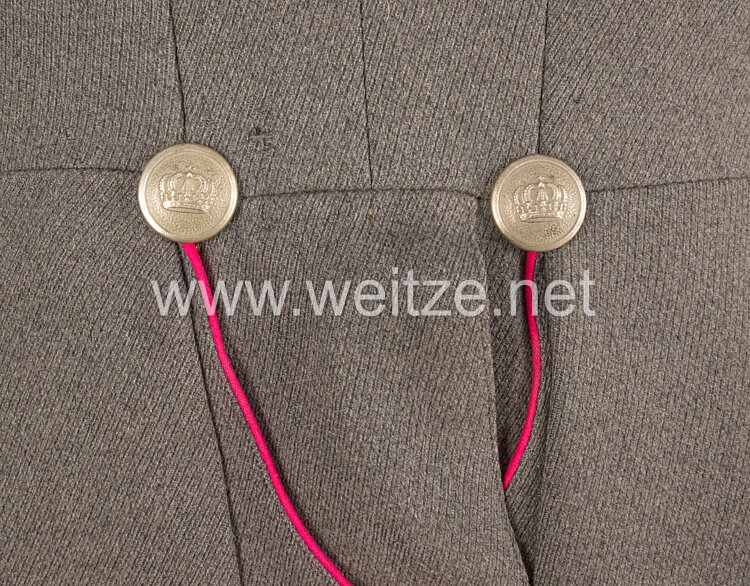
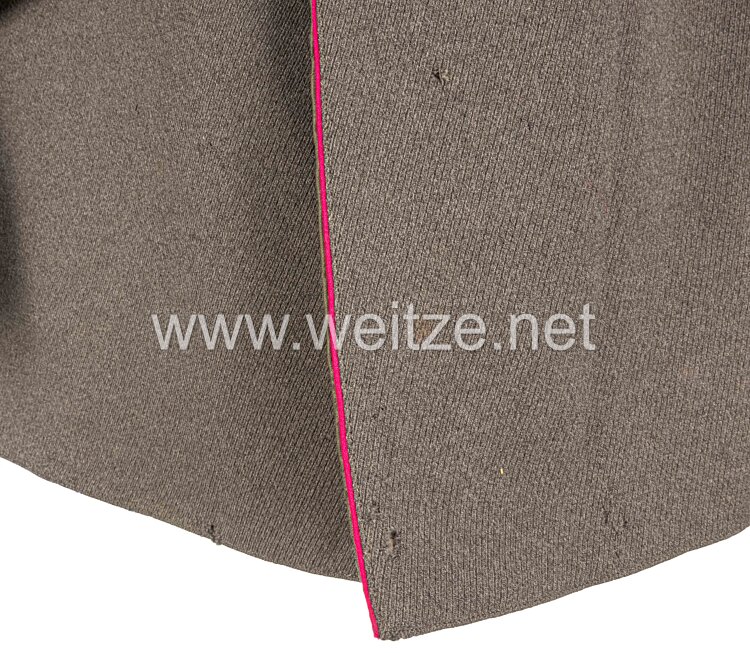
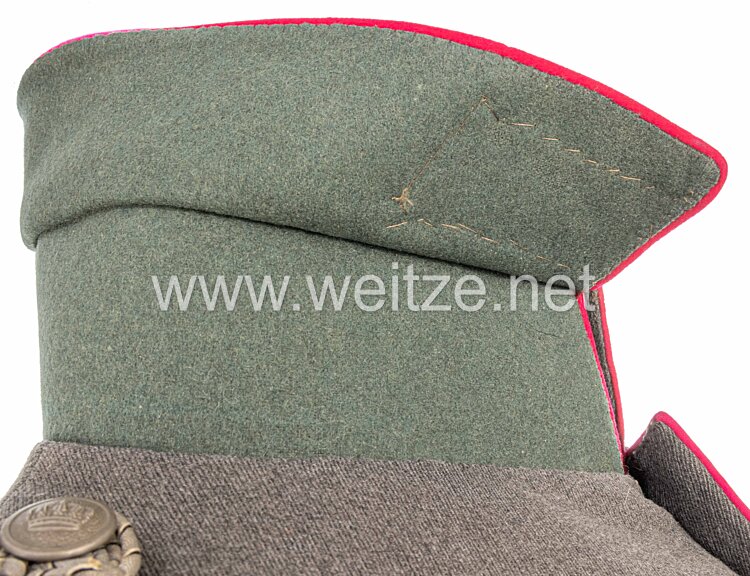
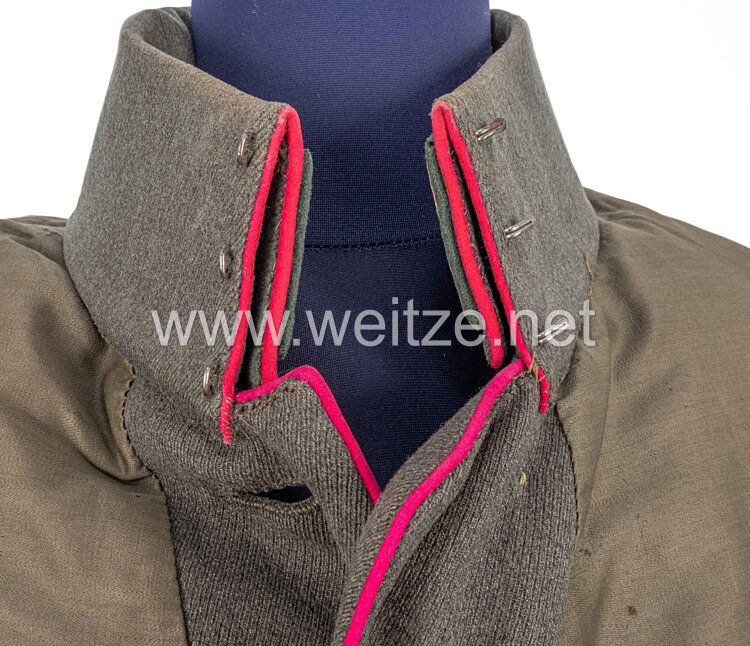
The crimson facings on the collar, cuff flaps, and button panel clearly identify the wearer as a General Staff officer. This crimson was the traditional branch color of the Great General Staff and had been used since the 19th century. General Staff officers formed the intellectual elite of the German Army and underwent extremely selective training at the War Academy. Only the most capable officers were admitted to General Staff service, making the crimson facings a mark of the highest military qualification.
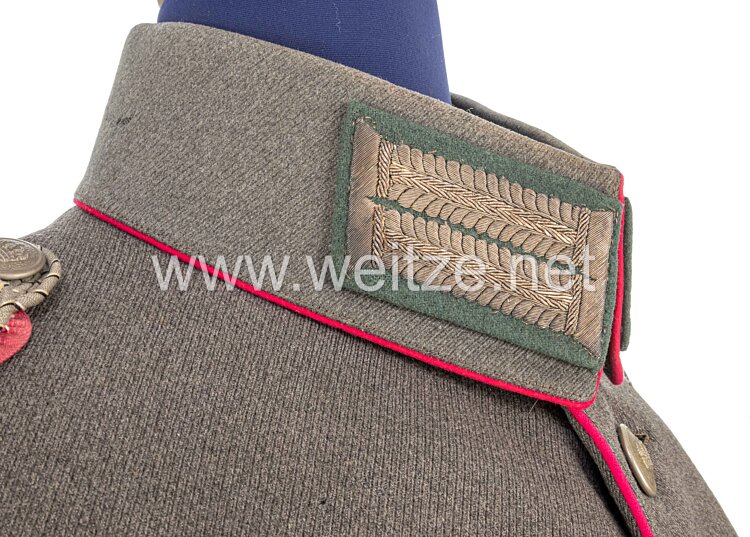
The Kolbenlitzen on reseda-green backing on the collar were introduced from 1915 onwards and replaced earlier lace patterns. Reseda green was the traditional branch color of the Prussian General Staff since the Wars of Liberation and symbolized membership in this prestigious institution. The combination of crimson and reseda green made General Staff officers immediately recognizable.
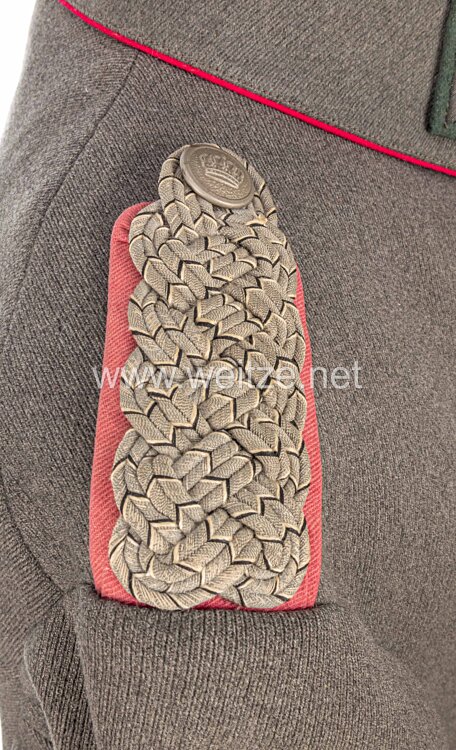
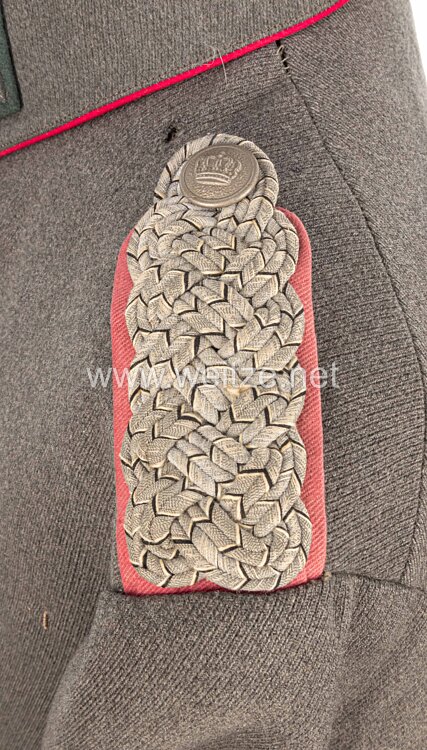
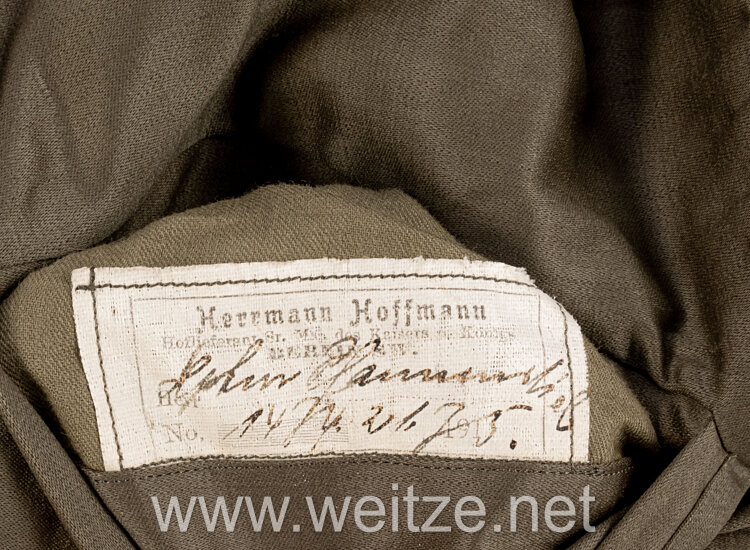
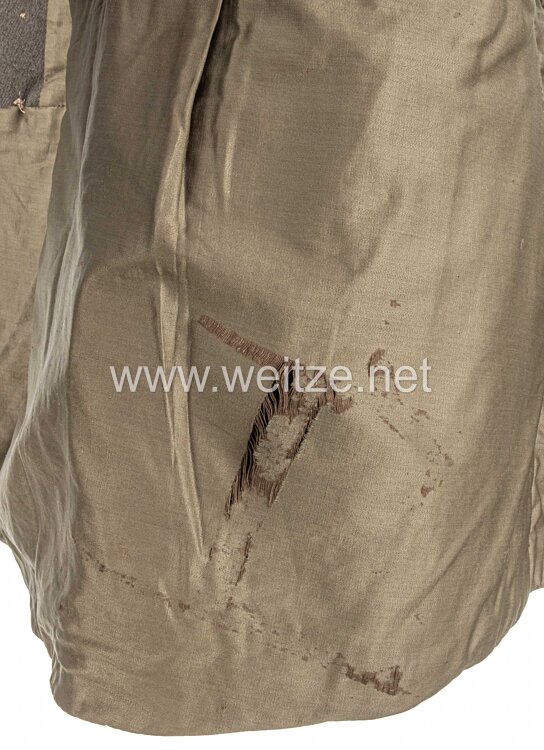
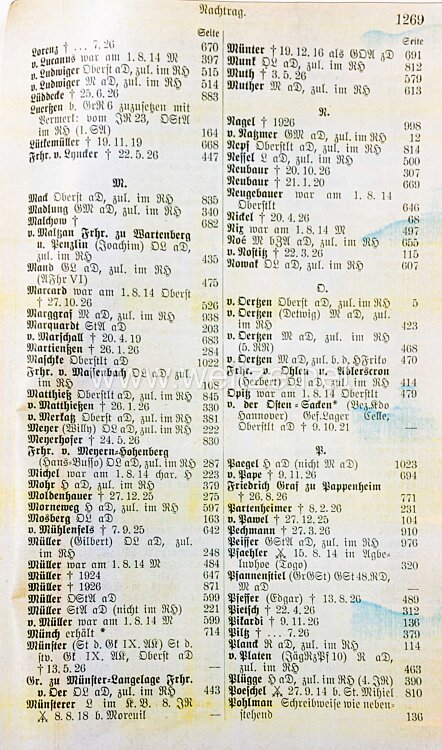
The tailor's label from Herrmann Hoffmann, Purveyor to His Majesty the Kaiser in Berlin SW, dated July 21, 1915, documents the high quality of manufacture. Court purveyors were selected companies authorized to supply the imperial court and represented the highest standards of craftsmanship. The numbering (No. 1474) and the designation of the original rank as Hauptmann (Captain) show that the later Major Pfannenstiel continued to wear the garment during his career and had the shoulder boards adjusted upon his promotion.
The 48th Reserve Division was mobilized at the outbreak of war in 1914 and consisted mainly of reservists. It served on both the Western and Eastern Fronts. Particularly significant was its participation in the Battle of Verdun in 1916, one of the bloodiest and longest battles of the First World War. General Staff officers in divisional staffs were responsible for operational planning, intelligence, and coordination between different units.
The seven loops on the chest served to attach medal ribbons and decorations, indicating the wearer's awards. This practice allowed officers to display their honors visibly without having to wear the heavy original medals in the field. The field-grey iron buttons with crowns corresponded to the regulations for Prussian Army officers' tunics.
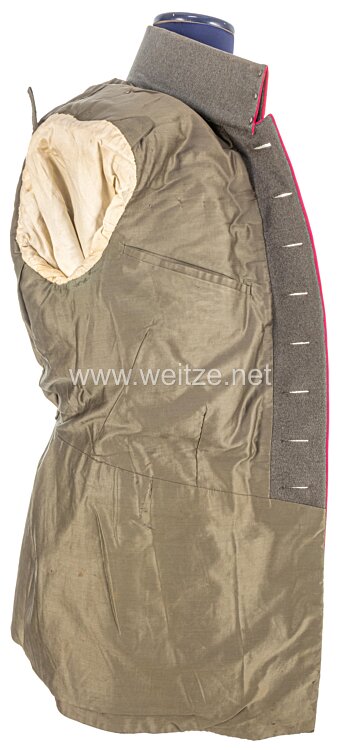
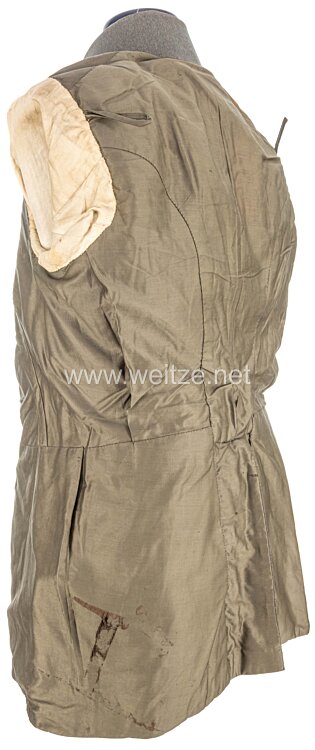
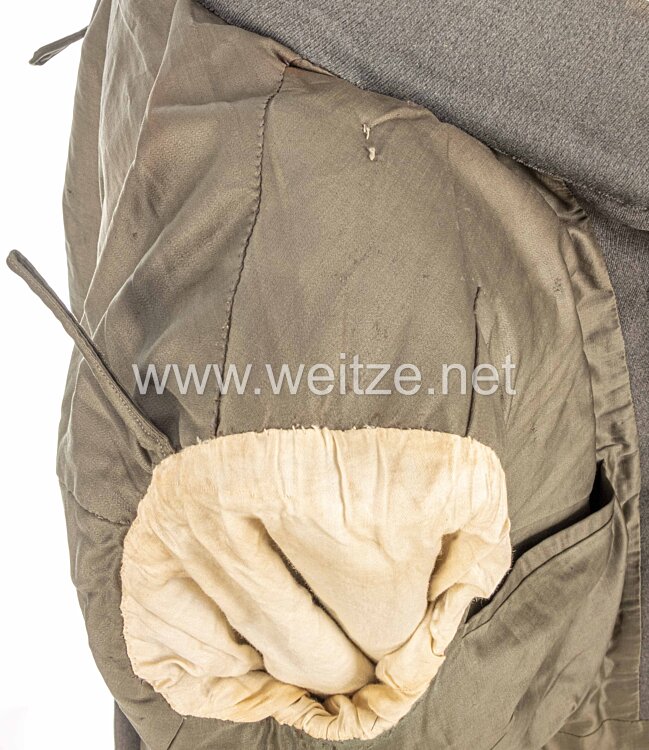
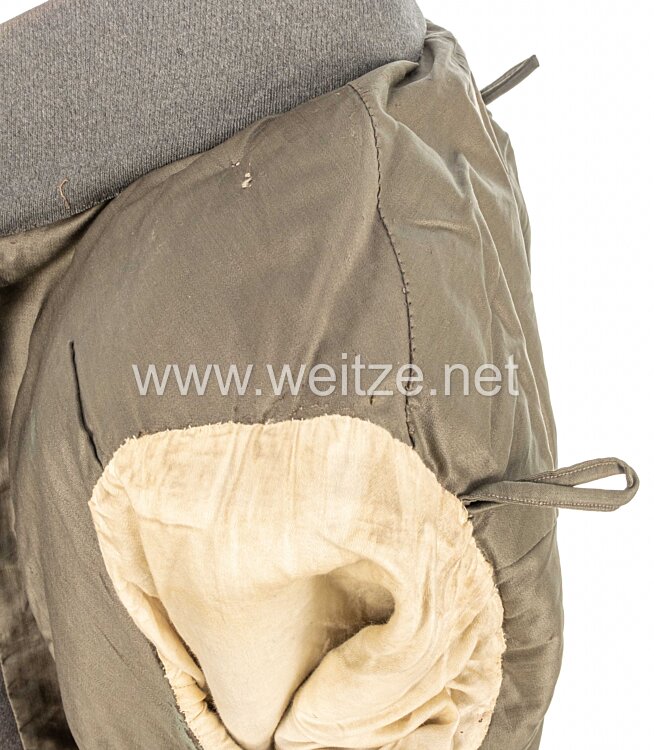
The olive-green silk lining demonstrates the quality workmanship typical of officers' clothing. Officers had to procure their uniforms themselves, which required considerable financial means. This explains the use of high-quality materials and manufacture by renowned court purveyors.
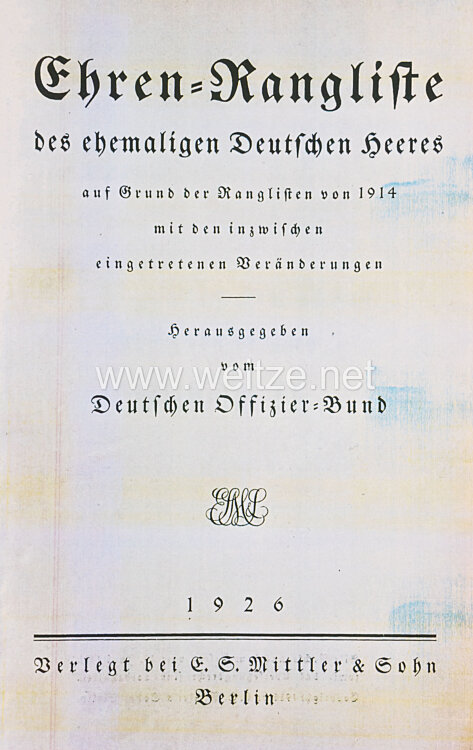
The mention of Major Pfannenstiel in the Honor Roll of the Former German Army 1914-1918 for the Great General Staff and as a General Staff officer of the 48th Reserve Division confirms his significant role in the military hierarchy. Retired General Staff officers (a.D.) were frequently reactivated at the outbreak of war and brought their experience and training to wartime service.
This tunic is thus an authentic testimony to German military history of the First World War, documenting the evolution of uniforming, the structure of the General Staff, and the personal history of an officer who participated in one of the defining conflicts of the 20th century.