Deutscher Adlerorden: Großer Nachlaß aus dem Besitz des italienischen Admirals Sergio Fontana
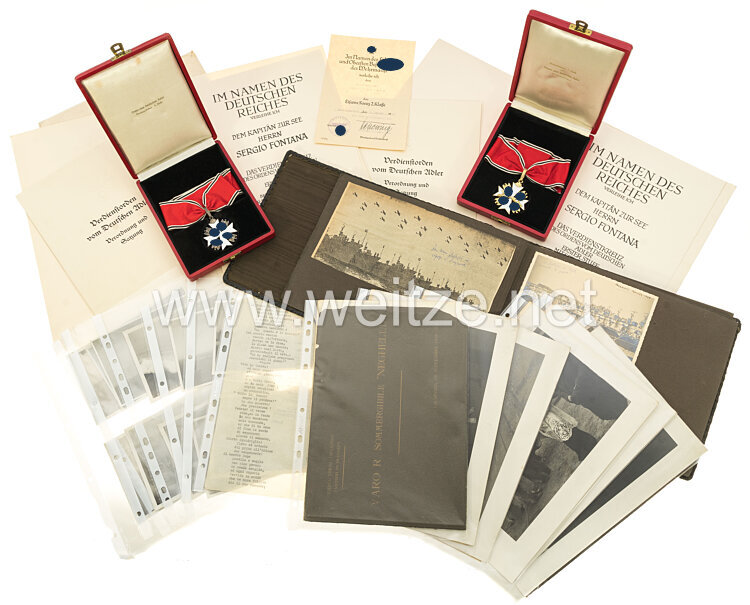
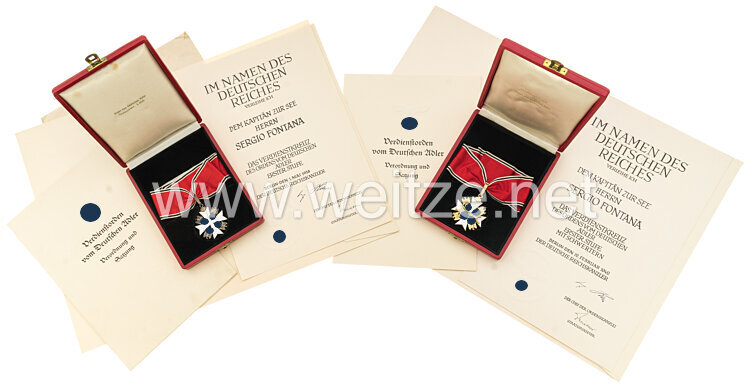
Admiral Fontana erhielt 1938 das Verdienstkreuz des Ordens vom Deutschen Adler 1. Stufe sowie 1942 die 1. Stufe mit Schwertern !
Bei beiden Stücken handelt sich jeweils um eine Fertigung der Fa. Godet, Berlin.
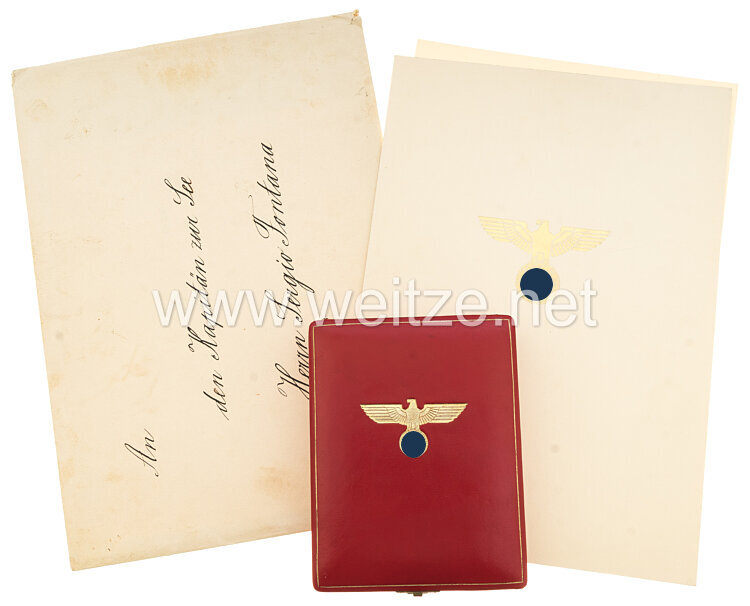
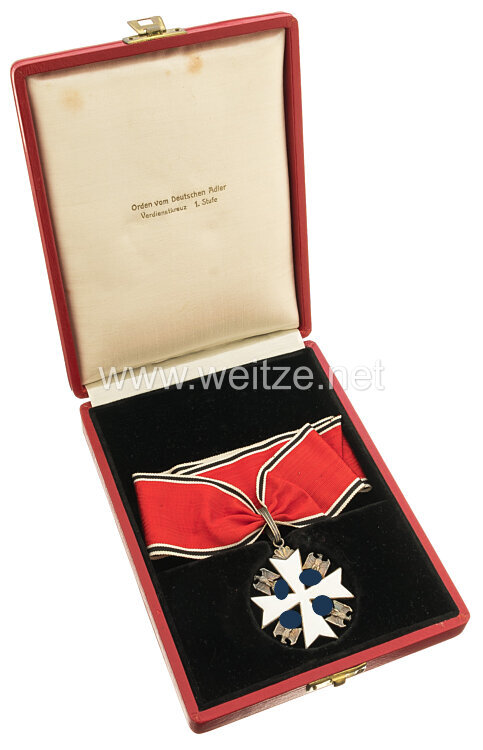
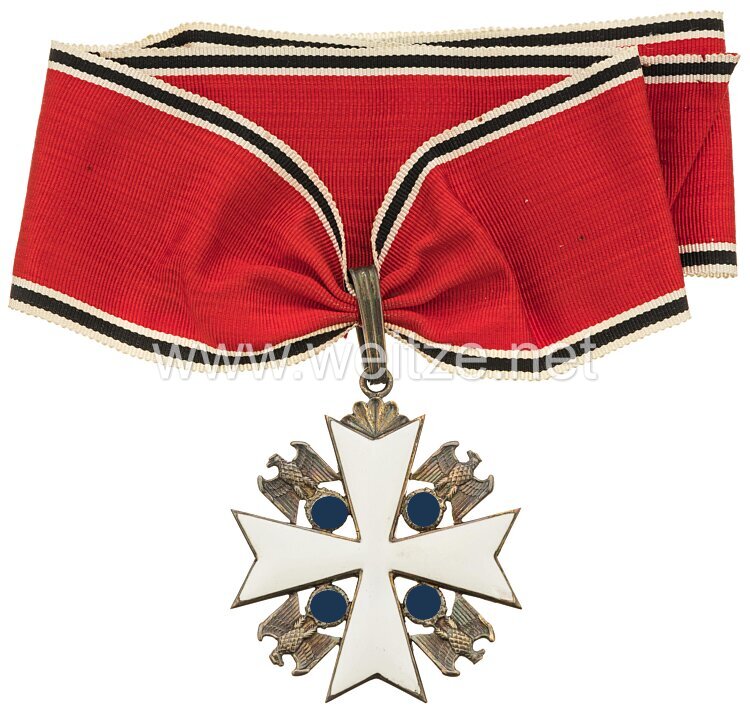
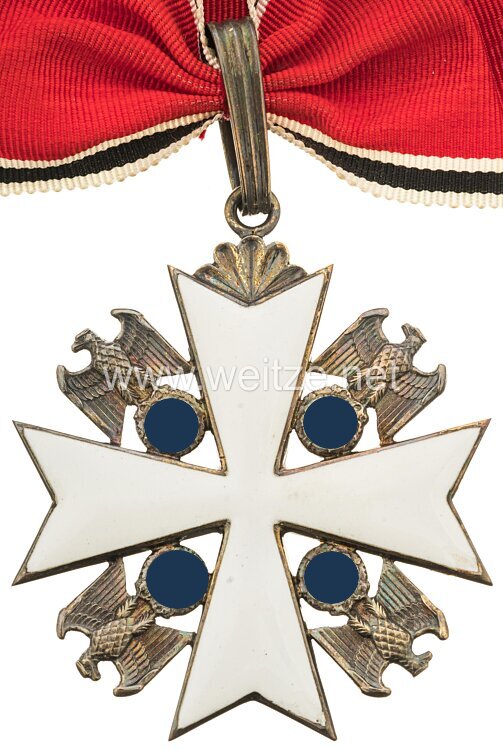
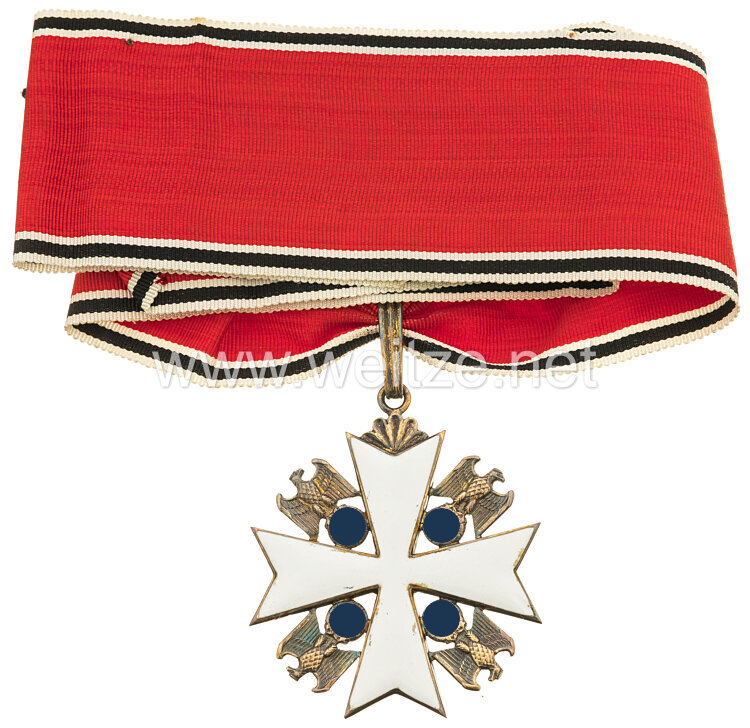
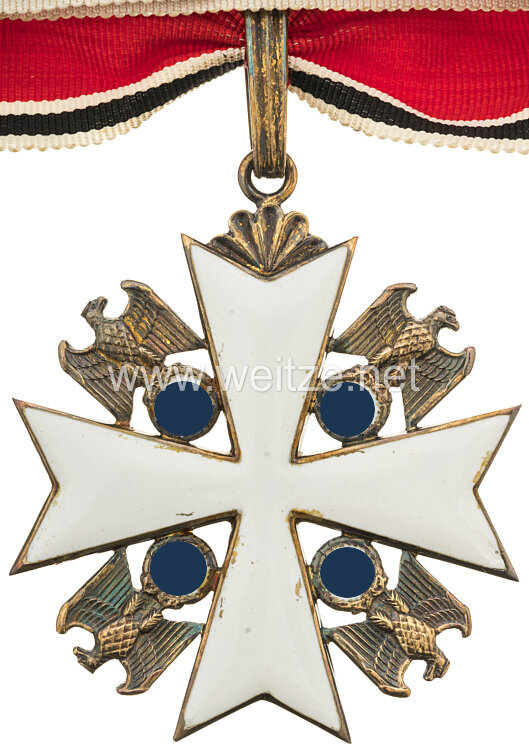
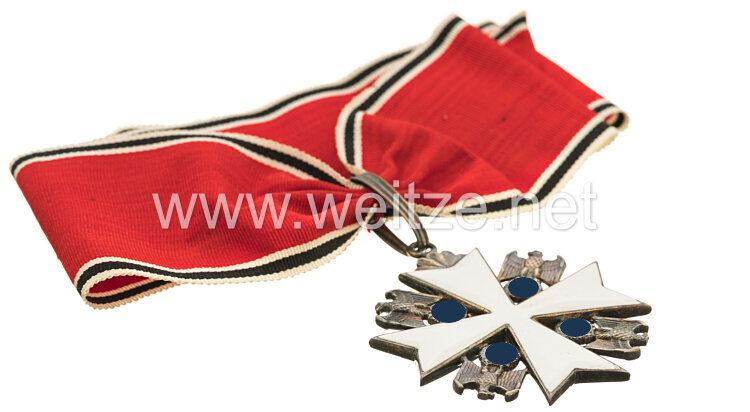
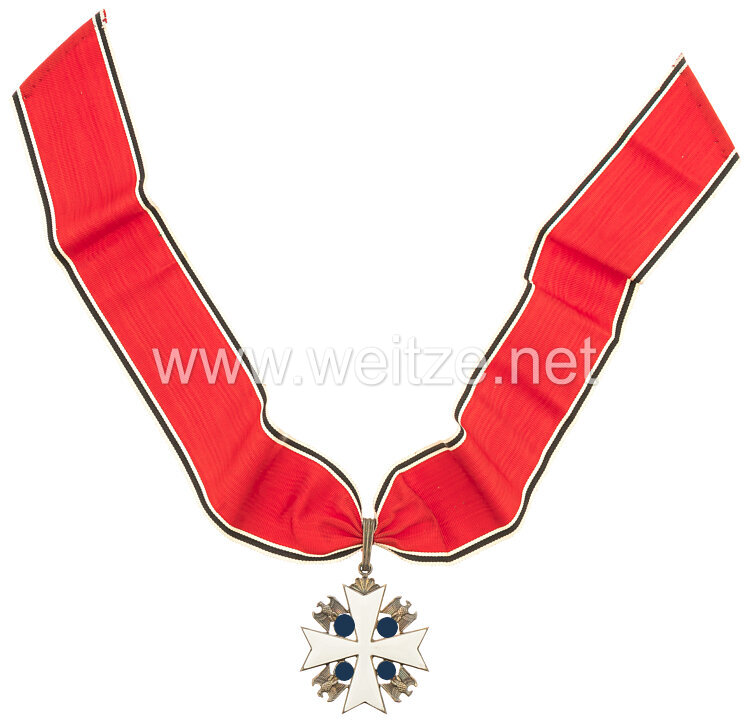
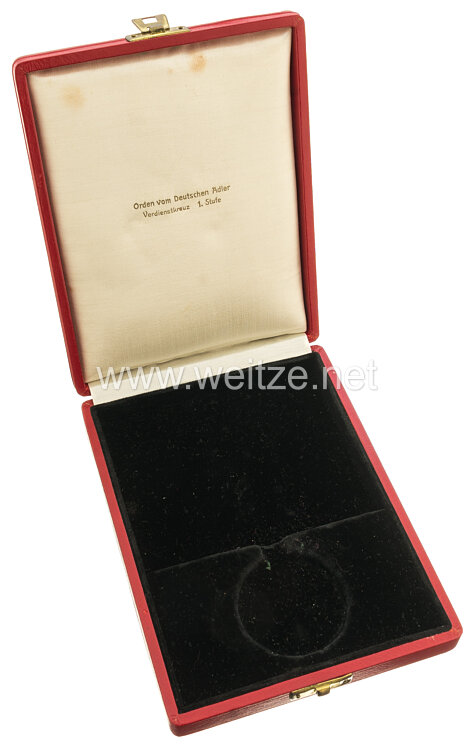
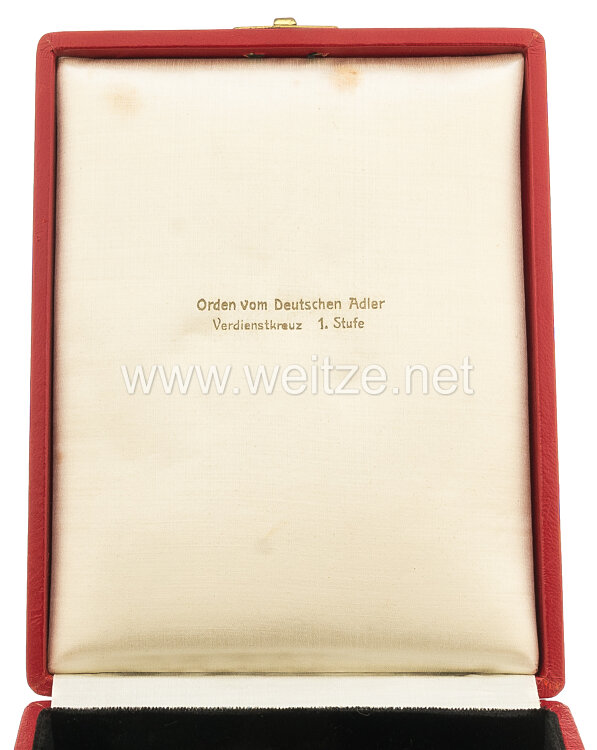
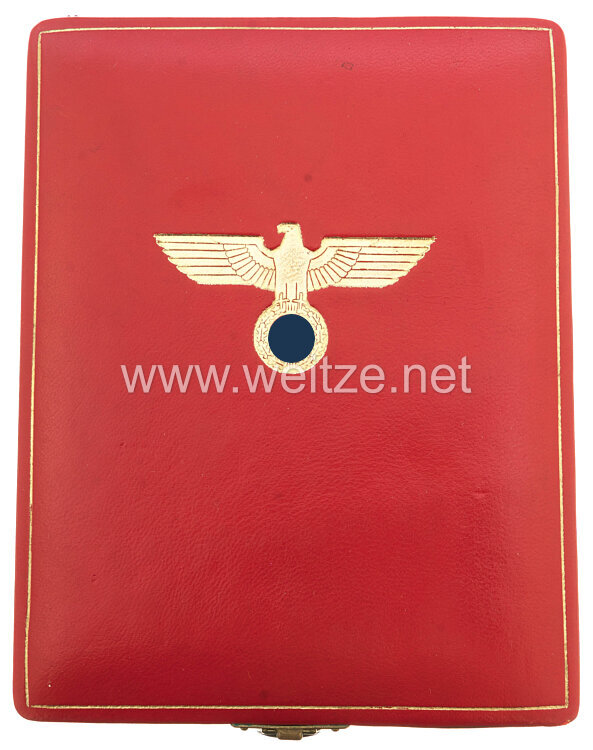
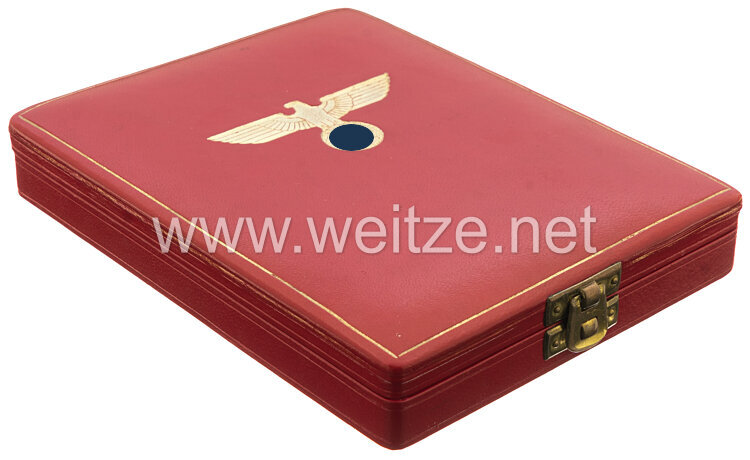
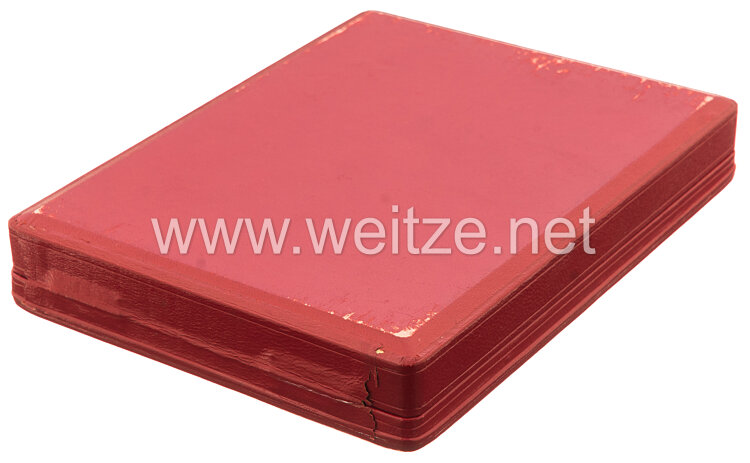
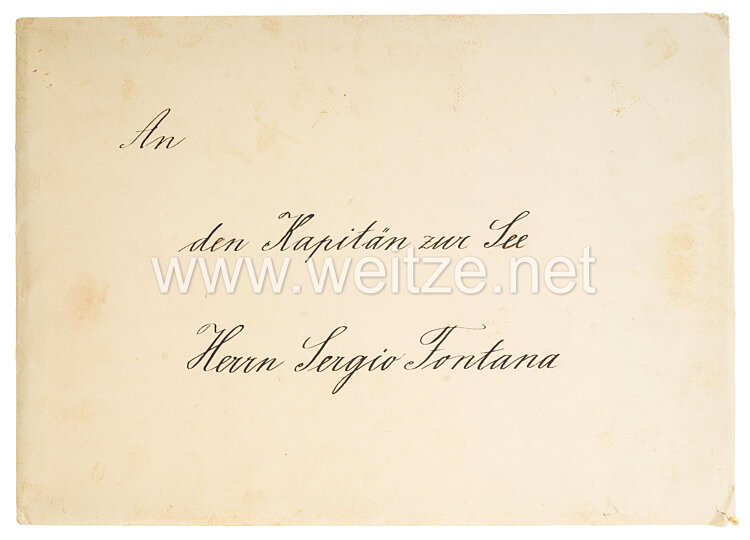
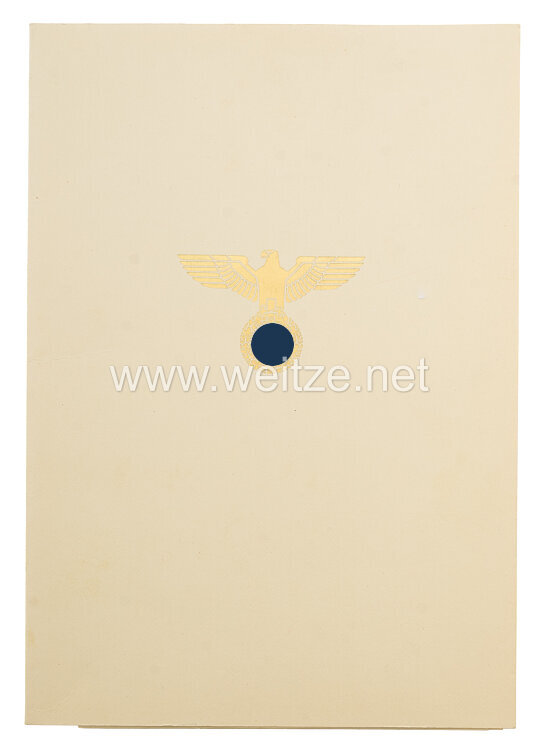
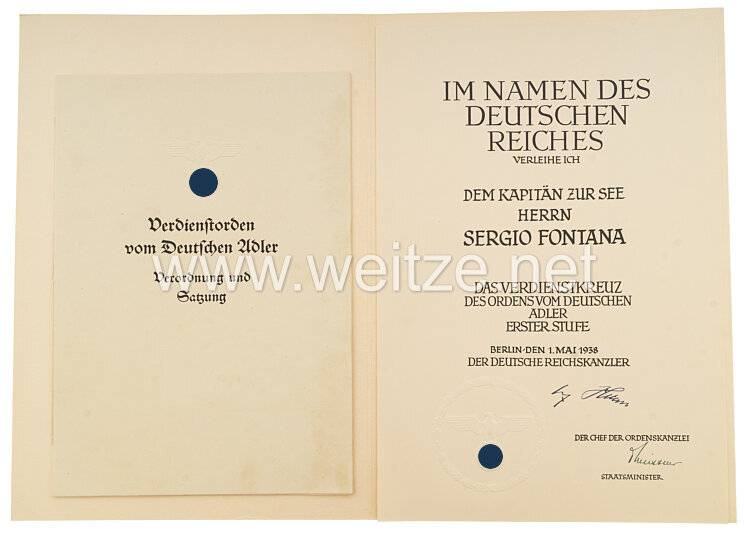
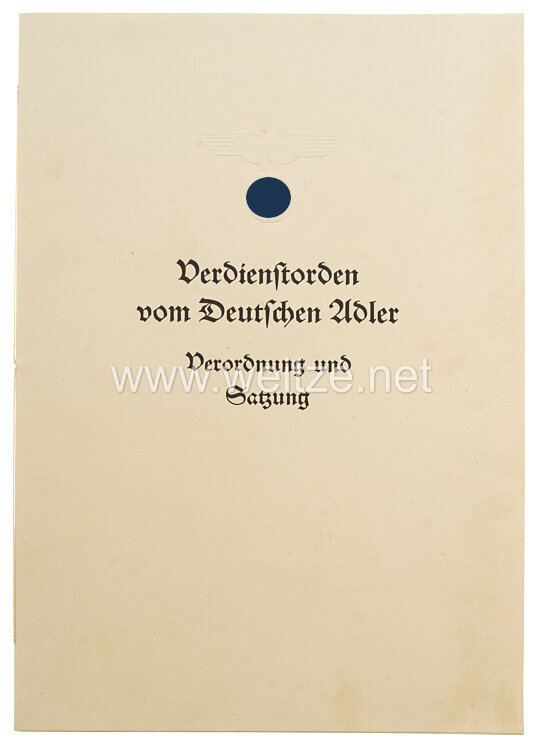
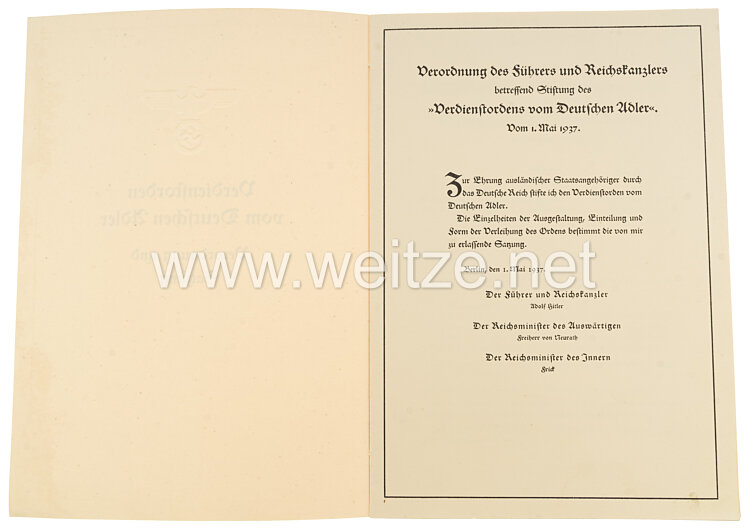
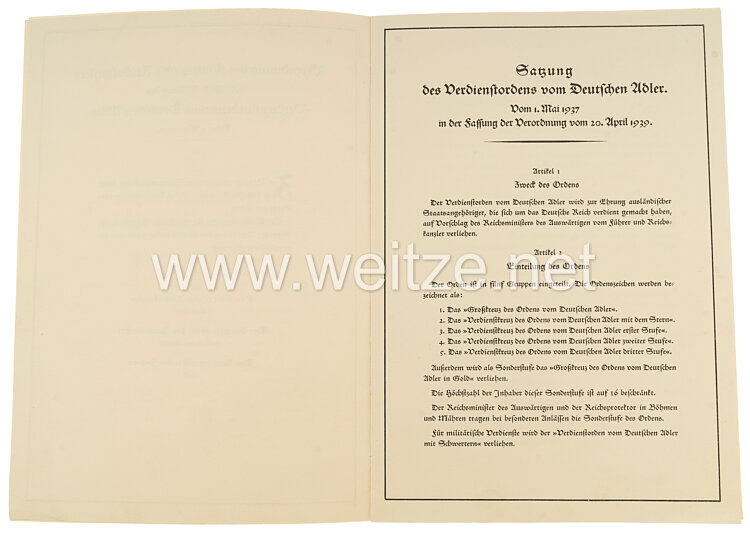
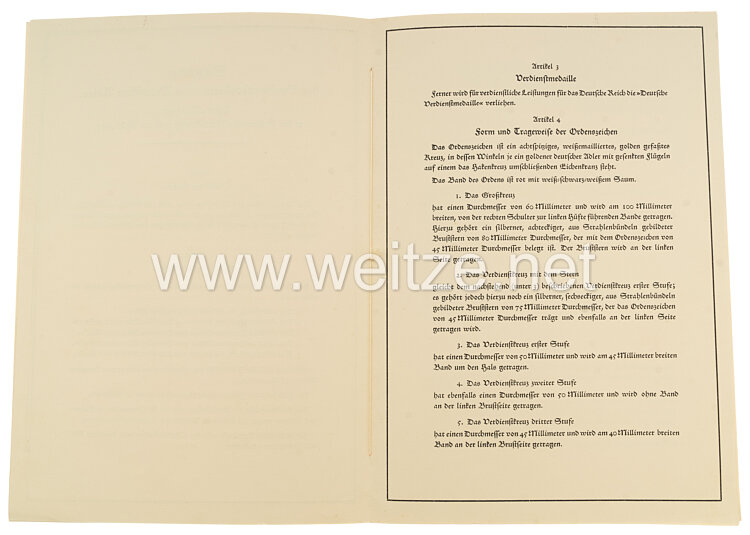
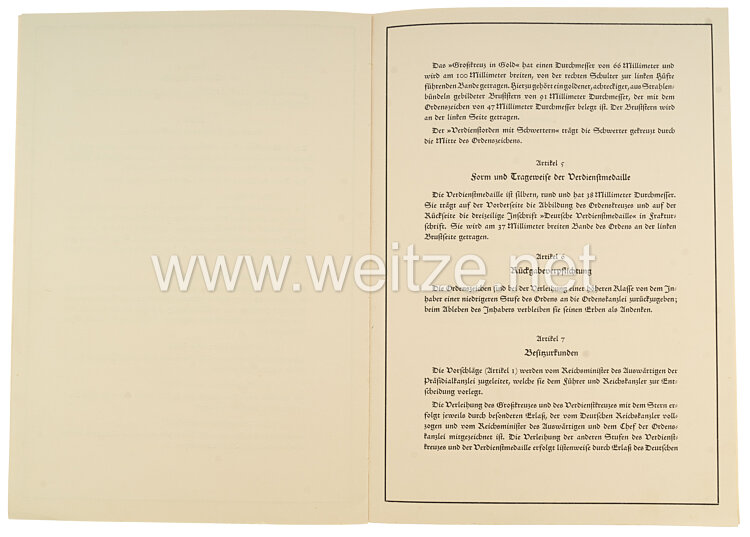
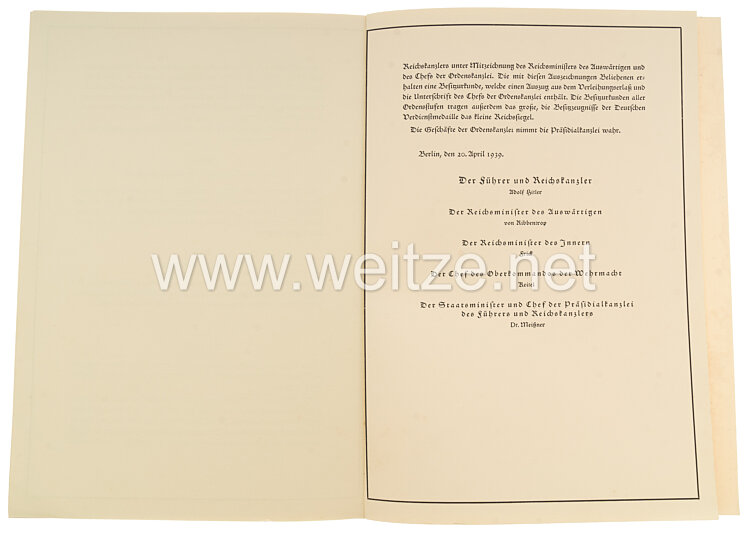
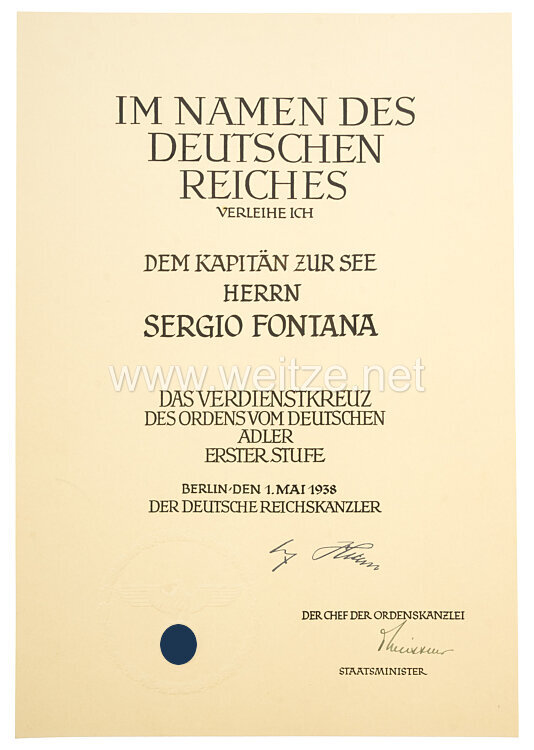
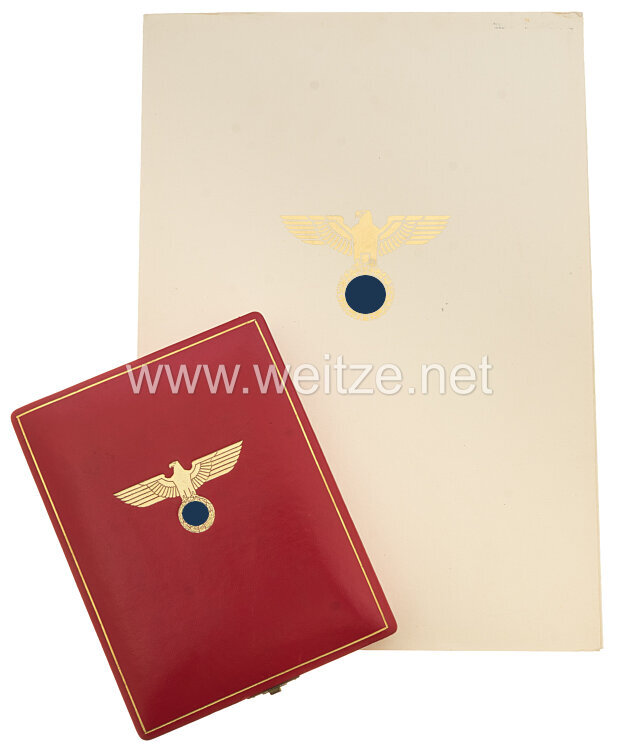
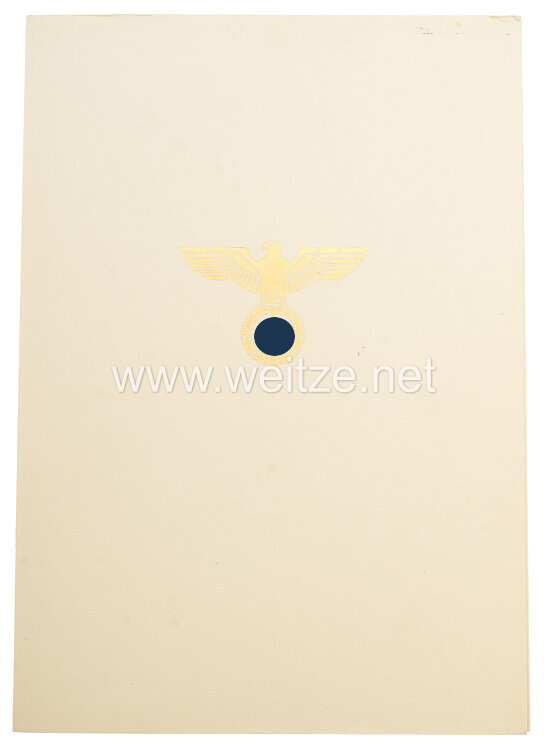
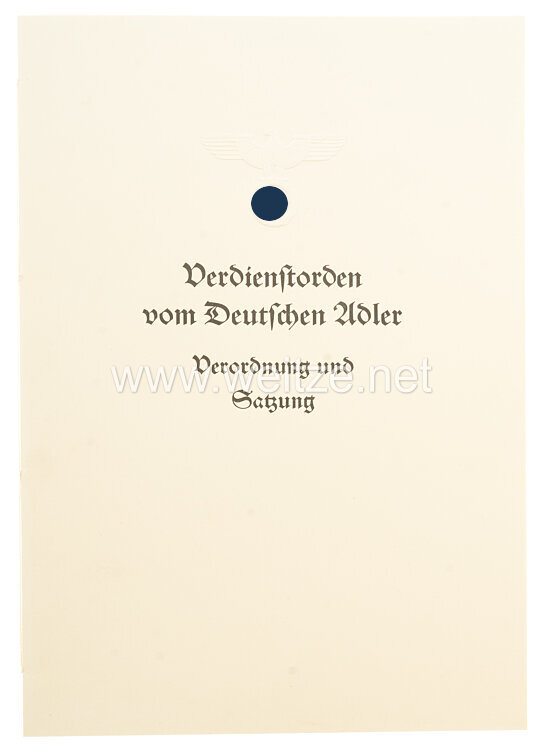
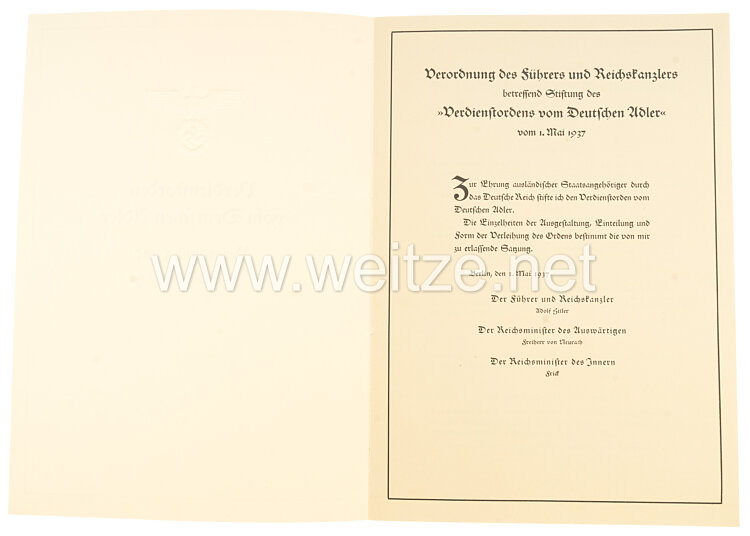
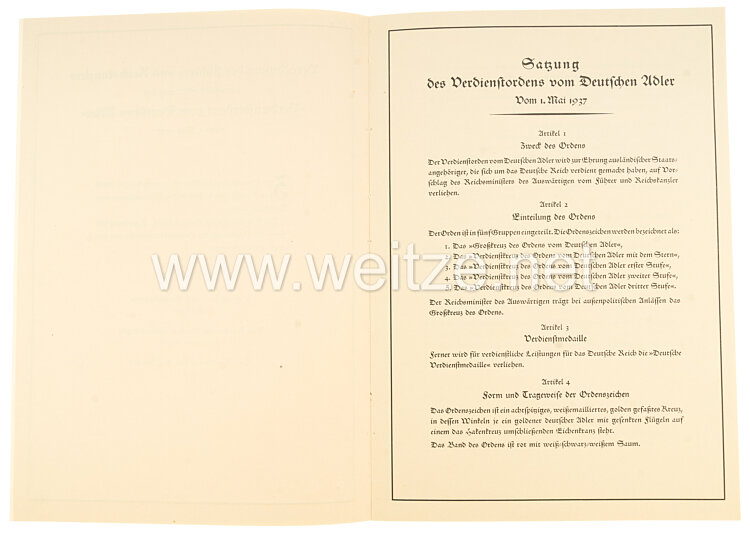
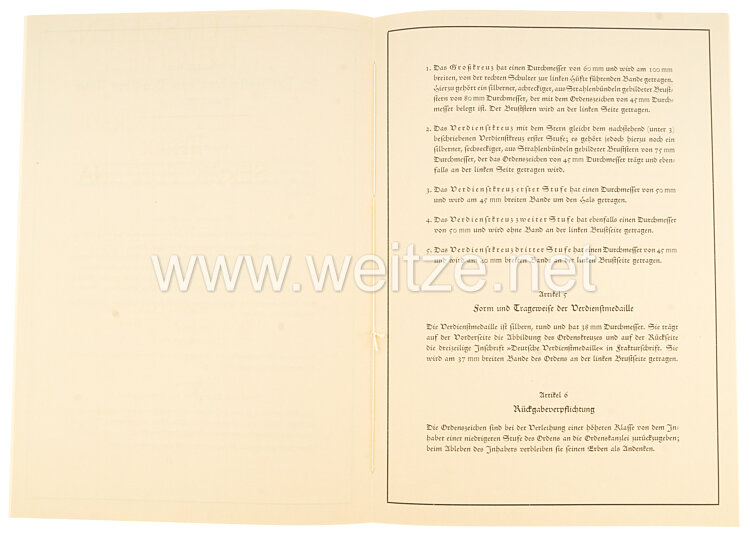
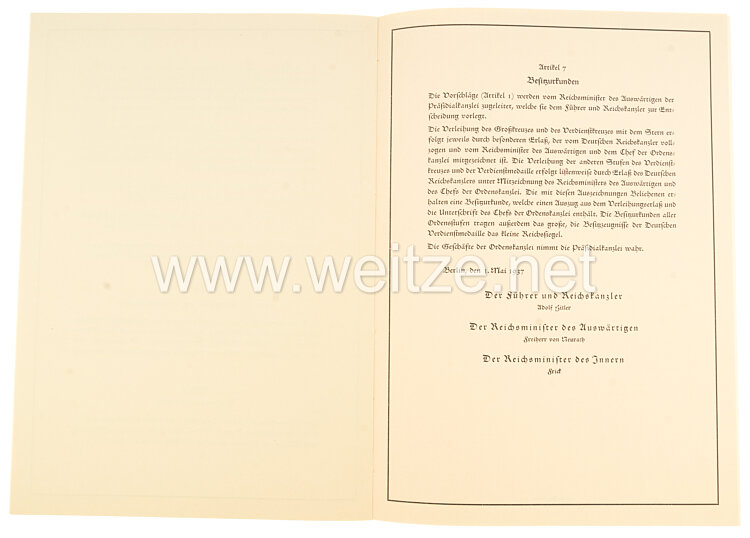
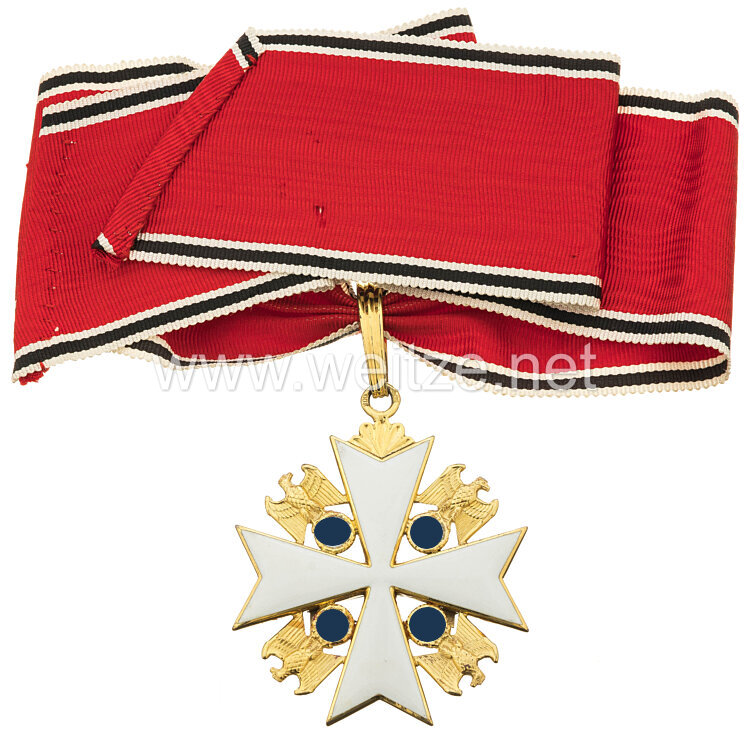
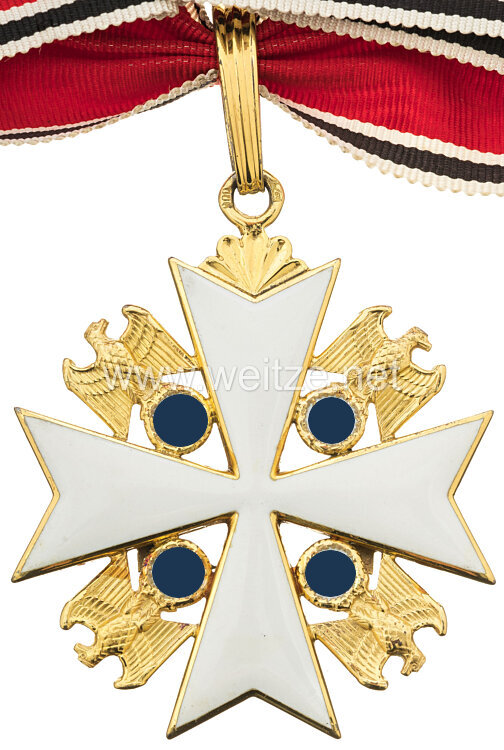
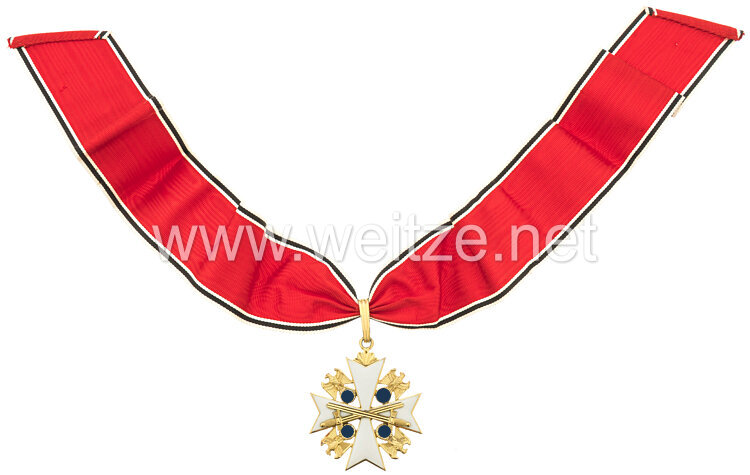
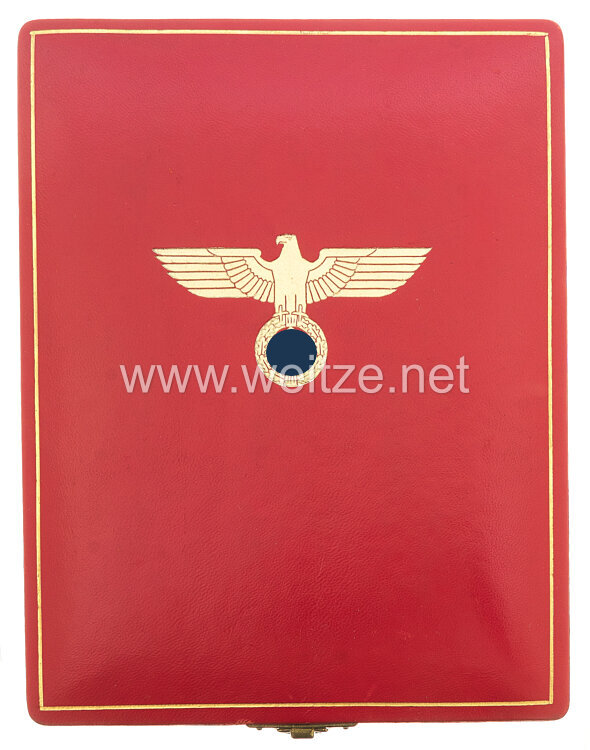
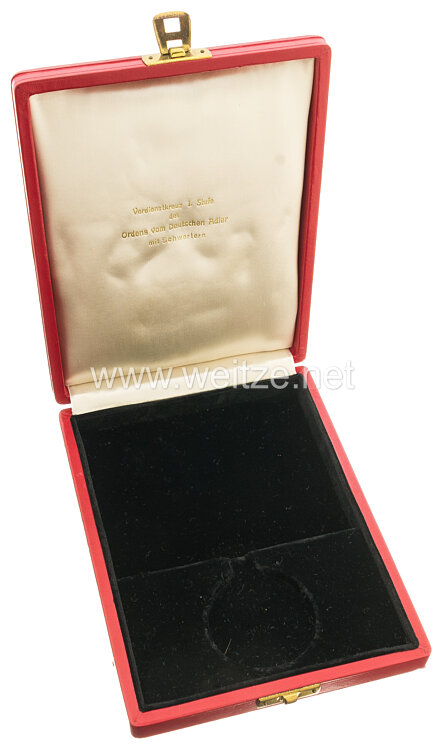
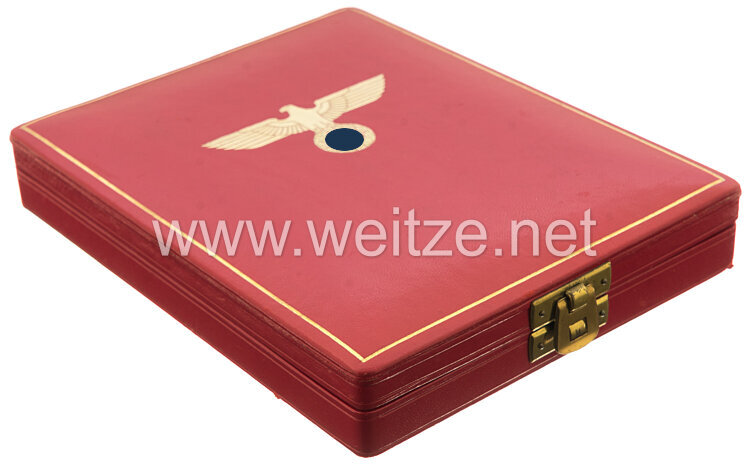
Deutscher Adlerorden Verdienstkreuz 1. Stufe Halskreuz. Silber feuervergoldet, beidseitig fein emailliert. Rückseitig im Ring gestempelt "900" Silber. Komplett am langen Halstragband. Im passenden Verleihungsetui, innen mit Eindruck "Orden vom 'Deutschen Adler Verdienstkreuz 1. Stufe". Ungetragen, in sehr gutem Zustand. Dazu die große Verleihungsurkunde ausgestellt auf "Kapitän zur See Herrn Sergio Fontana", datiert "Berlin, den 1. Mai 1938". Komplett mit dem weißen Umschlag mit gold gedrucktem Hoheitsadler, Statutenheft und beschriftetem Übersendungsumschlag.
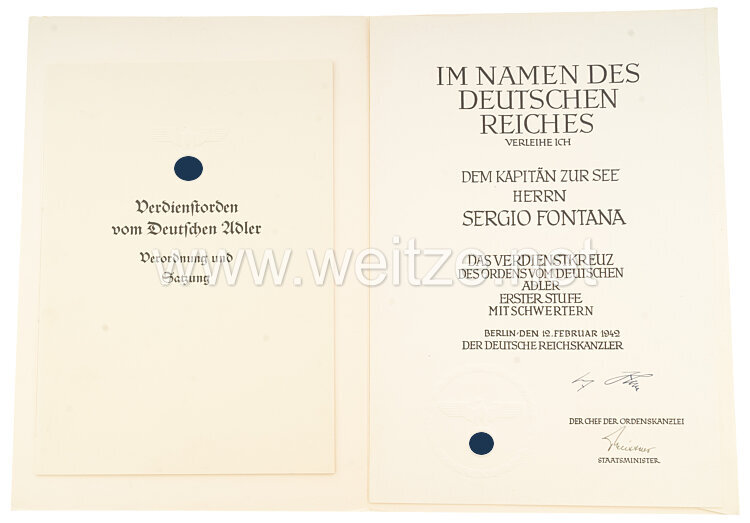
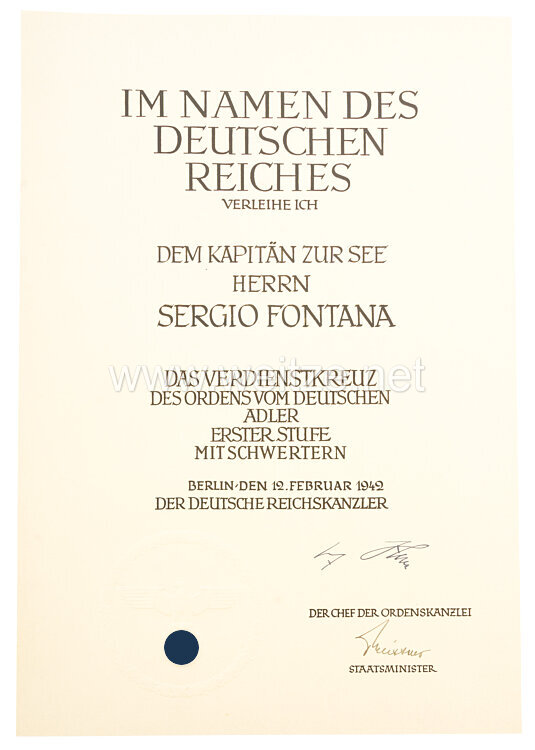
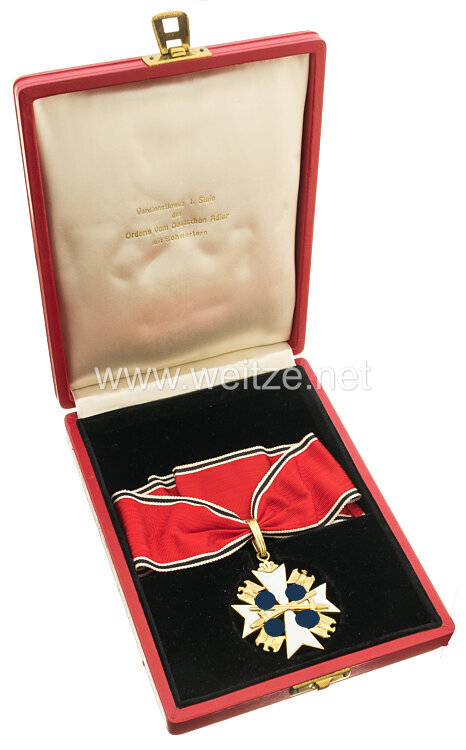
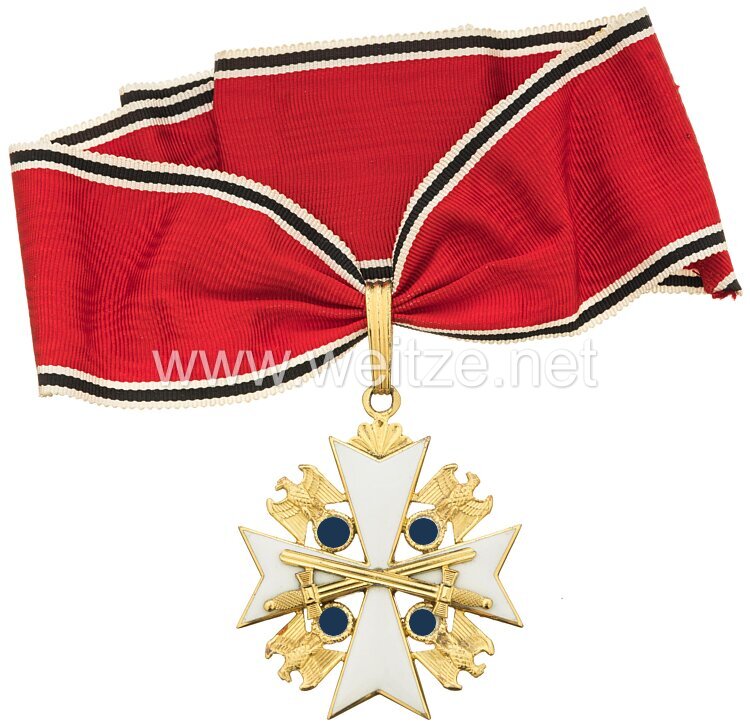
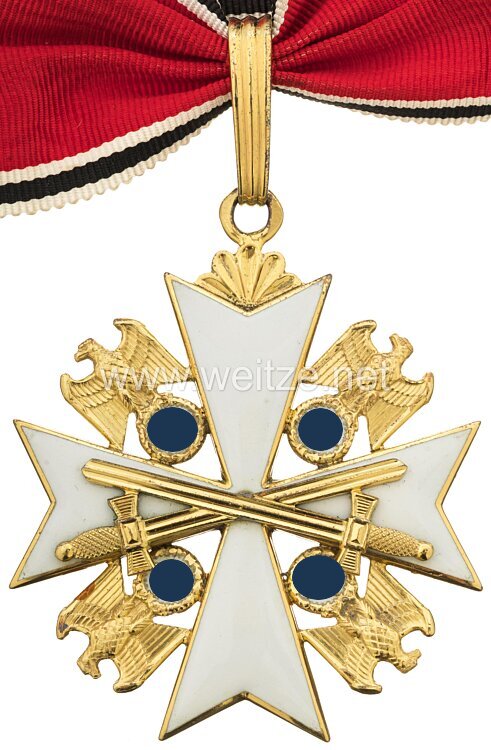
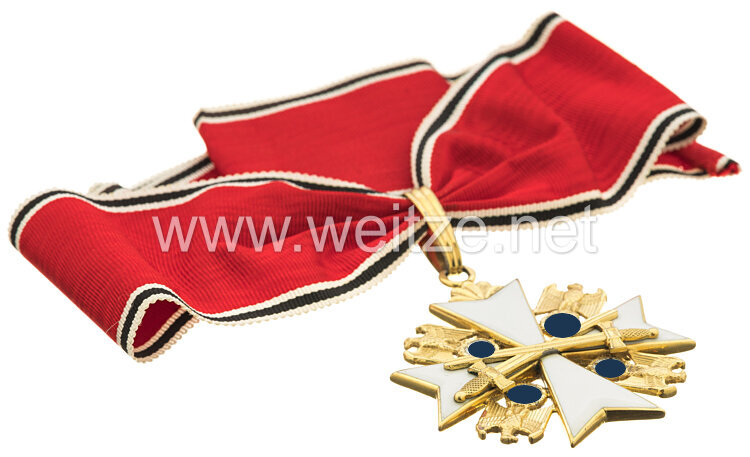
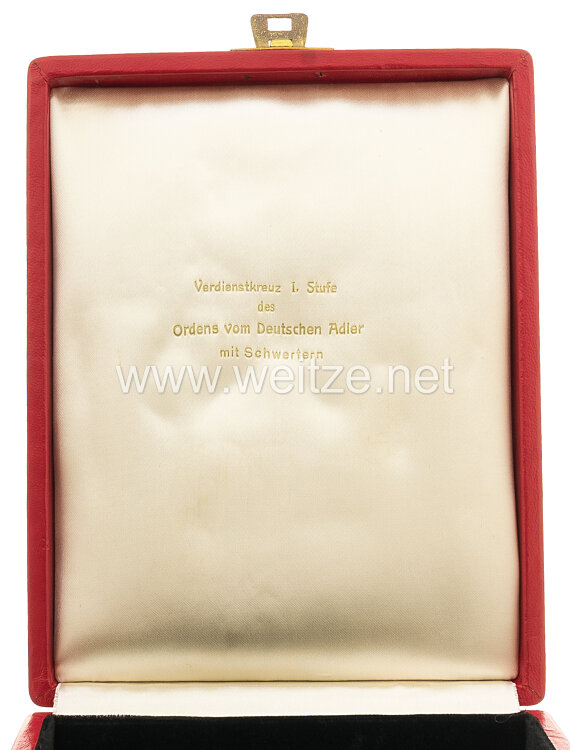
Deutscher Adlerorden Verdienstkreuz 1. Stufe mit Schwertern. Halskreuz. Silber feuervergoldet, beidseitig fein emailliert, im Ring gestempelt "900" und "L/50", am langen Halstragband. Komplett im Verleihungsetui mit Eindruck im Futter "Verdienstkreuz 1.Stufe des Ordens vom Deutschen Adler mit Schwertern". Ungetragen, Zustand 1a. Dazu die große Verleihungsurkunde ausgestellt auf "Kapitän zur See Herrn Sergio Fontana", datiert "Berlin, den 12. Februar 1942". Komplett mit dem weißen Umschlag mit gold gedrucktem Hoheitsadler.
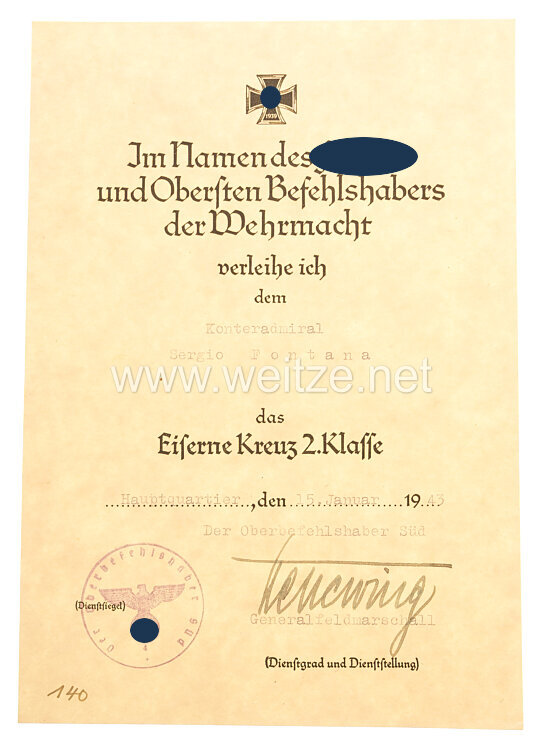
Verleihungsurkunde zum Eisernen Kreuz 1939 2. Klasse, ausgestellt an "Konteradmiral Sergio Fontana", datiert "Hauptquartier, den 15. Januar 1943, mit original Unterschrift "Der Überbefehlshaber Süd Kesselring Generalfeldmarschall". Zustand 2+.
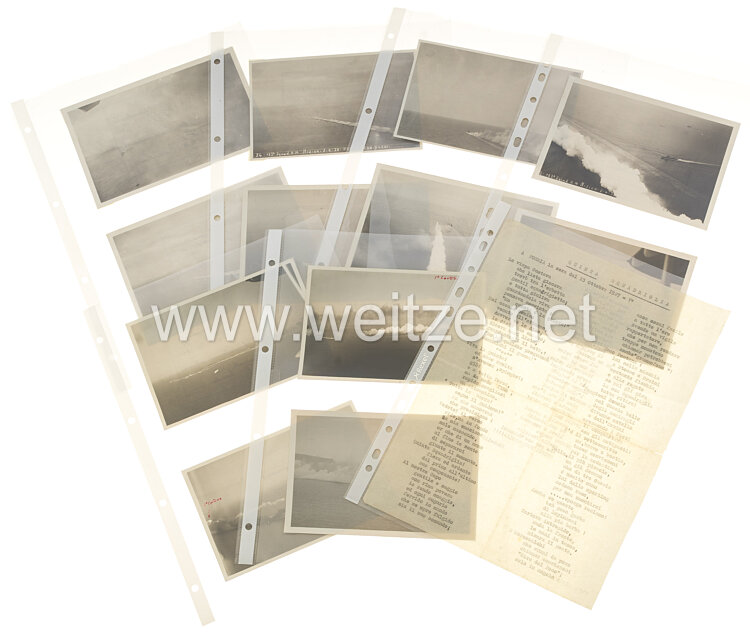
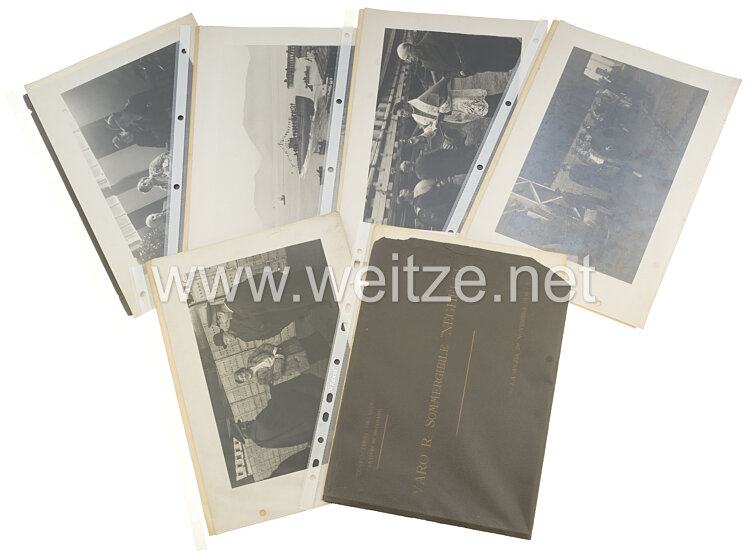
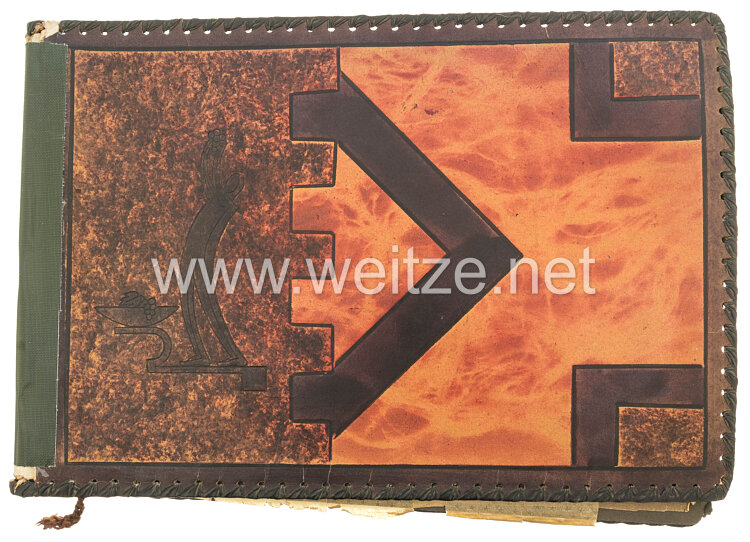
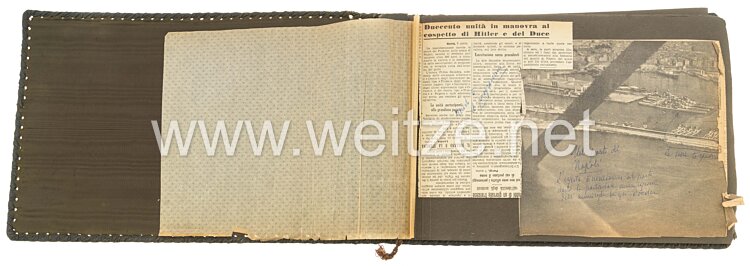
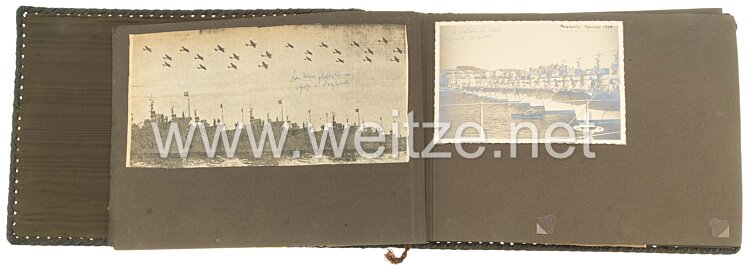
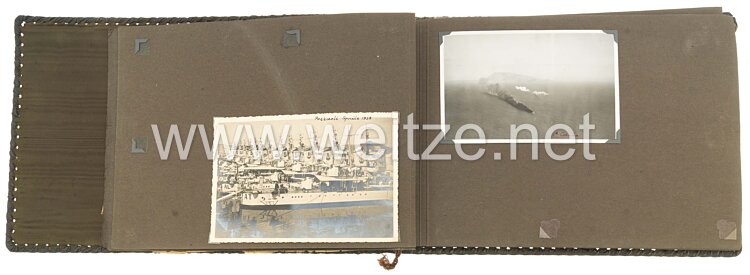
Weiterhin ein sehr schönes Geschenk-Fotoalbum zum Stapellauf des italienischen U-Boot Sommergibile "Neghelli" in La Spezia 1936. (Das U-Boot wurde 1941 von HMS "Greyhound" versenkt). Ein weiteres Fotoalbum des Admirals mit Fotos und Zeitungsausschnitten, teils per Hand beschriftet: Flottenmanöver etc, hinten ein Telegramm an ihn. Dazu noch 29 teils großformatige Fotos der italienische Kriegsmarine, großteils Pressefotos, rückseitig beschriftet.
Ein sehr schöner Nachlaß, den wir direkt aus Privatbesitz kaufen konnten.
Bei beiden Stücken handelt sich jeweils um eine Fertigung der Fa. Godet, Berlin.
Deutscher Adlerorden Verdienstkreuz 1. Stufe Halskreuz. Silber feuervergoldet, beidseitig fein emailliert. Rückseitig im Ring gestempelt "900" Silber. Komplett am langen Halstragband. Im passenden Verleihungsetui, innen mit Eindruck "Orden vom 'Deutschen Adler Verdienstkreuz 1. Stufe". Ungetragen, in sehr gutem Zustand. Dazu die große Verleihungsurkunde ausgestellt auf "Kapitän zur See Herrn Sergio Fontana", datiert "Berlin, den 1. Mai 1938". Komplett mit dem weißen Umschlag mit gold gedrucktem Hoheitsadler, Statutenheft und beschriftetem Übersendungsumschlag.
Deutscher Adlerorden Verdienstkreuz 1. Stufe mit Schwertern. Halskreuz. Silber feuervergoldet, beidseitig fein emailliert, im Ring gestempelt "900" und "L/50", am langen Halstragband. Komplett im Verleihungsetui mit Eindruck im Futter "Verdienstkreuz 1.Stufe des Ordens vom Deutschen Adler mit Schwertern". Ungetragen, Zustand 1a. Dazu die große Verleihungsurkunde ausgestellt auf "Kapitän zur See Herrn Sergio Fontana", datiert "Berlin, den 12. Februar 1942". Komplett mit dem weißen Umschlag mit gold gedrucktem Hoheitsadler.
Verleihungsurkunde zum Eisernen Kreuz 1939 2. Klasse, ausgestellt an "Konteradmiral Sergio Fontana", datiert "Hauptquartier, den 15. Januar 1943, mit original Unterschrift "Der Überbefehlshaber Süd Kesselring Generalfeldmarschall". Zustand 2+.
Weiterhin ein sehr schönes Geschenk-Fotoalbum zum Stapellauf des italienischen U-Boot Sommergibile "Neghelli" in La Spezia 1936. (Das U-Boot wurde 1941 von HMS "Greyhound" versenkt). Ein weiteres Fotoalbum des Admirals mit Fotos und Zeitungsausschnitten, teils per Hand beschriftet: Flottenmanöver etc, hinten ein Telegramm an ihn. Dazu noch 29 teils großformatige Fotos der italienische Kriegsmarine, großteils Pressefotos, rückseitig beschriftet.
Ein sehr schöner Nachlaß, den wir direkt aus Privatbesitz kaufen konnten.