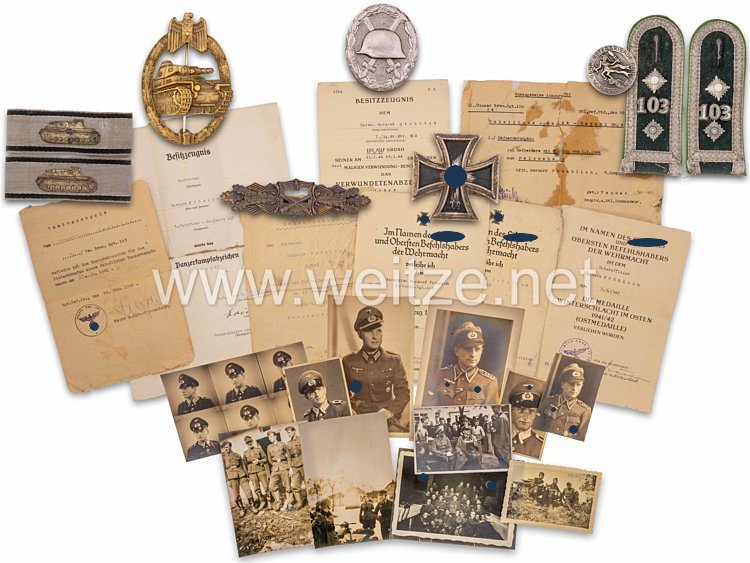
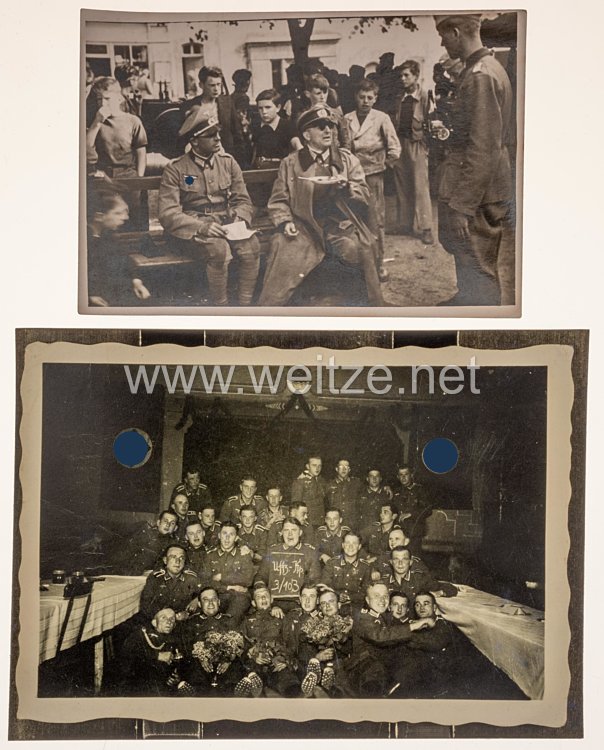
Wehrmacht großer Nachlass des tapferen Oberfeldwebel Fröhlich im Grenadier Rgt. 103 mit 2 Sonderabzeichen für das Niederkämpfen von Panzerkampfwagen durch Einzelkämpfer
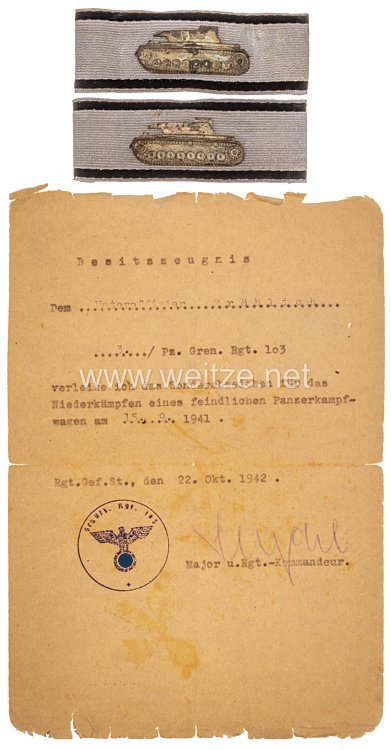
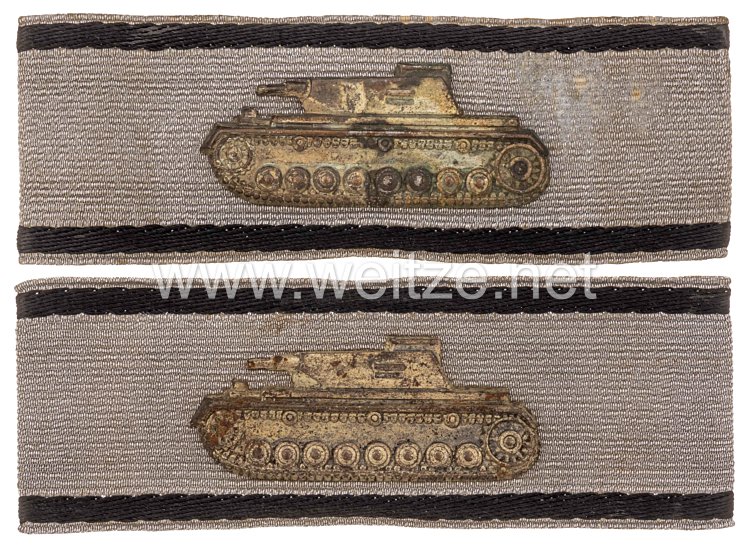
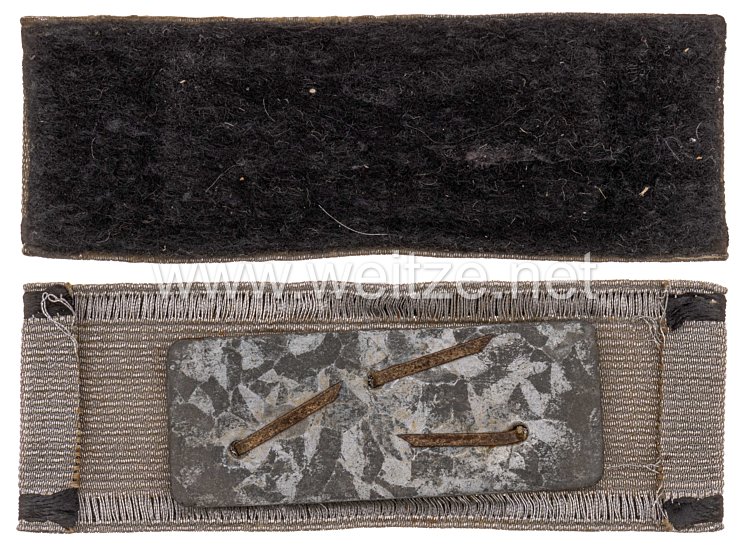
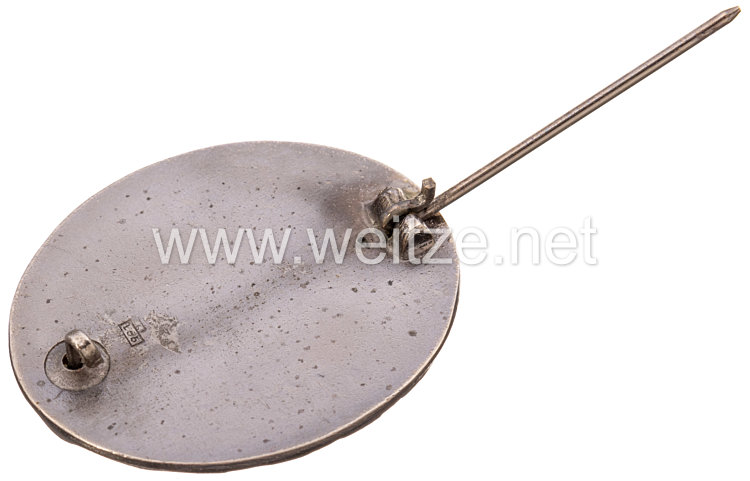
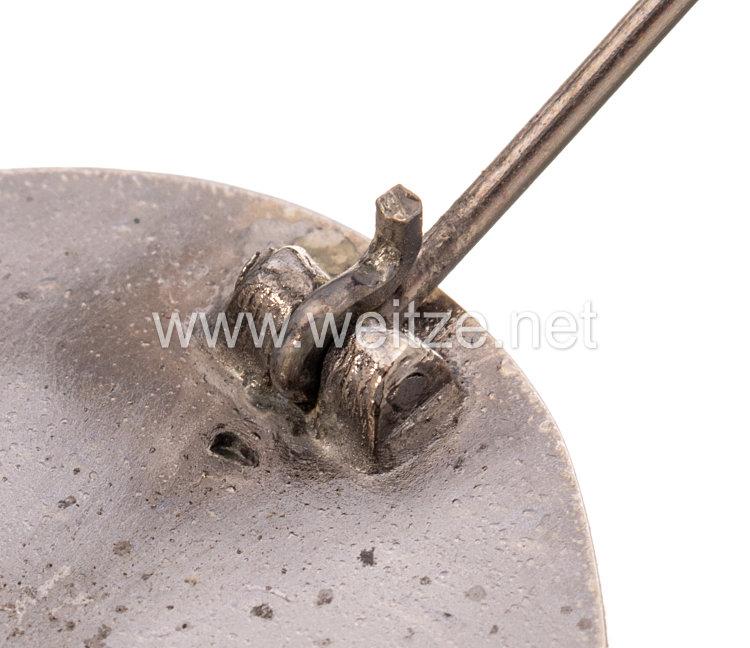
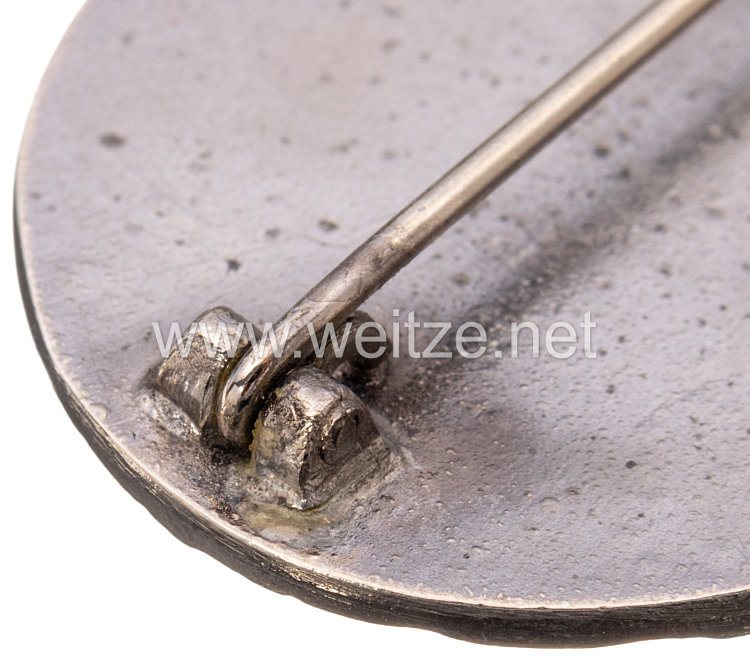
Sonderabzeichen für das Niederkämpfen von Panzerkampfwagen durch Einzelkämpfer mit versilbertem magnetischen Panzer, Rückenplatte ist magnetisch, mit schwarzer Tuchunterlage.
Sonderabzeichen für das Niederkämpfen von Panzerkampfwagen durch Einzelkämpfer mit versilbertem magnetischen Panzer, Rückenplatte ist magnetisch.
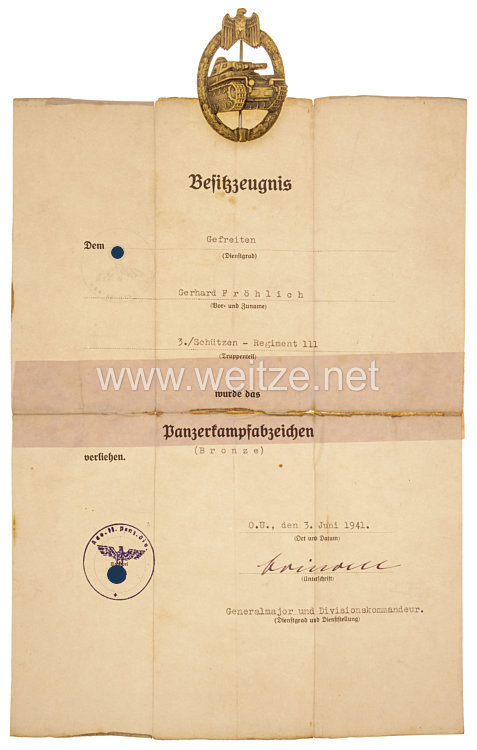
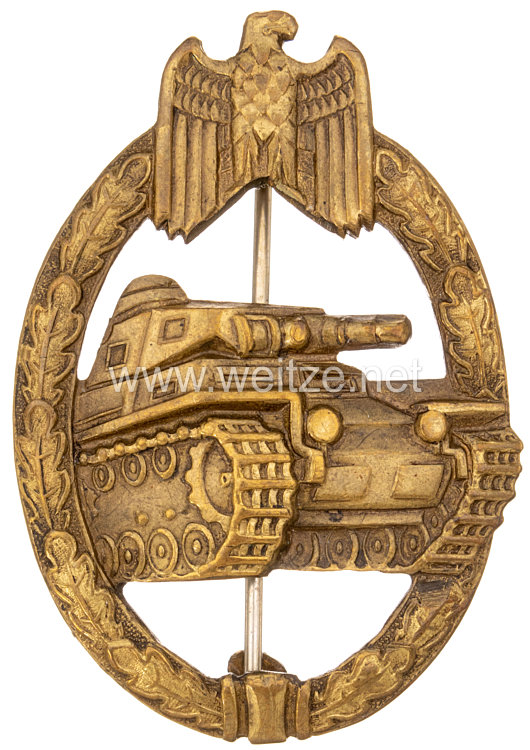
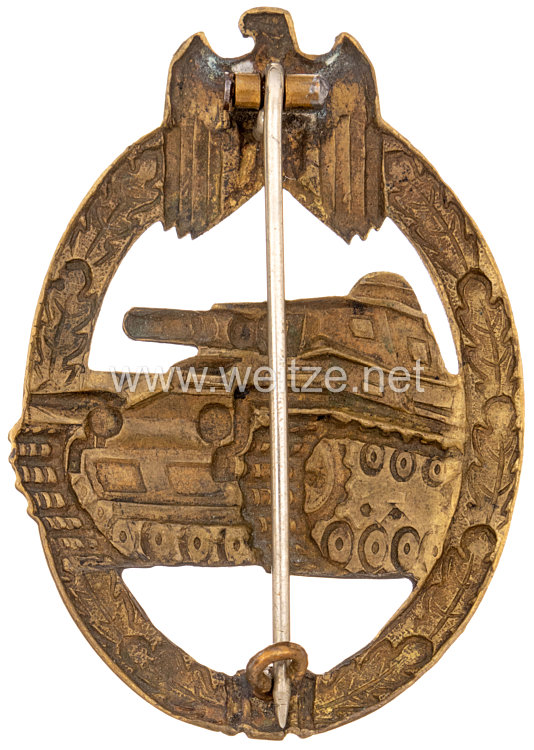
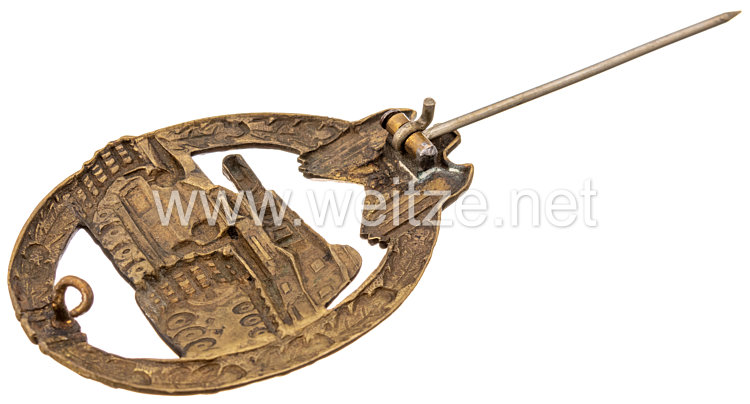
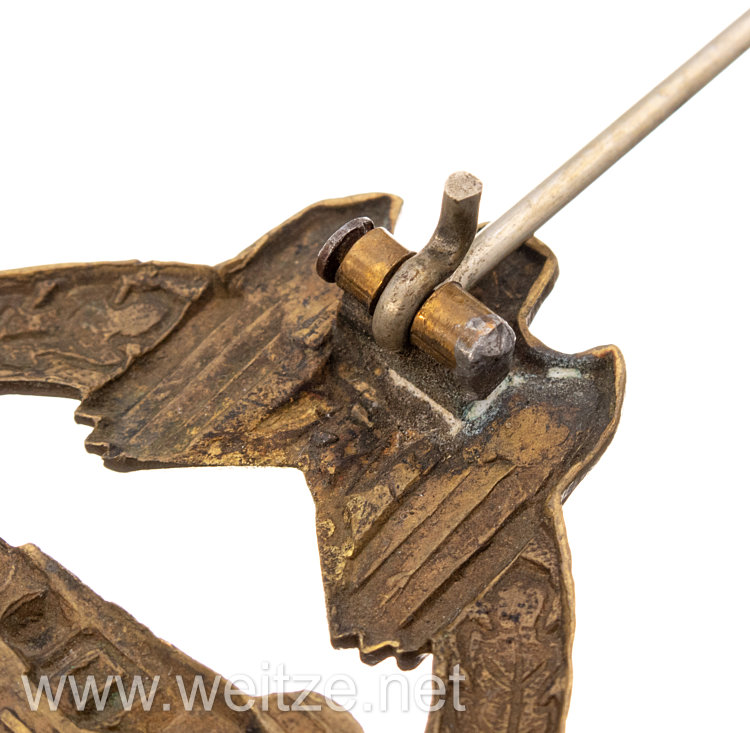
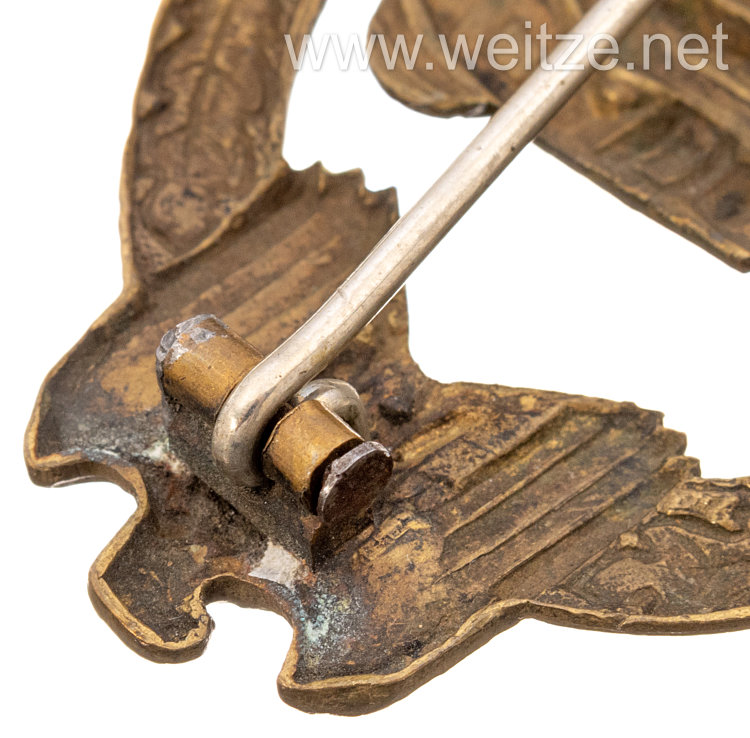
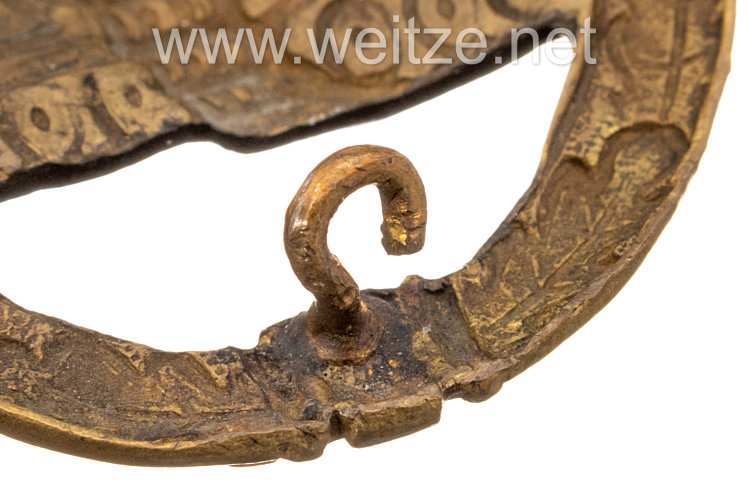
Panzerkampfabzeichen in Bronze, Buntmetall bronziert der Fa. Wurster, Cut out mit Belegfoto, Hakenkreuz entfernt.
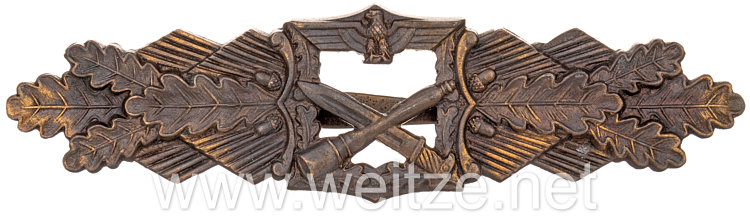
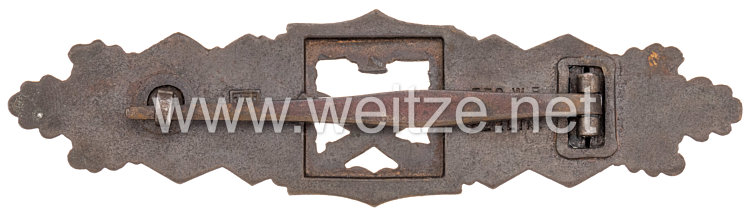
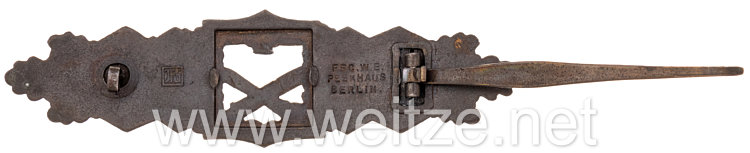
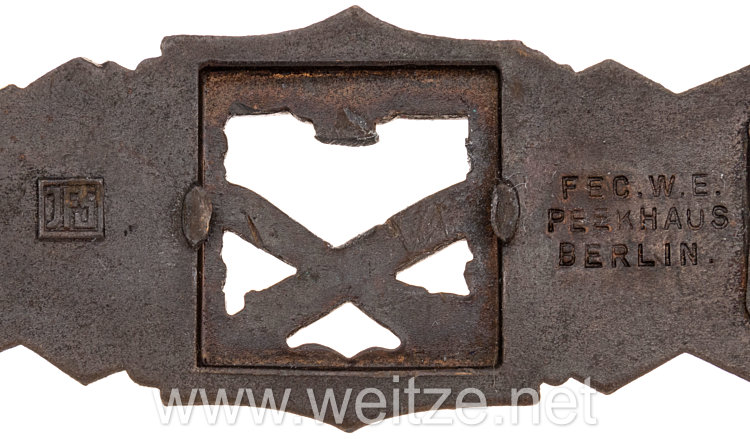
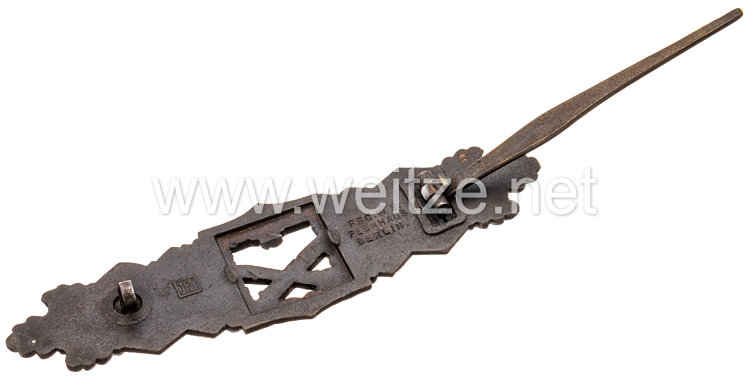
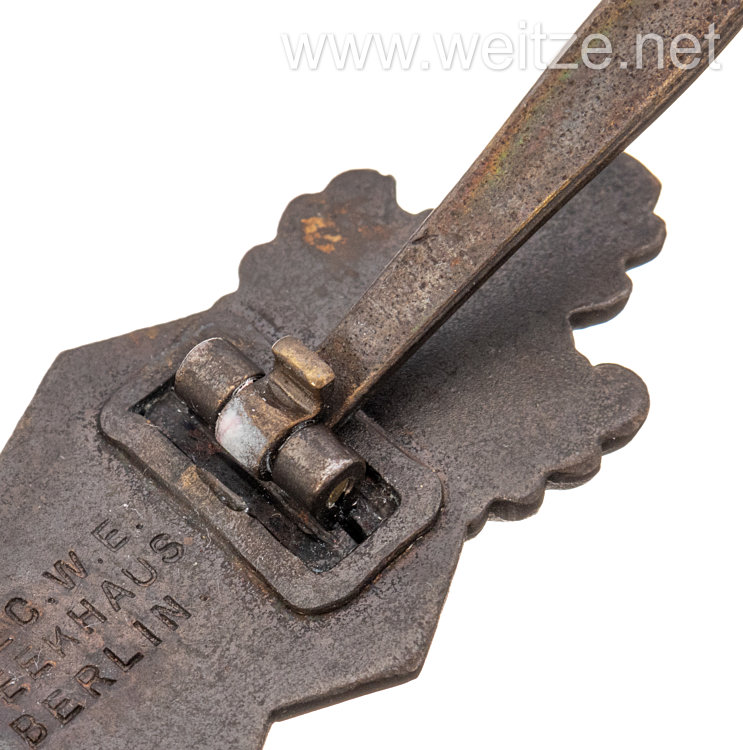
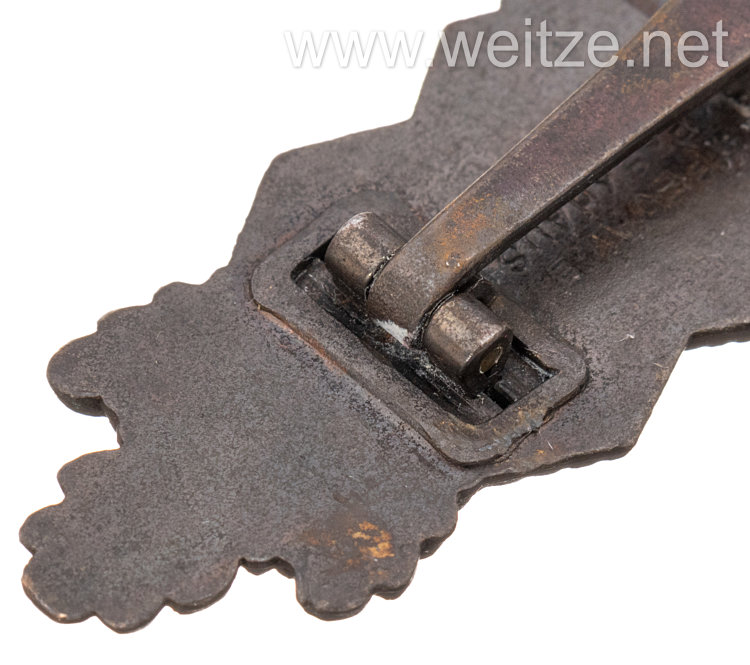
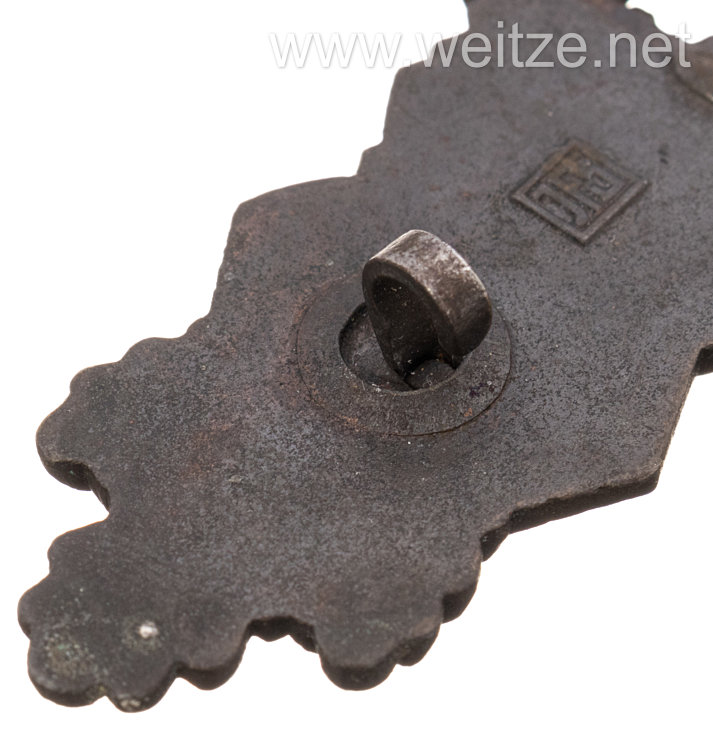
Nahkampfspange in Bronze, Zink bronziert, JFS, Hakenkreuz und Rückenplatte entfernt.
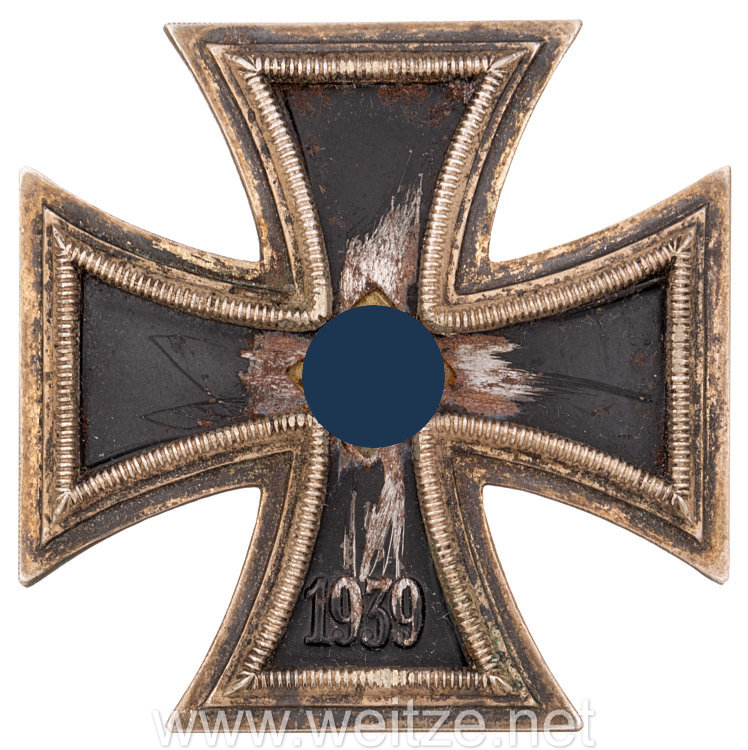
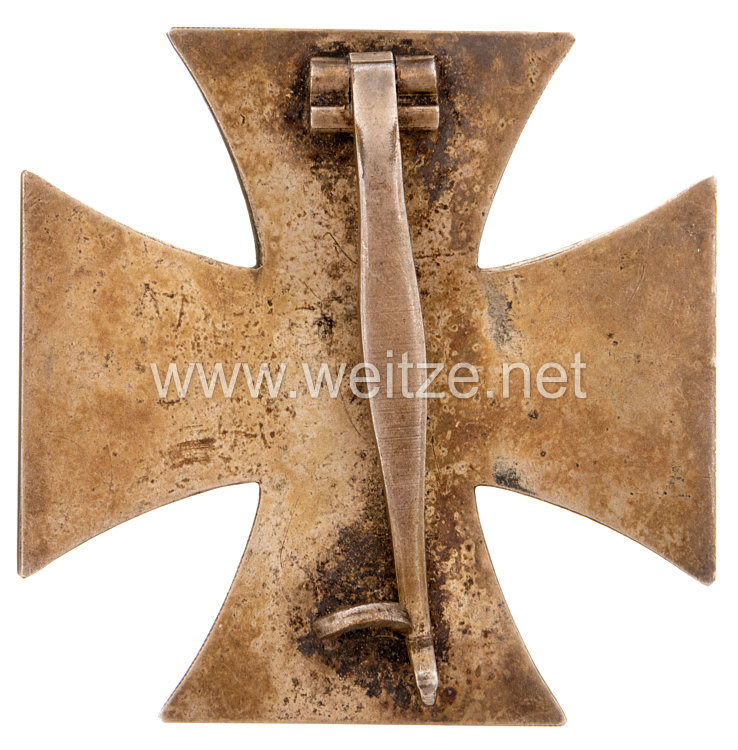
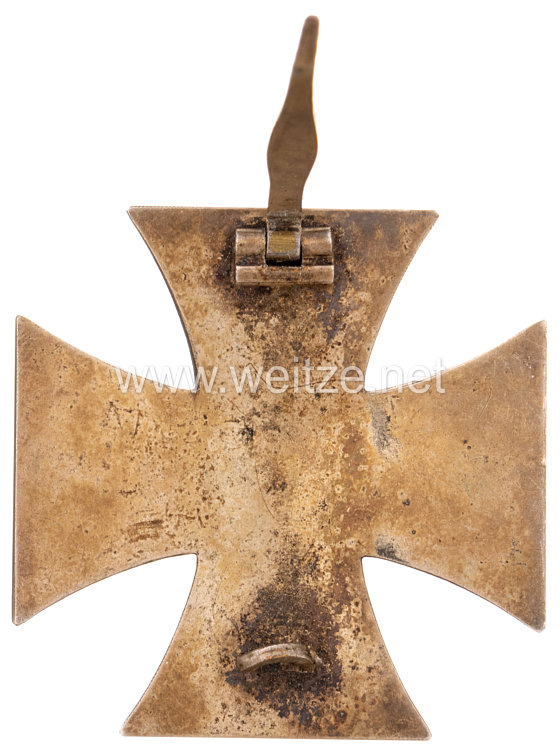
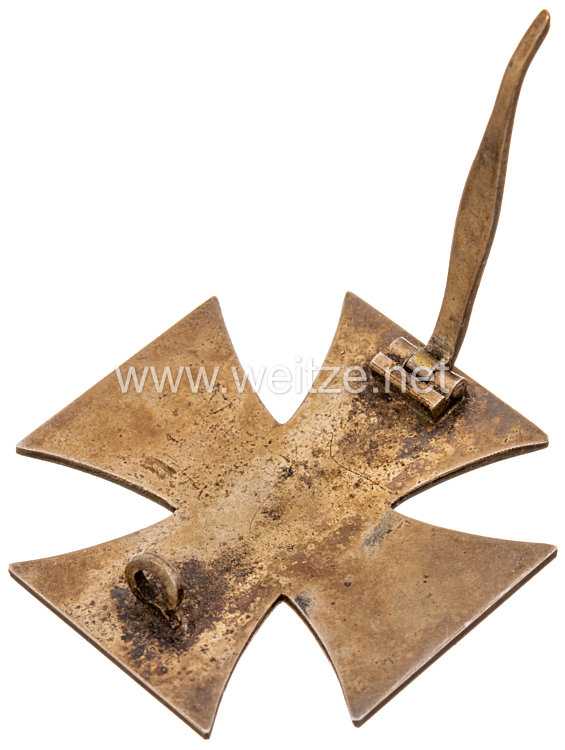
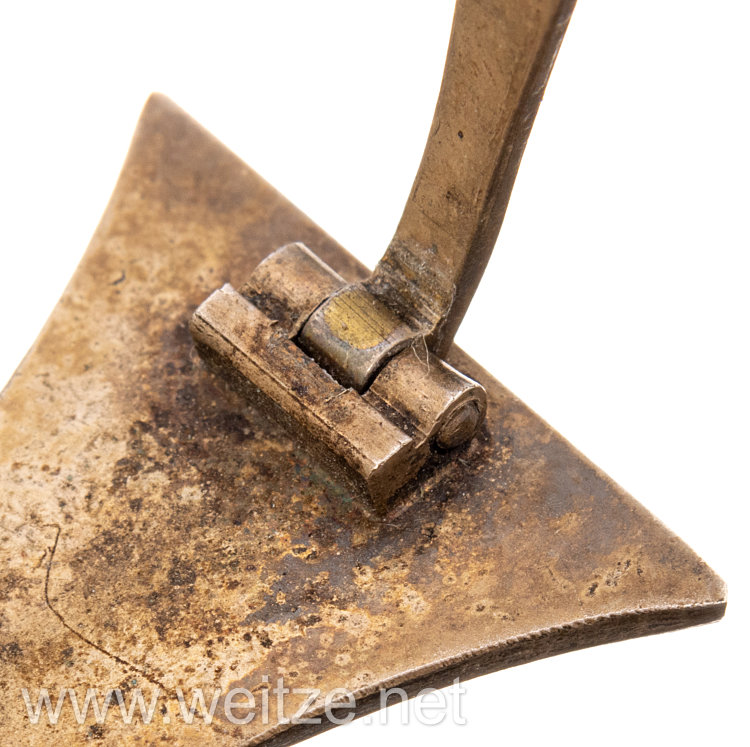
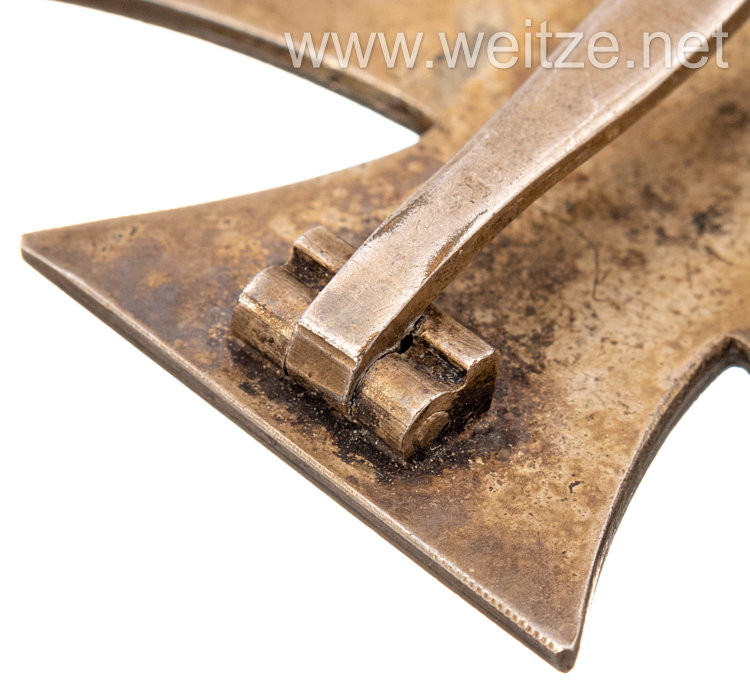
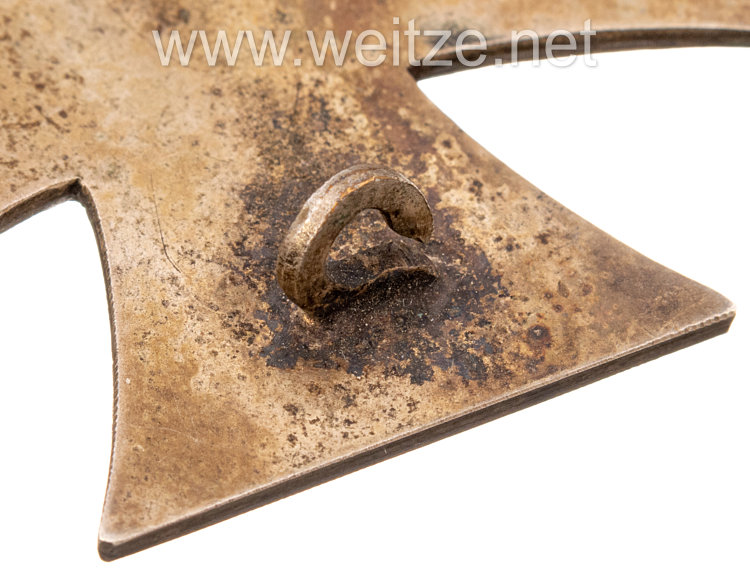
Eisernes Kreuz 1939 1.Klasse, Hakenkreuz entfernt.
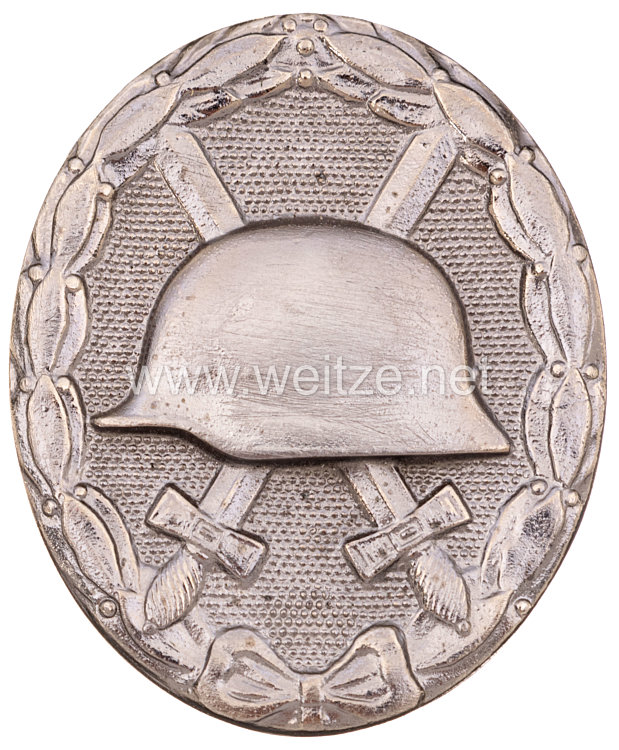
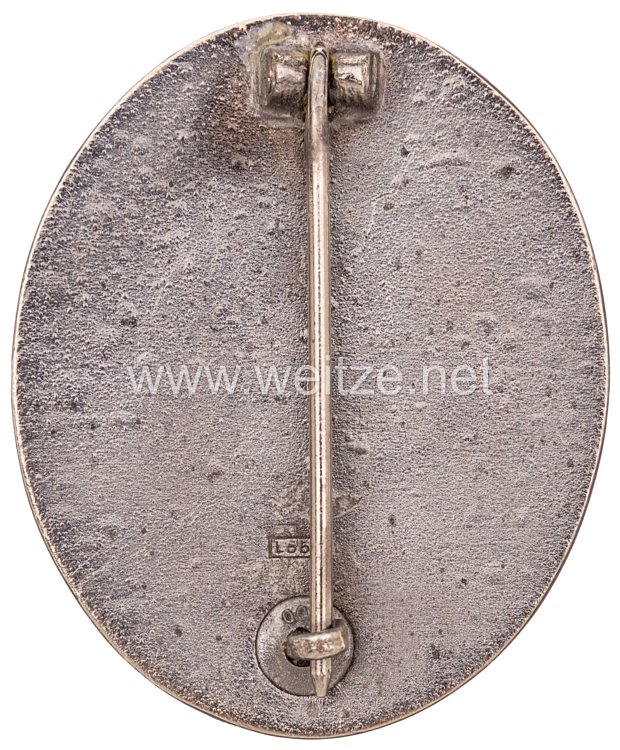
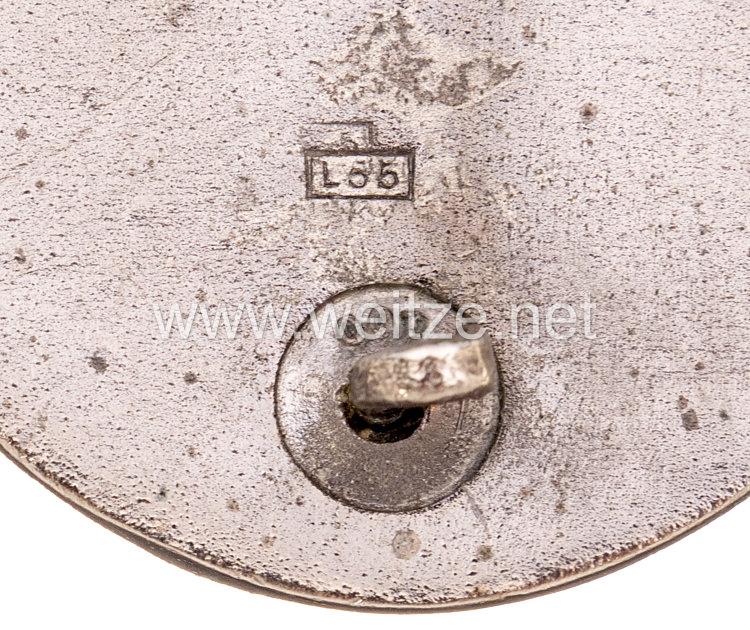
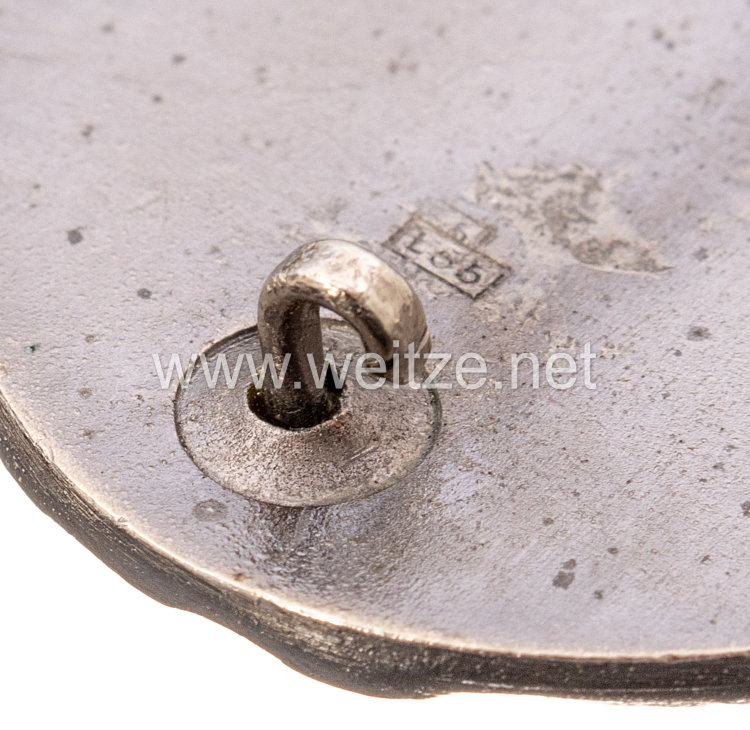
Verwundetenabzeichen in Silber, L55 markiert, Hakenkreuz entfernt.
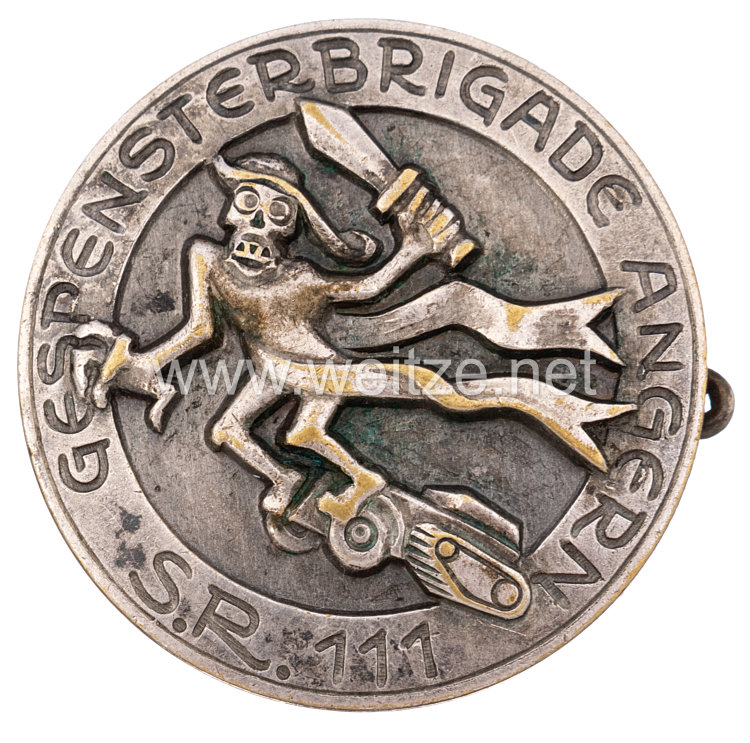
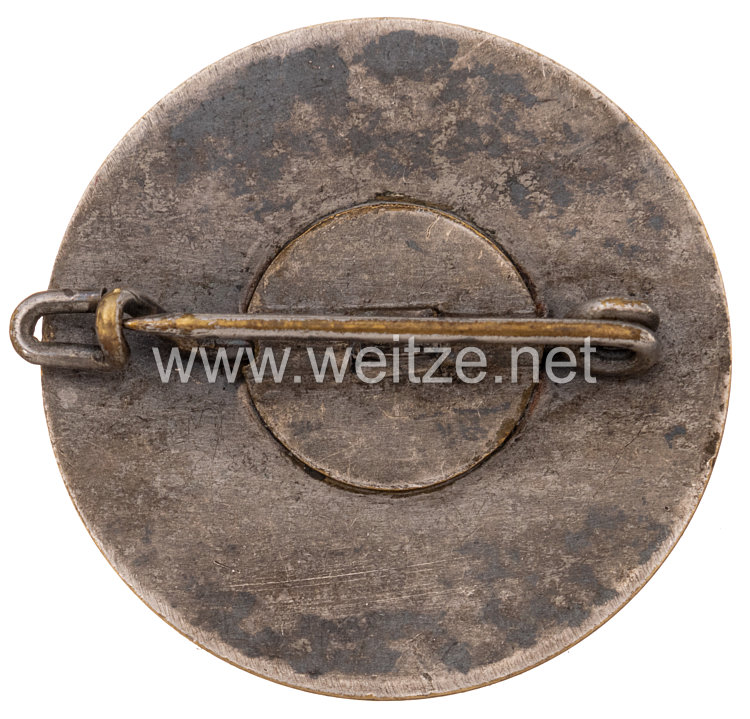
Abzeichen der Gespensterbrigade Angeren S.R. 111 mit Tragenadel.
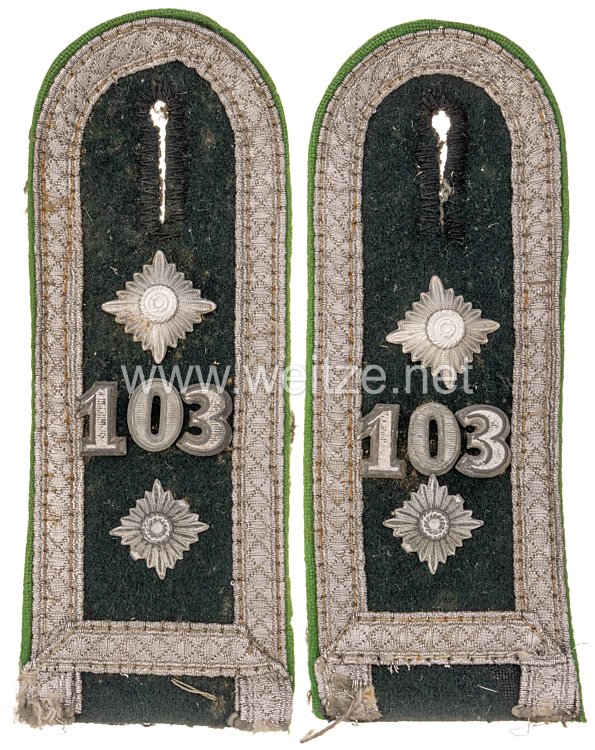
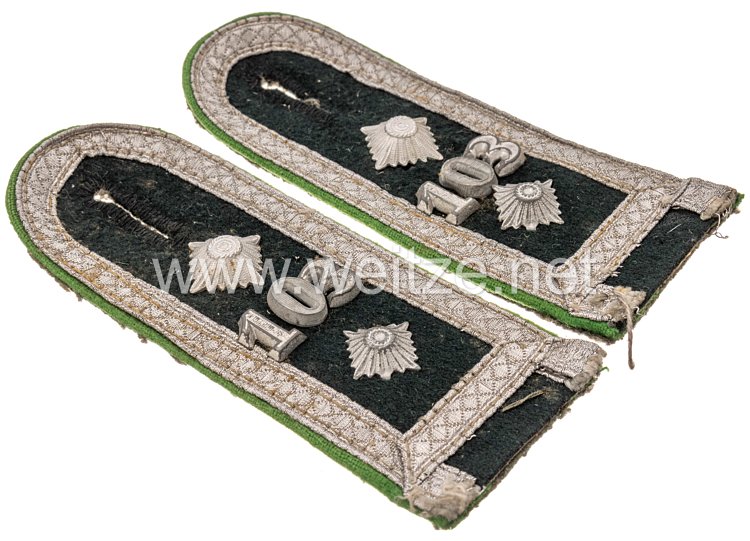
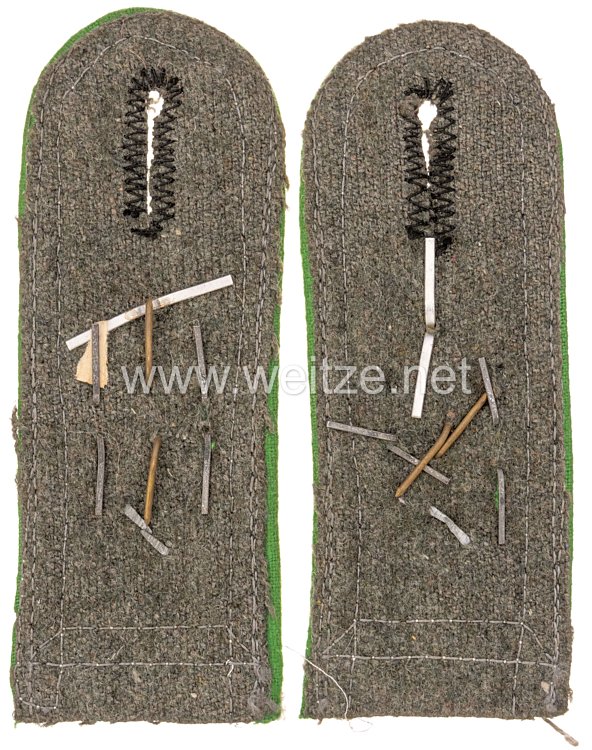
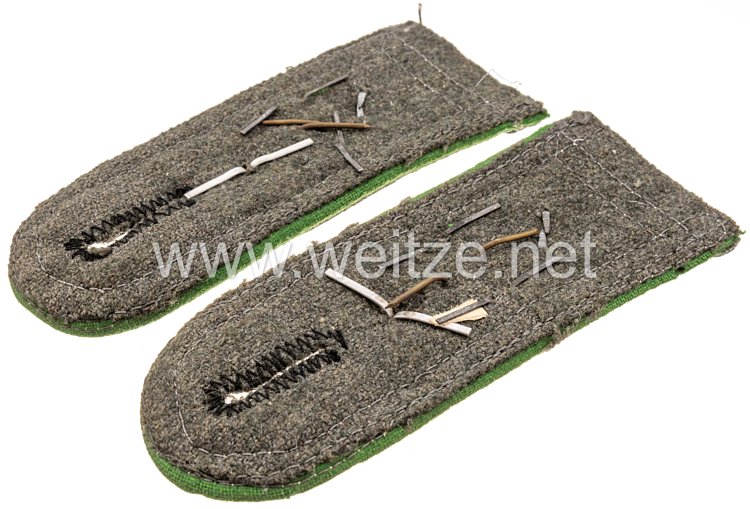
Paar Schulterklappen für einen Oberfeldwebel im Rgt. 103.
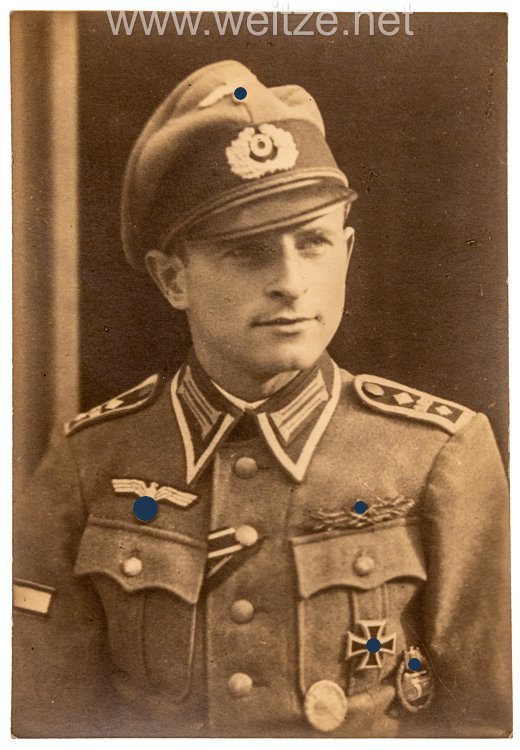
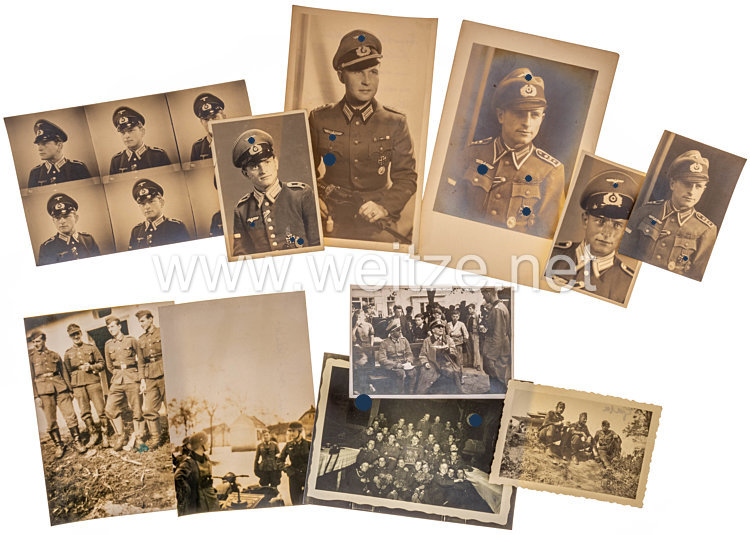
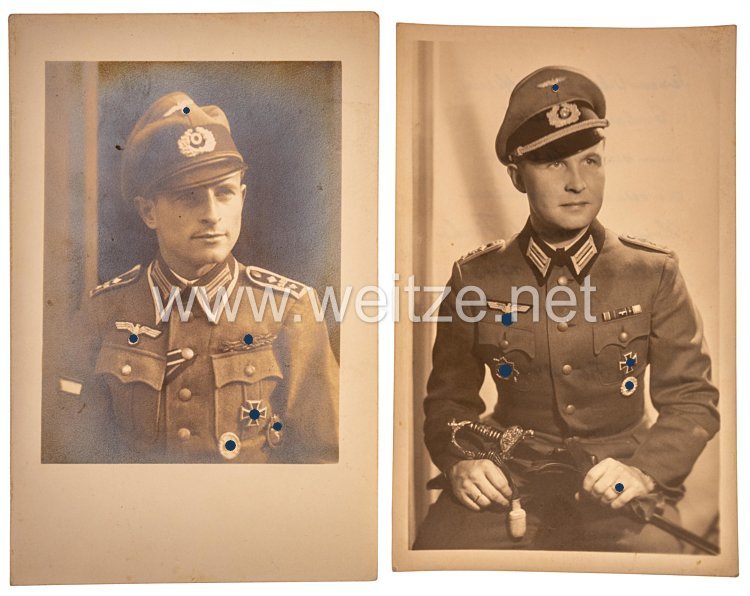
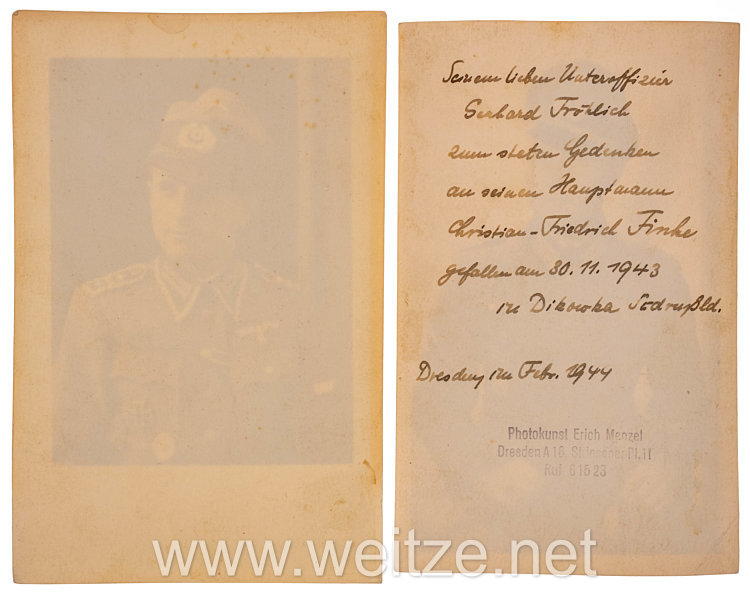
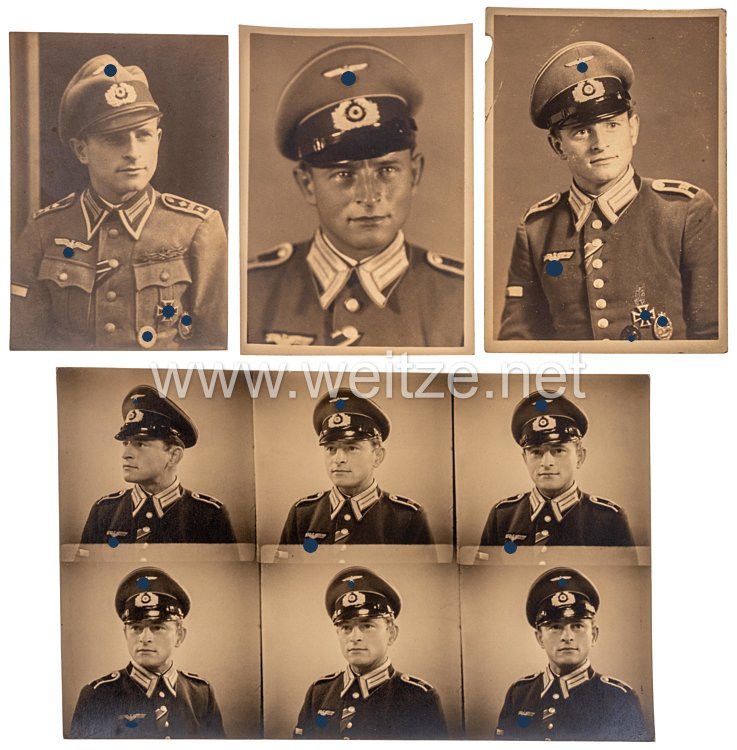
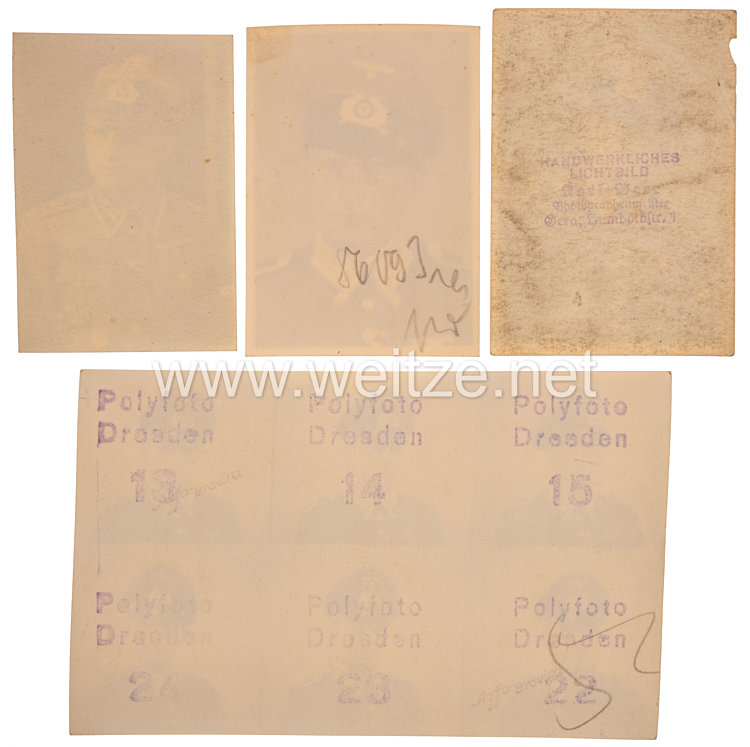
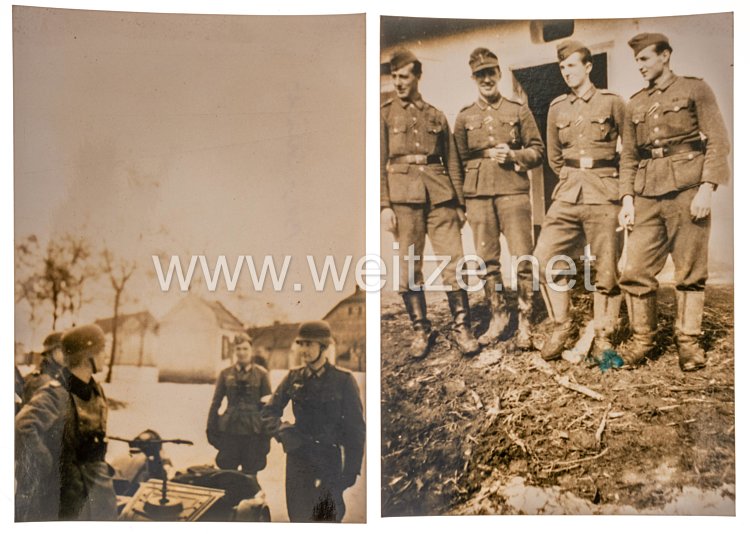
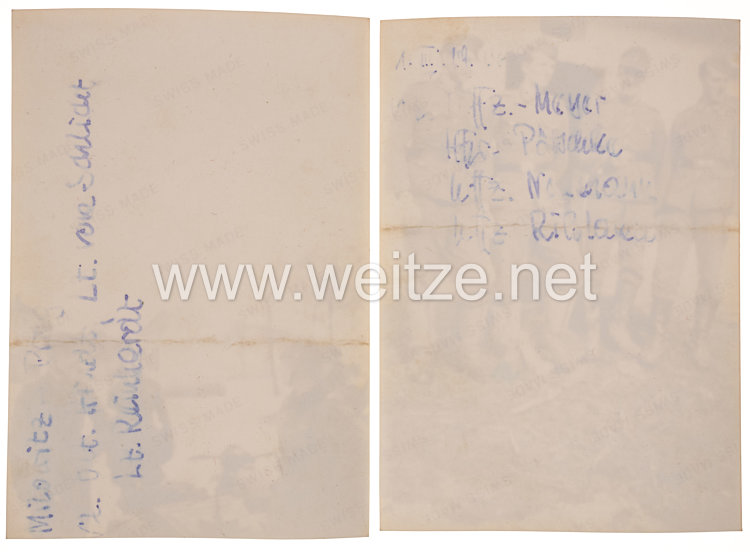
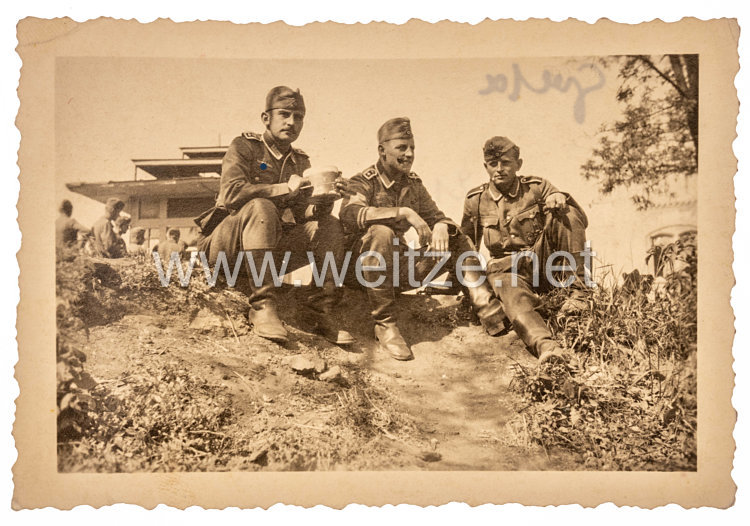
Dabei 11 Fotos (2 Repros) aus dem Besitz Oberfeldwebel Fröhlich und folgende Dokumente;
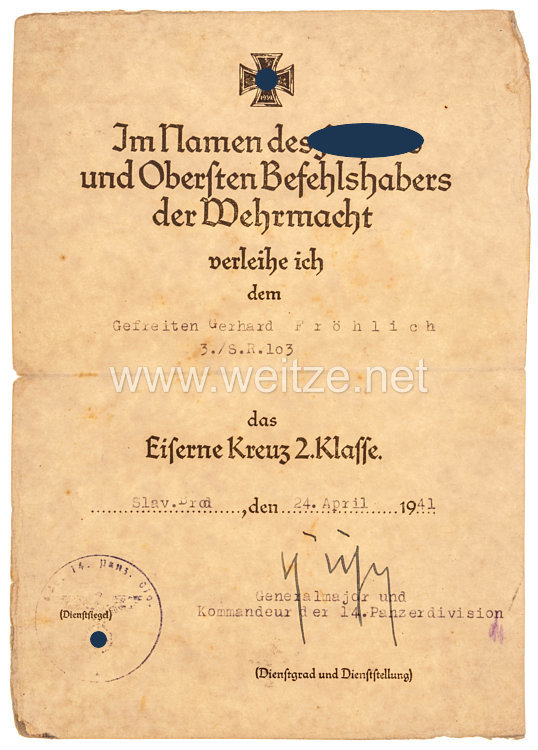
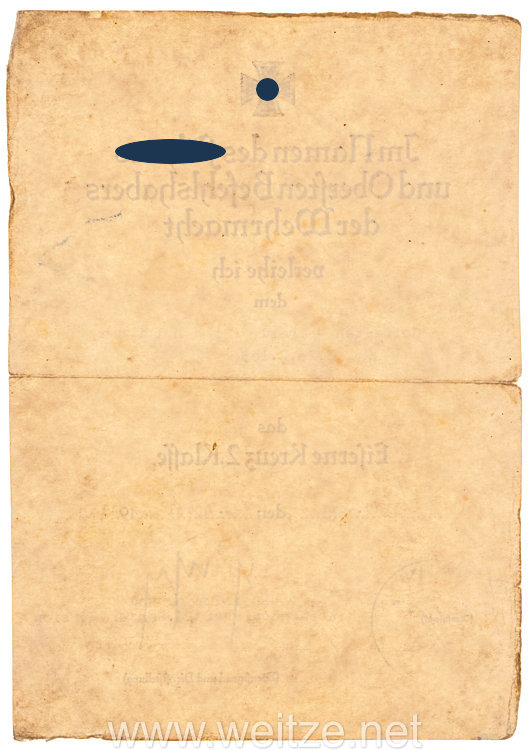
Verleihungsurkunde zum Eisernen Kreuz 1939 2.Klasse im 3./S.R.103 vom 24. April 1941
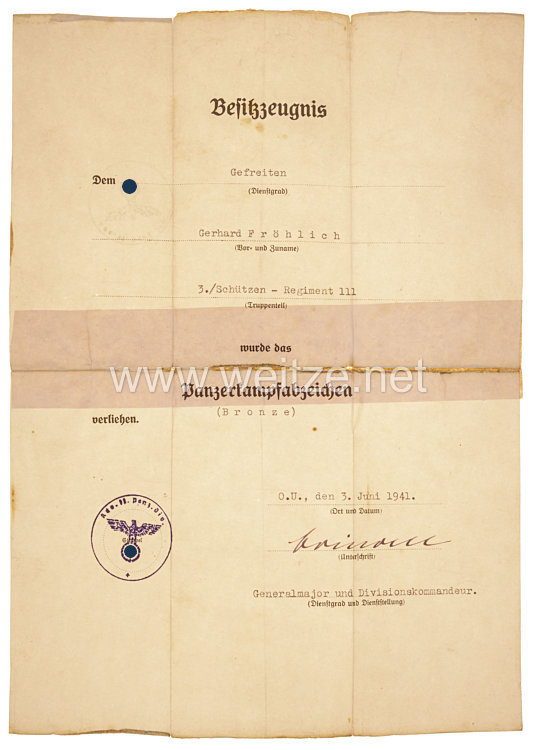
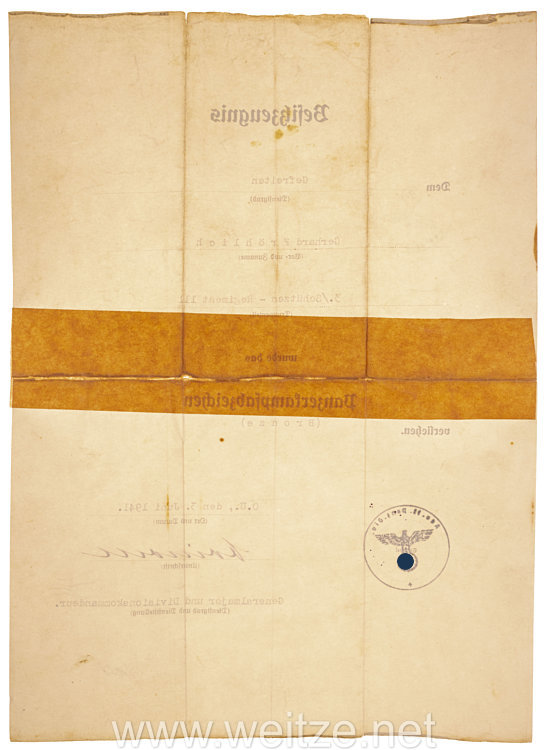
Besitzzeugnis zum Panzerkampfabzeichen in Bronze im 3.S.R. 111 vom 3. Juni 1941
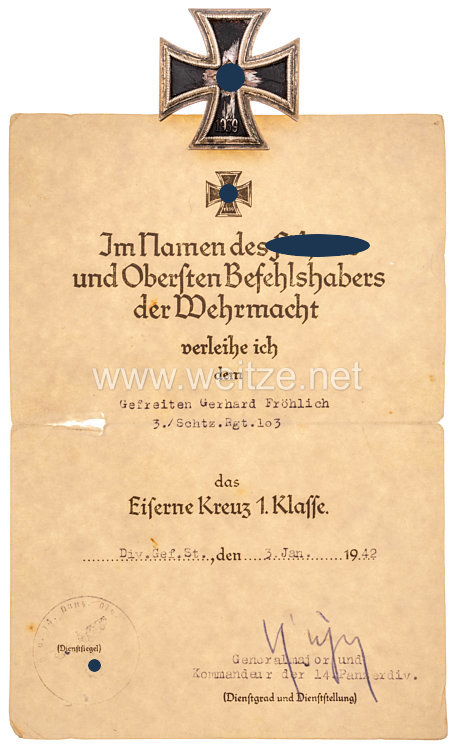
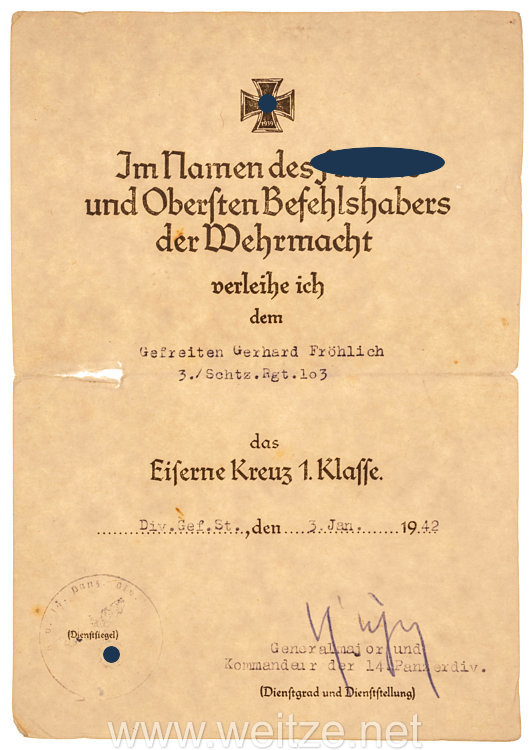
Verleihungsurkunde zm Eisernen Kreuz 1939 1.Klasse im 3./S.R.103 vom 3. Januar 1942
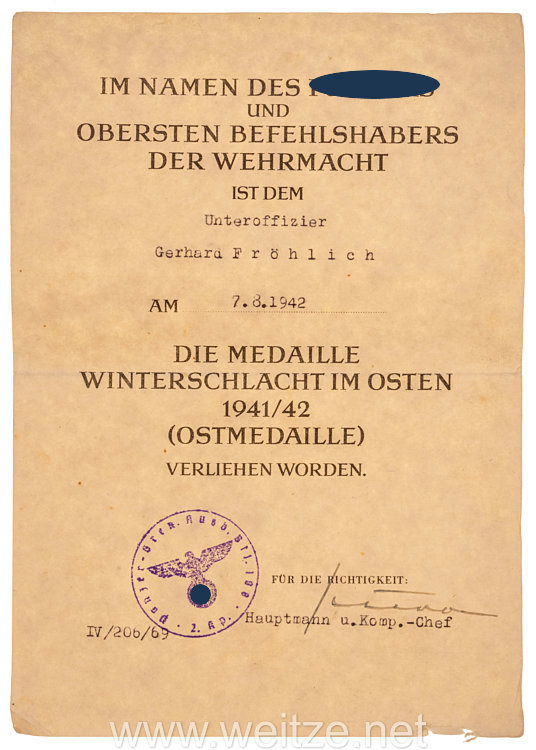
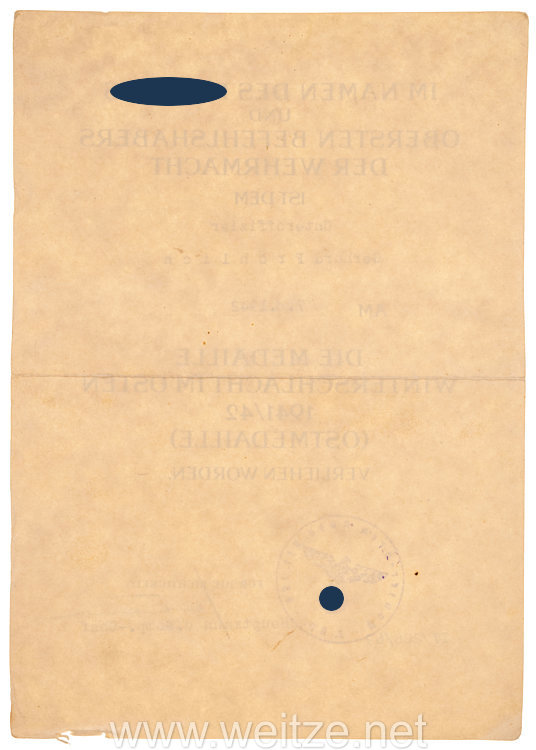
Verleihungsurkunde zur Medaille Winterschlacht im Osten im Pz.-Gren.Ausb.Btl 198 vom 7.8.1942
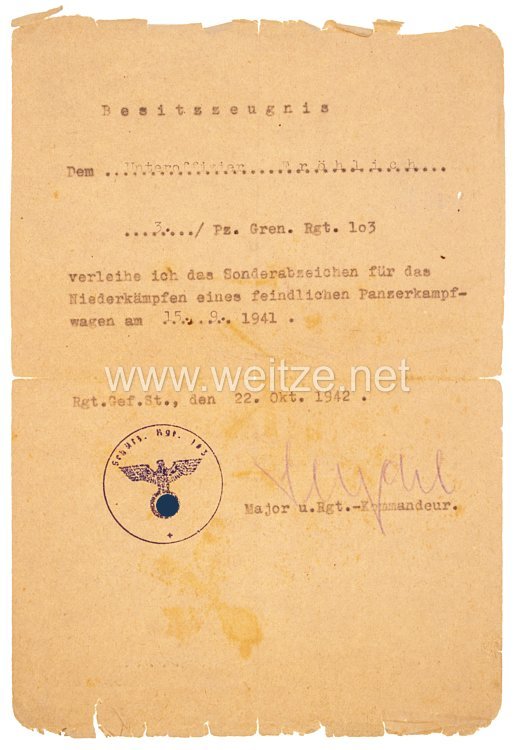
Besitzzeugnis zum Sonderabzeichen für das Niederkämpfen von Panzerkampfwagen durch Einzelkämpfer im S.R. 103 vom 22.Oktober 1942
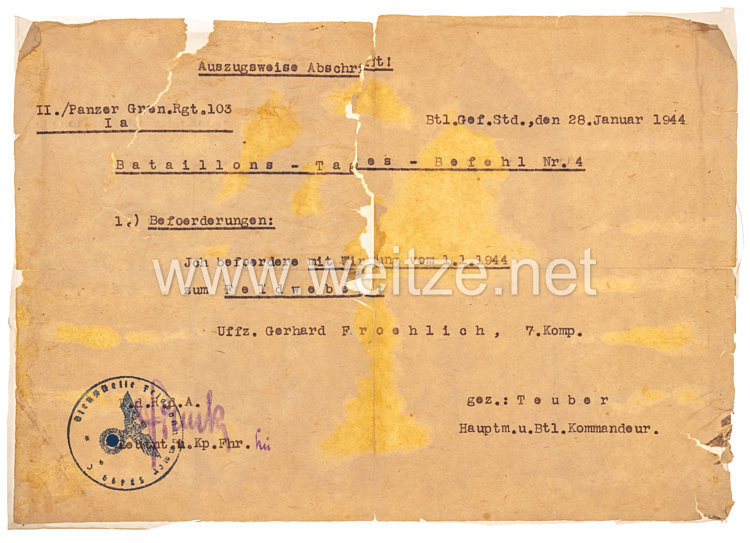
Abschrift vom 28.Januar 1944 Beförderung im II.Panzer Gren.Rgt. 103 zum Feldwebel
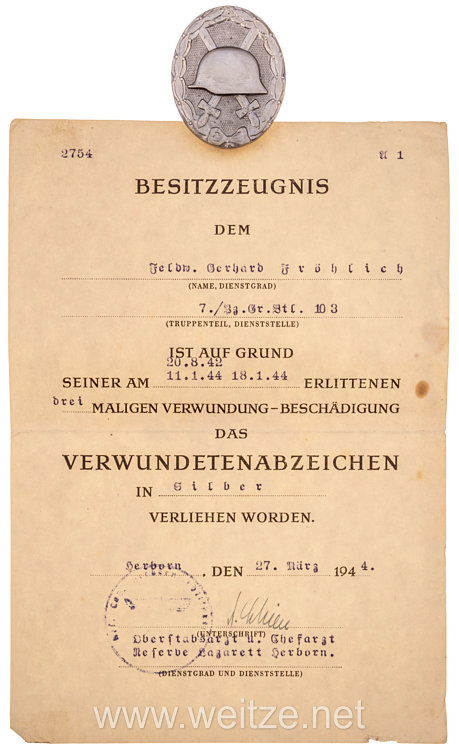
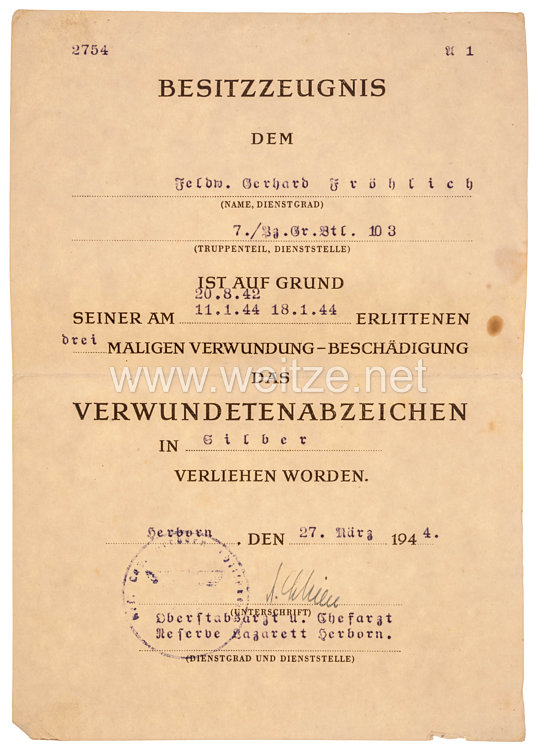
Besitzzeugnis zum Verwundetenabzeichen in Silber im 7./Pz.Gr.Btl. 103 vom 27.März 1944
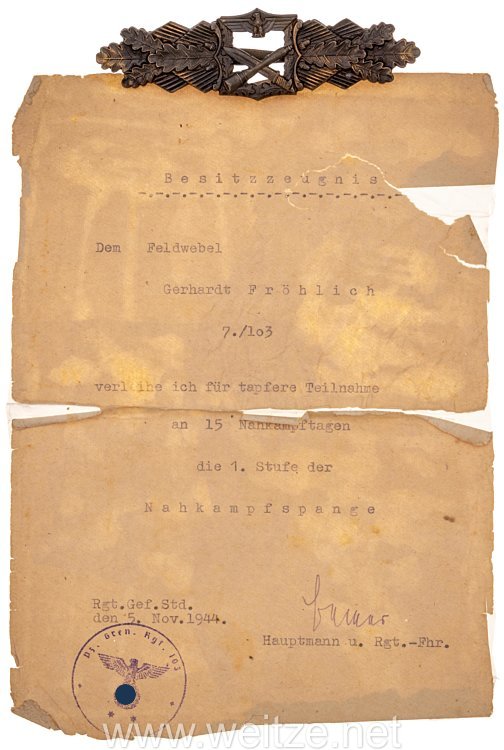
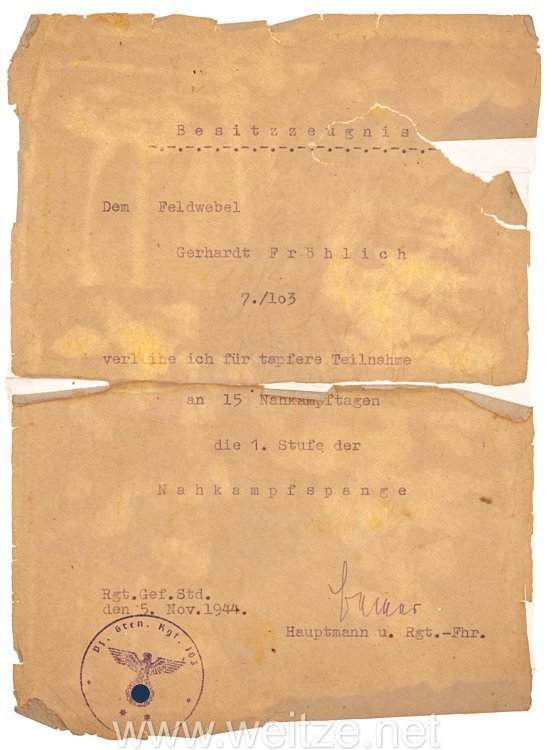
Besitzzeugnis zur Nahkampfspange 1.Stufe im 7.Pz.Gren.Btl. 103 vom 5.November 1944
Alle Dokumente sind teils geknickt, beschädigt, hinterklebt u. eingerissen.
Sonderabzeichen für das Niederkämpfen von Panzerkampfwagen durch Einzelkämpfer mit versilbertem magnetischen Panzer, Rückenplatte ist magnetisch.
Panzerkampfabzeichen in Bronze, Buntmetall bronziert der Fa. Wurster, Cut out mit Belegfoto, Hakenkreuz entfernt.
Nahkampfspange in Bronze, Zink bronziert, JFS, Hakenkreuz und Rückenplatte entfernt.
Eisernes Kreuz 1939 1.Klasse, Hakenkreuz entfernt.
Verwundetenabzeichen in Silber, L55 markiert, Hakenkreuz entfernt.
Abzeichen der Gespensterbrigade Angeren S.R. 111 mit Tragenadel.
Paar Schulterklappen für einen Oberfeldwebel im Rgt. 103.
Dabei 11 Fotos (2 Repros) aus dem Besitz Oberfeldwebel Fröhlich und folgende Dokumente;
Verleihungsurkunde zum Eisernen Kreuz 1939 2.Klasse im 3./S.R.103 vom 24. April 1941
Besitzzeugnis zum Panzerkampfabzeichen in Bronze im 3.S.R. 111 vom 3. Juni 1941
Verleihungsurkunde zm Eisernen Kreuz 1939 1.Klasse im 3./S.R.103 vom 3. Januar 1942
Verleihungsurkunde zur Medaille Winterschlacht im Osten im Pz.-Gren.Ausb.Btl 198 vom 7.8.1942
Besitzzeugnis zum Sonderabzeichen für das Niederkämpfen von Panzerkampfwagen durch Einzelkämpfer im S.R. 103 vom 22.Oktober 1942
Abschrift vom 28.Januar 1944 Beförderung im II.Panzer Gren.Rgt. 103 zum Feldwebel
Besitzzeugnis zum Verwundetenabzeichen in Silber im 7./Pz.Gr.Btl. 103 vom 27.März 1944
Besitzzeugnis zur Nahkampfspange 1.Stufe im 7.Pz.Gren.Btl. 103 vom 5.November 1944
Alle Dokumente sind teils geknickt, beschädigt, hinterklebt u. eingerissen.