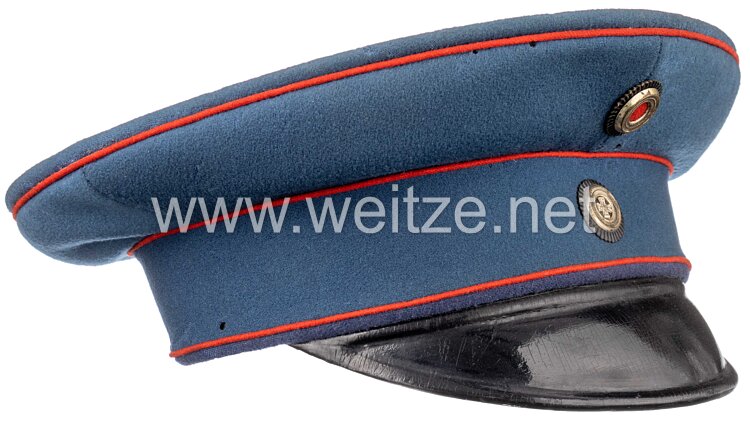
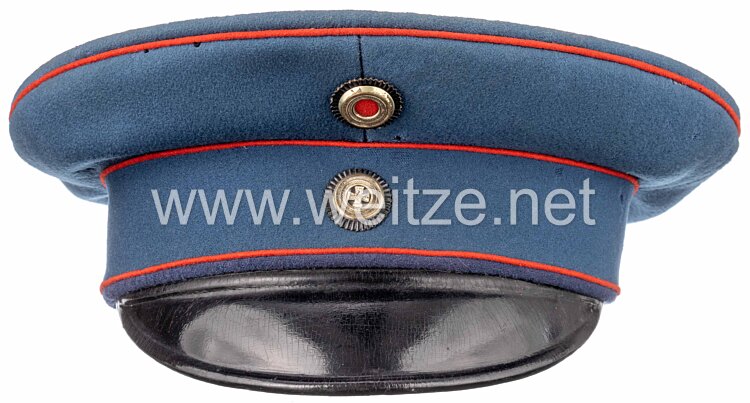
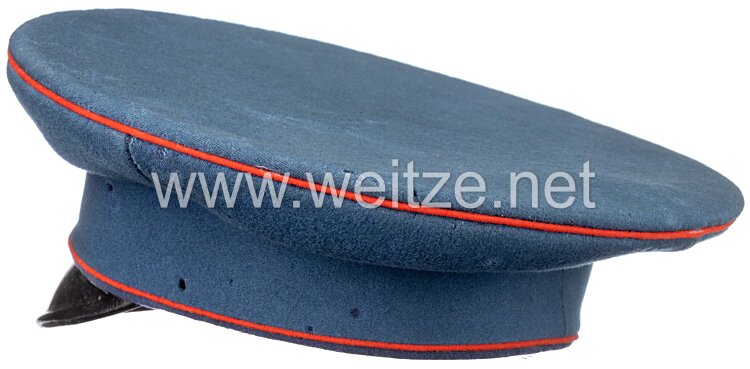
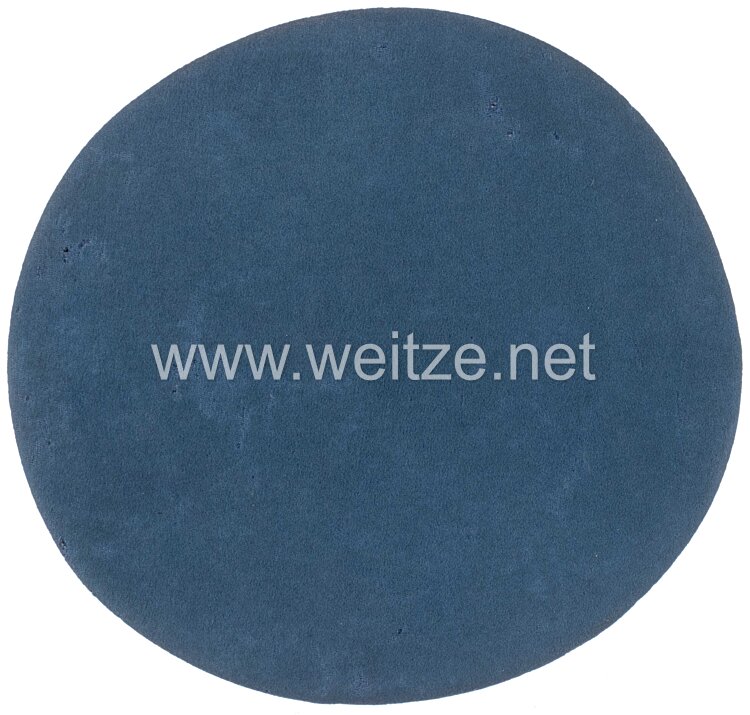
Prussian Visor Cap for a Reserve Official of the War Ministry, Intendantur, Clothing Department or Remount Depot Administration
This Prussian visor cap for reserve administrative officials represents a fascinating testimony to the military administrative structure of the German Empire around 1900. This special headgear embodies the complex hierarchy and organization of the Prussian military system at its zenith.
The Prussian War Ministry formed the heart of military administration and was divided into numerous specialized departments. The Intendantur (Supply Administration) was responsible for the entire provisioning of the army, the Bekleidungsamt (Clothing Department) handled uniform and equipment supply, while the Remonte-Depot-Verwaltung (Remount Depot Administration) organized the strategically important acquisition and management of horses. These institutions employed both active military personnel and civilian officials who often held reserve status.
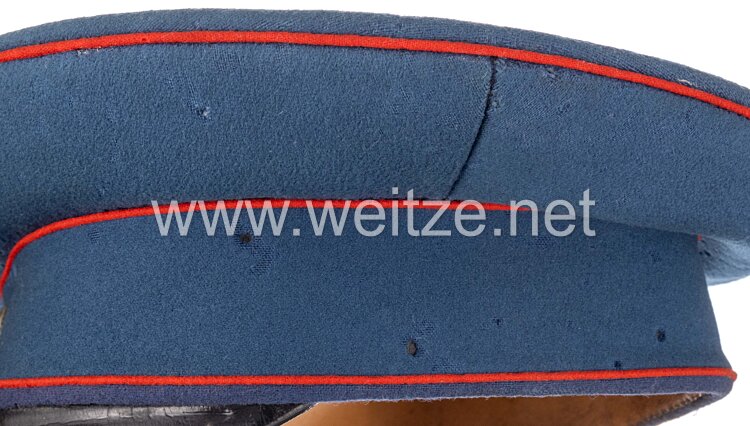
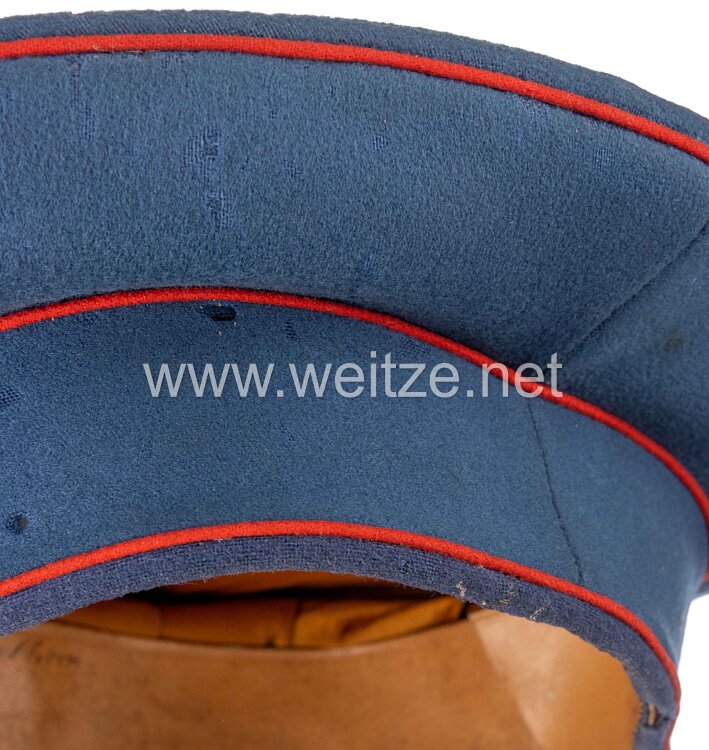
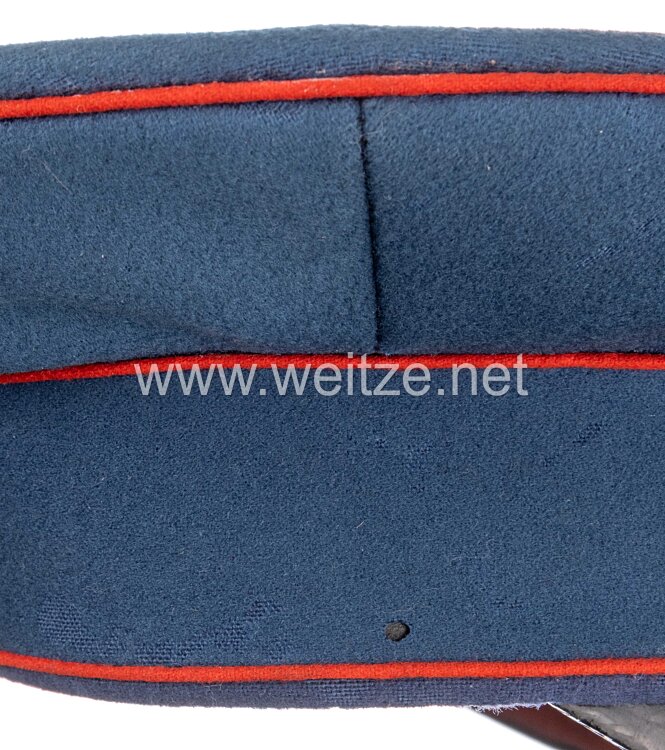
The characteristic coloring of the cap – blue cloth with red piping – followed the strict Prussian uniform regulations. Blue had been the traditional branch color of the Prussian army since the times of Frederick William I and his son Frederick the Great. The red piping identified the wearer as belonging to the administrative services. This color combination clearly distinguished them from combat troops and signaled the bearer's administrative function.
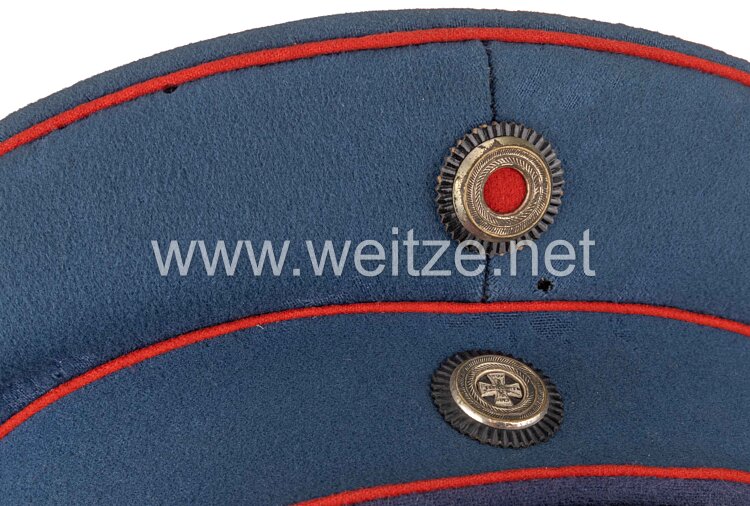
Particularly noteworthy are the two cockades attached to the cap. The state cockade in black and white represented the Kingdom of Prussia, while the imperial cockade in black-white-red symbolized the German Empire. The reservist cross on the state cockade is of special significance: it identified persons who had completed their active service period and now belonged to the reserve. Reservists enjoyed high prestige in Wilhelmine society, as military service was considered an important civic duty.
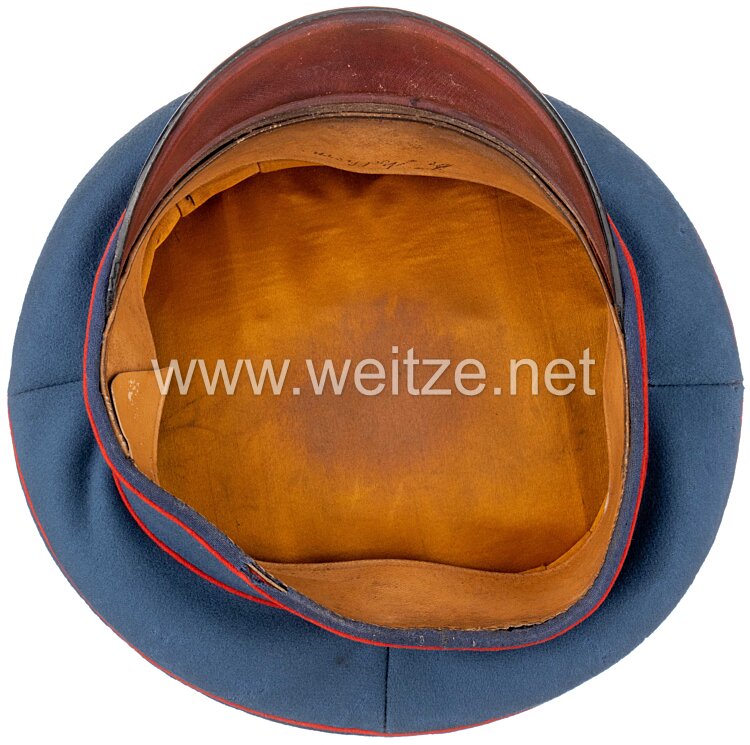
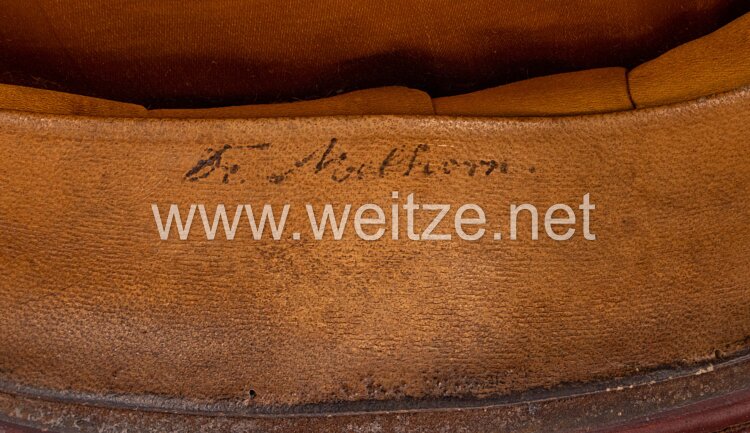
The technical execution of the cap corresponds to the standards of the period around 1900. The brown leather sweatband served comfort and hygiene, while the honey-colored oilcloth lining protected the cap from moisture and maintained its shape. The short visor was typical for administrative officials and differed from the longer visors of higher officer ranks.
The size of approximately 55 corresponds to an average head circumference and indicates an adult male wearer. The craftsmanship quality of such caps was generally high, as they were often manufactured by specialized military effects producers who had to meet strict quality controls.
The historical context of this headgear is closely linked to the militarization of Prussian-German society. The reserve system enabled Prussia and later the German Empire to maintain a large army without having to finance massive standing armies. After their active service, soldiers returned to civilian occupations but remained militarily organized and wore their uniforms or uniform parts on special occasions.
The administrative institutions for whose officials this cap was intended played a crucial role in the Prussian military machinery. The Intendantur had developed since the Napoleonic Wars into a highly professionalized organization. The Bekleidungsamt managed gigantic quantities of uniforms and equipment for an army that numbered over 600,000 men in peacetime in 1900. The Remount Depots were indispensable, as the army required tens of thousands of horses for cavalry, artillery, and transport.
The social significance of such uniform parts can hardly be overestimated. In Wilhelmine society, the uniform was a status symbol and expression of social belonging. Wearing military headgear, even for reservists in administrative positions, conferred respect and authority upon the wearer.
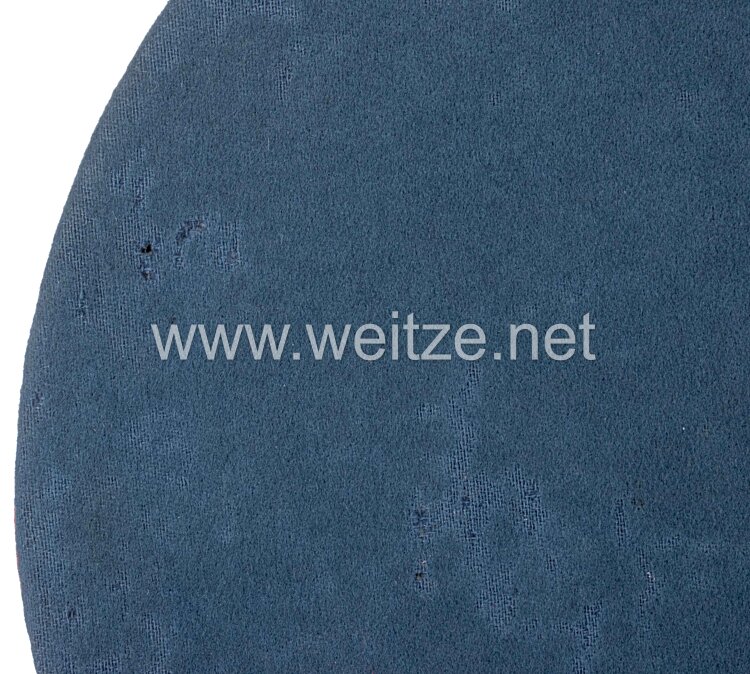
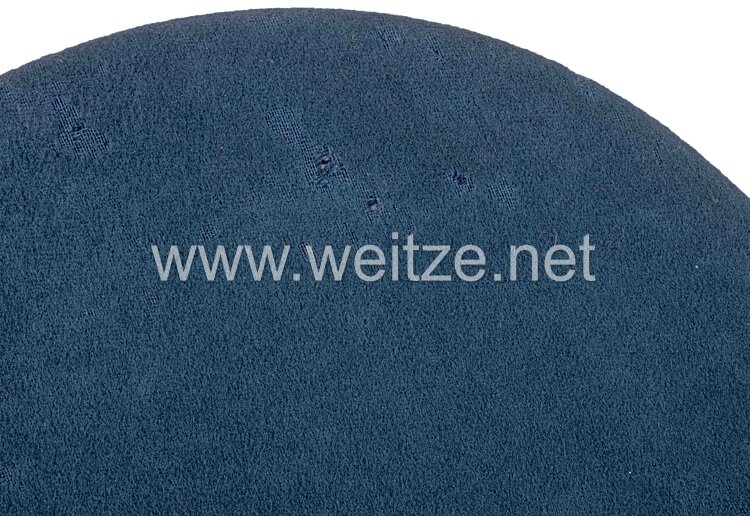
The condition with signs of aging and moth holes is typical for textile objects of this era and testifies to authentic use. Such objects are today important witnesses to Prussian-German military history and provide insights into the organizational structures and material culture of the Empire before World War I.