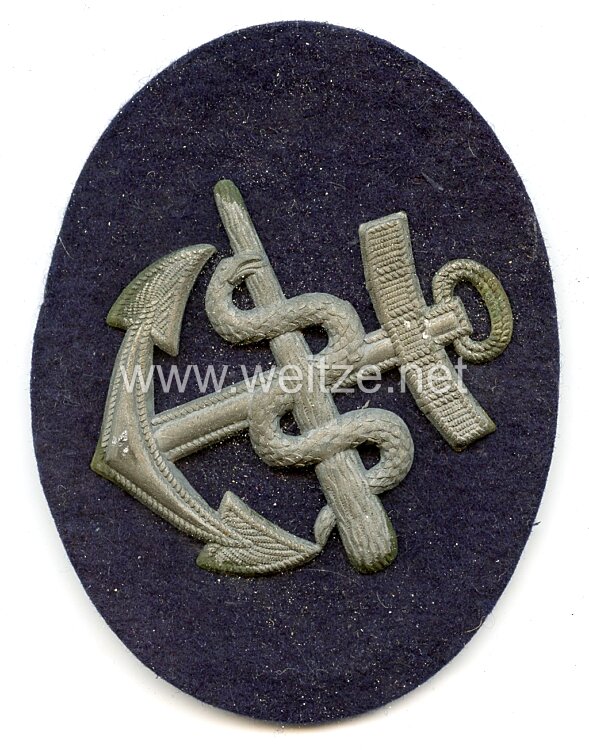
Kriegsmarine Sleeve Insignia Medical Petty Officer for Dress Tunic

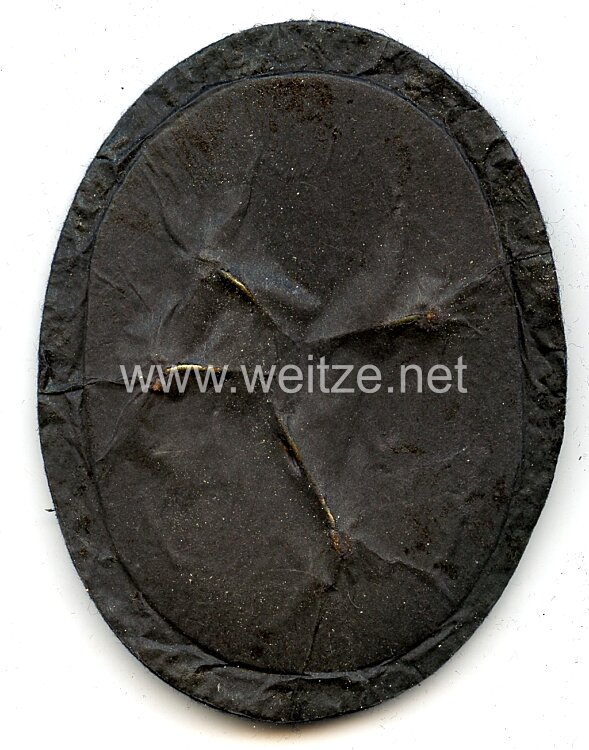
Metal, with backing plate, condition 2
459468
60,00

Kriegsmarine Sleeve Insignia Medical Petty Officer for Dress Tunic

The Kriegsmarine sleeve insignia for Sanitätsmaat (Medical Petty Officer) represents a fascinating element of German naval uniform history from the Second World War era. This specialized badge was worn on the parade jacket (Paradejacke), the formal dress uniform of Kriegsmarine petty officers, and identified the wearer as a member of the medical service holding the rank of Maat.

The Kriegsmarine, which existed from 1935 to 1945, developed a complex system of rank insignia and specialization markings. The introduction of uniform regulations occurred through various dress regulations (Anzugsbestimmungen) and was continuously updated. Sleeve badges of this type were typically worn on the left upper arm and served to immediately identify the function and specialization of a naval serviceman.

The rank of Maat corresponded to a petty officer without sword knot in the Kriegsmarine hierarchy. Maate formed the backbone of the petty officer career path and assumed important leadership duties within their specialized fields. The Sanitätsmaat was specially trained for medical duties and played a crucial role in medical care aboard warships, U-boats, and at naval bases.

The construction of such badges was made from metal, frequently from silver-plated or chrome-plated material, sometimes also from aluminum or zinc alloys, depending on the time of manufacture and availability of materials during the war years. The backing plate (Rückenabdeckung) served to protect the uniform fabric and ensure clean attachment. This backing typically consisted of felt, cloth, or cardboard and prevented the metal fastening elements from damaging the valuable uniform jacket.

The parade jacket itself was the highest uniform category of the Kriegsmarine and was worn for special occasions, inspections, official receptions, and shore leave in peacetime ports. Unlike working or shipboard uniforms, the parade uniform was made from higher-quality materials and displayed all decorations and badges in their most complete form.

The medical corps of the Kriegsmarine had a long tradition. Medical care at sea presented special challenges: limited resources, difficult conditions during naval engagements, and isolation during long deployments. Sanitätsmaate were trained in first aid, nursing, and basic medical procedures. On smaller units such as fast attack craft, minesweepers, or U-boats, they were often the only medical professionals aboard and carried enormous responsibility.

The identification through special sleeve badges followed international conventions that identified medical personnel as protected persons according to the Geneva Convention. While the Red Cross was the international symbol for medical personnel, the Kriegsmarine additionally used specific career badges that indicated naval affiliation and rank.

The manufacture of such badges was carried out by various suppliers authorized by the Navy. Quality and execution could vary, especially in the later war years when material shortages and accelerated production led to simplifications. Early badges often showed finer craftsmanship and higher-quality materials.

For collectors and military historians, such sleeve badges are important artifacts that provide insight into the organizational structure, hierarchy, and specialization of the Kriegsmarine. The indicated condition 2 suggests a well-preserved specimen that may have been worn but shows no significant damage. Authentication of such pieces requires expertise, as numerous reproductions and forgeries were manufactured after 1945.

The study of these uniform components contributes to understanding the daily life and organization of the Kriegsmarine and supplements the often battle- and strategy-focused naval history with important social-historical aspects.