Imperial German Navy Short Parade Jacket for Senior Machinist Candidate “Kukler”

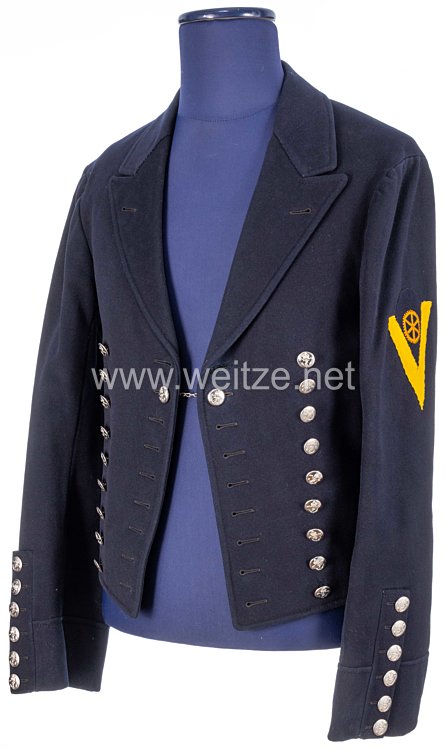
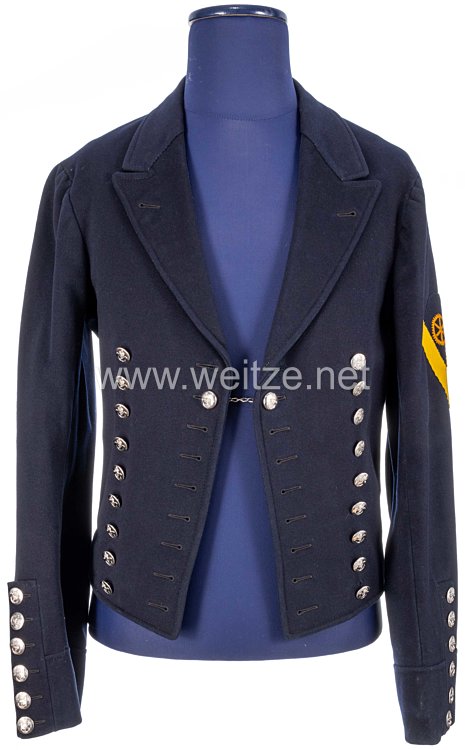
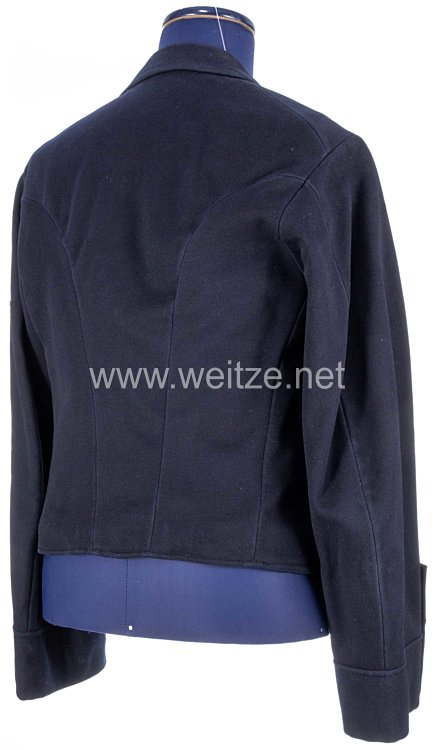
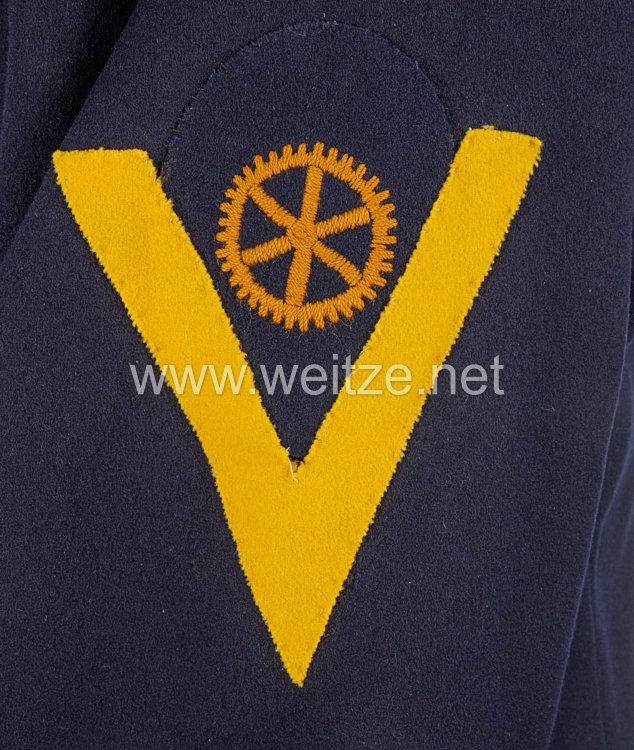
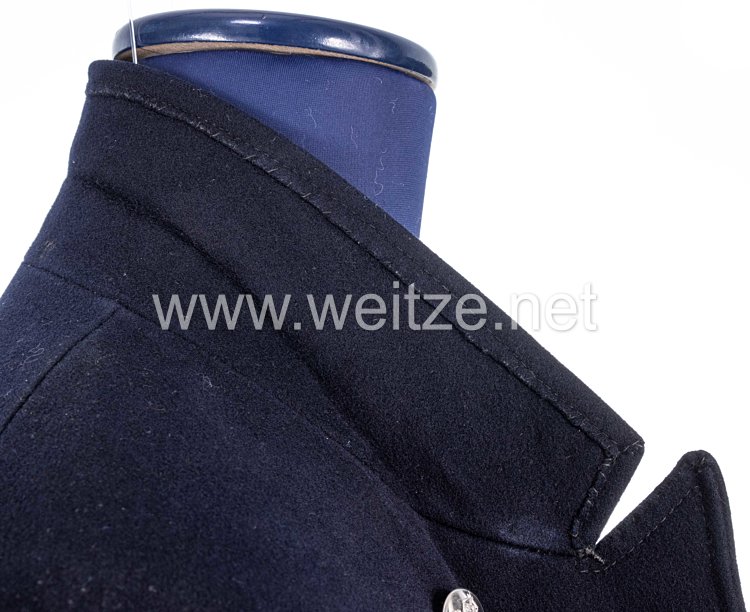
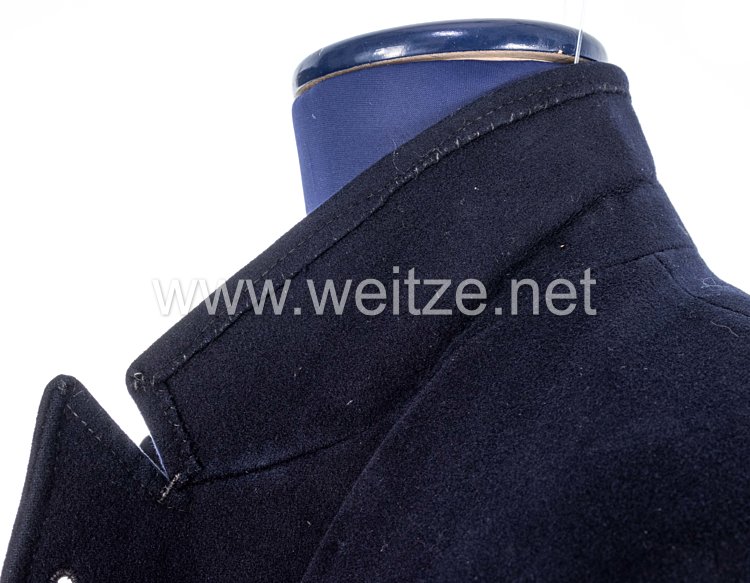
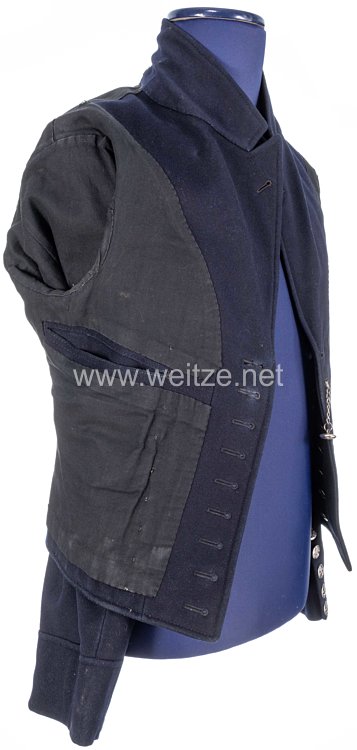
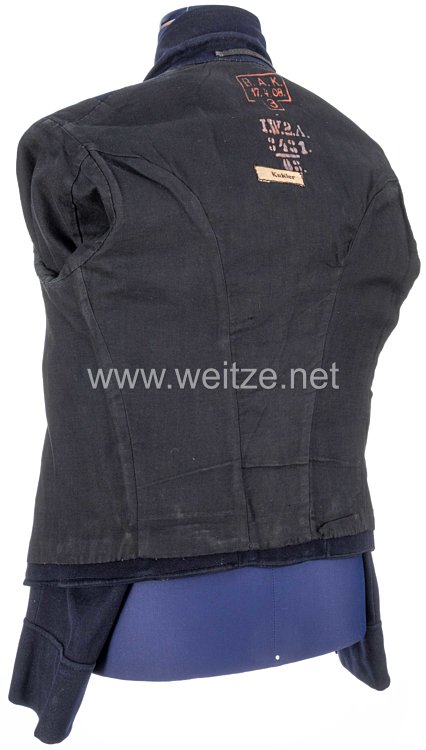
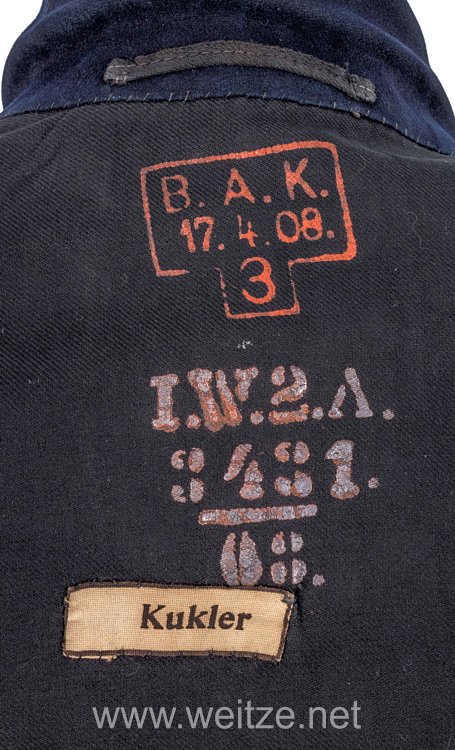
Chamber piece 1908. Blue cloth with silver anchor buttons, toggle chain present, on the left upper arm the yellow chevron and cloth insignia for Senior Machinist Candidate. Interior with black cloth lining, in the shoulder area with beautiful chamber stamp “I.W.2.A. 3431./08.” and owner label “Kukler”. Very well preserved. Condition 2+.
425665
550,00

Imperial German Navy Short Parade Jacket for Senior Machinist Candidate “Kukler”

The short parade jacket (also known as Attila or Kurtka) was a characteristic garment of the Imperial German Navy (Kaiserliche Marine) and represented a significant tradition in maritime uniform history of the early 20th century. This specimen from 1908 belonged to a senior machinist candidate (Ober-Maschinistenanwärter) named Kukler and impressively documents the technical development and professionalization of the German Imperial Navy during the Wilhelmine era.

The machinists formed an indispensable professional group within the Imperial Navy. With the transition from sail-powered to steam-powered warships beginning in the mid-19th century, technical specialists gained increasing importance. The rank of machinist candidate and later senior machinist candidate marked the entry into the technical career path of the navy. These candidates underwent intensive training in mechanical engineering, steam technology, and later in the emerging turbine technology.

The short parade jacket was part of the dress uniform and was worn on special occasions, at receptions, parades, and official events. The characteristic blue cloth corresponded to the traditional color of German naval uniforms, which differed from the darker tones of the high seas fleets of other nations. The silver anchor buttons were typical for the Imperial Navy and symbolized maritime connection. The present toggle chain (closure chain) was a decorative and functional element that closed the jacket across the chest.

Of particular historical interest are the rank insignia on the left upper arm: the yellow chevron and the cloth badge for the senior machinist candidate. The coloring and position of the badges followed precise regulations of the naval clothing ordinance. Yellow was the branch color for technical services, in contrast to other colors such as red for artillery or white for medical troops. These markings enabled immediate identification of the rank and function of a naval serviceman.

The chamber stamp “I.W.2.A. 3431./08.” in the shoulder area provides valuable information about the provenance of this piece. Such chamber stamps were common in Prussian and Imperial military administration and served for inventory and management of equipment items. The abbreviation “I.W.” likely stands for I. Werftdivision (1st Dockyard Division) or a similar unit, “2.A.” could indicate a specific department, while the number 3431 represents the running inventory number. The year designation “08” confirms issuance in 1908.

The bearer label with the name “Kukler” personalizes this historical object and makes it a direct testimony of individual naval history. Such name labels were standard in Imperial military administration and helped in the allocation of personal equipment, especially in the chambers of ships or shore establishments.

The year 1908 falls within a phase of intensive armament and expansion of the Imperial Navy under Grand Admiral Alfred von Tirpitz and his ambitious fleet construction program. The Anglo-German naval rivalry reached a peak, and Germany invested massively in the construction of modern battleships of the Dreadnought class. This required a growing number of highly qualified machinists and technicians who could operate the complex steam turbines and machinery of these revolutionary warships.

The chamber pieces (Kammerstücke) were personal equipment items issued from the navy's magazines (chambers). Unlike privately procured uniform parts, chamber pieces were state property and had to be returned upon transfer or end of service. The excellent state of preservation of this specimen is remarkable and suggests that it was possibly rarely worn and carefully stored.

The black cloth lining inside was typical for military clothing of this era and provided additional stability and wearing comfort. The workmanship and quality of materials met the high standards of the Imperial military administration, which valued durability and representative appearance.

This parade jacket represents a bygone era of German naval history that definitively ended with the conclusion of World War I and the dissolution of the Imperial Navy in 1918. It is a material testimony to Wilhelmine military culture, the technical modernization of naval forces, and the individual life story of a senior machinist candidate in the service of the German Empire.