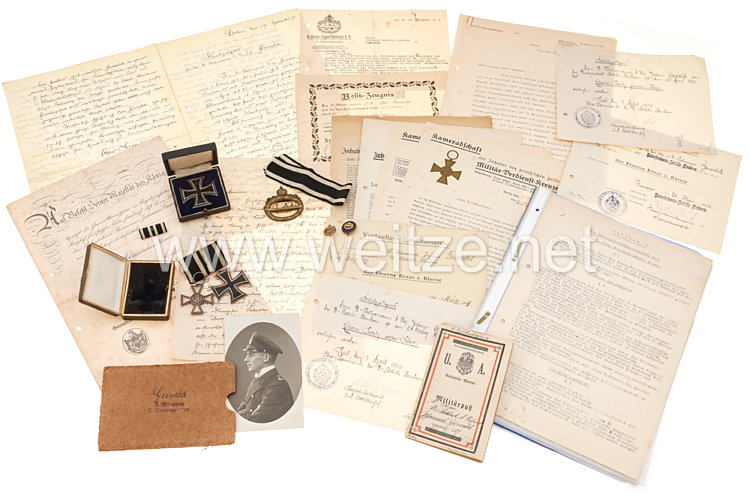
1. Weltkrieg U-Bootwaffe: großer Nachlass aus dem Besitz Unterseeboots-Steuermann Johannes Gewald, Unterseeboots-Flottille Flandern
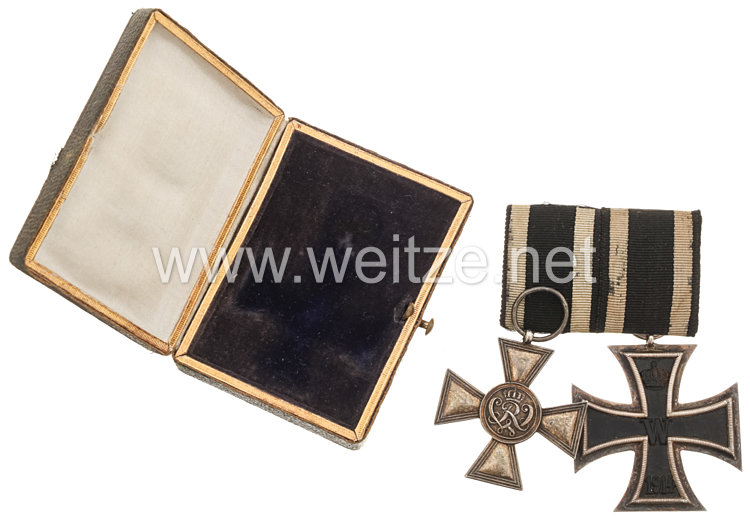
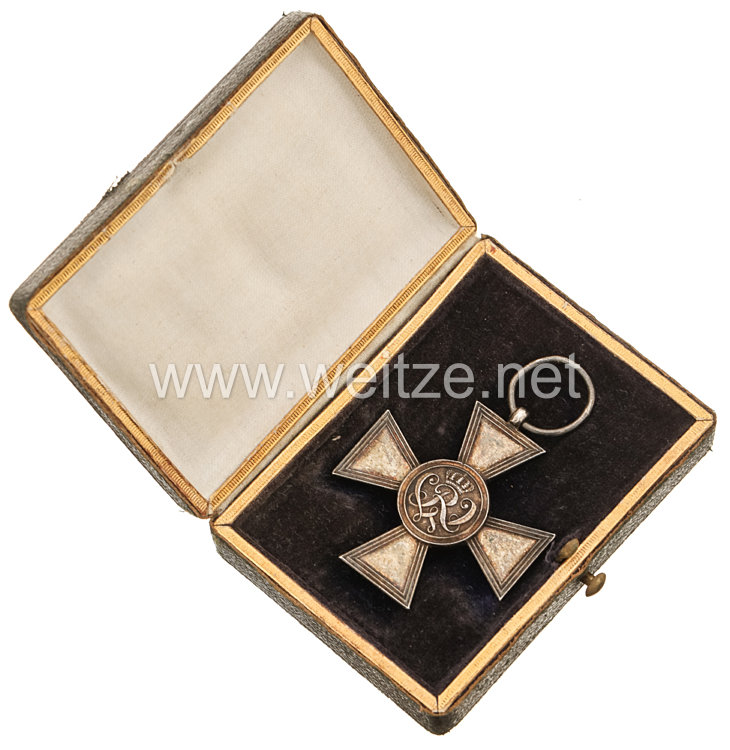
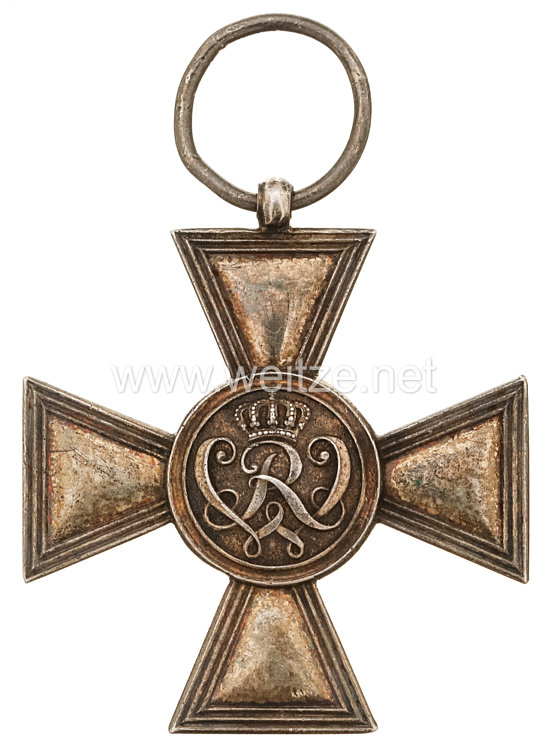
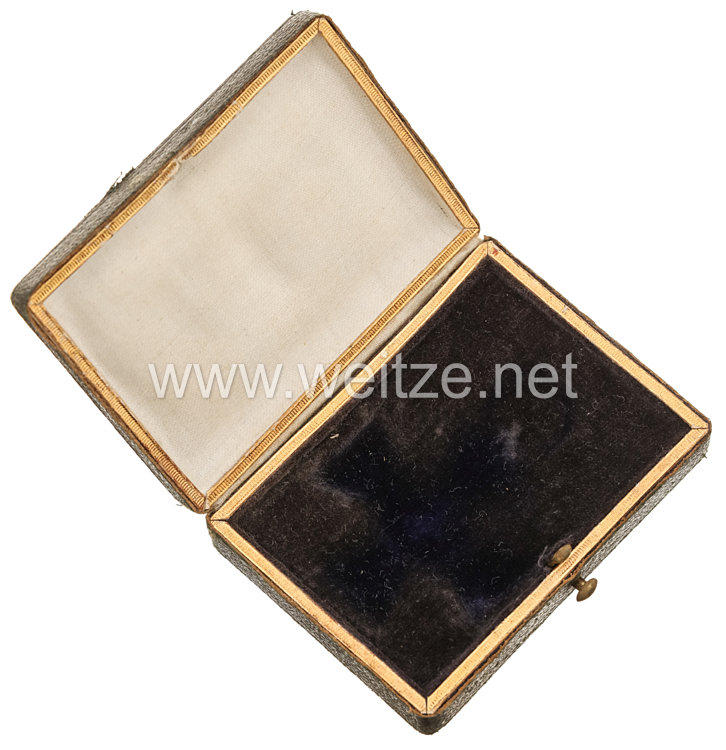
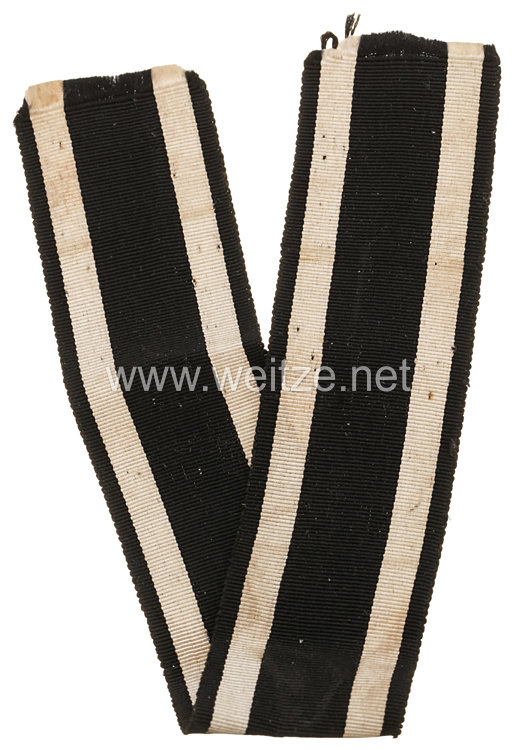
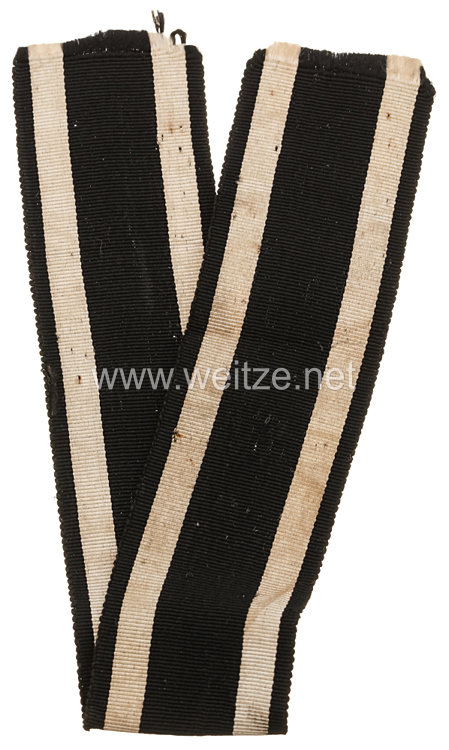
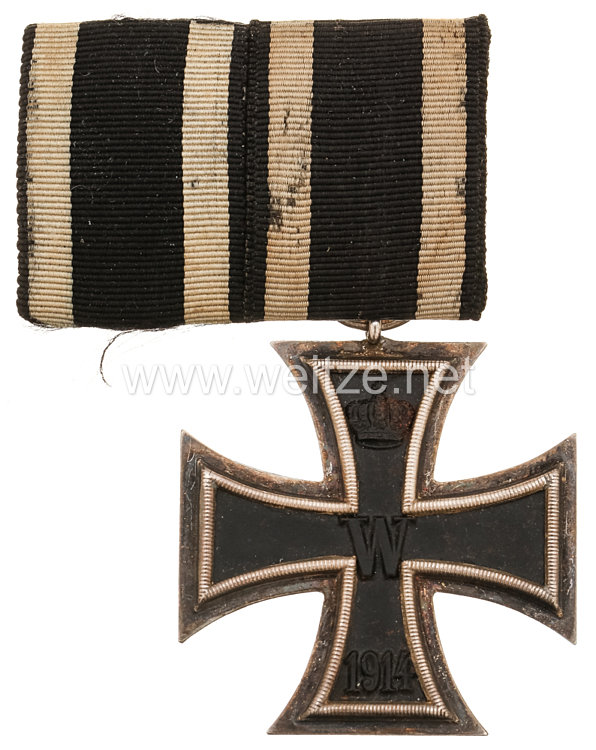
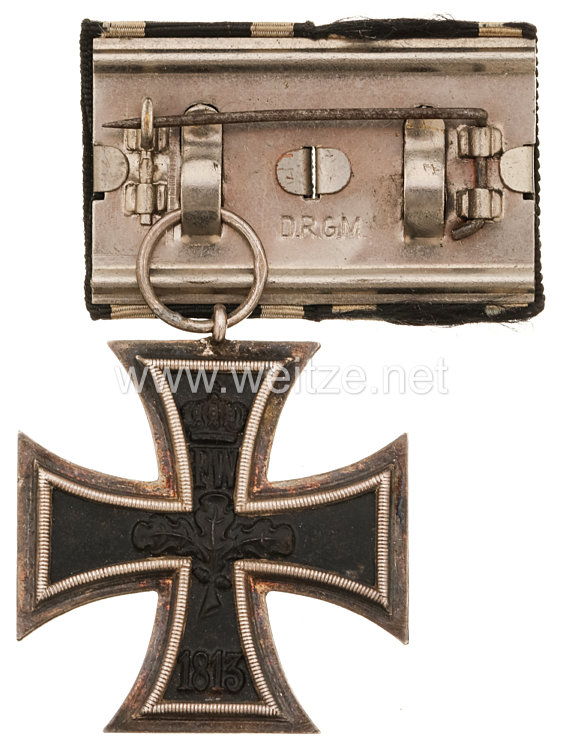
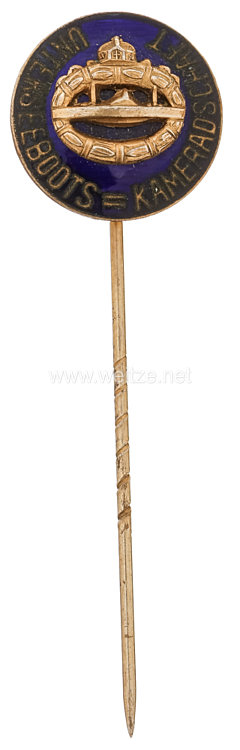
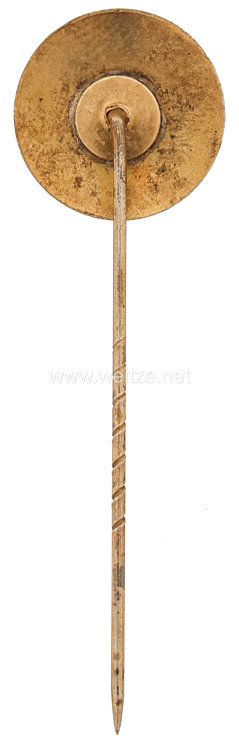
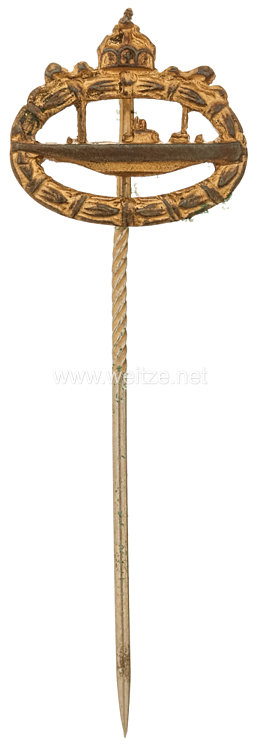
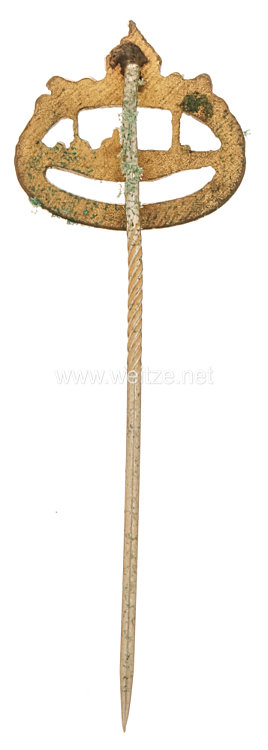
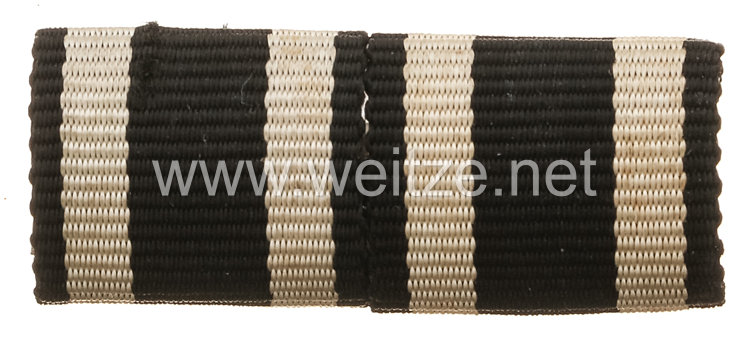
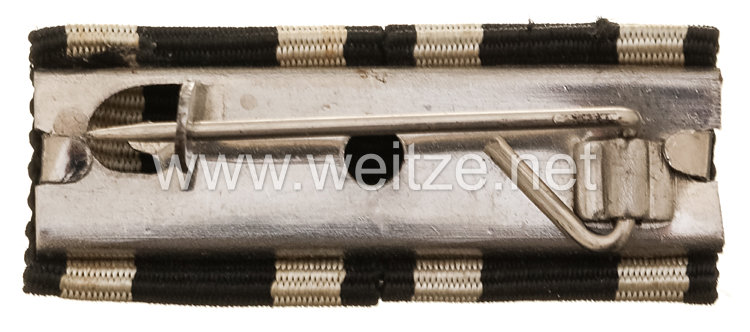
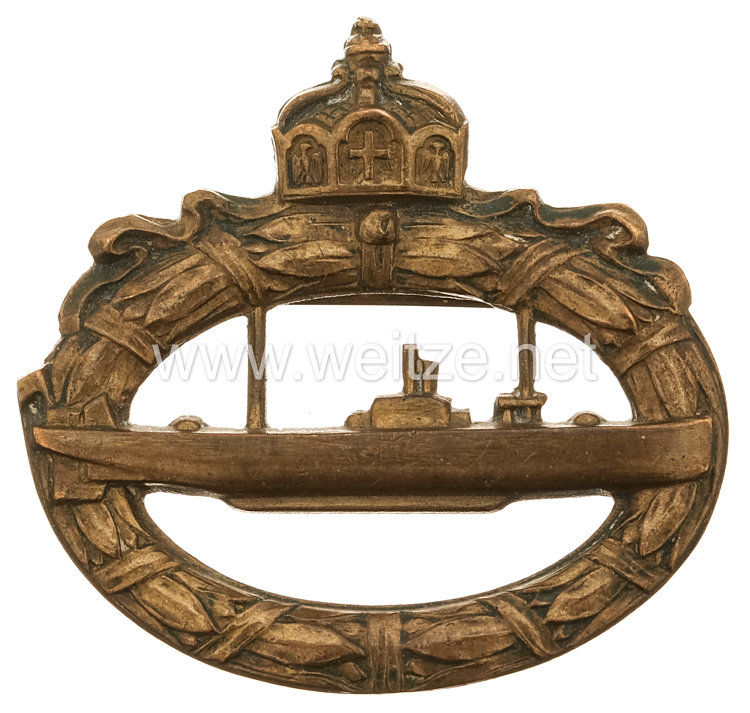
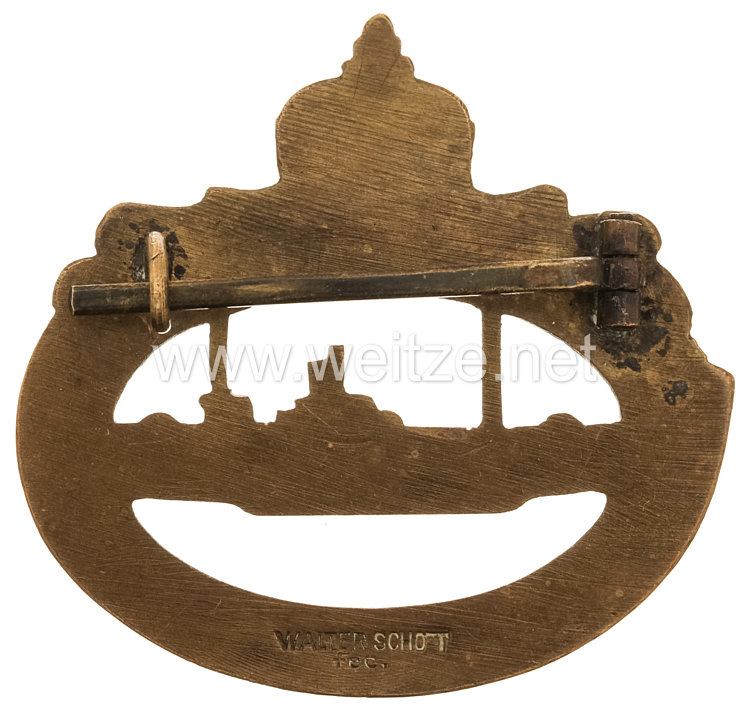
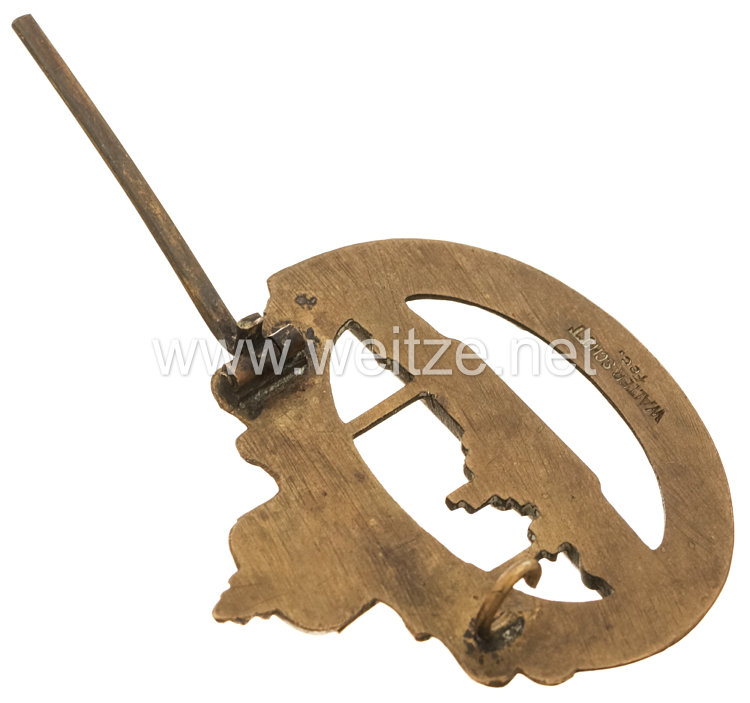
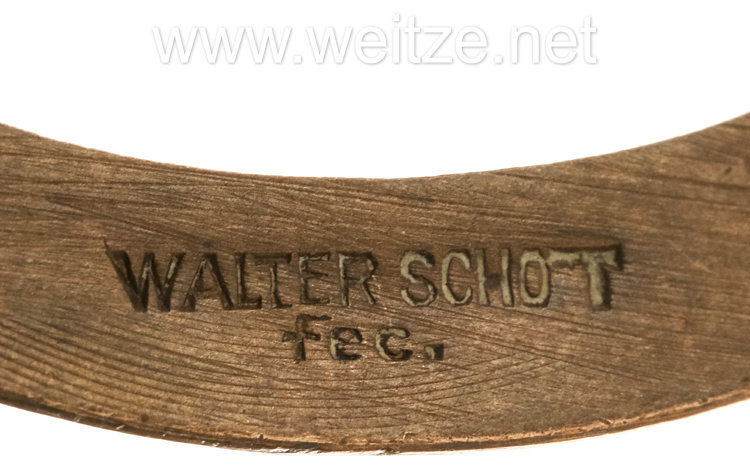
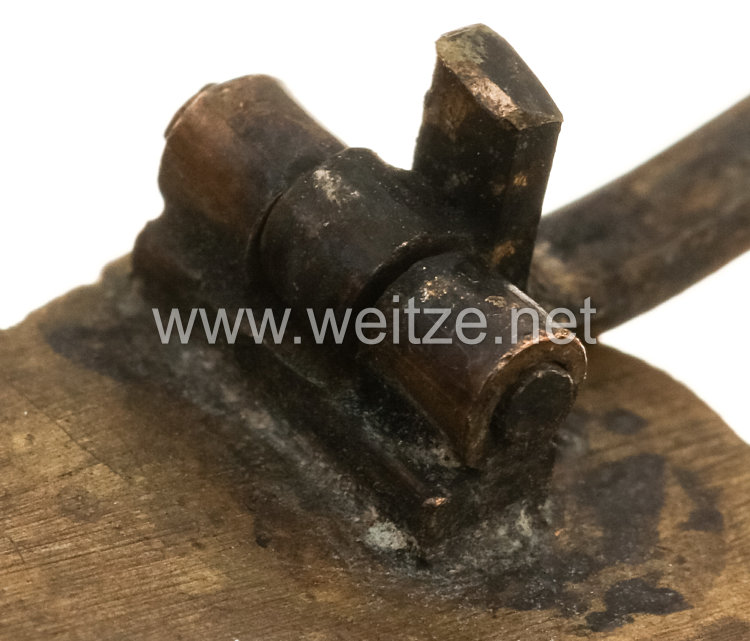
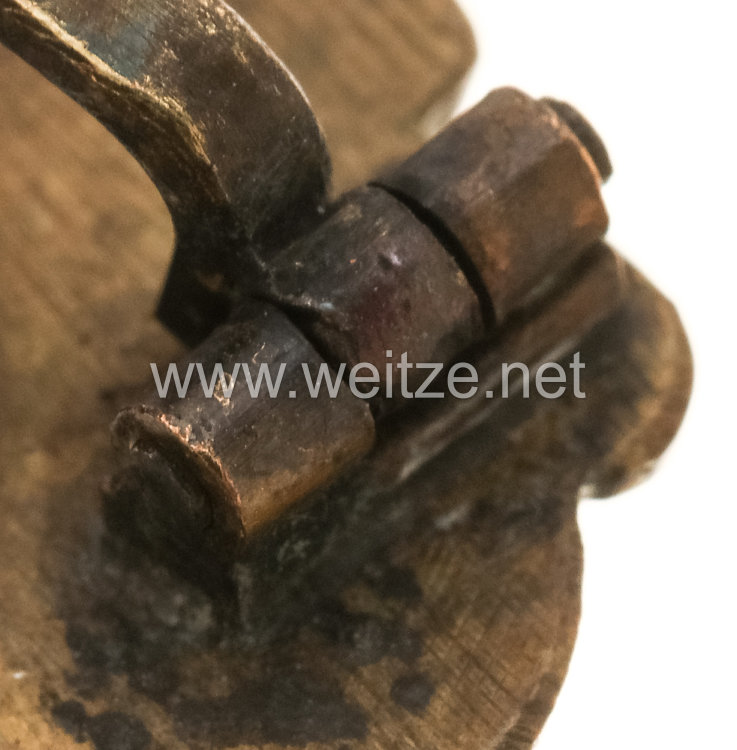
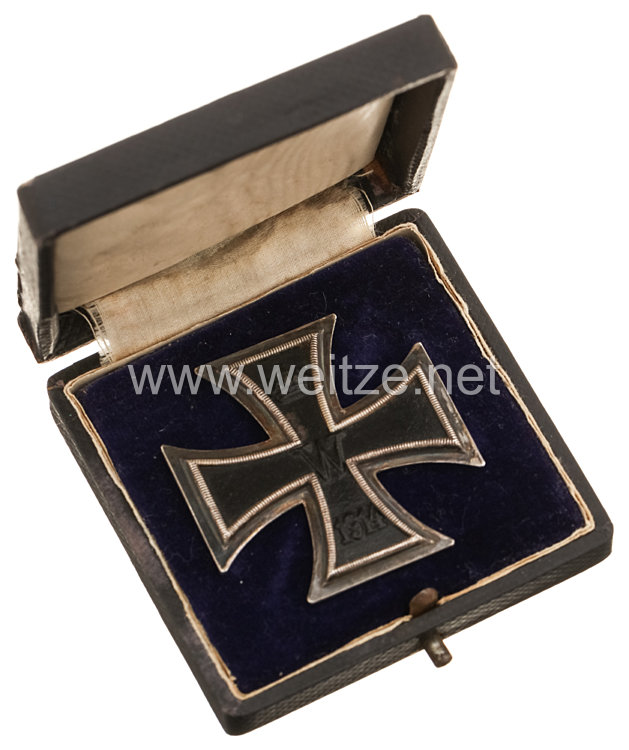
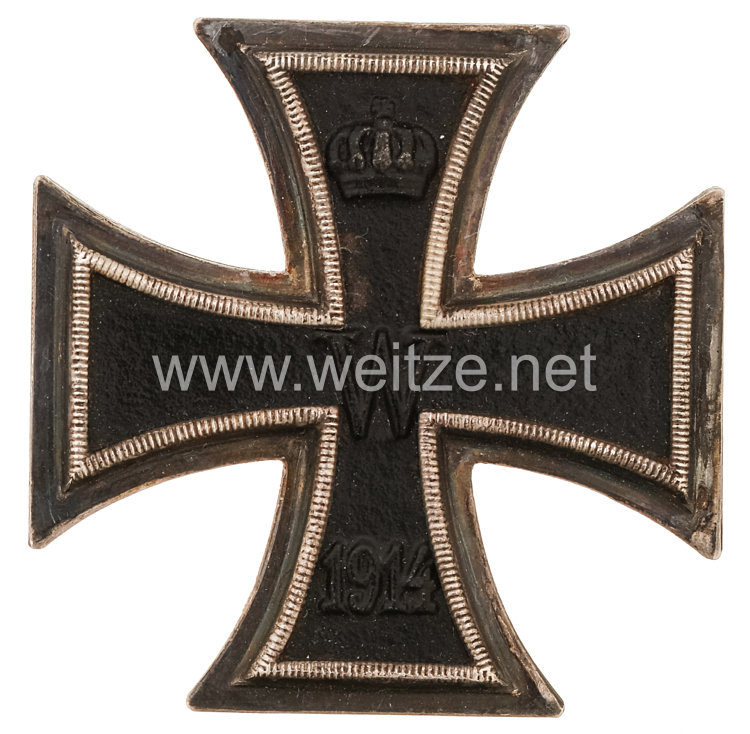
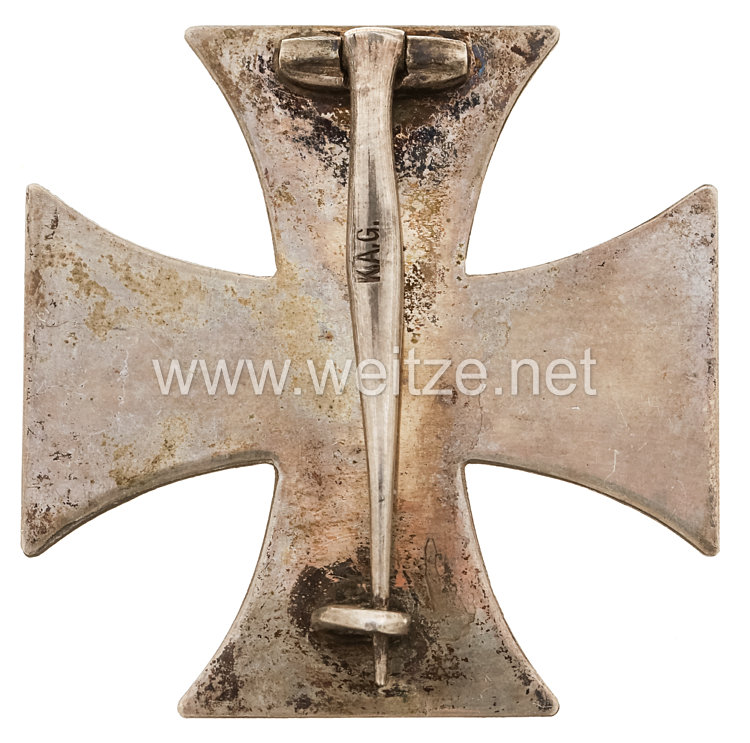
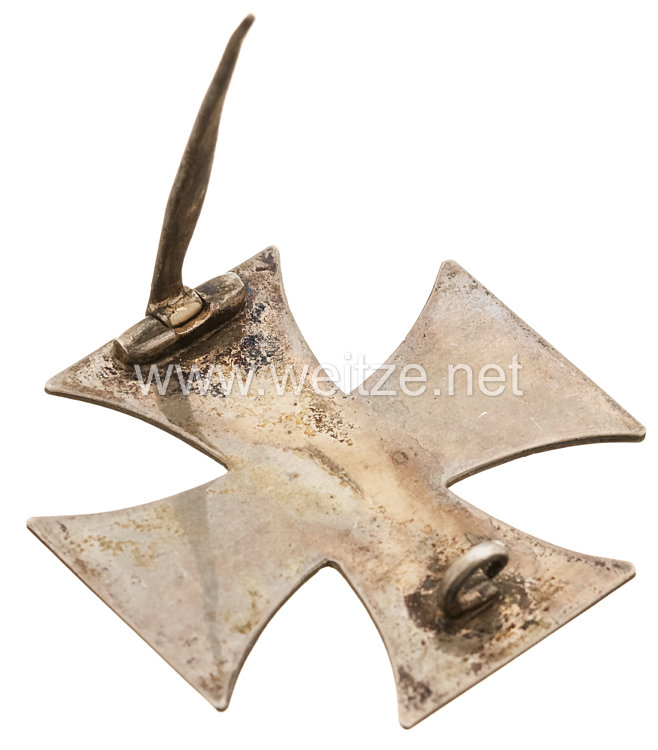
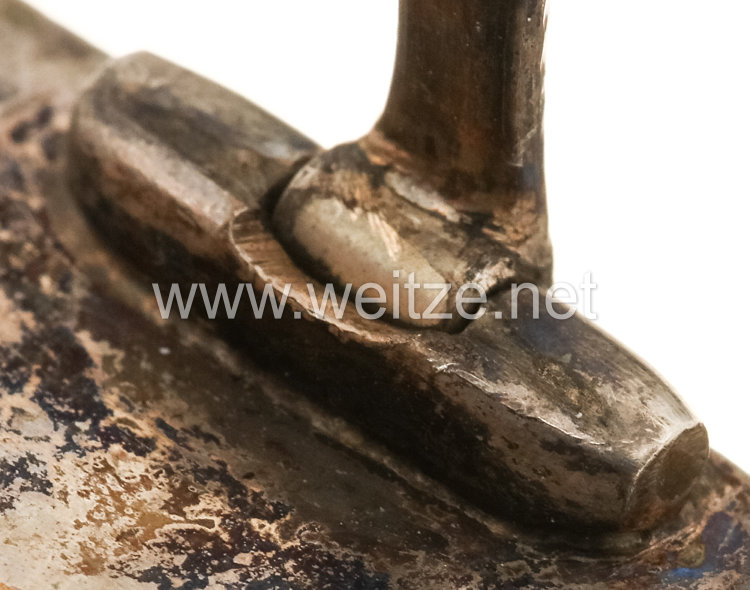
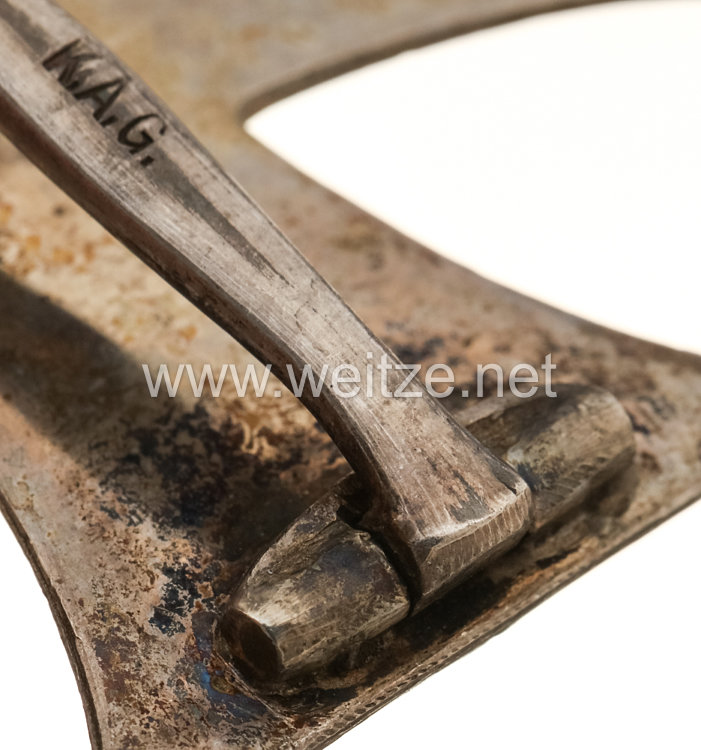
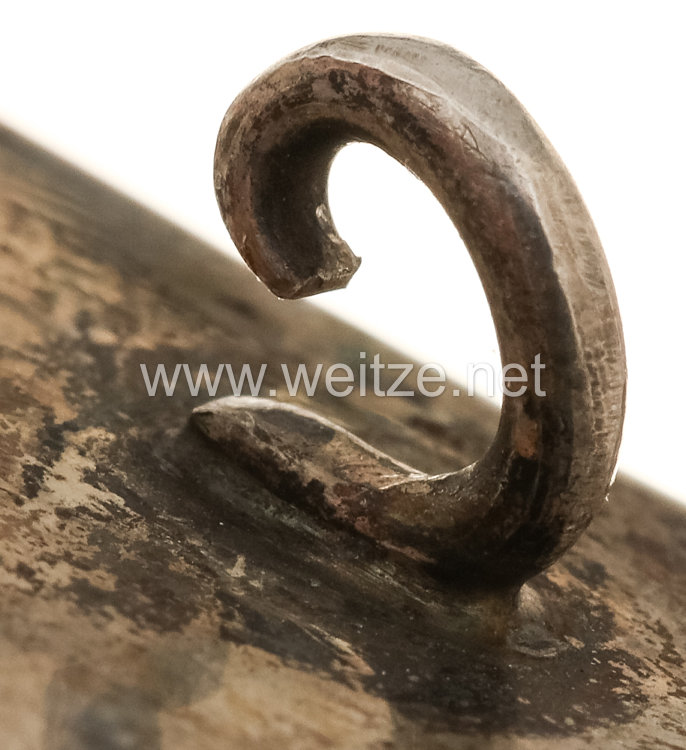
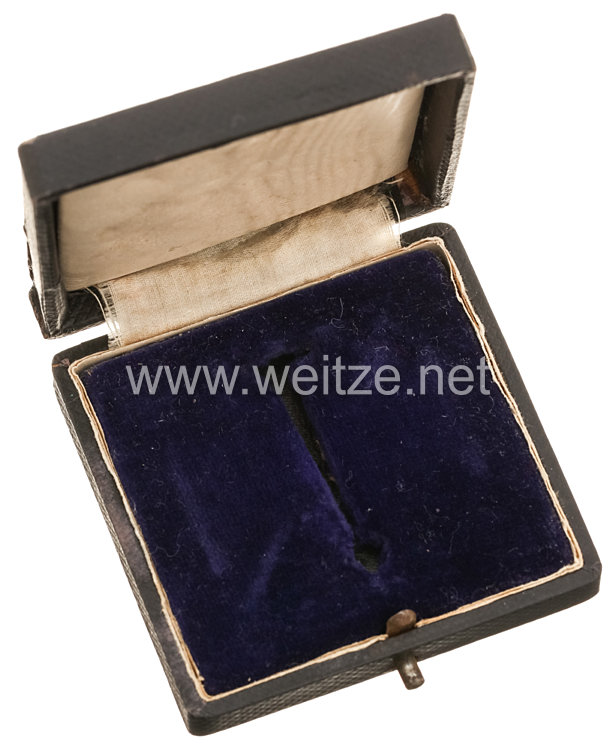
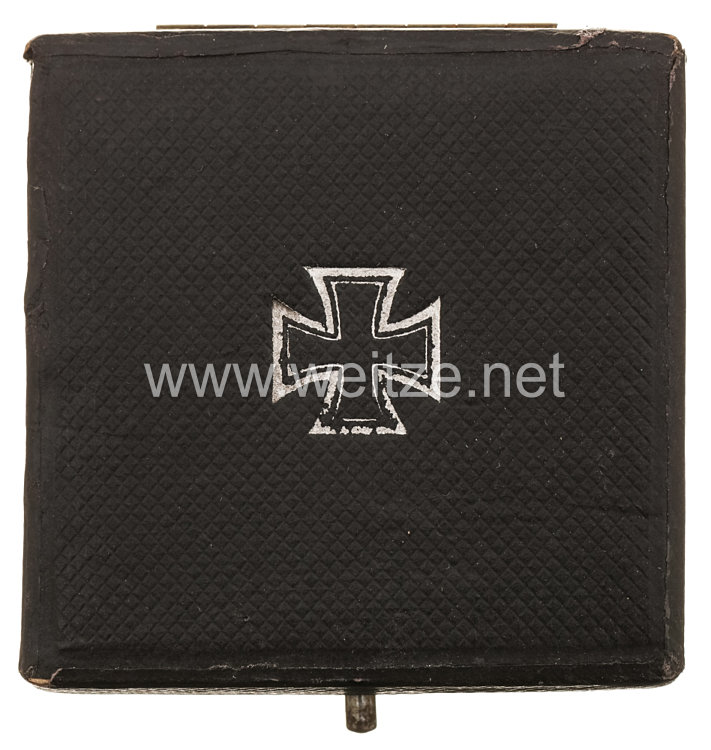
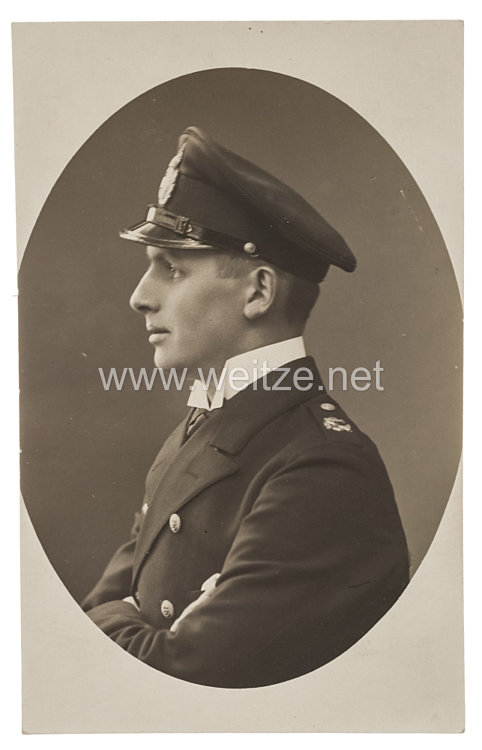
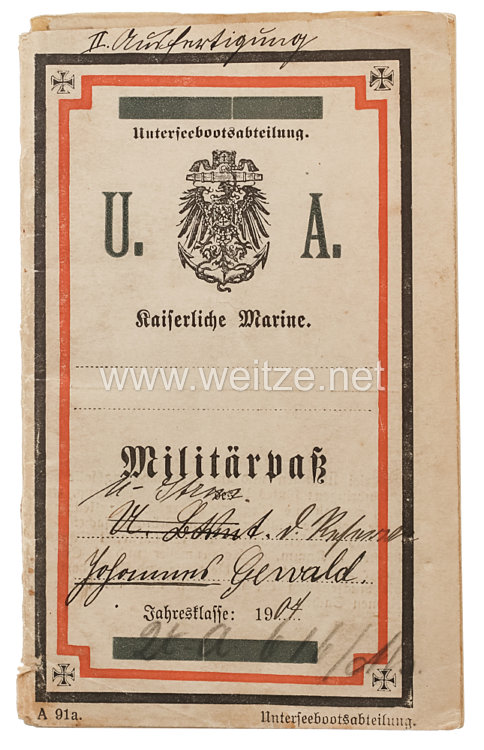
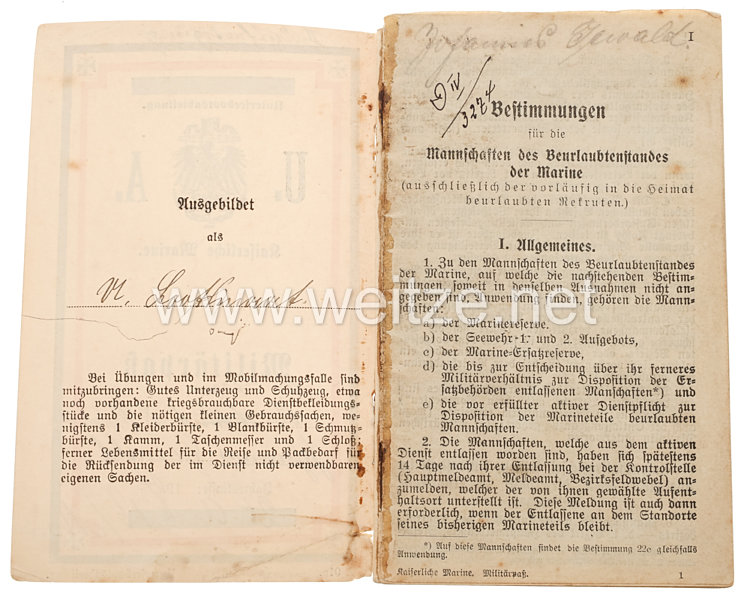
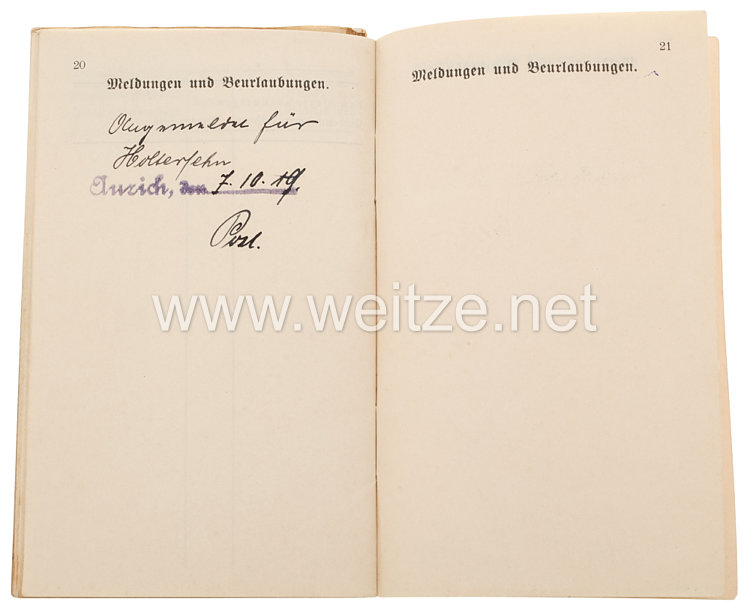
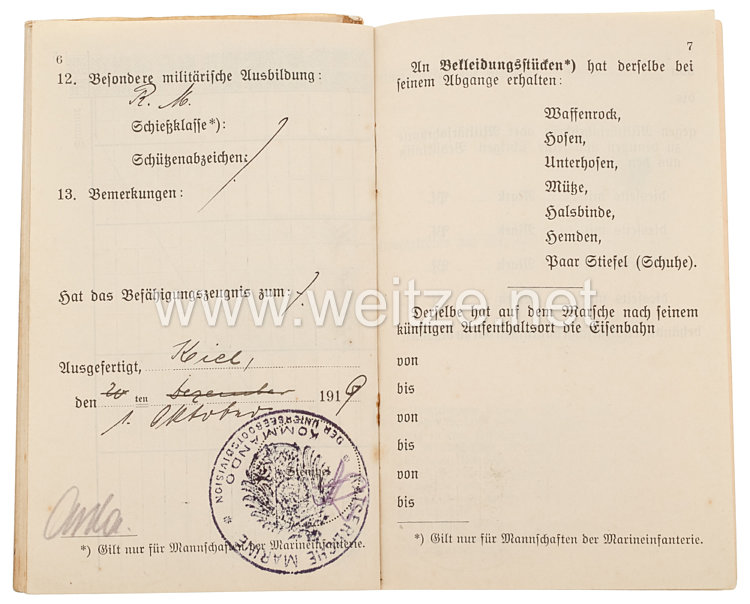
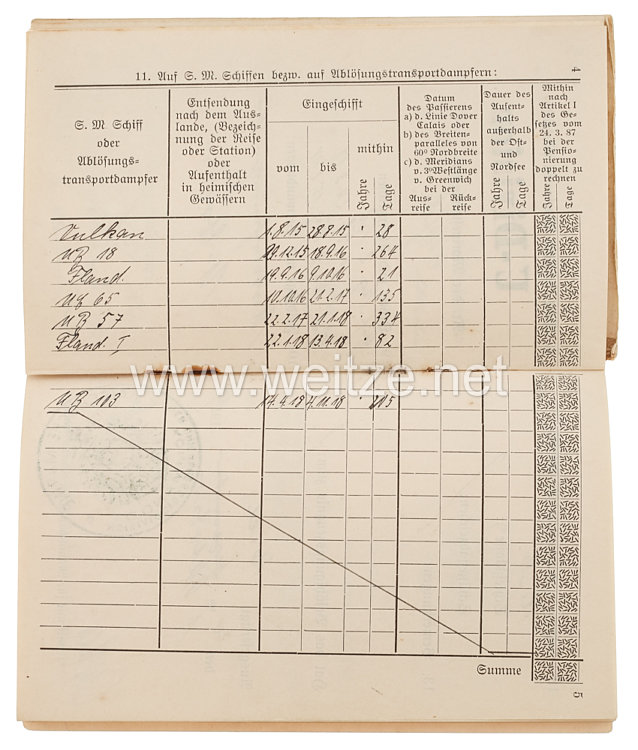
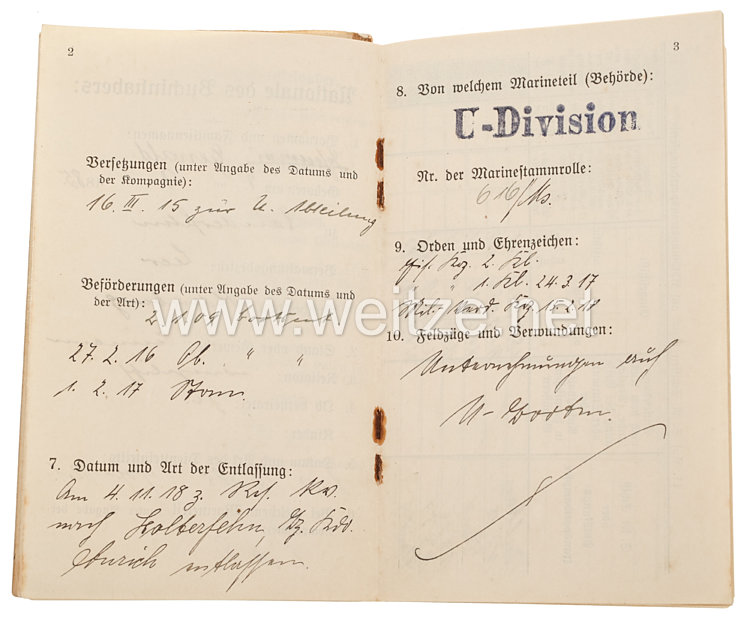
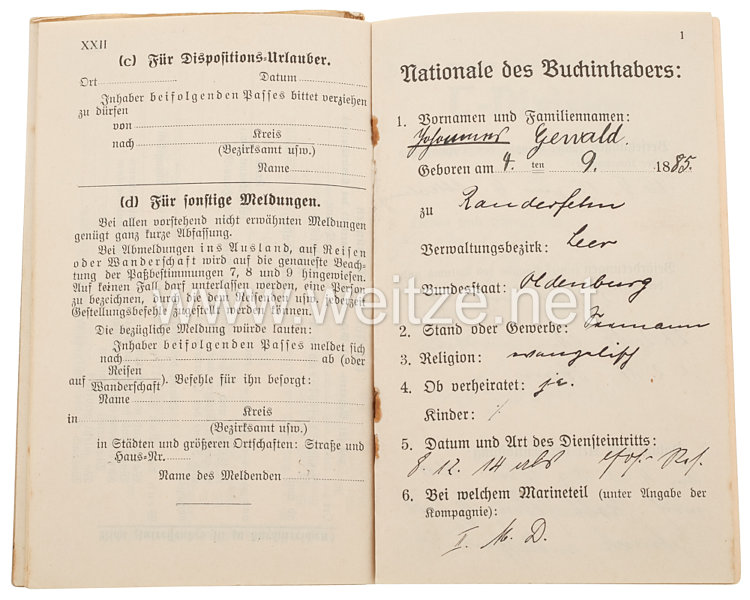
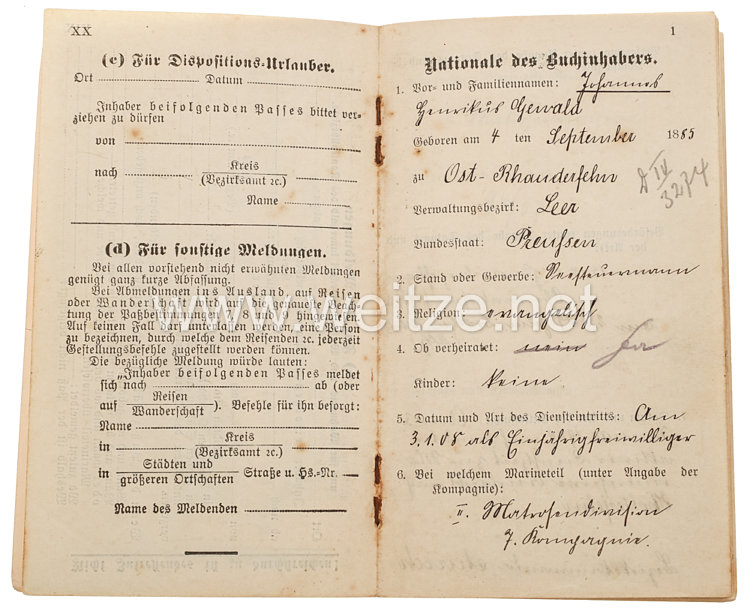
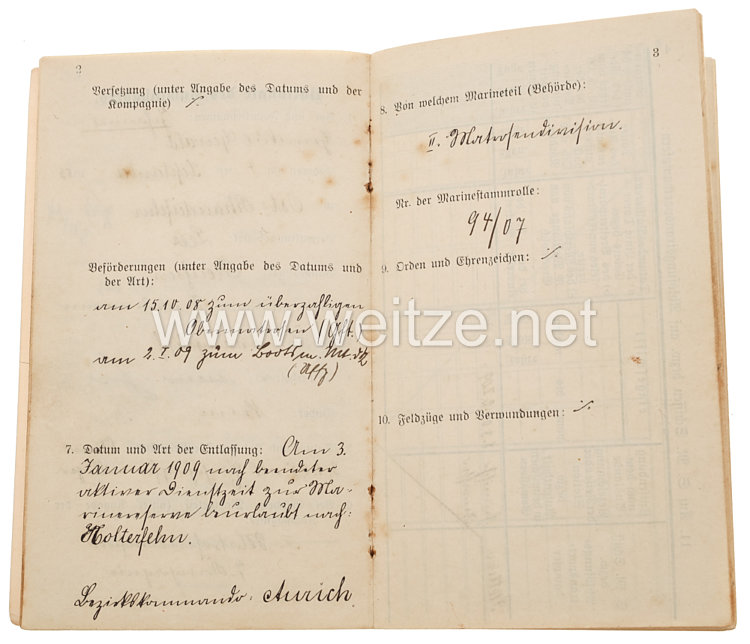
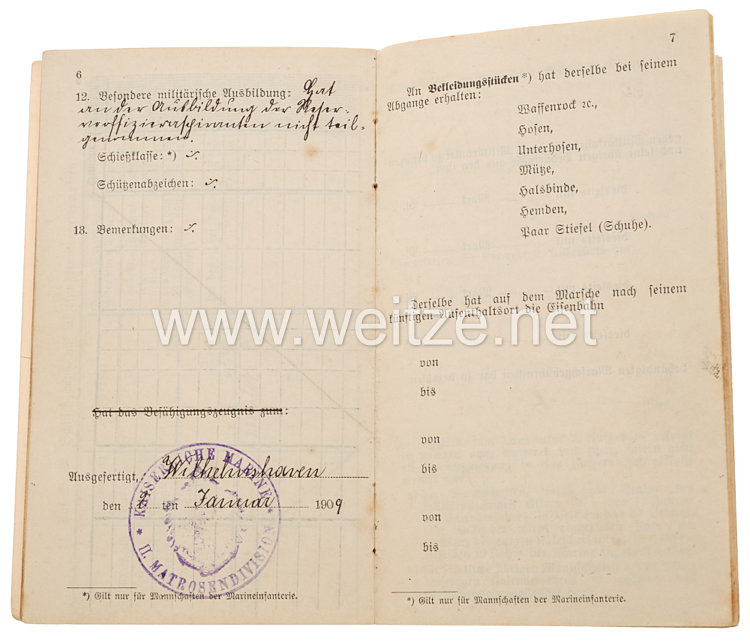
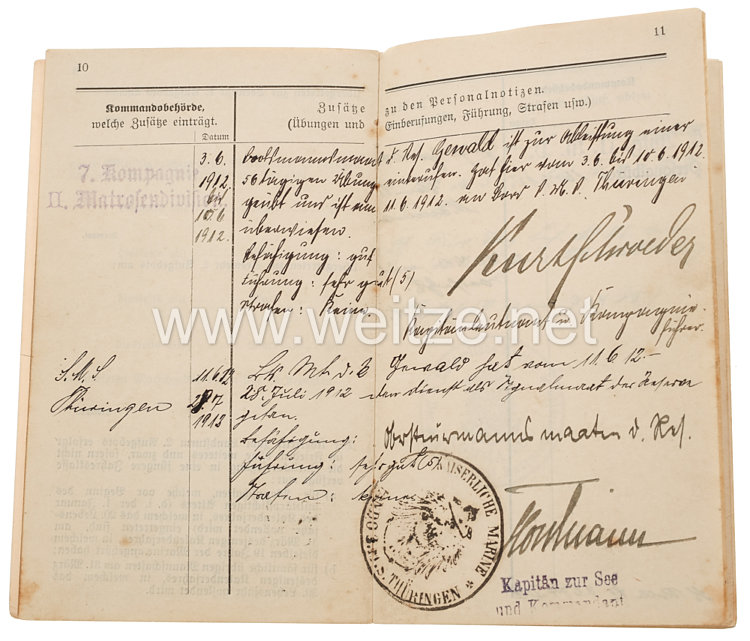
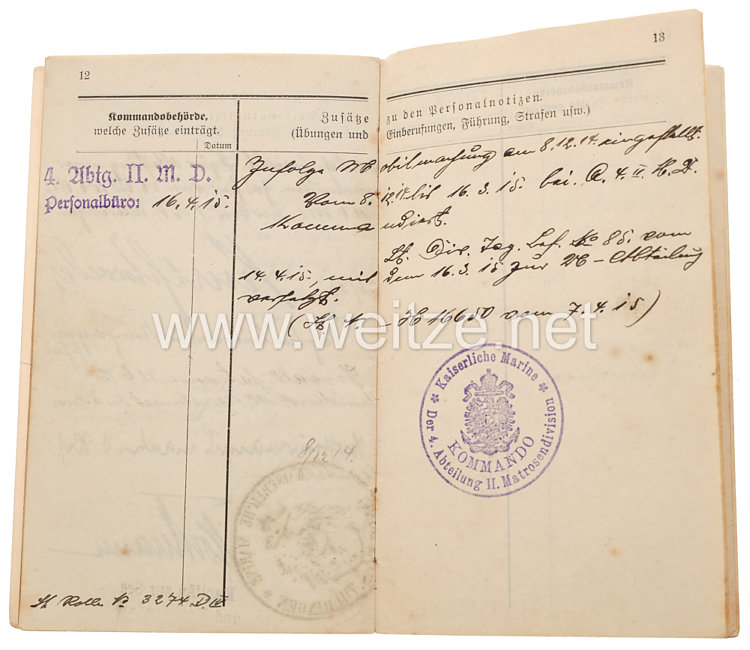
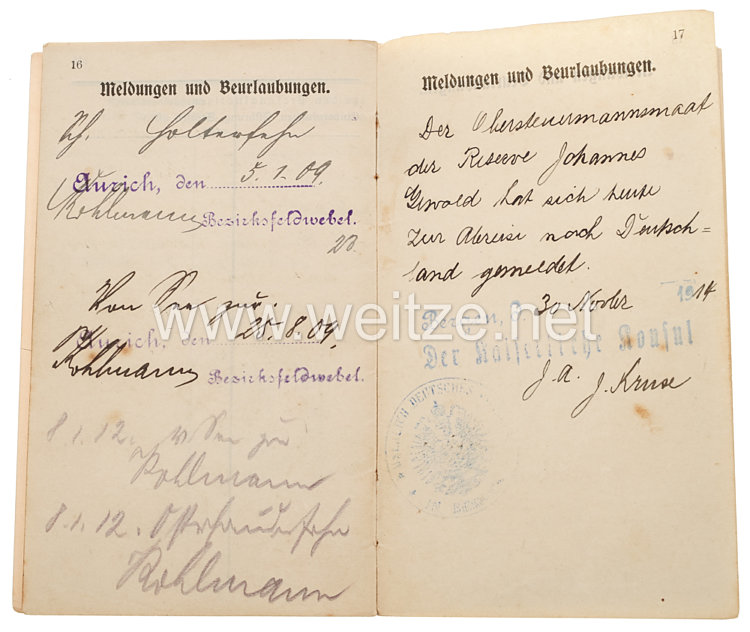
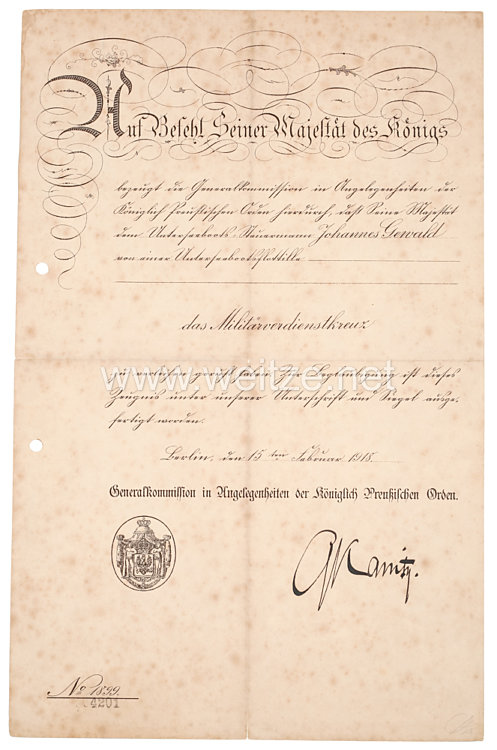
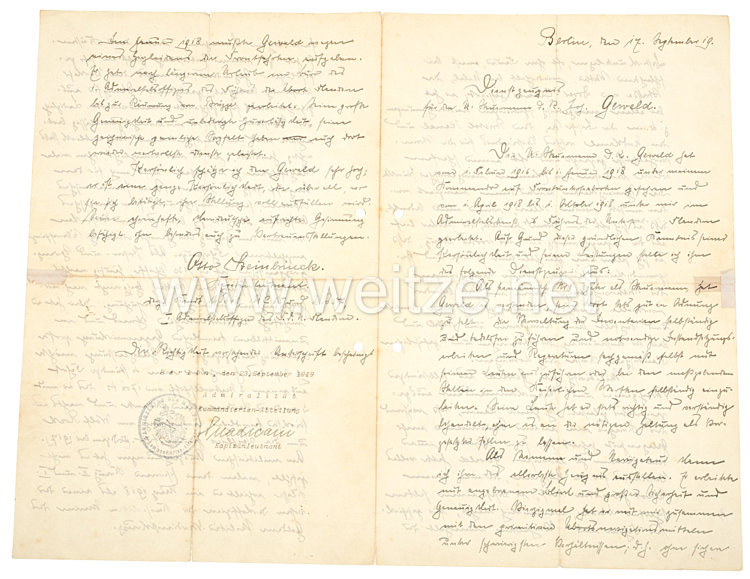
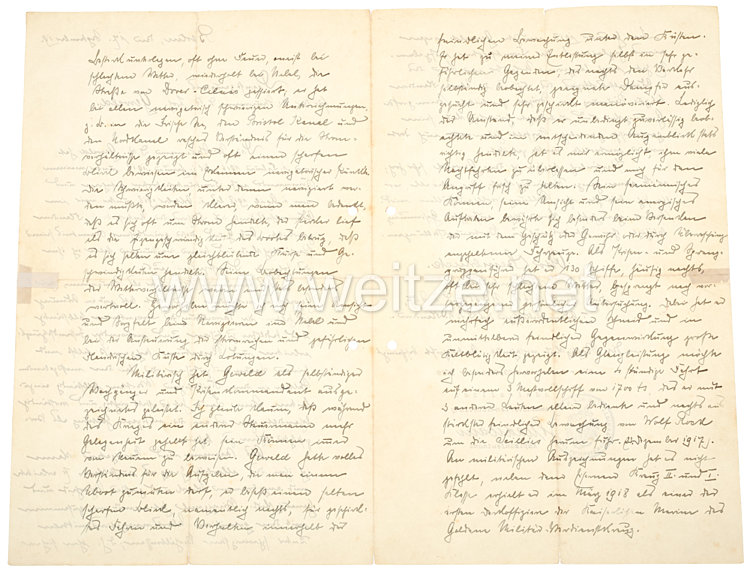
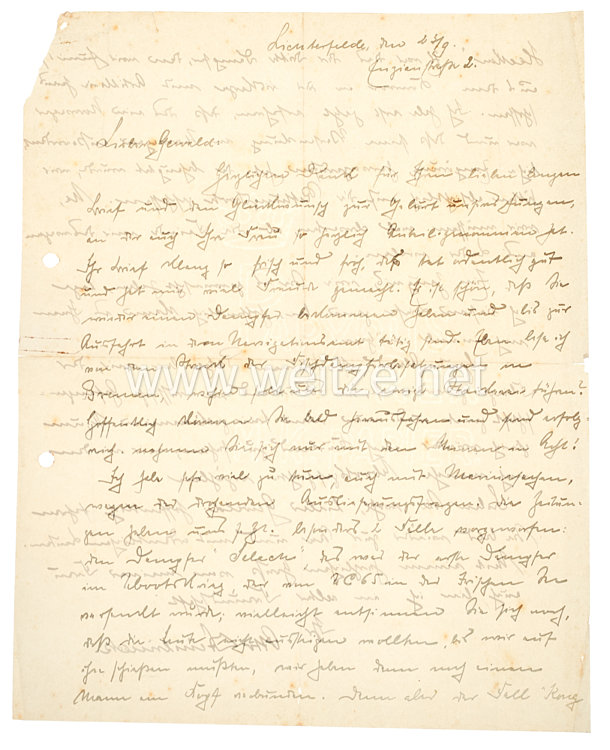
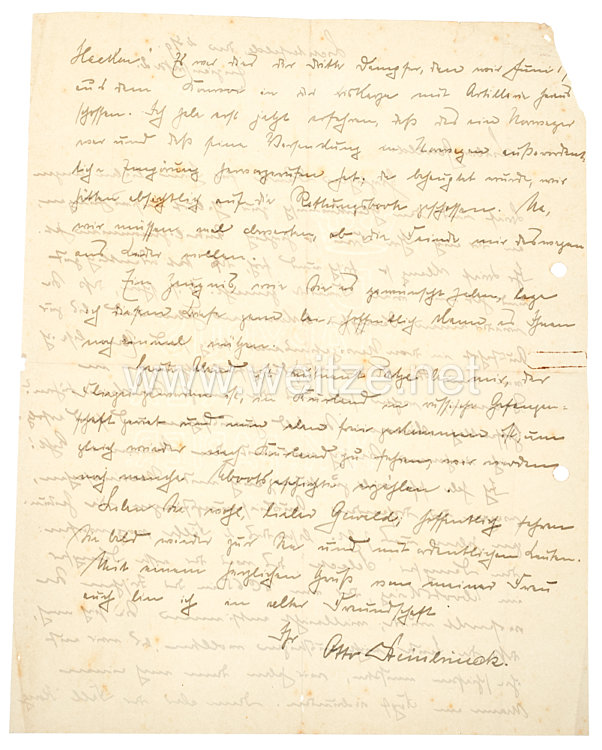
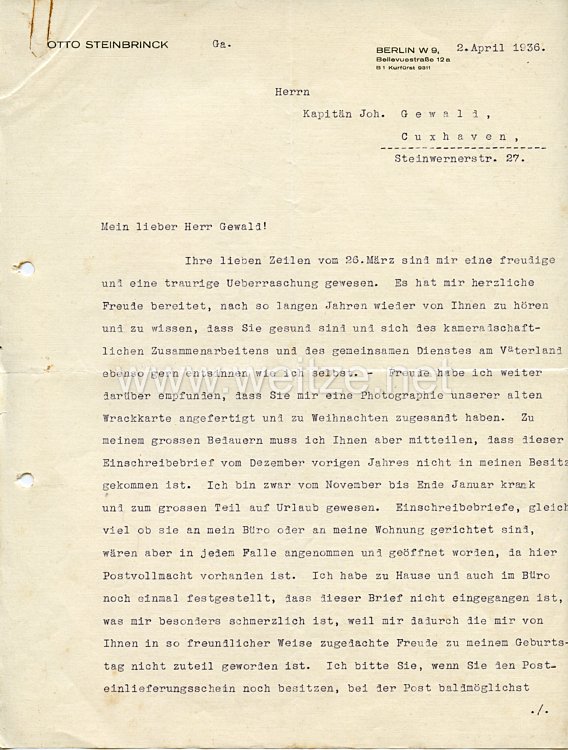
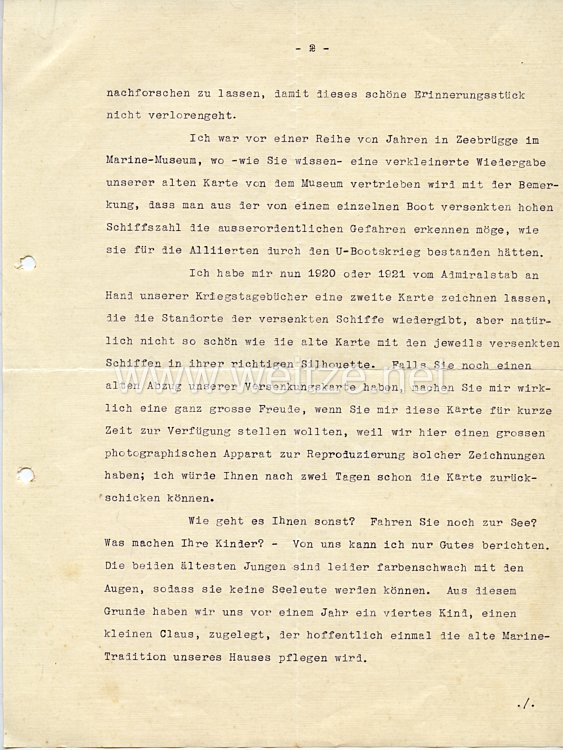
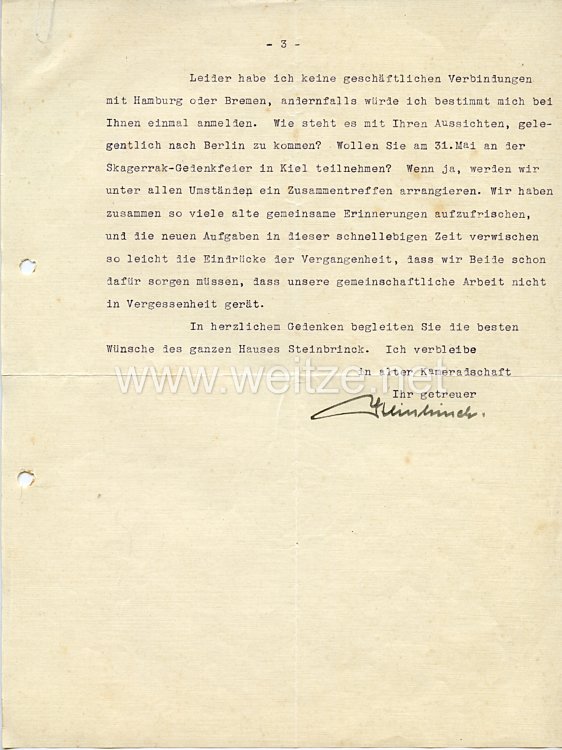
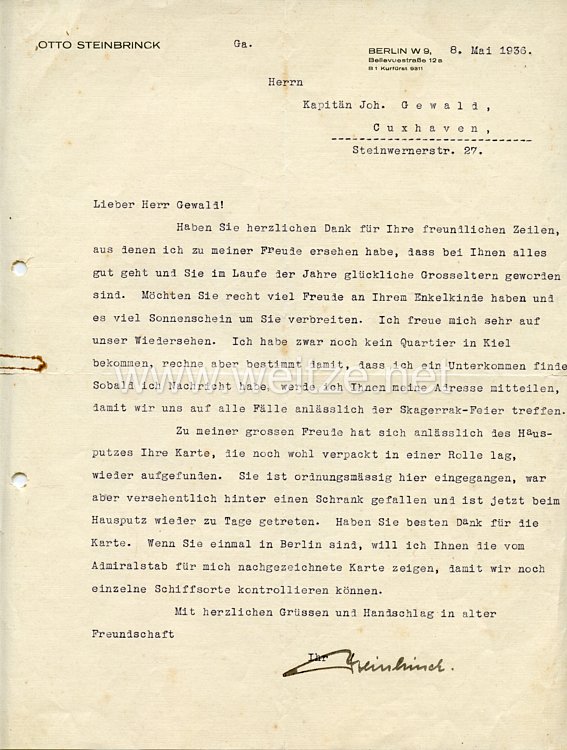
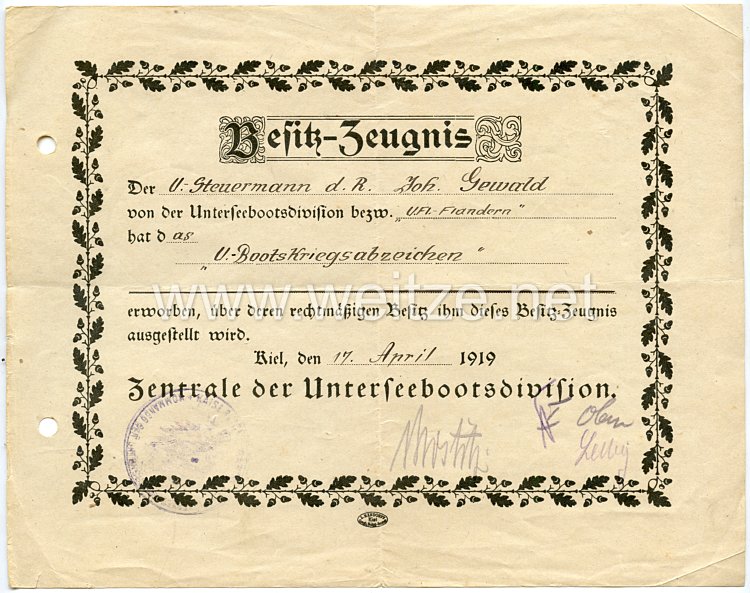
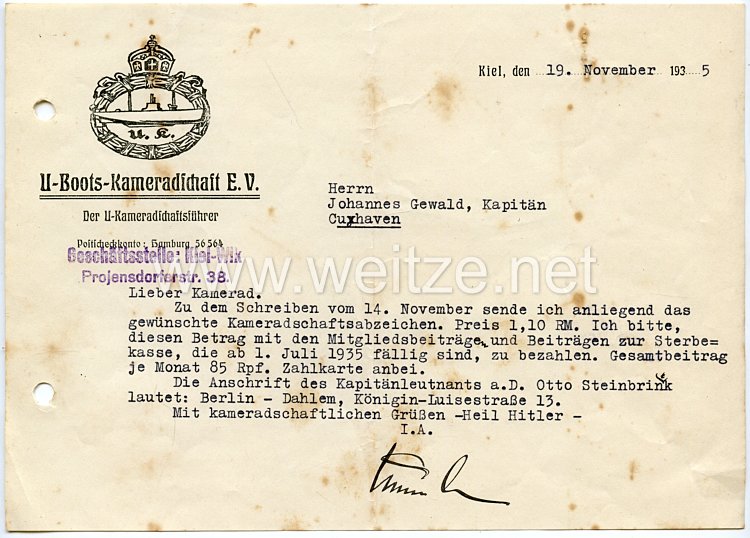
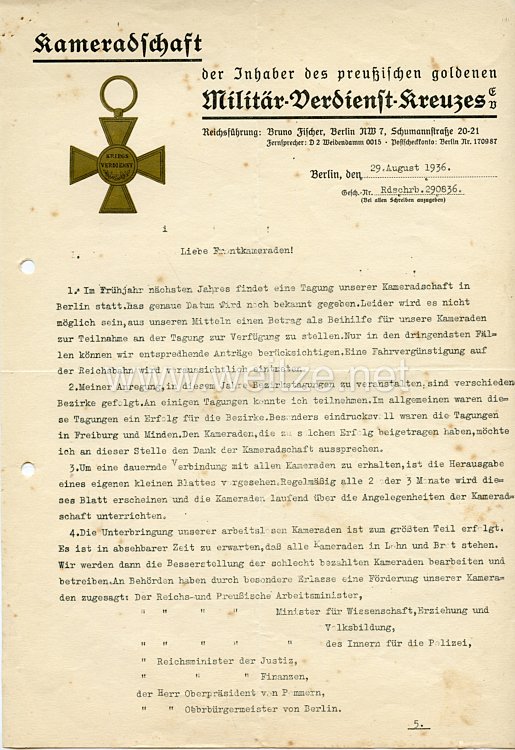
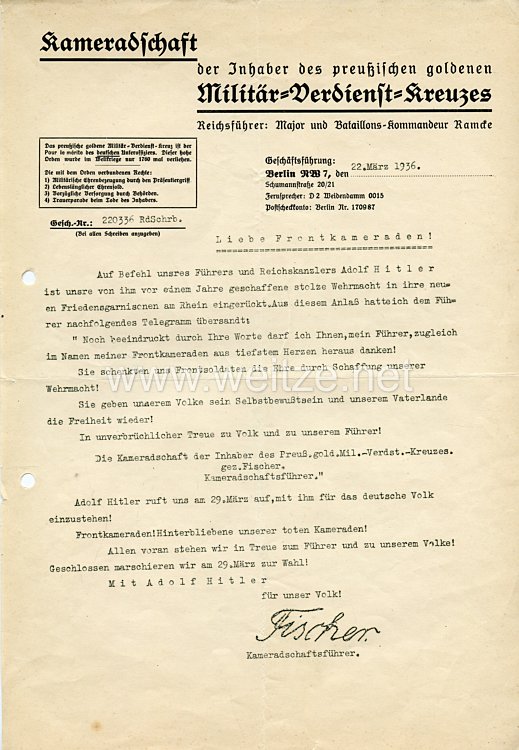
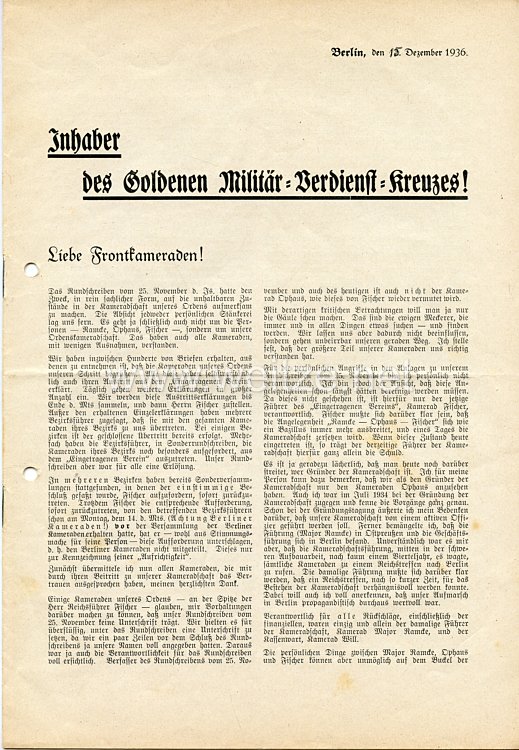
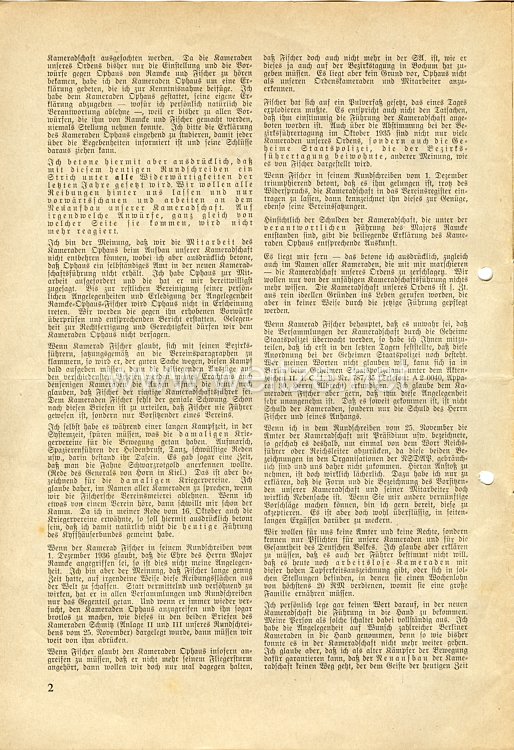
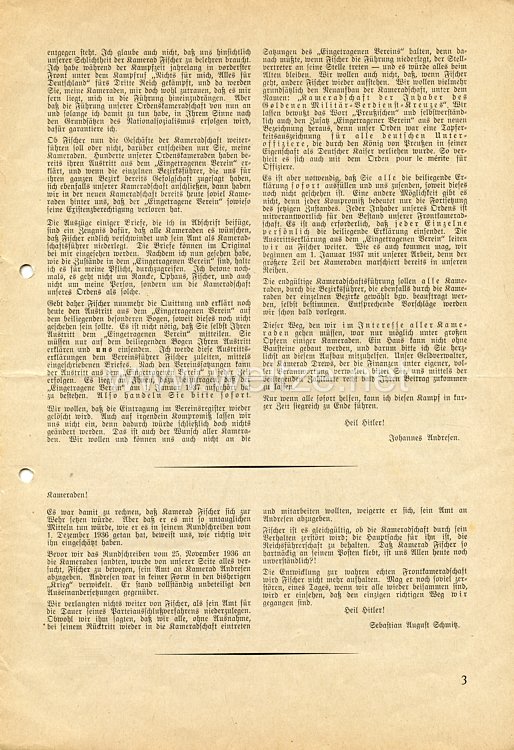
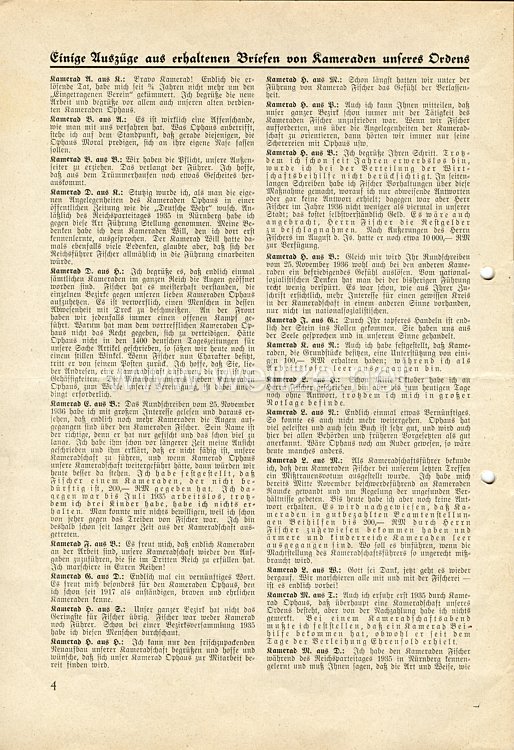
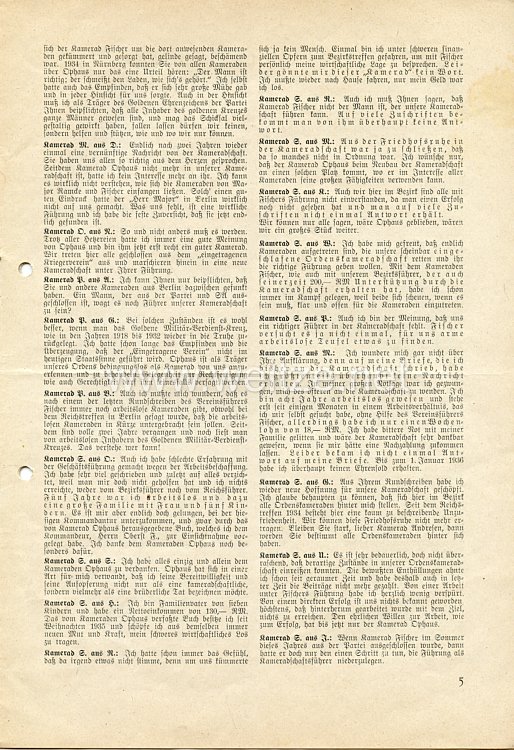
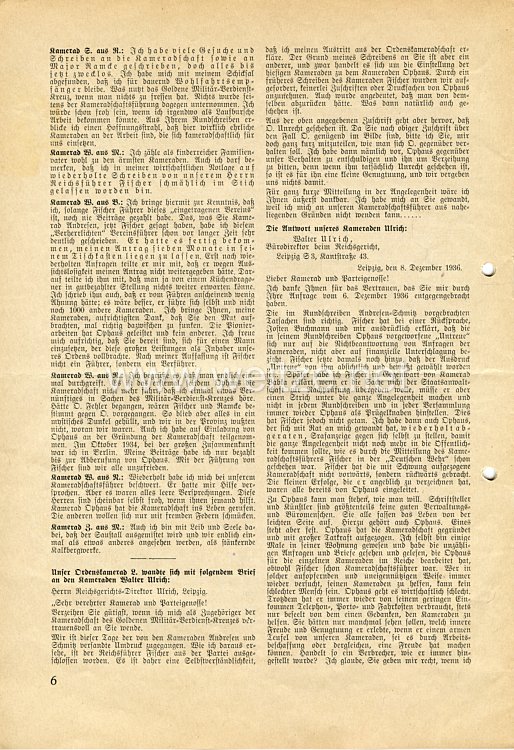
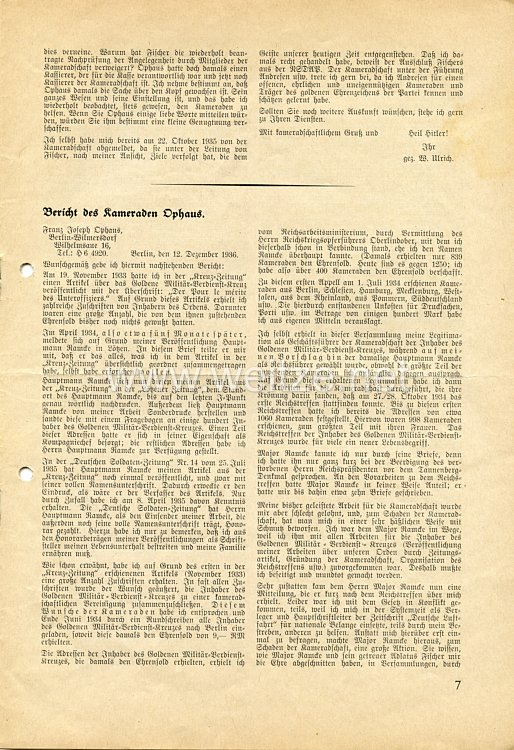
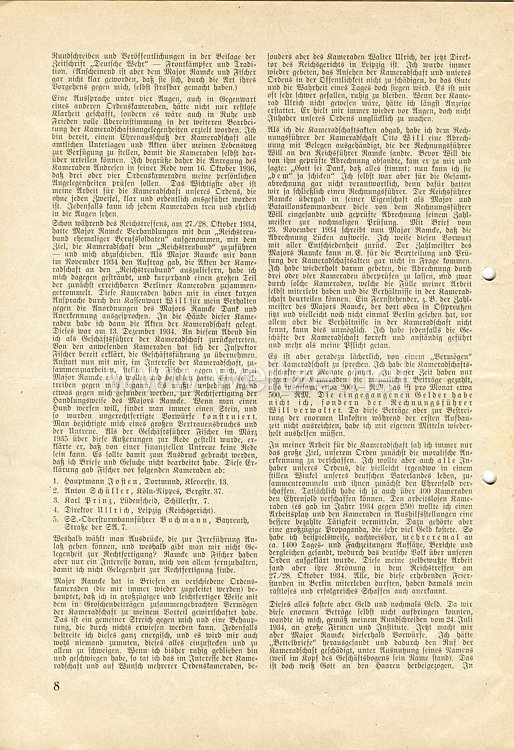
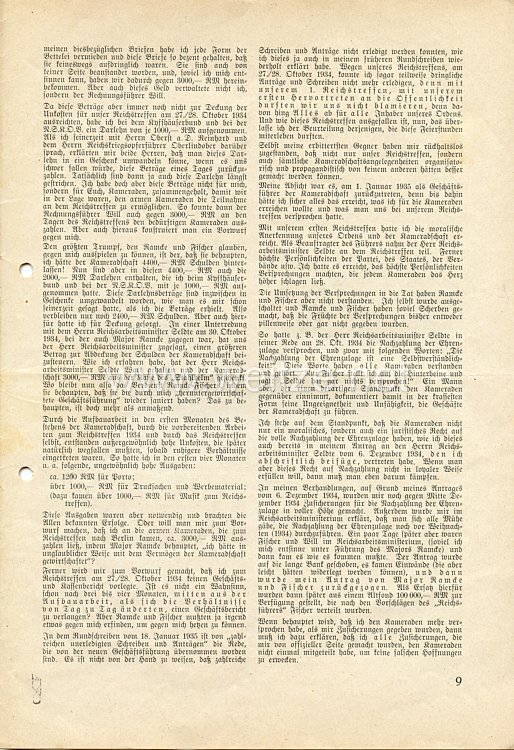
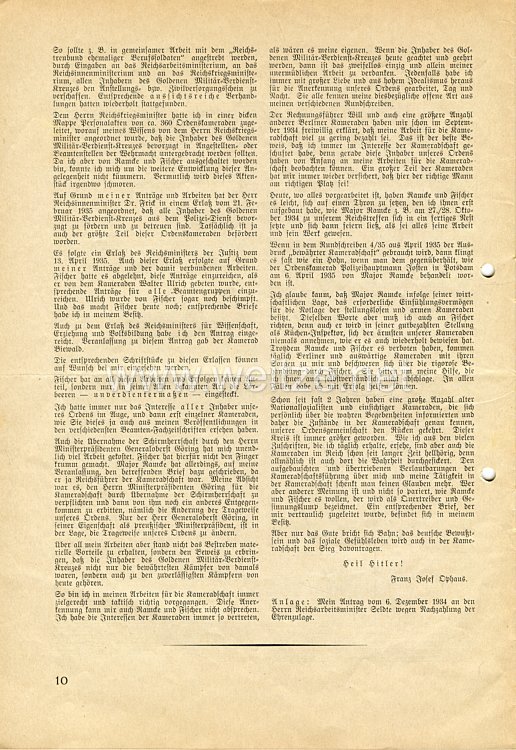
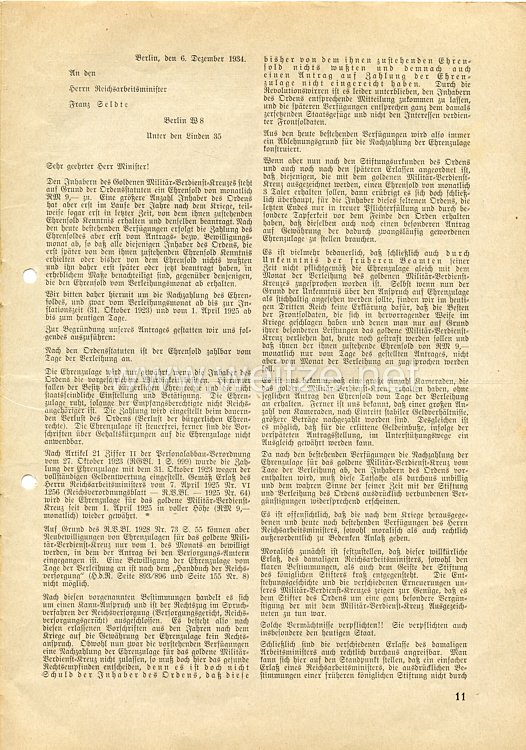
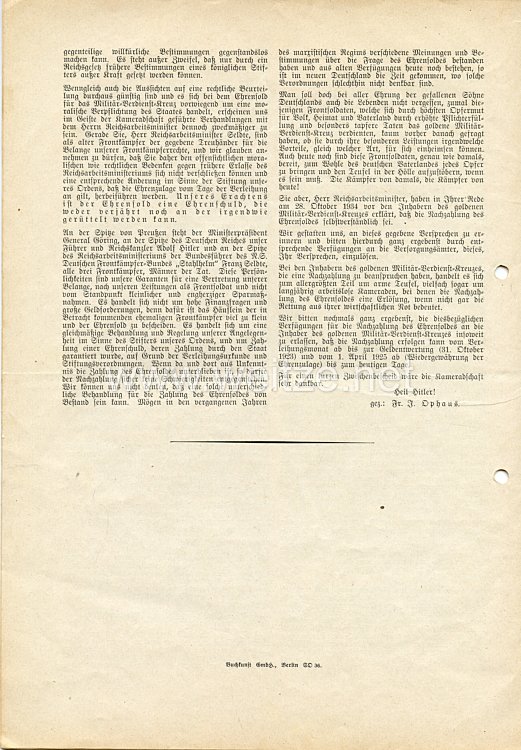
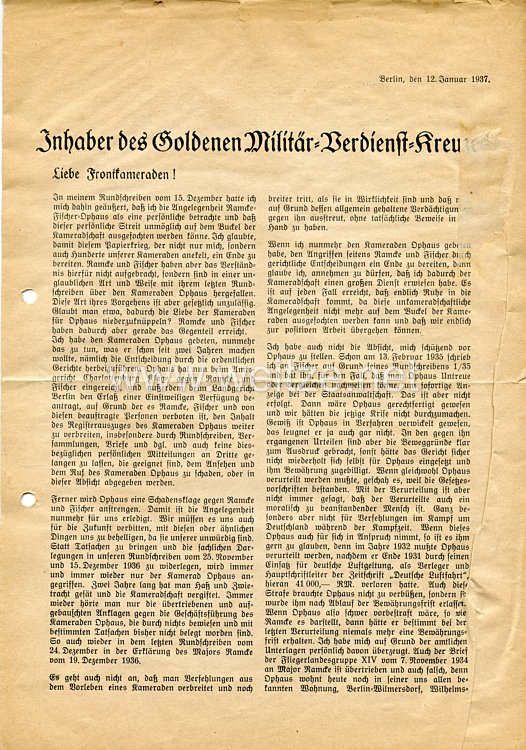
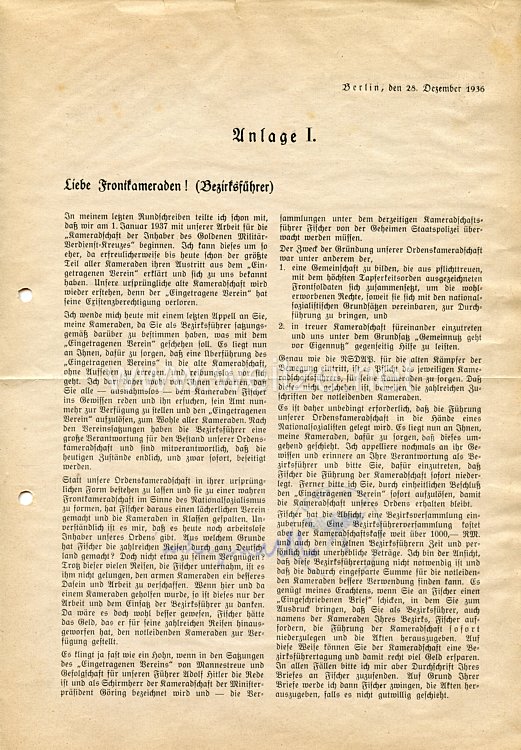
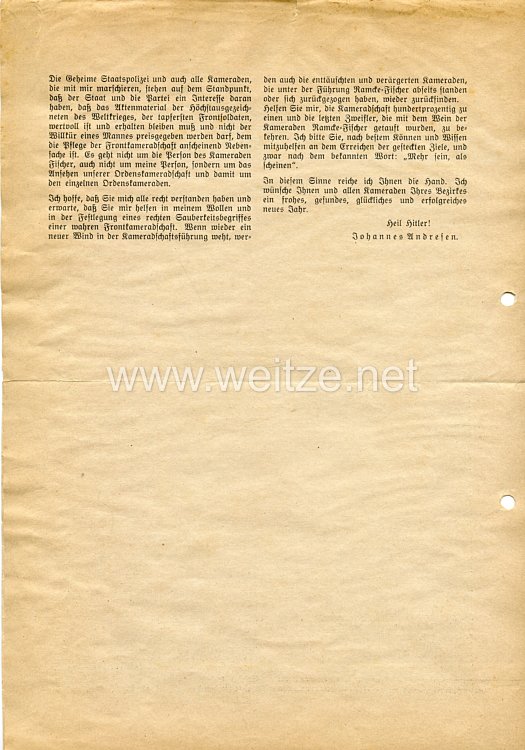
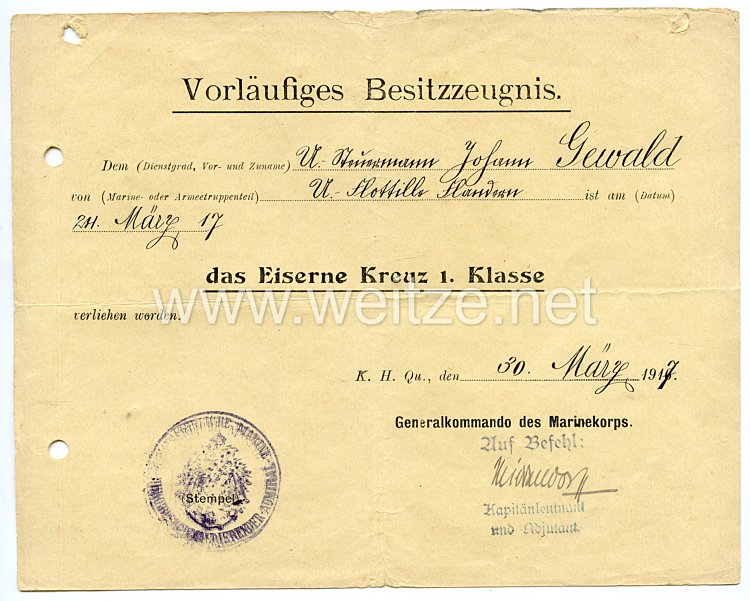
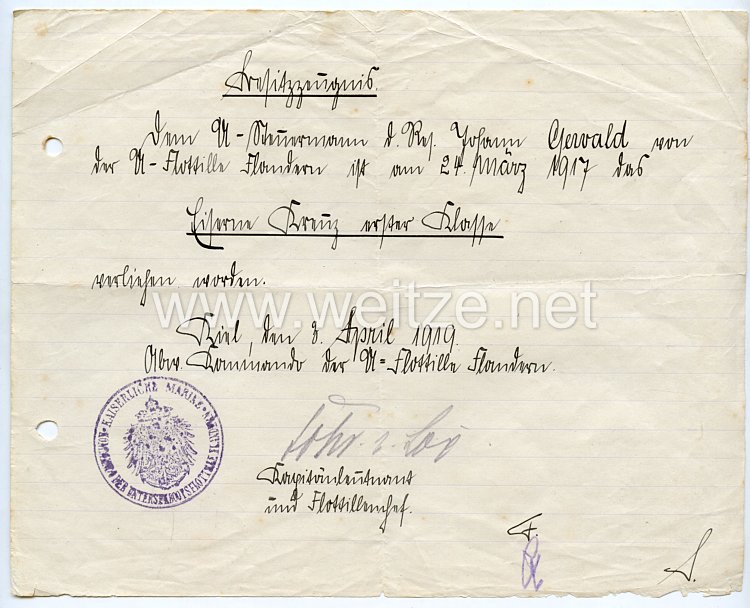
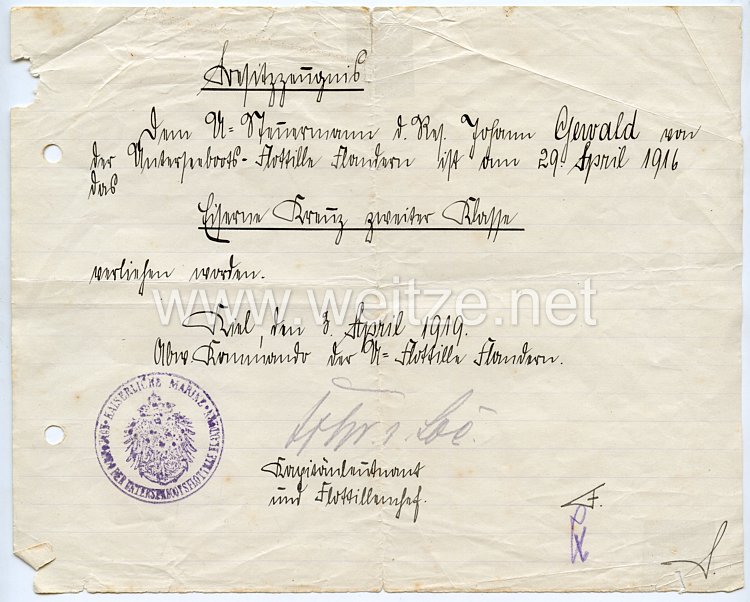
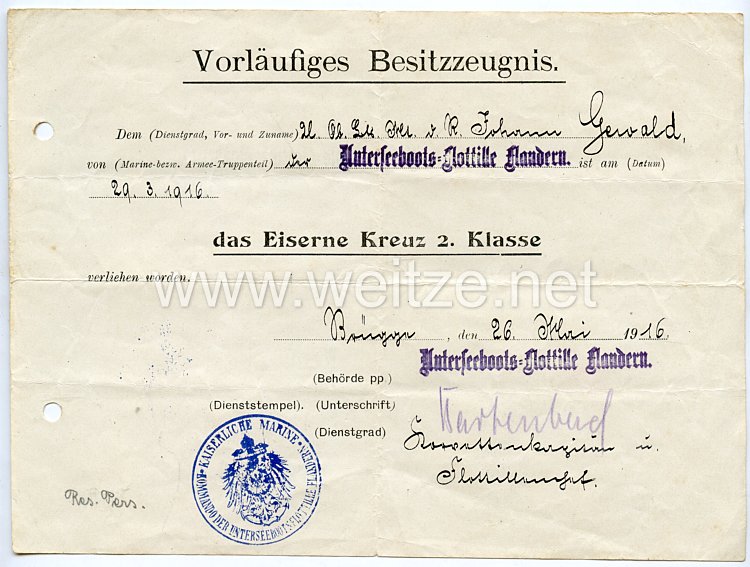
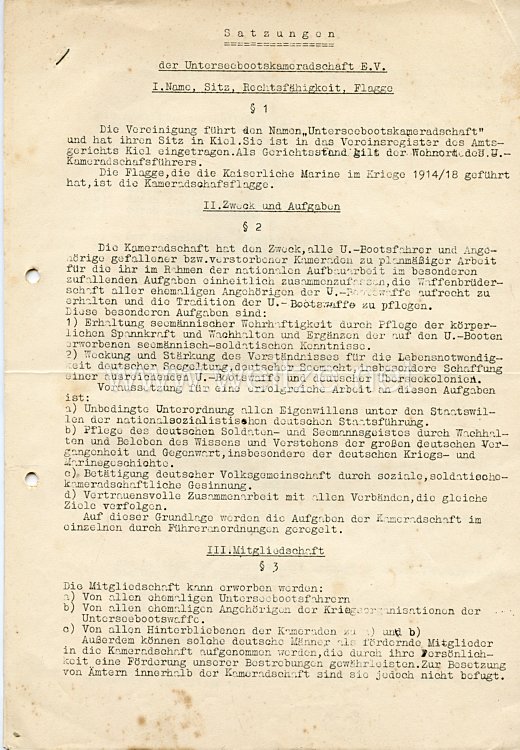
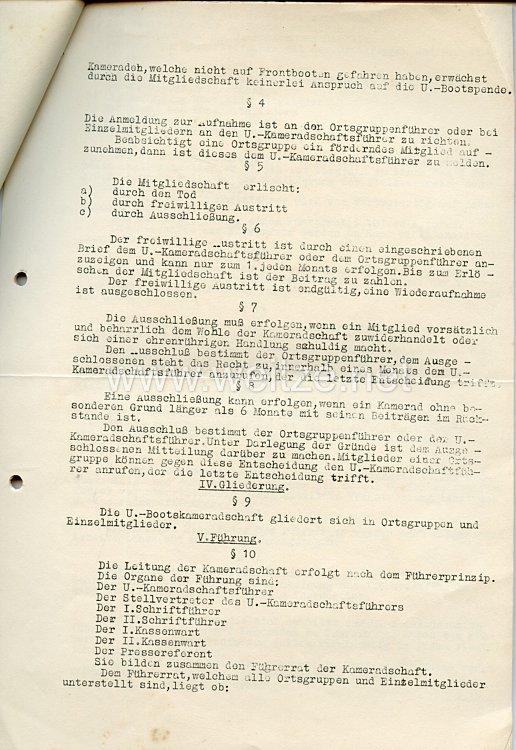
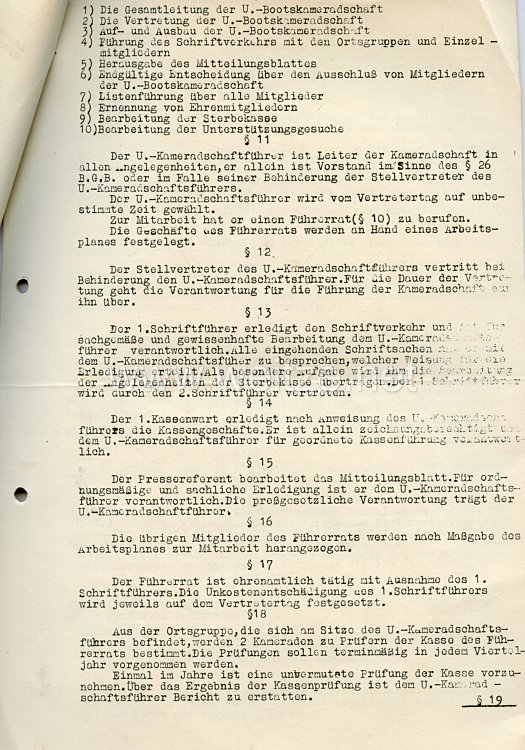
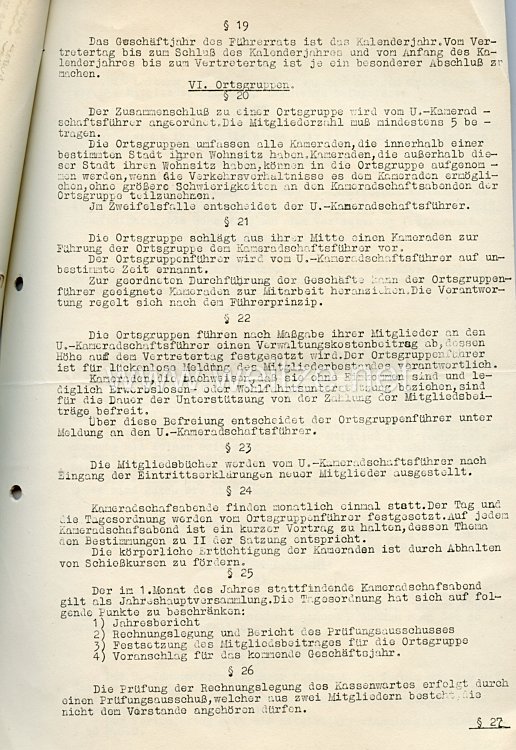
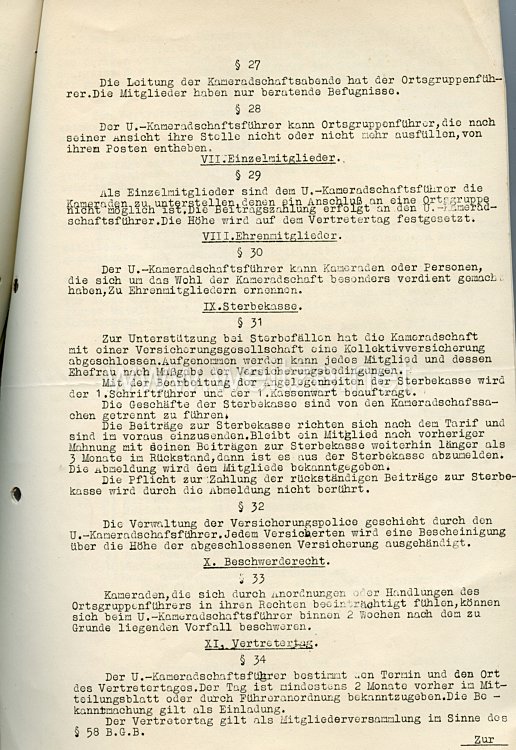
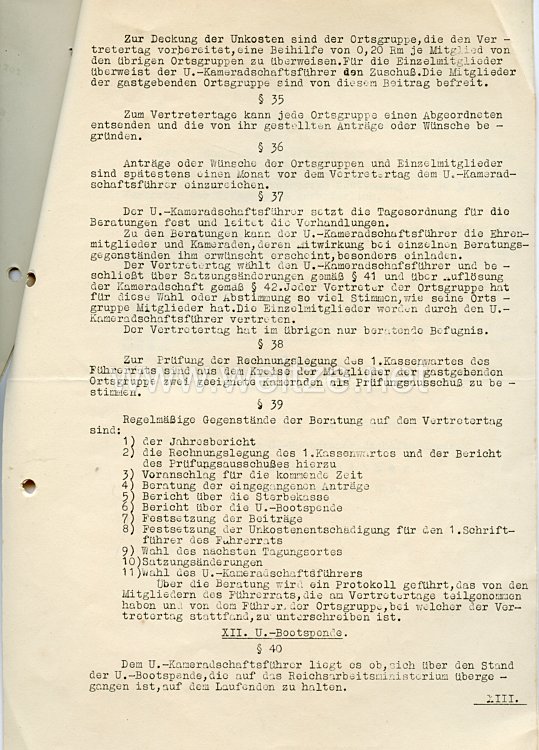
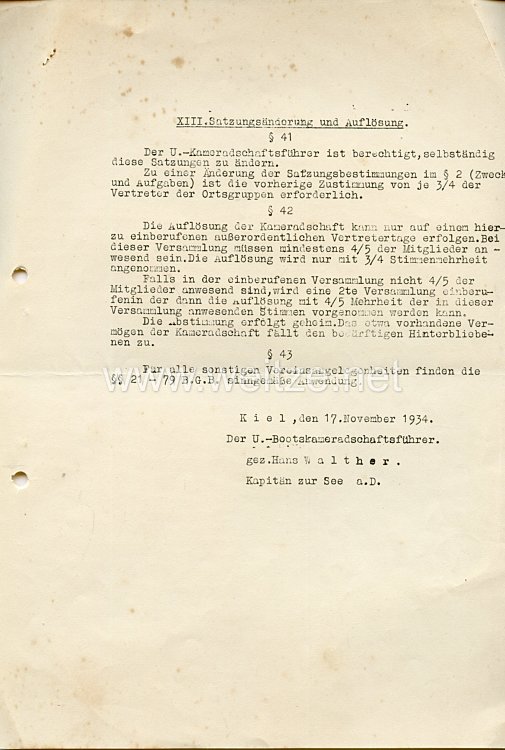
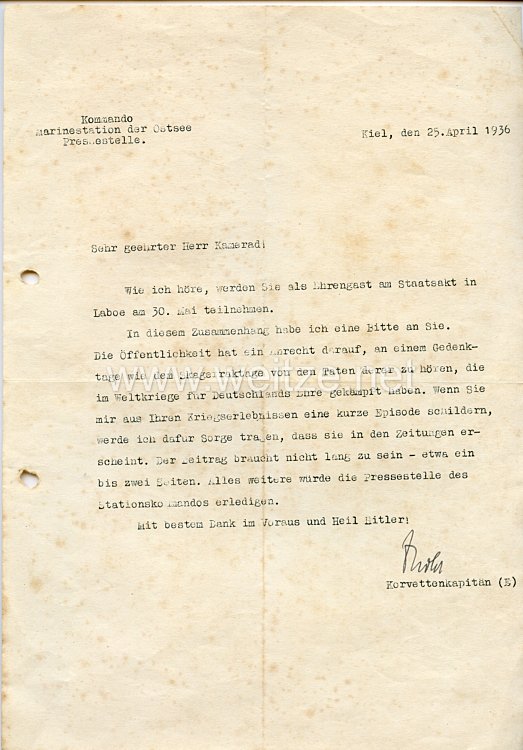
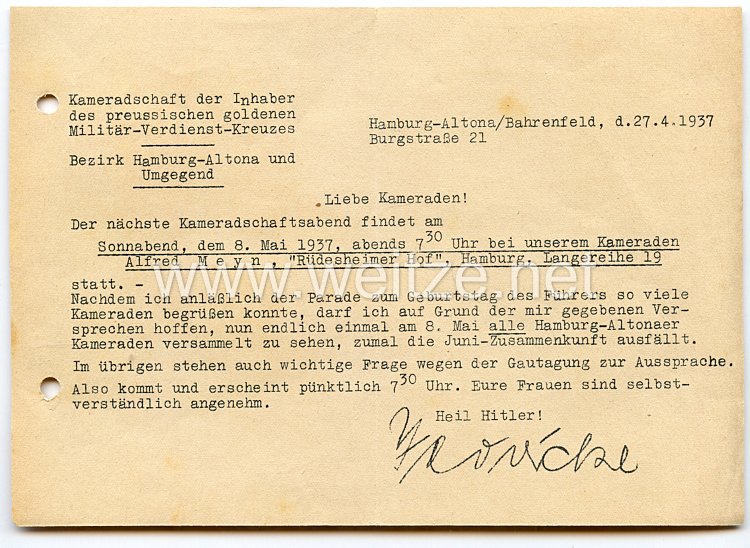
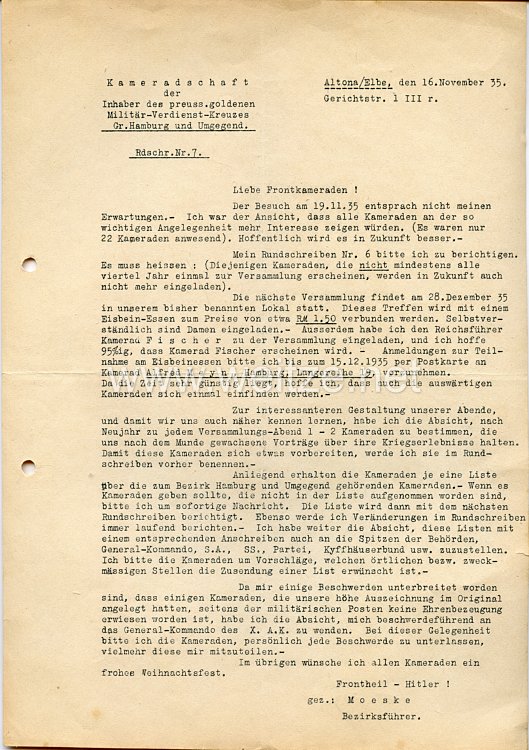
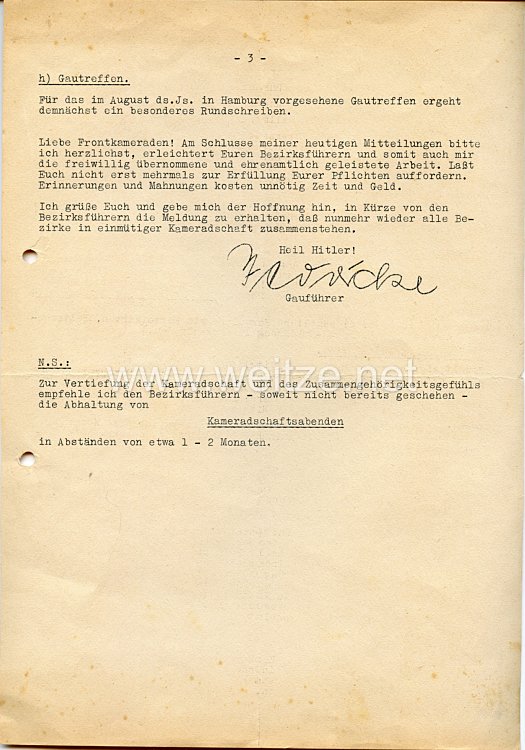
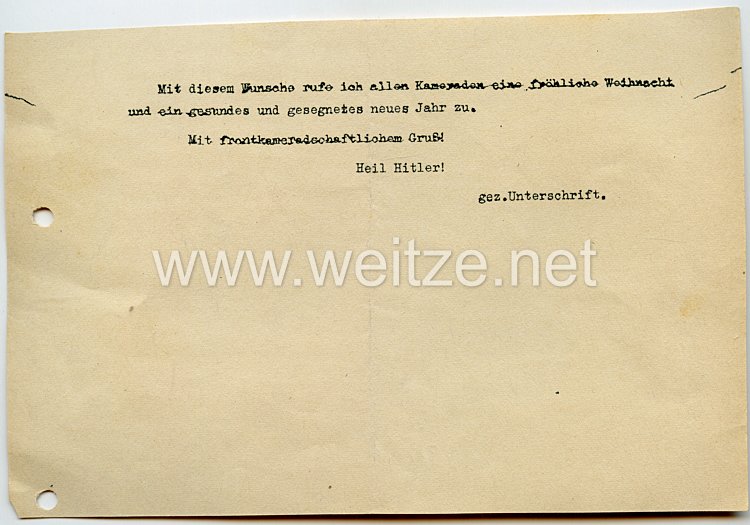
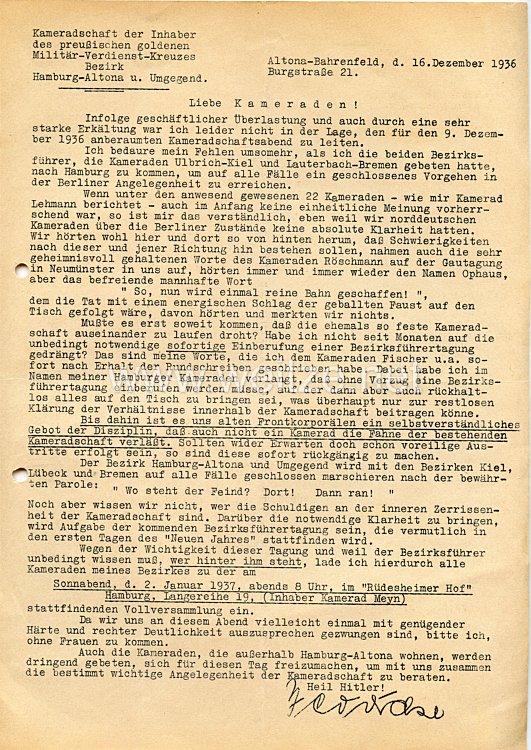
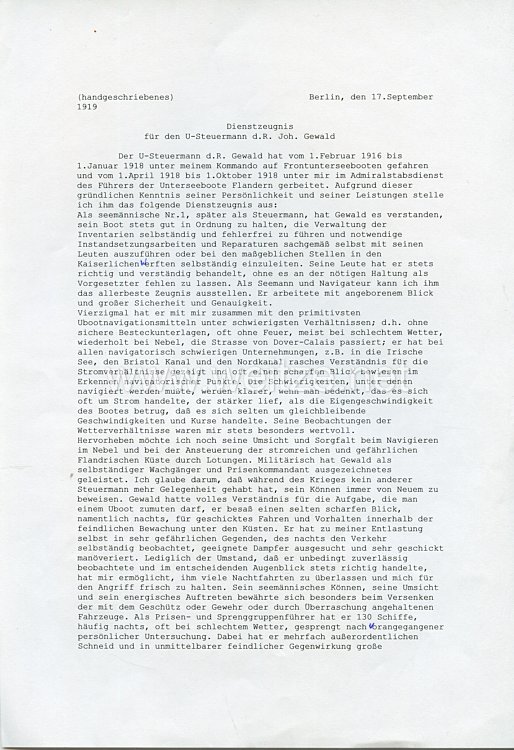
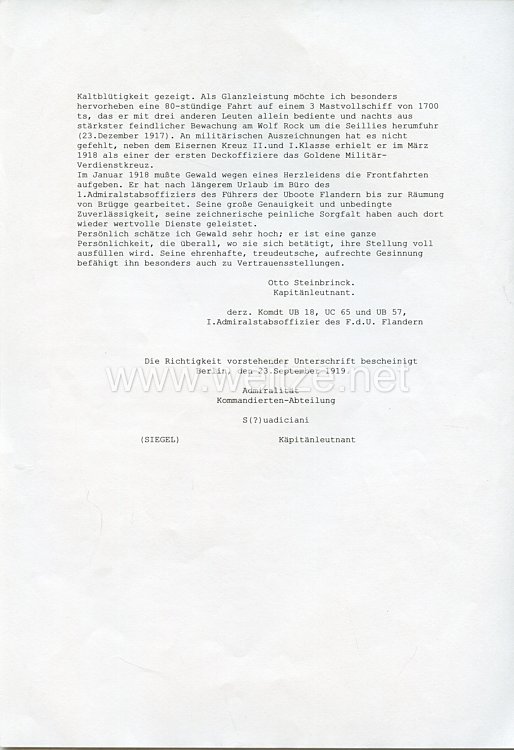
Preußen Goldenes Militär-Verdienstkreuz, sogenanntes "Mannschafts-Pour le Mérite". Es handelt sich hierbei um eine typische Fertigung der Fa. Johann Wagner Berlin aus dem 1. Weltkrieg. Silber vergoldet, im unteren Kreuzarm gestempelt "938 W", komplett am alten Band im original Verleihungsetui. Leicht getragen in sehr gutem Zustand. Dazu die große Verleihungsurkunde, ausgestellt auf "Unterseeboots-Steuermann Johannes Gewald von einer Unterseebootsflottille", ausgestellt Berlin, den 15. Februar 1918. U-Bootkriegsabzeichen 1918 Tombak, rückseitig mit Herstellerbezeichnung "Walter Schot fec.", Zustand 2. Dazu die passende Miniatur und das Besitz-Zeugnis, ausgestellt von der Zentrale der Unterseebootsdivision, datiert Kiel, den 17. April 1919. Eisernes Kreuz 1914 2. Klasse, an der Ordensschnalle (gemeinsam mit dem Goldenen Militär-Verdienstkreuz, zum einhängen), anbei die kleine Feldspange. Dazu das Vorläufige Besitzzeugnis, ausgestellt von der Unterseeboots-Flottille Flandern, datiert Brügge, den 26 Mai 1916. Weiterhin ein Besitzzeugnis, ausgestellt vom Kommando der U-Flottille Flandern, datiert Kiel, den 3. April 1919. Eisernes Kreuz 1914 1. Klasse. Eisenkern, Hersteller auf der Nadel "K.A.G.", im Verleihungsetui mit Seidenfutter und lila Samteinlage, Zustand 2. Dazu das Vorläufige Besitzzeugnis, ausgestellt vom Generalkommando des Marinekorps, datiert K.H.Qu., den 30. März 1917. Weiterhin ein Besitzzeugnis, ausgestellt vom Kommando der U-Flottille Flandern, datiert Kiel, den 3. April 1919. Militärpaß der Unterseebootsabteilung, randvoll mit allen Eintragungen, Beförderungen, Auszeichnungen, Einsätzen auf UB 18, UC 65, UB 57 und UB 103, letzte Eintragung 1. Oktober 1919, mit der Schutzhülle. Ein sehr schönes Portraitfoto als Unterseeboots-Steuermann mit Schirmmütze. Handgeschriebenes Dienstzeugnis für den "U-Steuermann d.R. Joh. Gewald", ausgestellt von seinem ehem. U-Boot Kommandanten Kapitänleutnant Otto Steinbrinck von UB 18, UC 65 und UB 57, datiert Berlin, den 17. September 1919. Sehr detaillierte Beschreibung der Verdienste Gewalds auf seinen U-Booten als seemänische Nr. 1, später als Steuermann, u.a. : "Als Prisen- und Sprenggruppenführer hat er 130 Schiffe, häufig nachts, oft bei schlechtem Wetter, gesprengt ... Dabei hat er mehrfach außerordentlichen Schneid und in unmittelbarer feindlicher Gegenwirkung große Kaltblütigkeit gezeigt. Als Glanzleistung möchte ich besonders hervorheben eine 80-stündige Fahrt auf einem 3 Mastvollschiff von 1700t, das er mit drei anderen Leuten allein bediente und nachts aus stärkster feindlicher Bewachung am Wolf Rock um die Seillies herumfuhr (23. Dezember 1917). Anbei eine maschinengeschriebene Abschrift. Mitgliedsnadel der Unterseeboots-Kameradschaft, teils vergoldet und emailliert, an langer Nadel. Dazu ein Anschreiben der U-Boots-Kameradschaft mit der Übersendung des Abzeichens, datiert 1935, dazu die Satzung der Unterseebootskameradschaft. Von der "Kameradschaft der Inhaber des preußischen goldenen Militär-Verdienst-Kreuzes" insgesamt 7 Rundschreiben aus den Jahren 1935 - 1937. Dazu noch 2 Briefe seines ehemaligen U-Bootskommandanten Steinbrinck, datiert 1936.
Ein historisch einmaliger und historisch bedeutender Nachlaß eines der ganz wenigen U-Bootmänner mit dem "Mannschafts-Pour le Mérite".
Ein historisch einmaliger und historisch bedeutender Nachlaß eines der ganz wenigen U-Bootmänner mit dem "Mannschafts-Pour le Mérite".