Prussia Uniform Ensemble from the Estate of a Non-Commissioned Officer in the Leibgarde-Husaren-Regiment, Promoted to Feldwebel During World War I

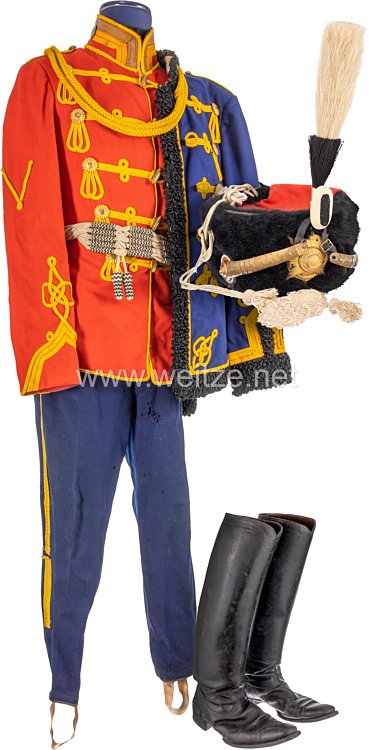
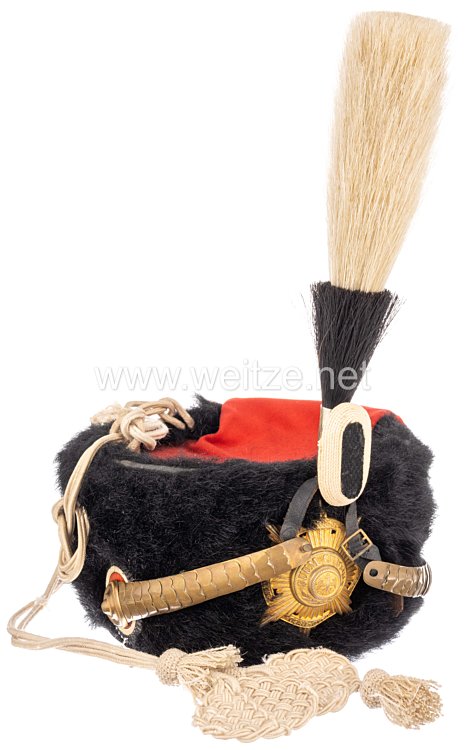
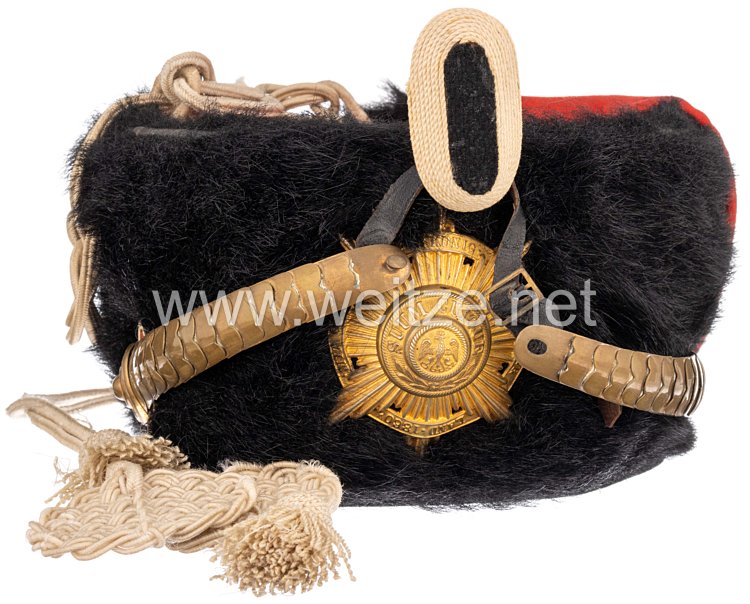
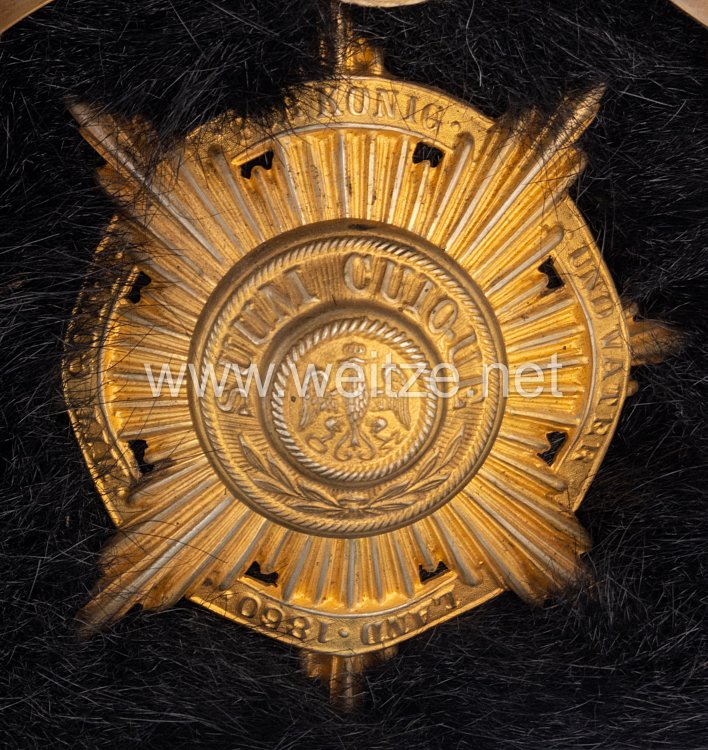
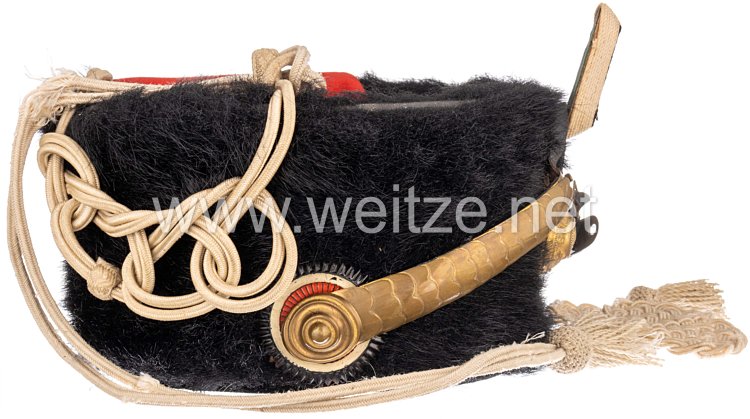
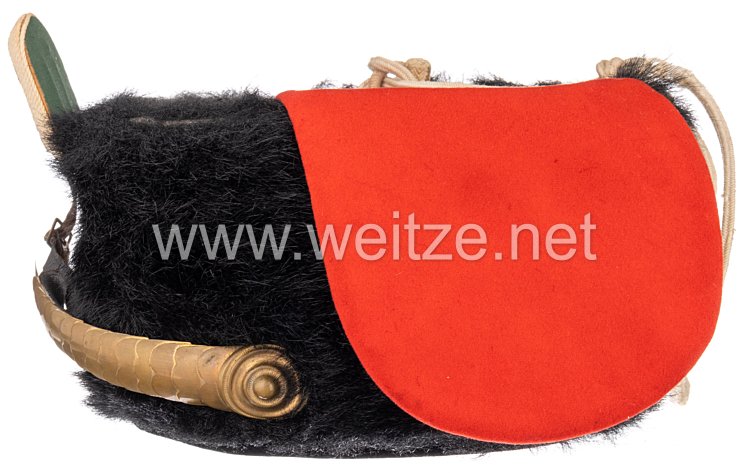
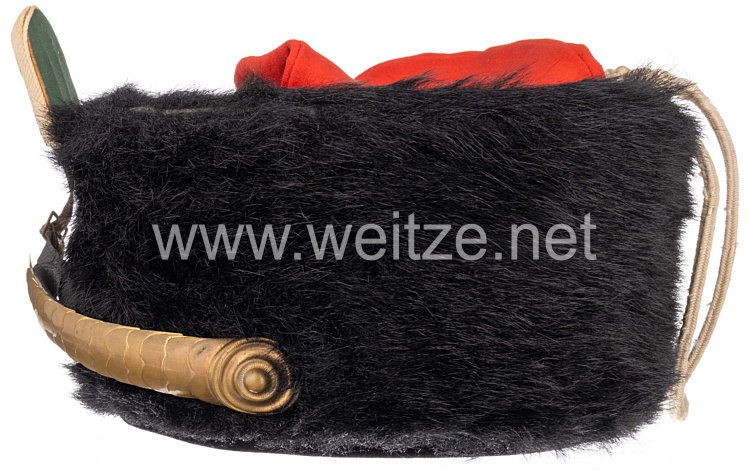
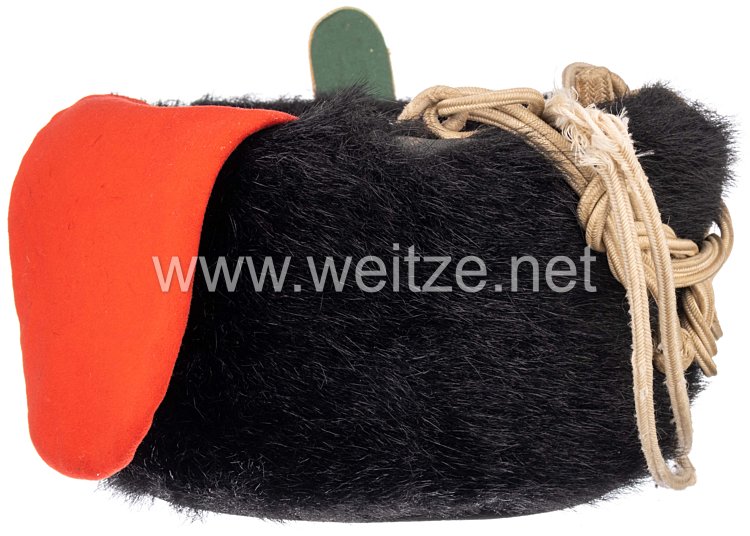
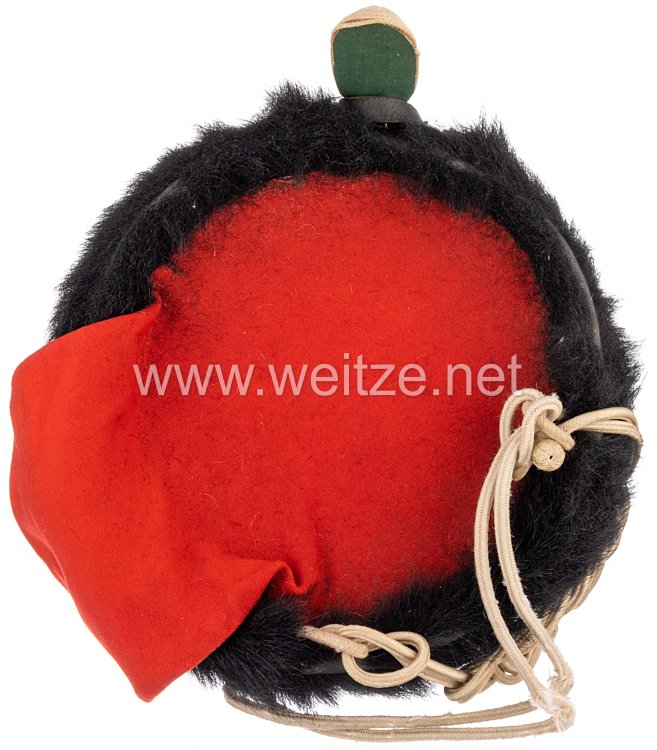
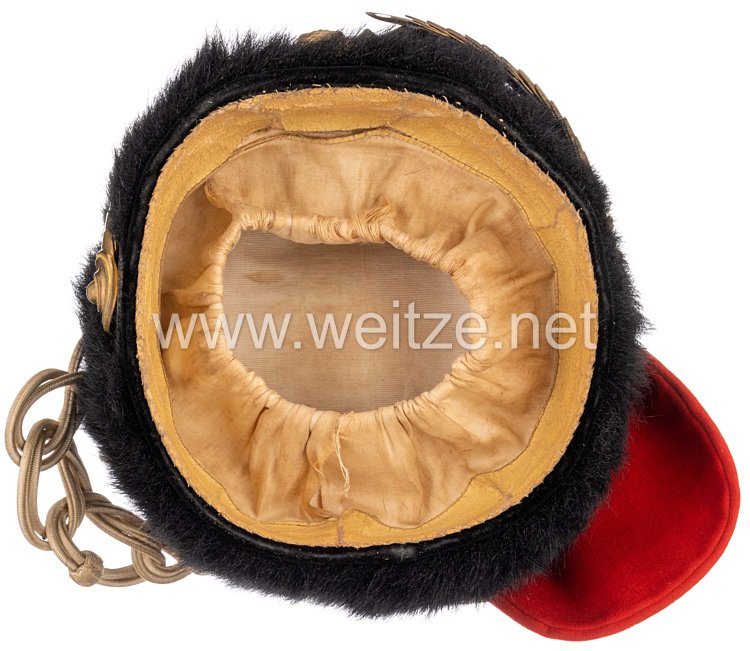
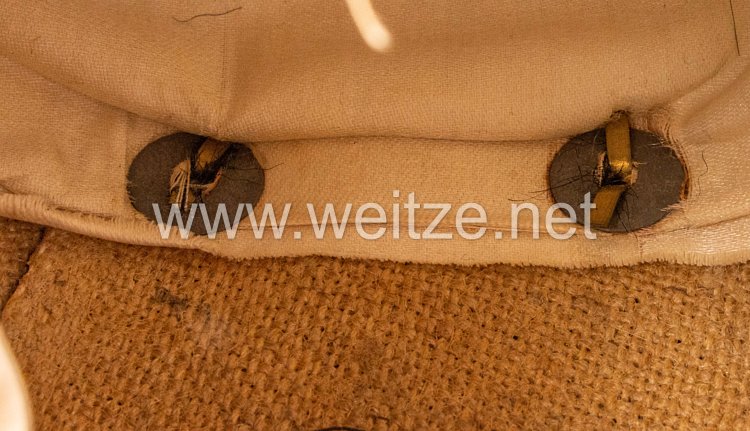
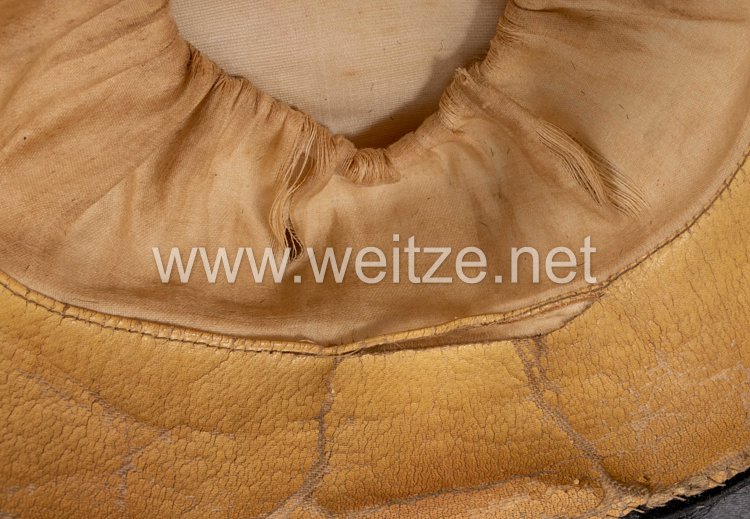
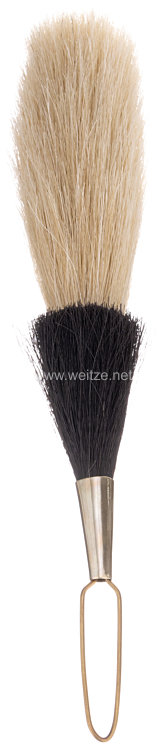
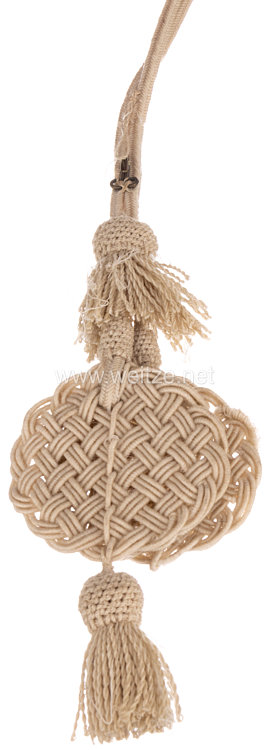
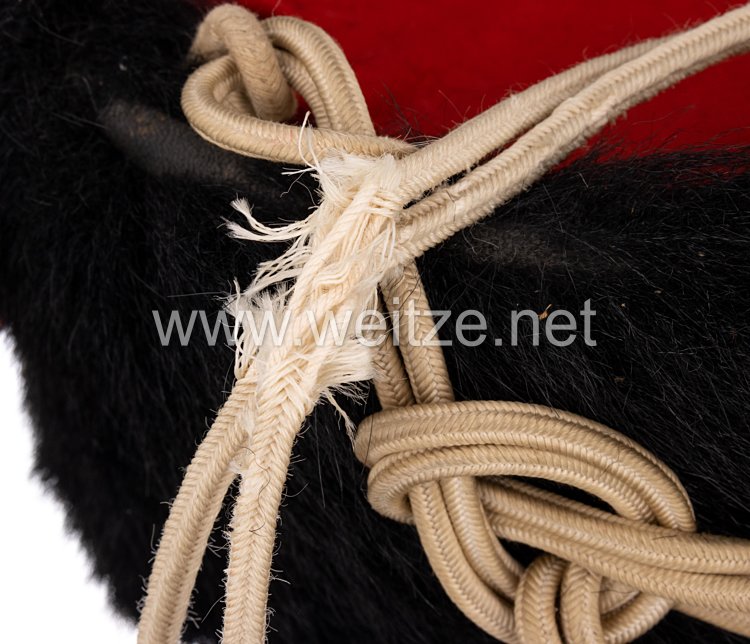
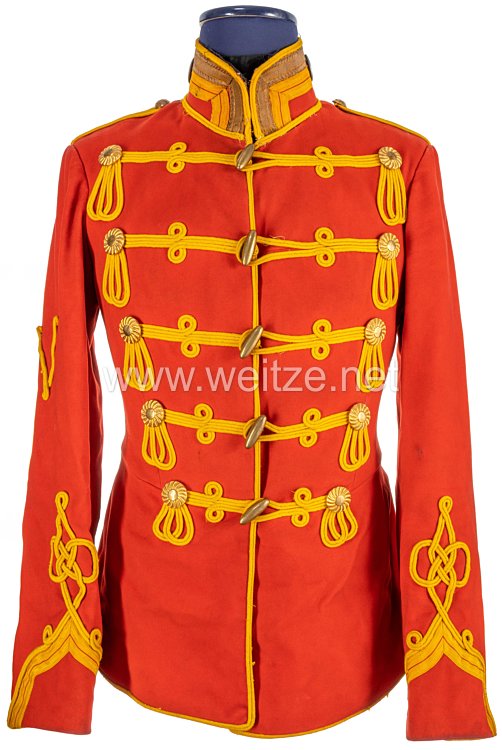
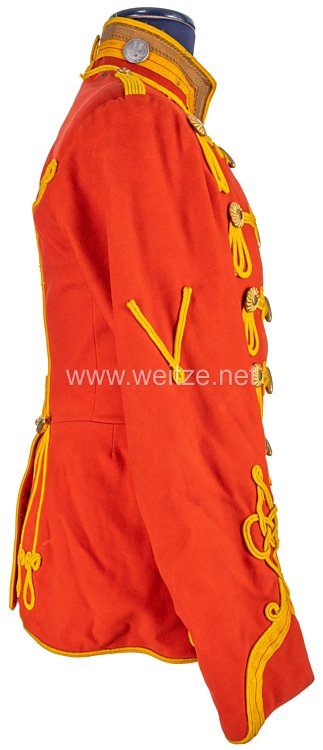
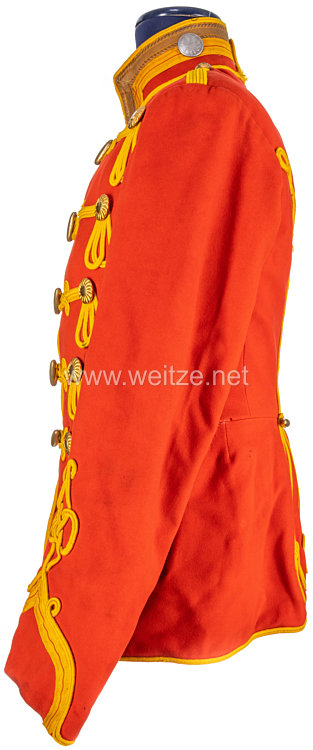
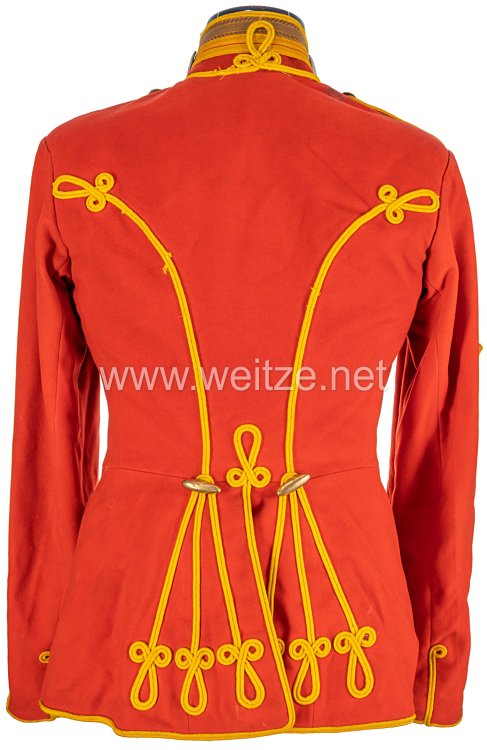
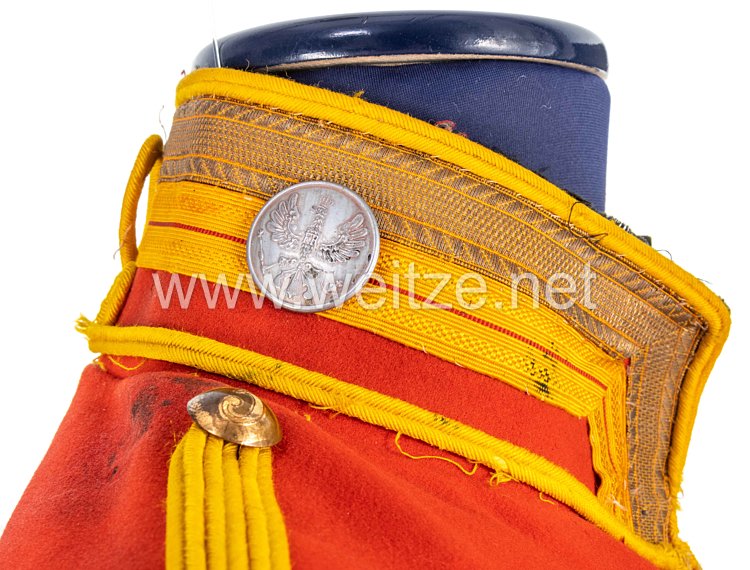
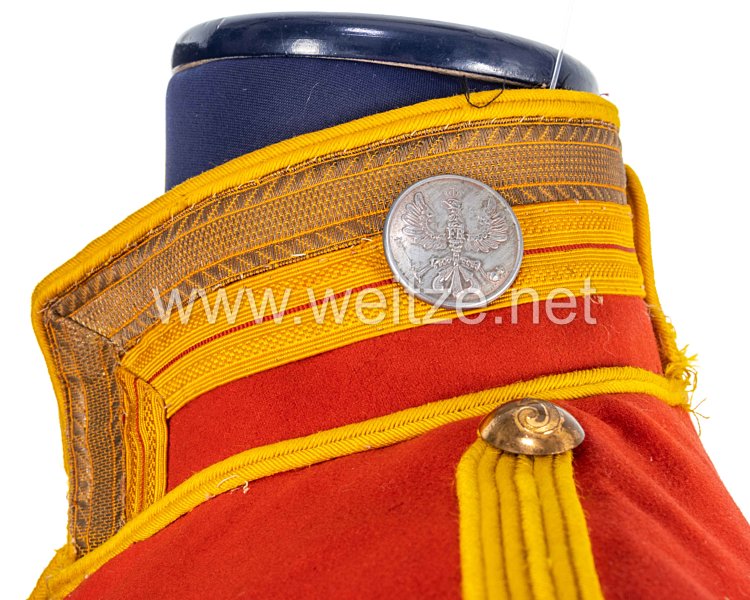
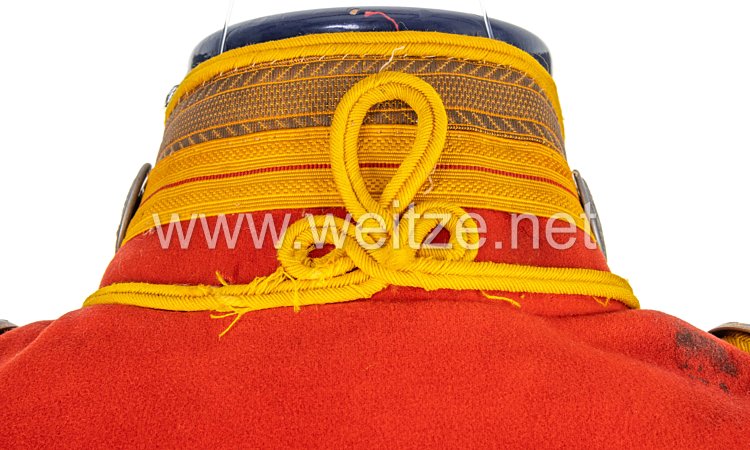
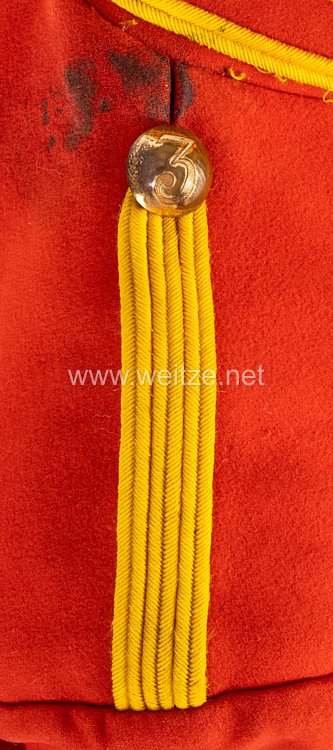
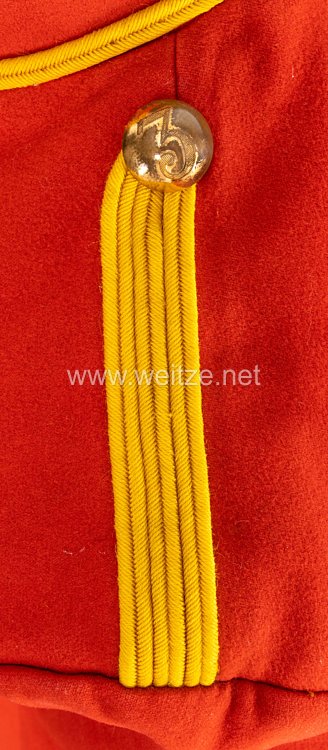
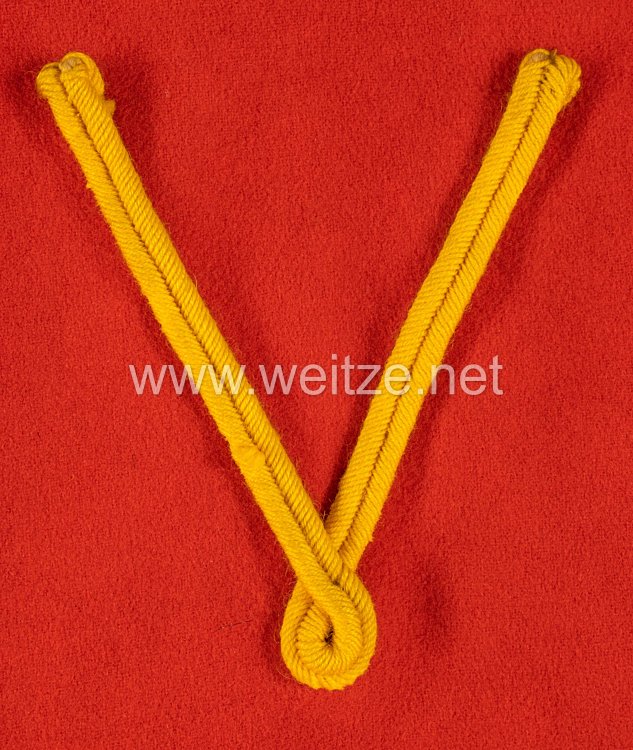
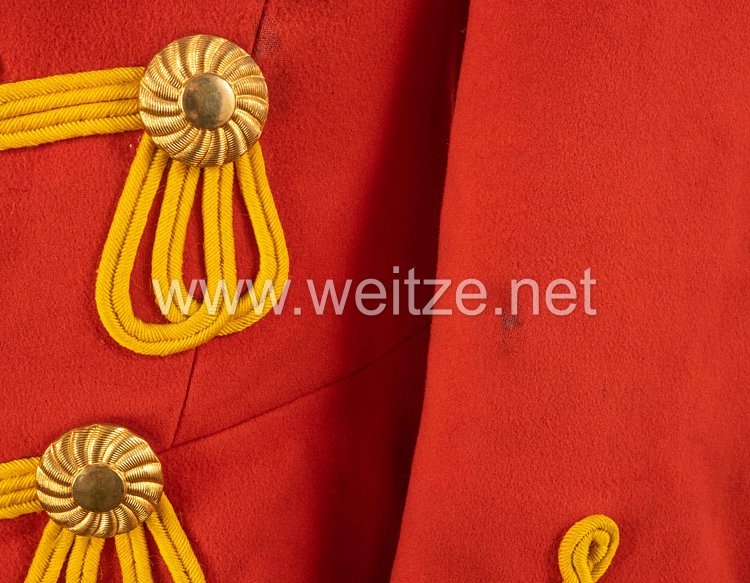
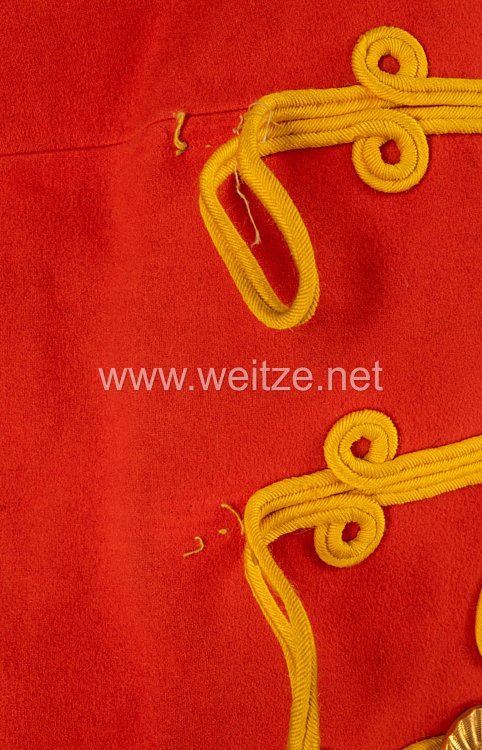
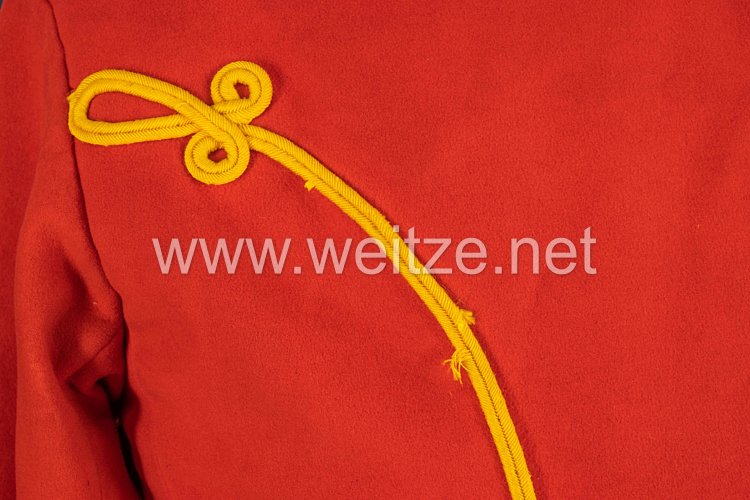
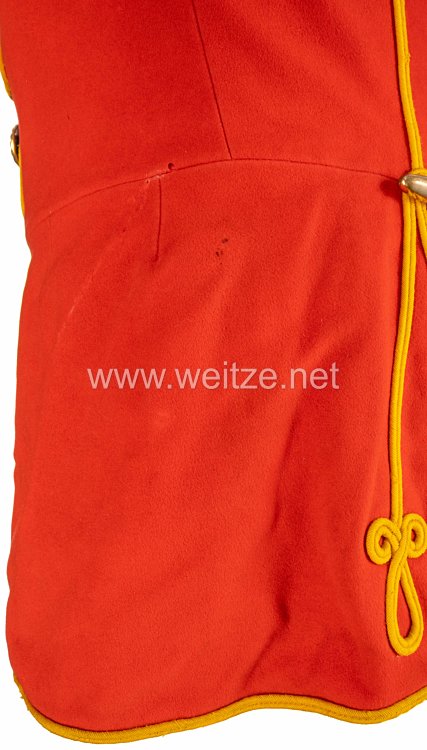
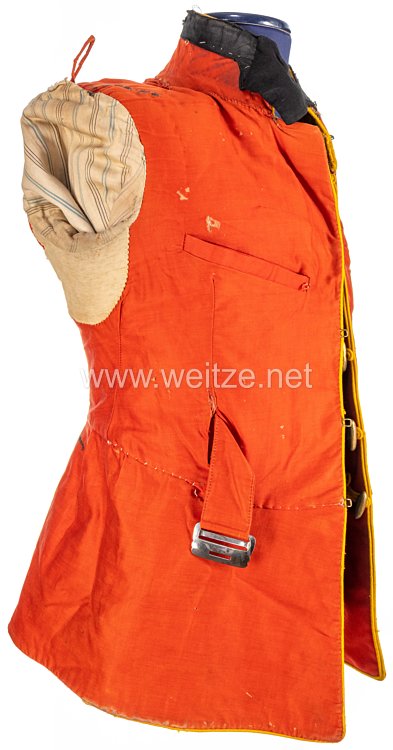
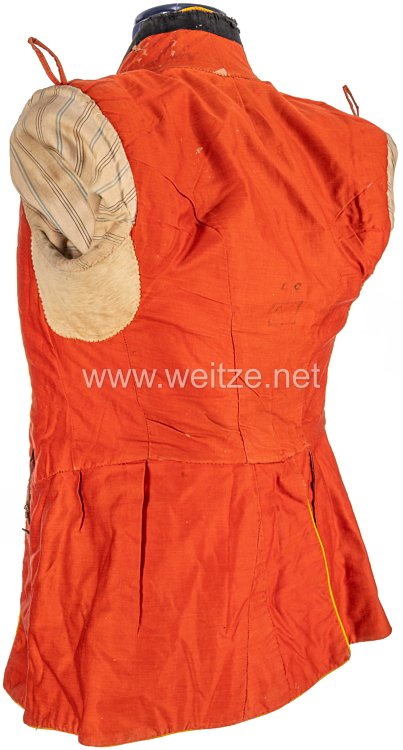
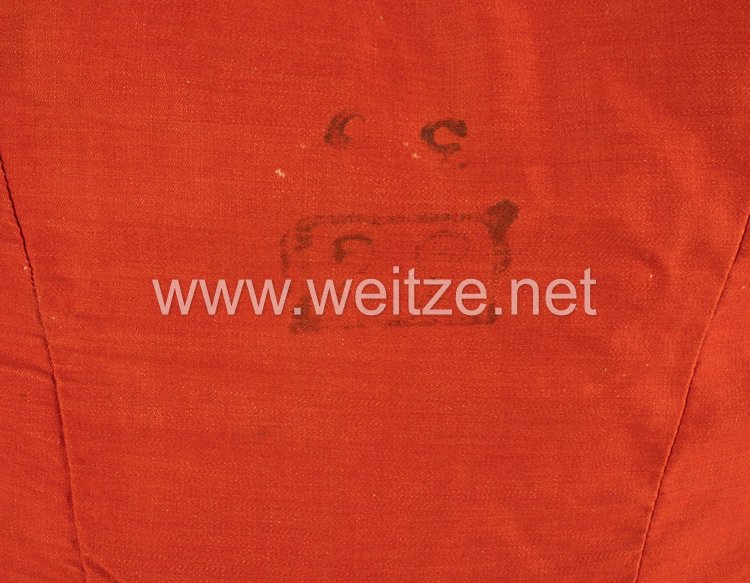
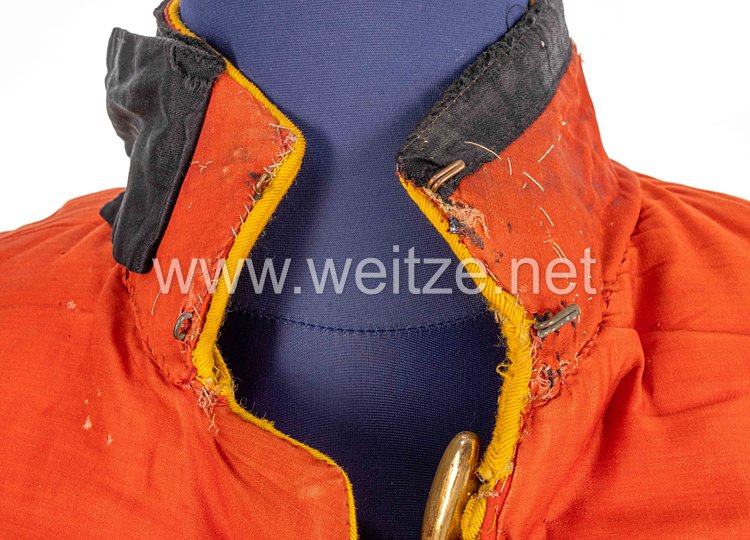
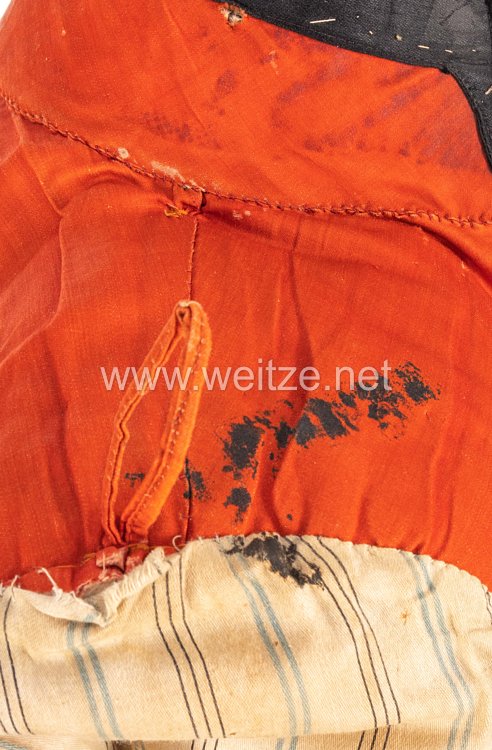
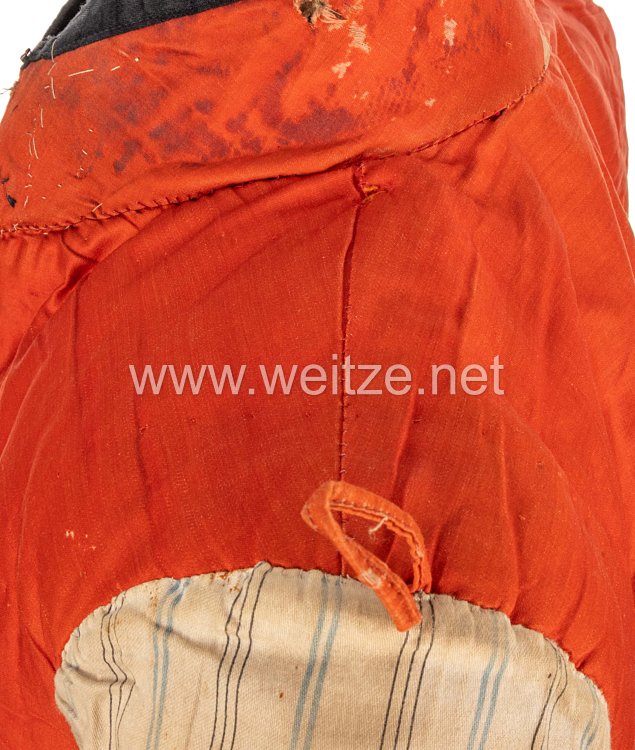
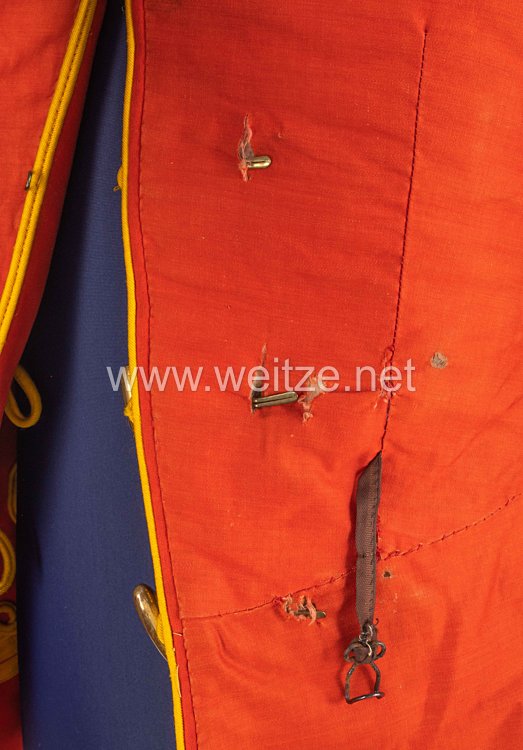
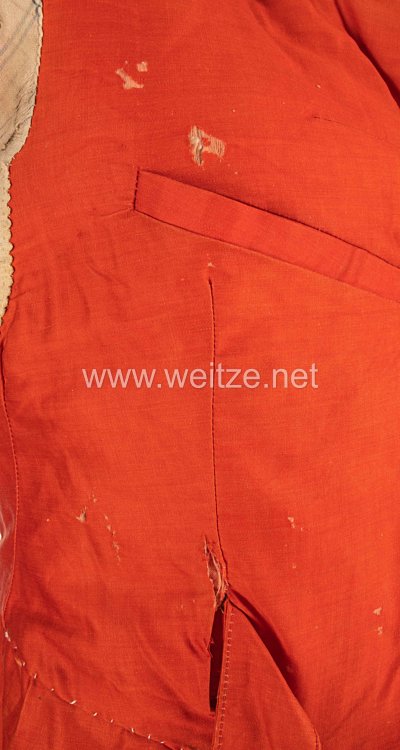
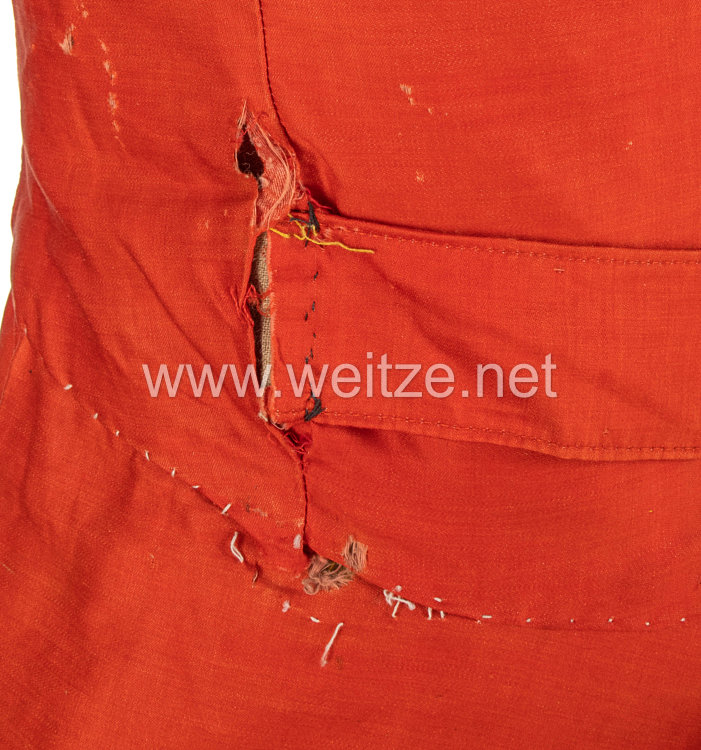
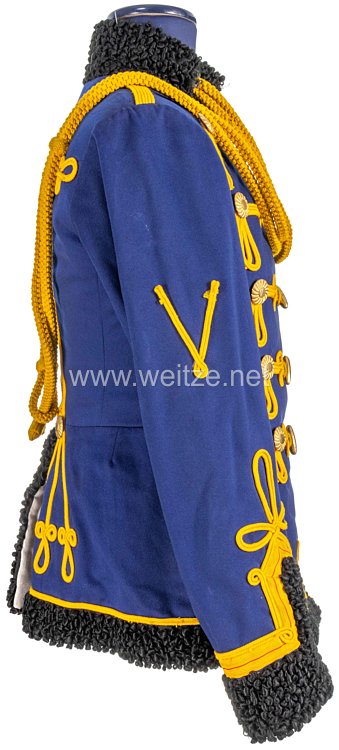
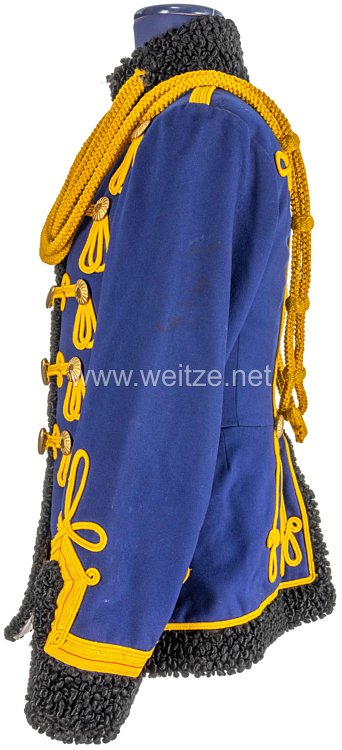
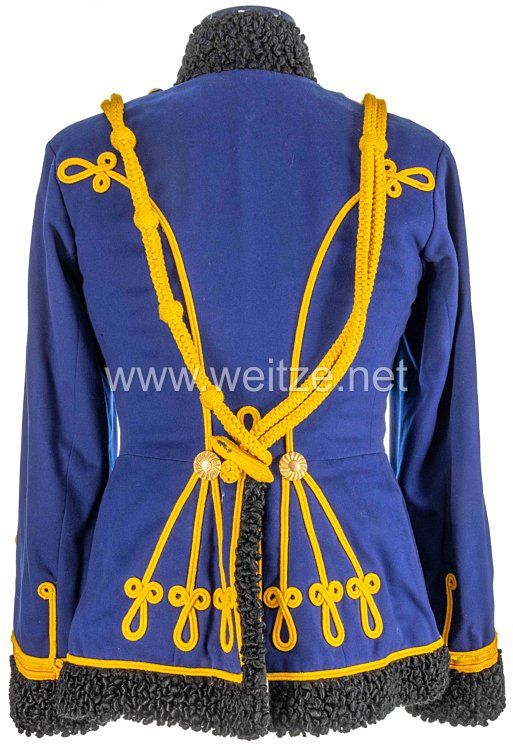
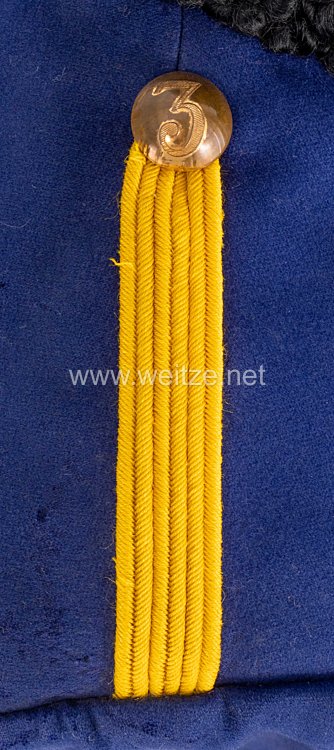
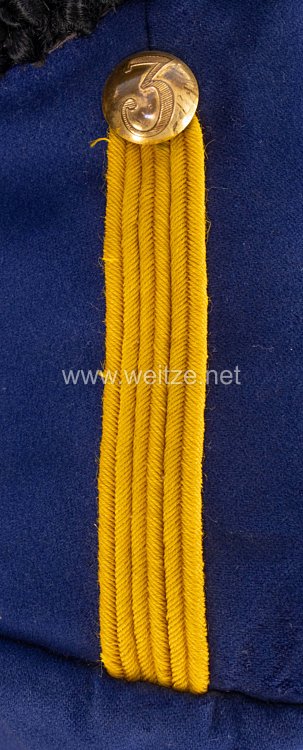
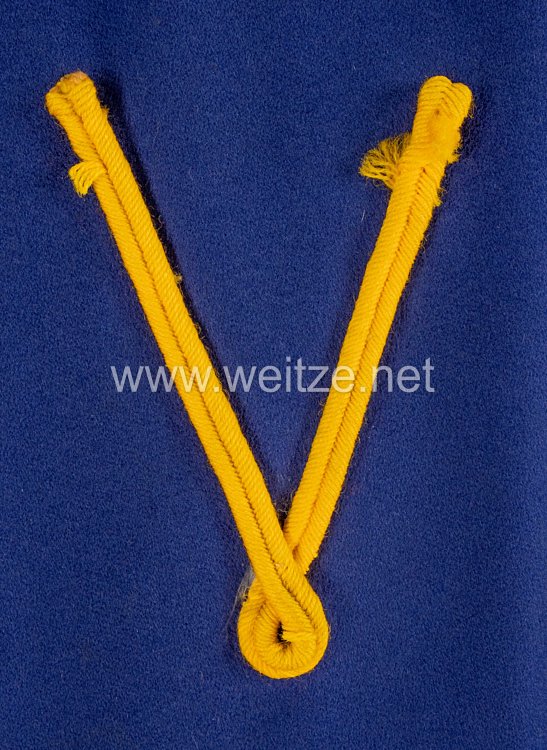
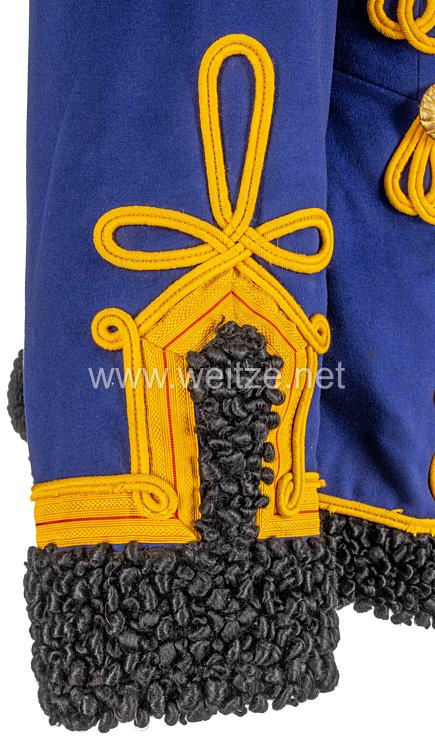
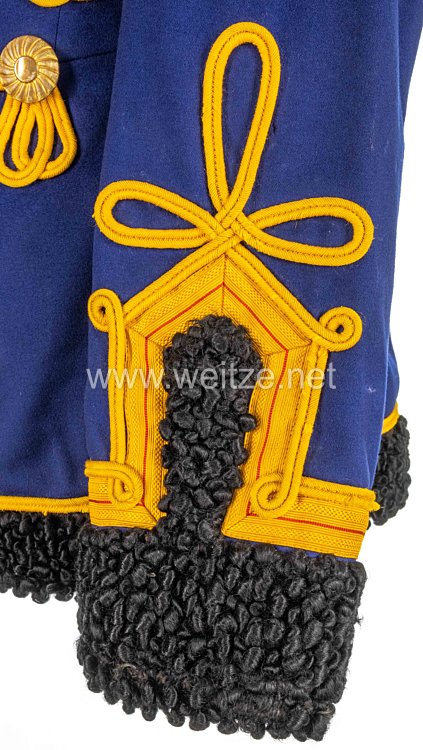
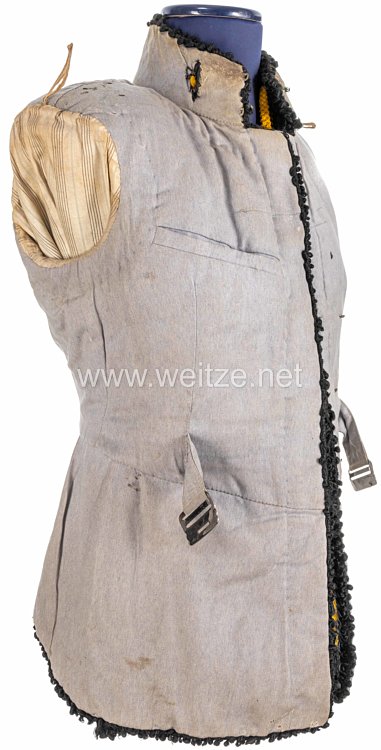
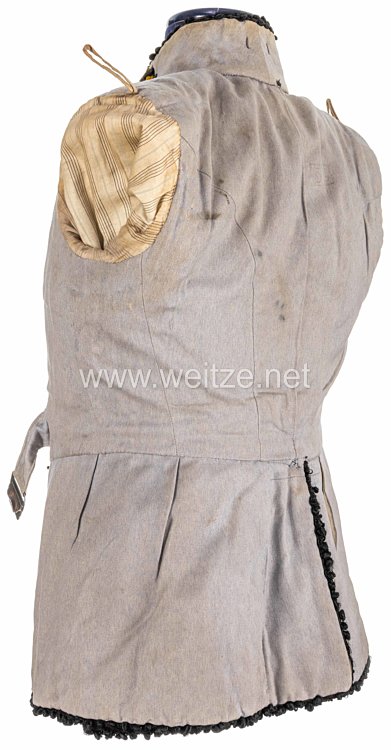
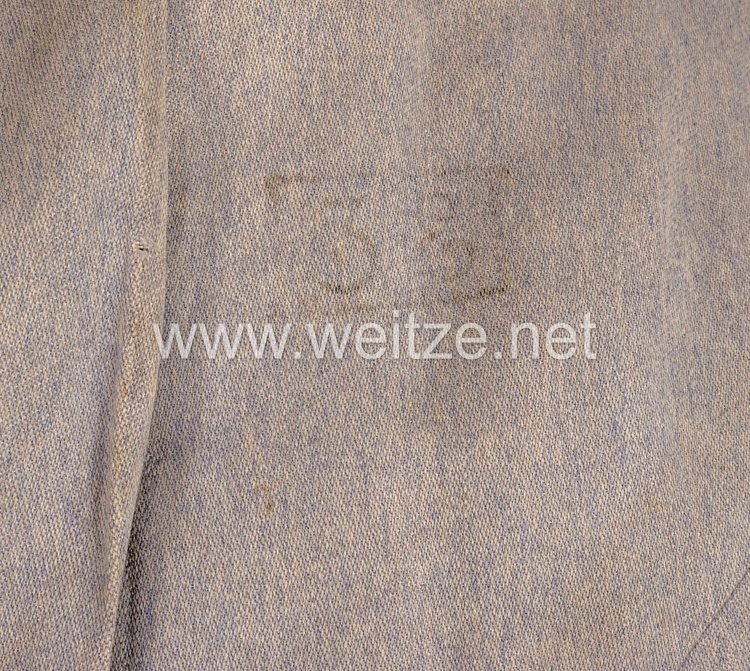
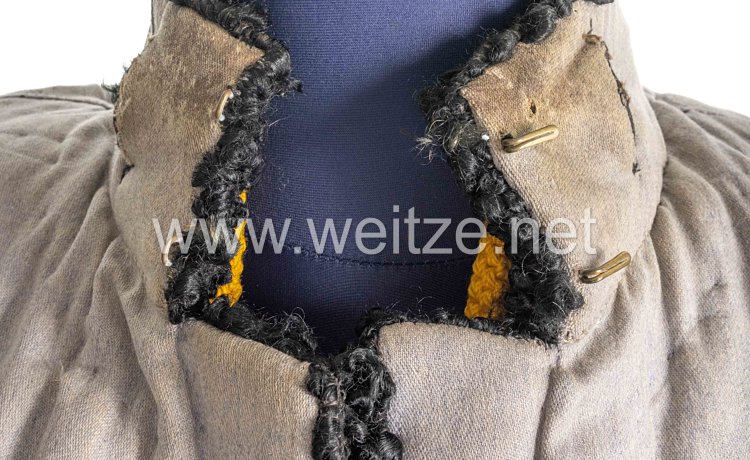
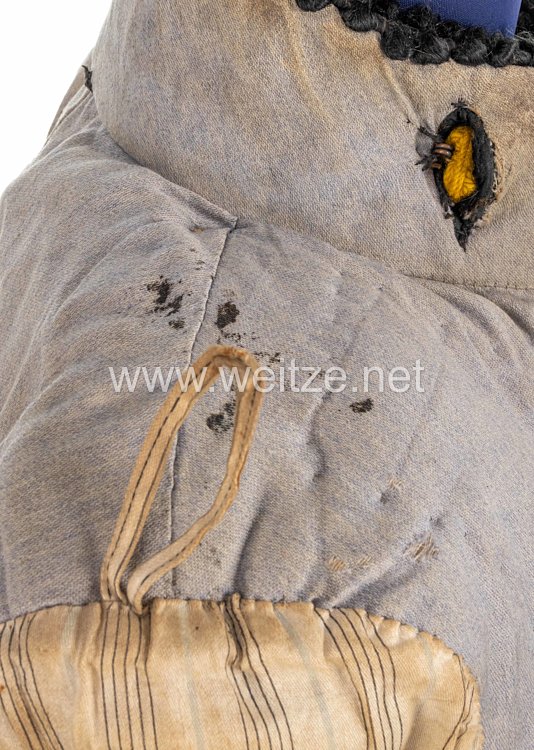
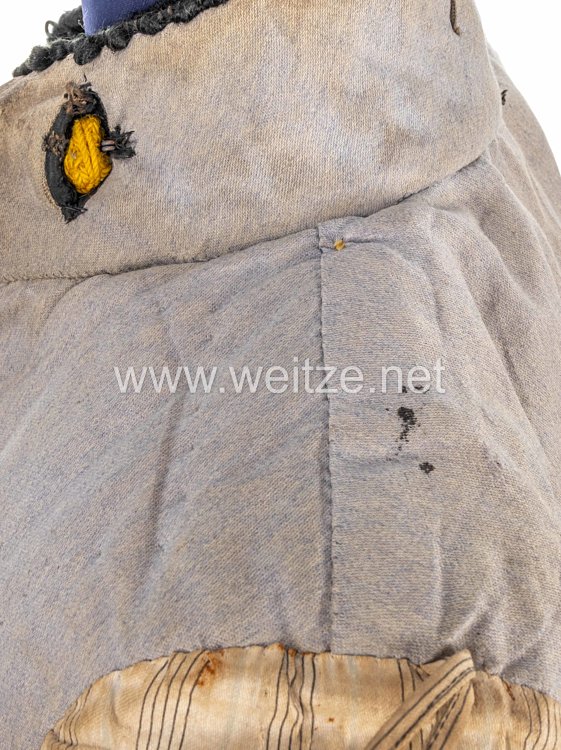
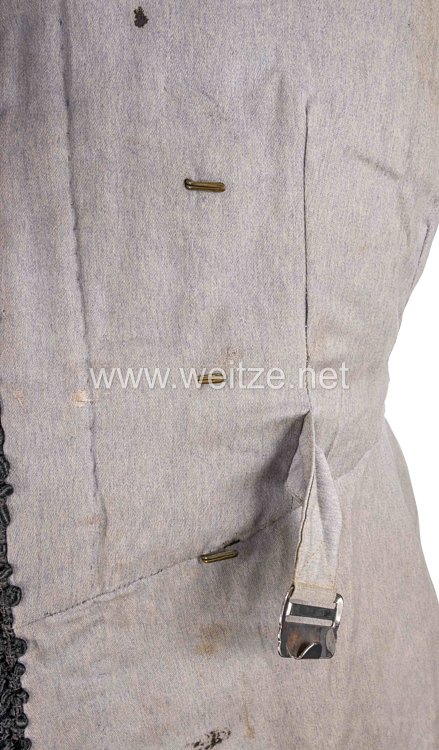
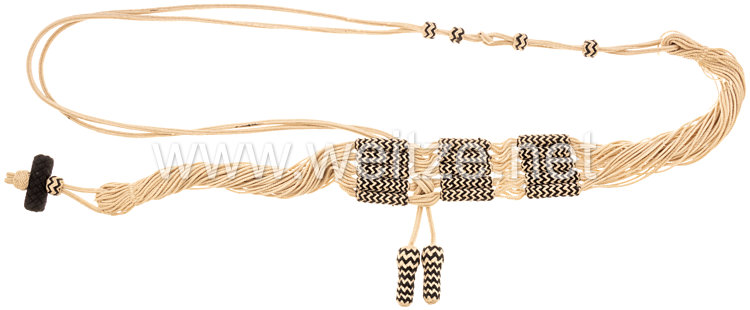
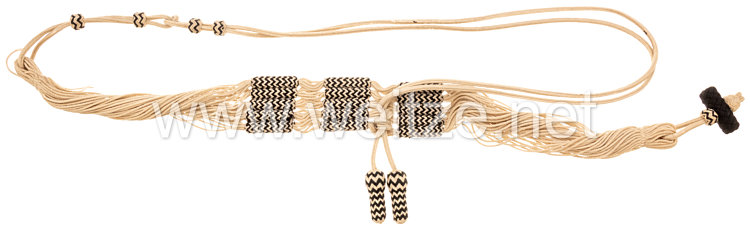
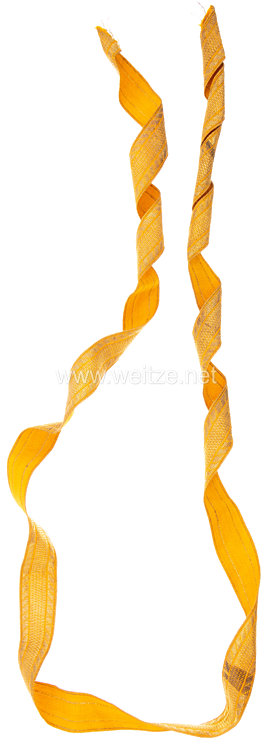
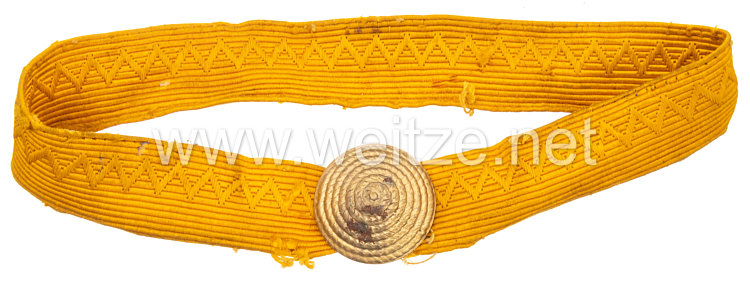
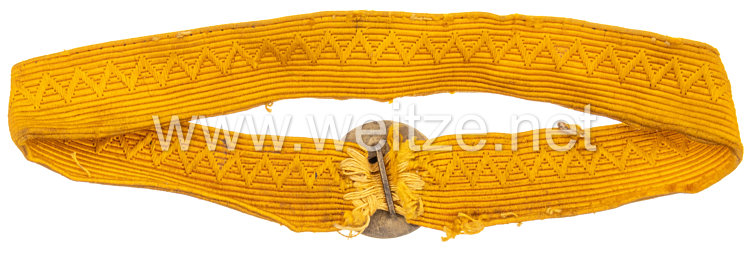
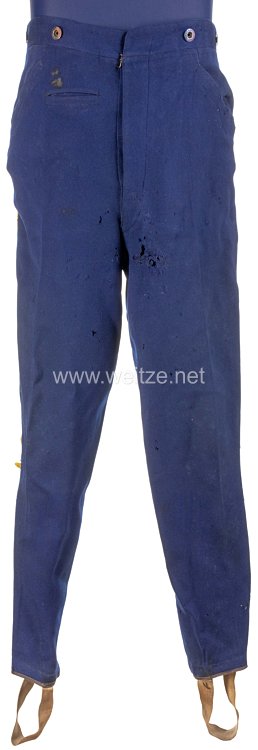
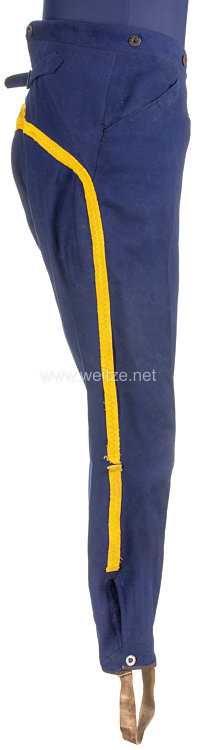
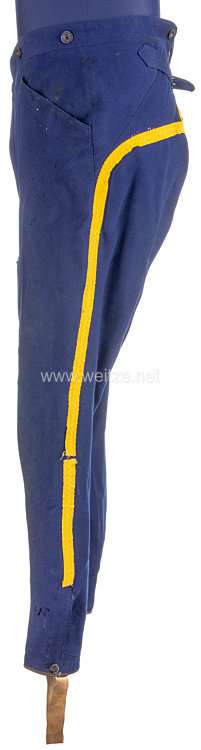
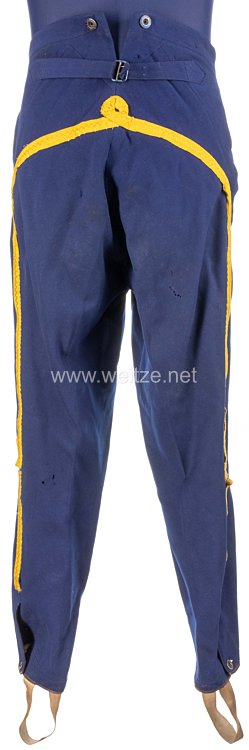
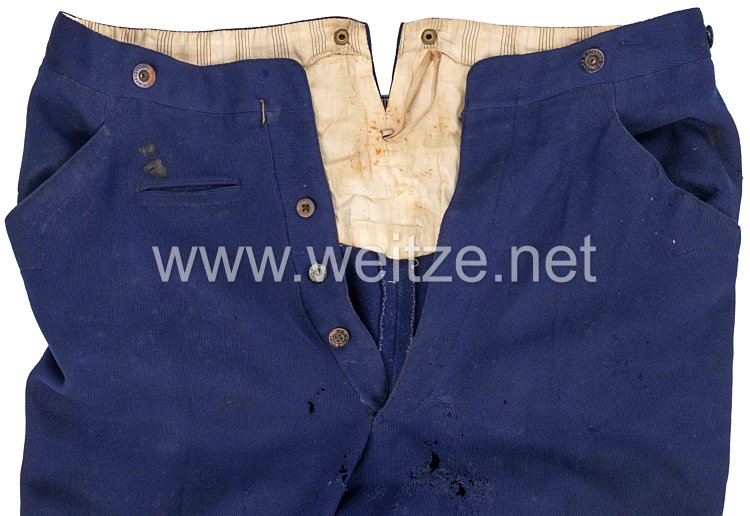
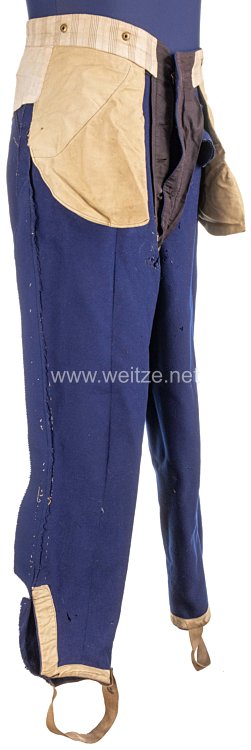
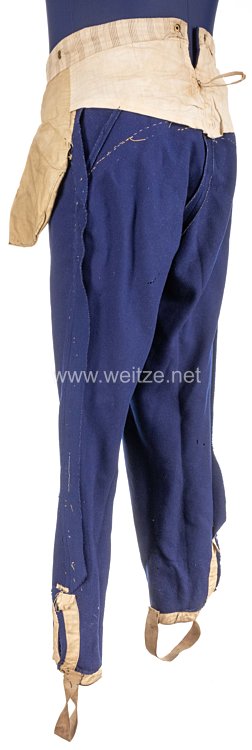
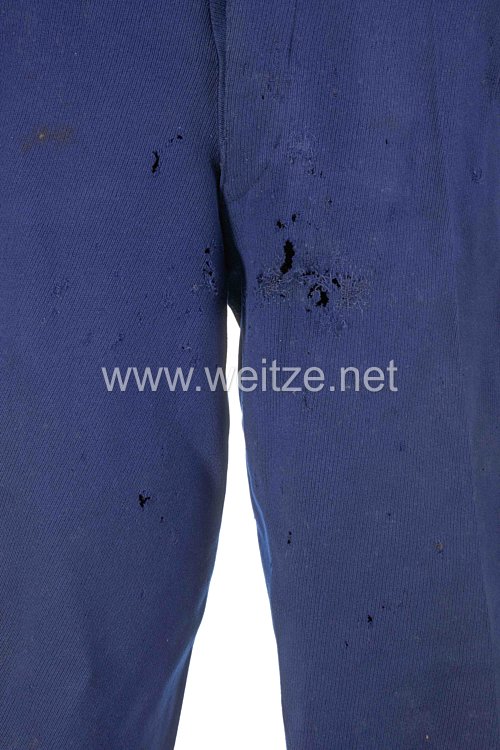
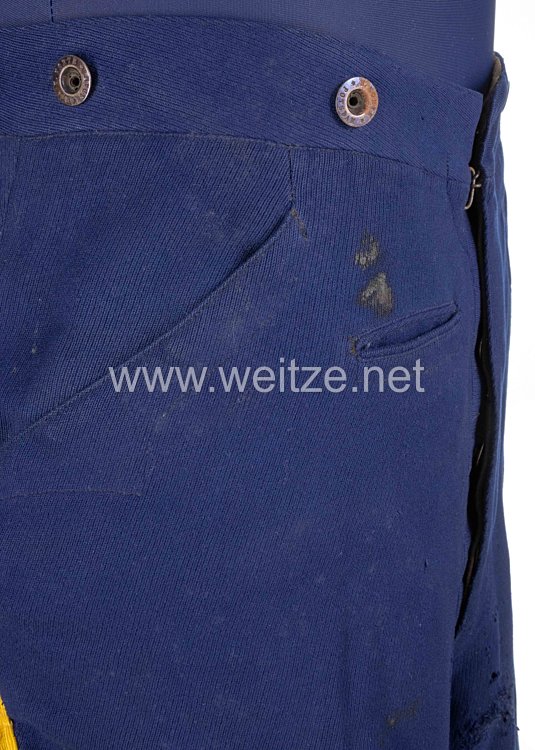
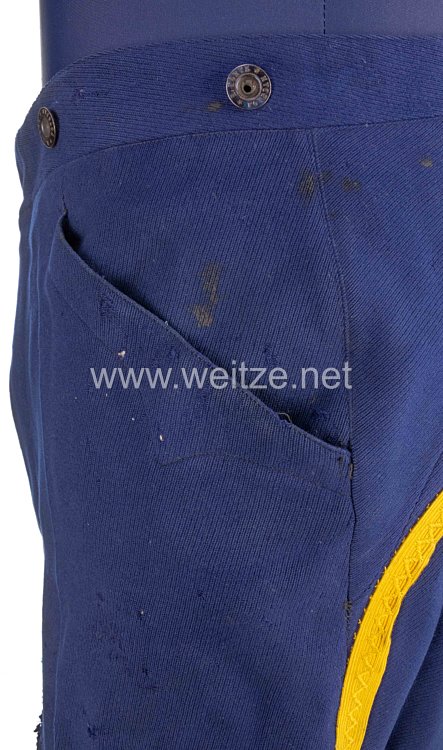
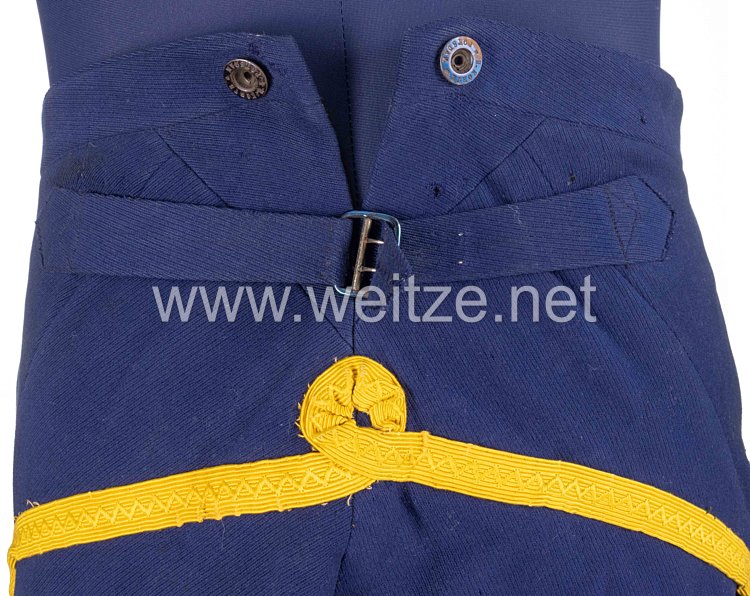
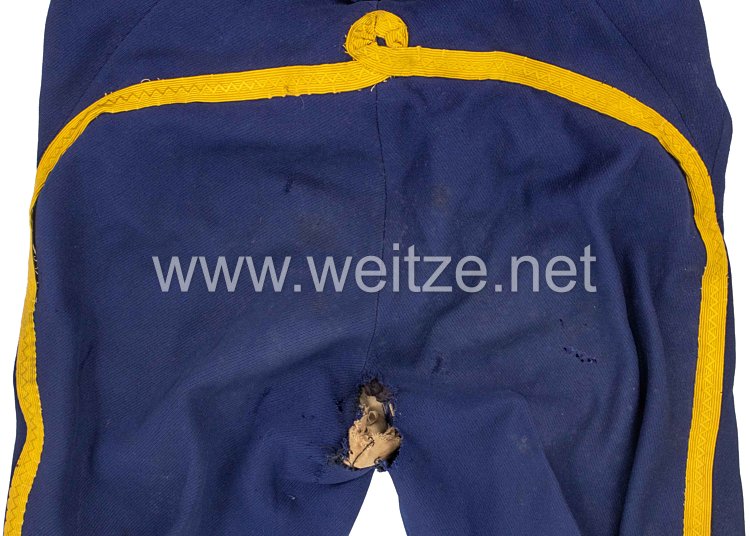
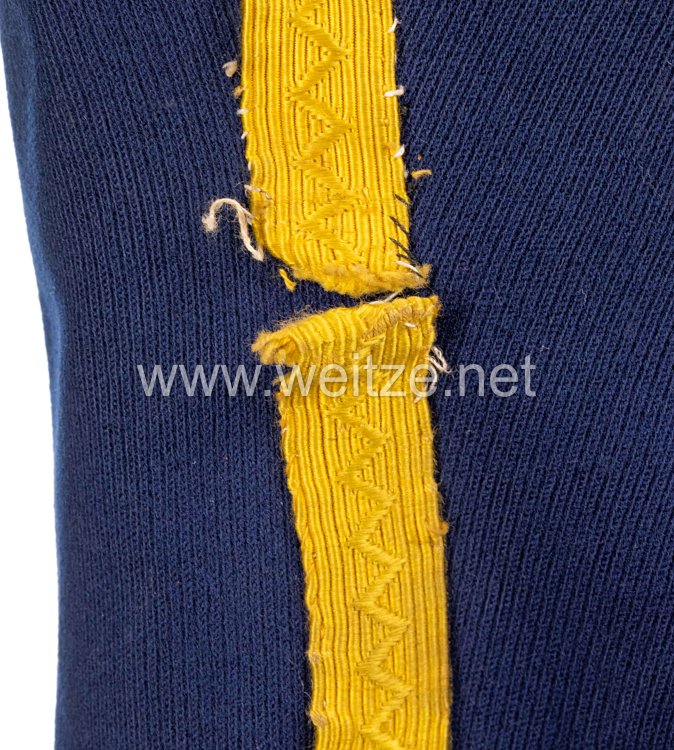
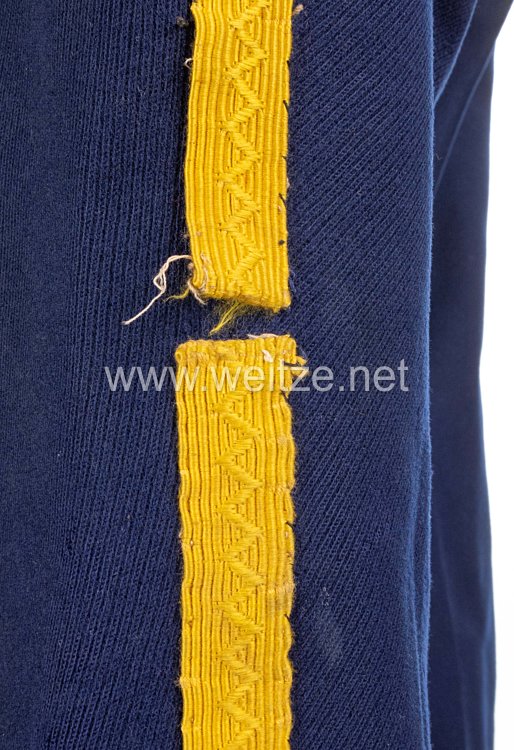
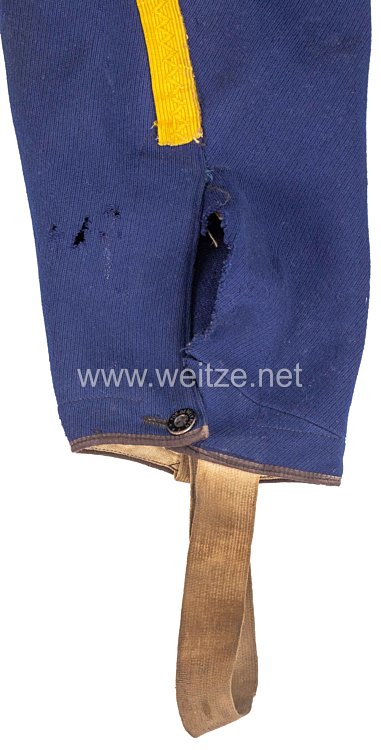
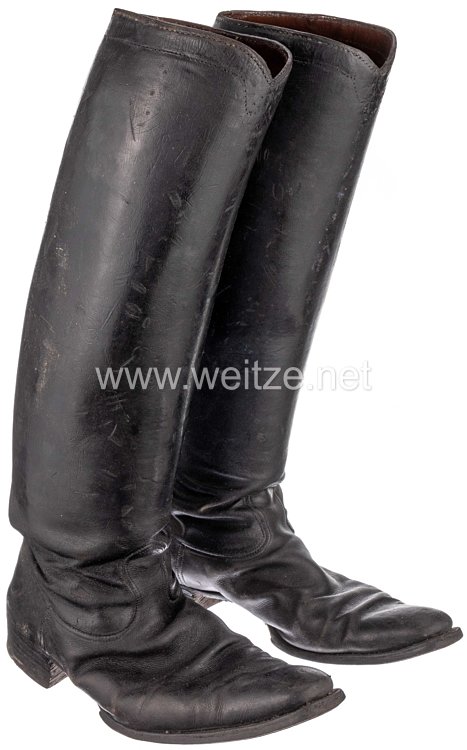
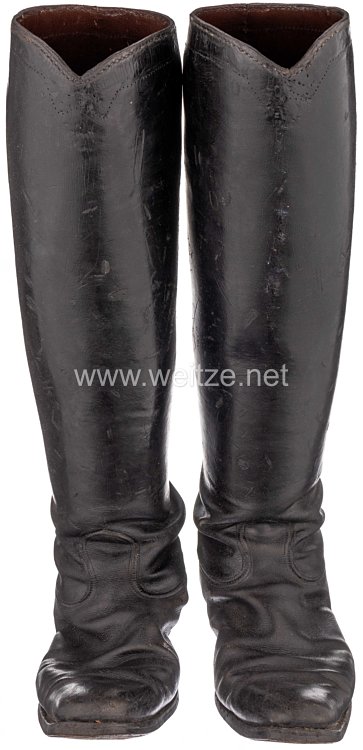
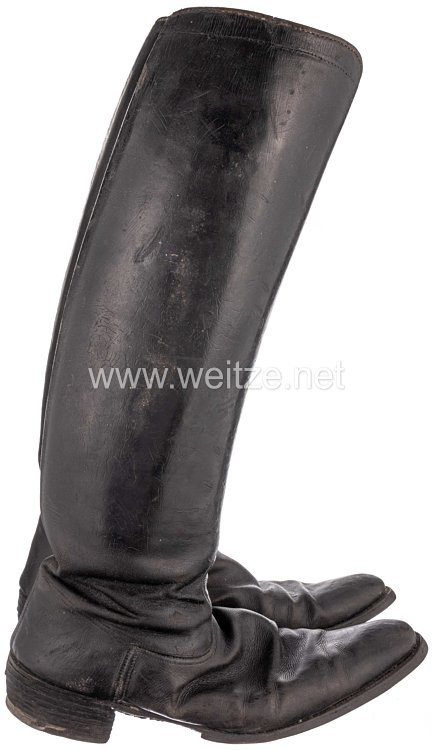
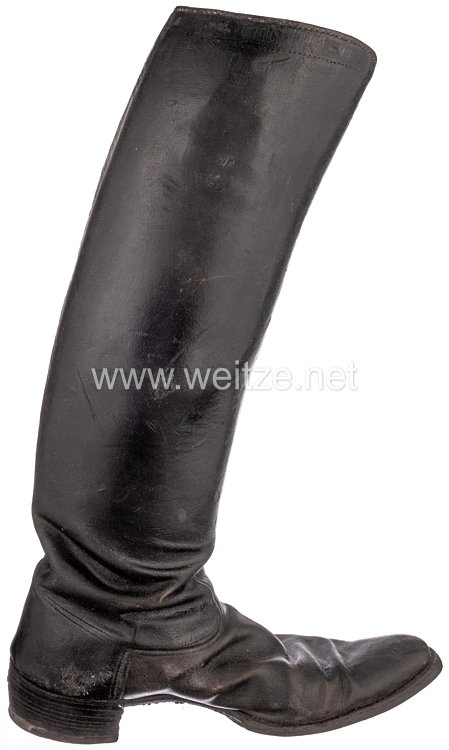
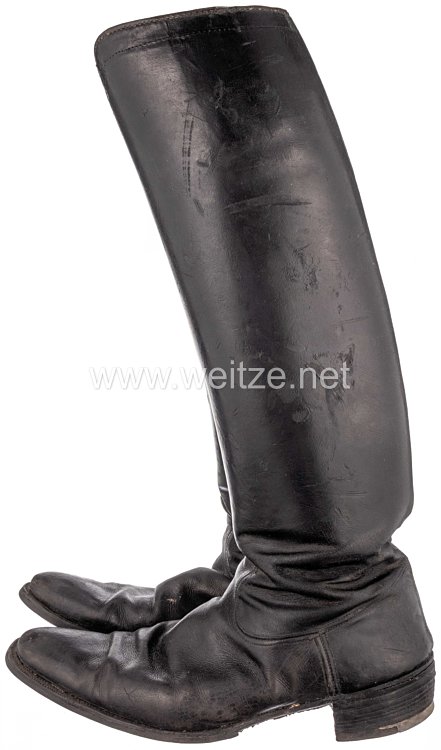
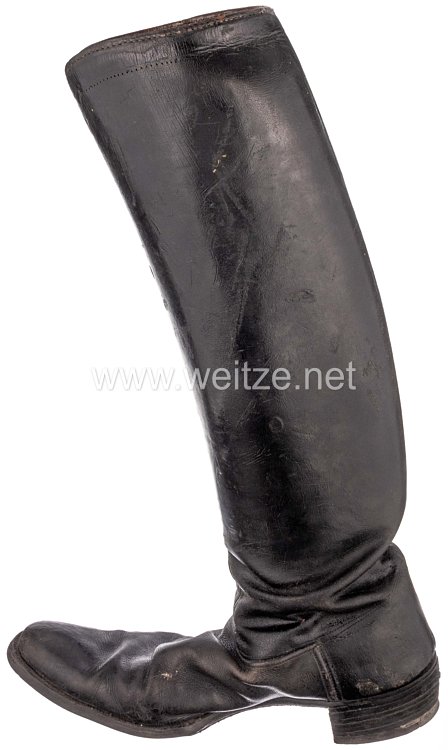
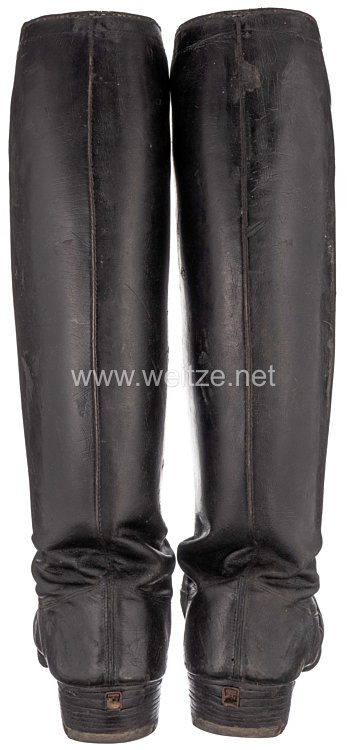
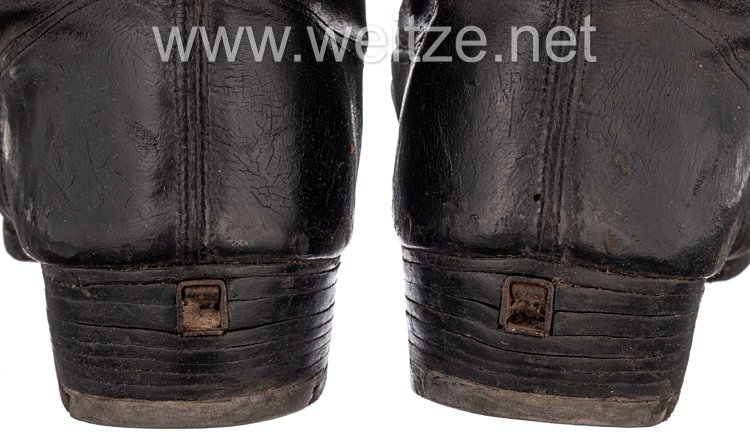
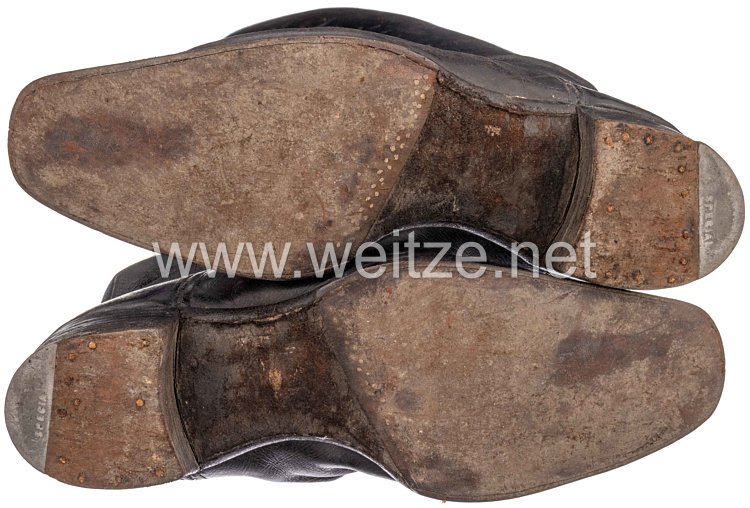
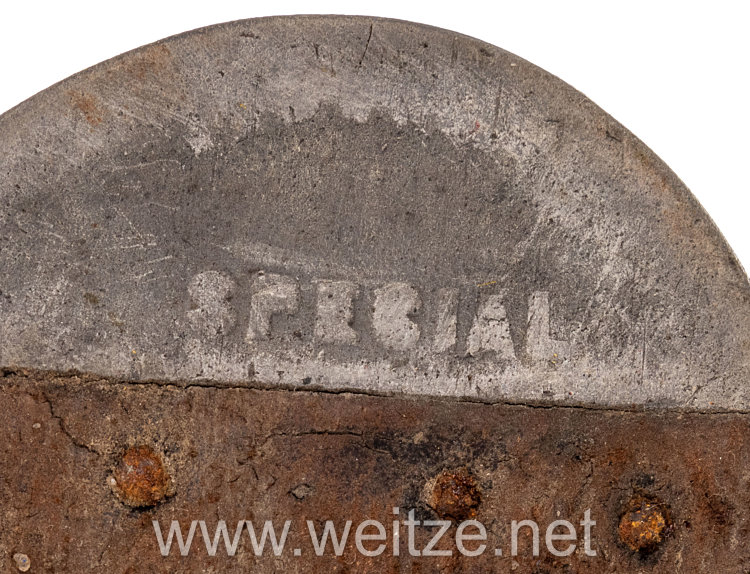
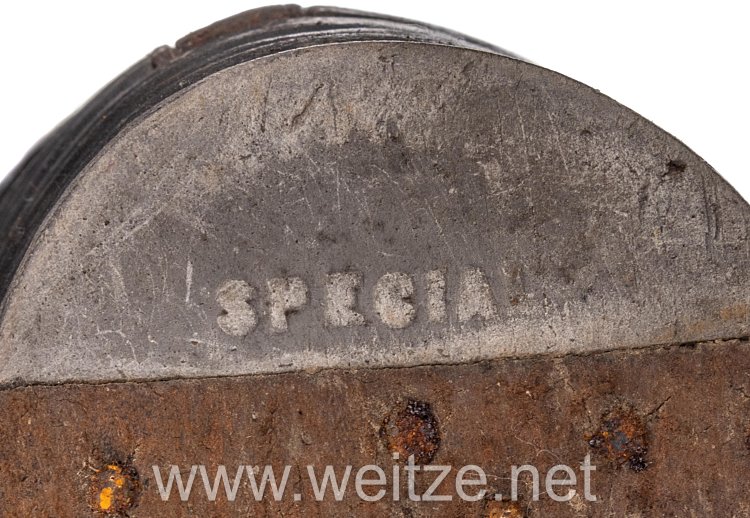
This ensemble consists of the busby, the attila and dolman/pelz, the parade sash, the trousers, and the soldier's boots. ⪠The black busby, privately purchased item made of bearskin, complete with all fittings. At the front the Gardestern (Guard Star), domed scale chains on rosettes, on the right the Reich cockade. Complete with the Prussian field insignia, the ponceau-red kolpak (bag), the rolled dress cord, and the special dress cord of the Leibgarde-Husaren-Regiment for parade, and the parade plume in the special version for non-commissioned officers. Interior with white sweatband and white silk lining. Size approximately 59. ⪠The parade attila in bright red with yellow braiding, on the collar and cuff flaps with the golden-yellow guard lace. The shoulder straps with buttons of the 3rd Squadron. On the right sleeve with chevron for good lance fencing. On the collar the large field-gray button (promotion to sergeant during World War I) and above it the braid for non-commissioned officers. The braid on the sleeves was no longer attached during the war but was still present in the jacket. The attila with red silk lining inside. ⪠Additionally, the special parade sash with black stripes for non-commissioned officers. ⪠Dark blue dolman/pelz with yellow braiding, gilt buttons, the shoulder straps with buttons of the 3rd Squadron, collar, button placket and cuff flaps with black wool fur, on the sleeves the guard lace, on the right sleeve with chevron for good lance fencing. Interior with dove-gray lining. ⪠Dark blue trousers with gold braid. Moth damage in the crotch area. ⪠Hussar boots, one of the two yellow braids is missing. ⪠Slight wear and age traces, somewhat more evident on the trousers. Condition 2.

A very fine ensemble, which in its completeness is very rare!
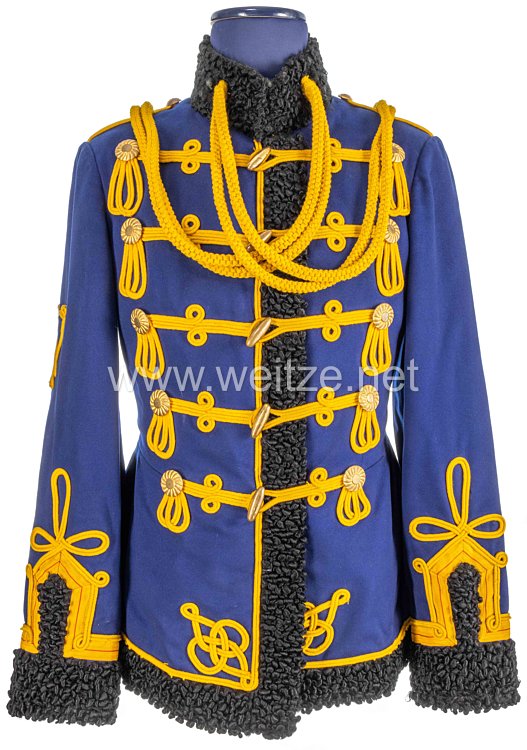
419656

Prussia Uniform Ensemble from the Estate of a Non-Commissioned Officer in the Leibgarde-Husaren-Regiment, Promoted to Feldwebel During World War I

This exceptional uniform ensemble documents the career of a non-commissioned officer in the Leib-Garde-Husaren-Regiment (Life Guard Hussar Regiment), one of the most prestigious cavalry units of the Prussian Army. The regiment, which existed from 1815 to 1919 and belonged to the Guards Corps, was established on 21 February 1815 (foundation date) as the Garde-Husaren-Regiment from the Garde-Husaren-Eskadron of the Leichten Garde-Kavallerie-Regiments and three squadrons of the Ostpreußischen National-Kavallerie-Regiments. The unit was initially stationed in Berlin, and from 1829 in Potsdam.

A pivotal moment in the regiment's history came with the accession of Kaiser Wilhelm II on 19 June 1888, when he appointed himself as regimental chief and renamed the unit Leib-Garde-Husaren-Regiment. This personal connection between the Kaiser and the unit underscored its elevated position within the Prussian military hierarchy.

The present ensemble represents a significant transitional period in German military history. Already ordered by All-Highest Cabinet Order of 14 February 1907 and gradually introduced from 1909/10, during the Kaiser maneuvers of 1913, the colorful uniform was replaced for the first time by the field-gray field service uniform (M 1910). This was identical in cut to the peacetime uniform, but the braiding was held in gray. The leather equipment and boots were natural brown, while the fur cap was covered by a cloth cover called reed-colored (schilffarbig).

The special parade sash with black interweavings identifies the rank of Unteroffizier (non-commissioned officer), while the large field-gray button on the collar documents the promotion to Sergeant during World War I. Notably, the sleeve braid was no longer attached during the war but remained in the jacket—an authentic detail reflecting the wartime economy measures.

The regiment participated in major campaigns of Prussian-German history. During the war against Austria in 1866, it fought in the battles at Soor and Königgrätz. In the war against France, the unit saw action in 1870/71 with the 1st Guards Division on 18 August in the Battle of Gravelotte and on 1 September 1870 at Sedan.

In World War I, the regiment was divided: the 1st Squadron served with the 2nd Guard Division, the 2nd Squadron with the 203rd Infantry Division, the 3rd Squadron with the 1st Guard Division, and the 4th Squadron with the 92nd Infantry Division. The shoulder straps with buttons of the 3rd Squadron on this ensemble indicate that the wearer belonged to this specific unit.

The chevron on the right sleeve for good lance fighting documents a special military skill of the wearer—a distinction for outstanding competence in this traditional cavalry discipline. The bearskin fur cap with the Guard star at the front, curved scale chains on rosettes, and the Reich cockade on the right represents the pinnacle of Prussian uniform design. Complete with the Prussian field badge, the ponceaurot kolpack, and the special Fangschnur (lanyard) of the Leibgarde-Husaren-Regiment for parade, it embodies the splendor of the pre-war period.

After the Armistice of Compiègne, the regiment was demobilized until January 1919 and finally dissolved. The tradition was taken over in the Reichswehr by decree of the Chief of the Army Command, General der Infanterie Hans von Seeckt, on 24 August 1921 by the 6th Squadron of the 4th (Prussian) Reiter-Regiment stationed in Potsdam. In the Wehrmacht, the Panzerabwehr-Abteilung 23 of the 23rd Infantry Division continued the tradition.

This ensemble, produced circa 1910-1918, represents a remarkable confluence of parade magnificence and wartime practicality, preserving both the glory of Imperial Germany's cavalry elite and the sobering realities of the Great War that would ultimately bring an end to such martial splendor.

r