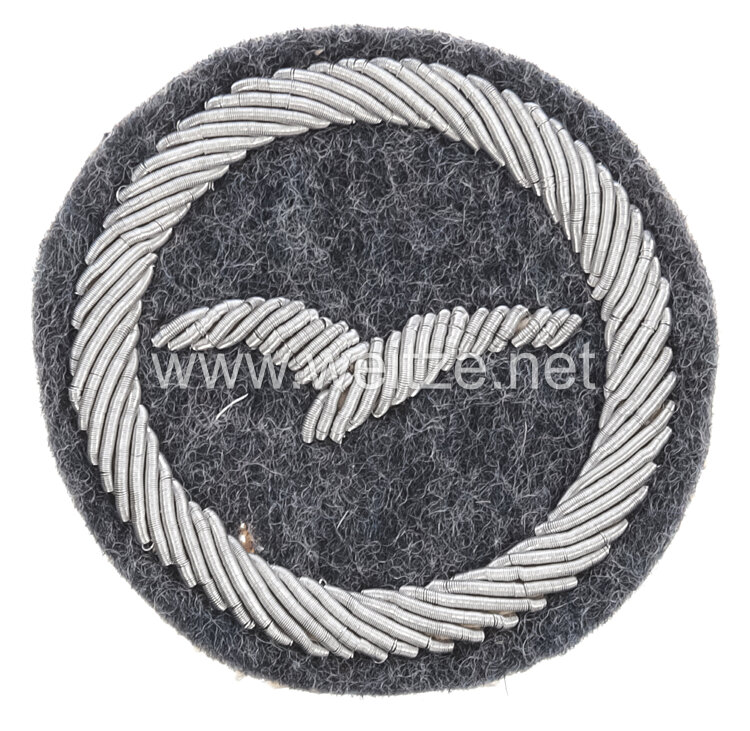
Glider Pilot Badge Grade “A”
The Glider Pilot Badge Level A represents a significant artifact of German aviation history, with roots in the interwar period. Following World War I and the severe restrictions of the Treaty of Versailles in 1919, which prohibited Germany from building and possessing motorized military aircraft, gliding developed into an important alternative for maintaining flying skills and knowledge.
The development of gliding sports in Germany was significantly promoted by the Rhön Gliding Competitions, which began in 1920 on the Wasserkuppe in the Rhön mountains. These competitions attracted thousands of spectators and contributed substantially to the technical development of gliding. During the 1920s, Germany became the world's leading nation in gliding.
The Achievement Badge for Glider Pilots was awarded in various levels: A, B, and C. Level A formed the entry level and documented basic flying skills. To earn the A-badge, flight students had to fulfill certain minimum requirements, including straight flight and safe landing. These examinations were administered and documented by authorized flight instructors.
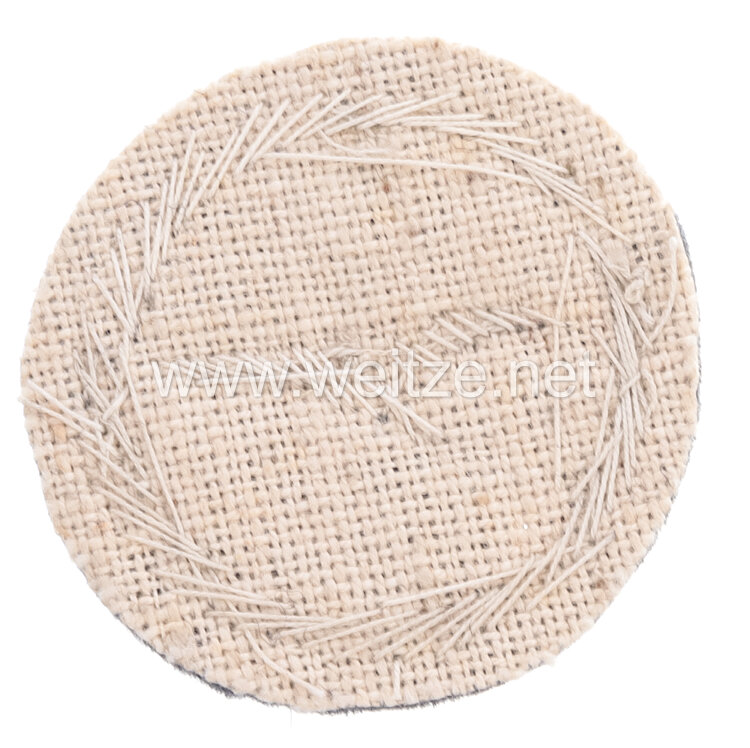
The present hand-embroidered metal thread execution represents a high-quality variant of the badge, intended for wear on the uniform. The production of such badges with hand embroidery was elaborate and demonstrates the craftsmanship quality of German militaria producers of the period. The metal threads, typically made of aluminum or silver-plated material, were embroidered onto a fabric base using various embroidery techniques.
With the Nazi seizure of power in 1933, gliding sports were promoted even more strongly and integrated into pre-military training. The Hitler Youth and the National Socialist Flying Corps (NSFK), founded in 1937, took over the organization and implementation of glider training. The NSFK developed into the umbrella organization for all aviation activities in the German Reich and trained thousands of young men in gliding.
Glider pilot badges were awarded according to established guidelines. The A-badge typically required flights of at least 30 seconds duration with a successful landing. The A-badge was followed by the B-badge (with requirements such as turning flights) and the C-badge (with cross-country flights and longer flight times). These graduated performance levels enabled systematic training.
The design of the badge typically showed a stylized glider or glider aircraft, often combined with an oak leaf wreath or other national symbols. The design followed the aesthetic concepts of the time and was intended to symbolize both flying achievement and national affiliation.
During World War II, glider training served as an important preliminary stage for the later training of military pilots. Many glider pilots were later transferred to the Luftwaffe, where their basic knowledge of aerodynamics and flight control was of great benefit. Gliding schools worked closely with military institutions.
The condition of the present execution as unworn with condition 2+ makes it a particularly interesting collector's item. Unworn badges are rare today, as most examples were actually attached to uniforms and worn. The preservation in nearly mint condition suggests that this badge was either kept as a reserve or never issued.
After 1945, German aviation was initially completely prohibited. However, gliding experienced a renaissance in both German states as early as the 1950s. The old badges and traditions were partially adopted, with new designs developed that distanced themselves from National Socialist symbolism.
Today, such historical glider pilot badges are important documents of German aviation history and are highly sought after by collectors of military-historical equipment. They document not only the technical development of gliding but also the social and political framework conditions of their time of origin.
The metal thread hand embroidery technique used in this badge represents a traditional craft that required considerable skill and time. Specialized workshops employed experienced embroiderers who created these insignia with great precision. The quality of the embroidery work often varied depending on the manufacturer, with some producers being particularly renowned for their detailed and durable work.