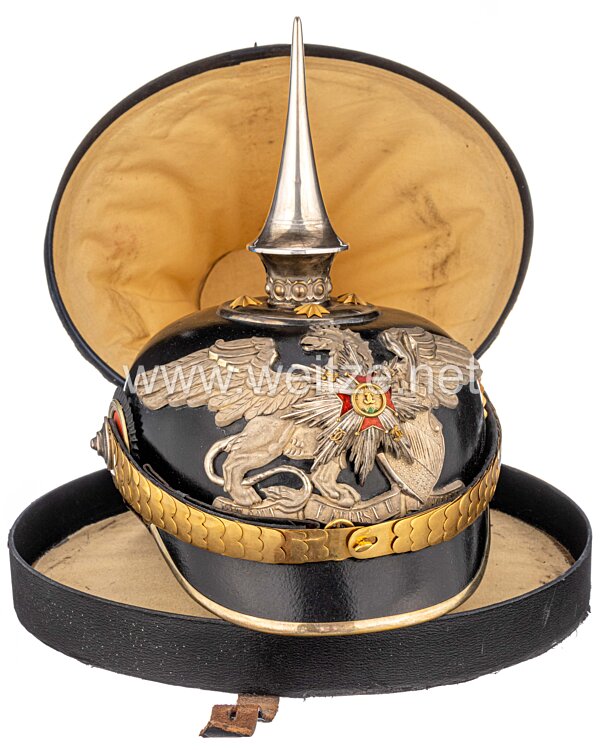
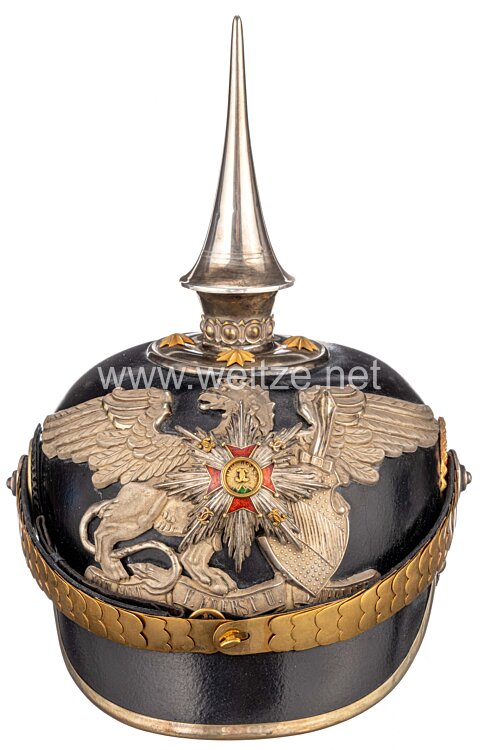
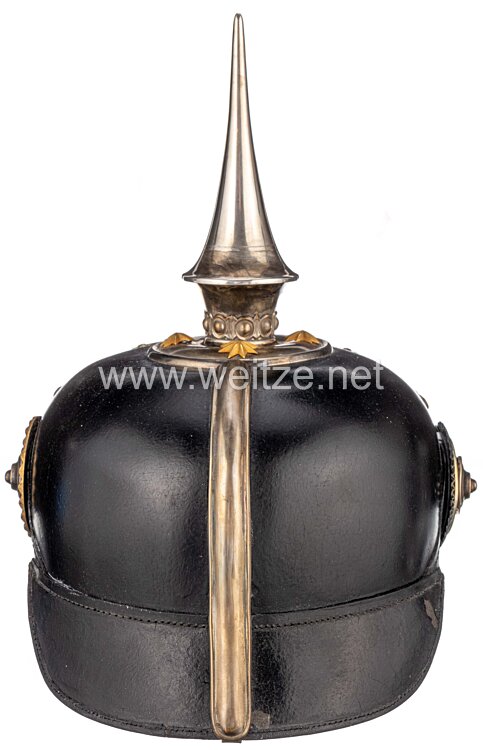
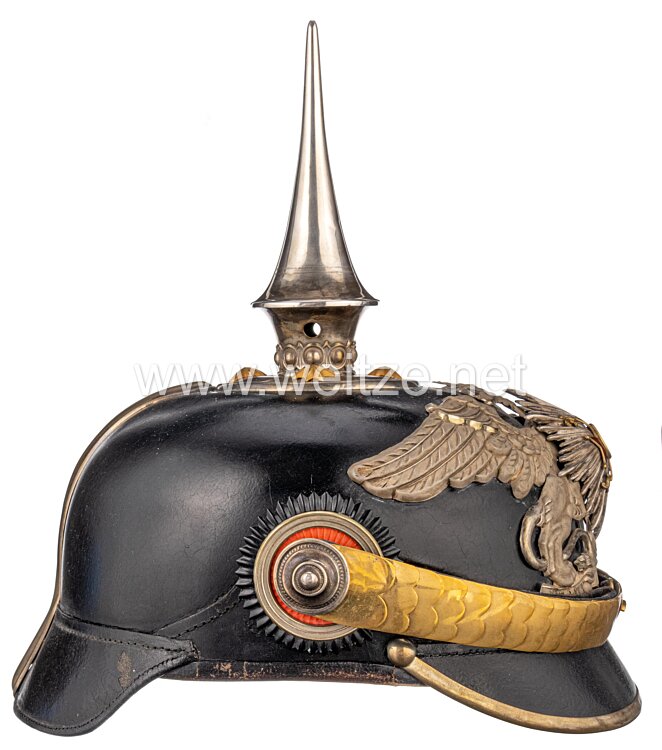
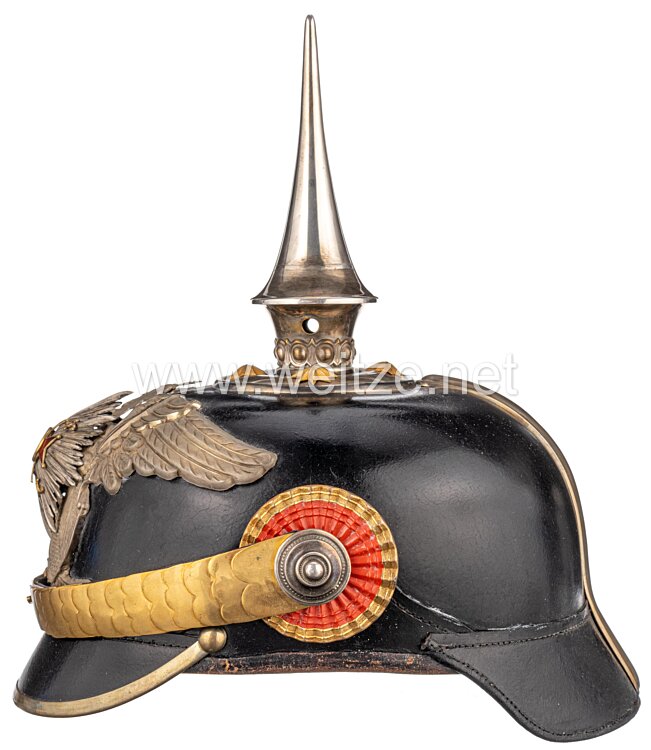
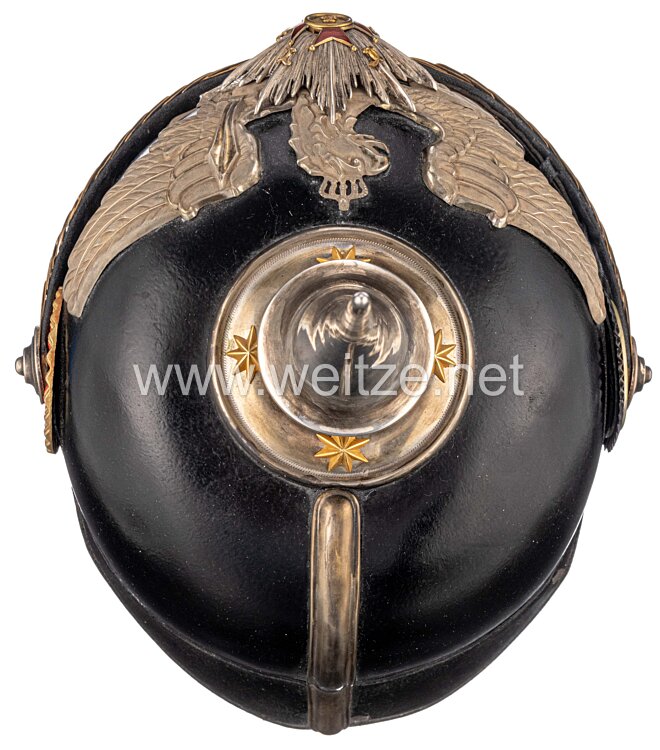
Baden Pickelhaube for an Officer in the 1st Baden Leib-Grenadier Regiment No. 109
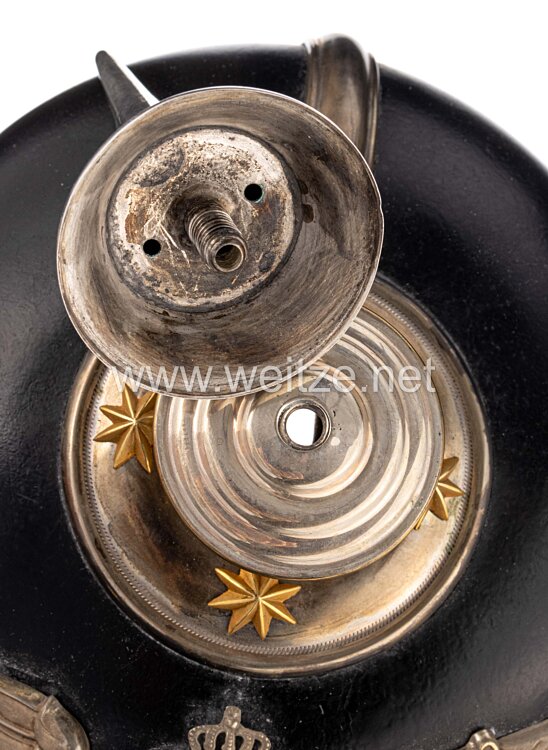
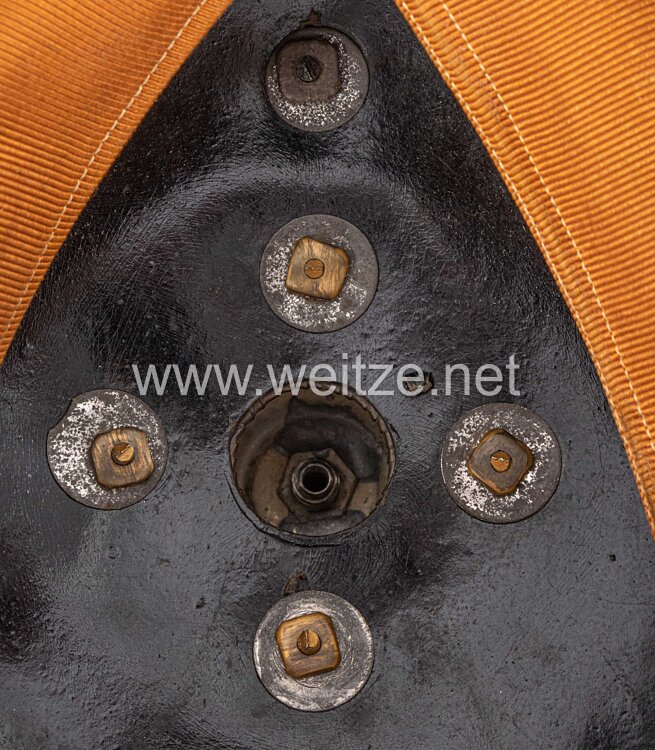
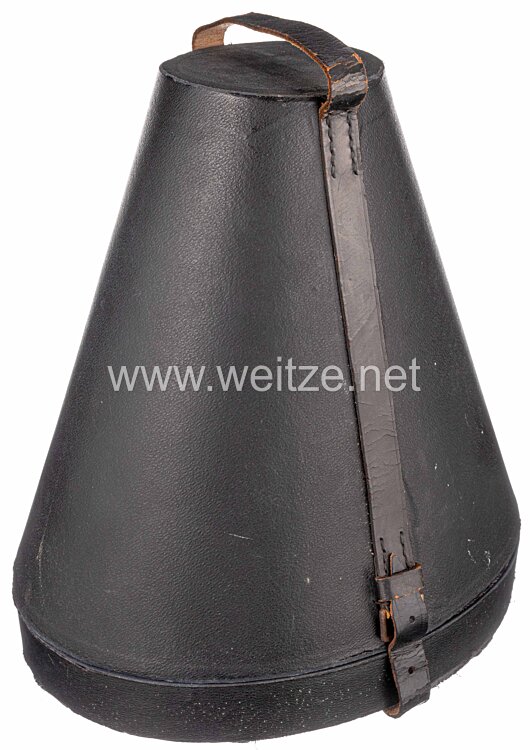
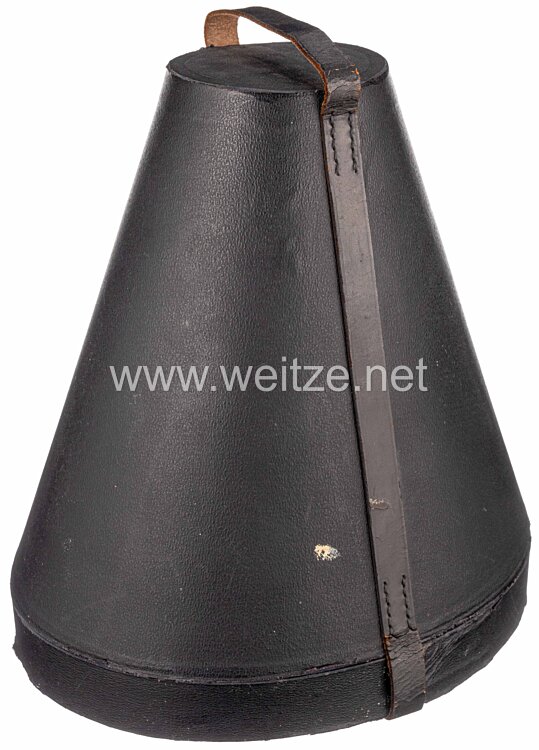
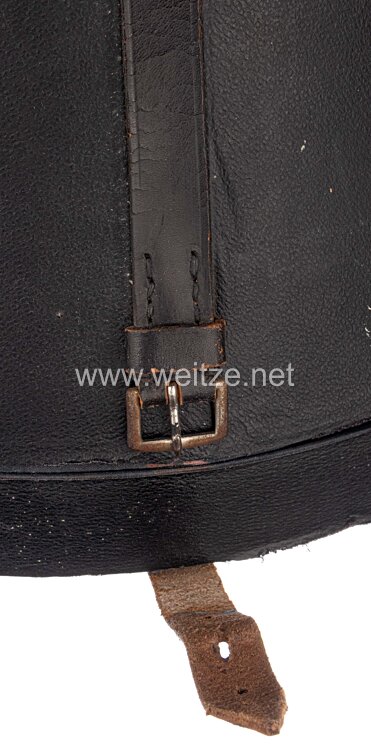
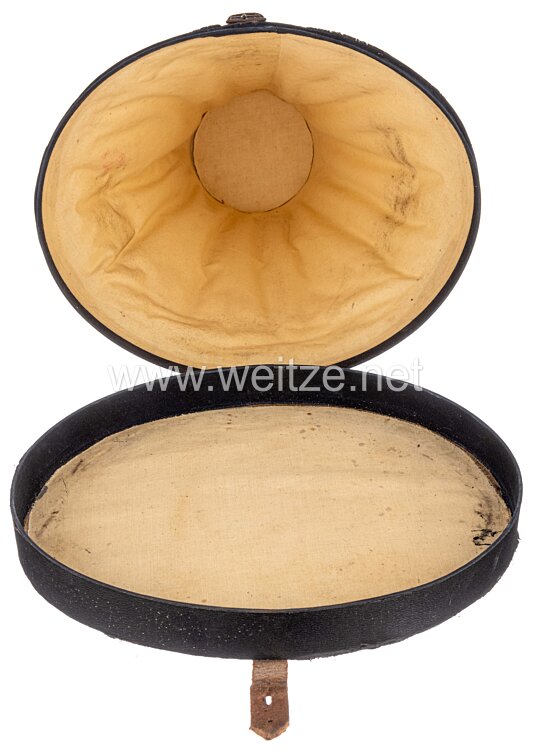
Accompanied by the original helmet case with complete chinstrap assembly.
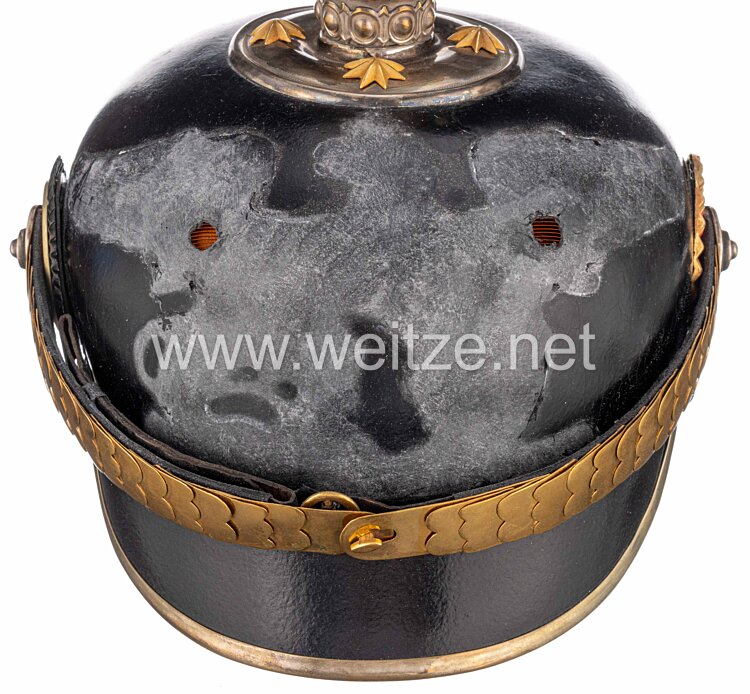
The Pickelhaube of the 1st Baden Life Grenadier Regiment No. 109 embodies the military splendor and ceremonial grandeur of the Grand Duchy of Baden within the German Empire. This elegant officer's helmet from the year 1914 represents not only the regiment's outstanding position as Baden's senior infantry formation, but also the complex material history of the First World War.
The 1st Baden Life Grenadier Regiment No. 109 was established on March 23, 1803 during the Napoleonic Wars. After the regiment came to Karlsruhe in 1851, Grand Duke Friedrich I elevated it to Leib-Regiment (Guard Regiment) status in 1856 – a bodyguard formation with ceremonial protection duties for the Grand Duke. This elevation gave the regiment a status equivalent to the Prussian 1st Guard Regiment on Foot. As a Leib-formation, the regiment's first duty was ceremonial protection of the Grand Duke, though in wartime it served as a fully active infantry regiment.
Officers of the 109th were frequently drawn from Baden's nobility and professional officer corps. Their helmets, acquired as private purchases from manufacturers in Karlsruhe and Berlin, reflected the highest standards of craftsmanship. The use of silver fittings rather than all-gilt was a distinctive mark of the Baden Life Grenadiers, denoting their guard status. The combination of two-tone metals – silver and gilt – with gilded chinscales and the Garde Star made the 109th officer helmet one of the most visually striking among all German state patterns.
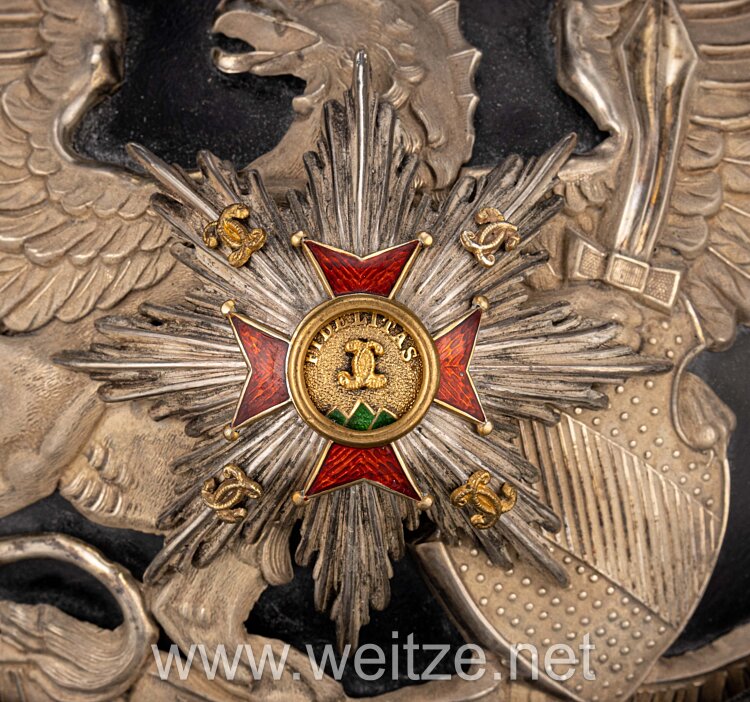
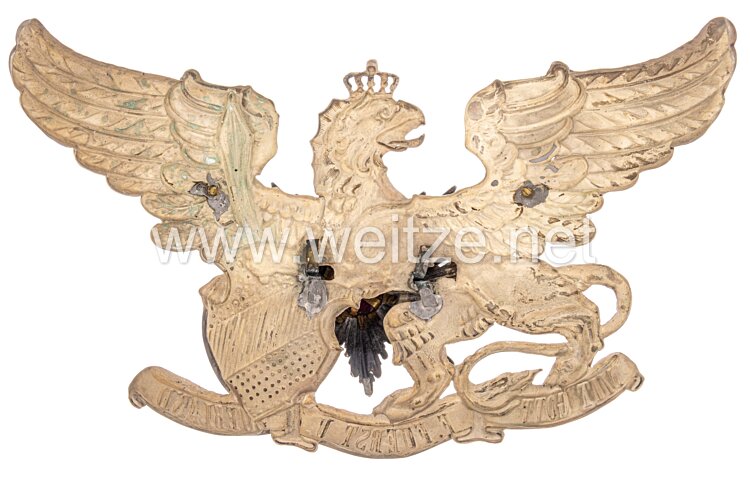
The helmet emblem features the Baden Griffin with the highly arched, enameled and gilded star of the House Order of Fidelity (Hausorden der Treue) on its breast. This house order was established by Charles III William, Margrave of Baden-Durlach, on June 17, 1715, and was made the highest order in Baden on January 17, 1840. The star consists of an eight-point Maltese cross with small golden balls on its tips, gold C's in the corners, and the motto FIDELITAS. The presence of this star on the griffin's breast proclaimed direct service to the sovereign – a privilege symbolizing the regiment's guard status.
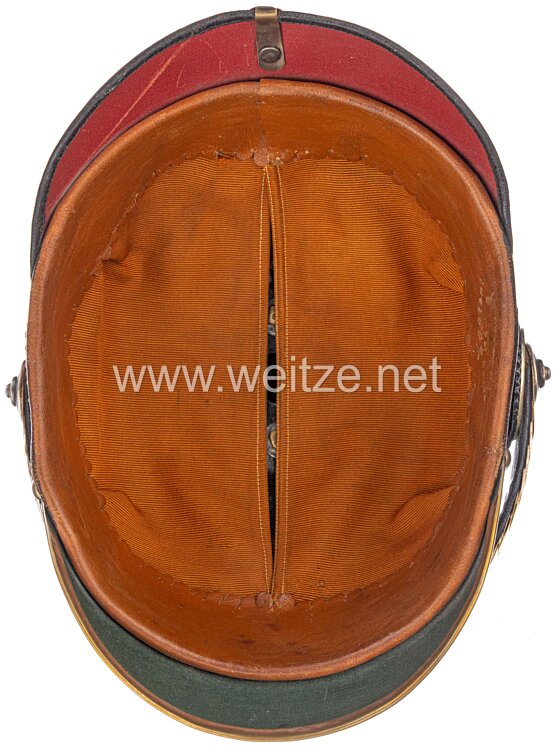
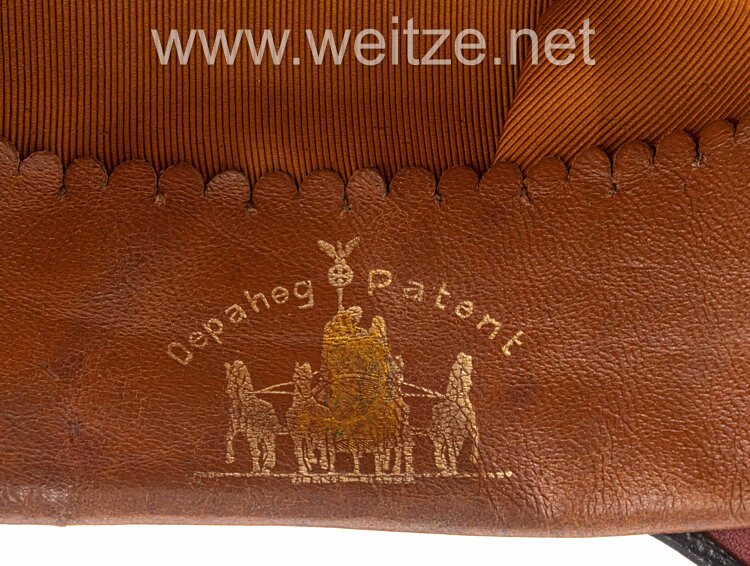
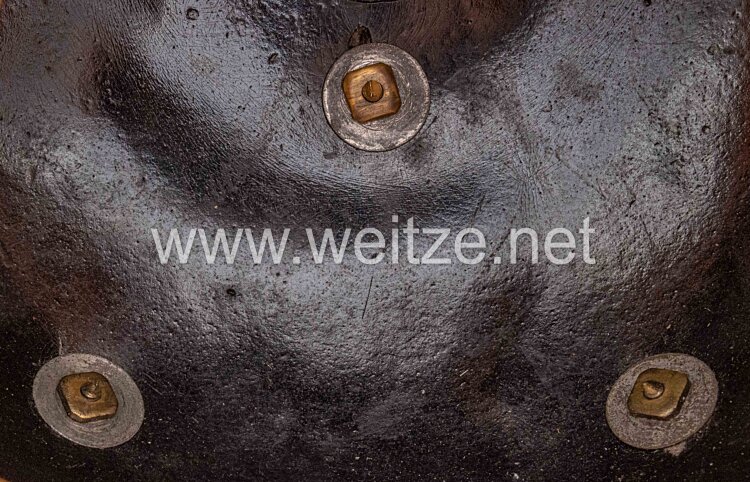
Particularly noteworthy is the helmet's material: Vulcanfiber, a laminated plastic composed of cellulose. While most Pickelhauben were made from boiled leather, vulcanfiber was a substitute material (Ersatz) introduced during World War I when Germany's leather stockpiles dwindled. All helmets produced for infantry before and during 1914 were initially made of leather, but as war materials became scarce, substitutes including vulcanfiber, felt, steel, cork, and pressed paper were used. Vulcanfiber was lighter than aluminum, tougher than leather, and stiffer than most thermoplastics. The manufacturer Depaheg Patent, whose gold-printed name appears inside the helmet, produced vulcanfiber helmets during the World War I era in Karlsruhe.
The regiment was part of the XIV Army Corps (Armeekorps) headquartered in Karlsruhe, which consisted almost entirely of Baden troops. Under the Military Convention of 1870, Baden's forces were integrated into the Prussian-led Imperial structure but retained independent identity. The XIV Army Corps was re-established on July 1, 1871 almost exclusively with troops from Baden.
During World War I, the 28th Infantry Division, to which the 109th regiment belonged, served primarily on the Western Front. The division participated in the Battle of the Frontiers, the Race to the Sea, the 1916 Battle of the Somme, later phases of Verdun, Cambrai in 1917, the German spring offensive of 1918, the Third Battle of the Aisne, Battle of Belleau Wood, Second Battle of the Marne, and Battle of Soissons. The 28th Division was disbanded in 1919 during the demobilization of the German Army after World War I. The regiment's traditions, uniforms, and regimental music were preserved under Baden's state control until the army's demobilization in 1919. Since 2000, the Traditionsverein 1st Baden Life Grenadier Regiment No. 109, Karlsruhe has existed to preserve the traditions of the regiment.