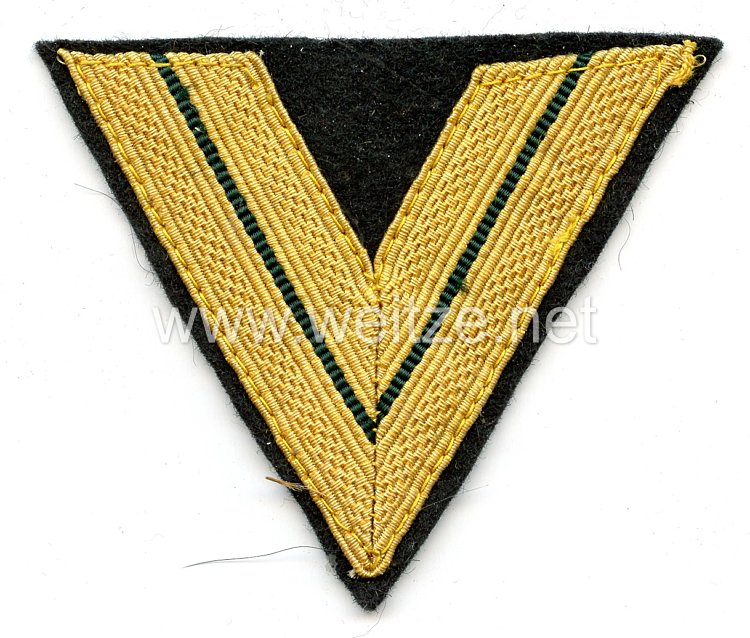
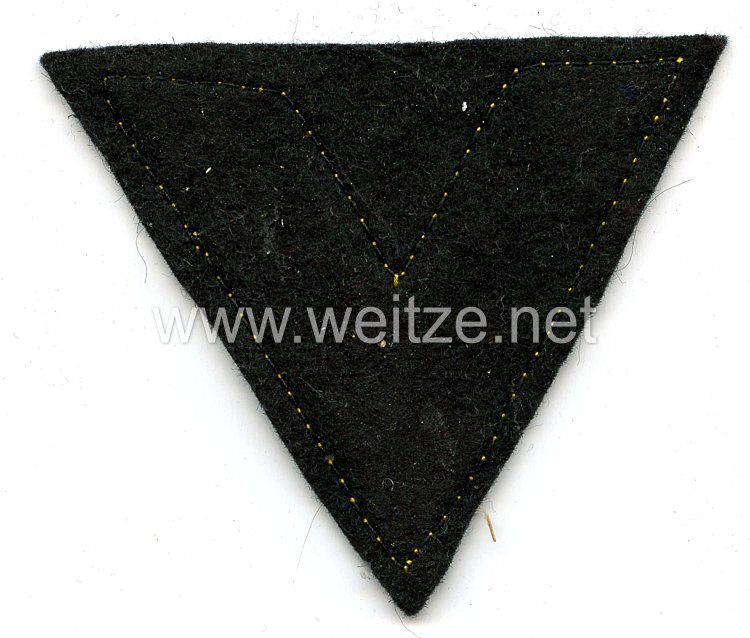
Kriegsmarine Sleeve Insignia for Obergefreiter for Field Gray Uniform

on dark green cloth, unissued condition, condition 2.
440240
20,00

Kriegsmarine Sleeve Insignia for Obergefreiter for Field Gray Uniform

The Kriegsmarine sleeve badge for Obergefreiter represents a significant example of the rank insignia worn by members of the German Navy during World War II. This particular badge was worn on the field-grey uniform, a uniform variant originally developed for Army personnel but used under certain circumstances by naval personnel as well.

The Kriegsmarine, the official designation of the German Navy from 1935 to 1945, developed a complex system of rank insignia and uniform regulations. The rank of Obergefreiter (literally “Senior Lance Corporal”) represented the second enlisted rank, above the simple Gefreiter. This rank was typically awarded after approximately one year of service and with appropriate performance.

The use of field-grey uniforms in the Kriegsmarine was a notable deviation from the traditional dark blue naval attire. Field grey, the characteristic grey-green color used by the German Army since World War I, found application in the Navy under certain circumstances. This particularly affected naval personnel deployed in land operations, coastal artillery units, or members of naval infantry formations. During the later war years, naval personnel were increasingly deployed in land-based defensive duties, making the use of field-grey uniforms more practical.

The present sleeve badge is made on dark green cloth, which was typical for naval versions. This dark green or sometimes bottle-green base color distinguished naval badges from the pike-grey or field-grey backgrounds used by the Army. Badges for Obergefreiter characteristically displayed a specific number of chevrons or braids that identified the rank within the enlisted grades.

The manufacture and quality of such badges varied considerably. Early wartime productions often showed high-quality handwork with carefully embroidered details. As the war progressed and material shortages increased, simplified production methods were introduced. Machine-embroidered badges became more common, and the quality of materials used declined. The unworn specimen in good condition described here represents a well-preserved example of these military equipment items.

The rank structure of the Kriegsmarine for enlisted personnel comprised several levels: Matrose (the lowest rank), Matrosengefreiter, Matrosenobergefreiter, Matrosenhauptgefreiter, and finally the non-commissioned officer ranks. The Obergefreiter badge thus marked an important step in the military career of a naval serviceman.

The wearing of these badges was precisely regulated in the dress regulations of the Kriegsmarine. They were typically worn on the left upper arm, with the exact position depending on the particular uniform and occasion. The regulations also specified when which uniform with which insignia was to be worn.

After the end of World War II in 1945, all rank insignia and uniforms of the Wehrmacht, including the Kriegsmarine, were banned by the Allies. Many of these items were destroyed or kept by soldiers as memorabilia. Today, such badges are sought-after collectibles for military historians and collectors who study and document the material culture of this era.

The historical value of such objects lies in their ability to provide concrete insights into the military organization, rank structure, and material culture of the Kriegsmarine. They serve as important primary sources for understanding the everyday reality of naval servicemen during World War II.

These insignia also reflect the broader context of German naval operations during the conflict, from the early successes to the increasingly desperate defensive operations of the final war years. Each badge represents not just a rank, but a connection to the individuals who served in one of history's most significant military conflicts.