Prussia Ministry for Public Welfare - State Prize Medal for Merit in Public Health 1929

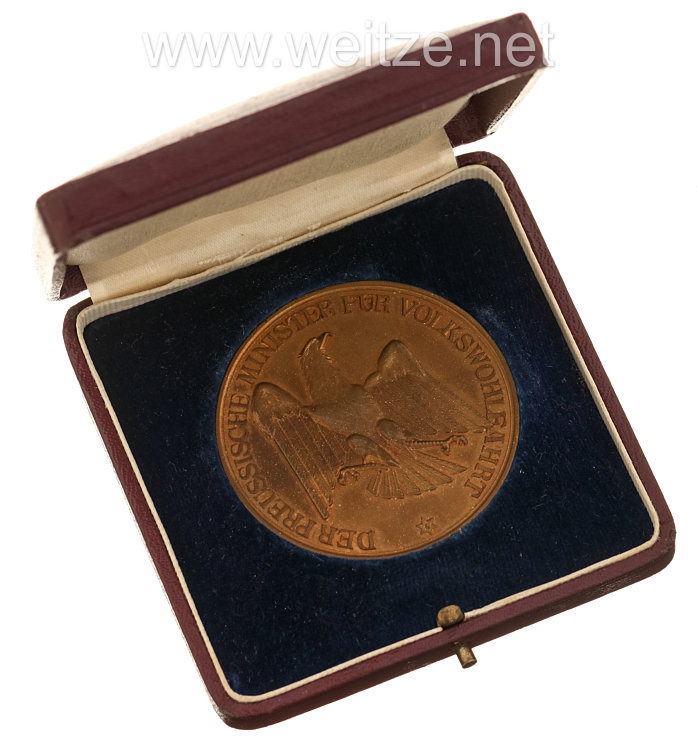
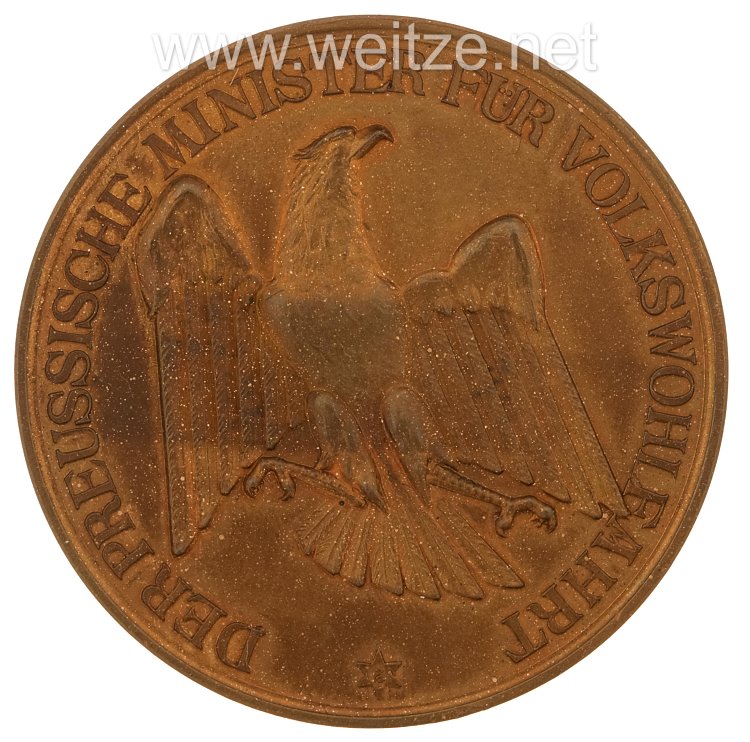
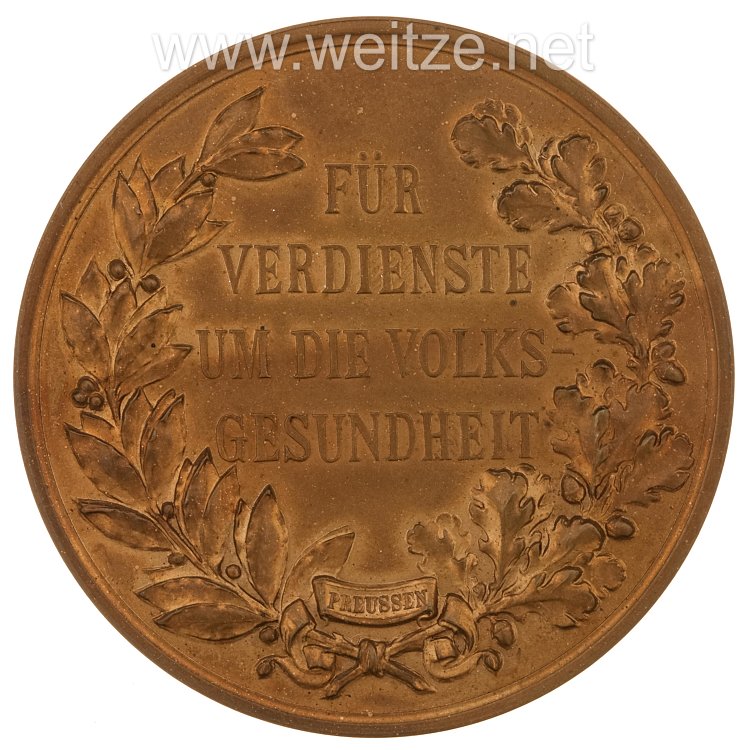
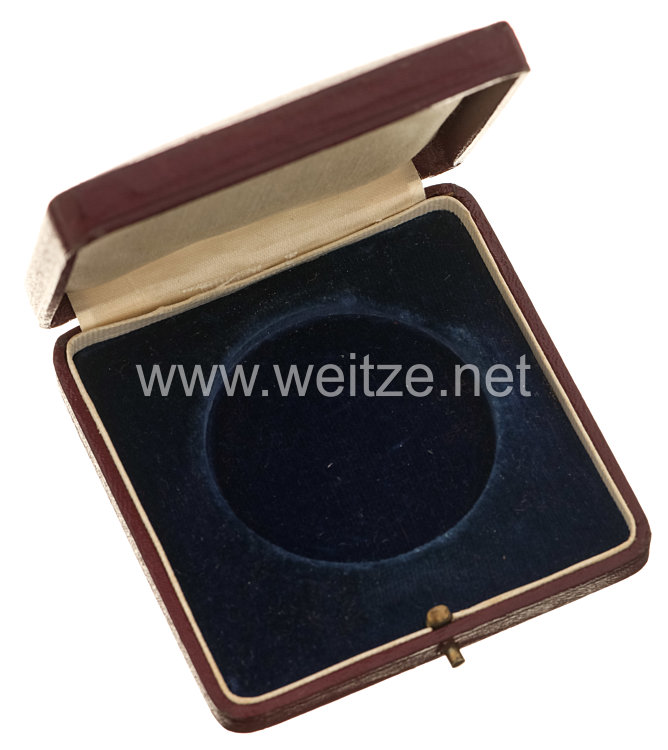
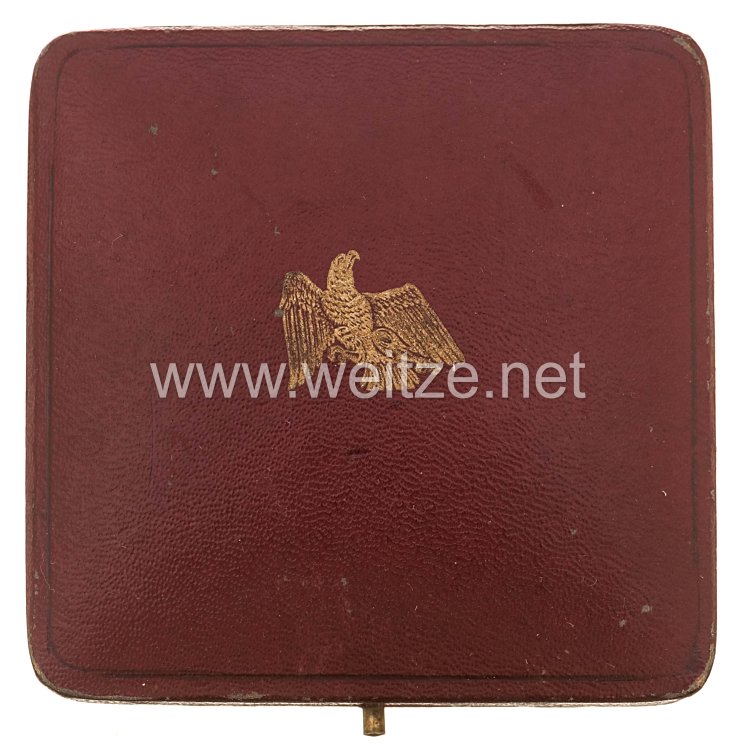
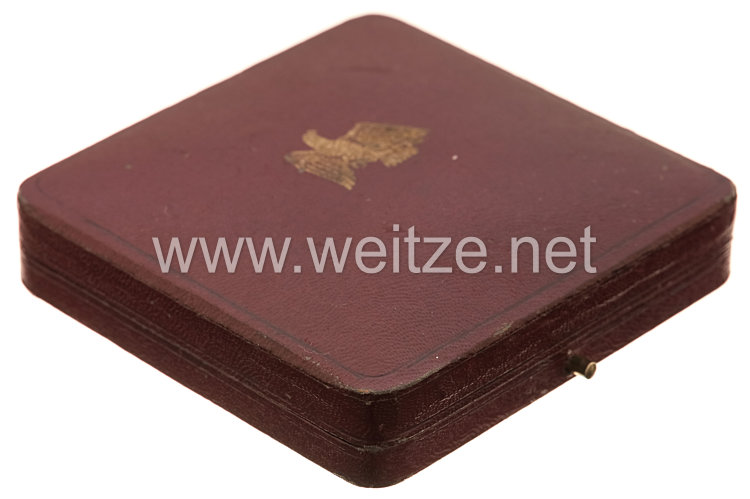
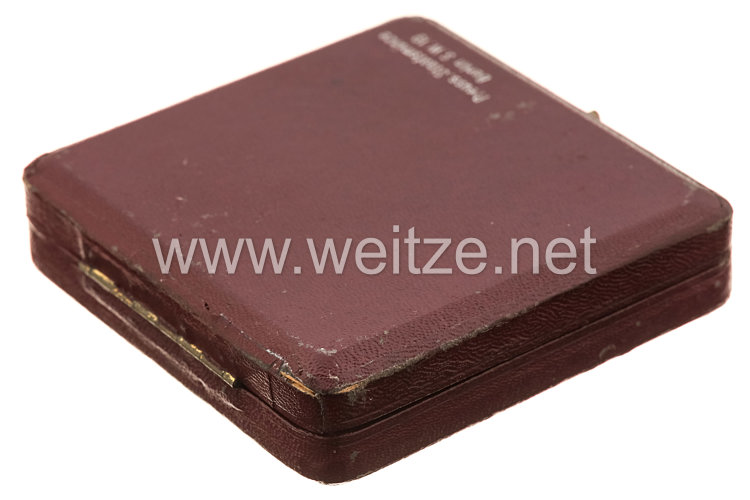
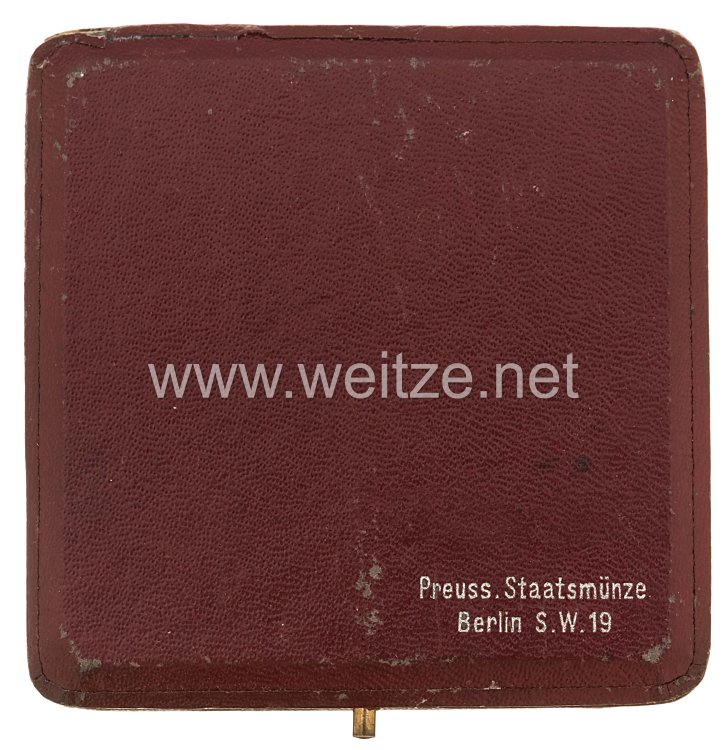
Bronze, diameter 51 mm, in presentation case with blue velvet insert and silk lining, exterior with gold-stamped eagle, Preuss.Staatsmünze Berlin SW19. From the estate of Berlin Ministerialrat Dr. König. Condition 2+.
Hüsken No. 0418.16/2
342836
600,00

Prussia Ministry for Public Welfare - State Prize Medal for Merit in Public Health 1929

The State Prize Medal for Service to Public Health from the Prussian Ministry for Public Welfare dating from 1929 represents an important period in German social and health policy during the Weimar Republic. This decoration was created at a time when the Prussian government systematically attempted to improve public health and honor pioneers in this field.

After World War I, Prussia faced enormous health policy challenges. The consequences of war, economic hardship, and the Spanish Flu pandemic of 1918-1920 had severely affected the population. The Ministry for Public Welfare, founded as part of the democratic reforms of the Weimar Republic, assumed responsibility for coordinating all measures to promote public health. The creation of this medal in 1929 fell during a phase of relative political stability, shortly before the beginning of the Great Depression.

The medal was manufactured in bronze with a diameter of 51 mm, making it a significant and dignified decoration. Production was carried out by the renowned Prussian State Mint Berlin SW19, traditionally responsible for minting state decorations and coins. The technical quality and artistic design met the high standards of Prussian medal craftsmanship.

The presentation case of this medal demonstrates the esteem accorded to this decoration. Lined with blue velvet and silk, the case bore a gold-printed Prussian eagle on the exterior - the sovereign symbol of the Free State of Prussia. This elaborate presentation underscores the official character and significance of the honor.

The recipient of this particular medal, Ministerialrat Dr. König from Berlin, belonged to the administrative elite of the Prussian civil service. The title Ministerialrat designated a senior official in the ministerial bureaucracy entrusted with important decisions and policy-making. Dr. König must have made significant contributions to public health policy to receive this prestigious decoration.

Public health policy in the late 1920s encompassed various areas: combating infectious diseases such as tuberculosis, reducing infant mortality, promoting hygiene, expanding hospitals and counseling centers, and health education. Individuals who acquired outstanding merit in these areas - whether physicians, scientists, social workers, or administrative officials - were eligible for this decoration.

The cataloging according to Hüsken Nr. 0418.16/2 refers to the standard reference work for Prussian and German orders and decorations. This systematic recording enables collectors and historians to precisely identify and classify such awards.

The preserved condition grade 2+ corresponds to a very good to nearly excellent state of preservation. This is remarkable for an object nearly a century old that survived the turbulent years of the Weimar Republic, National Socialism, World War II, and the post-war period. Careful storage in the original case has undoubtedly contributed to its good preservation.

Today, this medal is not only a philatelic collector's item but also an important historical testimony. It documents the efforts of the Weimar Republic, despite all political and economic difficulties, to build a modern welfare state and improve the health of the population. It recalls a time when the Prussian state attempted to achieve social progress through systematic policy and recognition of individual achievements.

In the context of German history, this decoration stands for a brief democratic episode between empire and dictatorship, in which progressive social policy was possible and state-sponsored.

r