Deutsche Zeppelinreederei: Small Serving Dish from the Service of an Airship, e.g. “LZ Hindenburg”

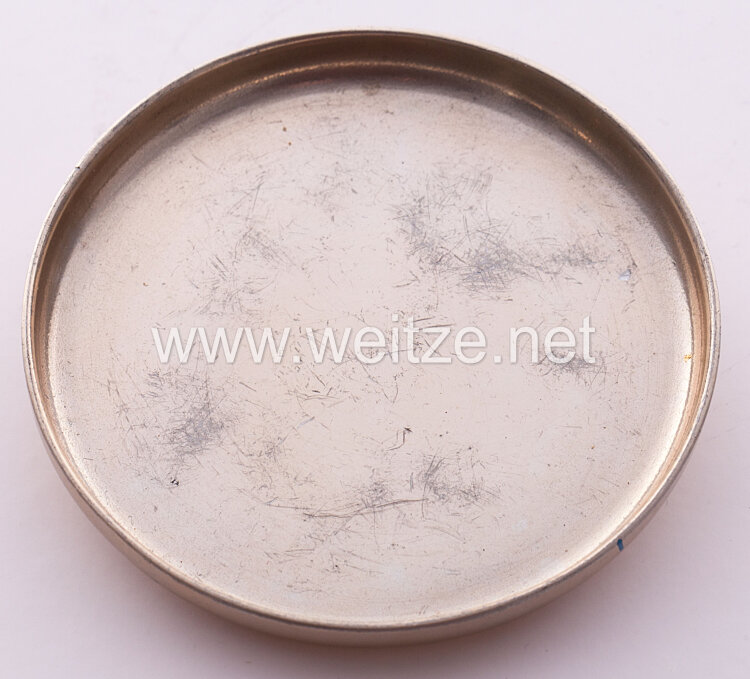
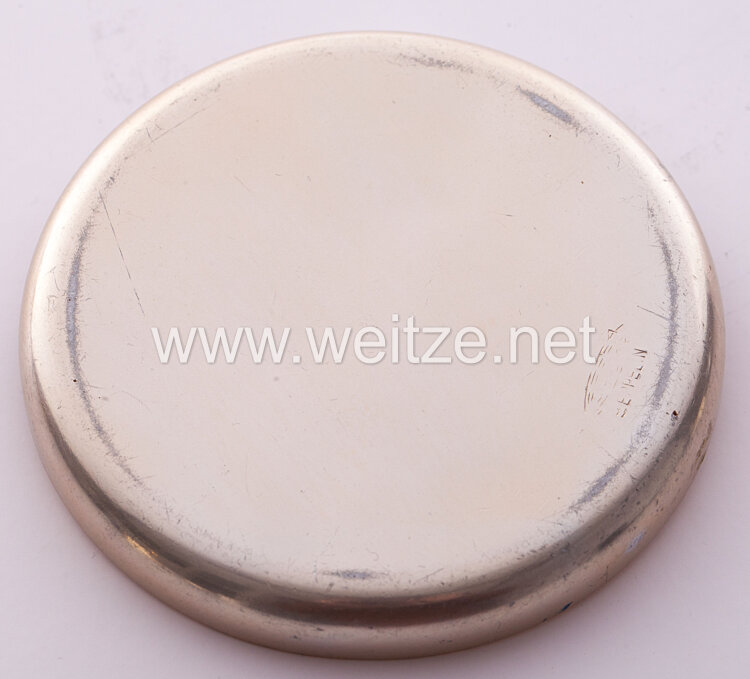
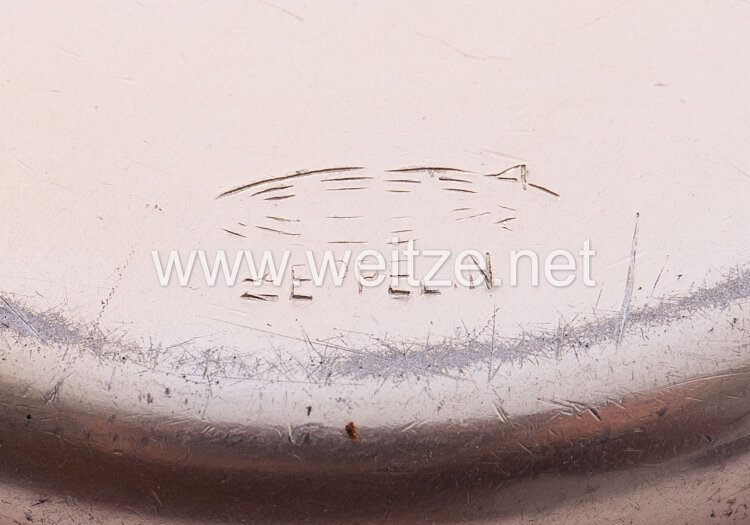
circa 1936. Manufactured from aluminum. Small round dish for nuts, or an underplate for a glass or bottle. Diameter 85 mm. Stamped on reverse with Zeppelin and inscription “Zeppelin” as well as article number. Light signs of use, condition 2.
255236
120,00

Deutsche Zeppelinreederei: Small Serving Dish from the Service of an Airship, e.g. “LZ Hindenburg”

This small aluminum serving dish represents a fascinating piece of aviation history from the golden age of German passenger airships. Manufactured around 1936, this service element comes from the equipment of the Deutsche Zeppelin-Reederei GmbH (DZR), which operated transatlantic airship services between 1935 and 1937.

The Deutsche Zeppelin-Reederei was founded on March 22, 1935, in Frankfurt am Main as a subsidiary of Deutsche Lufthansa AG. The company took over the operation of large passenger airships, particularly the LZ 127 Graf Zeppelin and the LZ 129 Hindenburg. The DZR revolutionized international travel and offered unprecedented luxury in aviation.

The use of aluminum for onboard tableware and serving utensils was a necessity resulting from the strict weight restrictions of airship travel. Every gram on board had to be carefully calculated, as it affected the payload and thus the range of the airship. Aluminum offered the ideal ratio between weight and stability. Despite these technical constraints, the DZR placed great emphasis on elegance and comfort.

The Hindenburg, which made its maiden flight on March 4, 1936, was the largest airship ever built and could accommodate up to 72 passengers. On board were luxuriously appointed public rooms, a dining room, a lounge with its own grand piano, a promenade with slanted windows, and even a smoking room with special safety precautions. The onboard service had to meet these high standards.

Small serving dishes like the one described here, with a diameter of 85 mm, were used in various ways: as coasters for glasses or bottles, as small bowls for nuts, confections, or other small delicacies. The stamping on the reverse with the Zeppelin symbol and the inscription “Zeppelin” along with an article number was characteristic of all items on board. This marking served not only for identification and inventory control but also became a coveted trademark.

The Hindenburg's transatlantic flights were social events. A single crossing from Frankfurt to Lakehurst, New Jersey, took approximately 60 hours – a fraction of the time required by ocean liners. Passengers belonged to society's elite: industrialists, diplomats, artists, and wealthy travelers. The onboard catering was correspondingly exquisite, prepared by experienced chefs in the onboard kitchen.

The DZR's operations ended abruptly with the Lakehurst disaster on May 6, 1937, when the Hindenburg caught fire during landing. Thirty-six people lost their lives. This accident effectively ended the era of passenger airships. The sister ship LZ 130 Graf Zeppelin II conducted some test flights but was never used in commercial passenger service.

After the catastrophe, many items from the DZR's service became sought-after collector's pieces. The preserved onboard utensils are today rare testimonies of a brief but significant epoch in aviation history. They document not only the technical innovations of their time but also the cultural significance of airship travel in the interwar period.

The light signs of use on the described dish testify to its actual use aboard an airship. This considerably increases the historical value of the object, as it represents an authentic testimony of daily operations. Such objects connect us directly with the passengers and crew who experienced the world from a completely new perspective in the 1930s.

The Deutsche Zeppelin-Reederei symbolically stands for the German pioneering spirit in aviation and the attempt to overcome boundaries through technological innovation. This small aluminum dish is thus far more than a simple utilitarian object – it is a material fragment of a vision of travel that ended tragically but continues to fascinate to this day.