Wehrmacht großer Nachlass des Ritterkreuzträgers mit Eichenlaub Generaloberst Friedrich Dollmann
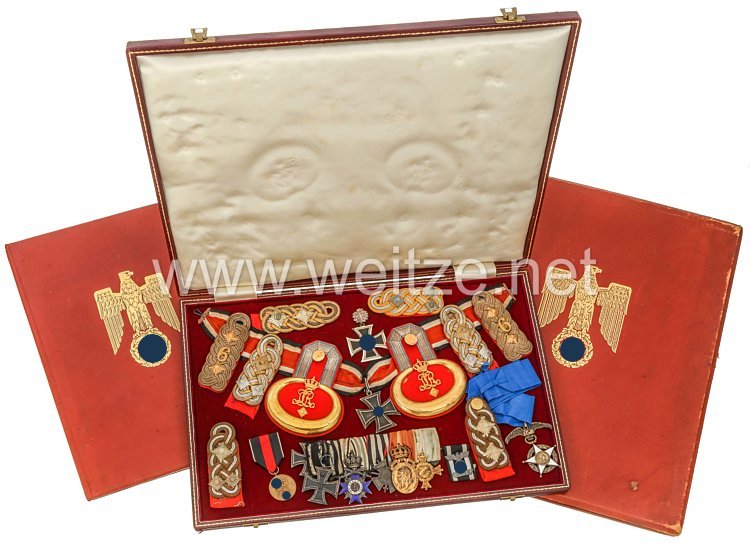
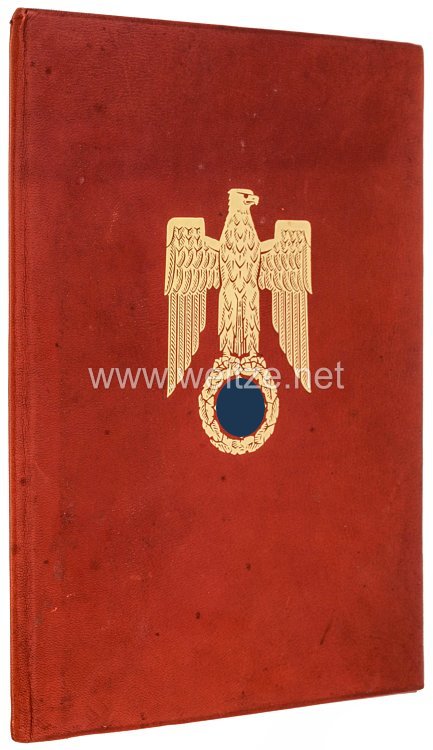
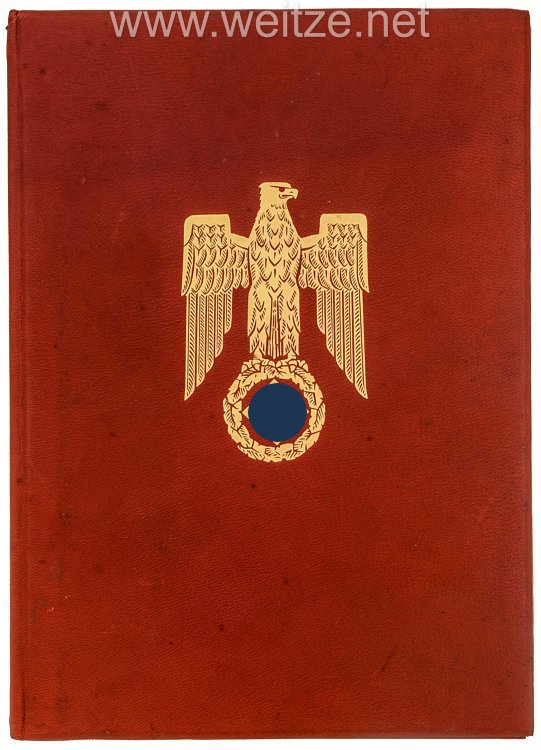
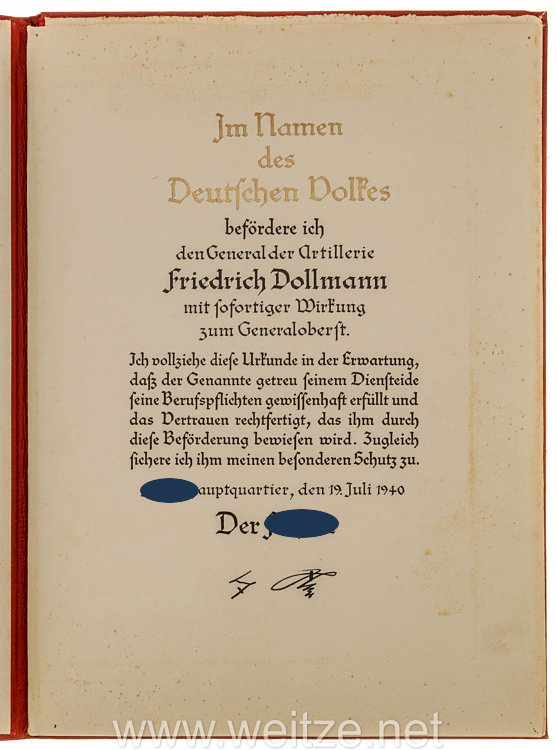
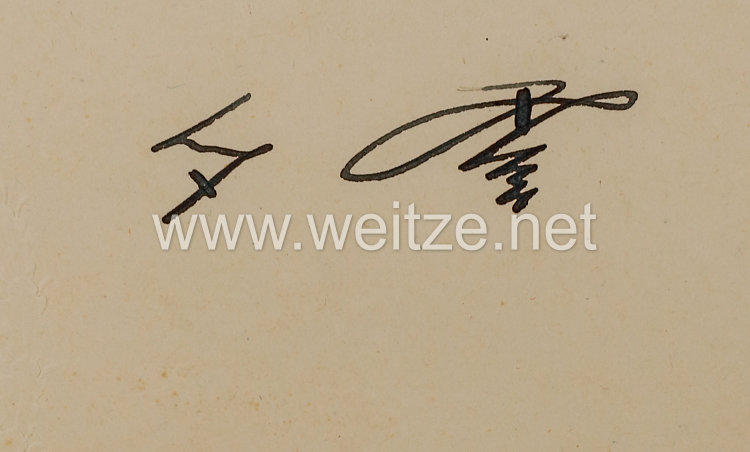
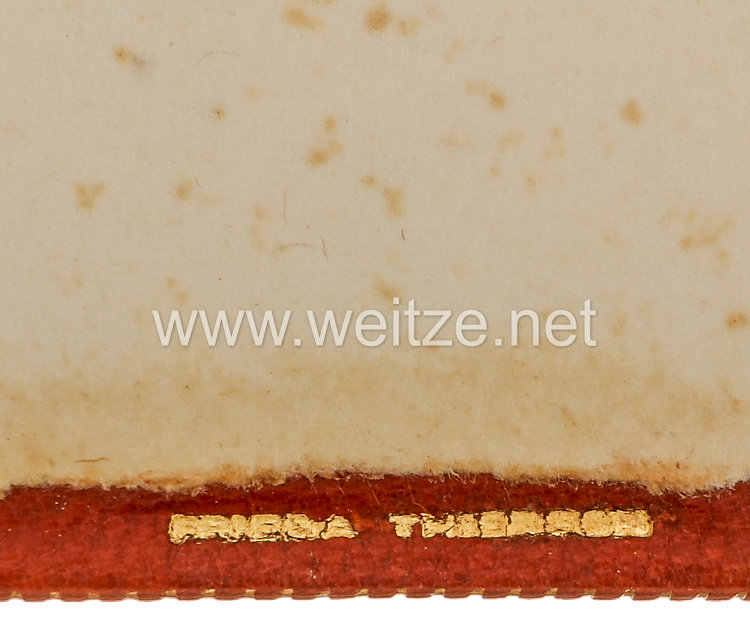
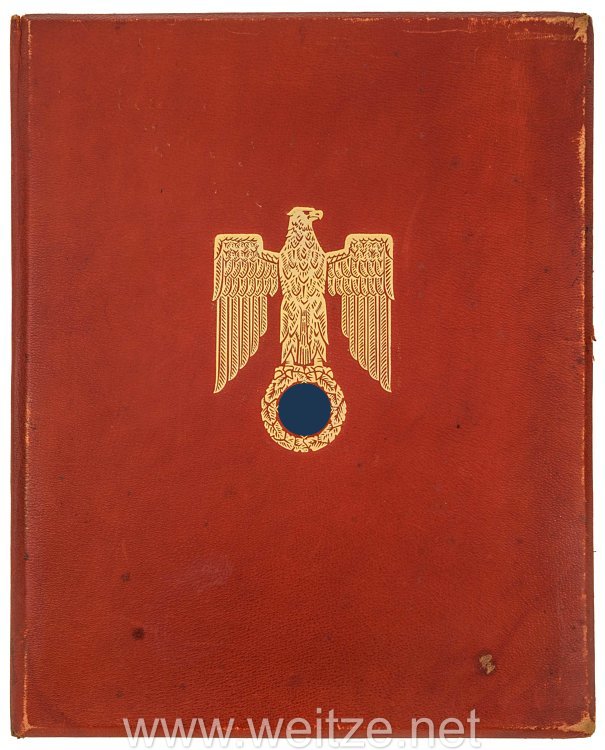
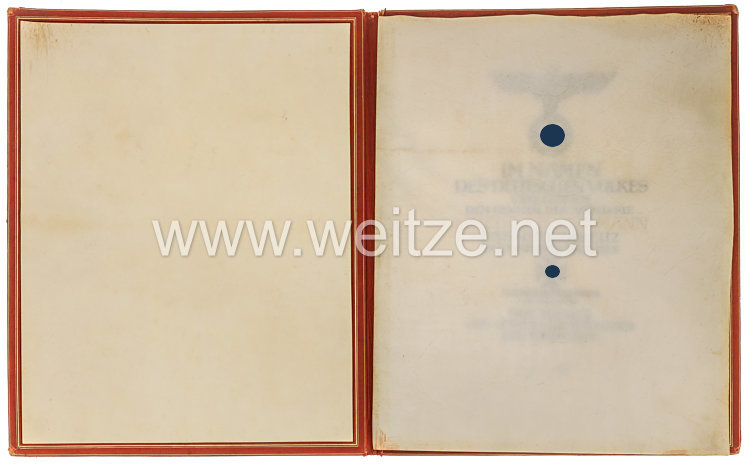
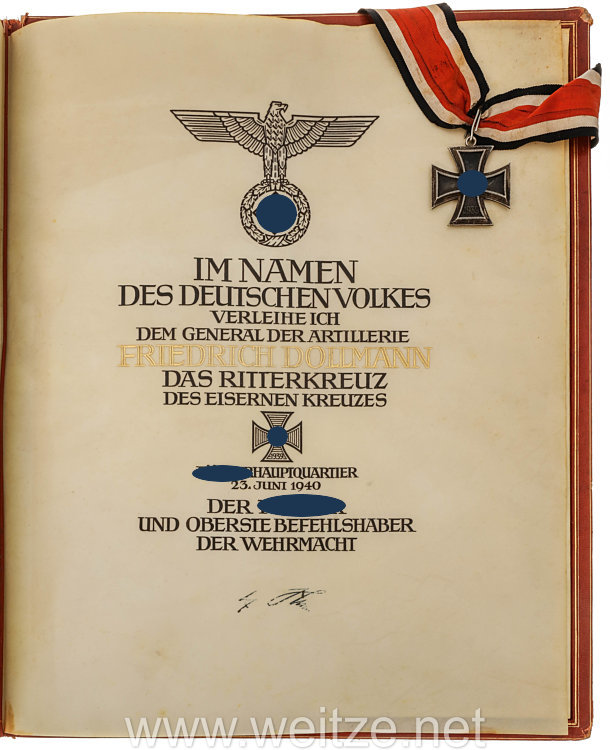
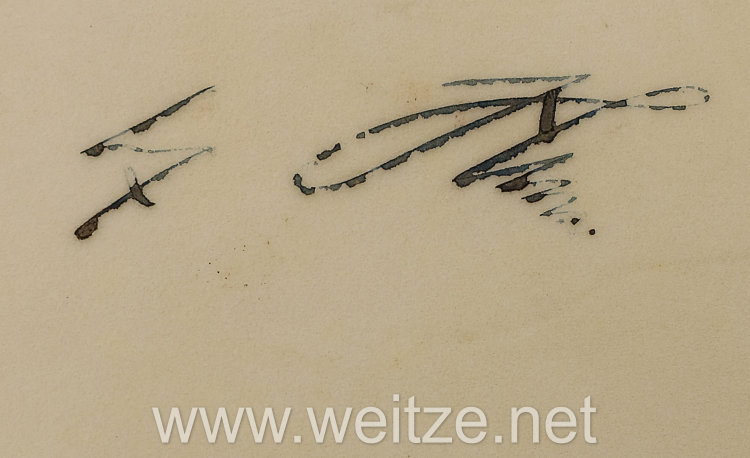
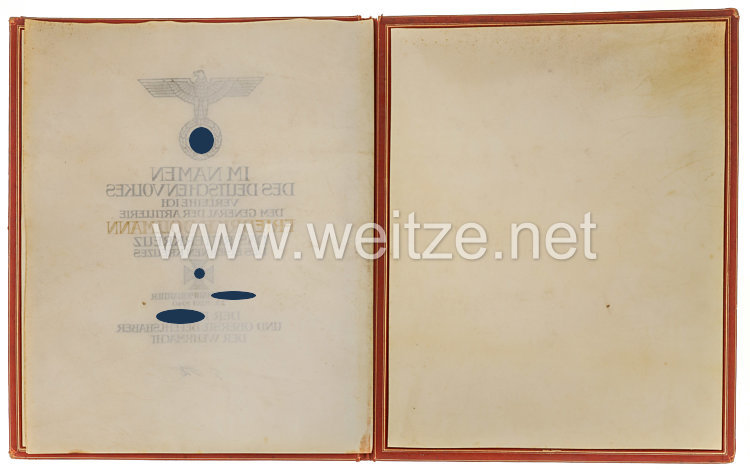
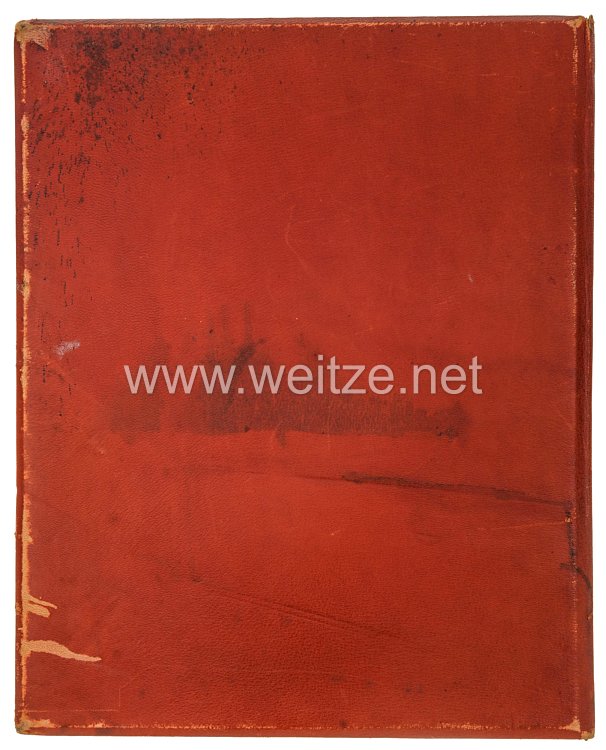
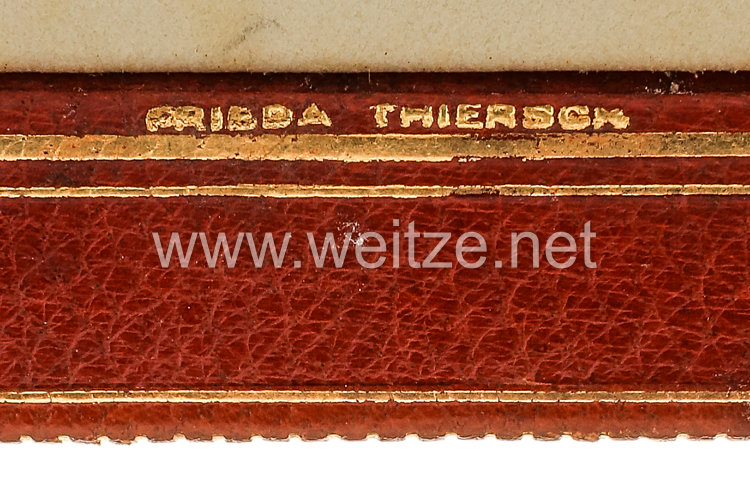
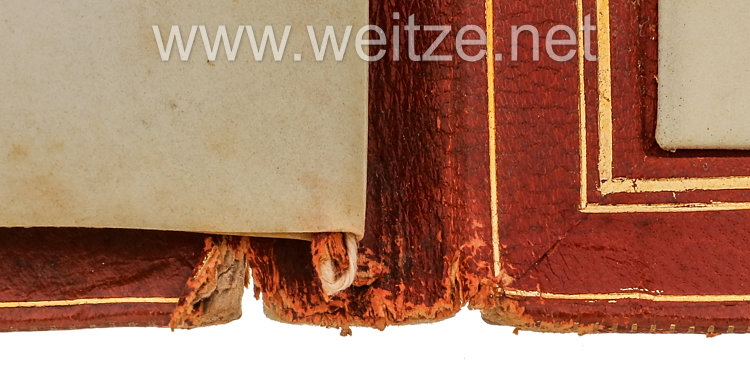
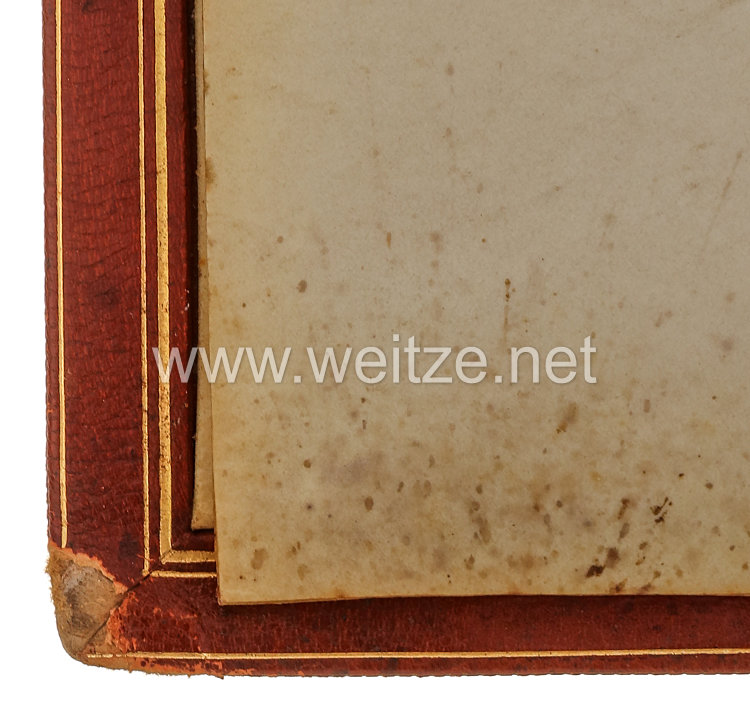
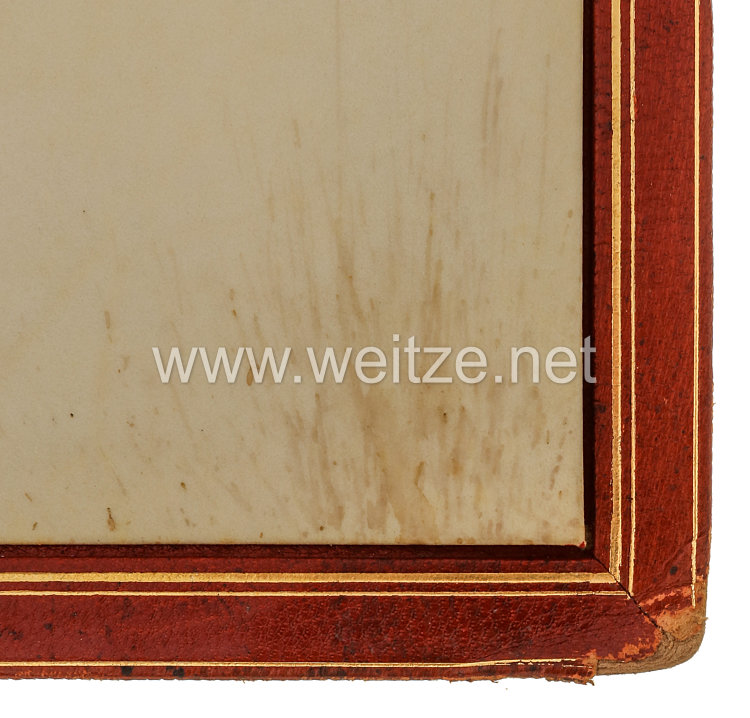
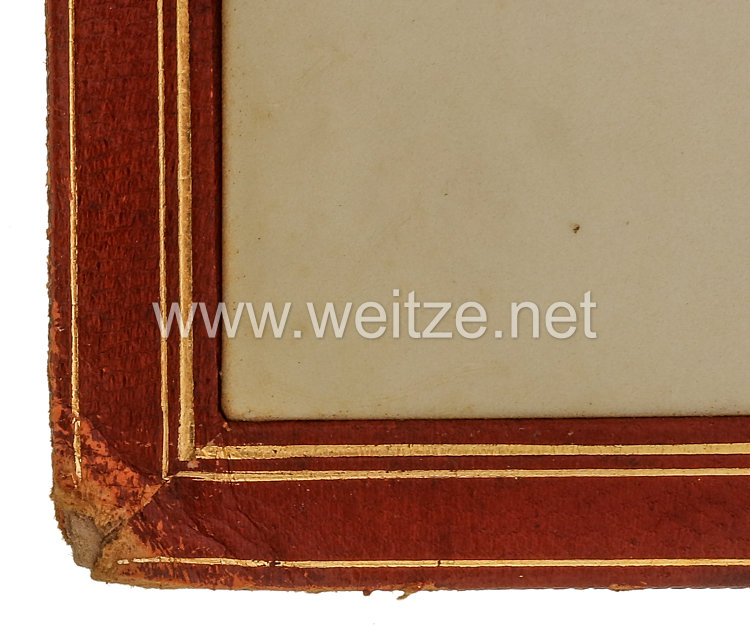
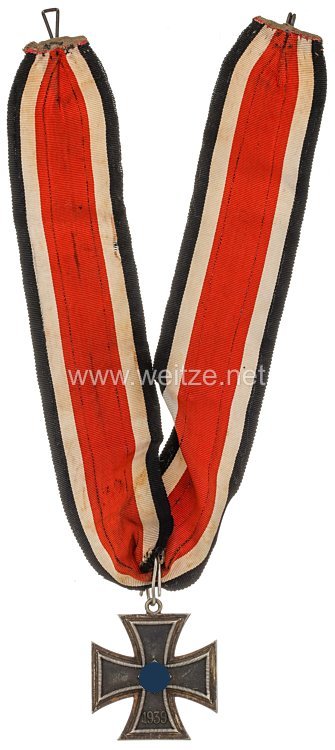
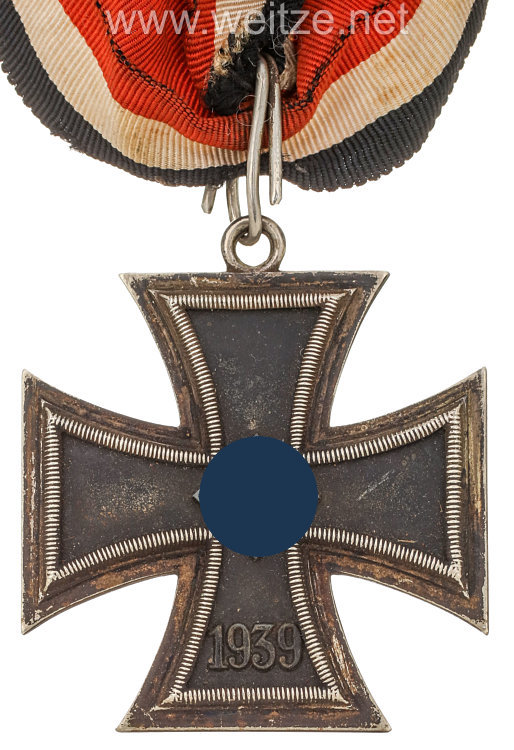
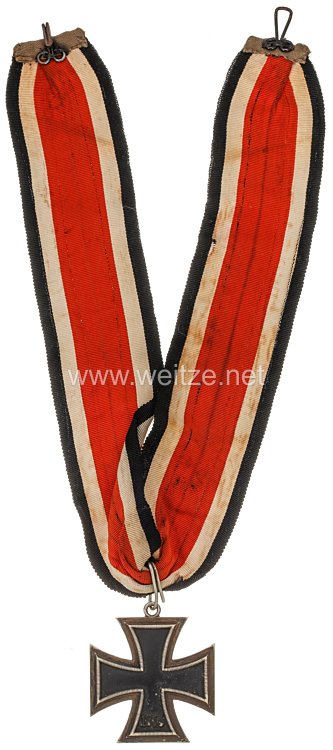
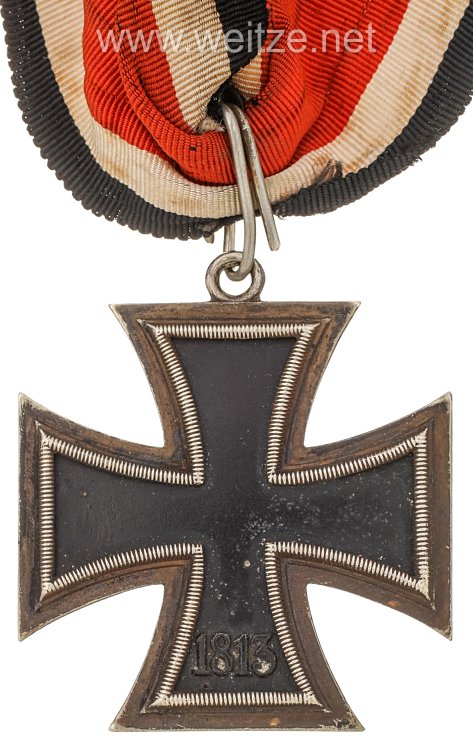
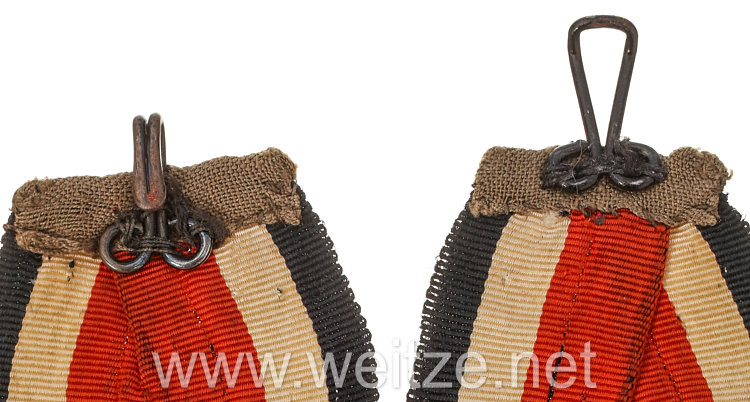
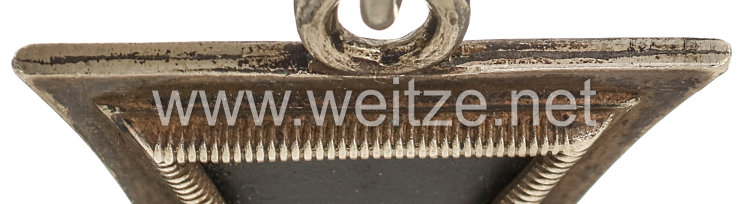
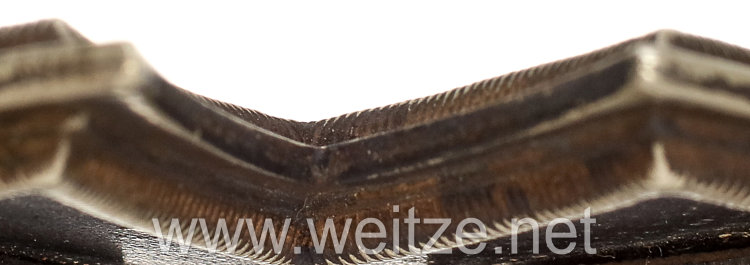
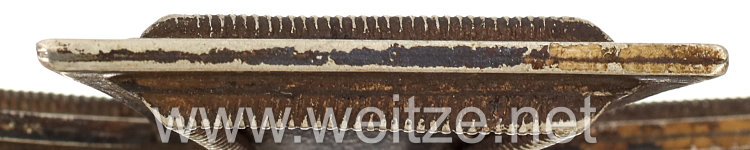
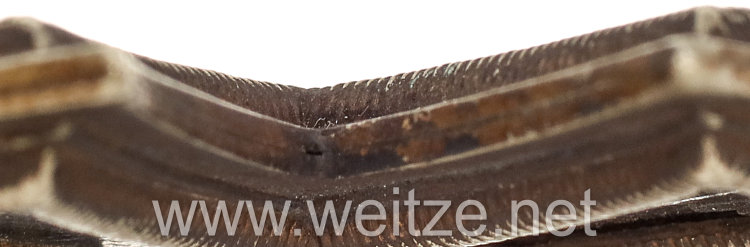
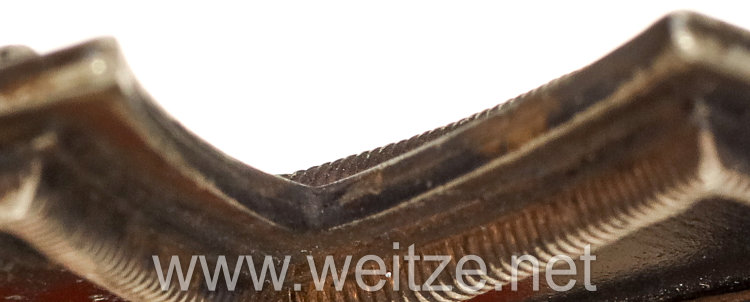
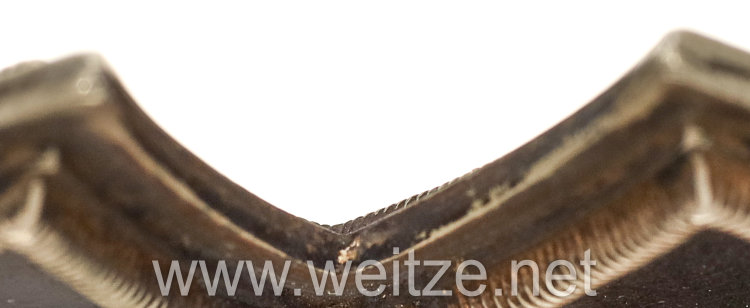
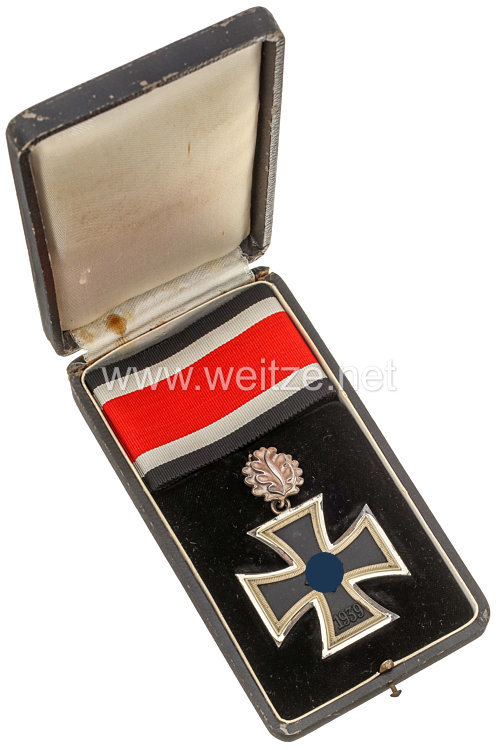
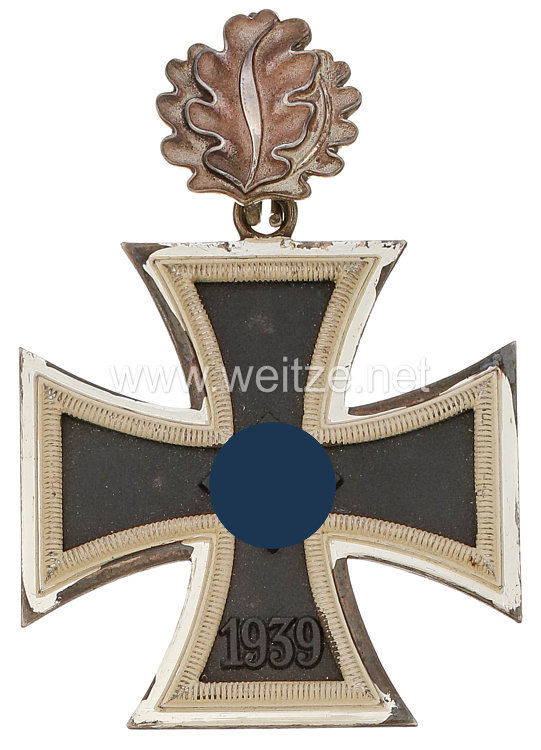
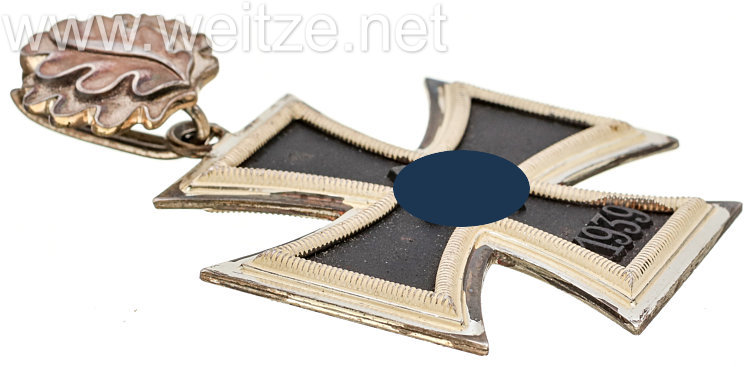
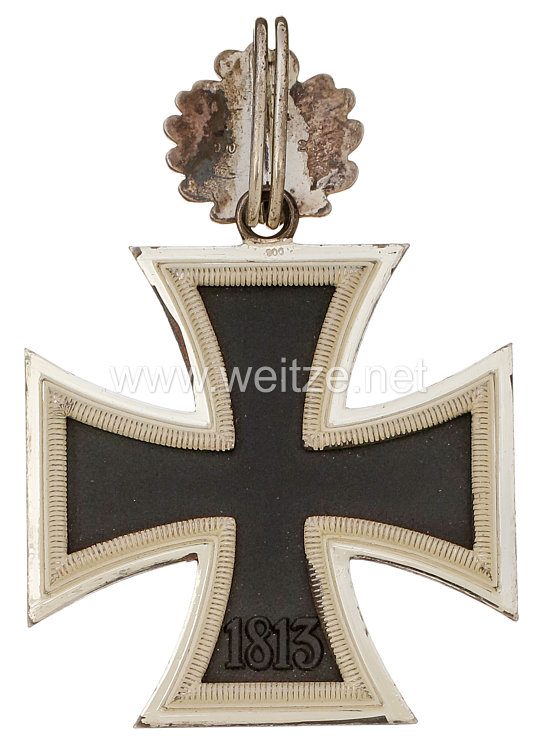
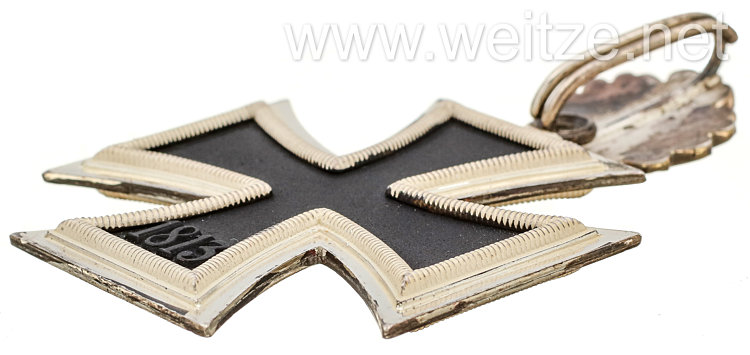
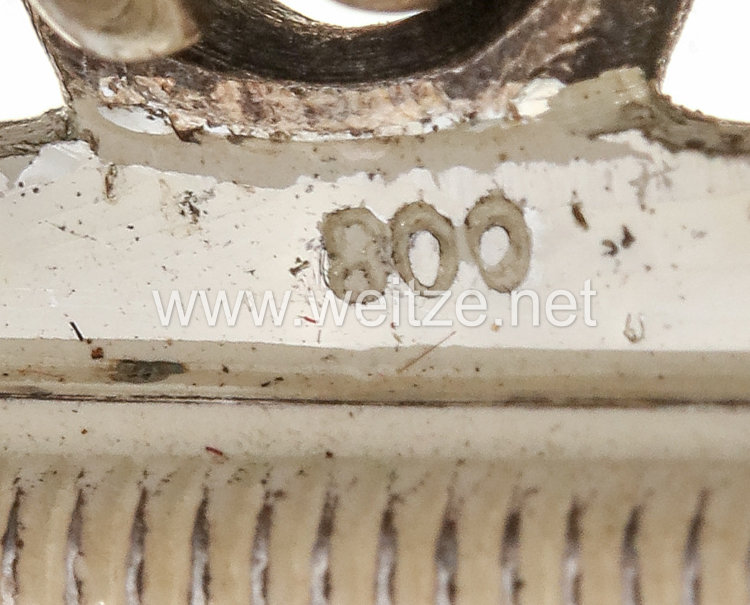
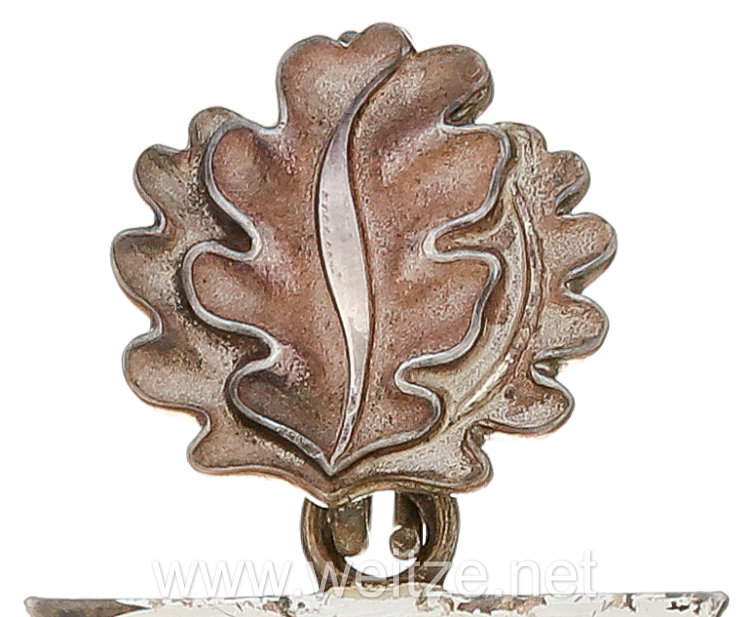
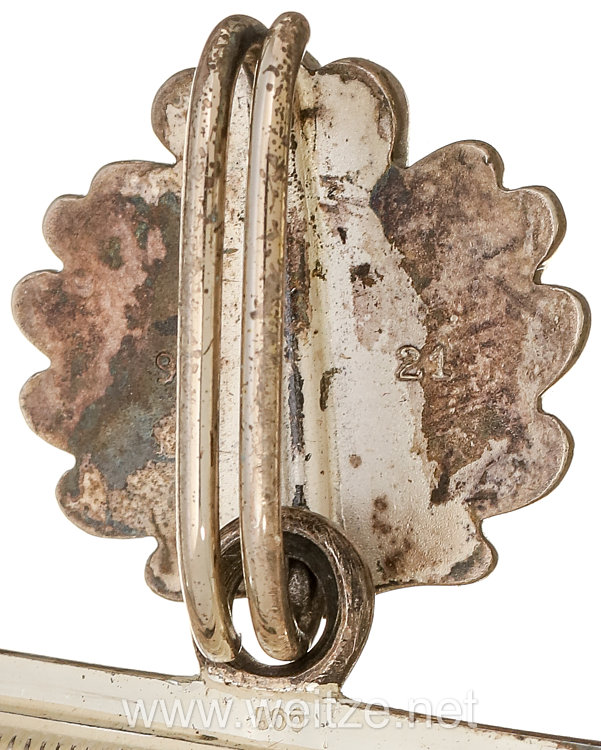
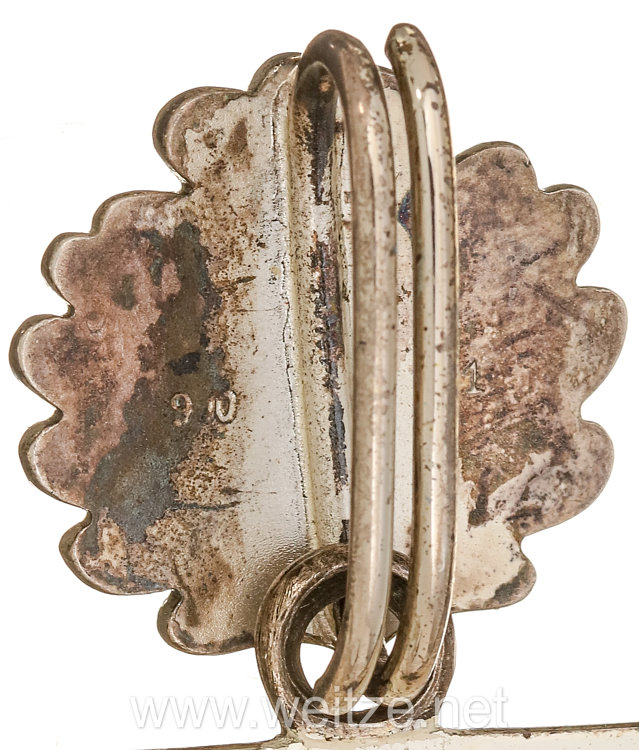
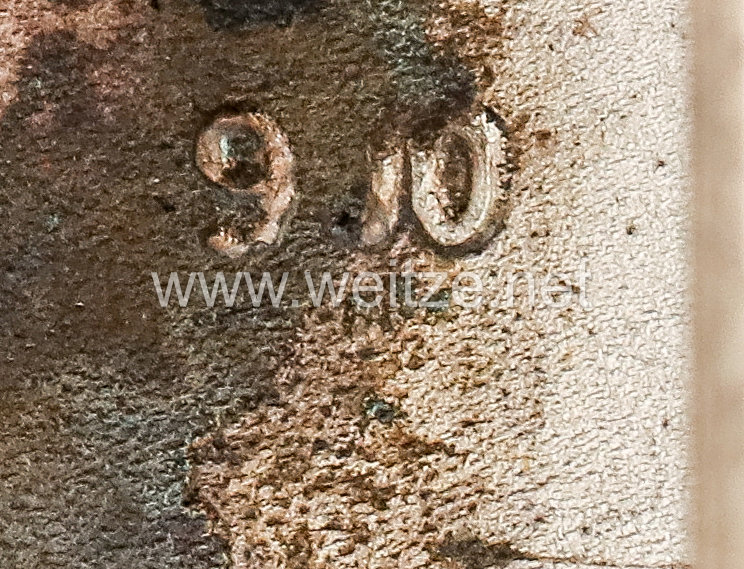
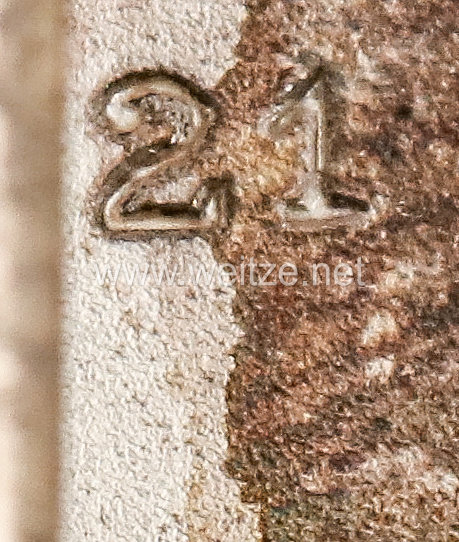
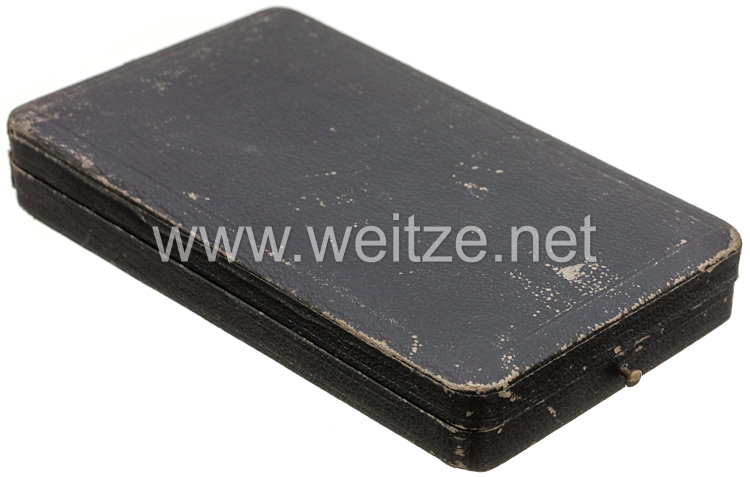
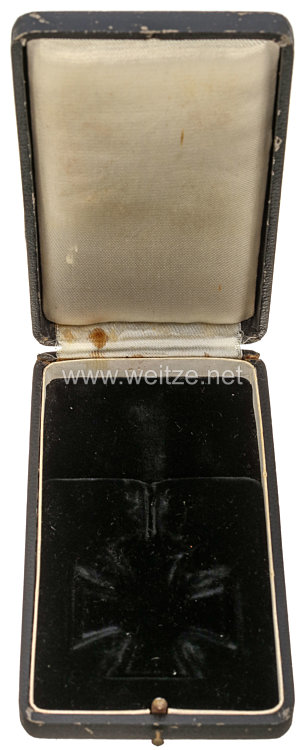
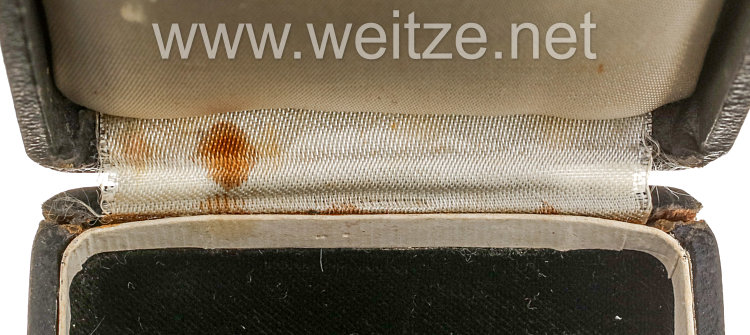
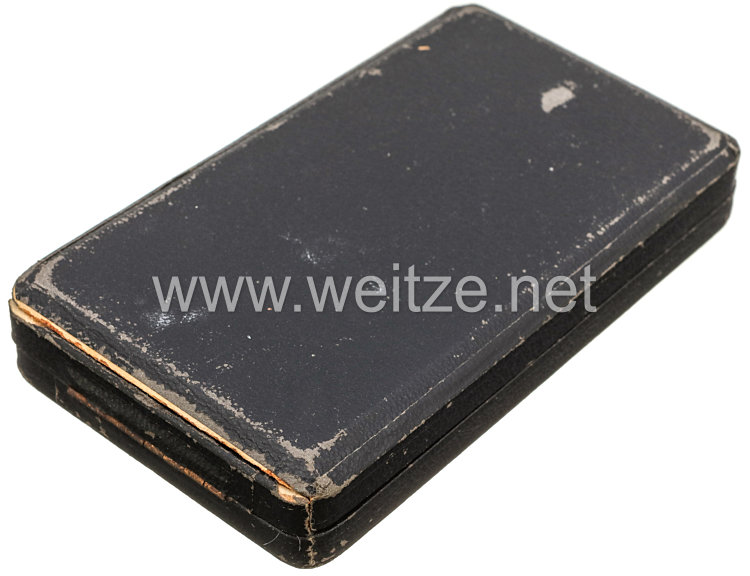
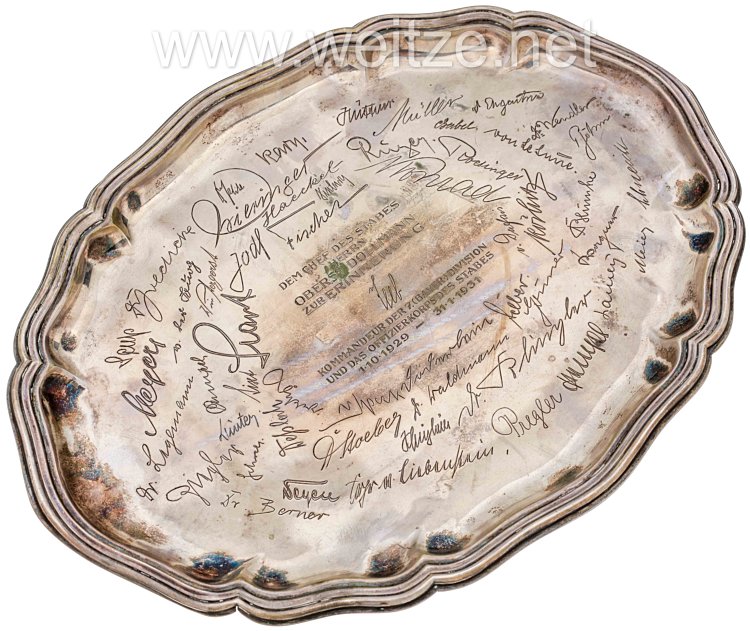
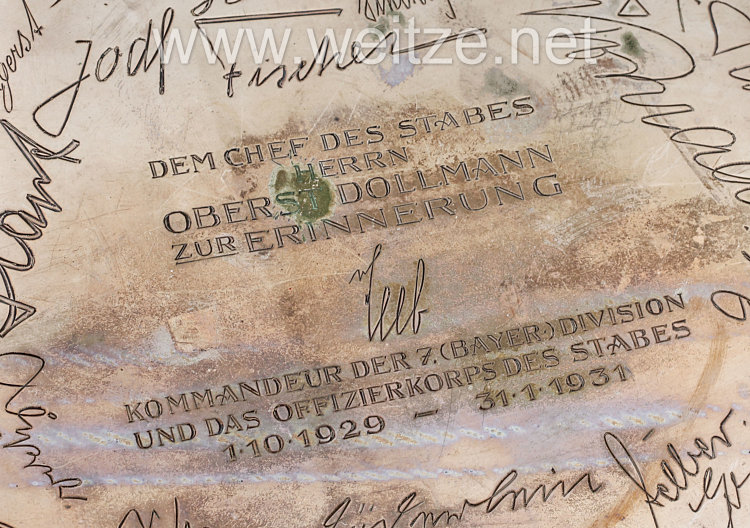
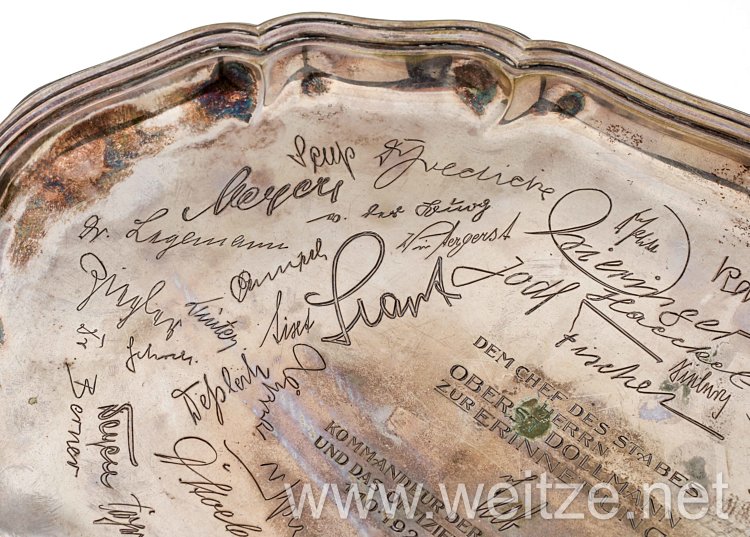
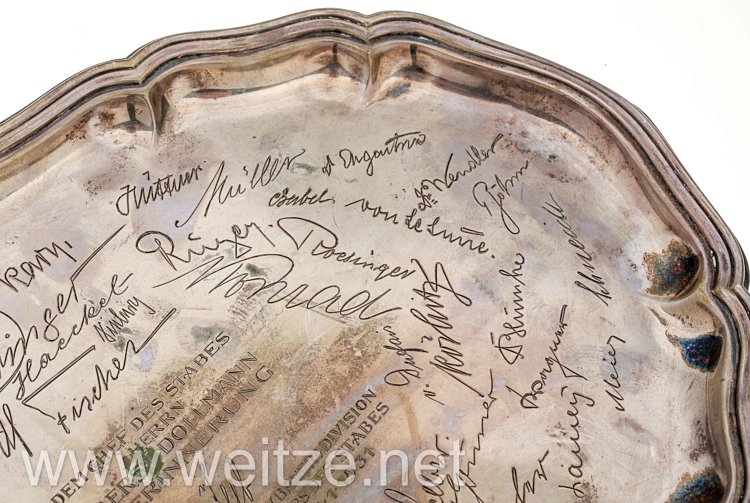
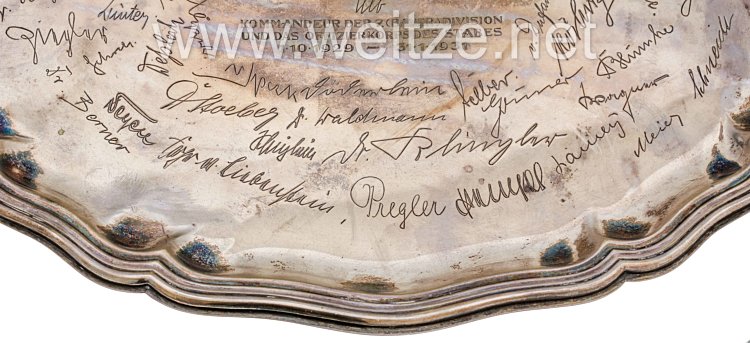
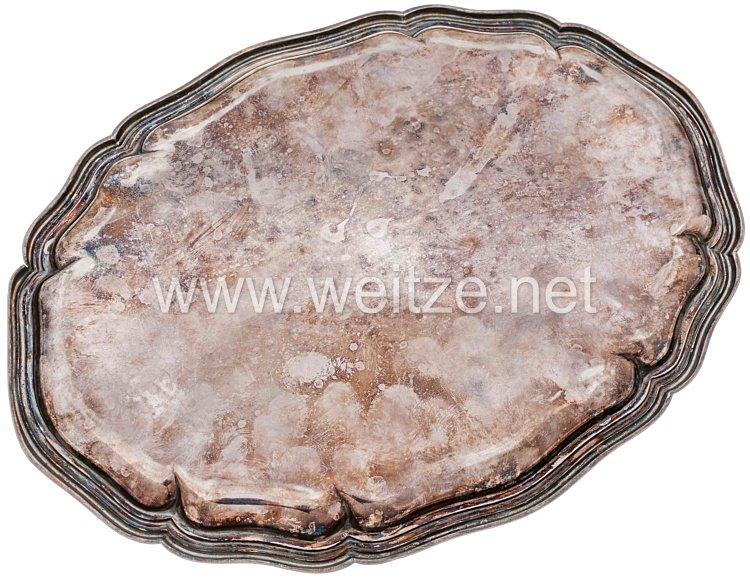
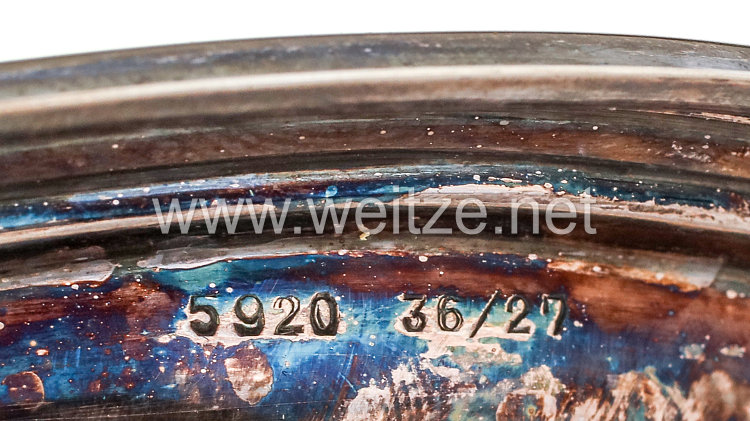
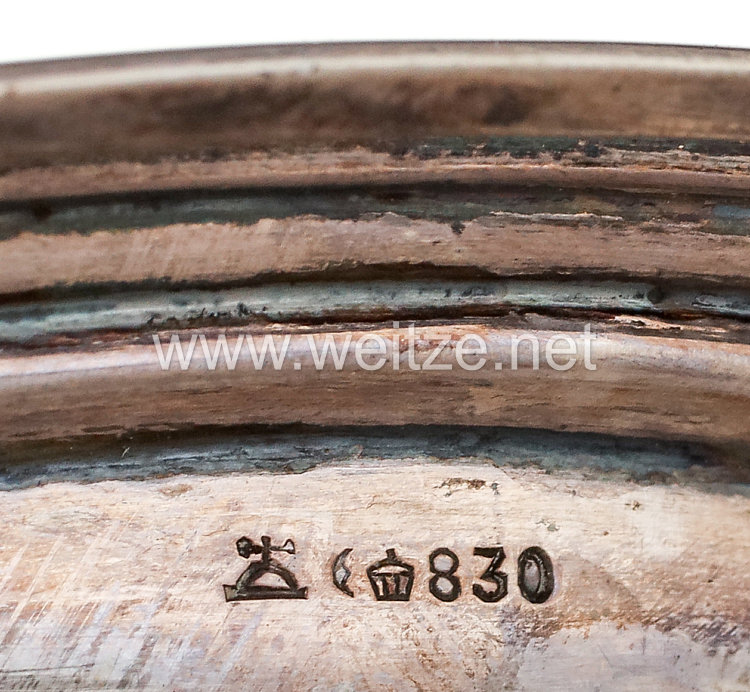
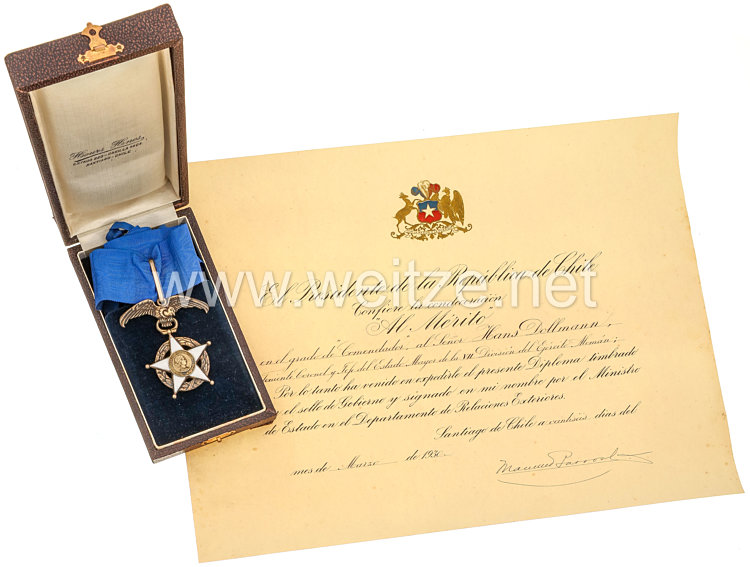
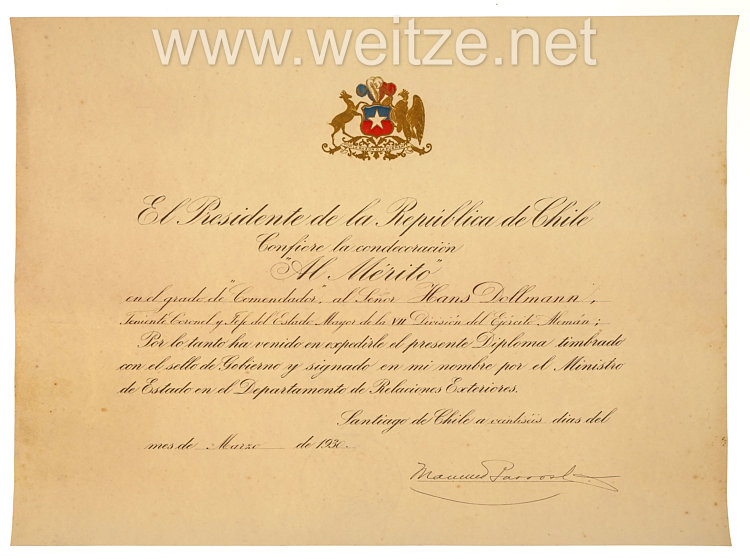
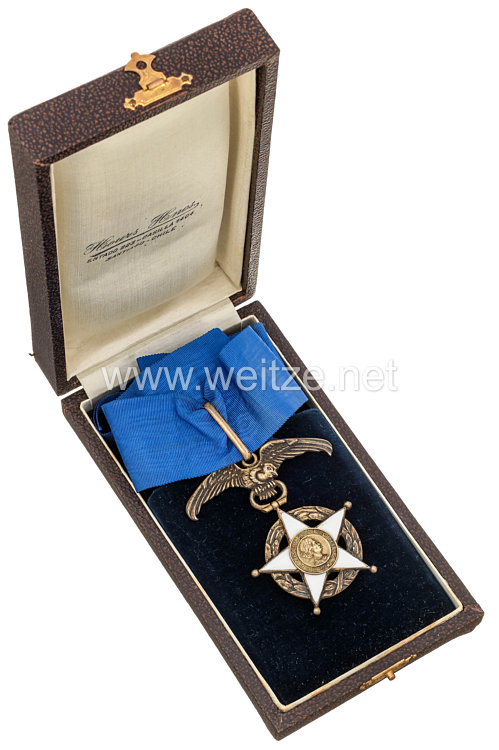
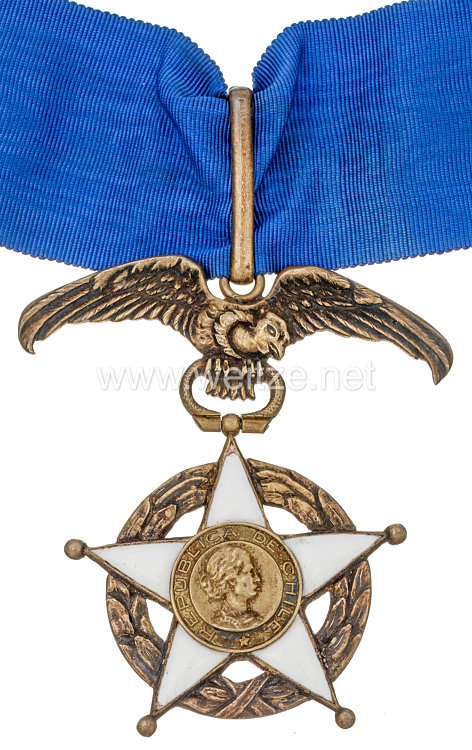
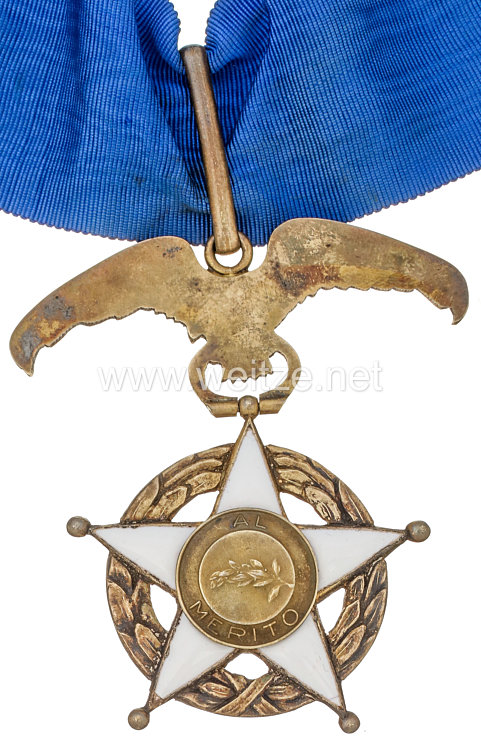
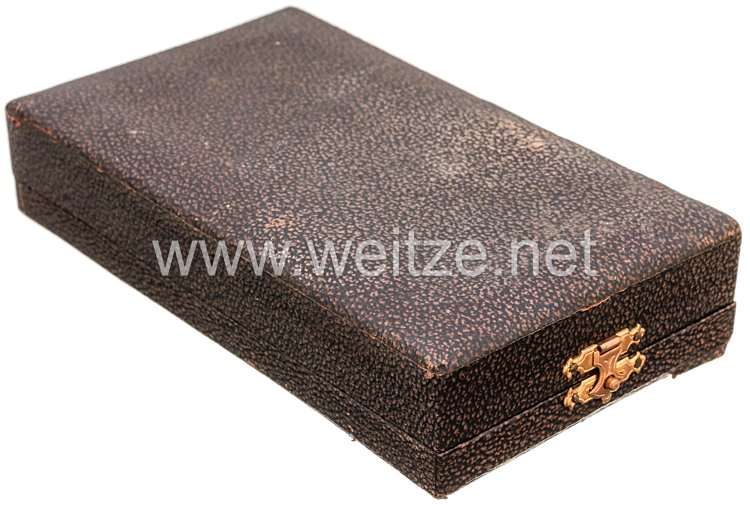
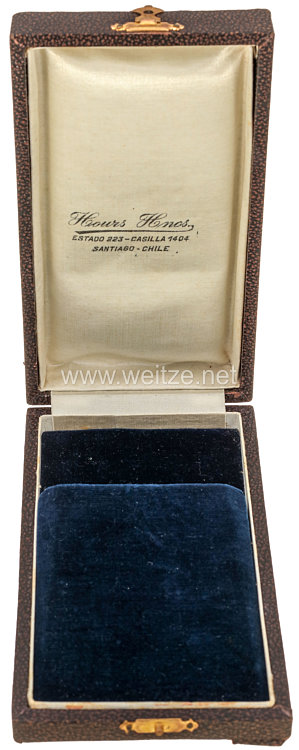
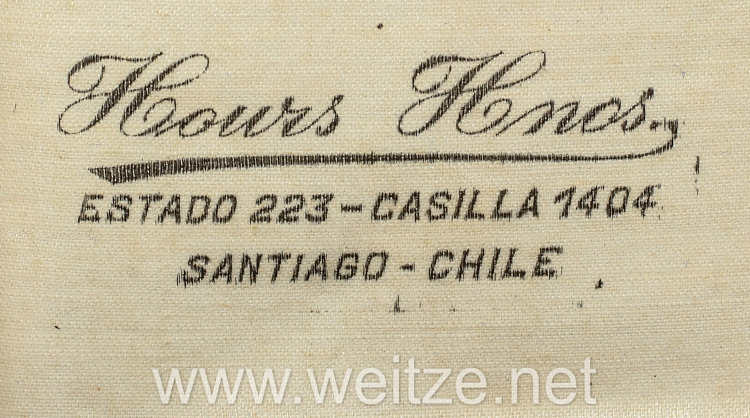
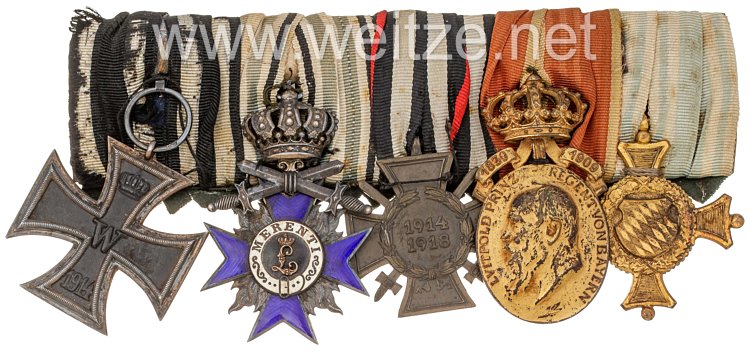
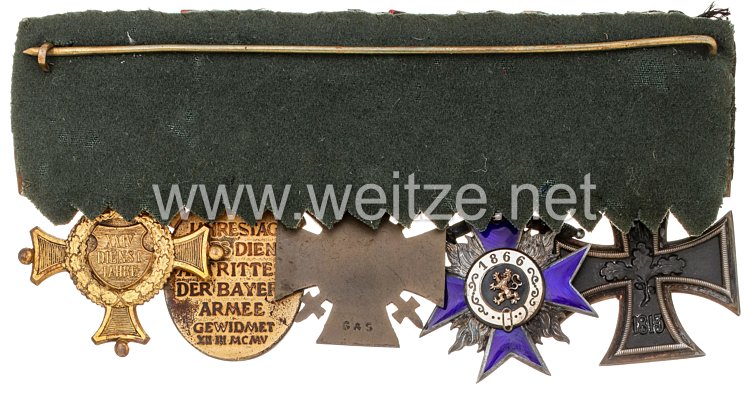
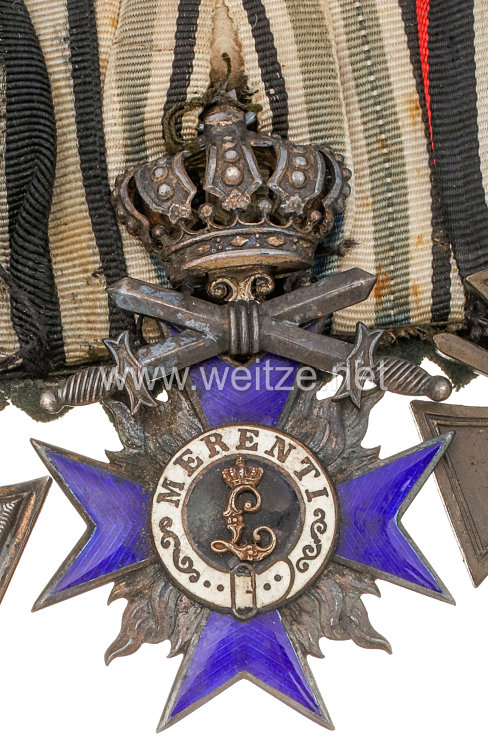
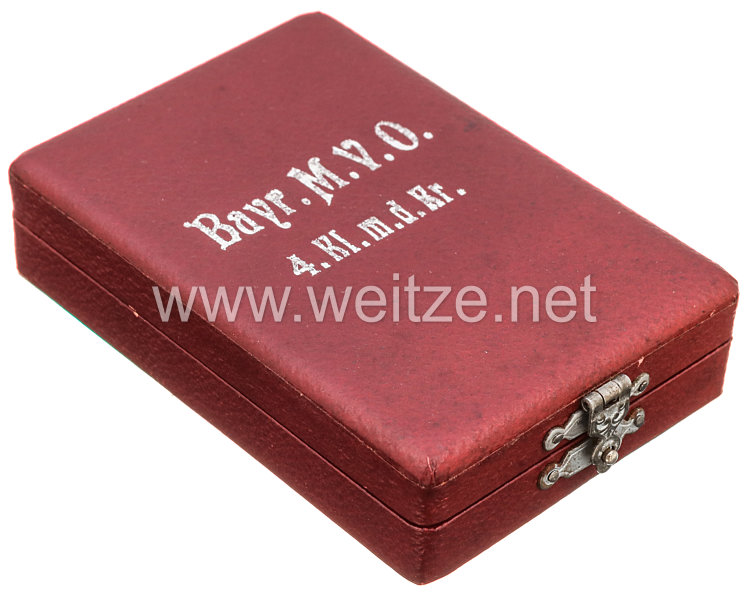
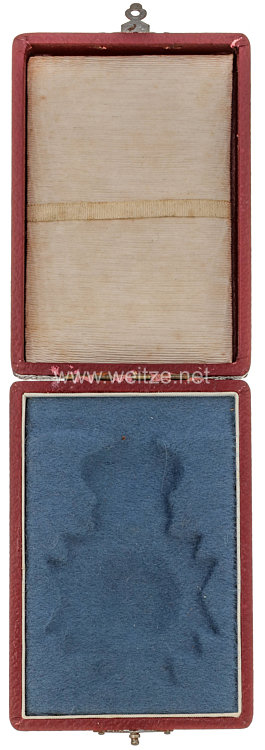
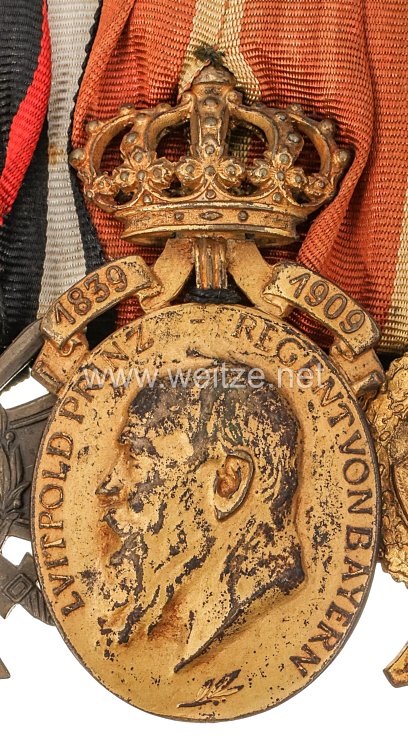
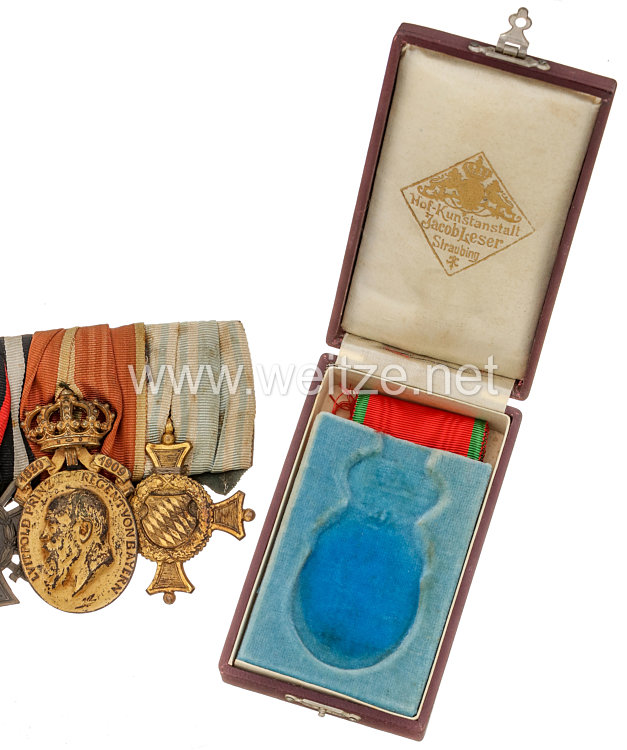
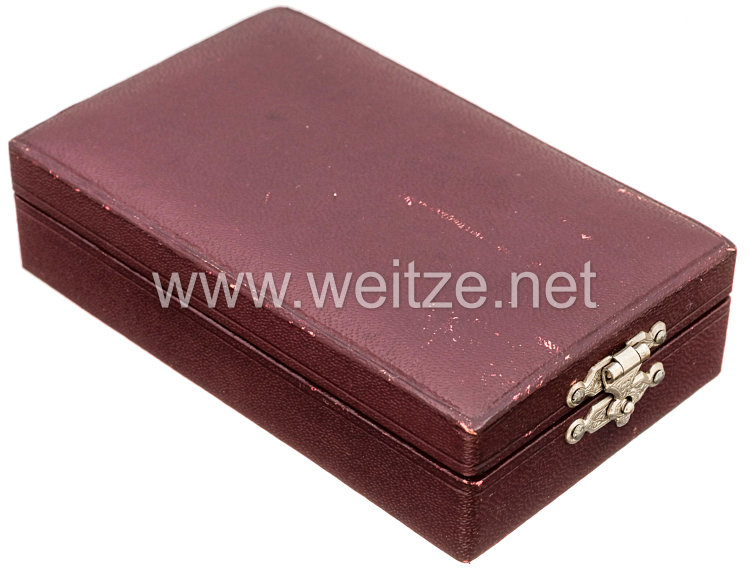
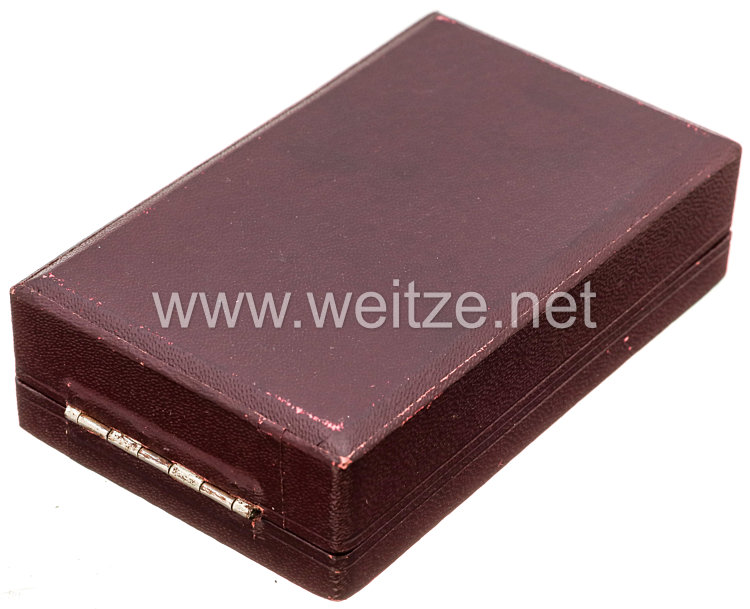
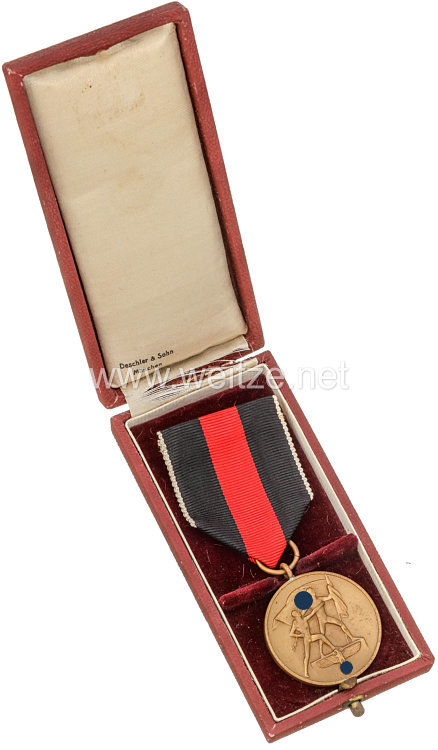
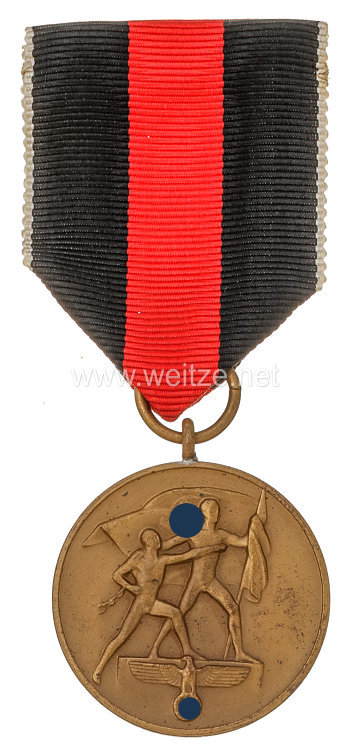
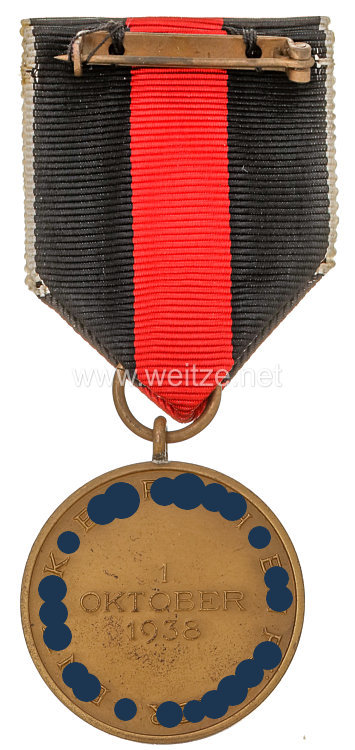
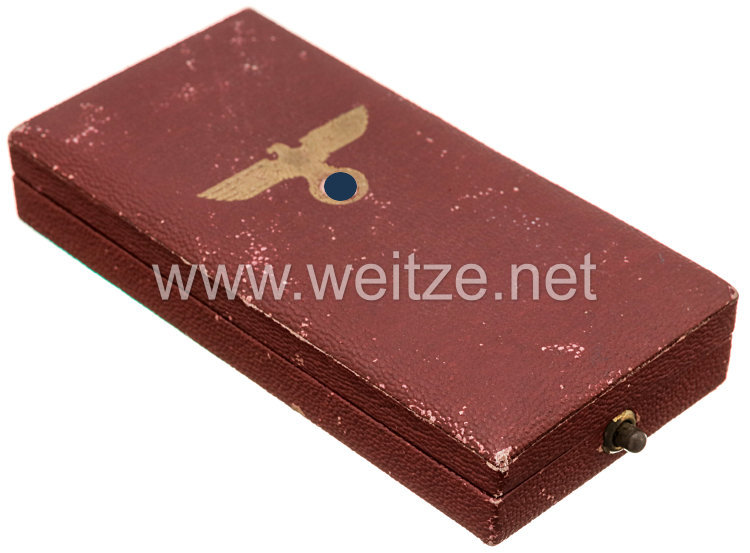
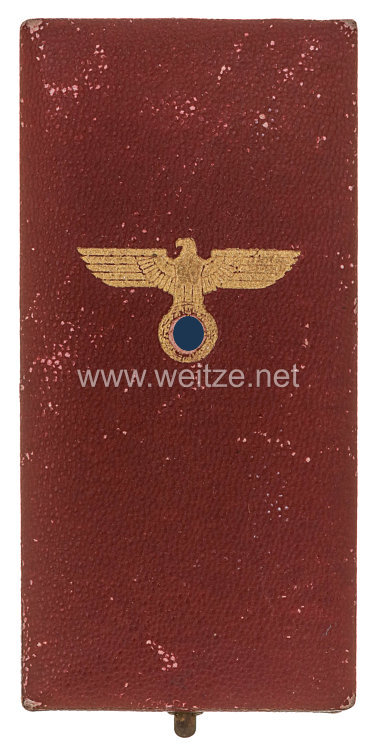
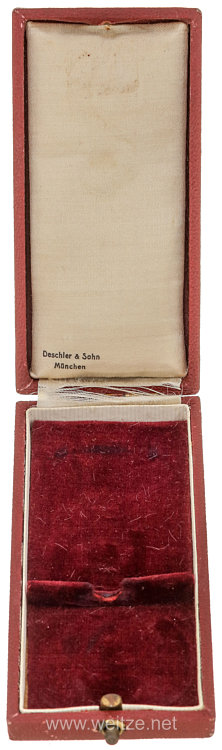
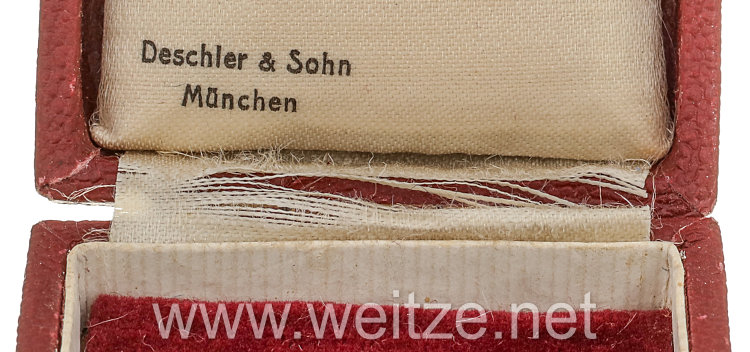
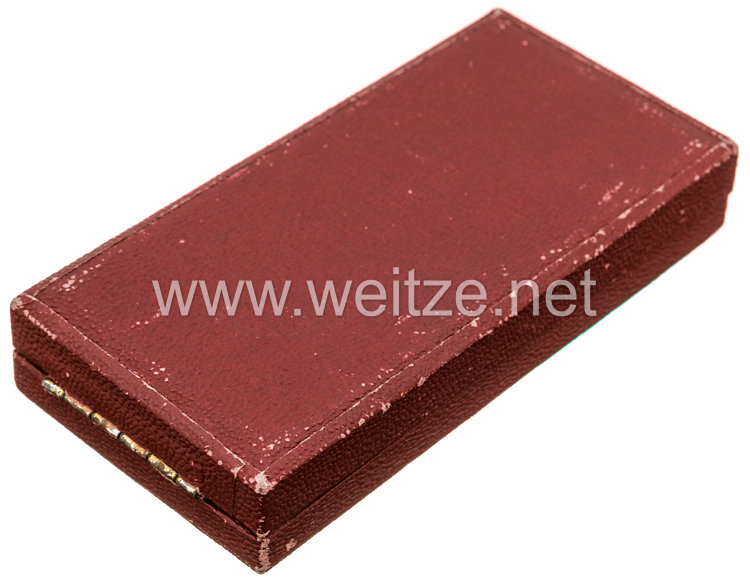
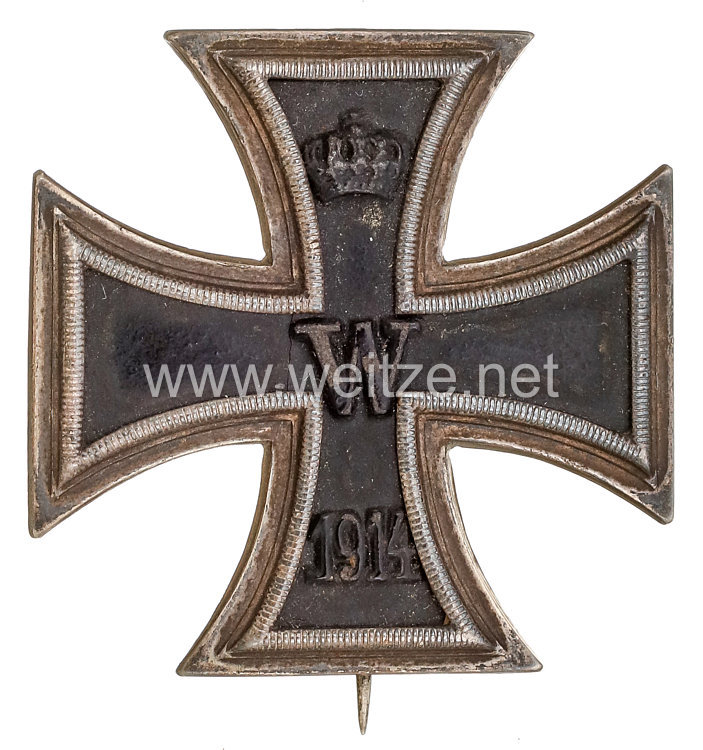
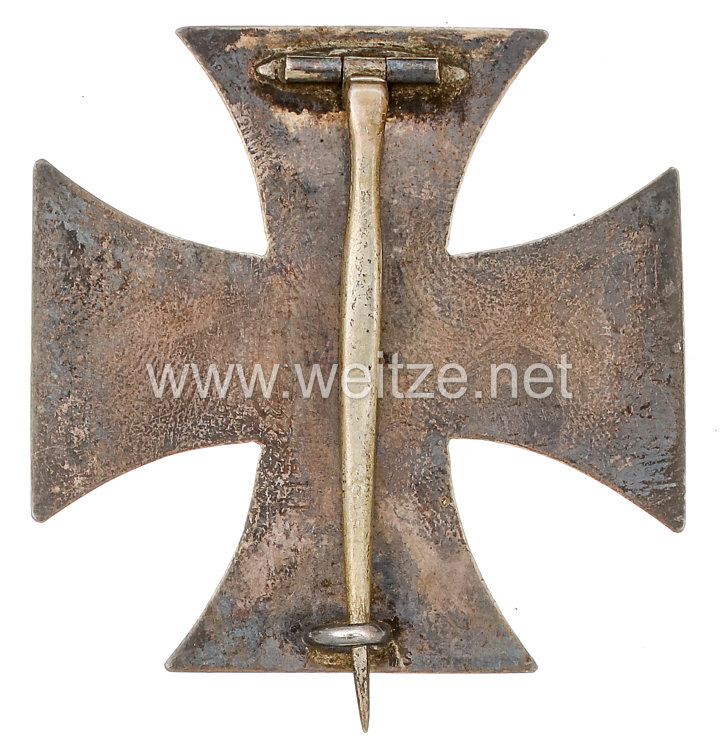
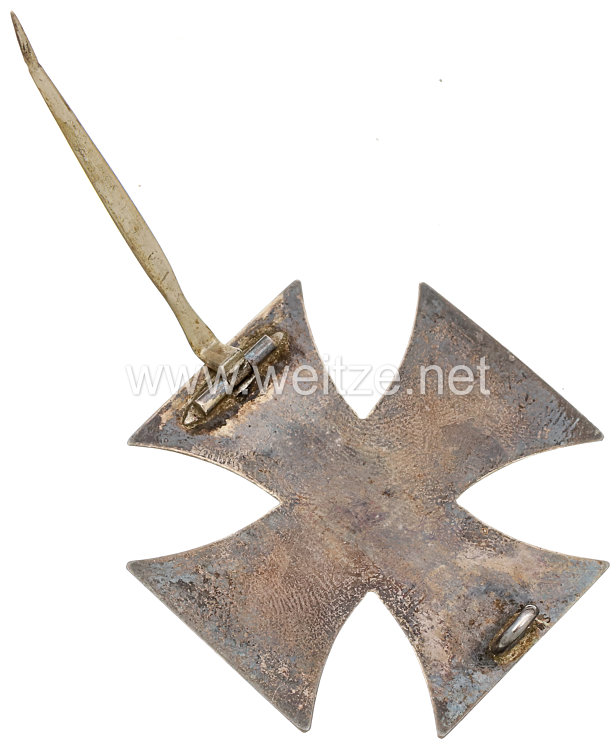
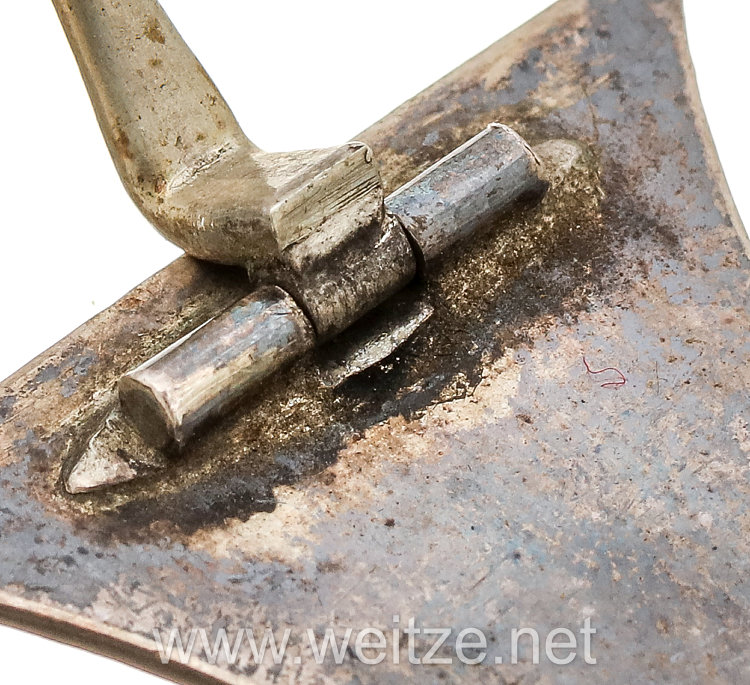
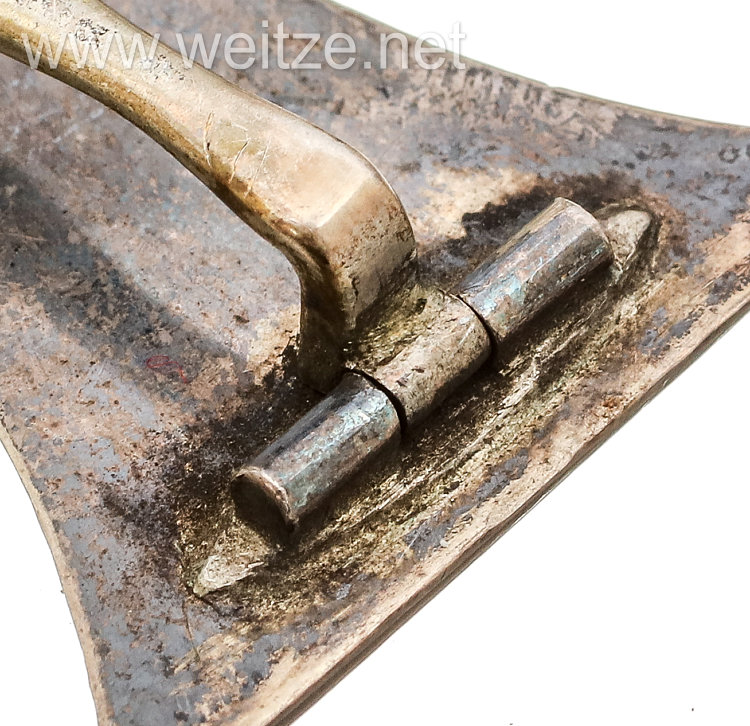
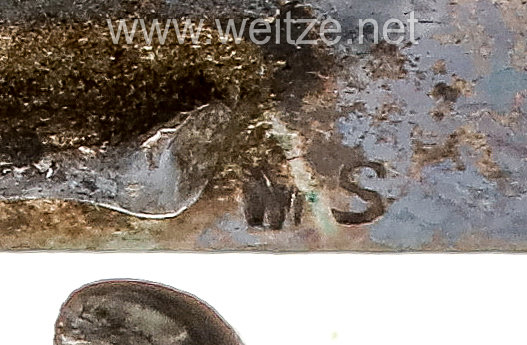
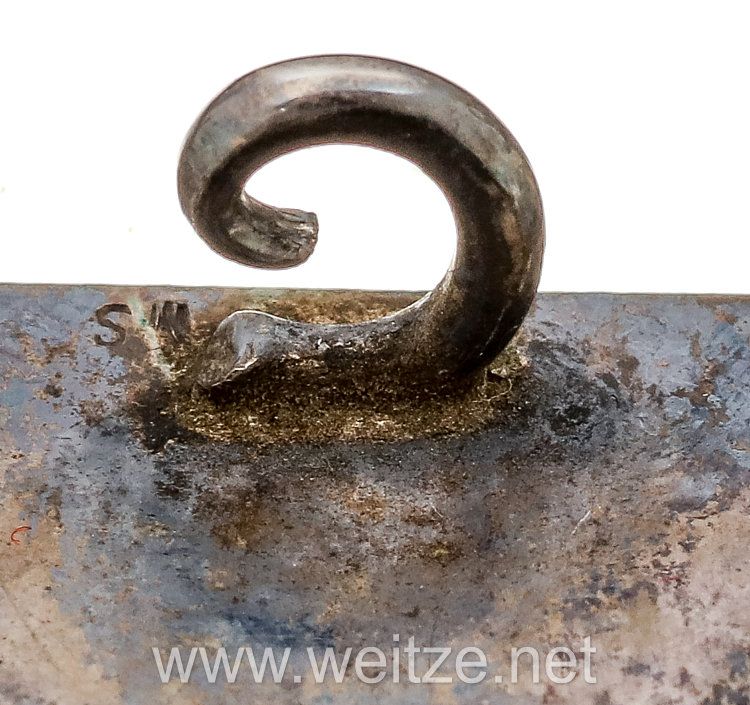
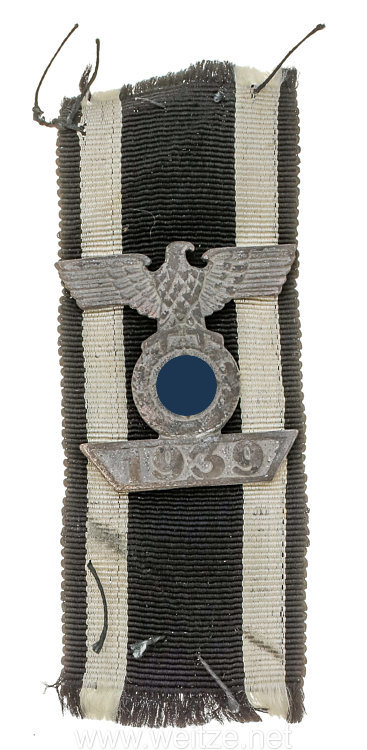
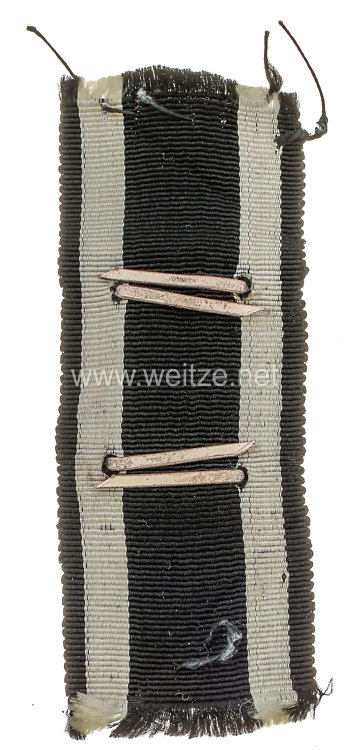
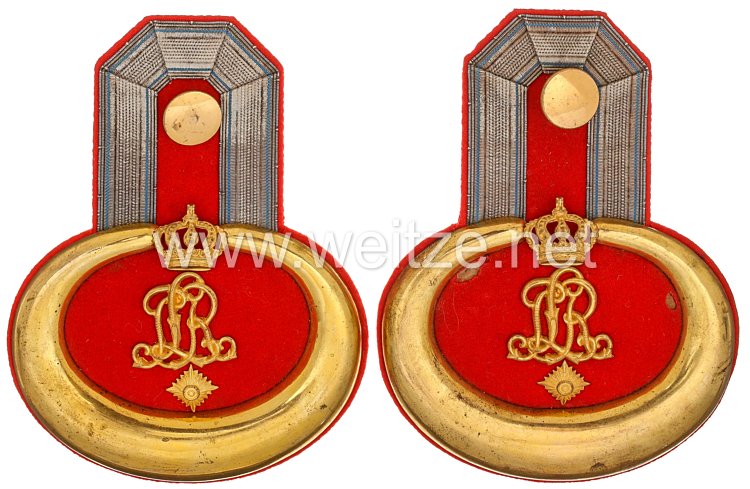
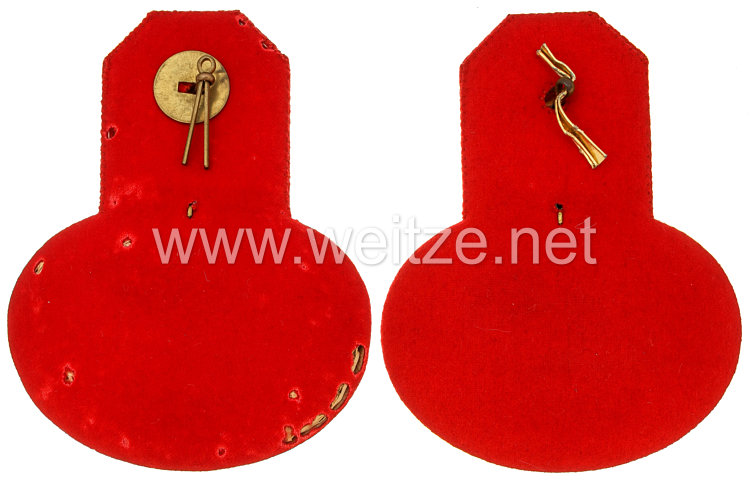
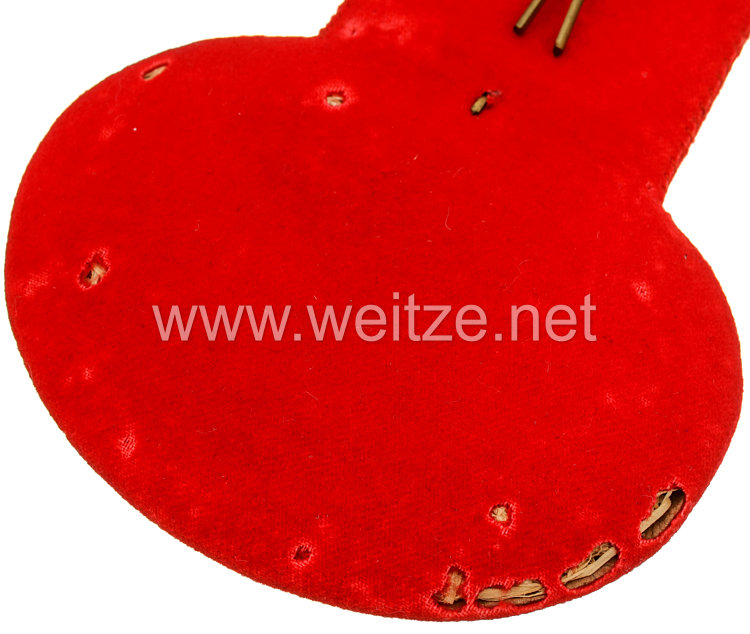
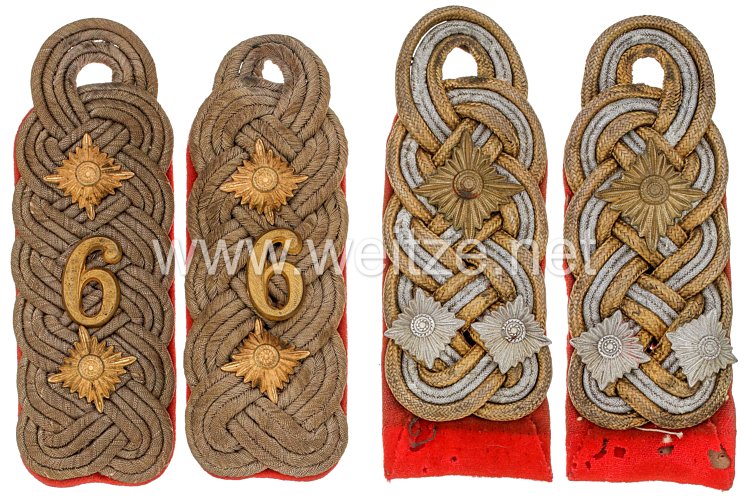
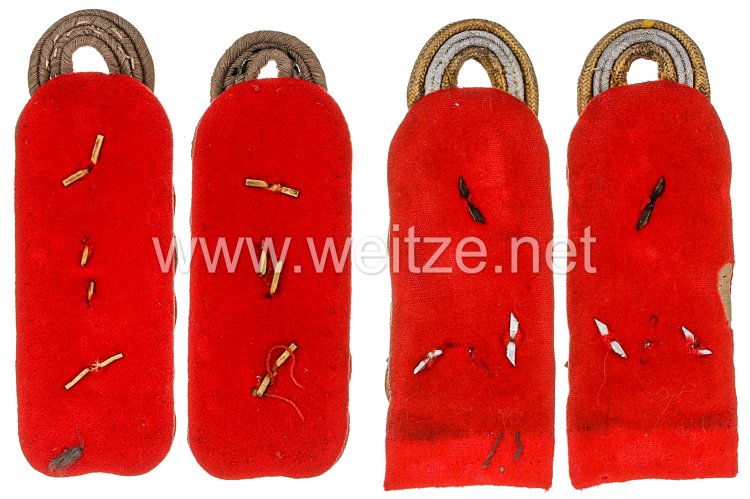
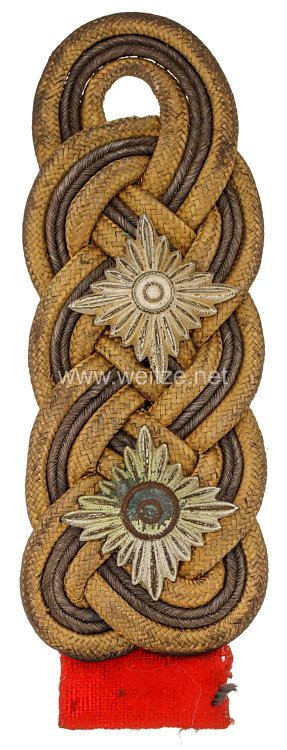
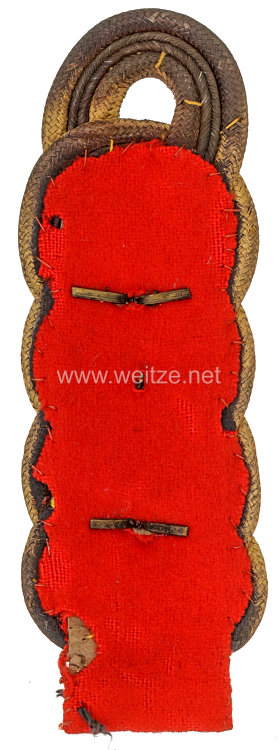
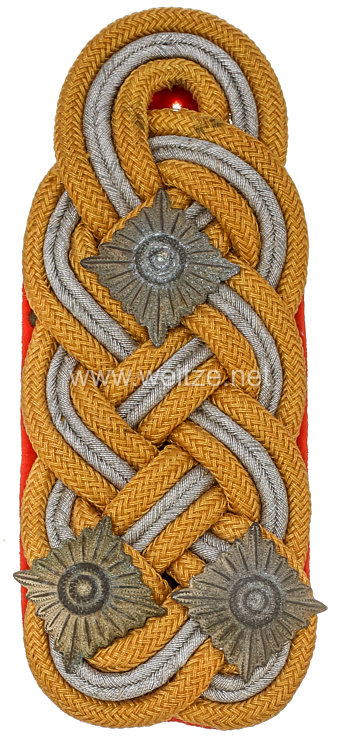
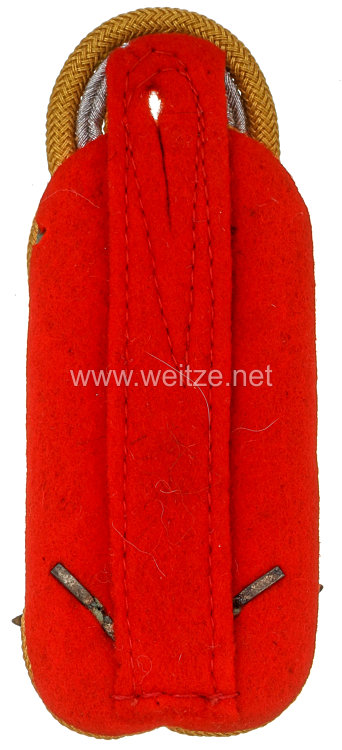
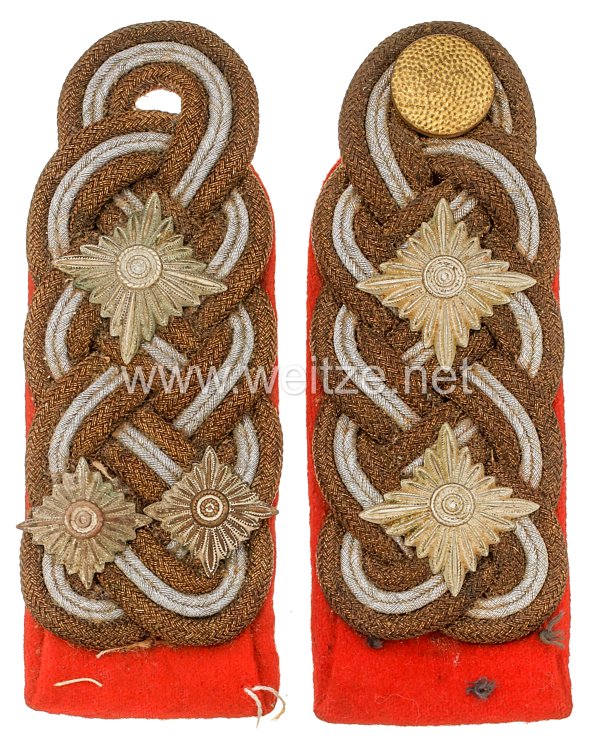
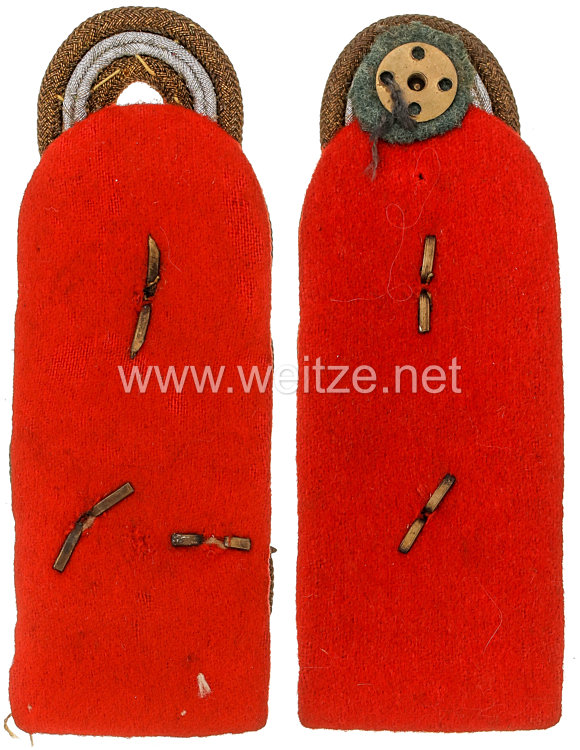
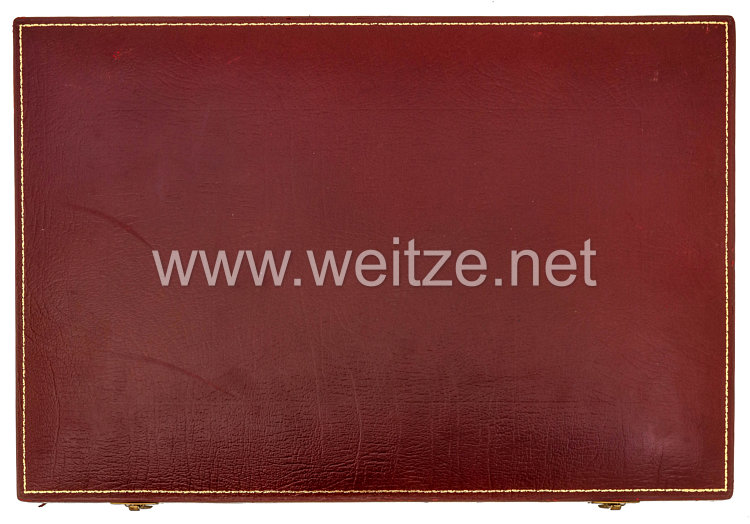
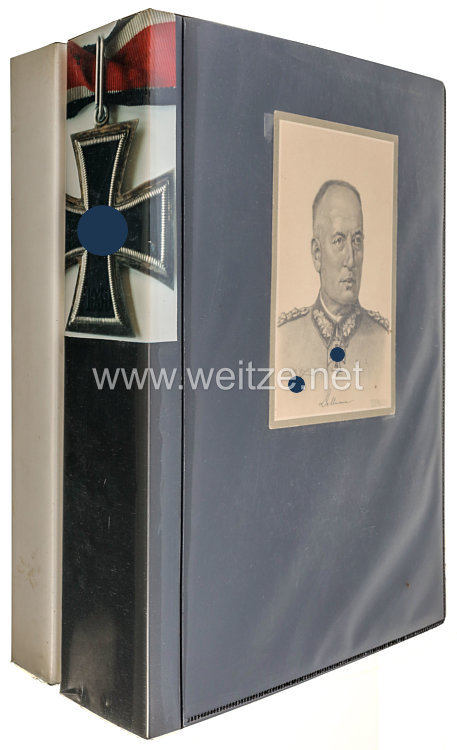
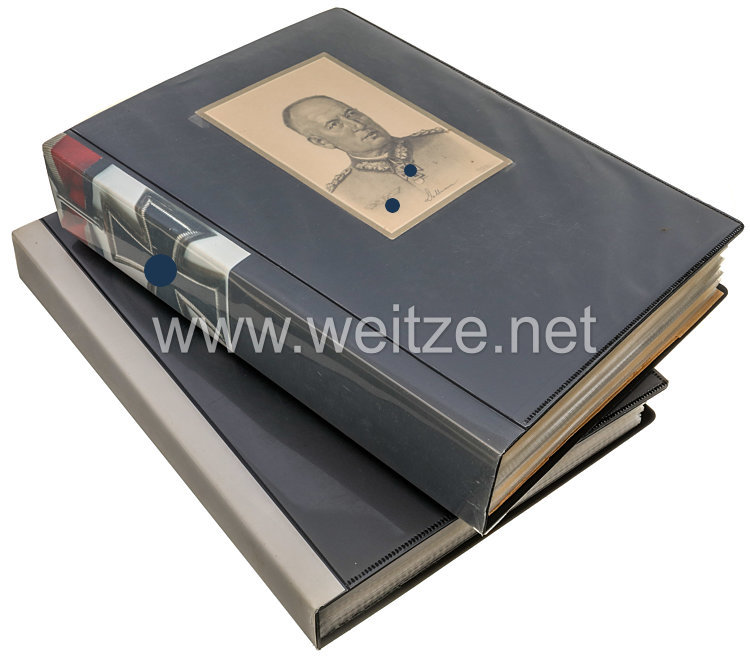
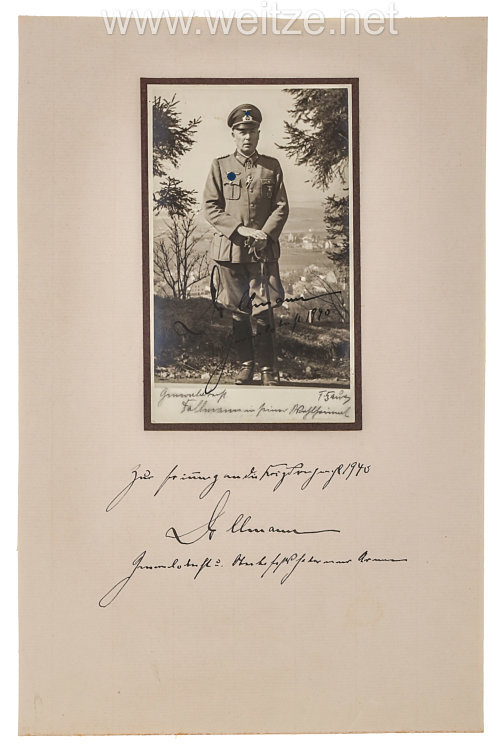
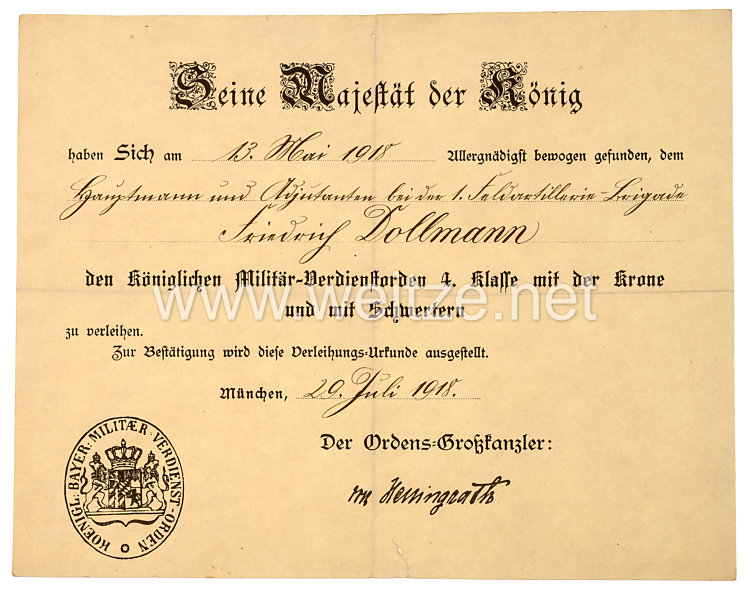
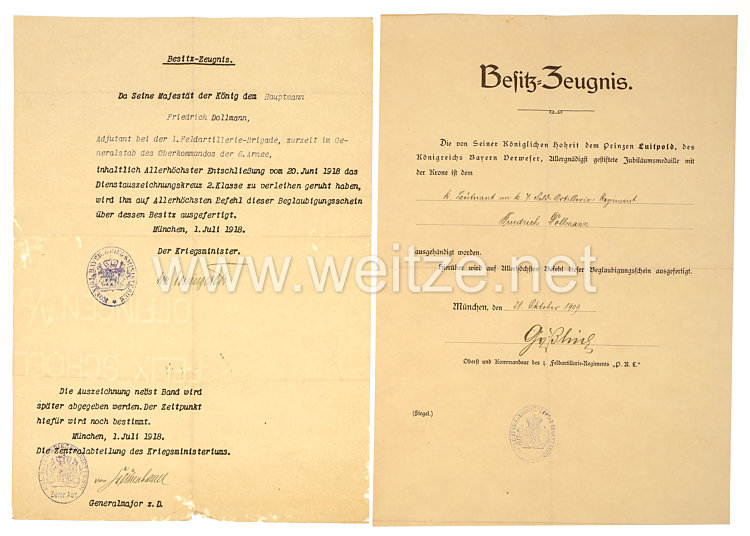
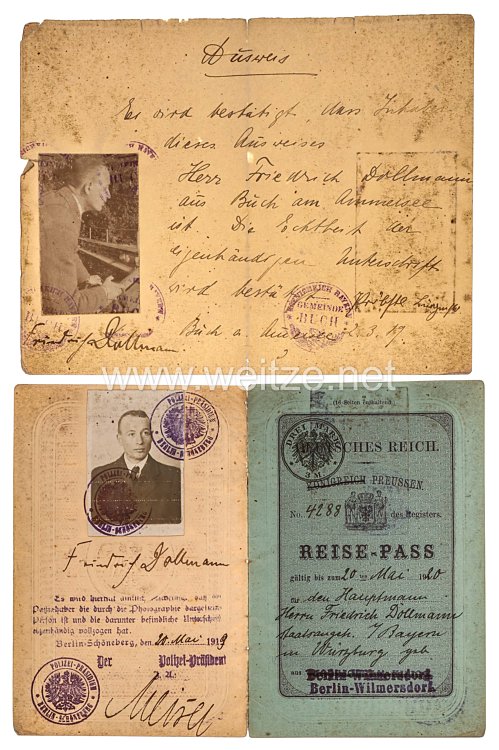
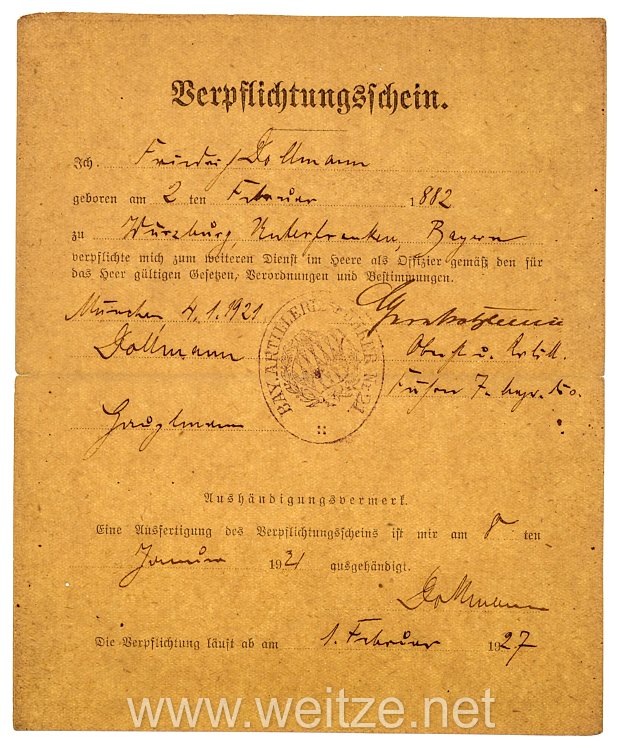
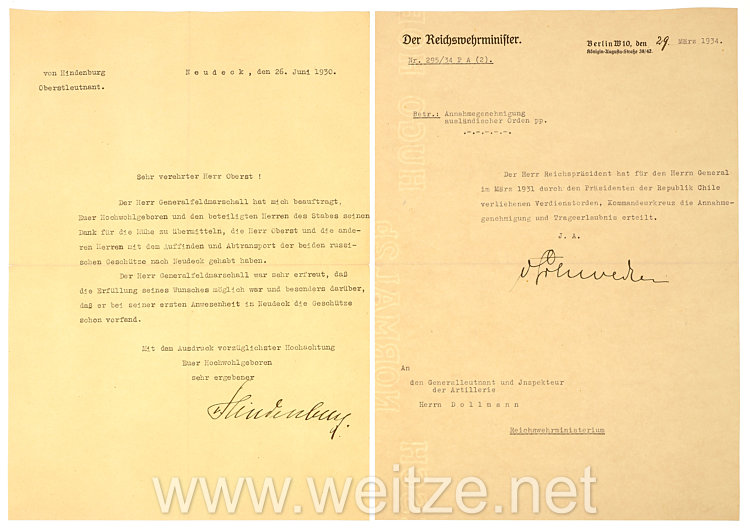
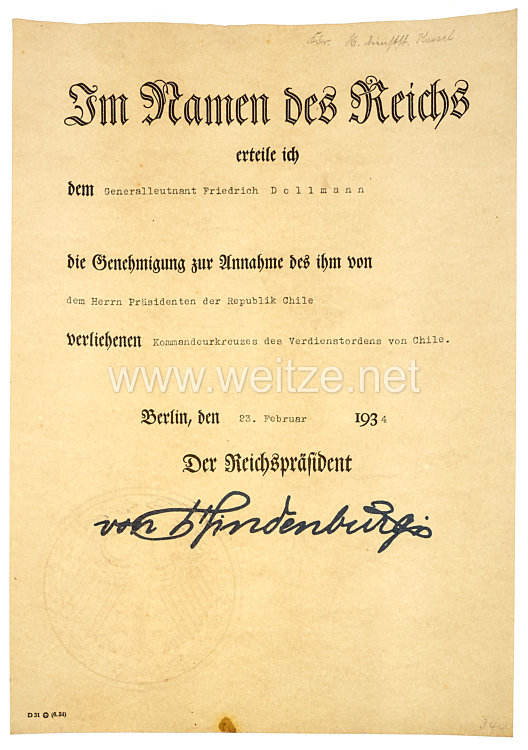
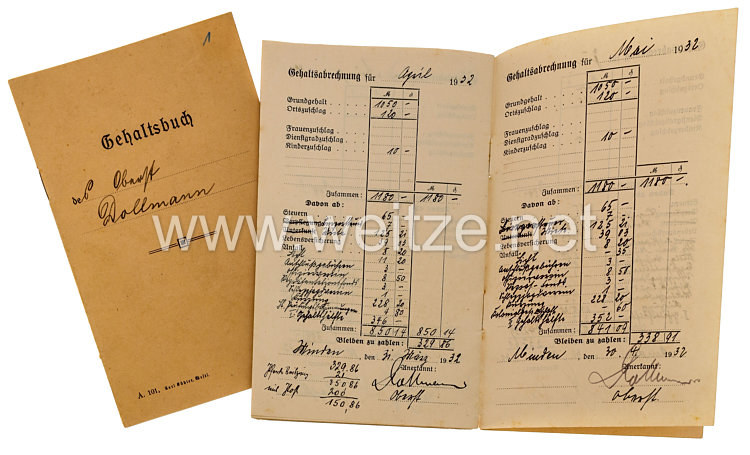
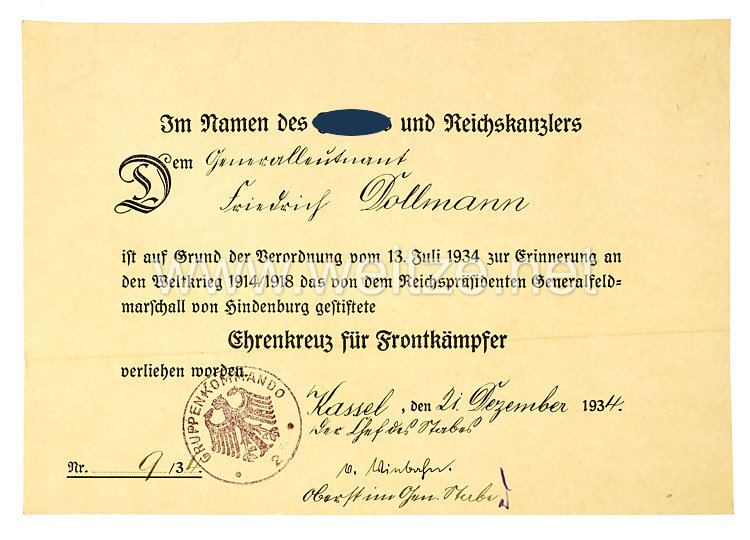
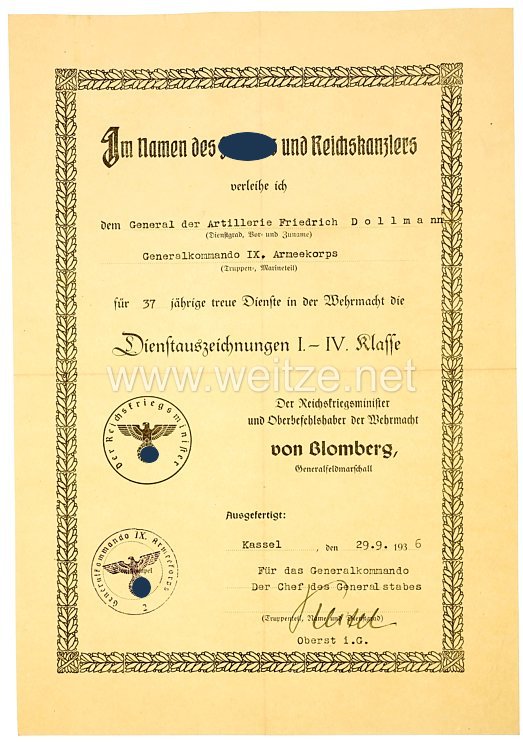
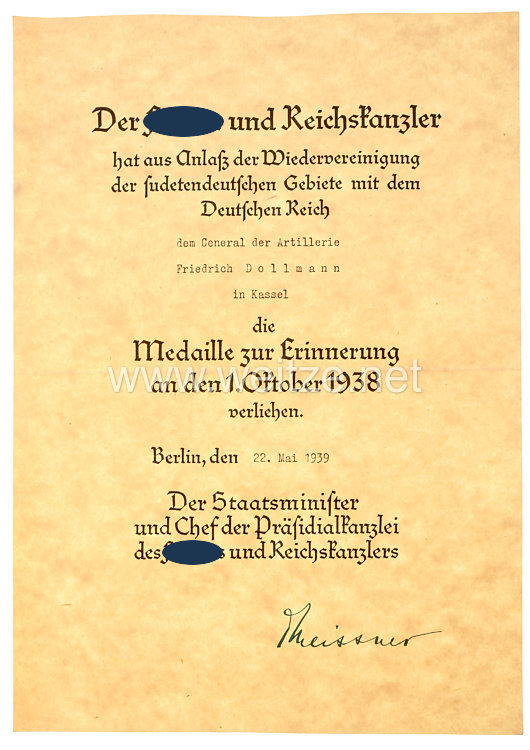
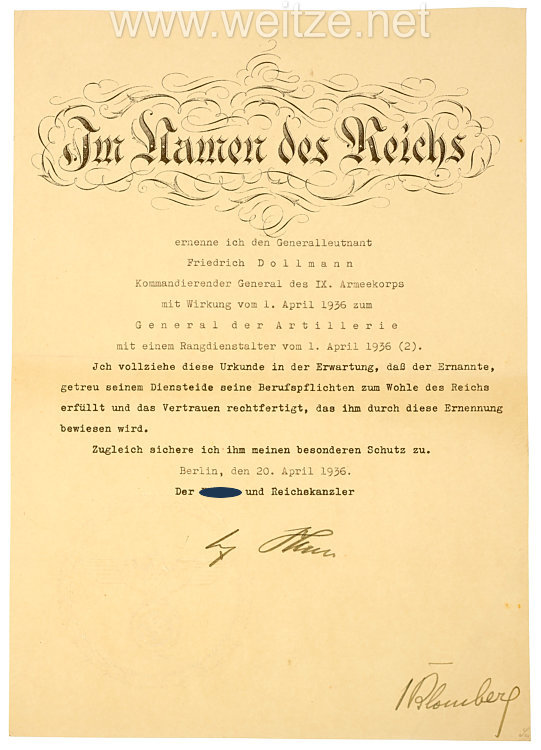
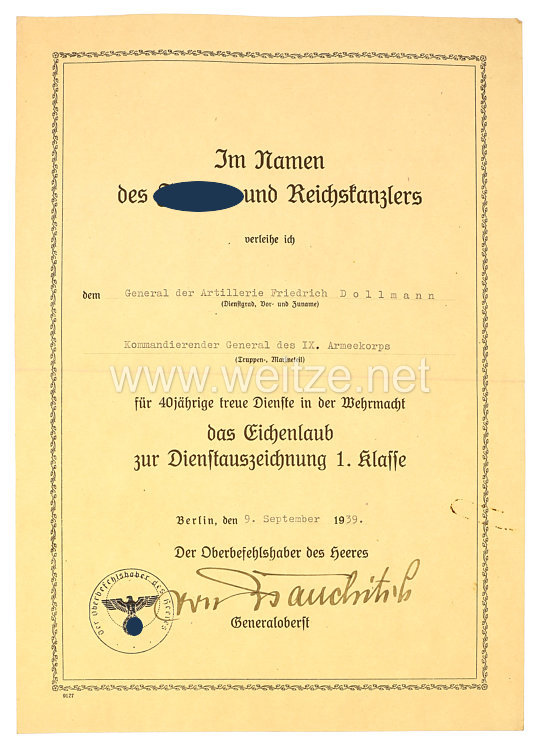
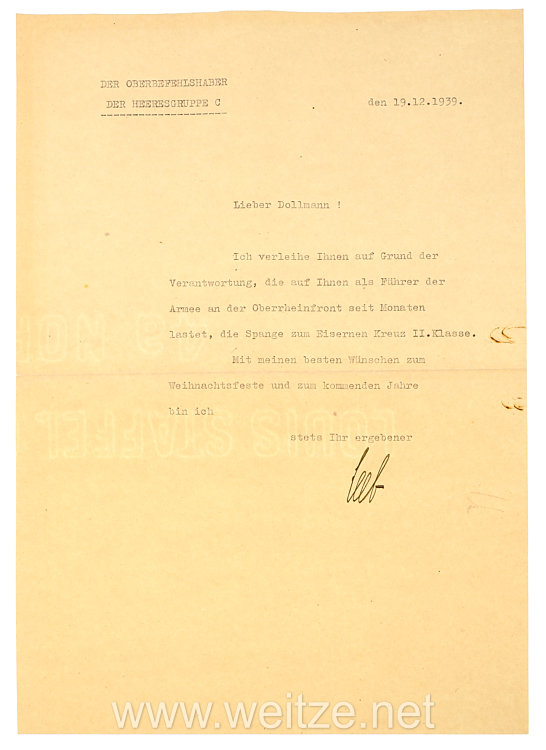
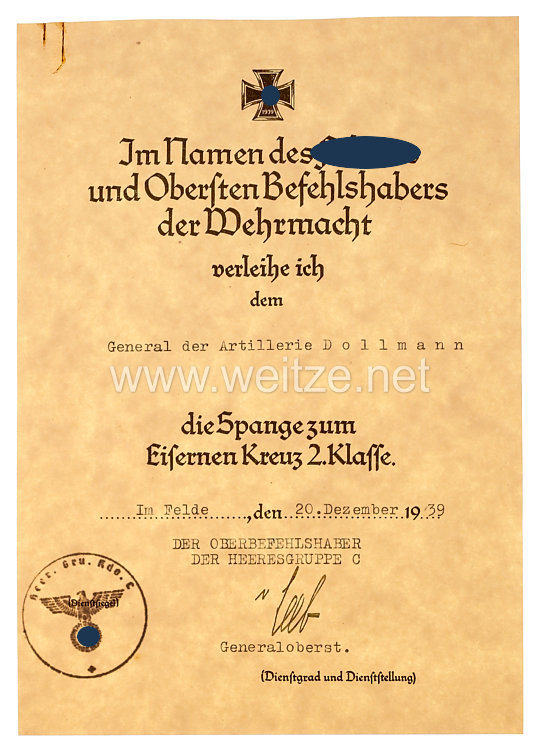
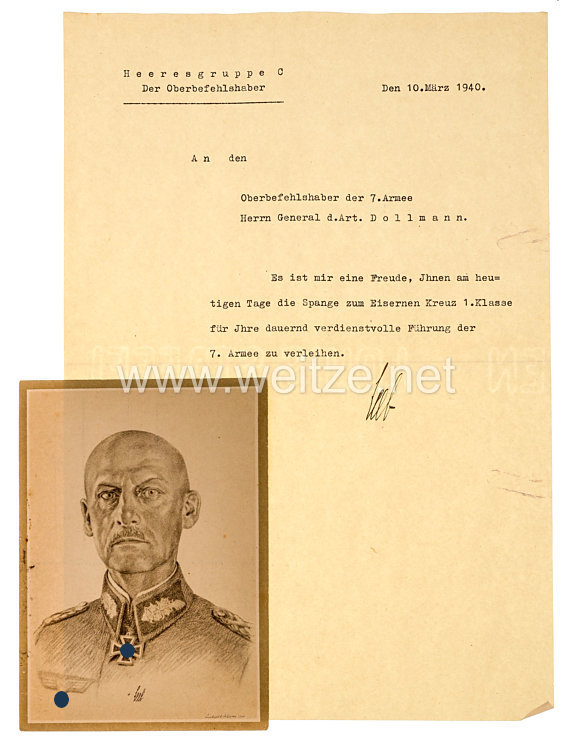
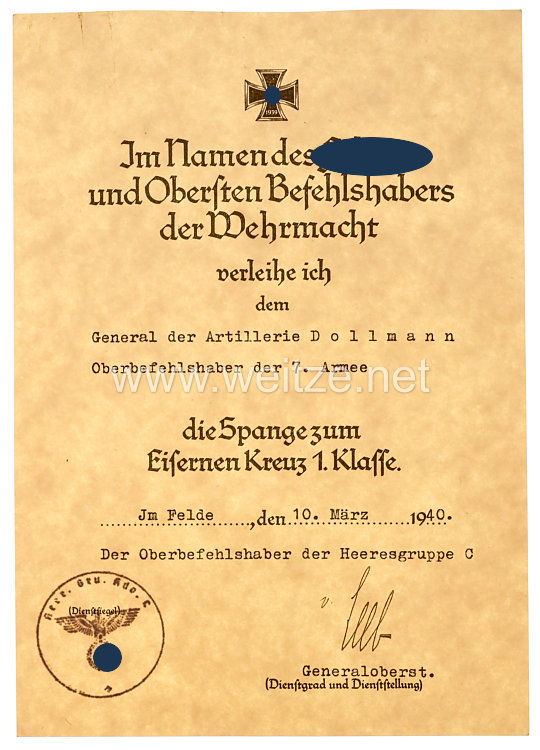
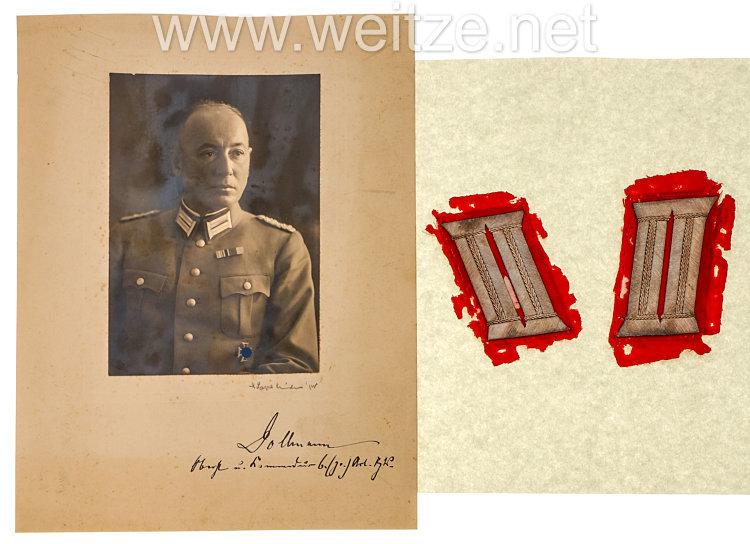
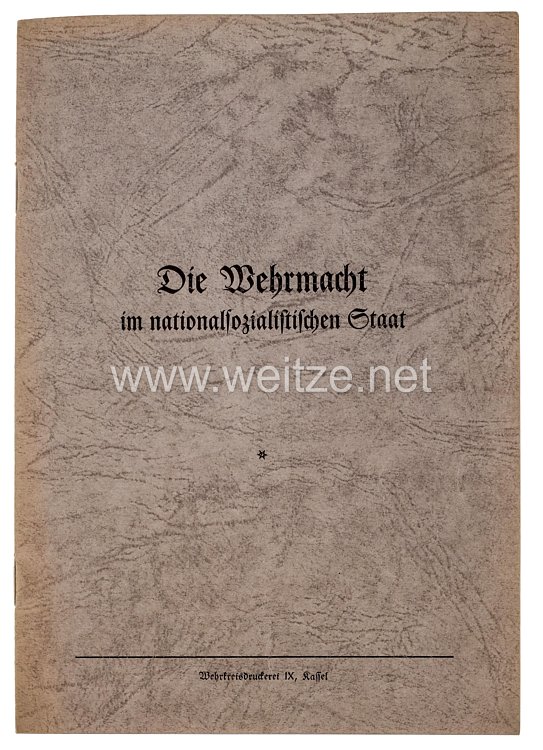
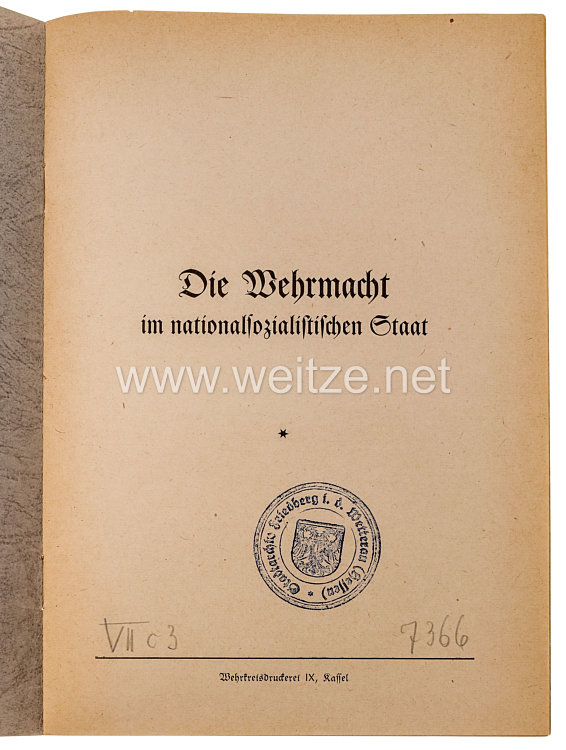
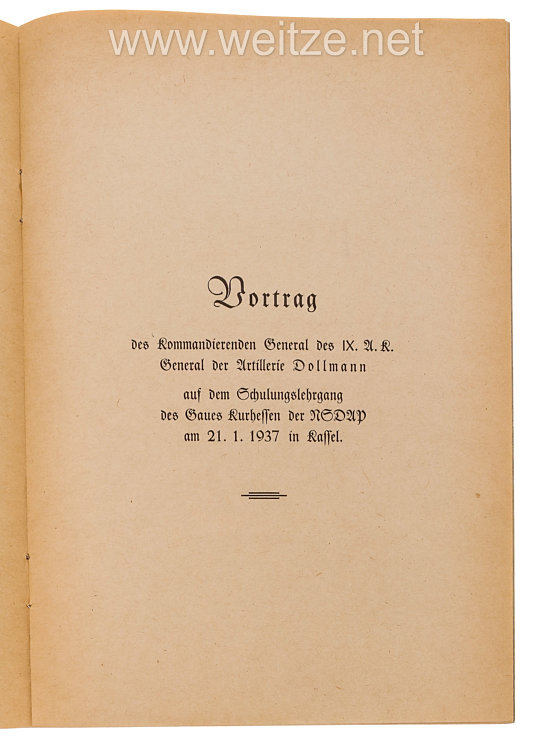
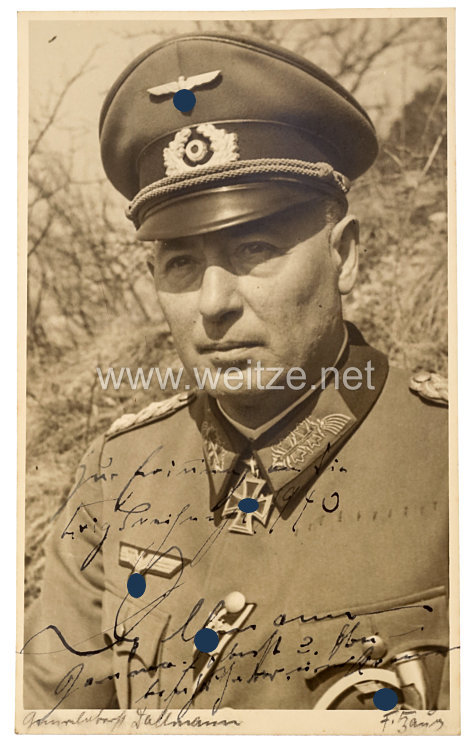
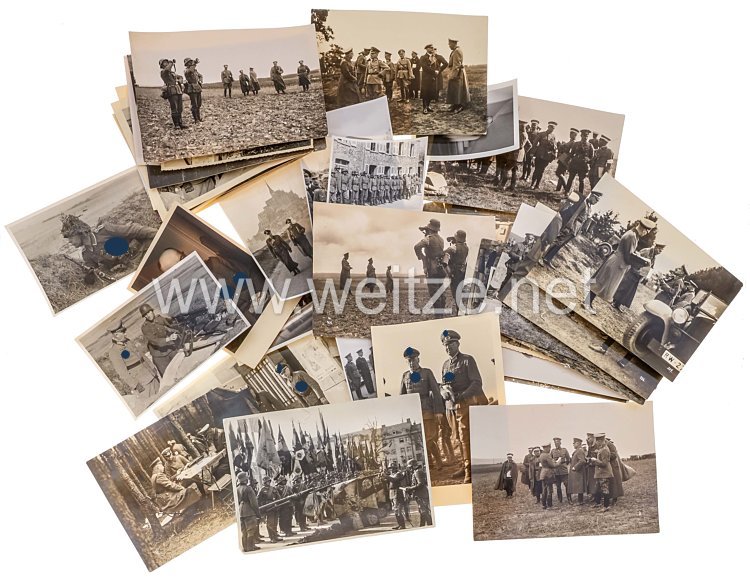
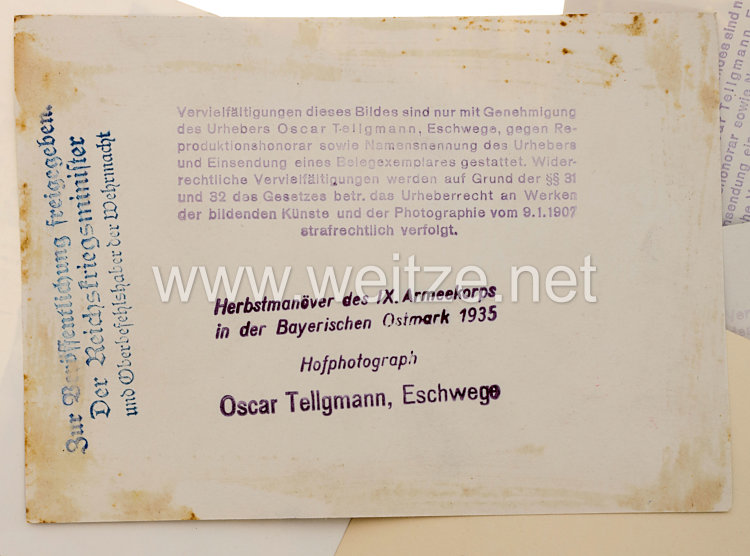
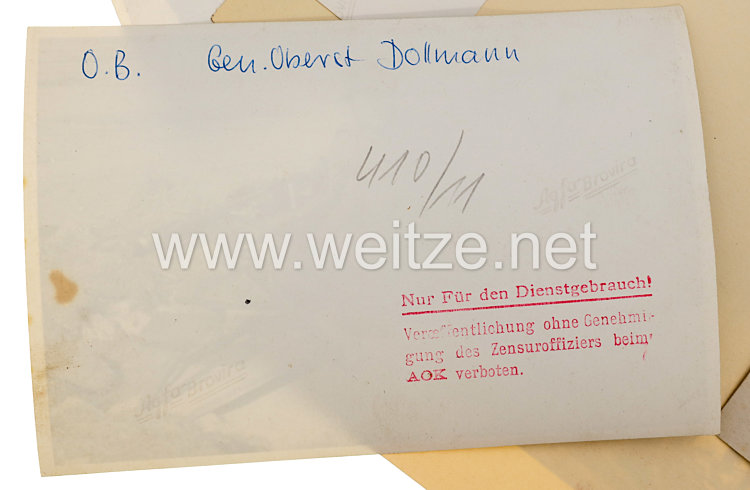
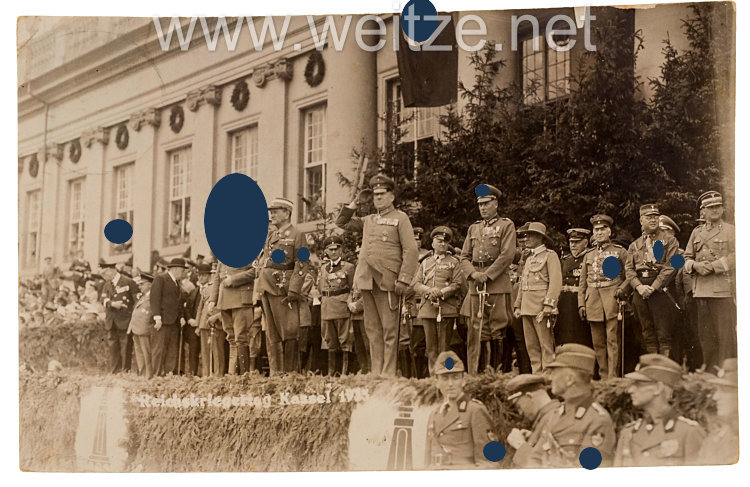
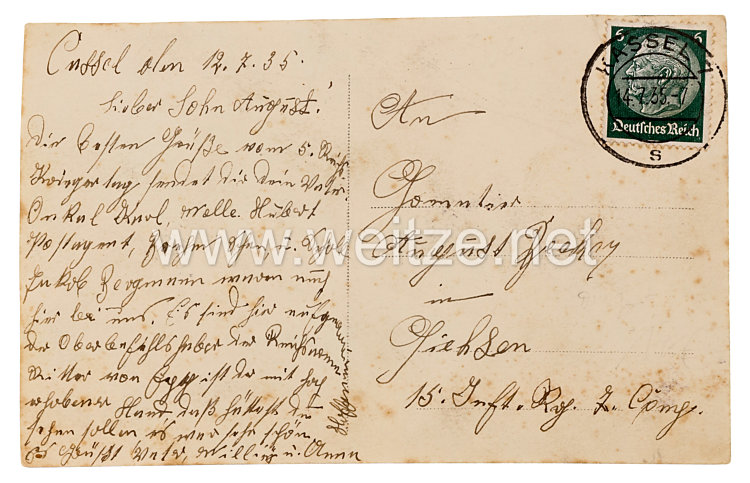
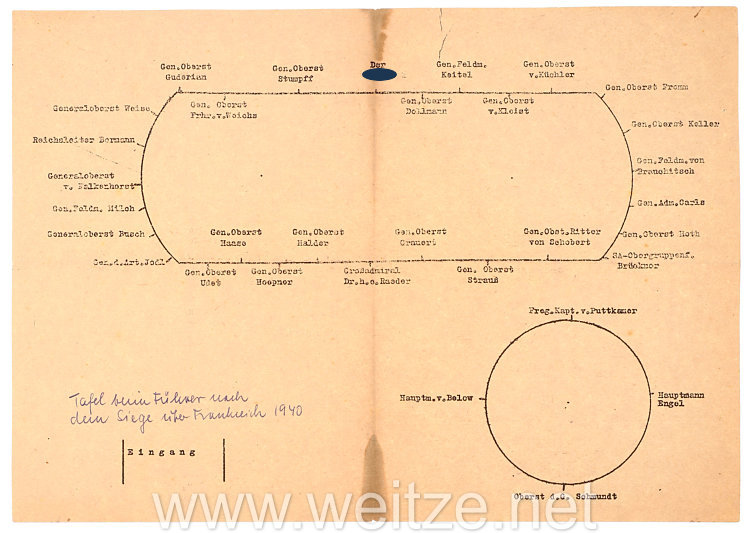
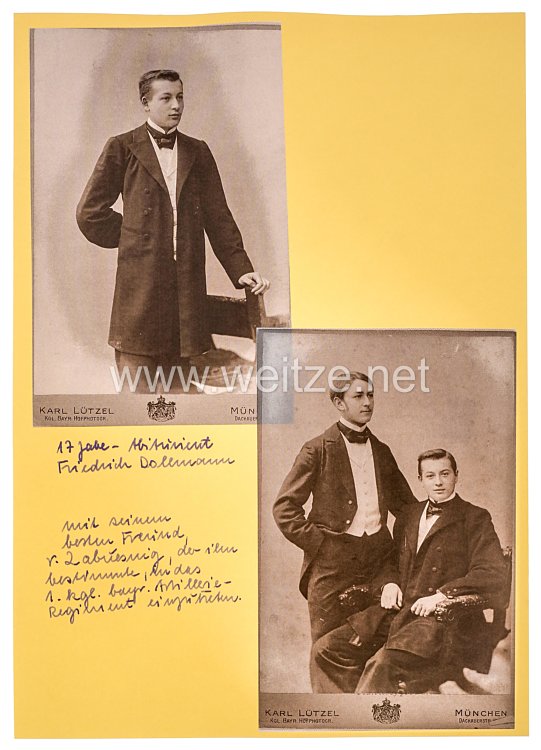
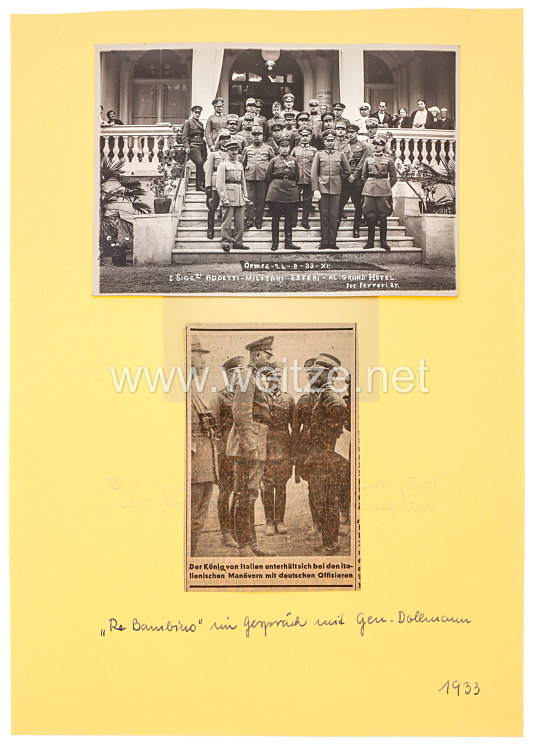
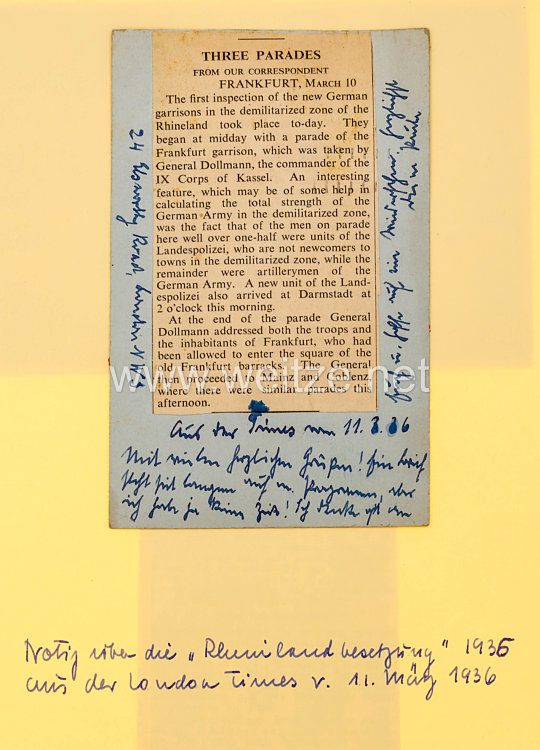
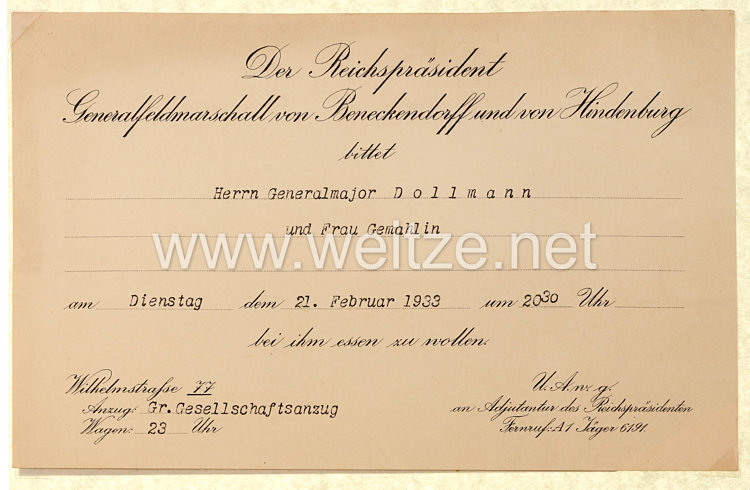
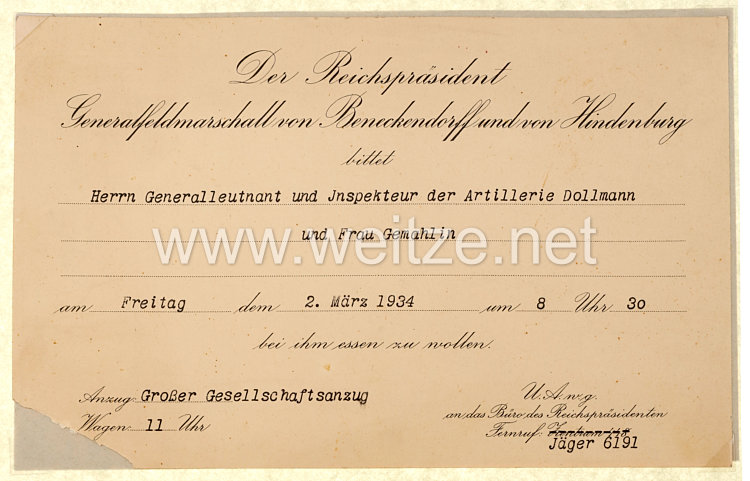
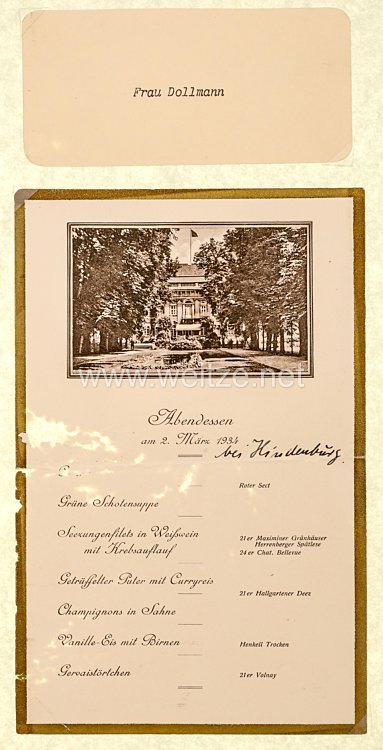
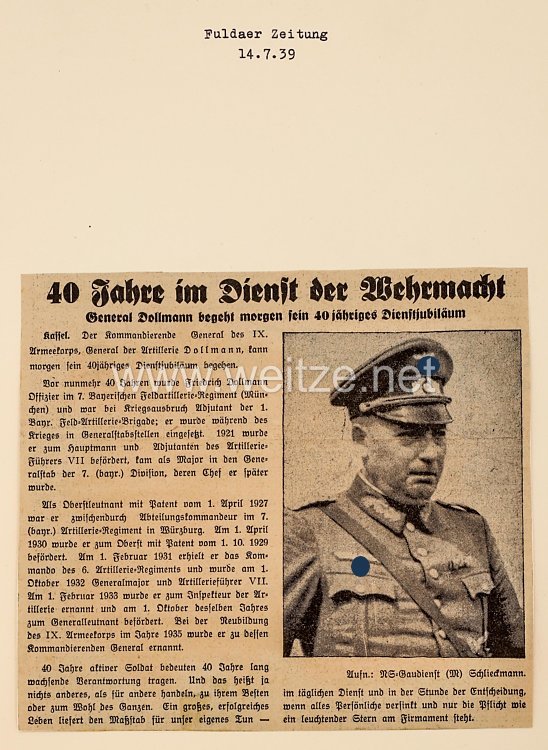
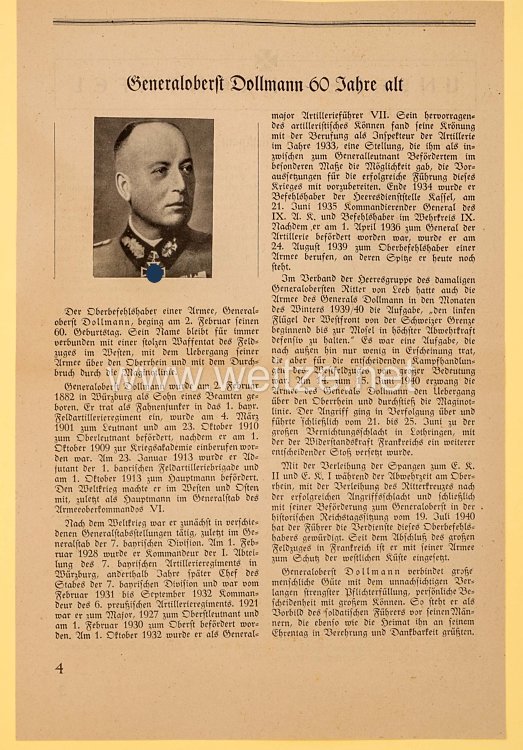
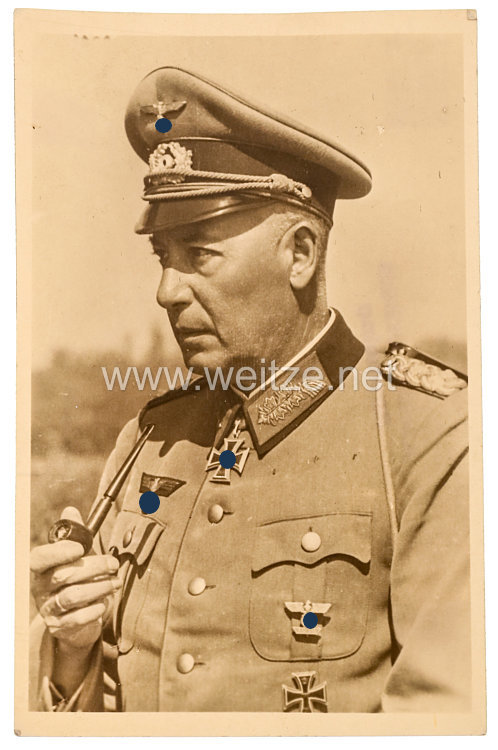
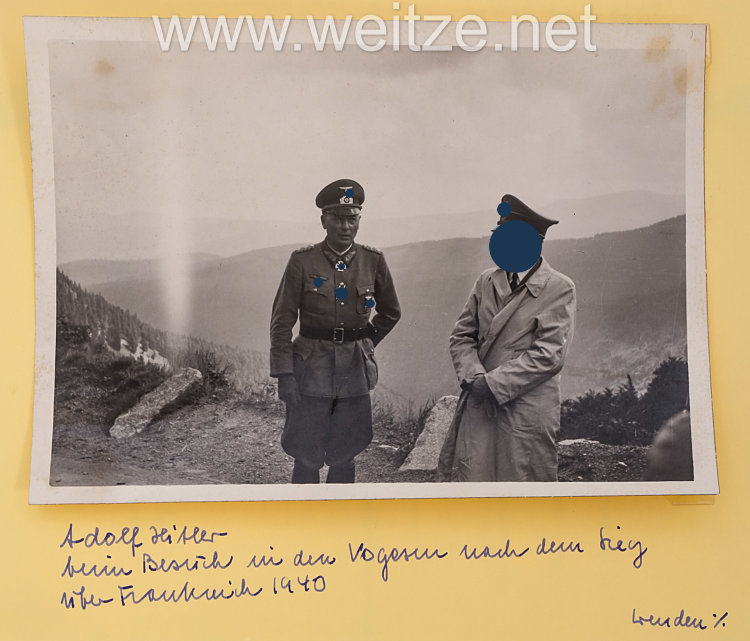
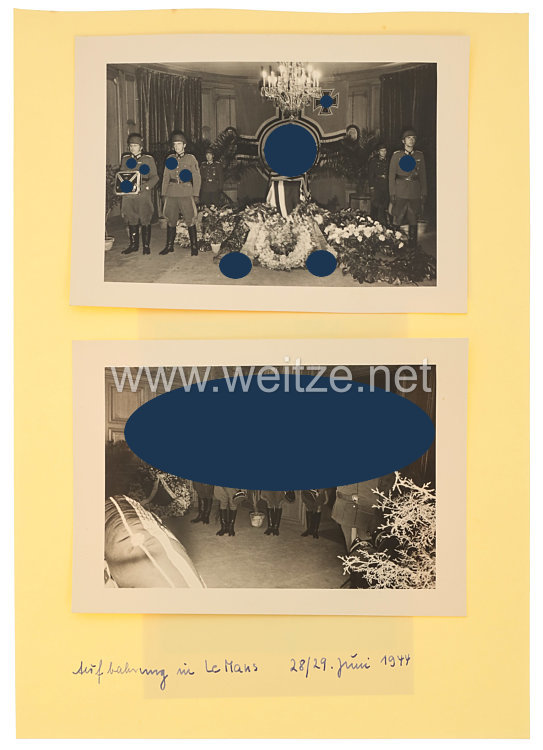
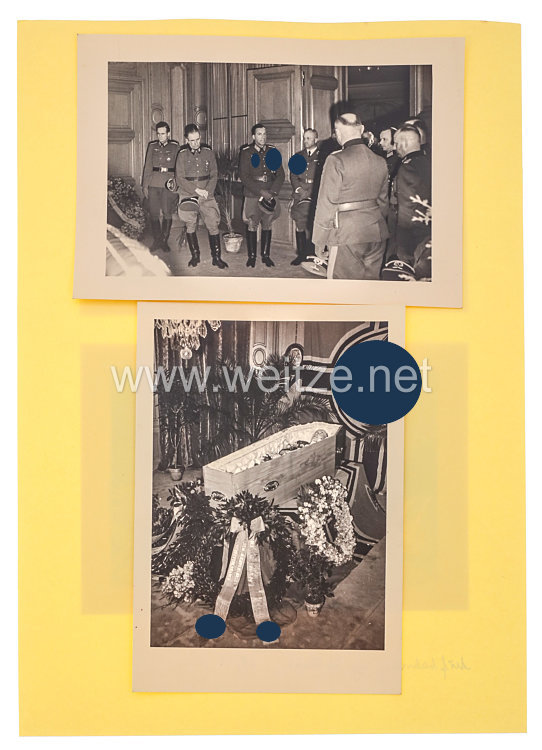
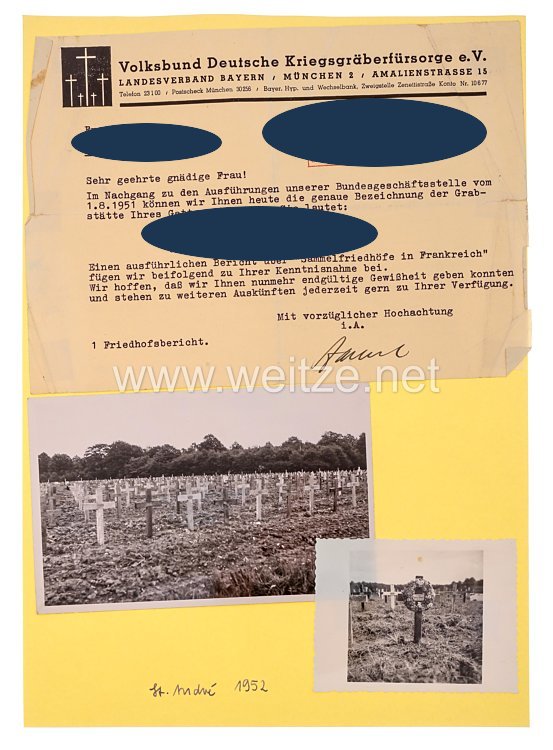
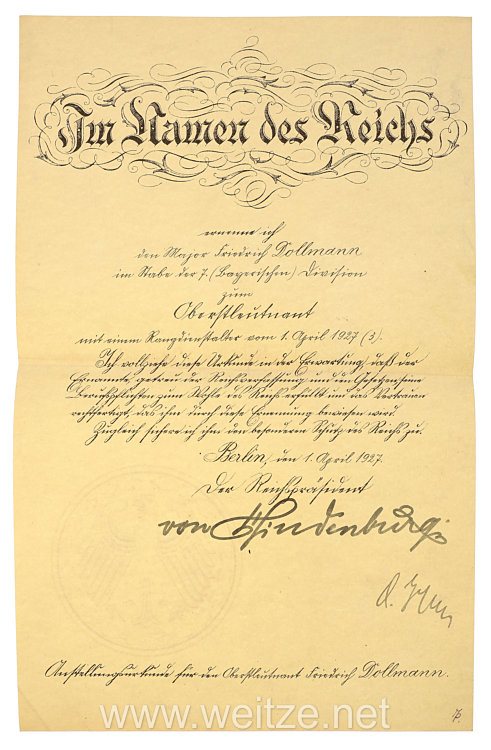
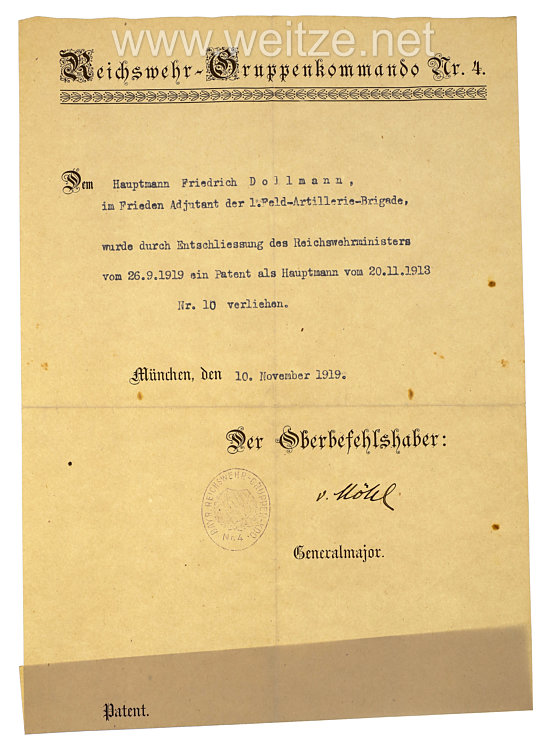
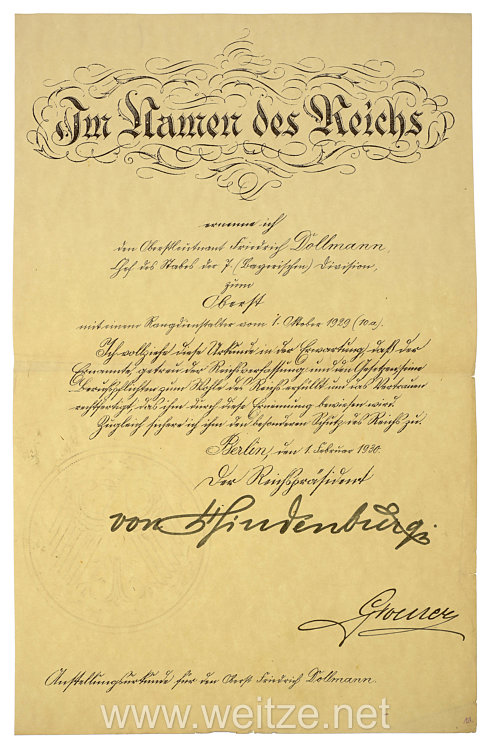
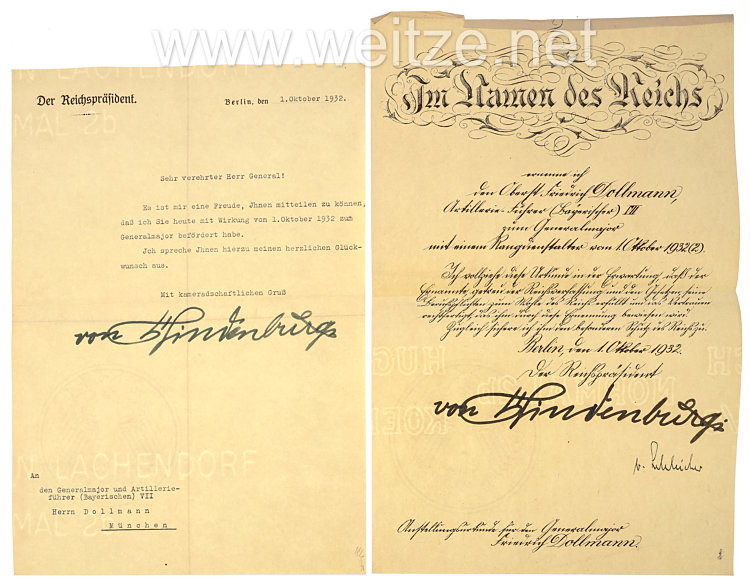
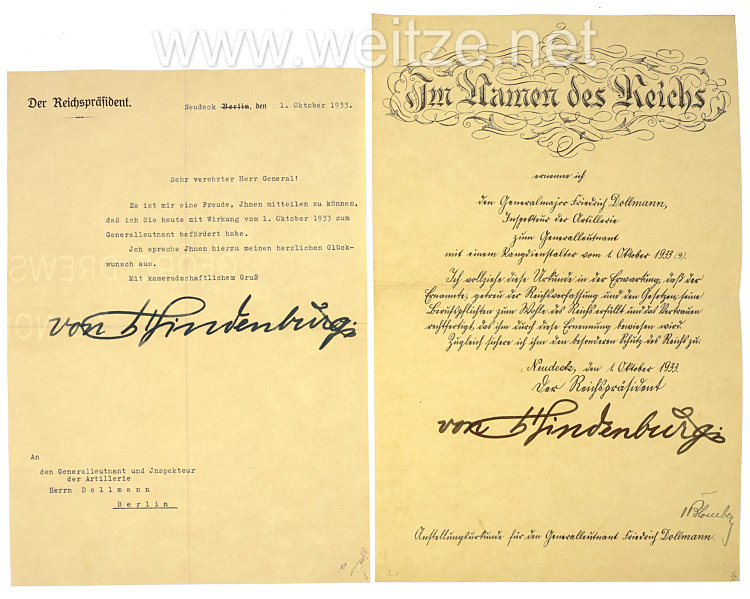
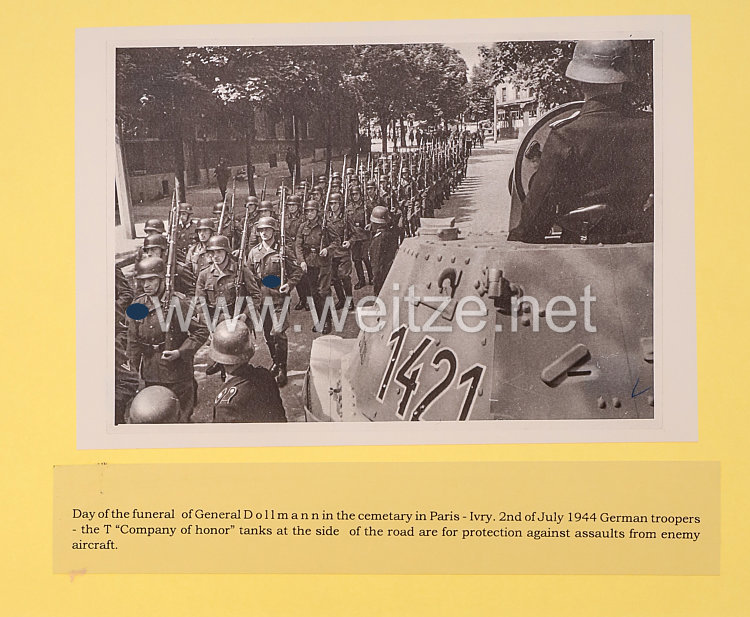
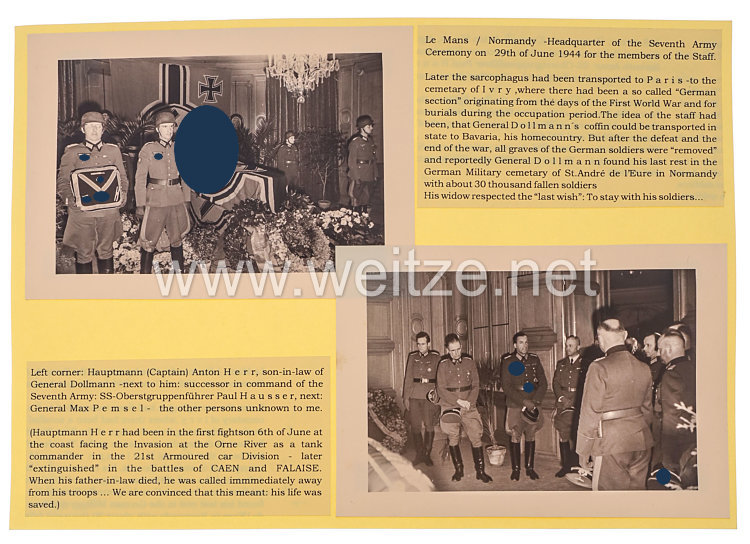
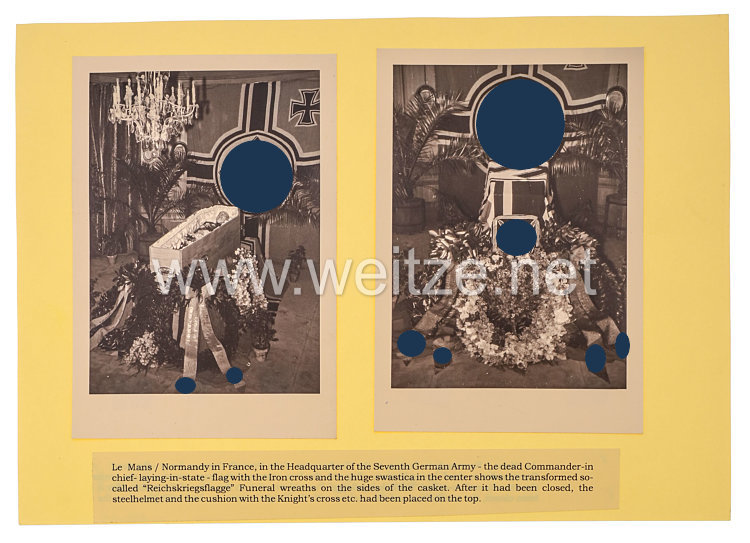
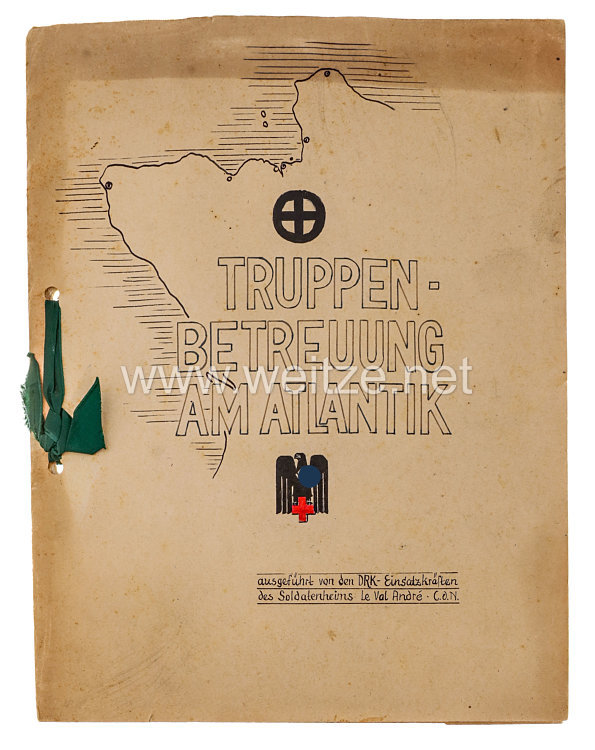
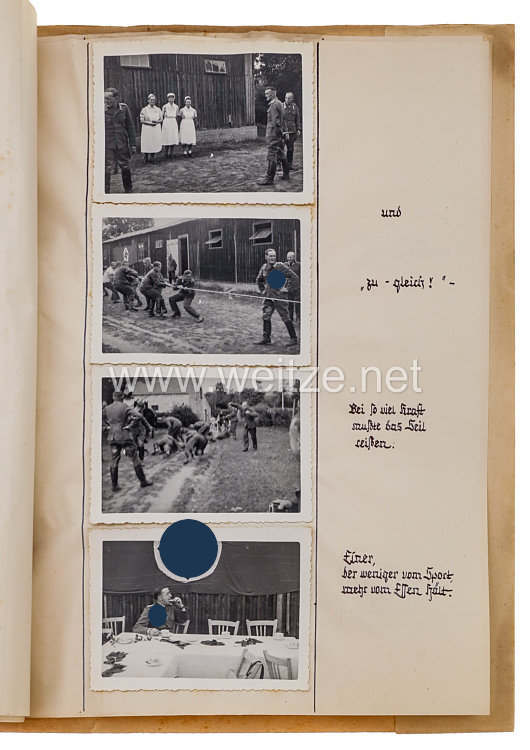
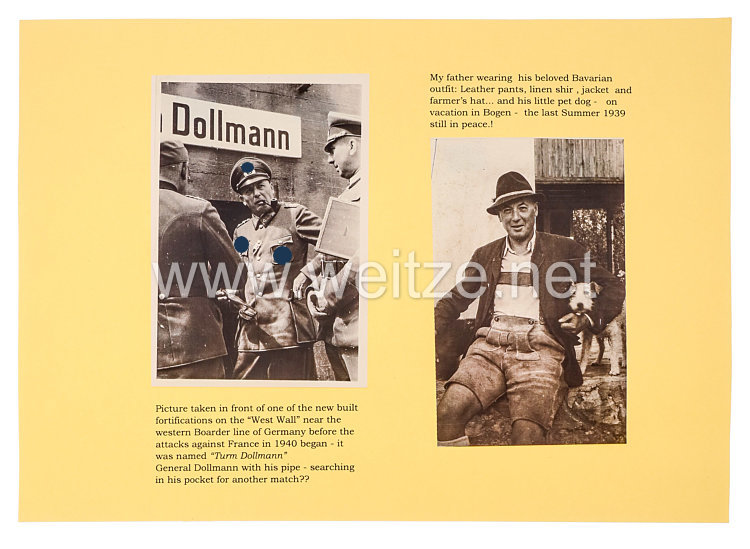
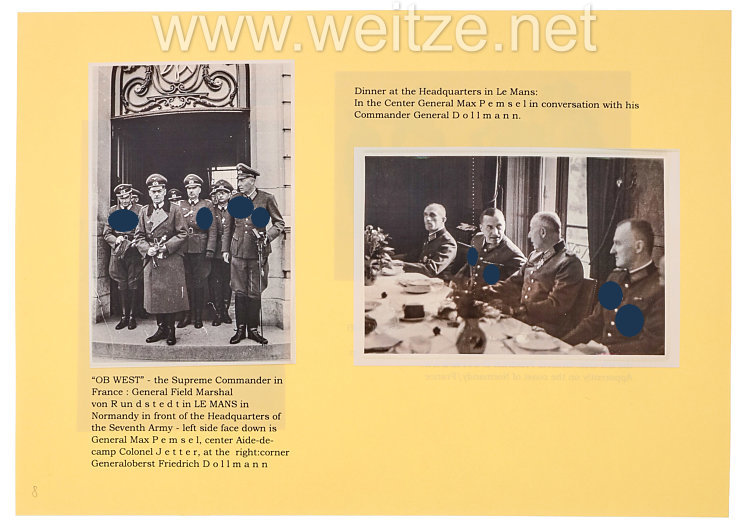
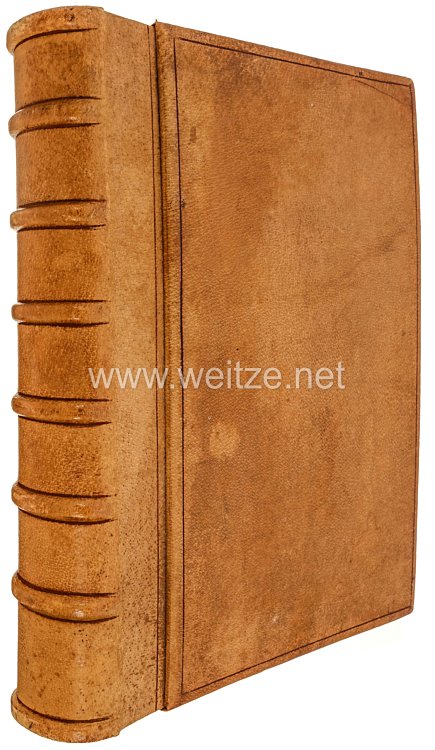
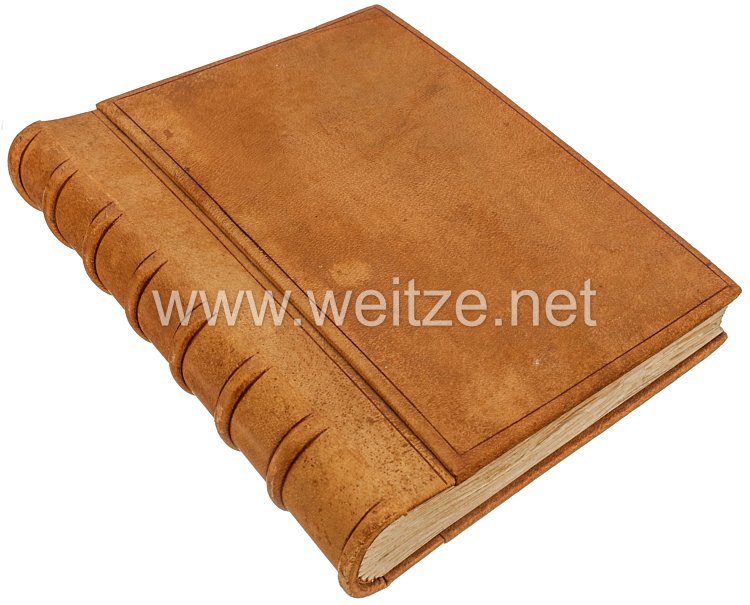
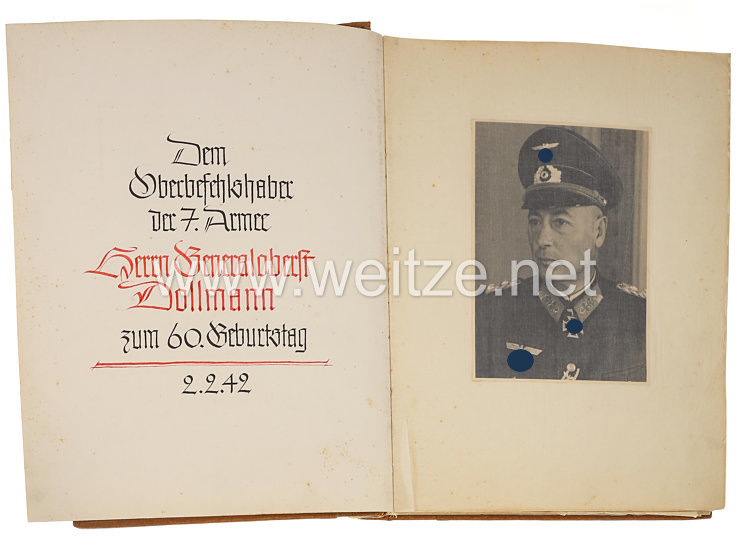
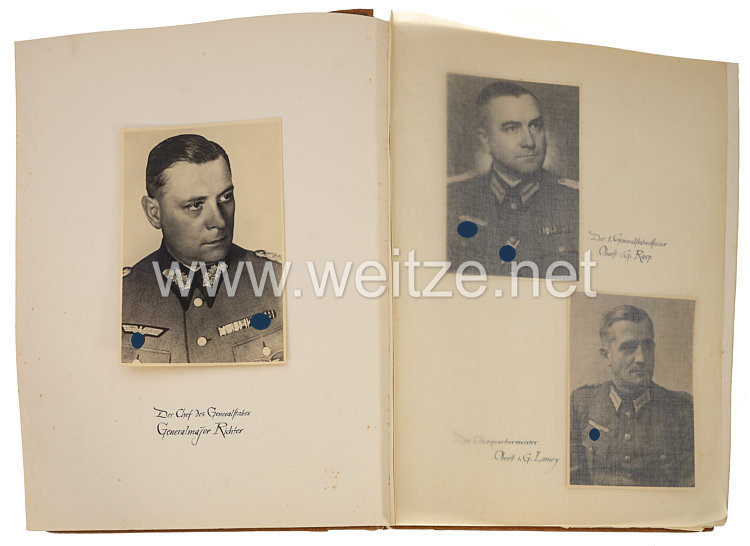
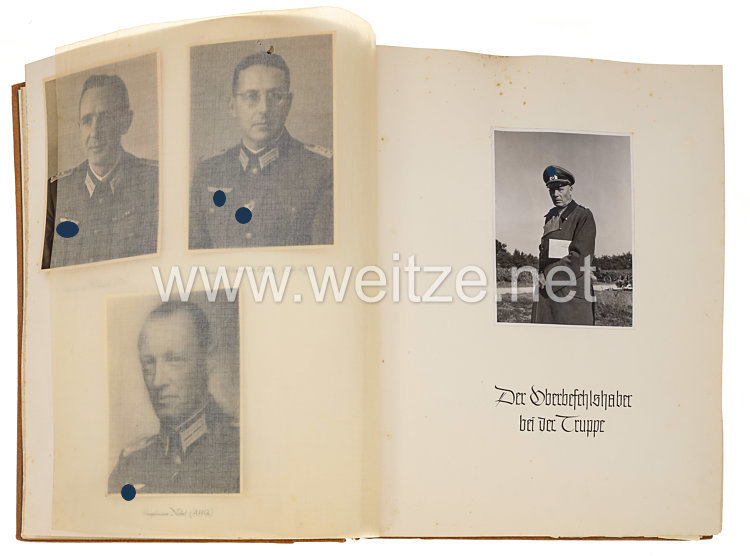
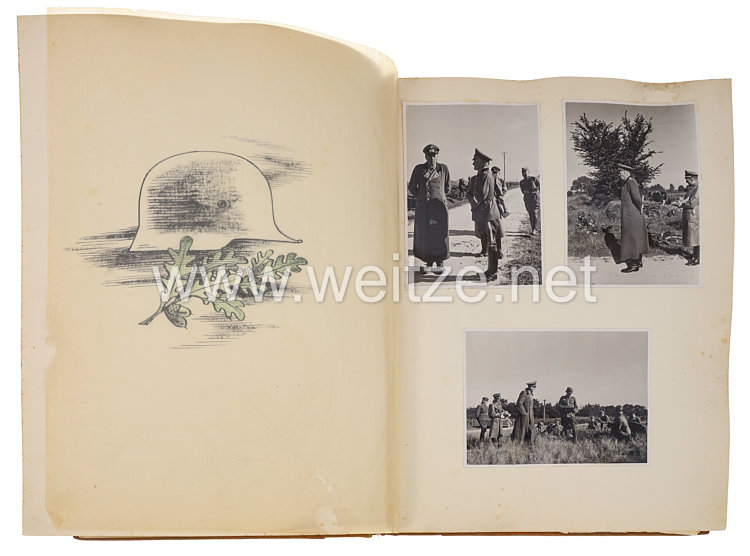
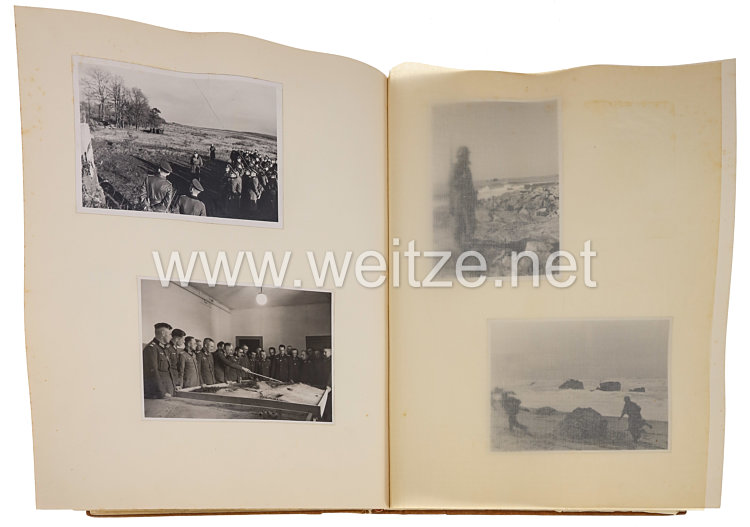
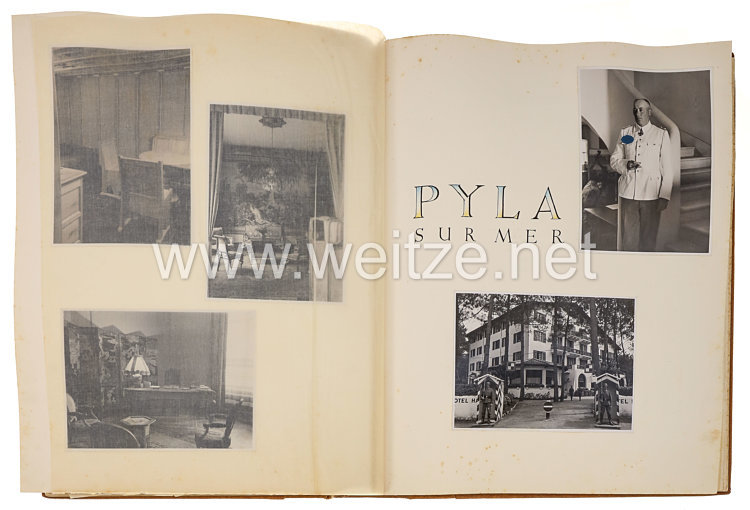
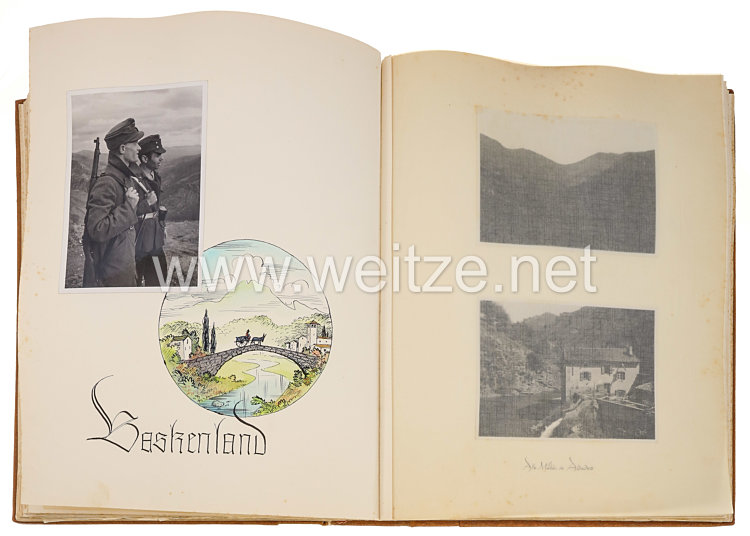
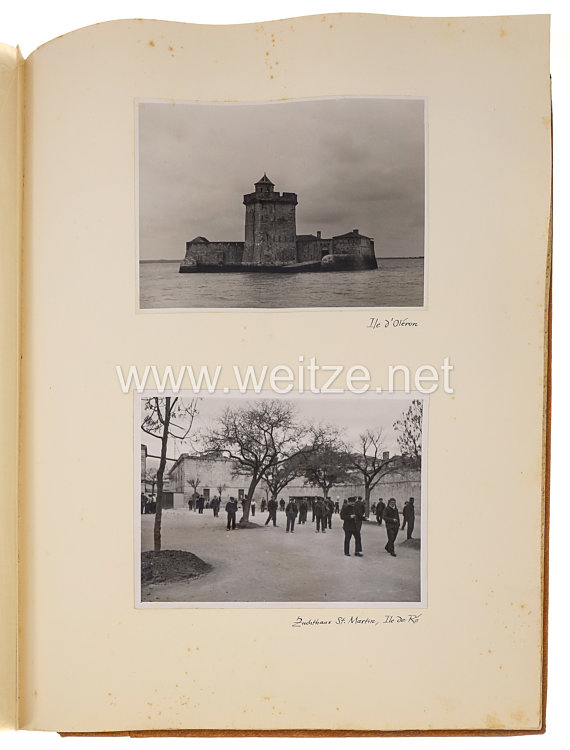
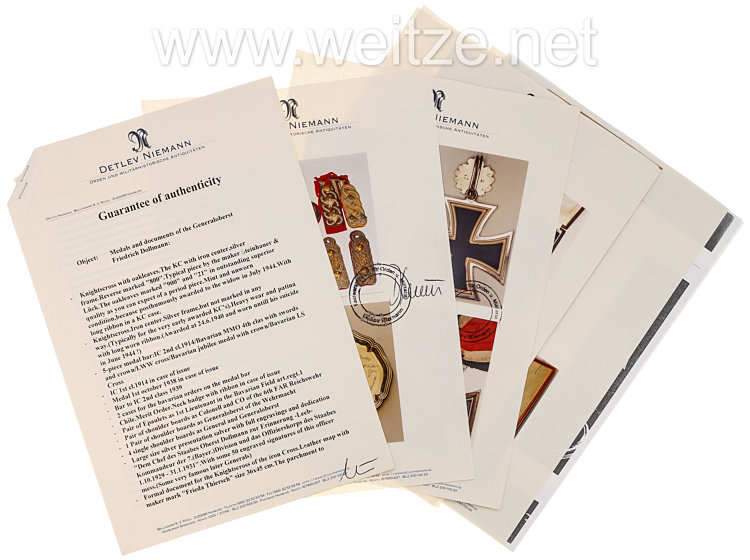
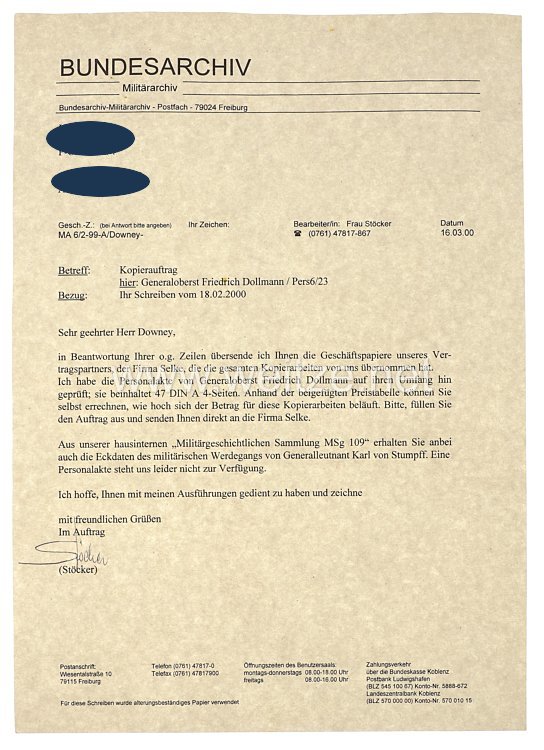
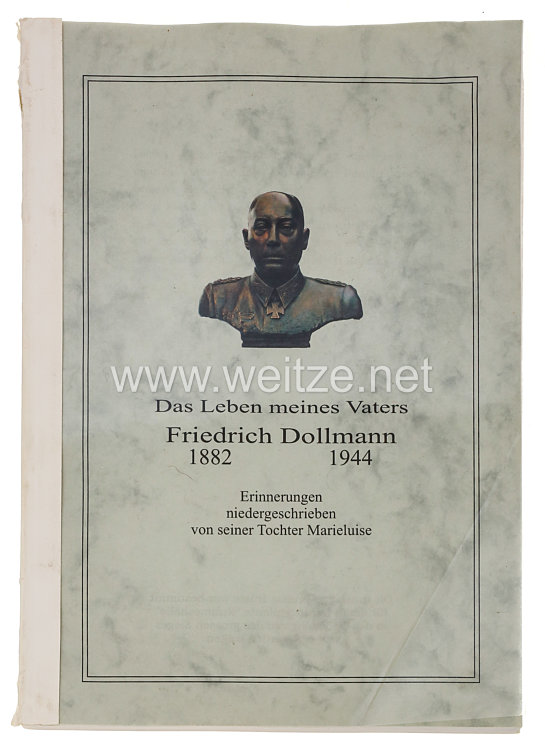
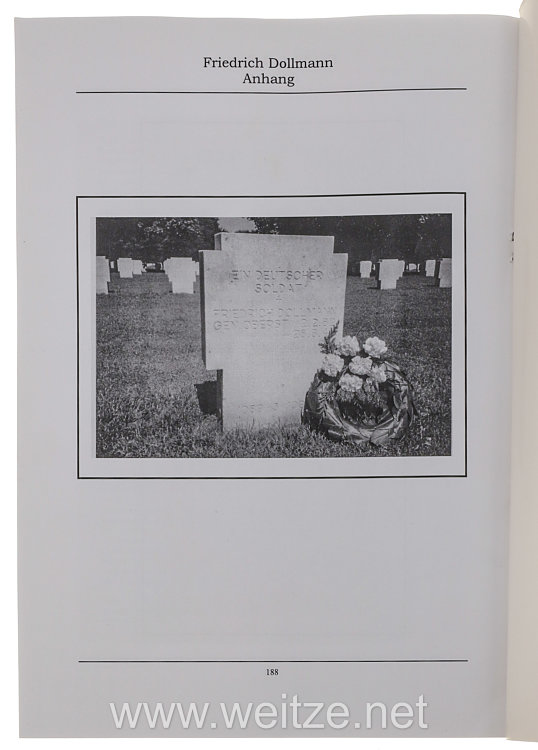
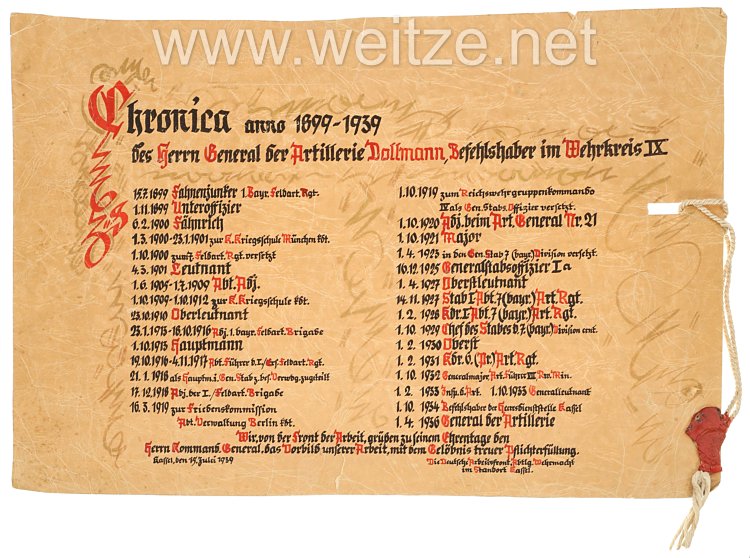
Der im folgenden angebotene Nachlaß von Generaloberst Dollmann ist einer der umfangreichsten und bedeutendsten, die wir seit vielen Jahren anbieten können. Im Einzelnen handelt es sich um die folgenden Stücke : Ritterkreuz zum Eisernen Kreuz 1939 mit Eichenlaub. Das Ritterkreuz mit geschwärztem Eisenkern und Silberrahmen, eine typische Fertigung der Firma Steinhauer & Lück, Lüdenscheid. Das Eichenlaub ist die klassische Fertigung der Firma Godet, "frostig" versilbert mit aufpolierten Kanten. Rückseitig gestempelt "900 21". Der Ordenssatz ist absolut ungetragen in neuwertigem Zustand. Dieses Stück wurde der Witwe Dollmann bei der Beerdigung im Juli 1944 übergeben. Komplett am langen Band im Etui zum Ritterkreuz. Ritterkreuz des Eisernen Kreuzes 1939. Es handelt sich hierbei um eine frühe Fertigung der Fa. Juncker, Berlin. Geschwärzter Eisenkern, die Silberzarge noch ungestempelt. Komplett am langen getragenen Halsband. Dieses Ritterkreuz wurde Dollmann am 24.6.1940 verliehen und von ihm bis zu seinem Selbstmord im Juni 1944 getragen ! Dazu die Große Verleihungsurkunde zum Ritterkreuz des Eisernen Kreuzes ausgestellt auf "General der Artillerie Friedrich Dollmann", datiert " Führerhauptquartier, den 23. Juni 1940". Mit Original-Tintenunterschrift der Führers und Reichskanzlers Adolf Hitler. Die Ritterkreuzmappe aus rotem Leder mit Gold geprägtem Hoheitsadler. Die Urkunde auf großem Pergament-Doppelblatt von Hand geschrieben, der Name des Beliehenen in erhabenem Gold gehalten. Am rückseitigen unteren Rand mit Signatur "Frieda Thiersch". Die Verleihungsmappe befindet sich in gutem Zustand, die Ecken leicht bestoßen, der rote Halteriemen für das Pergamentblatt ist noch vorhanden, jedoch unten gelöst. Große 5-teilige Ordenschnalle: Eisernes Kreuz 1914 2. Klasse. Bayern Militär-Verdienstorden 4. Klasse mit Krone und Schwerter. Ehrenkreuz für Frontkämpfer 1914-1918. Bayern Jubiläumsmedaille 1909 mit Krone. Bayern Landwehr-Dienstauszeichnung Kreuz für XXIV Jahre. Deutlich getragen. Dazu 2 lehre Etuis für die bayerischen Auszeichnungen. Eisernes Kreuz 1914 1. Klasse im Verleihungsetui. Wiederholungsspange "1939" zum EK 2. Klasse 1914. Erinnerungsmedaille 1.10.1938. Chile Verdienstorden Kommandeurkreuz, Halskreuz am Band mit Verleihungsetui. Dazu die große Verleihungsurkunde, datiert 1934, die Urkunde mit der Annahmegenehmigung sowie dem Anschreiben. Paar Epauletten als Oberleutnant im Bayerischen Feld-Artillerie-Regiment Nr. 1, um 1910. Paar Schulterstücke als Oberst der Reichswehr und Regimentskommandeur im Feldartillerie-Regiment Nr. 6. 2 Einzelne Schulterstücke als General und 2 Einzelne Schulterstücke als Generaloberst der Wehrmacht. Dazu ein kompletten Paar Schulterstücke als Generaloberst, alle getragen. Großes silbernes Geschenktablett mit Widmungsgravur des späteren Generalfeldmarschall Ritter von Leeb "Dem Chef des Stabes Oberst Dollmann zur Erinnerung - Leeb- Kommandeur der 7. (Bayer.) Division und das Offizierskorps des Stabes 1.10.1929 - 31.1.1931" mit ca. 50 gravierten Faksimile-Unterschriften der Offiziere (einige wurden später bekannte Generale der WH !). Große Beförderungsmappe mit Urkunde zum Generaloberst, ausgestellt 19. Juli 1940. Die Mappe im Stil der Ritterkreuzmappen gefertigt, Maß 26 x 36 cm, innen mit Hersteller Bezeichnung "Frieda Thiersch", komplett mit original Tintenunterschrift "Adolf Hitler". (Sehr selten, es gab nur 38 Generaloberste in der Wehrmacht.) Verleihungsurkunden und Beförderungen: Bayern Patent zum Leutnant, datiert 1901. Bayern Besitzzeugnis zum Jubiläumsmedaille, ausgestellt 1909. Bayern Patent zum Hauptmann, mit Originalunterschrift König Ludwig III, datiert 1914. Bayern Militär-Verdienstorden 4. Klasse mit Krone und Schwertern, 20. Juli 1918. Bayern Besitzzeugnis zum Dienstauszeichnungskreuz 2. Klasse, 1. Juli 1918. Patent zur Hauptmann, datiert 1919. Reichswehr Ernennungsurkunde zum Oberstleutnant, 1927 und zum Oberst 1929, beide mit Originalunterschriften "von Hindenburg". Reichwehr Ernennungsurkunde zum Generalmajor, datiert 1932, sowie zum Generalleutnant, datiert 1933, beide mit persönlichen Anschreiben von Hindenburg. Ehrenkreuz für Frontkämpfer als Generalleutnant, ausgestellt 1934. Ernennungsurkunde zum General der Artillerie, datiert 20. April 1936, mit Originalunterschriften "Adolf Hitler" und "Blomberg". Verleihungsurkunde zur WH-Dienstauszeichnung 1. - VI. Klasse, ausgestellt als General der Artillerie, 29.9.1936. Verleihungsurkunde zur Medaille 1.10.1938 als General der Artillerie, 22. Mai 1939. Verleihungsurkunde für 40jährige treue Dienste das Eichenlaub zur Dienstauszeichnung 1. Klasse als General der Artillerie und Kommandierender General des IX. Armeekorps, ausgestellt 9. September 1939, mit Originalunterschrift "v. Brauchitsch Generaloberst". Verleihungsurkunde zur Spange zum Eisernen Kreuz 2. Klasse, ausgestellt 20. Dezember 1939, mit Originalunterschrift: Der Oberbefehlshaber der Heeresgruppe C "v. Leeb" Generaloberst. Dazu ein persönliches Gratulationsschreiben v. Leeb. Verleihungsurkunde zur Spange zum Eisernen Kreuz 1. Klasse, ausgestellt 10. März 1940, mit Originalunterschrift: Der Oberbefehlshaber der Heeresgruppe C "v. Leeb" Generaloberst. Dazu ein persönliches Gratulationsschreiben v. Leeb. Großes Geschenkfotoalbum der Offiziere der 7. Armee zum 60. Geburtstag 1942. Schweres Album aus Schweinsleder mit fantastischem Fotomaterial aus dem Wirken General Dollmanns in der 7. Armee, insgesamt … Fotos. Weiterhin zahlreiche Ausweise, Anschreiben, militärische Korrespondenz, ein schönes Foto als Kommandeur des At. Regt. Nr. 6 mit den Kragenspiegeln, die auf dem Foto abgebildet sind, zahlreiche Zeitungsausschnitte über Dollmann aus den Jahren 1929 bis 1944, Einladungskarten beim Reichspräsident, ca. 40 Einzelfotos seiner militärischen Karriere, viele als Generaloberst, mit Hitler, anderen Generälen, an der Front etc. Zahlreiche Fotos von der Aufbahrung des Leichnams in Le Mans 28.29. Juni 1944, Fotos der Trauerfeierlichkeiten in der Heimatstadt Bogen 11. Juli 1944. Schreiben des Volksbund Deutsche Kriegsgräberfürsorge an die Witwe, datiert 1952 mit Fotos des Kriegsgrabes in St. André. Biografie "Das Leben meines Vaters Friedrich Dollmann 1882 - 1944 Erinnerungen niedergeschrieben von seiner Tochter Marieluise", der komplette Lebenslauf auf 188 Seiten mit vielen Fotos und Abbildungen ! Weiterhin zahlreiche Nachkriegsunterlagen, Korrespondenz des Vorbesitzers mit der Tochter Dollmanns, Research Unterlagen, etc.
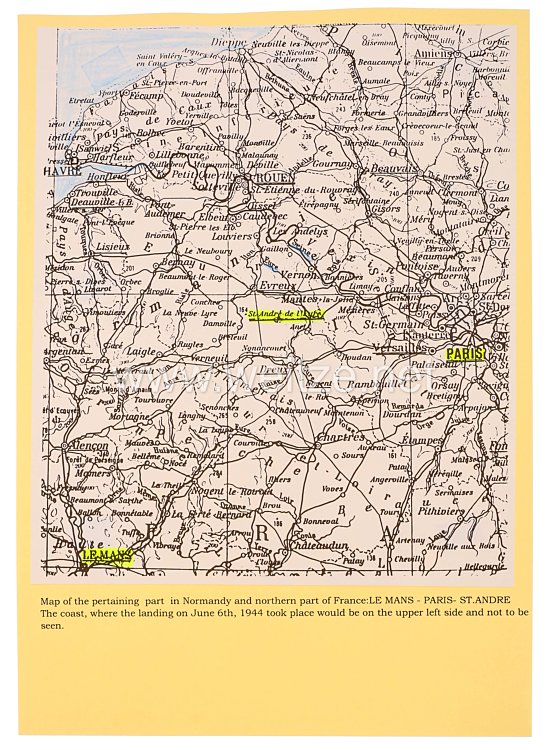
Generaloberst Dollman kommandierte die 7. Armee von 1939 bis zu seinem Selbstmord 1944. Er erhielt der Ritterkreuz für die erfolgreiche Führung der Armee im Frankreichfeldzug. Während der Invasion 1944 der Normandie war Dollmann der höchste Kommandierende General der verteidigenden Deutschen Truppen. Gegen Hitlers Willen befahl Dollmann den Rückzug von der Halbinsel Cotentin und rettete damit Tausenden Deutschen Soldaten das Leben. Hitler, erbost über Dollmanns Befehle, verlangte ihn vor das "Kriegsgericht" zu stellen. Dollmann erfuhr davon und beging daraufhin Selbstmord. So "kreierte" Hitler´s Propagandamaschine einen weiteren "Helden", ähnlich wie bei Rommel mit einer großen Beerdigungsfeier und der postumen Verleihung des Eichenlaub an die Witwe. Mit Sicherheit ist dies der wichtigste Ordensnachlass eines Deutschen Generals im Zusammenhang mit der Invasion der Normandie 1944 !
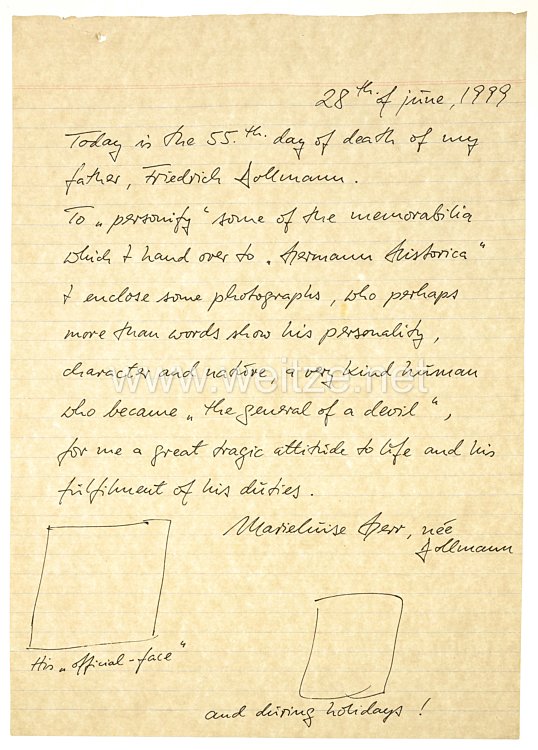
Dieser Nachlass wurde vor einigen Jahren direkt von der Tochter in das Auktionshaus Hermann Historica eingeliefert und befindet sich bis heute in vollständigem Zustand wie von der Tochter übergeben.
Generaloberst Dollman kommandierte die 7. Armee von 1939 bis zu seinem Selbstmord 1944. Er erhielt der Ritterkreuz für die erfolgreiche Führung der Armee im Frankreichfeldzug. Während der Invasion 1944 der Normandie war Dollmann der höchste Kommandierende General der verteidigenden Deutschen Truppen. Gegen Hitlers Willen befahl Dollmann den Rückzug von der Halbinsel Cotentin und rettete damit Tausenden Deutschen Soldaten das Leben. Hitler, erbost über Dollmanns Befehle, verlangte ihn vor das "Kriegsgericht" zu stellen. Dollmann erfuhr davon und beging daraufhin Selbstmord. So "kreierte" Hitler´s Propagandamaschine einen weiteren "Helden", ähnlich wie bei Rommel mit einer großen Beerdigungsfeier und der postumen Verleihung des Eichenlaub an die Witwe. Mit Sicherheit ist dies der wichtigste Ordensnachlass eines Deutschen Generals im Zusammenhang mit der Invasion der Normandie 1944 !
Dieser Nachlass wurde vor einigen Jahren direkt von der Tochter in das Auktionshaus Hermann Historica eingeliefert und befindet sich bis heute in vollständigem Zustand wie von der Tochter übergeben.