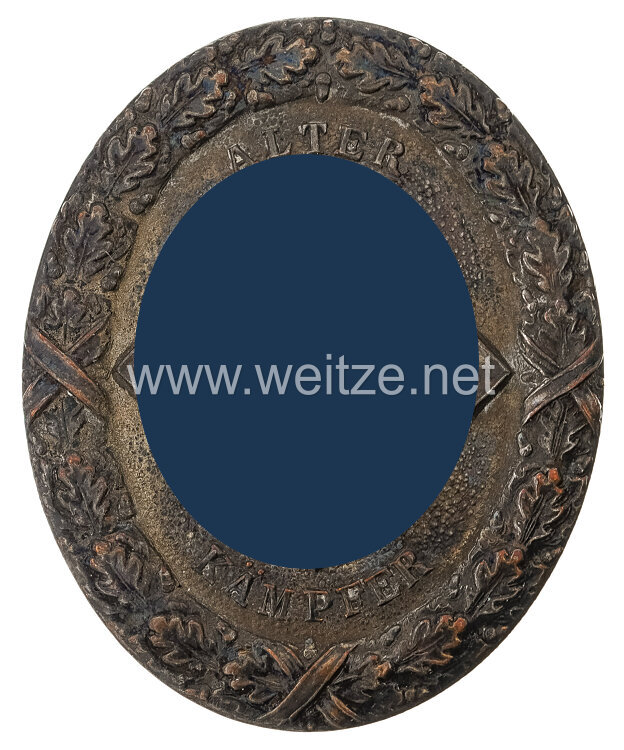
Nachlaß eines Danziger Oberzollsekretärs, Träger des NSDAP Traditions-Gauabzeichen Danzig-Westpreussen "Alter Kämpfer"
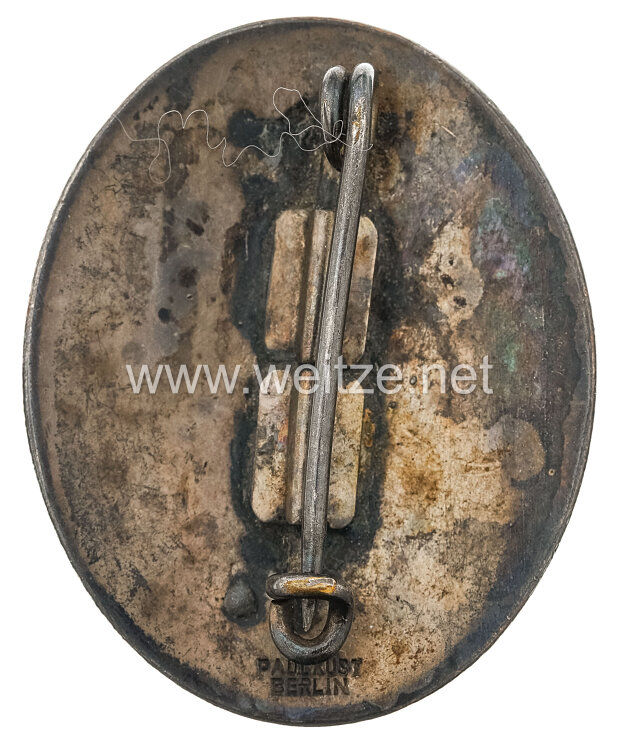
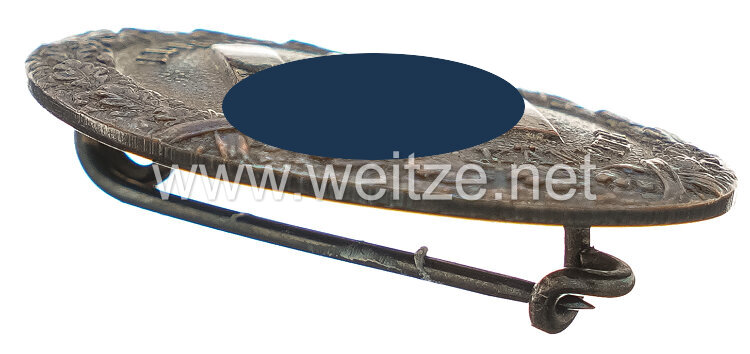
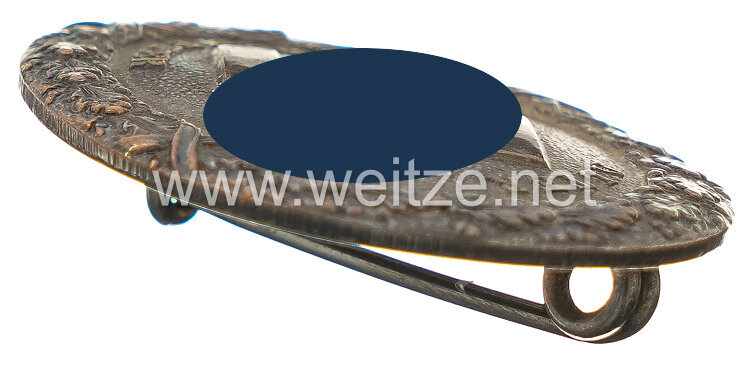
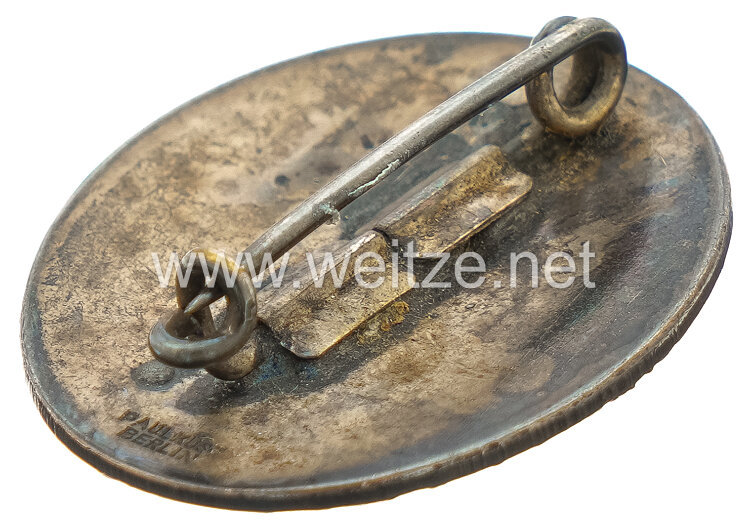
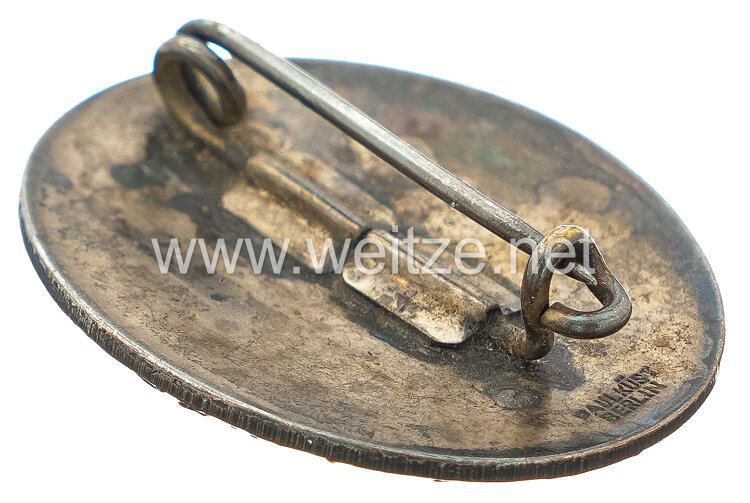
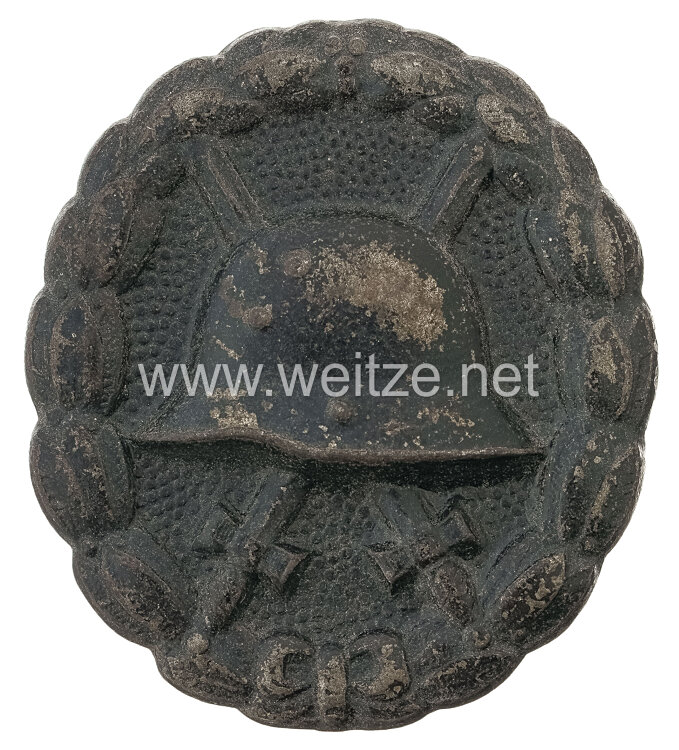
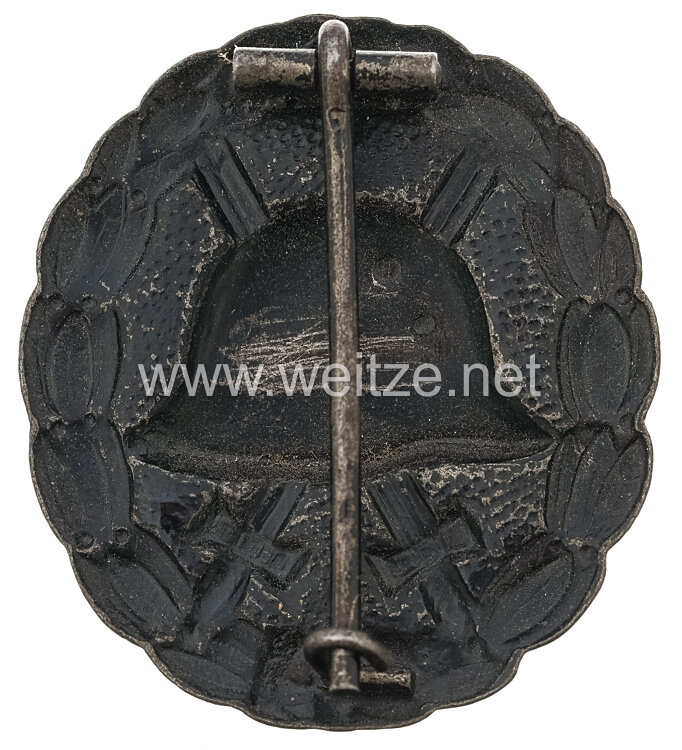
Steckabzeichen, Buntmetall versilbert und getönt, 43 x 35 mm, hochoval massiv geprägt, leicht gewölbt. Rückseitig an dünner Nadel mit doppelter Befestigungslaschen und Markierung "Paul Küst Berlin".
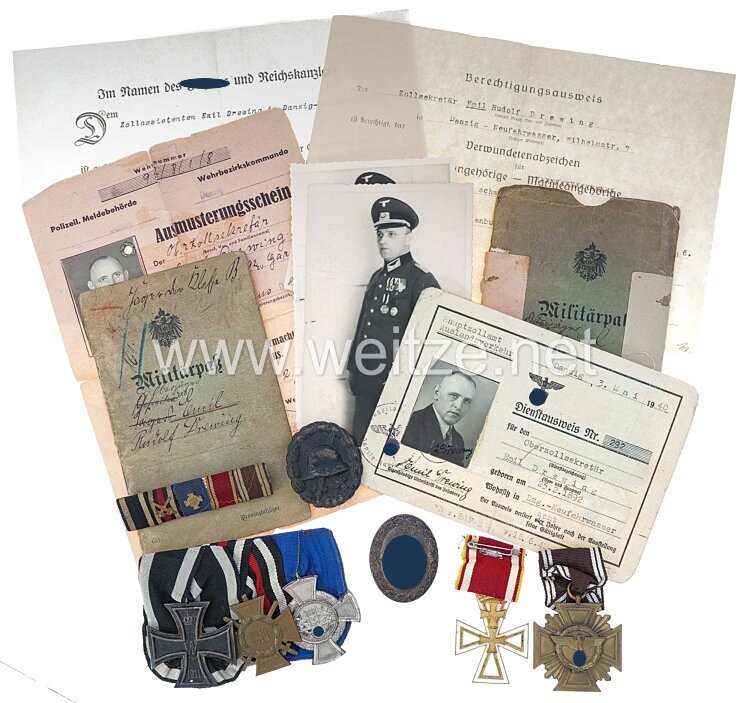
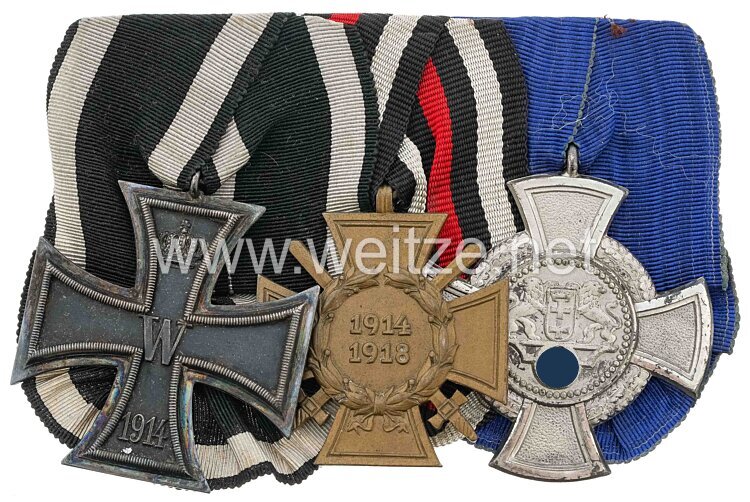
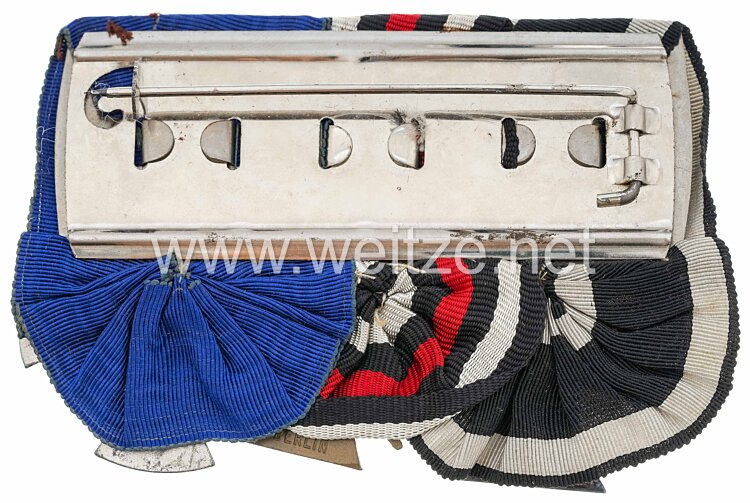
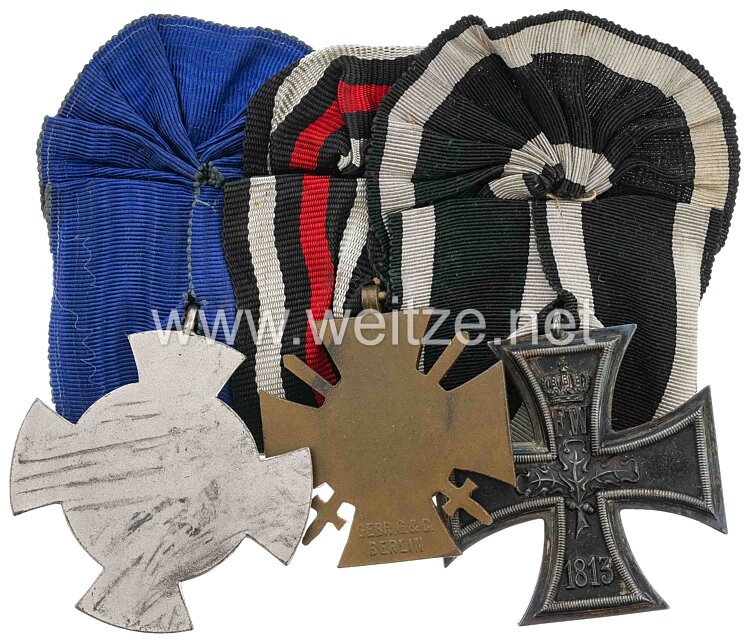
Ordenschnalle mit Eisernem Kreuz 1914 2.Klasse, Ehrenkreuz für Frontkämpfer und dem Treuedienst-Ehrenzeichen 2. Stufe für 25 Jahre der Freien Stadt Danzig.
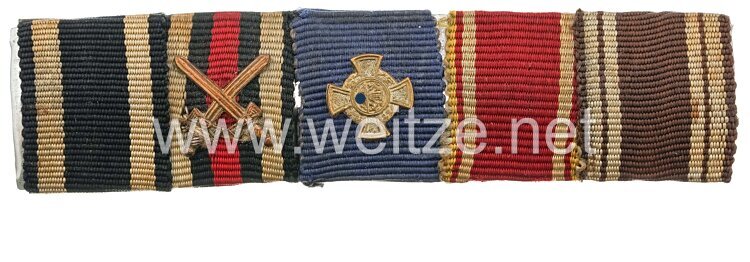
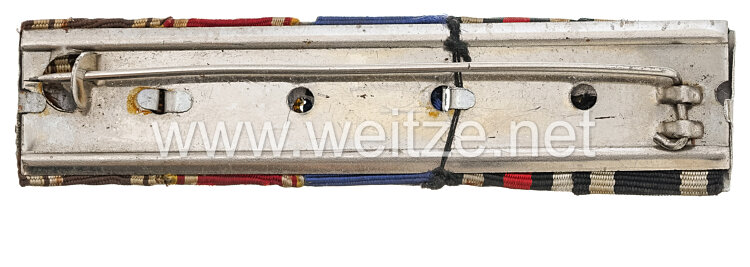
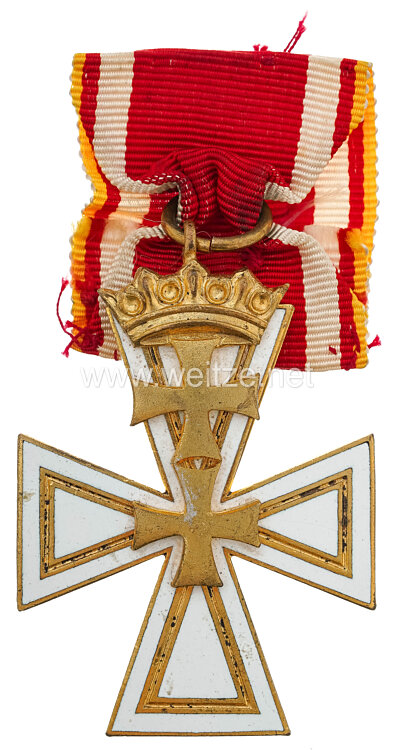
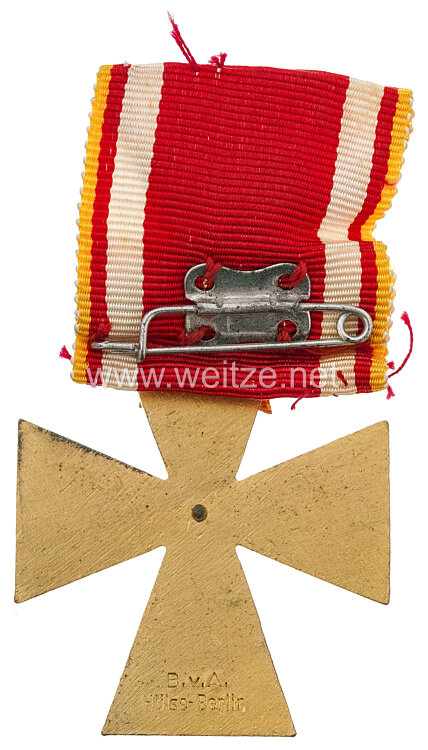
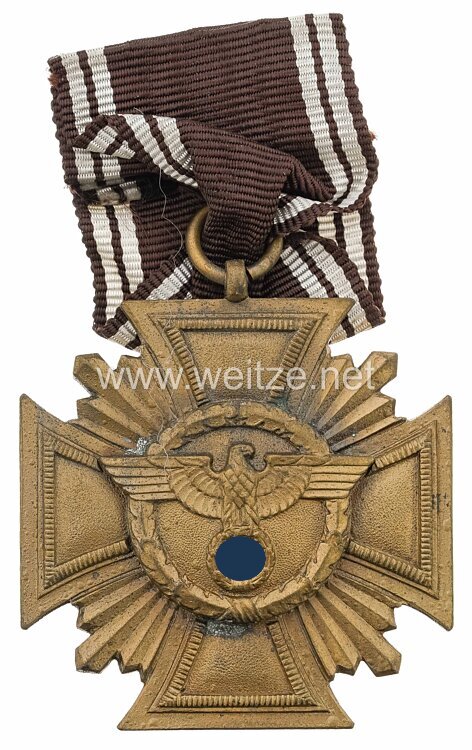
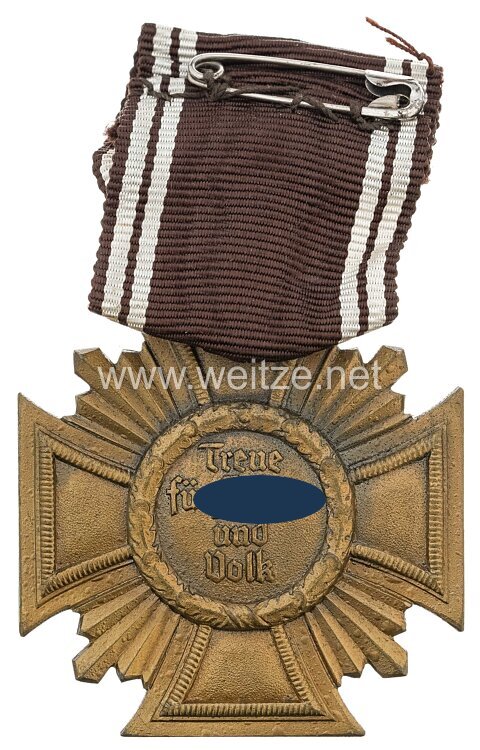
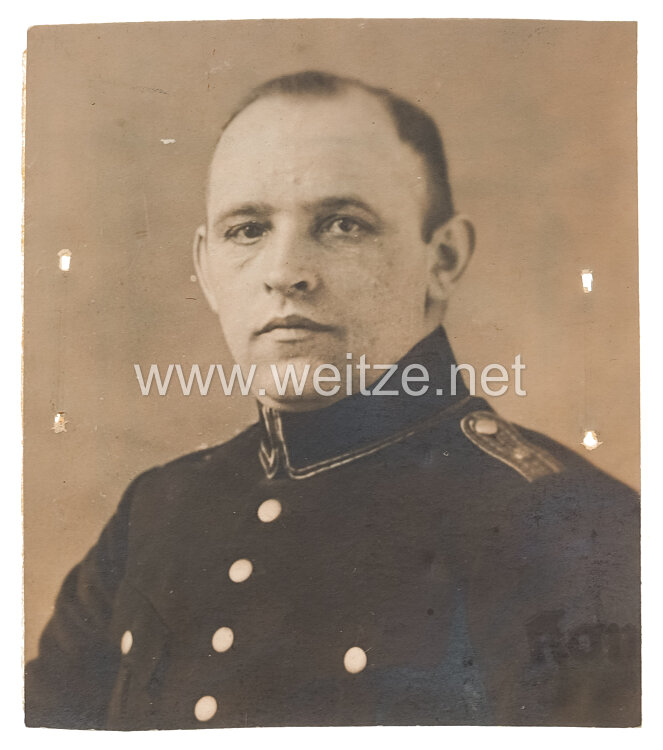
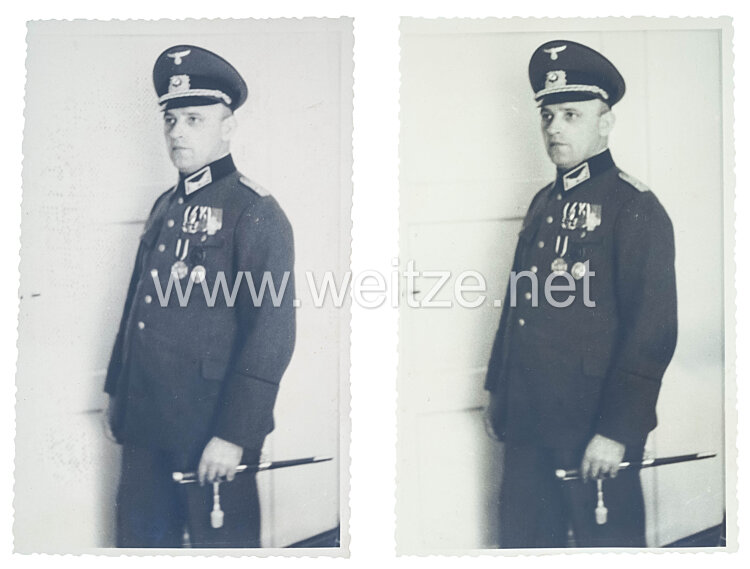
Danzig Kreuz 2.Klasse am Band, NSDAP-Dienstauszeichnung 1. Stufe in Bronze am Band. Verwundetenabzeichen 1918 in Schwarz. Mit der passenden Bandspange mit aufgelegter Miniatur des Danziger Treudienst-Ehrenzeichens. Dabei ein Foto des Beliehenen in Zoll-Uniform mit angelegten Auszeichnungen.
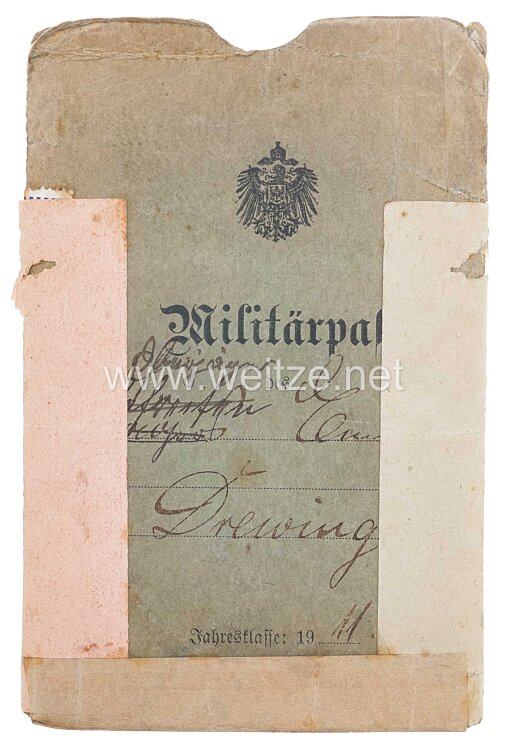
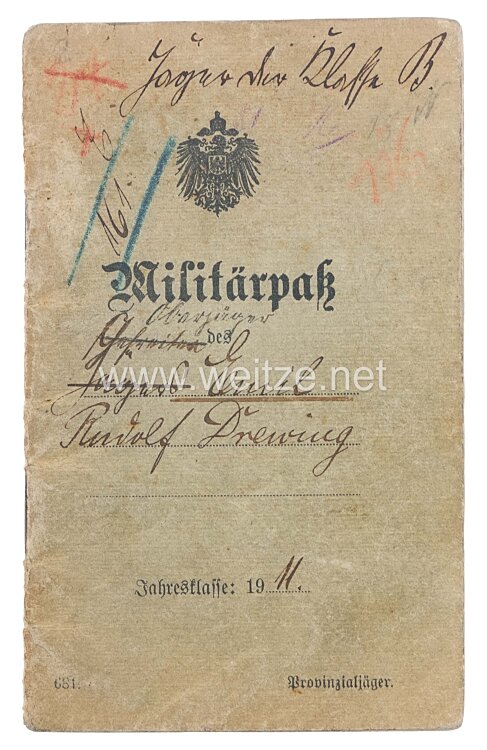
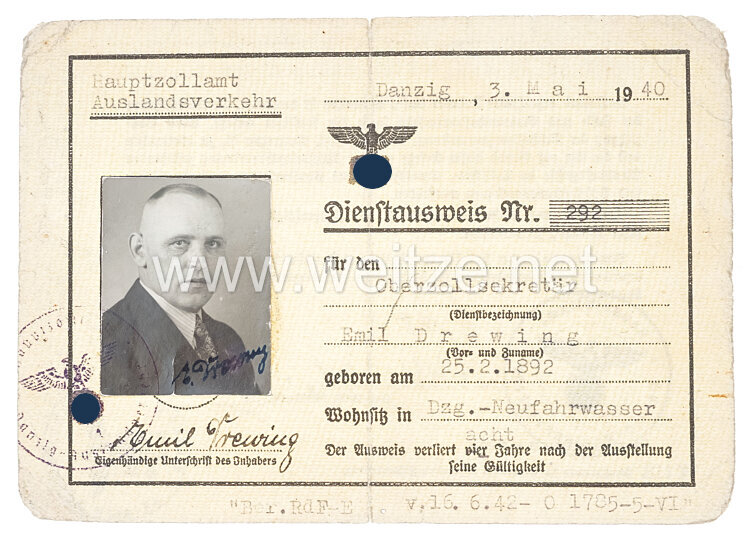
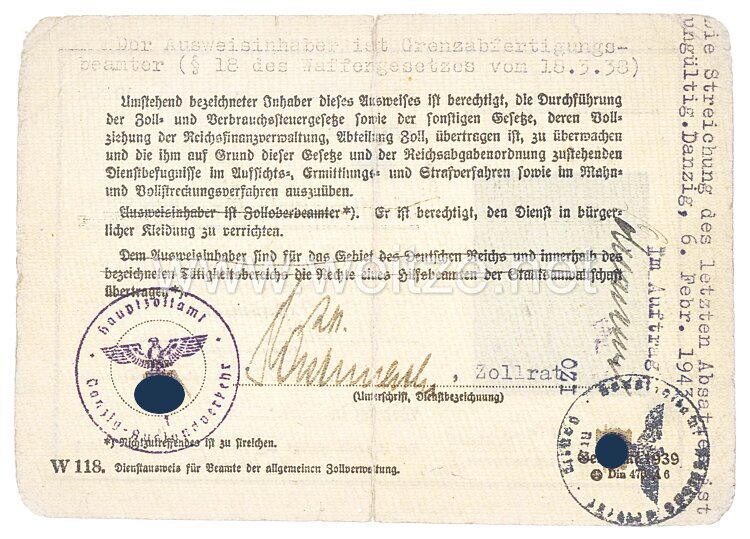
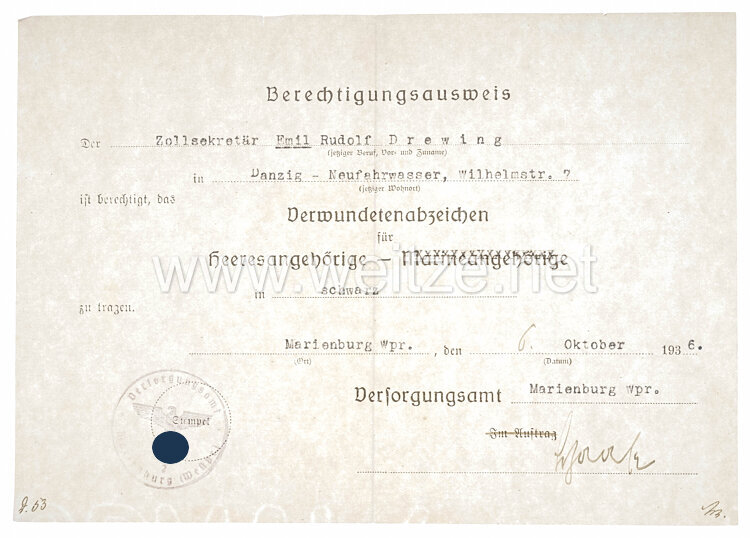
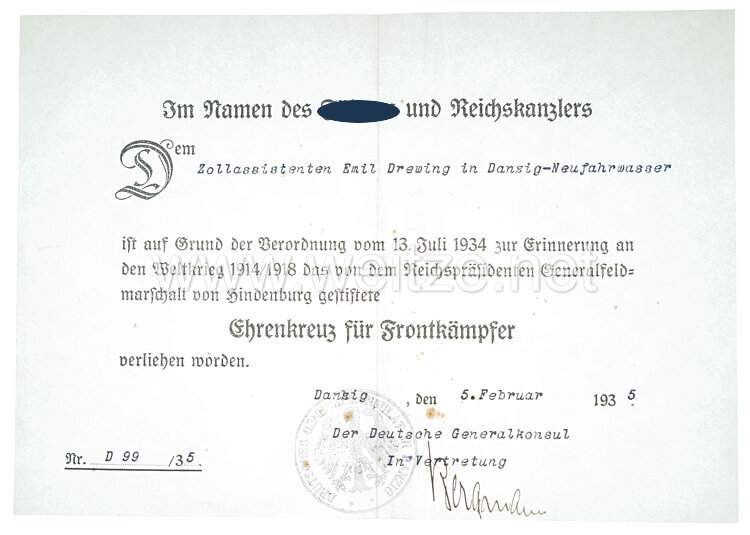
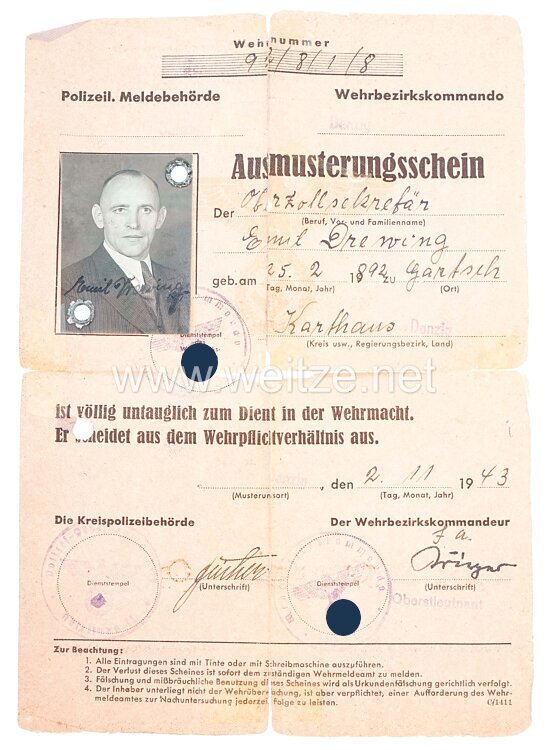
Dazu an Dokumenten der Militärpaß für den Oberjäger im Jäger-Bataillon Fürst Bismarck (Pommersches) Nr. 2 mit eingetragenem Eisernen Kreuz 2.Klasse. Verleihungsurkunde für den Zollassistenten in Danzig-Neufahrwasser zum Ehrenkreuz für Frontkämpfer. Berechtigungsausweis für den Zollsekretär für das Verwundetenabzeichen in schwarz. Dienstausweis für den Oberzollsekretär 1940. Ausmusterungsschein des Wehrbezirkskommandos Danzig 1943.
Ordenschnalle mit Eisernem Kreuz 1914 2.Klasse, Ehrenkreuz für Frontkämpfer und dem Treuedienst-Ehrenzeichen 2. Stufe für 25 Jahre der Freien Stadt Danzig.
Danzig Kreuz 2.Klasse am Band, NSDAP-Dienstauszeichnung 1. Stufe in Bronze am Band. Verwundetenabzeichen 1918 in Schwarz. Mit der passenden Bandspange mit aufgelegter Miniatur des Danziger Treudienst-Ehrenzeichens. Dabei ein Foto des Beliehenen in Zoll-Uniform mit angelegten Auszeichnungen.
Dazu an Dokumenten der Militärpaß für den Oberjäger im Jäger-Bataillon Fürst Bismarck (Pommersches) Nr. 2 mit eingetragenem Eisernen Kreuz 2.Klasse. Verleihungsurkunde für den Zollassistenten in Danzig-Neufahrwasser zum Ehrenkreuz für Frontkämpfer. Berechtigungsausweis für den Zollsekretär für das Verwundetenabzeichen in schwarz. Dienstausweis für den Oberzollsekretär 1940. Ausmusterungsschein des Wehrbezirkskommandos Danzig 1943.