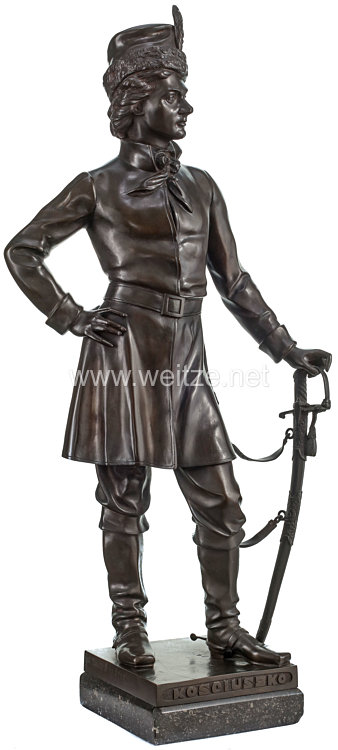
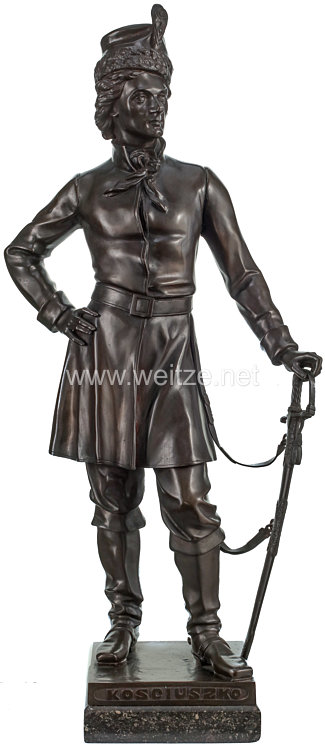
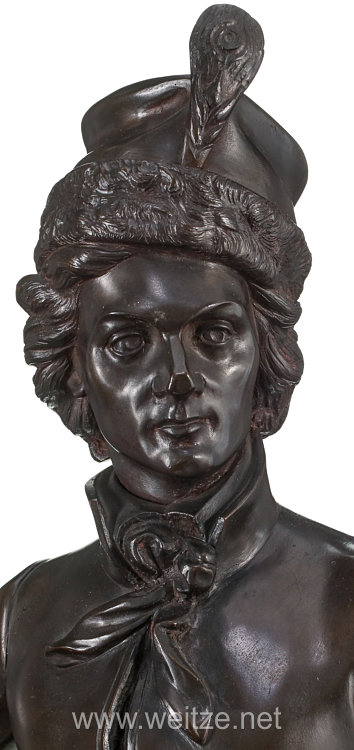
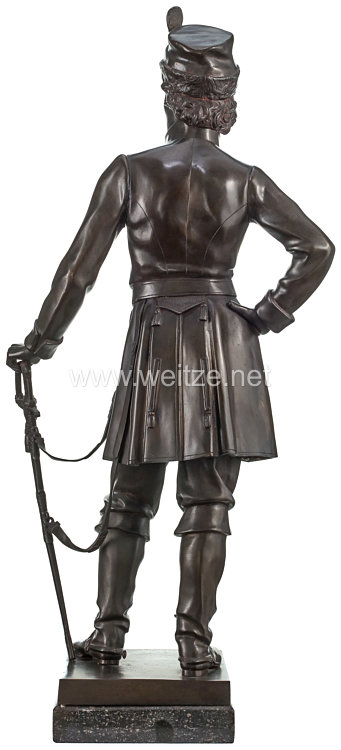
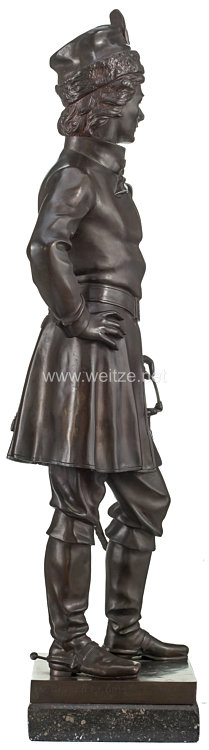
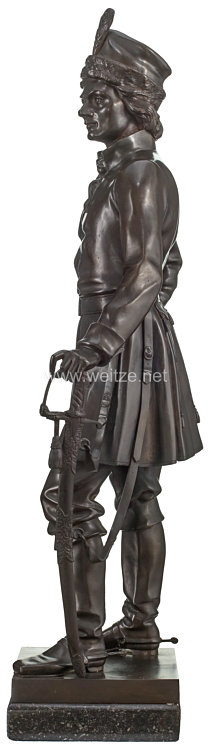
Polen große Bronzestatue des polnischen Freiheitshelden und Generals Tadeusz Kosciuszko
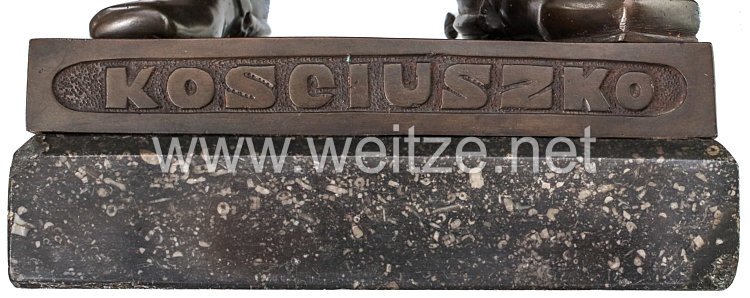
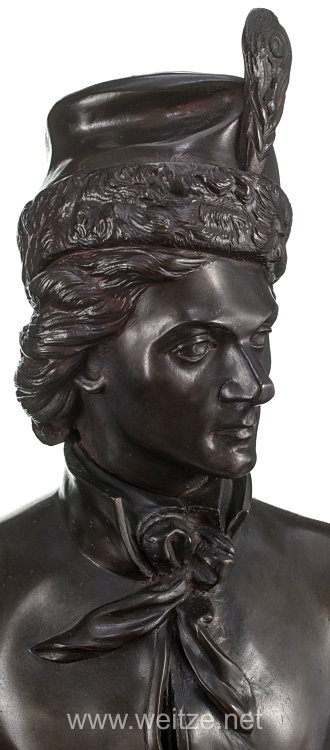
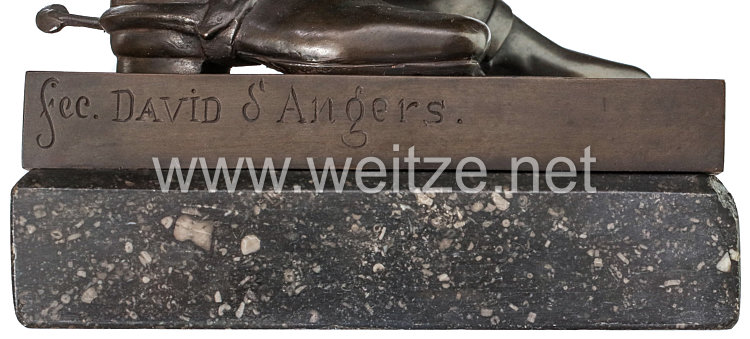
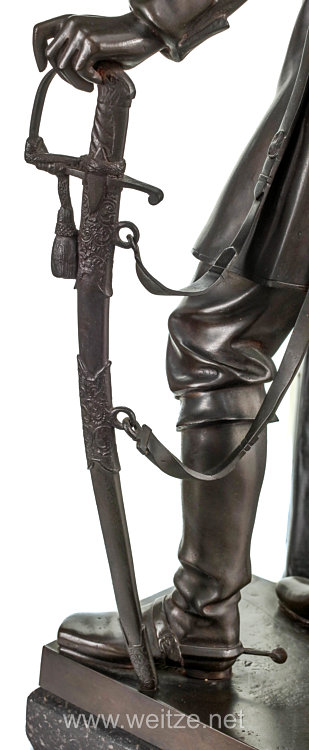
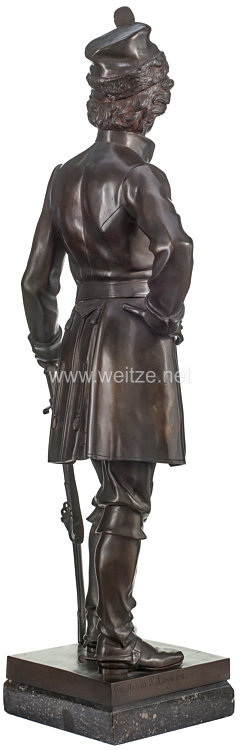
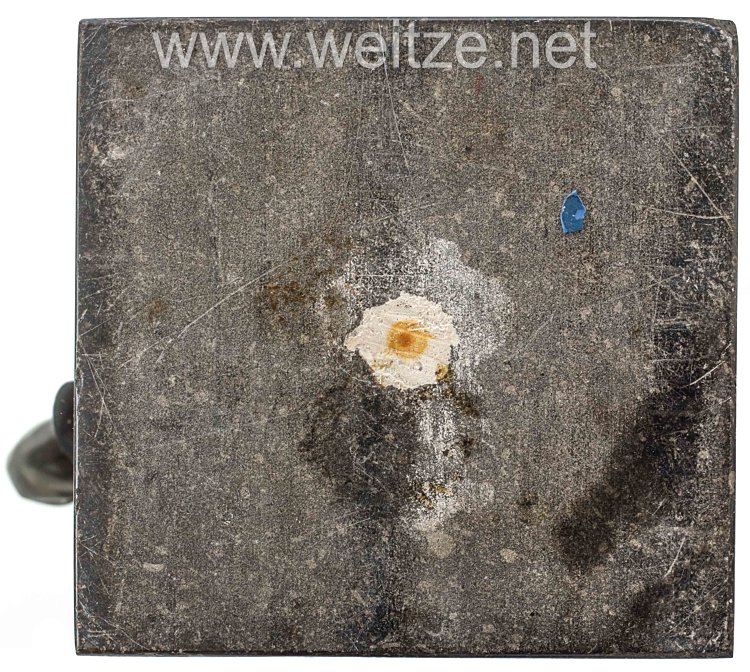
um 1820. Große beeindruckende Bronze des Generals im Waffenrock stehend, auf dem Kopf die polnische Pelzmütze, hohe Reiterstiefel mit Sporen, mit dem linken Arm auf den Säbel gelehnt. Auf dem Sockel mit Namensbezeichnung "Kosciuszko", links am Sockel mit Künstlersignatur "fec. David S. Angers". Gesamthöhe 68 cm, Gewicht 13,2 kg. Die Bronze mit wunderschöner Patina, der Sockel aus Granit an den Ecken leicht bestoßen. Zustand 2.
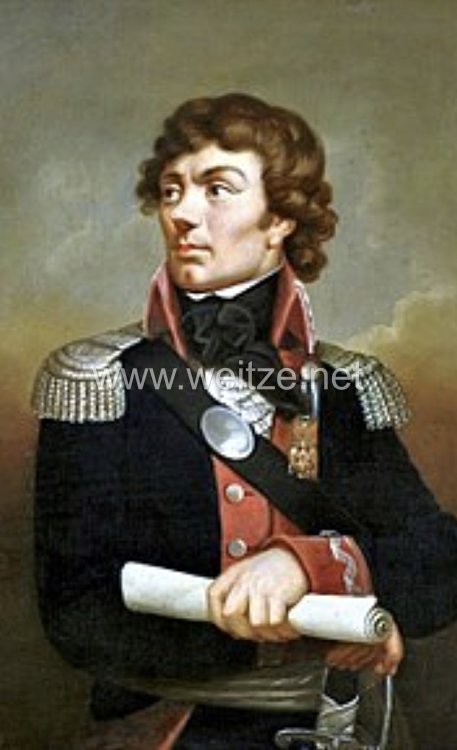
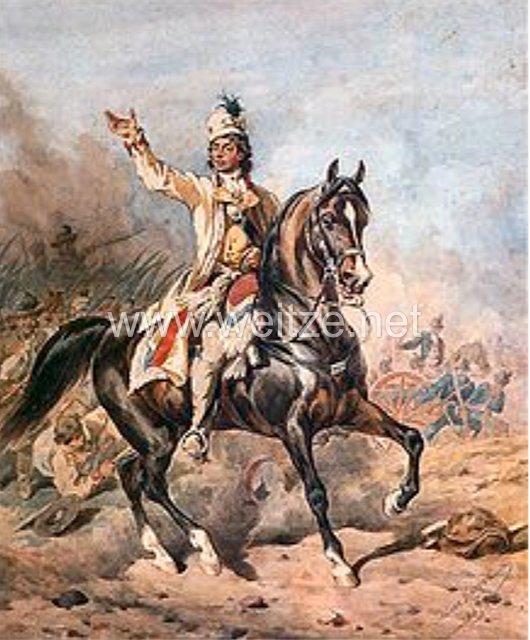
A. Tadeusz B. Kosciuszko (1746 Polen-Litauen - 1817 Schweiz) war ein polnischer Militäringenieur, der im Russisch-Polnischen Krieg von 1792 und als Anführer des "Kosciuszko-Aufstandes" von 1794 gegen die Teilungsmächte Russland und Preußen zum polnischen Nationalhelden wurde. Nach seinem Studium an der Militärhochschule in Warschau und dem Studium an der Académie des Beaux-Arts in Paris schloß er sich 1776 einem Freiwilligenkorps an. Er kämpfte im Amerikanischen Unabhängigkeitskrieg an der Seite George Washingtons. Vom amerikanischen Kongress wurde er als Genie-Oberst in Dienst genommen und erbaute acht Festungen zum Schutze von New York und Philadelphia, die viel zum Siege gegen England beitrugen. An der Südfront stand er selbst im Kampfeinsatz. Für seine Verdienste wurde er von Präsident Washington zum Brigadegeneral erhoben. Er kehrte nach Polen zurück und wurde unter König Stanislaw Poniatowski zum Generalmajor ernannt. Er war Anführer der polnischen Truppen gegen die russische Invasion und führte 1794 den Freiheitskampf in dem nach ihm benannten Aufstand gegen Rußland und Preußen an. Er geriet in russische Gefangenschaft, Paul II. begnadigte ihn und er ging bis 1798 ins Exil in die Vereinigten Staaten. Er stand dort im engen Kontakt mit Thomas Jefferson. Er kehrte aber nach Frankreich zurück und wollte unter Napoleon Bonaparte Polen befreien. Dieser aber hatte andere Ziele. Nach Scheitern seiner weiteren Bemühungen Polen wieder zusammenzuführen, insbesondere seine Heimat Litauen, ging er in die Schweiz ins Exil und verstarb dort im Jahr 1817.
Kosciuszko vertrat die Ideale der Aufklärung und unterstützte die weltweite Bewegung zur Abschaffung der Sklaverei. Seinem Testament zu Folge sollte Jefferson das Vermögen von Kosciuszko für den Freikauf und die Schulbildung der Sklaven verwenden. Der Status eines Nationalhelden wird ihm außer in Polen auch in Weißrussland, in den Vereinigten Staaten und teilweise in Litauen zugeschrieben.
Pierre Jean David d’Angers (1788 Angers-1856 Paris), französischer Bildhauer und Medailleur. Den ersten Unterricht im Zeichnen erhielt er von seinem Vater, einem Holzschnitzer. Er ging 1800 nach Paris, wo er sich anfangs seinen Unterhalt durch Steinarbeiten erwarb. Später wurde er in das Atelier des Bildhauers Philippe-Laurent Roland (1746–1816) aufgenommen. Der Maler Jacques Louis David nahm ihn 1810 in seinem Lehratelier auf. Er wurde 1811 von der „Académie Royale de Peinture et de Sculpture“ mit dem „Prix de Rome“ ausgezeichnet. Verbunden mit dieser Auszeichnung war ein Studienaufenthalt in der Villa Medici in Rom. Er arbeitete dort auch einige Zeit in Antonio Canovas Atelier. Über England kam er wieder nach Paris zurück. Die Fruchtbarkeit seiner Phantasie und die Leichtigkeit im technischen Schaffen begünstigten eine äußerst umfangreiche Tätigkeit. Er unternahm Studienreisen nach Weimar, München, Stuttgart, Berlin und Dresden. Ausfluss daraus waren Büsten in kolossaler Größe von Goethe, Schelling, Dannecker, Tieck und Christian Daniel Rauch. Er gestaltete das Giebelfeld des Pantheon in Paris, in dem er die berühmtesten Männer seit der Revolutionszeit um das Vaterland gruppierte.
A. Tadeusz B. Kosciuszko (1746 Polen-Litauen - 1817 Schweiz) war ein polnischer Militäringenieur, der im Russisch-Polnischen Krieg von 1792 und als Anführer des "Kosciuszko-Aufstandes" von 1794 gegen die Teilungsmächte Russland und Preußen zum polnischen Nationalhelden wurde. Nach seinem Studium an der Militärhochschule in Warschau und dem Studium an der Académie des Beaux-Arts in Paris schloß er sich 1776 einem Freiwilligenkorps an. Er kämpfte im Amerikanischen Unabhängigkeitskrieg an der Seite George Washingtons. Vom amerikanischen Kongress wurde er als Genie-Oberst in Dienst genommen und erbaute acht Festungen zum Schutze von New York und Philadelphia, die viel zum Siege gegen England beitrugen. An der Südfront stand er selbst im Kampfeinsatz. Für seine Verdienste wurde er von Präsident Washington zum Brigadegeneral erhoben. Er kehrte nach Polen zurück und wurde unter König Stanislaw Poniatowski zum Generalmajor ernannt. Er war Anführer der polnischen Truppen gegen die russische Invasion und führte 1794 den Freiheitskampf in dem nach ihm benannten Aufstand gegen Rußland und Preußen an. Er geriet in russische Gefangenschaft, Paul II. begnadigte ihn und er ging bis 1798 ins Exil in die Vereinigten Staaten. Er stand dort im engen Kontakt mit Thomas Jefferson. Er kehrte aber nach Frankreich zurück und wollte unter Napoleon Bonaparte Polen befreien. Dieser aber hatte andere Ziele. Nach Scheitern seiner weiteren Bemühungen Polen wieder zusammenzuführen, insbesondere seine Heimat Litauen, ging er in die Schweiz ins Exil und verstarb dort im Jahr 1817.
Kosciuszko vertrat die Ideale der Aufklärung und unterstützte die weltweite Bewegung zur Abschaffung der Sklaverei. Seinem Testament zu Folge sollte Jefferson das Vermögen von Kosciuszko für den Freikauf und die Schulbildung der Sklaven verwenden. Der Status eines Nationalhelden wird ihm außer in Polen auch in Weißrussland, in den Vereinigten Staaten und teilweise in Litauen zugeschrieben.
Pierre Jean David d’Angers (1788 Angers-1856 Paris), französischer Bildhauer und Medailleur. Den ersten Unterricht im Zeichnen erhielt er von seinem Vater, einem Holzschnitzer. Er ging 1800 nach Paris, wo er sich anfangs seinen Unterhalt durch Steinarbeiten erwarb. Später wurde er in das Atelier des Bildhauers Philippe-Laurent Roland (1746–1816) aufgenommen. Der Maler Jacques Louis David nahm ihn 1810 in seinem Lehratelier auf. Er wurde 1811 von der „Académie Royale de Peinture et de Sculpture“ mit dem „Prix de Rome“ ausgezeichnet. Verbunden mit dieser Auszeichnung war ein Studienaufenthalt in der Villa Medici in Rom. Er arbeitete dort auch einige Zeit in Antonio Canovas Atelier. Über England kam er wieder nach Paris zurück. Die Fruchtbarkeit seiner Phantasie und die Leichtigkeit im technischen Schaffen begünstigten eine äußerst umfangreiche Tätigkeit. Er unternahm Studienreisen nach Weimar, München, Stuttgart, Berlin und Dresden. Ausfluss daraus waren Büsten in kolossaler Größe von Goethe, Schelling, Dannecker, Tieck und Christian Daniel Rauch. Er gestaltete das Giebelfeld des Pantheon in Paris, in dem er die berühmtesten Männer seit der Revolutionszeit um das Vaterland gruppierte.