German Reich Large Certificate of Gratitude from the German Agricultural Council to Reich Chancellor Prince Otto von Bismarck

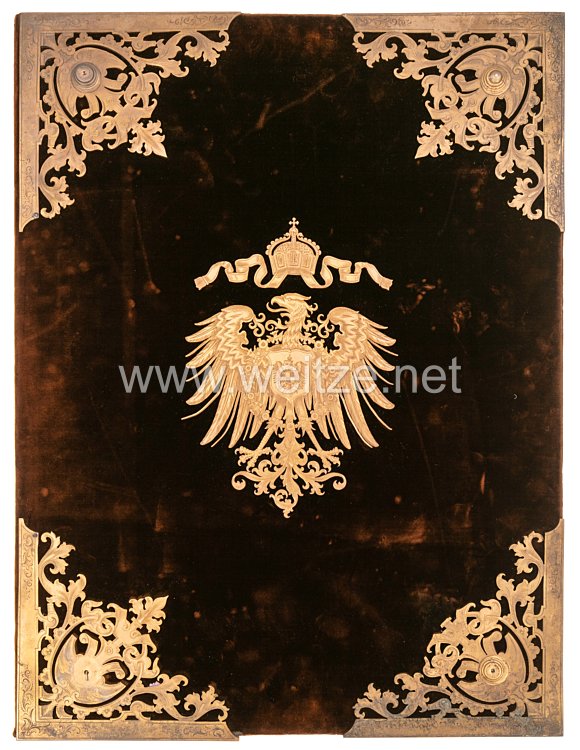
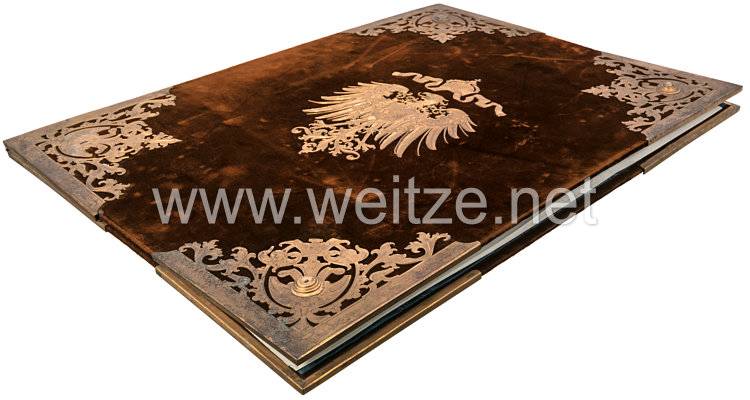
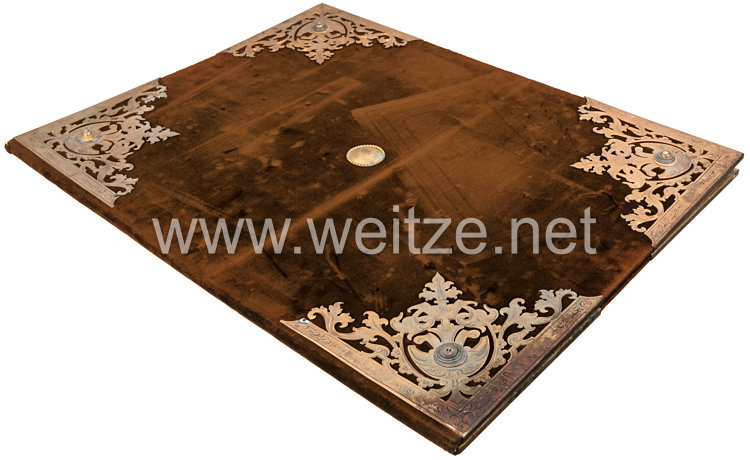
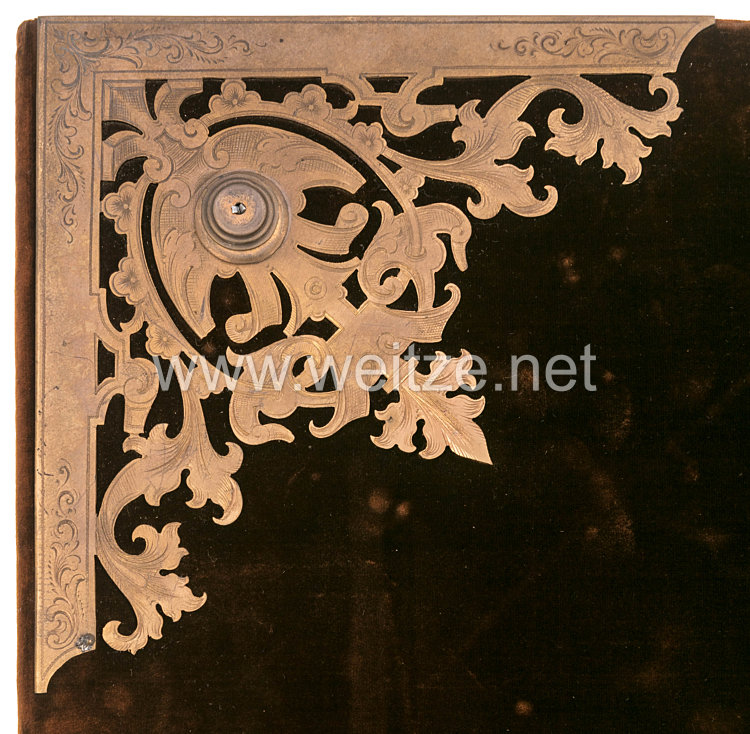
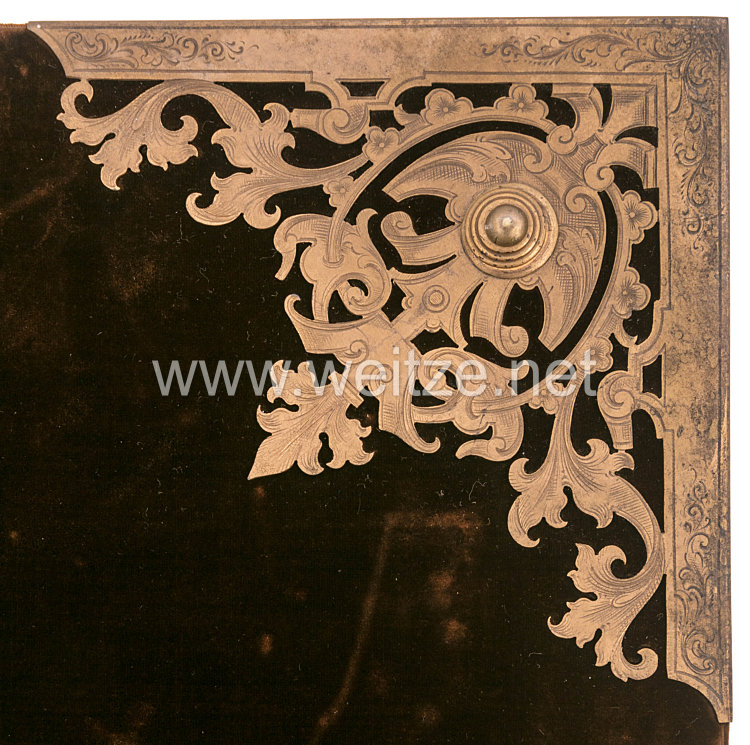
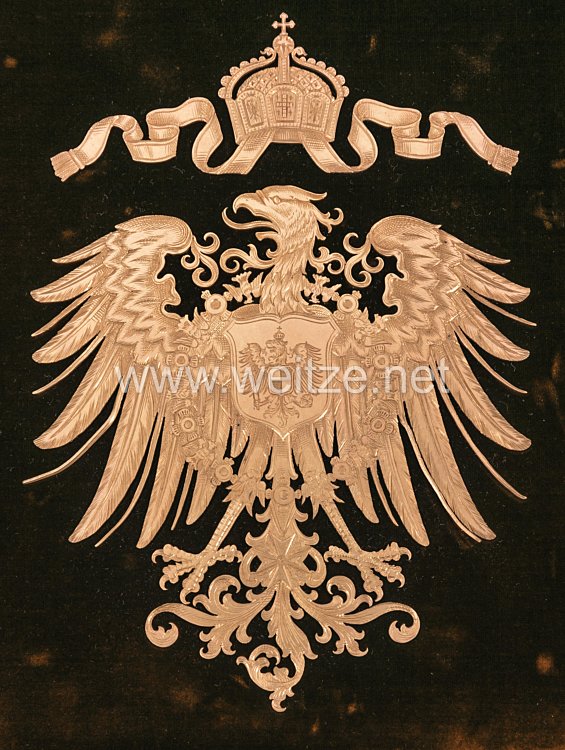
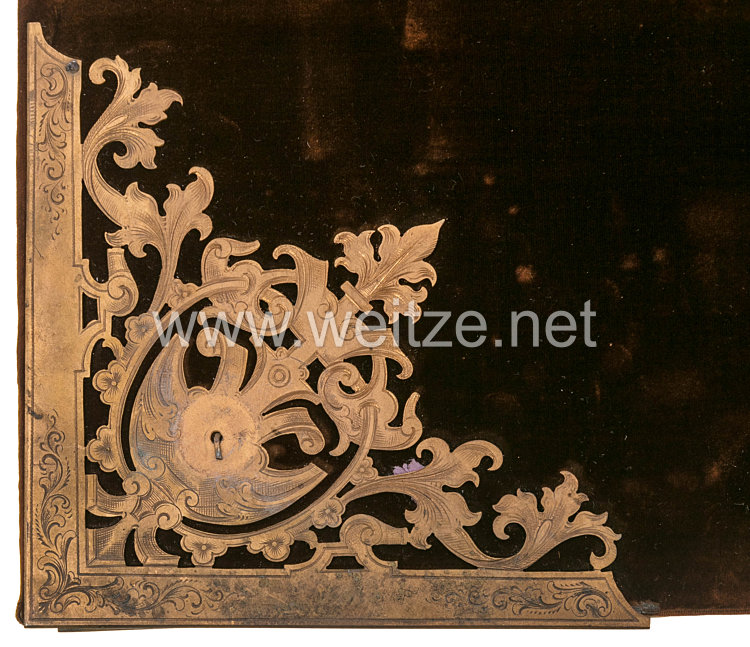
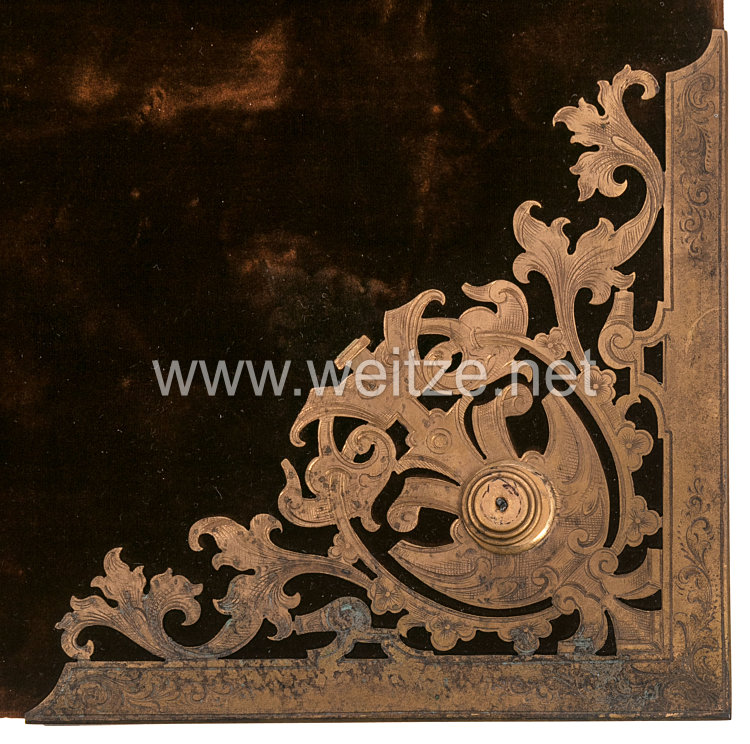
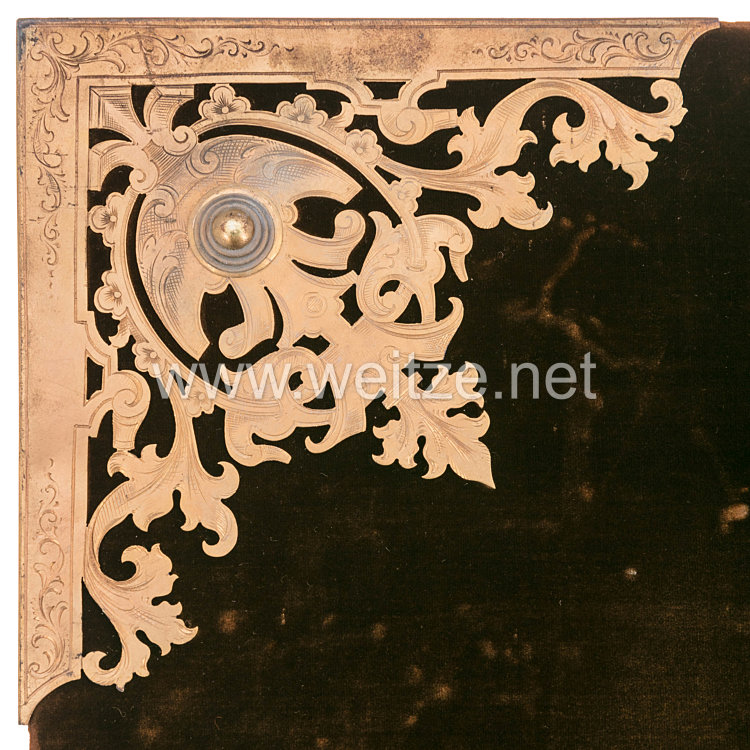
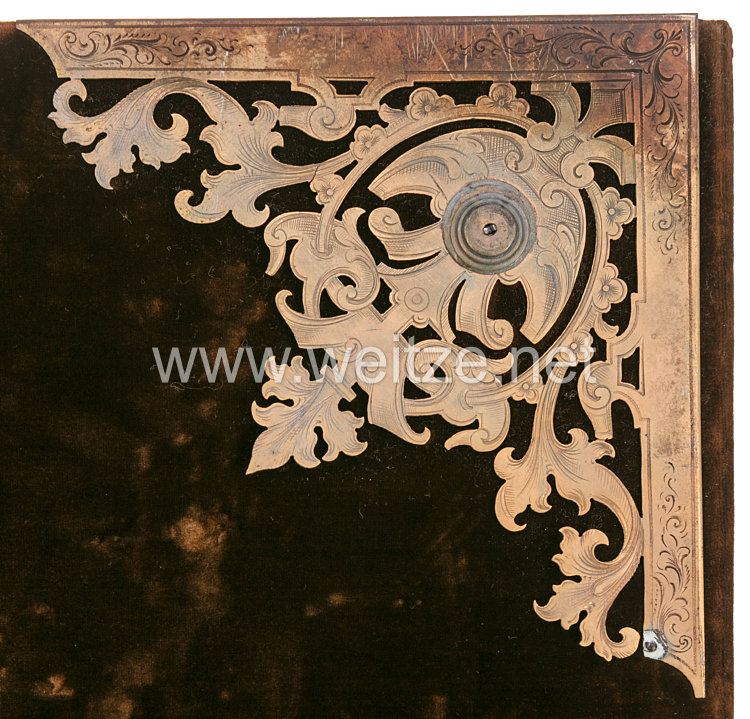
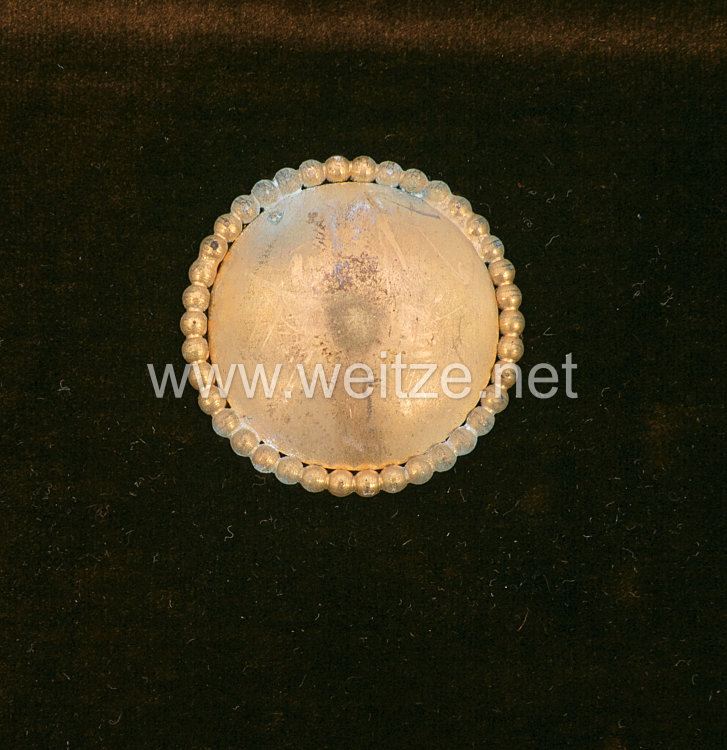
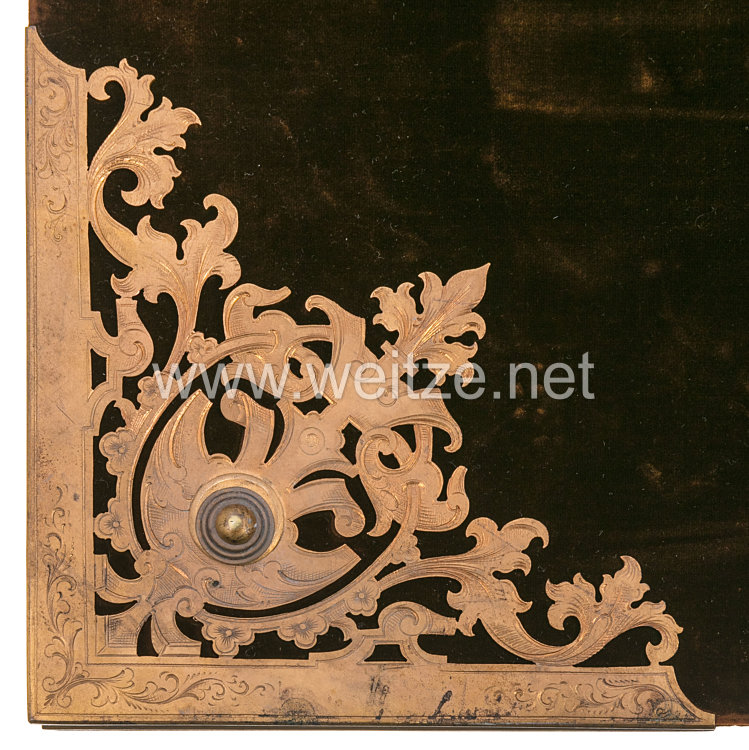
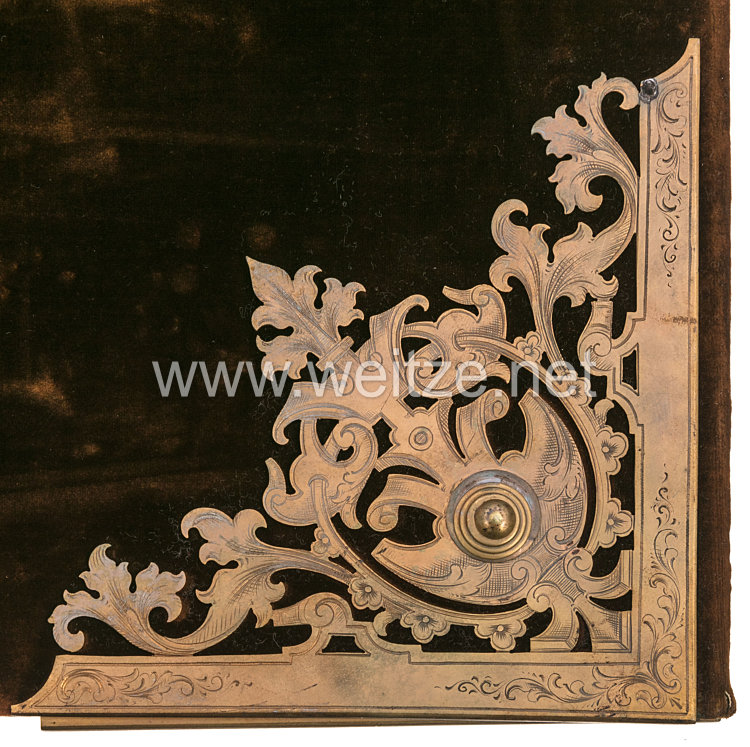
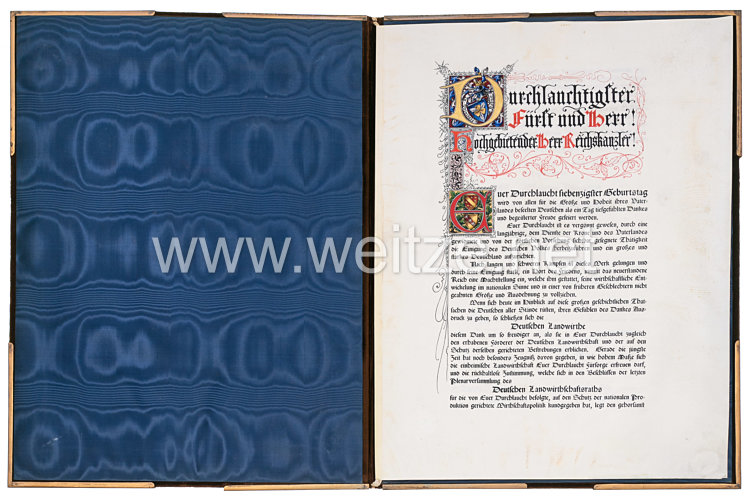
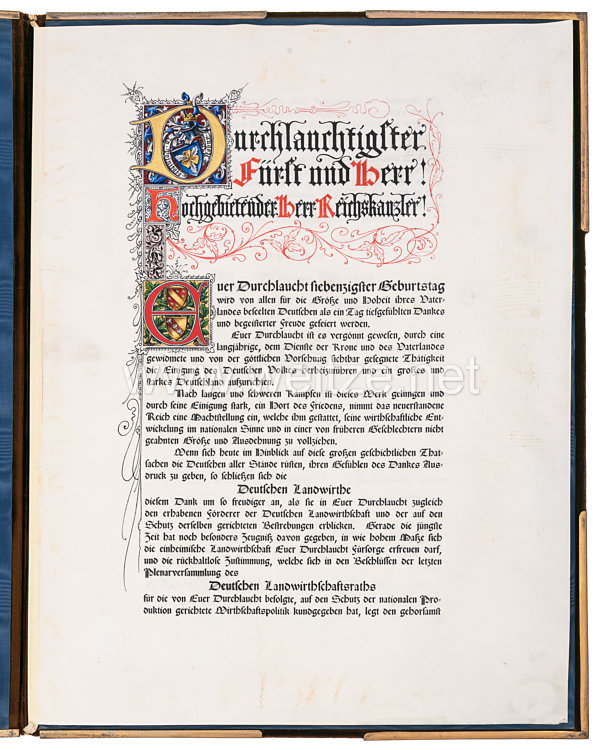
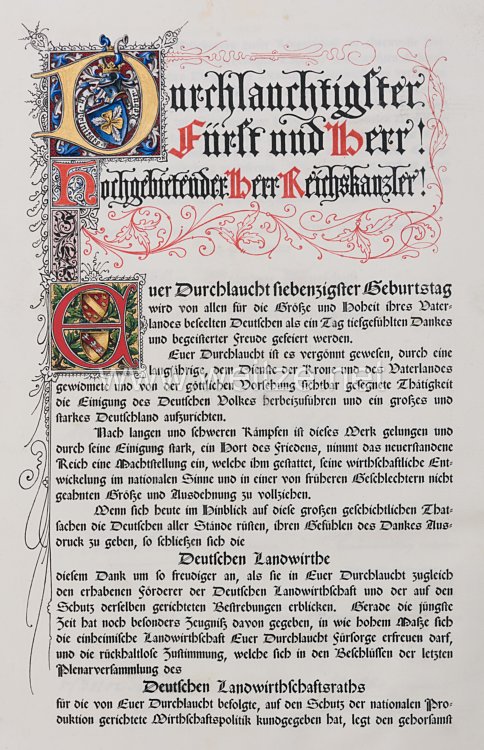
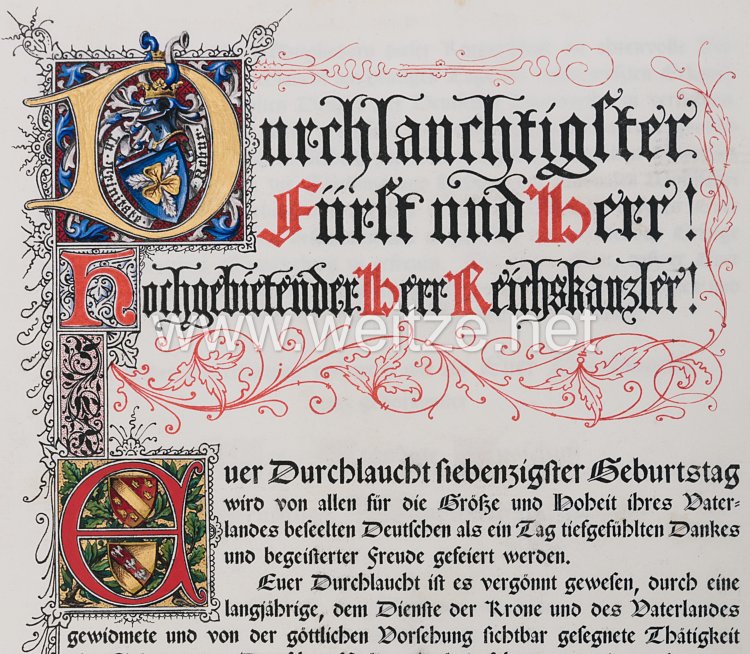
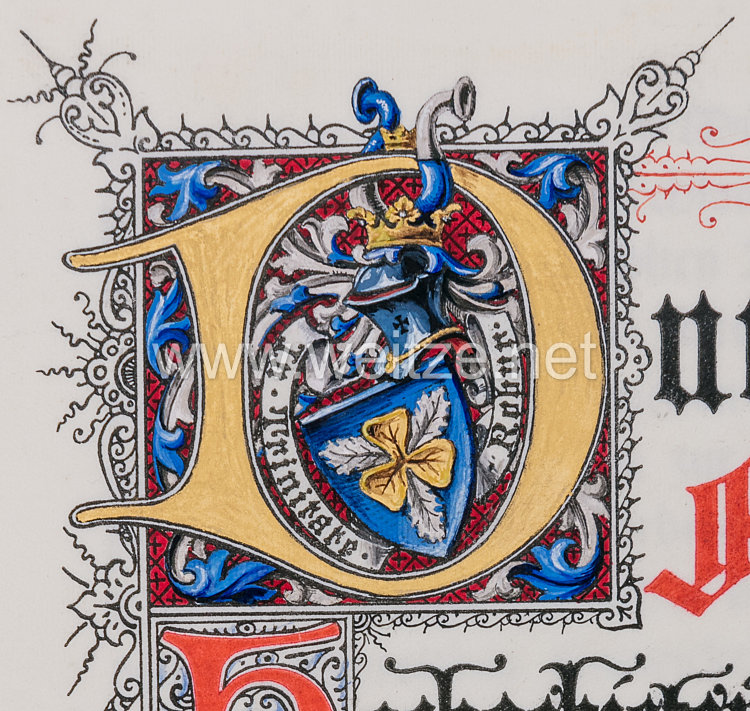
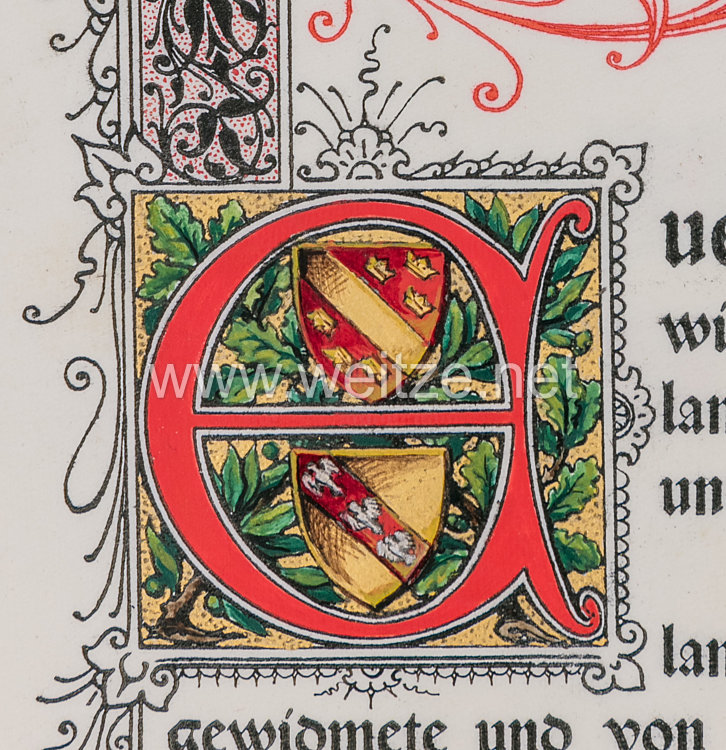
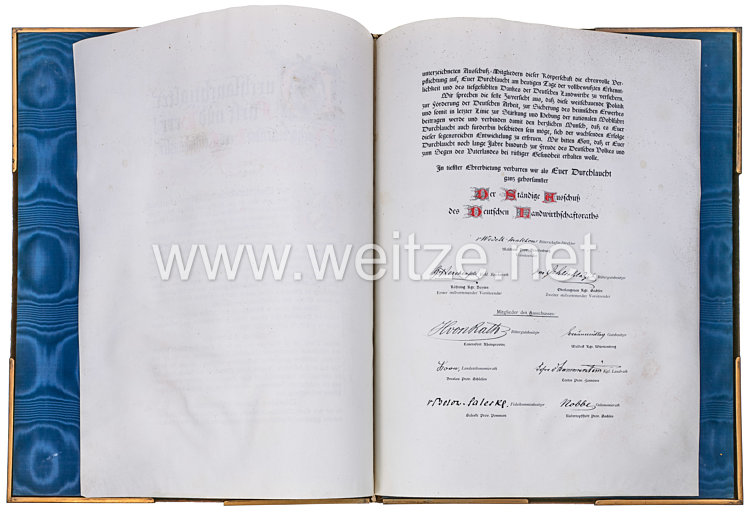
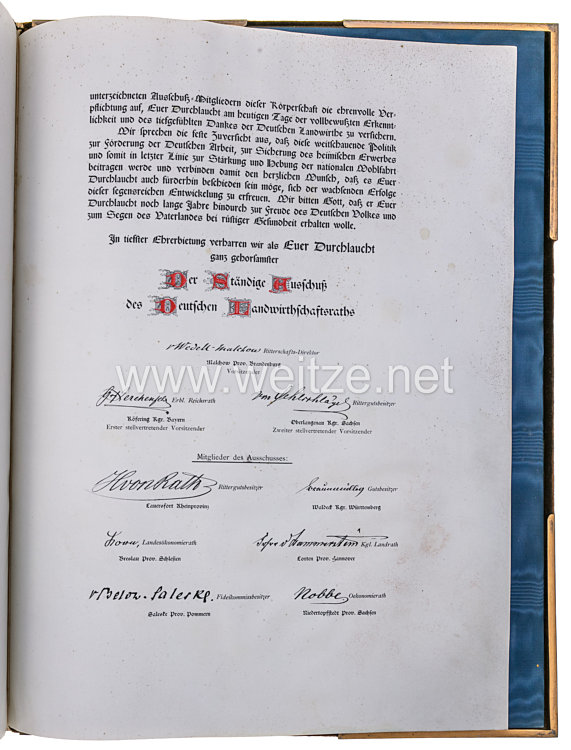
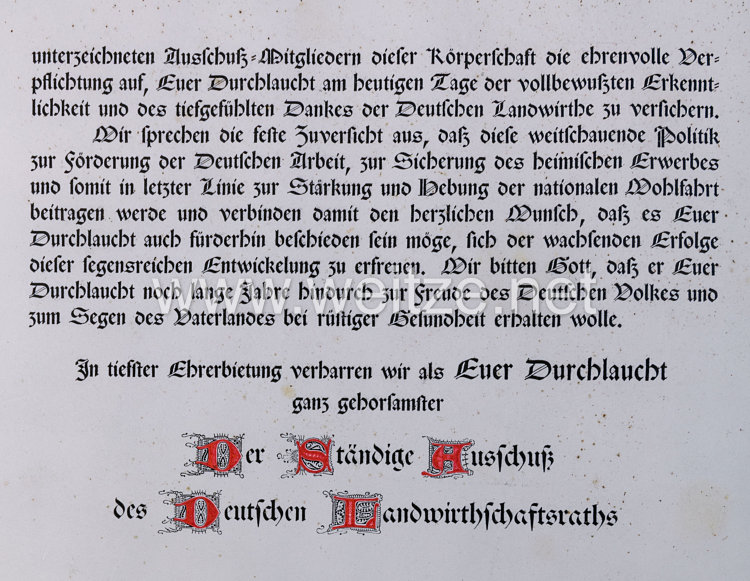
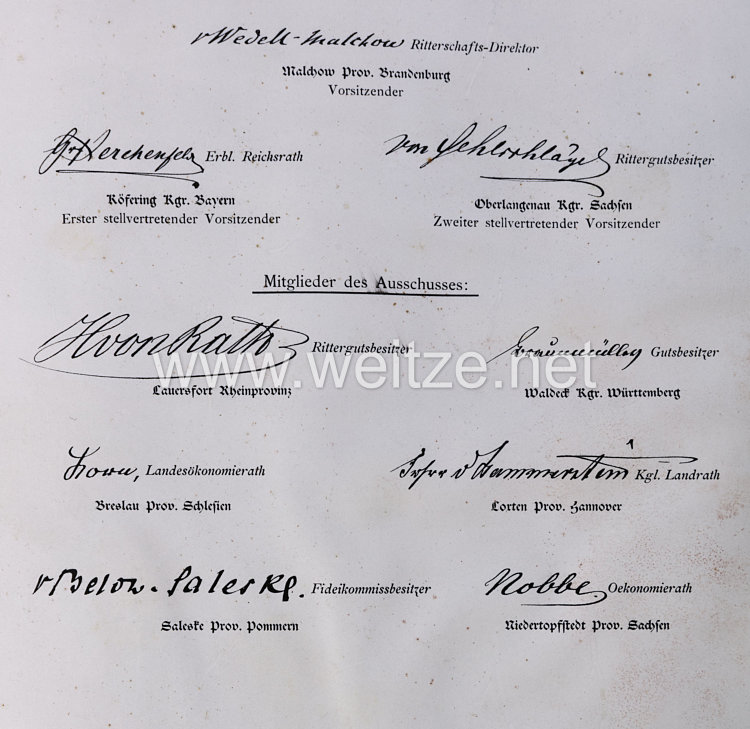
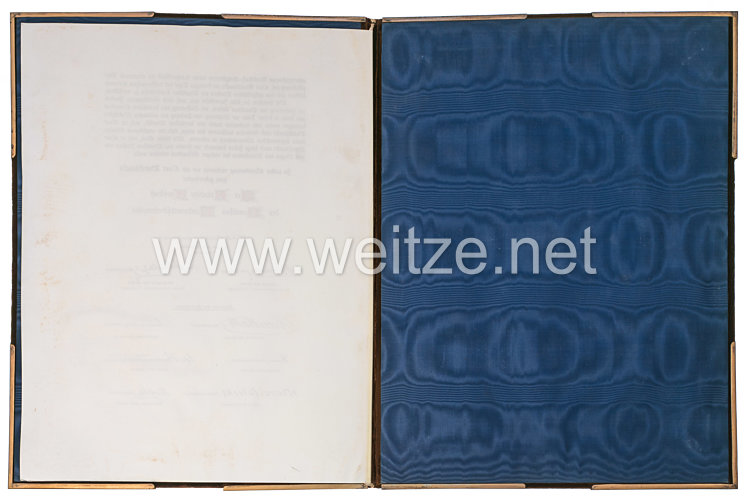
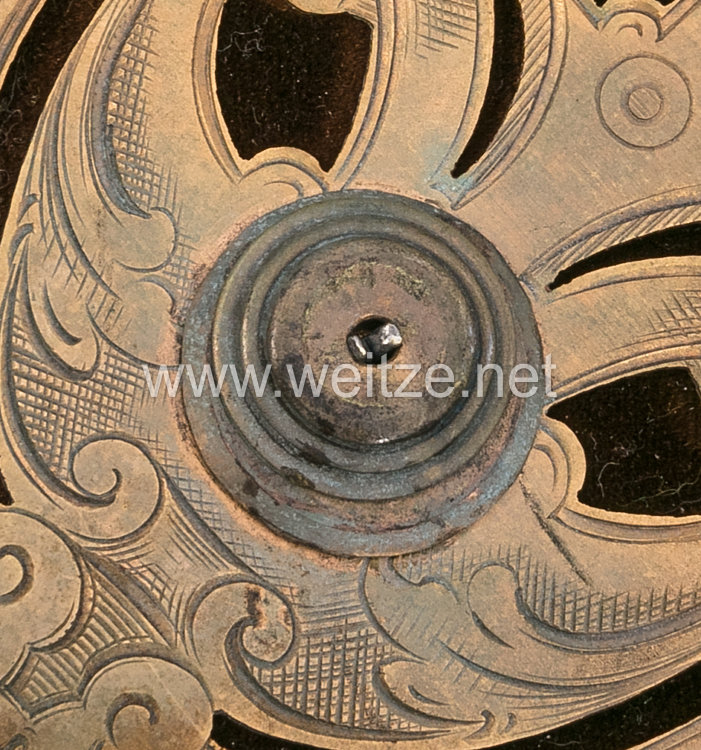
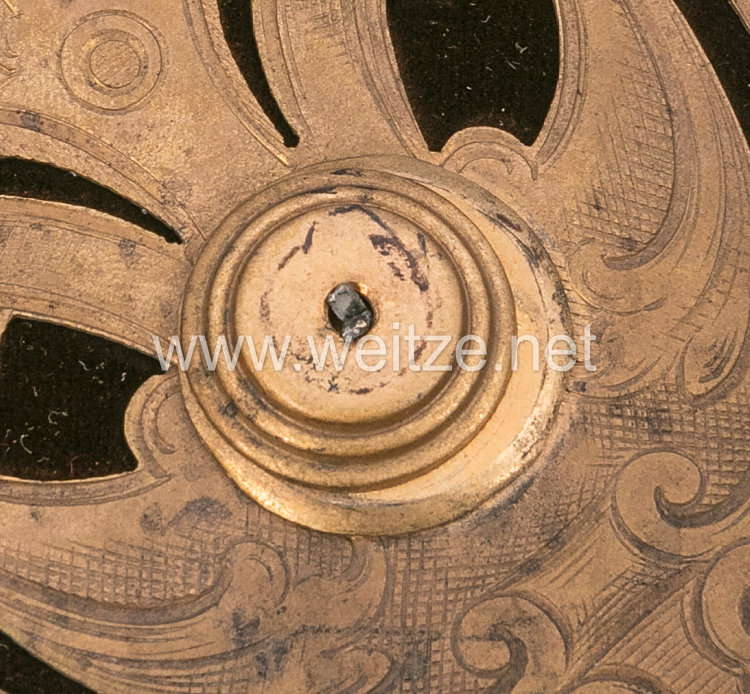
Dated April 1, 1885. Magnificent presentation folder with brown velvet covering and silver-gilt decorative overlays on both sides, in the center the large crowned Imperial Eagle in finest execution, hand-chased. Dimensions 46.5 x 35.5 cm. Interior with double-sided parchment sheet with detailed expression of gratitude to Reich Chancellor Prince Bismarck on the occasion of his 70th birthday for his active promotion of German agriculture within the framework of the founding of the Reich. The text in calligraphic design in the style of medieval manuscripts with large illuminated letters featuring Bismarck's coat of arms in finest quality. With the original signatures of Chairman v. Wedel-Malchow and the board members of the standing committee of the German Agricultural Council.
Only slight signs of age and storage, Condition 2.

In over 30 years of business activity, this is the first item from the personal possession of Prince Bismarck that we have been able to offer!
327128
9.500,00

German Reich Large Certificate of Gratitude from the German Agricultural Council to Reich Chancellor Prince Otto von Bismarck

The Great Certificate of Thanks from the German Agricultural Council to Reich Chancellor Prince Otto von Bismarck, dated April 1, 1885, represents an extraordinary testimony of respect toward the “Iron Chancellor” and documents the close connection between Prussian-German agricultural policy and the founding of the Reich.

Otto von Bismarck (1815-1898), born on April 1, 1815, celebrated his 70th birthday in 1885. On this occasion, the German Agricultural Council under the chairmanship of v. Wedel-Malchow honored the Reich Chancellor's merits for German agriculture. This tribute was by no means a mere formality, but reflected Bismarck's actual agricultural policy decisions that shaped the German Reich after 1871.

The German Agricultural Council was founded during the economic reorganization of the German Reich and represented the interests of agriculture, which at that time still constituted the most important economic sector. In the 1880s, German agriculture experienced a severe crisis due to international competition, particularly from cheap grain imports from overseas. Bismarck responded in 1879 with a protectionist turn by introducing protective tariffs on agricultural products. This policy not only secured the existence of many farmers but also consolidated the political alliance between heavy industry and large landowners.

The magnificent execution of the certificate of thanks – a presentation folder with brown velvet covering and gilded silver ornaments – corresponds to the courtly representational culture of the Kaiserreich. The centrally placed, hand-chased crowned Imperial Eagle symbolizes national unity and imperial authority. The dimensions of 46.5 x 35.5 cm give the document monumental presence.

Particularly noteworthy is the calligraphic design of the parchment sheet in the style of medieval manuscripts. This deliberate reference to historical models was widespread in the 19th century and was intended to convey tradition and legitimacy. The illuminated letters and Bismarck's coat of arms in finest quality demonstrate the highest level of craftsmanship. The original signatures of the board members of the permanent committee give the document authentic character and historical value.

Such honorary certificates were a common means of political communication and tribute in the Kaiserreich. They document the close interconnection between state authority and societal interest groups. Bismarck's 70th birthday was honored nationwide with numerous tributes, but only few objects from his personal possession are still preserved and available on the market today.

The agricultural policy significance of Bismarck cannot be overestimated. His protective tariff policy shaped the German economic order until World War I. At the same time, he created with the social legislation of the 1880s a comprehensive system of social security that also included agricultural workers. The certificate of thanks from the Agricultural Council thus honors a statesman who entered history not only as the architect of German unity, but also as the designer of the economic and social order of the Kaiserreich.

Documents of this kind are today of extraordinary rarity. They combine artistic quality with historical authenticity and offer direct access to the political culture of Wilhelmine Germany. As a personal possession of Bismarck, this certificate has inestimable documentary value for research on the Bismarck era.

r