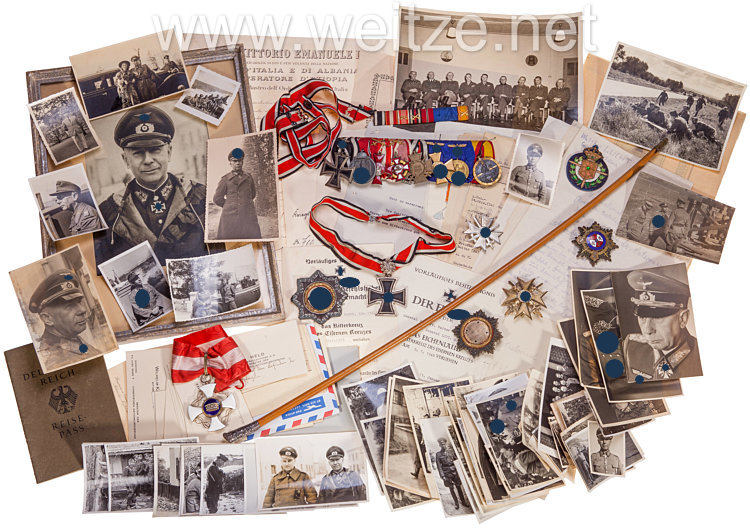
Großer Ordens-, Foto- und Dokumentennachlass des späteren Ritterkreuz und Eichenlaubträger General der Artillerie Walter Lucht.
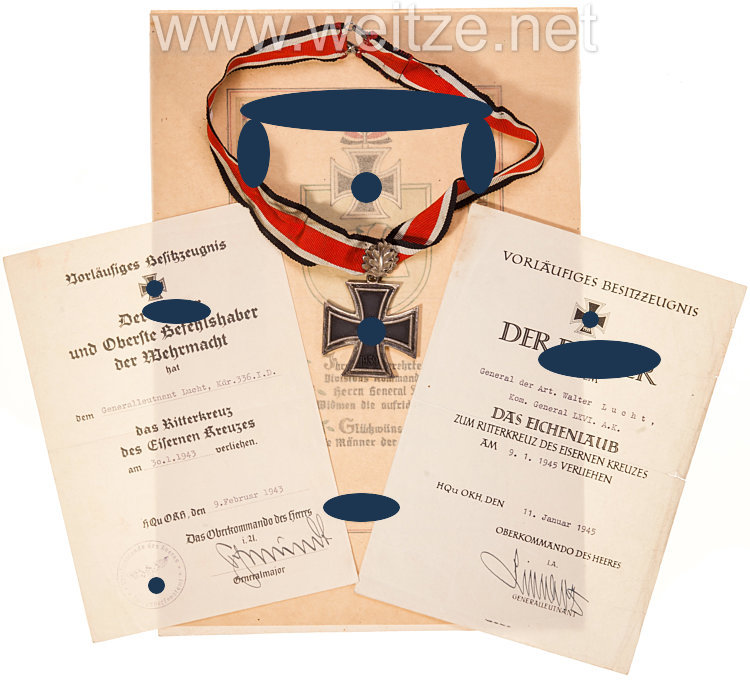
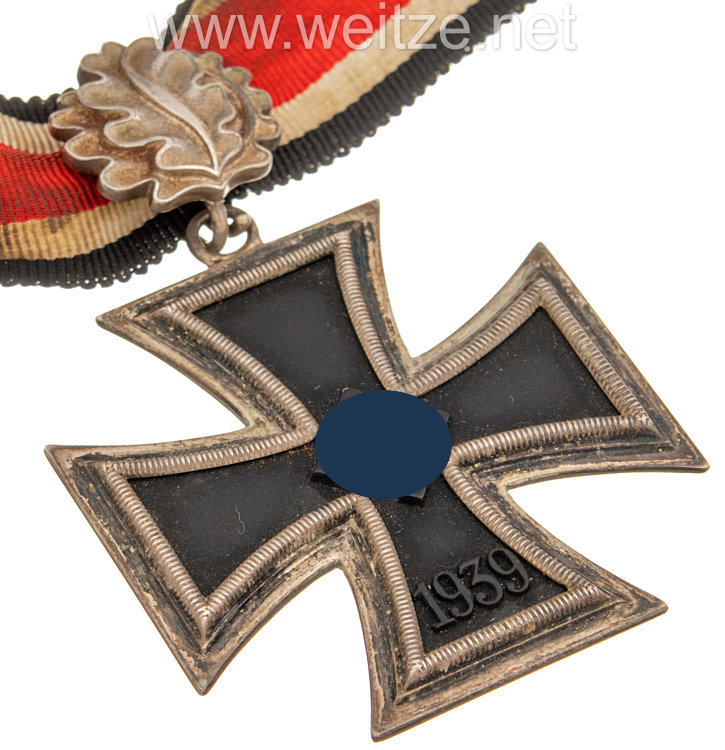
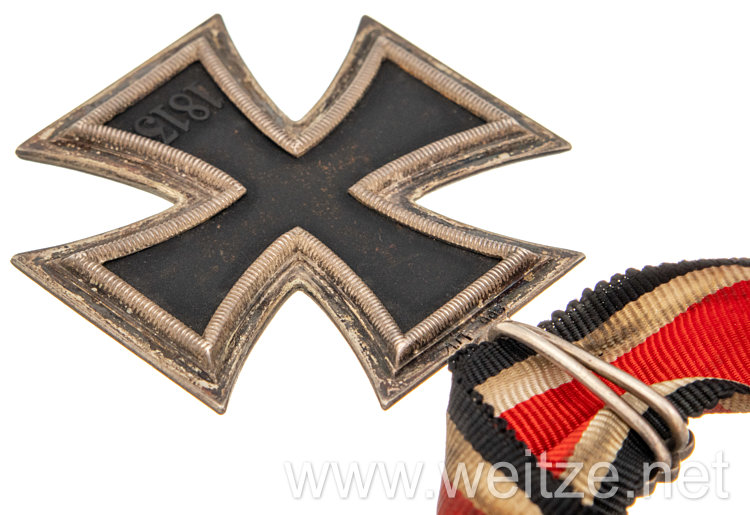
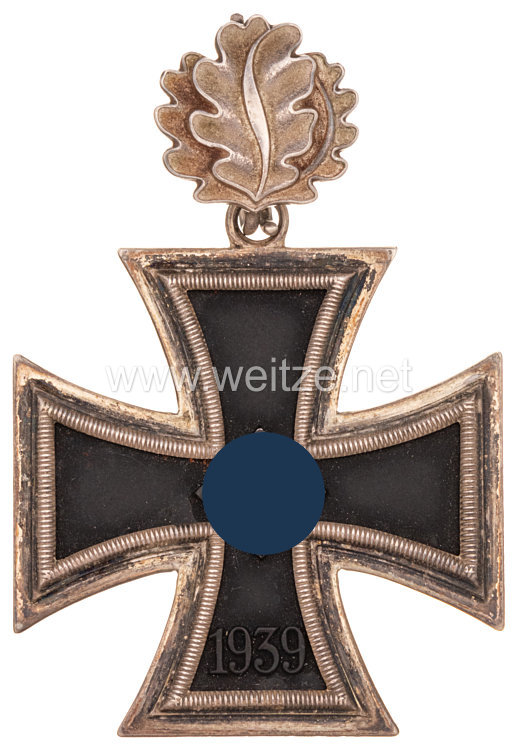
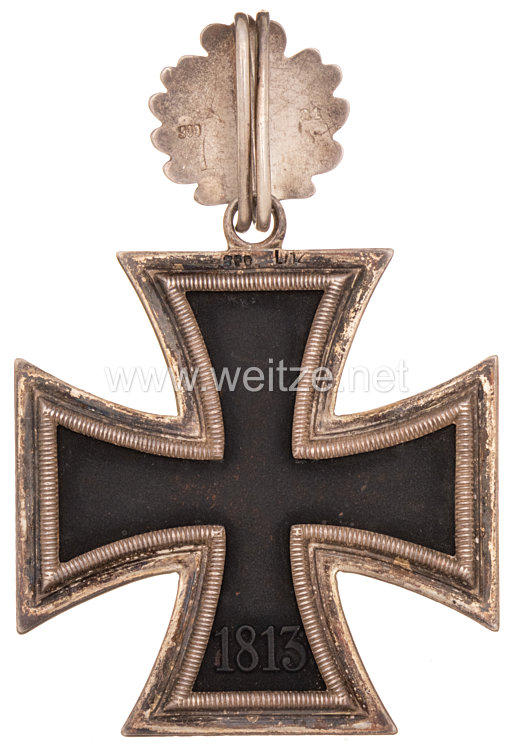
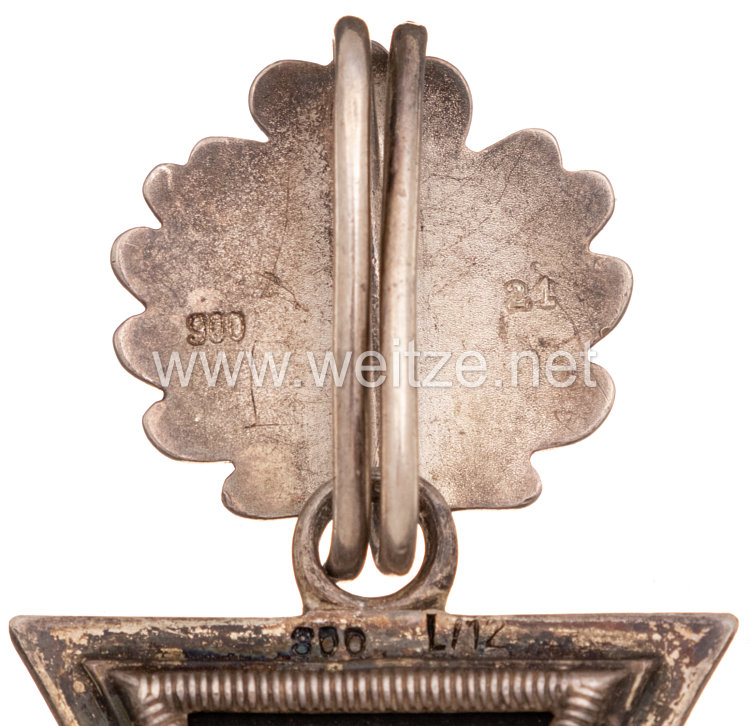
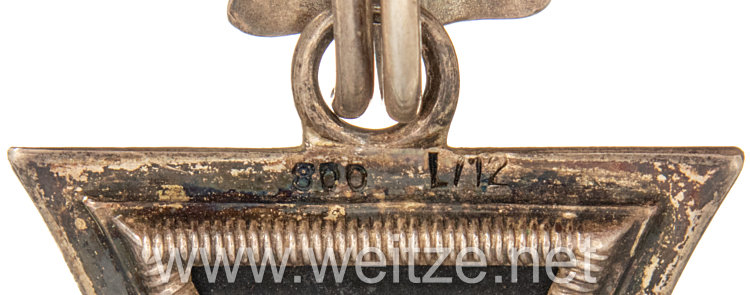
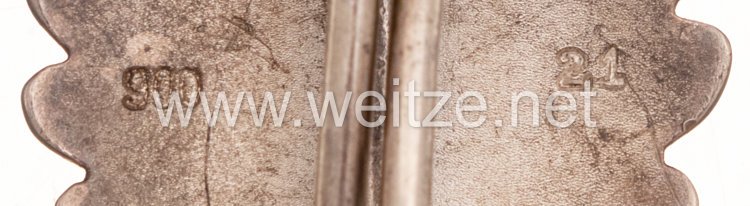
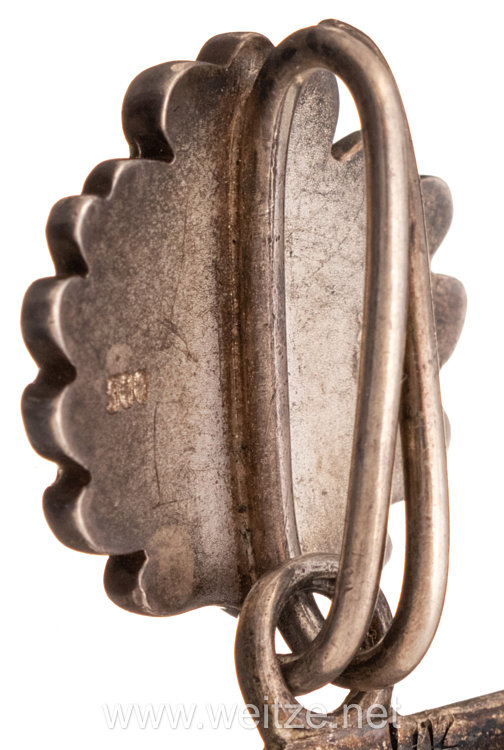
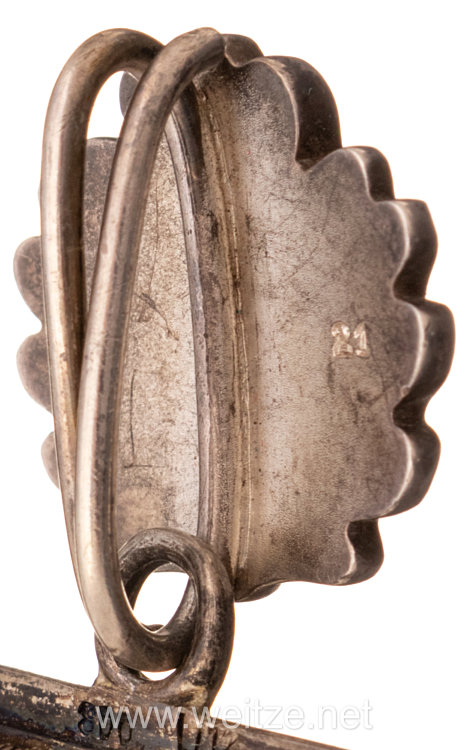
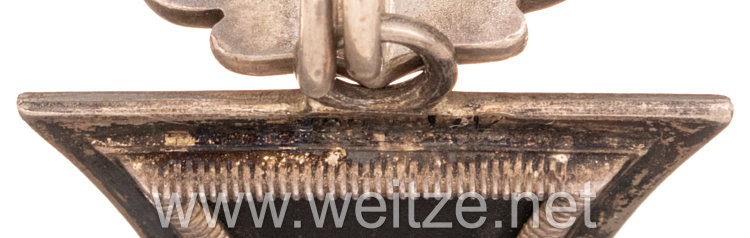
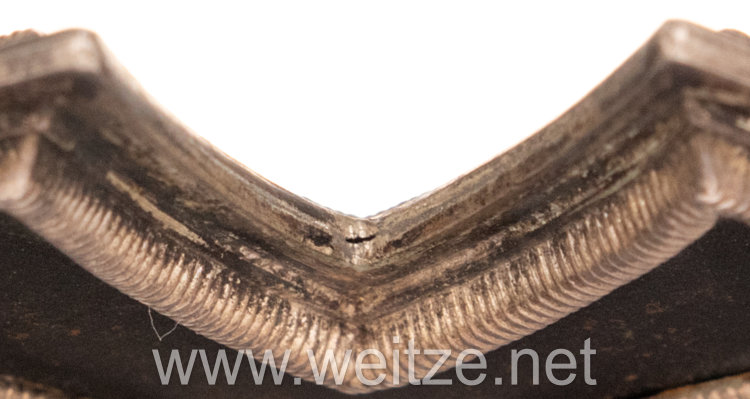
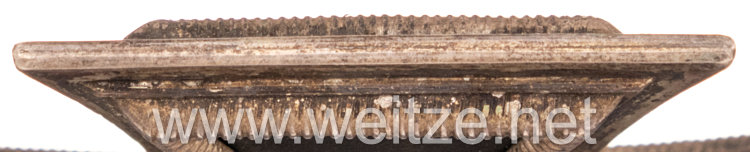
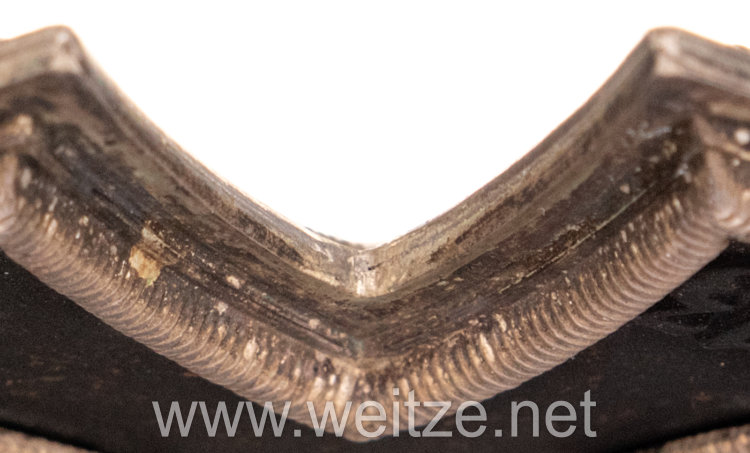
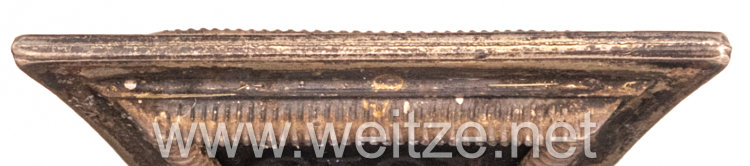
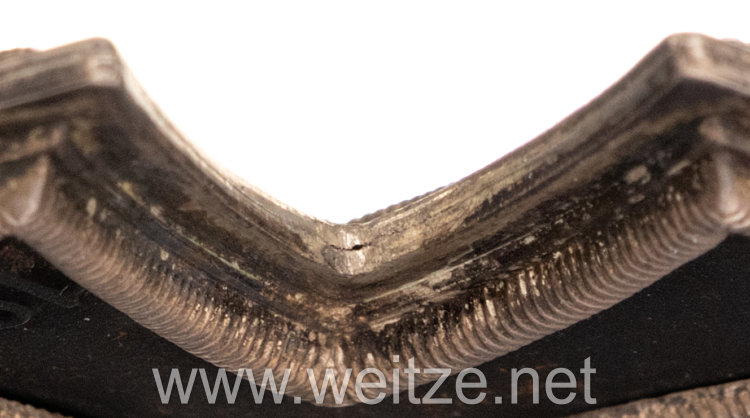
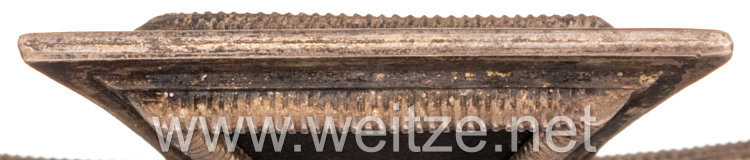
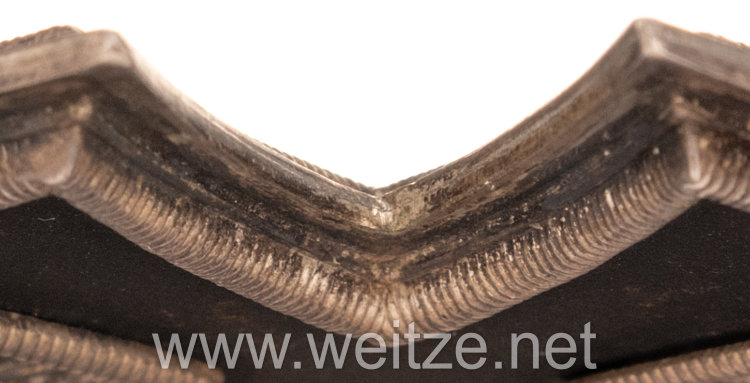
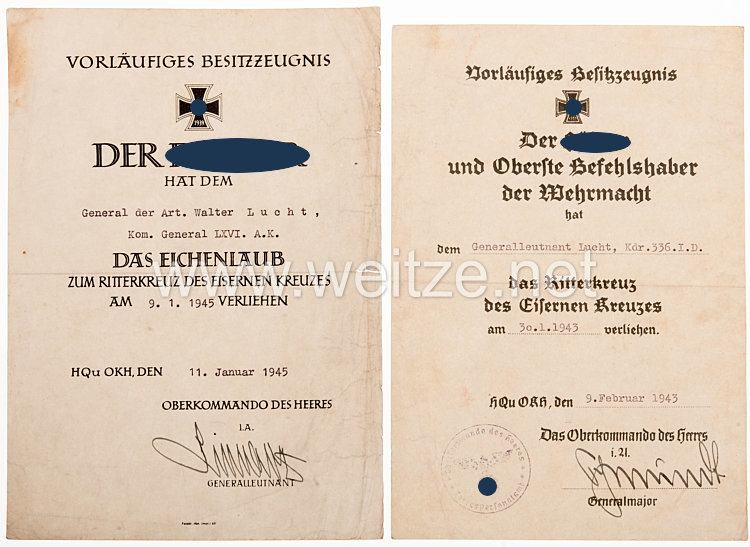
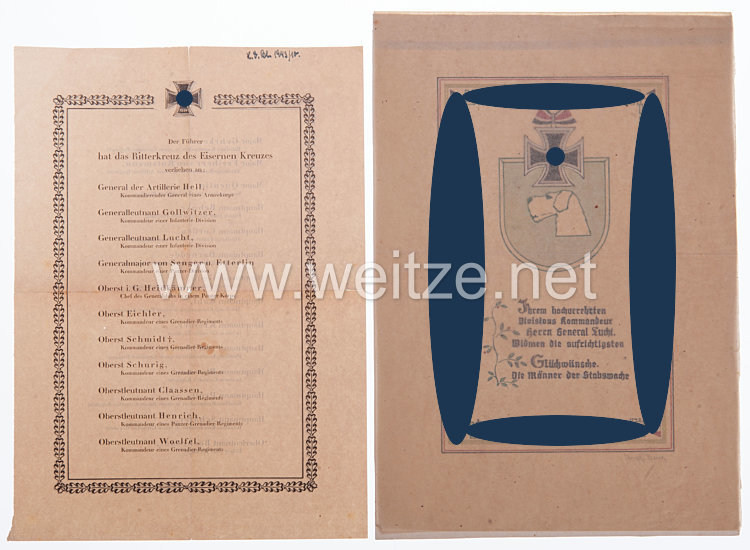
Ritterkreuz mit Eichenlaub zum Eisernen Kreuz 1939. Bei dem Ritterkreuz handelt es sich um eine klassische Fertigung der Fa. C.E. Juncker, Berlin. Geschwärzter Eisenkern, Silberzarge, rückseitig gestempelt "800" und "L/12". Das Eichenlaub ist die Fertigung der Fa. Godet, Berlin, rückseitig gestempelt "900" und "21". Komplett am langen konfektioniertem schmalen Halsband. Getragenes Stück in gutem Zustand. Dazu das Vorläufige Besitzzeugnis zum Ritterkreuz des Eisernen Kreuzes, als Generalleutnant und Kommandeur der 336. Inf. Div., verliehen am 30.1.1943, ausgestellt am 9.2.1943. Großes handgefertigtes Schmuckblatt mit den Glückwünschen zur Verleihung des Ritterkreuzes von den Männern der Stabswache, datiert 3.2.1943 im Osten. Weiterhin eine Seite der Verleihungsliste der Ritterkreuze. Vorläufiges Besitzzeugnis für das Eichenlaub zum Ritterkreuz des Eisernen Kreuzes, als General der Artillerie und Kommandierender General im LXVI. A.K., verliehen am 9.1.1945, ausgestellt am 11.1.1945. - Glückwunschschreiben zur Verleihung des Eichenlaubes, von einem Stabsarzt und Chef der Korps-San.-Kom.1/353, datiert 12.1.1945.
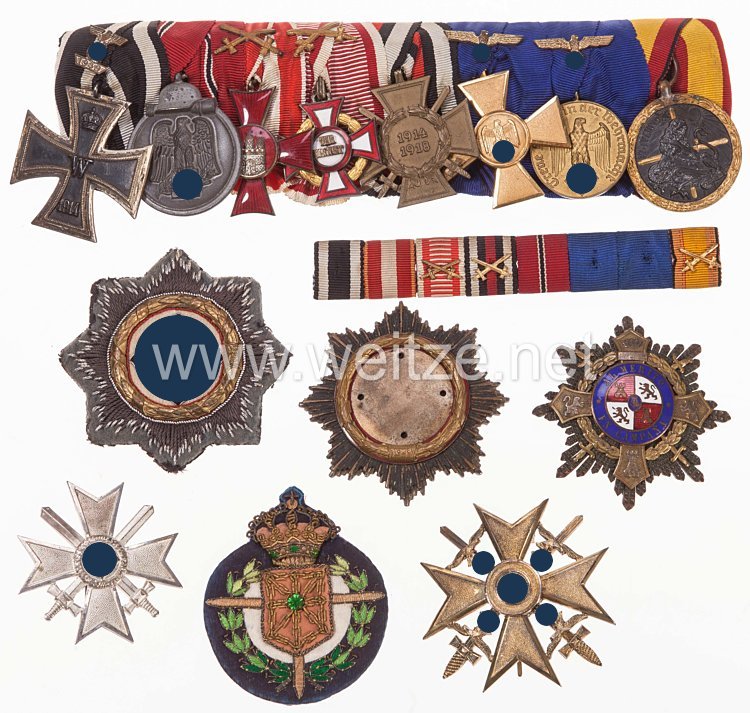
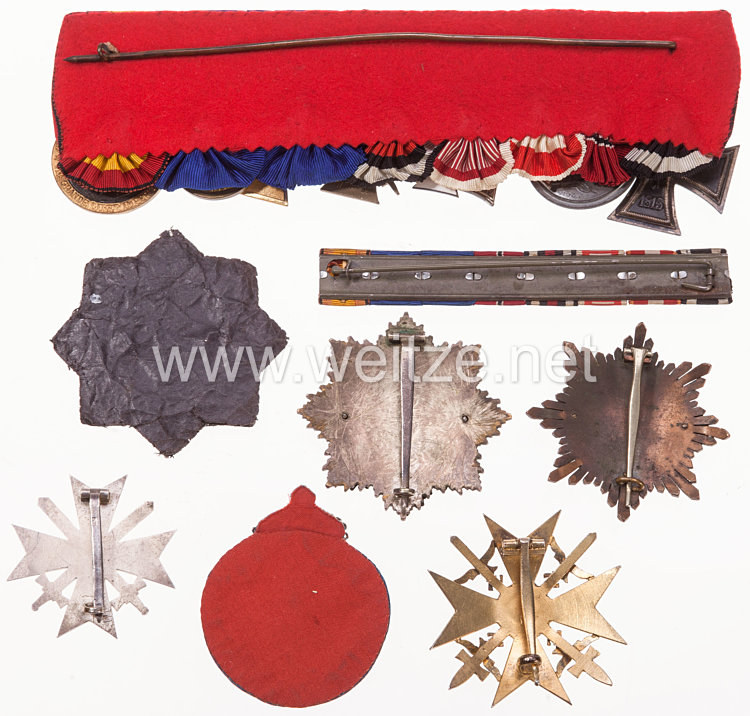
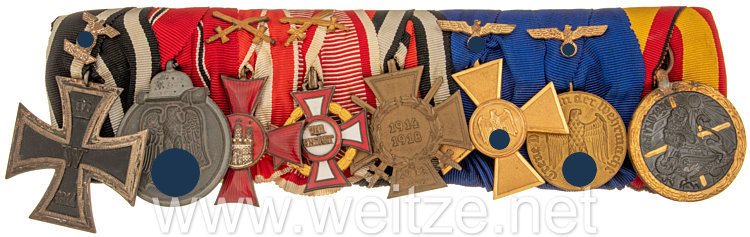
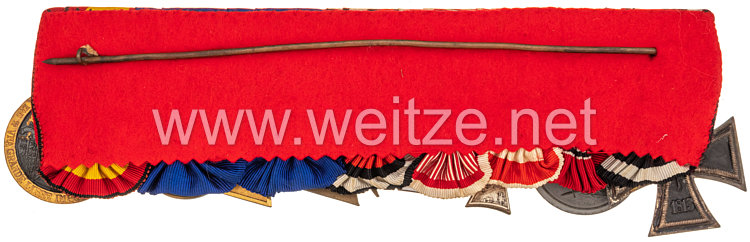
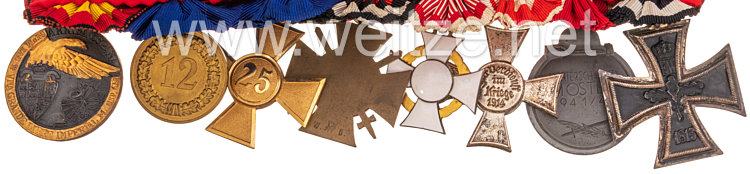
Große Ordensschnalle mit 9 Auszeichnungen: Eisernes Kreuz 1914 2. Klasse mit aufgelegter Wiederholungsspange "1939" als Reduktion. Medaille Winterschlacht im Osten. Hamburg Hanseatenkreuz 1914. K.u.K. Monarchie Militär-Verdienstorden 3. Klasse mit Kriegsdekoration. Ehrenkreuz für Frontkämpfer 1914-18. Wehrmacht Dienstauszeichnungen für 25 und 12 Jahre mit Bandadlern. Spanien Erinnerungsmedaille an den Spanischen Bürgerkrieg 1916-1939. Dazu die passende Feldschnalle. General Lucht hat diese in der US Kriegsgefangenschaft weitergetragen und hat die Auflagen mit Hakenkreuz entfernt.
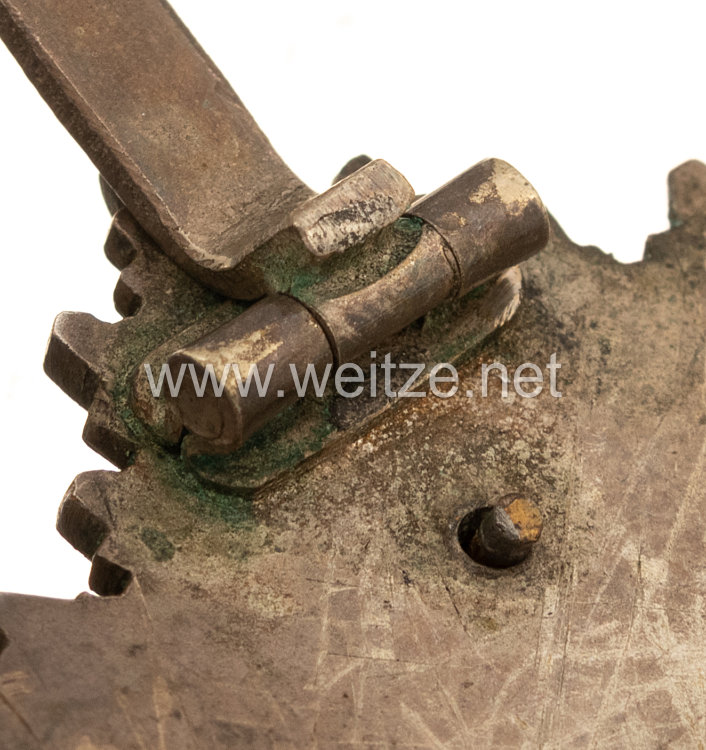
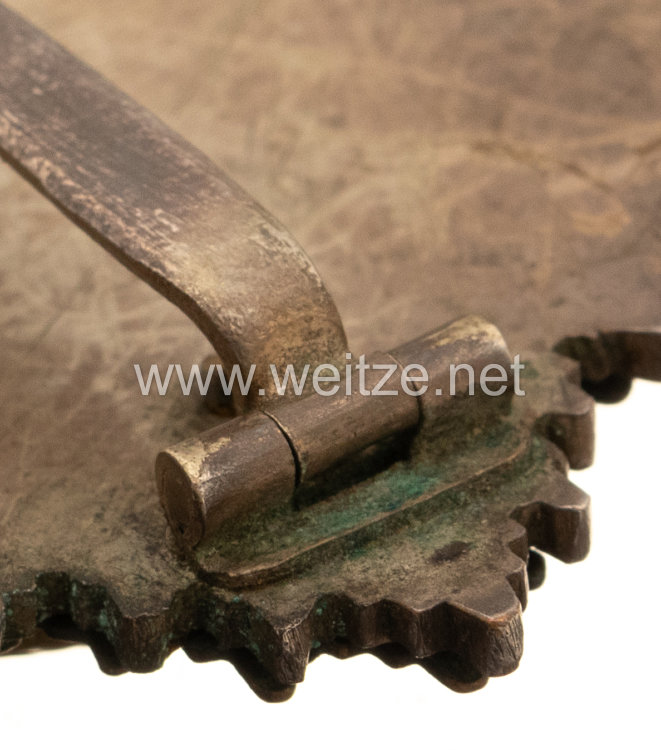
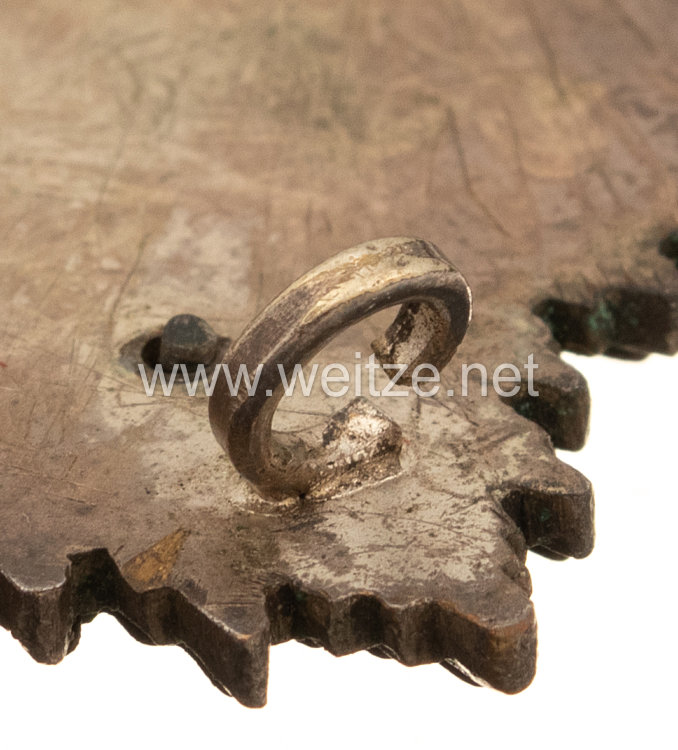
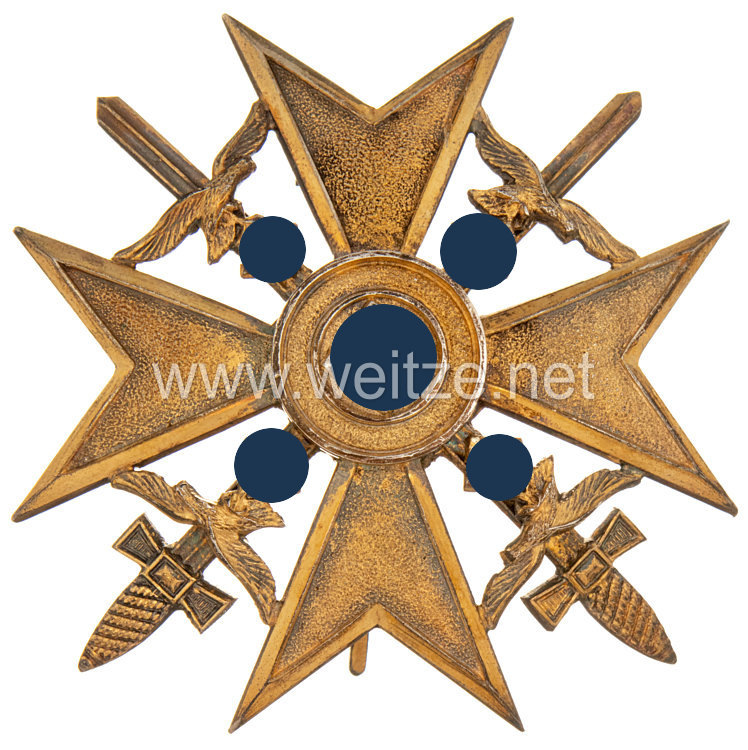
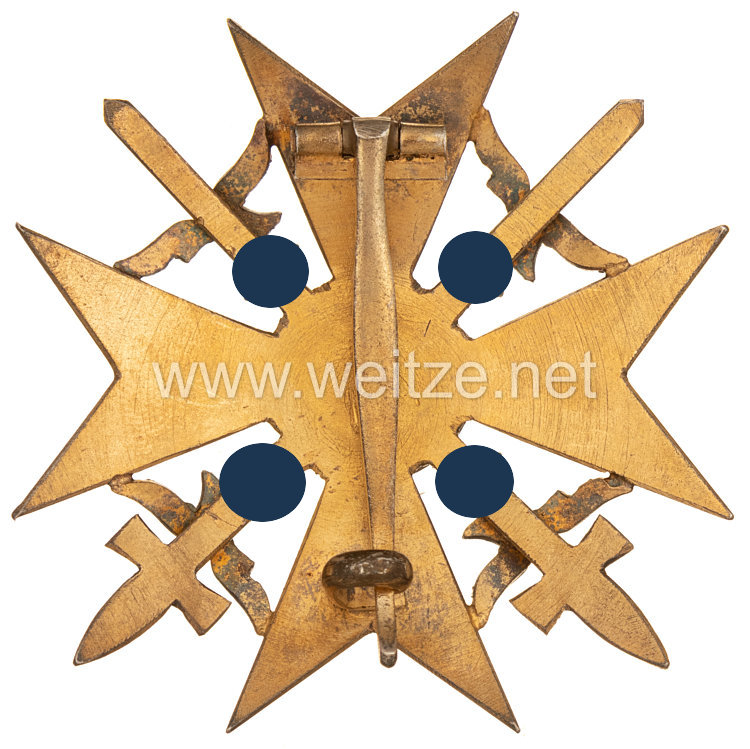
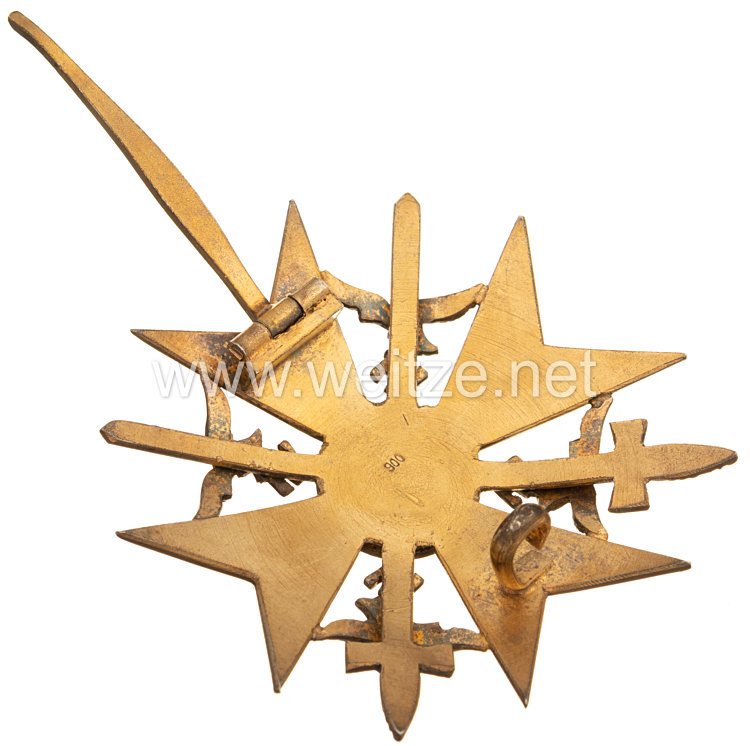
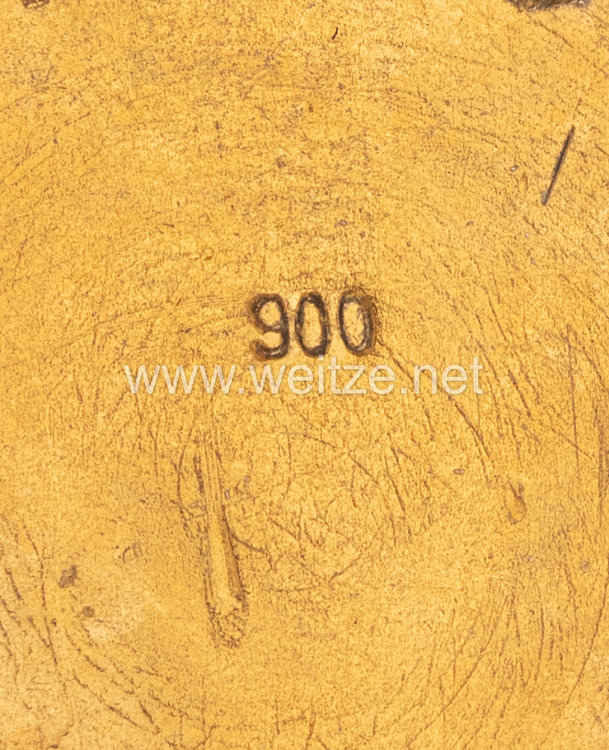
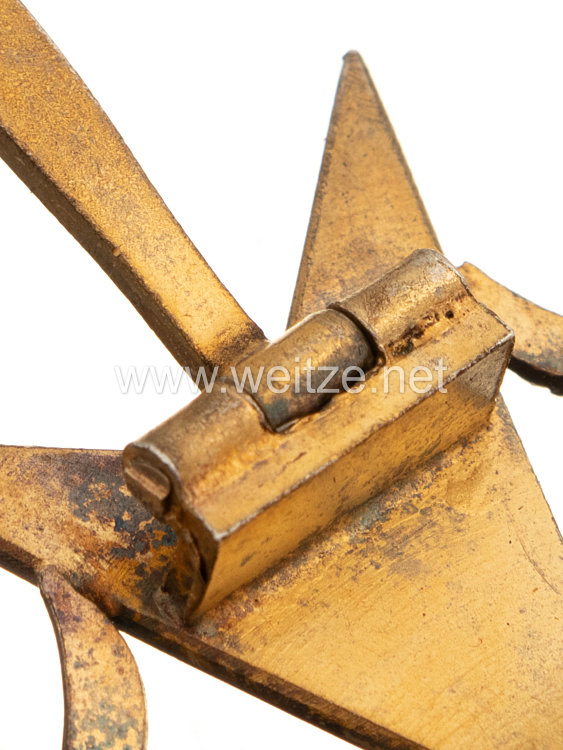
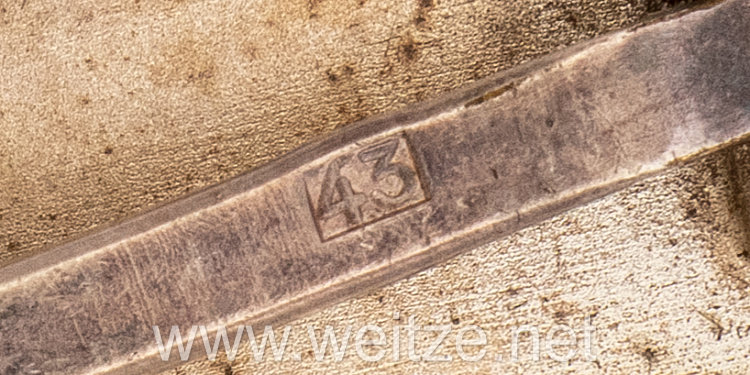
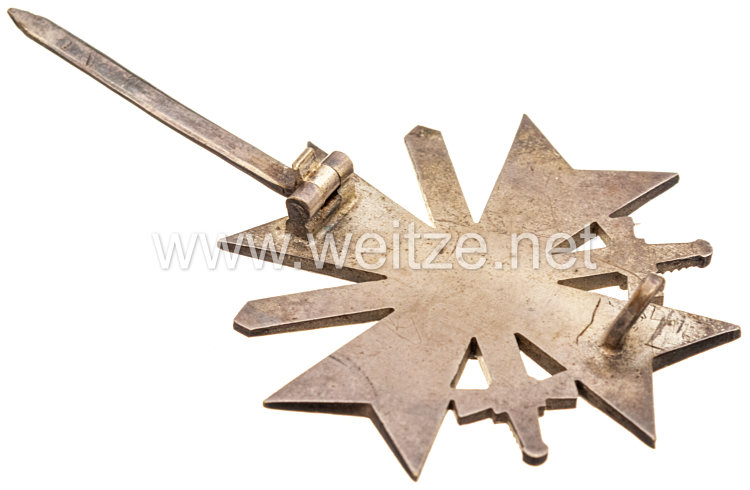
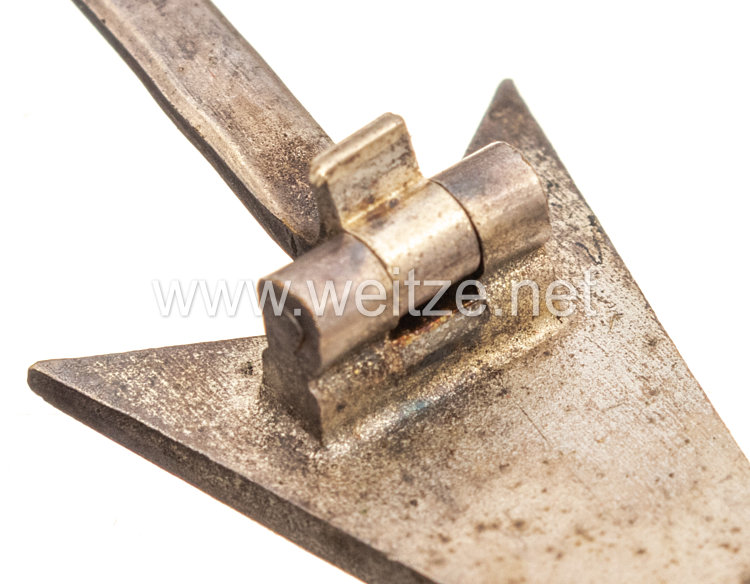
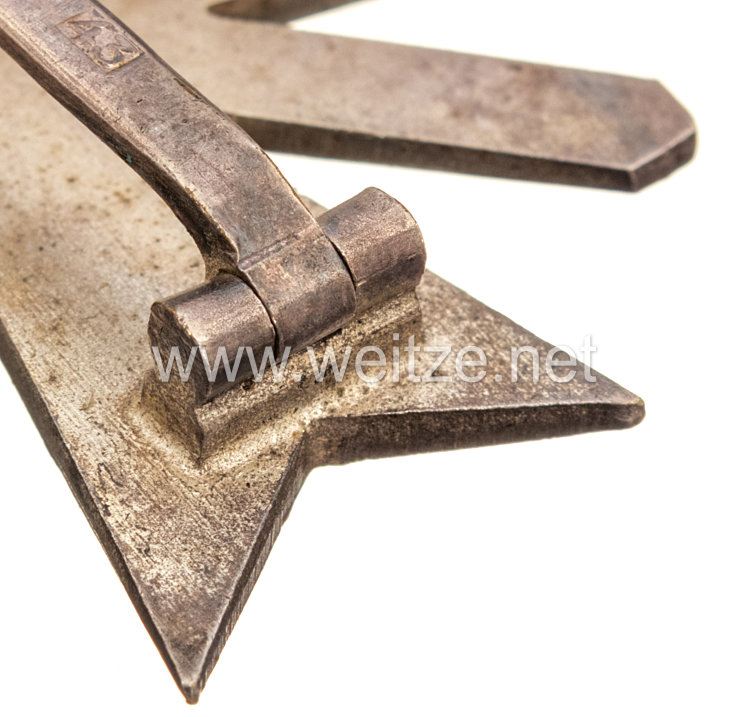
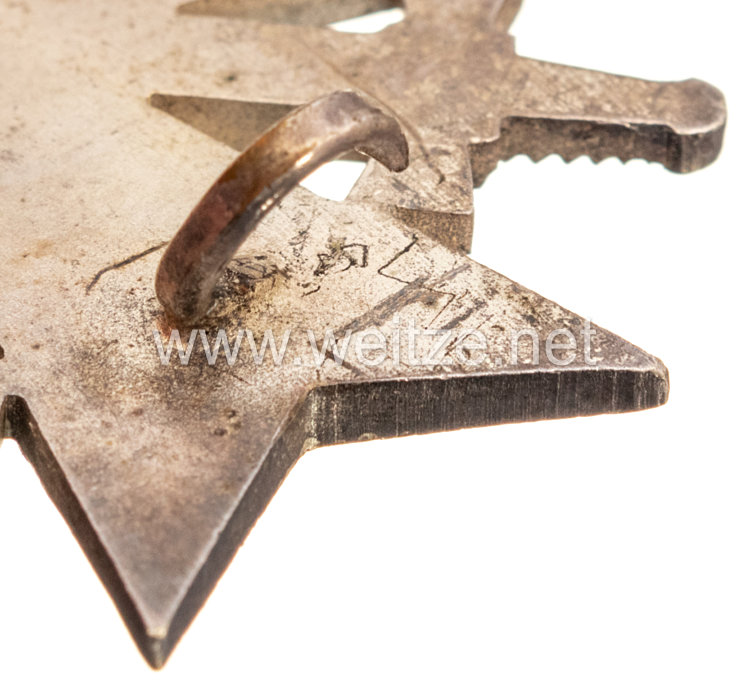
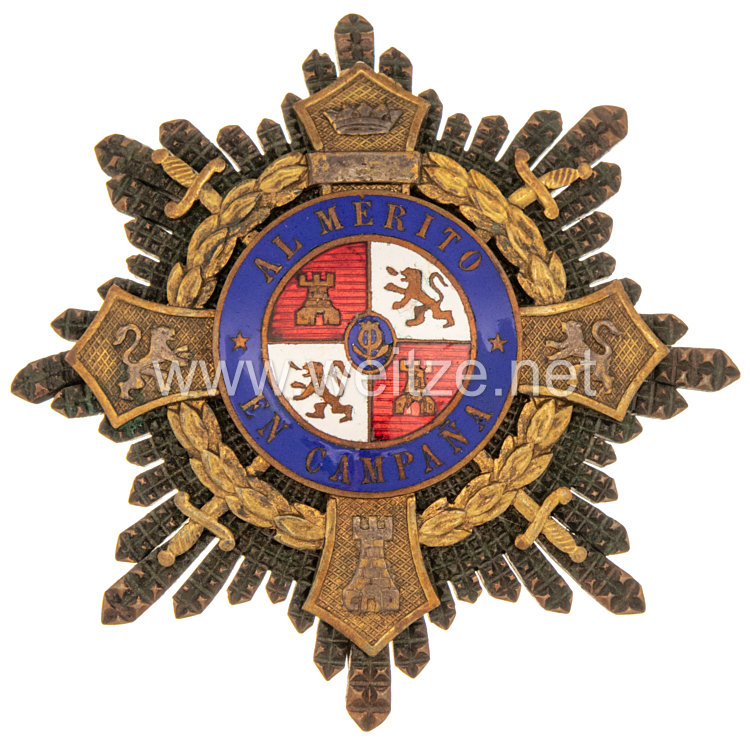
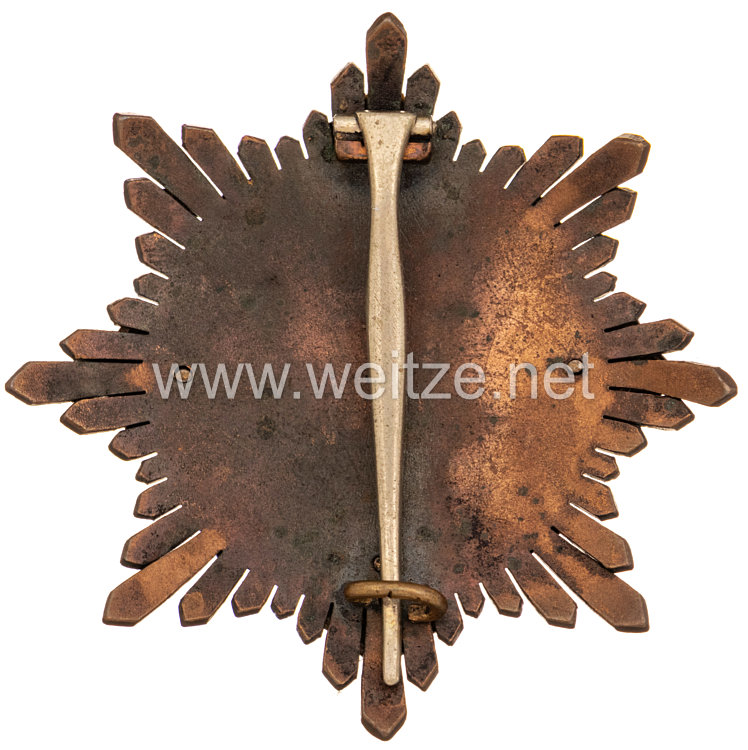
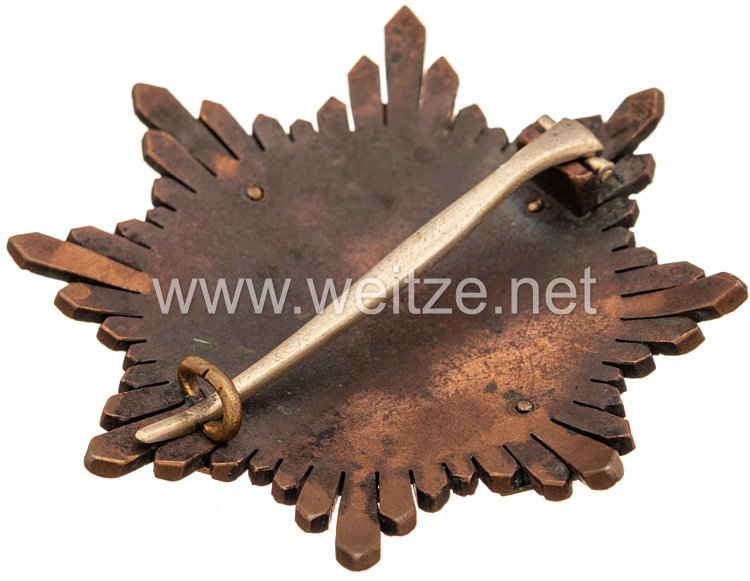
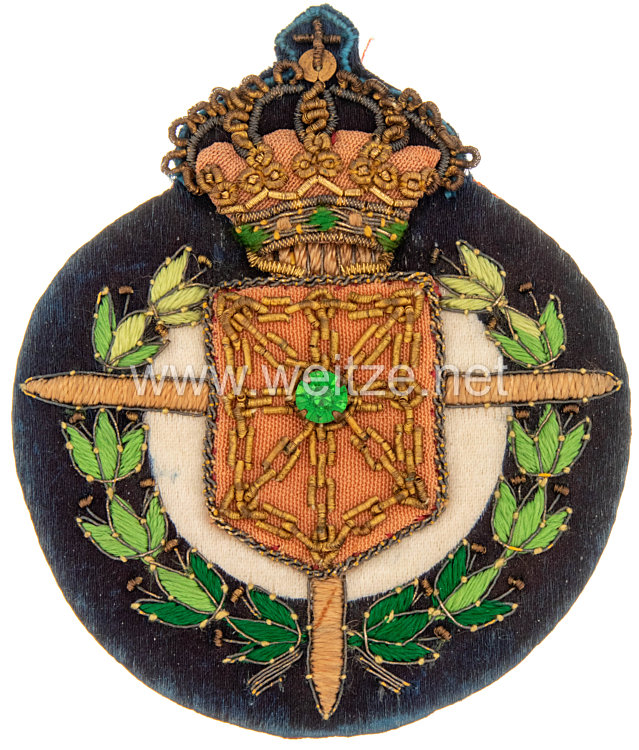
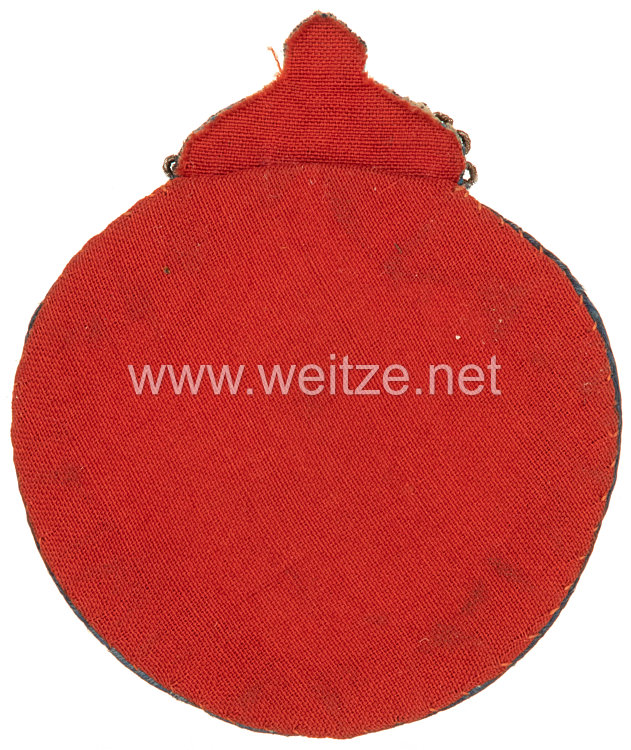
Spanienkreuz in Gold mit Schwertern. Es handelt sich hierbei um das verliehene Stück in Silber vergoldet, rückseitig gestempelt "900" Silber. Nur leicht getragen, die Vergoldung noch sehr gut erhalten. Spanien Siegesstern "Al Merito en Campana". Deutsche Fertigung, das Zentrum emailliert. Getragen, in gutem Zustand. Spanischer Bürgerkrieg Auszeichnung "Laureada Colectiva" für die Region von Navarra ( 14-11-1937). Eine kollektive Auszeichnung für alle Beteiligten an den Kämpfen, von Franco verliehen. Metallfaden handgestickte Ausführung, leicht getragen.
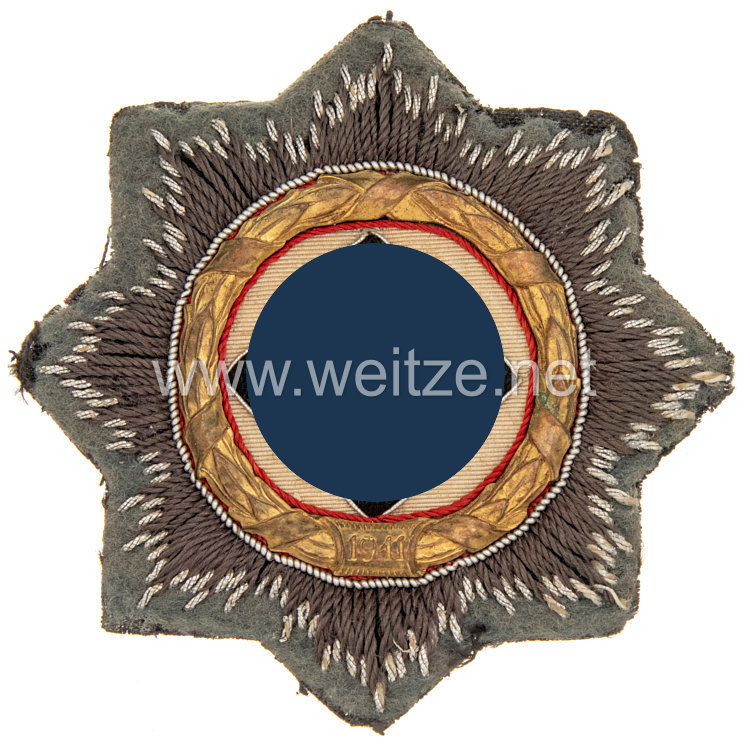
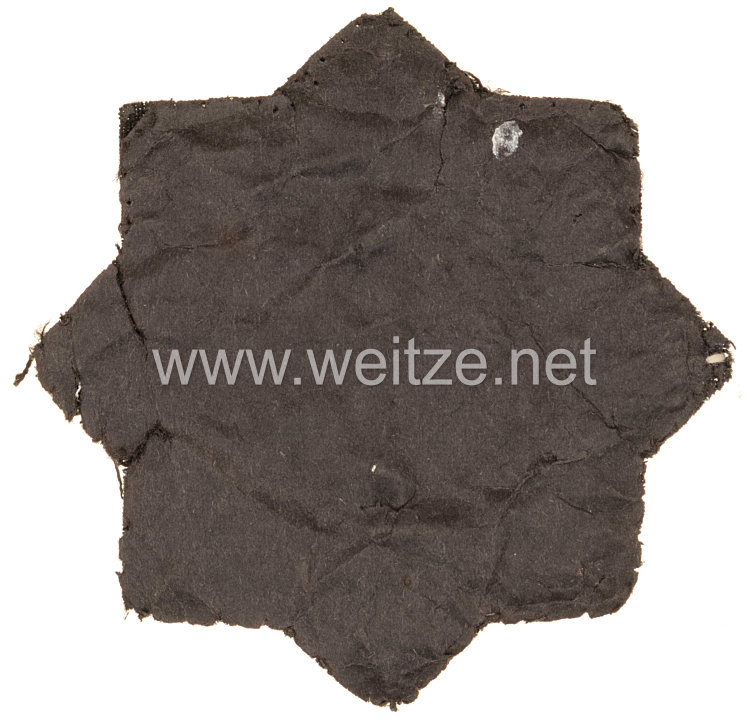
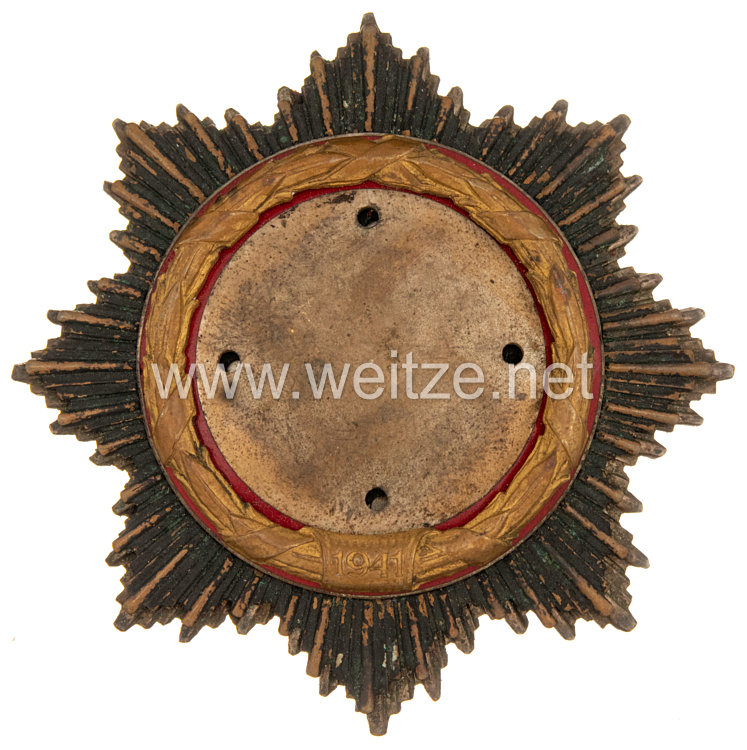
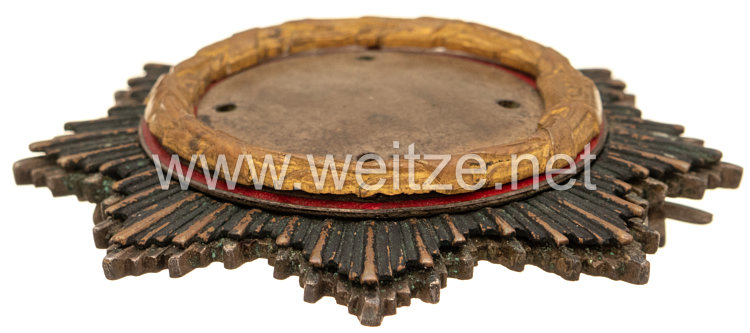
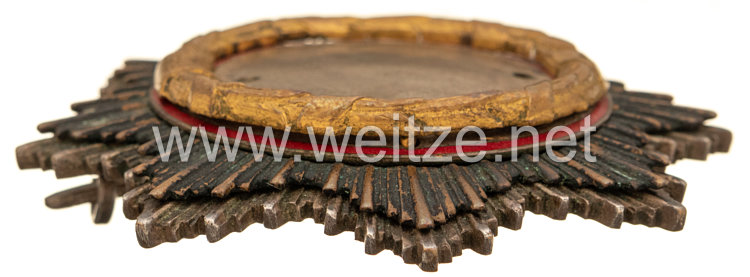
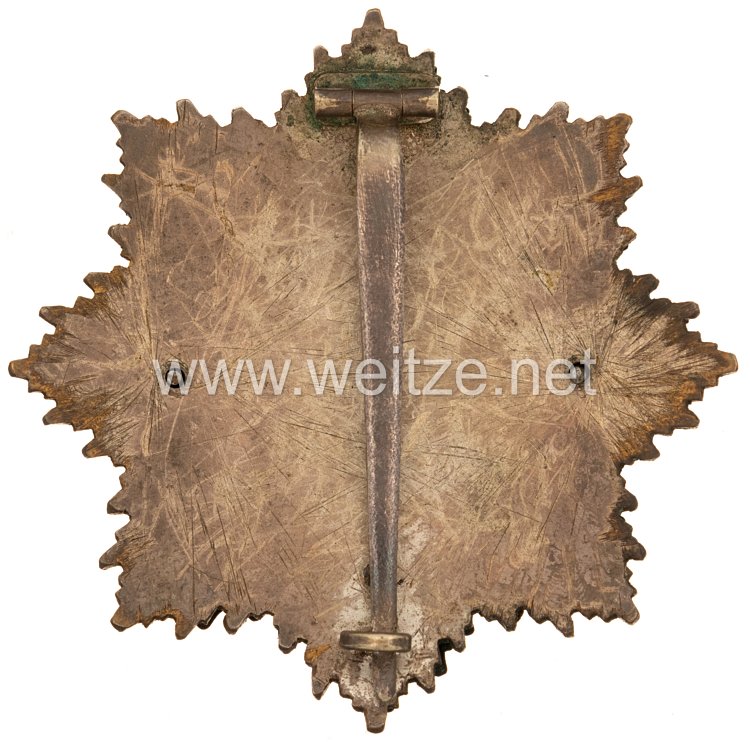
Deutsches Kreuz in Gold, Stoffausführung für die Feldbluse. Getragen, in gutem Zustand. Dazu das Stück in Metallausführung. General Lucht hat dieses in der US Kriegsgefangenschaft weitergetragen und hat das Hakenkreuz entfernt.
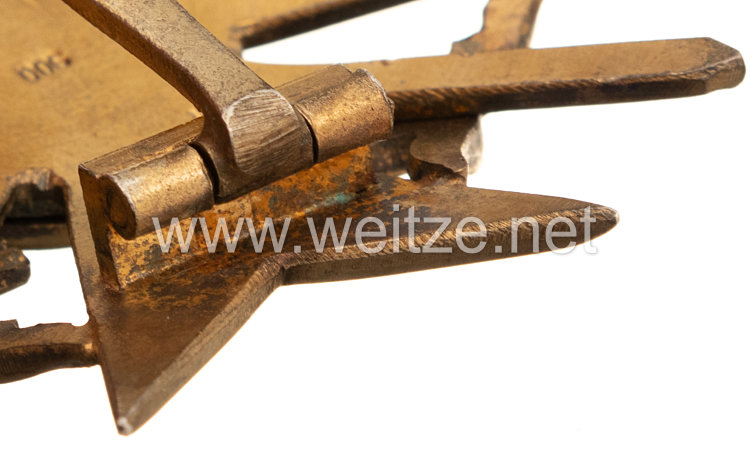
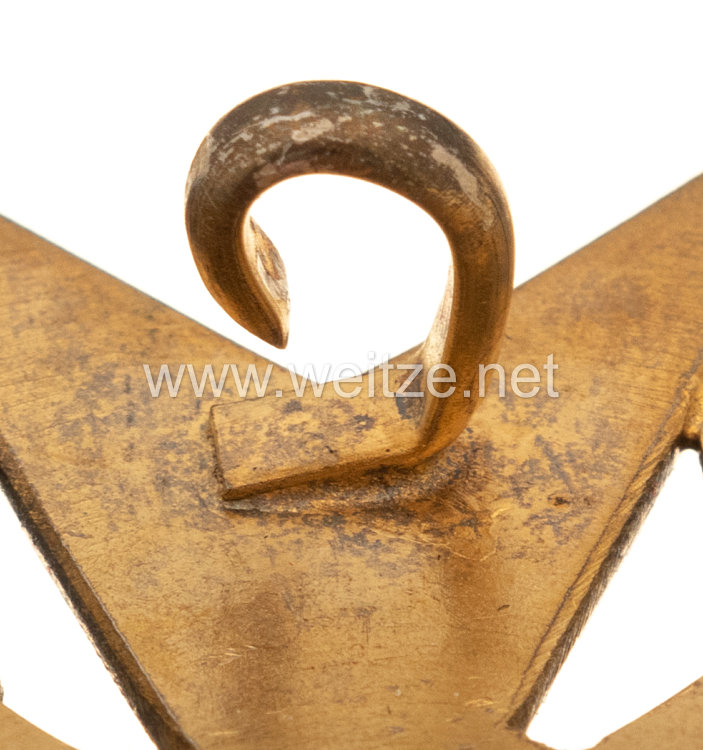
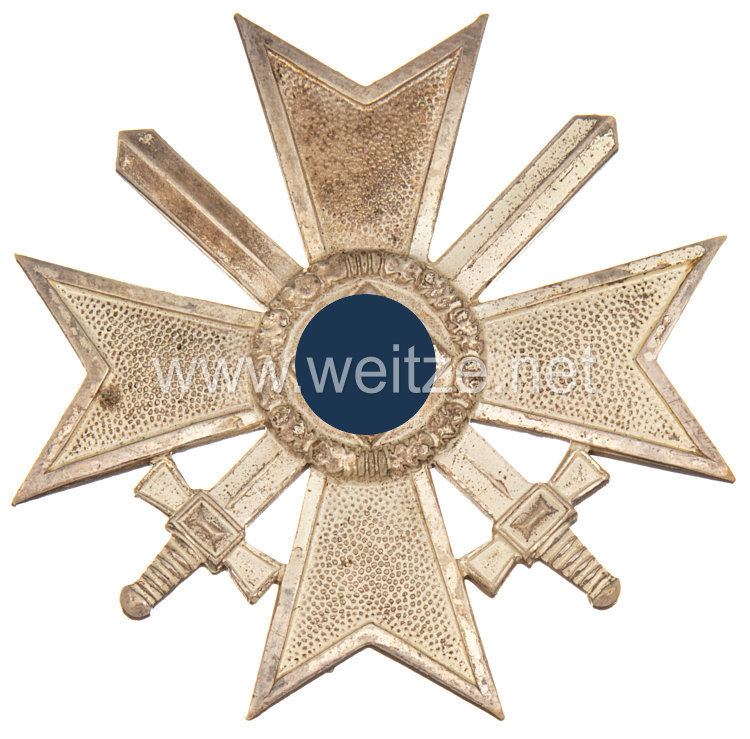
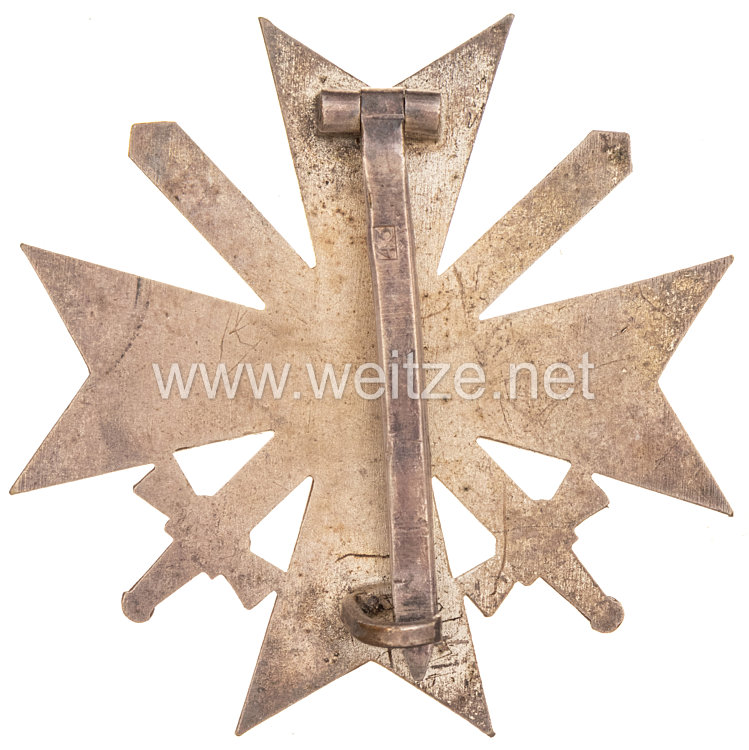
Kriegsverdienstkreuz 1939 1. Klasse mit Schwertern. Buntmetall versilbert. Leicht getragen.
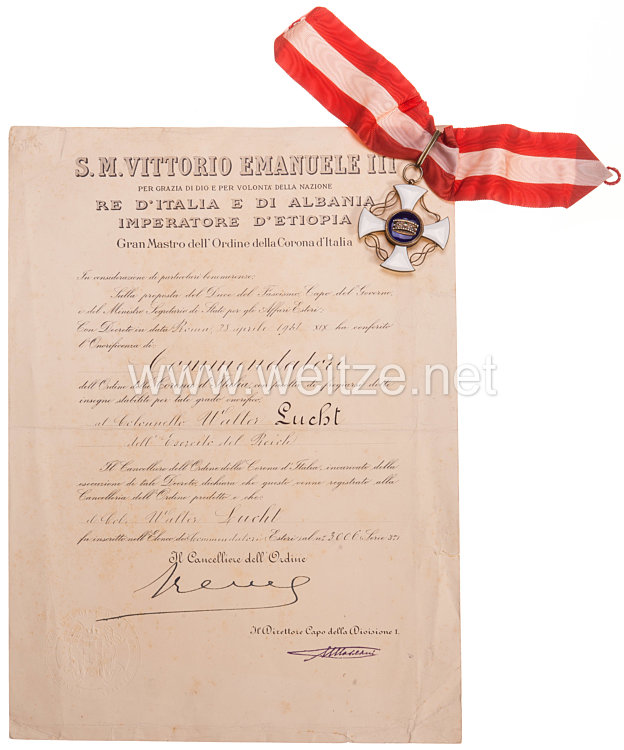
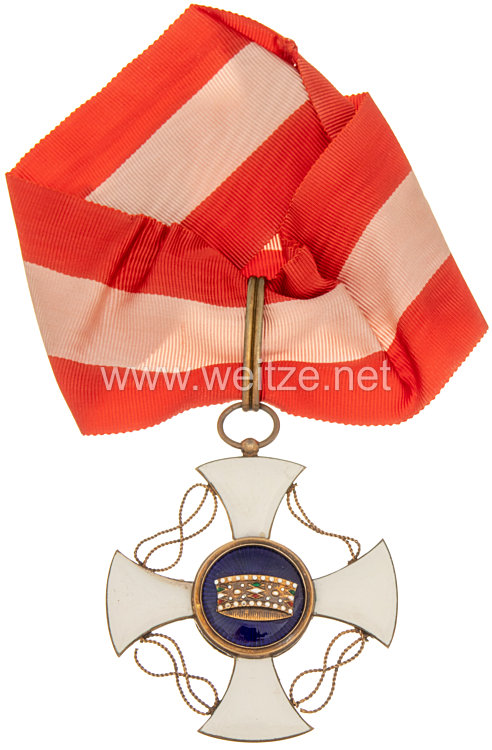
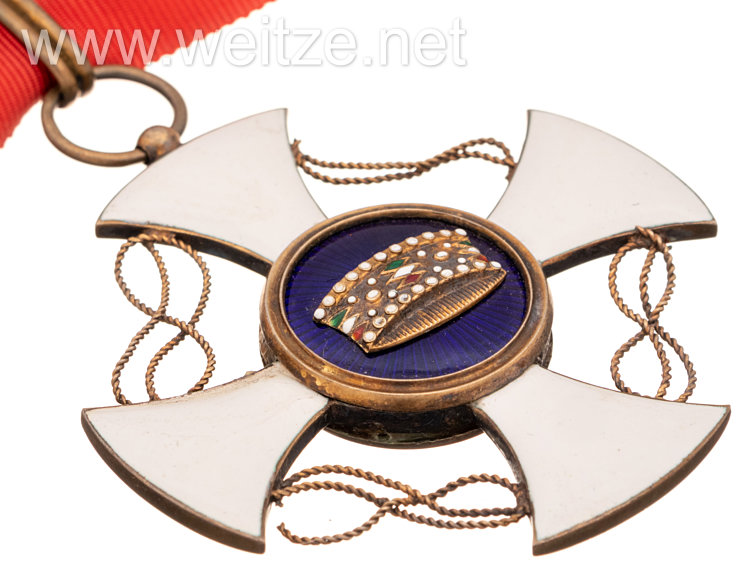
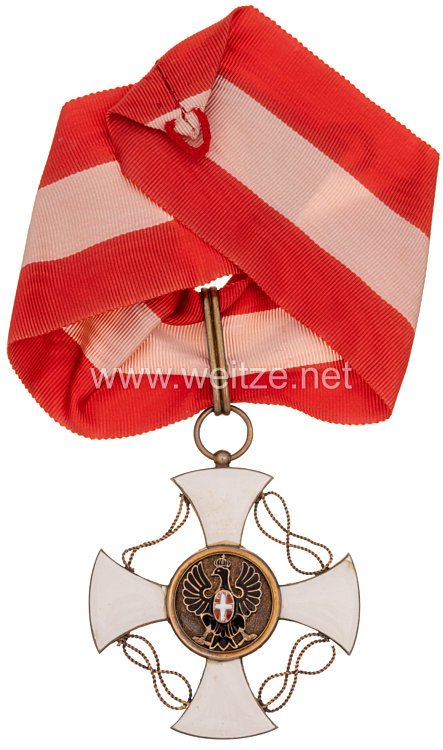
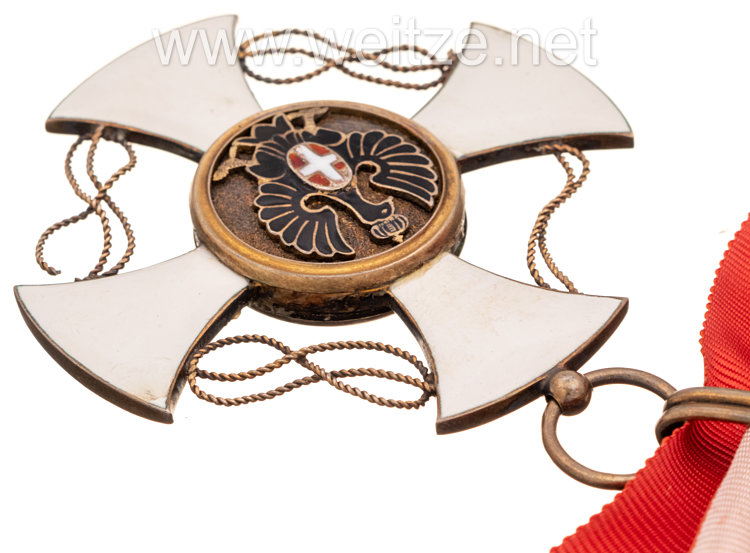
Italien Orden der "Krone von Italien", Kommandeurkreuz. Silber vergoldet, am langen Halsband. Getragenes Stück, oben rechts ein Zierknoten beschädigt. Dazu die großformatige Verleihungsurkunde, ausgestellt am 28.4.1941.
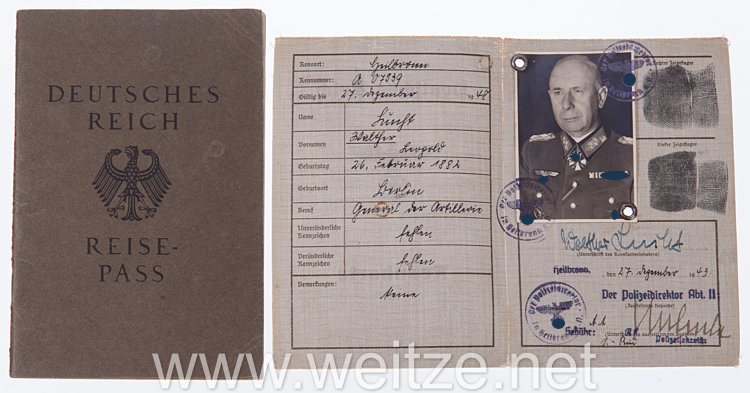
Deutsches Reich Kennkarte, ausgestellt am 27.12.1943 in Heilbronn, mit sehr schönem Uniformfoto mit voller Ordensdekoration: Ritterkreuz, Deutsches Kreuz in Gold, Ungarn Verdienstkreuz mit Schwertern.
Reisepass mit Zivilfoto, ausgestellt am 17.8.1936
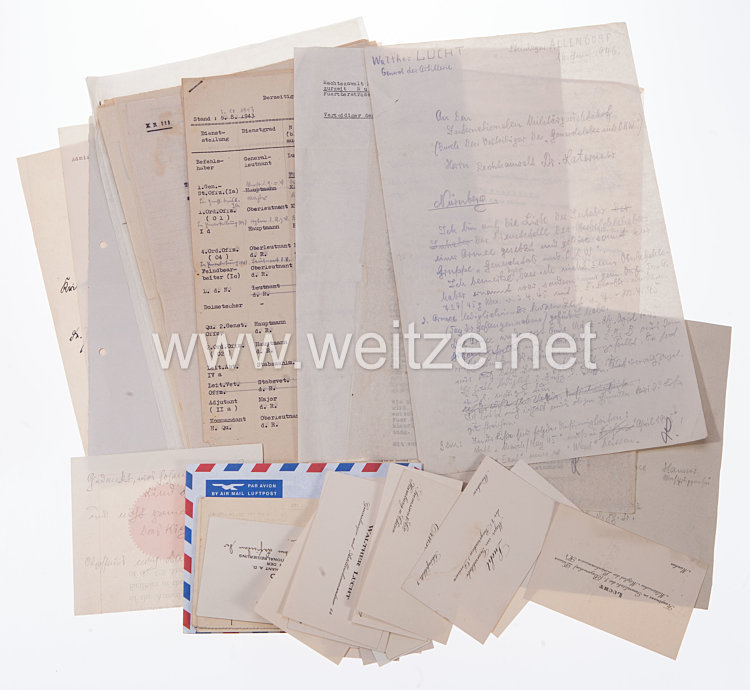
Weiterhin noch zahlreiche Fernschreiben und Briefe vor 1945 und dazu noch weitere von 1946-1948, z.B. ein Brief des Admiral Kwei Yun-Chin im Navy Headquarters Nanking in China vom 2.7.1946, Postkarten aus der Kriegsgefangenschaft. 20 Visitenkarten von ihm und weiteren Personen seines Umfeldes.
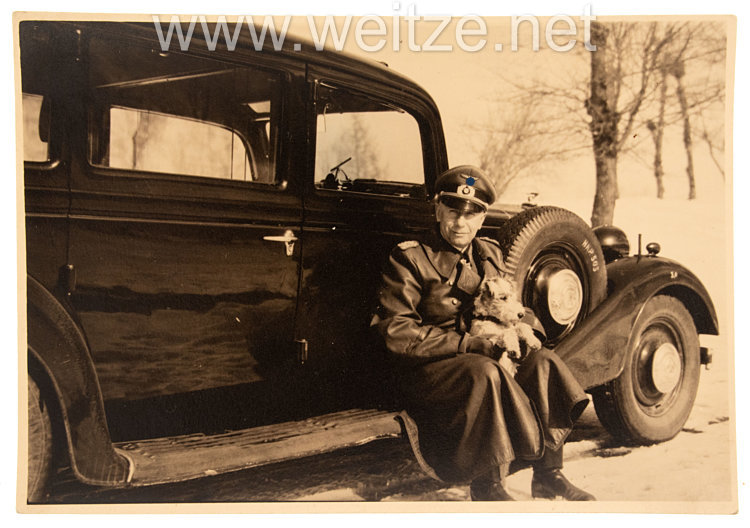
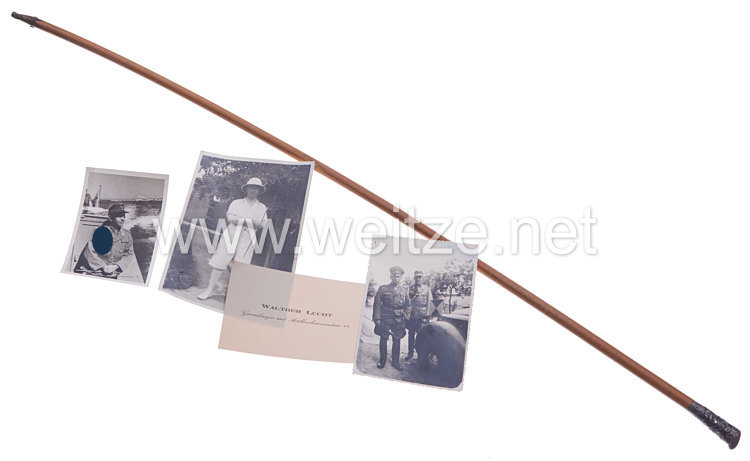
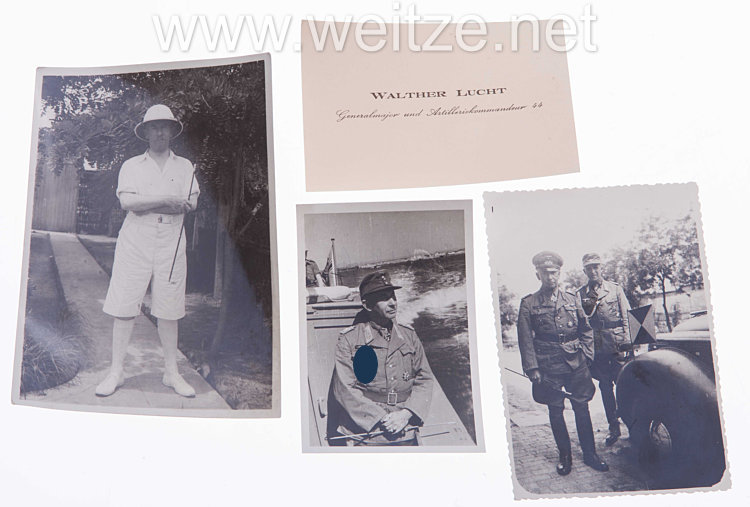
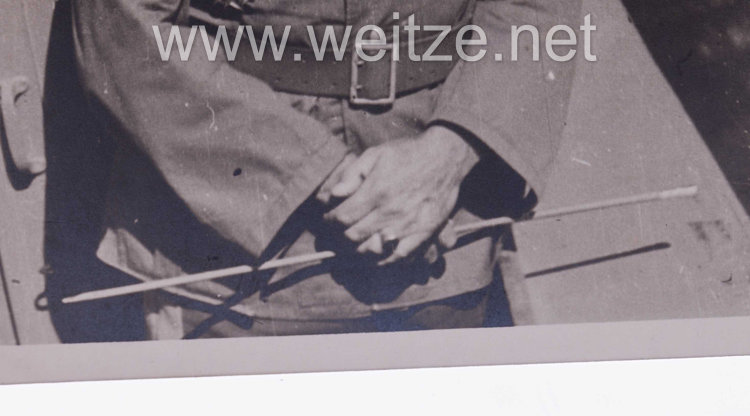
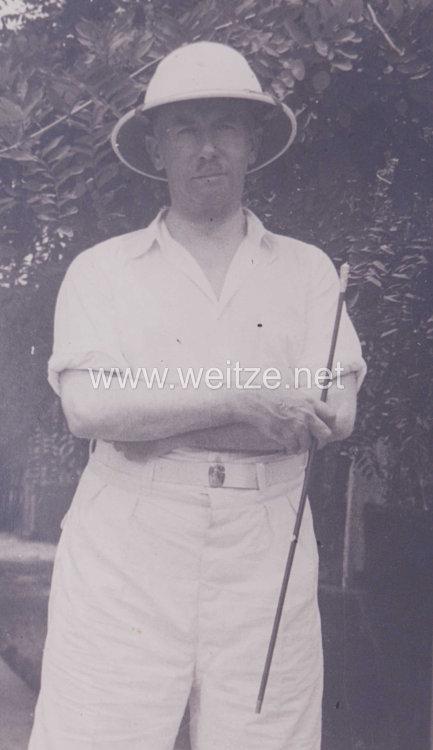
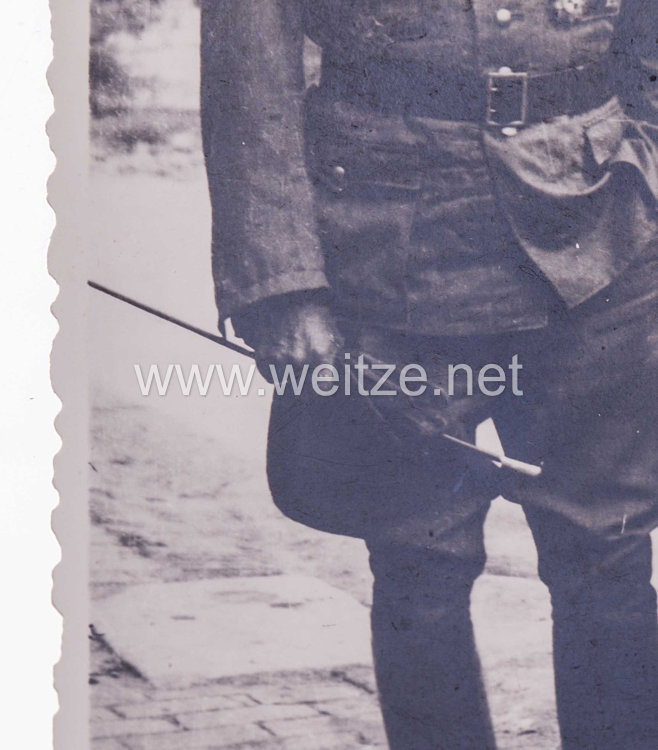
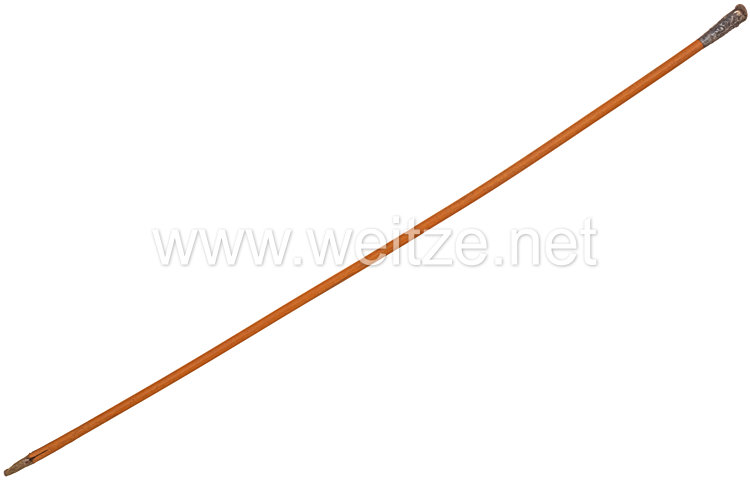
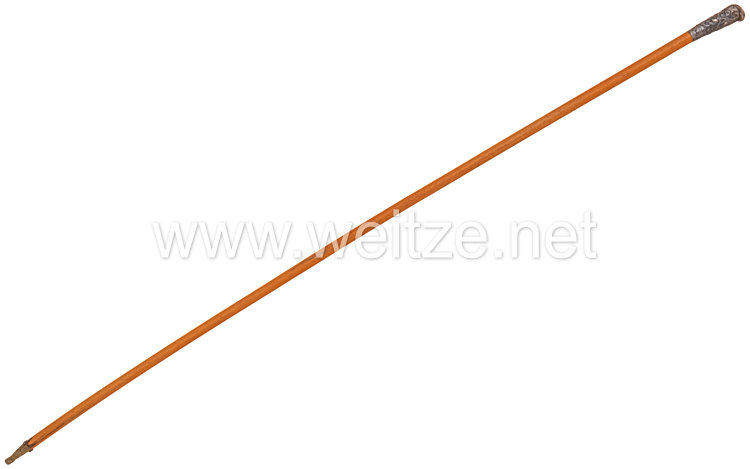
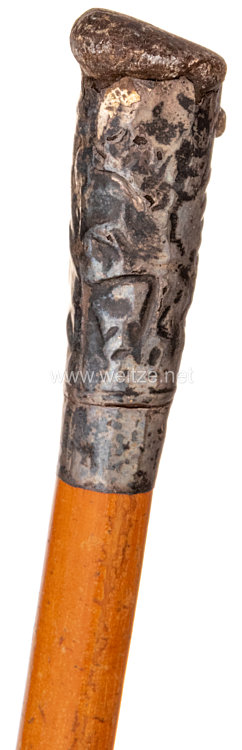
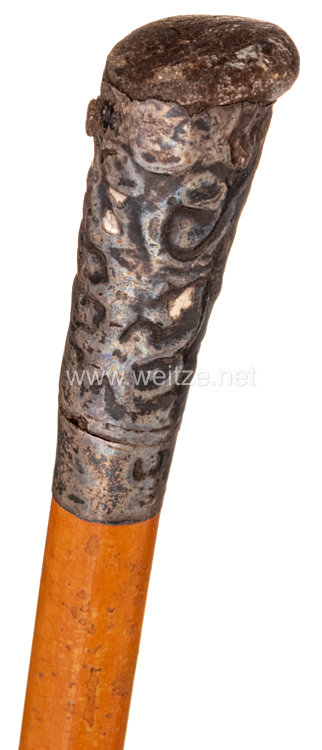
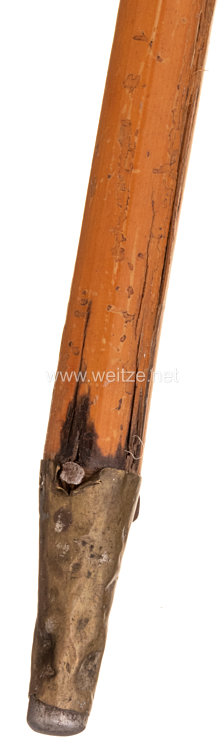
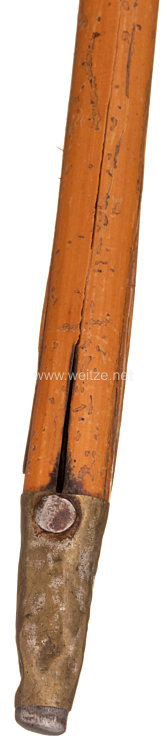
Persönlicher Offiziersstock. Reitgerte aus hellem Holz mit Silberknauf, Länge 66 cm. Dazu mehrere Fotos von General Lucht mit dem Stab in der Hand, unter anderem auf einem Schnellboot beim Verlassen der Krim, Überfahrt auf der Straße von Kertsch August 1943.
Fotos :
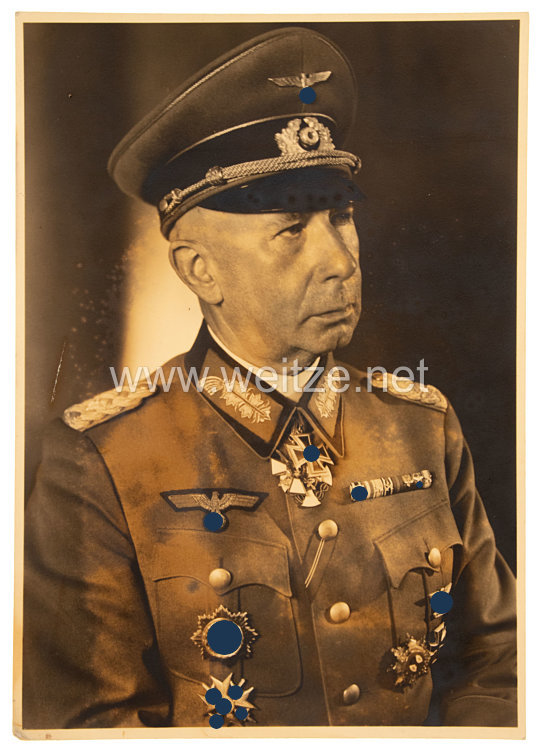
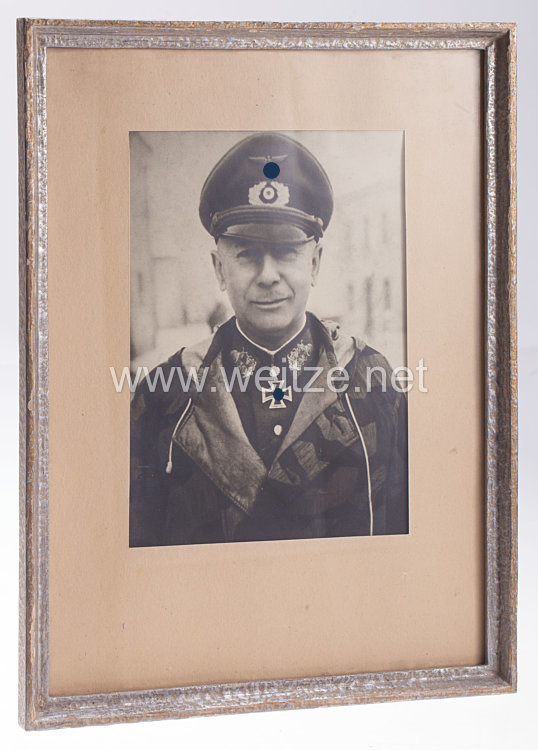
Großes gerahmtes Portraitfoto ( 27,5 x 37cm ) auf dem er das Ritterkreuz mit Eichenlaub trägt, in volle Uniform mit Wintertarnparka.
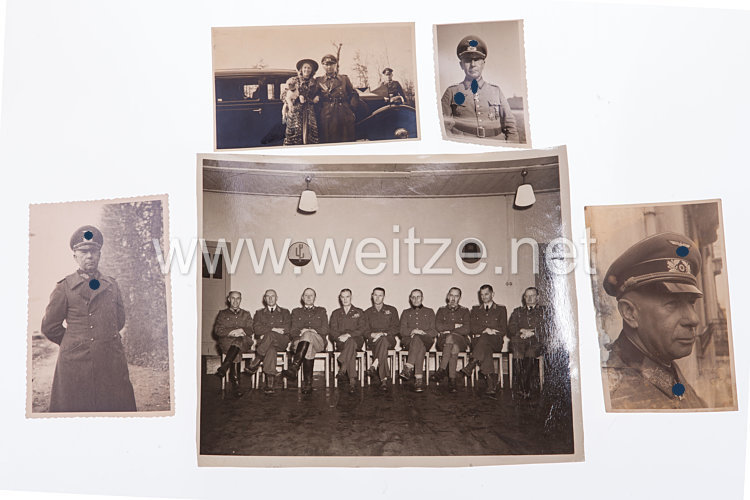
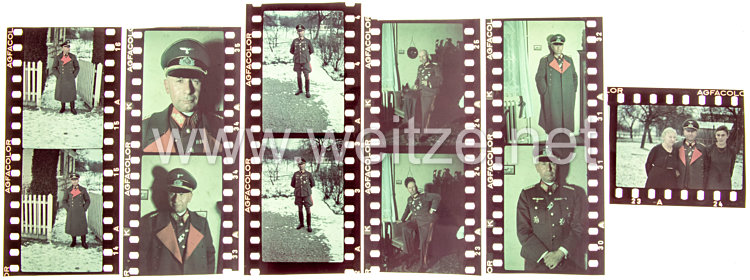
Gruppenfoto ( 20 x 24,5cm ) in US-Kriegsgefangenschaft mit den Offizieren der Historial Division in Oberursel am 23.2.1946. 57 Fotos in verschiedenen Formaten, meist militärisch, tolle Portraitfotos mit allen Auszeichnungen, Treffen mit Adolf Hitler, Treffen mit Generalfeldmarschall Model, weitere Ritterkreuzträger im Gefolge, etc. , 12 ungerahmte Farbdias (!!!) von Walter Lucht in voller Uniform, jedoch noch ohne Ritterkreuz.
Walther Lucht (* 26. Februar 1882 in Berlin; † 18. März 1949 in Heilbronn) war zuletzt General der Artillerie im Zweiten Weltkrieg.
9-jähriger Abiturient trat Lucht im Sommer 1901 als Fahnenjunker in das Fußartillerie-Regiment „von Linger“ (Ostpreußisches) Nr. 1 ein. Er wurde am 18. Oktober 1902 zum Leutnant befördert. In den Jahren 1907 bis 1910 war er als Bataillonsadjutant zuständig. Am 18. Oktober 1911 erfolgte die Beförderung zum Oberleutnant. Zu dieser Zeit diente er in der 8. Batterie. Bei Ausbruch des Ersten Weltkriegs war er an die Kriegsakademie in Berlin abkommandiert, kehrte aber sofort zu seinem Regiment zurück und ging als Batterieführer ins Feld. Am 4. November 1914 zum Hauptmann befördert, wurde er während des Krieges zu verschiedenen Generalstabsstellungen versetzt und diente zeitweilig auch als Bataillonskommandant.
Nach dem Krieg wurde er in die Reichswehr übernommen und gehörte dort dem 2. (Preußisches) Artillerie-Regiment an. Am 1. Oktober 1921 erfolgte die Versetzung ins Reichswehrministerium nach Berlin, wo er bis 1924 in der Heerestransportabteilung Dienst tat. Am 1. Dezember 1925 zum Major befördert, kam er 1925 zur 7. (Bayerische) Division, wo er zwei Jahre blieb, bis er 1927 zum Stab des Gruppenkommandos 1 versetzt wurde. 1929 wurde er Standortkommandant von Glogau und am 1. April 1930 Oberstleutnant. Am 31. März 1932 ging er in Pension.
Nach vierjährigem Ruhestand wurde er im Zuge der Truppenvermehrung wieder zum Wehrdienst eingezogen und stand zur Verfügung des Chefs des Generalstabs des Heeres. Im Oktober 1937 bis in den Sommer 1939 war er Artilleriekommandant der Legion Condor. Am 1. Juni 1938 zum Oberst befördert, übernahm er am 1. September 1939 den Befehl über das Artillerieregiment 215. Am 6. Februar 1940 wurde er zum Artilleriekommandeur 40 ernannt und in dieser Funktion am 17. Februar 1940 zum Generalmajor befördert. Im Sommer desselben Jahres wurde er mit der Wiederholungsspange des Eisernen Kreuzes ausgezeichnet. Nach einem kurzen Zwischenspiel als „Harko“ (höherer Artilleriekommandeur) 310 wurde Lucht ab dem 17. Februar 1942 mit der Führung der 336. Infanterie-Division beauftragt und wurde mit dem Deutschen Kreuz in Gold ausgezeichnet.
Am 1. November 1942 erfolgte seine Beförderung zum Generalleutnant. Am 30. Januar 1943 erhielt er für die erfolgreich geführten Abwehrkämpfe im Dongebiet das Ritterkreuz des Eisernen Kreuzes. Am 22. Juli 1943 zum Befehlshaber im Abschnitt der Straße von Kertsch ernannt, wurde er am 1. Oktober 1943 zum General der Artillerie befördert. Am 1. November 1943 übernahm er das Kommando des LXVI. Armeekorps. Am 9. Januar 1945 erhielt er für seine Leistungen bei der Ardennenoffensive das Eichenlaub zum Ritterkreuz.
Anfang März 1945 galt er im Kessel der 15. Armee als vermisst, konnte sich aber mit wenigen hundert Soldaten zu den eigenen Linien durchschlagen. Im April 1945 noch zum Befehlshaber der im Raum Kassel neu aufzustellenden 11. Armee bestimmt, wurde er bei Kriegsende mit seinen Truppen in der "Harzfestung" eingekesselt und ergab sich in der Nähe von Blankenburg den US-Amerikanern.
1948 wurde er aus der Kriegsgefangenschaft entlassen und starb ein Jahr darauf bei einem Autounfall.
Der Nachlass ist 100% zusammengehörig und in allen Teilen original, es wurde nichts nach 1945 hinzugefügt. Hierfür geben wir unsere lebenslange Echtheits-Garantie.
Große Ordensschnalle mit 9 Auszeichnungen: Eisernes Kreuz 1914 2. Klasse mit aufgelegter Wiederholungsspange "1939" als Reduktion. Medaille Winterschlacht im Osten. Hamburg Hanseatenkreuz 1914. K.u.K. Monarchie Militär-Verdienstorden 3. Klasse mit Kriegsdekoration. Ehrenkreuz für Frontkämpfer 1914-18. Wehrmacht Dienstauszeichnungen für 25 und 12 Jahre mit Bandadlern. Spanien Erinnerungsmedaille an den Spanischen Bürgerkrieg 1916-1939. Dazu die passende Feldschnalle. General Lucht hat diese in der US Kriegsgefangenschaft weitergetragen und hat die Auflagen mit Hakenkreuz entfernt.
Spanienkreuz in Gold mit Schwertern. Es handelt sich hierbei um das verliehene Stück in Silber vergoldet, rückseitig gestempelt "900" Silber. Nur leicht getragen, die Vergoldung noch sehr gut erhalten. Spanien Siegesstern "Al Merito en Campana". Deutsche Fertigung, das Zentrum emailliert. Getragen, in gutem Zustand. Spanischer Bürgerkrieg Auszeichnung "Laureada Colectiva" für die Region von Navarra ( 14-11-1937). Eine kollektive Auszeichnung für alle Beteiligten an den Kämpfen, von Franco verliehen. Metallfaden handgestickte Ausführung, leicht getragen.
Deutsches Kreuz in Gold, Stoffausführung für die Feldbluse. Getragen, in gutem Zustand. Dazu das Stück in Metallausführung. General Lucht hat dieses in der US Kriegsgefangenschaft weitergetragen und hat das Hakenkreuz entfernt.
Kriegsverdienstkreuz 1939 1. Klasse mit Schwertern. Buntmetall versilbert. Leicht getragen.
Italien Orden der "Krone von Italien", Kommandeurkreuz. Silber vergoldet, am langen Halsband. Getragenes Stück, oben rechts ein Zierknoten beschädigt. Dazu die großformatige Verleihungsurkunde, ausgestellt am 28.4.1941.
Deutsches Reich Kennkarte, ausgestellt am 27.12.1943 in Heilbronn, mit sehr schönem Uniformfoto mit voller Ordensdekoration: Ritterkreuz, Deutsches Kreuz in Gold, Ungarn Verdienstkreuz mit Schwertern.
Reisepass mit Zivilfoto, ausgestellt am 17.8.1936
Weiterhin noch zahlreiche Fernschreiben und Briefe vor 1945 und dazu noch weitere von 1946-1948, z.B. ein Brief des Admiral Kwei Yun-Chin im Navy Headquarters Nanking in China vom 2.7.1946, Postkarten aus der Kriegsgefangenschaft. 20 Visitenkarten von ihm und weiteren Personen seines Umfeldes.
Persönlicher Offiziersstock. Reitgerte aus hellem Holz mit Silberknauf, Länge 66 cm. Dazu mehrere Fotos von General Lucht mit dem Stab in der Hand, unter anderem auf einem Schnellboot beim Verlassen der Krim, Überfahrt auf der Straße von Kertsch August 1943.
Fotos :
Großes gerahmtes Portraitfoto ( 27,5 x 37cm ) auf dem er das Ritterkreuz mit Eichenlaub trägt, in volle Uniform mit Wintertarnparka.
Gruppenfoto ( 20 x 24,5cm ) in US-Kriegsgefangenschaft mit den Offizieren der Historial Division in Oberursel am 23.2.1946. 57 Fotos in verschiedenen Formaten, meist militärisch, tolle Portraitfotos mit allen Auszeichnungen, Treffen mit Adolf Hitler, Treffen mit Generalfeldmarschall Model, weitere Ritterkreuzträger im Gefolge, etc. , 12 ungerahmte Farbdias (!!!) von Walter Lucht in voller Uniform, jedoch noch ohne Ritterkreuz.
Walther Lucht (* 26. Februar 1882 in Berlin; † 18. März 1949 in Heilbronn) war zuletzt General der Artillerie im Zweiten Weltkrieg.
9-jähriger Abiturient trat Lucht im Sommer 1901 als Fahnenjunker in das Fußartillerie-Regiment „von Linger“ (Ostpreußisches) Nr. 1 ein. Er wurde am 18. Oktober 1902 zum Leutnant befördert. In den Jahren 1907 bis 1910 war er als Bataillonsadjutant zuständig. Am 18. Oktober 1911 erfolgte die Beförderung zum Oberleutnant. Zu dieser Zeit diente er in der 8. Batterie. Bei Ausbruch des Ersten Weltkriegs war er an die Kriegsakademie in Berlin abkommandiert, kehrte aber sofort zu seinem Regiment zurück und ging als Batterieführer ins Feld. Am 4. November 1914 zum Hauptmann befördert, wurde er während des Krieges zu verschiedenen Generalstabsstellungen versetzt und diente zeitweilig auch als Bataillonskommandant.
Nach dem Krieg wurde er in die Reichswehr übernommen und gehörte dort dem 2. (Preußisches) Artillerie-Regiment an. Am 1. Oktober 1921 erfolgte die Versetzung ins Reichswehrministerium nach Berlin, wo er bis 1924 in der Heerestransportabteilung Dienst tat. Am 1. Dezember 1925 zum Major befördert, kam er 1925 zur 7. (Bayerische) Division, wo er zwei Jahre blieb, bis er 1927 zum Stab des Gruppenkommandos 1 versetzt wurde. 1929 wurde er Standortkommandant von Glogau und am 1. April 1930 Oberstleutnant. Am 31. März 1932 ging er in Pension.
Nach vierjährigem Ruhestand wurde er im Zuge der Truppenvermehrung wieder zum Wehrdienst eingezogen und stand zur Verfügung des Chefs des Generalstabs des Heeres. Im Oktober 1937 bis in den Sommer 1939 war er Artilleriekommandant der Legion Condor. Am 1. Juni 1938 zum Oberst befördert, übernahm er am 1. September 1939 den Befehl über das Artillerieregiment 215. Am 6. Februar 1940 wurde er zum Artilleriekommandeur 40 ernannt und in dieser Funktion am 17. Februar 1940 zum Generalmajor befördert. Im Sommer desselben Jahres wurde er mit der Wiederholungsspange des Eisernen Kreuzes ausgezeichnet. Nach einem kurzen Zwischenspiel als „Harko“ (höherer Artilleriekommandeur) 310 wurde Lucht ab dem 17. Februar 1942 mit der Führung der 336. Infanterie-Division beauftragt und wurde mit dem Deutschen Kreuz in Gold ausgezeichnet.
Am 1. November 1942 erfolgte seine Beförderung zum Generalleutnant. Am 30. Januar 1943 erhielt er für die erfolgreich geführten Abwehrkämpfe im Dongebiet das Ritterkreuz des Eisernen Kreuzes. Am 22. Juli 1943 zum Befehlshaber im Abschnitt der Straße von Kertsch ernannt, wurde er am 1. Oktober 1943 zum General der Artillerie befördert. Am 1. November 1943 übernahm er das Kommando des LXVI. Armeekorps. Am 9. Januar 1945 erhielt er für seine Leistungen bei der Ardennenoffensive das Eichenlaub zum Ritterkreuz.
Anfang März 1945 galt er im Kessel der 15. Armee als vermisst, konnte sich aber mit wenigen hundert Soldaten zu den eigenen Linien durchschlagen. Im April 1945 noch zum Befehlshaber der im Raum Kassel neu aufzustellenden 11. Armee bestimmt, wurde er bei Kriegsende mit seinen Truppen in der "Harzfestung" eingekesselt und ergab sich in der Nähe von Blankenburg den US-Amerikanern.
1948 wurde er aus der Kriegsgefangenschaft entlassen und starb ein Jahr darauf bei einem Autounfall.
Der Nachlass ist 100% zusammengehörig und in allen Teilen original, es wurde nichts nach 1945 hinzugefügt. Hierfür geben wir unsere lebenslange Echtheits-Garantie.