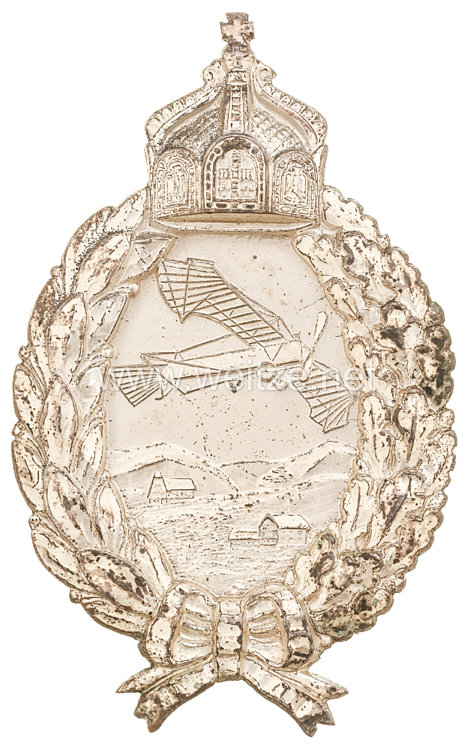
German Reich Pilot's Badge

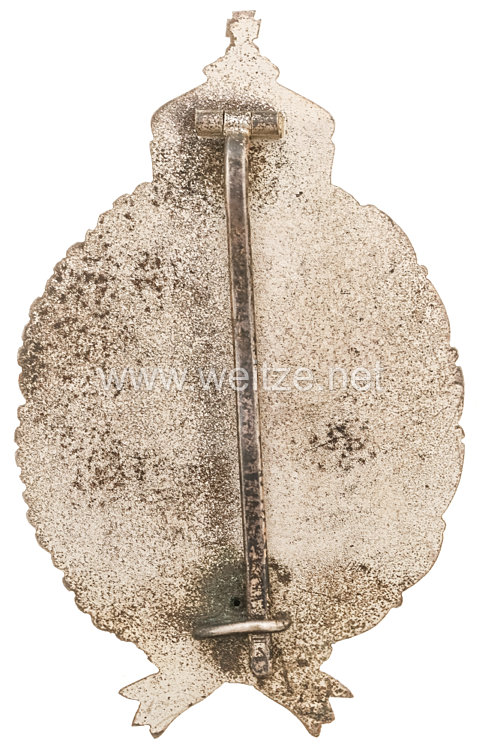
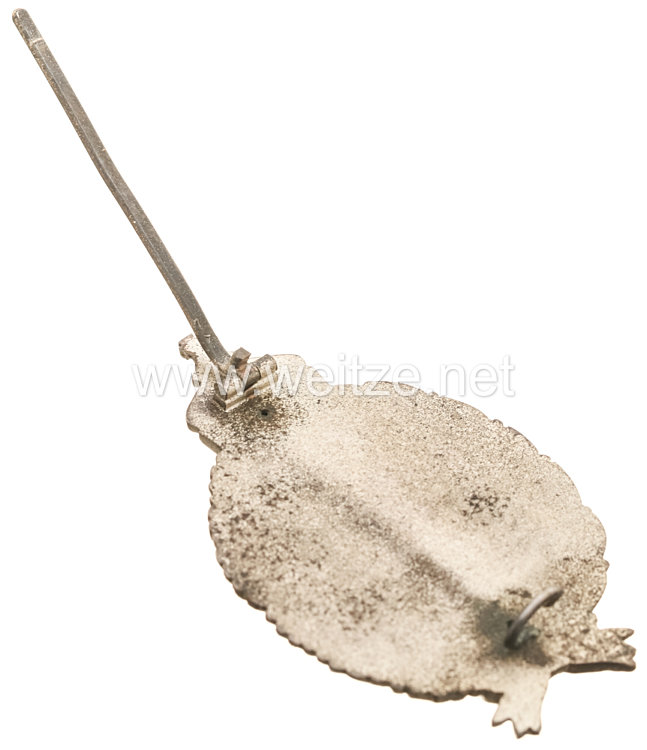
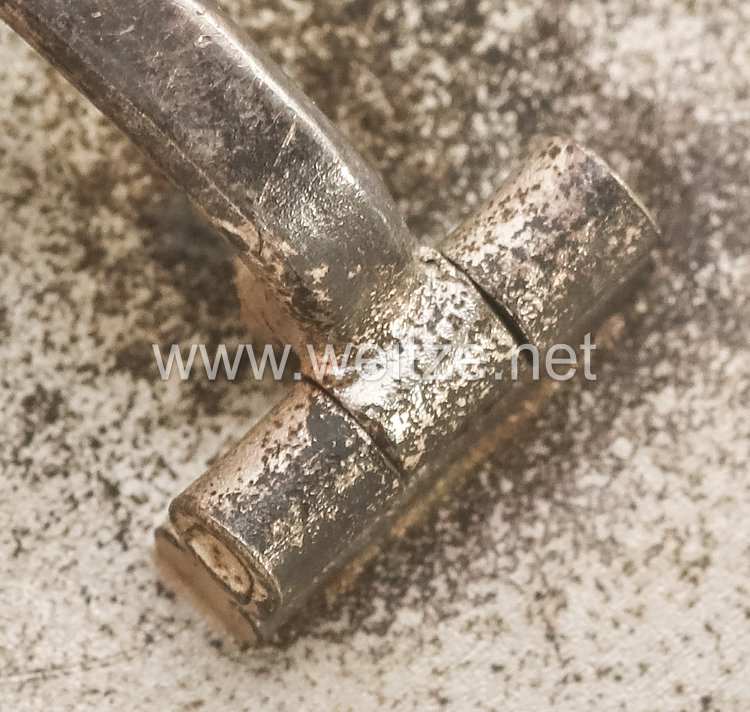
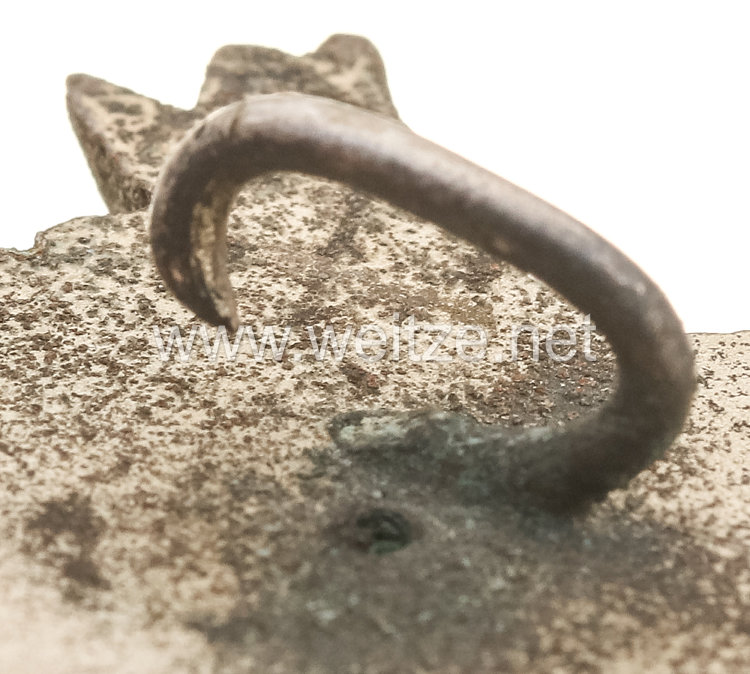
Manufactured by B.H Mayer of Pforzheim from the 1930s. Hollow non-ferrous metal construction, silver-plated, with polished edges, pin back, condition 2
263819
850,00

German Reich Pilot's Badge

The Pilot's Badge of the German Reich represents one of the most significant military decorations in German aviation history. This particular example was manufactured by the renowned firm B.H. Mayer from Pforzheim during the 1930s and exemplifies the high craftsmanship quality of German decoration manufacturers of that era.

The Pilot's Badge was first introduced on January 27, 1913 by Kaiser Wilhelm II, making Germany one of the first nations to create a special award for military pilots. After World War I and the restrictions of the Treaty of Versailles, the badge was reintroduced with the re-establishment of German air forces in the 1930s. The Luftwaffe was officially founded on February 26, 1935, bringing with it a new generation of pilot badges.

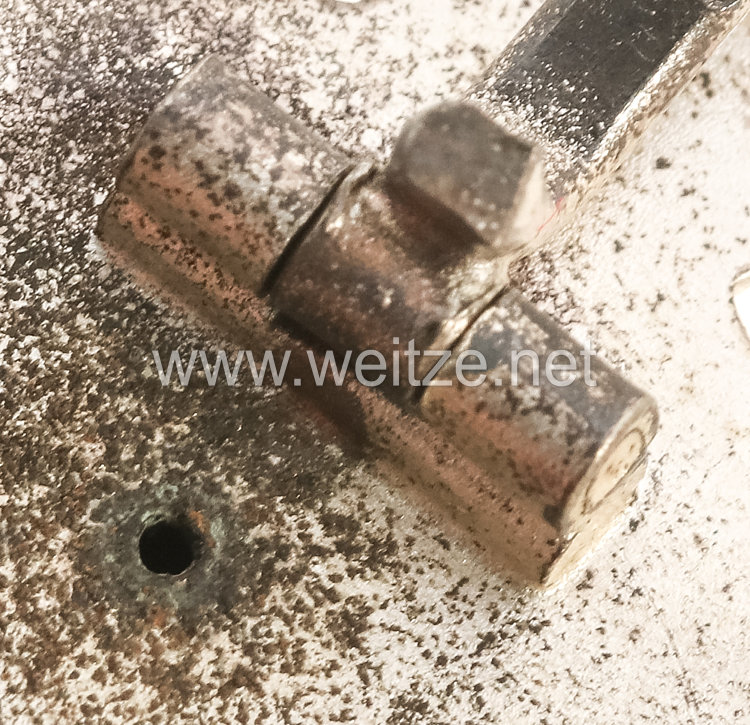
The technical execution of this specimen displays the characteristic features of Pforzheim jewelry manufacturing. The badge was hollow-struck from base metal and subsequently silver-plated - an elaborate process that guaranteed both stability and a noble appearance. The polished edges give the piece its typical luster and emphasize the design details. The reverse pin attachment enabled secure fastening to the uniform.

B.H. Mayer Pforzheim was among the most important manufacturers of military decorations in the German Reich. The city of Pforzheim had developed into a center of jewelry and medal industry since the 18th century. Companies like B.H. Mayer supplied not only military authorities but also produced civil awards and badges of honor. The quality of their products was widely recognized, reflected in the precise workmanship and attention to detail in their pieces.

The design of the Pilot's Badge followed a long tradition. It typically featured a silver eagle with outstretched wings grasping a wreath - a motif symbolizing power, freedom, and military excellence. This iconographic element connected the new branch of air forces with traditional German military symbols.

The award criteria for the Pilot's Badge were strictly regulated. Candidates had to complete comprehensive flight training that included theoretical and practical examinations. After successful completion of pilot school and demonstration of appropriate flight experience, the badge was awarded. It was worn on the left breast of the uniform and identified its wearer as a qualified pilot.

The 1930s marked a period of rapid development in German military aviation. With the lifting of Versailles restrictions, the Luftwaffe expanded quickly. New aircraft types were developed, flight schools established rapidly, and thousands of young men were trained as pilots. The Pilot's Badge became the symbol of this new, modern branch of service.

The condition grade 2 of this specimen indicates very good preservation. In numismatic and militaria collecting terminology, this means the piece shows only minor signs of wear and has largely retained its original quality. This is remarkable for an object nearly a century old that was presumably worn.

From a collecting-historical perspective, such badges represent important testimonies to military and technological history. They document not only the development of aviation but also the social significance attributed to pilots in that era. The Pilot's Badge was more than a military decoration - it was a status symbol embodying courage, technical competence, and modernity.

Manufacturing by B.H. Mayer guarantees the authenticity and quality of this piece. Many manufacturers of that period are well-known today and their products well-documented, facilitating the historical classification and evaluation of such objects. The hollow striking and silver plating were technically demanding processes requiring special skills that Pforzheim manufacturers had mastered.

The historical significance of such pilot badges extends beyond their role as military awards. They represent a pivotal moment in military history when aviation transformed from an experimental novelty into a decisive factor in warfare. The men who wore these badges were pioneers of a new form of combat, and the badges themselves became powerful symbols of technological progress and national pride during a transformative period in European history.