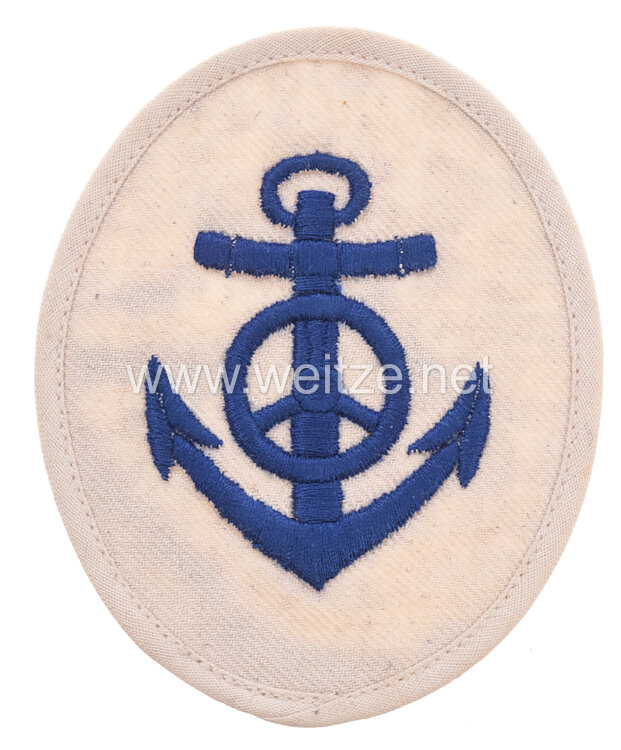
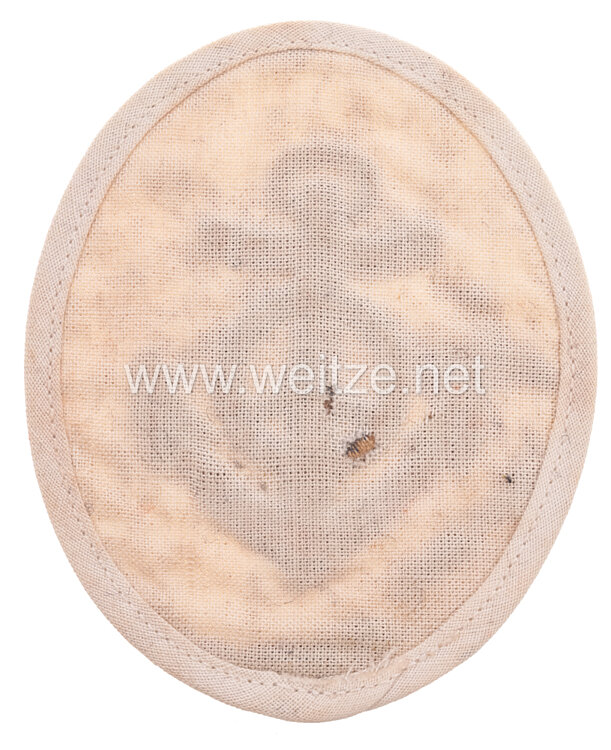
Kriegsmarine Sleeve Insignia Career Path Motor Vehicle Petty Officer
The Kriegsmarine sleeve badge for Kraftfahrmaat (motor vehicle petty officer) represents a fascinating element of German naval uniform regulations during World War II. These machine-embroidered badges were worn on the white shirt and identified the specific career track of a naval serviceman within the complex hierarchy of the Kriegsmarine.
The Kriegsmarine, established in 1935 following Germany's official repudiation of the Treaty of Versailles, developed an elaborate system of rank insignia and career track identifiers. The term Kraftfahrmaat designates a petty officer in the motor vehicle career track, responsible for operating and maintaining the Navy's land vehicles. This position was particularly important for naval bases, coastal fortifications, and the logistical support of the fleet on land.
The Kriegsmarine's career track system distinguished various specializations, which were identified by specific sleeve badges. These career track badges (Laufbahnabzeichen) were worn on the upper arm and indicated the respective specialty through their symbolism. For motor vehicle personnel, this typically featured a crossed steering wheel or similar automotive symbols, precisely defined in naval uniform regulations.
The production of these badges was machine-embroidered, suggesting manufacture in the later war years or standardized production methods. Earlier badges were often made with more elaborate handwork, but as the war progressed and demand increased, manufacturers shifted to more cost-effective machine production methods. The embroidery on white backing indicates use on the white naval service shirt, worn during summer months or in warmer climates.
The rank designation Maat roughly corresponds to the rank of petty officer and represented an important step in a naval serviceman's career ladder. A Kraftfahrmaat had already completed several years of service and possessed specialized technical knowledge. These petty officers were responsible for training younger enlisted ranks and maintaining the vehicles entrusted to their care.
The Kriegsmarine maintained extensive shore-based facilities along European coasts, from Norway to France. In these bases, motor vehicle personnel were indispensable for transporting personnel, ammunition, equipment, and supplies. They operated various vehicle types, from light motorcycles to heavy trucks, and had to provide reliable service under often difficult conditions.
Kriegsmarine uniform regulations were detailed in the Dress Regulations for the Kriegsmarine (M.Dv. Nr. 53). These regulations specified precisely which insignia were to be worn on which uniform items, in what position and size. The white shirt was part of various service uniforms and was particularly worn during summer months or in southern deployment areas.
The preservation of such sleeve badges in good condition is remarkable, as uniform items were frequently damaged or lost through daily use, weather exposure, and the chaos of war and post-war periods. Today they represent important historical artifacts that provide insight into the organization, hierarchy, and specialization of the German Kriegsmarine.
The motor vehicle career track was one of many technical specializations within the Navy that existed alongside seafaring career tracks. Other tracks included machinists, radio operators, medical personnel, and weapons specialists. Each had its own characteristic badges that made wearers immediately identifiable.
For collectors and military historians, these badges offer valuable information about the material culture and organizational structure of the Kriegsmarine. They document not only military ranks but also technological development and the importance of various specialized fields within the naval forces of the Third Reich.
The system of career track badges reflected the increasing technical complexity of modern naval warfare. As navies became more dependent on sophisticated machinery and logistics, specialized personnel like motor vehicle operators became essential to operational effectiveness. The Kraftfahrmaat represented this intersection of traditional naval service and modern mechanized warfare.
These insignia also illuminate the administrative thoroughness characteristic of German military organization. Every aspect of uniform wear was regulated, creating a visual language that communicated rank, specialty, and function at a glance. This system facilitated military order and discipline while acknowledging the diverse skills required in a modern naval force.