Waffen-SS M43 Field Cap for Enlisted Men

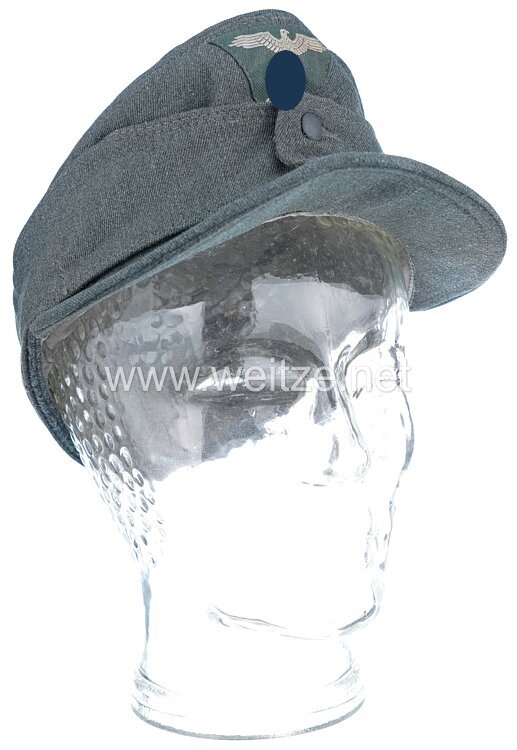
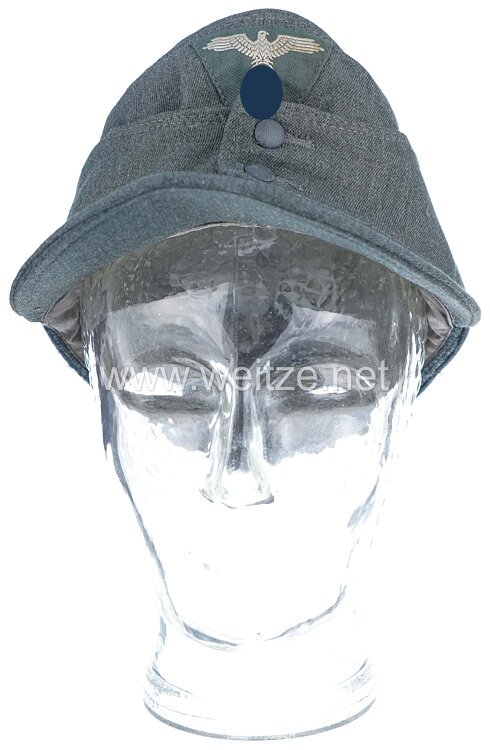
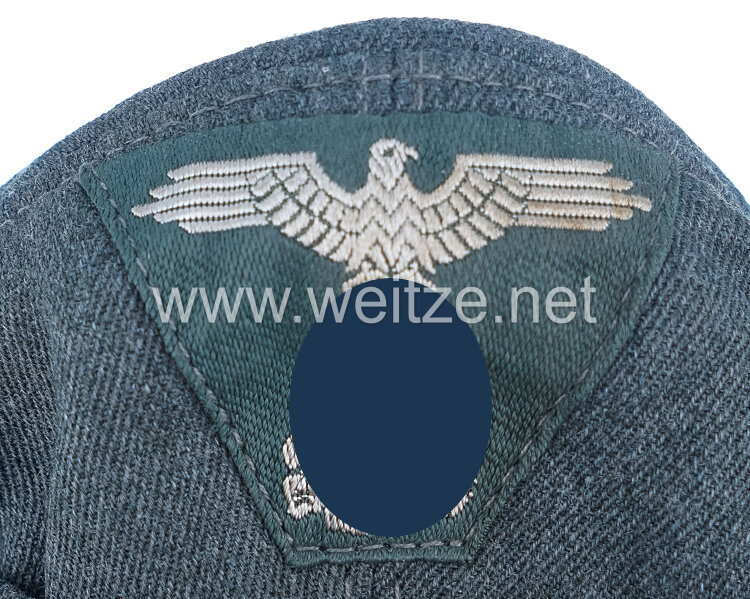
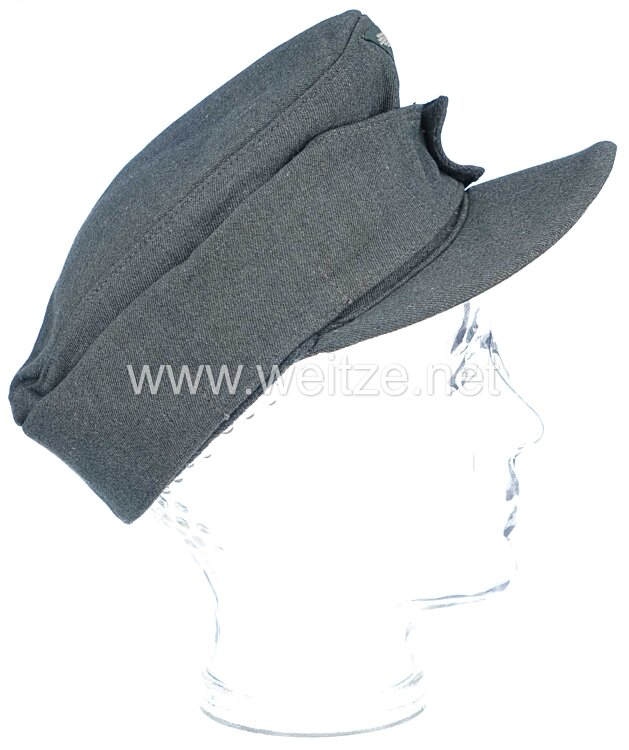
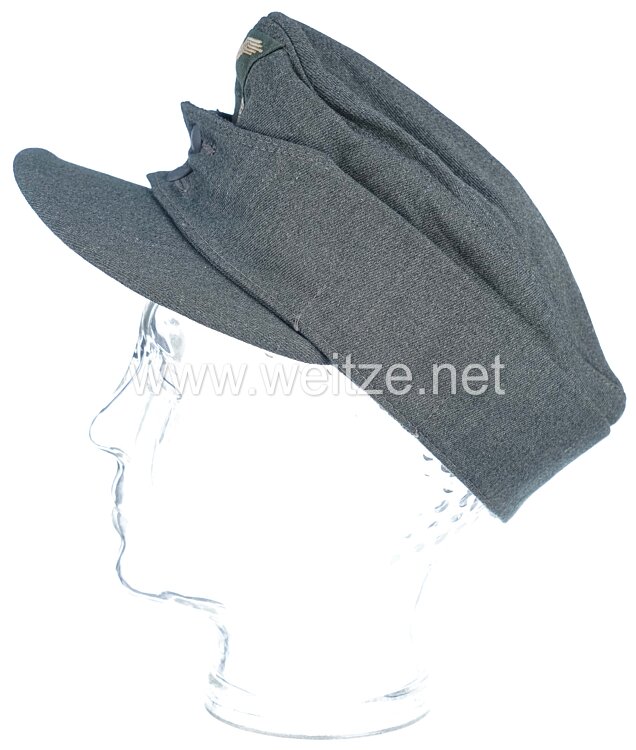
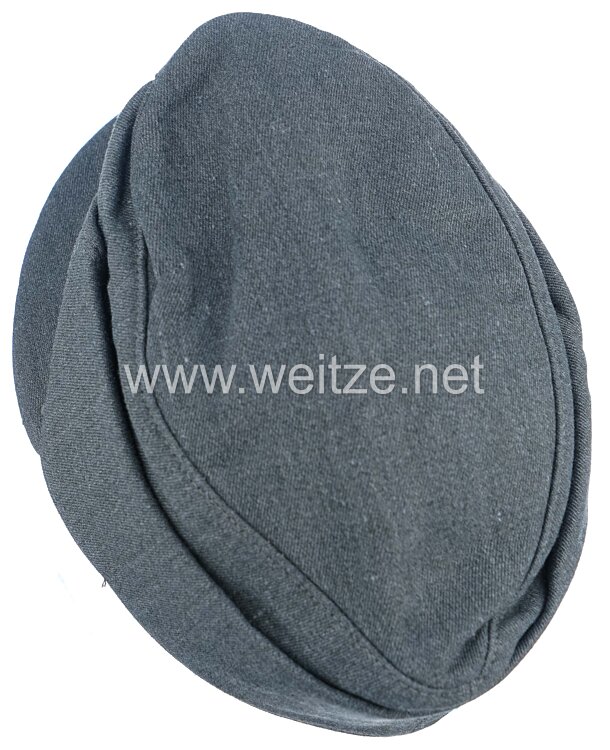
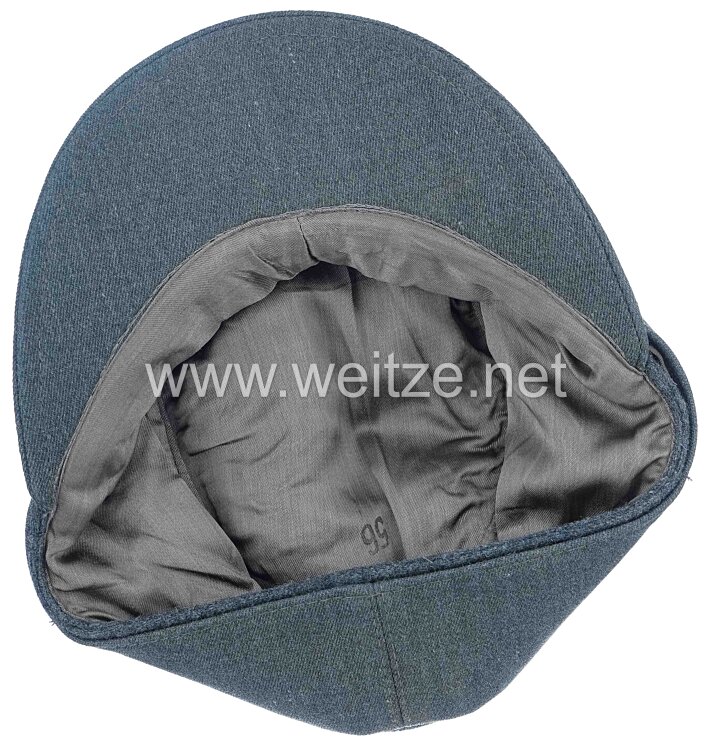
This is a manufactured piece, circa 1943/44. Field-gray cloth made from Italian captured material, complete with Bevo-woven trapezoid insignia on field-gray, machine-sewn, with 2 metal buttons on front. Interior with stone-gray lining, size 56. Lightly worn, condition 2.
461916
3.500,00

Waffen-SS M43 Field Cap for Enlisted Men

The Einheitsfeldmütze M 43 (Model 1943 Field Cap) of the Waffen-SS represents a characteristic piece of equipment from the German armed forces during World War II. This headgear was introduced as part of a comprehensive rationalization and simplification of military equipment in 1943, at a time when the German Reich was suffering from increasing resource shortages.

The development of the M 43 occurred against the backdrop of devastating losses on the Eastern Front, particularly after the Battle of Stalingrad (1942-1943). German military leadership recognized the necessity of simplifying production and conserving materials without significantly compromising the functionality of equipment. The Einheitsfeldmütze M 43 replaced both the earlier Feldmütze M 42 and the traditional peaked cap for front-line service.

The design of the M 43 was functional and practical. The cap consisted of soft, field-grey cloth material and featured side ear flaps that could be folded down in cold weather and fastened with two buttons at the front. This construction offered better protection against cold than earlier models—an important consideration after the catastrophic experiences of the first winter in Russia in 1941/42.

The use of Italian captured material for this particular manufacture is historically significant and documents the increasing supply problems of the German war economy from 1943/44 onwards. After the fall of Benito Mussolini in July 1943 and the Italian capitulation in September 1943, the Wehrmacht confiscated considerable quantities of Italian military materials. These fabrics were then used for the manufacture of German uniforms and equipment items, reflecting the strained situation of German textile production.

The machine-sewn cap trapezoid using the Bevo weaving method was characteristic of the Waffen-SS version. The trapezoid displayed the SS death's head and was woven on a field-grey background. The Bevo technique (named after the Barmer Bandweberei Vohwinkel company) enabled machine mass production of insignia, in contrast to the earlier, more elaborately embroidered variants. This significantly accelerated production and reduced costs.

Size 56 corresponds to an average head circumference and was a standard size within the German sizing system. The stone-grey inner lining was typical for production of this period and provided additional wearing comfort.

The Waffen-SS, originally emerged as the armed wing of the National Socialist Party organization, developed during the war into a military formation of several divisions. Their uniforms and equipment differed in details from those of the regular Wehrmacht, although from 1943 onwards increasing standardizations took place. The Einheitsfeldmütze M 43 was part of these unification efforts.

It must be historically emphasized that the Waffen-SS was involved in numerous war crimes, and its members were classified as a criminal organization at the Nuremberg Trials after the war. The collecting of such historical objects today serves exclusively for historical documentation and research purposes.

Production conditions in 1943/44 were characterized by increasing material shortages, bomb damage to production facilities, and labor shortages. The use of forced laborers and concentration camp prisoners in the German armaments industry was widespread. This also applied to textile production, where work had to be performed under inhumane conditions.

The Einheitsfeldmütze M 43 remained in use until the end of the war in 1945 and was produced in large quantities. After the war, many of these caps were taken by Allied soldiers as souvenirs or surrendered by German soldiers upon capture. Today, such objects are found in museums and private collections and serve as material witnesses to one of the darkest periods in German history.

The study of such artifacts provides important insights into the material culture of World War II, production methods under wartime conditions, and the desperate measures taken by the German military as the war turned against them. They serve as tangible reminders of the human cost of totalitarianism and aggressive warfare.