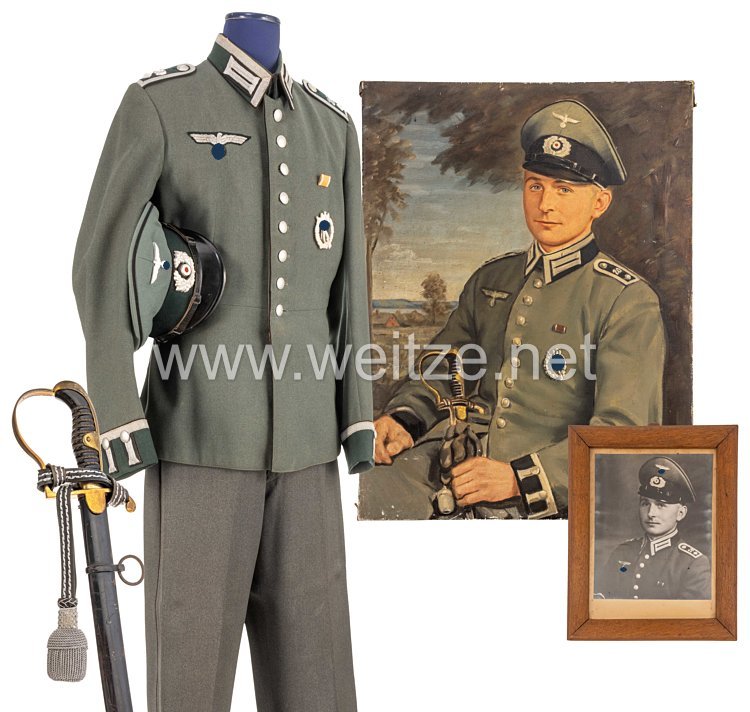
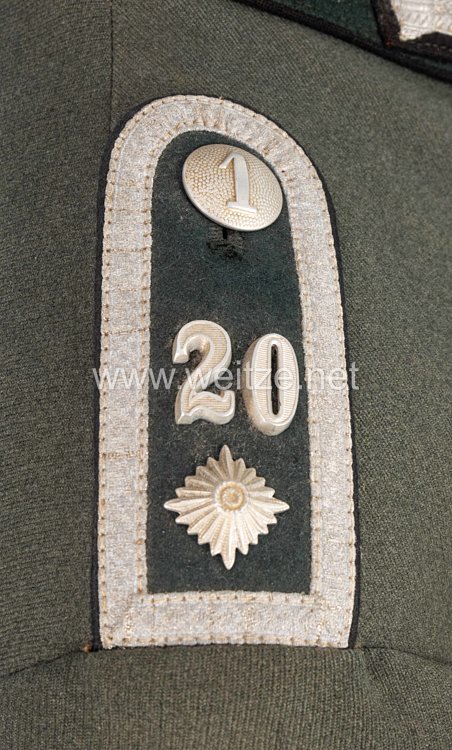
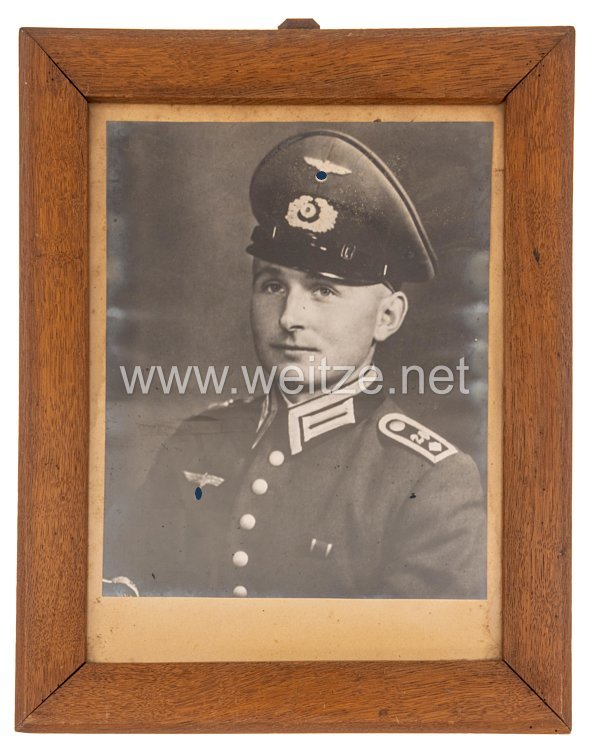
Wehrmacht großes Uniformensemble des Feldwebel Wilkens im Pionier-Bataillon Nr. 20, 1. Kompanie
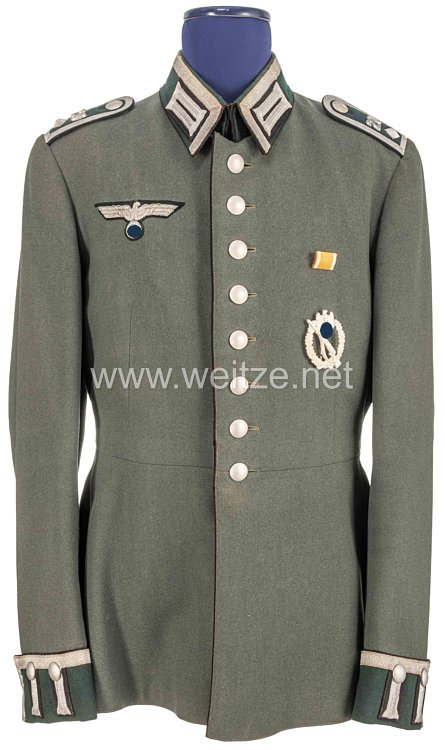
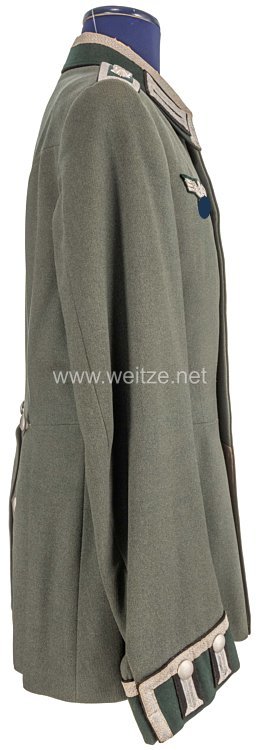
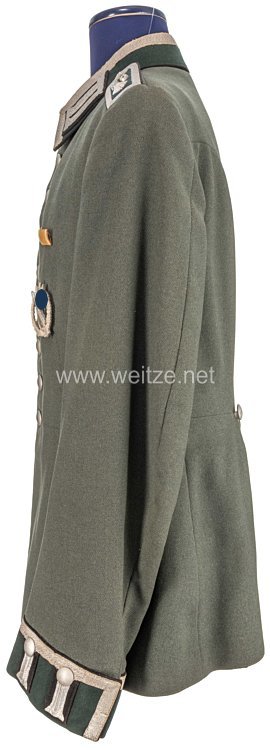
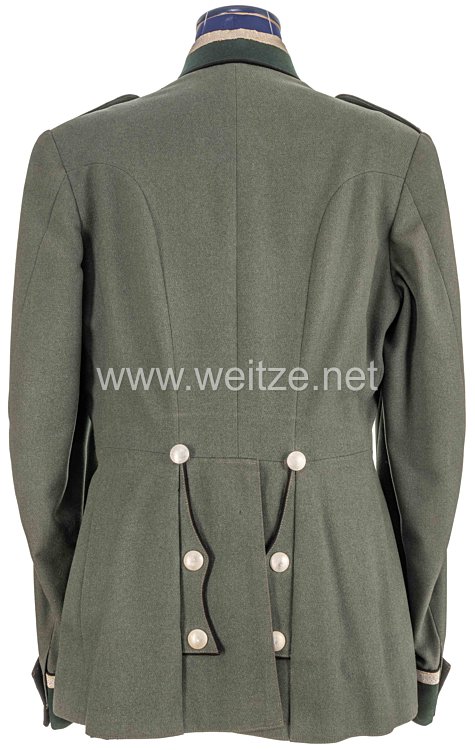
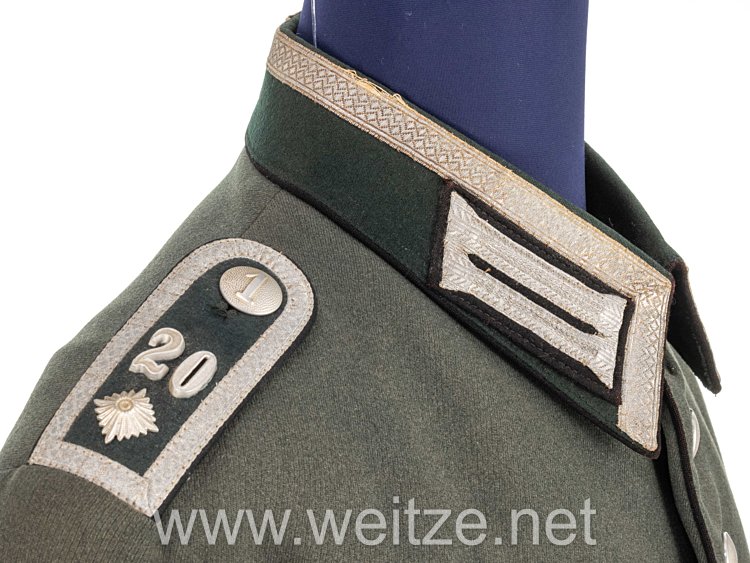
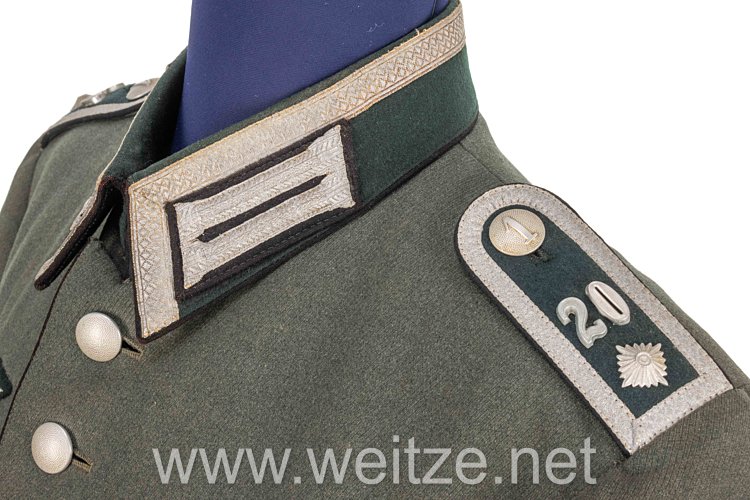
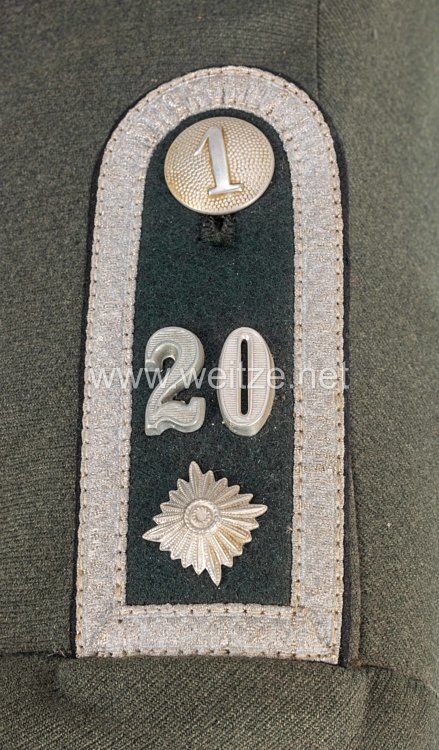
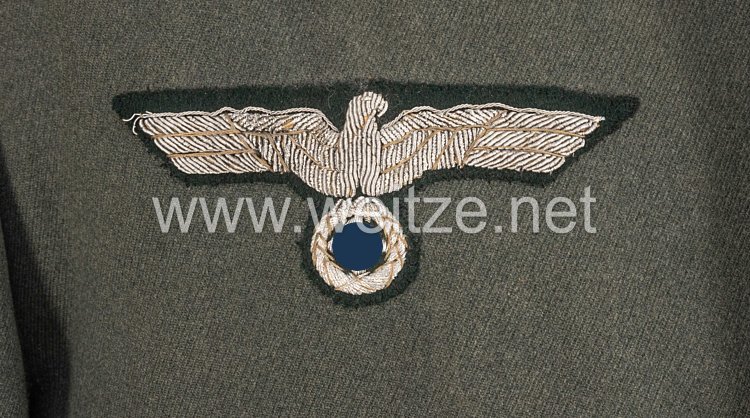
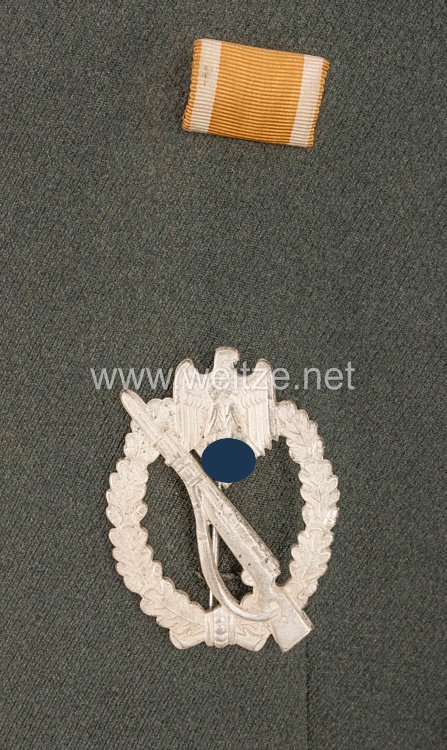
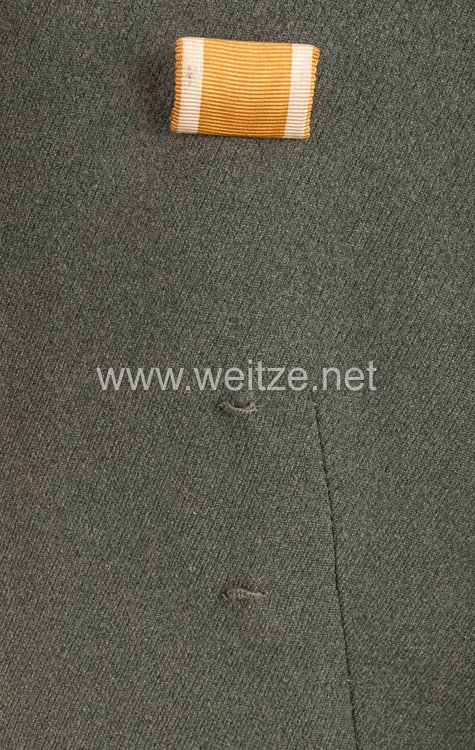
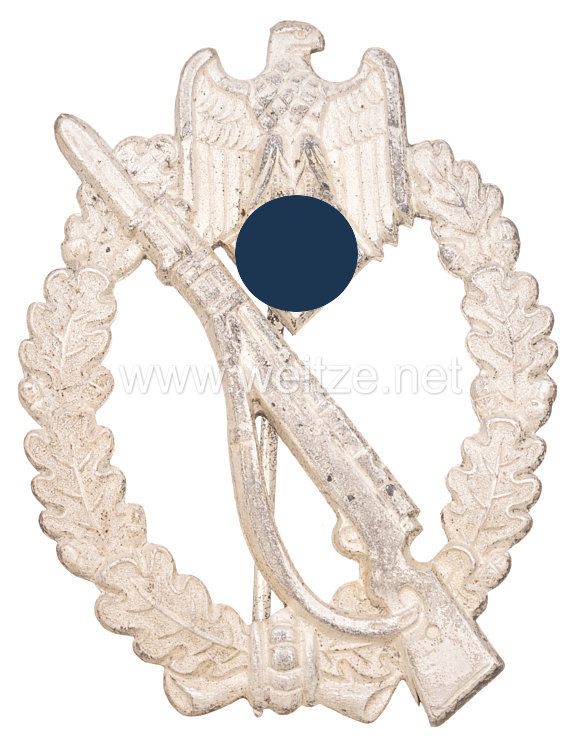
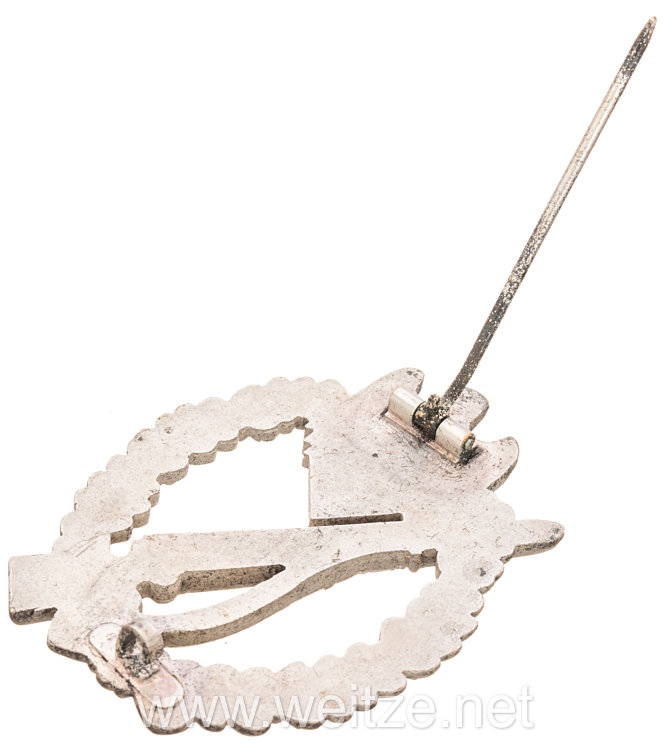
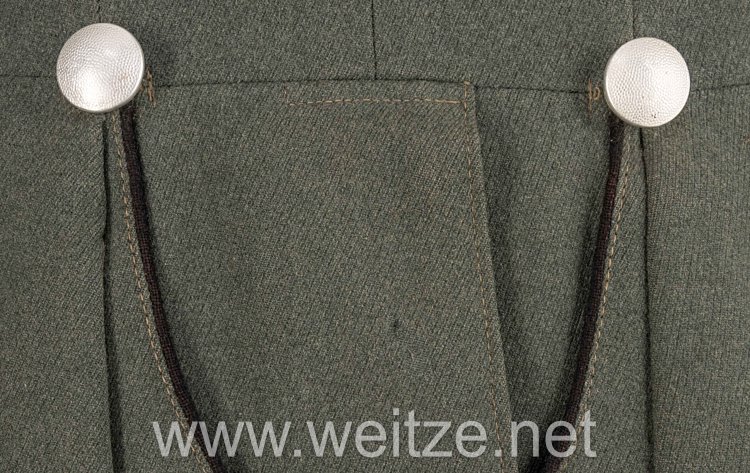
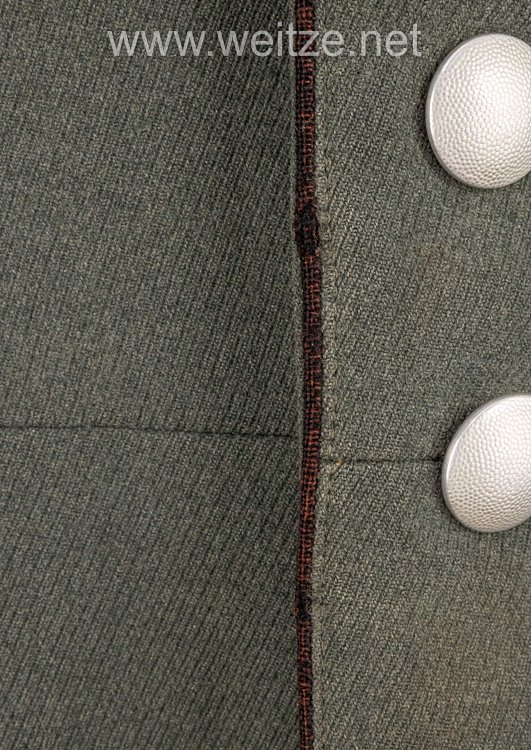
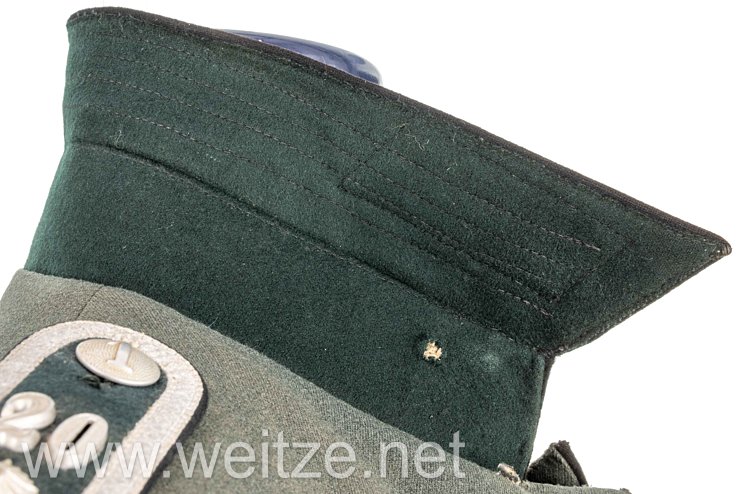
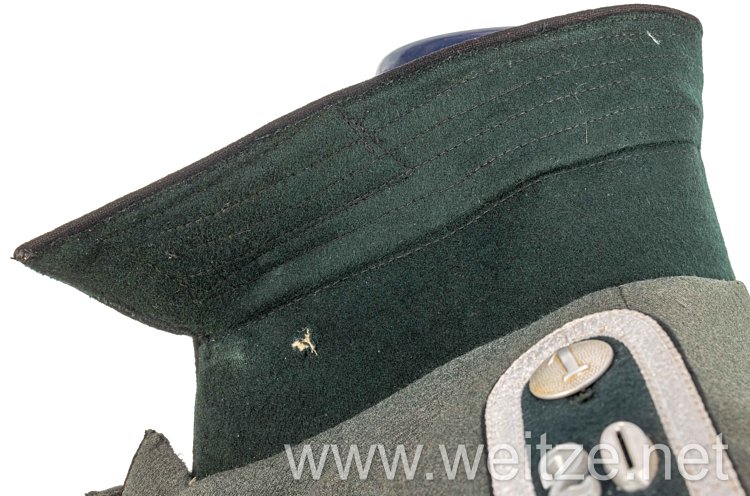
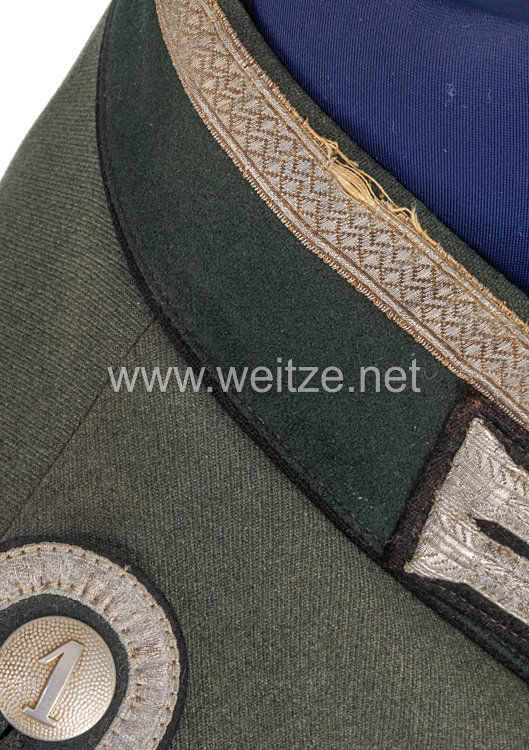
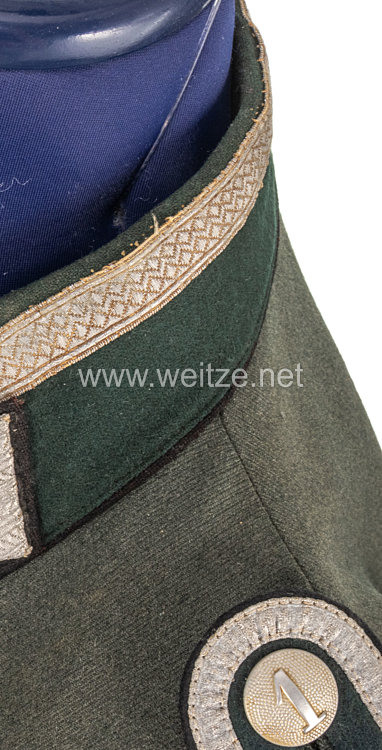
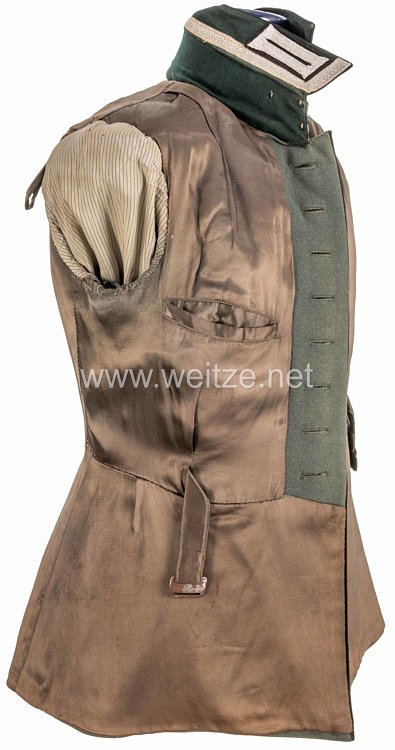
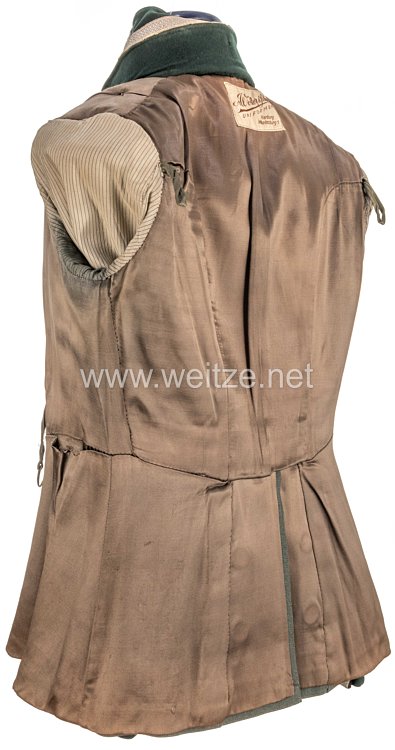
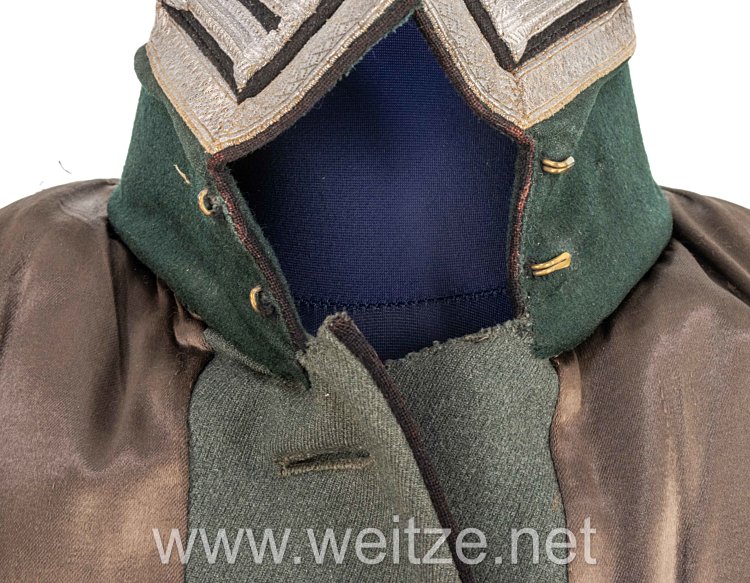
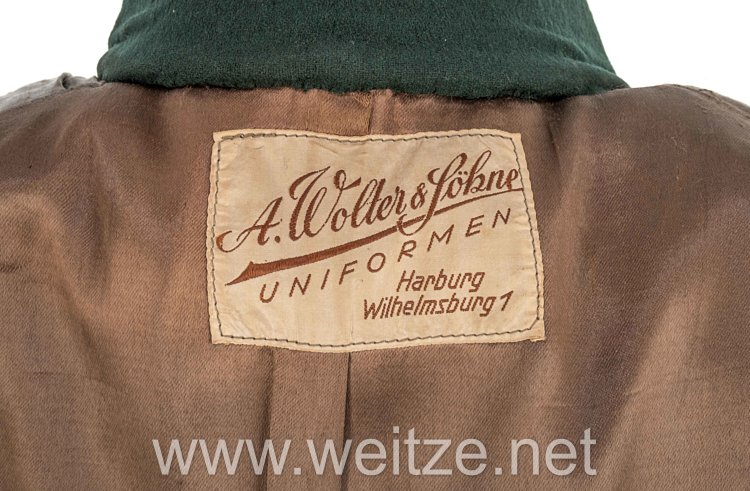
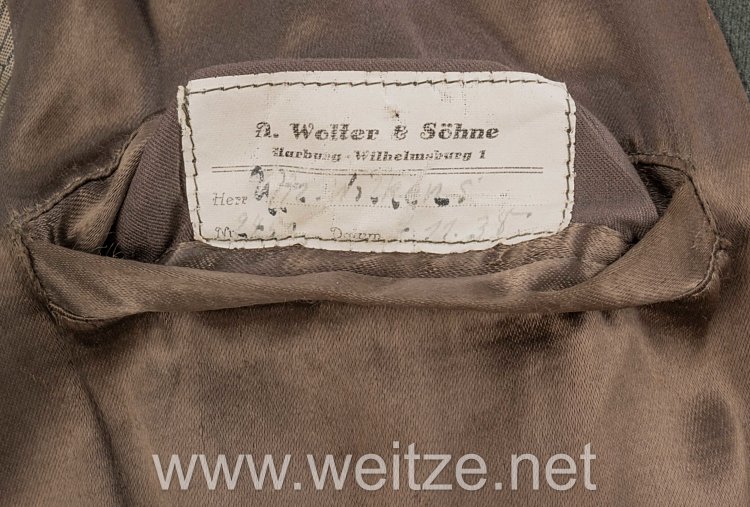
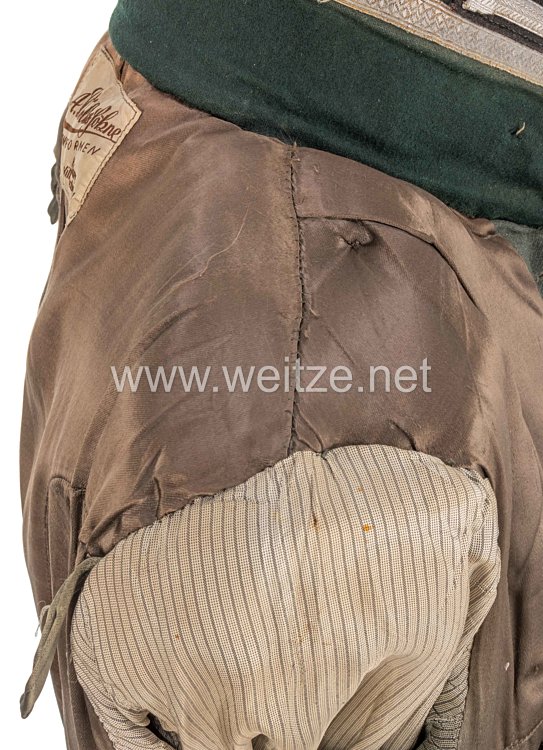
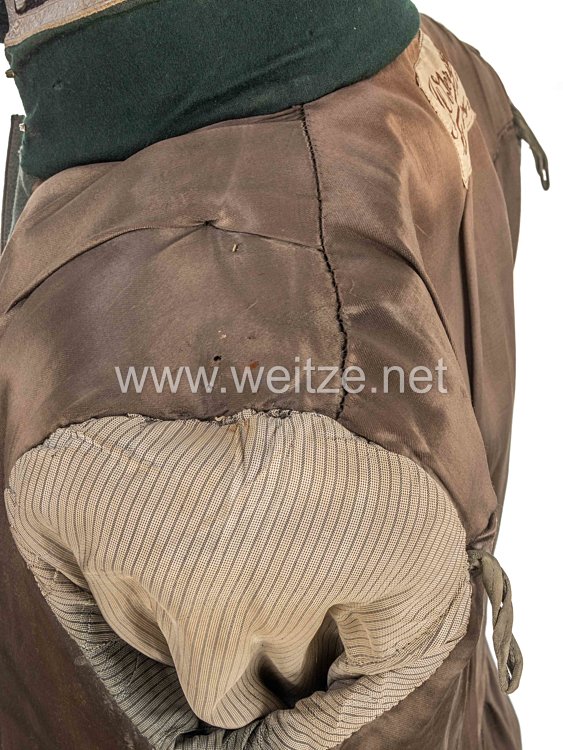
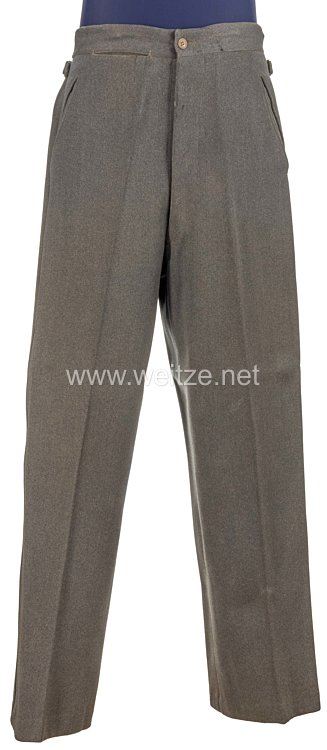
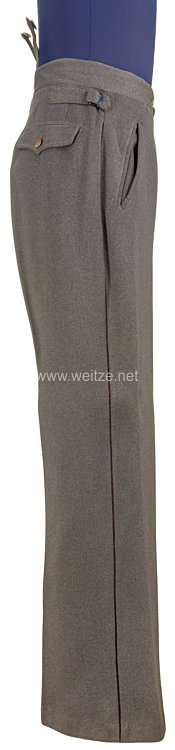
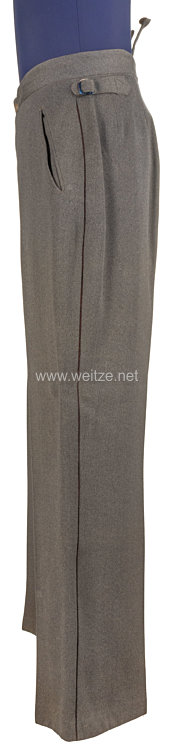
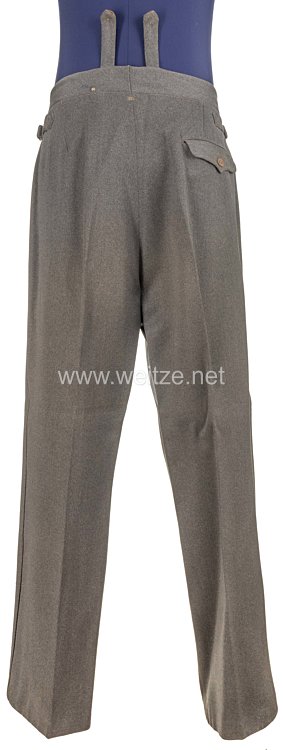
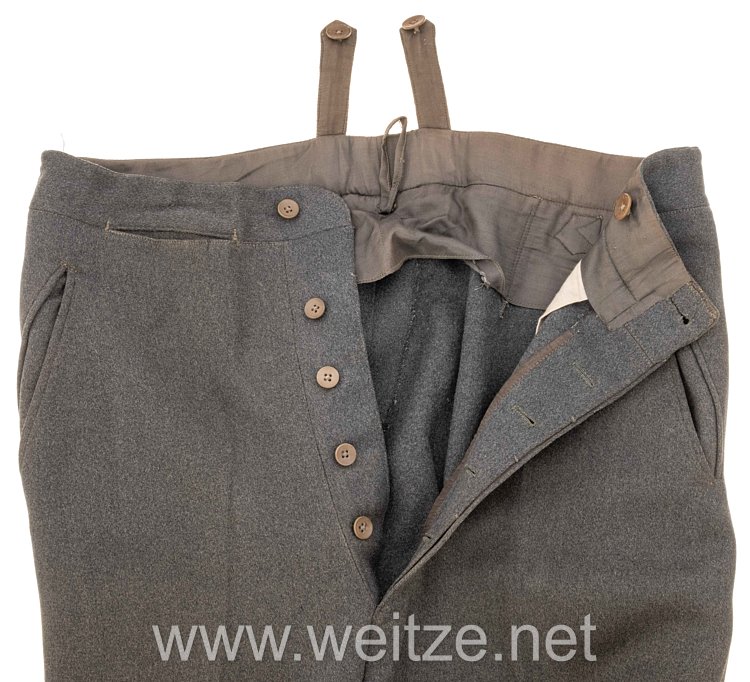
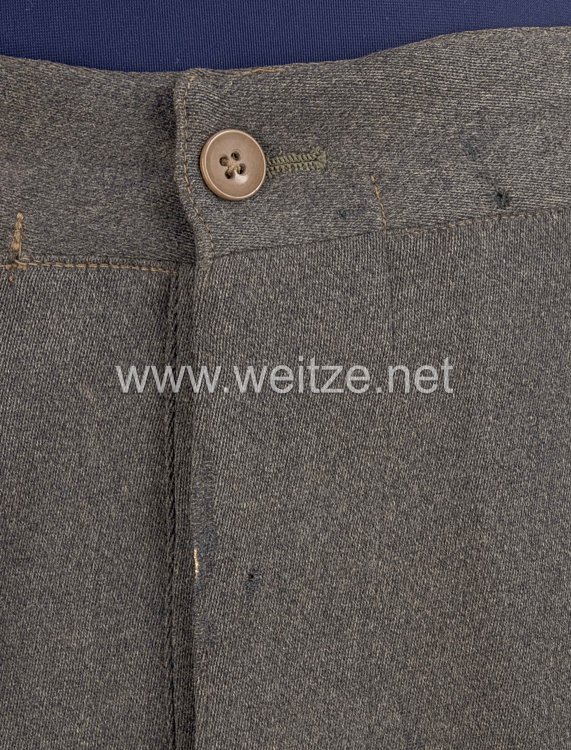
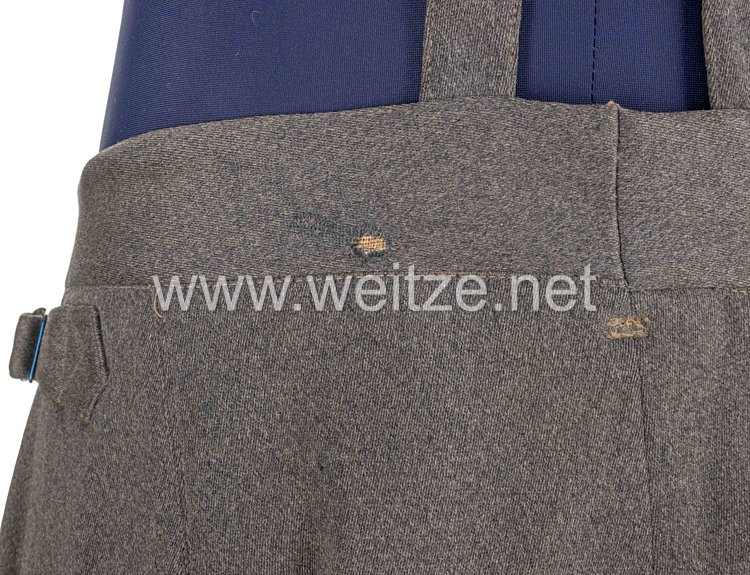
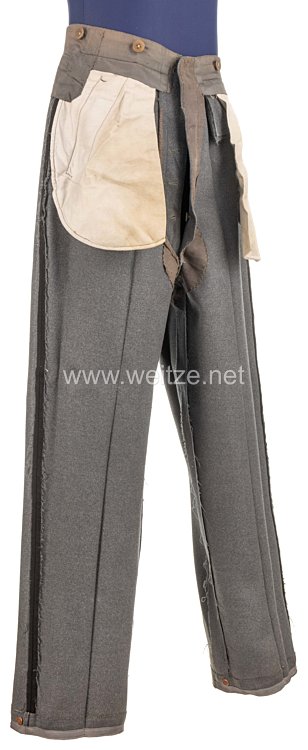
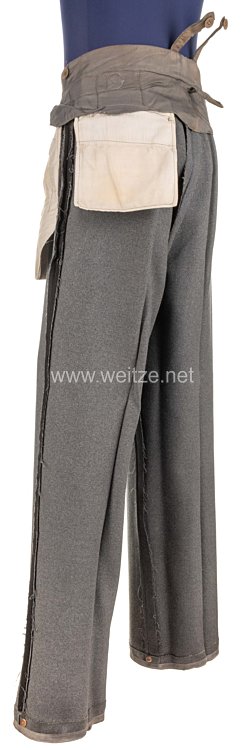
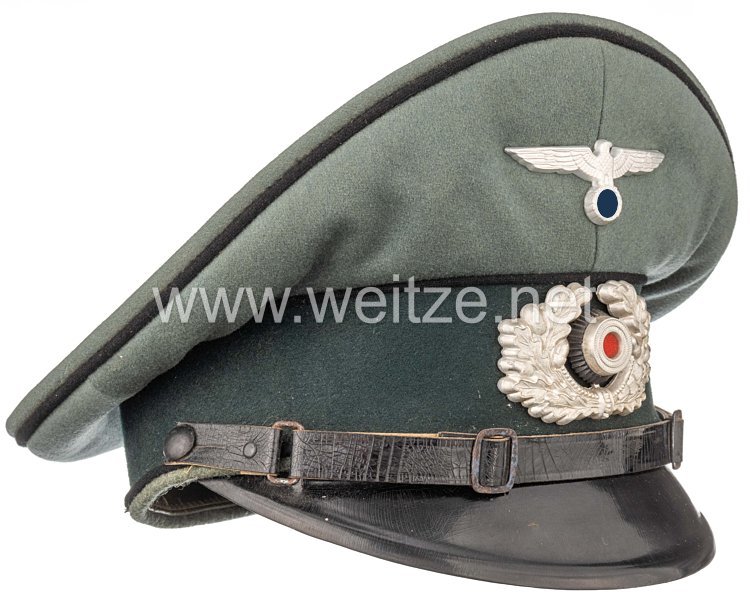
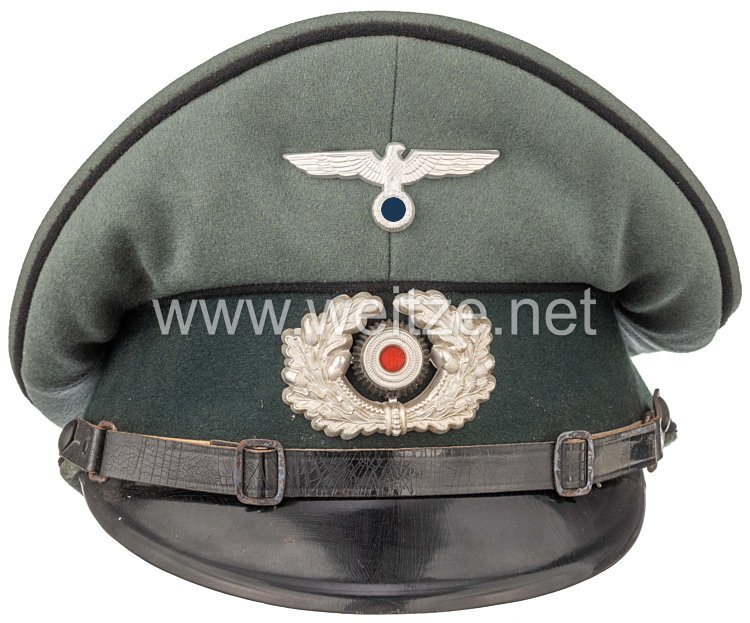
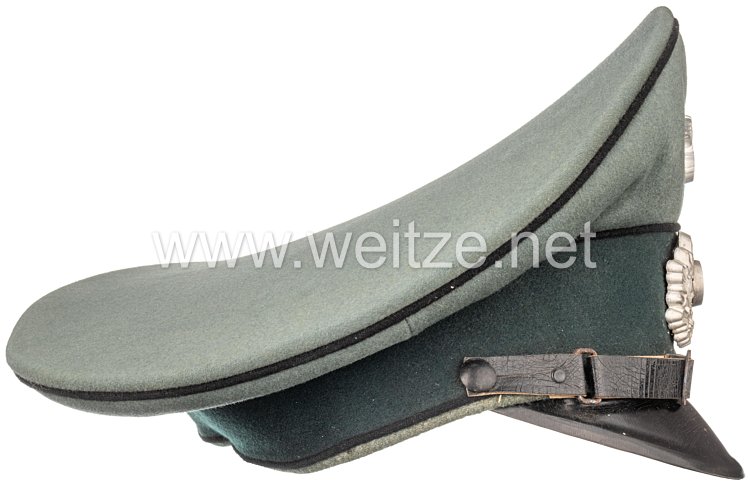
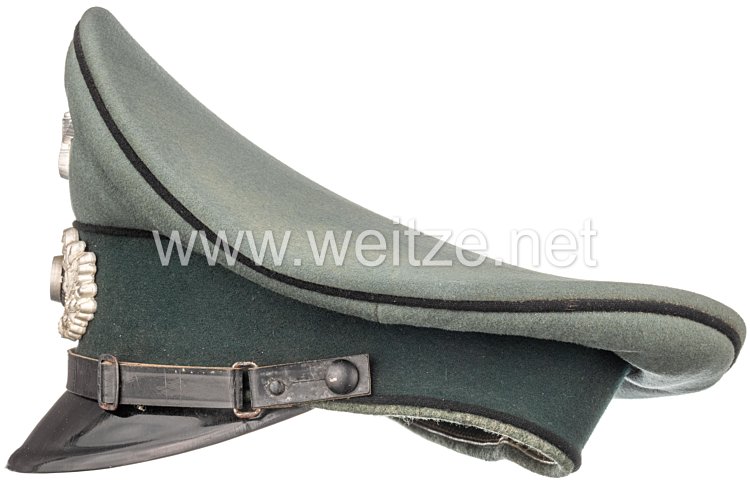
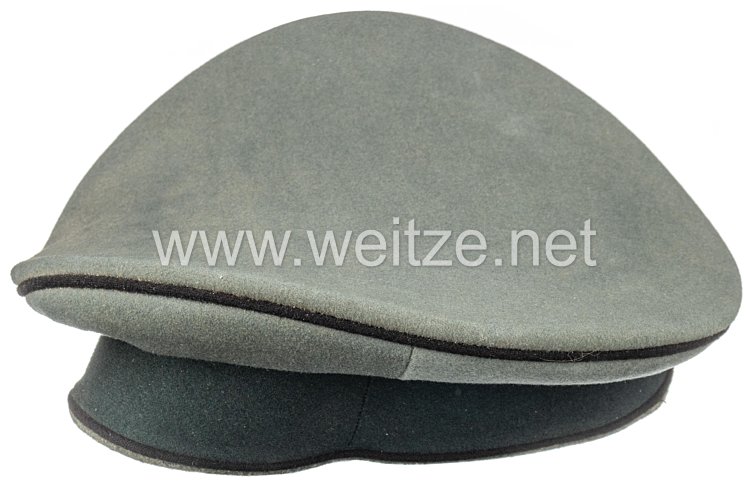
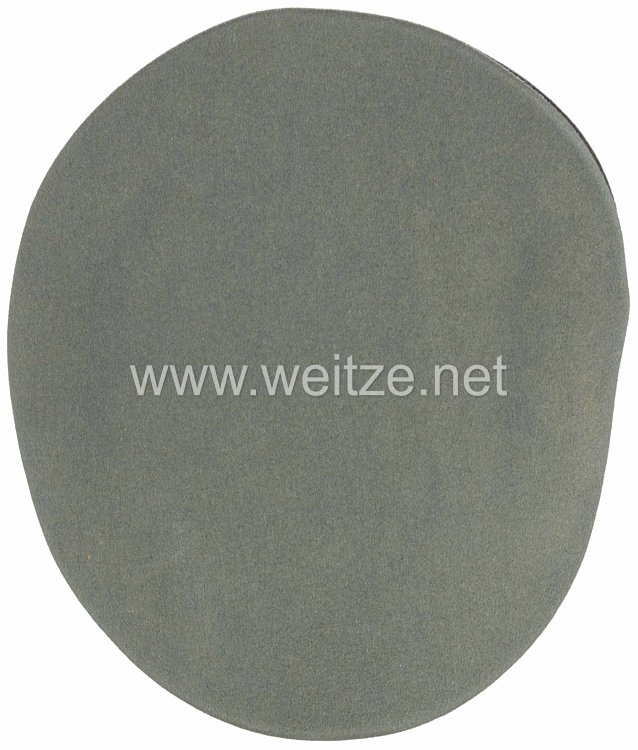
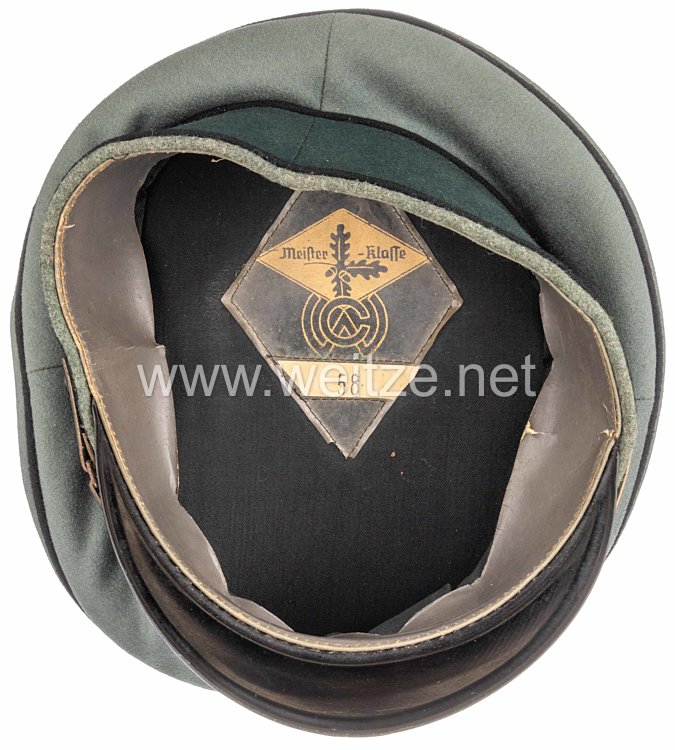
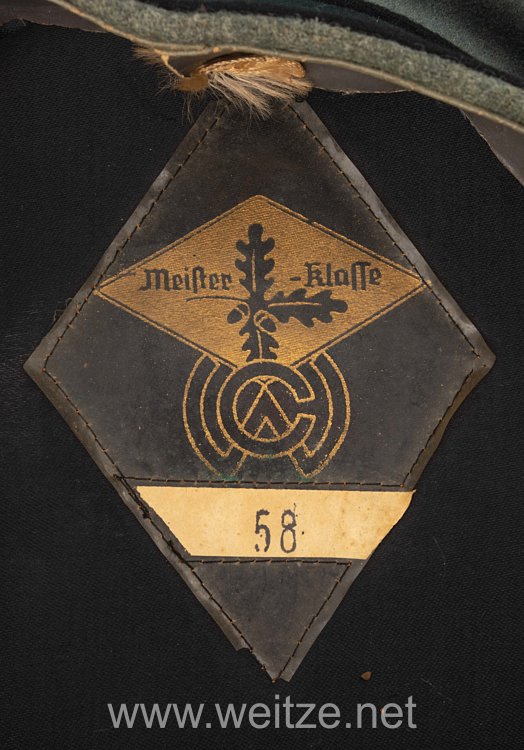
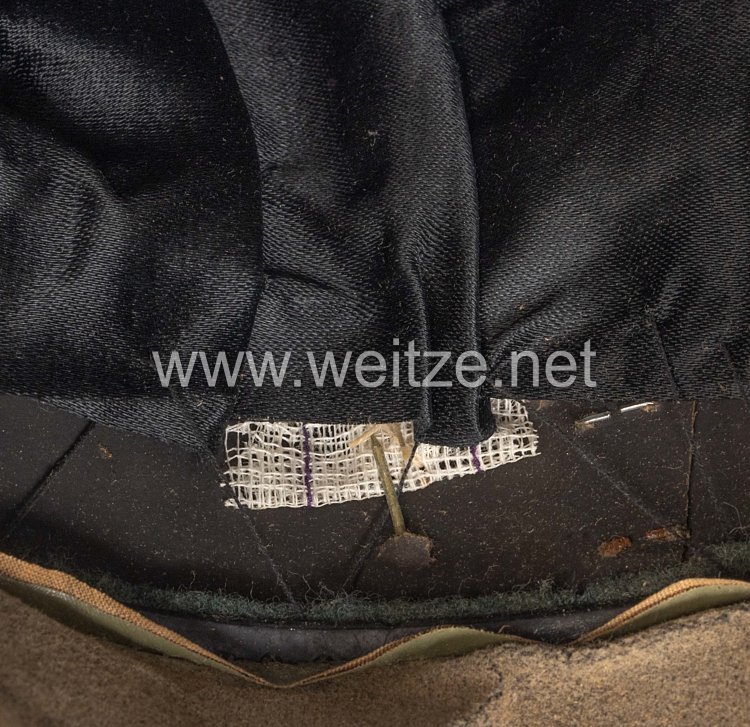
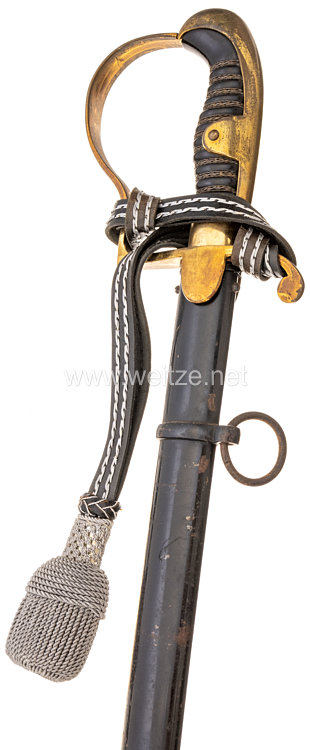
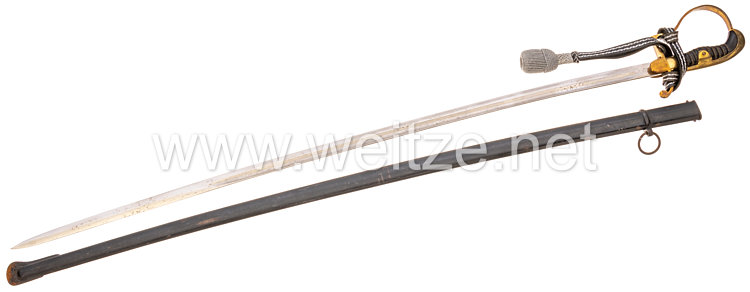
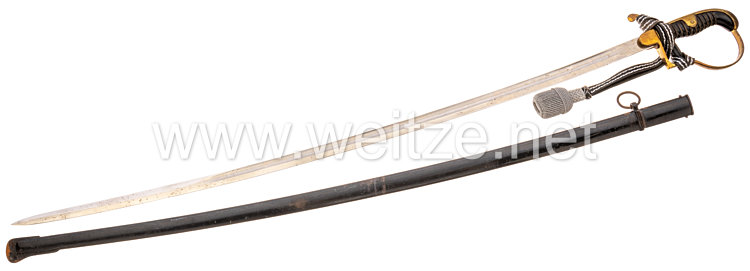
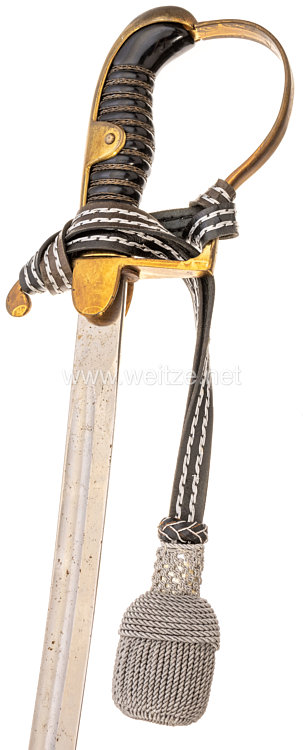
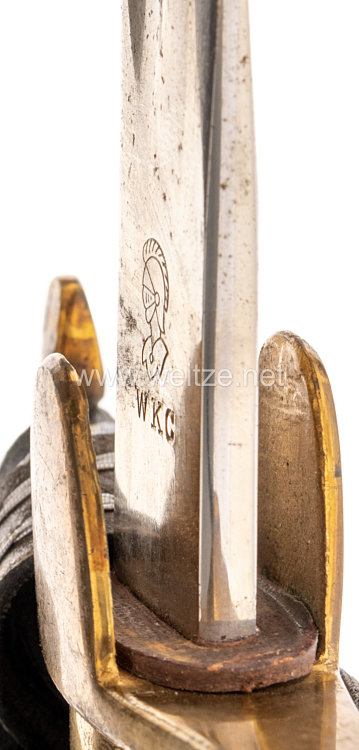
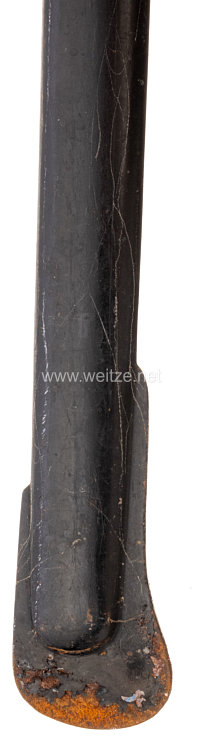
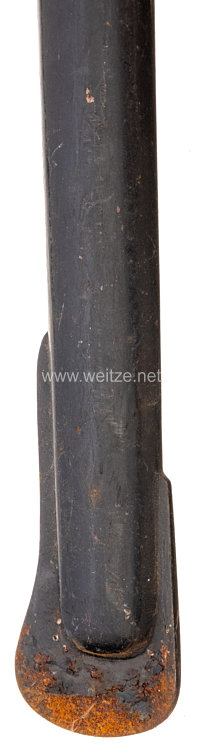
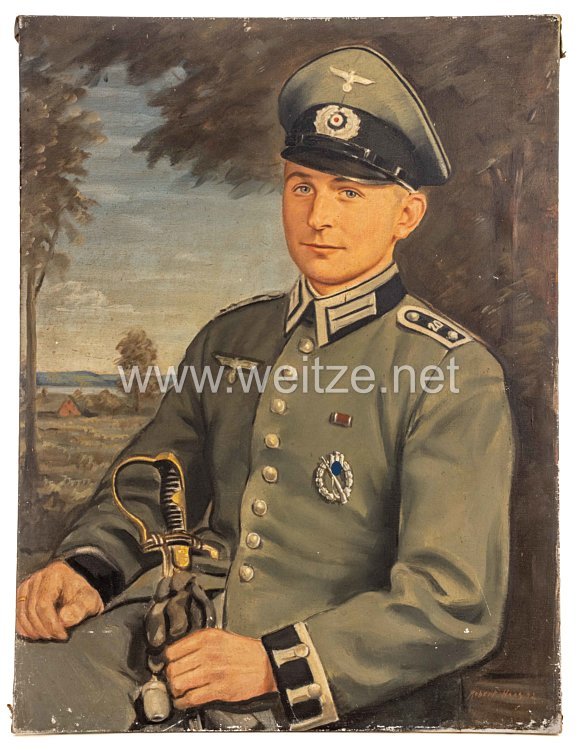
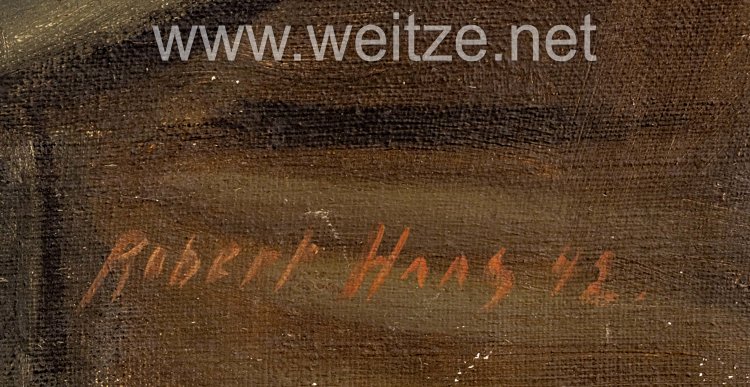
Standort Hamburg-Harburg. Parade-Waffenrock als Feldwebel. Eigentumstück, hergestellt 1938. Der Waffenrock in feldgrauem Gabardinetuch mit dunkelgrünem Kragen, komplett mit allen Effekten. Metallfaden handgestickter Brustadler auf dunkelgrüner Tuchunterlage per Hand vernäht. Die Kragenspiegel und Ärmelpatten in Metallfaden-gewebter Ausführung, eingenähte Schulterstücke mit Metallauflagen, Waffenfarbe schwarz. Auf der Brust kleine Bandspange mit dem Schutzwall-Ehrenzeichen, darunter aufgesteckt das Infanteriesturmabzeichen in Silber. Innen steingraues Seidenfutter, im Nacken mit gewebtem Schneideretikett " A. Wolter & Söhne, Uniformen Harburg Wilhelmsburg 1", in der Innentasche mit Schneideretikett "A. Wolter & Söhne Harburg-Wilhelmsburg" mit handschriftlicher Trägerbezeichnung "Uffz. Wilkens, 4.11.38". Dazu die passende steingraue lange Hose, seitlich mit schwarzen Biesen für die Pioniertruppe. Schirmmütze für Unteroffiziere, Hersteller Fa. Clemens Wagner. Hohe elegante Sattelform, Fertigung in feiner Tuchqualität, komplett mit Hoheitsadler und Eichenlaubkranz in Aluminiumausführung, schwarzer Lacklederriemen, Waffenfarbe schwarz. Innen mit steingrauem Schweißband, schwarzes Futter, unter dem Zelluloidtrapez mit Gold gedruckter Herstellerbezeichnung "Meister-klasse C W" Größe ca. 58. Wehrmacht Einheitssäbel, Hersteller WKC, Solingen. Messinggefäß, schwarzer Baketlittgriff mit silberner Wicklung, vernickelte Klinge mit Herstellerbezeichnung, komplett mit Portepee. Dazu ein schönes gerahmtes Portraitfoto von Feldwebel Wilkens in genau dieser Uniform. Weiterhin ein großes gemaltes Ölbild von Feldwebel Wilkens mit dem Infanteriesturmabzeichen, Maß des Bildes 66 x 87 cm, unten rechts signiert "Robert Haas 42".
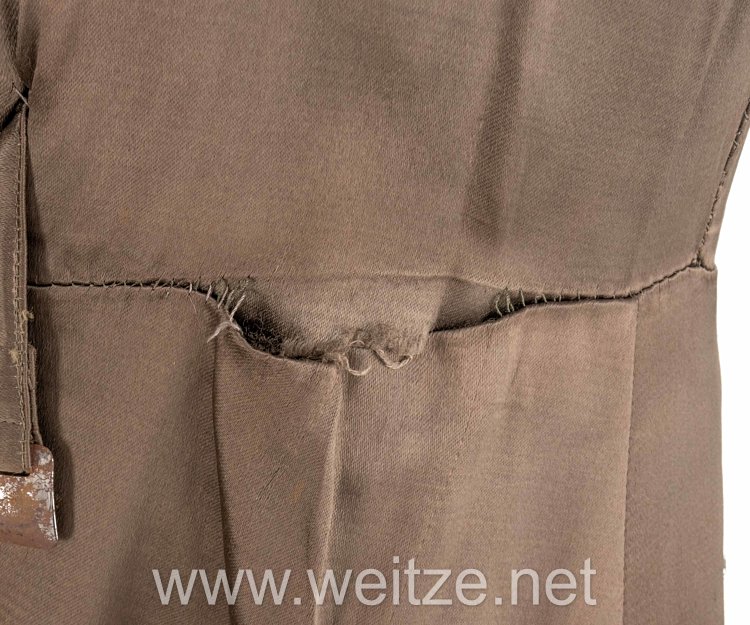
Das Uniformensemble nur ganz leicht getragen, in hervorragendem Zustand, der Säbel mit leichten Altersspuren.
Ein ganz tolles Ensemble, direkt aus Hamburger Familienbesitz !
Pionier-Bataillon 20. Aufgestellt am 1. Oktober 1934 als Pionier-Bataillon Sperenberg und der 20. Infanterie-Division unterstellt. Es war durch Teilung des 2. (preuß.) Pionier-Bataillon aufgestellt wurden. Garnisonsstadt des Bataillons war Hamburg-Harburg. Am 15. Oktober 1935 wurde das Pionier-Bataillon Sperenberg in Pionier-Bataillon 20 umbenannt. 1938 wurde das Bataillon motorisiert. Ersatzgestellung kam vom Pionier-Ersatz-Bataillon 20 in Hamburg-Harburg, Wehrkreis X.
Das Uniformensemble nur ganz leicht getragen, in hervorragendem Zustand, der Säbel mit leichten Altersspuren.
Ein ganz tolles Ensemble, direkt aus Hamburger Familienbesitz !
Pionier-Bataillon 20. Aufgestellt am 1. Oktober 1934 als Pionier-Bataillon Sperenberg und der 20. Infanterie-Division unterstellt. Es war durch Teilung des 2. (preuß.) Pionier-Bataillon aufgestellt wurden. Garnisonsstadt des Bataillons war Hamburg-Harburg. Am 15. Oktober 1935 wurde das Pionier-Bataillon Sperenberg in Pionier-Bataillon 20 umbenannt. 1938 wurde das Bataillon motorisiert. Ersatzgestellung kam vom Pionier-Ersatz-Bataillon 20 in Hamburg-Harburg, Wehrkreis X.