Wehrmacht : großer Nachlass des Ritterkreuz- und Blutorden Trägers Generalmajor Julius von Bernuth
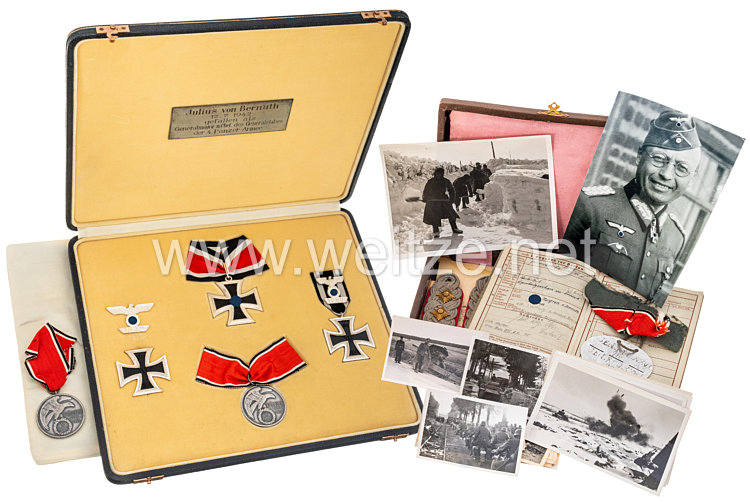
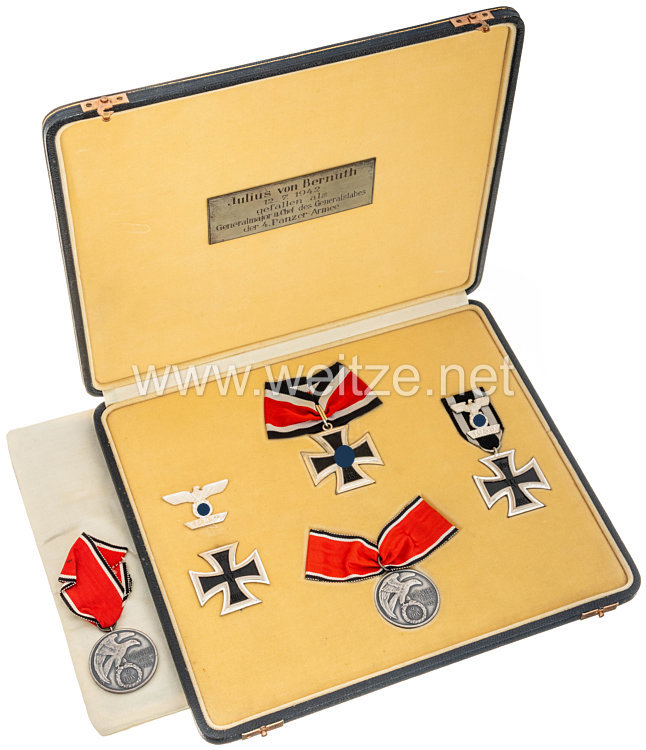
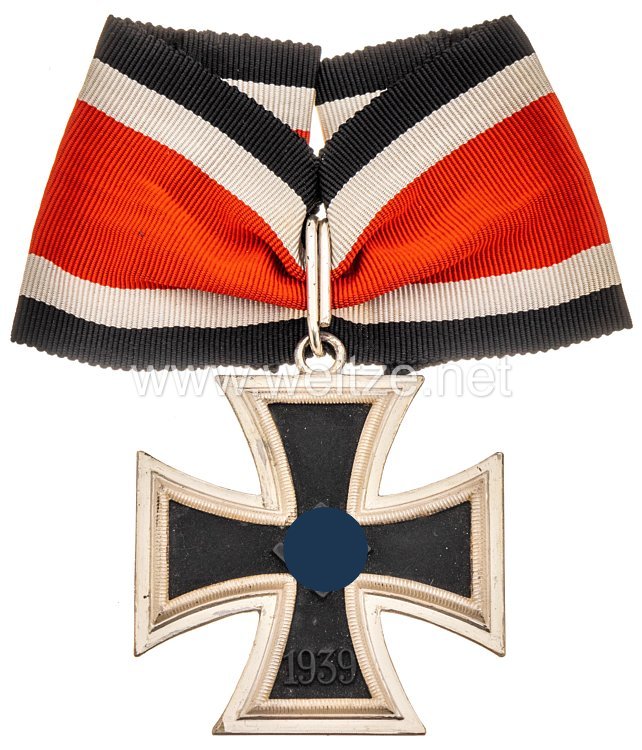
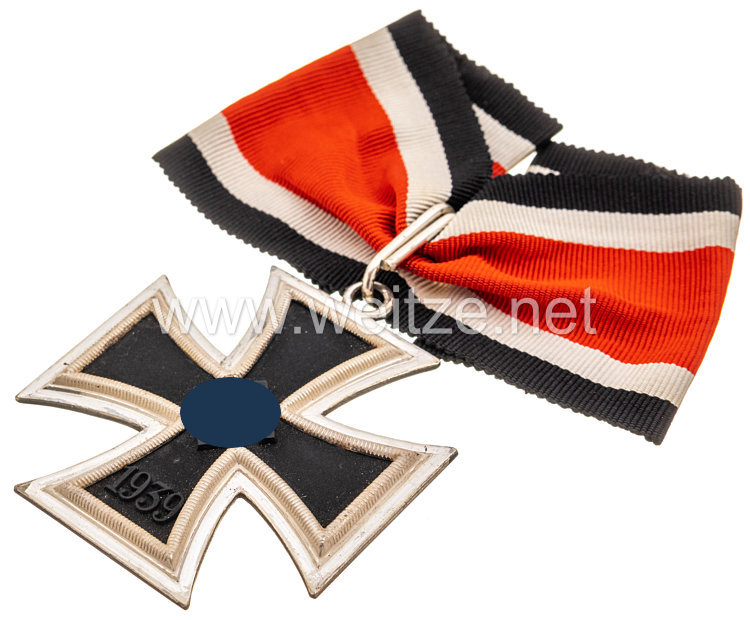
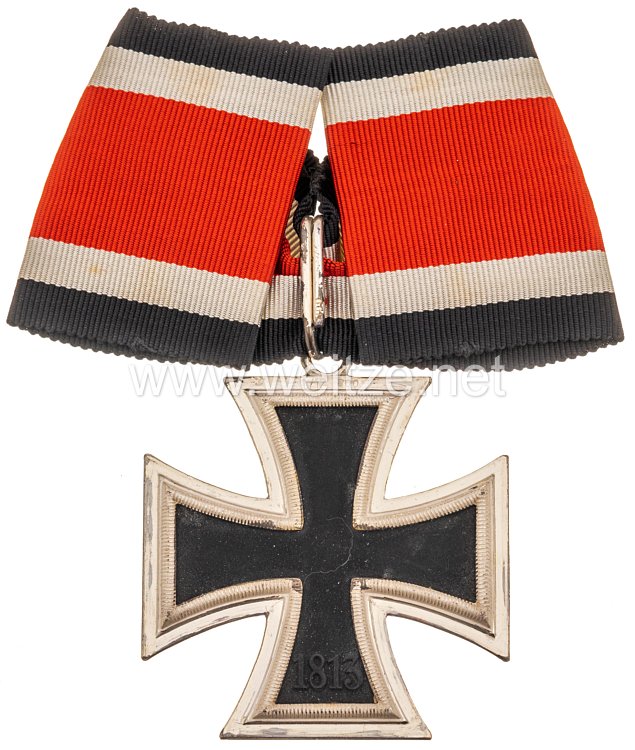
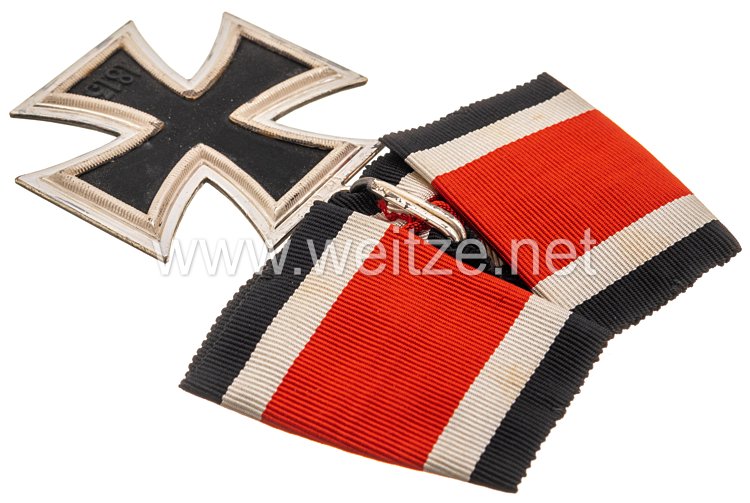
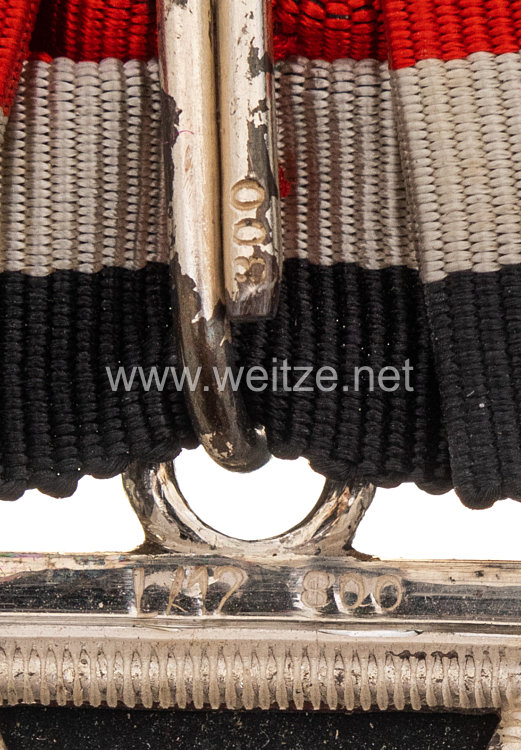
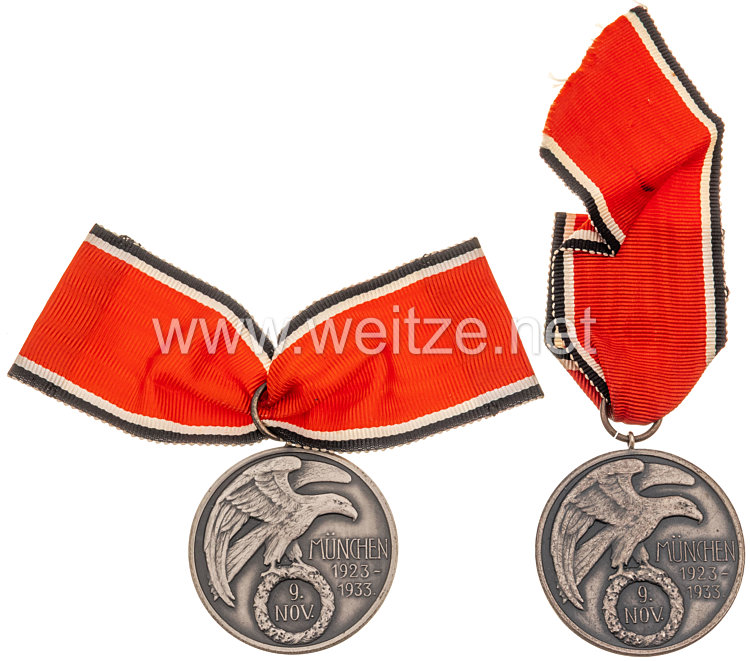
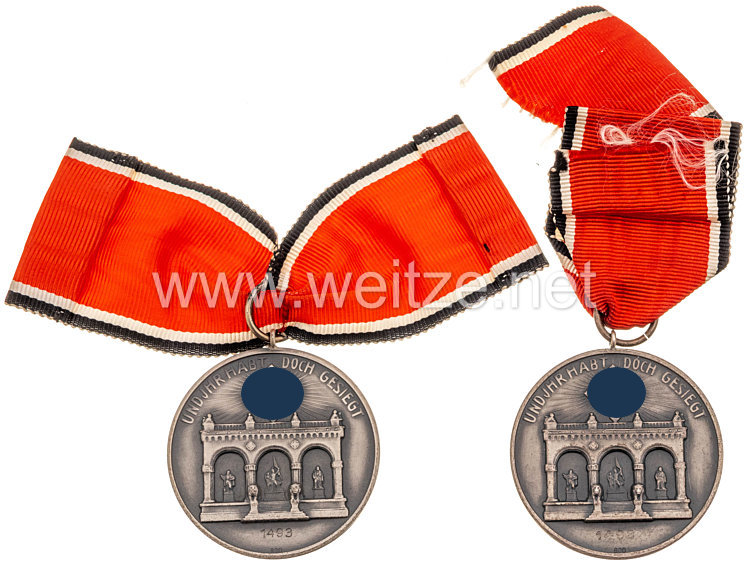
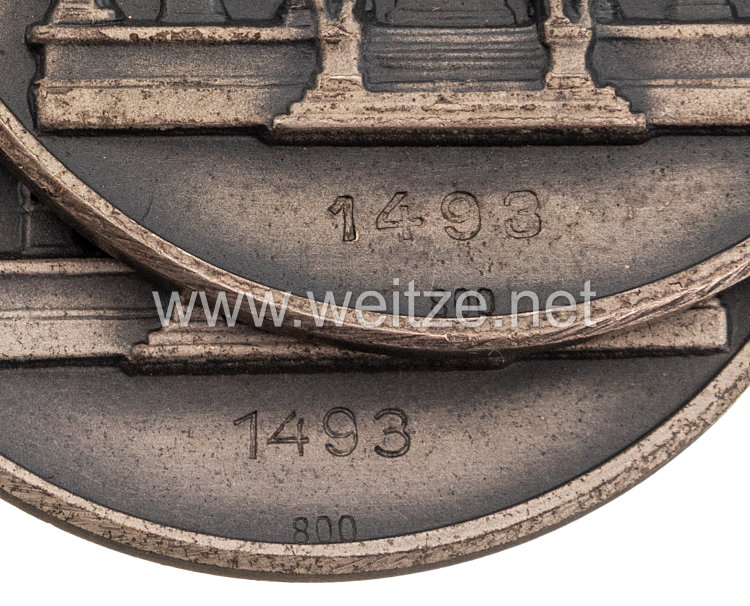
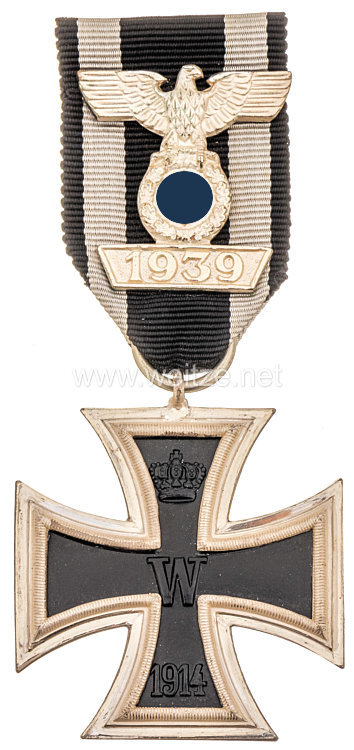
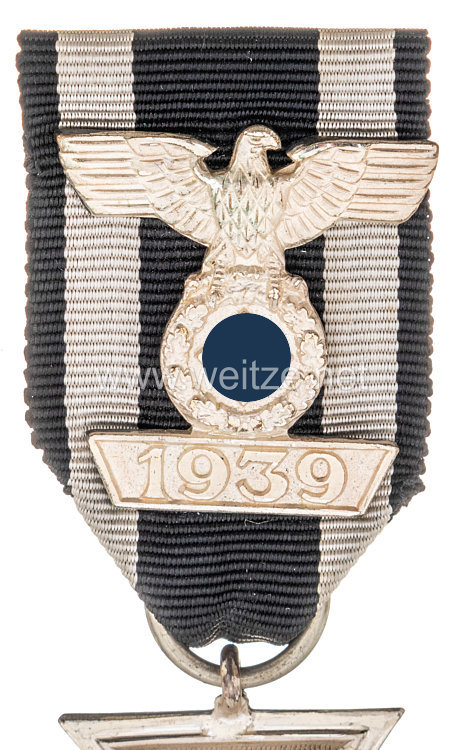
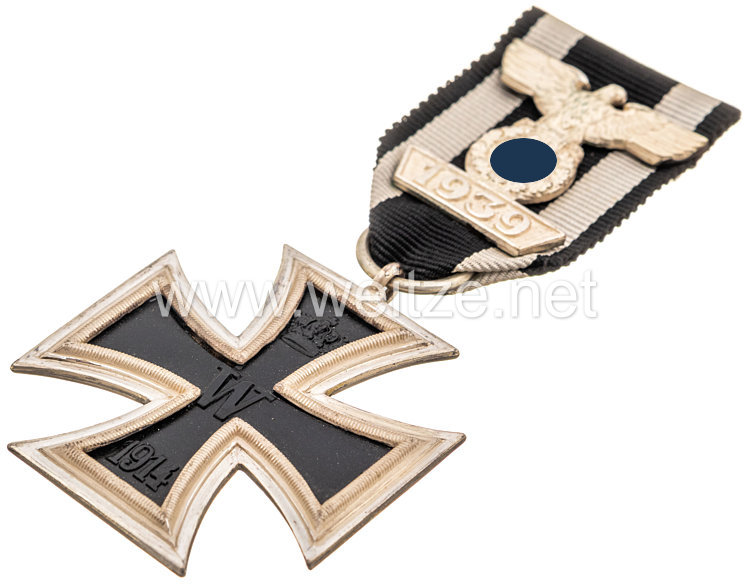
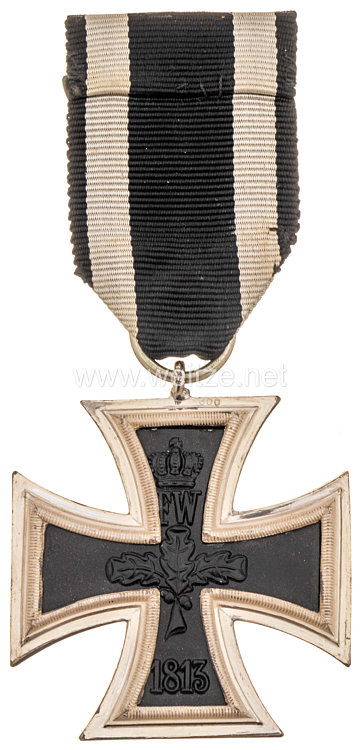
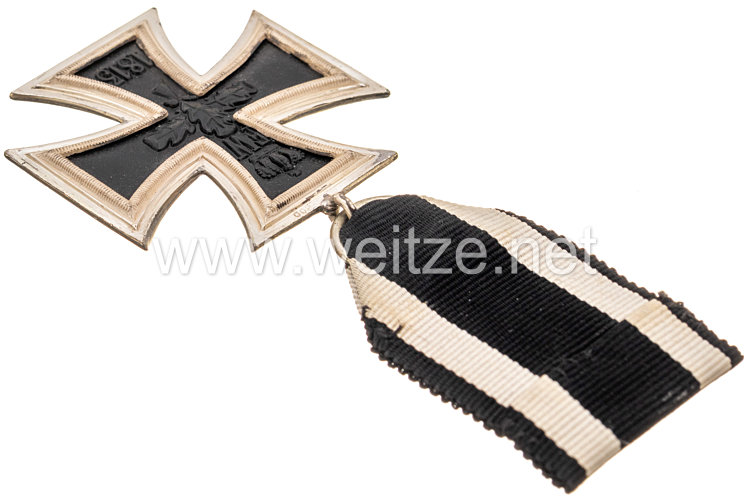
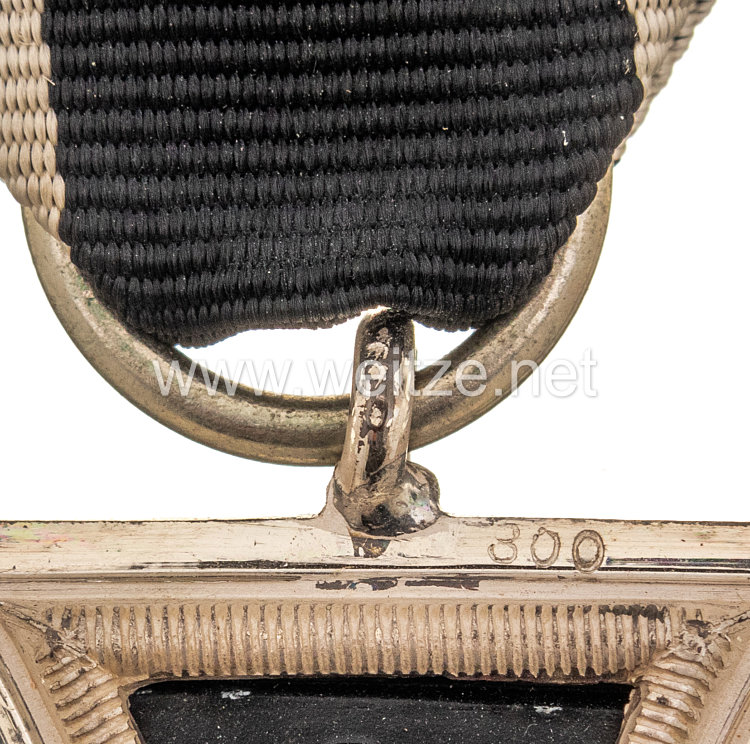
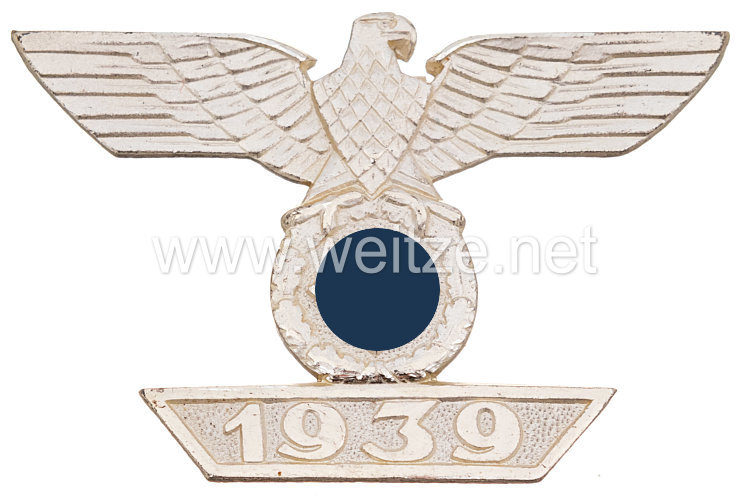
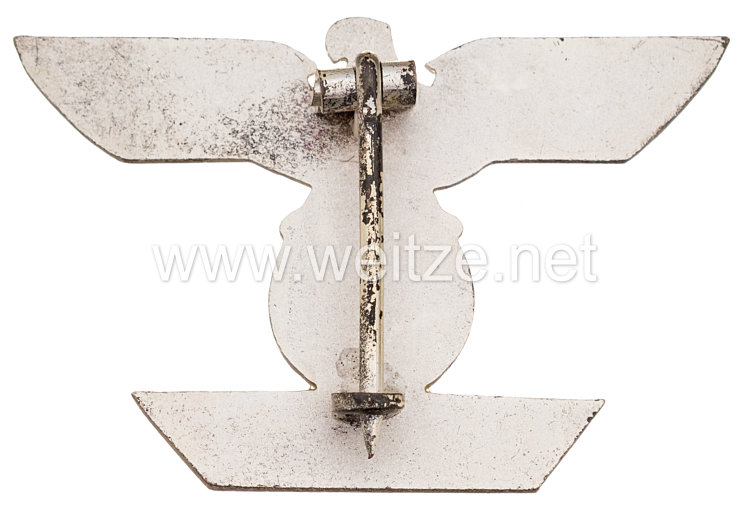
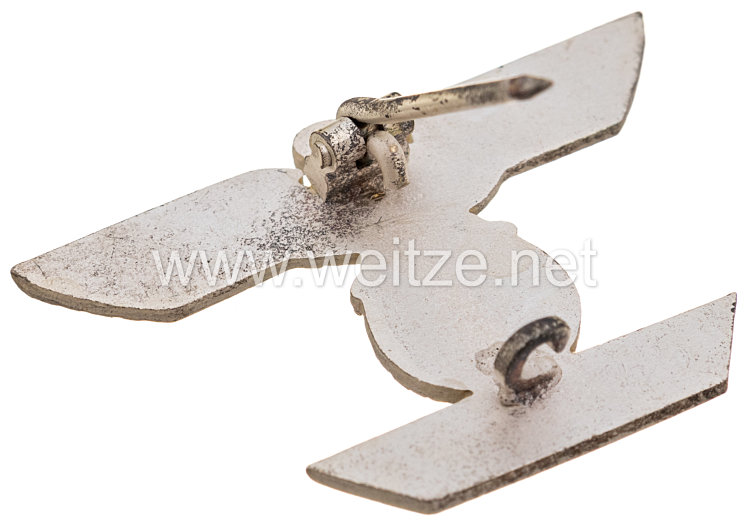
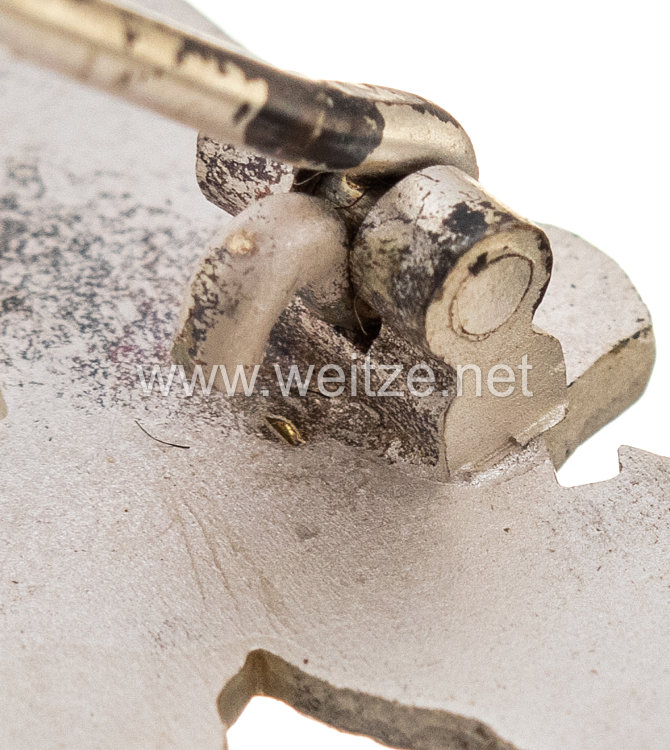
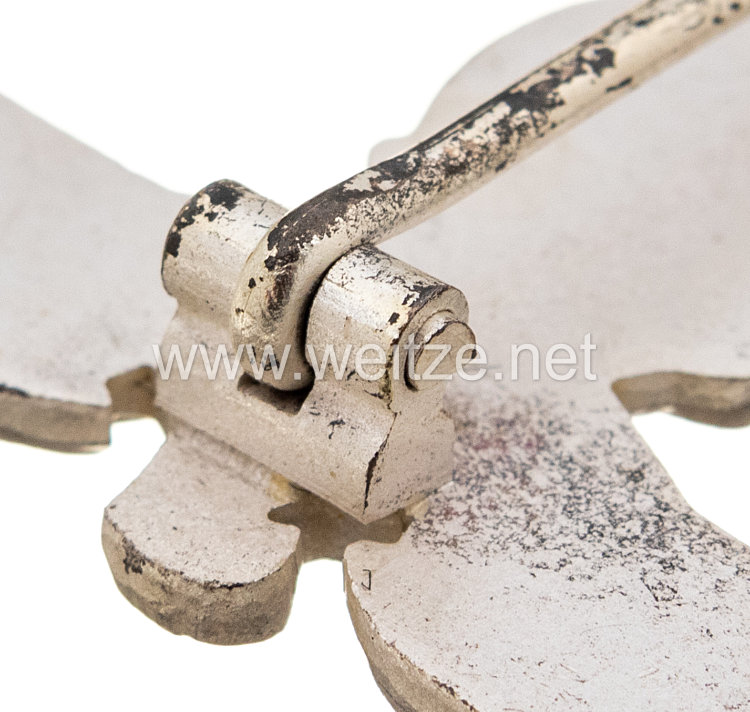
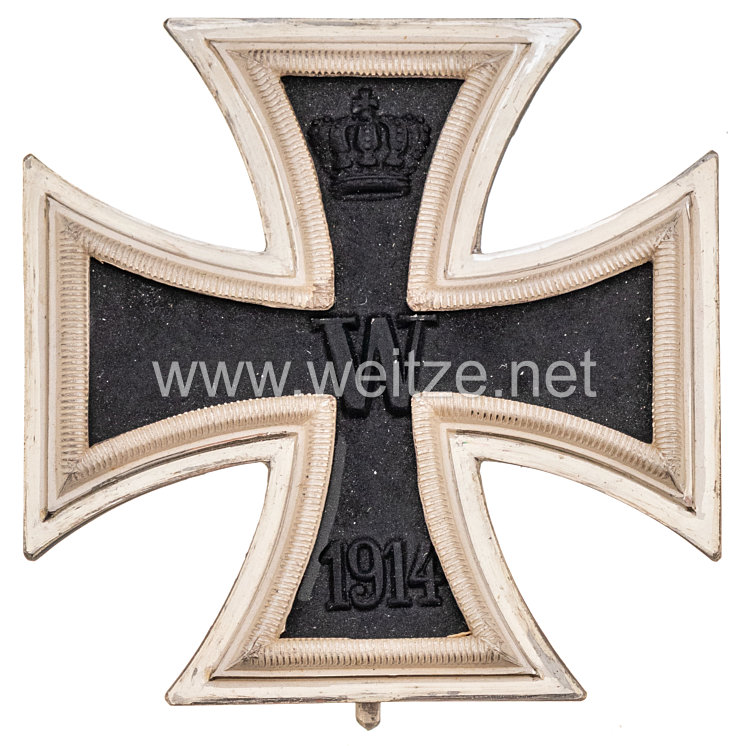
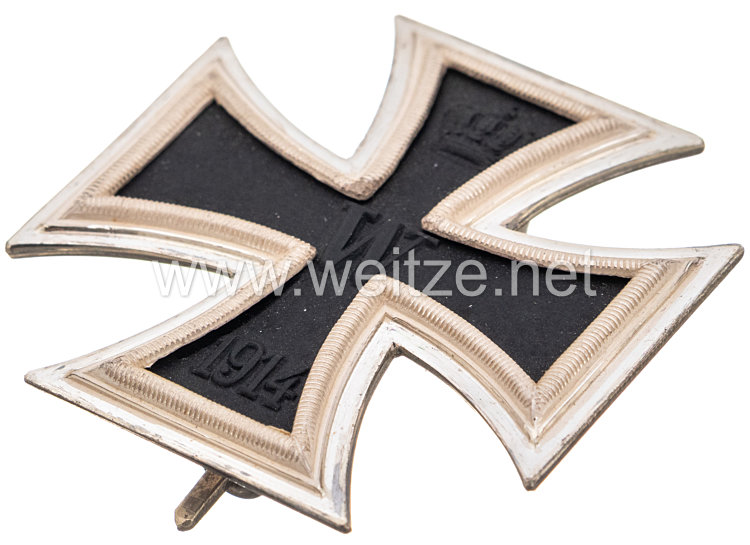
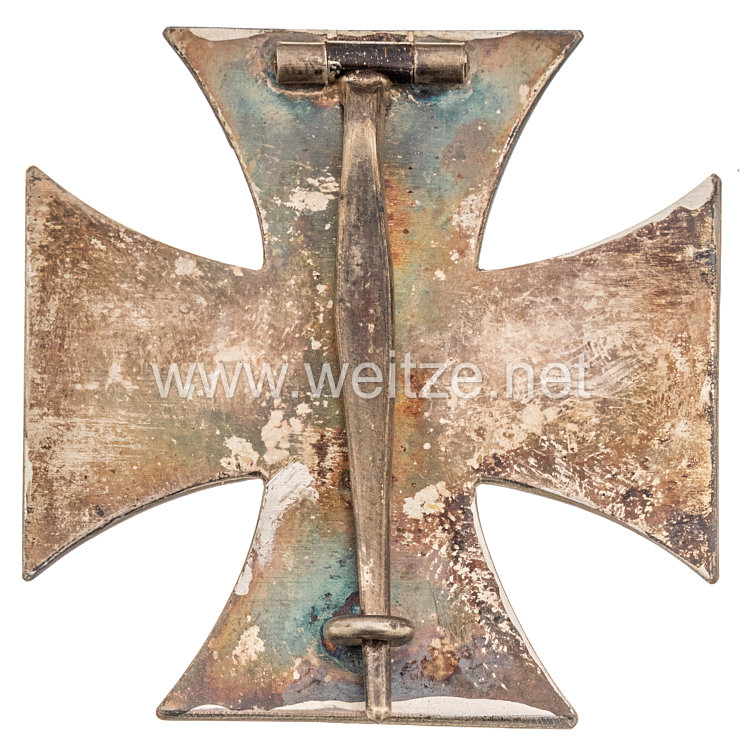
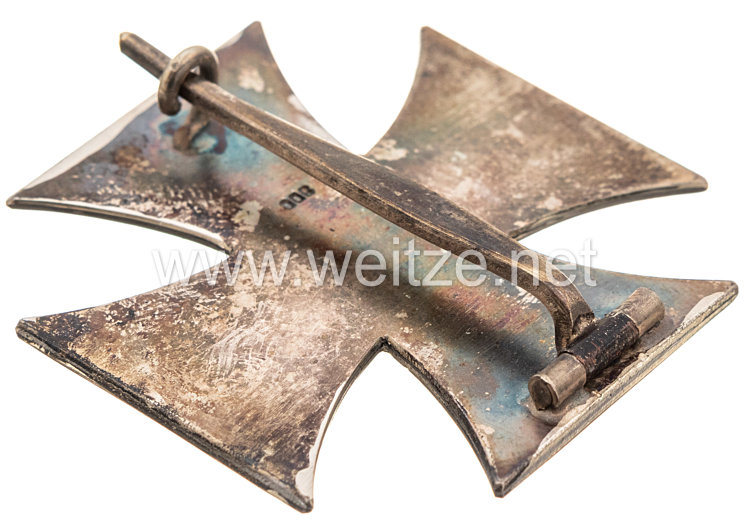
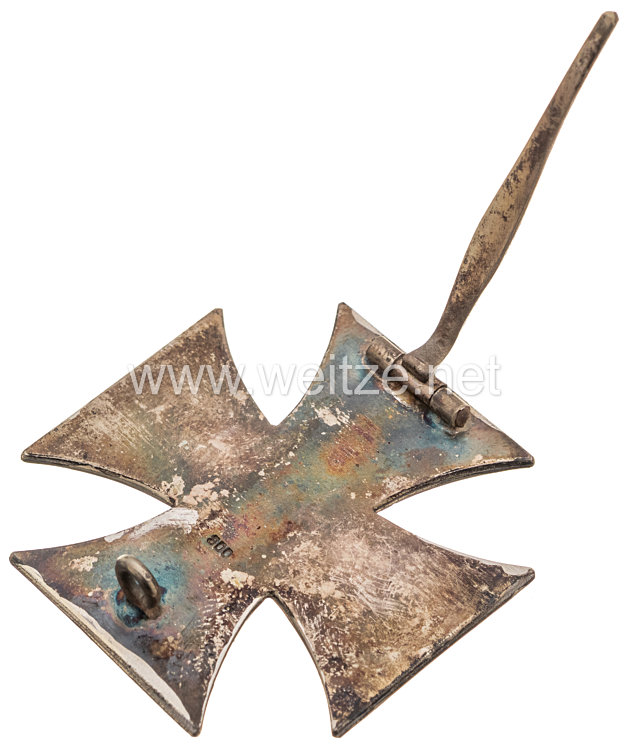
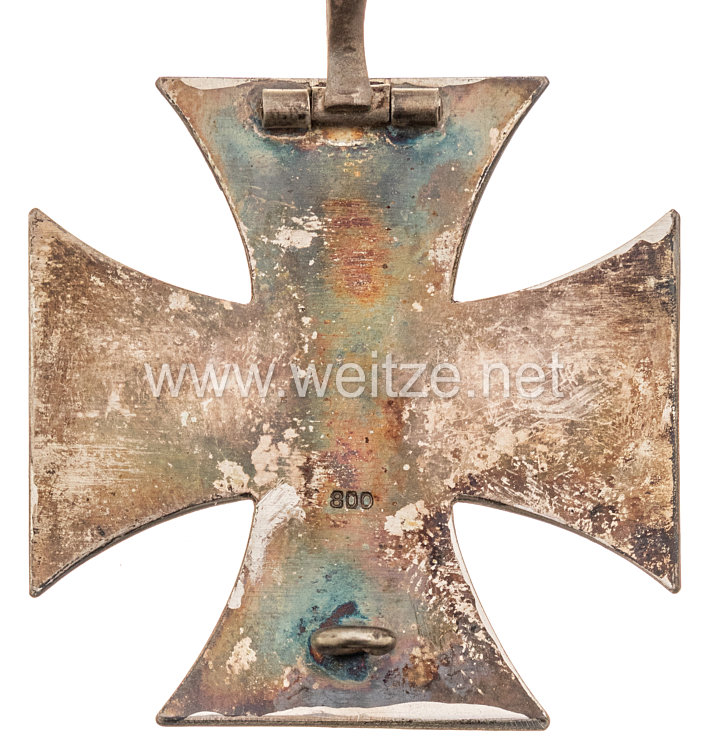
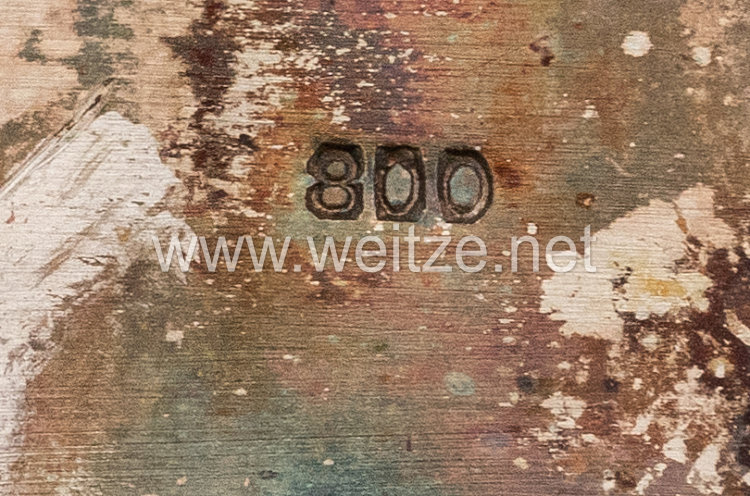
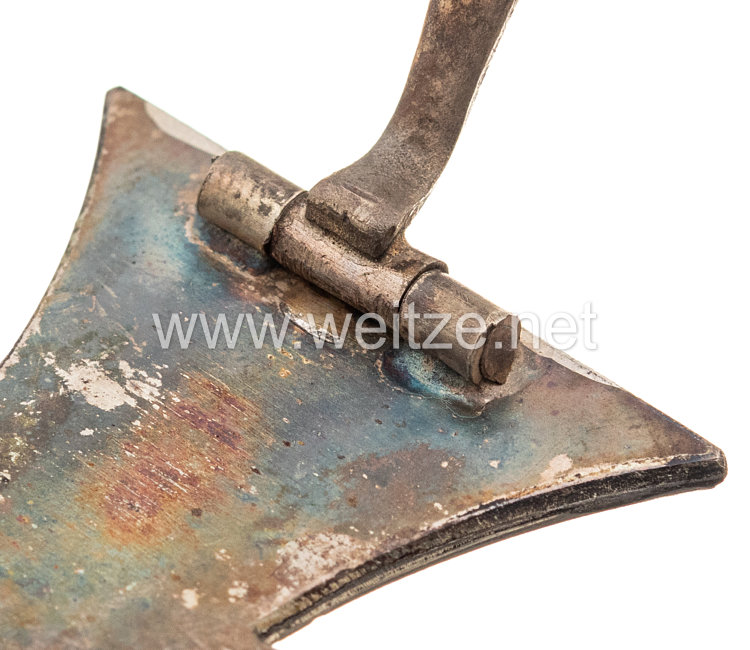
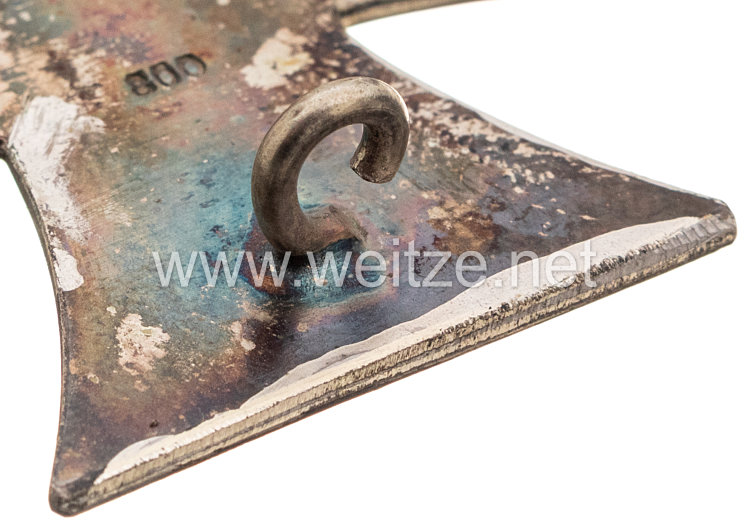
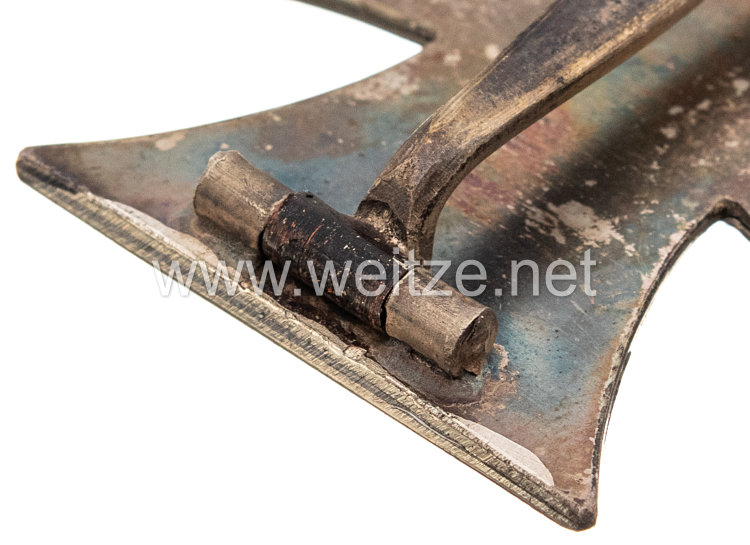
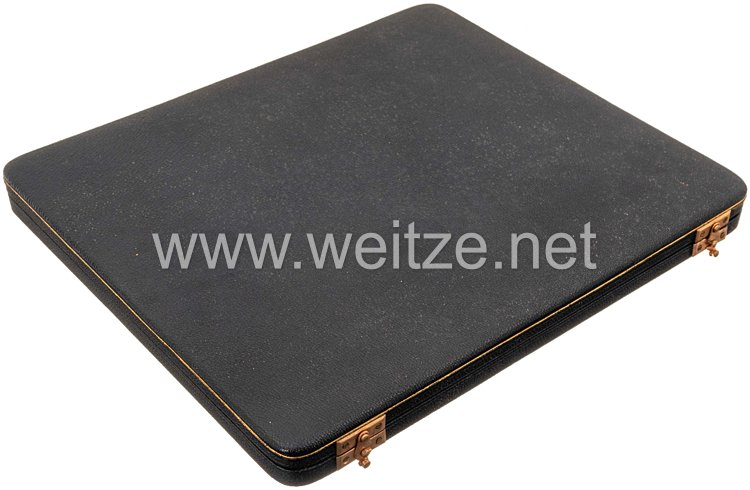
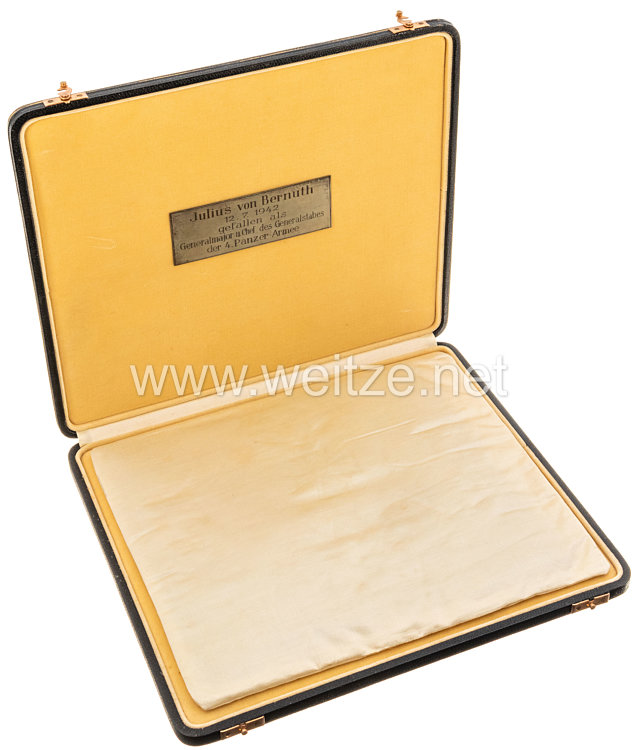
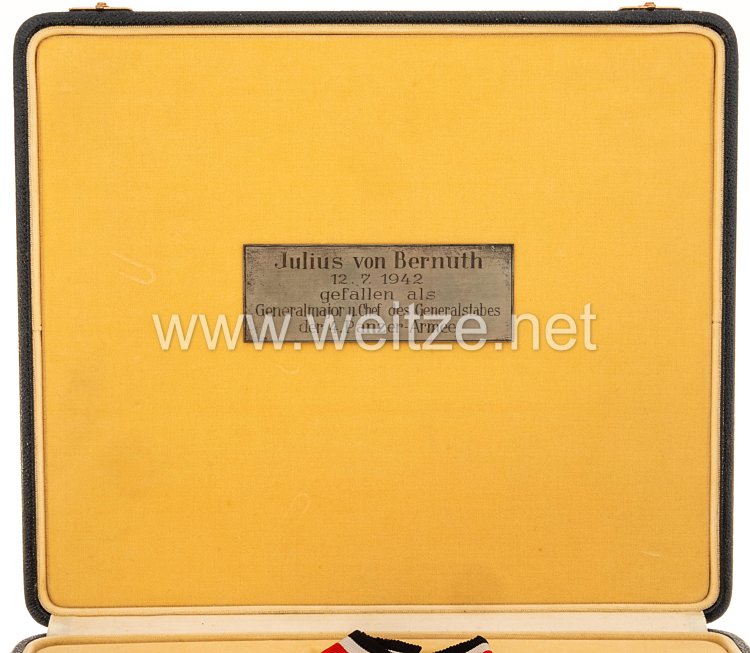
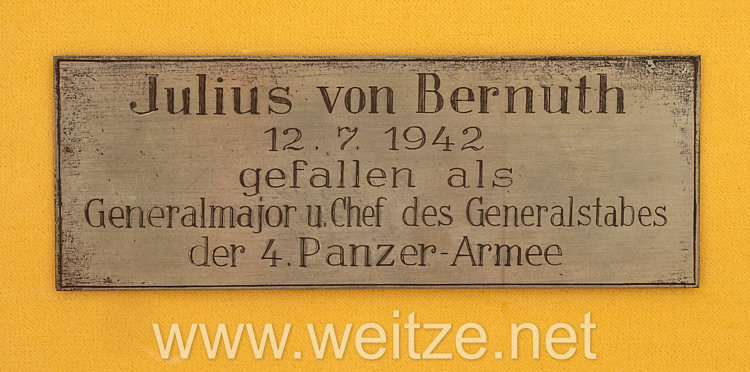
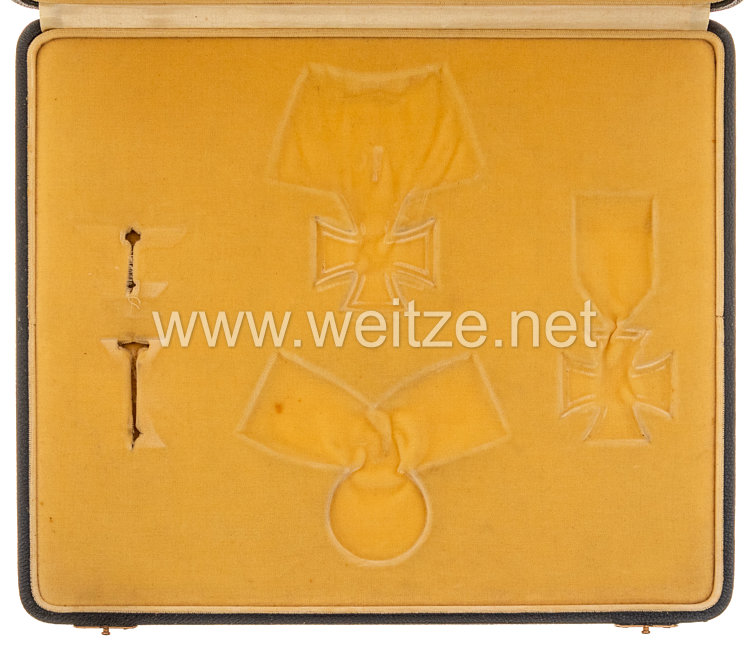
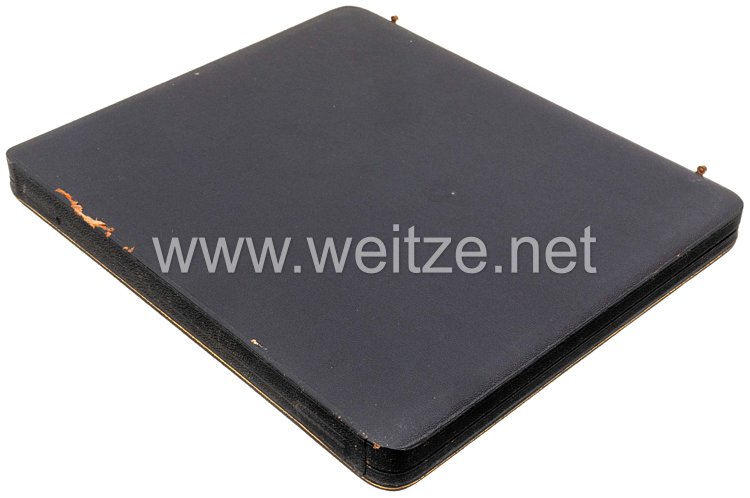
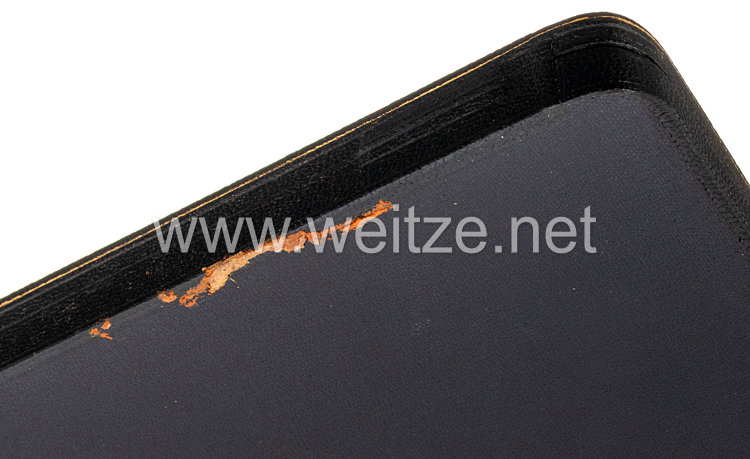
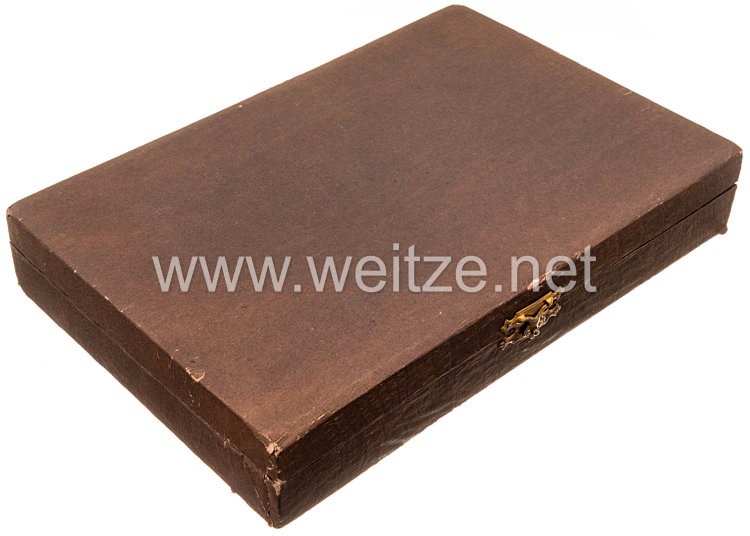
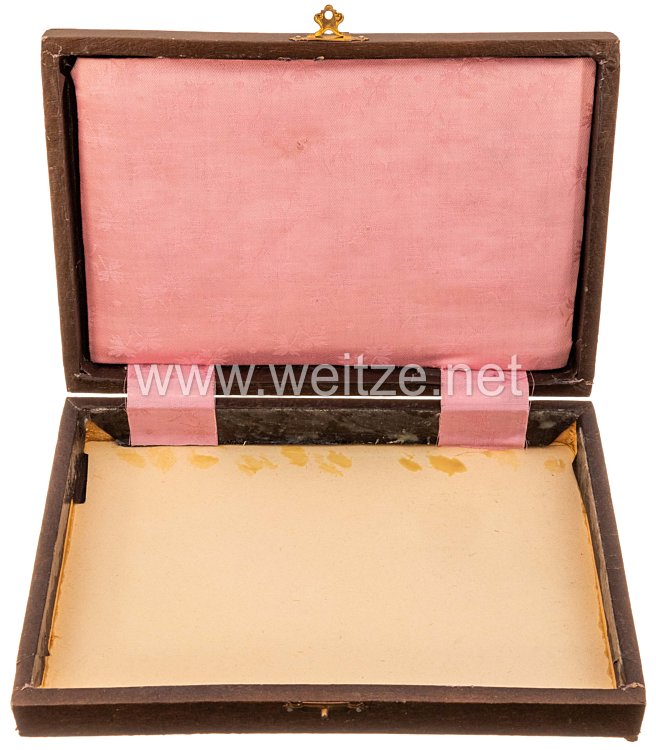
Nach dem Tode von Generalmajor von Bernuth hat die Familie einen besonderen Ordenskasten mit den wichtigsten Auszeichnungen anfertigen lassen. Hierfür wurden alle Auszeichnungen noch einmal von den Ordensfirmen geordert und befinden sich in fabrikneuem Zustand. Großes schwarz beledertes Verleihungsetui, umlaufend mit Goldrand, Maße 25 x 29 cm. Innen mit cremefarbenem Samt ausgeschlagen. Im Deckel mit silberner Platte und Gravur "Julius von Bernuth 12.7.1942 Gefallen al Generalmajor u. Chef des Generalstabes der 4. Panzer-Armee". Die 6 einliegenden Auszeichnungen liegen in entsprechenden Aussparungen im Samtbett: Ritterkreuz des Eisernen Kreuzes 1939, Fertigung der Fa. C.E. Juncker, Berlin. Besonders wuchtiger matt geschwärzter Eisenkern mit Silberzarge. Die Zarge "frostig" versilbert mit aufpolierten Kanten. Rückseitig gestempelt "L/12" und 800", der Bandring "800" gestempelt, komplett am kurzen Bandabschnitt. Ehrenzeichen vom 9. November 1923, sogenannter "Blutorden". Silberne Medaille, die Originaltönung zu 100 % erhalten, rückseitig mit Verleihungsnummer "1493" über Silberstempel "800". Komplett mit dem original Band. Eisernes Kreuz 1914 1. Klasse. Luxusfertigung in der 1939er Form. Matt geschwärzter Eisenkern mit Silberzarge. Die Zarge "frostig" versilbert mit aufpolierten Kanten. Rückseitig gestempelt "800". Wiederholungsspange 1939 für das Eiserne Kreuz 1. Klasse 1914, Luxusfertigung der Fa. Deumer Lüdenscheid. Buntmetall "frostig" versilbert mit aufpolierten Kanten und Hakenkreuz. Eisernes Kreuz 1914 2. Klase in Luxusausführung mit aufgelegter Wiederholungsspange "1939". Glänzend geschwärzter Eisenkern mit Silberzarge. Die Zarge "frostig" versilbert mit aufpolierten Kanten. Rückseitig auf dem Rand gestempelt "800". Wiederholungsspange 1939 für das Eiserne Kreuz 2. Klasse 1914, Luxusfertigung Buntmetall "frostig" versilbert mit aufpolierten Kanten und Hakenkreuz. Über den Orden liegt zum Schutz ein cremefarbenes Samtkissen. Das Etui vorn mit 2 Verschlüssen. Das Etui sowie die Auszeichnungen in absolut neuwertigem Zustand - "in mint condition".
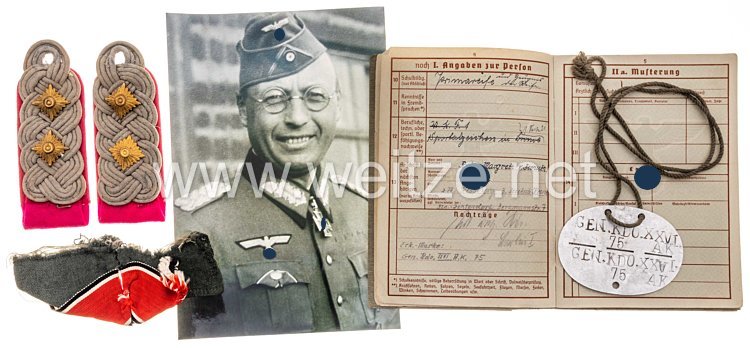
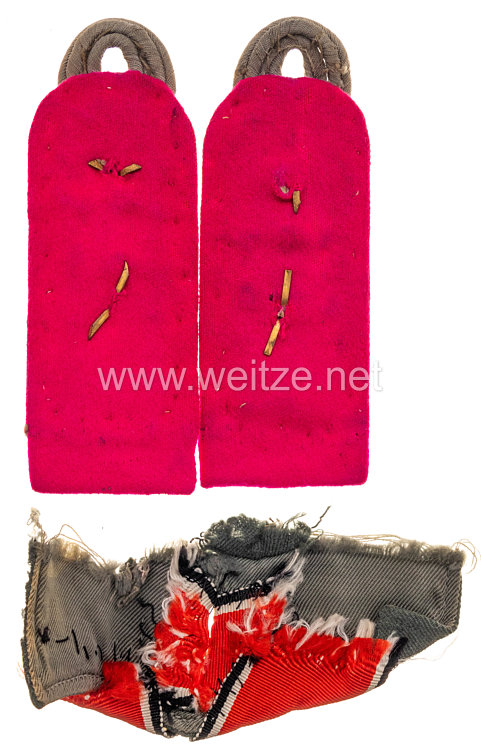
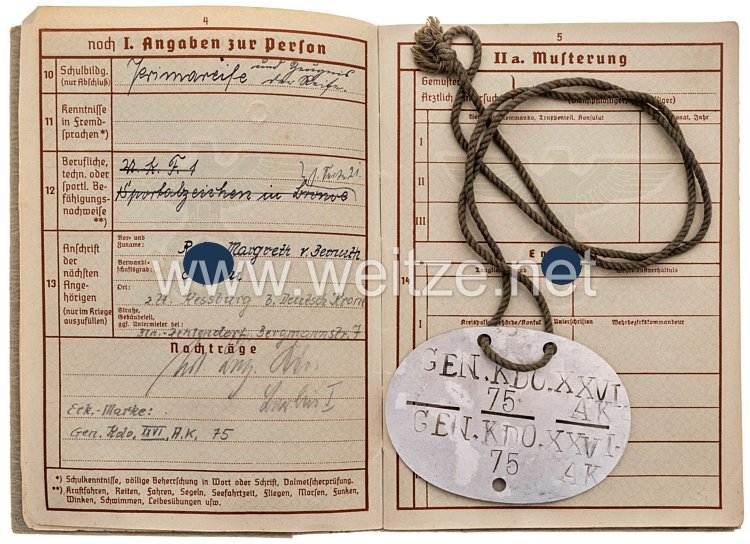
Dazu ein weiteres Ehrenzeichen vom 9. November 1923, sogenannter "Blutorden". Silberne Medaille, die Originaltönung zu 100 % erhalten, rückseitig mit Verleihungsnummer "1493" über Silberstempel "800". Komplett am langen original Band. Ungetragen, Zustand 2++. Dazu die Brusttasche von Bernuth´s Feldbluse mit dem eingenähten Band zum Blutorden - von der Uniform des Gefallenen abgeschnitten. Persönliche Erkennungsmarke "Gen. Kdo XXVI AK 75", Aluminium, mit der original Halstragekordel, vom Gefallenen abgenommen. Ein Paar Schulterstücke als Oberst im Generalstab, getragen.
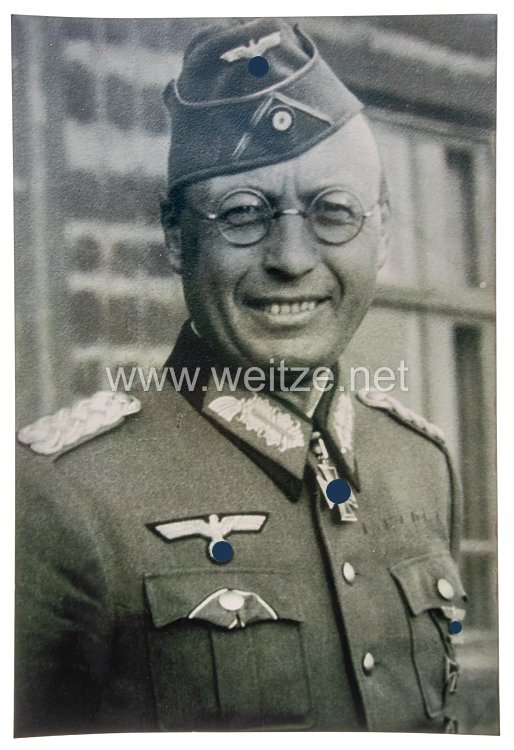
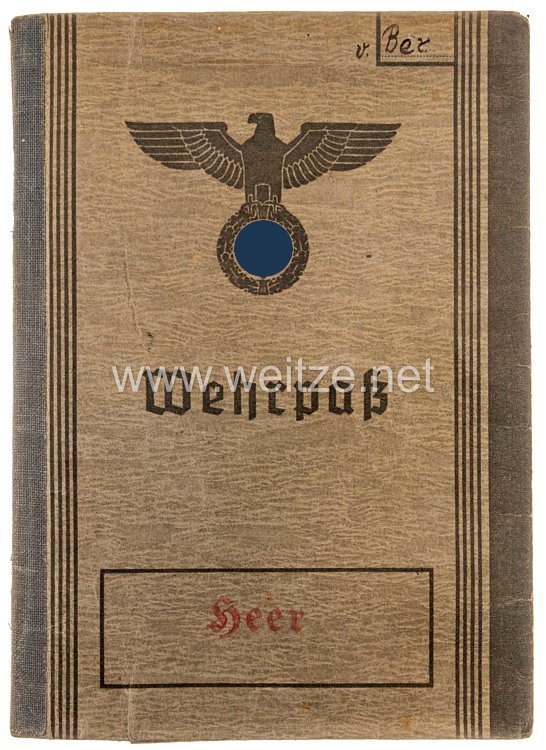
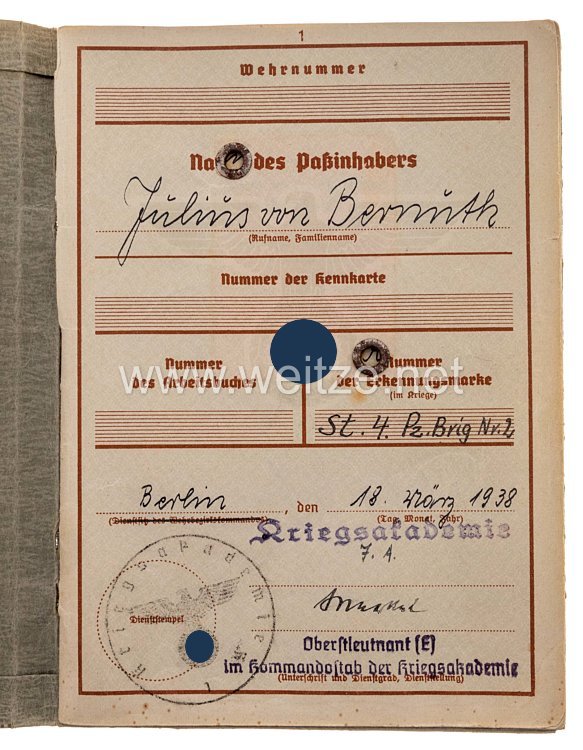
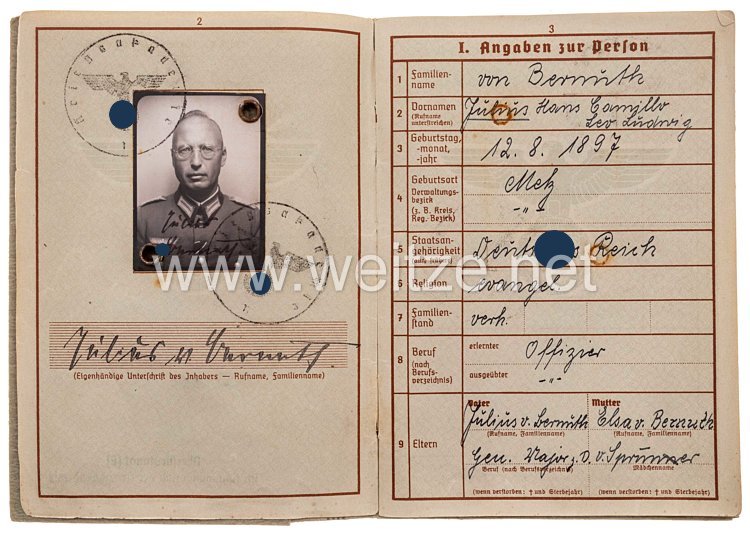
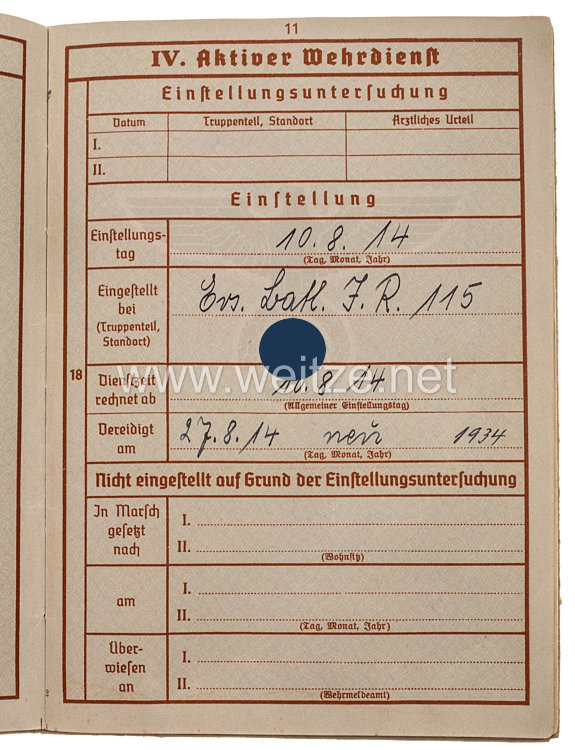
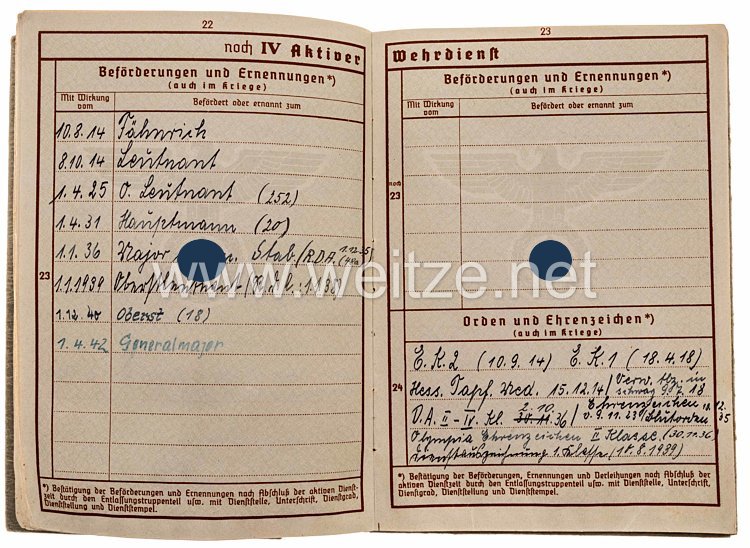
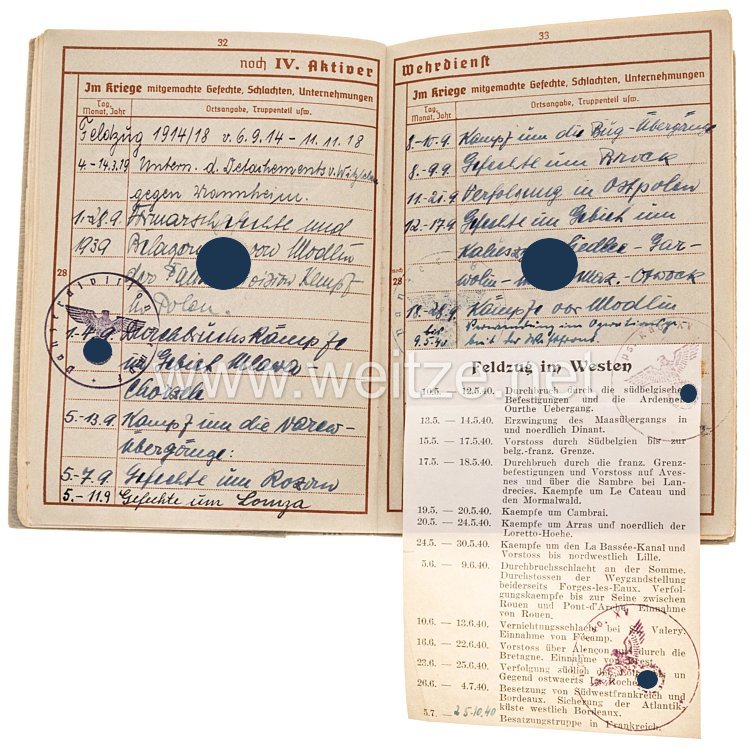
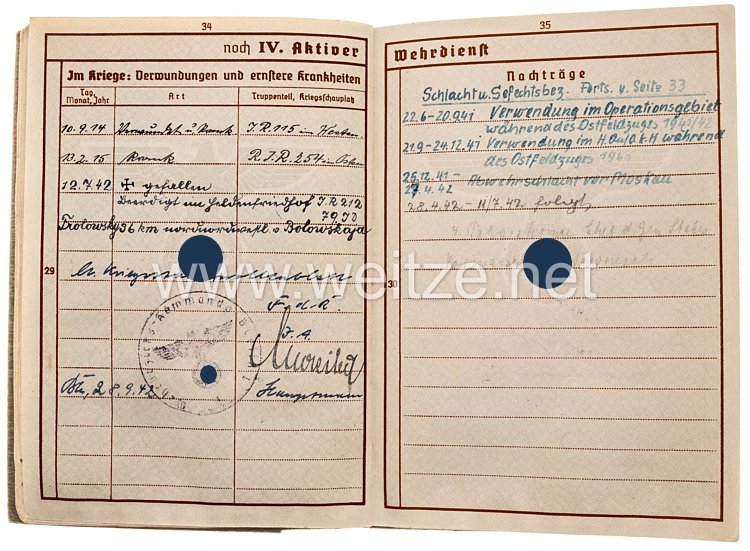
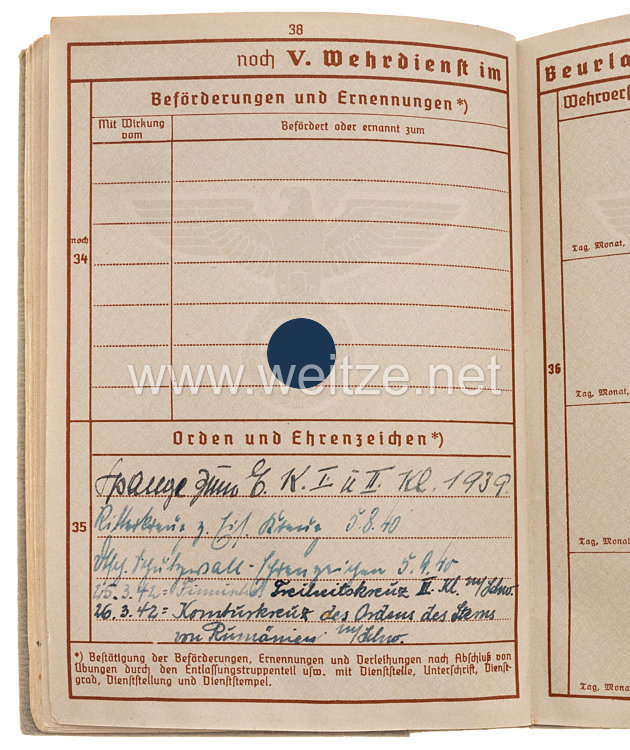
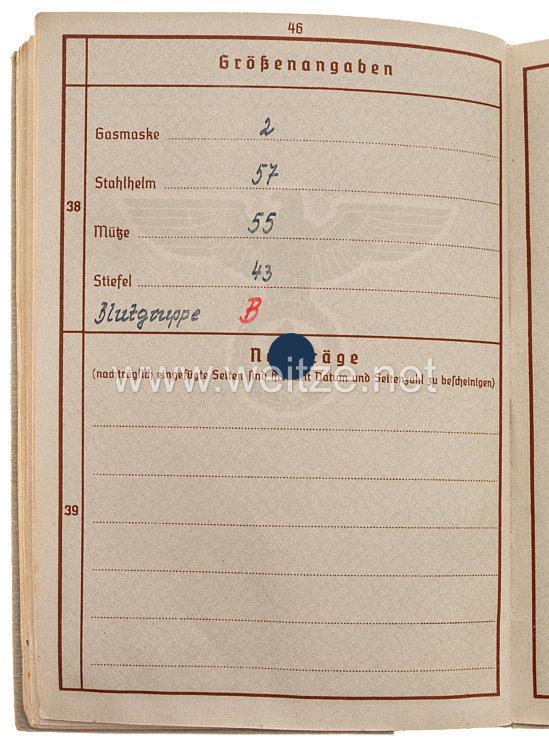
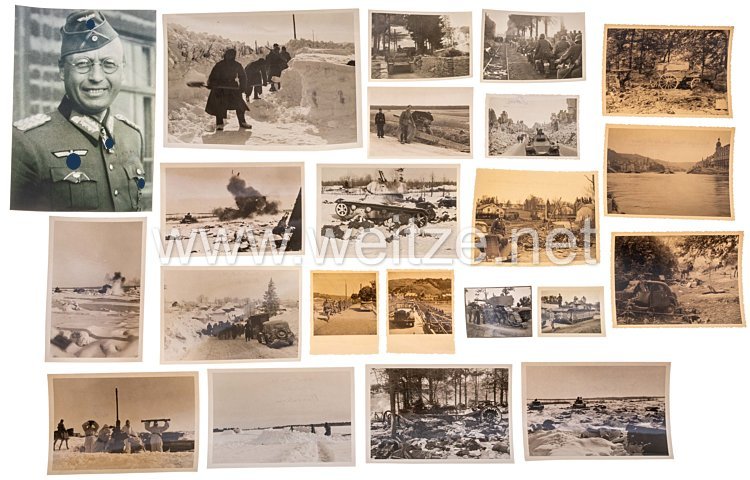
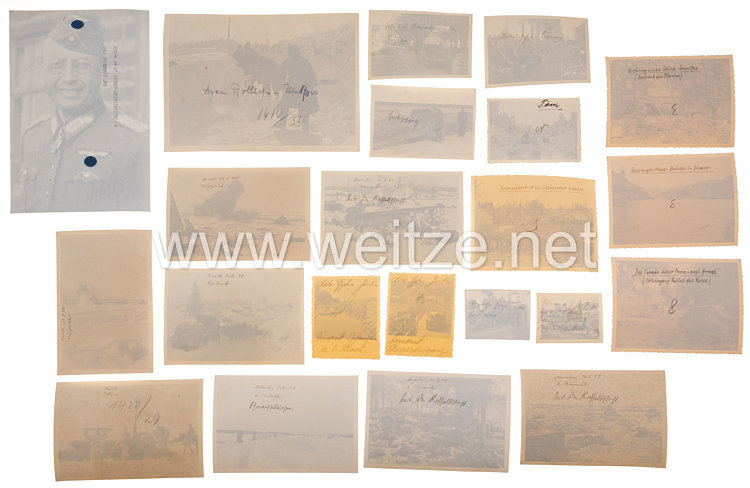
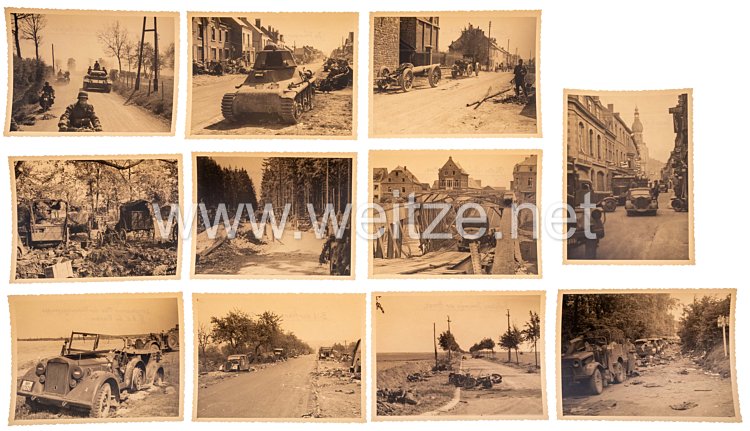
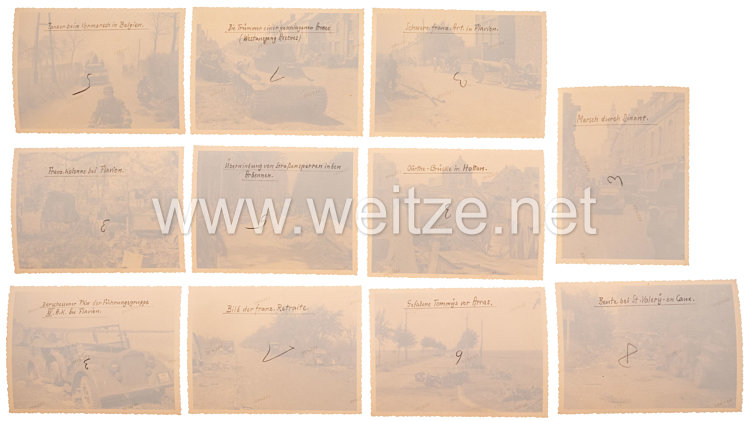
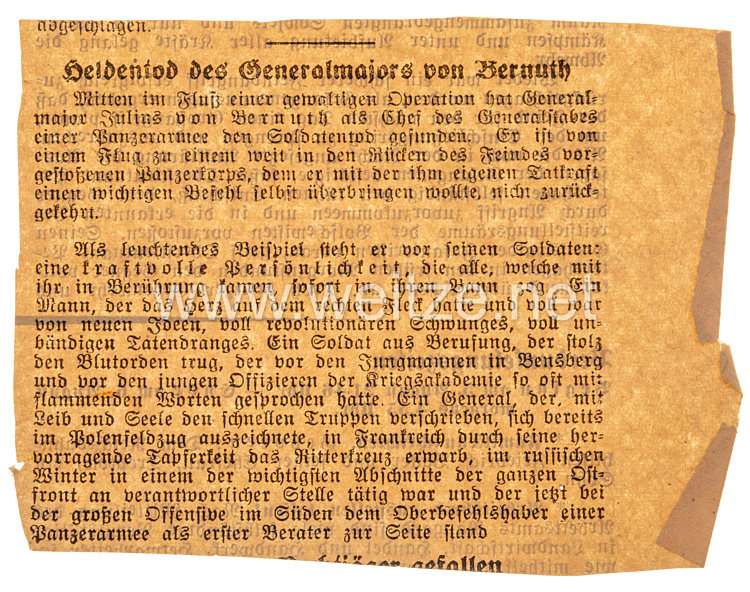
Wehrpaß, ausgestellt 18. März 1938 von der Kriegsakademie, schönes Uniformfoto als Major, die Erkennungsmarke passend eingetragen, randvoll mit allen Eintragungen, Beförderungen, Auszeichnungen und Feldzügen von 1914 bis zum 12.7.1942 - gefallen. Zustand 2+. Zeitungsausschnitt "Heldentod des Generalmajors von Bernuth". 21 original Fotos aus dem Frankreichfeldzug 1940 sowie 11 Fotos aus dem Rußlandfeldzug, alle rückseitig von Bernuth fein beschriftet. Dazu noch ein sehr schönes großes Reprofoto als Generalmajor mit Ritterkreuz (die Taschenklappe mit dem Blutordensband ist auf dem Foto deutlich zu erkennen).
Eine ganz fantastische Gruppe eines tapferen Generals. Nicht nur der Ordenskasten ist einfach sensationell und einmalig, sondern auch die Tatsache, dass Bernuth 2 Blutorden besessen hat. Uns ist kein weiterer Nachlass mit 2 Blutorden bekannt.
Julius Hans Camillo Friedrich Leo Ludwig von Bernuth (* 12. August 1897 in Metz; † 12. Juli 1942 bei Ssochkranaja).
Julius war der Sohn des gleichnamigen preußischen Generalmajors Julius von Bernuth. Bernuth besuchte zunächst die Kadettenanstalt Karlsruhe, dann die Preußische Hauptkadettenanstalt und trat nach Ausbruch des Ersten Weltkriegs am 10. August 1914 als Fahnenjunker in das Leibgarde-Infanterie-Regiment (1. Großherzoglich Hessisches) Nr. 115 e ein. Teilnahme an der Schlacht an der Marne, in dessen Verlauf er am 10. September 1914 verwundet wurde. Bei Kriegsende war er Leutnant und Bataillonsadjutant im Infanterie-Regiment Nr. 365. Er hatte neben beiden Klassen des Eisernen Kreuzes, die Hessische Tapferkeitsmedaille sowie das Verwundetenabzeichen in Schwarz erhalten.
Bernuth kehrte am 13. Dezember 1918 erneut zu seinem Stammregiment zurück. Nach der Demobilisierung bildeten sich aus den Resten des Regiments das Freikorps 115, dem Bernuth bis zu seiner Übernahme in die Reichswehr am 1. Oktober 1919 angehörte. Hier wurde er zunächst im Reichswehr-Schützen-Regiment 35 verwendet. Ab dem 1. Juni 1920 diente er dann beim Reichswehr-Infanterie-Regiment 22. Mit Beginn des Jahres 1921 gehörte er der 16. Kompanie des 15. Infanterie-Regiments an. Für seine Teilnahme am Marsch auf die Feldherrnhalle am 9. November 1923 in München wurde er später mit dem Blutorden ausgezeichnet.
Ab dem 7. März 1932 war von Bernuth als Hauptmann im Reichswehrministerium beschäftigt. Am 1. Oktober 1934 zum Kompaniechef im Infanterieregiment München ernannt. Am 15. Oktober 1935 wurde er Chef der 2. Kompanie im Gebirgsjägerregiment 100 und als solcher am 1. Januar 1936 zum Major befördert. Am 7. März 1936 wechselte er als Erster Generalstabsoffizier (Ia) in den Stab der 17. Infanterie-Division. Ab dem 1. August 1937 arbeitete er als Taktiklehrer an der Kriegsakademie und wurde am 1. Januar 1939 Oberstleutnant im Generalstab. Beim Polenfeldzug 1939 war von Bernuth Ia und O 1 der Panzer-Division Kempf. Anschließend wurde er Ia beim XXVI. Armeekorps. Am 15. März 1940 wurde er Chef des Stabes des XV. Armeekorps (mot.). In Abwesenheit des Kommandierenden Generals General der Infanterie Hermann Hoth vereitelte er am 22. Mai 1940 den französischen Versuch, über Cambrai und Arras in Richtung Bapaume durchzubrechen, wofür er am 5. August 1940 das Ritterkreuz des Eisernen Kreuzes erhielt. Nach dem Ende des Westfeldzuges wurde von Bernuth am 26. Oktober 1940 zum Chef der 4. (Ausbildungs-)Abteilung im Generalstab des Heeres ernannt und war von Juni 1941 an Verbindungsoffizier des OKH zur Heeresgruppe Süd, wo er am 1. Dezember 1940 zum Oberst i. G. befördert wurde. Am 10. Januar 1942 wurde von Bernuth Chef des Stabes der 4. Armee und dort am 1. April 1942 zum Generalmajor befördert. Am 28. April 1942 wurde er Chef des Generalstabes der 4. Panzerarmee unter Generaloberst Hermann Hoth. Am 12. Juli 1942 startete er mit einem Fieseler Storch vom Armee-Hauptquartier zu einem Flug zum XXXX. Armee-Korps, von dem er nicht zurückkehrte. Suchtrupps fanden am 14. Juli bei Ssochkranaja den abgestürzten Fieseler Storch mit von Bernuths Leichnam . Von Bernuth wurde am 16. Juli 1942 auf dem Friedhof Frolowskij in der Nähe Stalingrads beigesetzt.
Dazu ein weiteres Ehrenzeichen vom 9. November 1923, sogenannter "Blutorden". Silberne Medaille, die Originaltönung zu 100 % erhalten, rückseitig mit Verleihungsnummer "1493" über Silberstempel "800". Komplett am langen original Band. Ungetragen, Zustand 2++. Dazu die Brusttasche von Bernuth´s Feldbluse mit dem eingenähten Band zum Blutorden - von der Uniform des Gefallenen abgeschnitten. Persönliche Erkennungsmarke "Gen. Kdo XXVI AK 75", Aluminium, mit der original Halstragekordel, vom Gefallenen abgenommen. Ein Paar Schulterstücke als Oberst im Generalstab, getragen.
Wehrpaß, ausgestellt 18. März 1938 von der Kriegsakademie, schönes Uniformfoto als Major, die Erkennungsmarke passend eingetragen, randvoll mit allen Eintragungen, Beförderungen, Auszeichnungen und Feldzügen von 1914 bis zum 12.7.1942 - gefallen. Zustand 2+. Zeitungsausschnitt "Heldentod des Generalmajors von Bernuth". 21 original Fotos aus dem Frankreichfeldzug 1940 sowie 11 Fotos aus dem Rußlandfeldzug, alle rückseitig von Bernuth fein beschriftet. Dazu noch ein sehr schönes großes Reprofoto als Generalmajor mit Ritterkreuz (die Taschenklappe mit dem Blutordensband ist auf dem Foto deutlich zu erkennen).
Eine ganz fantastische Gruppe eines tapferen Generals. Nicht nur der Ordenskasten ist einfach sensationell und einmalig, sondern auch die Tatsache, dass Bernuth 2 Blutorden besessen hat. Uns ist kein weiterer Nachlass mit 2 Blutorden bekannt.
Julius Hans Camillo Friedrich Leo Ludwig von Bernuth (* 12. August 1897 in Metz; † 12. Juli 1942 bei Ssochkranaja).
Julius war der Sohn des gleichnamigen preußischen Generalmajors Julius von Bernuth. Bernuth besuchte zunächst die Kadettenanstalt Karlsruhe, dann die Preußische Hauptkadettenanstalt und trat nach Ausbruch des Ersten Weltkriegs am 10. August 1914 als Fahnenjunker in das Leibgarde-Infanterie-Regiment (1. Großherzoglich Hessisches) Nr. 115 e ein. Teilnahme an der Schlacht an der Marne, in dessen Verlauf er am 10. September 1914 verwundet wurde. Bei Kriegsende war er Leutnant und Bataillonsadjutant im Infanterie-Regiment Nr. 365. Er hatte neben beiden Klassen des Eisernen Kreuzes, die Hessische Tapferkeitsmedaille sowie das Verwundetenabzeichen in Schwarz erhalten.
Bernuth kehrte am 13. Dezember 1918 erneut zu seinem Stammregiment zurück. Nach der Demobilisierung bildeten sich aus den Resten des Regiments das Freikorps 115, dem Bernuth bis zu seiner Übernahme in die Reichswehr am 1. Oktober 1919 angehörte. Hier wurde er zunächst im Reichswehr-Schützen-Regiment 35 verwendet. Ab dem 1. Juni 1920 diente er dann beim Reichswehr-Infanterie-Regiment 22. Mit Beginn des Jahres 1921 gehörte er der 16. Kompanie des 15. Infanterie-Regiments an. Für seine Teilnahme am Marsch auf die Feldherrnhalle am 9. November 1923 in München wurde er später mit dem Blutorden ausgezeichnet.
Ab dem 7. März 1932 war von Bernuth als Hauptmann im Reichswehrministerium beschäftigt. Am 1. Oktober 1934 zum Kompaniechef im Infanterieregiment München ernannt. Am 15. Oktober 1935 wurde er Chef der 2. Kompanie im Gebirgsjägerregiment 100 und als solcher am 1. Januar 1936 zum Major befördert. Am 7. März 1936 wechselte er als Erster Generalstabsoffizier (Ia) in den Stab der 17. Infanterie-Division. Ab dem 1. August 1937 arbeitete er als Taktiklehrer an der Kriegsakademie und wurde am 1. Januar 1939 Oberstleutnant im Generalstab. Beim Polenfeldzug 1939 war von Bernuth Ia und O 1 der Panzer-Division Kempf. Anschließend wurde er Ia beim XXVI. Armeekorps. Am 15. März 1940 wurde er Chef des Stabes des XV. Armeekorps (mot.). In Abwesenheit des Kommandierenden Generals General der Infanterie Hermann Hoth vereitelte er am 22. Mai 1940 den französischen Versuch, über Cambrai und Arras in Richtung Bapaume durchzubrechen, wofür er am 5. August 1940 das Ritterkreuz des Eisernen Kreuzes erhielt. Nach dem Ende des Westfeldzuges wurde von Bernuth am 26. Oktober 1940 zum Chef der 4. (Ausbildungs-)Abteilung im Generalstab des Heeres ernannt und war von Juni 1941 an Verbindungsoffizier des OKH zur Heeresgruppe Süd, wo er am 1. Dezember 1940 zum Oberst i. G. befördert wurde. Am 10. Januar 1942 wurde von Bernuth Chef des Stabes der 4. Armee und dort am 1. April 1942 zum Generalmajor befördert. Am 28. April 1942 wurde er Chef des Generalstabes der 4. Panzerarmee unter Generaloberst Hermann Hoth. Am 12. Juli 1942 startete er mit einem Fieseler Storch vom Armee-Hauptquartier zu einem Flug zum XXXX. Armee-Korps, von dem er nicht zurückkehrte. Suchtrupps fanden am 14. Juli bei Ssochkranaja den abgestürzten Fieseler Storch mit von Bernuths Leichnam . Von Bernuth wurde am 16. Juli 1942 auf dem Friedhof Frolowskij in der Nähe Stalingrads beigesetzt.