Marine-HJ Small Estate of a Marine Hitler Youth Scharführer from Vienna, Bann 509

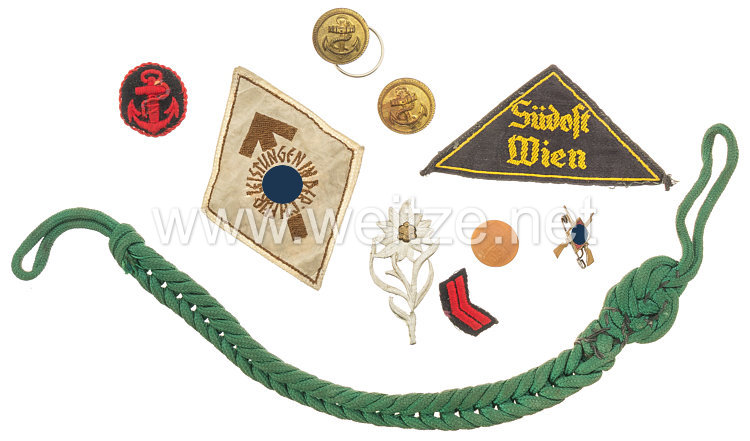
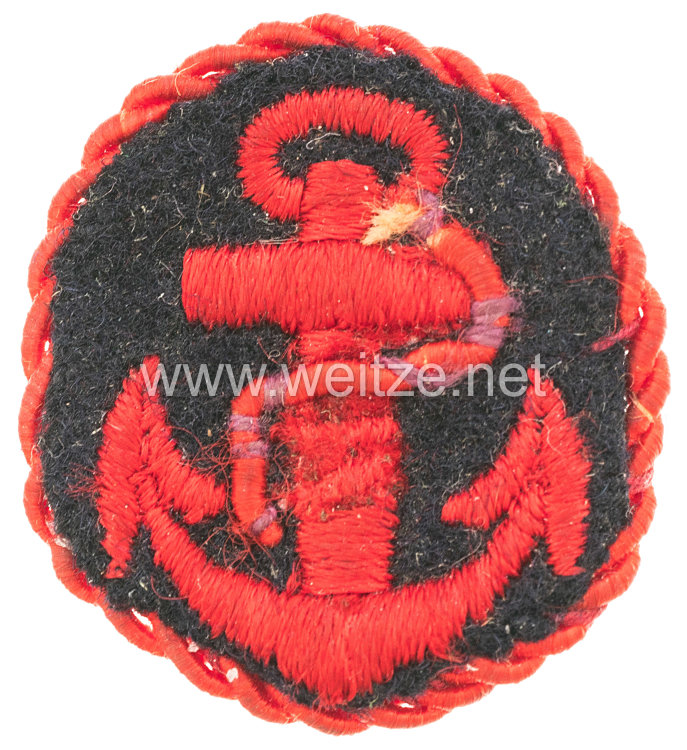
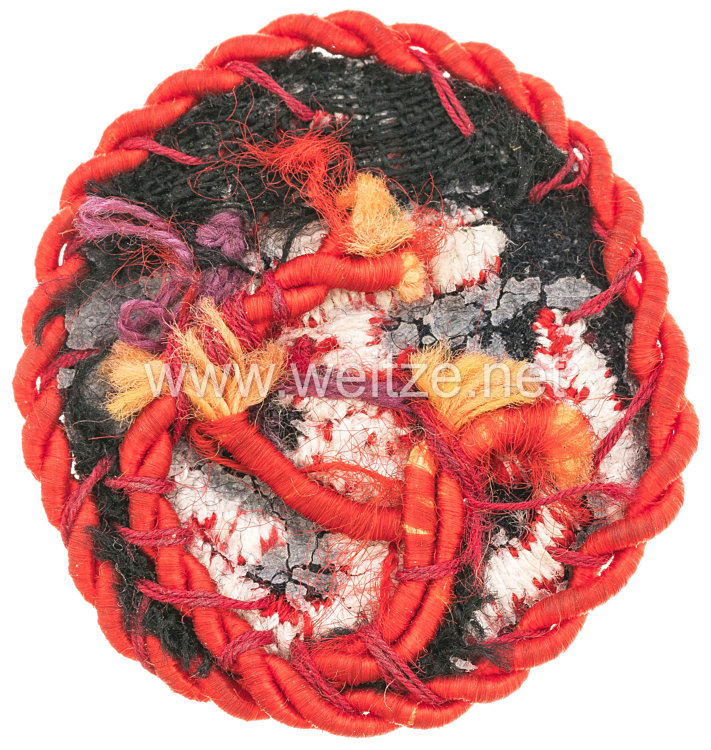
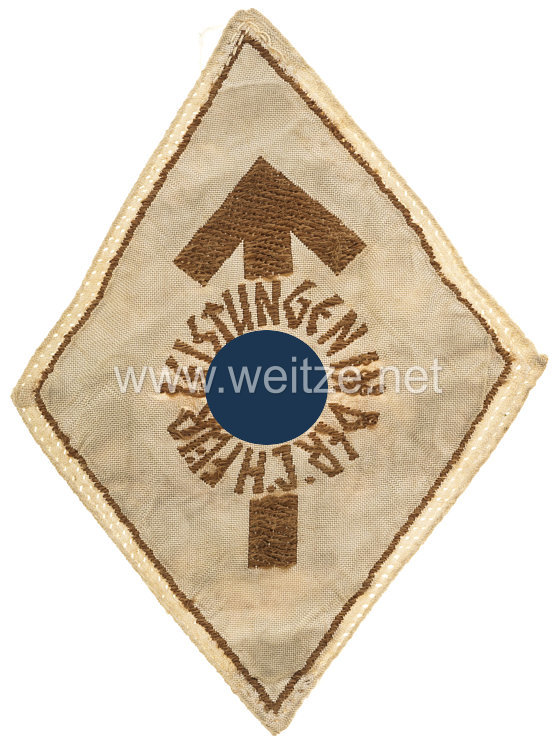
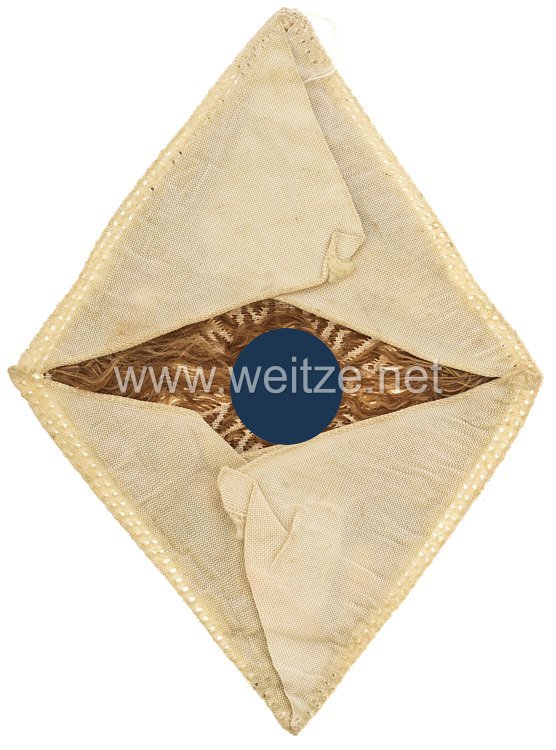
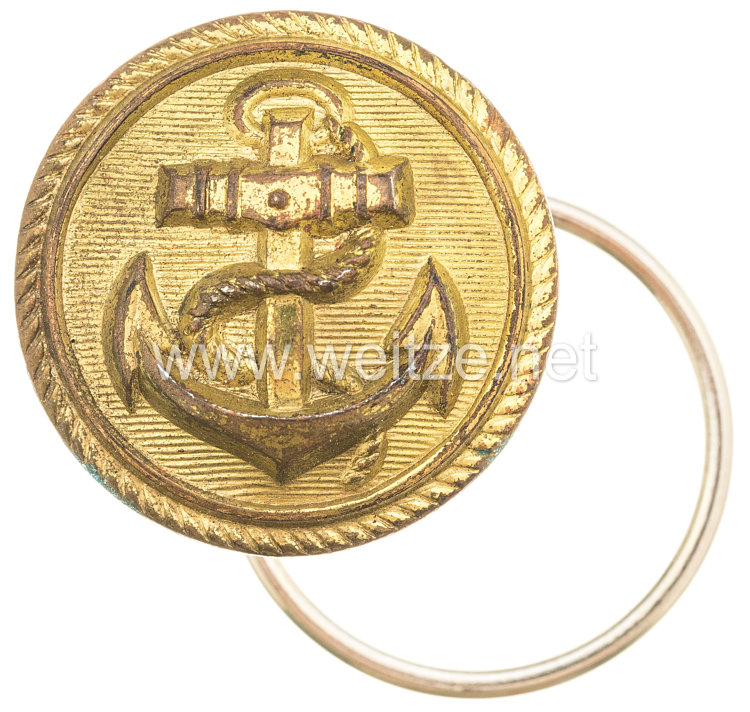
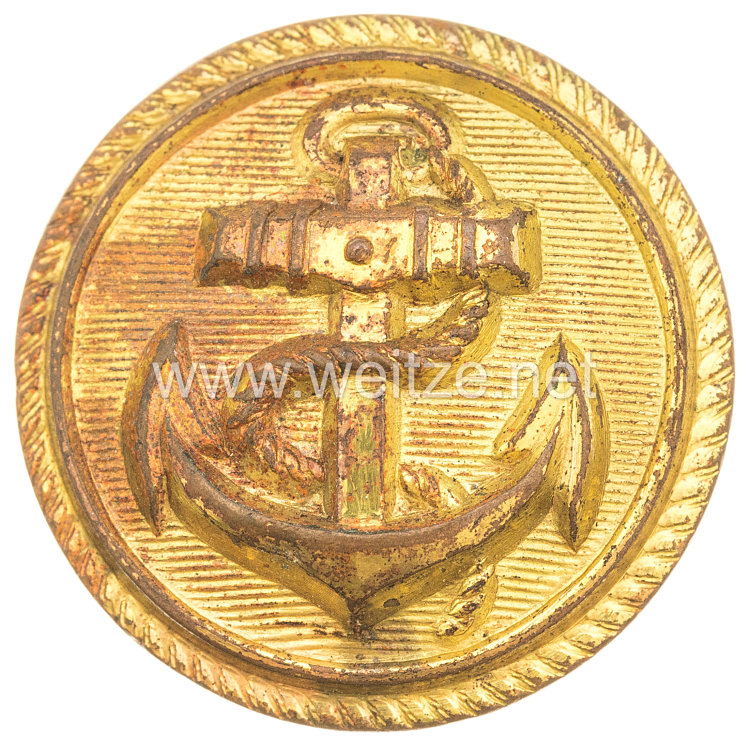
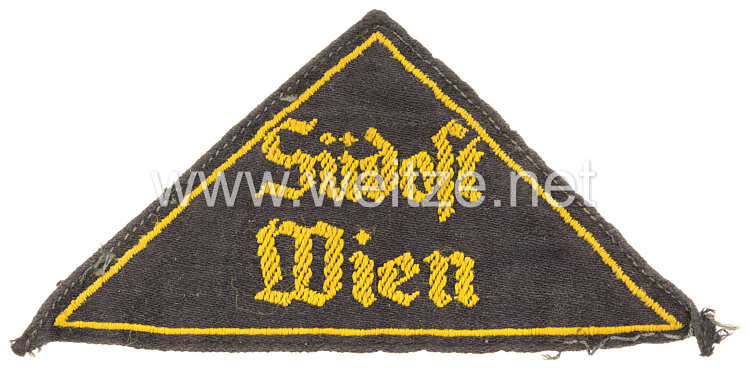
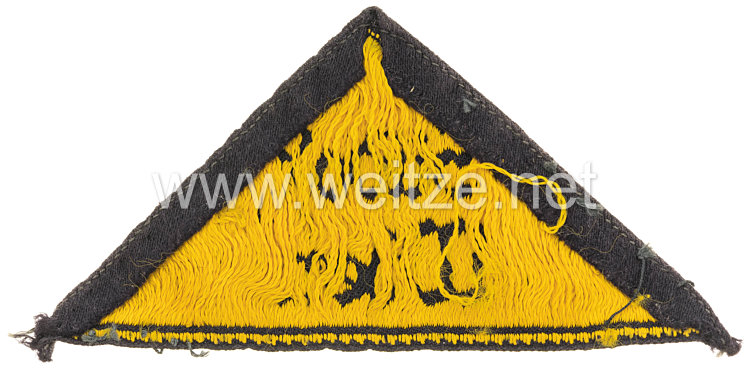
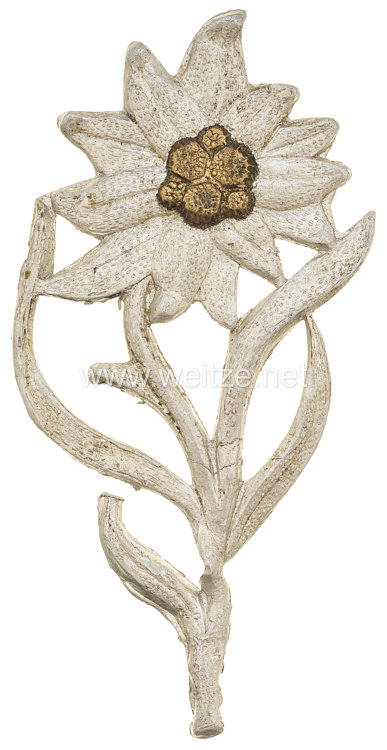
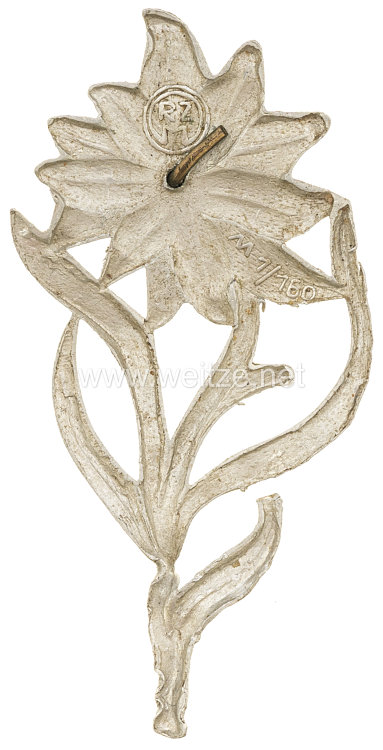
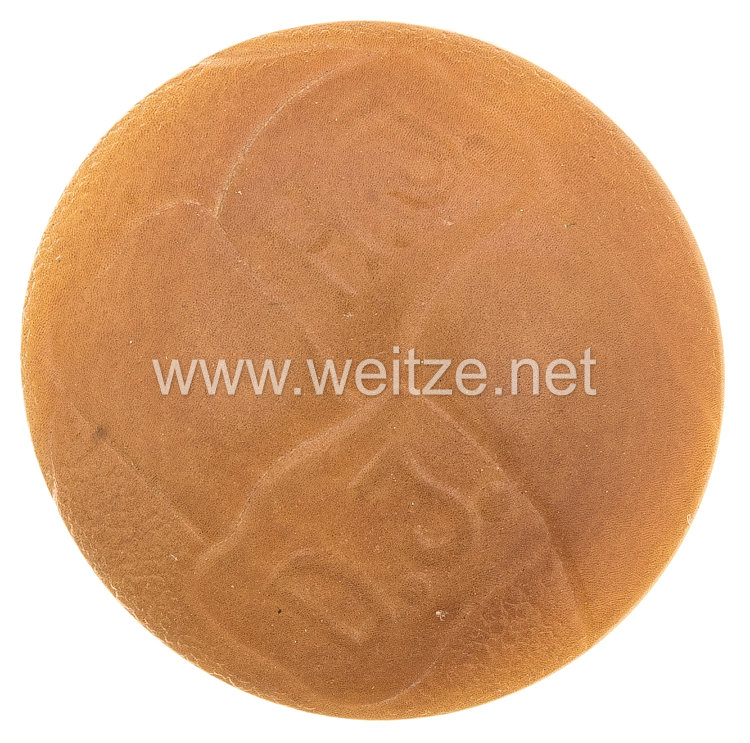
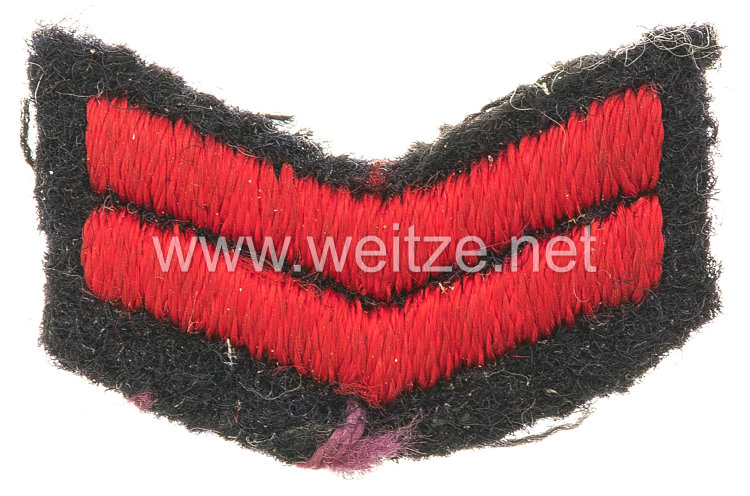
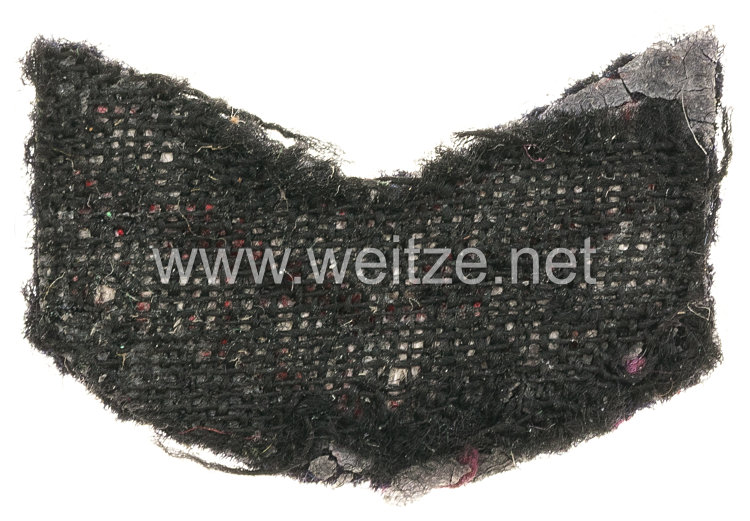
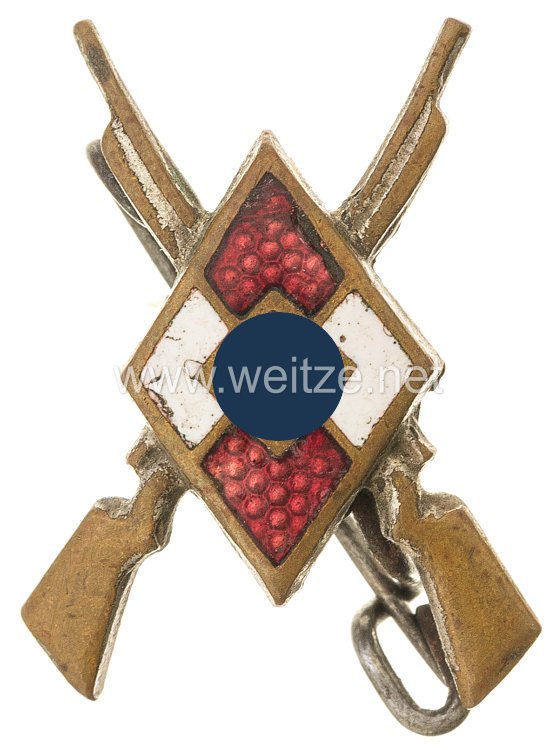
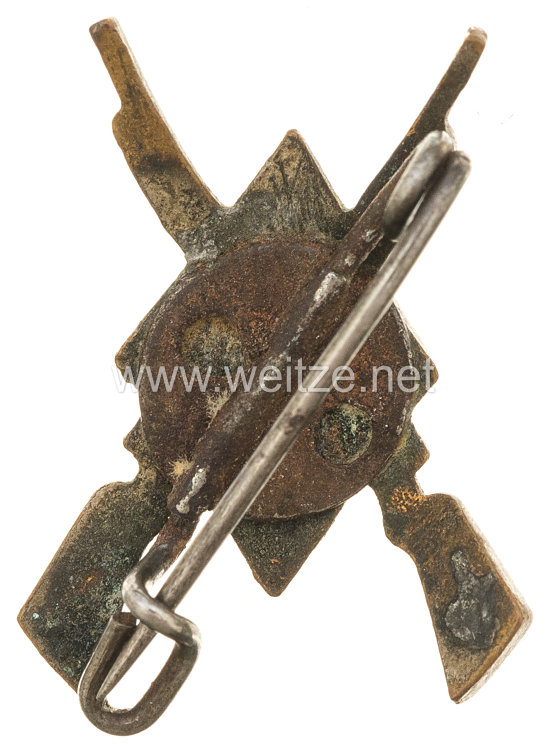
HJ Gebietsdreieck “Südost Wien”, sleeve insignia Reich Sports Badge B with 2 chevrons, 2-piece, lanyard for Scharführer with applied anchor and naval button for attachment to sailor shirt, cap edelweiss and a modified HJ marksmanship badge (without the target). All pieces worn, directly from a private household.
449311
580,00

Marine-HJ Small Estate of a Marine Hitler Youth Scharführer from Vienna, Bann 509

This estate of a Marine-Hitler Youth (MHJ) Scharführer from Vienna represents a rare assemblage of badges and equipment items that provide insight into the organization and structure of the specialized naval units of the Hitler Youth during the Third Reich.

The Marine-Hitlerjugend (Naval Hitler Youth) was established in 1937 as a specialized division within the HJ to prepare young people for later service in the Kriegsmarine. The organization was part of the comprehensive pre-military training that the Nazi regime systematically built up. Boys from age 10 could join the Deutsches Jungvolk (German Young People), and from age 14 the actual Hitler Youth, with maritime special units established in coastal regions and larger cities with water access.

The HJ Gebietsdreieck “Südost Wien” (HJ Area Triangle “Southeast Vienna”) is particularly noteworthy, as Vienna as an inland city maintained its own Marine-HJ unit. Bann 509 was one of the administrative subdivisions of the HJ area Vienna. The area organization of the HJ was introduced in 1933 and reorganized several times. Vienna as the capital of the Ostmark (as Austria was called after the Anschluss in 1938) received special significance in the organizational structure. The area triangle was worn on the right side of the chest on the uniform and served for regional identification.

The sleeve badge for the Reich Sports Badge in bronze with two chevrons documents the wearer's athletic training. The Reich Sports Badge was redesigned in its NS form in 1937 and was an important component of physical education. The chevrons above the badge indicated repeated awards - each chevron stood for another successful completion of the examination. The two-piece design was typical for the textile version that was sewn onto the uniform.

The lanyard for Scharführer with attached anchor and naval button is a characteristic identification mark of the Marine-HJ. The rank of Scharführer corresponded roughly to a non-commissioned officer and meant leading a Schar (unit) of usually 8-15 boys. The lanyard was attached to the sailor uniform, which closely followed the uniform of the Kriegsmarine. The anchor as a symbol referred to the maritime orientation of the unit. Naval units of the HJ frequently wore sailor shirts with corresponding collar patches and other rank insignia.

The cap edelweiss is a particularly interesting element. The edelweiss was traditionally worn by mountain troops but was also used in certain HJ formations, especially in Austrian units after 1938. The connection of Alpine traditions with the Marine-HJ in Vienna reflects the complex identity of Austrian youth organizations after the Anschluss.

The modified HJ marksmanship badge without the target is unusual. Regular HJ marksmanship badges showed a target and were awarded in various grades (bronze, silver). Pre-military shooting training was a central component of HJ education, especially from 1938 onwards. The modification could be attributed to material shortages in the late war years or personal modification.

The Viennese Marine-HJ had a special position. Although Vienna has no sea access, the organization used the Danube and other bodies of water for training purposes. The MHJ conducted sailing training, rowing exercises, and theoretical navigation. From 1943, as the course of the war became increasingly critical, pre-military training received increased importance. Many HJ members were eventually deployed as Flakhelfer (anti-aircraft helpers) or in other military auxiliary functions.

The condition “worn” and the direct provenance from a private household give this ensemble special historical authenticity. Such estates document individual biographies within the Hitler Youth system and are important sources for researching the everyday history of National Socialism. The combination of various rank insignia, decorations, and regional markings provides a differentiated picture of the organizational complexity of the HJ.

From today's perspective, such objects are important testimonies of a dark epoch in German and Austrian history. They document the systematic indoctrination and militarization of youth in the Third Reich and serve as reminders for critical examination of this past.