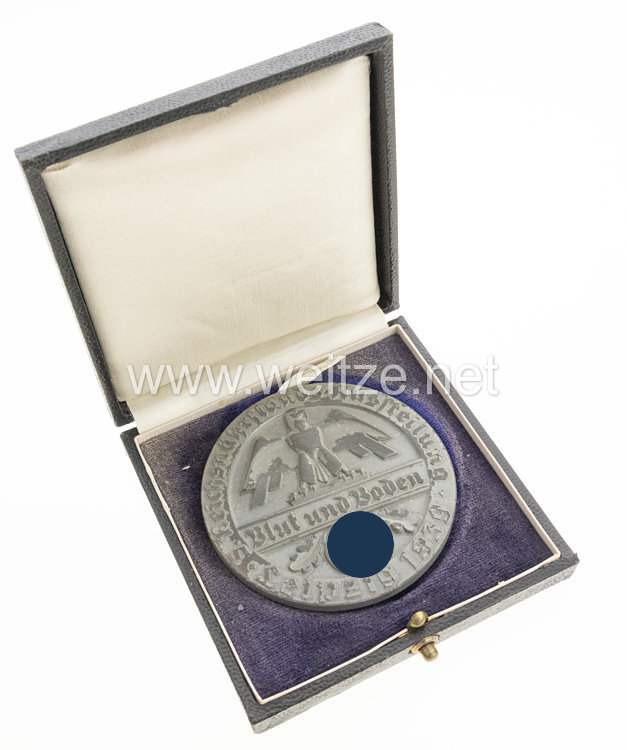
Reichsnährstand “5th Reichsnährstand Exhibition Leipzig 1939”
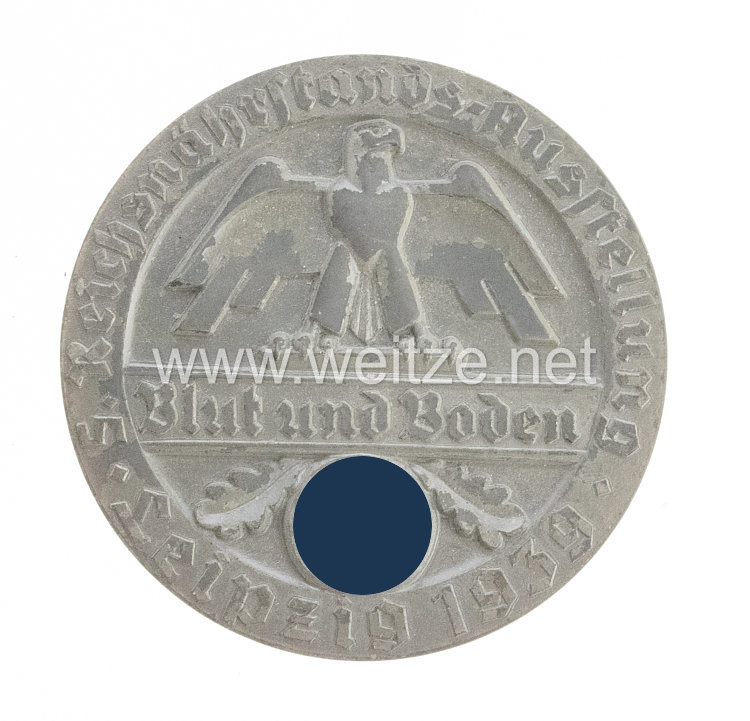
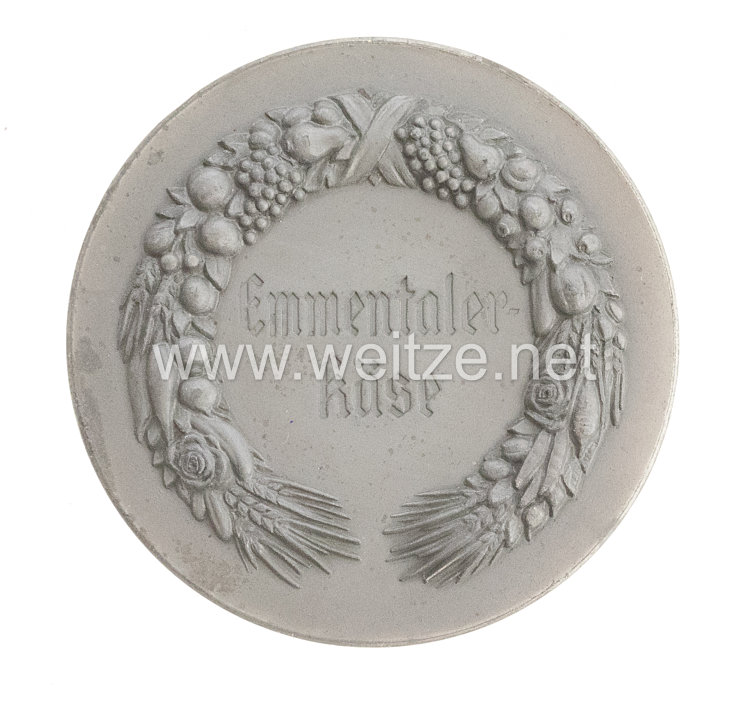
The victory medal from the 5th Reichsnährstand Exhibition Leipzig 1939 described here represents a fascinating testament to National Socialist agricultural policy and institutionalized propaganda in the Third Reich. This award, presented for Emmental cheese, exemplifies the comprehensive penetration of all areas of society by the NS regime, including agriculture and food production.
The Reichsnährstand (Reich Food Estate) was created on September 13, 1933, through the Reichsnährstand Law and was a compulsory organization that united all persons and enterprises involved in agriculture, food processing, and distribution under state control. Under the leadership of Richard Walther Darré, who simultaneously served as Reich Minister of Food and Agriculture, the Reichsnährstand was intended to implement the National Socialist ideology of Blood and Soil policy. This organization eventually comprised several million members and controlled every aspect of agricultural production and marketing.
The Reichsnährstand Exhibitions were regular large-scale events that served to present agricultural products, showcase the achievements of German farmers, and promote NS agricultural policy. The exhibition in Leipzig 1939 took place in a politically explosive year, just months before the outbreak of World War II. Leipzig, as a traditional trade fair location, provided the ideal setting for such major events, which attracted both national and international attention.
The medal described here, made of fine zinc with silver plating, 60 mm in diameter, corresponds to typical manufacturing standards of the period. Due to increasing raw material shortages in the run-up to the war, precious metals such as pure silver were increasingly reserved for military purposes. Instead, silver-plated zinc was used, which had practical and economic reasons. Nevertheless, the silver plating gave the medals a dignified appearance and emphasized the official significance of the award.
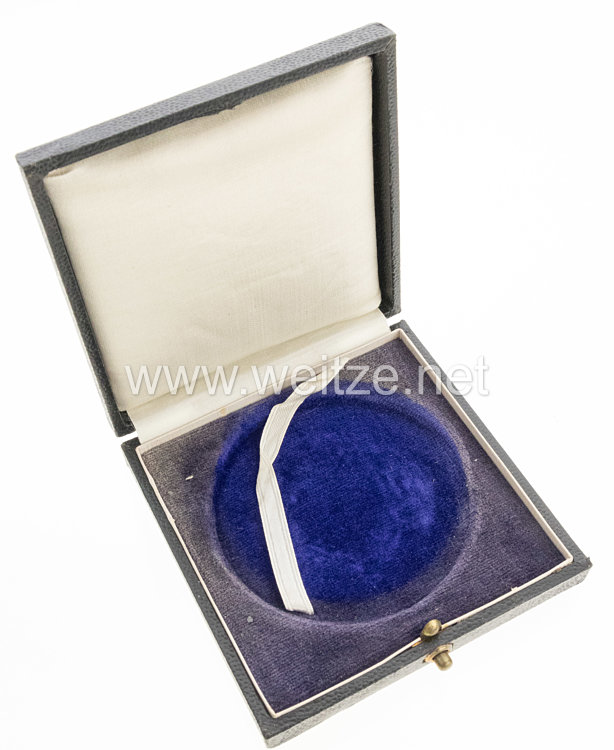
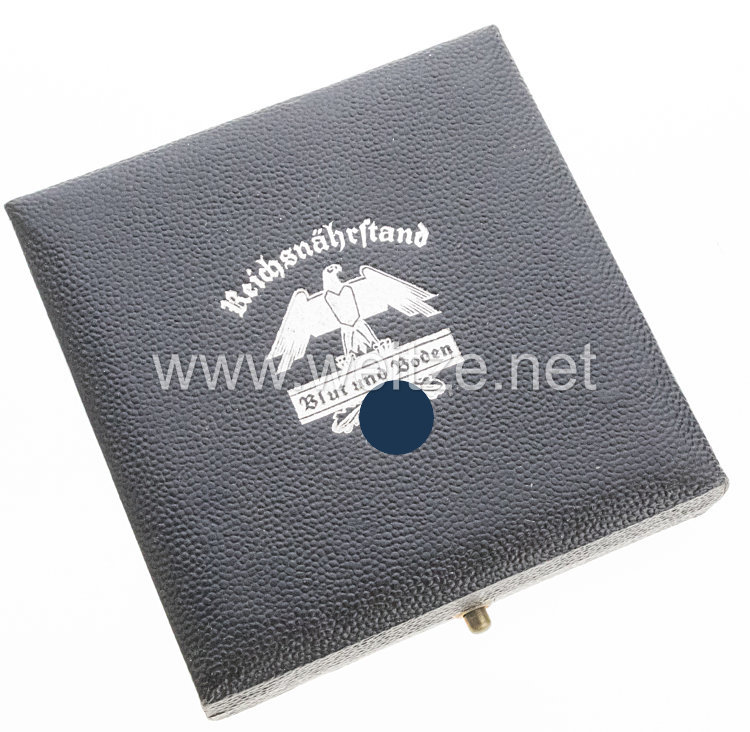
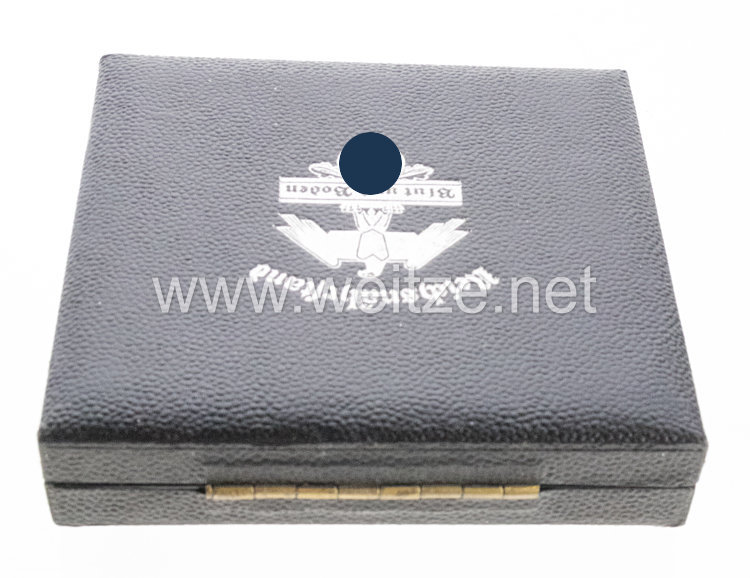
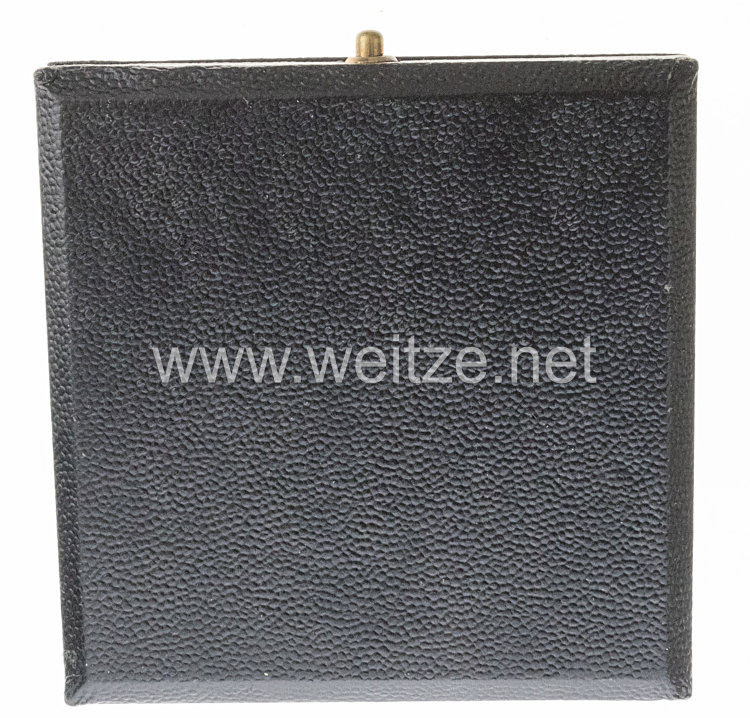
The black presentation case with silver imprint and luxurious interior with silk lining and velvet insert demonstrate the value the regime placed on such awards. This elaborate presentation was intended to strengthen the pride of recipients and emphasize the importance of their achievements for the Volksgemeinschaft (people's community). Each award was part of a comprehensive system of incentives and honors designed to increase productivity and consolidate loyalty to the regime.
The awarding of a prize for Emmental cheese is particularly interesting as it illustrates the importance of dairy farming and cheese production in National Socialist autarky efforts. Self-sufficiency in food was a central goal of NS economic policy, especially with regard to planned warfare. High-quality cheese varieties such as Emmental were not only important for civilian supply but were also considered valuable, storable protein for military purposes.
The Reichsnährstand exhibitions were carefully choreographed events that went far beyond simple product shows. They included demonstrations of modern agricultural technology, lectures on “racial” breeding theory, and the presentation of idealized German peasantry. The awarding of products followed strict evaluation criteria established by expert committees.
The historical context of the 5th Reichsnährstand Exhibition 1939 is inseparably linked to war preparation. In March 1939, Germany had occupied the remainder of Czechoslovakia; in August, the Hitler-Stalin Pact would be signed, and on September 1, the invasion of Poland would occur. The exhibition also served to instill confidence in the population regarding supply security and to demonstrate the agricultural capacity of the Reich.
Today, such objects are important historical sources for research on the NS period. They document the total penetration of everyday life by National Socialist ideology and show how even seemingly apolitical areas such as cheese production were integrated into the propaganda system. The condition with faded silver plating is typical for these materials and does not diminish the documentary value of these historical artifacts.