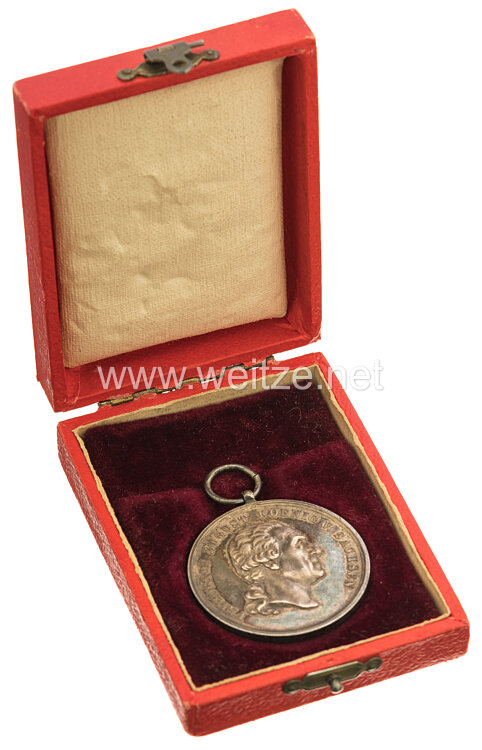
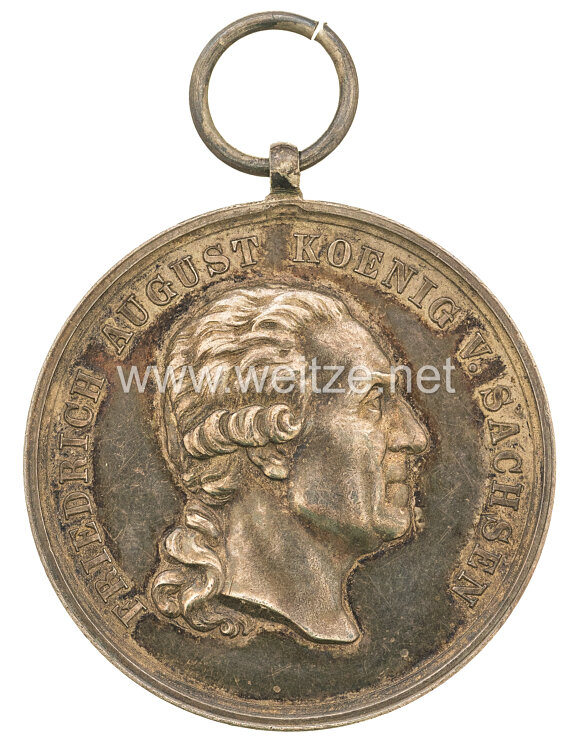
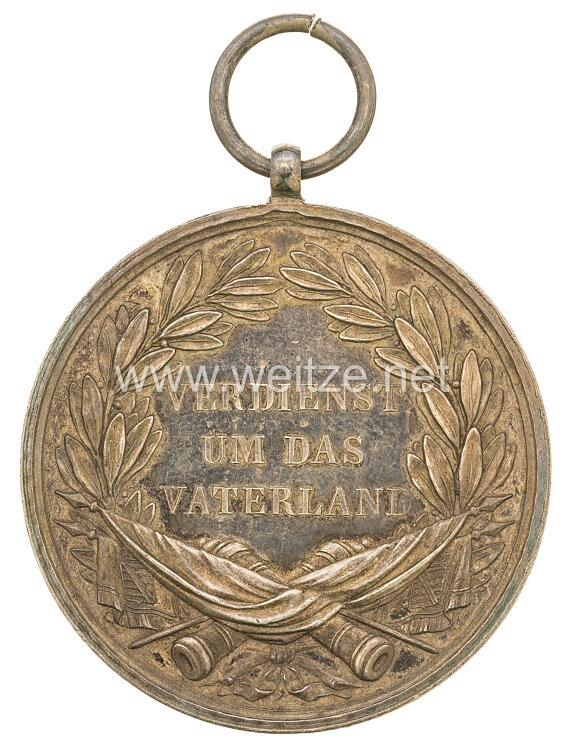
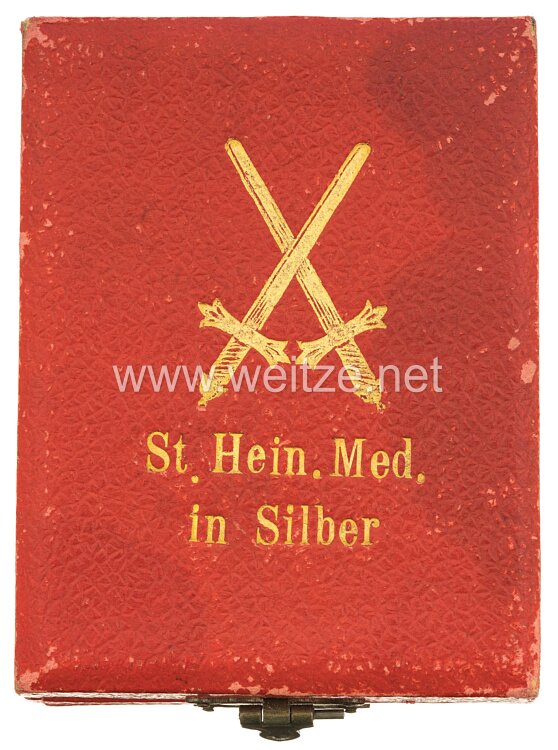
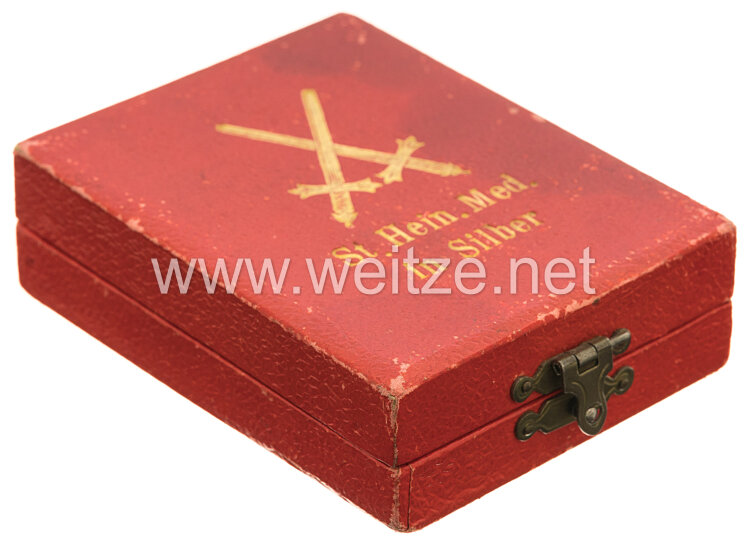
Kingdom of Saxony Silver Medal of the Military Order of St. Henry in Case

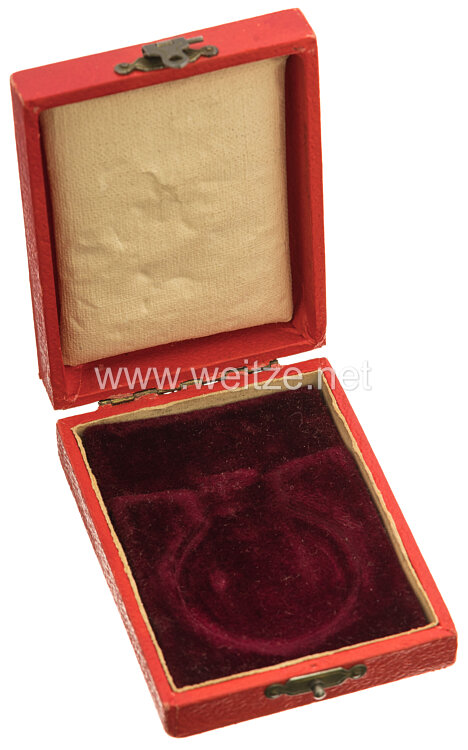
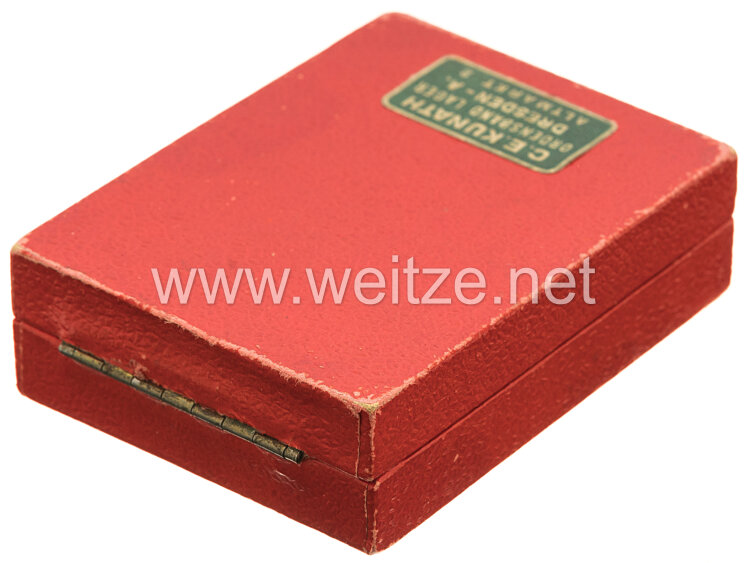
Silver with die-sinker Ulbricht “F.U.”, in red presentation case with imprint “St.Hein.Med. in Silber”, label of Kunath on bottom.
456104
500,00

Kingdom of Saxony Silver Medal of the Military Order of St. Henry in Case

The Silver Medal of the Military Order of St. Henry of the Kingdom of Saxony represents a significant decoration within the Saxon order system, which was among the most traditional honors of German states in the 19th and early 20th centuries. This medal was awarded as part of the Military Order of St. Henry, which was established in 1736 by Elector Frederick Augustus II (as King of Poland, Augustus III) and named after the Holy Roman Emperor Henry II, the patron saint of the House of Wettin.

The order underwent several reform phases, with the most significant restructuring occurring under King Frederick Augustus I on June 14, 1807. This reform expanded and modernized the order system to meet the changing military and social requirements of the Napoleonic era. The silver medal represented an important addition to the higher classes of the order, making it possible to recognize non-commissioned officers and enlisted men for special merit.

The present specimen bears the signature “F.U.”, which refers to the die-cutter Friedrich Ulbricht. Ulbricht was among the renowned Saxon medallists of the 19th century who were responsible for producing state decorations. The presence of his signature confirms the authenticity and official origin of the medal from royal Saxon workshops.

Particularly noteworthy is the original red presentation case with the inscription “St.Hein.Med. in Silber” (St. Henry Medal in Silver). Such cases were specially manufactured for the ceremonial presentation of decorations and served to protect and dignify the storage of the medal. The red color was characteristic of Saxon orders and symbolized the dignity and importance of the award. The label from Kunath on the bottom of the case refers to one of the important suppliers of military equipment and decorations in Dresden, who served as an official purveyor to the Saxon royal house.

The criteria for awarding the Silver Medal of the Military Order of St. Henry were strictly regulated. It was primarily awarded for special military bravery and outstanding service, with non-commissioned officers and enlisted men being particularly considered. The decoration could be awarded in both peacetime and wartime, although the majority of awards naturally occurred during military conflicts.

The Kingdom of Saxony participated in numerous military conflicts of the 19th century, including the Wars of Liberation against Napoleon (1813-1815), the Austro-Prussian War of 1866, and the Franco-Prussian War (1870-1871). During these conflicts, numerous St. Henry Medals were awarded. After the founding of the German Empire in 1871, Saxony retained its sovereignty in matters of orders, and the Military Order of St. Henry remained one of the most prestigious Saxon decorations.

During World War I (1914-1918), the awarding of Saxon military decorations increased considerably. Saxon troops fought on various fronts, and the bravery of soldiers was accordingly recognized. The silver medal of the Order of St. Henry was among the more frequently awarded decorations for special individual achievements in combat.

After the end of the monarchy in November 1918 and the abdication of King Frederick Augustus III, the Saxon order system was officially abolished. However, decorations already awarded could continue to be worn, and they remained for their recipients a symbol of their military achievements and recognition by the Kingdom of Saxony.

Today, such medals with their original presentation cases represent important historical artifacts that are significant not only from a military-historical perspective but also from an art-historical and cultural standpoint. They document the decoration practices of German states, the craftsmanship quality of Saxon medallists, and the complex hierarchy of military honors in the German Empire. The combination of authentic medal, original case, and manufacturer's proof makes such ensembles valuable witnesses to Saxon military history.

r