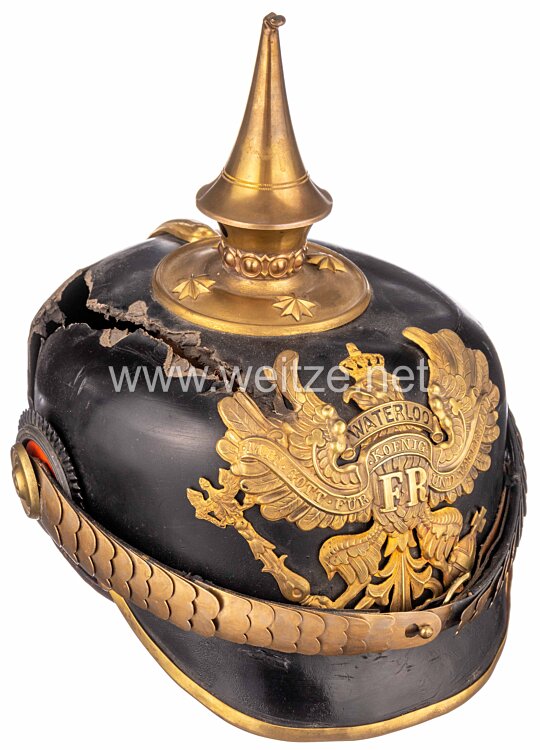
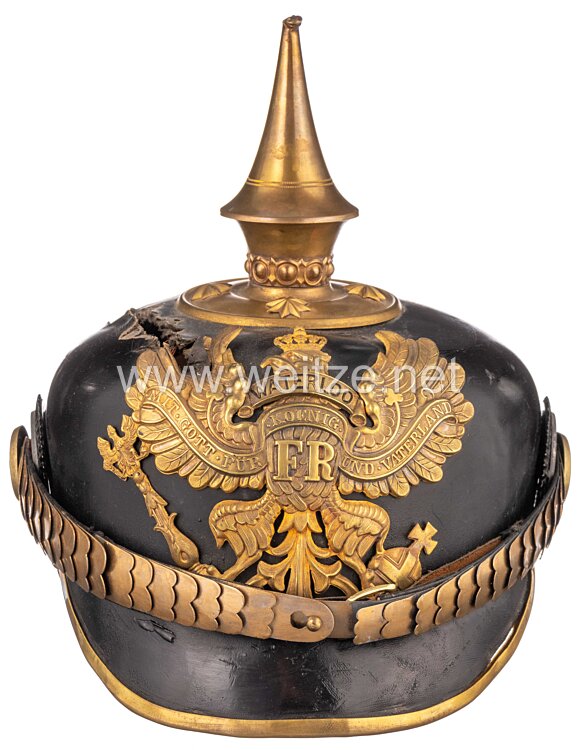
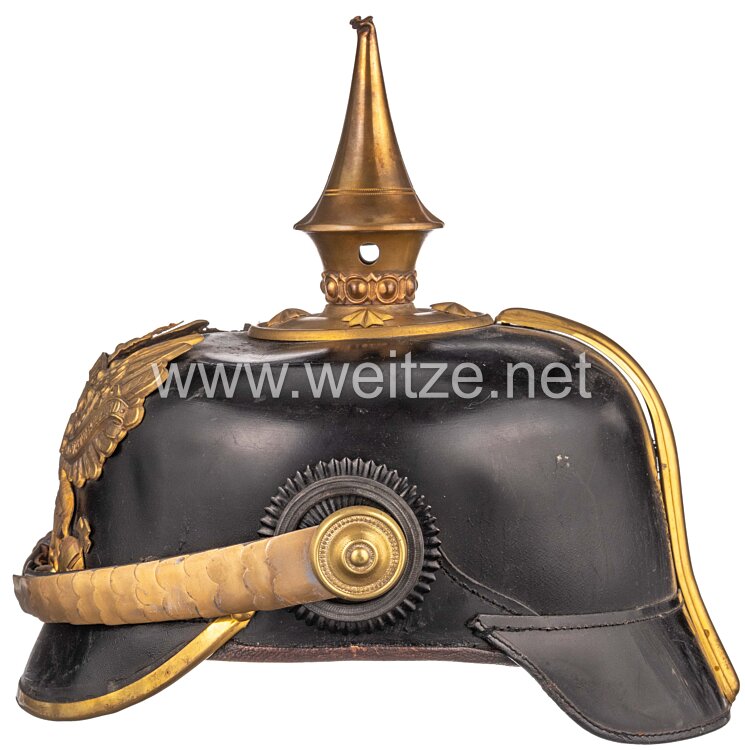
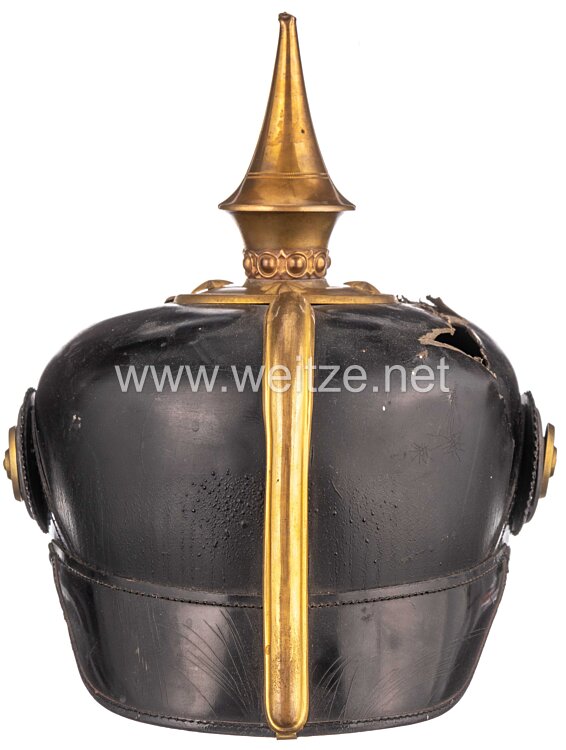
Preußen 1. Weltkrieg Pickelhaube des am 6. August 1914 vor Lüttich gefallenen Kommandeur des 1. Hannoverschen Infanterie-Regiments Nr. 74 Oberst Friedrich Wilhelm Prinz zu Lippe
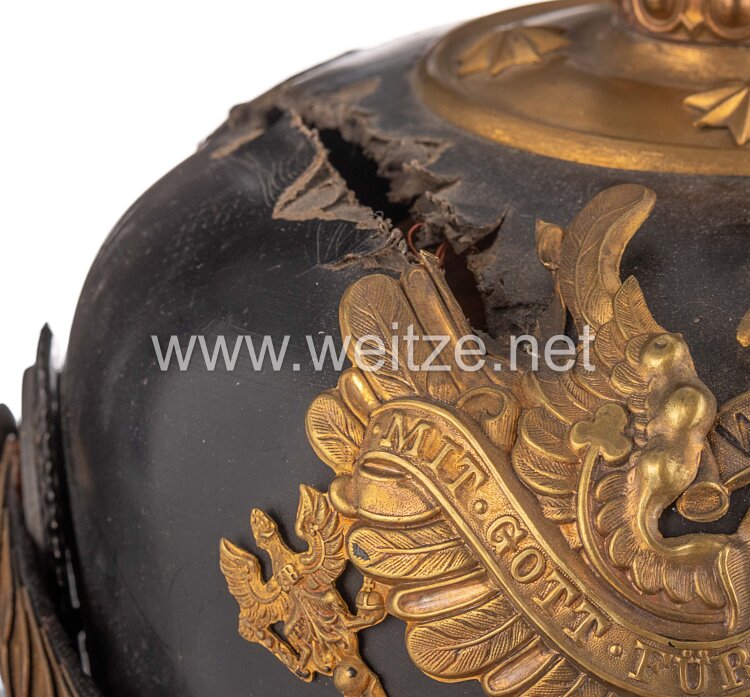
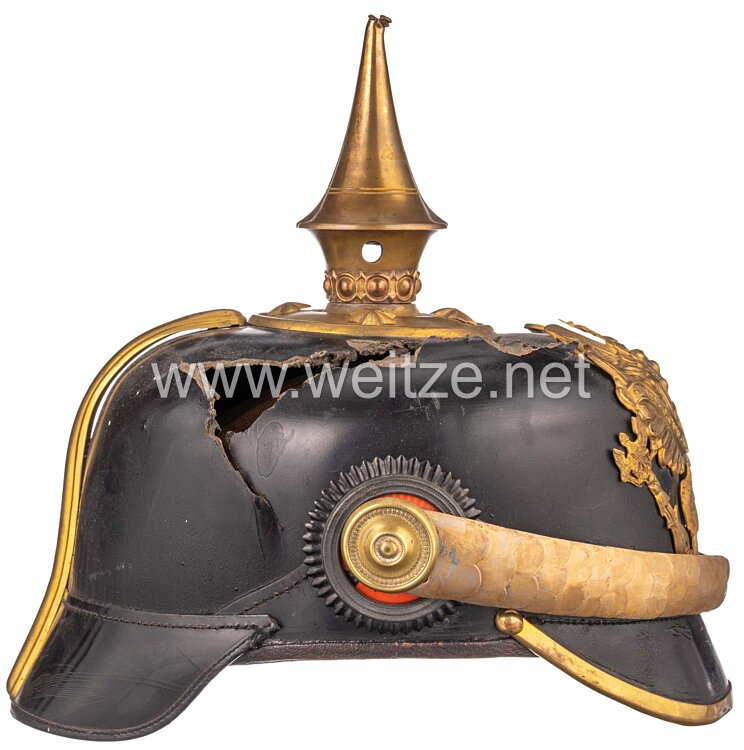
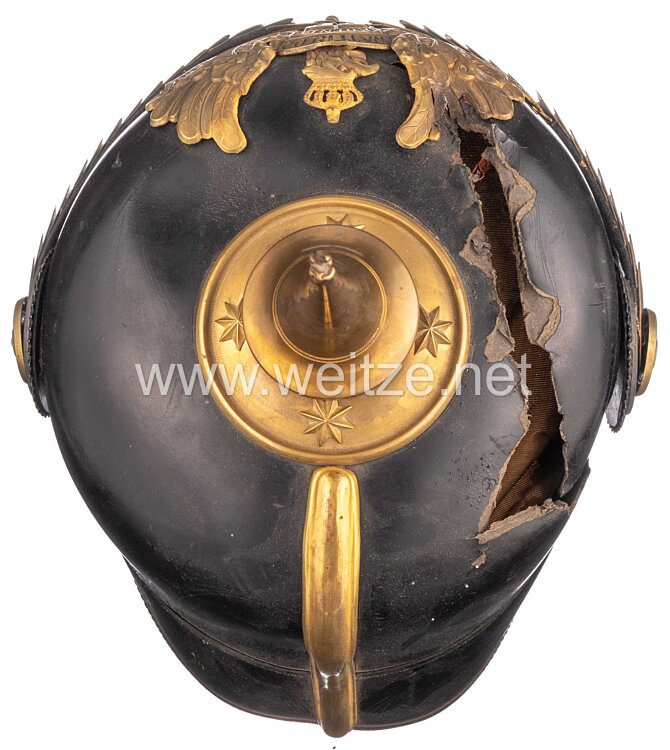
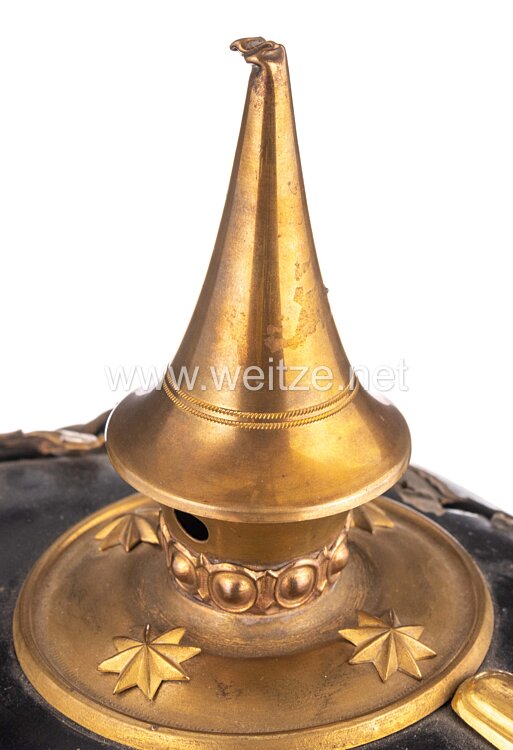
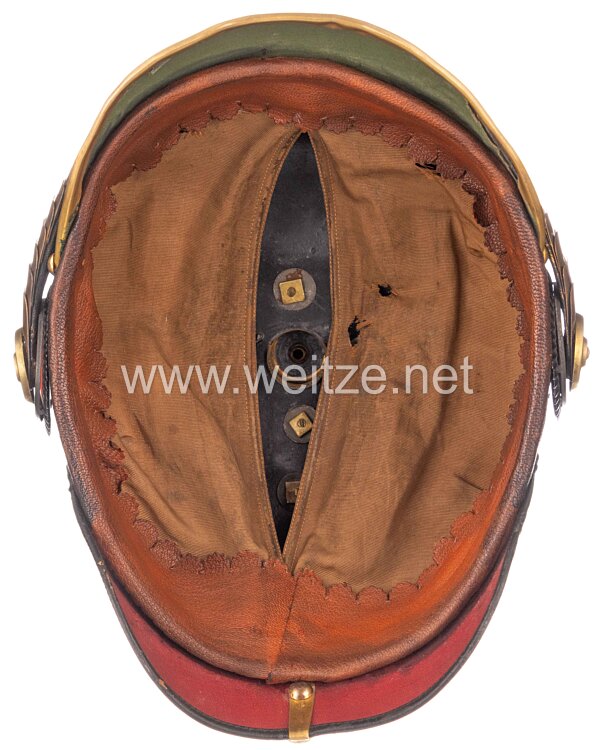
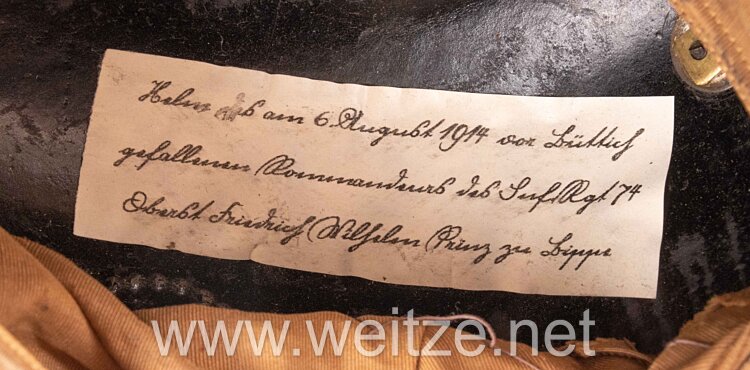
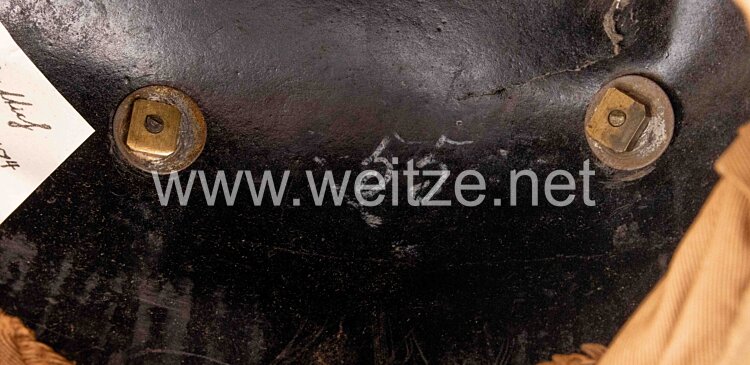
Eigentumsstück um 1914. Eleganter Helm aus Vulkanfiber, komplett mit allen Beschlägen. Vorne der preußische Linienadler mit dem Ehrenbanner «Waterloo». Der Adler durch einen Projektiltreffer oder Säbelhieb auf der rechten Seite beschädigt, der Bruch über die rechte Hälfte der Glocke der Pickelhaube verlaufend. Leicht gewölbte Schuppenketten aus Ersatzmaterial an Rosetten, messingfarben lackiert, beide Kokarden. Innen mit braunem Lederschweißband und olivfarbenem Seidenripsfutter. In der Glocke handschriftlich die Größe «55», in der linken Hälfte der Glocke Etikett «Helm des am 6. August 1914 vor Lüttich gefallenen Kommandanten des Inf Rgt. 74 Oberst Friedrich Wilhelm Prinz zu Lippe». Zustand 2.
Oberst Friedrich Wilhelm Prinz zu Lippe war der Regimentskommandeur vom 17. August 1913 bis zu seinem Tode 6. August 1914.Ein Helm von geschichtlich/musealer Bedeutung, der die Verluste zu Beginn des Weltkrieges deutlich veranschaulicht.
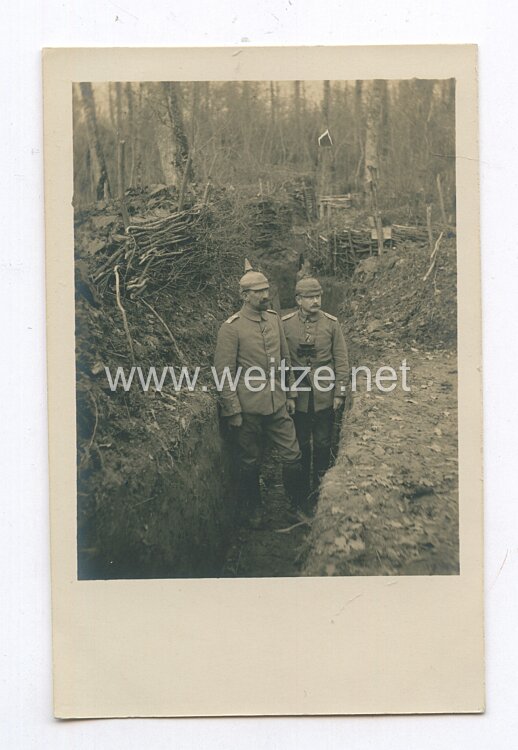
Das 1. Hannoversche Infanterie-Regiment Nr. 74 war ein Infanterieverband der Preußischen Armee. Das Regiment wurde nach Beendigung des Deutschen Krieges und der Annexion des Königreichs Hannover durch Preußen am 26. September zum 30. Oktober 1866 errichtet. Mit Ausbruch des Ersten Weltkriegs machte das Regiment am 2. August 1914 mobil. Als Teil der 38. Infanterie-Brigade der 19. Division marschierte das Regiment in das neutrale Belgien ein und nahm zunächst an der Eroberung von Lüttich teil. Daran schloss sich der weitere Vormarsch nach Frankreich an. In der Folge kämpfte der Verband bei St. Quentin, an der Marne und bei Reims. Während der Stellungskämpfen an der Aisne wurde das Regiment ab 28. März 1915 der 37. Infanterie-Brigade unterstellt und Ende April 1915 an die Ostfront verlegt. Hier nahm es u. a. an der Bug-Offensive teil. Mitte September 1915 folgte die kurzzeitige Rückverlegung an die Westfront und die Teilnahme an der Herbstschlacht in der Champagne. Von Mitte Oktober 1915 bis Mitte Mai 1916 kam es wieder in den Stellungskämpfen an der Aisne zum Einsatz. Das Regiment verlegte dann wieder an die Ostfront und wurde hier am 15. Juni 1916 um eine 2. und 3. MG-Kompanie erweitert. Nach Kämpfen am Stochid kehrte der Verband an die Westfront zurück und war hier bis Kriegsende im Einsatz. Dort nahm das Regiment u. a. an der Schlacht an der Aisne, den Kämpfen um Verdun, der Deutschen Frühjahresoffensive 1918, der Schlacht bei Noyon sowie den Stellungskämpfen in Lothringen und dem Rückzug von der Veslefront hinter die Aisne teil. Im Kriegsverlauf fielen rund 3100 Mann dieses Regiments.
Oberst Friedrich Wilhelm Prinz zu Lippe war der Regimentskommandeur vom 17. August 1913 bis zu seinem Tode 6. August 1914.Ein Helm von geschichtlich/musealer Bedeutung, der die Verluste zu Beginn des Weltkrieges deutlich veranschaulicht.
Das 1. Hannoversche Infanterie-Regiment Nr. 74 war ein Infanterieverband der Preußischen Armee. Das Regiment wurde nach Beendigung des Deutschen Krieges und der Annexion des Königreichs Hannover durch Preußen am 26. September zum 30. Oktober 1866 errichtet. Mit Ausbruch des Ersten Weltkriegs machte das Regiment am 2. August 1914 mobil. Als Teil der 38. Infanterie-Brigade der 19. Division marschierte das Regiment in das neutrale Belgien ein und nahm zunächst an der Eroberung von Lüttich teil. Daran schloss sich der weitere Vormarsch nach Frankreich an. In der Folge kämpfte der Verband bei St. Quentin, an der Marne und bei Reims. Während der Stellungskämpfen an der Aisne wurde das Regiment ab 28. März 1915 der 37. Infanterie-Brigade unterstellt und Ende April 1915 an die Ostfront verlegt. Hier nahm es u. a. an der Bug-Offensive teil. Mitte September 1915 folgte die kurzzeitige Rückverlegung an die Westfront und die Teilnahme an der Herbstschlacht in der Champagne. Von Mitte Oktober 1915 bis Mitte Mai 1916 kam es wieder in den Stellungskämpfen an der Aisne zum Einsatz. Das Regiment verlegte dann wieder an die Ostfront und wurde hier am 15. Juni 1916 um eine 2. und 3. MG-Kompanie erweitert. Nach Kämpfen am Stochid kehrte der Verband an die Westfront zurück und war hier bis Kriegsende im Einsatz. Dort nahm das Regiment u. a. an der Schlacht an der Aisne, den Kämpfen um Verdun, der Deutschen Frühjahresoffensive 1918, der Schlacht bei Noyon sowie den Stellungskämpfen in Lothringen und dem Rückzug von der Veslefront hinter die Aisne teil. Im Kriegsverlauf fielen rund 3100 Mann dieses Regiments.