SS Long Service Award 3rd Class in Presentation Case

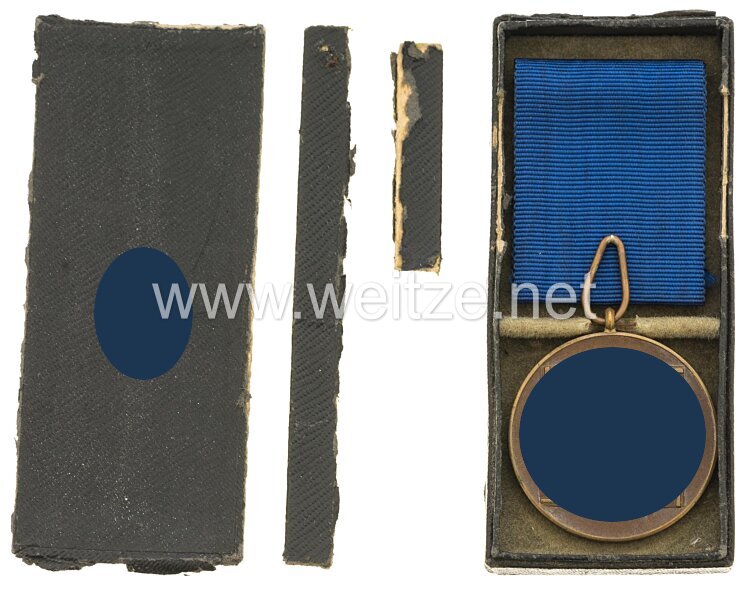
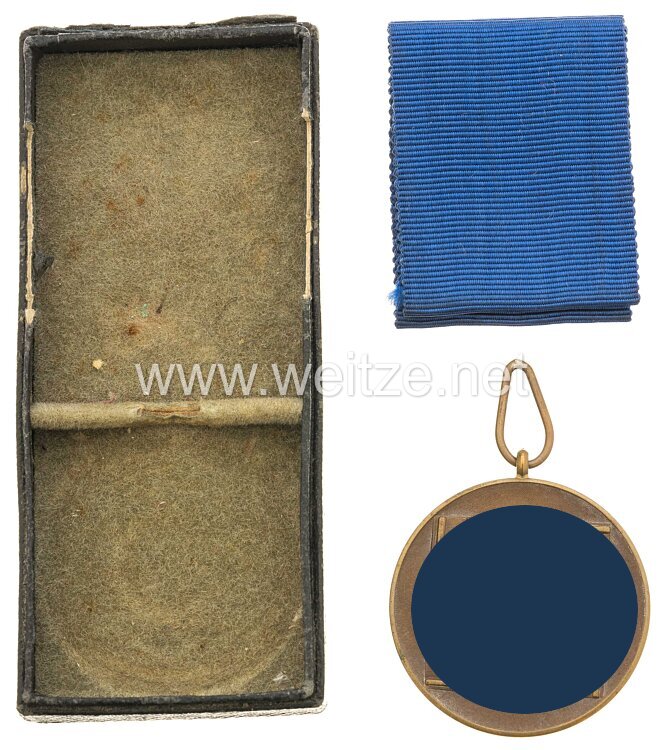
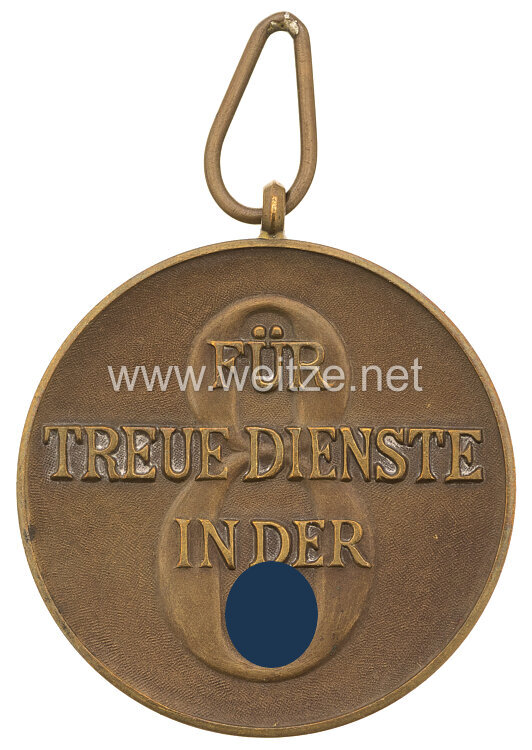
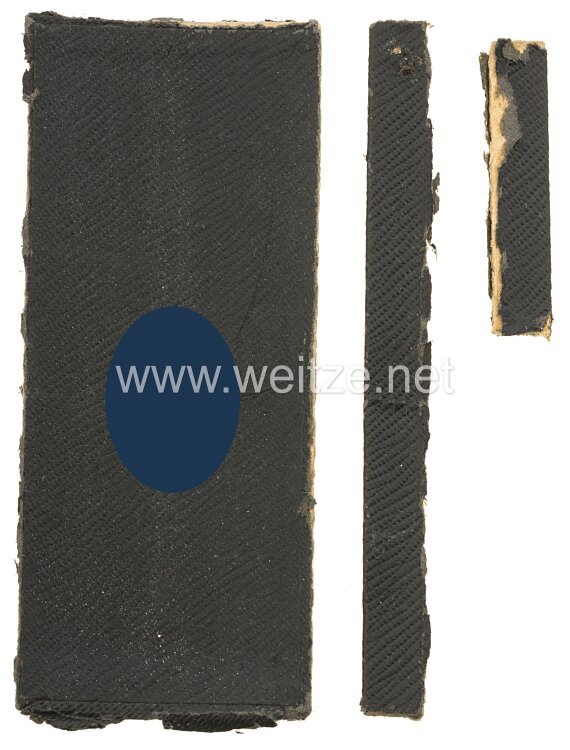
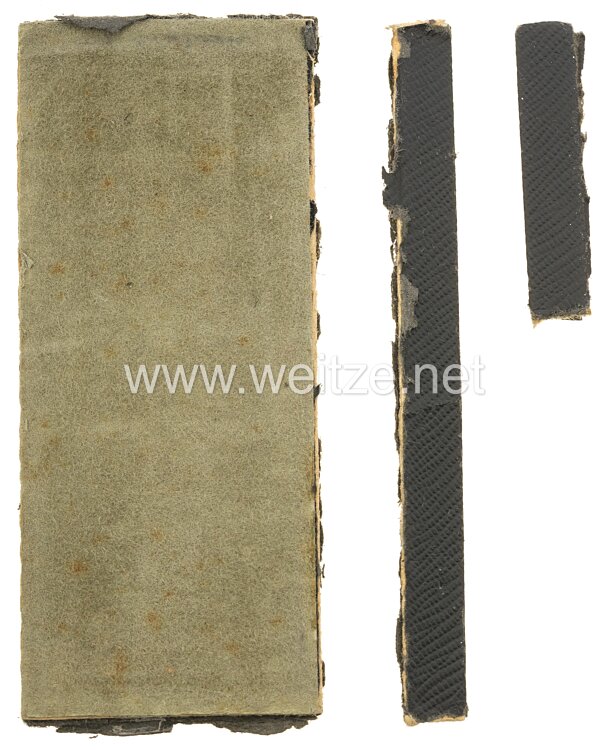
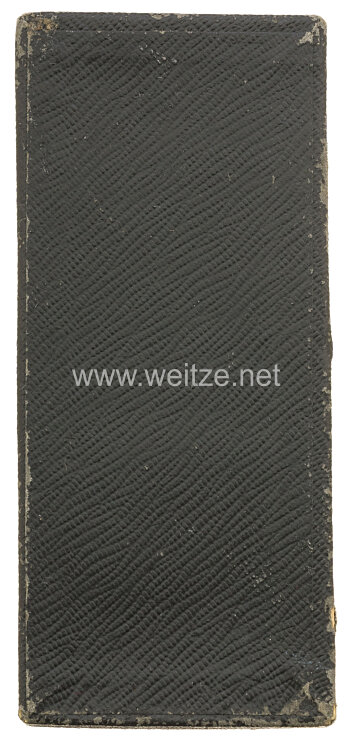
Medal for 8 years of service, toned base metal with drop-shaped suspension loop, with ribbon section, condition 2. Complete in original presentation case. The lid with silver-embossed SS runes is damaged, 2 side edges are missing. The bottom of the case has 2 cuts at the edges.
455002
1.600,00

SS Long Service Award 3rd Class in Presentation Case

The SS Long Service Award 3rd Class represents a significant example of the recognition system within the National Socialist Schutzstaffel (Protection Squadron). This decoration was awarded for eight years of loyal service in the SS and formed an integral part of the comprehensive honors and rewards system established by Heinrich Himmler as Reichsführer-SS.

The SS Long Service Awards were instituted on January 30, 1938 by Adolf Hitler himself, commemorating the fifth anniversary of the National Socialist seizure of power. The award existed in four classes: for 4, 8, 12, and 25 years of service. The third class, for eight years of service, thus represented the second-highest regular award level before the highest honor for 25 years of service.

The medal's design followed a clear symbolic pattern. Manufactured from toned base metal, the decoration displayed the SS runes symbol on the obverse, surrounded by an oak leaf wreath—a traditional Germanic symbol of strength and endurance. The reverse typically bore the inscription “Für treue Dienste in der SS” (For Loyal Service in the SS) along with the corresponding indication of years of service. The medal was attached to a characteristic teardrop-shaped suspension loop that allowed flexible hanging.

The presentation case played an important role in the presentation of these awards. These cases were typically made of black leatherette or cardboard and featured silver-embossed SS runes on the lid. The design followed standardized specifications and was intended to emphasize the significance of the award. The presentation boxes were usually lined with black velvet or similar material to display the medal appropriately.

The conferment practice was strictly regulated. Eligible recipients included members of the Allgemeine SS (General SS), the Waffen-SS (Armed SS), and the SS-Verfügungstruppe (SS Dispositional Troops). Service time was calculated from the date of admission to the SS, although certain prior service in other National Socialist organizations could potentially be credited. The award was typically presented during roll calls or special ceremonies and was recorded in the recipient's service identification book.

The wearing of the SS Long Service Award was also precisely prescribed. The medal was worn on the left breast of the uniform, with a specific order of precedence to be observed with other decorations. When possessing multiple classes of the service award, only the highest was worn. For everyday duty, instead of the complete medal, a corresponding ribbon bar could be worn in the button placket, as is present with the described object.

The production of SS Long Service Awards was carried out by various authorized manufacturers who had to meet the strict quality standards of the SS leadership. The medals were produced in considerable quantities, as the SS grew to several hundred thousand members by 1945. Material shortages during the war sometimes led to quality fluctuations and the use of substitute materials.

From a historical perspective, these awards document the systematic binding and motivation of SS members through an elaborate system of honors and privileges. The SS Long Service Awards were part of a broader concept that rewarded loyalty and long-term service in an organization that was centrally involved in the crimes of the National Socialist regime.

After 1945, according to the Allied Control Council Laws, the wearing and public display of SS symbols were prohibited. The SS was classified as a criminal organization. Today, such objects possess exclusively historical documentary value and serve the academic examination of this dark period of German history. Their collection and preservation in museums, archives, and private collections takes place under strict observance of applicable legal provisions regarding the handling of Nazi memorabilia.

These artifacts serve as tangible reminders of the bureaucratic systems that supported one of history's most destructive regimes, providing important material evidence for historical research and education about the mechanisms of totalitarian control and ideological indoctrination.

r