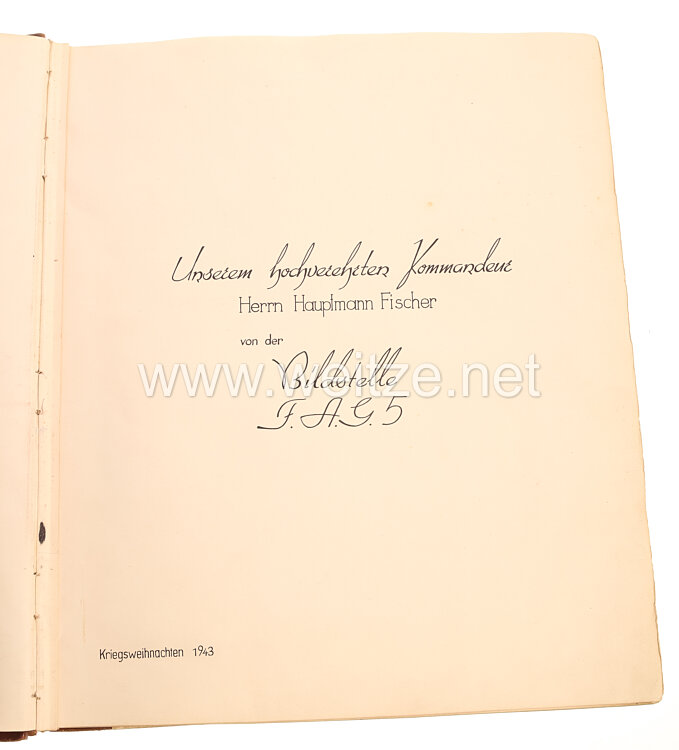
Luftwaffe Photo Album, Pilot and Recipient of the German Cross in Gold with Fernaufklärungsgruppe 5, 1943/1944
Additional albums of this soldier under item numbers: 454021, 454083
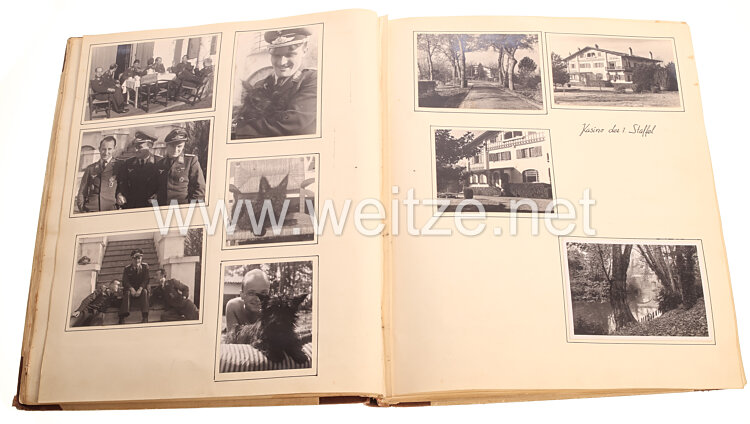
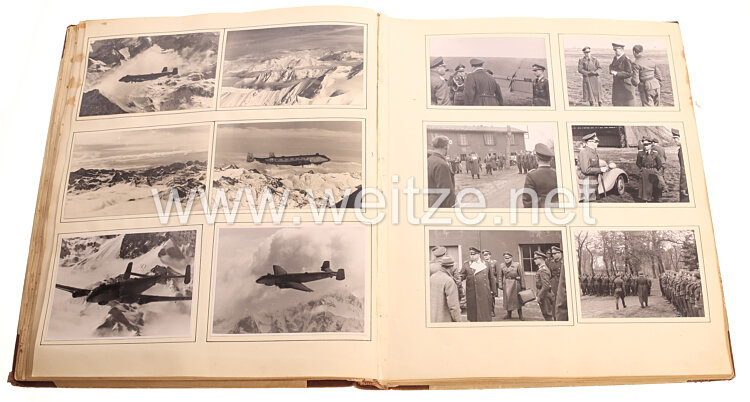
This Luftwaffe photo album documents the life and service of an aircraft pilot with Fernaufklärungsgruppe 5 (Long-Range Reconnaissance Group 5, FAG 5) during 1943 and 1944, a critical phase of World War II. The owner was a recipient of the German Cross in Gold, a significant military decoration positioned between the Iron Cross First Class and the Knight's Cross of the Iron Cross.
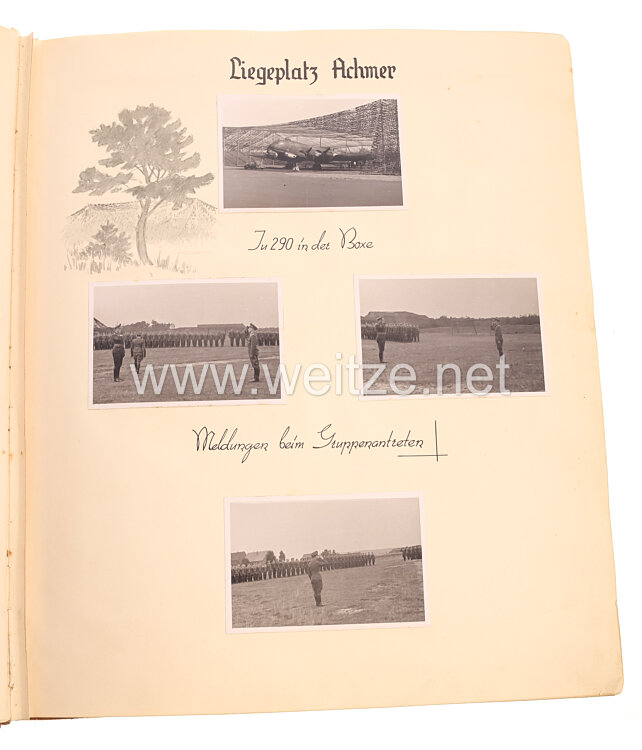
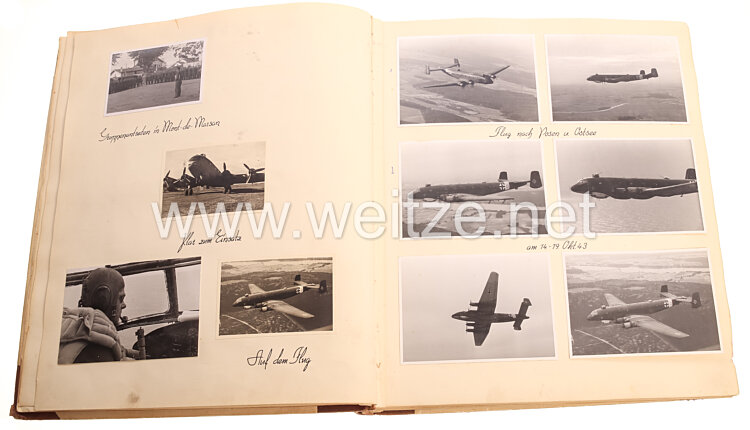
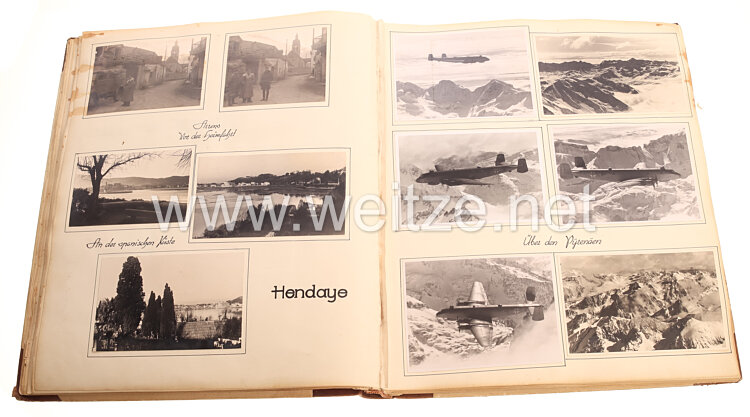
Fernaufklärungsgruppe 5 was a specialized Luftwaffe unit that conducted strategic aerial reconnaissance over long distances. These units were equipped with the most modern reconnaissance aircraft and played a crucial role in gathering intelligence about enemy positions, troop movements, and strategic targets. The Junkers Ju 290 mentioned in the album was a four-engine long-range aircraft used in long-range reconnaissance from 1942 onwards, with an impressive range of approximately 6,000 kilometers.
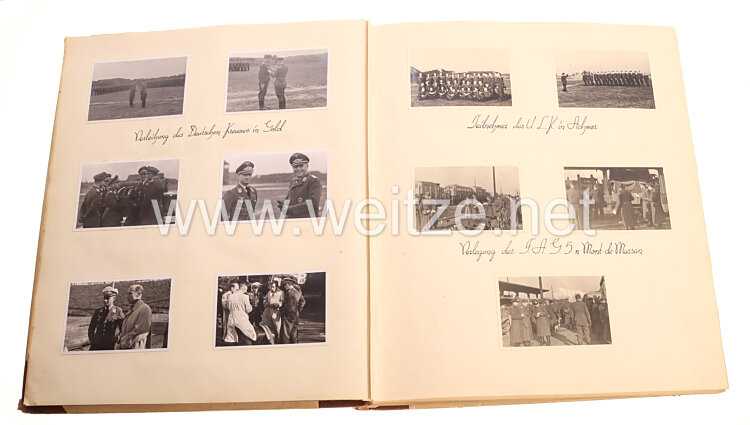
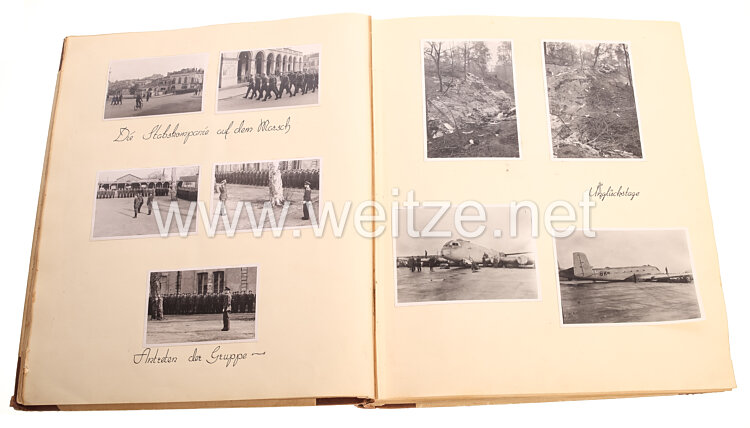
The album begins with photographs from airfield Achmer near Bramsche in Lower Saxony, an important Luftwaffe base. The photographic documentation shows daily military life: unit formations, reports, and the ceremonial award of the German Cross in Gold. This decoration was instituted on September 28, 1941, by Adolf Hitler and was awarded approximately 24,204 times between 1941 and 1945. It was given for repeated acts of bravery in combat or outstanding leadership achievements.
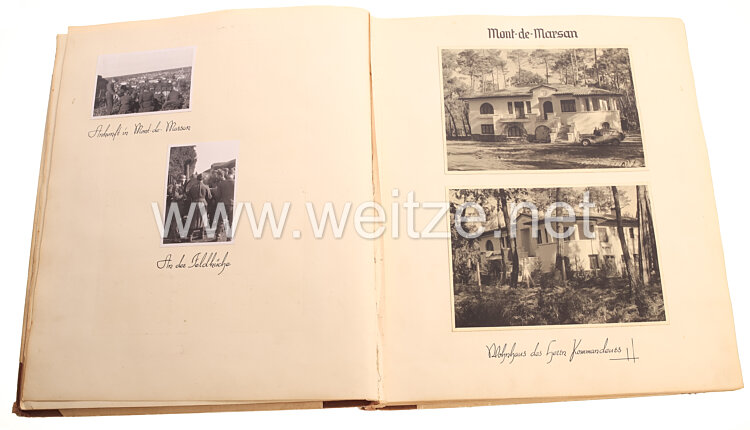
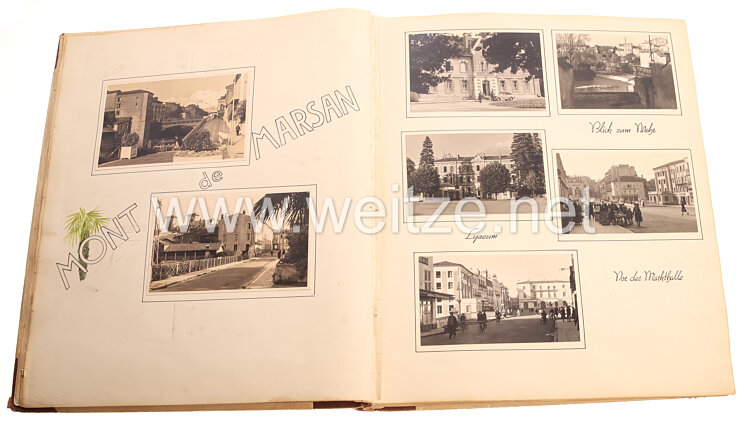
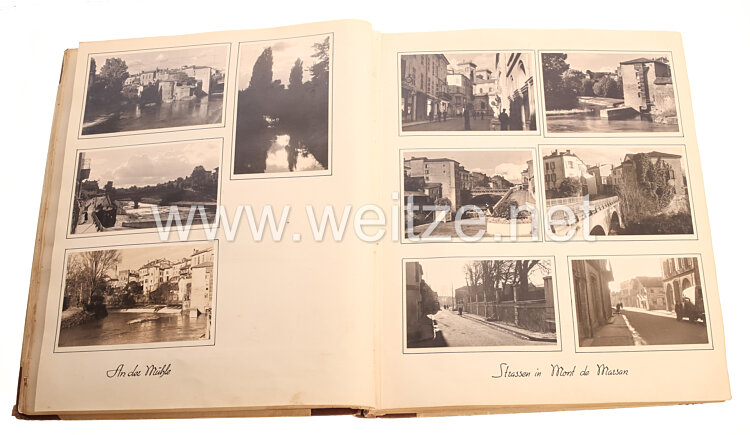
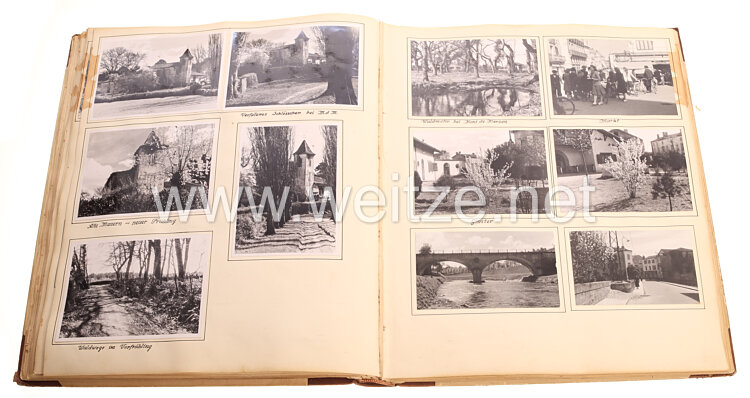
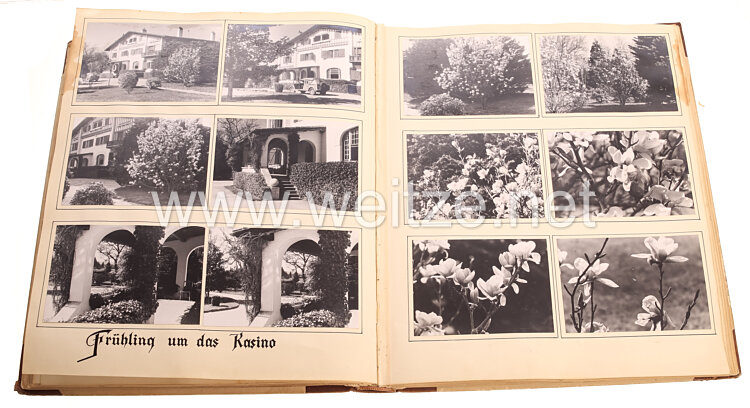
Particularly significant is the documented relocation of FAG 5 to Mont-de-Marsan in southwestern France. This transfer reflects the Luftwaffe's strategic reorientation in 1943, as the defense of occupied Western Europe against the expected Allied invasion gained importance. Mont-de-Marsan was an important Luftwaffe base in the Aquitaine region, from which long-range reconnaissance missions could be flown over the Atlantic and Mediterranean.
The album documents a specific flight to Posen and the Baltic Sea from October 14 to 19, 1943. Such long-range flights were typical for reconnaissance units and served to monitor ship movements, conduct weather reconnaissance, and gather strategic intelligence over enemy territory. The Baltic Sea was an important operational area, as both German and Soviet naval forces operated there.
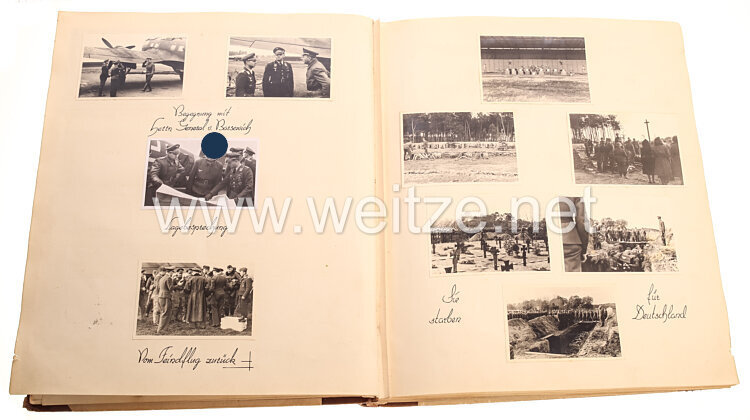
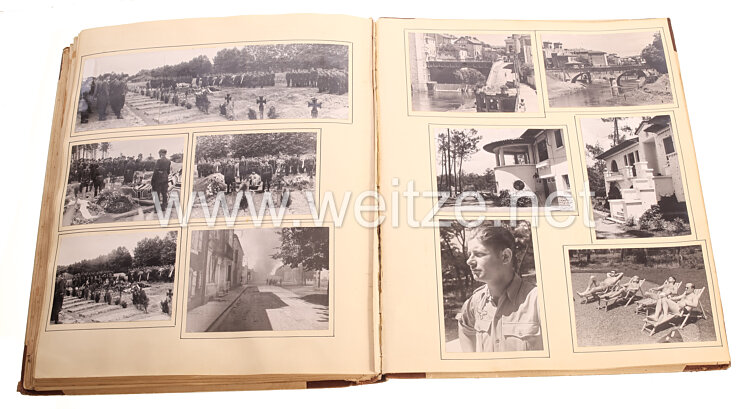
Photographs of funerals of fallen soldiers remind us of the heavy losses suffered by the Luftwaffe during this phase of the war. Long-range reconnaissance flights were extremely dangerous, as aircraft often penetrated deep into enemy territory without escort protection, exposing them to enemy anti-aircraft defenses and fighter planes.
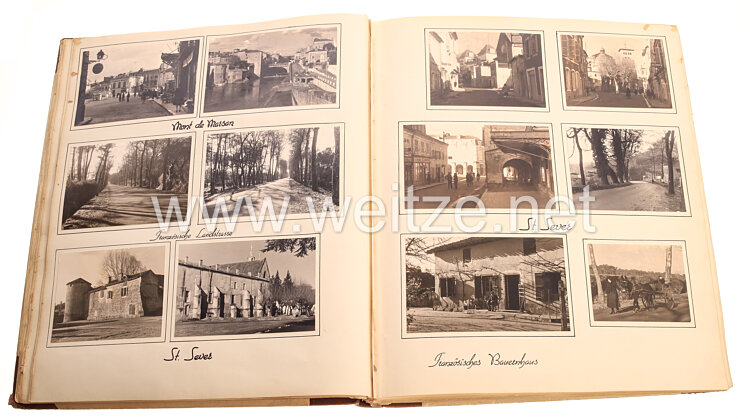
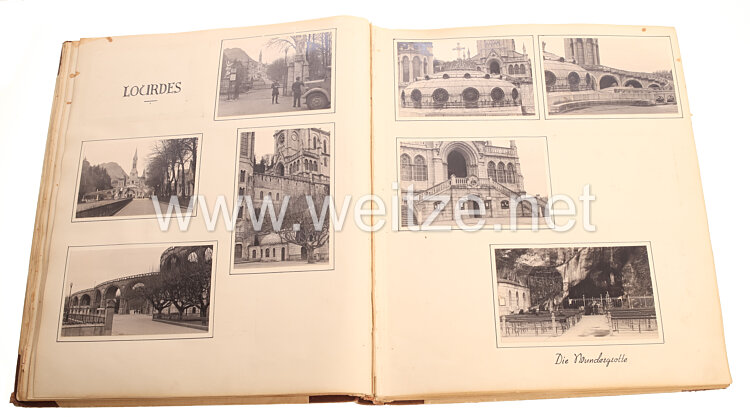
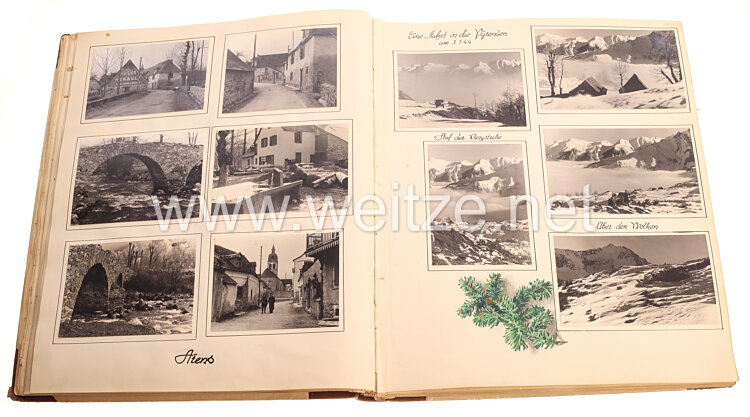
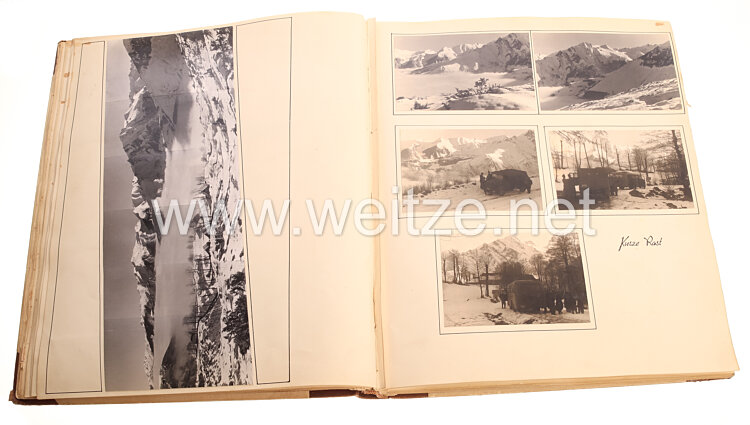
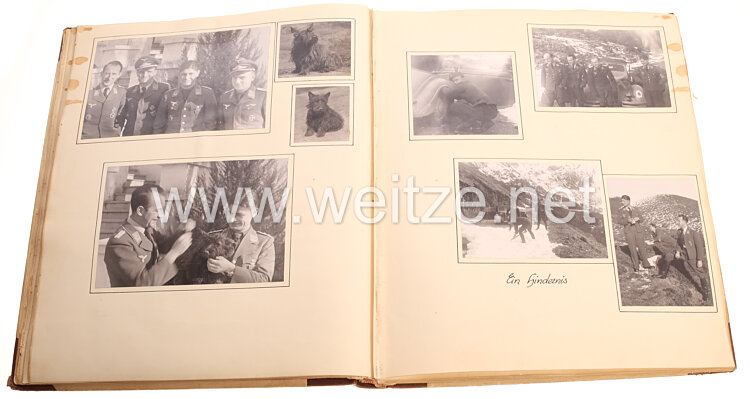
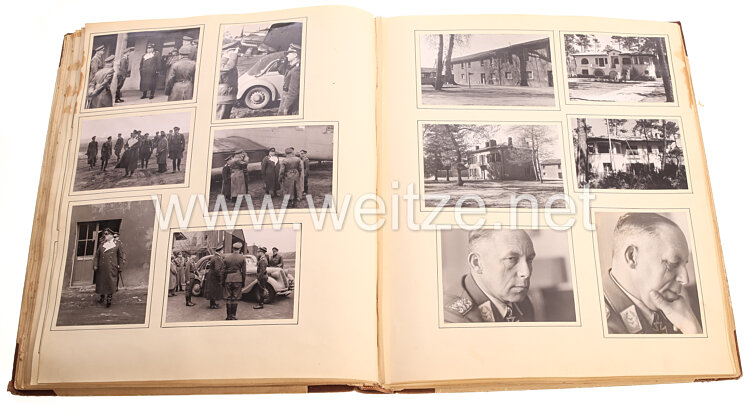
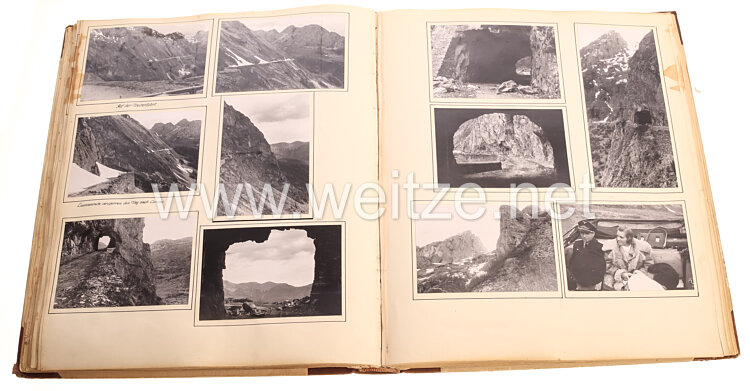
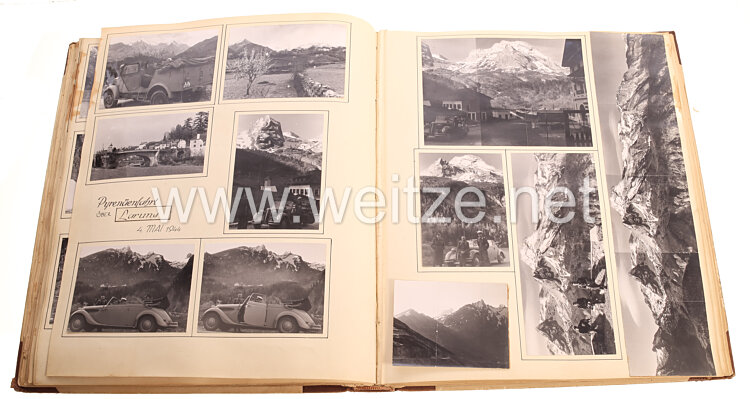
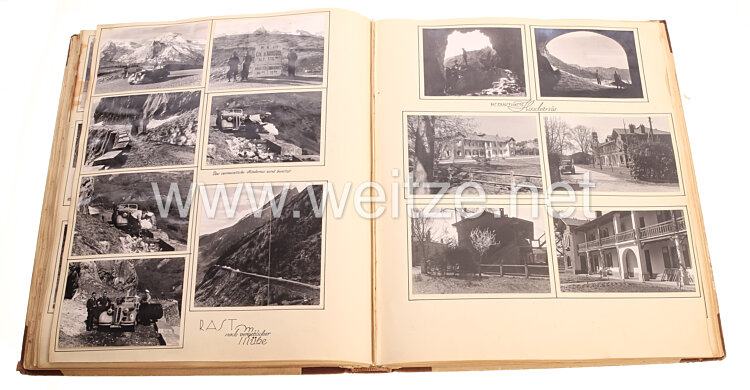
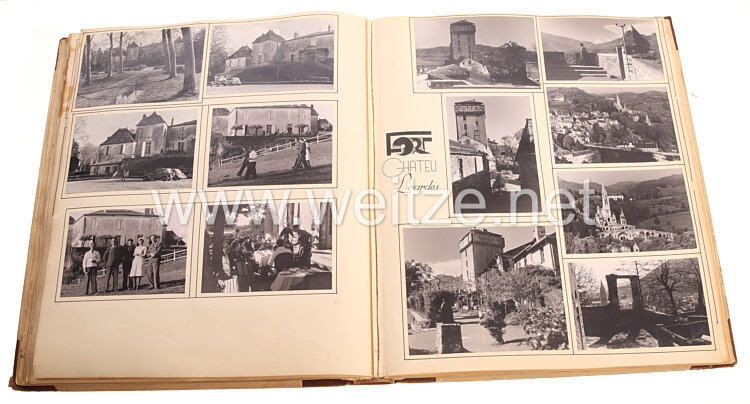
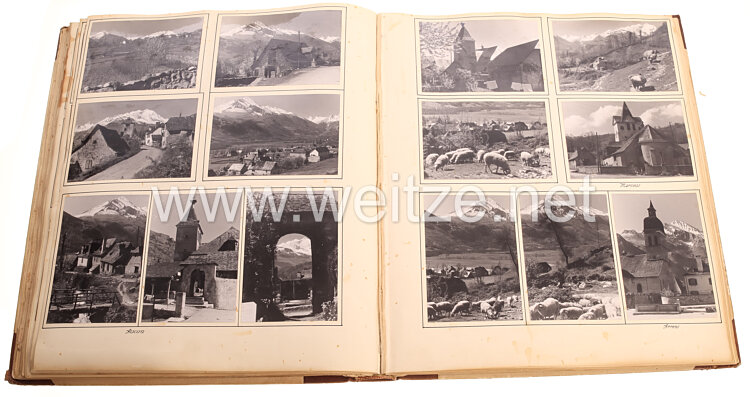
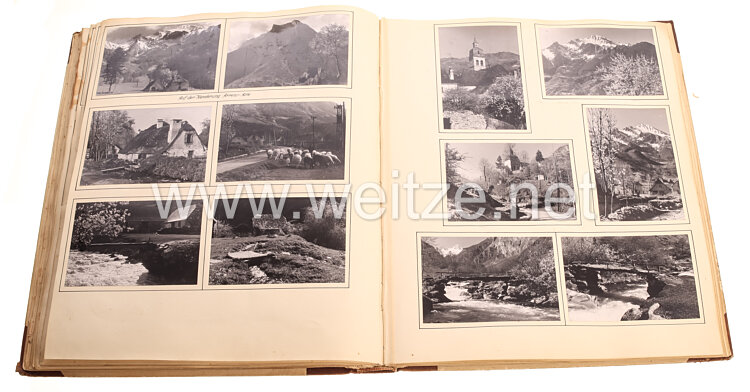
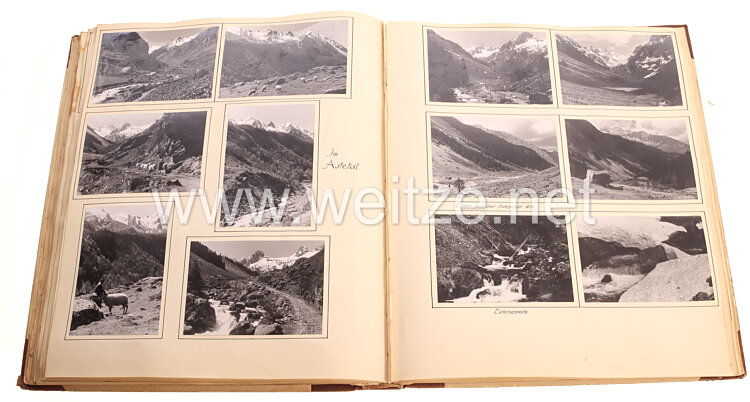
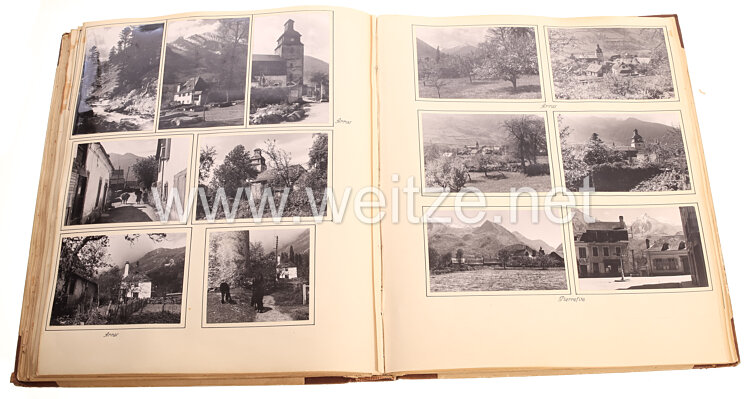
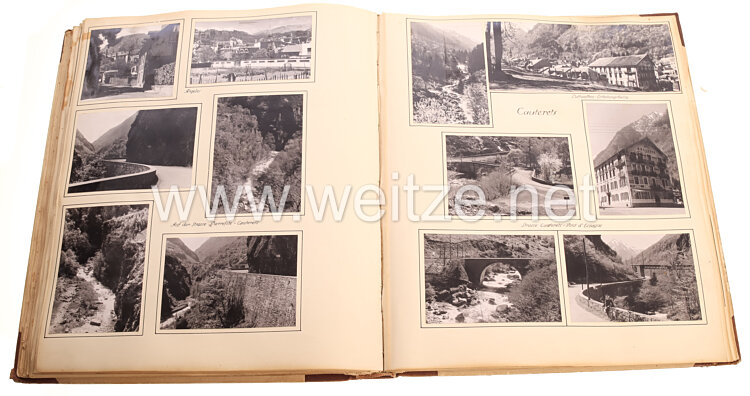
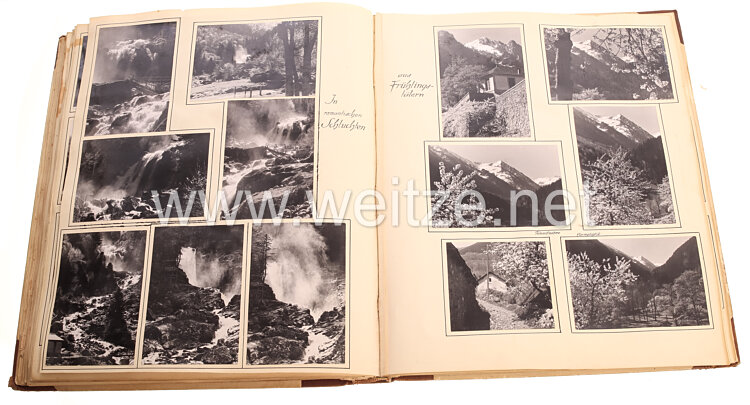
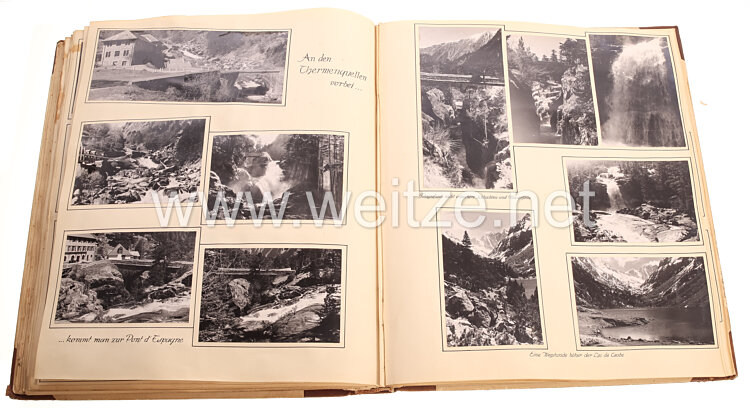
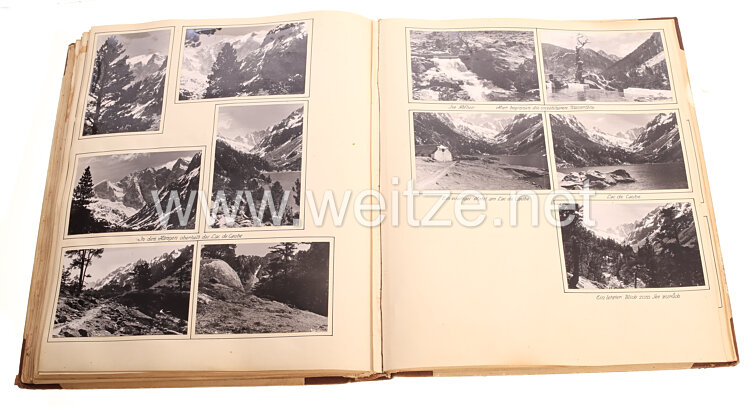
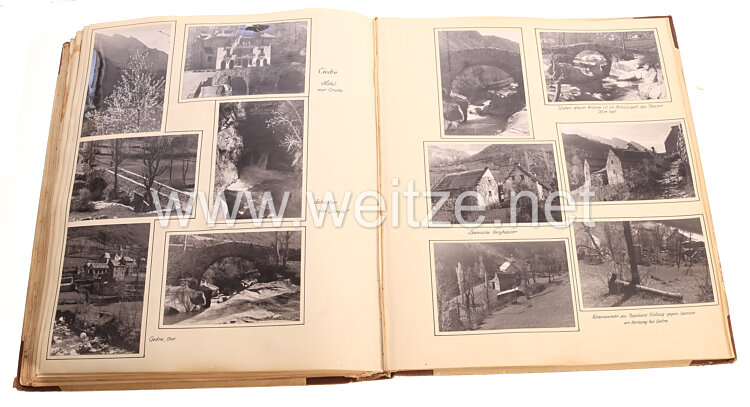
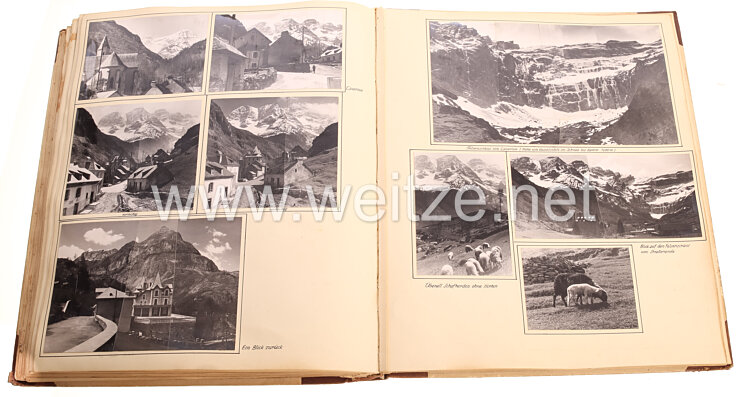
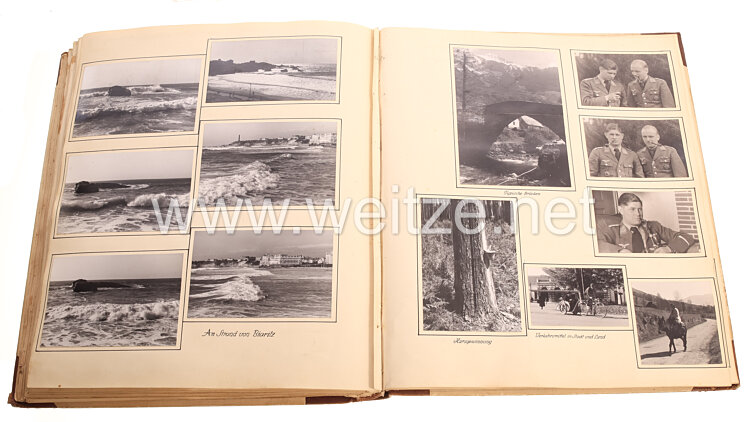
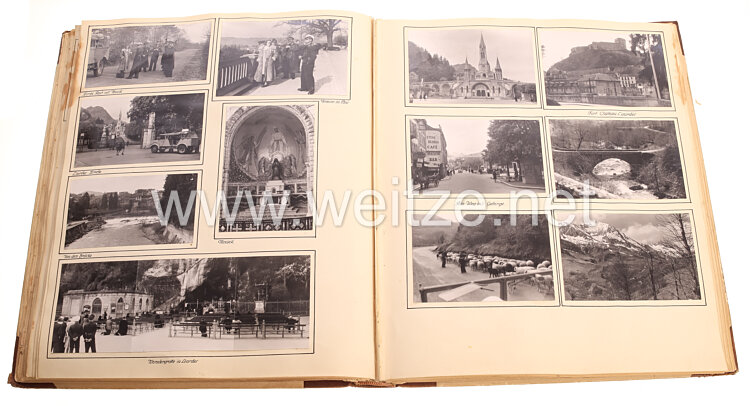
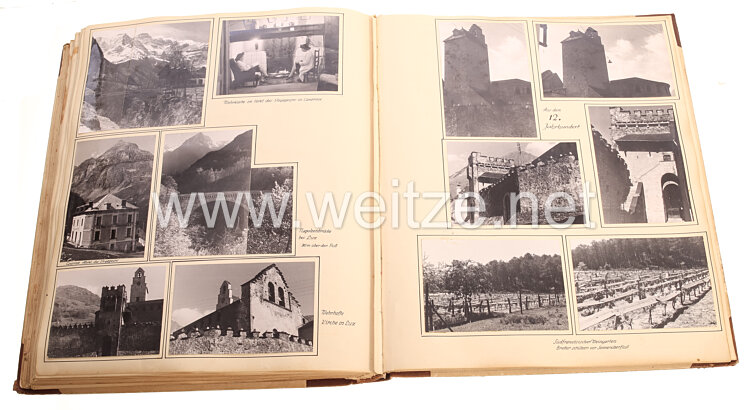
Images from Lourdes, St. Sever, Cauterets, and the Pyrenees show the crew's leisure activities in southern France. Such excursions served as recreation between dangerous missions and reflected the relative tranquility that German soldiers could enjoy in occupied territories far from the front lines. The visit by Generalfeldmarschall Hugo Sperrle, who was Commander-in-Chief of Luftflotte 3 in France from August 1939 to August 1944, underscores the unit's military significance.
Photo albums like this were widespread in the Wehrmacht. Soldiers used them to document both military events and personal experiences. They served as mementos and were intended to be preserved after the hoped-for victory as testimony to their service. Today, such albums are important historical sources providing insights into daily military life, organizational structures, and the mentality of the era.
The reference to “U.L.K. in Achmet” likely refers to a military event or entertainment show, as was common for maintaining morale in units. The album with approximately 400 photographs represents extensive documentation and is in good condition (Condition 2).
The years 1943 and 1944 marked a turning point in World War II. The Luftwaffe faced increasing pressure from Allied air superiority, fuel shortages, and the loss of experienced crews. Long-range reconnaissance units like FAG 5 nevertheless played a critical role in strategic planning and defense, even though their effectiveness was increasingly limited by the deteriorating military situation.