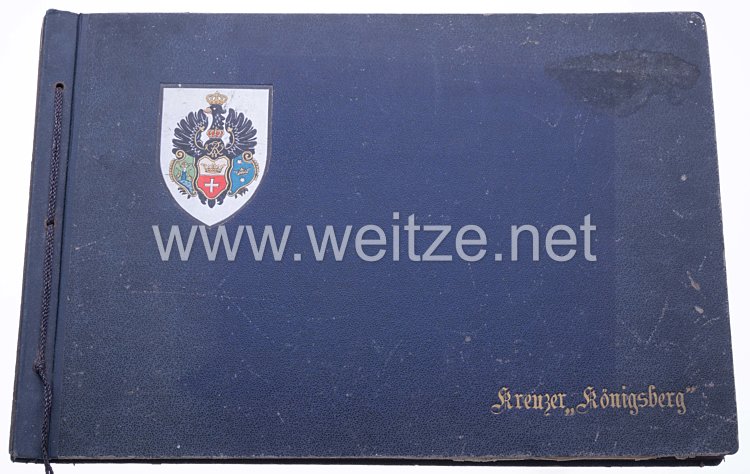
Kriegsmarine Photo Album - Member of the Cruiser "Königsberg"

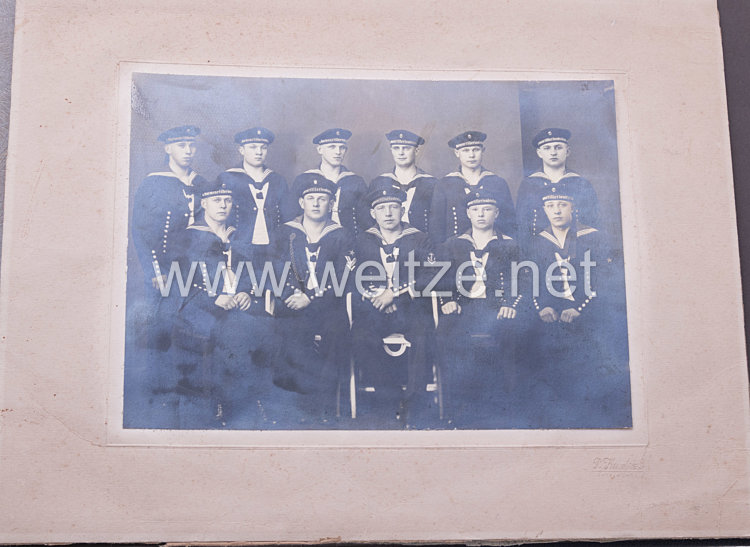
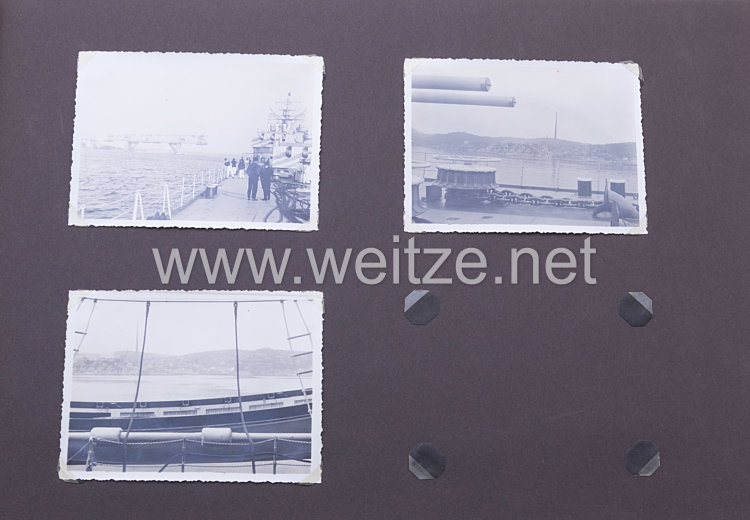
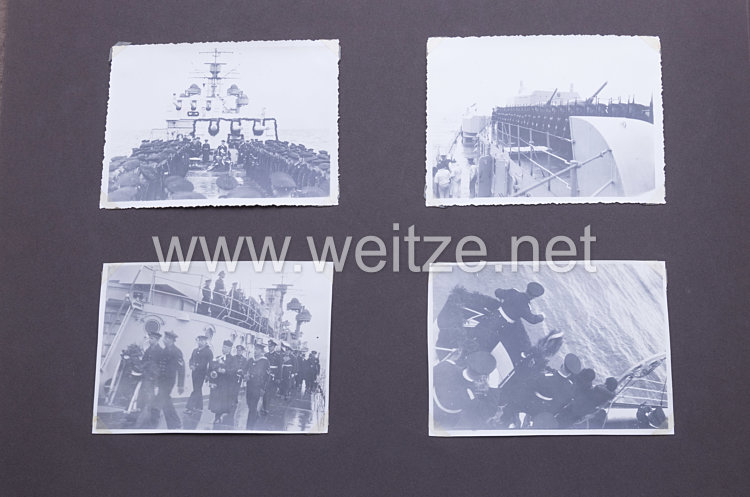
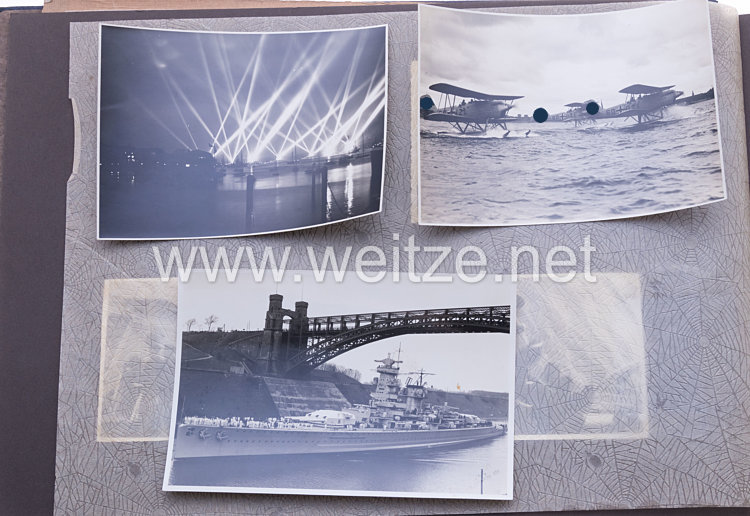
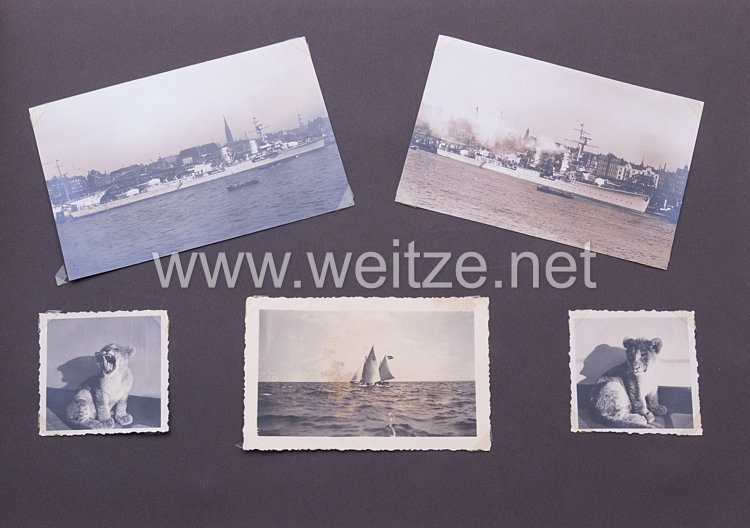
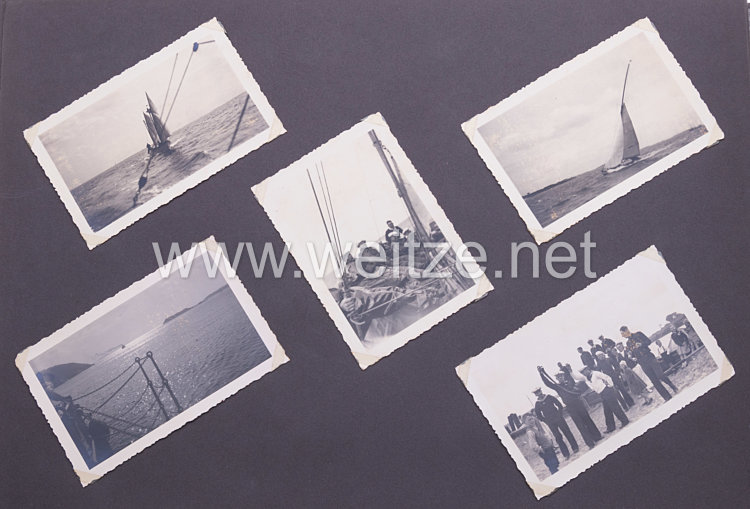
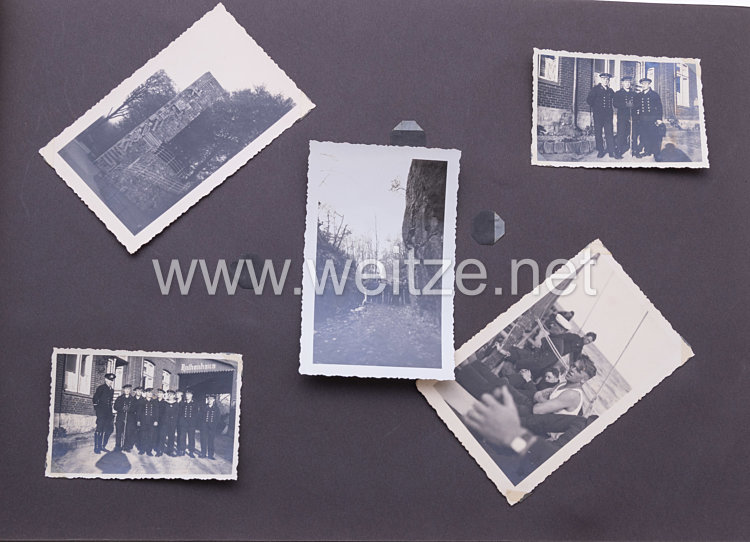
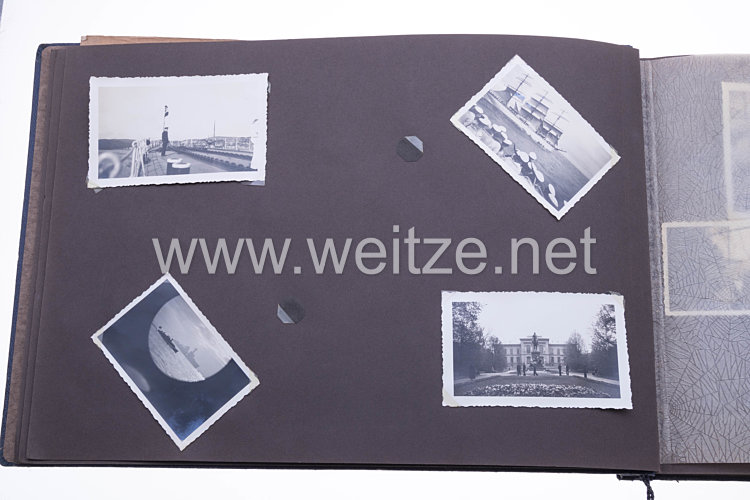
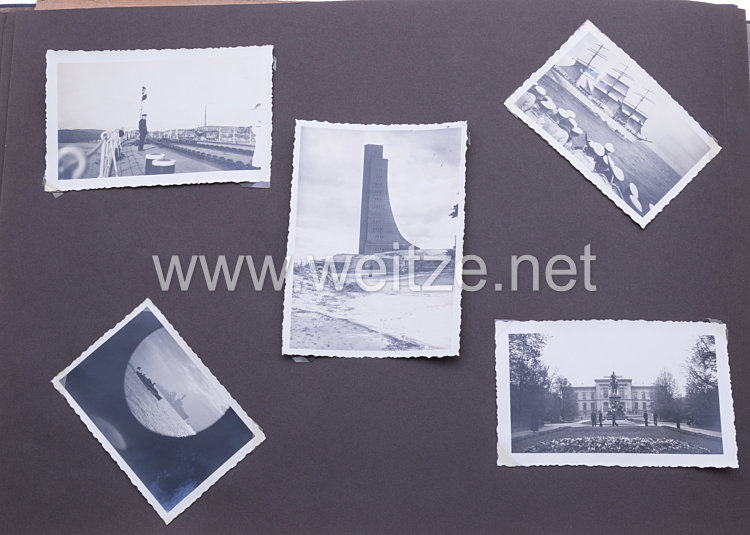
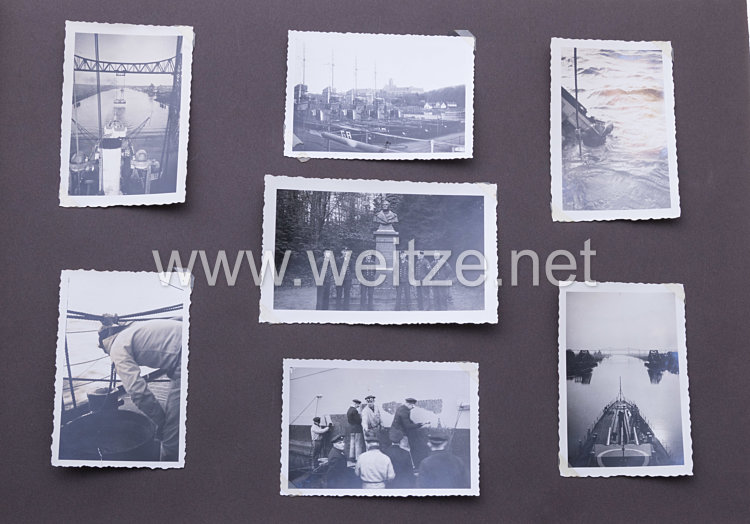
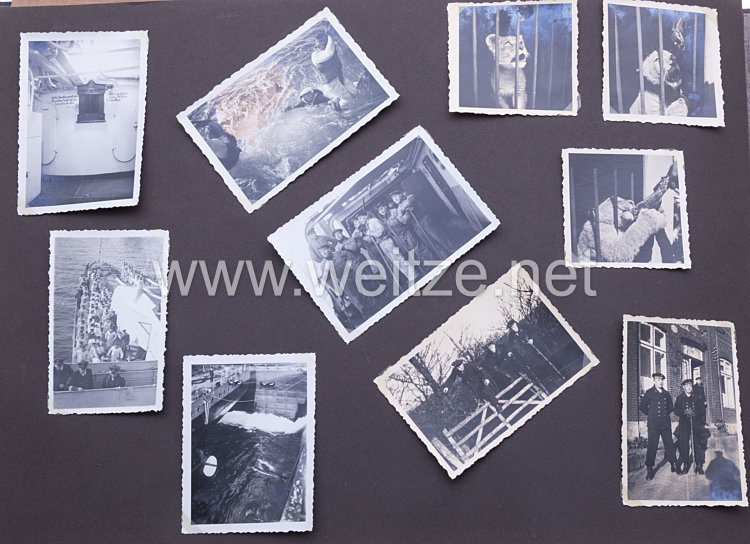
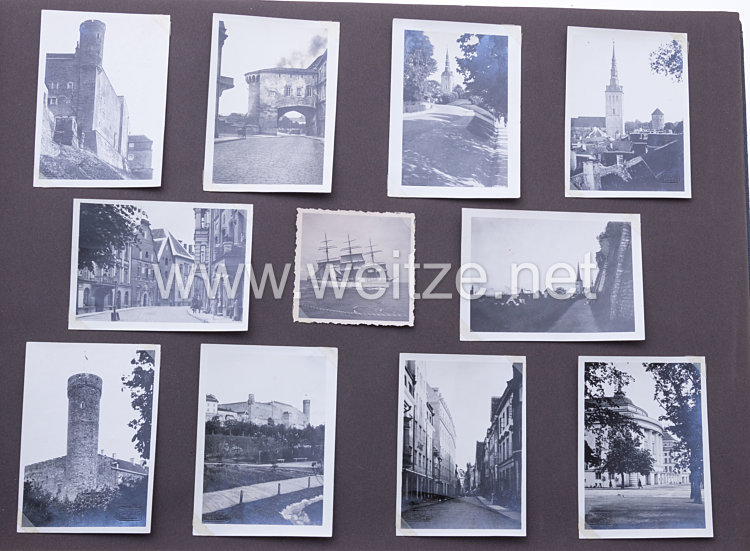
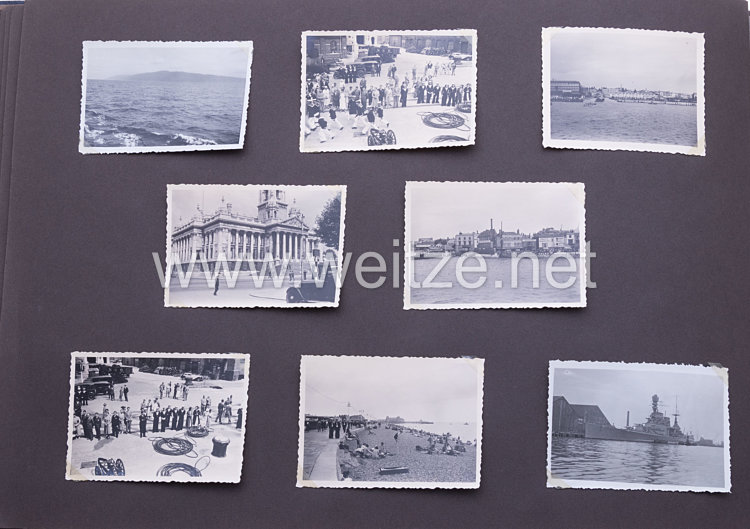
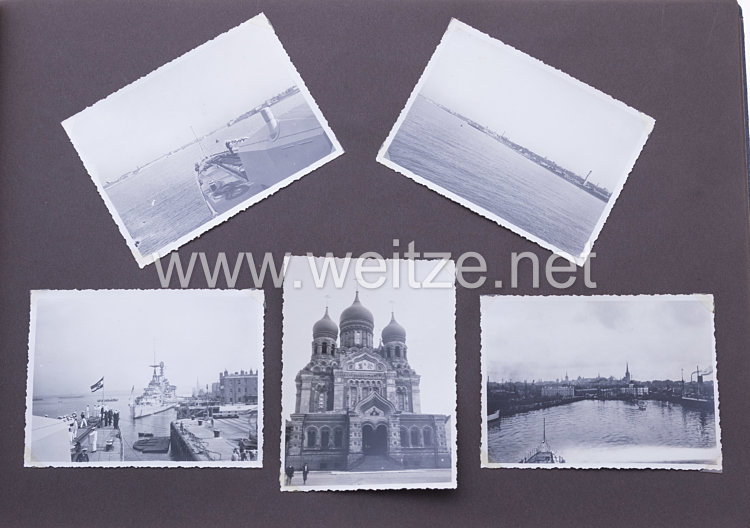
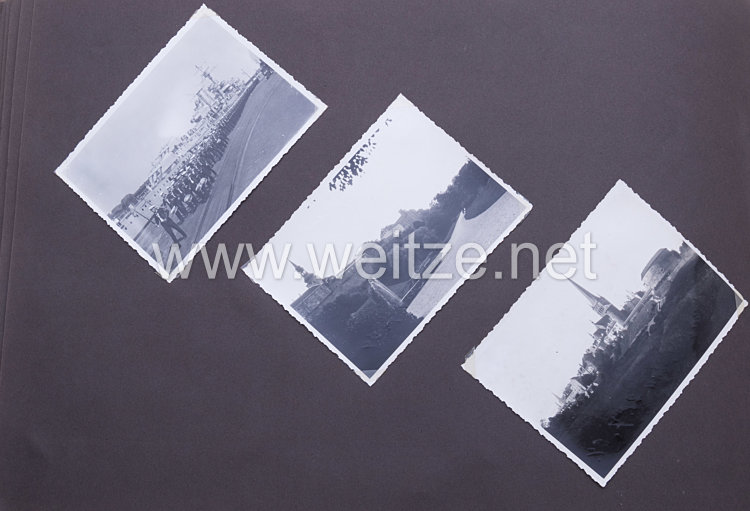
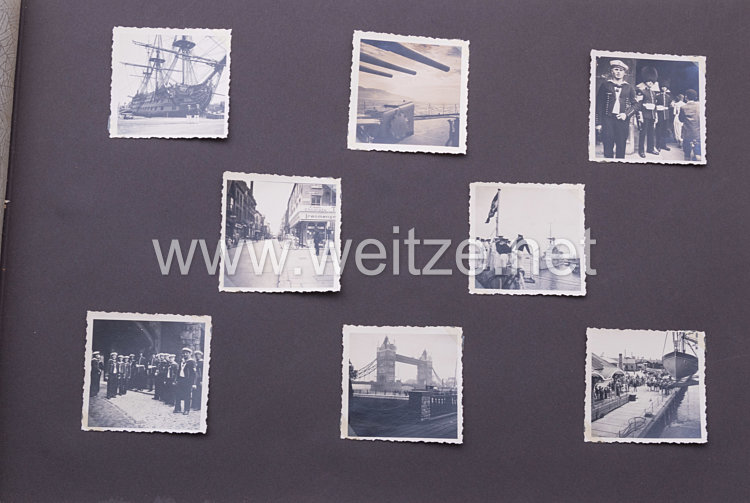
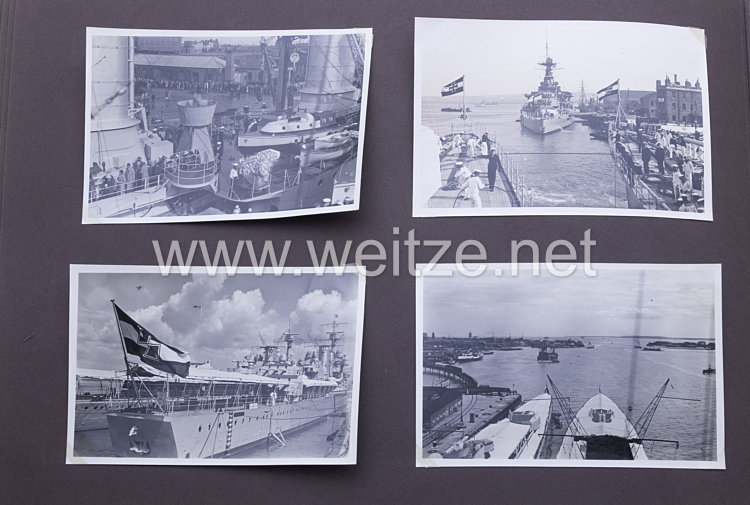
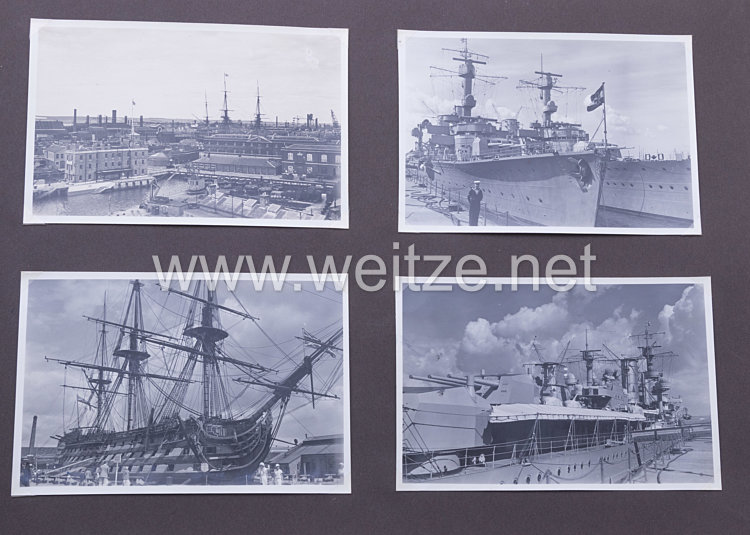
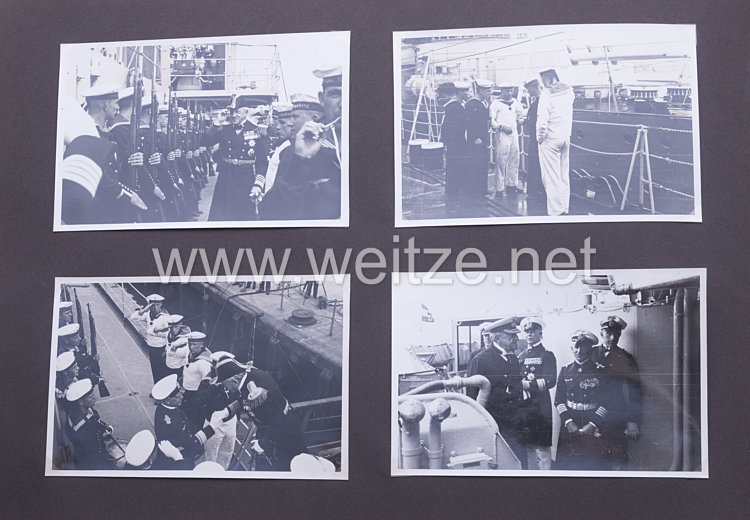
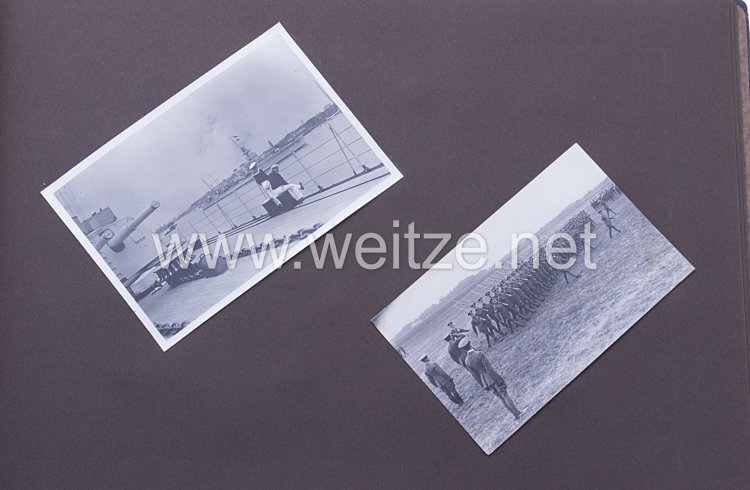
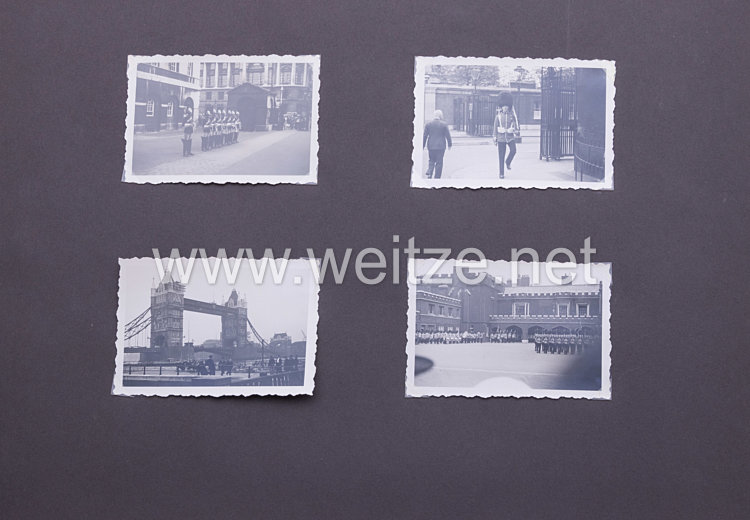
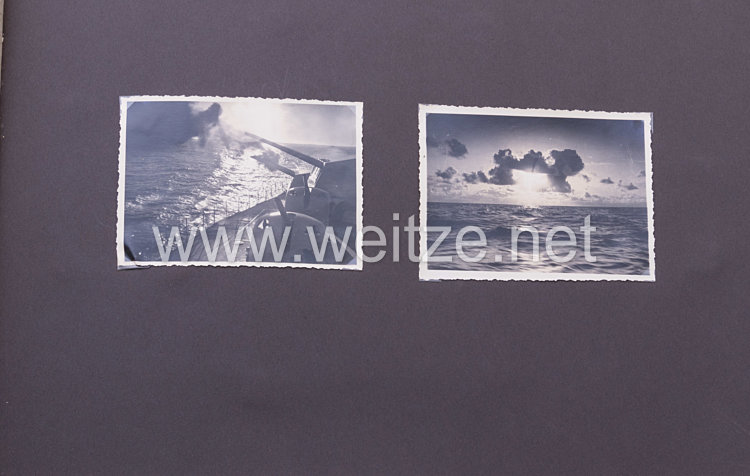
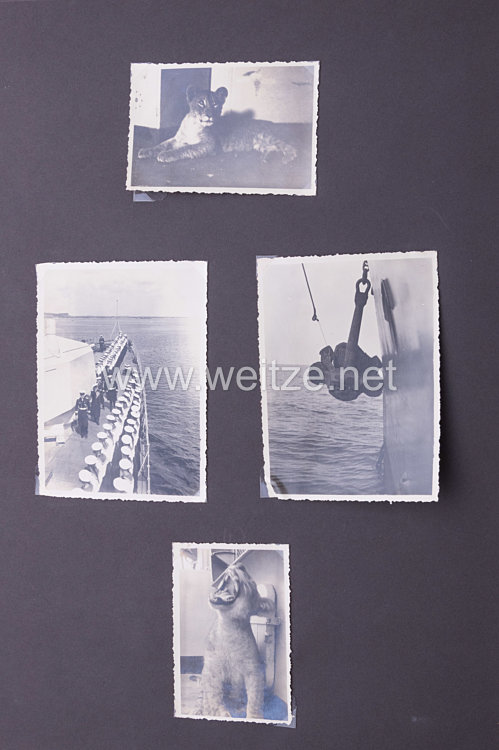
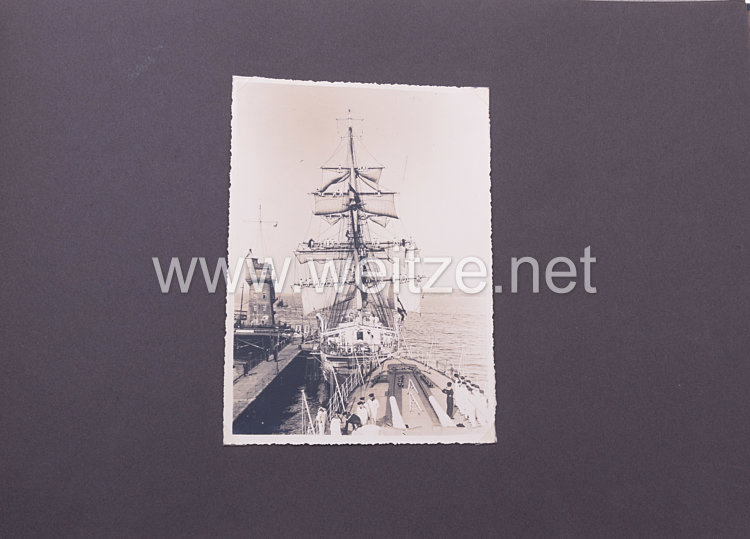
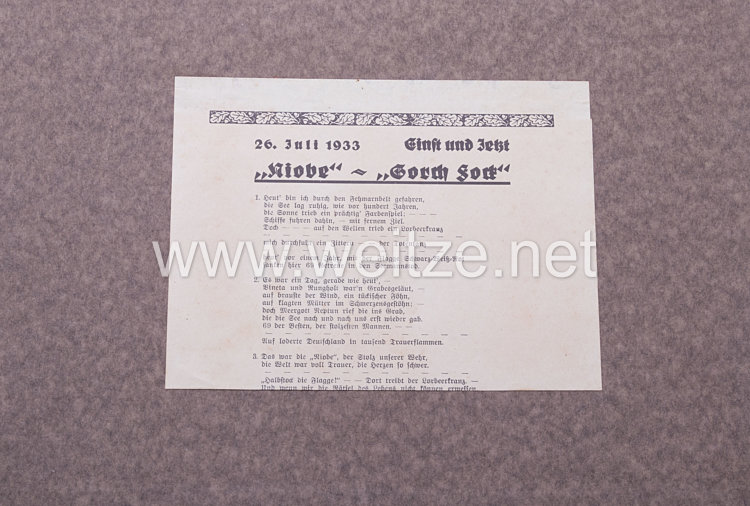
Cardboard binding, approx. 100 photographs. Group photo, burial of a sailor aboard ship, armored ship Deutschland, seaplanes, cruiser Königsberg entering the port of Hamburg, at Laboe U-boat Memorial, air-sea rescue, in the port of London, Wilhelmshaven, visit of an English admiral. Used condition.
315898
480,00

Kriegsmarine Photo Album - Member of the Cruiser "Königsberg"

This photograph album documents the life and service of a member of the Kriegsmarine aboard the cruiser Königsberg, offering a fascinating glimpse into the maritime history of the German Navy during the pre-war and early war period. Such personal photo albums represent important historical sources today, documenting the daily life of naval personnel beyond official propaganda images.

The Light Cruiser Königsberg was one of three ships of the Königsberg-class (K-class) built for the Reichsmarine in the 1920s. The Königsberg was commissioned in 1927 and had a displacement of approximately 6,650 tons, armed with nine 15cm guns. The ship served as a training vessel and undertook numerous foreign voyages, which explains the visits to various ports documented in the album, including London.

The approximately 100 photographs in the album show typical aspects of naval life during this era. Group photographs were an essential part of naval culture, serving both to foster camaraderie and as memories of time spent together. The documentation of a burial at sea aboard ship reflects the solemn ceremonies with which the Navy honored its fallen comrades - a ritual deeply rooted in maritime traditions.

Particularly noteworthy is the mention of the Panzerschiff Deutschland in the album. The Deutschland, later renamed Lützow, belonged to the Deutschland-class of armored ships, known abroad as “pocket battleships.” These ships represented Germany's attempt to build powerful warships within the restrictions imposed by the Treaty of Versailles.

The photographs of seaplanes document an important aspect of the naval forces of that time. Cruisers like the Königsberg were equipped with catapults from which reconnaissance aircraft could be launched. Typically, these were models such as the Heinkel He 60 or Arado Ar 196, used for long-range reconnaissance and artillery observation.

The documented entry into the Port of Hamburg shows the close connection between the Navy and the homeland. Such events were often celebrated with great ceremony and attracted numerous spectators. Hamburg, as Germany's most important seaport, played a central role for the Kriegsmarine.

The visit to the U-Boat Memorial in Laboe near Kiel is of particular historical significance. This monument, dedicated in 1936, was originally intended to commemorate German submarine crews who fell in World War I. The 72-meter-high monument became an important symbol of maritime tradition and was frequently visited by naval units.

The photographs of the port visit to London and the mention of an English admiral document the diplomatic activities of the Kriegsmarine in the pre-war period. In the 1930s, mutual fleet visits between Germany and Great Britain were still common and served to demonstrate military strength as well as diplomatic purposes. The Anglo-German Naval Agreement of 1935 marked a phase of apparent rapprochement between the two nations.

Wilhelmshaven, mentioned several times in the album, was the Kriegsmarine's most important naval base on the North Sea. Extensive shipyard facilities, barracks, and administrative buildings were located here. For many naval personnel, Wilhelmshaven was synonymous with their service in the Navy.

The documented sea rescue illustrates one of the Navy's humanitarian tasks, which was of great importance even in peacetime. The rescue of shipwrecked persons belonged to the honorable traditions of seafaring and was practiced regardless of political circumstances.

The fate of the Königsberg itself ended in April 1940 during Operation Weserübung, the German invasion of Norway. After the occupation of Bergen, the ship was severely damaged by British aircraft in the harbor and was the first major warship to be sunk by air attack in World War II.

Photo albums such as the one described are rare today and of great historical value. They offer insights into the personal perspective of naval personnel and complement official historiography with authentic snapshots of daily life. The used condition of the album underscores its authenticity and testifies to the personal significance it held for its original owner.