Wehrmacht Photo Group of a Member of Propaganda-Kompanie 501 on the Eastern Front

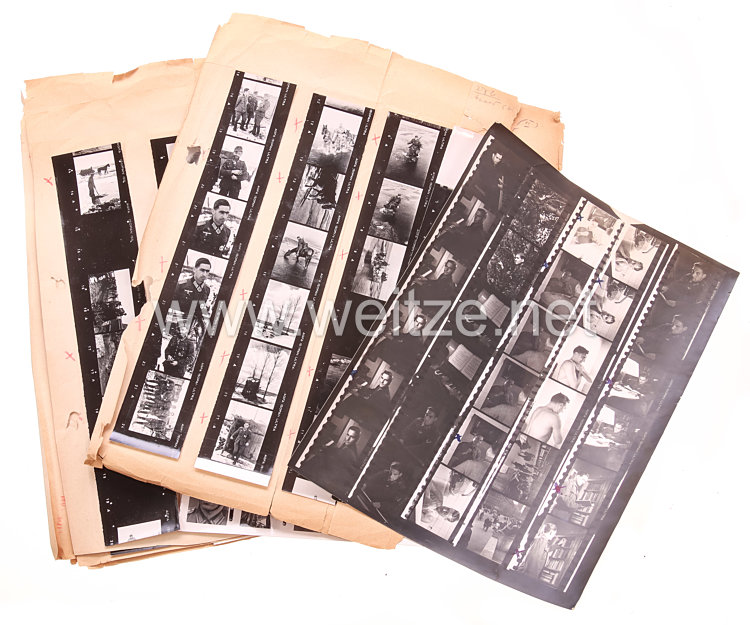
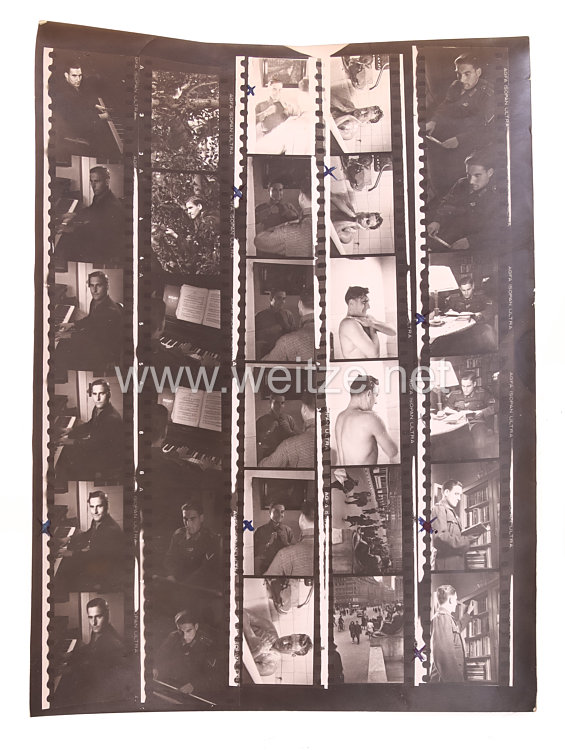
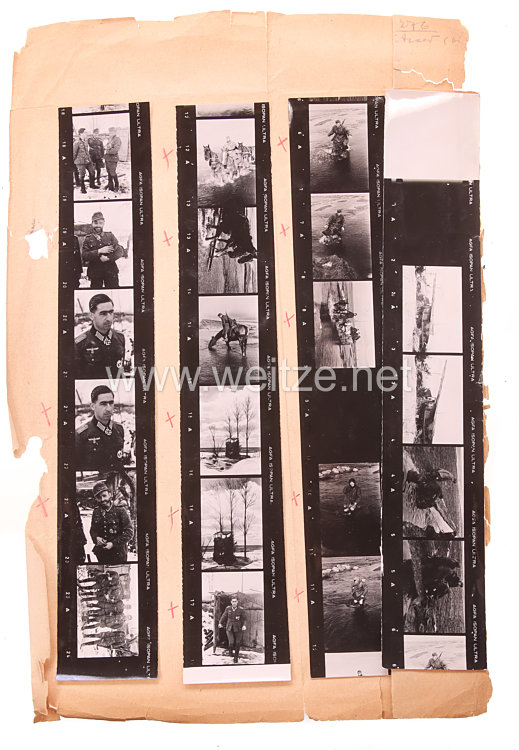
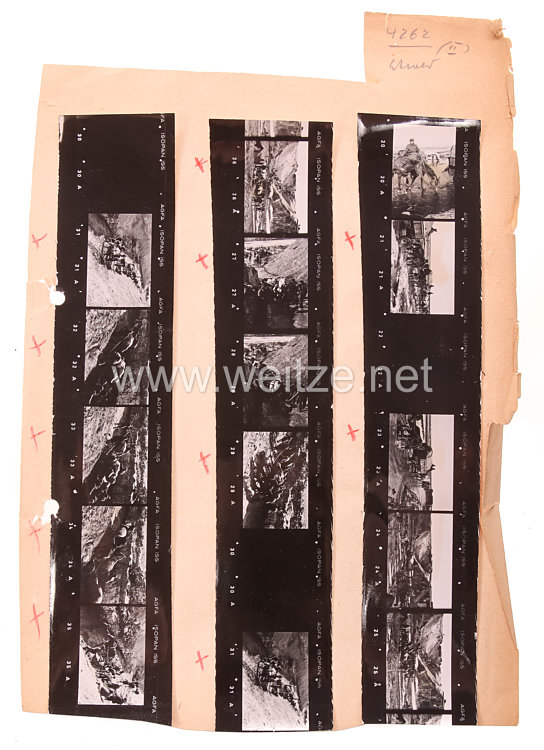
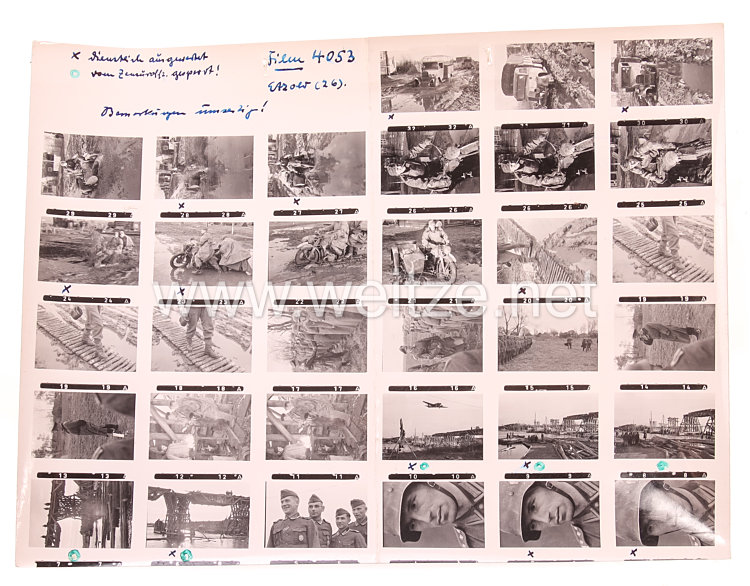
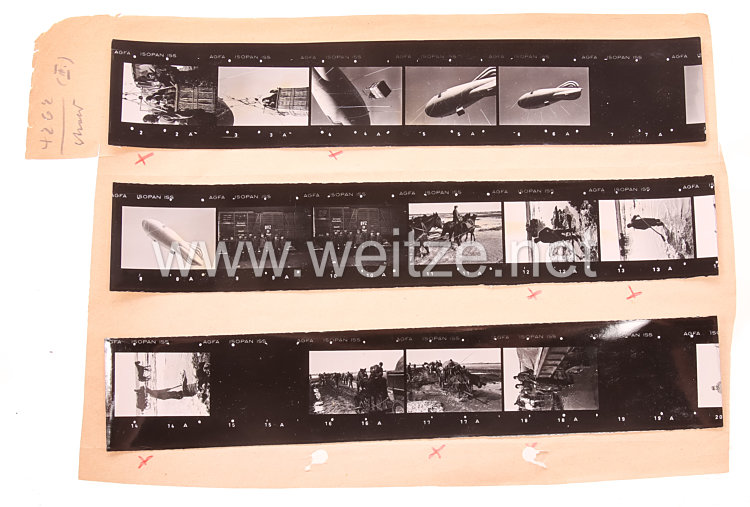
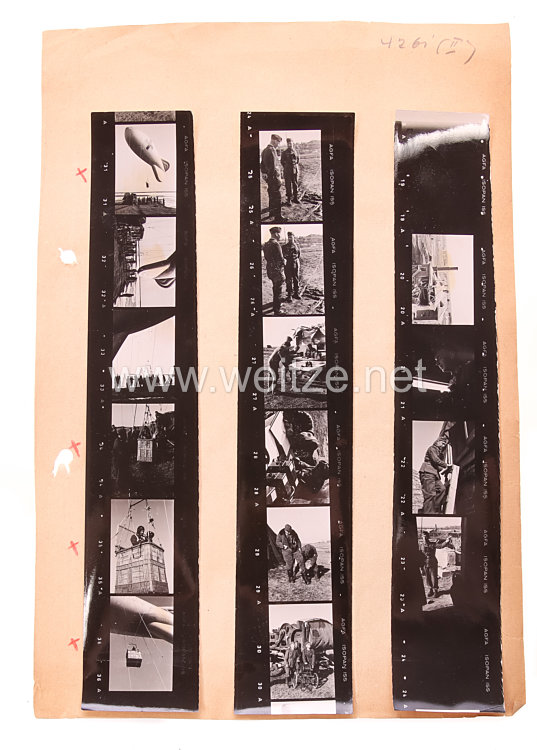
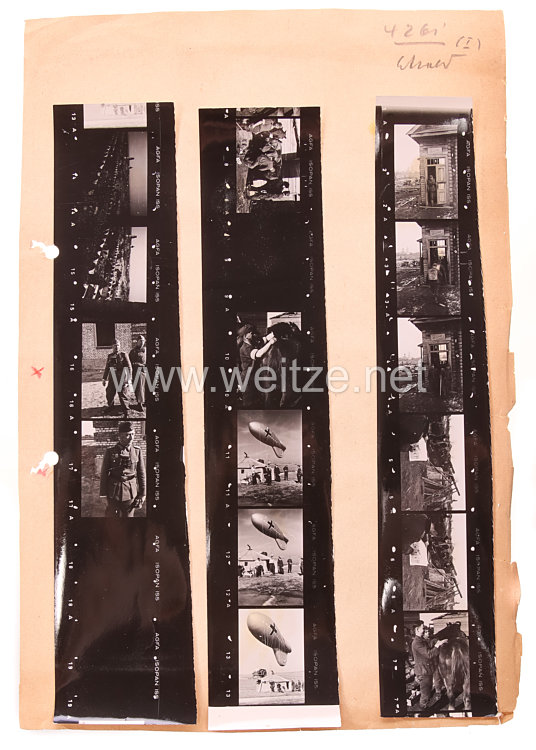
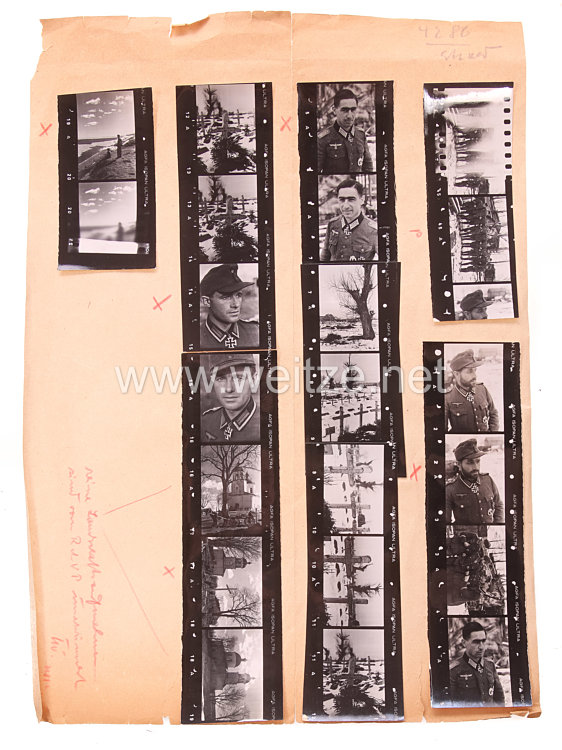
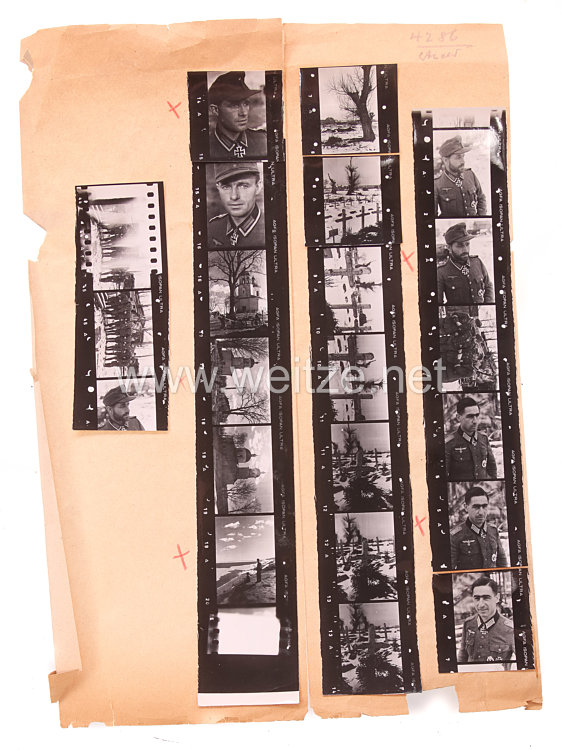
Photographs of general life at the front, various Knight's Cross recipients in action, soldiers drawing, German observation balloons, soldiers advancing, Knight's Cross recipients in portrait. Condition 2.
420895
800,00

Wehrmacht Photo Group of a Member of Propaganda-Kompanie 501 on the Eastern Front

Propaganda-Kompanie 501 on the Eastern Front: War Photography in Wehrmacht Service

The Propaganda Companies (Propaganda-Kompanien, PK) of the Wehrmacht represented a unique military unit that combined combat soldiers with war correspondents. This photograph collection from a member of Propaganda-Kompanie 501 offers an authentic glimpse into the work of these specialized units on the Eastern Front during World War II.

Organization and Mission of the Propaganda Companies

The Propaganda Companies were established in 1938 by order of the Wehrmacht High Command (Oberkommando der Wehrmacht, OKW). Their primary mission was to photographically and cinematically document the course of the war and produce propaganda material for the home front. PK 501 was one of approximately 15 propaganda companies assigned to the Army. Each company comprised about 100 to 150 men, including photographers, cameramen, war correspondents, artists, and technical personnel.

Members of the Propaganda Companies were full-fledged soldiers who underwent basic military training and participated in combat operations. Simultaneously, they were trained professionals in their respective fields - journalists, photographers, or artists who often worked in these professions before their conscription.

PK 501 on the Eastern Front

Propaganda-Kompanie 501 was deployed during Operation Barbarossa, the German invasion of the Soviet Union beginning in June 1941. This unit documented the military operations of various Army formations and experienced the dramatic events of the Eastern campaign firsthand. From the initial successes of the advance to the brutal retreat battles - PK members were always with the fighting troops.

The photographs mentioned in the collection depicting “general life at the front” reflect the typical work of the Propaganda Companies. These were meant to document not only combat actions but also the soldiers' daily life, their camaraderie, and their human side. Such images served morale on the home front and portrayed the Wehrmacht as a disciplined, humane force.

Knight's Cross Recipients as Propaganda Subjects

The repeatedly mentioned Knight's Cross recipients in the photo collection illustrate a central aspect of Nazi war propaganda. The Knight's Cross of the Iron Cross, instituted in 1939, was the Wehrmacht's highest decoration for valor. Recipients of this decoration were systematically used for propaganda purposes. The Propaganda Companies often received orders to photograph these “heroes” in action and as portraits.

These photographs appeared in newspapers, newsreels, and illustrated magazines such as “Die Wehrmacht” or “Signal” magazine. They were intended to demonstrate the superiority of German soldiers and convince the civilian population of the inevitability of German victory.

Observation Balloons and Military Reconnaissance

The documented German observation balloons (tethered balloons) represent an interesting detail. Although widely used in World War I, tethered balloons were still employed for artillery observation and reconnaissance in World War II, particularly during the early war years on the Eastern Front. Their documentation by the PK underscores the interest in all aspects of military operations.

Soldiers Drawing

The mention of “soldiers drawing” points to another facet of the Propaganda Companies. Besides photographers and filmmakers, war painters and artists also belonged to these units. These artists created sketches and paintings at the front, which were later used for exhibitions and publications. Visual art was considered an important medium for glorifying and aestheticizing the war.

Technical Aspects of War Photography

PK photographers typically worked with Leica or Contax 35mm cameras and medium-format Rolleiflex cameras. This equipment enabled flexible photography even under the most difficult conditions. Films were developed in mobile laboratories or sent to headquarters in Berlin, where they were censored by the Propaganda Company of the OKW and the Reich Ministry for Public Enlightenment and Propaganda under Joseph Goebbels and selected for publication.

Historical Significance

Despite their propagandistic purpose, the photographs taken by the Propaganda Companies have considerable documentary value today. They belong to the most extensive visual documentation of World War II and offer - when viewed critically - important insights into daily life at war, military operations, and the reality at the front.

Photo collections like the one described here are important historical sources that illuminate both military history and the history of propaganda and visual communication in National Socialism. They require careful contextual analysis that considers both their documentary significance and their propagandistic intent.