SA Service Tunic, Peaked Cap and Brown Shirt from the Estate of Blood Order Bearer SA-Hauptsturmführer Johann Steiner of SA-Jägerstandarte 44, SA-Gruppe Oberdonau

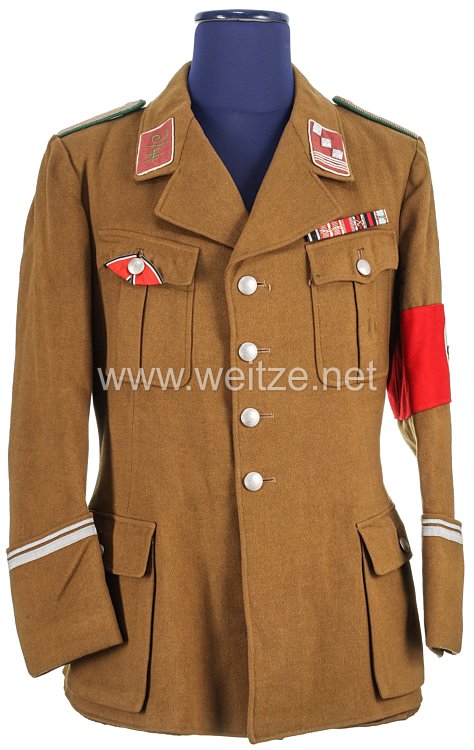
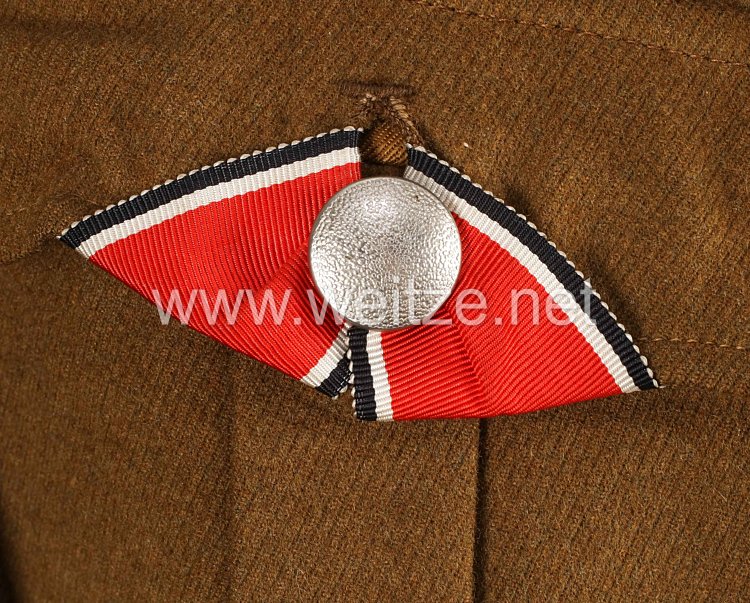
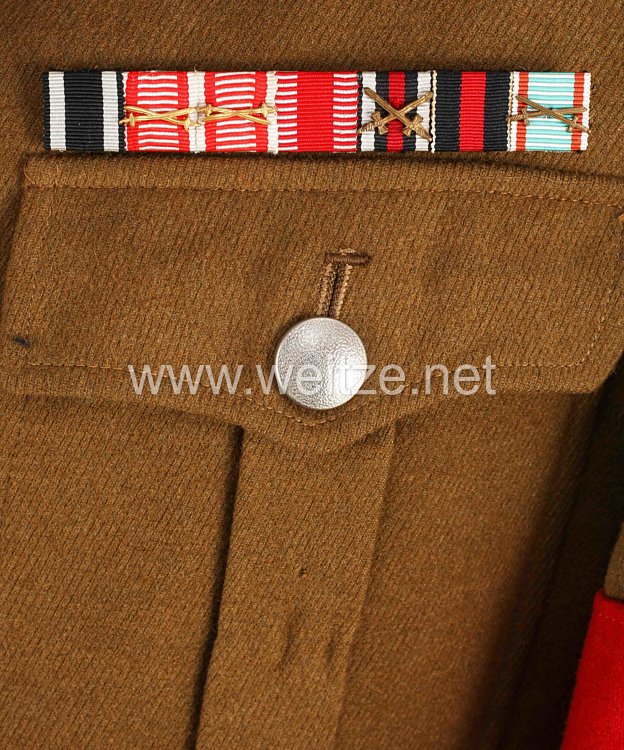
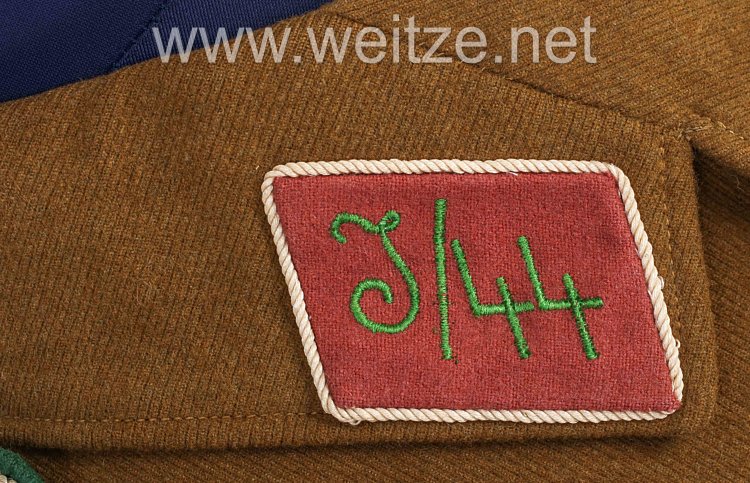
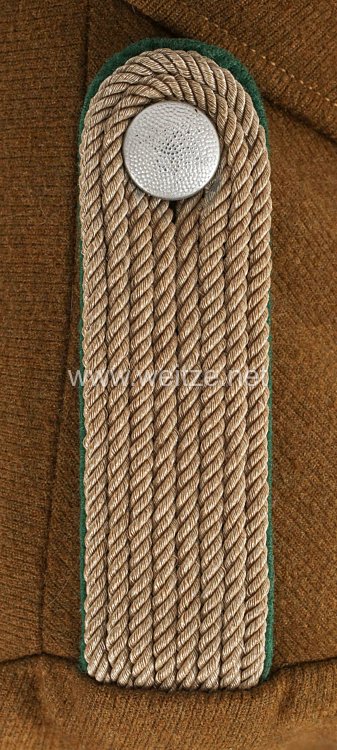
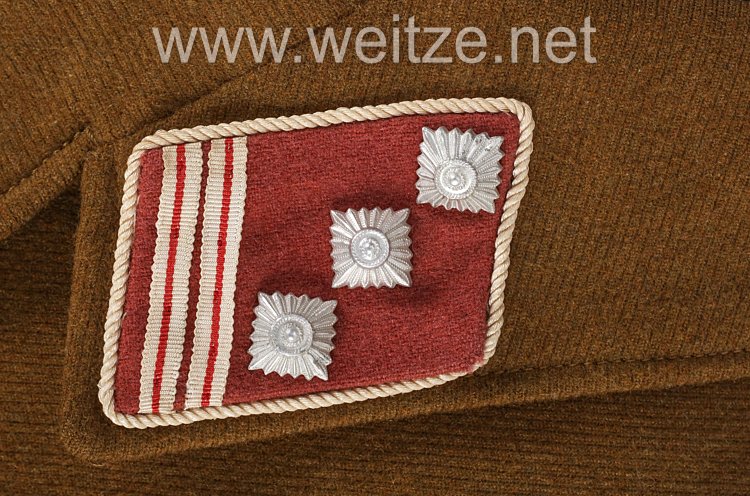
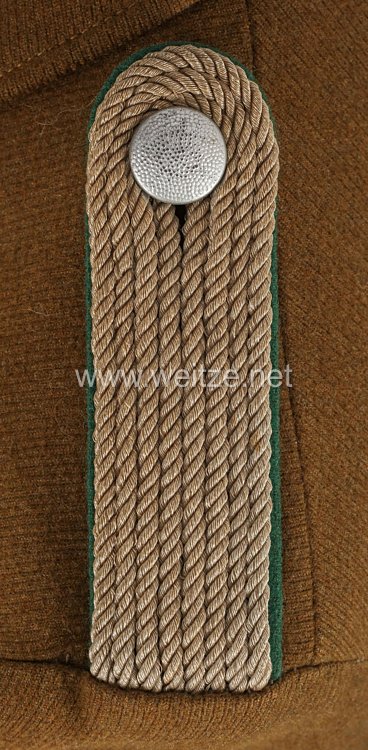
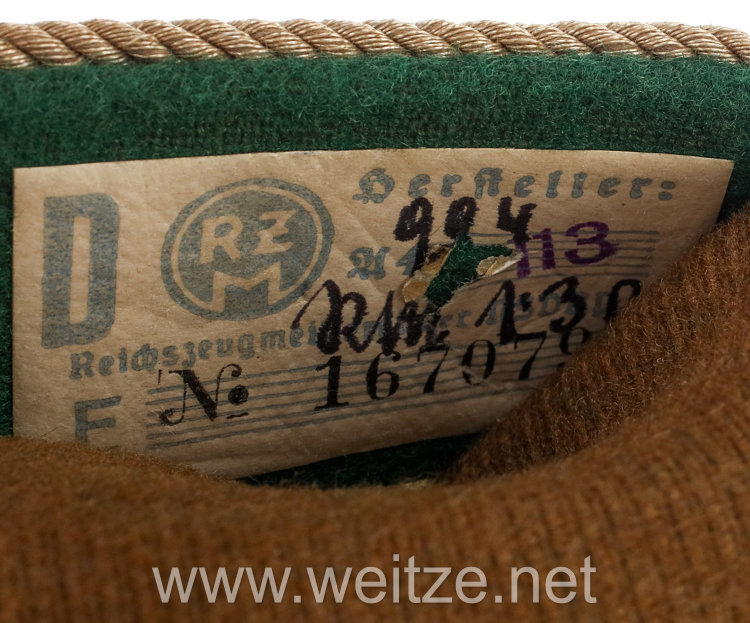
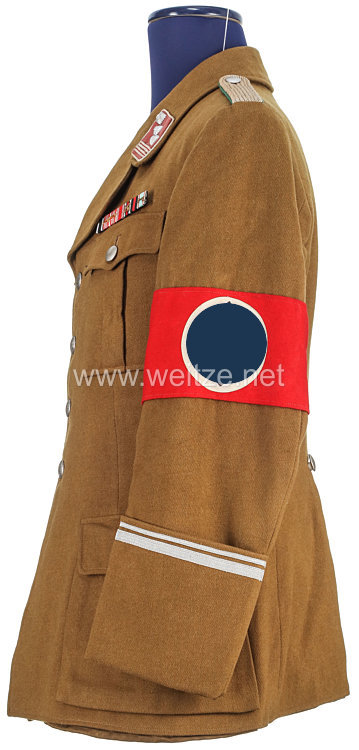
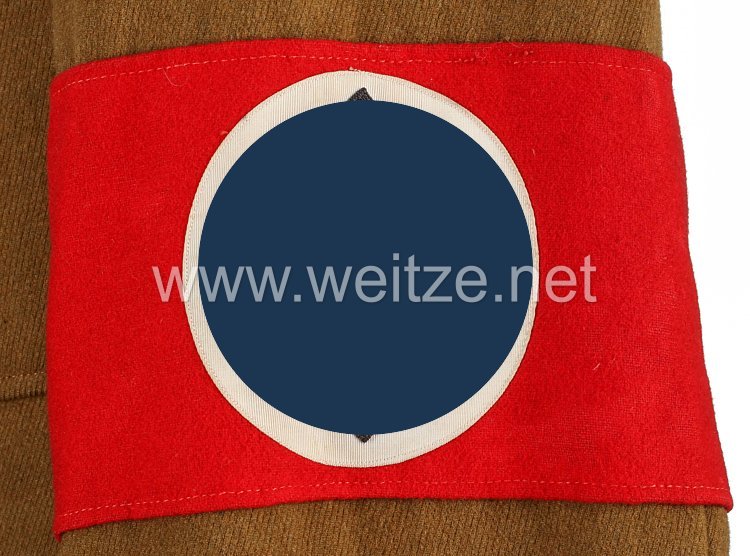
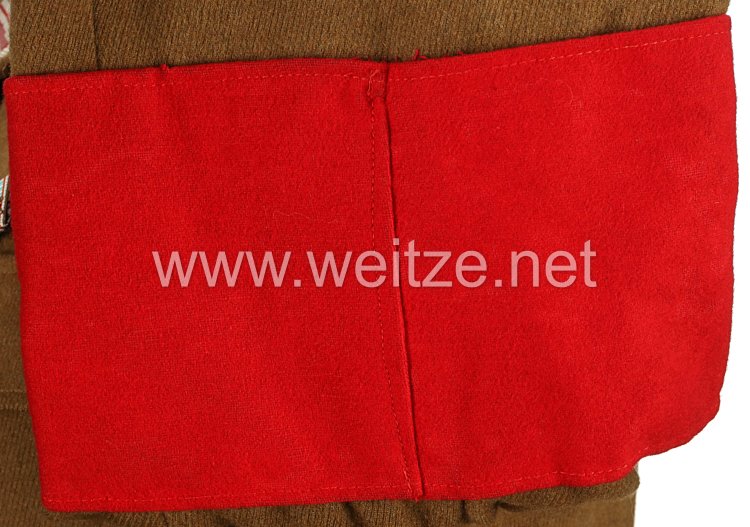
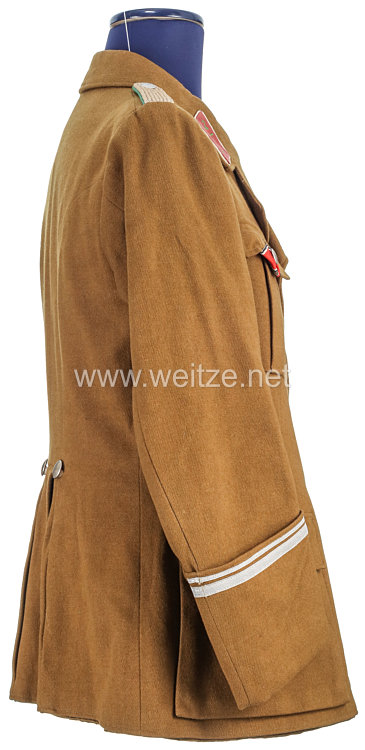
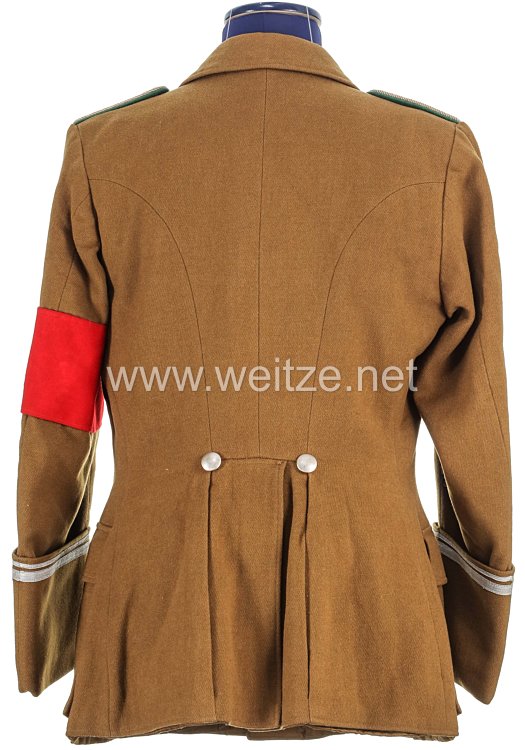
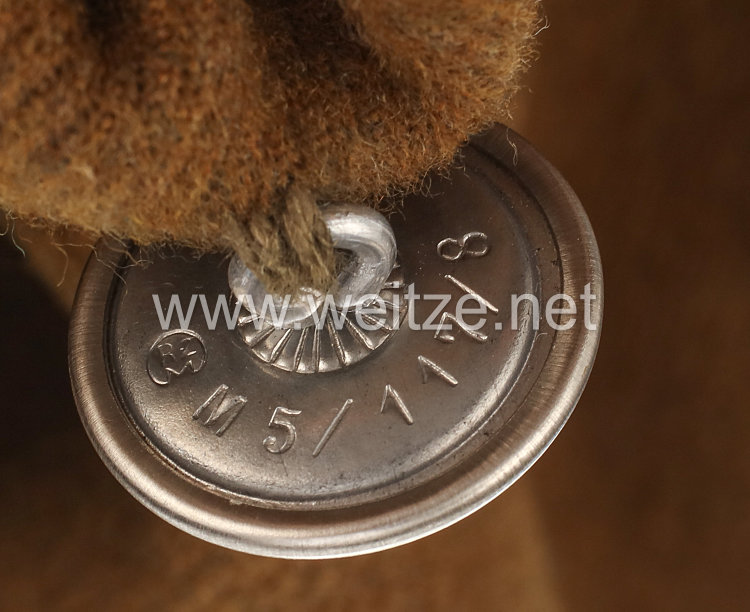
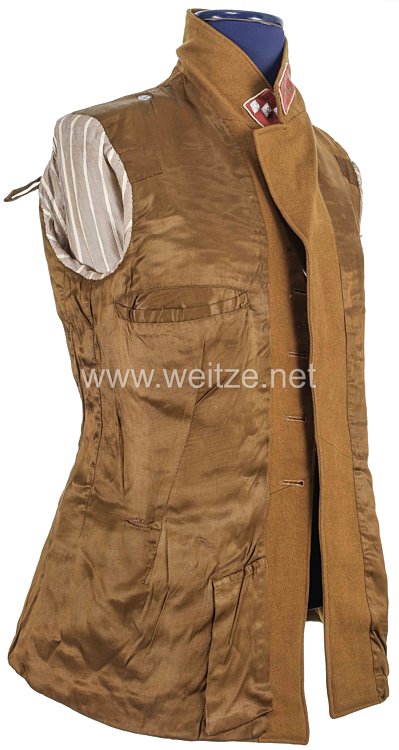
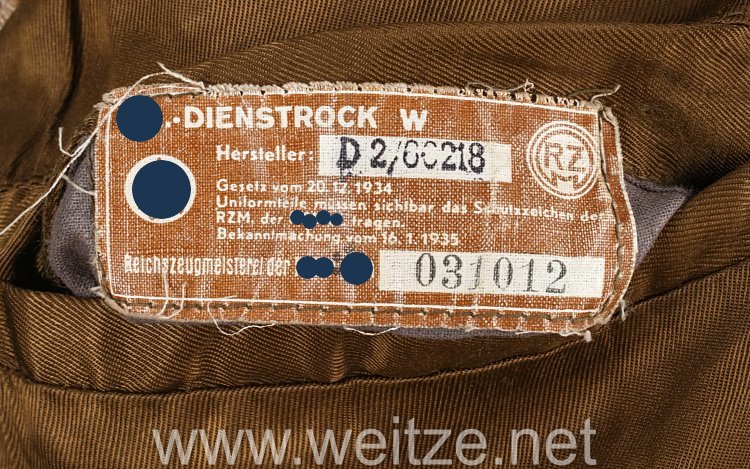
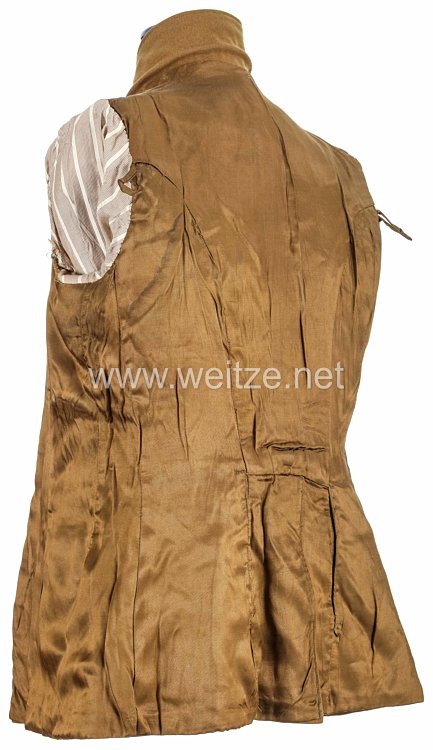
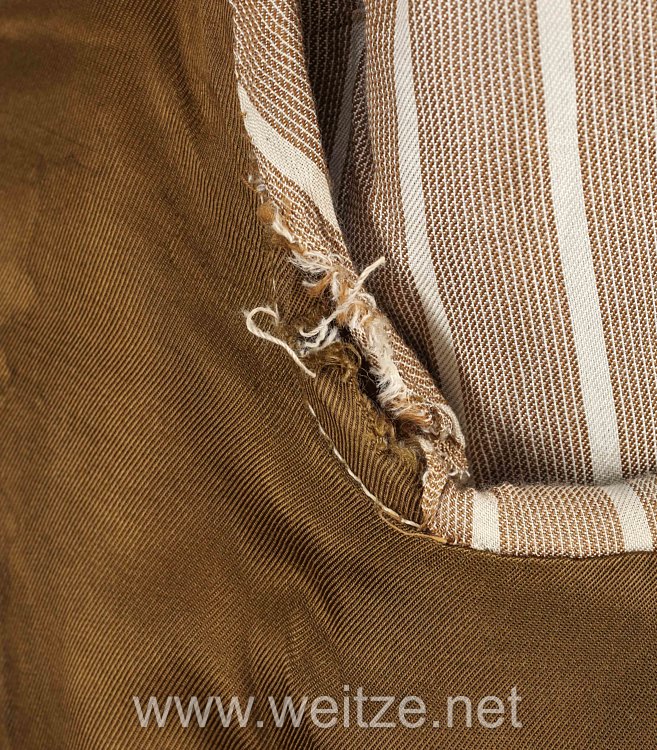
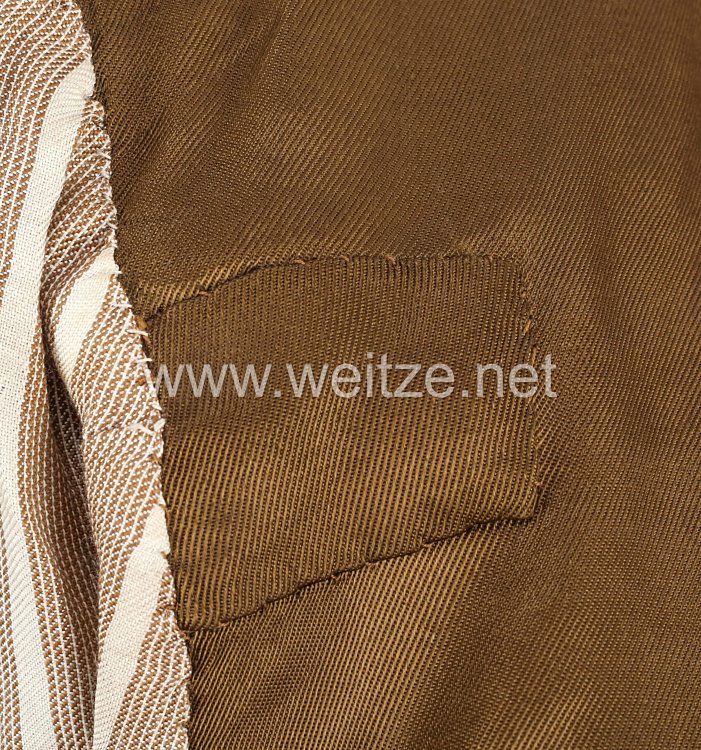
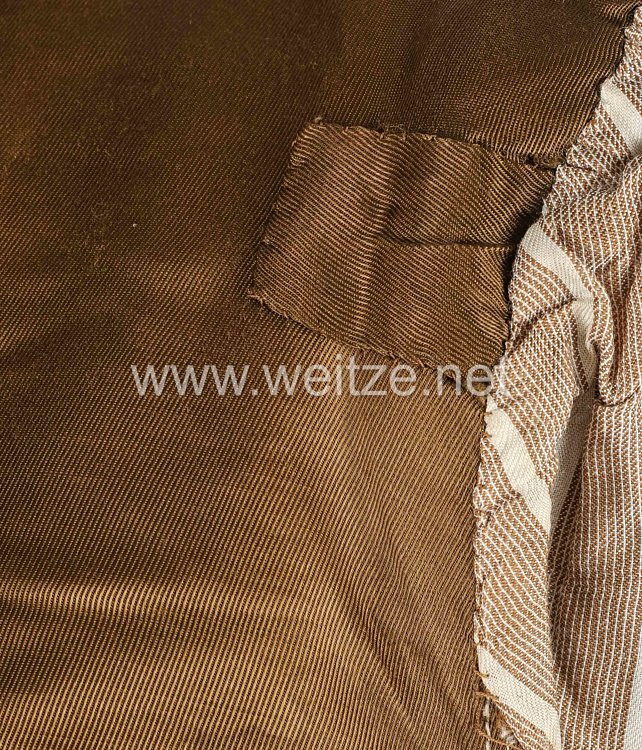
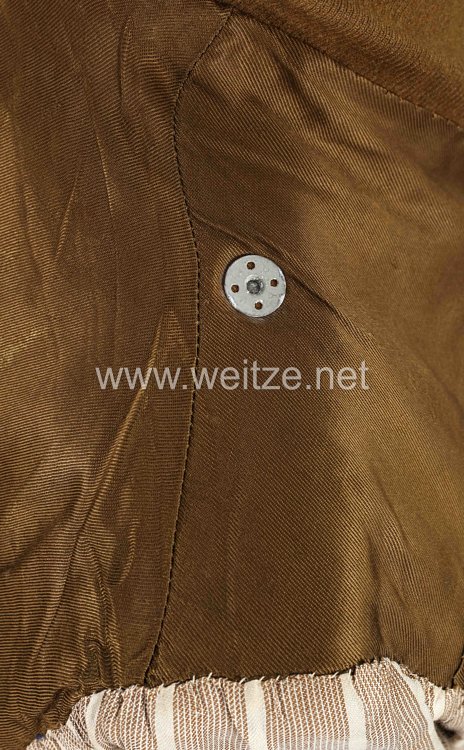
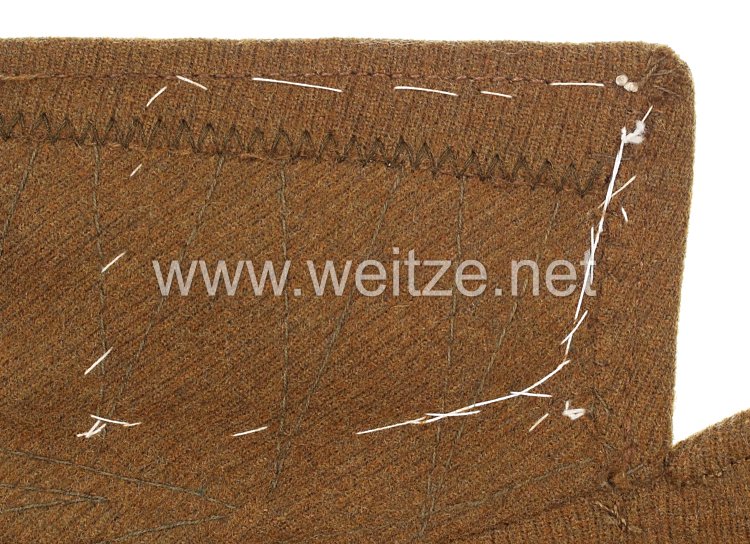
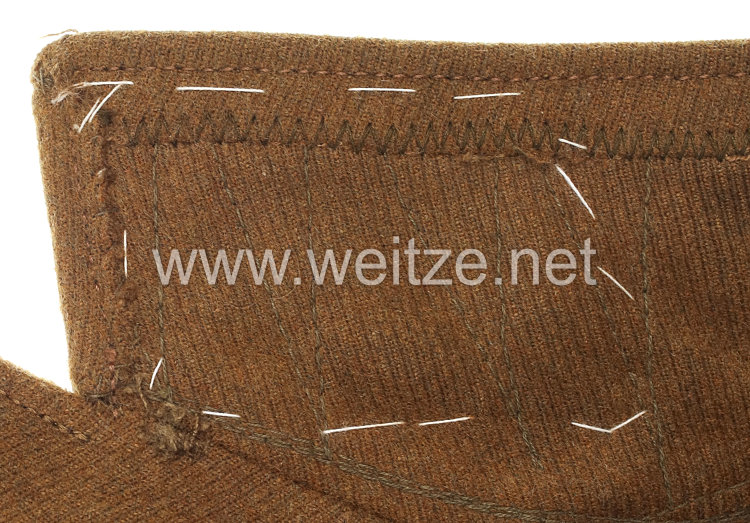
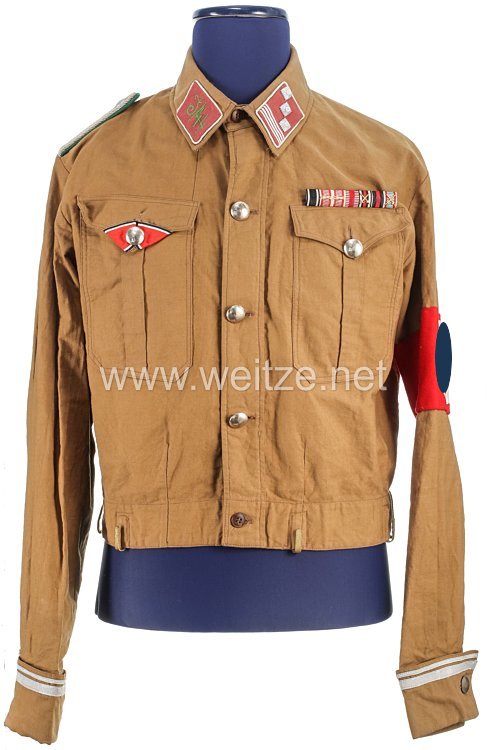
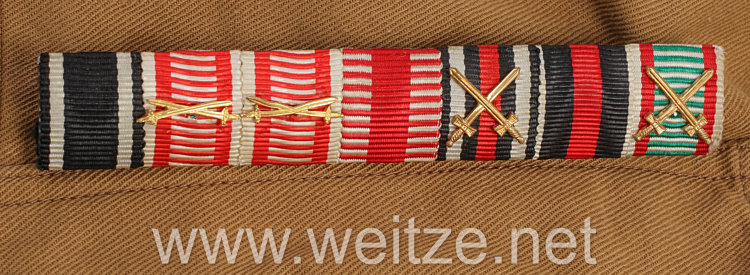
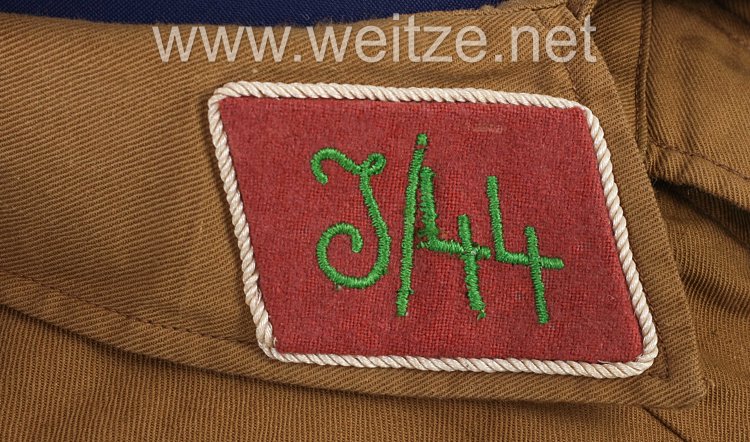
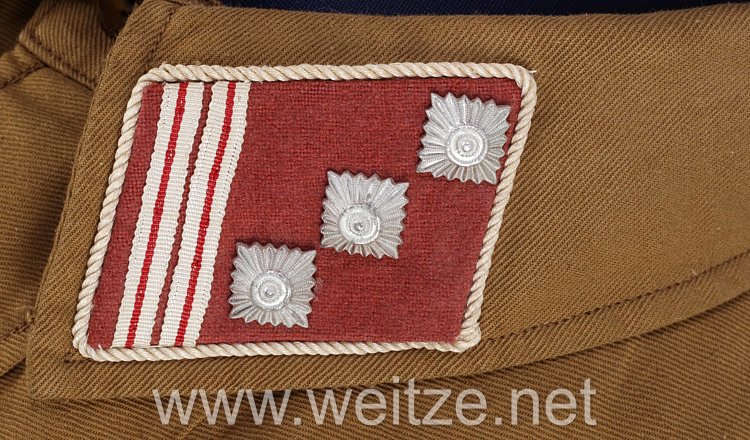
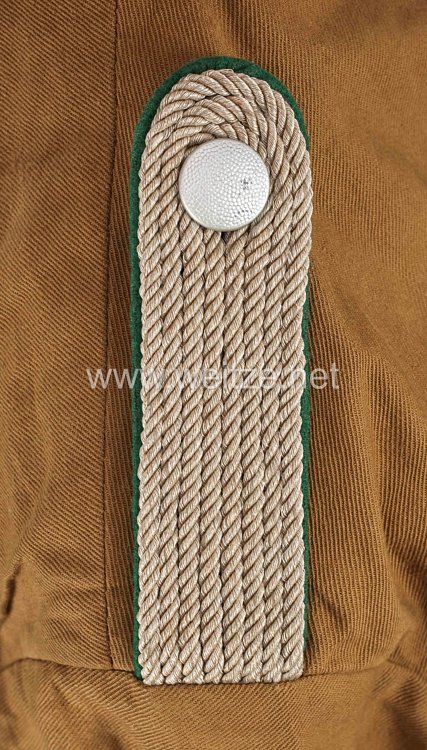
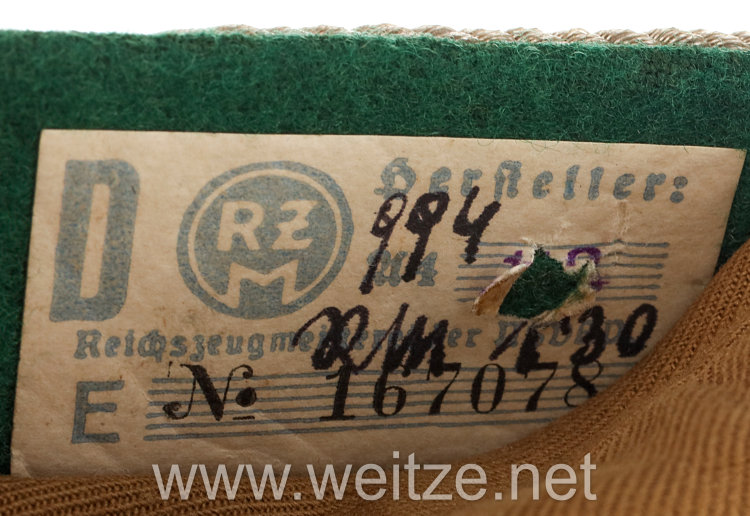
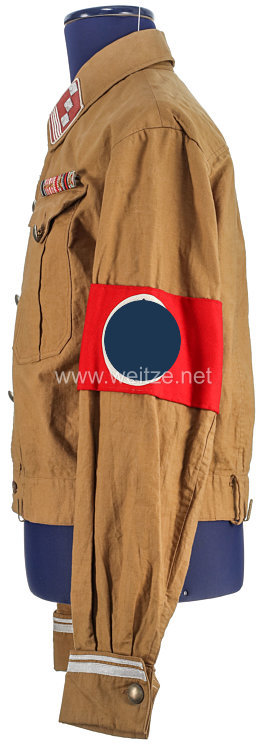
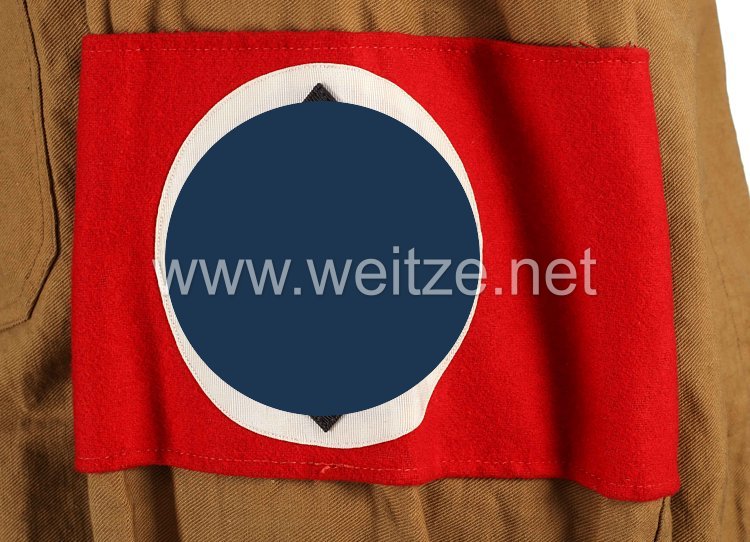
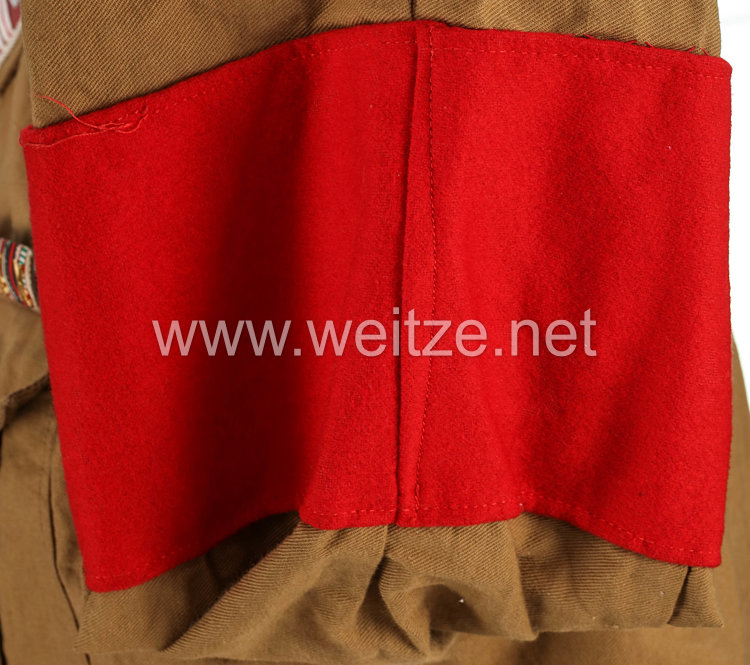
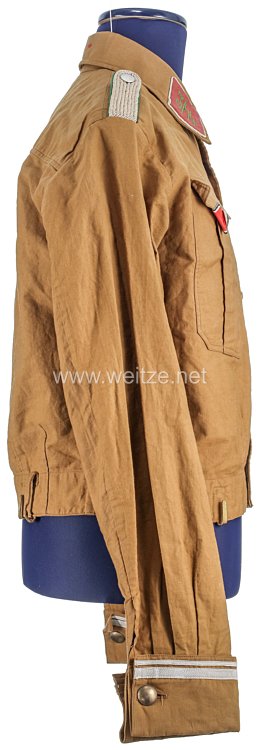
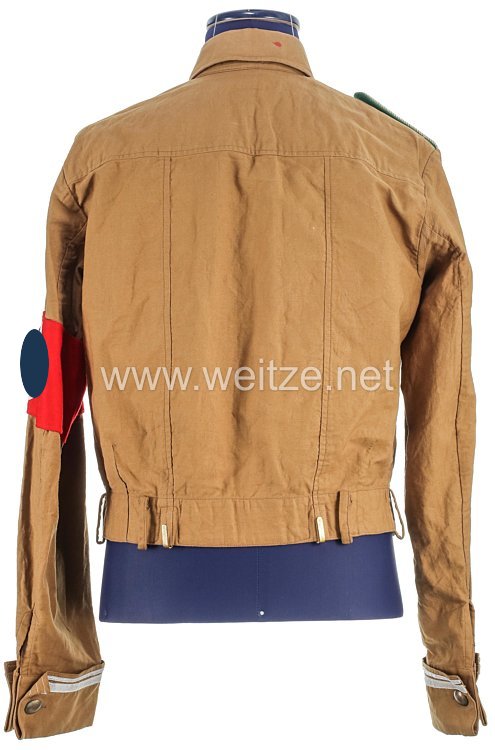
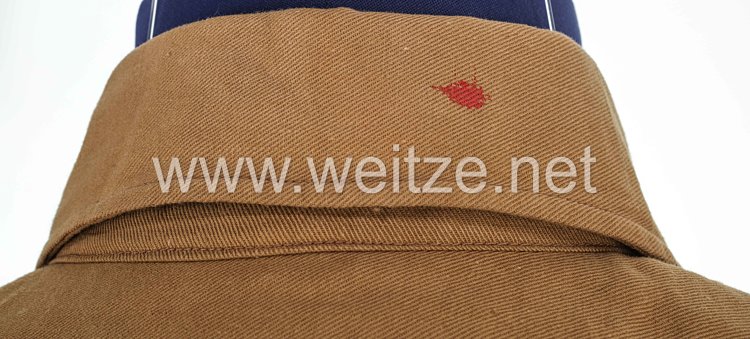
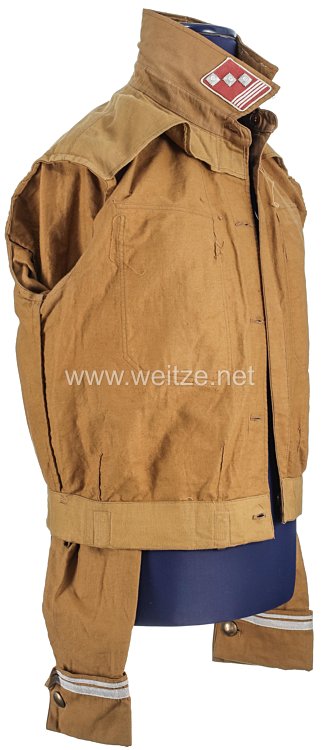
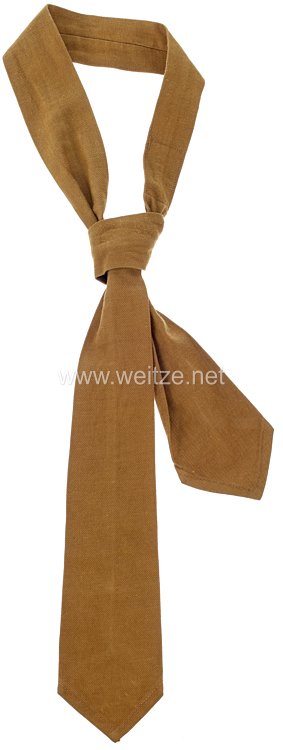
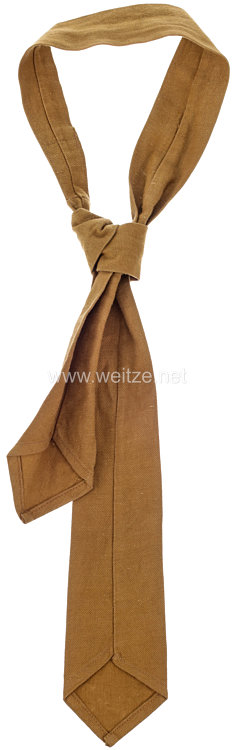
Location Steyr, Gruppe Oberdonau, circa 1939. Four-pocket tunic in heavy wool quality, complete with all insignia. The collar patches embroidered in green on red-brown with white piping around, on the left side the rank stripes matching with red-brown center stripe, hand-sewn. Sewn-in shoulder boards in celleon execution on dark green cloth for the SA-Jägerstandarten, under the right shoulder board with RZM paper label. On the left arm heavy sewn wool armband, the buttons nickel-plated. The sleeves with silver tradition braids for long-serving SA men with service entry from 1929. On the chest loops the medal bar with 7 decorations: Iron Cross 1914 2nd Class, Austria 2x Bronze Medal for Bravery, Karl Troop Cross, Honor Cross for Frontline Combatants 1914-1918, Commemorative Medal 1 October 1938, Hungary War Commemorative Medal 1914-1918. On the right breast pocket the sewn-on ribbon of the Badge of Honor of 9 November 1923, the so-called Blood Order. Interior with SA olive lining, in the interior pocket with RZM cloth label “SA-Dienstrock W.” Including the matching brown service shirt with brown tie.
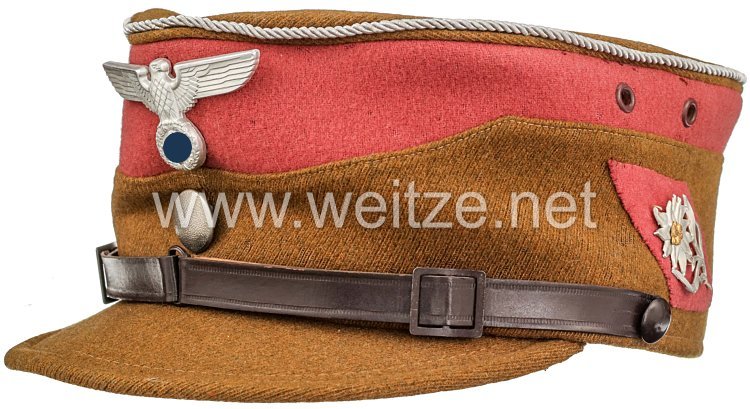
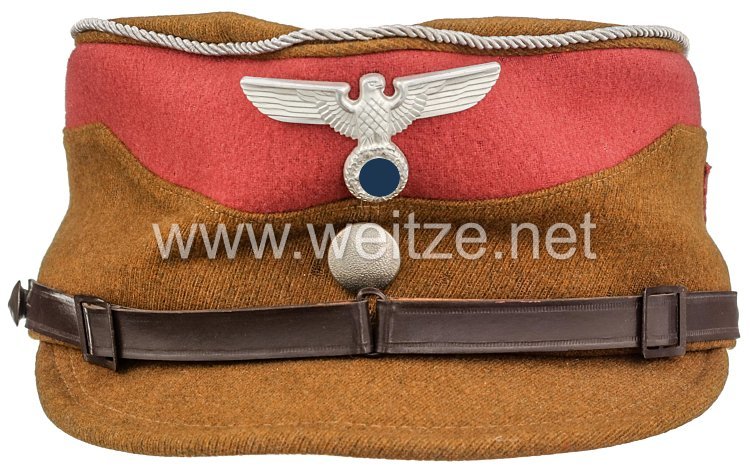
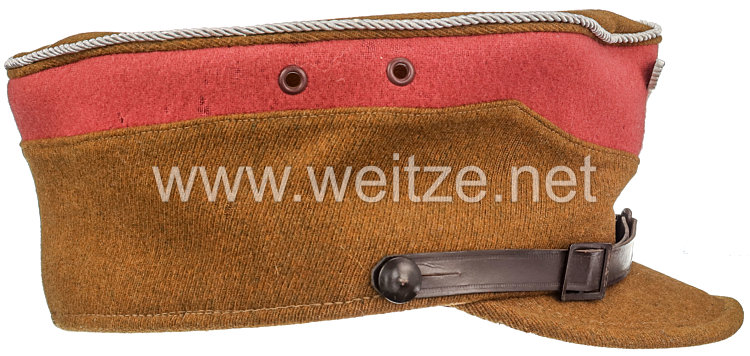
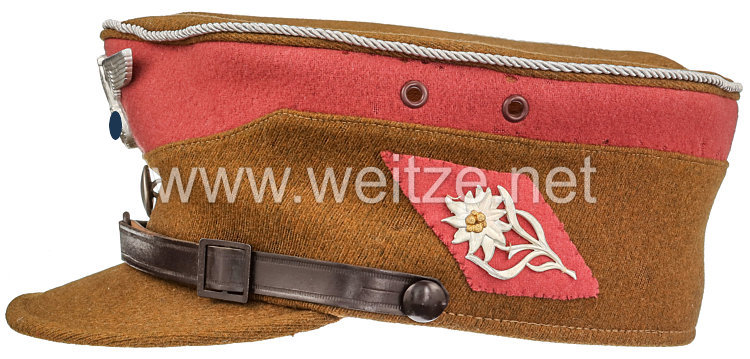
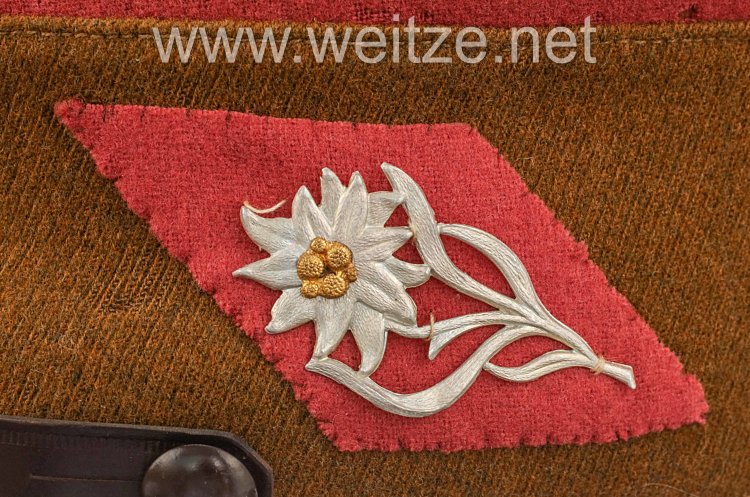
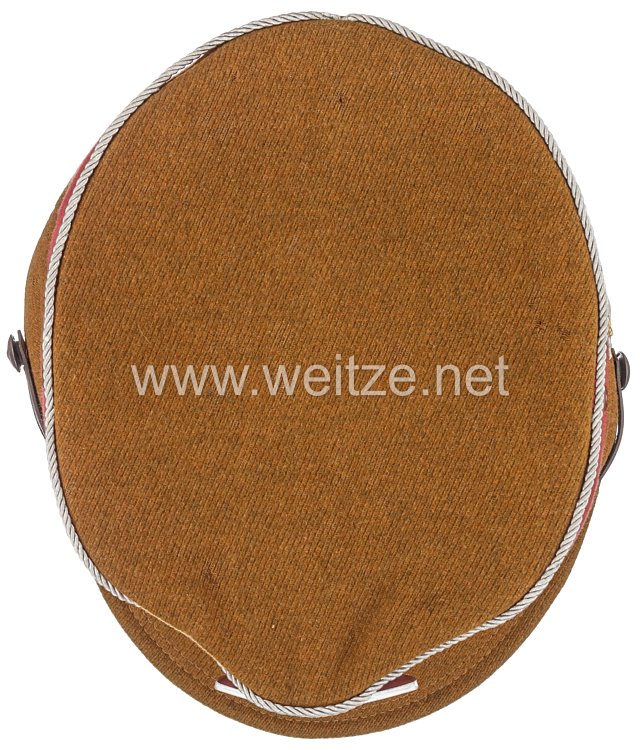
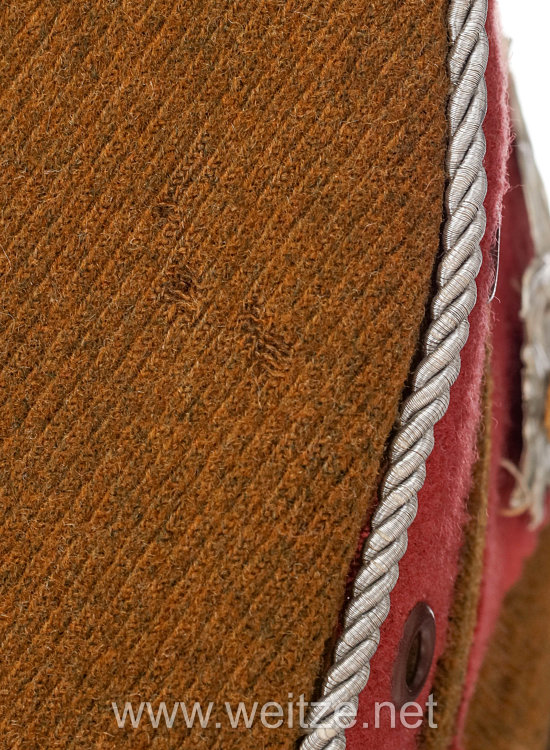
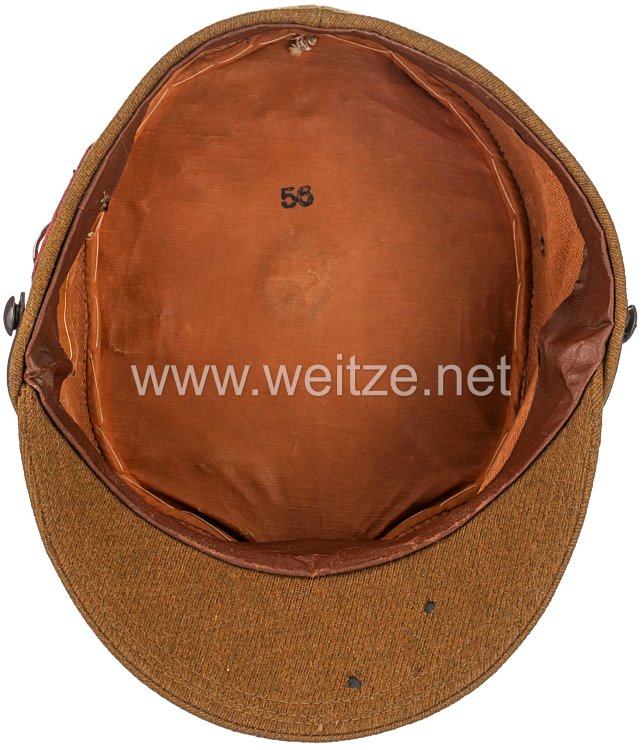
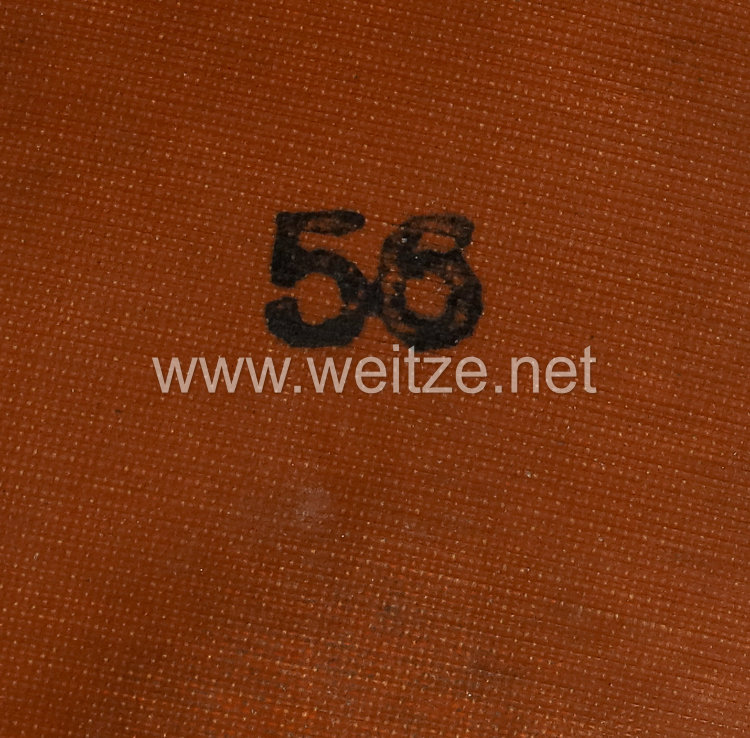
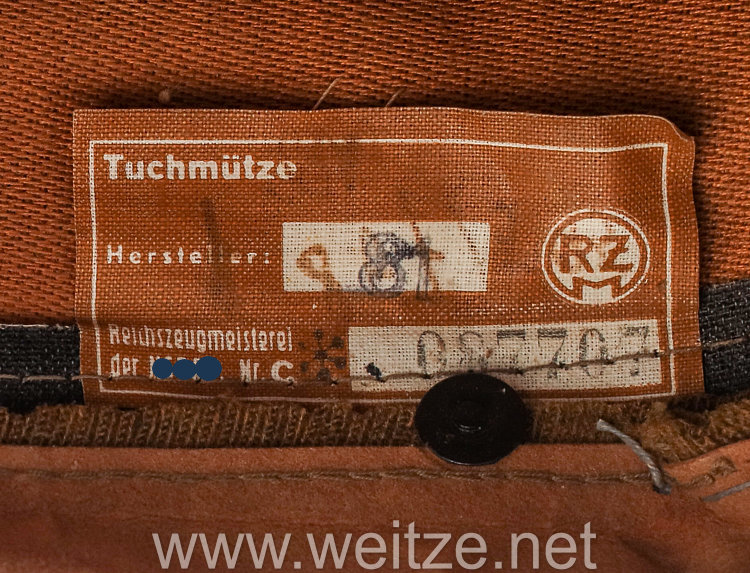
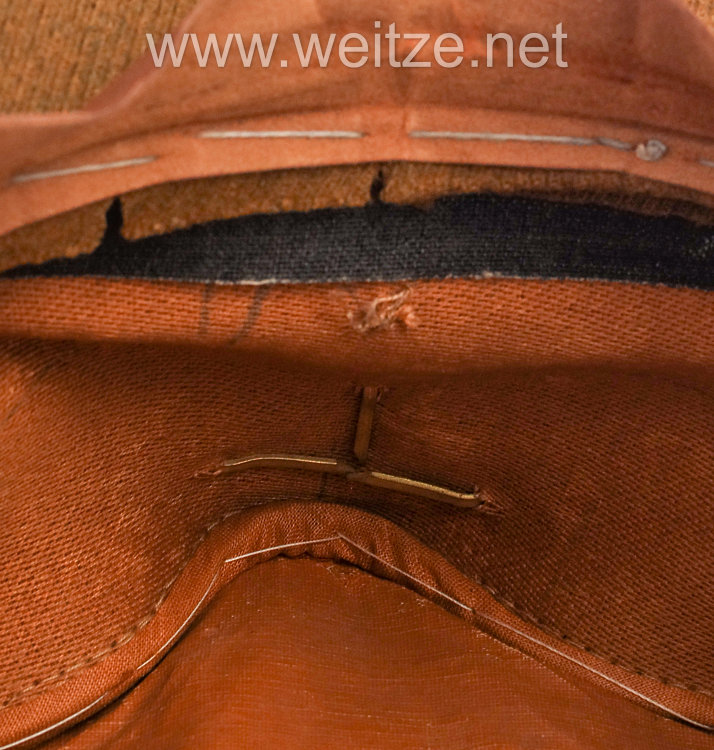
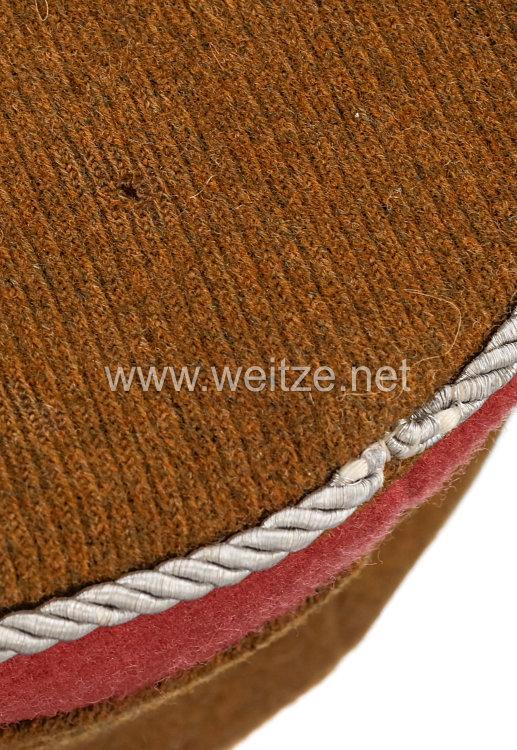
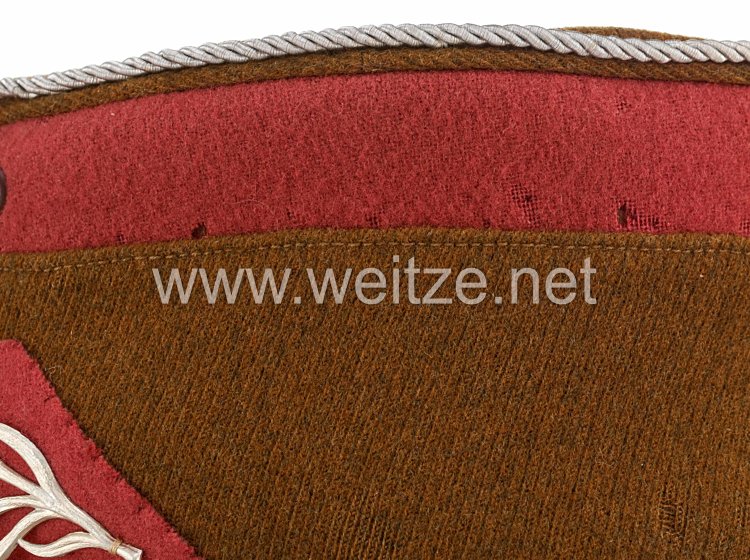
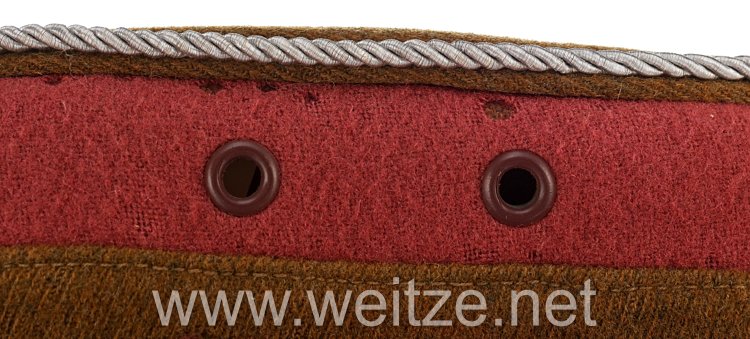
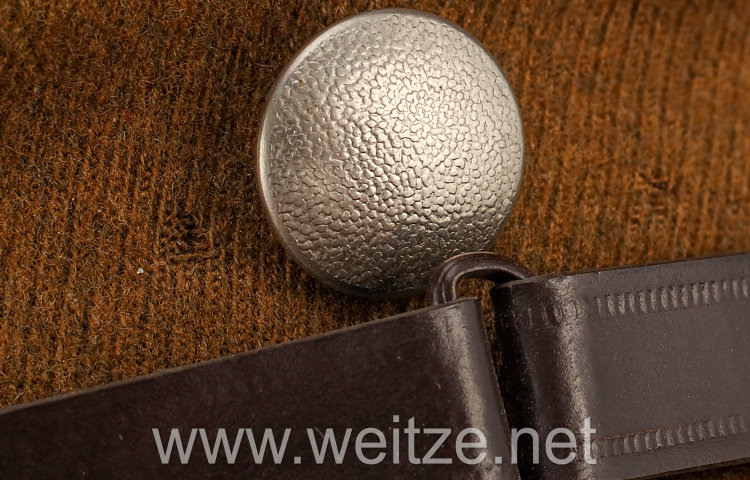
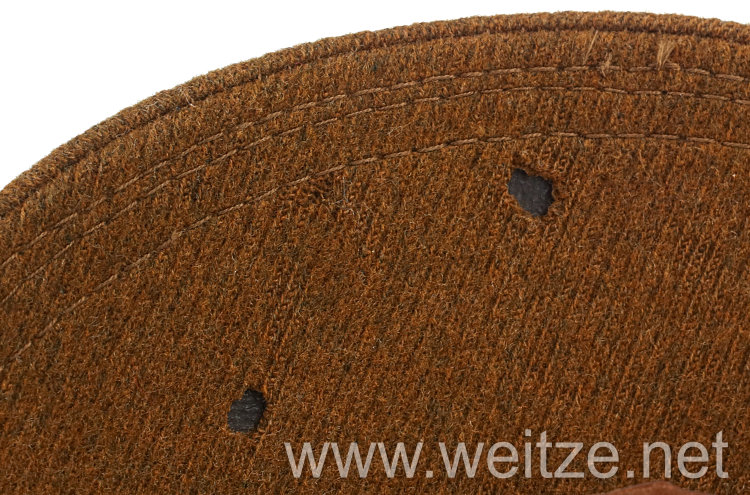
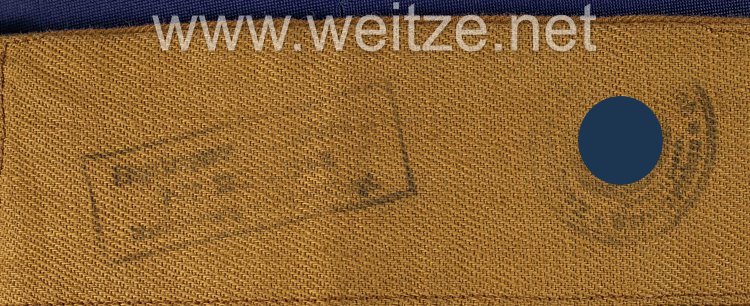
Peaked cap for leaders of SA Gruppe Donau, circa 1939. Manufactured from the same tricot cloth as the service tunic. Wine-red cap piping, complete with national eagle in aluminum, nickel-plated button, brown leather chin strap, top with silver piping around. On the side with wine-red cloth diamond and the edelweiss of SA-Gruppe Donau. Interior with brown sweatband, with RZM cloth label “Tuchmütze”, oilcloth top, size 58. Lightly worn, condition 2.
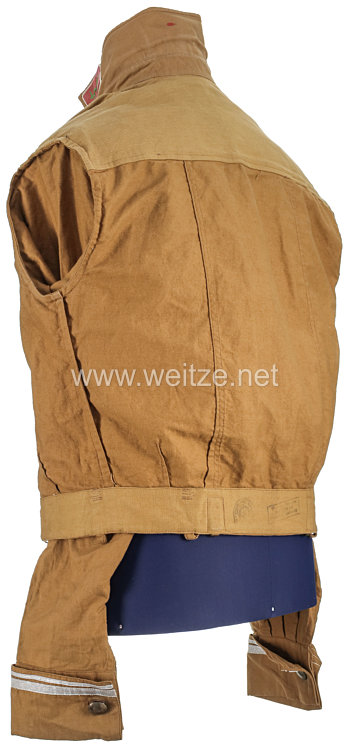
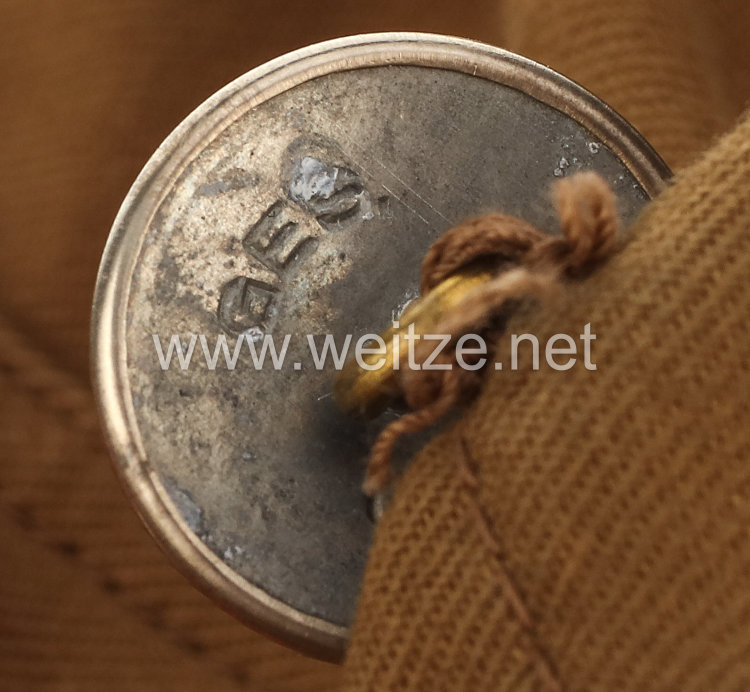
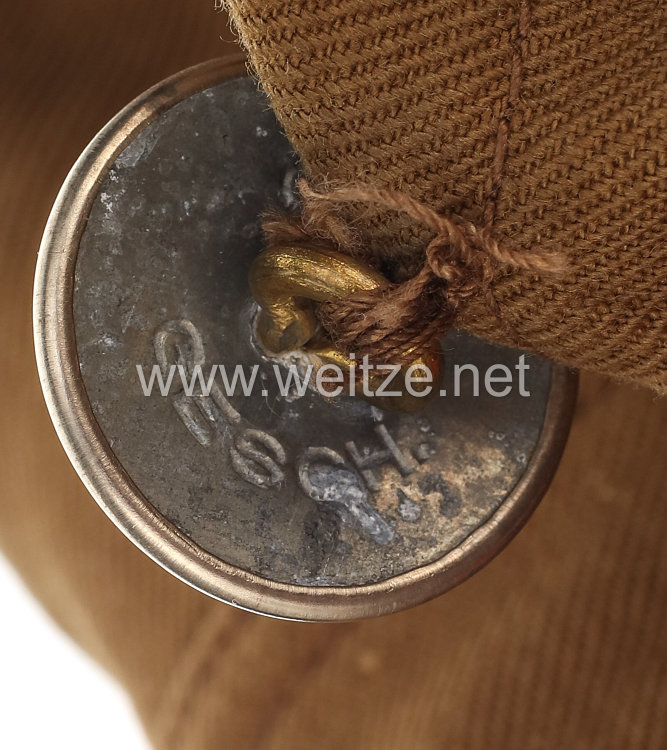
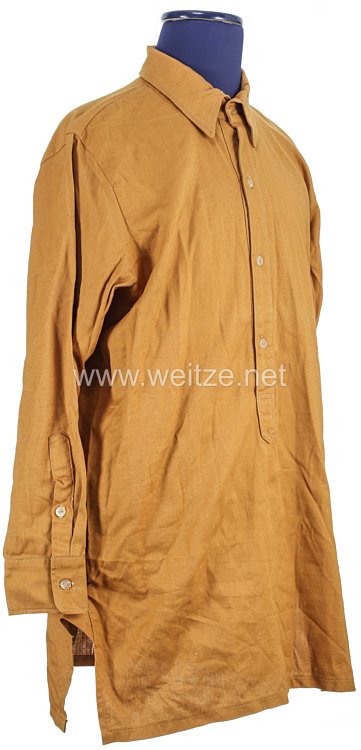
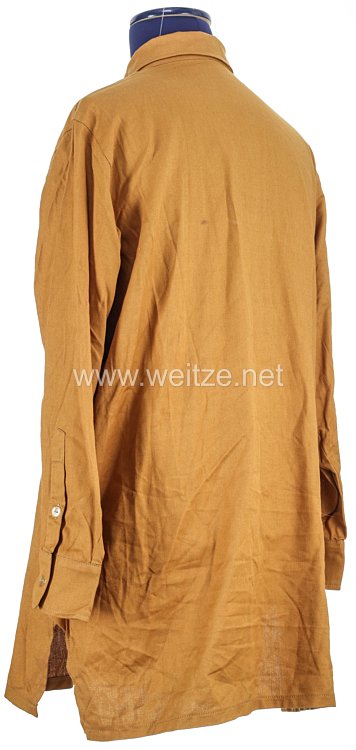
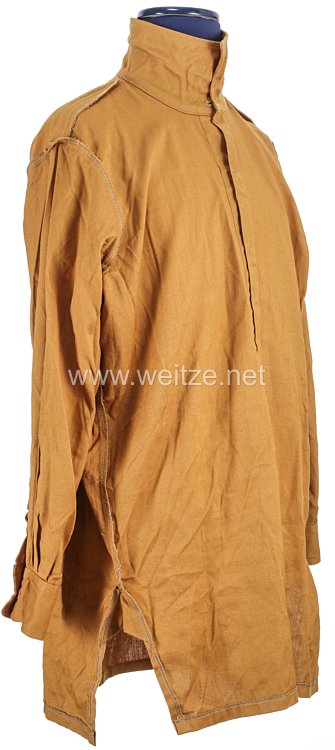
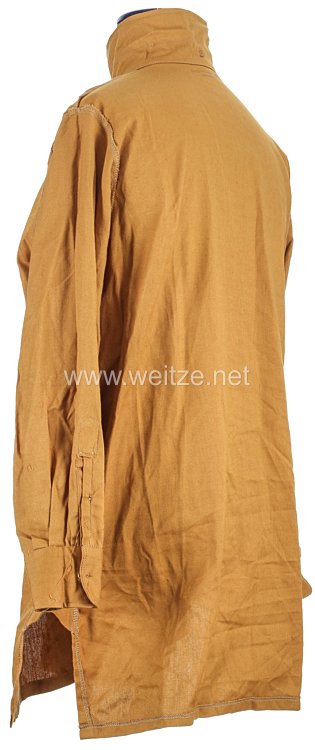
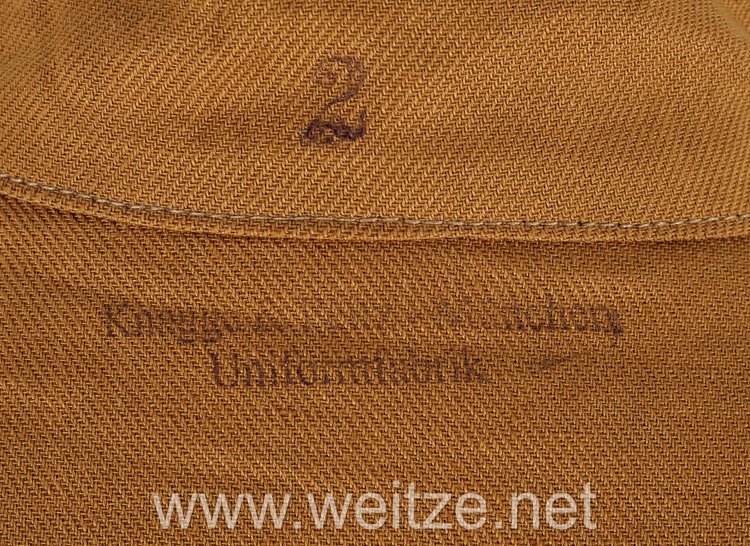
Furthermore the brown shirt, manufactured from heavy cotton cloth, complete with all insignia, ribbon bar and Blood Order ribbon in the same execution as the service tunic. Both pieces lightly worn in good condition.
Johann Steiner, born 23 April 1890, was a decorated frontline combatant in World War I. After 1918 Steiner was very active in the SA in Austria. After the Anschluss of Austria in 1938, Hanns Steiner received according to proposal list IX of 20 July 1938 the Badge of Honor of 9 November 1923. The exact award number of his Blood Order is unfortunately not known, but lies at approximately no. 2150 to 2160.
An extremely rare ensemble, very seldom to be found! Ex-collection Bob Coleman, USA.
341089

SA Service Uniform Ensemble of a Blood Order Recipient, SA-Jägerstandarte 44, SA-Gruppe Oberdonau

This remarkable three-piece uniform ensemble – comprising a service tunic (Dienstrock), peaked visor cap (Schaftmütze), and brown service shirt (Braunhemd) – belonged to SA-Hauptsturmführer Johann Steiner, a decorated World War I veteran and recipient of the Ehrenzeichen des 9. November 1923, the so-called Blood Order. Dating to circa 1939, this ensemble vividly illustrates the integration of Austrian SA structures into the greater Reich following the Anschluss of Austria in March 1938.
Historical Context: The Anschluss and SA-Gruppe Oberdonau

Following the annexation of Austria by Nazi Germany in March 1938, the country was reorganized into Reichsgaue. Upper Austria became the Reichsgau Oberdonau, with its capital in Linz, administered by Gauleiter August Eigruber. As part of this restructuring, SA-Gruppe Oberdonau was established. The SA-Jägerstandarte 44 (J 44), to which Steiner belonged, was stationed in Steyr at Mitteregasse 19. According to a 1940 directory, the Standarte was commanded by SA-Sturmbannführer Karl Falter.

SA uniforms of this period featured a standardized system of color-coded insignia. Brown shirts with rank, unit, and Gruppe affiliation insignia formed the core of the SA uniform system established in the 1930s. The collar tab and cap colors denoted the wearer’s Gruppe, while the SA-Jägerstandarten (hunter or rifleman regiments) were distinguished by dark green shoulder boards. The rank of Hauptsturmführer (renamed Sturmhauptführer in early 1934) was displayed through three pips and two bars of braid on the collar tabs.

Johann Steiner – From Frontline Soldier to SA Officer

Johann Steiner, born on 23 April 1890, served as a frontline soldier during the First World War. His service and bravery are documented through the ribbon bar with seven decorations mounted on his tunic: the Iron Cross 1914 2nd Class, two Austrian Bronze Medals for Bravery, the Karl Troop Cross, the Honor Cross for Frontline Fighters 1914–1918, the Commemorative Medal of 1 October 1938, and the Hungarian War Memorial Medal 1914–1918. This combination of German, Austrian, and Hungarian decorations reflects the multinational character of the Austro-Hungarian military in which Steiner served.

After 1918, Steiner became very active in the SA in Austria. The silver tradition braiding on the sleeves of his tunic indicates a service entry date from 1929, identifying him as a long-serving SA man who had been active years before the Nazi seizure of power in Germany and well before the Anschluss of Austria. His activities during the illegal period, when the Austrian SA operated underground, ultimately qualified him for the Blood Order.

The Blood Order and Its Austrian Recipients

The most significant insignia on this ensemble is the sewn ribbon for the Blood Order on the right breast pocket. The Ehrenzeichen des 9. November 1923 was instituted in March 1934 by Adolf Hitler to commemorate the failed Beer Hall Putsch of 9 November 1923 in Munich. Initially restricted to direct participants in the putsch, the award criteria were expanded on 30 May 1938 to include Austrian Nazis who had served prison sentences of at least one year for Nazi activities during the illegal period before 1938.

Johann Steiner received his Blood Order according to Proposal List IX, dated 20 July 1938. In total, fewer than 6,000 Blood Orders were awarded, making it one of the rarest decorations of the Third Reich. The ribbon bar and Blood Order ribbon appear in identical form on both the tunic and the brown shirt, indicating that both garments were configured for formal wear.

The Uniform: Construction and Insignia

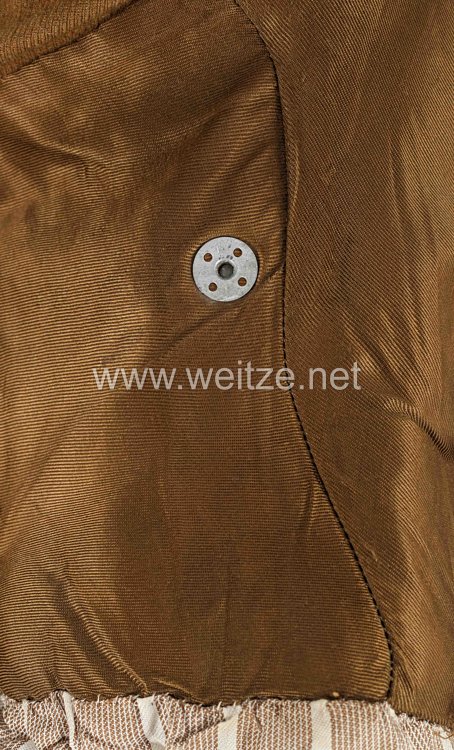
The four-pocket tunic is crafted from heavy wool fabric and carries the complete insignia of an SA-Hauptsturmführer. The collar tabs are embroidered in green on a red-brown base with white piping, and the rank stripes on the left collar with red-brown center stripe are hand-sewn. The celluloid shoulder boards on dark green cloth identify the wearer as belonging to the SA-Jägerstandarten. An RZM paper label under the right shoulder board and an RZM cloth label reading “SA-Dienstrock W.” in the interior pocket confirm manufacture under the oversight of the Reichszeugmeisterei (RZM). Established in 1934 as the central Nazi Party quartermaster office in Munich, the RZM issued manufacturing licenses and quality stamps to approved contractors from 1935 onward.

The peaked visor cap is made from the same tricot cloth as the tunic, featuring a wine-red cap band, an aluminum eagle, nickel-plated button, brown leather chin strap, and silver cord edging. A wine-red cloth diamond with the edelweiss of SA-Gruppe Donau adorns the side. The cap also carries an RZM cloth label marked “Tuchmütze.”

The brown shirt, crafted from heavy cotton, completes the ensemble with all insignia, ribbon bar, and Blood Order ribbon matching the tunic.

Post-War History and Provenance

After the collapse of Nazi Germany in May 1945, Reichsgau Oberdonau was dissolved and the territory returned to Austrian administration. The SA was banned and dissolved, and the Blood Order along with all Nazi party decorations was prohibited. In Germany and Austria, display of the Blood Order is now illegal under laws banning Nazi symbols. This ensemble entered the collection of Bob Coleman, USA, and was subsequently offered for sale. As a complete, attributable uniform group of a Blood Order recipient, it represents a significant historical document of the Austrian SA and the integration of Austrian National Socialists into the structures of the Third Reich.