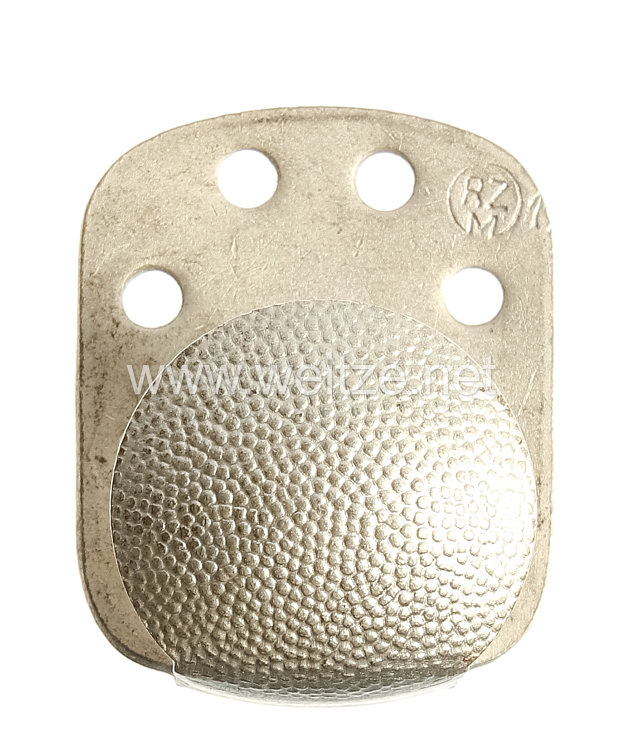
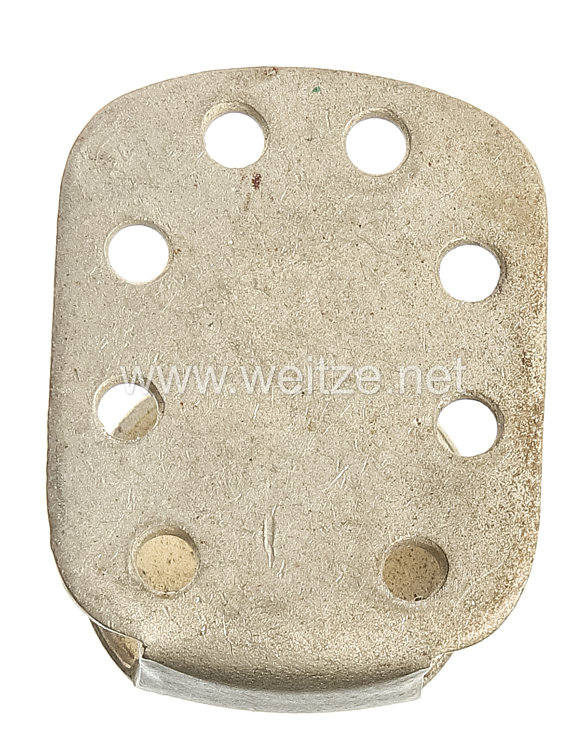
Third Reich Single RZM Tunic Button

nickel-plated, with manufacturer “RZM 1?”. Used, condition 2.
369278
15,00

Third Reich Single RZM Tunic Button

The RZM tunic button from the Third Reich era represents a characteristic element of National Socialist uniform regulation between 1933 and 1945. The abbreviation RZM stands for Reichszeugmeisterei (Reich Supply Office), a central administrative authority of the NSDAP that was founded in 1929 and played a decisive role from 1933 onwards in the standardization and control of party and later also military equipment items.

The Reichszeugmeisterei was established under the direction of Franz Xaver Schwarz, the Reich Treasurer of the NSDAP. Its main task was to ensure the quality, uniformity, and authenticity of all uniform parts, insignia, and equipment items. Each approved manufacturer received a unique RZM number that had to be affixed to the produced items. This served both quality control and economic supervision of suppliers.

The nickel-plated tunic button described here with the manufacturer marking “RZM 1?” is a typical example of the mass production of uniform accessories during this period. Nickel plating was a common surface treatment process that gave buttons a silvery-shiny appearance and protected them from corrosion. Unlike gilded or lacquered variants, nickel-plated buttons were more cost-effective to manufacture and therefore found wide use on various types of uniforms.

Tunic buttons were used on numerous uniform items, including uniform jackets, coats, trousers, and shirts of various organizations of the Third Reich. The Wehrmacht, the SA, the SS, the Hitler Youth, and other party formations used standardized buttons that could display different designs depending on the organization. These buttons frequently showed national emblems such as the Reich Eagle, the swastika, or organization-specific symbols.

The RZM system was reorganized and expanded several times over the years. Until 1940, most RZM markings were provided with a clear manufacturer code that enabled attribution to specific production facilities. The partially illegible or incomplete marking “RZM 1?” on the present button could be due to wear, production defects, or wartime conditions when material and quality standards increasingly deteriorated.

During World War II, there were significant changes in the production of uniform accessories. Increasing material shortages led to high-quality metals being replaced by substitutes such as zinc, iron, or even plastic. The quality of nickel plating varied greatly, and many buttons from the later war years show clear signs of corrosion today.

From a collector-historical perspective, RZM buttons are now sought-after study objects for militaria researchers and uniform specialists. They enable conclusions about production periods, manufacturing companies, and the economic organization of the National Socialist regime. The systematic recording and cataloging of RZM numbers has led to the identification of hundreds of supplier companies that were integrated into the Reichszeugmeisterei system.

The condition of uniform buttons varies considerably. The indicated condition 2 suggests slight signs of use, with the basic integrity and legibility of the markings still largely preserved. Typical signs of aging include wear of the nickel plating, oxidation of the base metal, and mechanical damage from military use.

The historical significance of such objects lies not in their military function but in their role as material witnesses to a totalitarian system that subjected even everyday objects to its ideological and bureaucratic control. The RZM marking symbolically represents the Nazi regime's claim to comprehensive regulation of all areas of life.