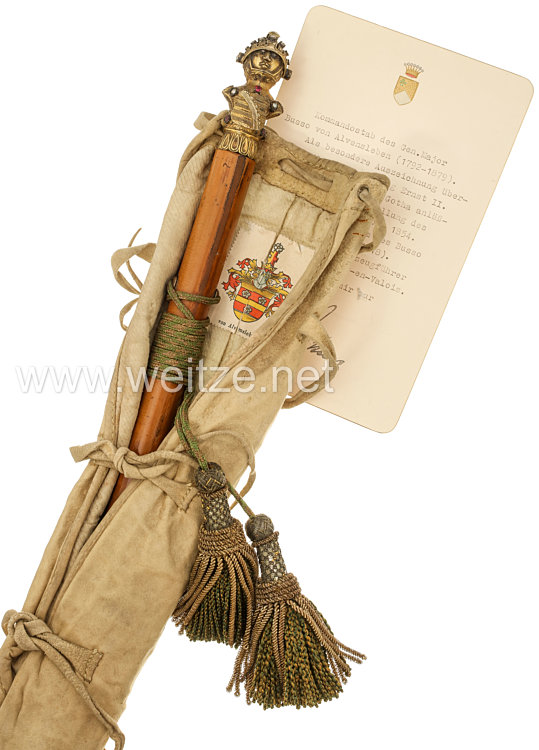
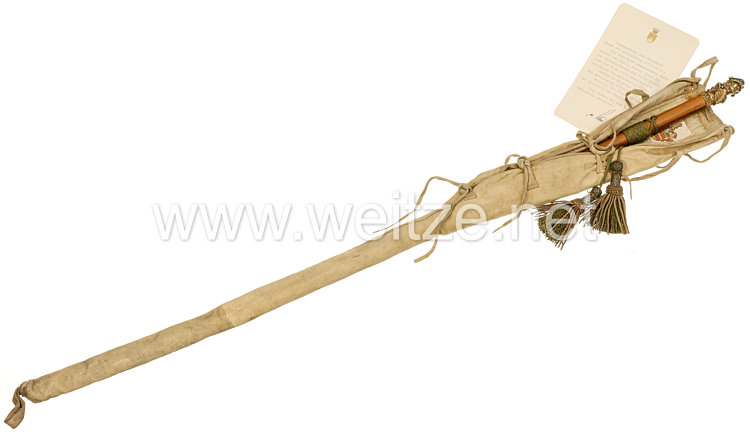
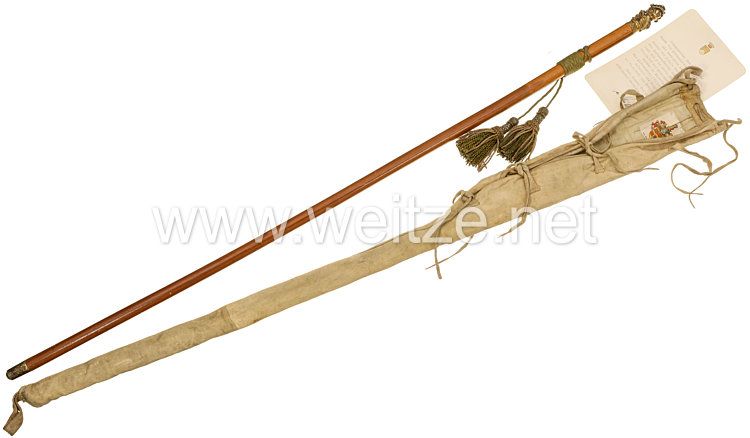
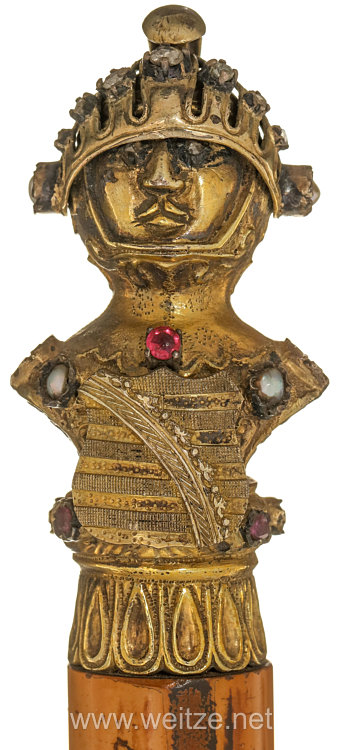
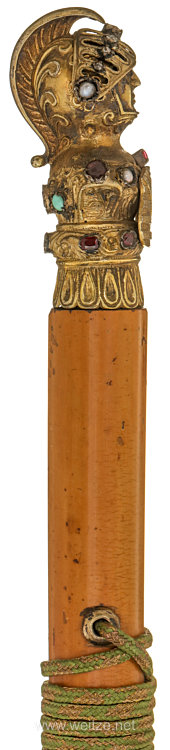
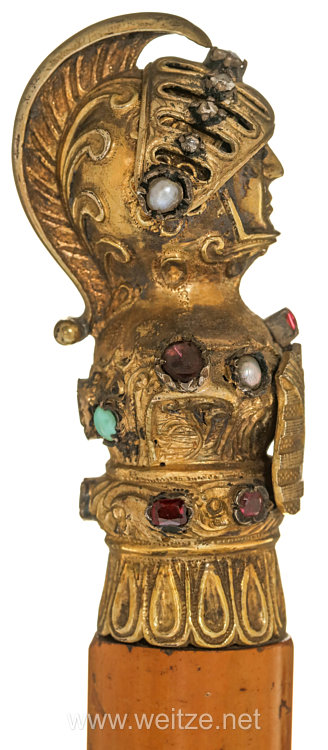
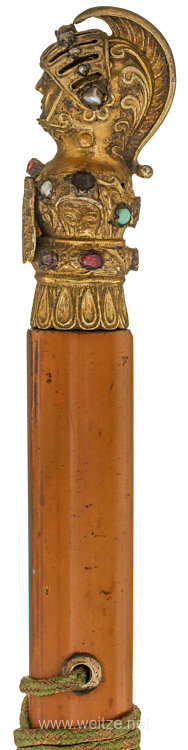
The command baton represented a significant symbol of military authority and princely favor in the 19th century. This extraordinary example represents an exceptional honorary gift from Duke Ernst II of Saxe-Coburg-Gotha (1818-1893) to Major General Busso von Alvensleben (1772-1879) on the occasion of his à la suite appointment in 1854.
The institution of à la suite appointments in 19th-century German military practice referred to a special honorary position whereby distinguished officers were assigned to regiments other than their own without performing active service there. This practice served to honor meritorious military men and to cultivate dynastic relationships between German princely houses. The bestowal of such a magnificent command baton underscored the Duke's particular esteem for the General.
Duke Ernst II of Saxe-Coburg-Gotha reigned from 1844 to 1893 and was known for his liberal views and interest in military affairs. As brother to Prince Albert, consort of Queen Victoria of Great Britain, he maintained close connections with the English royal house. The Duchy of Saxe-Coburg-Gotha, though territorially small, played a significant role in 19th-century European politics through its dynastic connections.
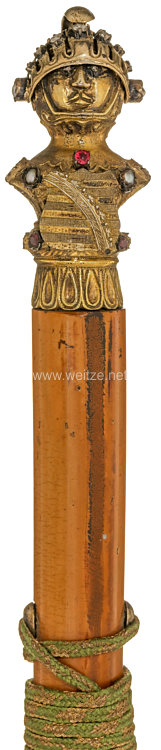
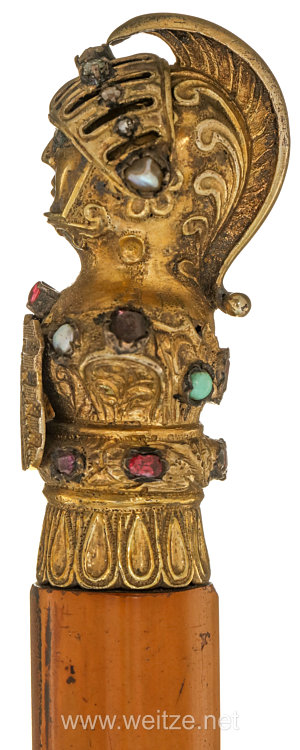
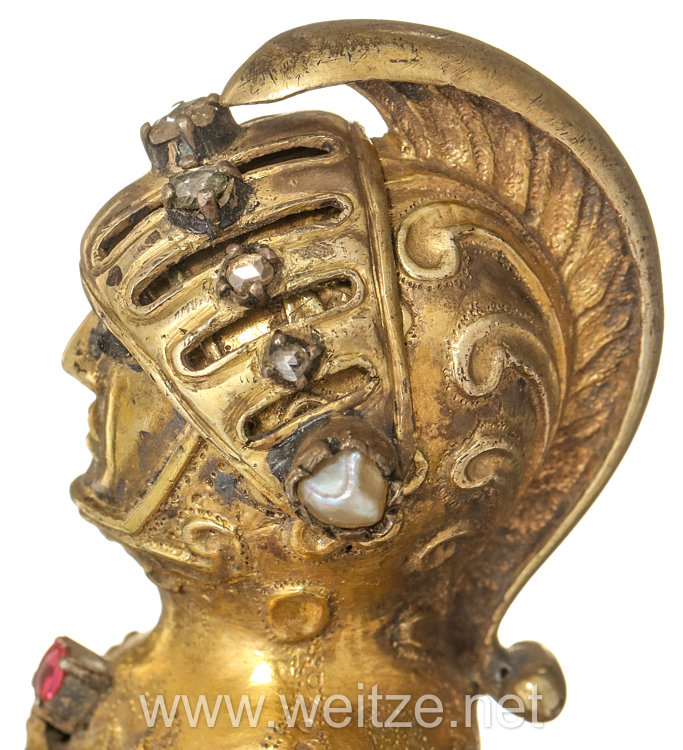
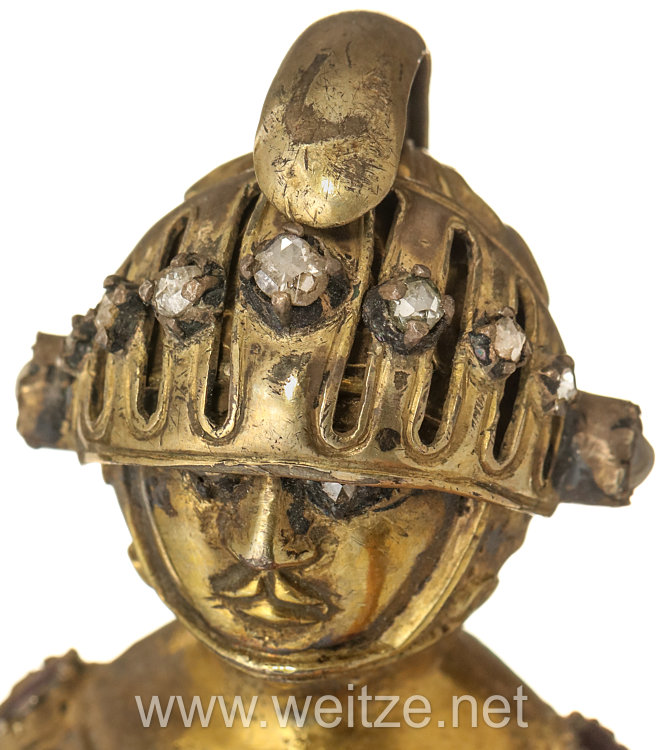
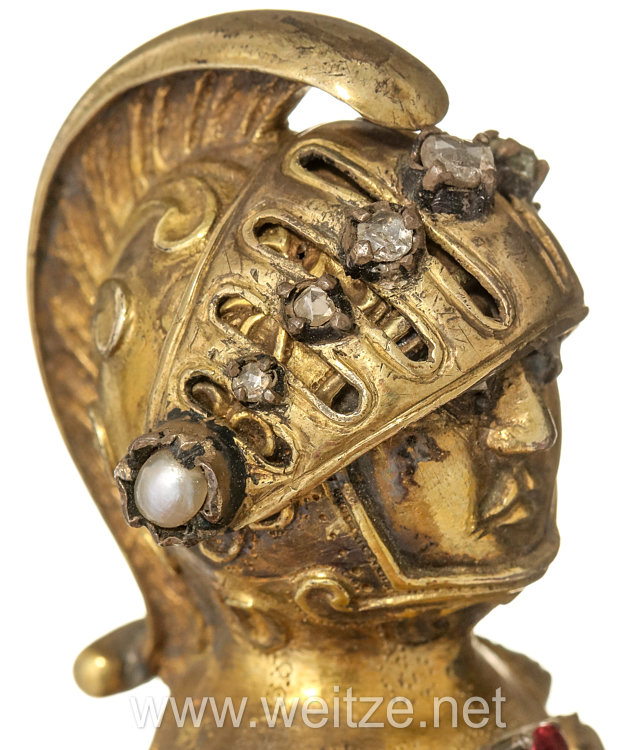
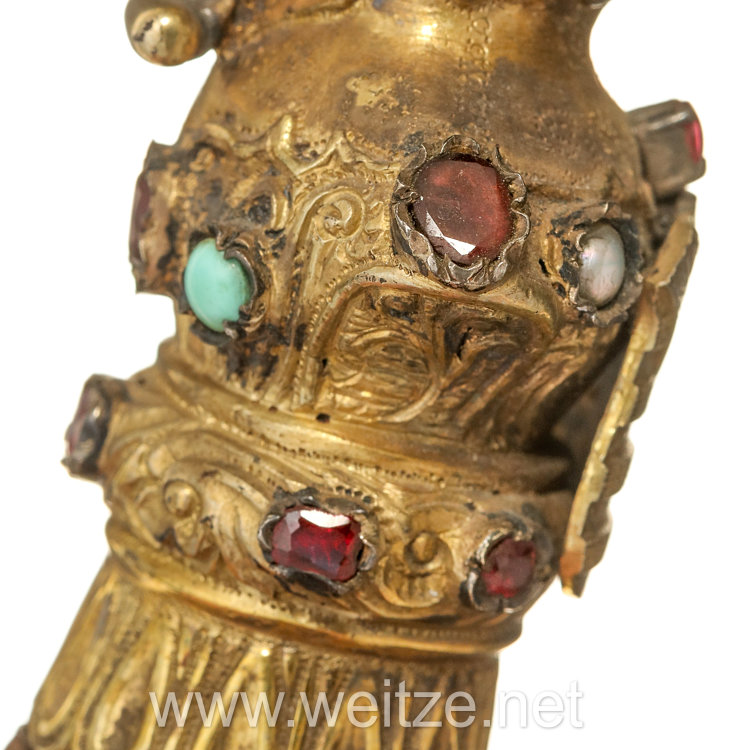
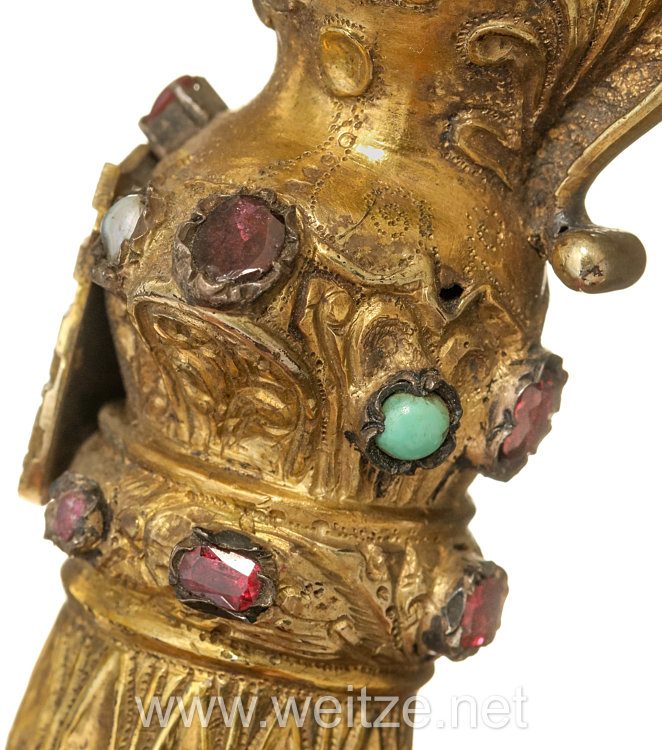
The present command baton stylistically follows the Prussian interim batons for field marshals. These batons had been awarded in Prussia since the 18th century as symbols of the highest military dignity. The characteristic silver knob in the form of a knight's bust with a hinged visor references medieval chivalric traditions and symbolizes military virtues such as valor and honor.
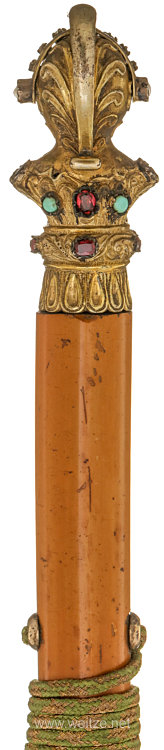
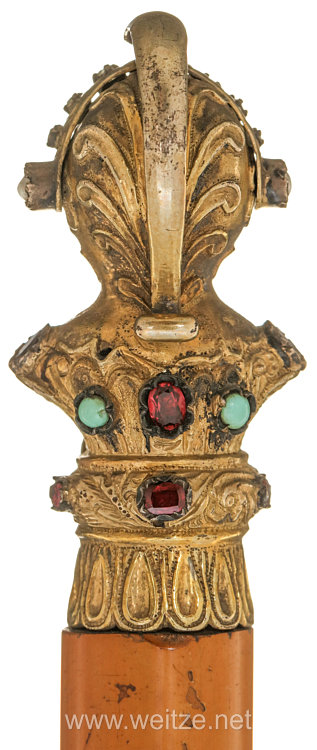
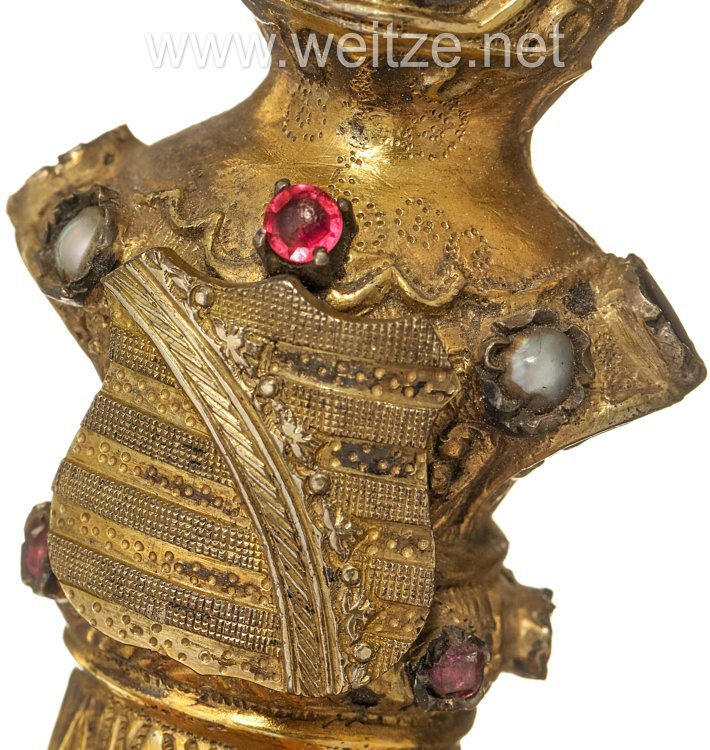
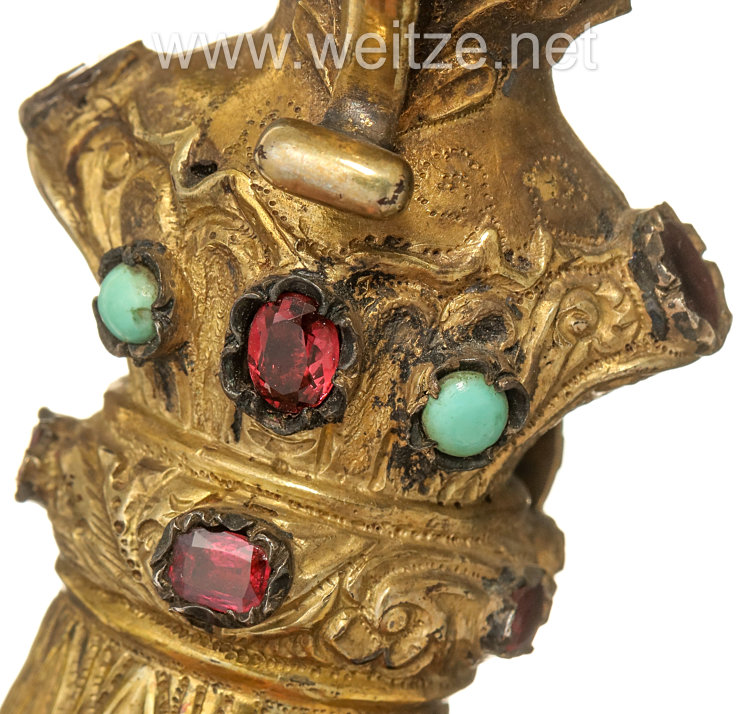
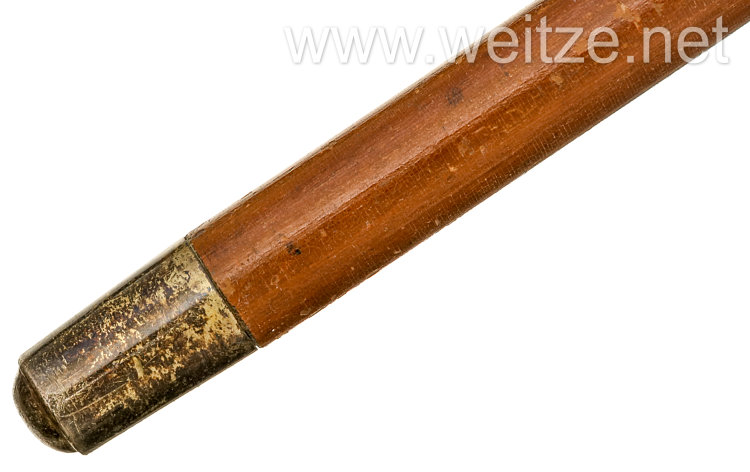
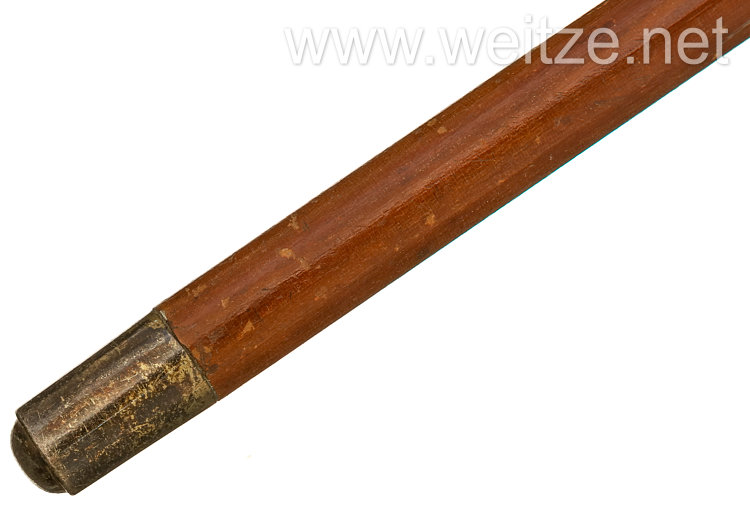
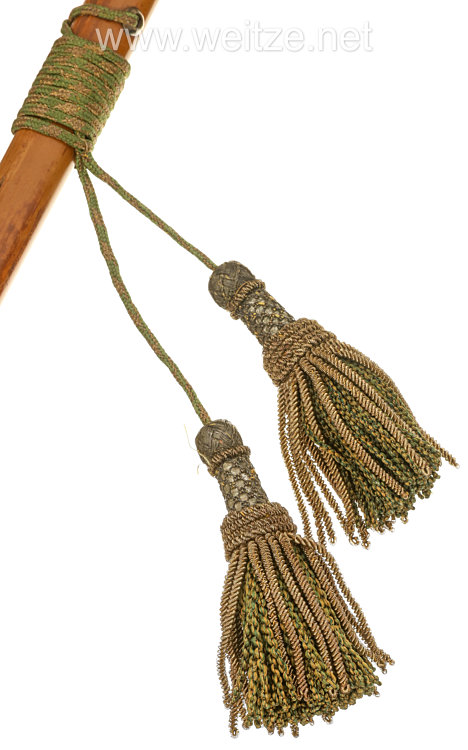
The exquisite execution with gilt silver and embellishment with 9 diamond roses, 4 river pearls, 9 almandines, and 2 turquoises attest to the high representational value of this object. The applied coat of arms of the Duke of Saxe-Coburg-Gotha makes the princely origin immediately recognizable. The shaft made of fine wood with the original gold-green sword knot with two tassels corresponds to the color traditions of the duchy. The silvered ferrule at the lower end completes the magnificent execution.
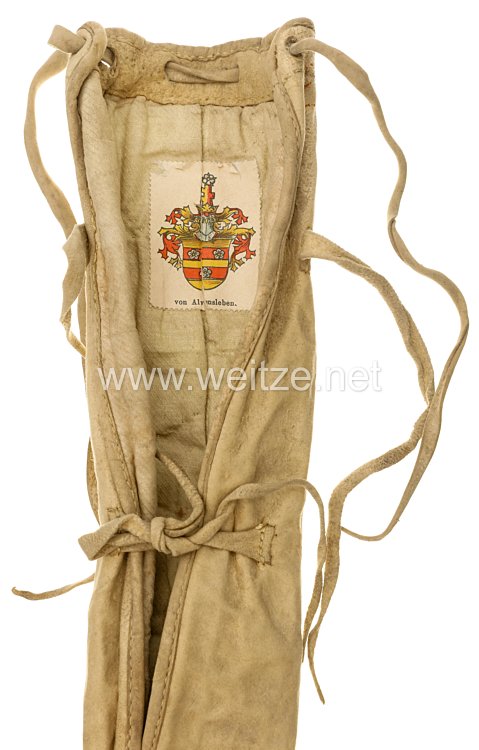
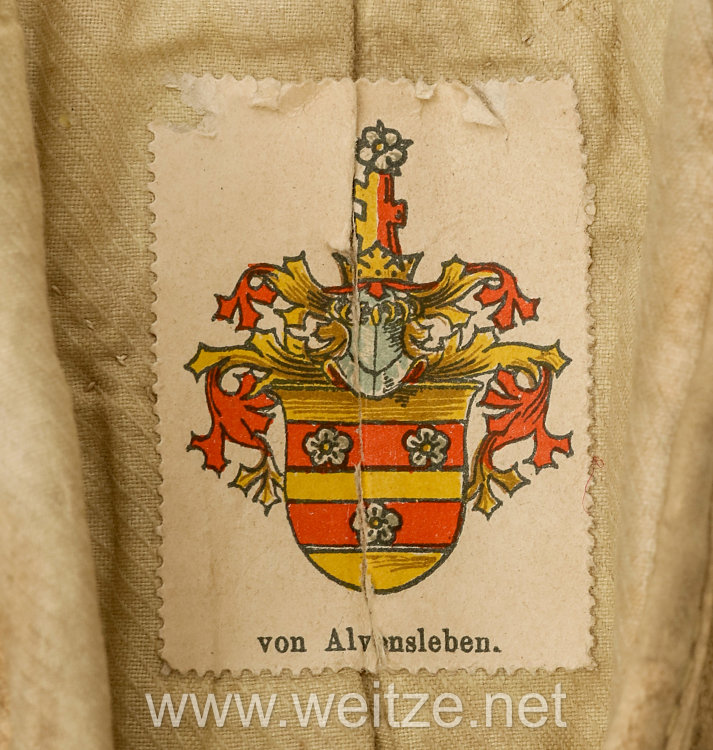
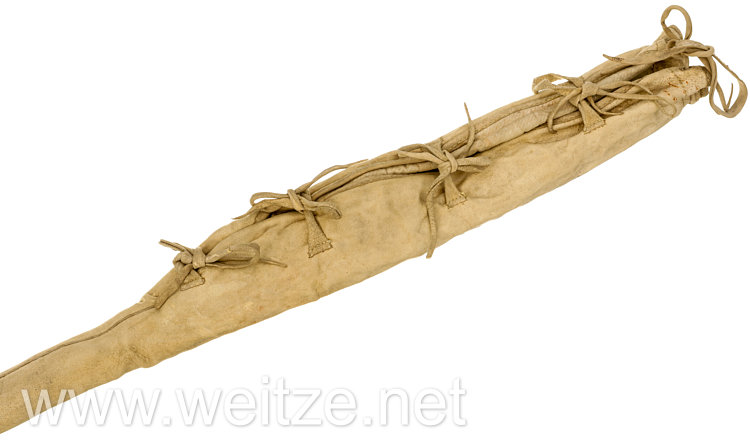
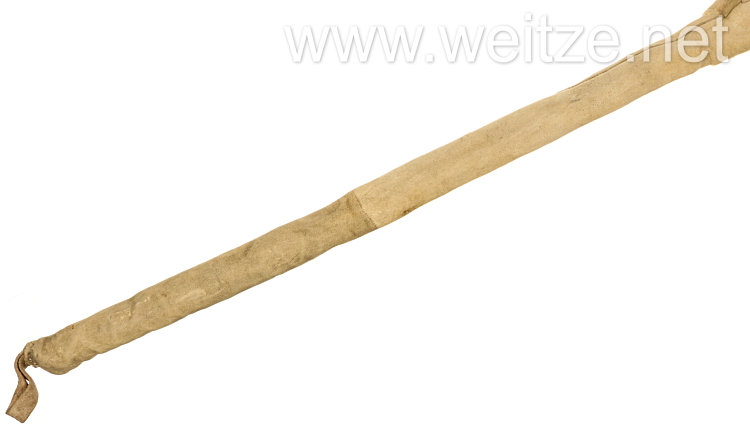
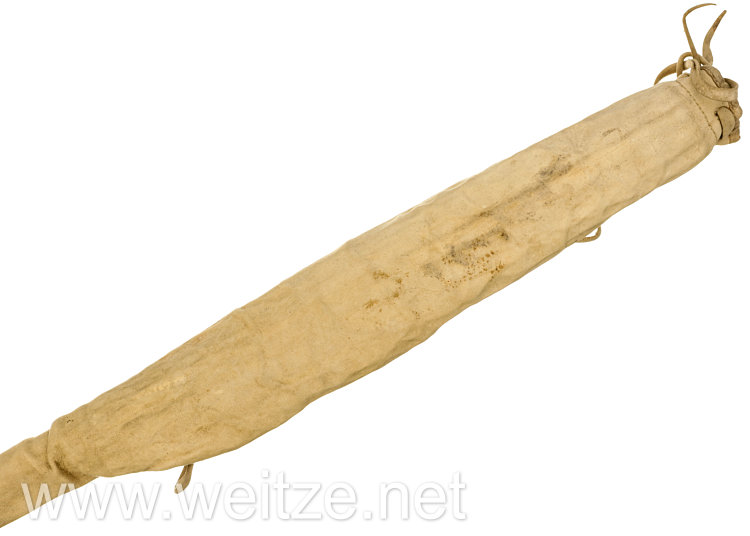
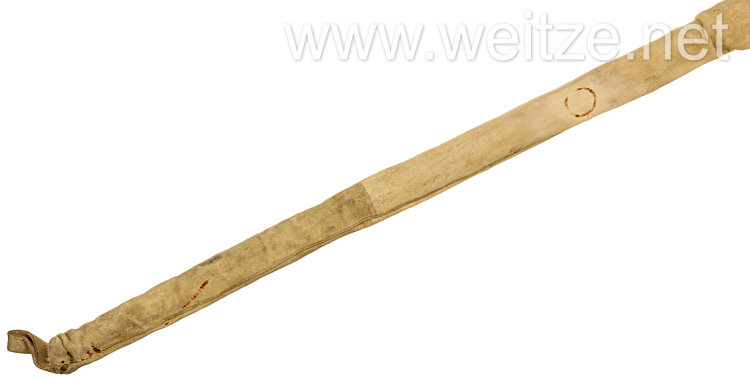
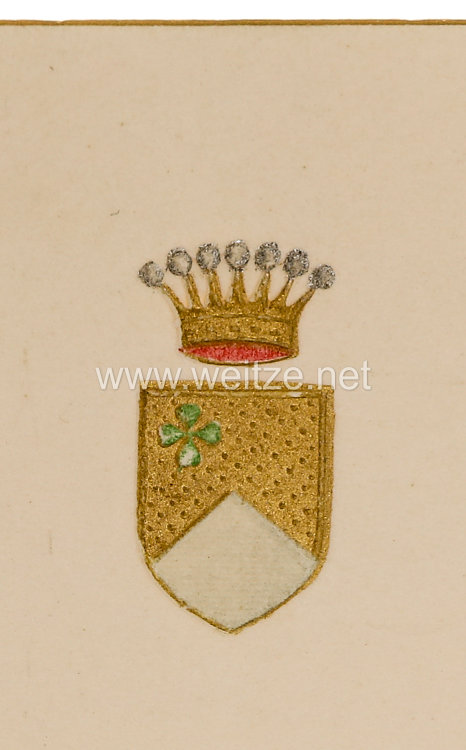
The accompanying case of chamois-tanned leather with lacing and the colored heraldic label of the von Alvensleben family documents the long-term preservation of this object in family possession. The von Alvensleben family belonged to the ancient nobility of the Altmark and produced numerous distinguished military officers and civil servants over centuries.
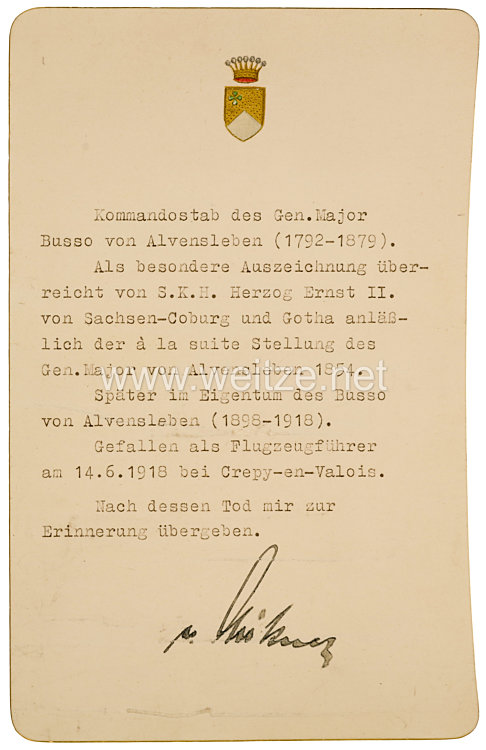
Particularly noteworthy is the documented provenance through a letter of origin from 1920. This establishes that the command baton passed from family possession to a friendly baron after the death of aviator Busso von Alvensleben, who fell at the Western Front on June 14, 1918, at Crepy-en-Valois. This transfer occurred with a handwritten signature and a colored embossed noble coat of arms, which underscores the authenticity and high symbolic value of the object.
The fact that a command baton awarded in 1854 remained in family possession for more than six decades and was passed down through generations testifies to the significance attached to such princely honorary gifts. They represented not only personal recognition of military merit but also the dynastic connections between princely houses and noble families.
In the context of 19th-century German military history, such command batons constitute unique testimonies to the connection between military hierarchy, princely favor, and artisanal mastery. They were far more than functional insignia of rank – they were works of art that preserved the status and honor of their bearers for posterity.