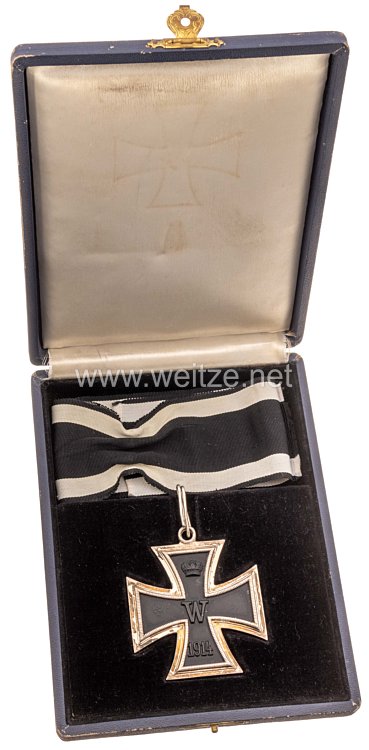
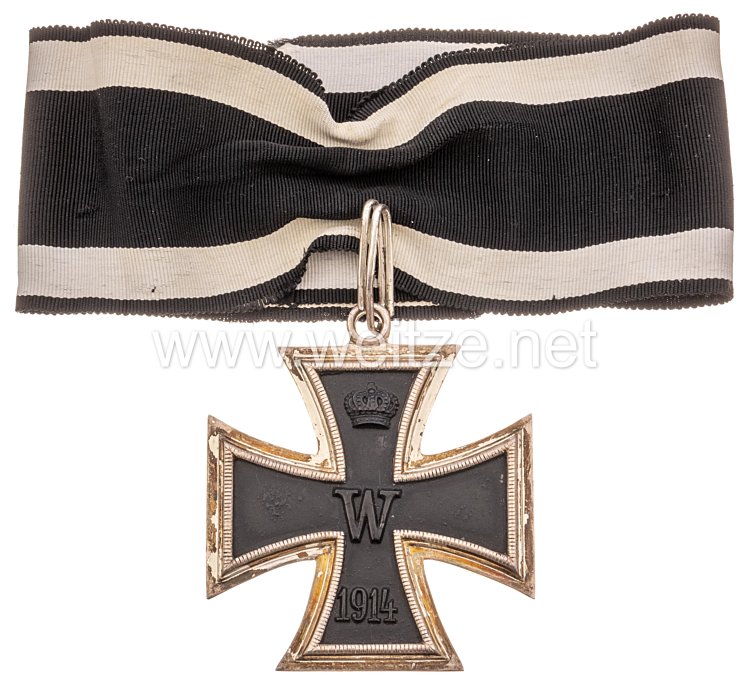
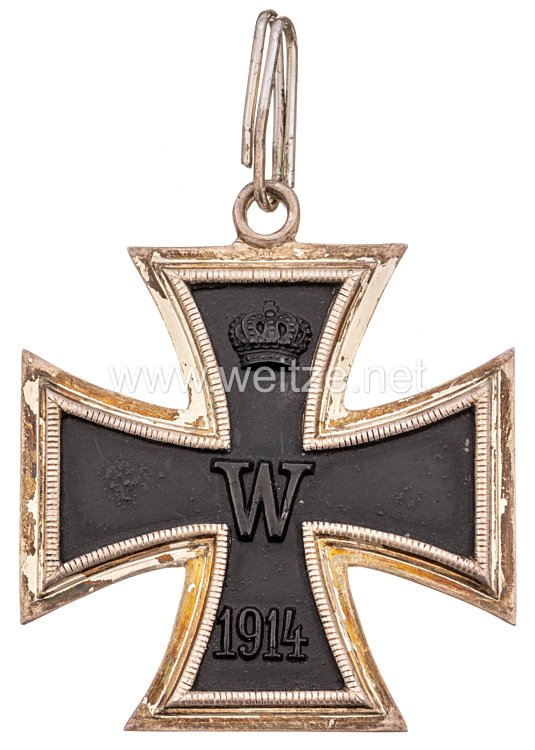
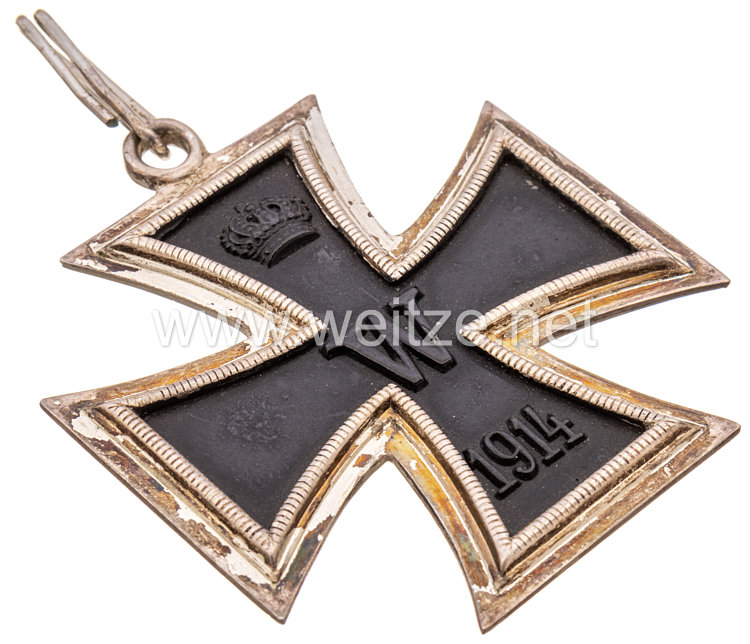
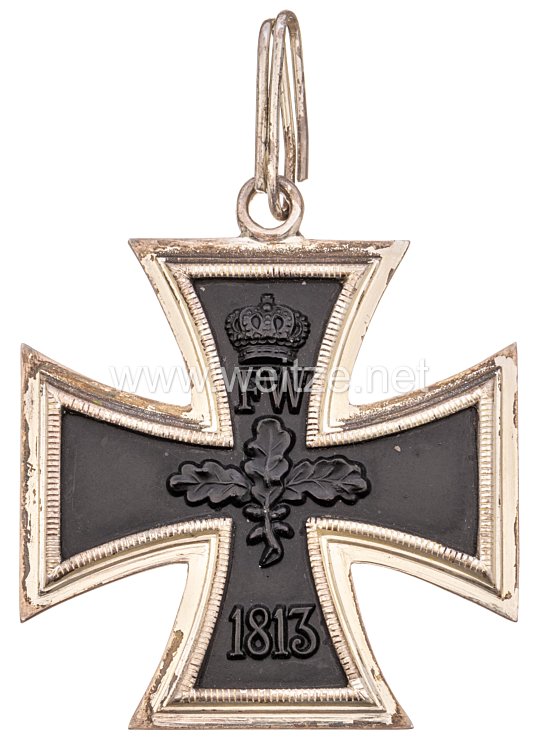
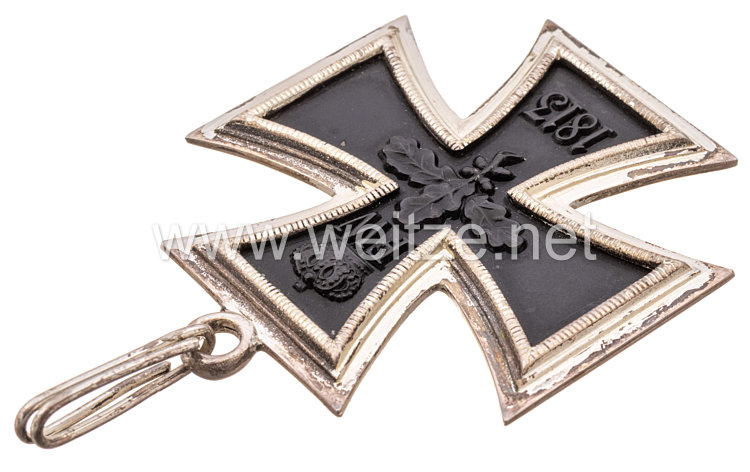
Großkreuz des Eisernen Kreuzes 1914
Es handelt sich bei dem Orden um ein zeitgenössische Fertigung als Ausstellungsstück, hergestellt um 1940.
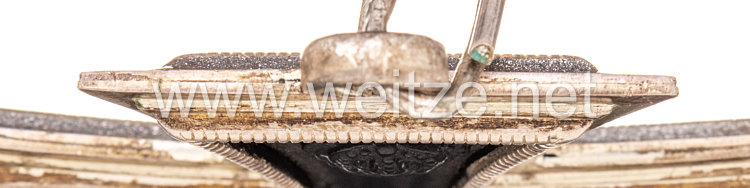
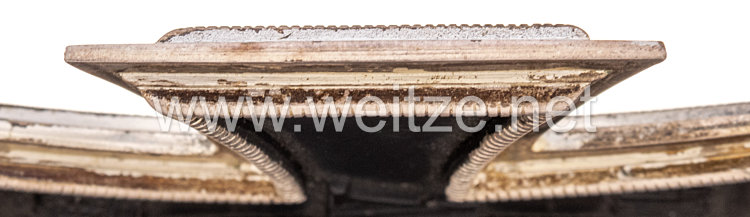
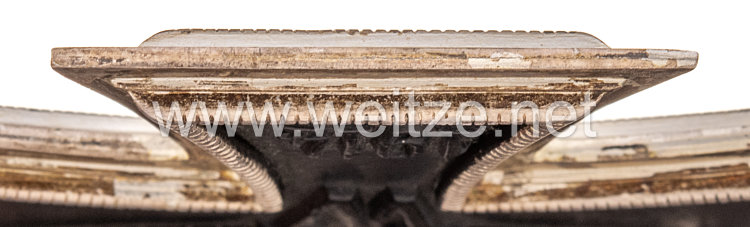
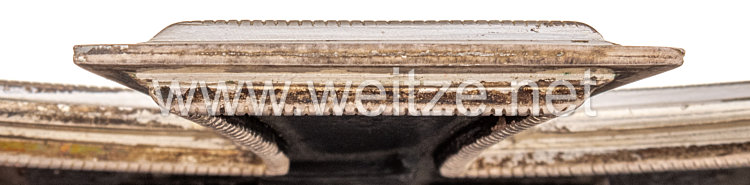
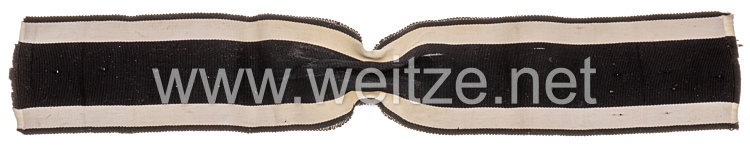
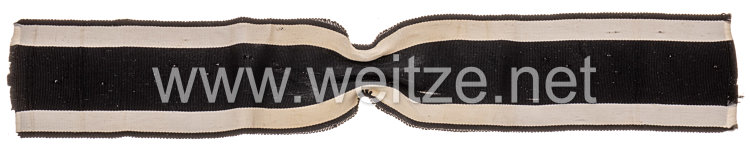
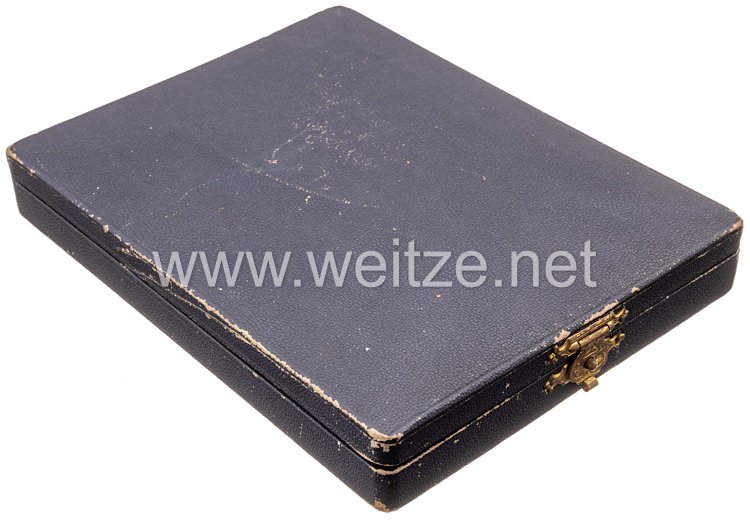
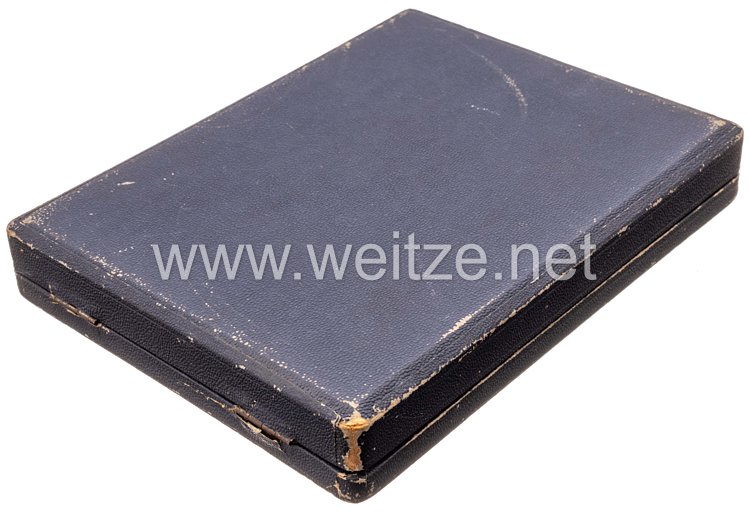
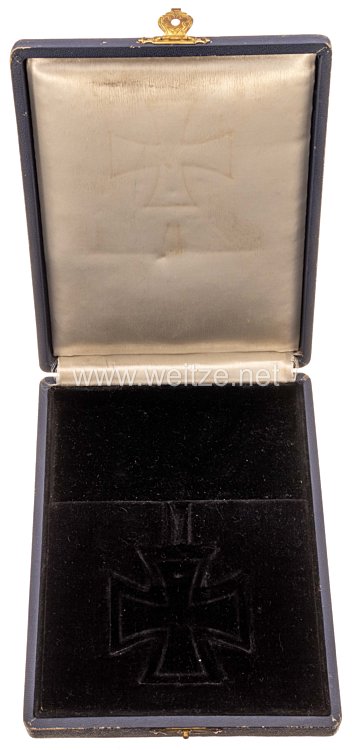
Mehrteilige Fertigung. Geschwärzter Eisenkern. Der Silberrahmen mit aufpolierten Kanten. Auf der Vorderseite unter der Trageöse gestempelt "800" Silber. Maße 71,5 x 63,1 mm, Gewicht 57 g. Komplett mit dem Halsband. Komplett im blauen Präsentationsetui, dieses ist identisch mit den Verleihungsetuis zum Ritterkreuz des Kriegsverdienstkreuzes 1939, innen allerdings in der Ausstattung für das Großkreuz zum Eisernen Kreuz. Es gab sowohl Ausstellungsstücke des Großkreuzes des Eisernen Kreuzes 1914 als auch das Modell 1939, die beide im gleichen Etui geliefert wurden.
Nur leichte Altersspuren, Zustand 2.
Extrem selten, ein sehr gutes Belegstück für jede EK Sammlung, verliehene Originale sind nicht zu bekommen.
Das Großkreuz des Eisernen Kreuzes war von 1813 bis 1918 die höchste preußische Kriegsauszeichnung und von 1939 bis 1945 die höchste des Deutschen Reichs. Gestiftet wurde das Großkreuz als oberste Ordensstufe des Eisernen Kreuzes am 10. März 1813 vom preußischen König Friedrich Wilhelm III. in Breslau. In vier Kriegen wurde es insgesamt 20-mal verliehen. Im Ersten Weltkrieg wurde das Großkreuz fünfmal verliehen an die folgenden Träger:
Generalfeldmarschall Paul von Hindenburg (9. Dezember 1916)
Kaiser Wilhelm II. (11. Dezember 1916)
Generalfeldmarschall August von Mackensen (9. Januar 1917)
Prinz Leopold von Bayern (4. März 1918)
Generalfeldmarschall Erich Ludendorff (24. März 1918).
Mehrteilige Fertigung. Geschwärzter Eisenkern. Der Silberrahmen mit aufpolierten Kanten. Auf der Vorderseite unter der Trageöse gestempelt "800" Silber. Maße 71,5 x 63,1 mm, Gewicht 57 g. Komplett mit dem Halsband. Komplett im blauen Präsentationsetui, dieses ist identisch mit den Verleihungsetuis zum Ritterkreuz des Kriegsverdienstkreuzes 1939, innen allerdings in der Ausstattung für das Großkreuz zum Eisernen Kreuz. Es gab sowohl Ausstellungsstücke des Großkreuzes des Eisernen Kreuzes 1914 als auch das Modell 1939, die beide im gleichen Etui geliefert wurden.
Nur leichte Altersspuren, Zustand 2.
Extrem selten, ein sehr gutes Belegstück für jede EK Sammlung, verliehene Originale sind nicht zu bekommen.
Das Großkreuz des Eisernen Kreuzes war von 1813 bis 1918 die höchste preußische Kriegsauszeichnung und von 1939 bis 1945 die höchste des Deutschen Reichs. Gestiftet wurde das Großkreuz als oberste Ordensstufe des Eisernen Kreuzes am 10. März 1813 vom preußischen König Friedrich Wilhelm III. in Breslau. In vier Kriegen wurde es insgesamt 20-mal verliehen. Im Ersten Weltkrieg wurde das Großkreuz fünfmal verliehen an die folgenden Träger:
Generalfeldmarschall Paul von Hindenburg (9. Dezember 1916)
Kaiser Wilhelm II. (11. Dezember 1916)
Generalfeldmarschall August von Mackensen (9. Januar 1917)
Prinz Leopold von Bayern (4. März 1918)
Generalfeldmarschall Erich Ludendorff (24. März 1918).