Prussia Iron Cross 1914 1st Class - AWS

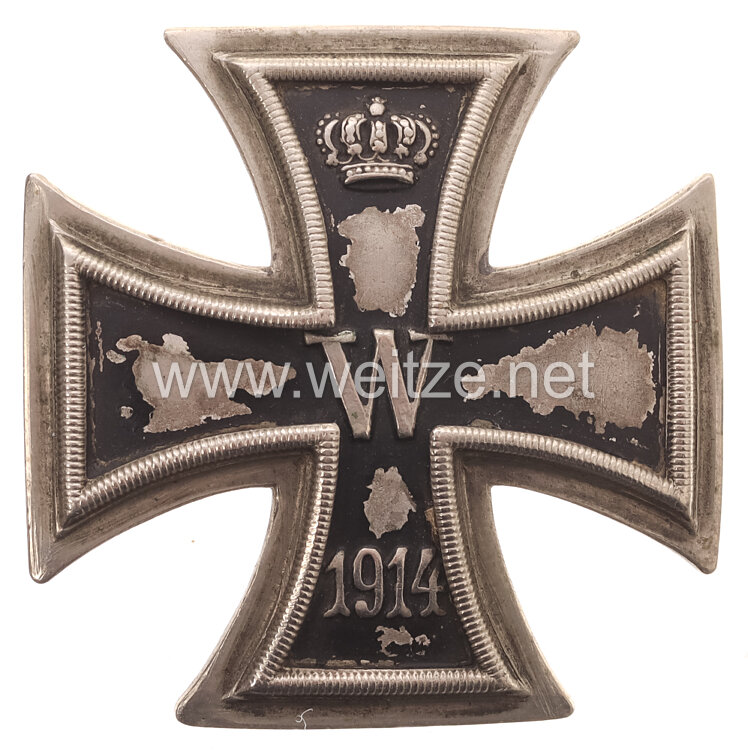
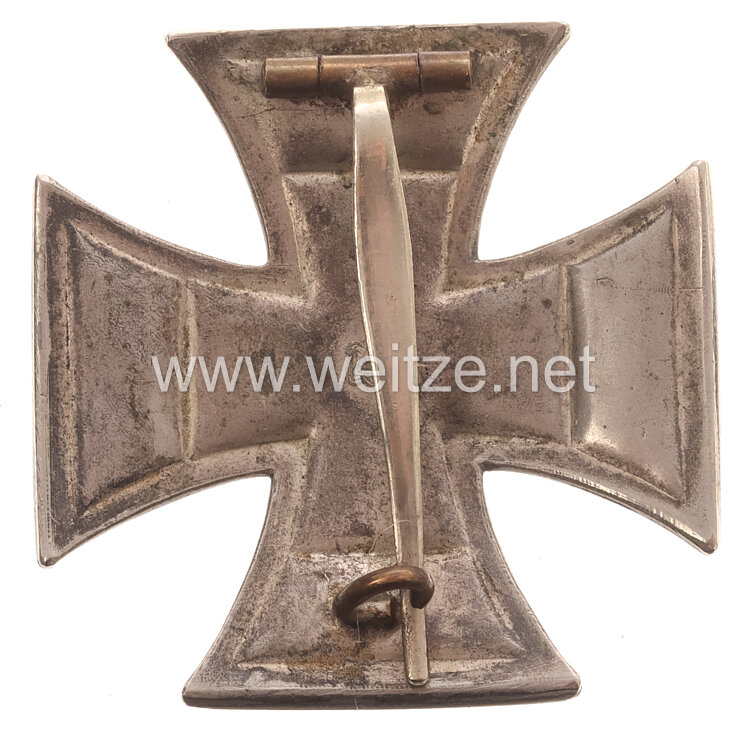
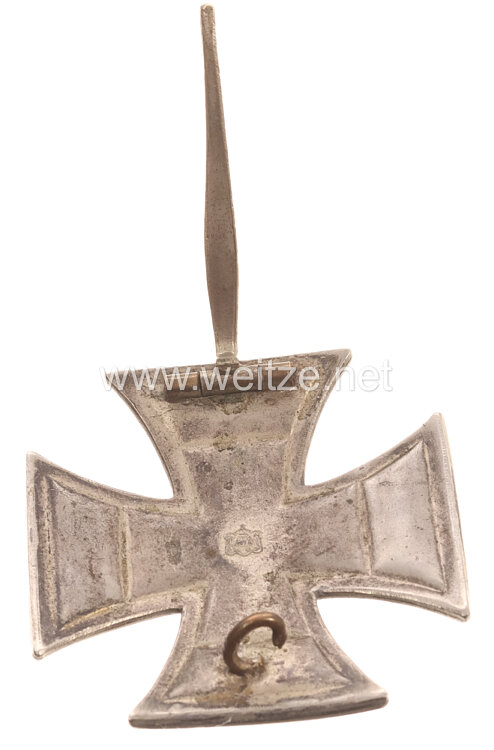
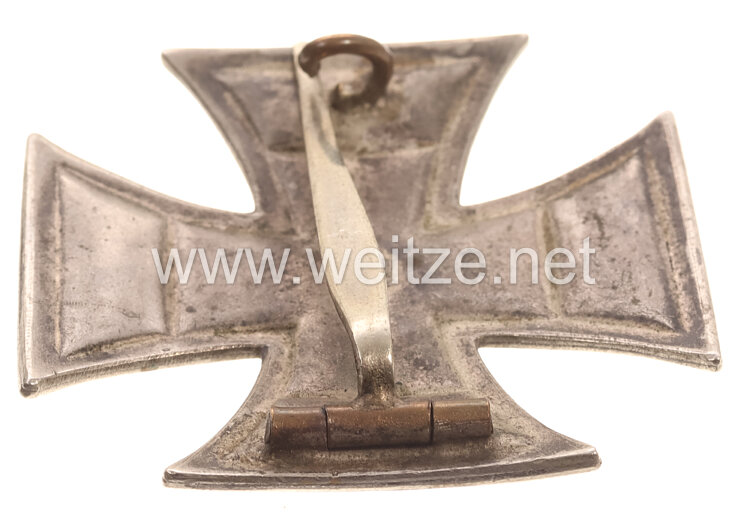
Core non-magnetic, ribbed back plate with maker mark AWS. Worn piece, condition 2-.
460859
400,00

Prussia Iron Cross 1914 1st Class - AWS

The Iron Cross 1st Class of 1914 represents one of the most significant military decorations of the German Empire during World War I. This award was renewed on August 5, 1914, by Kaiser Wilhelm II through royal decree, after it was originally instituted in 1813 by King Friedrich Wilhelm III of Prussia during the Wars of Liberation against Napoleon.

The present example bears the characteristic hallmark AWS, identifying the manufacturer as A. W. Scharff of Pforzheim. This company was one of the prominent producers of military insignia during World War I and manufactured high-quality pieces for the Prussian military.

Technical Features and Manufacturing: The Iron Cross 1st Class differed in several essential aspects from the 2nd Class. It was worn without a ribbon directly on the uniform, typically on the left breast. The construction consisted of three main components: the black core, the silver frame, and the back plate with attachment mechanism.

The non-magnetic core of this specimen is particularly noteworthy. While many Iron Crosses were made from iron – which gave the order its name – manufacturers increasingly used alternative materials during the course of the war. Non-magnetic cores were frequently made from blackened zinc, non-ferrous metal, or other alloys, especially in the later war years when material shortages prevailed.

The fielded back plate shows the typical vaulted or faceted design characteristic of high-quality specimens. This construction gave the order additional stability and improved its wearing properties on the uniform.

Award Criteria and Significance: The Iron Cross 1st Class was awarded for exceptional bravery and military merit. Unlike the 2nd Class, which was awarded approximately five million times, the 1st Class was considerably rarer – an estimated 218,000 awards during World War I. Recipients had to already possess the Iron Cross 2nd Class before being considered for the higher decoration.

The award was made by officers with appropriate command authority, and recipients came from all ranks of the armed forces, from simple soldiers to generals. Famous recipients included Paul von Hindenburg, Erich Ludendorff, and future Field Marshal Erwin Rommel, who received his decoration for bravery in Italy.

Development and Variants: Throughout the war, numerous manufacturers produced the Iron Cross 1st Class. Besides A. W. Scharff, these included the firms Wagner & Sohn of Berlin, Karl Godet of Berlin, and the royal mint. Each manufacturer had its characteristic features in workmanship and quality.

The AWS hallmark on the back plate was part of a system for quality control and authentication. These markings became especially important after the war when trade in militaria increased and forgeries entered the market.

Condition and Collector Aspects: The indicated condition of 2- suggests a worn piece with slight signs of use, but still well preserved. Worn specimens often possess higher historical value than unworn pieces, as they represent evidence of actual military merit. Typical wear patterns include abrasion of the silver frame, patina on the back plate, and occasionally minor damage to the black core.

Historical Context: The Iron Cross of 1914 was awarded during a period characterized by unprecedented battles of material and new forms of warfare. From the trenches in Flanders to the Eastern Front and the colonial theaters in Africa, this decoration symbolized personal bravery in an industrialized war.

After the end of World War I and the collapse of the monarchy, the Iron Cross retained its significance as a symbol of military honor. Veterans wore their decorations with pride, and the symbol was later renewed in modified form during World War II.

Legacy: Today, original Iron Crosses 1st Class from 1914 are prized collector's items and important historical artifacts. They document not only Germany's military history but also the personal fates of millions of soldiers who fought in World War I. Specimens with identifiable maker's marks like AWS are particularly valuable to collectors and historians, as they can be authenticated and provide insights into the production methods of the era.

The A. W. Scharff company in Pforzheim was part of a larger industry in this Baden city, which was renowned for its jewelry and metalwork production. The expertise in precious metal working made Pforzheim firms ideal manufacturers for military decorations requiring fine craftsmanship and attention to detail.

The construction method employed by Scharff typically involved a three-piece construction: a stamped silver frame, a separately manufactured black core, and a convex back plate with pin attachment. The non-magnetic materials used for the core were often chosen not only for practical reasons but also to reduce production costs and conserve strategic materials for the war effort.

This particular type of Iron Cross, with its fielded back plate and quality construction, represents the standard that was maintained even as Germany faced increasing material shortages. It stands as testimony to both the military culture of Imperial Germany and the industrial capabilities that supported four years of total war.