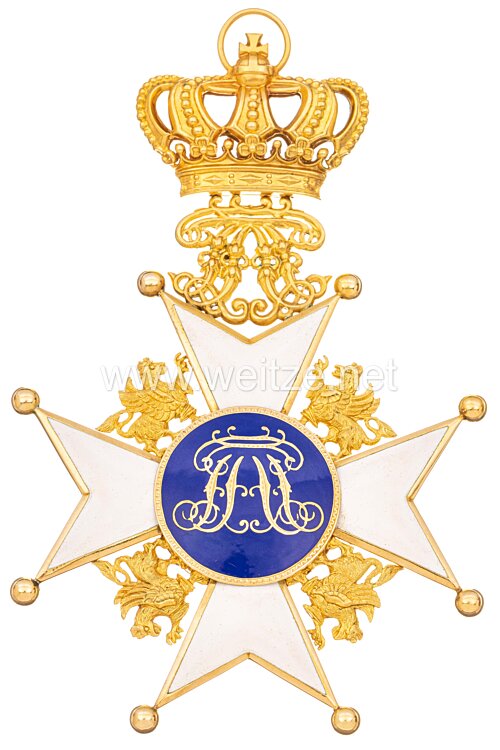
The House Order of the Wendish Crown ranks among the most prestigious decorations of the North German principalities in the 19th century. Jointly established on May 12, 1864 by Friedrich Franz II, Grand Duke of Mecklenburg-Schwerin, and Friedrich Wilhelm II, Grand Duke of Mecklenburg-Strelitz, this order symbolized the historical unity of the two Mecklenburg ruling houses and their role as sovereign monarchies within the German Confederation.
The designation “Wendish Crown” refers to the medieval Wendish period and the historical rule over the Slavic tribes in the region. The order's foundation occurred during a time of political upheaval, shortly before the establishment of the North German Confederation and the later unification of Germany under Prussian leadership. The order served both as a dynastic instrument for cultivating international relations and as recognition for services to the Mecklenburg duchies.
The Grand Cross with the Crown in Bronze represented the highest grade of this decoration and was reserved exclusively for princes and sovereigns. This exclusivity emphasized the special character of the award and made the Grand Cross one of the rarest German order decorations. The restriction to reigning or former reigning monarchs, members of royal houses, and foreign heads of state gave this grade extraordinary diplomatic value.
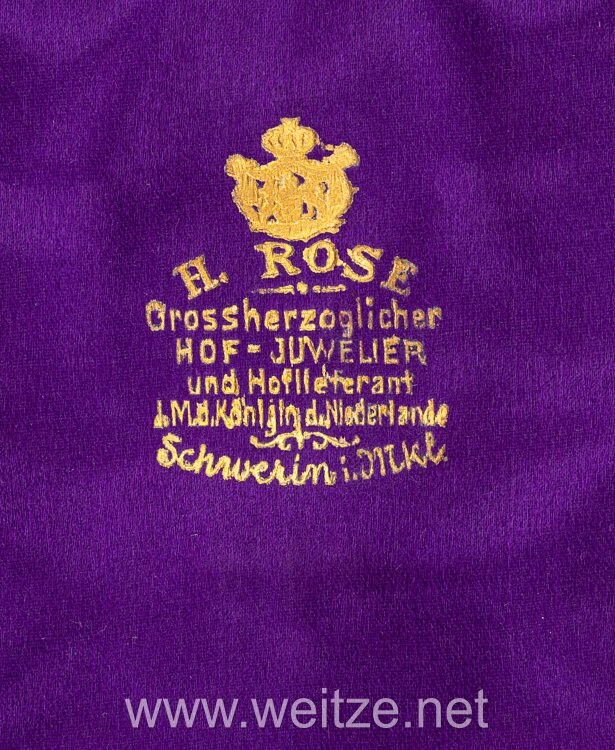
The artistic execution of the order by the Court Jeweler H. Rose in Schwerin represents the high craftsmanship of the 19th century. The Rose workshop was an official court supplier not only to the Mecklenburg grand dukes but also to the Queen of the Netherlands, which underscores the international reputation of this establishment. The production of such magnificent pieces required the highest precision and artistic skill.
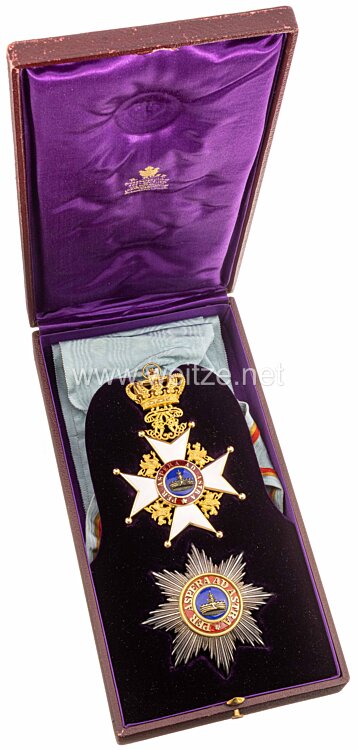
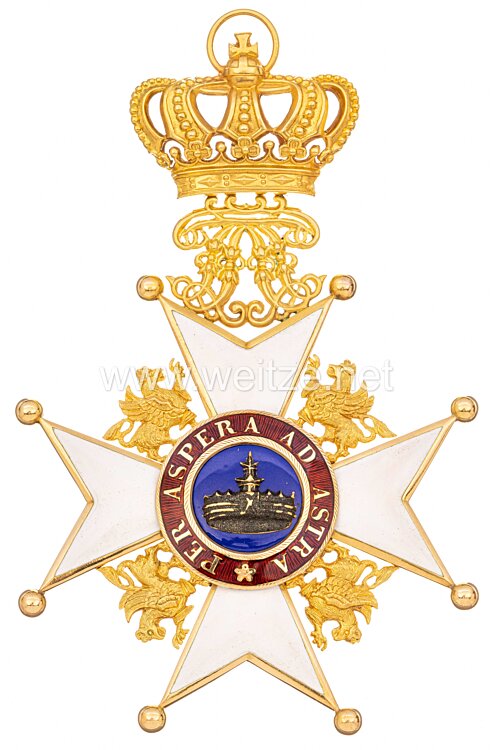
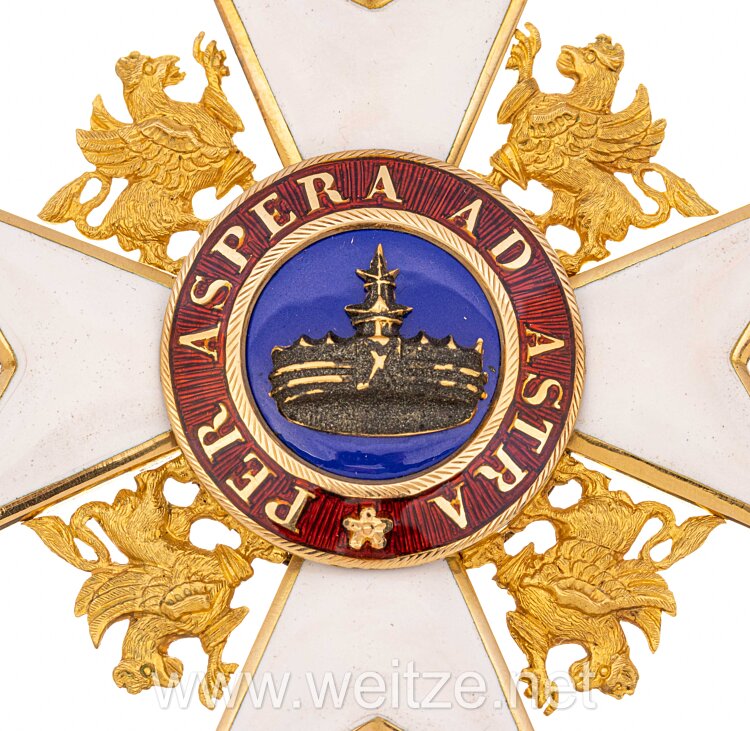
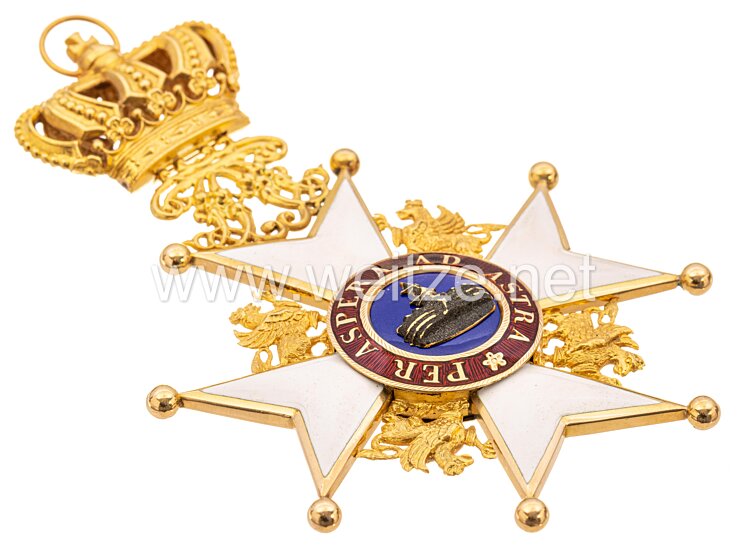
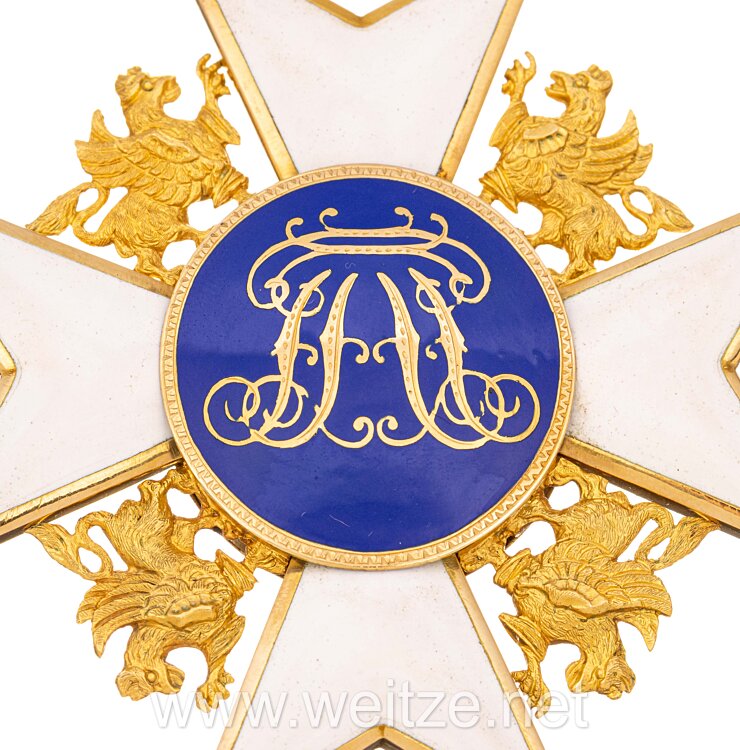
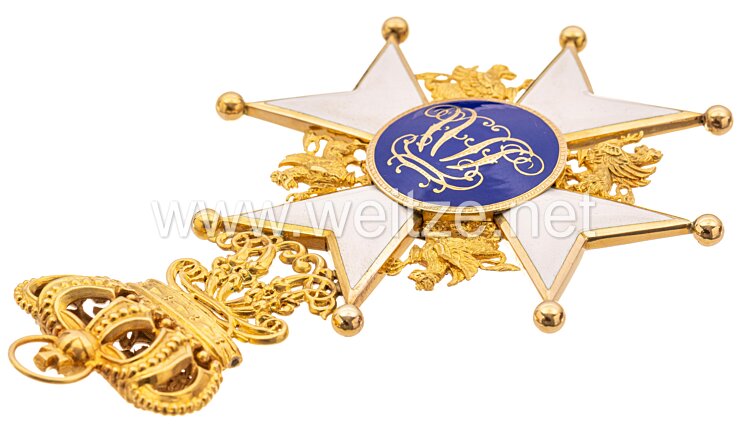
The badge consists of a gold cross with fine enamel on both sides, a technique that demanded the highest level of craftsmanship. The four Mecklenburg griffins in the cross arms are finely chased and symbolize the heraldic tradition of the region. The griffin had been the heraldic animal of Mecklenburg since the Middle Ages and embodied power and vigilance. The movable crown above the cross is characteristically executed “in bronze,” meaning a blackened gold alloy that creates a bronze or darker hue.
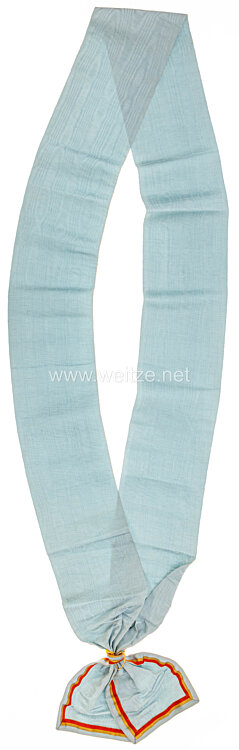
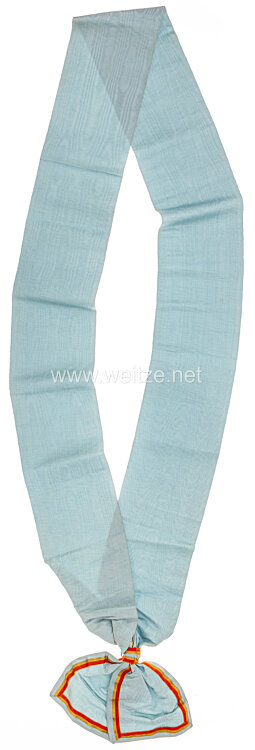
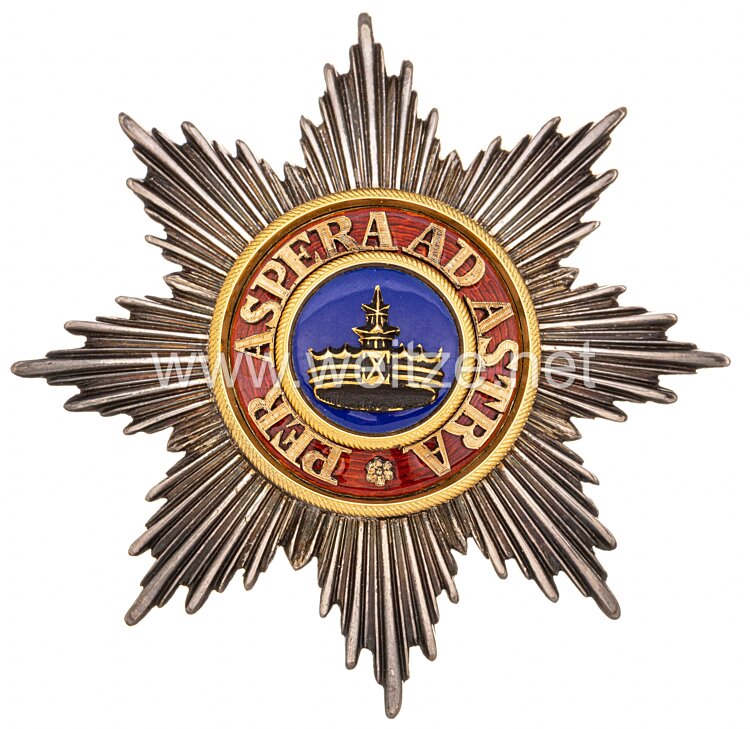
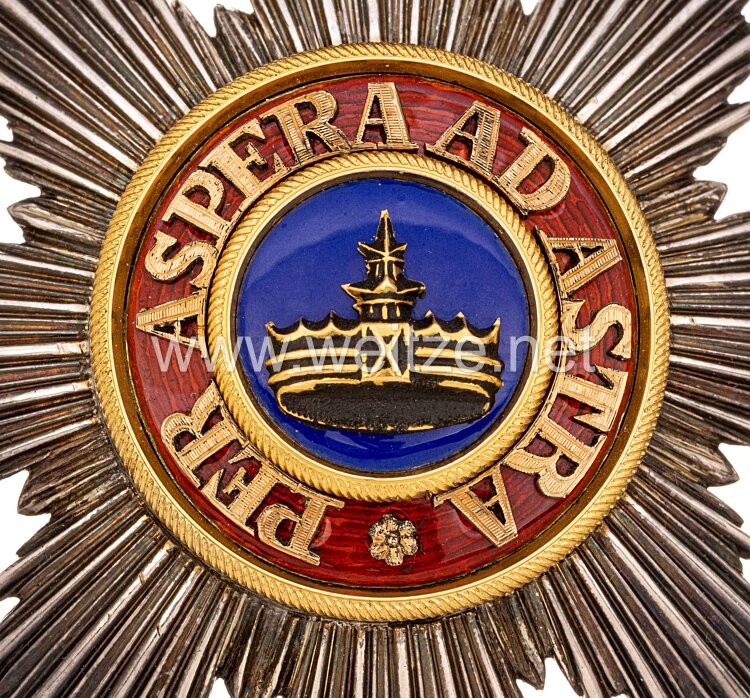
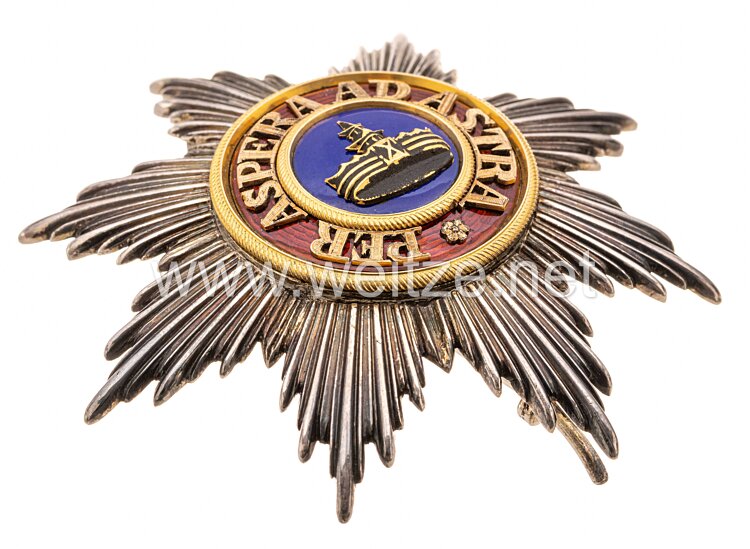
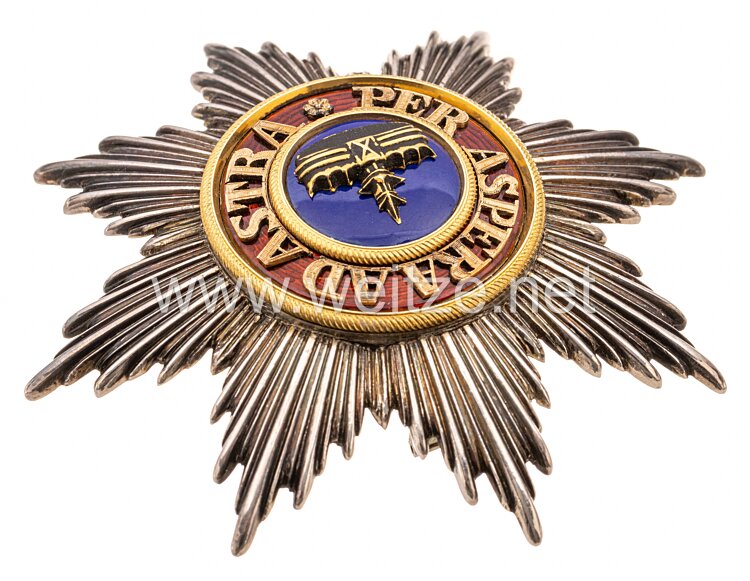
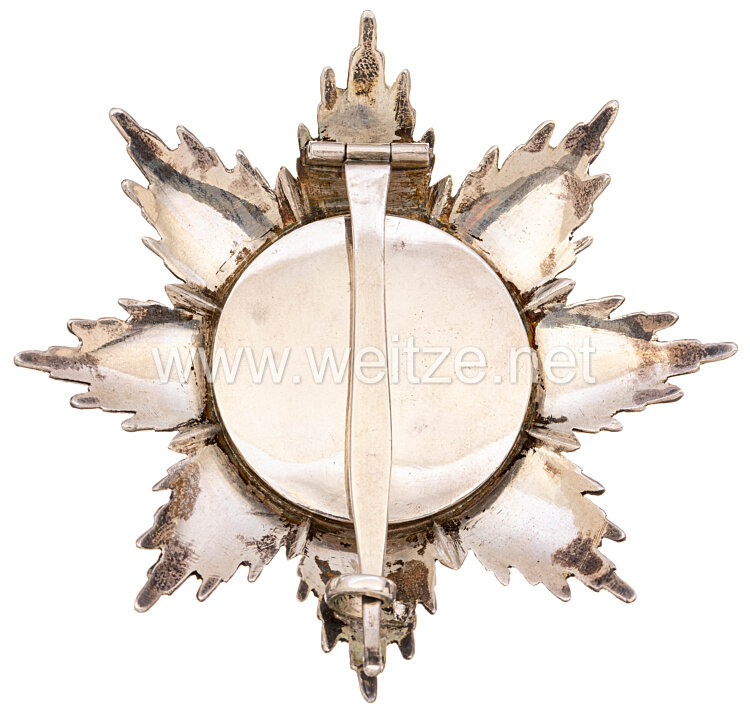
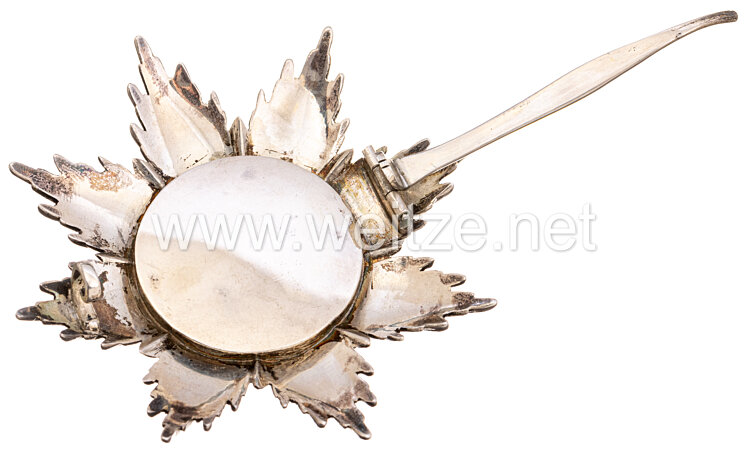
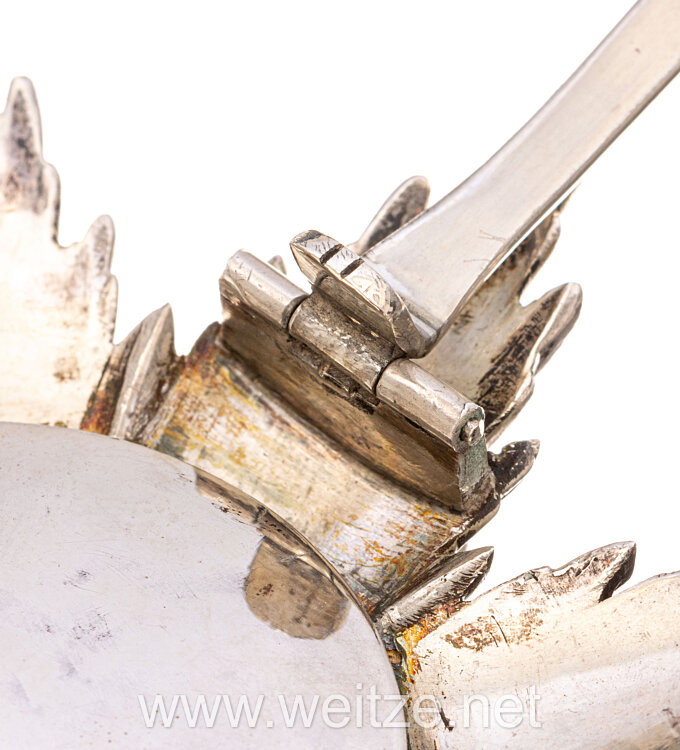
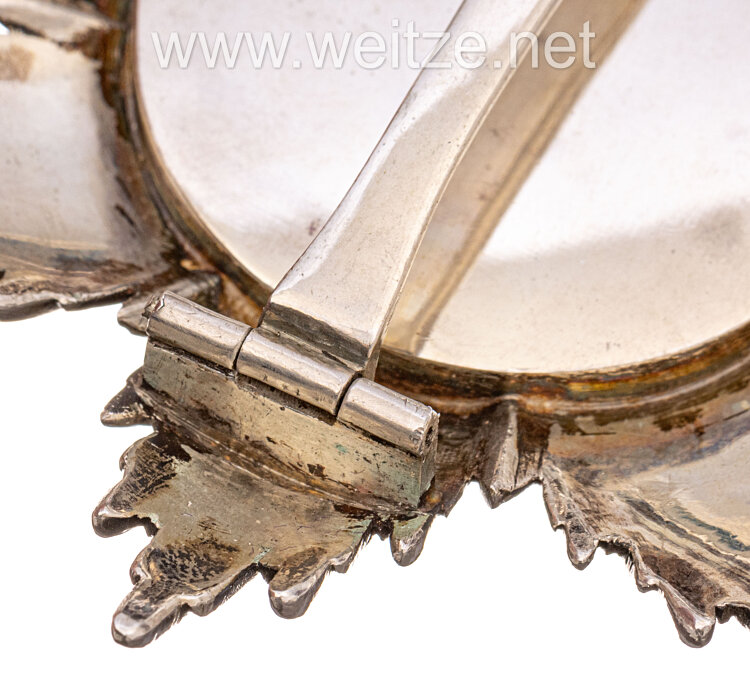
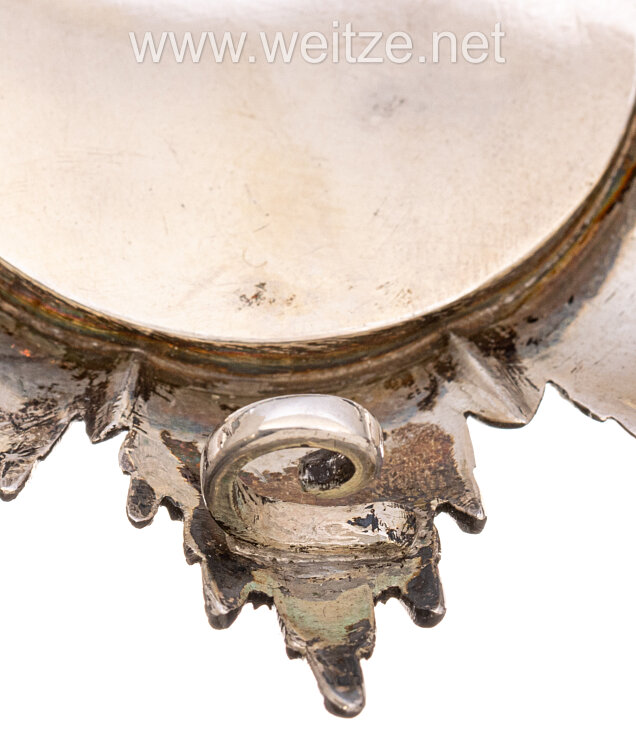
The accompanying breast star in silver also shows the crown in bronze tinting, while the medallion rings and letters are made of gold. This color combination of silver, gold, and blackened gold created a visually impressive contrast. The convex pin on the reverse allowed secure attachment to the uniform. Both the badge and the breast star were worn on a sewn sash, which identified the Grand Cross as the highest grade of the order.
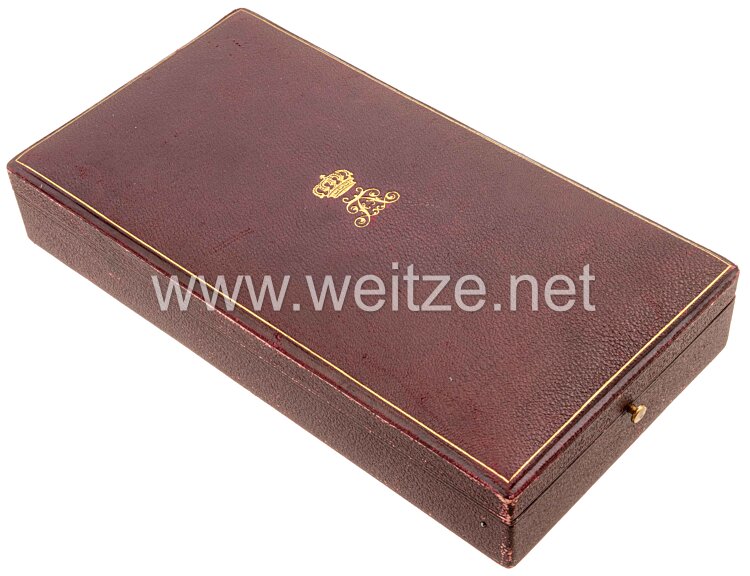
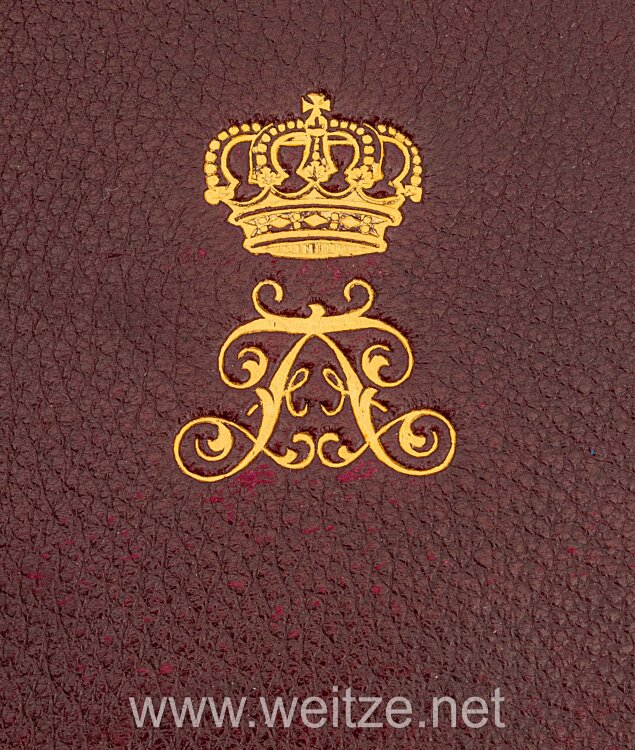
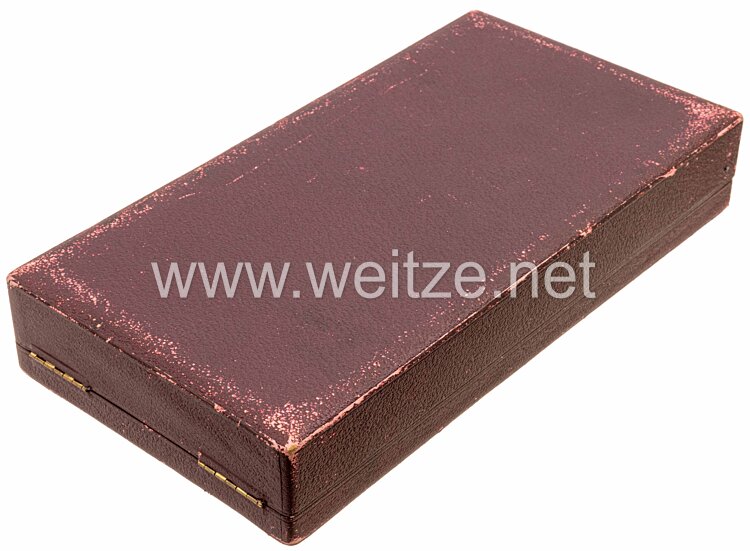
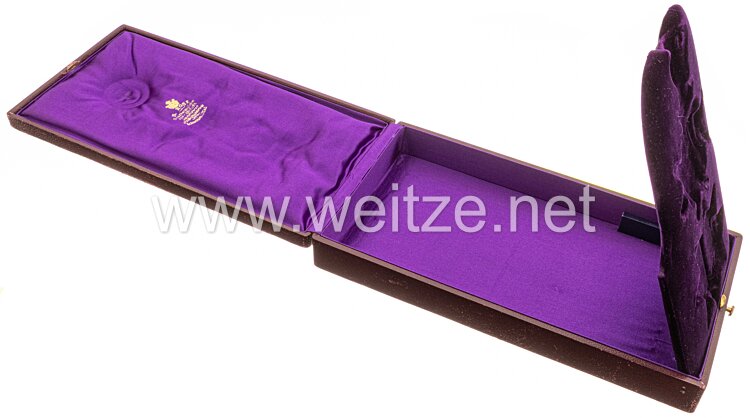
The magnificent presentation case with the manufacturer's designation embossed in gold on the lid documents the official provenance and emphasizes the ceremonial character of the order's bestowal. Such cases were specially made for each recipient and served not only to protect the valuable insignia but also as a representative presentation object during the ceremonial investiture.
The bestowal practice of the Grand Cross with the Crown in Bronze followed strict protocol rules. Typical recipients were emperors, kings, reigning grand dukes and princes of other German states as well as European monarchies. Bestowals occurred during state visits, dynastic weddings, throne jubilees, or as an expression of special diplomatic solidarity.
In the context of the German order landscape of the 19th century, the House Order of the Wendish Crown occupies a significant position. While larger states such as Prussia, Bavaria, or Saxony had multiple house orders, the smaller Mecklenburg duchies concentrated their courtly award practice on this single order, which gave it special weight.
The historical significance of such order bestowals extended far beyond symbolic gestures. They documented the complex networks of relationships between European ruling houses, dynastic alliances, and the political constellations of the time. Wearing a Grand Cross with the Crown in Bronze immediately signaled the highest social standing and political importance of the wearer.
After the end of the monarchy in 1918, the order lost its official function but remained of inestimable value as a historical document of German sovereign history. The rarity of complete Grand Cross sets with the Crown in Bronze makes such ensembles today significant cultural and art-historical testimonies of Mecklenburg and German history of the 19th century.