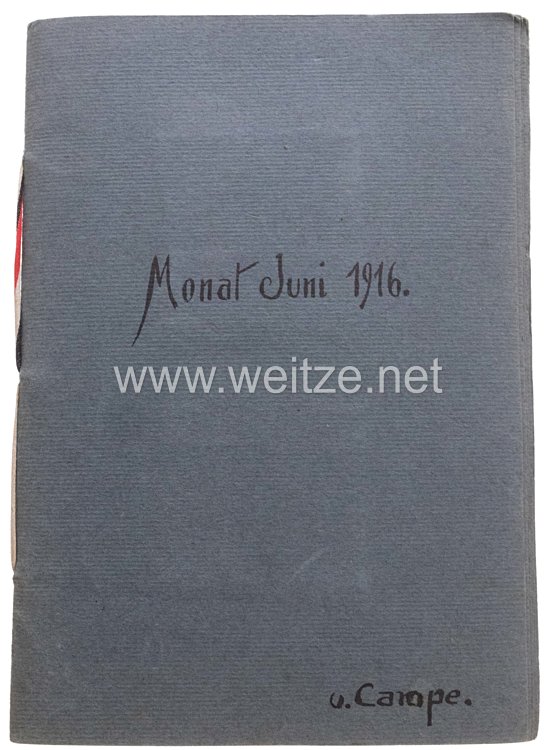
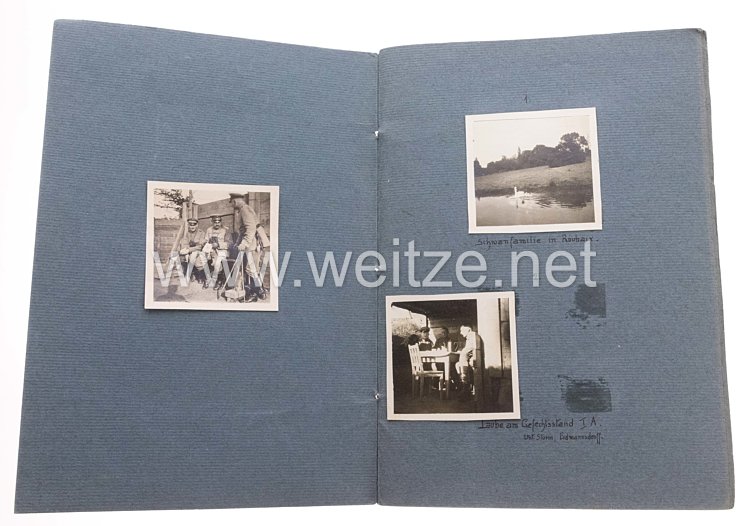
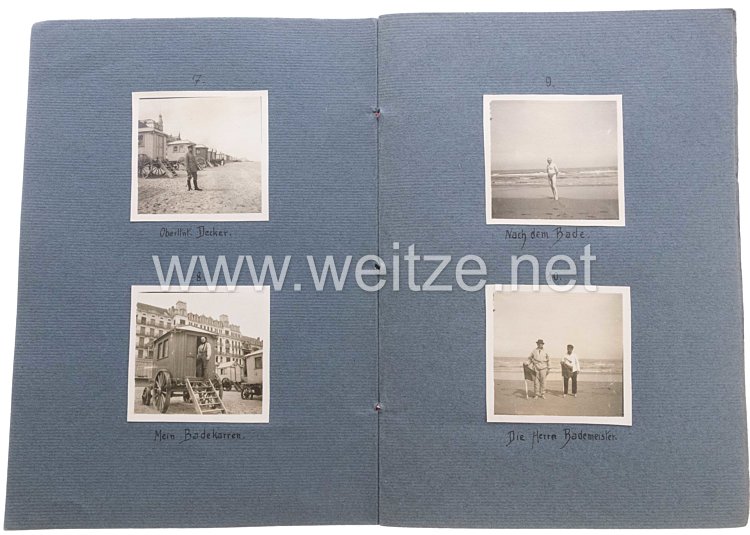
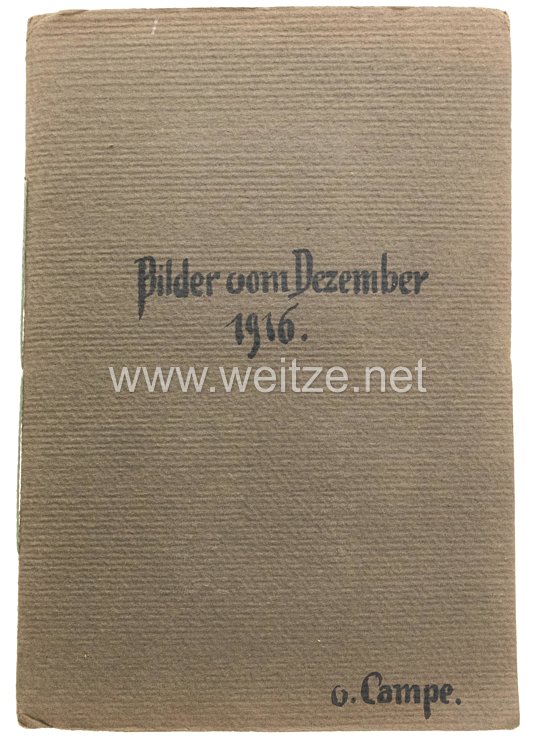
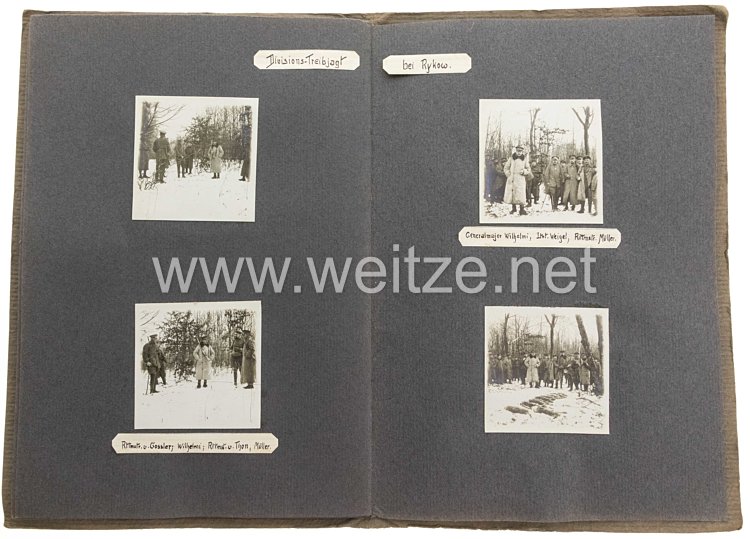
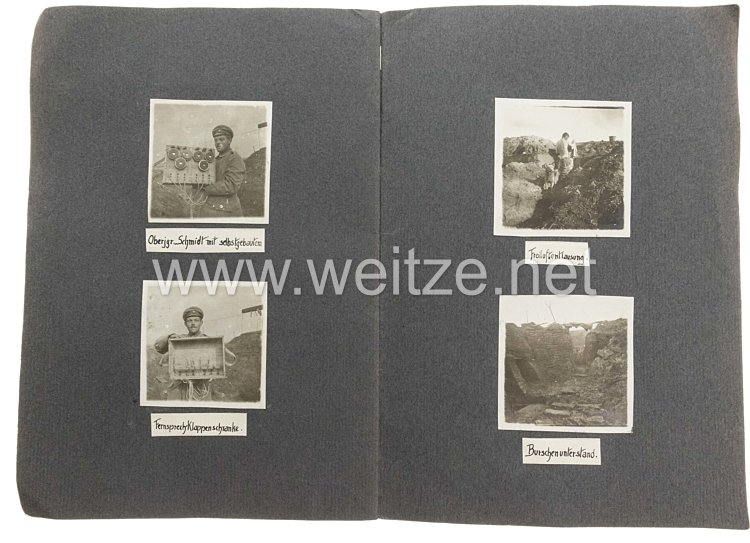
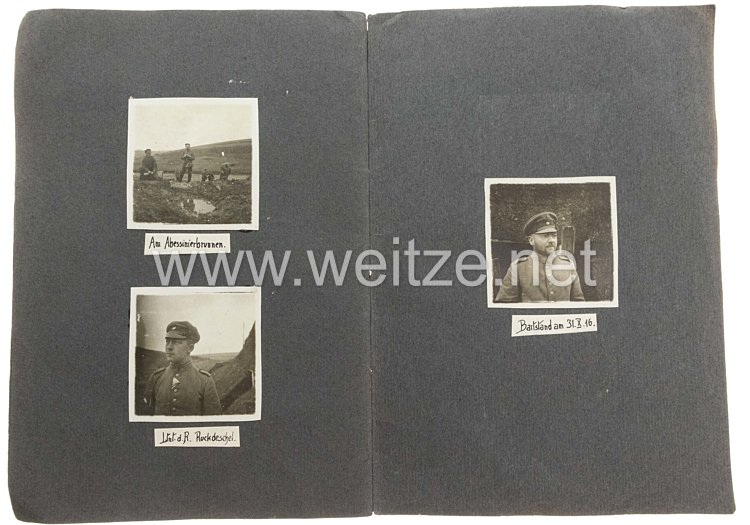
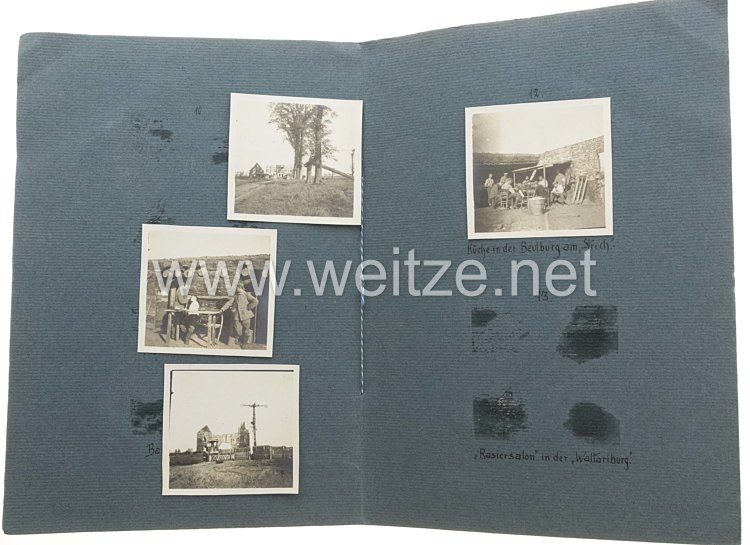
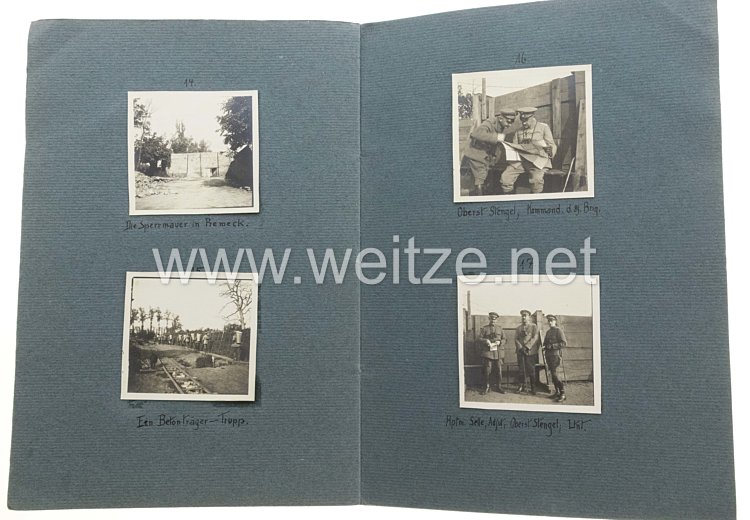
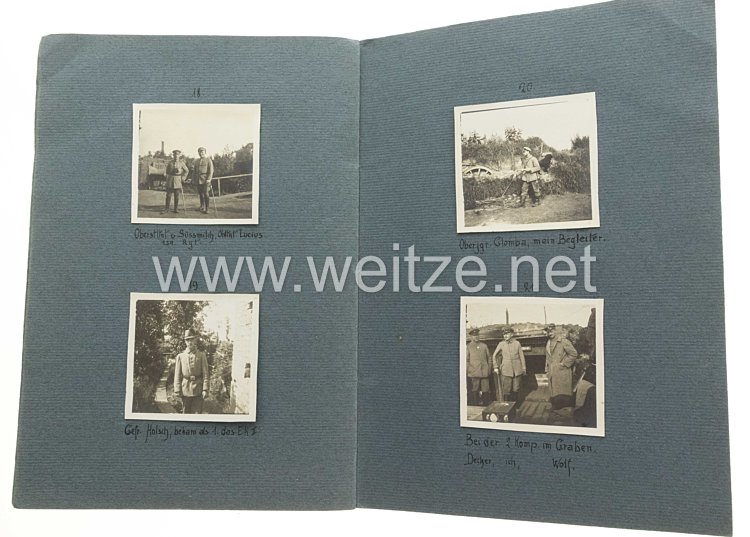
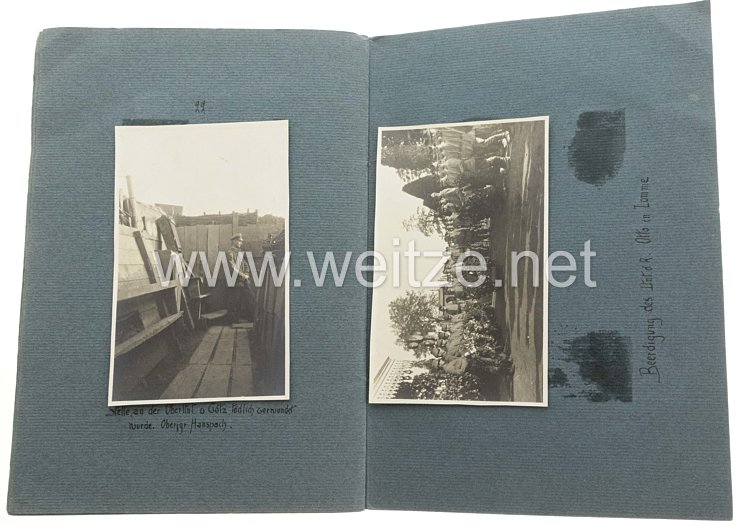
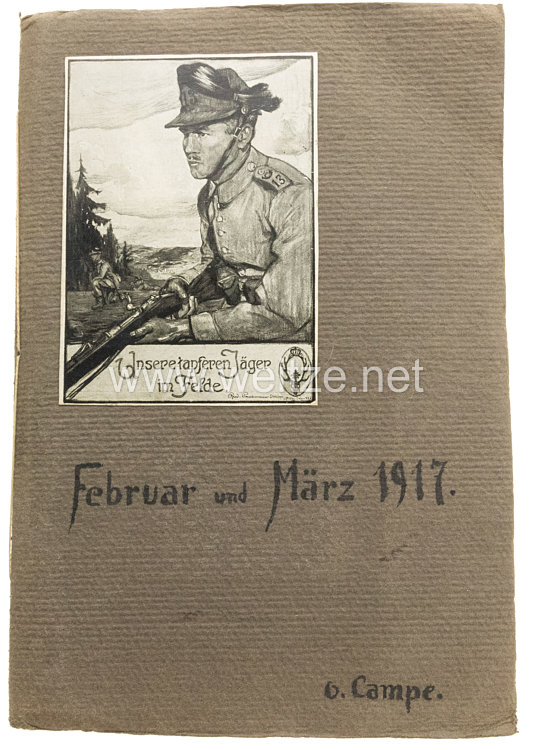
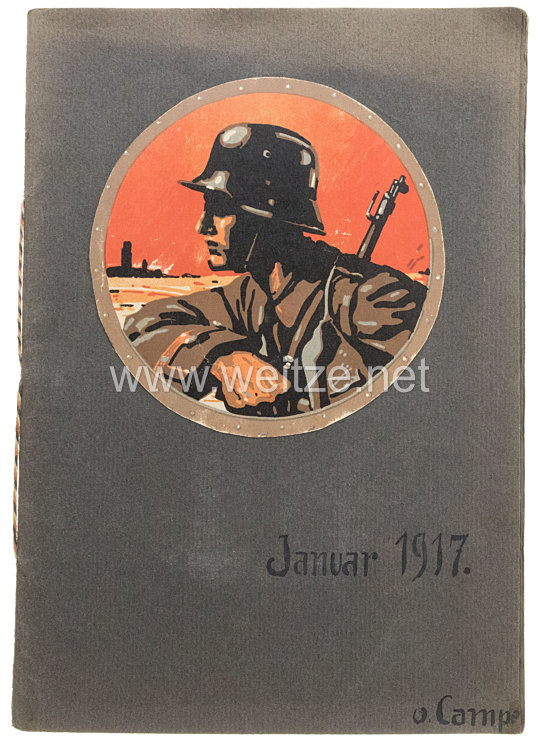
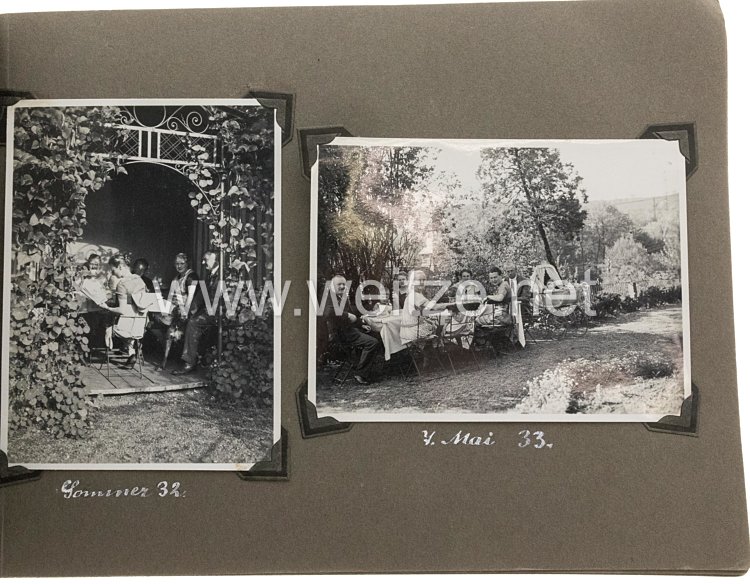
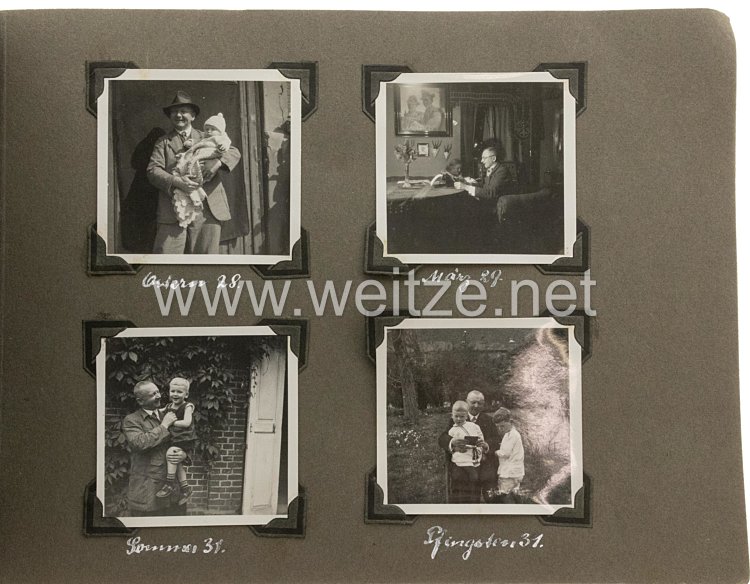
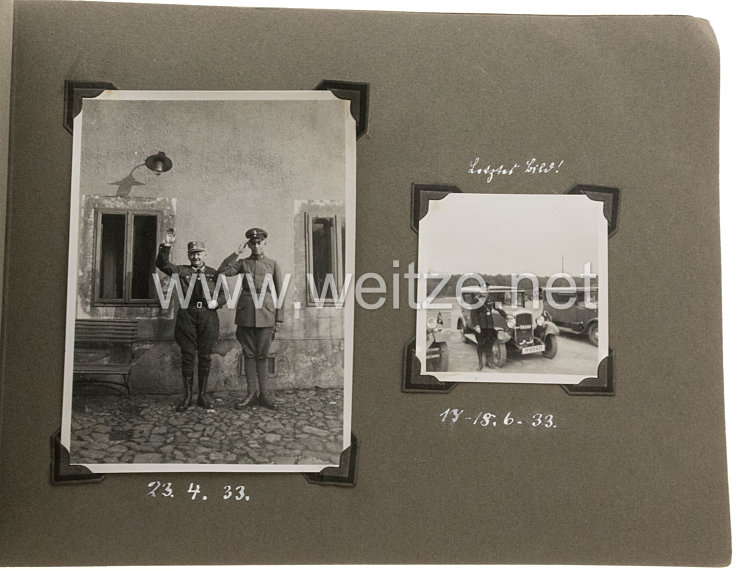
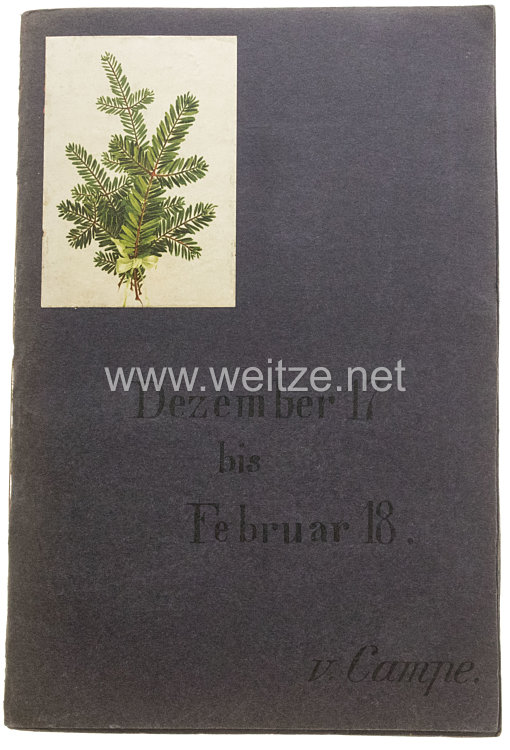
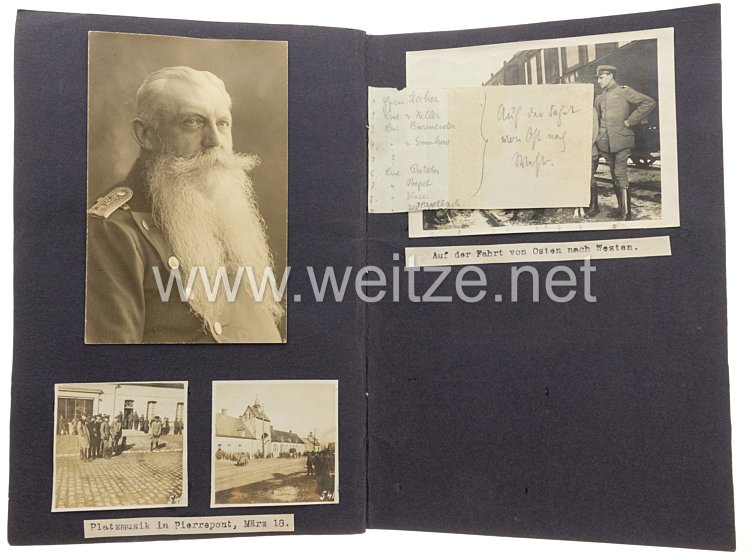
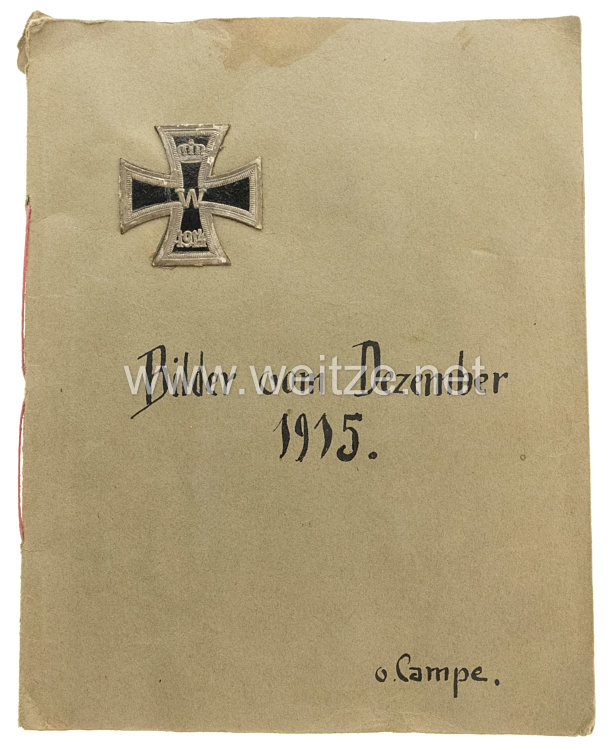
German Imperial Photo Albums, from the Estate of later Major Paul v. Campe, Saxon Jäger Battalion Nr. 13
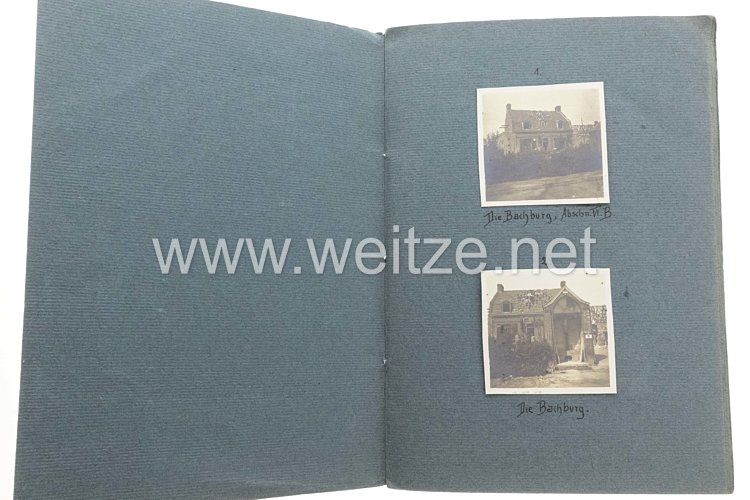
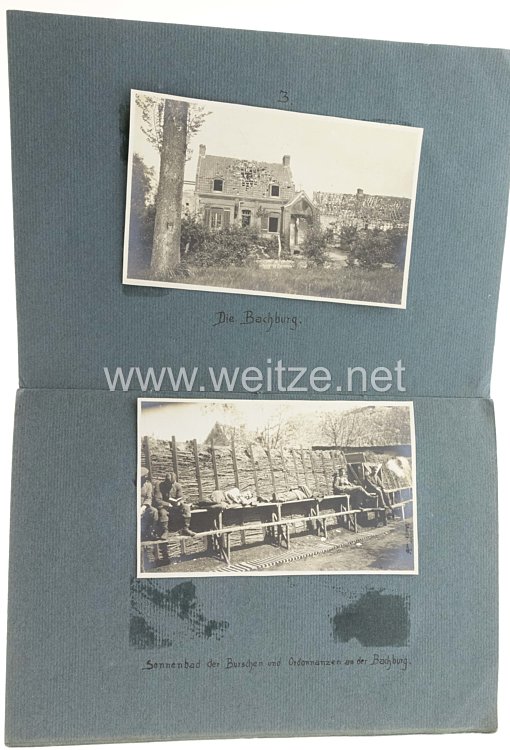
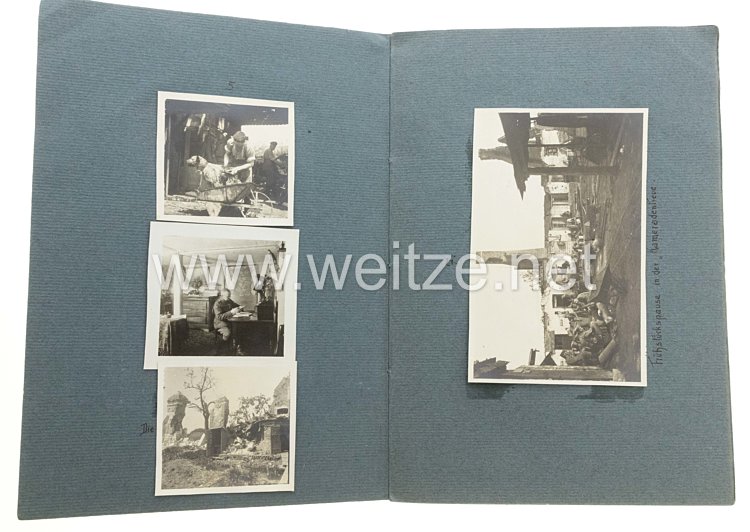
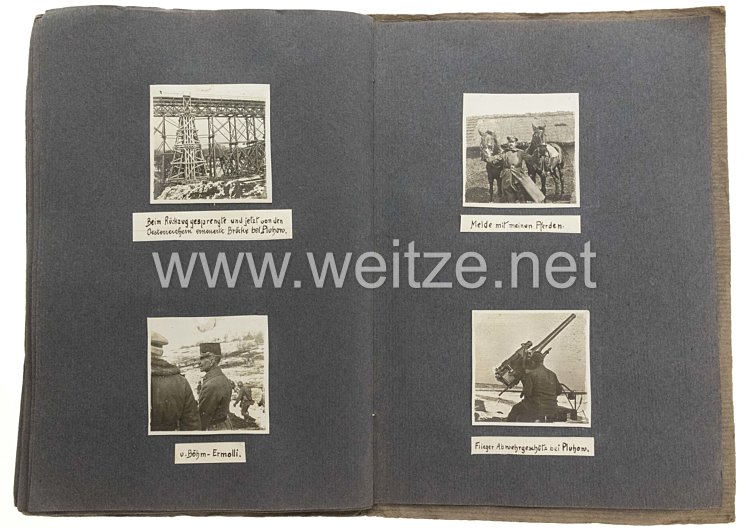
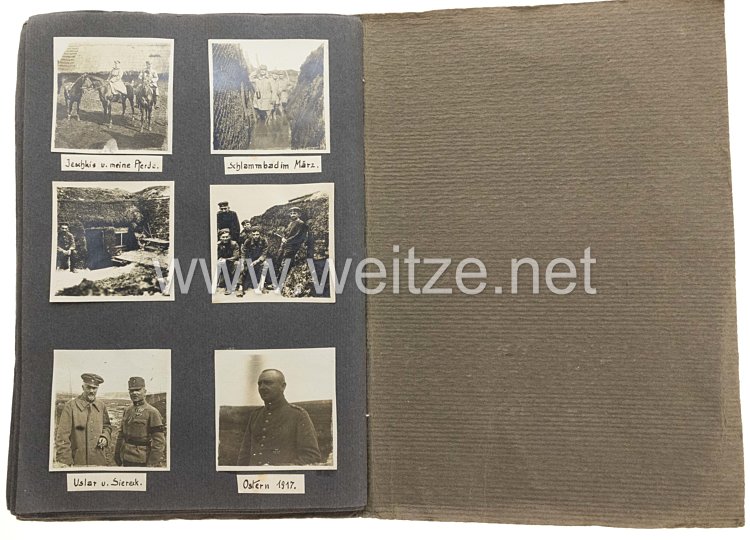
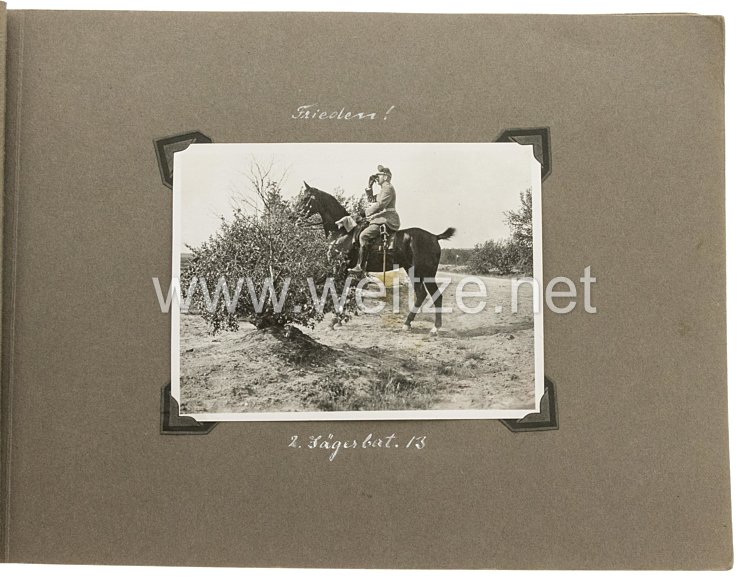
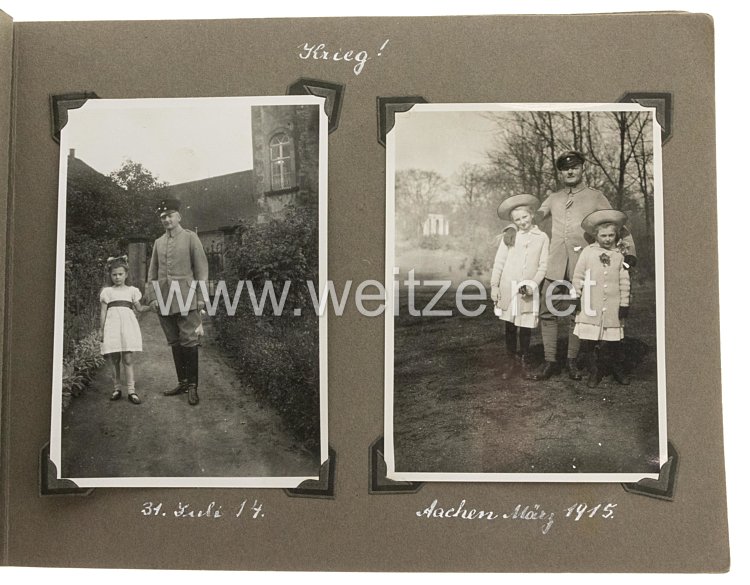
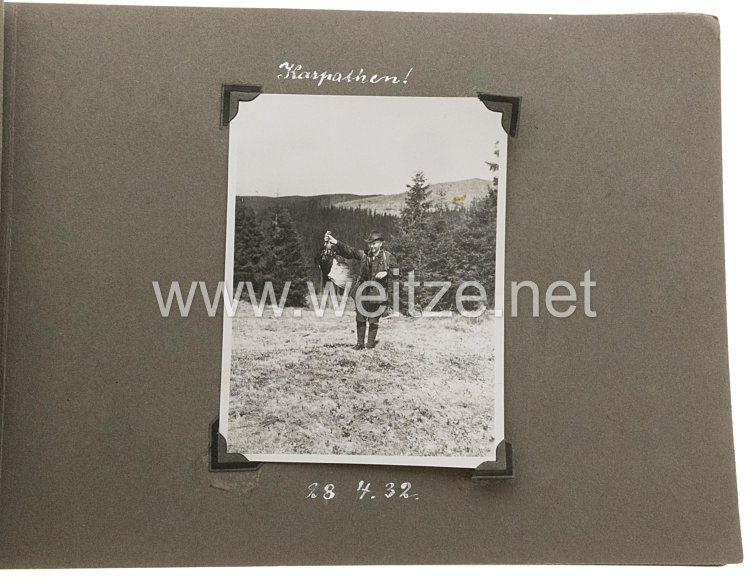
These thirteen photographic albums document the military career of Major Paul von Campe, who served with the Saxon Jäger Battalion No. 13 during the First World War. This collection represents a significant testimony to the photographic documentation of warfare from the perspective of a German officer and offers a unique insight into military operations on both fronts between 1914 and 1918.
The Saxon Jäger Battalion No. 13 was an elite unit of the Saxon Army, which belonged to the German Empire as part of the Kingdom of Saxony. Jäger battalions were light infantry units known for their mobility, marching ability, and special training. They were frequently deployed for difficult tasks such as reconnaissance, advance operations, and combat in difficult terrain.
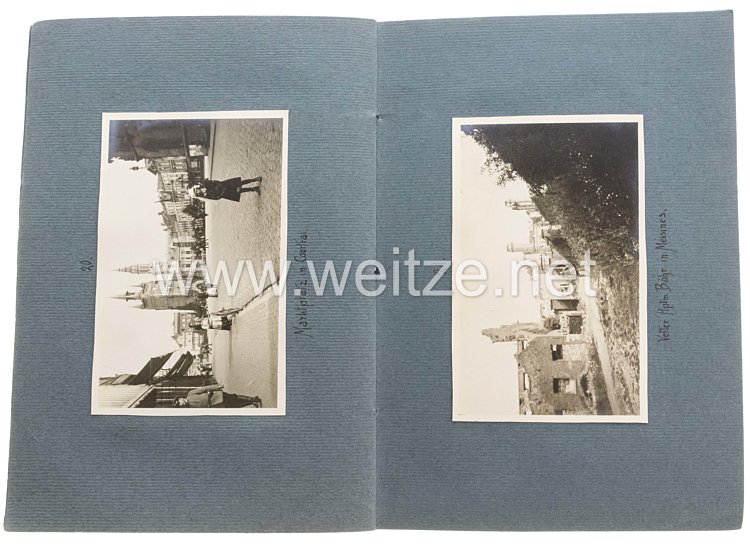
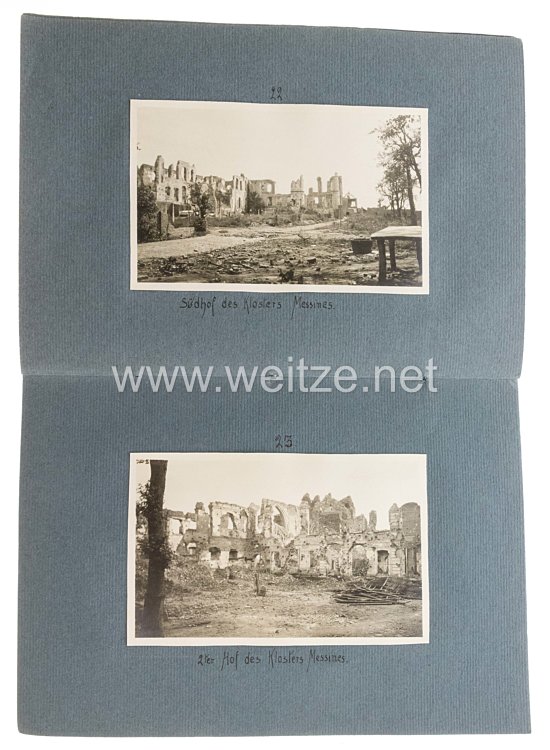
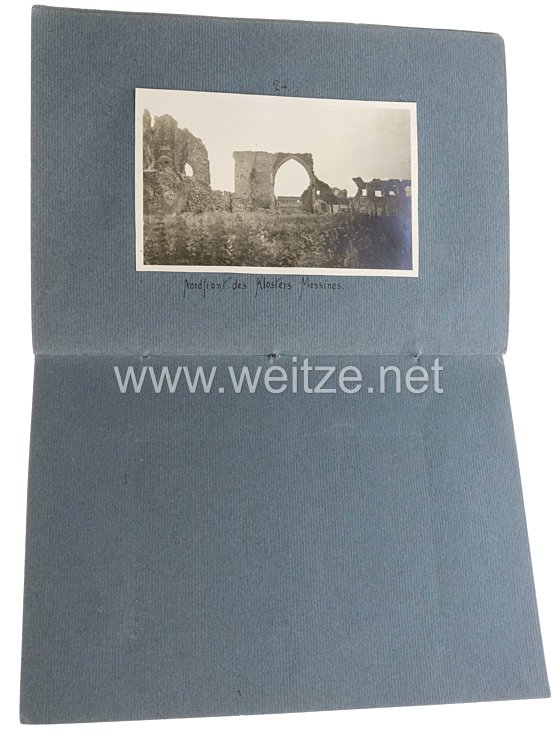
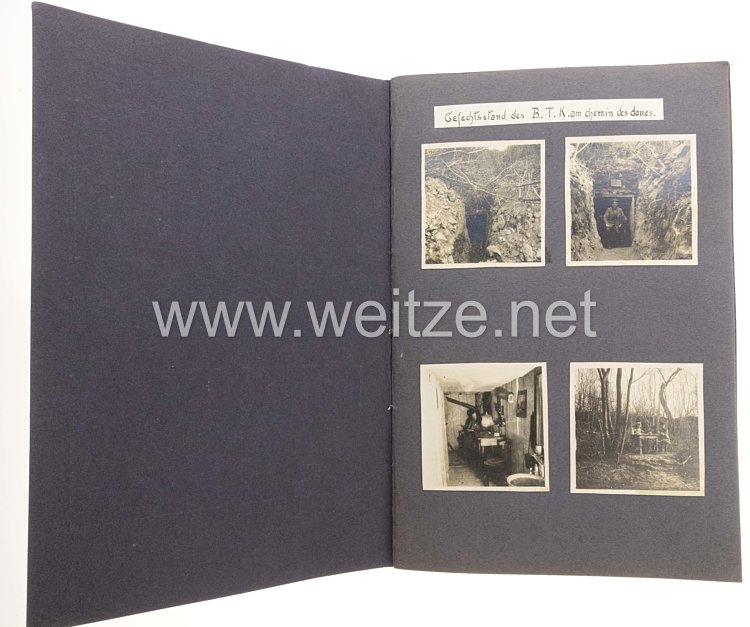
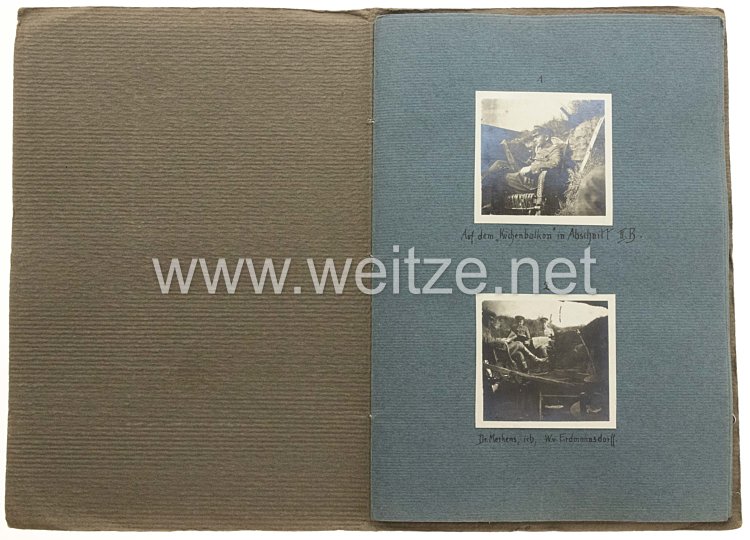
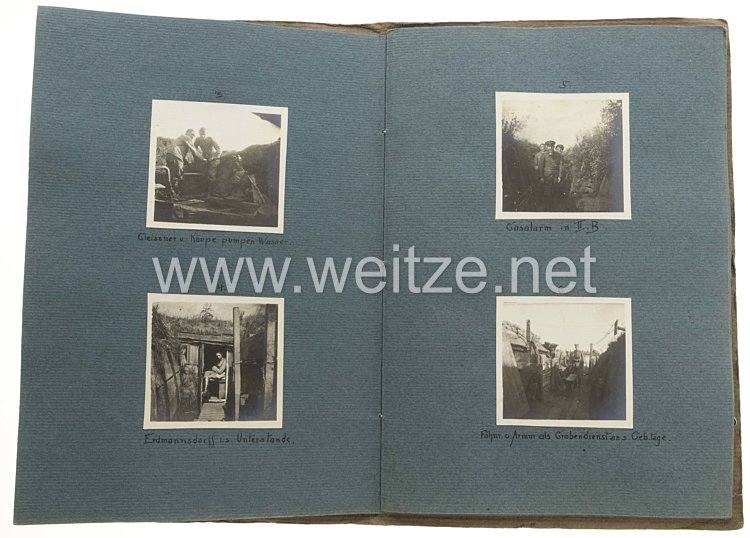
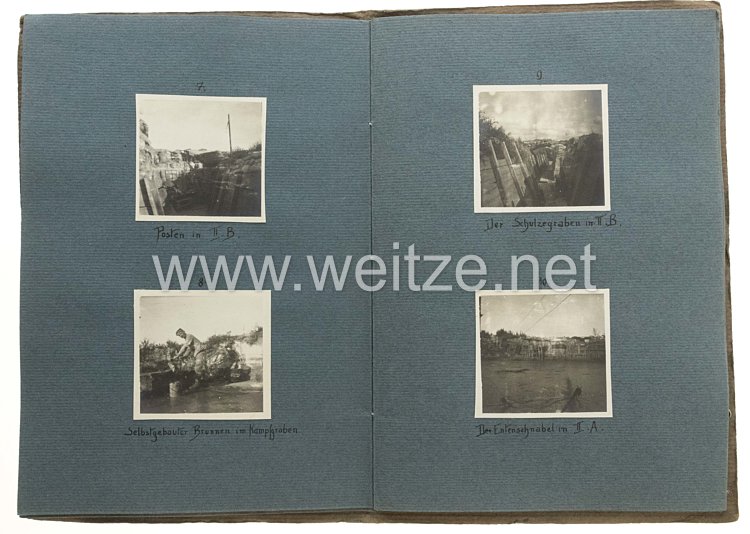
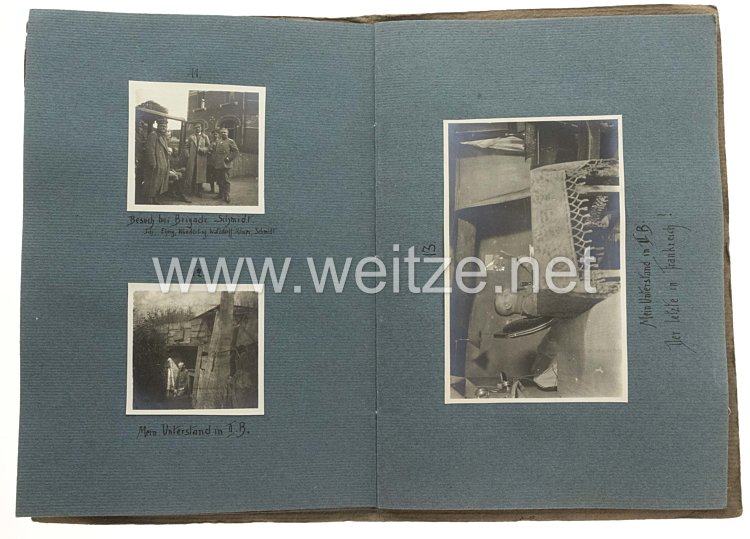
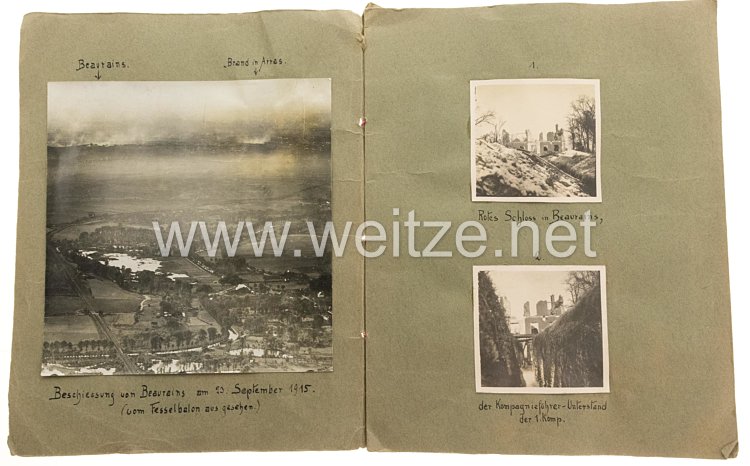
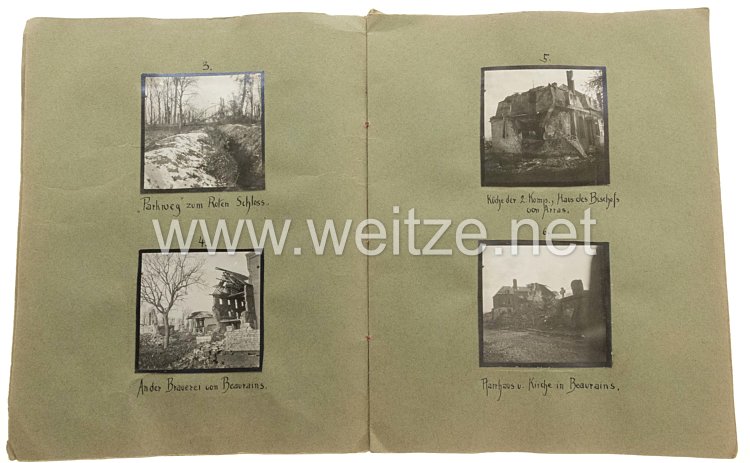
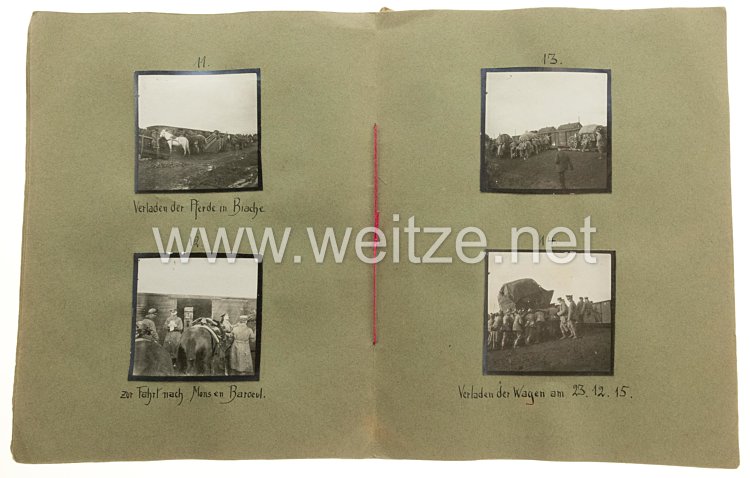
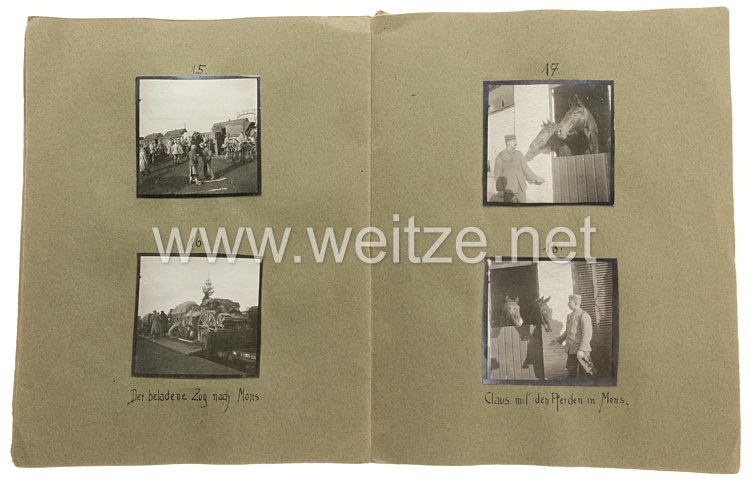
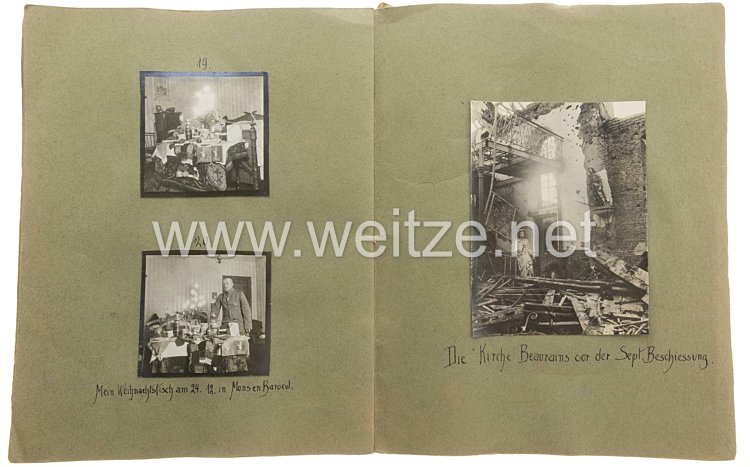
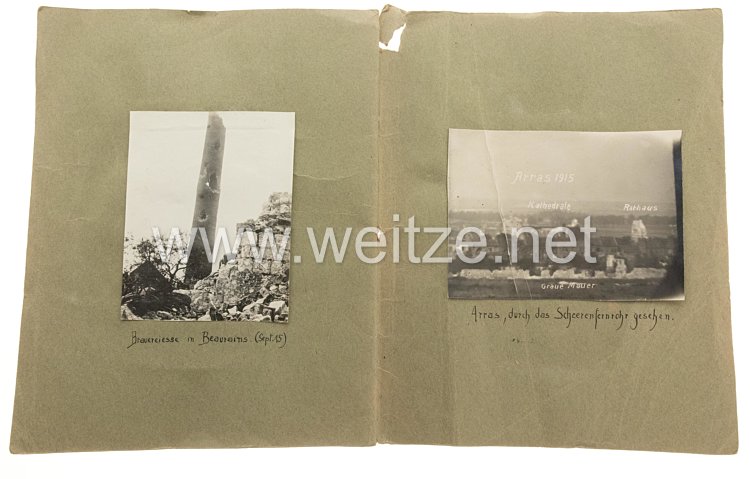
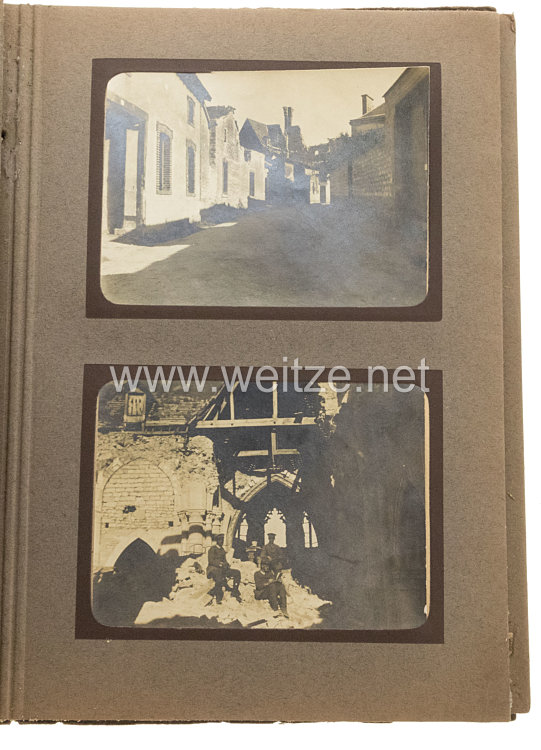
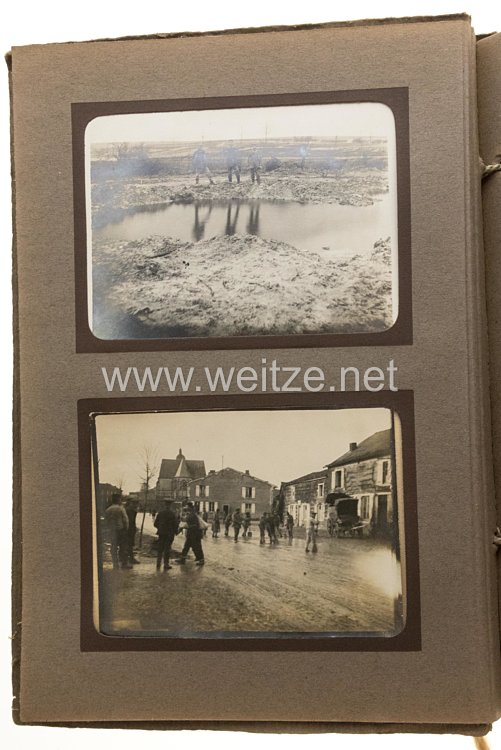
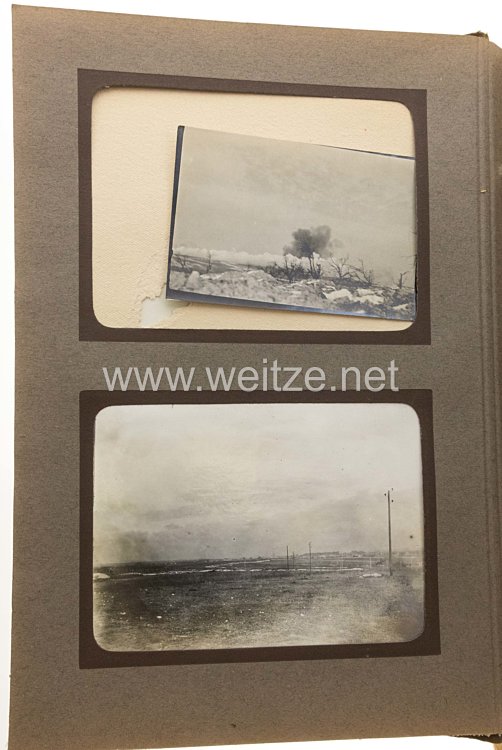
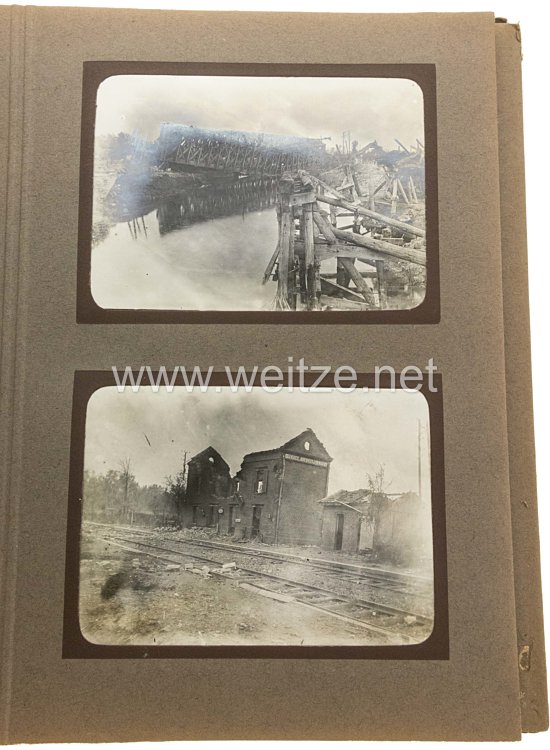
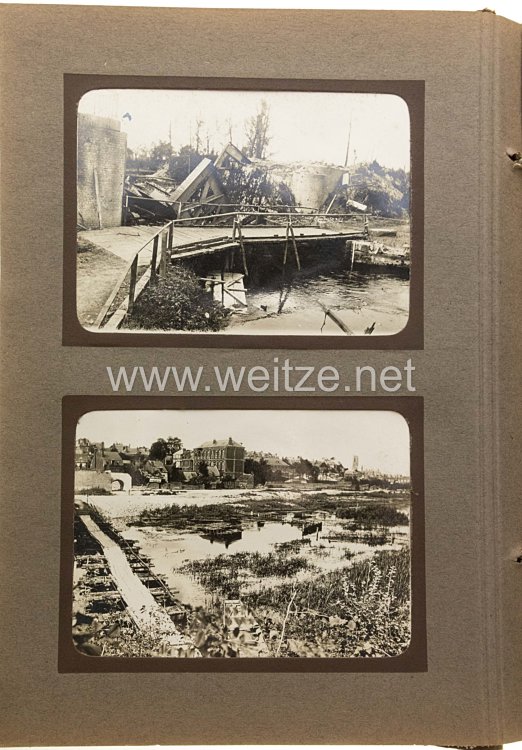
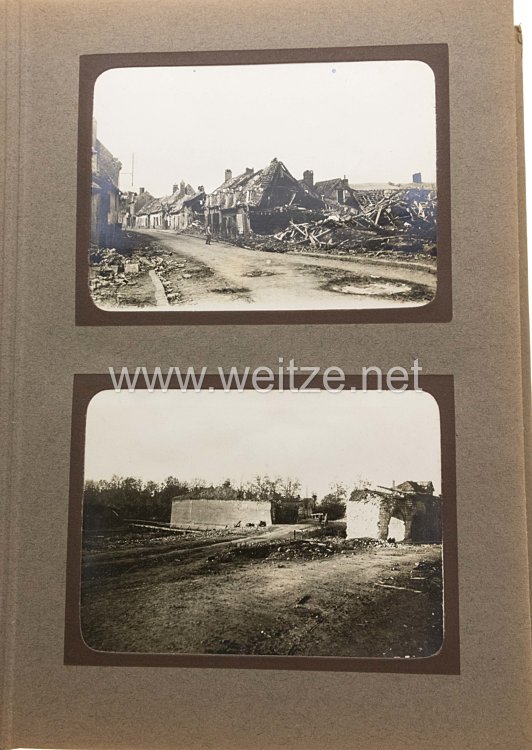
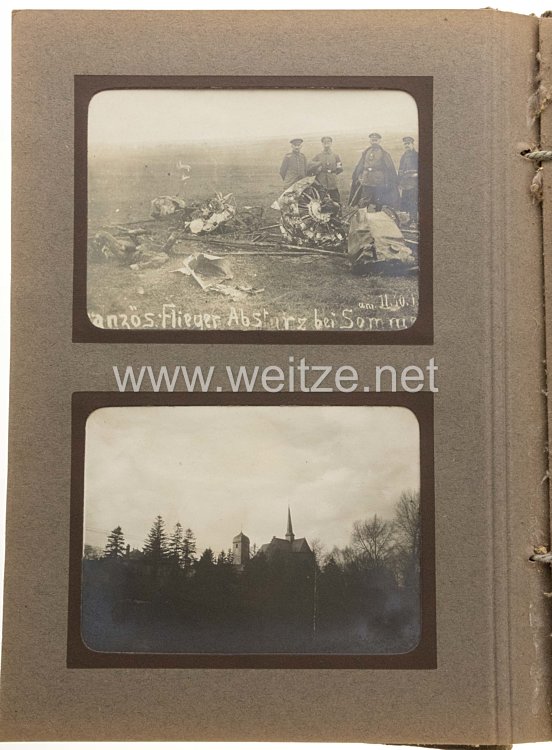
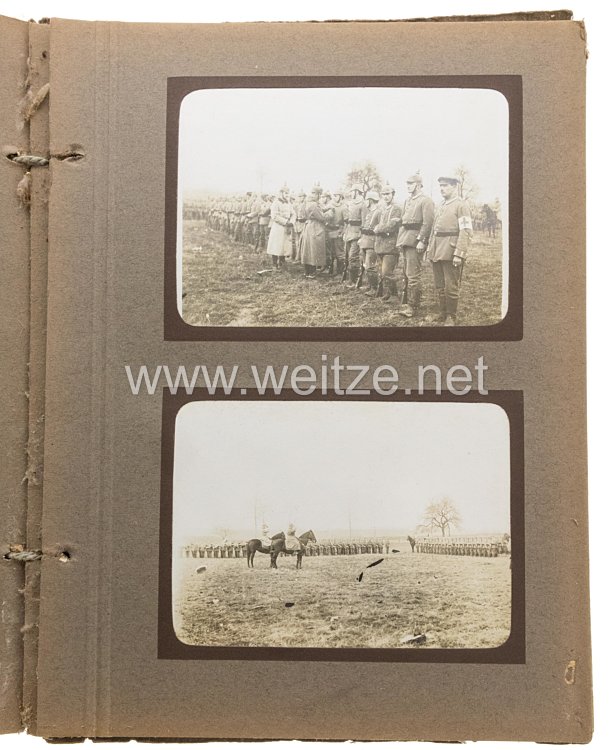
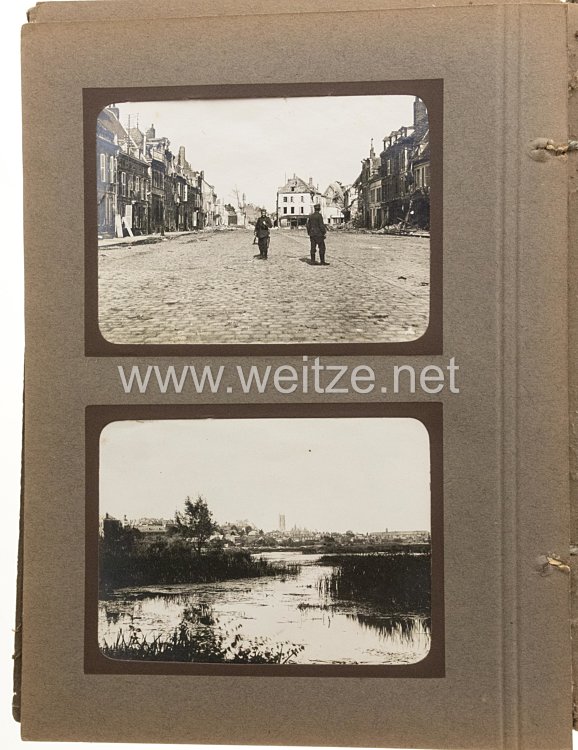
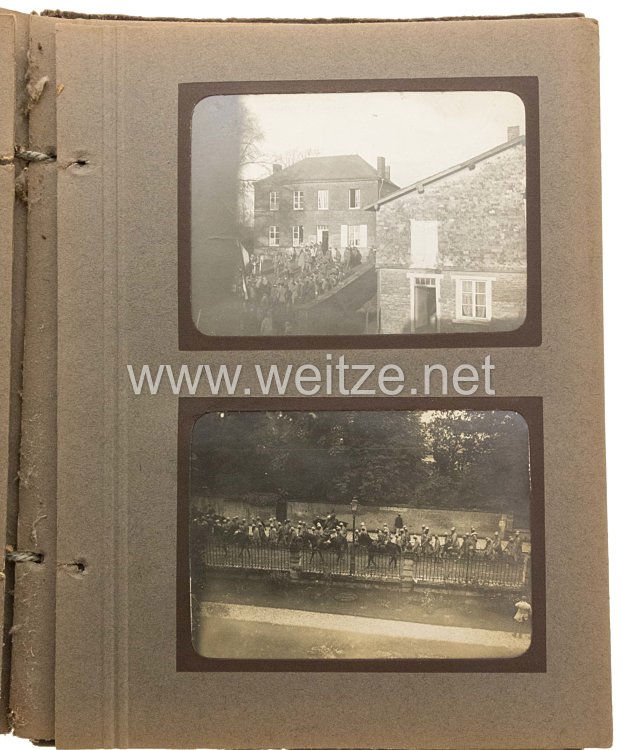
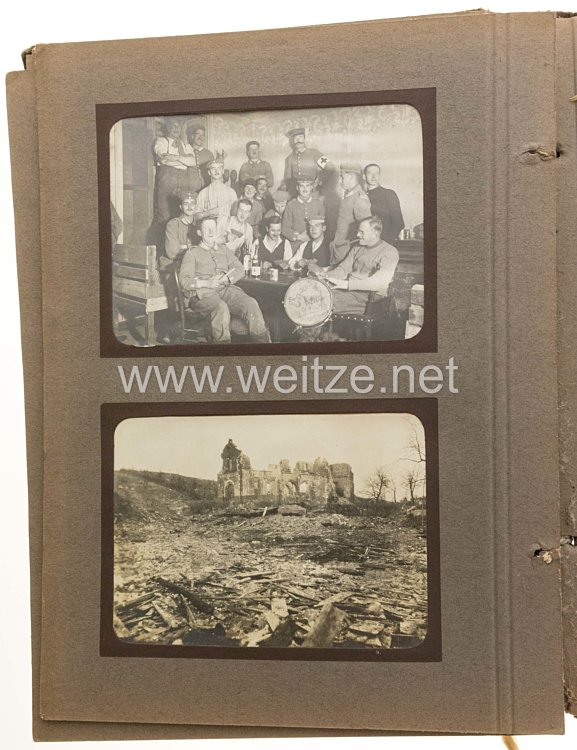
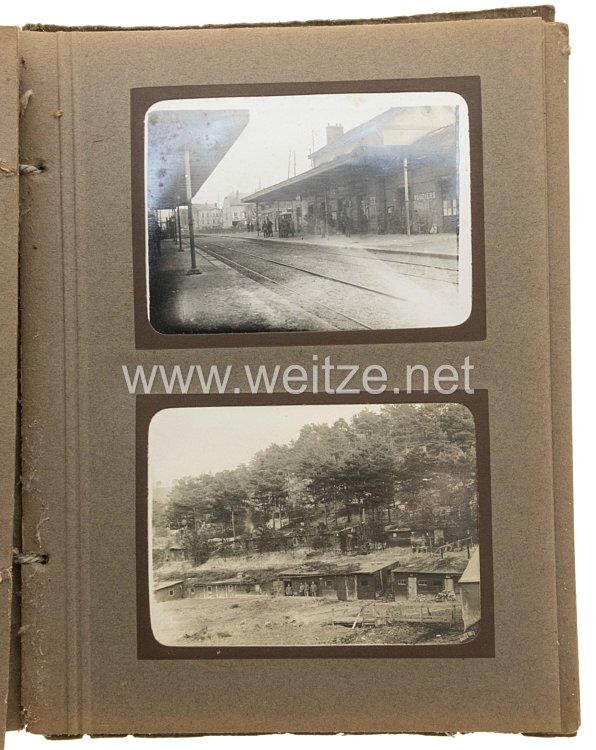
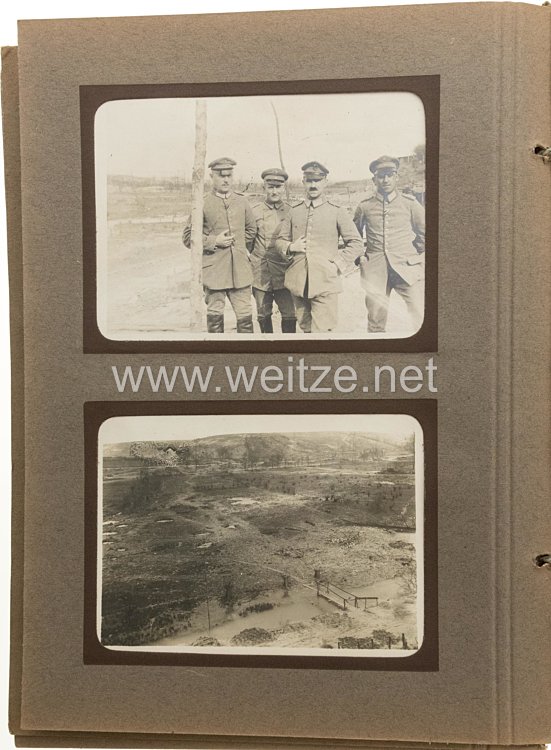
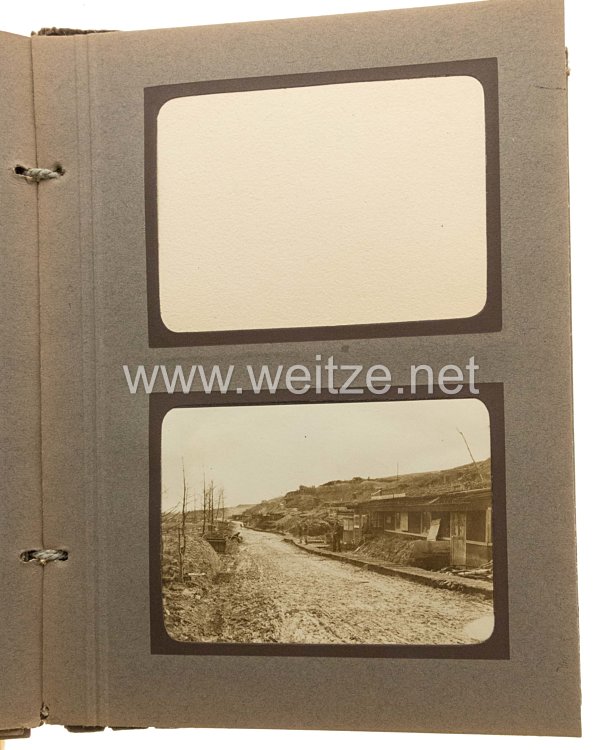
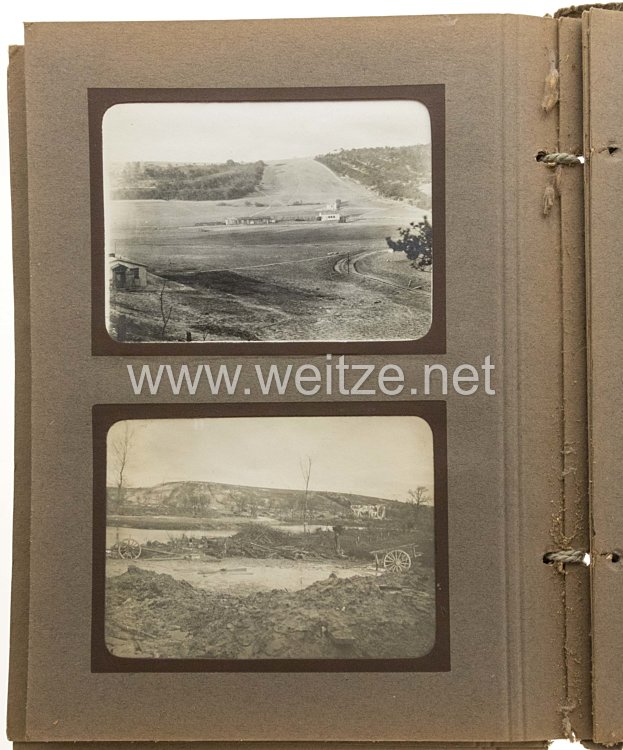
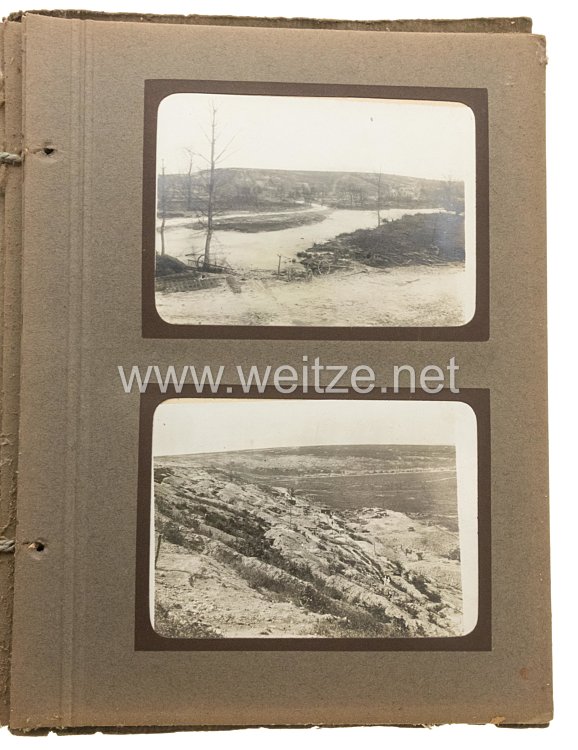
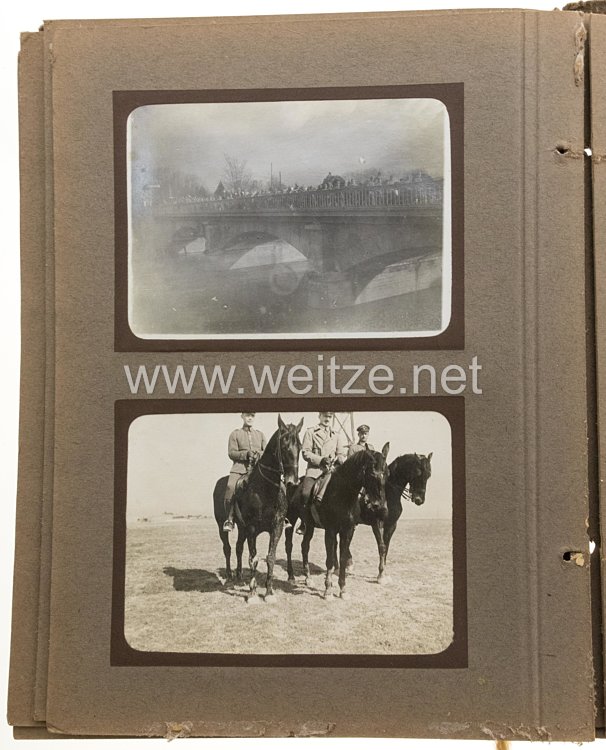
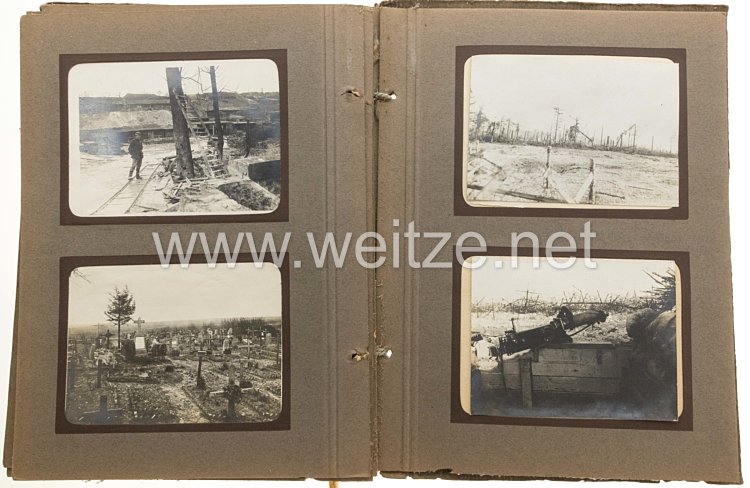
The albums initially document von Campe's service on the Western Front from 1914/1915. The photographs show characteristic scenes of material warfare: destroyed infrastructure such as bridges, downed French aircraft at the Somme in 1915, and the trench warfare typical of World War I. Particularly noteworthy are the images of the bombardment of Beaurains on September 23, 1915, which document the intensity of artillery battles in this front section. The city of Arras and surrounding localities such as Vouziers, Biache, and Monsen Baroeul were central theaters of German operations in northern France.
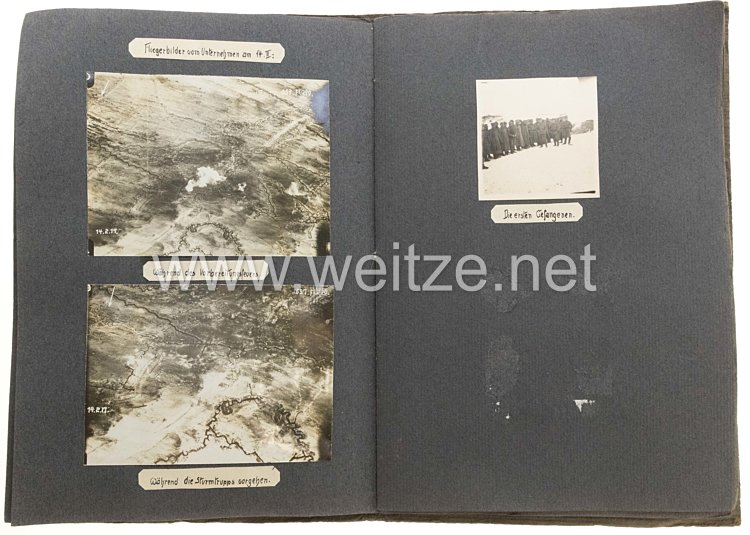
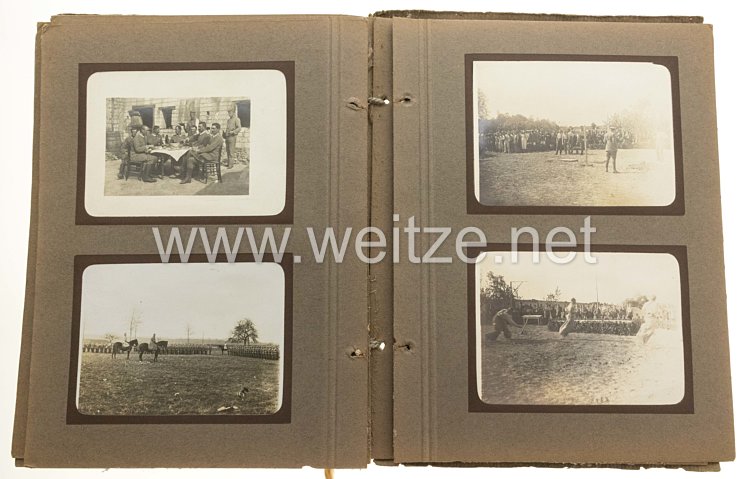
Of particular historical value are the photographs documenting the award of the Iron Cross 2nd Class, one of the most important military decorations of the German Empire. Such ceremonies were of great importance for morale and esprit de corps. The albums also contain images of captured French soldiers, documenting the reality of the prisoner-of-war system on the Western Front.
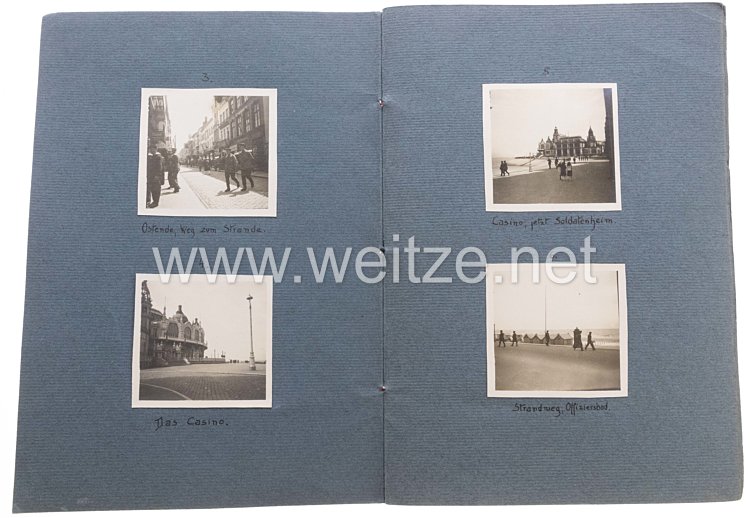
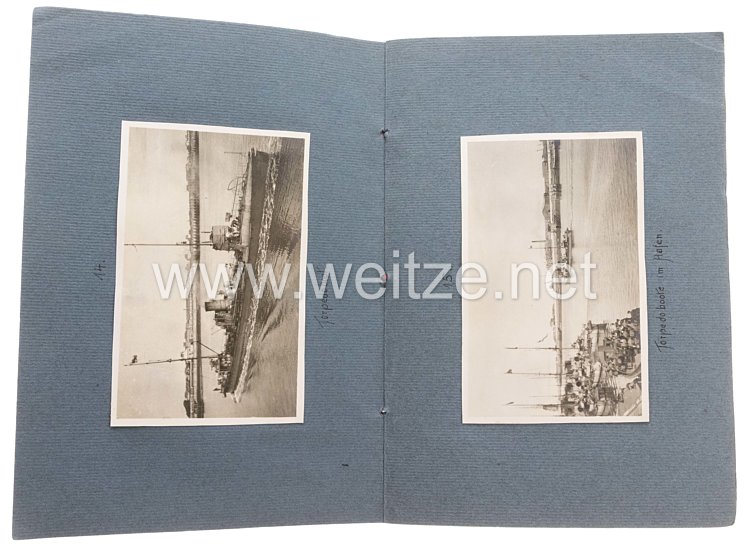
The photographs from Ostend in 1916 showing torpedo boats in the harbor document the maritime dimension of the war on the Belgian coast. The German Navy intensively used Belgian ports as bases for submarines and smaller warships, which was of strategic importance for warfare in the North Sea.
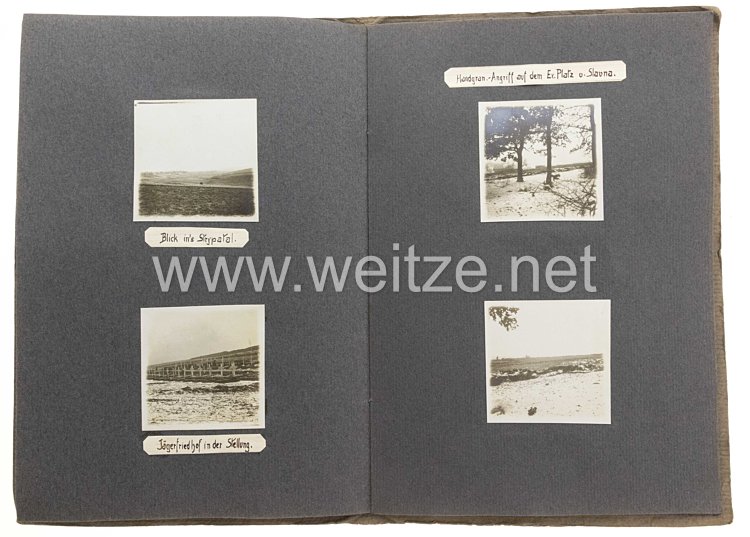
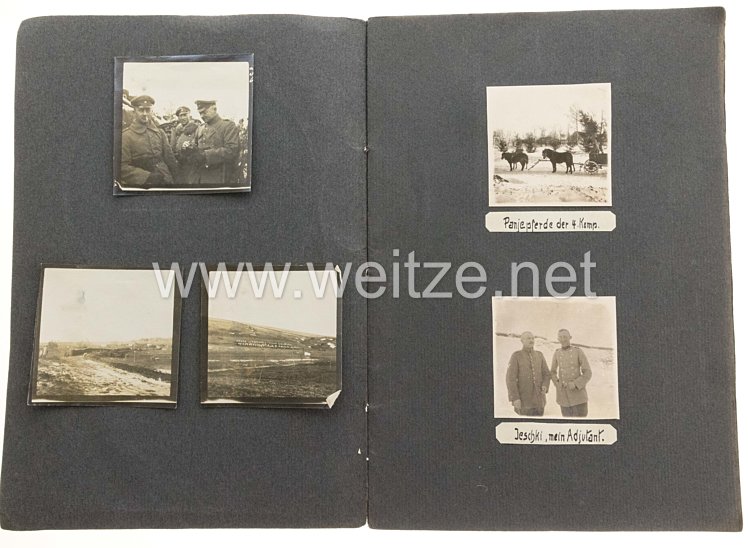
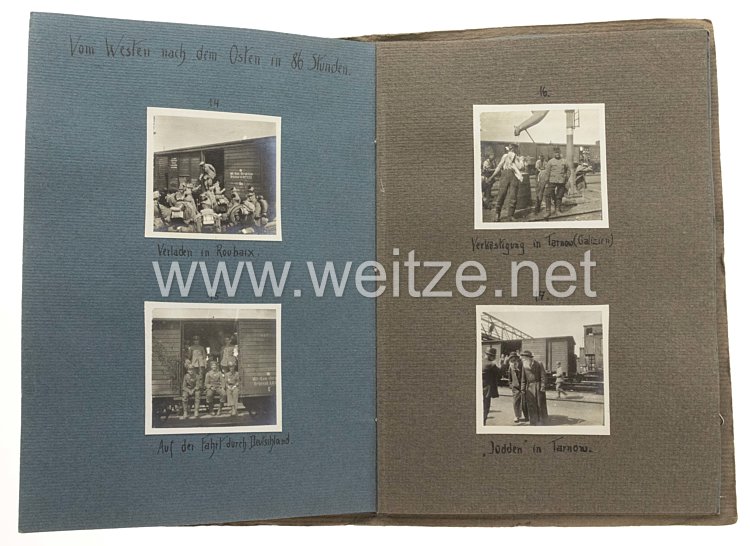
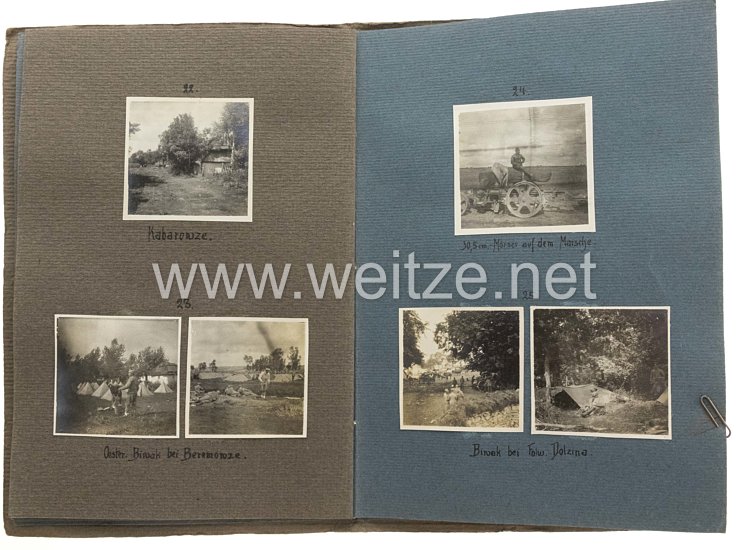
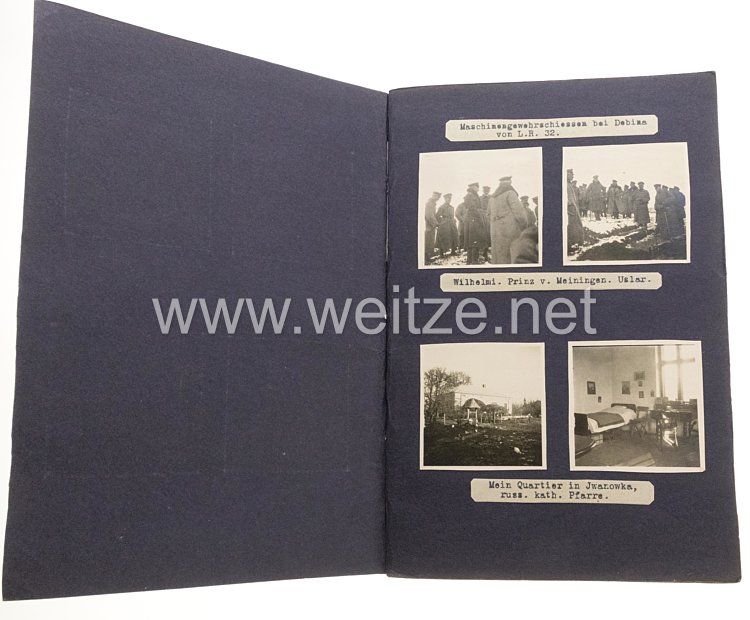
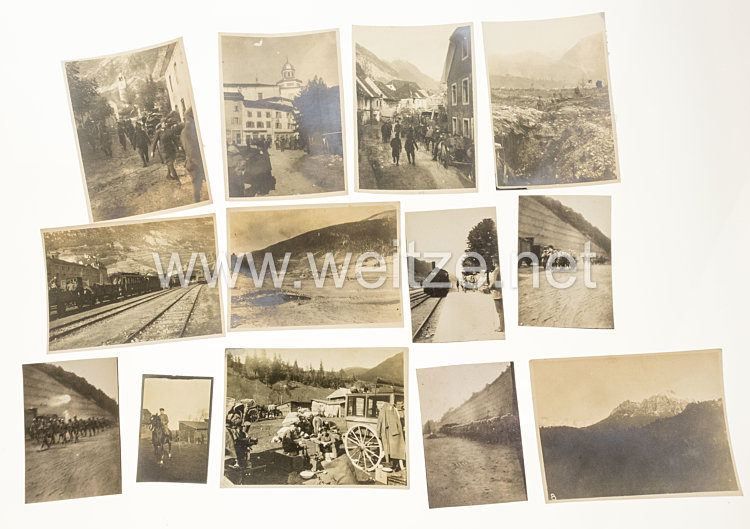
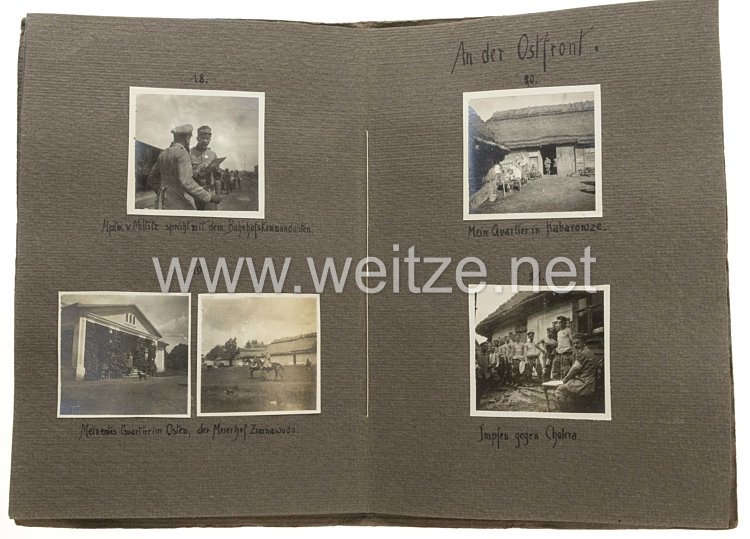
A significant section of the collection documents the transfer of the battalion to the Eastern Front, where von Campe fought in Galicia (present-day Ukraine and Poland). The photographs from Tarnow, cholera vaccinations, and various front sections show the different conditions of the Eastern Front. Here, German and Austro-Hungarian troops fought against the Russian Empire under completely different climatic and logistical conditions than in the West.
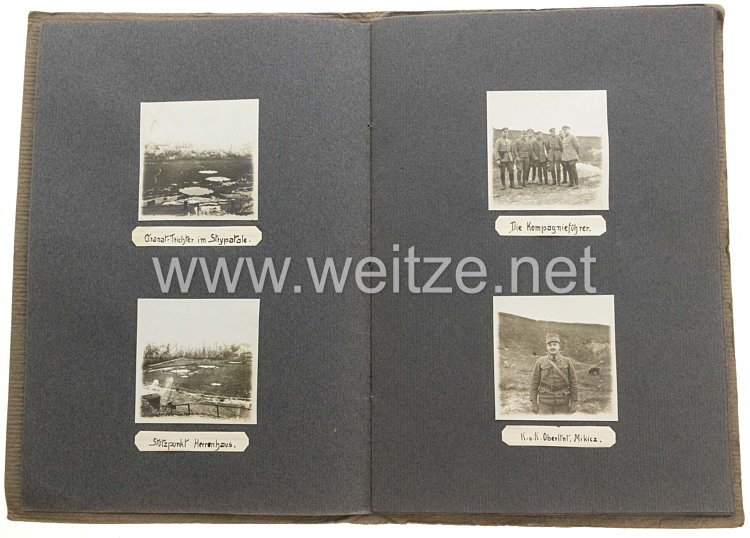
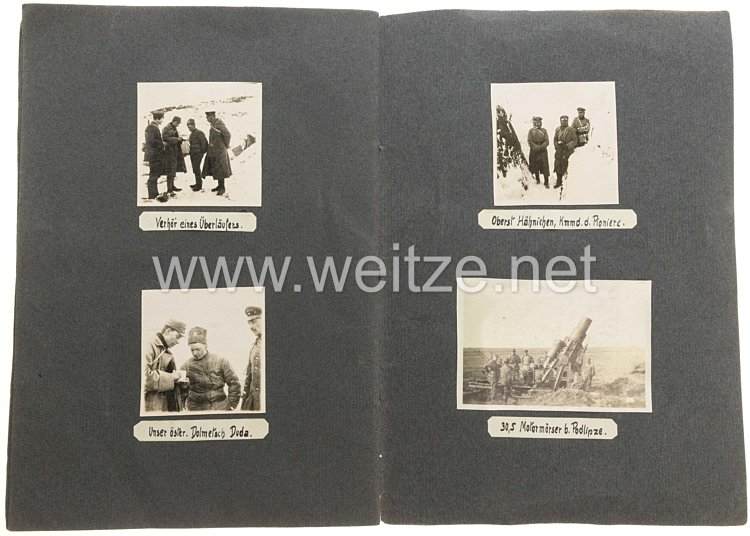
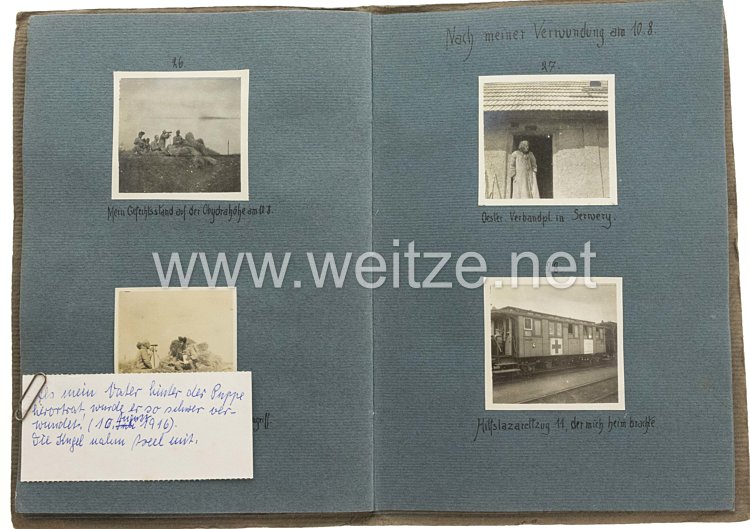
Particularly revealing are the photographs of heavy weapons such as the 30.5 cm mortar, one of the heaviest artillery weapons of the Austro-Hungarian Army, frequently used in the siege of fortresses. The documented command posts of the Austro-Hungarian Army on the Obydra Heights on August 10, 1916, show the close cooperation between German and Austro-Hungarian troops within the framework of the Central Powers.
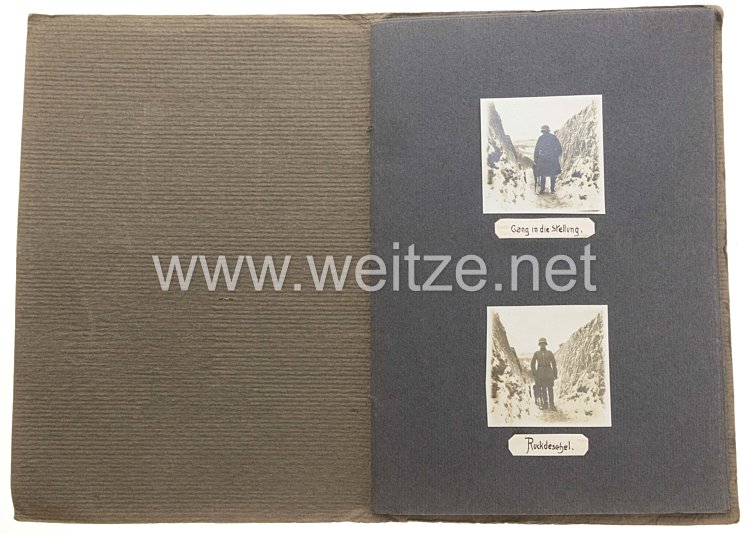
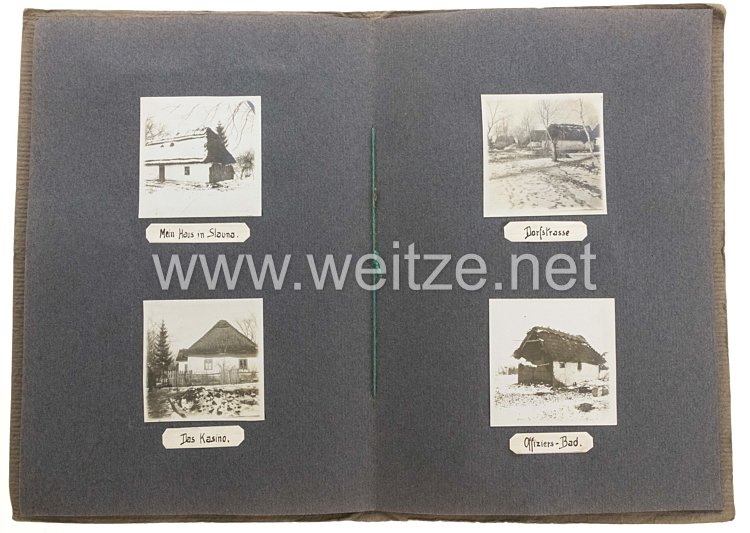
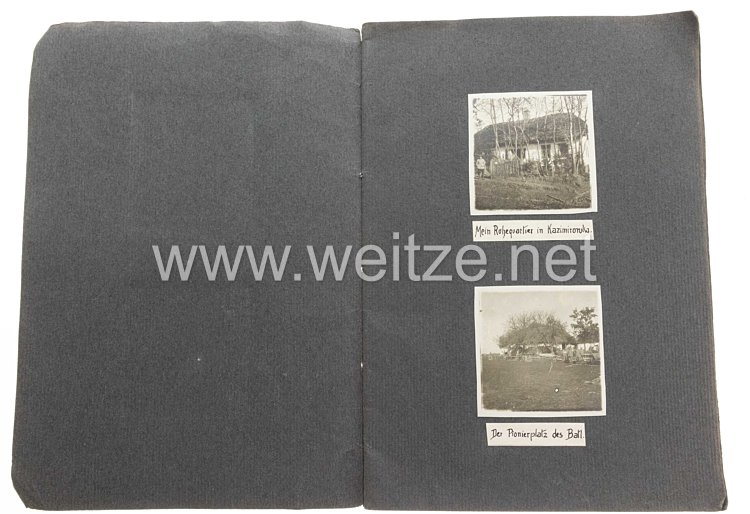
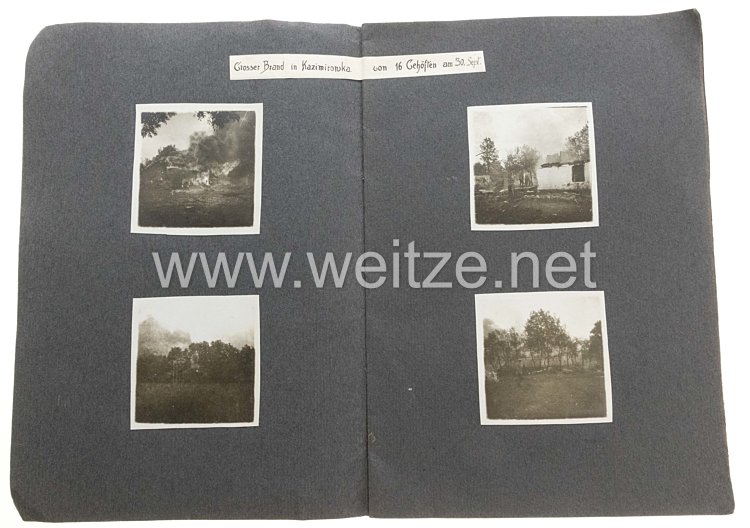
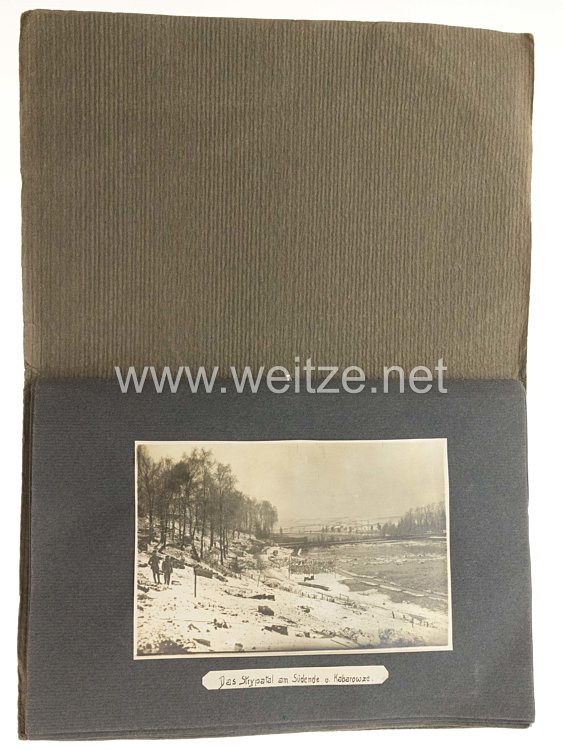
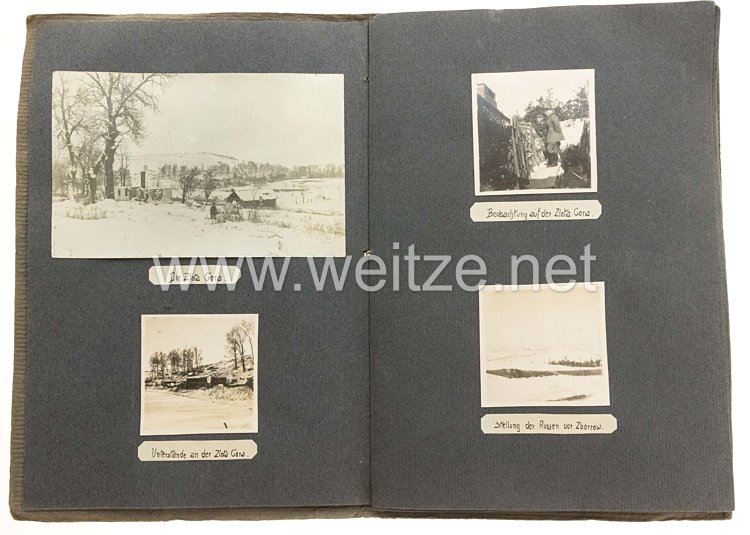
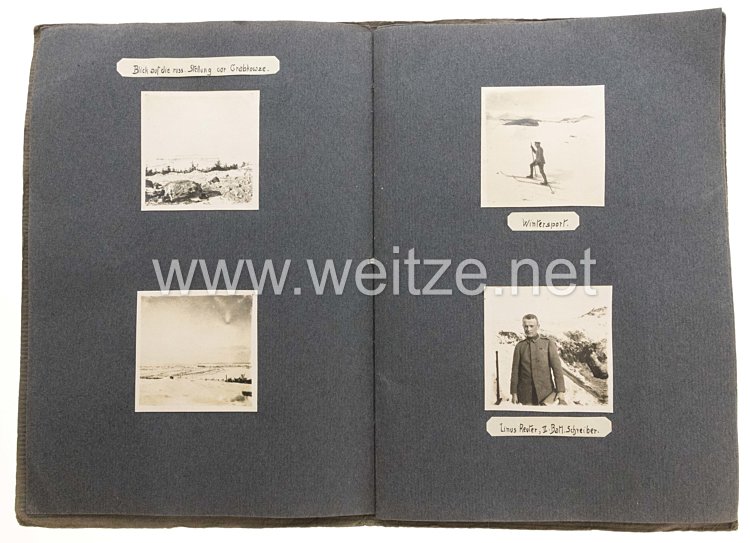
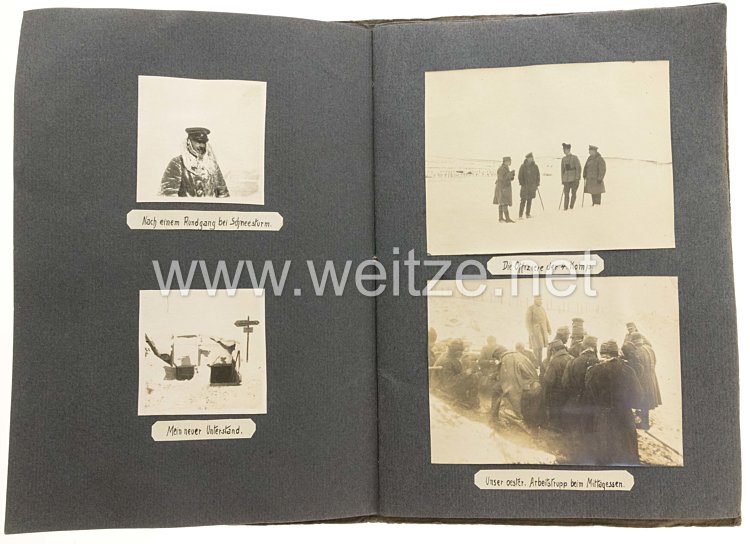
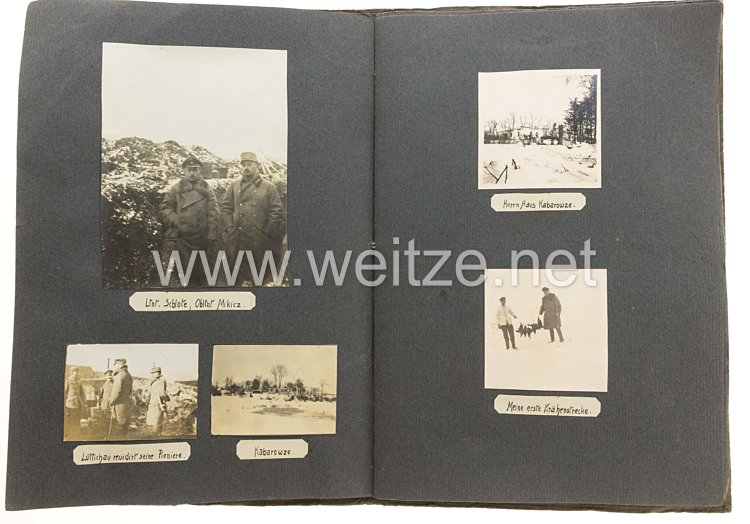
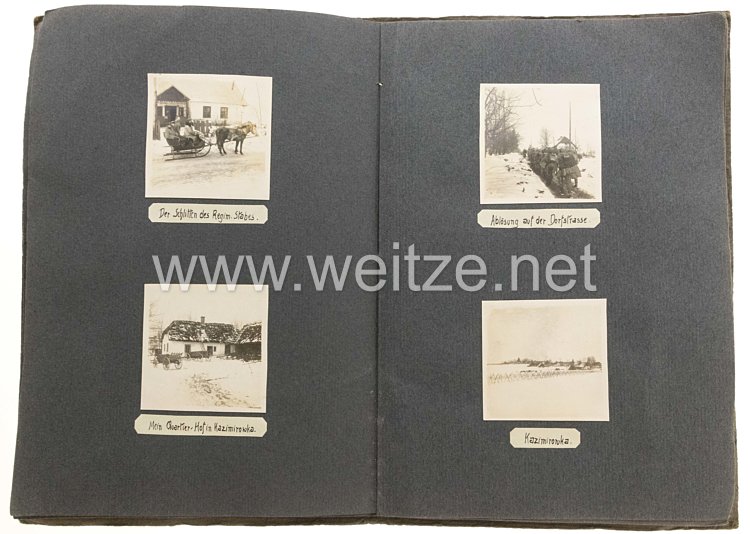
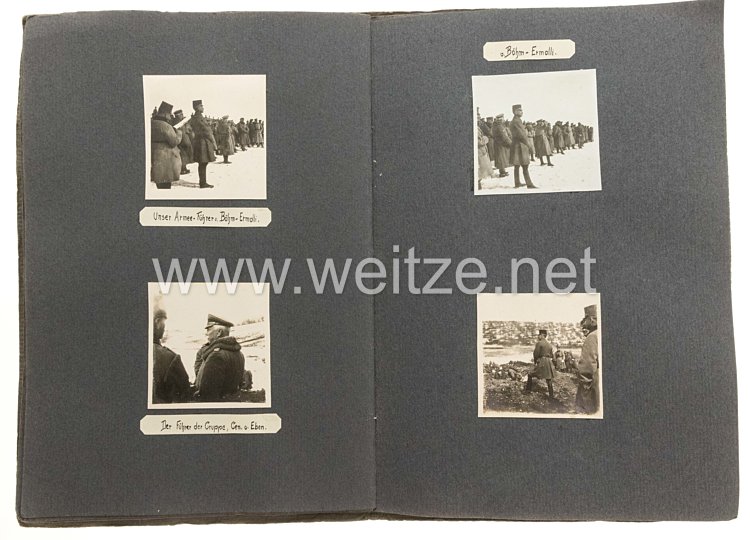
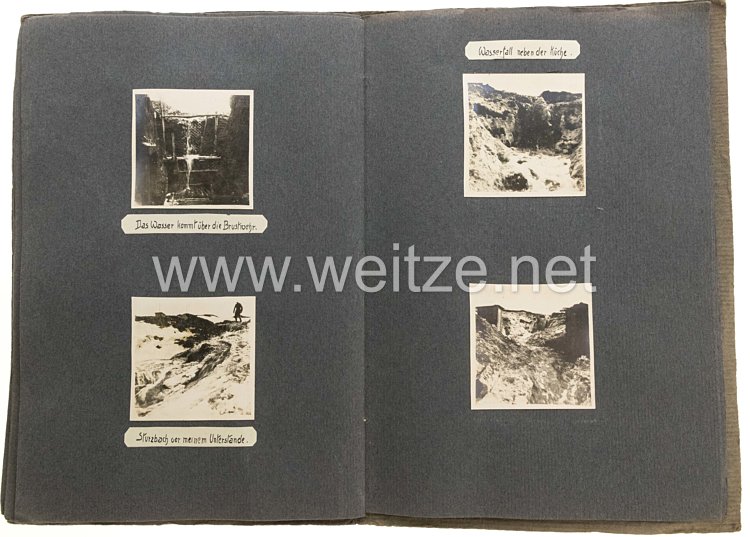
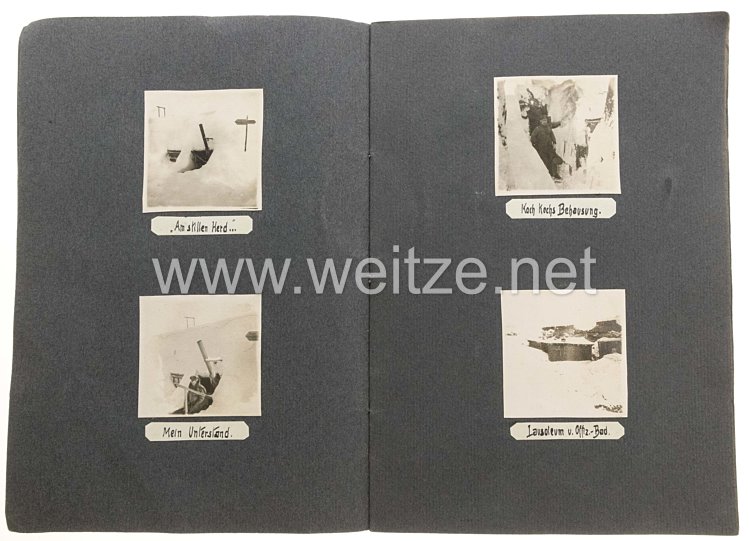
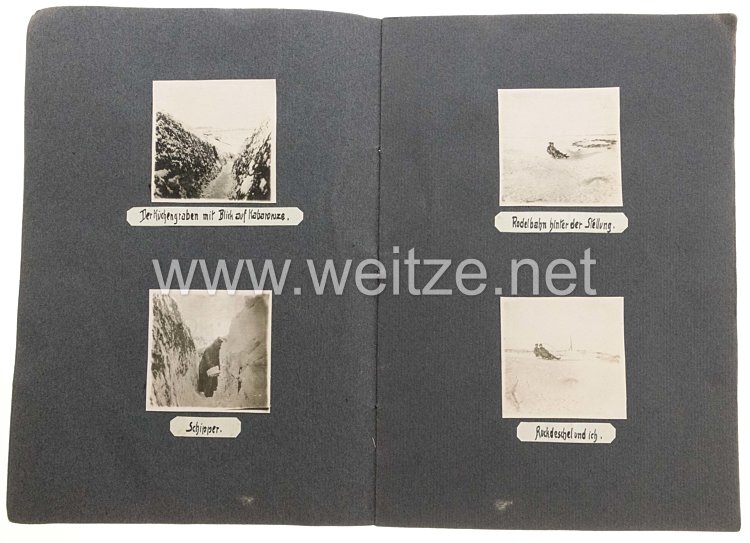
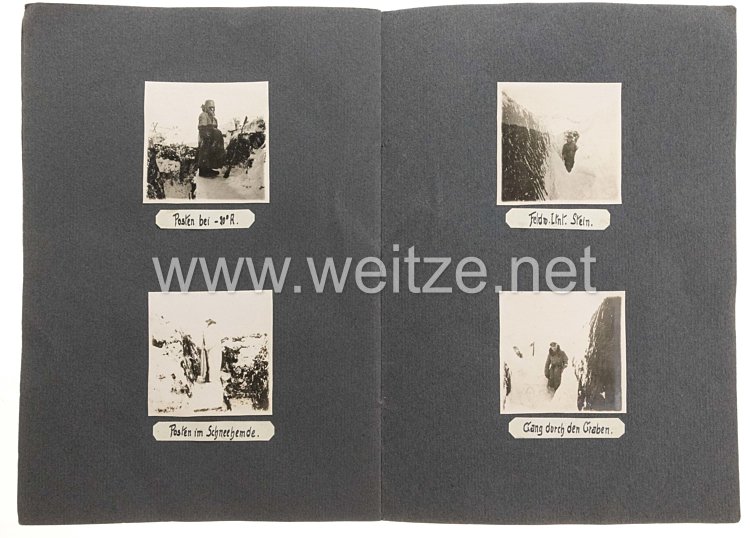
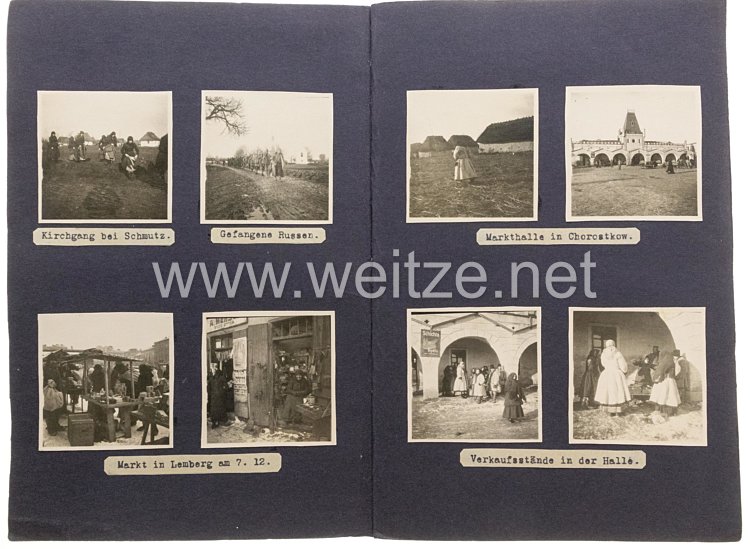
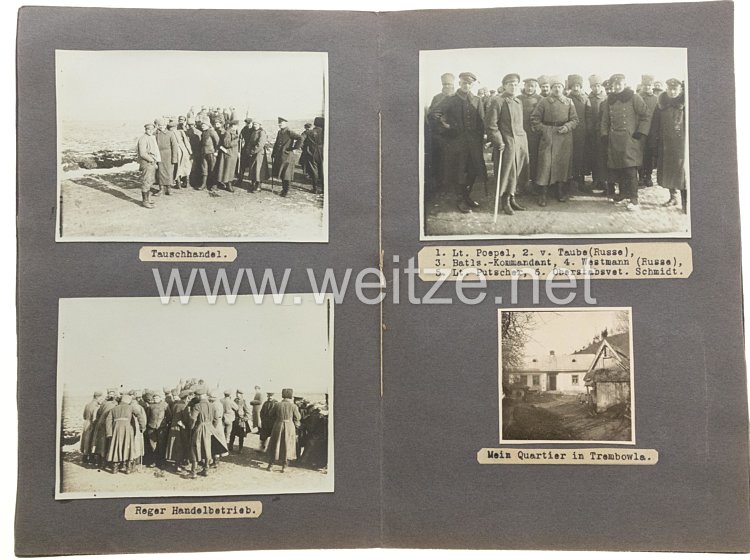
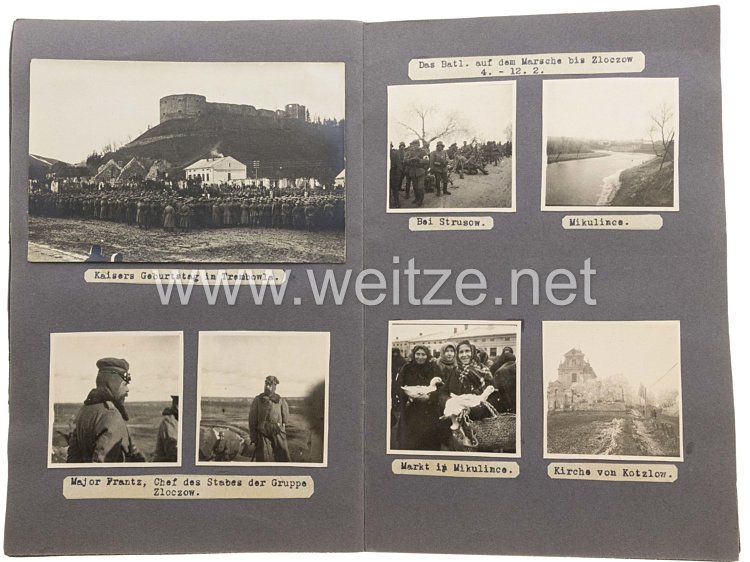
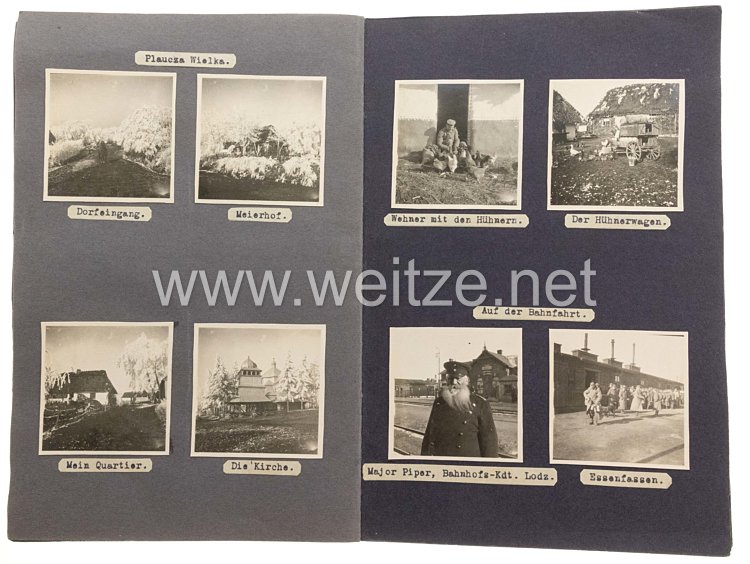
The albums also contain images from extreme winter conditions at minus 20 degrees, which illustrates the enormous physical strain on soldiers on the Eastern Front. Localities such as Kazimirovka, Podlipze, Grabkowze, Pluhov, Lemberg (Lviv), and Trembowla mark the extensive operational areas in present-day Ukraine.
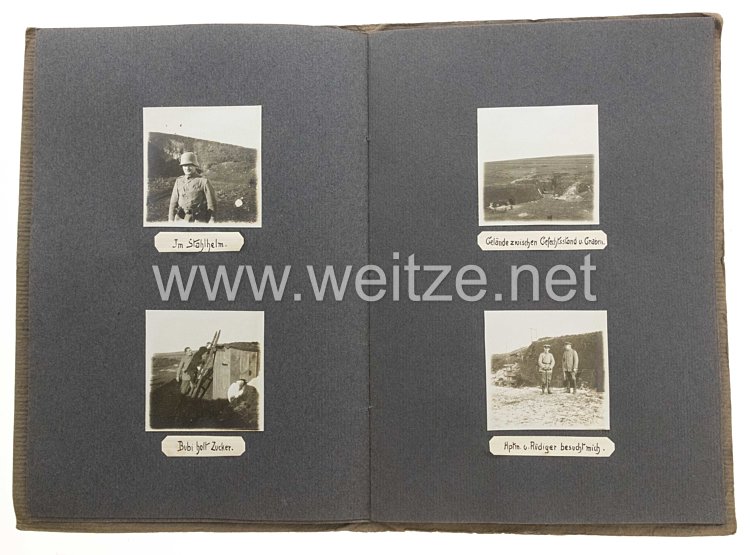
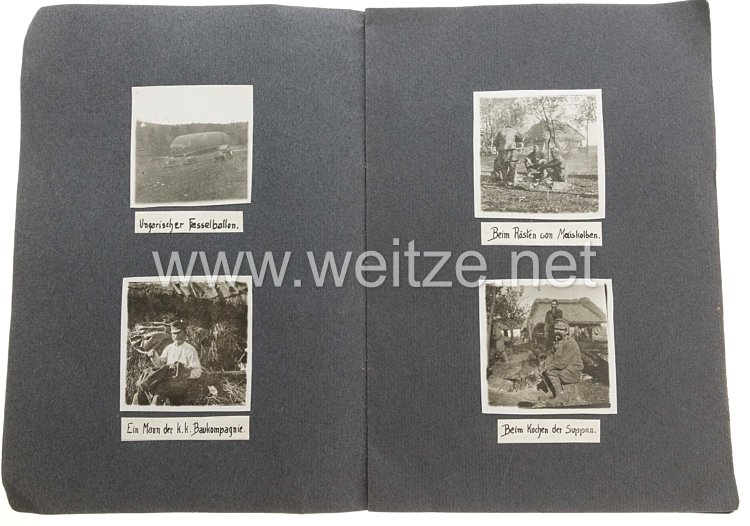
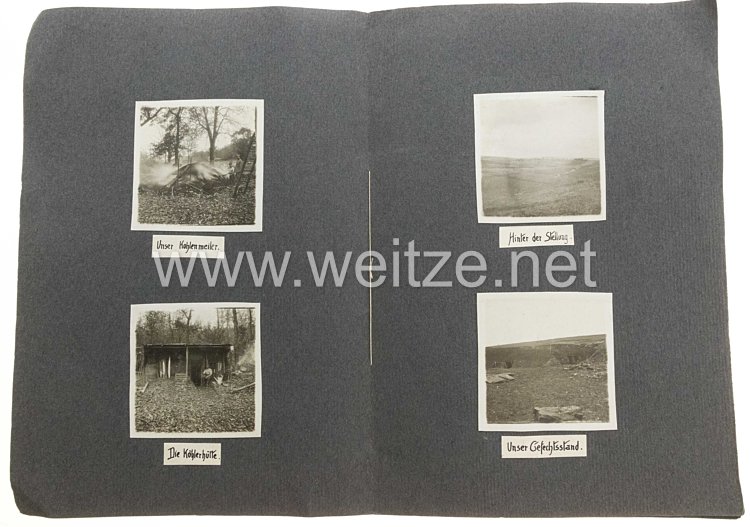
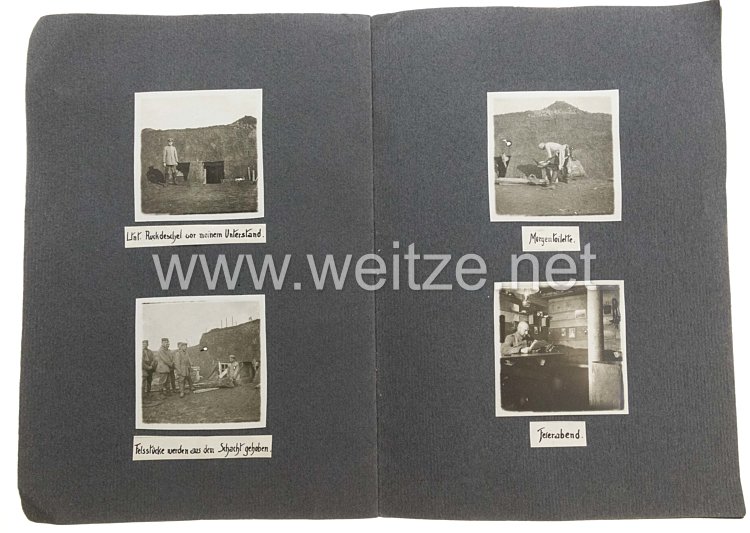
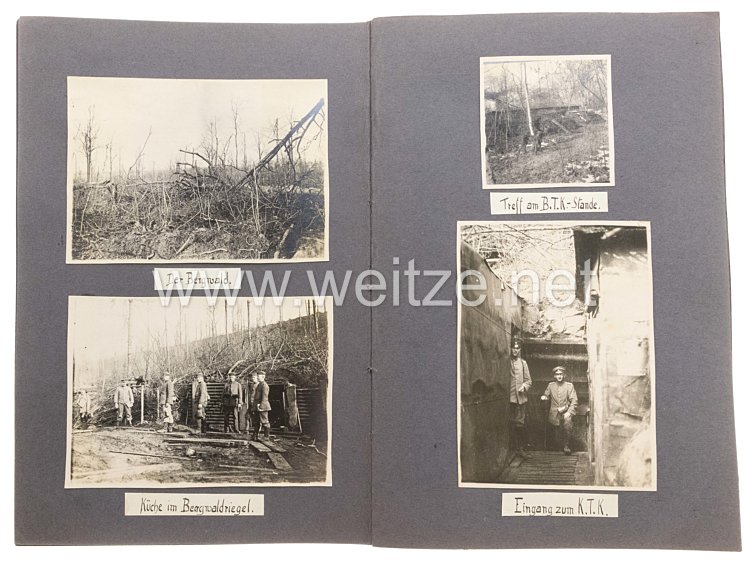
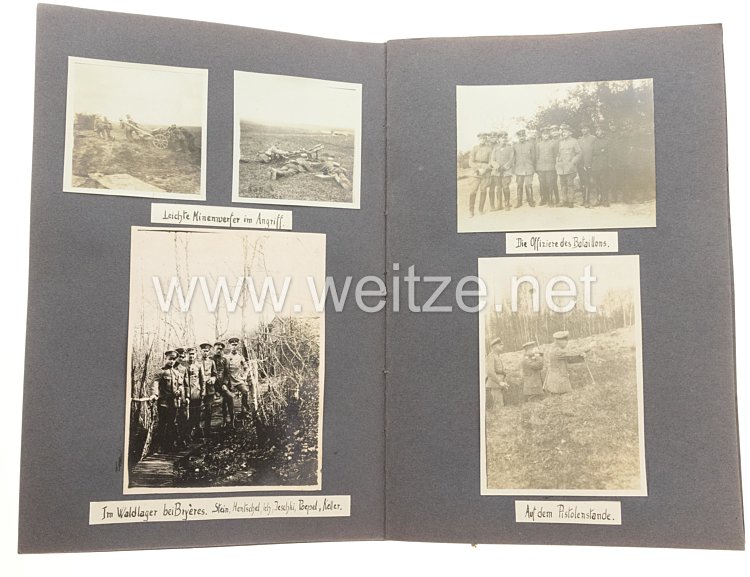
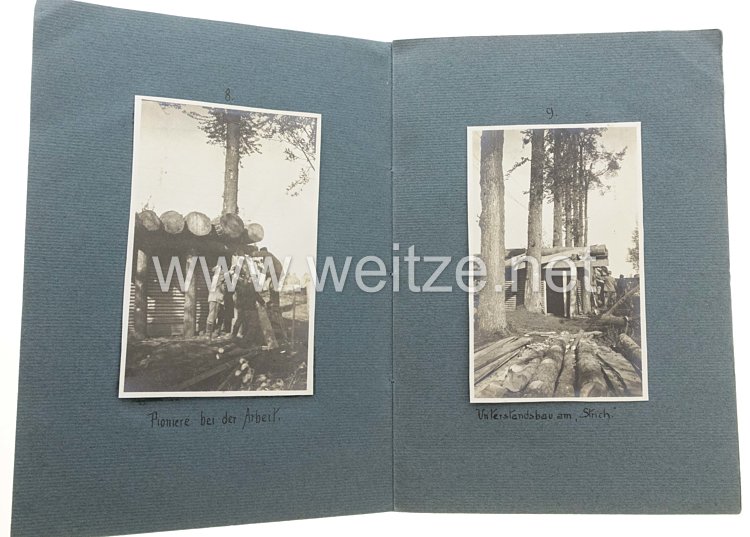
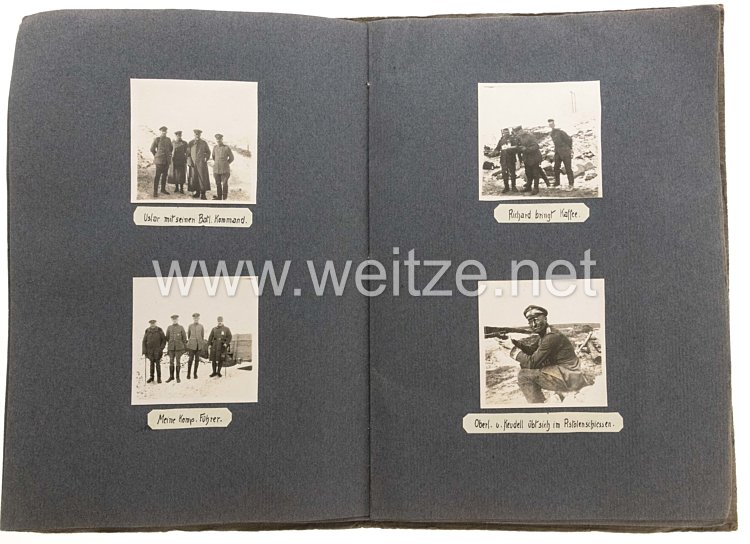
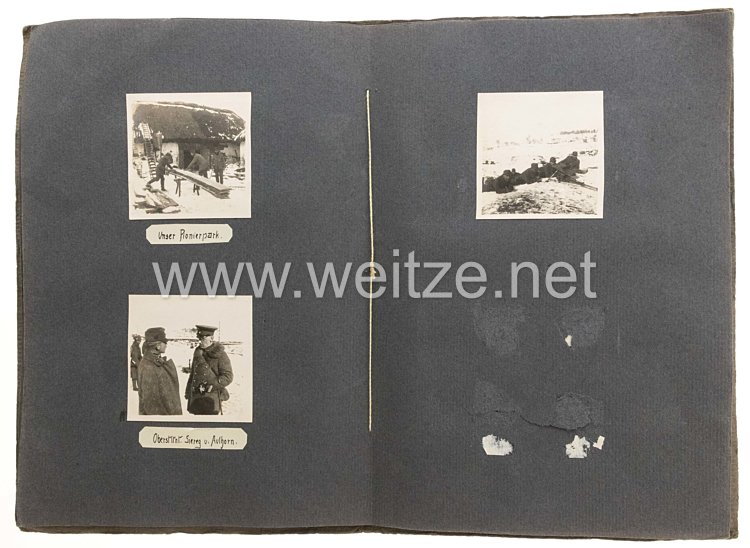
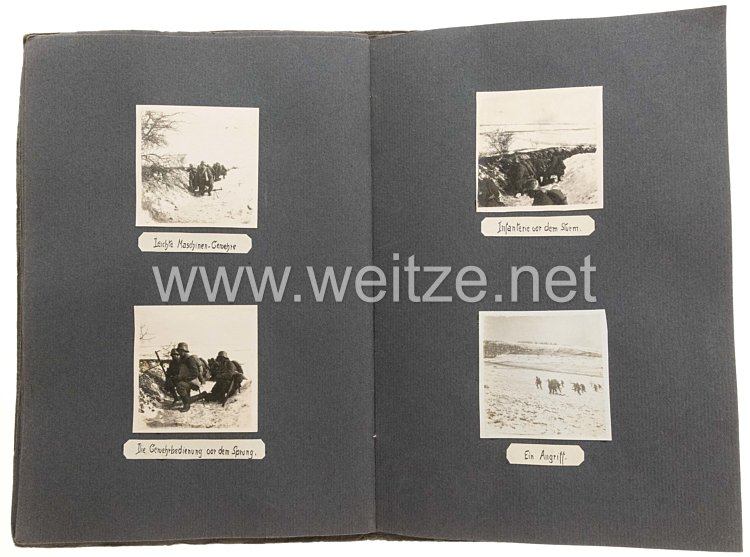
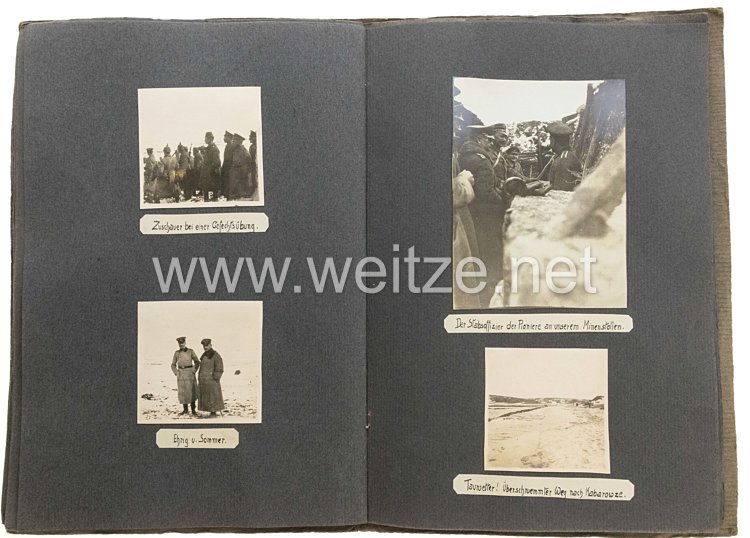
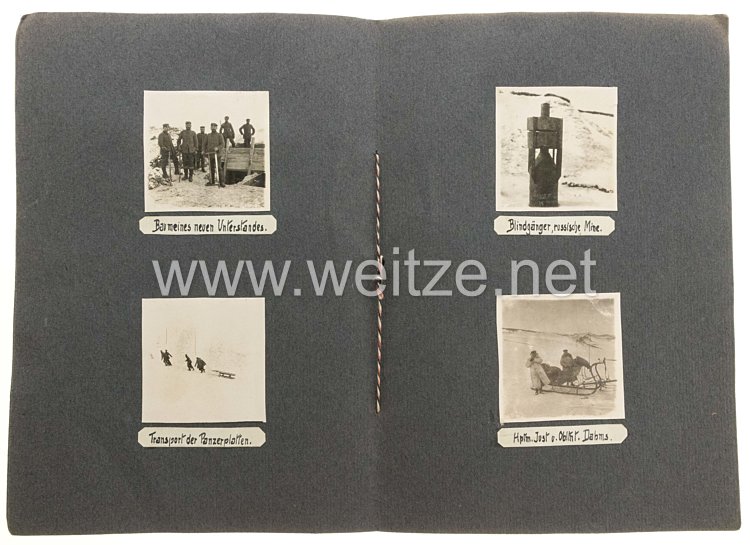
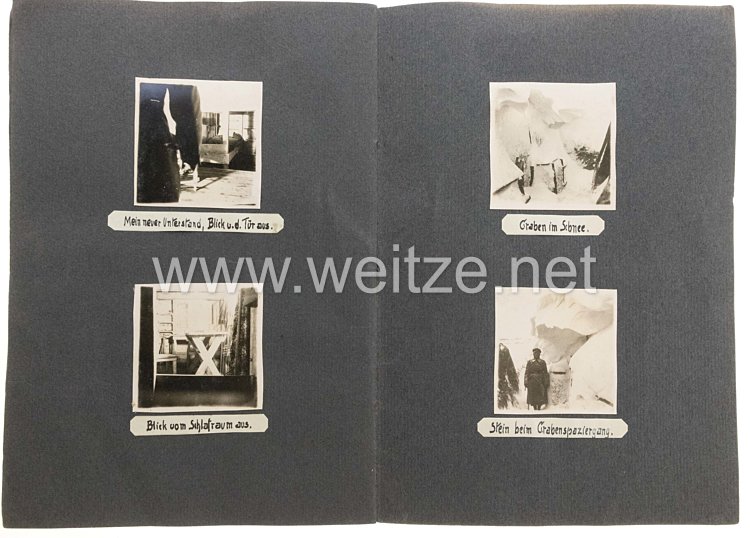
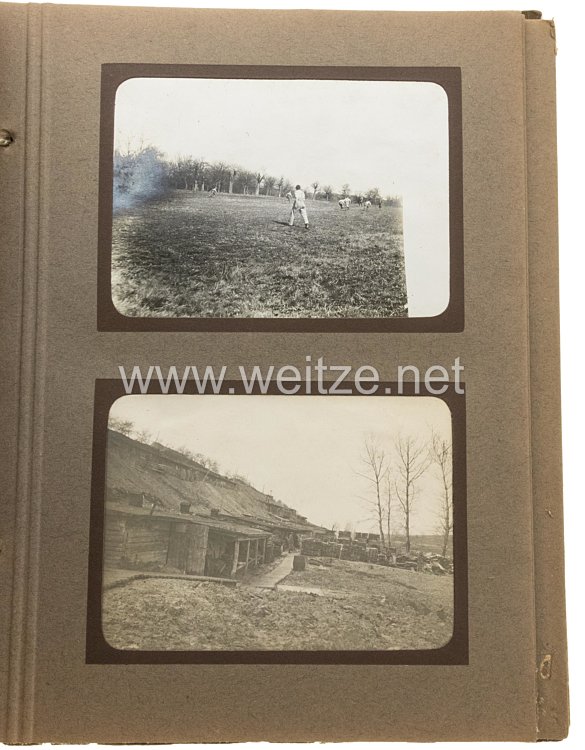
Of particular interest are photographs of technical and tactical aspects: machine gun positions in trenches, light trench mortars in attack, anti-aircraft guns, Hungarian observation balloons for artillery spotting, and pioneers building dugouts. These images document the technical modernization of warfare and the increasing importance of specialized weapons and units.
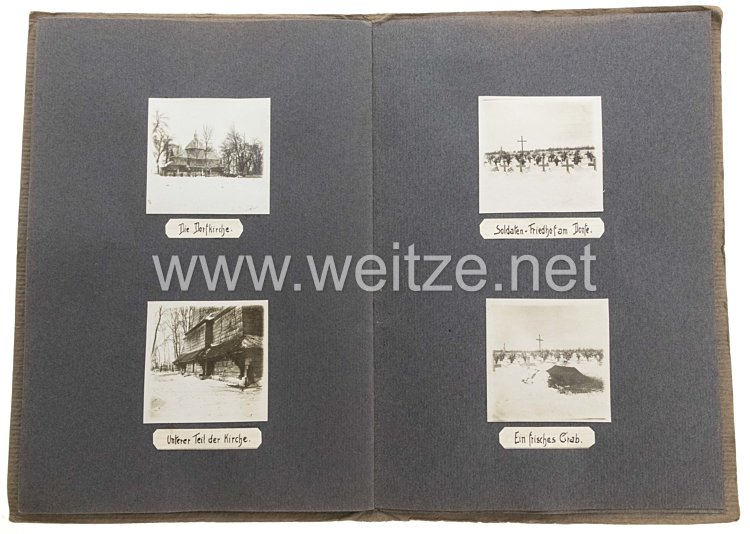
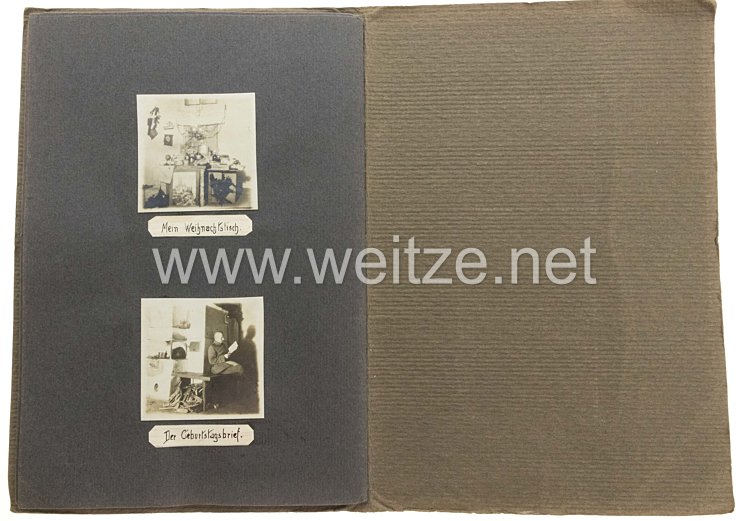
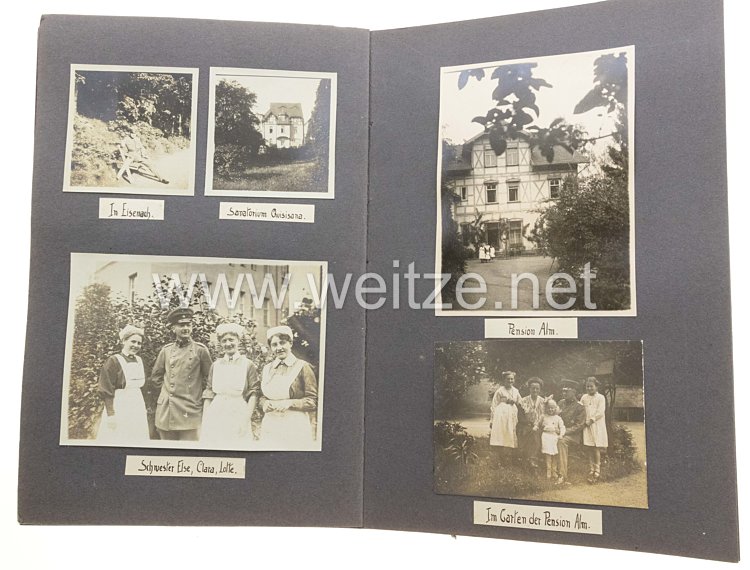
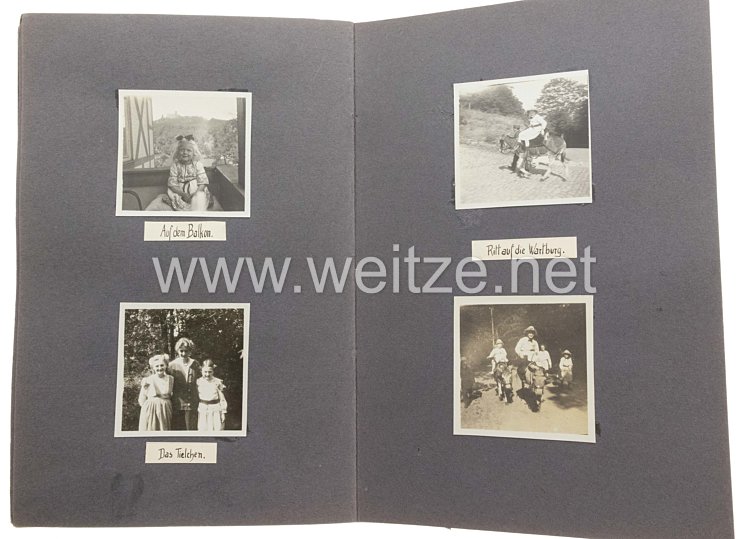
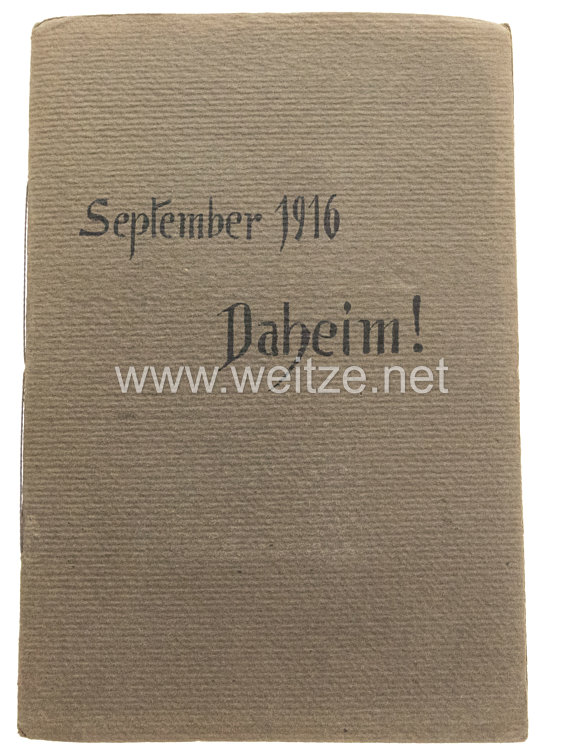
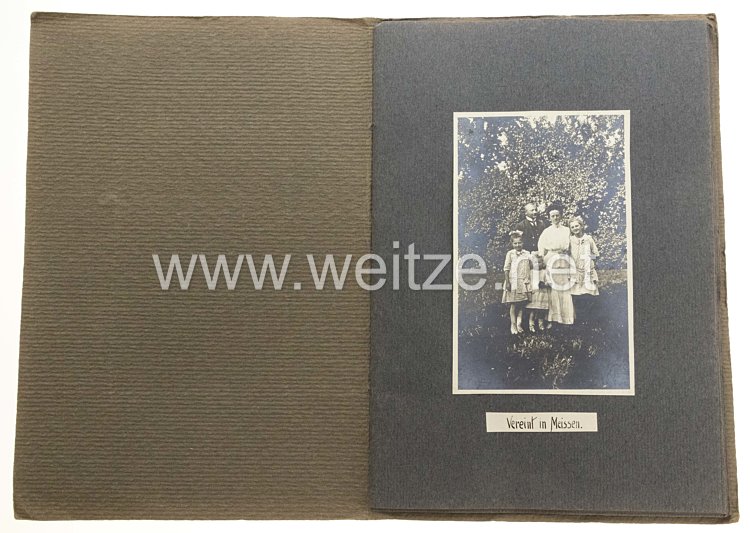
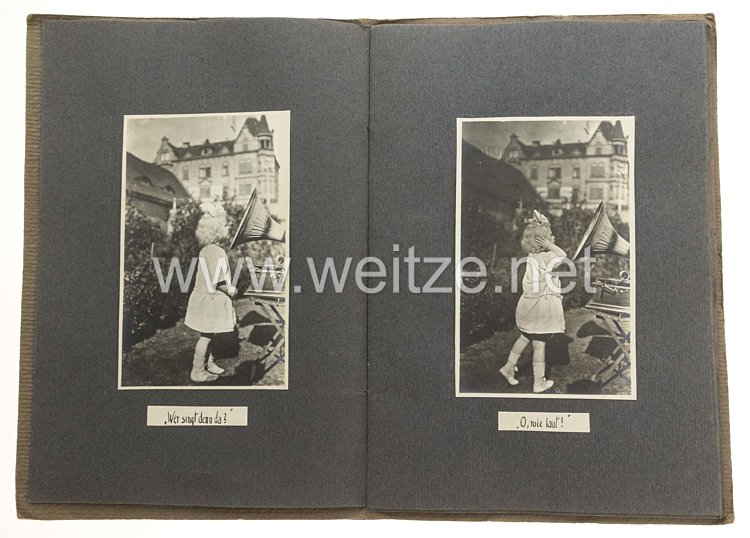
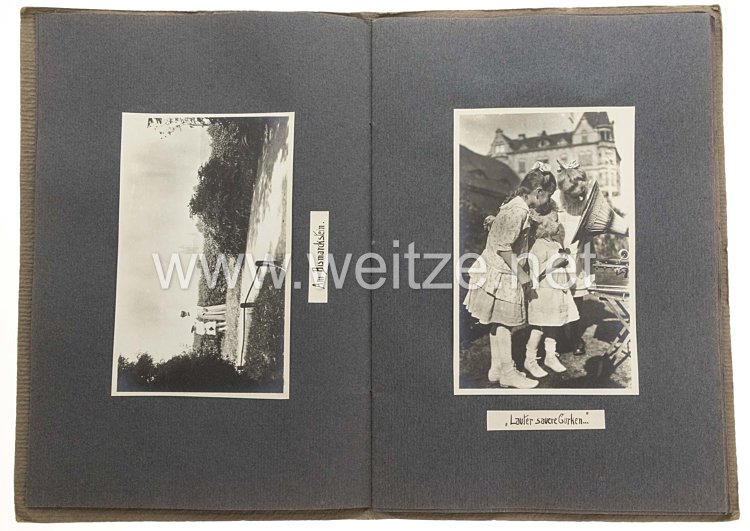
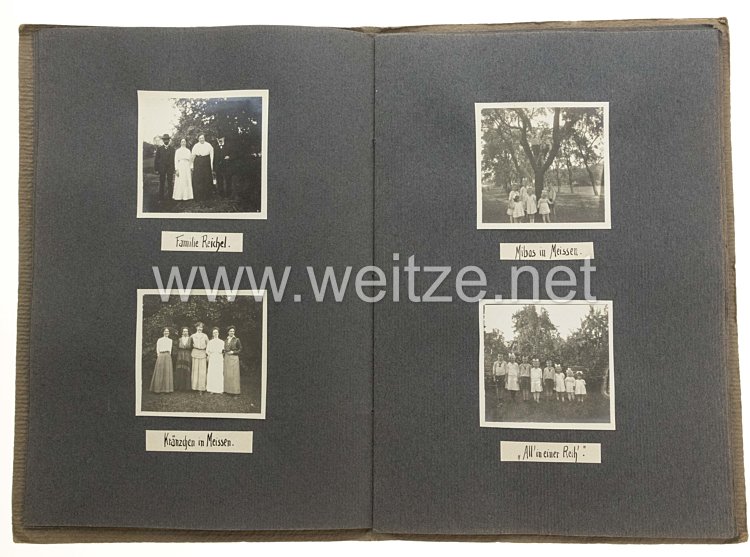
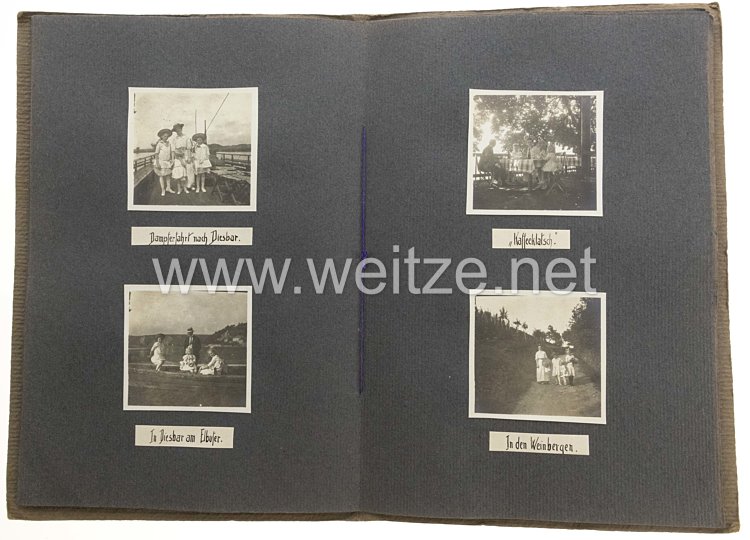
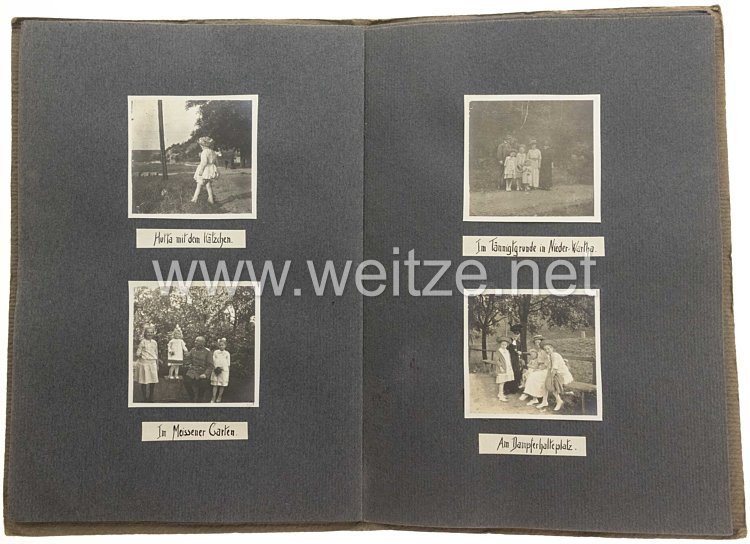
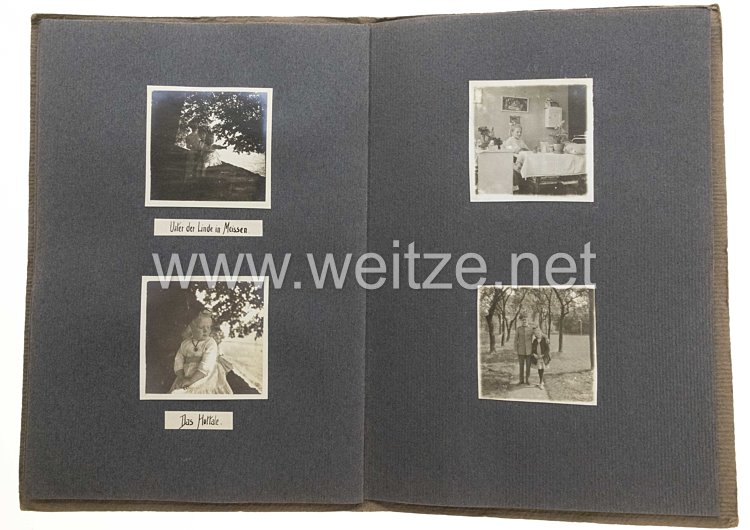
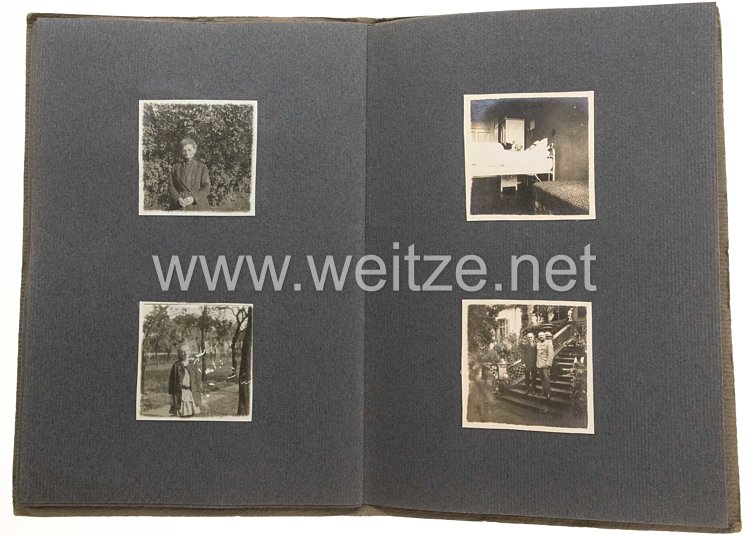
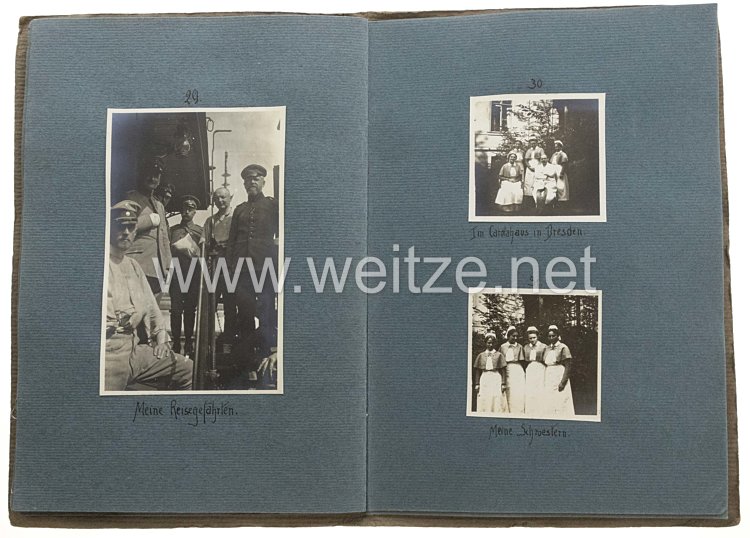
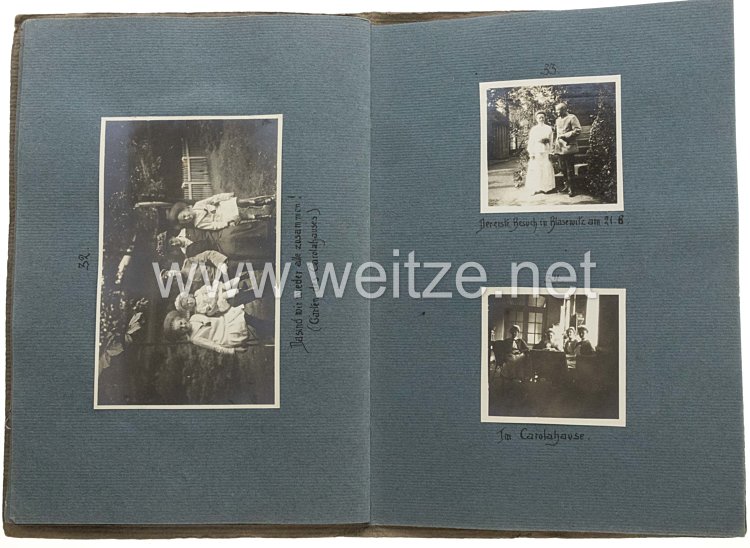
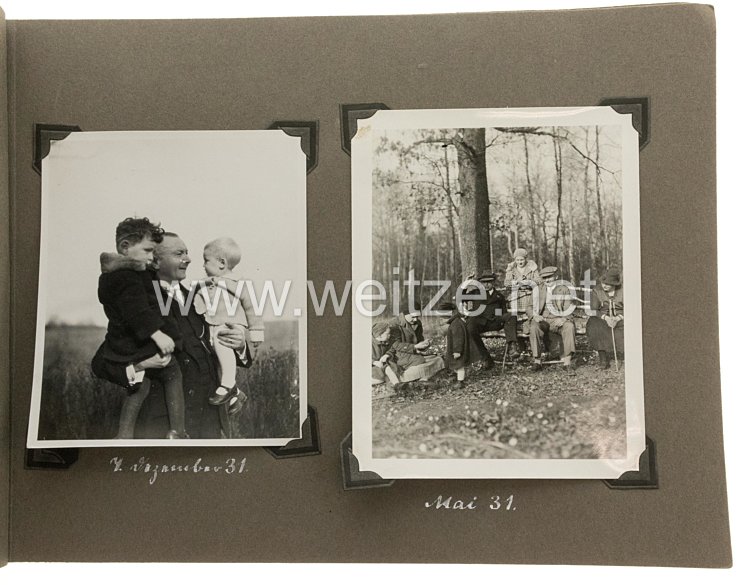
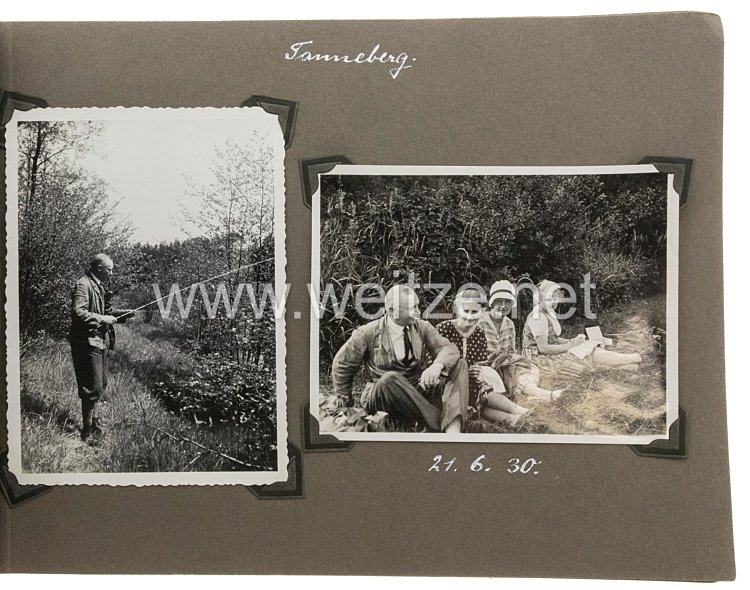
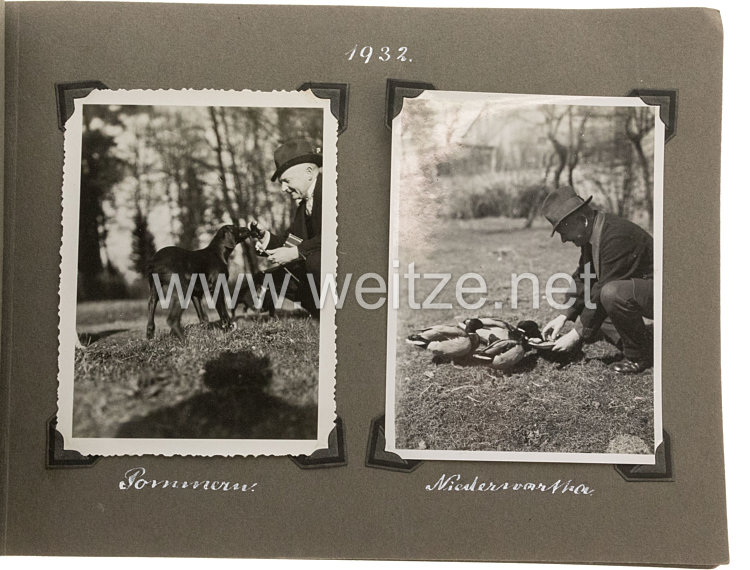
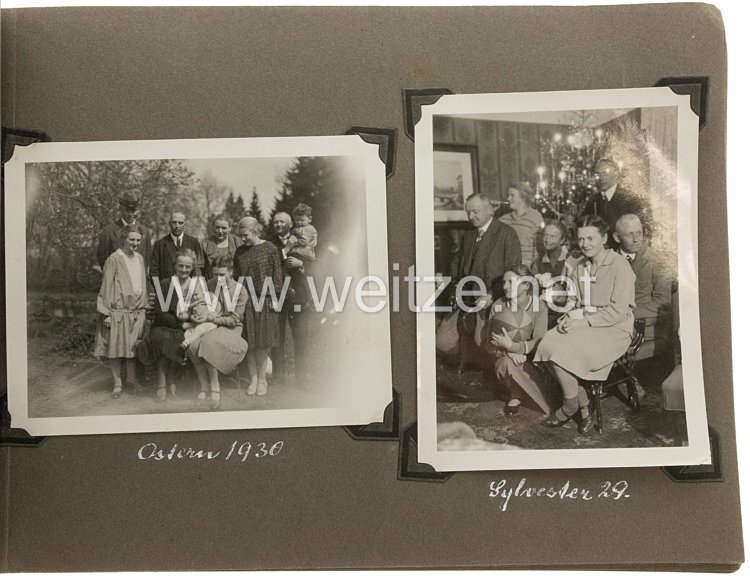
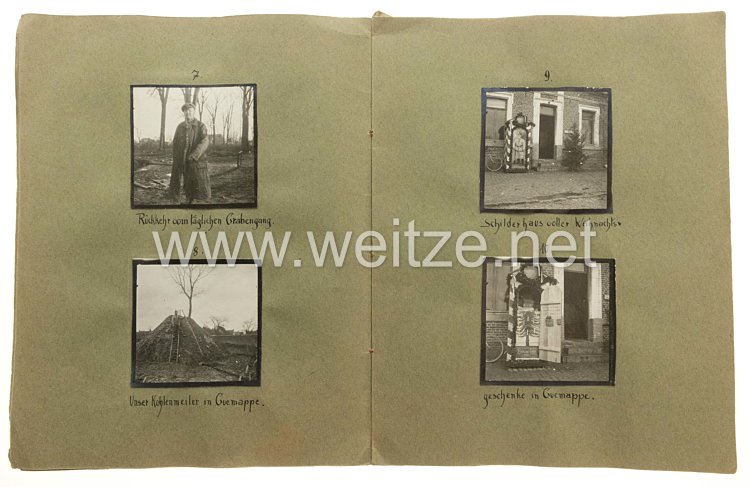
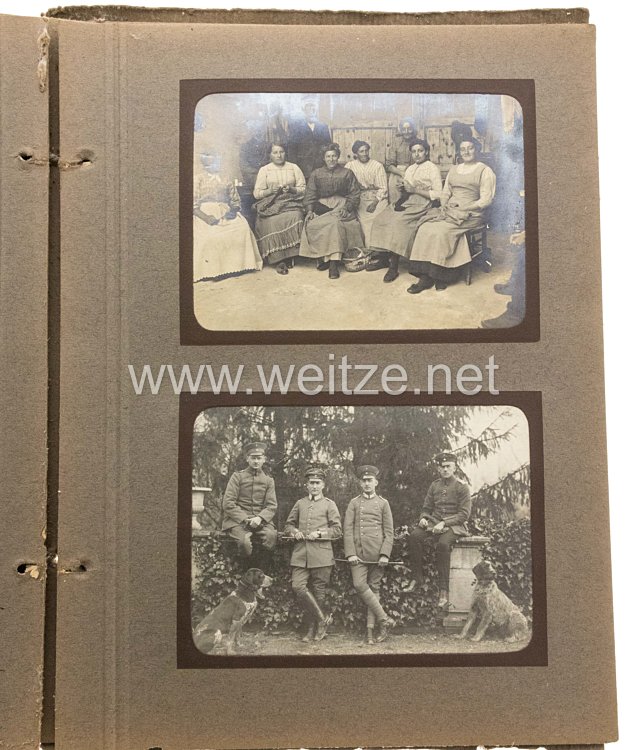
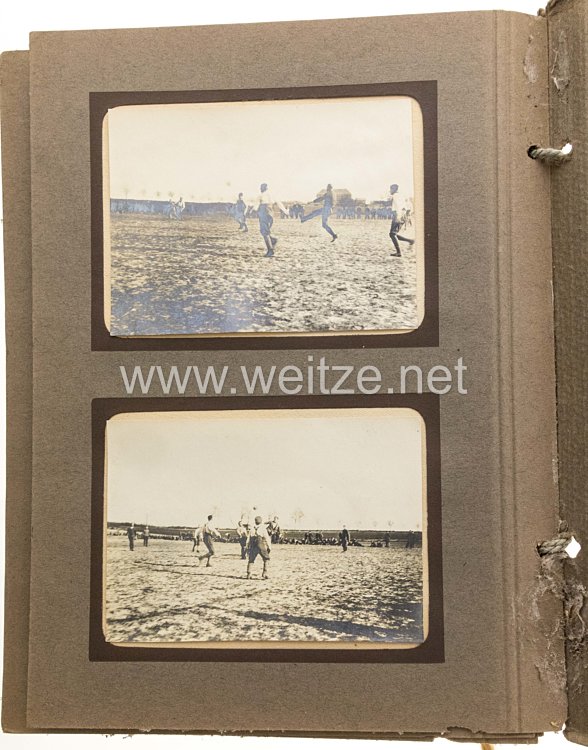
The human dimension of the war becomes visible through photographs of funerals, hospitals in Dresden, family gatherings during home leave, and Christmas celebrations. These images show that even in total war, moments of normality and humanity were preserved.
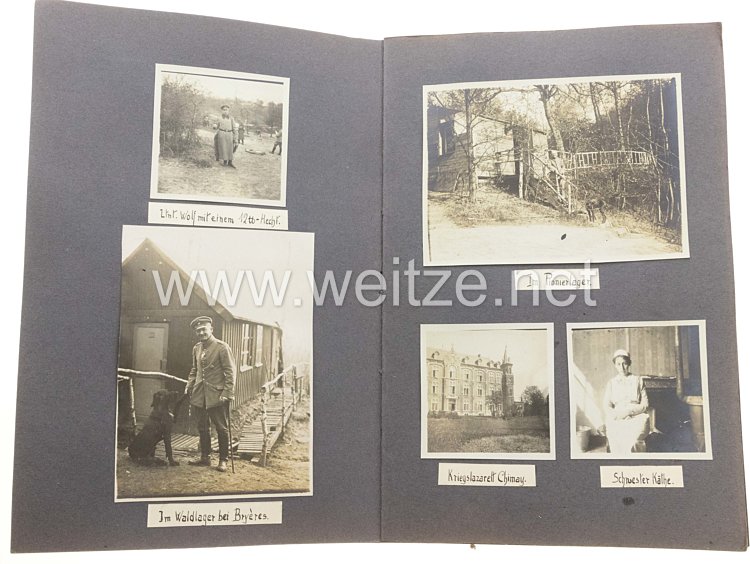
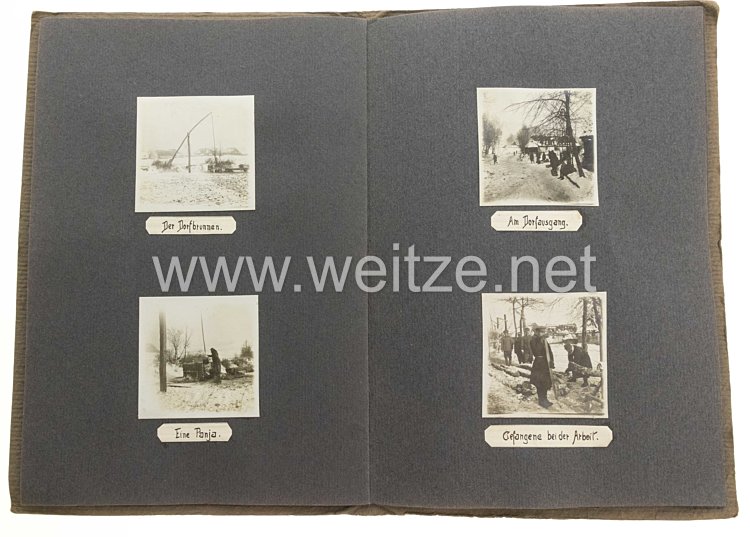
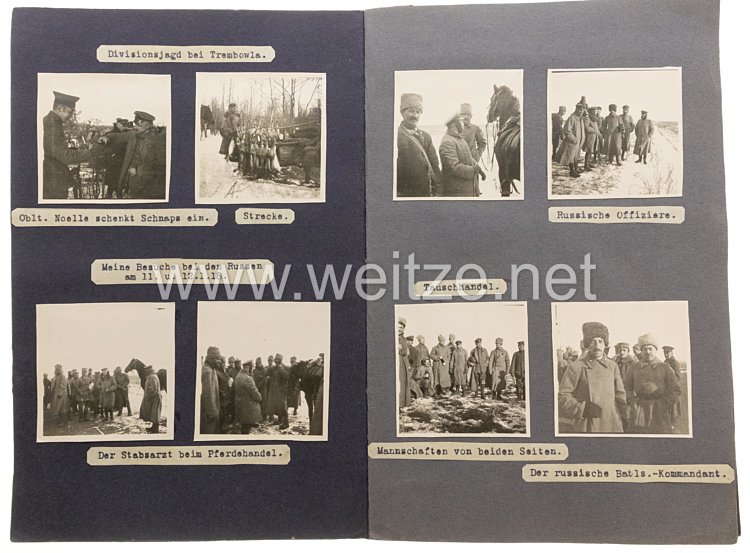
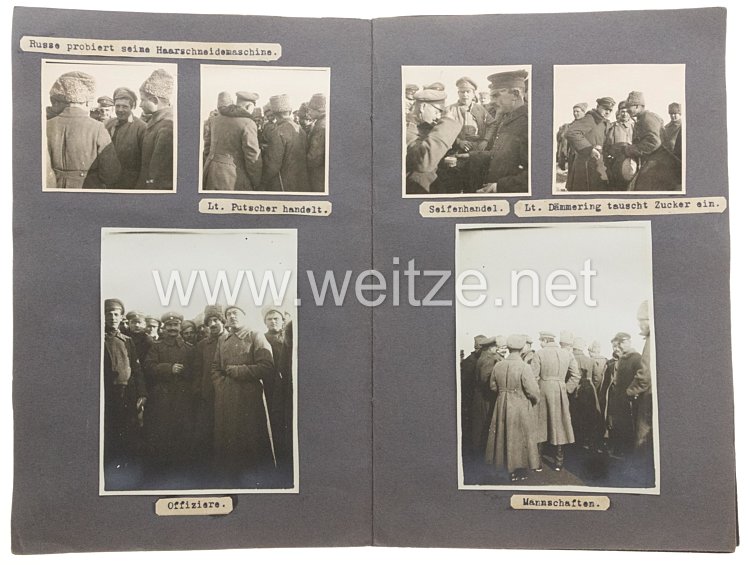
Particularly remarkable is the documentation of the “visit to the Russians” in November/December 1918, after the Armistice of Brest-Litovsk and the collapse of the Russian front. The image of the “interrogation of a deserter” and of Russian prisoners of war at work document the complexity of the front lines and the phenomenon of desertion, which increased particularly after the Russian Revolution of 1917.
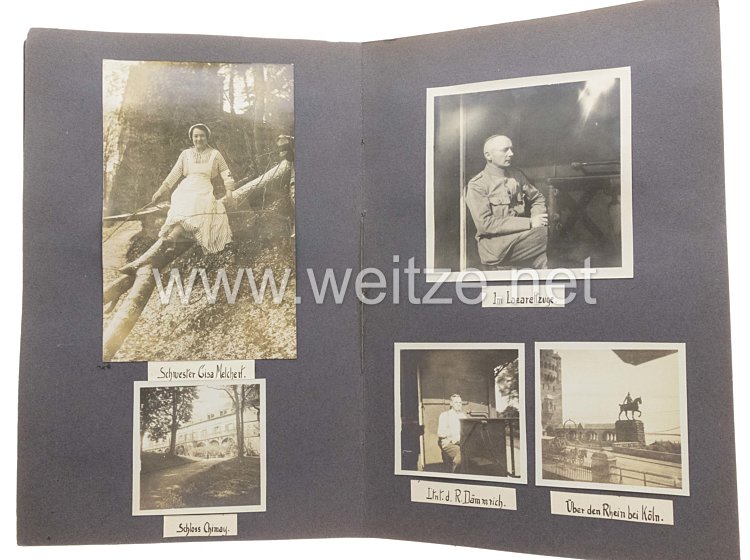
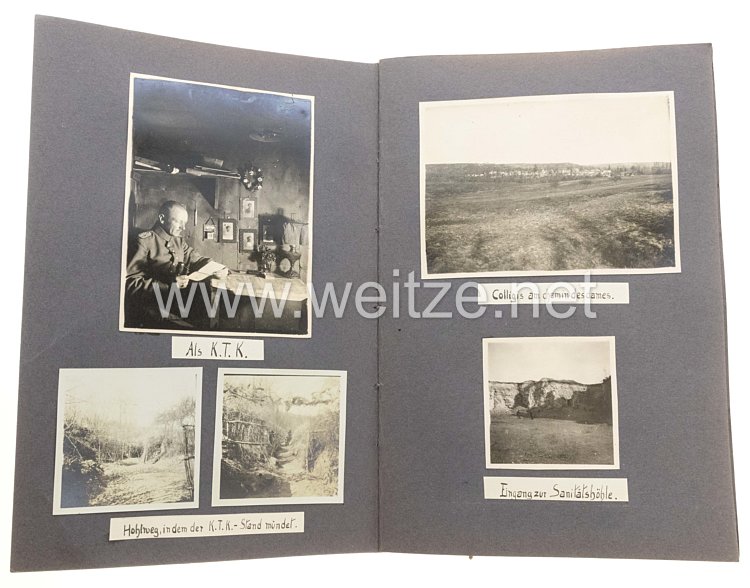
The mention of the Chemin des Dames refers to von Campe's return to the Western Front, where some of the bloodiest battles of the war took place in 1917/1918. The documented medical caves and medical facilities show attempts to treat wounded soldiers under extreme conditions.
These photo albums are not merely personal mementos but important historical sources. They document the reality of industrialized warfare from the perspective of a German officer and show the geographical extent of combat operations from Belgium and northern France deep into the Russian Empire. For military history research, such collections offer invaluable visual evidence of tactics, equipment, daily life, and the psychological aspects of warfare.