Kriegsmarine Photo Group, German Cross in Gold Recipient Wilhelm Kruse on Submarine U-48, 6th War Patrol May 26 - June 29, 1940
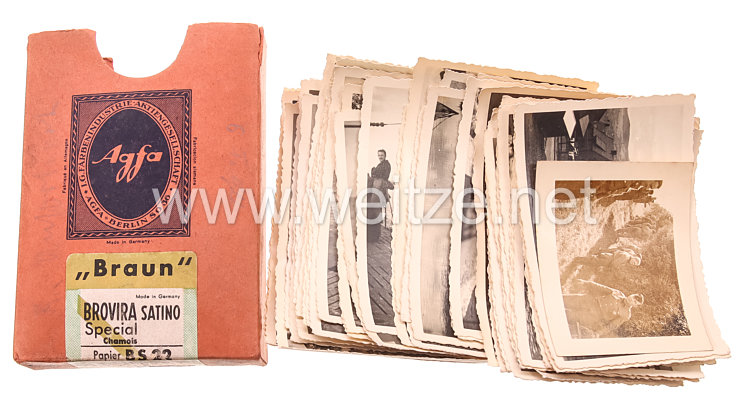
This photo collection documents a significant moment in the history of the German U-boat service during World War II. The photographs show Wilhelm Kruse, a recipient of the German Cross in Gold, during and after the 6th war patrol of U-boat U-48 from May 26 to June 29, 1940.
U-48 was one of the most successful submarines of the entire Kriegsmarine and the most successful German U-boat of World War II measured by tonnage sunk. As a Type VII B boat, it was commissioned on April 22, 1939, and operated primarily in the North Atlantic against Allied merchant shipping. Under various commanders, including Herbert Schultze and Hans-Rudolf Rösing, U-48 sank over 50 ships during its service life with a total tonnage exceeding 300,000 GRT.
The 6th war patrol in early summer 1940 fell during a phase that U-boat crews called the “happy time” or “First Happy Time.” After the fall of France in June 1940, the Kriegsmarine gained access to French Atlantic ports, which significantly expanded the operational capabilities of the U-boats. The city of Trondheim in Norway, mentioned in the photos, served as an important base for German U-boats after the occupation of Norway in April 1940.
The German Cross in Gold worn by Wilhelm Kruse was instituted on September 28, 1941, by Adolf Hitler and ranked in the hierarchy of decorations between the Iron Cross First Class and the Knight's Cross. It was awarded for repeated acts of bravery in combat or outstanding leadership achievements. The decoration consisted of a golden swastika surrounded by a sunburst and was worn on the right breast of the uniform.
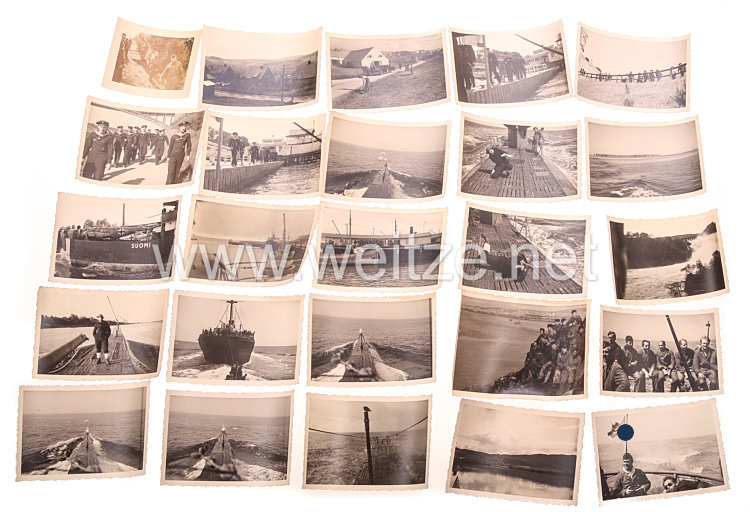
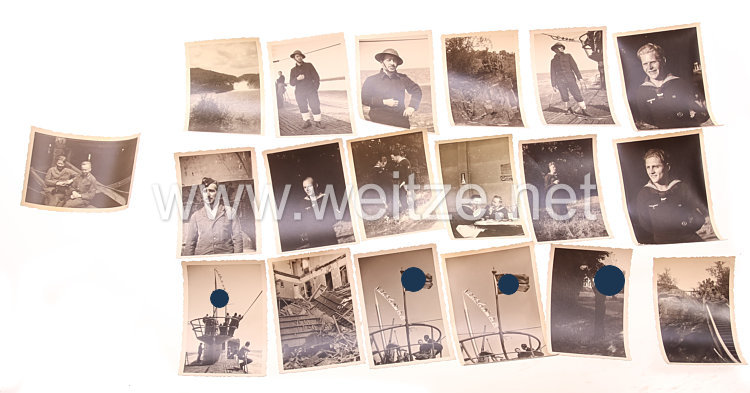
The photo collection shows various aspects of U-boat life: images at sea document the harsh conditions under which crews operated. Photos on deck show the cramped circumstances on the small conning tower of a Type VII boat. Particularly interesting are the images of aircraft loading, probably damaged or captured aircraft being transported as booty, as well as the victory pennants hoisted on the periscope or conning tower symbolizing sunk enemy ships.
The approximately 43 photographs represent a valuable contemporary historical document. During the war, photography aboard U-boats was officially regulated, but many crew members carried private cameras. These personal photographs today offer invaluable insight into the daily life of submariners, their camaraderie, and the reality of naval warfare.
The period from May to June 1940 was characterized by intense combat operations in the Atlantic. German U-boats operated against British supply convoys that were vital for Britain's survival. The Battle of the Atlantic, which extended throughout the entire war, was one of the longest and most decisive campaigns of World War II.
U-boat crews were among the most endangered units of the Wehrmacht. Of approximately 40,000 German submariners, about 30,000 did not return – a loss rate of 75 percent. Conditions aboard were extreme: months-long patrols in cramped, damp, and often foul-smelling spaces, constant danger from depth charges and enemy destroyers, as well as the psychological burden of combat operations.
Such photo collections are today important sources for historians and museums. They document not only military operations but also human aspects: the faces of young men, their uniforms, their equipment, and moments of relaxation between combat engagements. As historical artifacts, they offer authentic visual testimony of a dramatic period in naval warfare history.
The documentation of life aboard U-48 during this particular patrol provides researchers with concrete evidence of daily routines, operational procedures, and the celebration of successful missions. The presence of victory pennants indicates successful engagements, while images from Trondheim show the logistical and support infrastructure that sustained U-boat operations in Norwegian waters. These photographs collectively form an irreplaceable primary source for understanding the human dimension of submarine warfare in the early years of World War II.